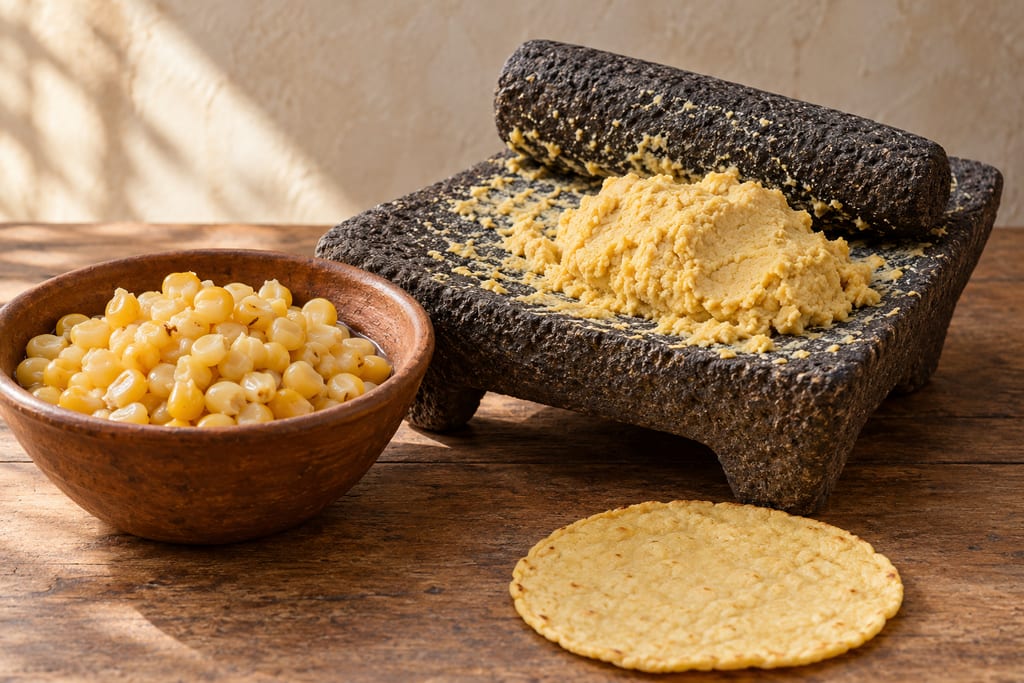
Nixtamal and masa
Whole maize cooked and steeped overnight in lime water, washed of its skins and excess lime, then ground into the moist dough used for tortillas.
 FermenteaWhere food goes to change
Traditional method
Tortillas de maíz · tortilla de maíz · corn tortilla · maize tortilla
Fresh nixtamalized maize is ground into masa, pressed into thin rounds and cooked on a comal. This Mexican home formula uses food-grade cal viva and makes about 20 tortillas.
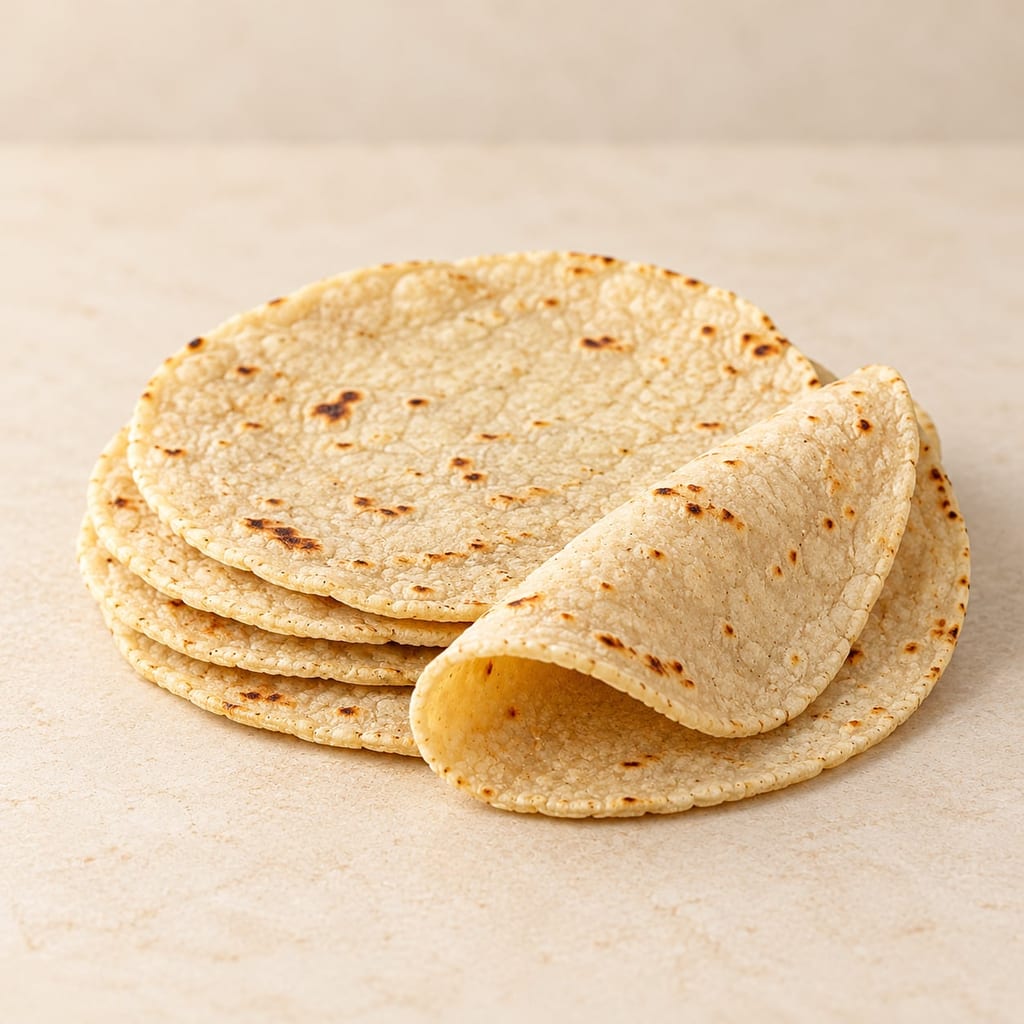
Maize tortillas begin with masa, a dough made from maize treated through nixtamalization. This entry follows Fundación Tortilla’s 2020 home formula: one kilogram of maize, ten grams of food-grade cal viva and three litres of water for the nixtamal stage, followed by grinding and pressing. The batch yields about twenty tortillas. It is a basic home method, not an exclusive formula; maize and household practice vary by region and tradition.
Nixtamalization is an alkaline grain treatment. It is not fermentation, and the masa does not need a live starter or a leavening agent. This recipe therefore describes an unleavened bread. The Mexican standard cited below recognizes both food-grade calcium oxide and calcium hydroxide for nixtamalization. Fundación Tortilla’s ingredient list specifically says cal viva, commonly translated as quicklime, so this version preserves that source wording rather than substituting the Smithsonian handout’s separately measured calcium hydroxide batch.
The Smithsonian National Museum of American History handout is useful corroboration for a separate nixtamal process, but it gives a different 500-gram maize and 5-gram calcium hydroxide formula and ends at masa. It does not describe pressing or comal cooking. Those missing stages are supplied here from Fundación Tortilla’s independent complete home batch; the ingredient quantities and process steps are not combined.
The article places tortillas within Mexican cooking and names variation among homes and regions. That supports a country-level documented-preparation association, not a precise birthplace. It also provides no dated first attestation. The recipe is a contemporary record of a traditional preparation, but its 2020 publication date is not the age of the food.
Sort the dried maize and remove stones or debris. Rinse it well and drain. The formula uses one kilogram of maize kernels. It does not identify a maize variety, kernel moisture, or size; those differences can affect the time needed to loosen the skins.
Warm the three litres of water in a large pot. In a separate cup of cold water, slowly dissolve ten grams of food-grade cal viva, then mix this lime water into the warm pot. The mixture releases heat while the lime dissolves. Avoid breathing dust, avoid splashes, protect eyes and skin, and check the product label. Calcium oxide reacts with water; the Mexican standard also permits food-grade calcium hydroxide, but this formula names cal viva. Do not substitute construction or masonry lime.
Add the grain when the lime water reaches a boil, then keep the maize hot without allowing it to boil. Boiling the kernels can produce sticky masa. Adjust the flame or add cold water to manage the heat. No numerical temperature is given.
Cook for 25 to 40 minutes, depending on the maize. Rub a few kernels to check whether their skins loosen readily. The centre remains somewhat firm because the grain continues to soften while resting. This is a cooking cue, not a food-safety test.
Remove the pot from the heat and cover it while the maize rests in its cooking liquid for six to eight hours at room temperature. This recipe gives no microbial safety validation or measured pH endpoint for the rest. It does not claim shelf stability.
After the rest, rinse the cooked maize with clean water to remove nejayote, the lime-containing cooking liquid. Retain the loosened maize skins for fibre and texture. Drain the grain before grinding.
Grind the nixtamal in a hand mill or on a metate. Add the listed cup of water gradually to moisten the grain and develop a firm but hydrated masa. Grind again as needed until no large grain pieces remain, then knead briefly to make the dough even. Too much water makes masa too wet to press well. The formula gives no fixed total water quantity beyond the cup and small additions as needed.
This method omits salt to keep the masa neutral. Salt is therefore absent from this batch, rather than treated as a missing amount. Other formulas may season the dough, but they are separate preparations.
Keep the masa covered while you work. Prepare a clean cloth-lined tortilla basket, and line both sides of the press with thin plastic so the dough releases. Heat a comal over medium flame; no surface temperature is given. Pinch off a portion of masa and roll it into a ball, called a testal in the Spanish instructions. Place it between the plastic and press it to the desired thickness.
Open the press and lift the plastic with the tortilla. Support the dough on one hand while peeling away the other sheet. Set it on the hot comal. Turn it when the edge changes colour, cook the other side until the tortilla releases easily, then turn it a third time and press lightly with the fingers to encourage it to puff. No tortilla weight, diameter, cooking time or numeric griddle endpoint is given.
The batch yields about twenty pieces. It gives no scaling method or standard size. Keep to this batch when reproducing it; changing the maize, grinding moisture, tortilla thickness and comal heat would create an adaptation without a tested result for this formula.
Place the cooked tortillas in the lined basket to keep them warm and serve them hot. If not serving immediately, cool them spread out and refrigerate them in a plastic bag to limit drying. No storage duration is stated.
Only use lime clearly sold as food-grade and intended for nixtamalization. The recipe calls its material cal viva; official Mexican requirements distinguish food-grade calcium oxide from food-grade calcium hydroxide. Do not infer the material’s chemical form from the word “lime” on an unrelated building or garden product.
Cal viva (quicklime) reacts with water and releases heat. International safety guidance warns that airborne dust can be harmful and that the material can damage eyes, skin and the respiratory tract. Add the measured product slowly to water, avoid breathing dust and prevent splashes or contact with skin and eyes. Follow the product label. The Mexican standard distinguishes food-grade calcium oxide from calcium hydroxide, so do not assume that the formula's cal viva is the same material as the Smithsonian recipe's calcium hydroxide.
Use care with the pot, hot lime liquor and comal. Keep raw ingredients and lime liquor separate from ready-to-eat foods until the prescribed cooking and rinsing stages are complete. The six-to-eight-hour room-temperature rest and refrigeration instruction are stated by the recipe, but no validated safety limit or finished-tortilla shelf life is provided. The comal instruction is qualitative, with no numeric cooking temperature.
The kernel-skin and tortilla-release cues describe texture and handling. They do not prove that a process is microbiologically safe. Nixtamalization changes the grain and prepares masa; it does not make the finished product shelf stable. Serve fresh or follow a separately validated storage procedure.
Fundación Tortilla describes maize tortillas as central to Mexican cooking and says there is no exclusive formula because maize and methods vary among households and regions. The 2020 home recipe documents one batch and one workflow. These sources do not date the first tortilla or identify a single place of origin. The Smithsonian’s separate handout documents nixtamal and masa preparation but stops before tortilla pressing and griddle cooking, so its batch is not merged here.
Yield 20 tortillas · Scaling: source batch only
The source calls for cal viva, which the Mexican standard identifies as calcium oxide as one permitted lime form. Calcium oxide reacts with water, releases heat and can damage eyes, skin and the respiratory tract.
Hazard sourceThe recipe handles hot water and a heated cooking surface; burns are possible during simmering, draining and tortilla cooking.
Hazard sourceUse only lime sold for food processing and labelled for nixtamalization. Slowly add the measured lime to water, avoid breathing airborne dust, and prevent eye and skin contact; the recipe source notes heat release during mixing.
Control sourceUse care around the hot pot and comal, and keep the lime liquor separate from food after the nixtamal rest; rinse the grain as directed.
Control sourceThe Spanish source specifies food-grade cal viva (quicklime); do not silently replace it with construction lime or assume it is the same purchased material as calcium hydroxide. The Mexican standard permits food-grade calcium oxide or calcium hydroxide, but this particular formula names cal viva.
The source directs a 6–8-hour covered rest at room temperature and later refrigeration of cooked tortillas, but gives no validated safety endpoint for the rest and no finished-tortilla storage duration. Do not treat its timings as independently validated limits.
Medium comal heat, kernel-skin release and tortilla puffing are preparation cues in the source, not measured food-safety endpoints.
Fundación Tortilla presents this as a Mexican home method and says recipes vary by household, region and maize; this country association does not identify a birthplace or a single national formula.
Whole maize cooked and steeped overnight in lime water, washed of its skins and excess lime, then ground into the moist dough used for tortillas.
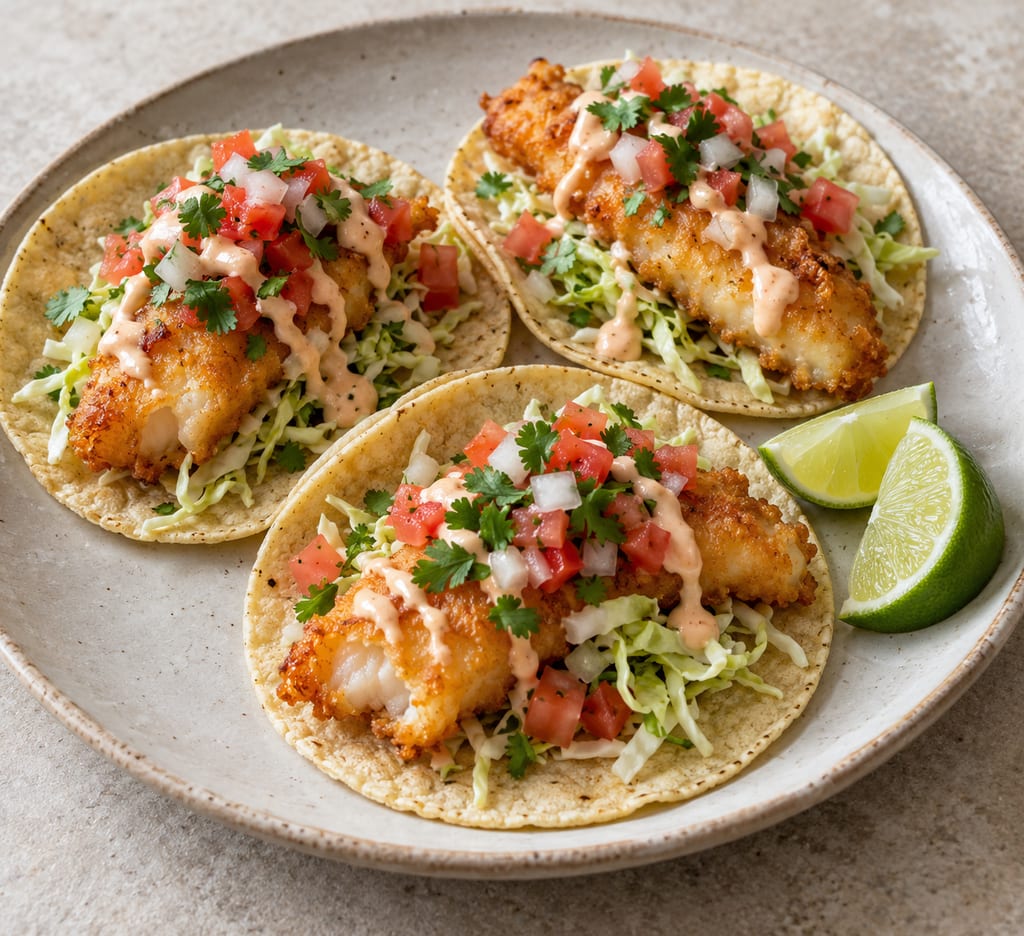
Crisp battered white fish in warm corn tortillas with shredded cabbage, lime and fresh salsa. This home version draws on the Ensenada style without claiming to be a definitive historic formula.
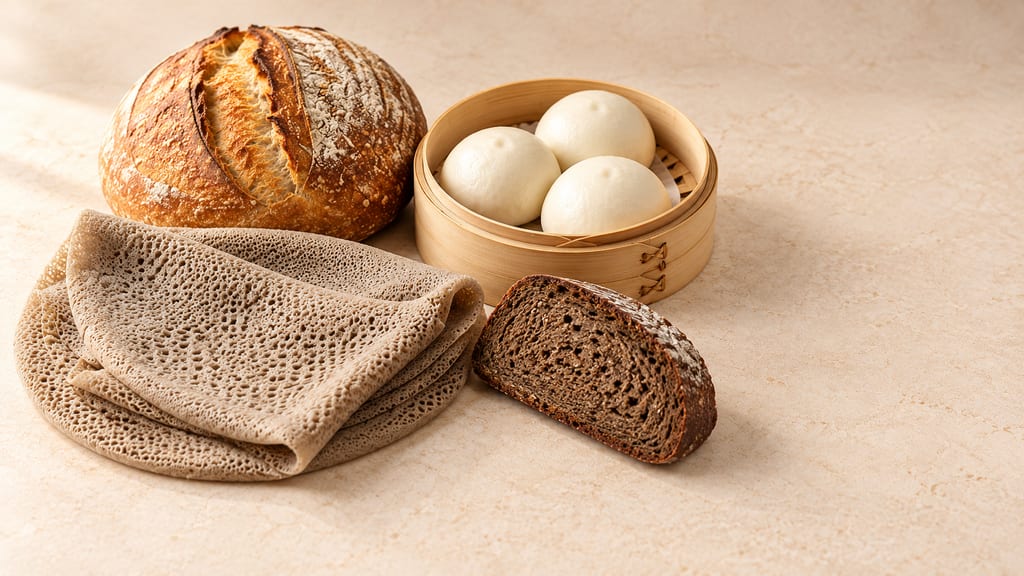
From the baguette and the steamed bun to injera, titiyas, Finnish rye and cassava bread: how grain, microbes and heat answer the question of what bread is for.
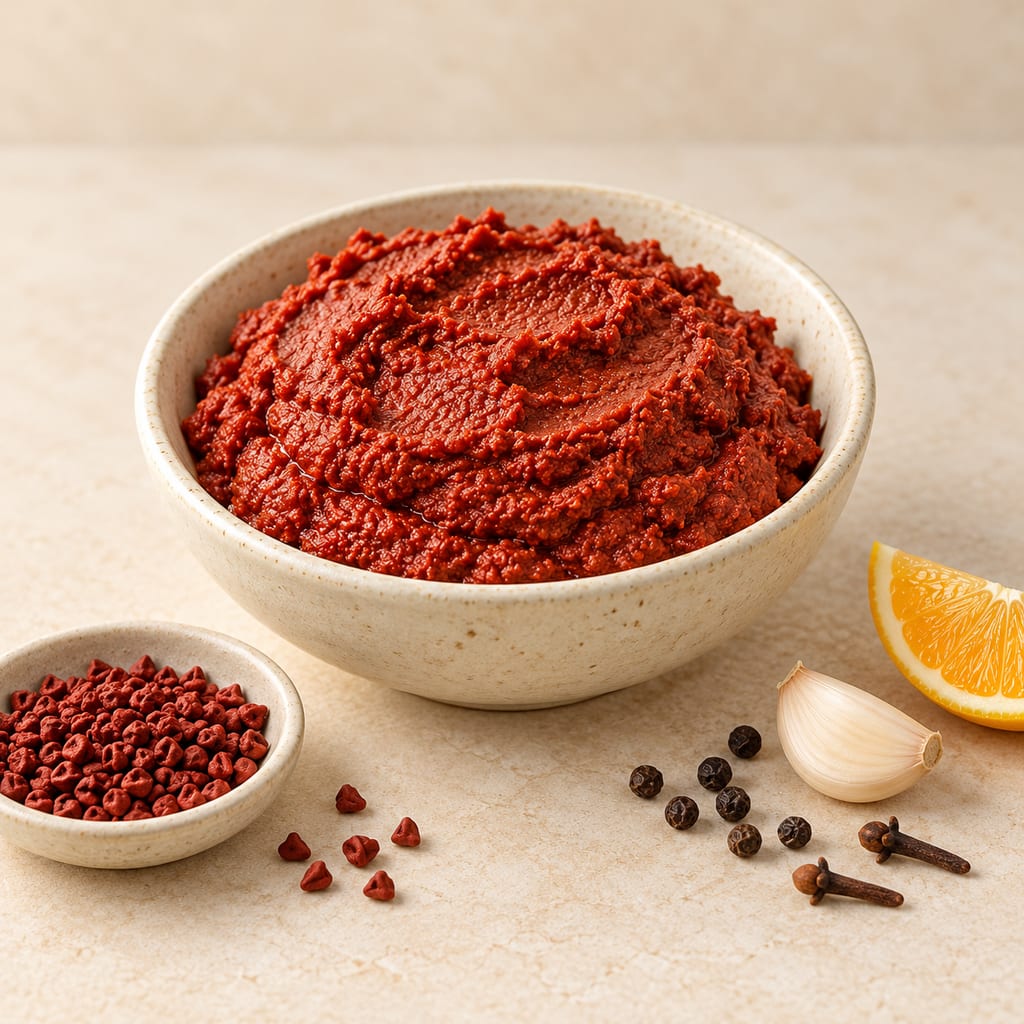
A Yucatecan recado rojo is a brick-red seasoning paste built on annatto seed, garlic and sour orange. This measured home version shows one route into a much wider family of market and household recados.
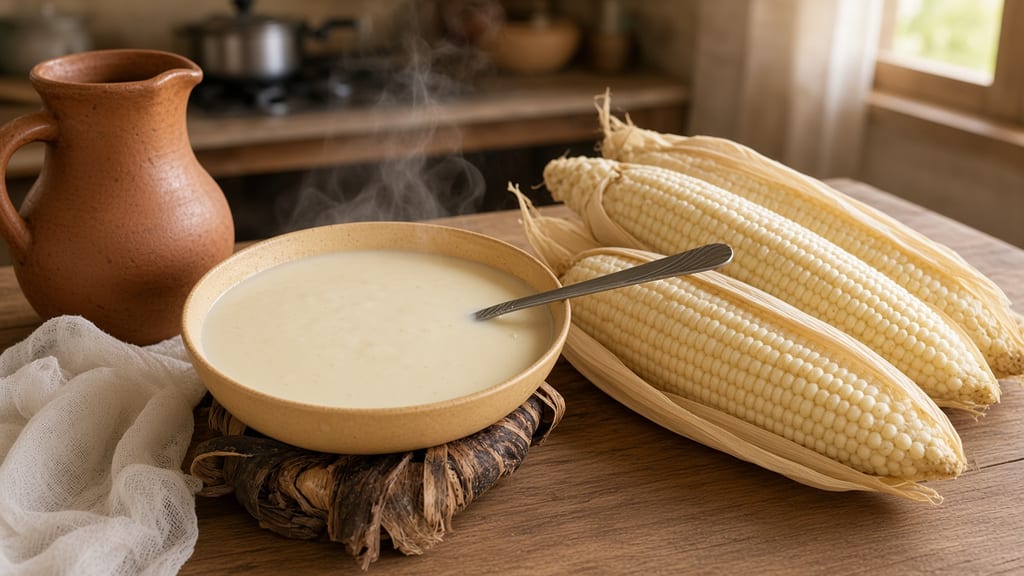
A hot, sour maize drink from Tabasco made from maize that is not lime-cooked. The ground grain sours for half a day, then makers strain it and boil it until thick.
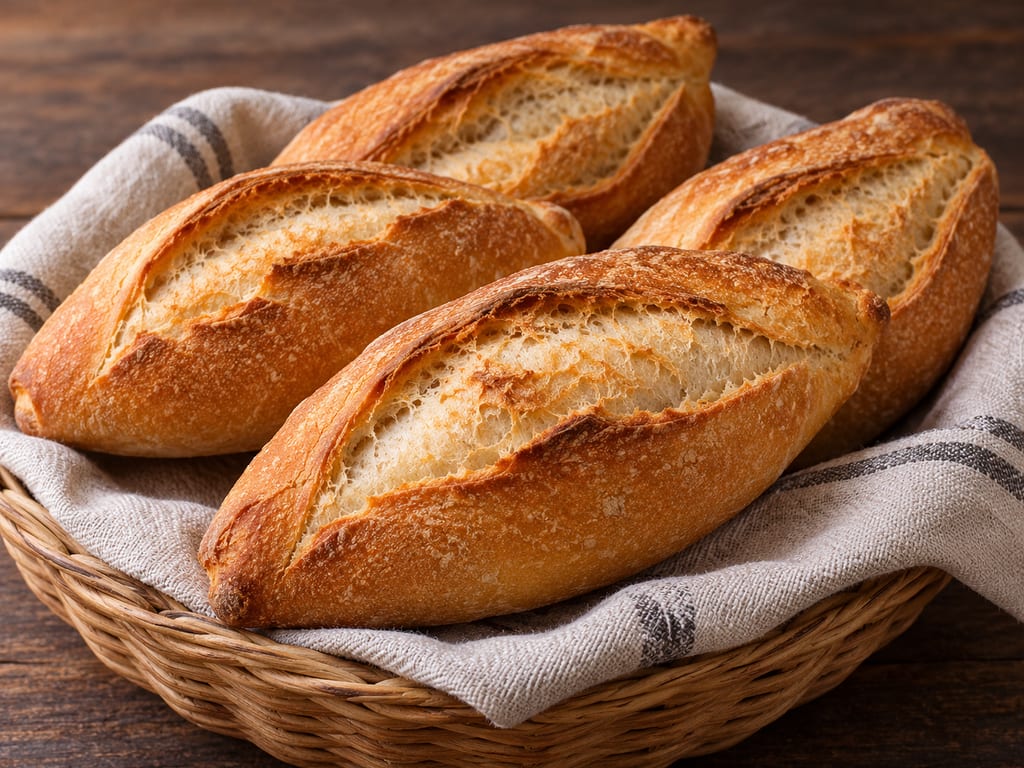
A measured, commercial-yeast home method for Guadalajara-style birote salado, with a six-hour preferment, shaped rolls and a two-temperature steam bake. This formula contains no egg.
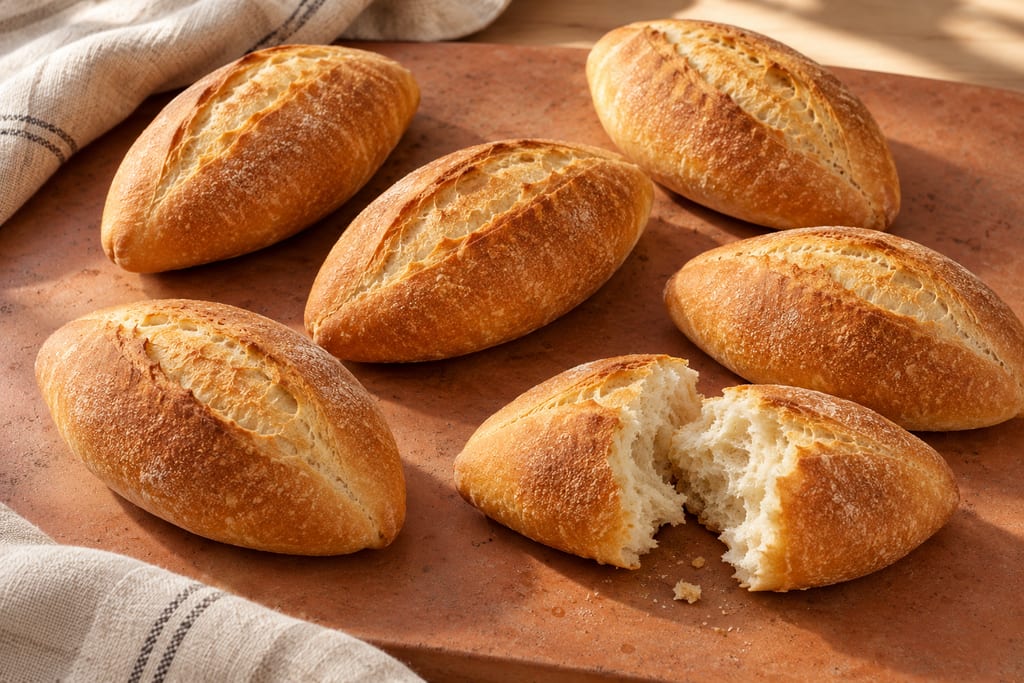
Small, lightly enriched rolls with tapered ends and a scored top; this six-roll formula bakes on a hot stone with steam for a thin, crisp crust.
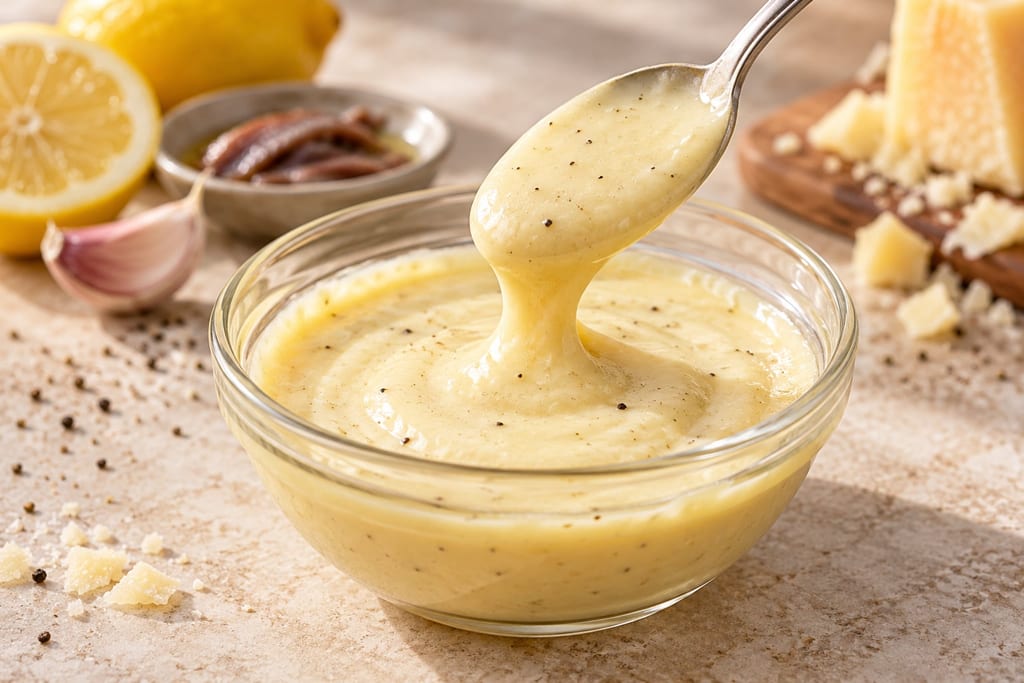
A source-specific Caesar dressing made with pasteurized egg yolks, Parmesan, lemon, anchovy, garlic, mustard and olive oil. This modern Vitamix formulation is distinct from the salad’s disputed 1924 origin accounts.
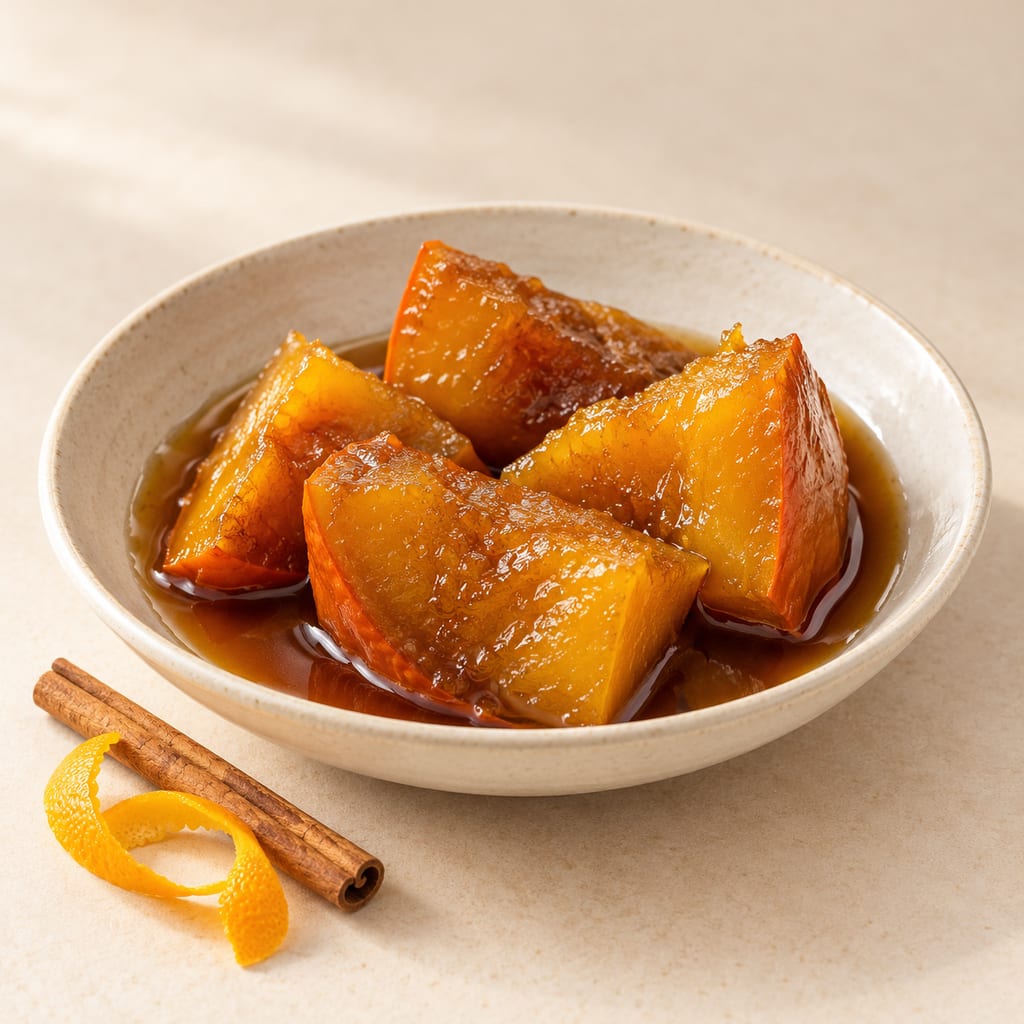
Rind-on pumpkin simmered with piloncillo, orange and cinnamon until glazed. This Mexican sweet keeps refrigerated for up to one week.

Chipotle is a ripe jalapeño pepper smoke-dried in a wood-fired cocedor. Camargo, Chihuahua, documents a large-scale version of the process; its source accounts do not establish a complete home batch or validated safety endpoint.
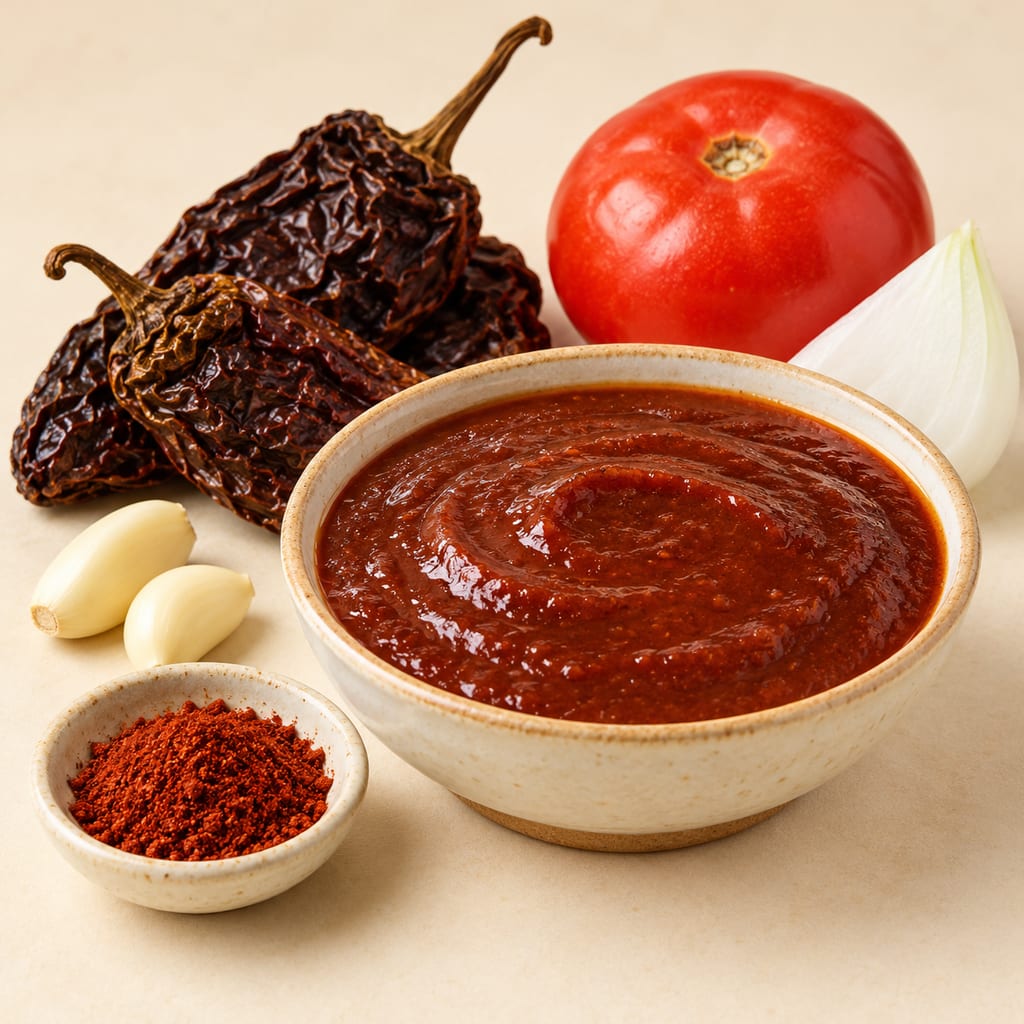
Chipotle adobo is a cooked sauce of smoked chipotle chiles, tomato, onion, garlic, dried chile powder, spices and vinegar, the form in which chipotles are most often sold in the United States.
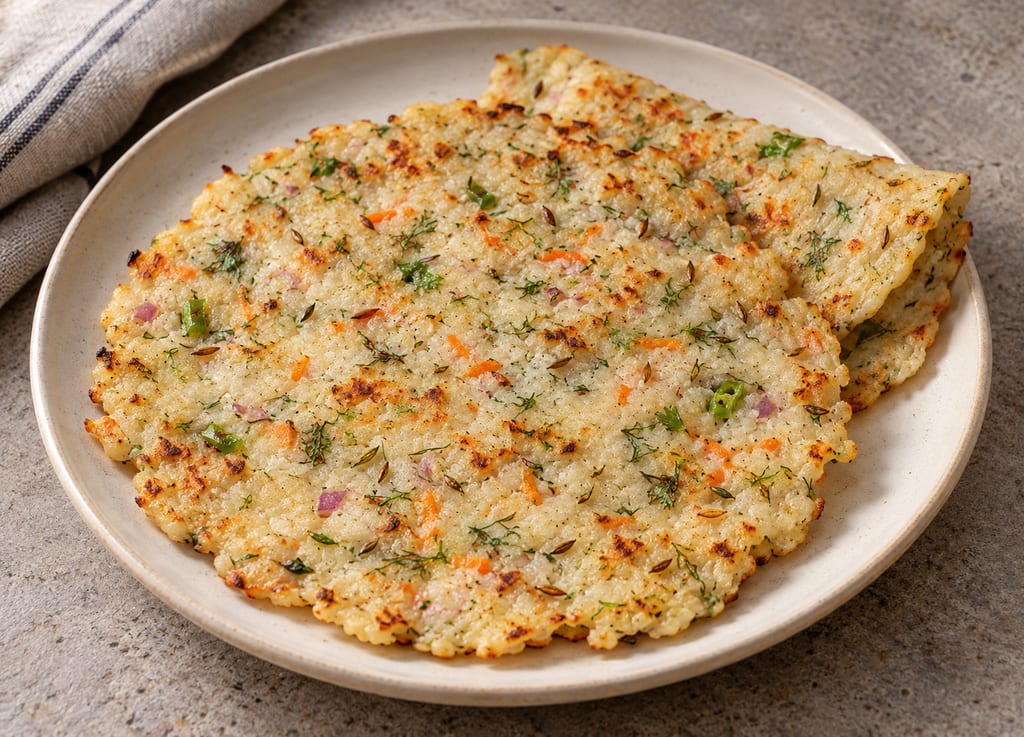
This Karnataka-style akki rotti mixes fine rice flour with vegetables, coconut, herbs and spices, then hand-pats and griddle-cooks the dough.
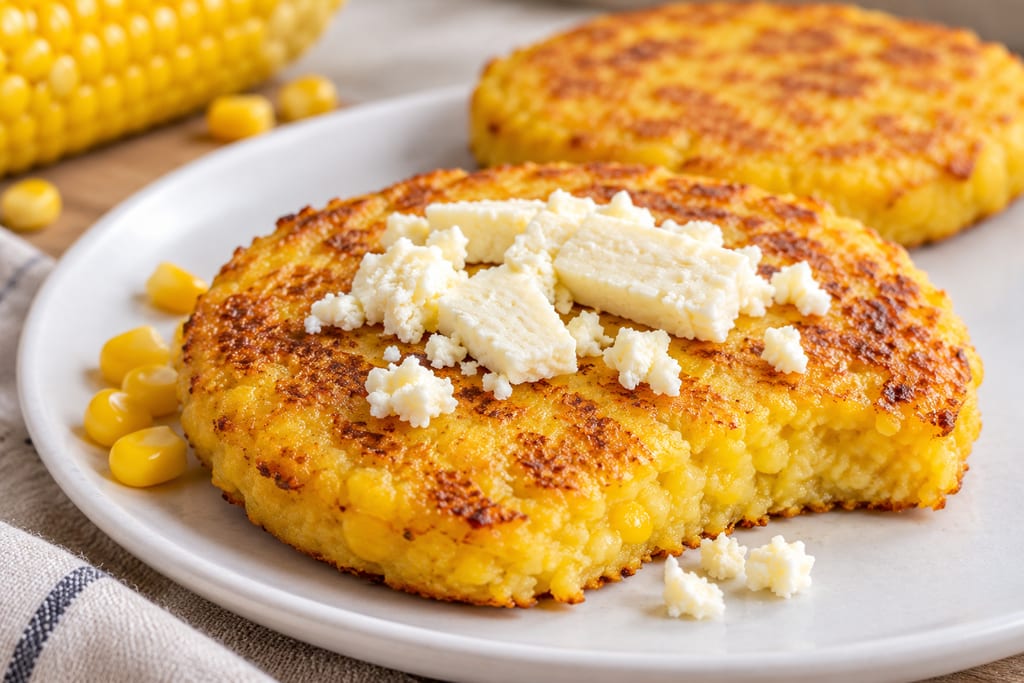
A Colombian Andean griddle cake made from fresh sweet-corn batter, cooked in butter and served with white cheese.
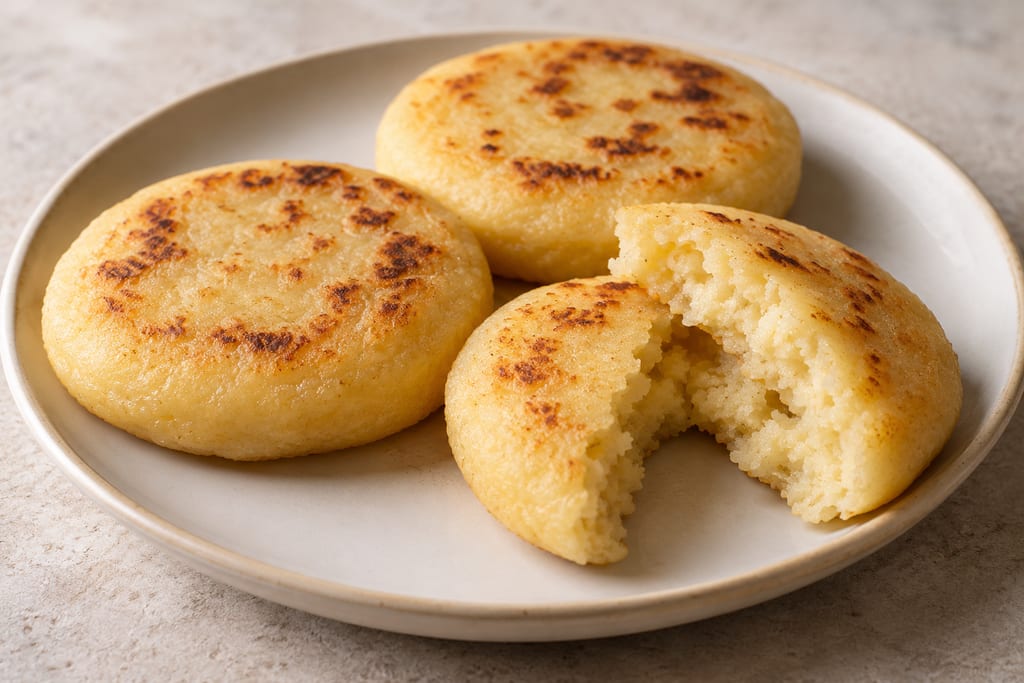
This household version combines precooked corn flour, warm water and salt, then cooks thick rounds on a lightly oiled skillet or griddle. It is one source-specific arepa method, not a universal Colombian or Venezuelan formula.
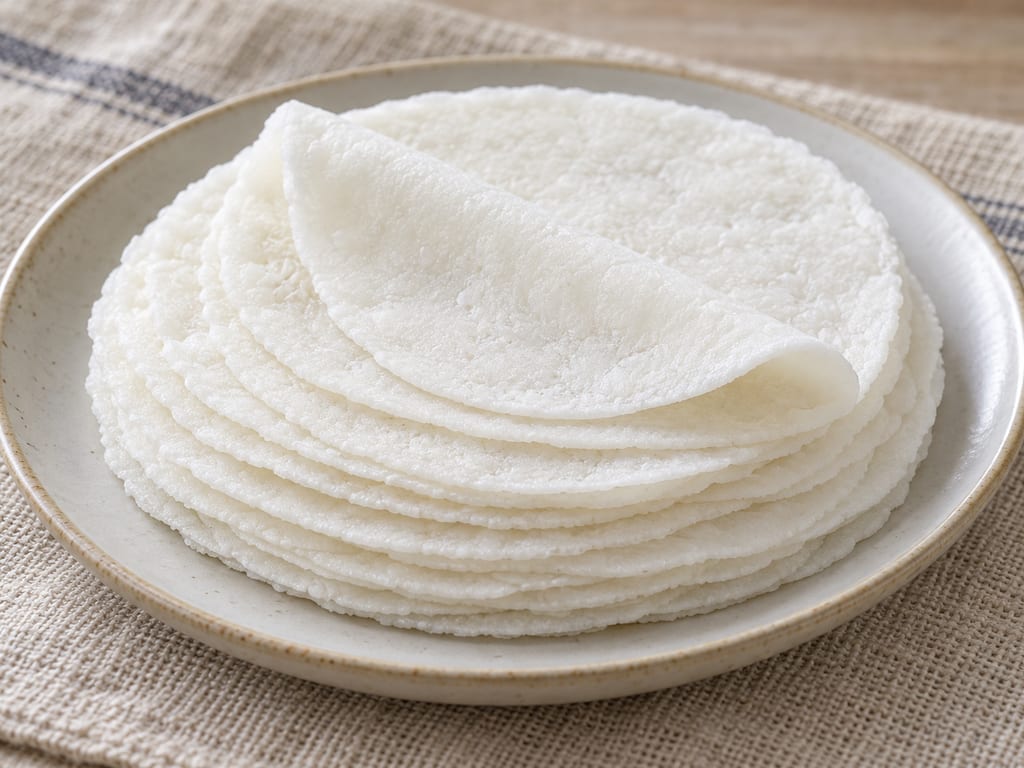
Thin Malabar rice-flour rounds made from roasted rice flour cooked into salted boiling water, kneaded after cooling, and rolled to about 1 mm. They cook on a hot griddle without taking on colour.
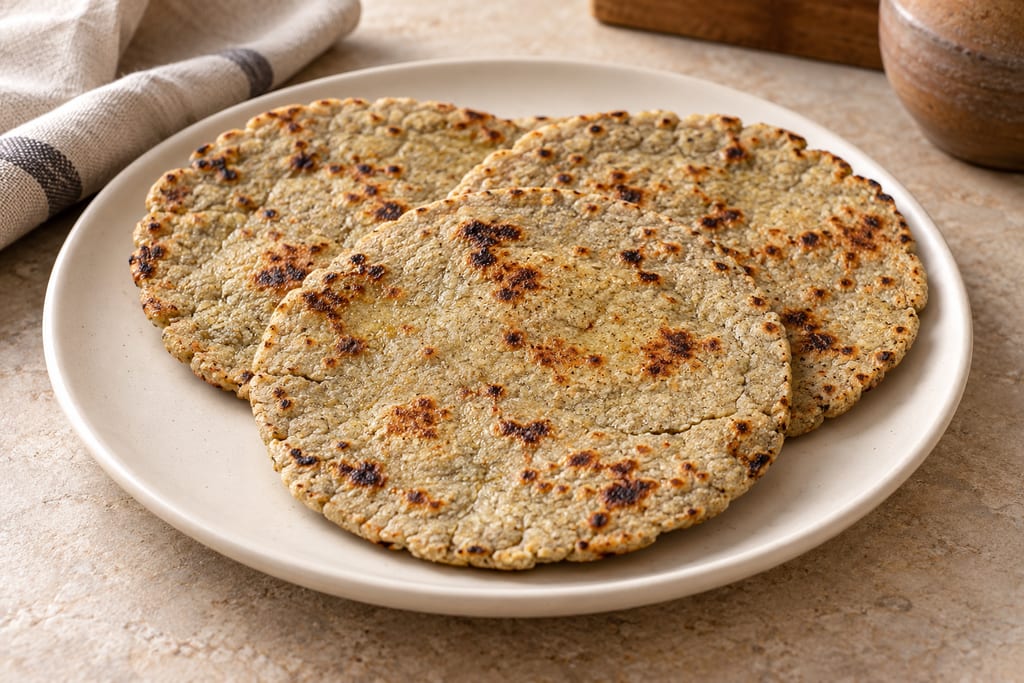
A pearl-millet flatbread shaped between sheets and cooked on a hot tawa. This home batch makes eight.
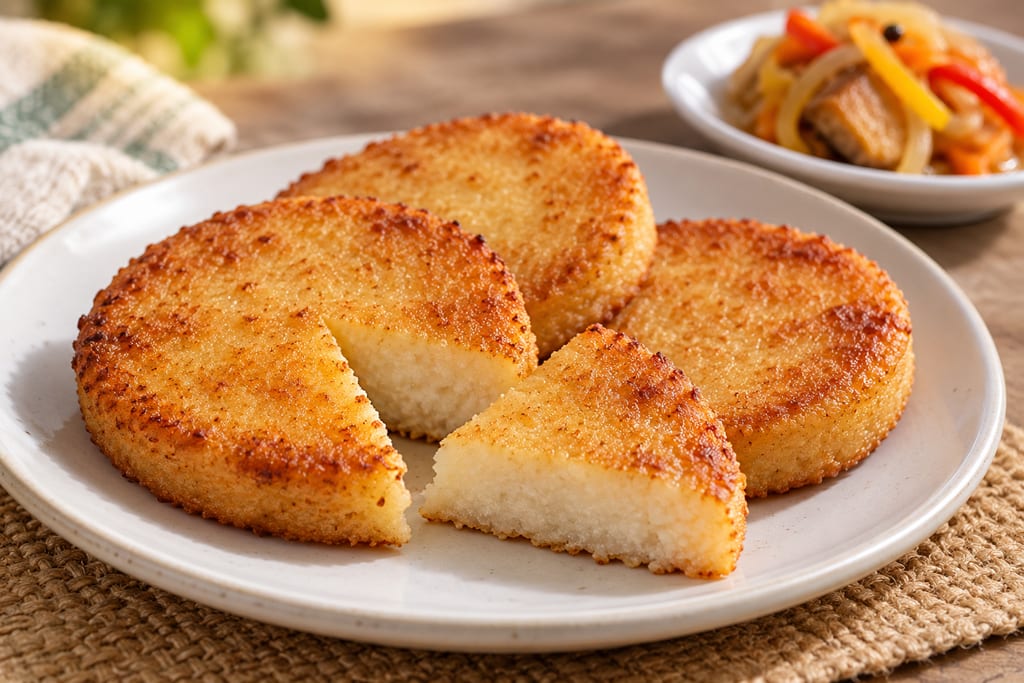
A serving method for approved, prepared bammy rounds: soak them in coconut milk and refry until golden. It does not process raw cassava.
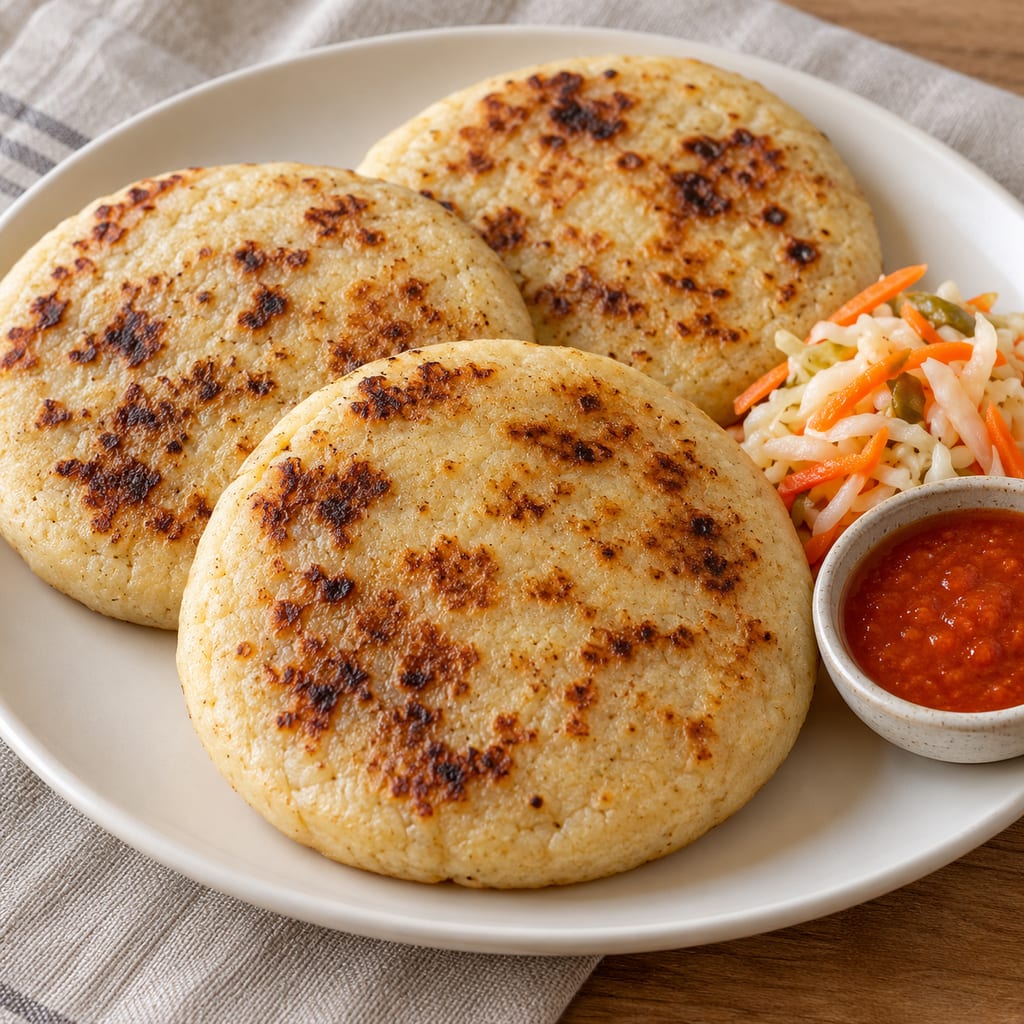
Salvadoran-style masa harina cakes filled with refried beans and cheese, sealed and cooked on an oiled skillet.
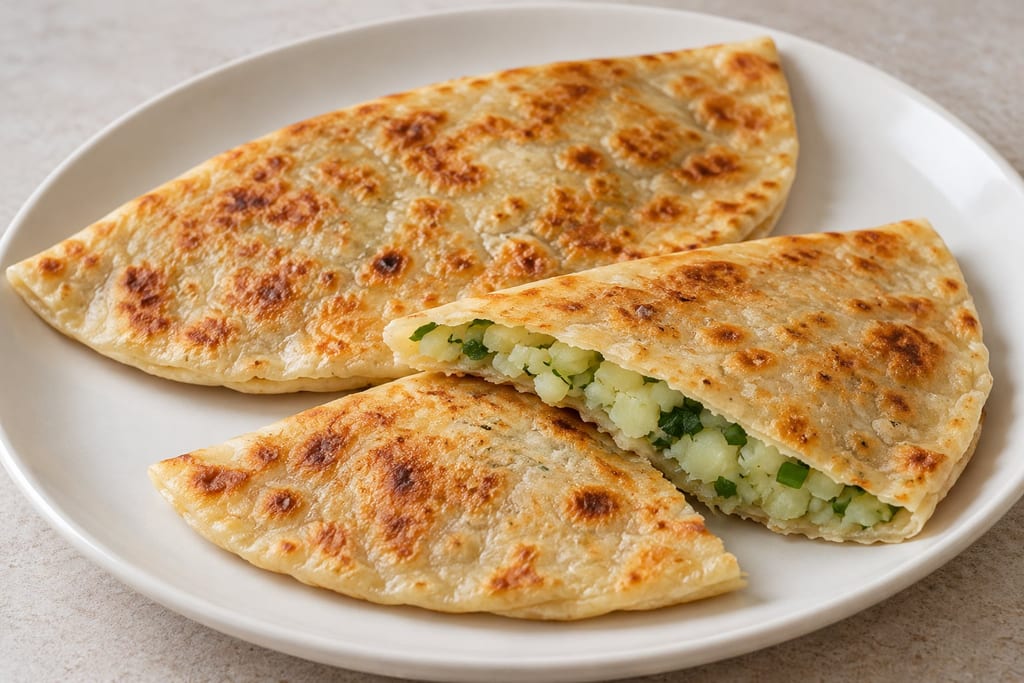
A thin, unleavened Afghan flatbread filled with mashed potato, scallion and cilantro, folded and pan-browned. This version uses a dough made from scratch.
No community contributions have been published for this entry yet.
Sign in to contribute. Published comments and photos are free to read.
Fundación TortillaInspiration · Recipe · Geography
Elabora en casa tortillas de maíz tradicionalesThe 2020 Spanish-language source says tortilla recipes vary by household, region and maize and describes nixtamalization, grinding and tortilla preparation as three stages.
Its home formula gives 1 kg maize, 10 g food-grade cal viva and 3 L water; it gives 6–8 hours of resting, a cup of grinding water and a yield of 20 tortillas.
It directs keeping the nixtamal hot without boiling, grinding to a firm moist masa, pressing and cooking on a medium-heat comal with three turns.
It says to use cal viva in food grade, warns to avoid breathing the dust/vapors and notes heat release while it dissolves; its cooked-tortilla storage advice gives no duration.
Cited in: A source batch with three separate stages; Clean grain and prepare the lime water; Rest, rinse and grind into masa; Press and cook the tortillas; Safety and evidence limits
Smithsonian National Museum of American History, Cooking Up History; Chef Carlos SalgadoProcess context
Nixtamalization and Corn TortillasThe three-page handout gives a separate 500 g maize and 5 g calcium hydroxide nixtamal/masa method.
It ends at masa and does not supply pressing, final comal cooking or finished tortilla storage, so its batch is not combined with the selected complete Fundación Tortilla formula.
Cited in: A source batch with three separate stages
Secretaría de Salud, Gobierno de MéxicoProcess context
NOM-187-SSA1/SCFI-2002: Masa, tortillas, tostadas y harinas preparadas para su elaboración y establecimientos donde se procesanThe standard identifies food-grade calcium hydroxide or calcium oxide as lime forms allowed for nixtamalization and distinguishes their chemical formulas.
This supports retaining the recipe source’s cal viva wording rather than relabelling it as calcium hydroxide.
Cited in: A source batch with three separate stages; Safety and evidence limits
International Labour Organization and World Health OrganizationSafety
ICSC 0409: Calcium oxideCalcium oxide reacts with water and generates heat; airborne particles can be harmful and contact may damage eyes, skin and respiratory tract.
The safety card says to add calcium oxide slowly to water when dissolving or diluting.
Cited in: Clean grain and prepare the lime water; Safety and evidence limits
U.S. Centers for Disease Control and Prevention, National Institute for Occupational Safety and HealthSafety
NIOSH Pocket Guide to Chemical Hazards: Calcium oxideNIOSH lists inhalation, ingestion, skin and eye contact exposure routes and irritation symptoms for calcium oxide.
NIOSH notes calcium oxide reacts with water and releases heat, forming calcium hydroxide.
Cited in: Clean grain and prepare the lime water; Safety and evidence limits