Storage for this version: Cool in small portions and refrigerate within one to two hours at 5°C or below (aim for 4°C). Use the fresh chilled portion within 48 hours; freeze the winter portions promptly at about −18°C in freezer-rated containers with expansion space. Thaw in the refrigerator and use within 24 hours of complete defrosting. This is the collection's conservative handling policy, not a laboratory shelf-life result for this preserve.
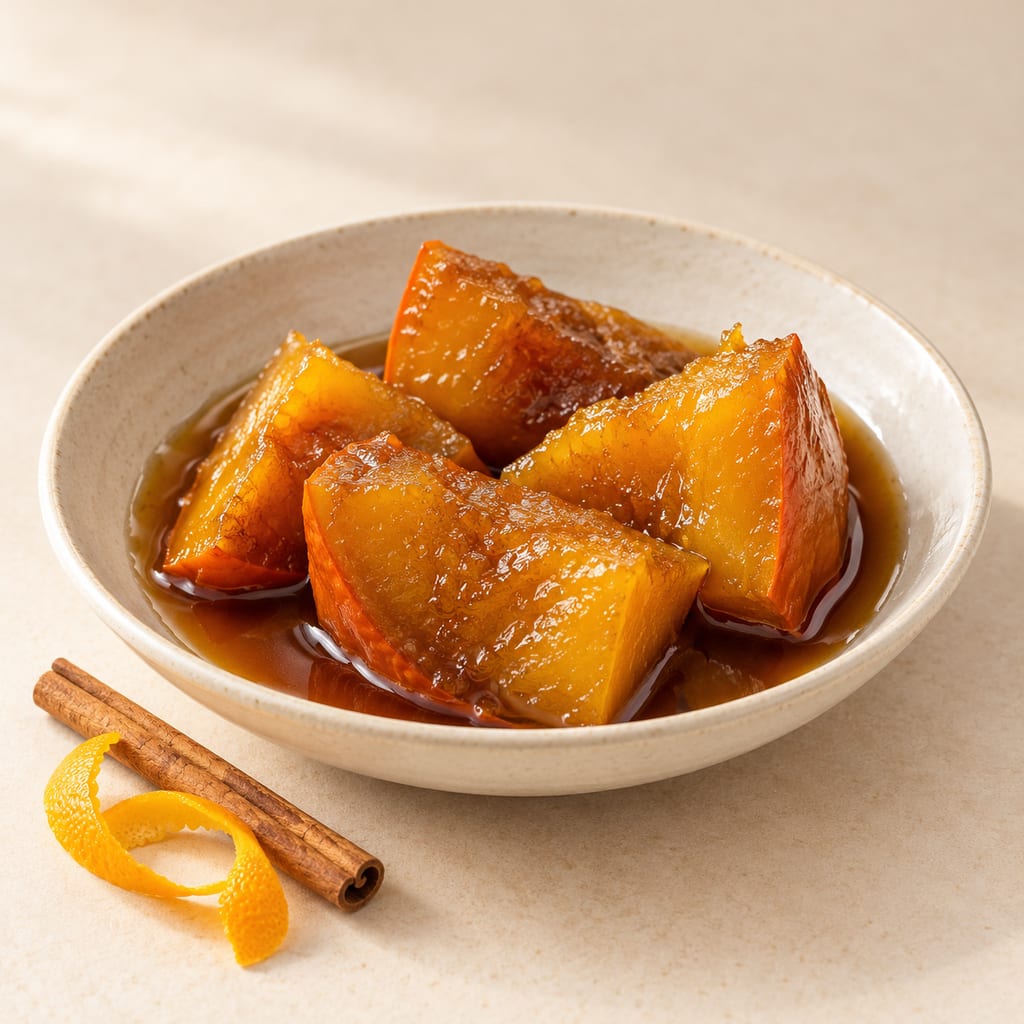
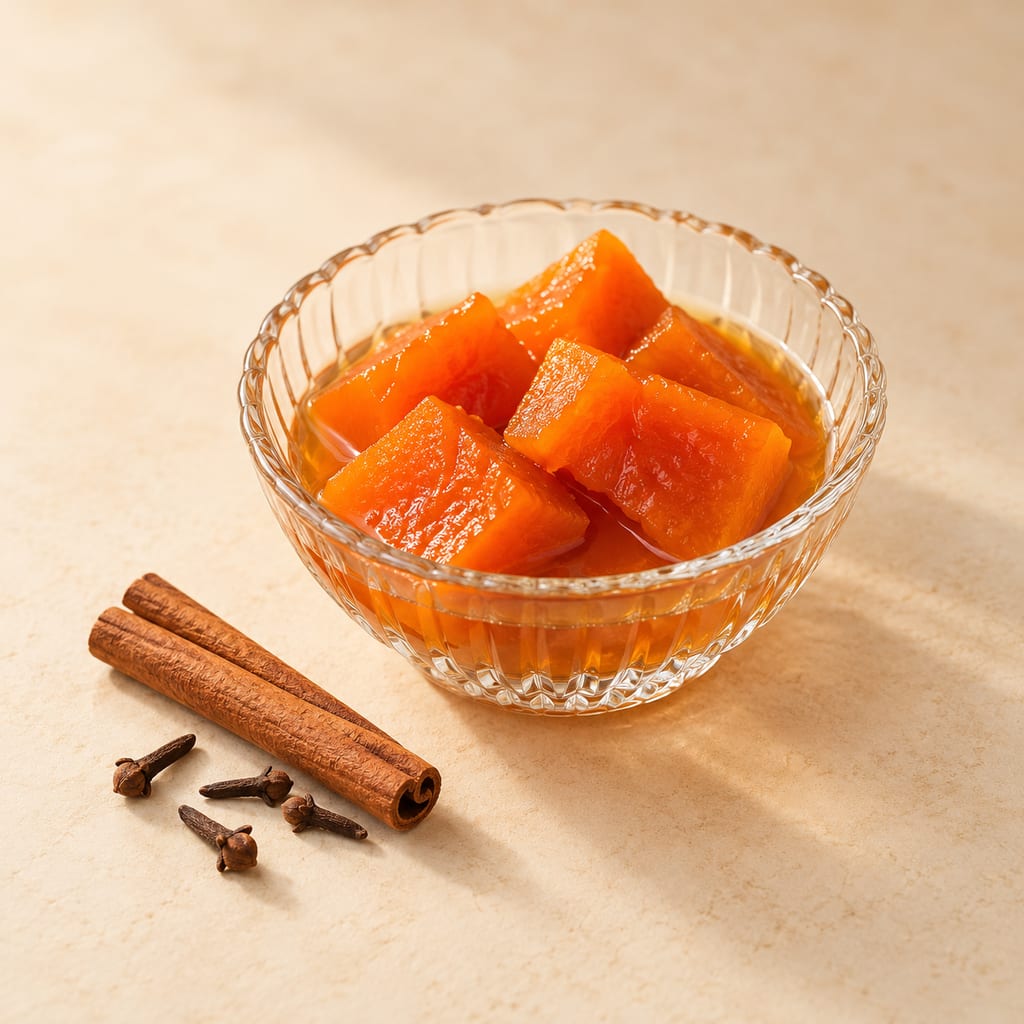
Calabaza en tacha is especially associated with Mexico's Día de Muertos season. Mexico's agriculture ministry connects its name with the tacha, a vessel used in sugar-cane processing. That is a historical explanation for the name, not evidence that the modern sugar-cane preparation is pre-Columbian. A crop may have an ancient American history while one of its familiar sugar preparations belongs to a later exchange of ingredients.
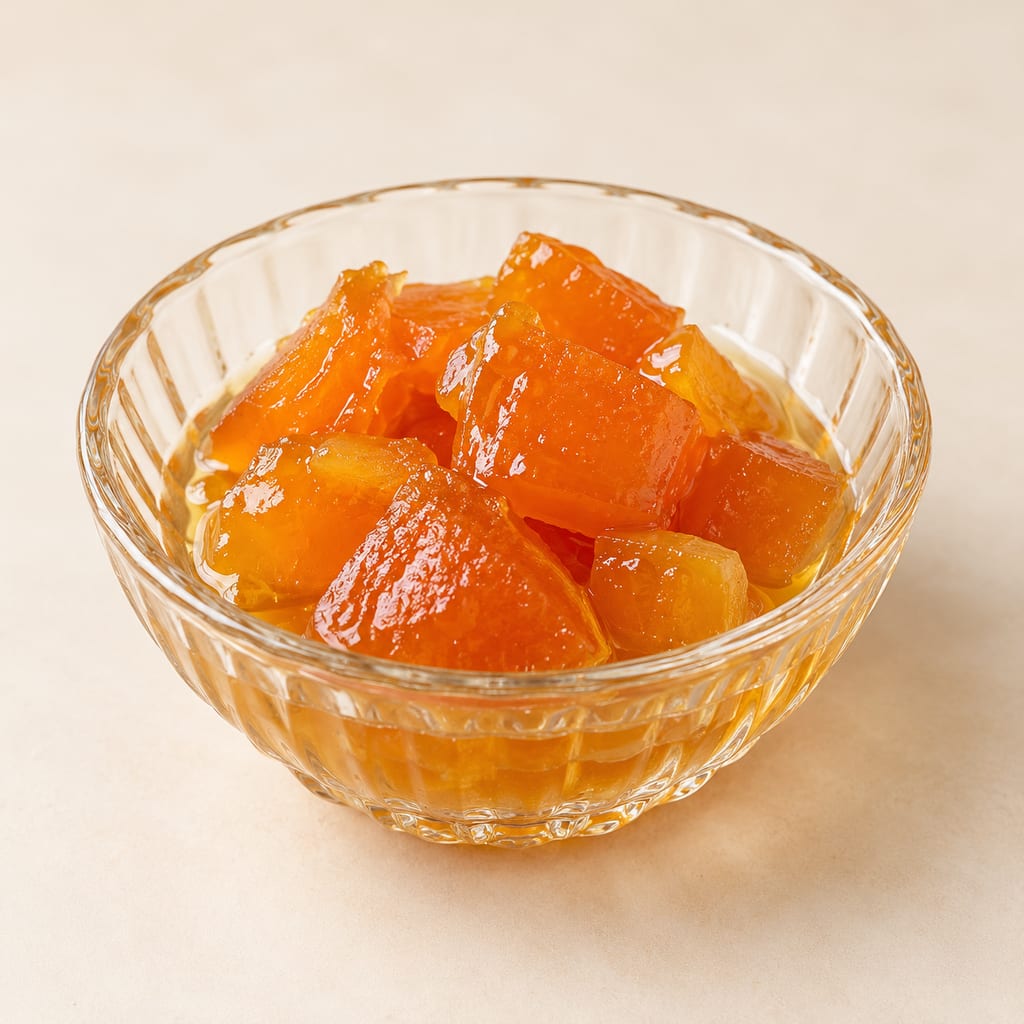
This entry covers the pumpkin-and-syrup preserve itself. It does not add milk, cream or a finished dessert around it. A freshly prepared tacha is not automatically a long-life preserve; the winter-storage adaptation is to freeze the pieces in their syrup.
These quantities are the metric equivalents of the University of Illinois Extension recipe. Its pieces are about 5–7.5 cm across. Use a known edible pumpkin with an undamaged, scrubbed rind. In this preparation the rind supports the flesh; it need not be eaten.
For this method, choose a pot that holds the pieces without excessive stacking. Keep the heat low enough that concentrated syrup does not scorch while the centre of a thick wedge remains hard. If the pumpkin becomes tender before the syrup reaches the desired consistency, temporarily remove the pieces and reduce the syrup separately.
Piloncillo contributes more than sweetness: it is the defining cane-sugar ingredient in the version researched here. There is substantial variation in sugar ratios. Casa de México publishes a much larger batch with 5 kg pumpkin and 2 kg piloncillo, cooked for longer; the Illinois version is less heavily sweetened. Neither should be presented as the sole authentic formula.
The Illinois recipe itself is a refrigerated preparation, not a canning recipe. This collection applies its more conservative shared handling policy and freezes batches for winter. The orange is a flavouring here; no measured acidification specification accompanies the formula.
Dense wedges and syrup take longer to cool than a thin layer of purée. Divide the batch into manageable portions instead of leaving a large covered pot to cool overnight. Package some syrup with every portion so that the resulting frozen ingredient is complete and ready to thaw, rather than having a separate container of exposed, dry pumpkin pieces.
The seasonal connection is documented. A precise invention date, or a claim that all regional tacha recipes used identical vessels and sugar proportions, is not established by these sources. Preserve that distinction: the history is richer when local differences and the limits of evidence are visible.
Orange zest and juiceFinely grated zest and juice of one orange.
1 piece
Method
Risks and precautions · Standard risk
Spoilage during storage
Refrigerate leftover pumpkin and syrup and use within 1 week; this is not a shelf-stable canned preserve.
Hazard source
Refrigerate leftover pumpkin and syrup and use within 1 week; this is not a shelf-stable canned preserve.
Control source
Refrigerate leftover pumpkin and syrup and use within 1 week; this is not a shelf-stable canned preserve.
Heat water, piloncillo, cinnamon, orange zest and juice until the sugar dissolves.
Add the pumpkin pieces. Bring back to a gentle simmer and cover for approximately 30 minutes.
Uncover and continue simmering until the pumpkin is tender and the liquid has reduced to a glaze. The extension formula allows about another hour. Turn pieces gently, keeping the rind intact where possible.
Remove the cinnamon. Portion pumpkin with its syrup and cool promptly. Freeze the portions intended for winter under the common handling rule.
Cool in small portions and refrigerate within one to two hours at 5°C or below. Use the fresh chilled portion within 48 hours. Freeze winter portions promptly at about −18°C in freezer-rated containers with expansion space. Thaw in the fridge and use within 24 hours of complete defrosting. This is a conservative handling policy, not a measured shelf life for the recipe.
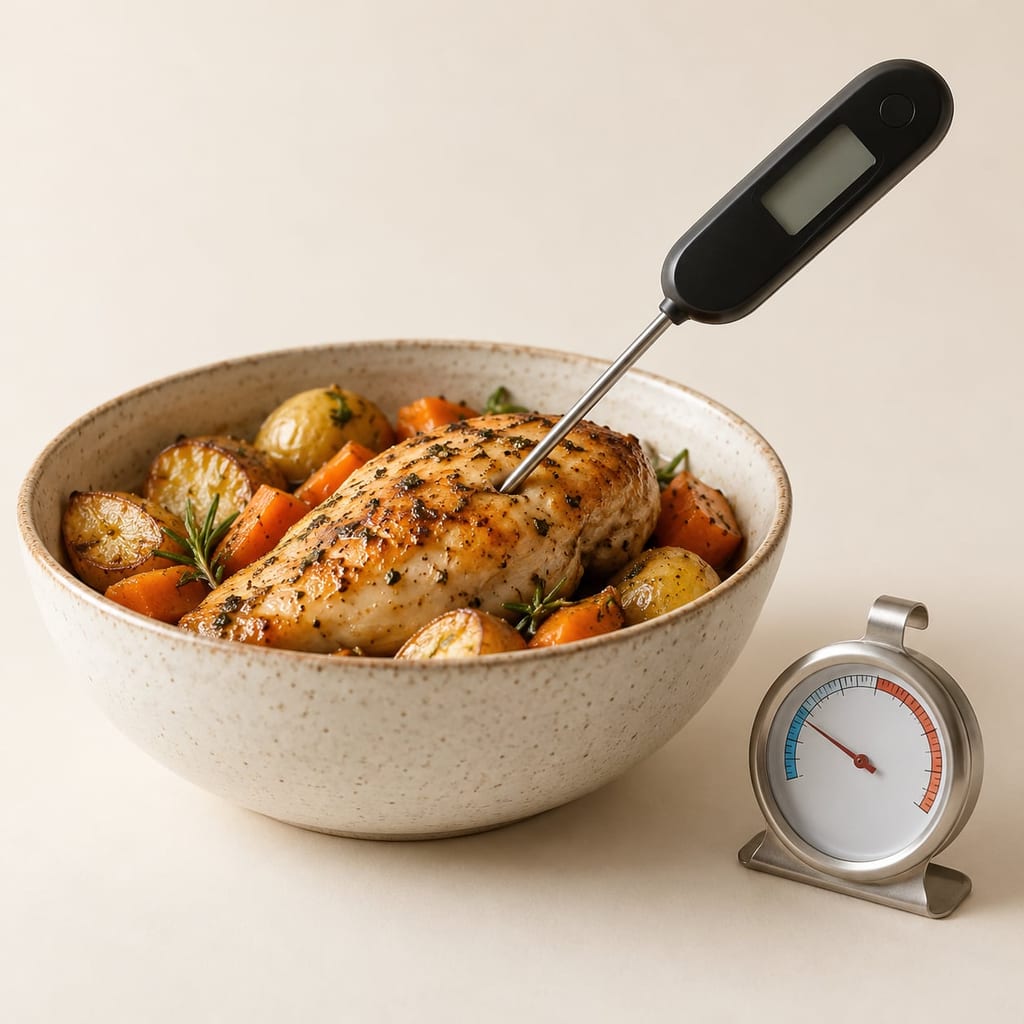
A food probe measures the temperature inside food at the probe tip; a refrigerator thermometer measures the cold storage environment. They answer different questions and cannot establish acidity or validate a preservation process.
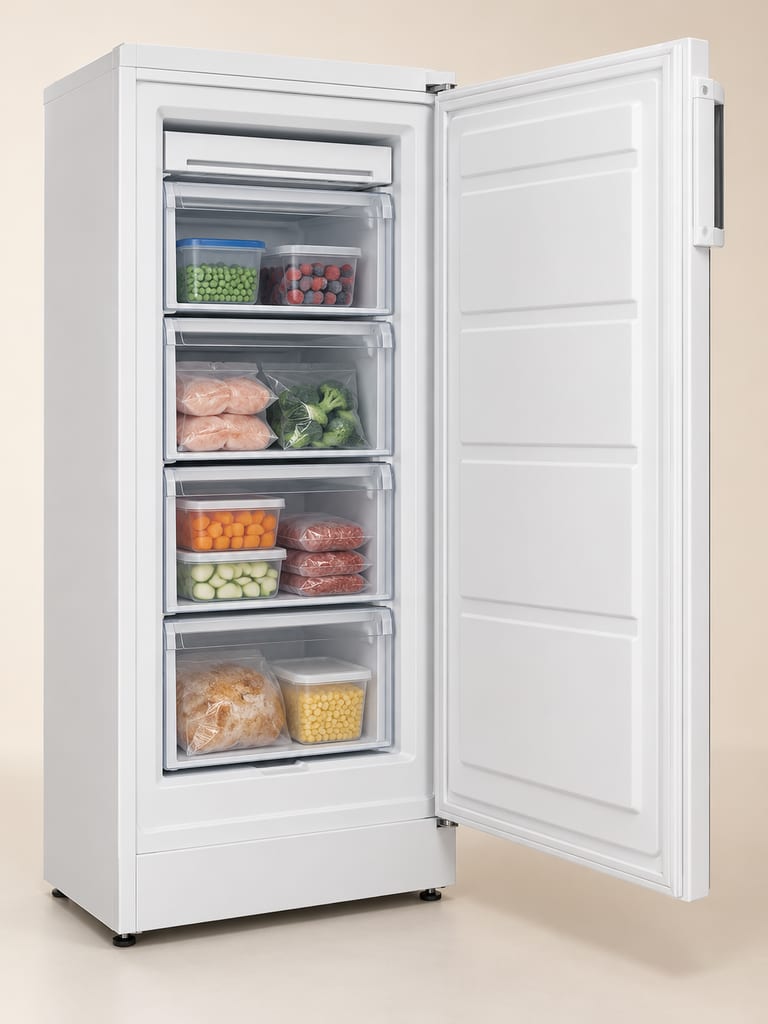
A household freezer holds food in a frozen state for storage and selected texture or separation work; its batch-storage role differs from industrial equipment that freezes individual pieces separately.
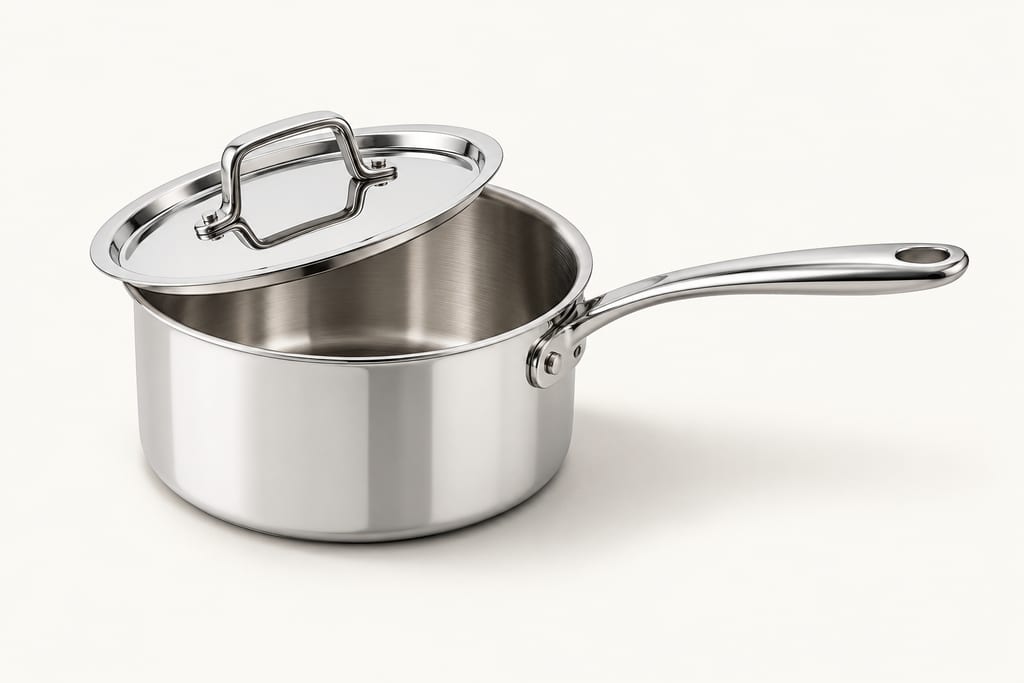
A modern, portable stovetop pan with a stainless-steel cooking surface for sauces and other small simmering jobs. Size, cladding, lid, compatibility and care vary by model.
An ordinary household refrigerator used to store selected fresh produce in vented crates or drawers, at low temperature and at a humidity chosen by the drawer. Not every crop benefits from cold.
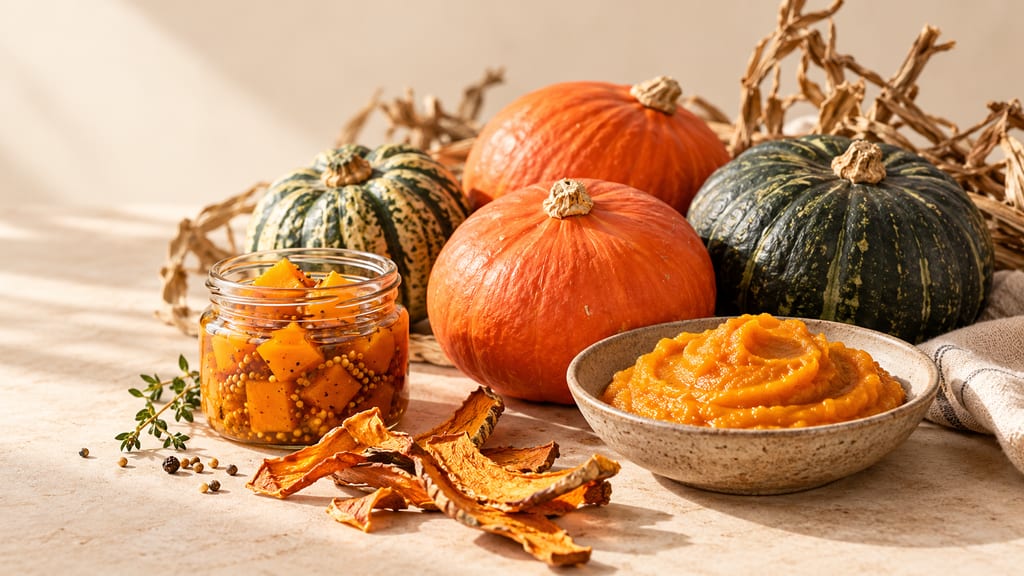
A full harvest-to-pantry guide to keeping pumpkins whole, drying and freezing them, and making pickles and sweet preserves around the world—with the exact distinction between tested canning and cold storage.
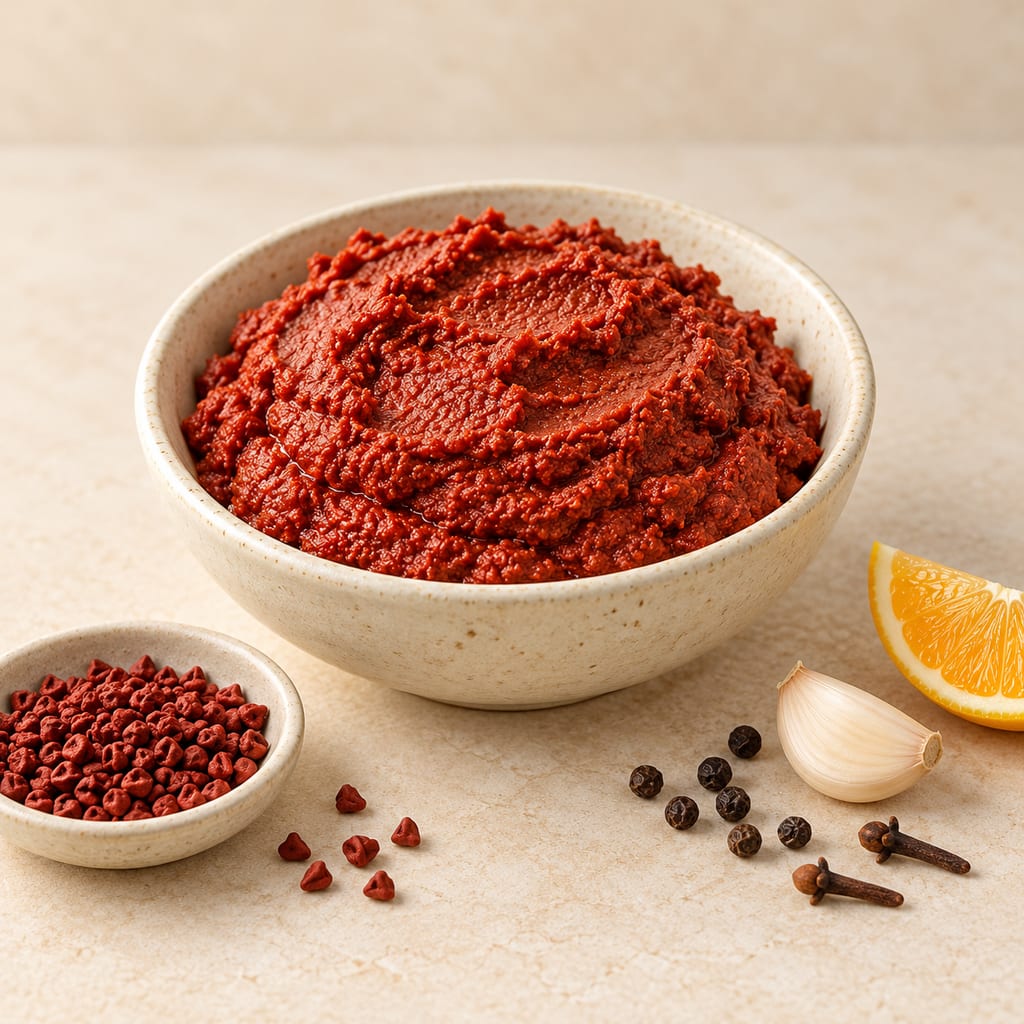
A Yucatecan recado rojo is a brick-red seasoning paste built on annatto seed, garlic and sour orange. This measured home version shows one route into a much wider family of market and household recados.
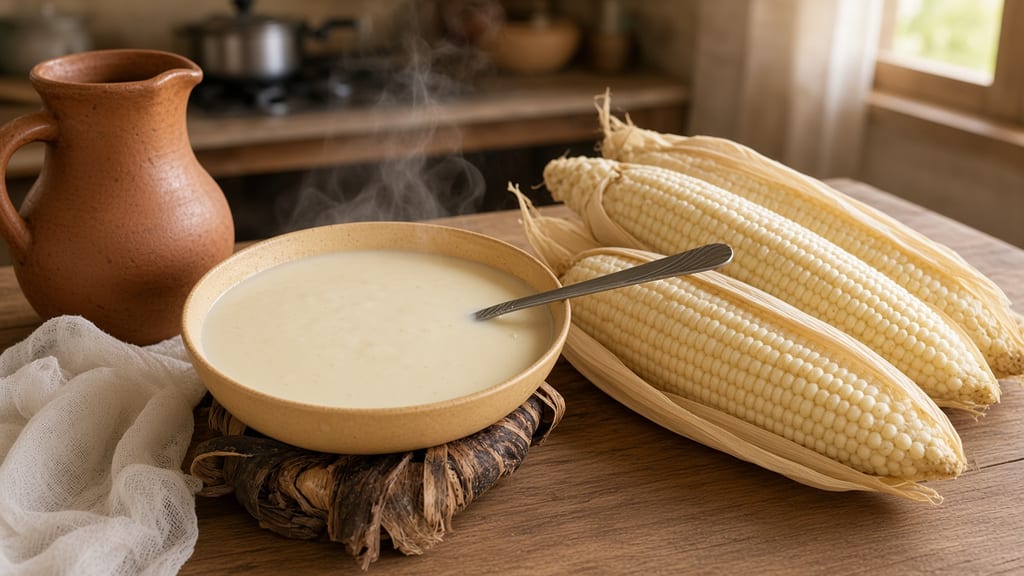
A hot, sour maize drink from Tabasco made from maize that is not lime-cooked. The ground grain sours for half a day, then makers strain it and boil it until thick.
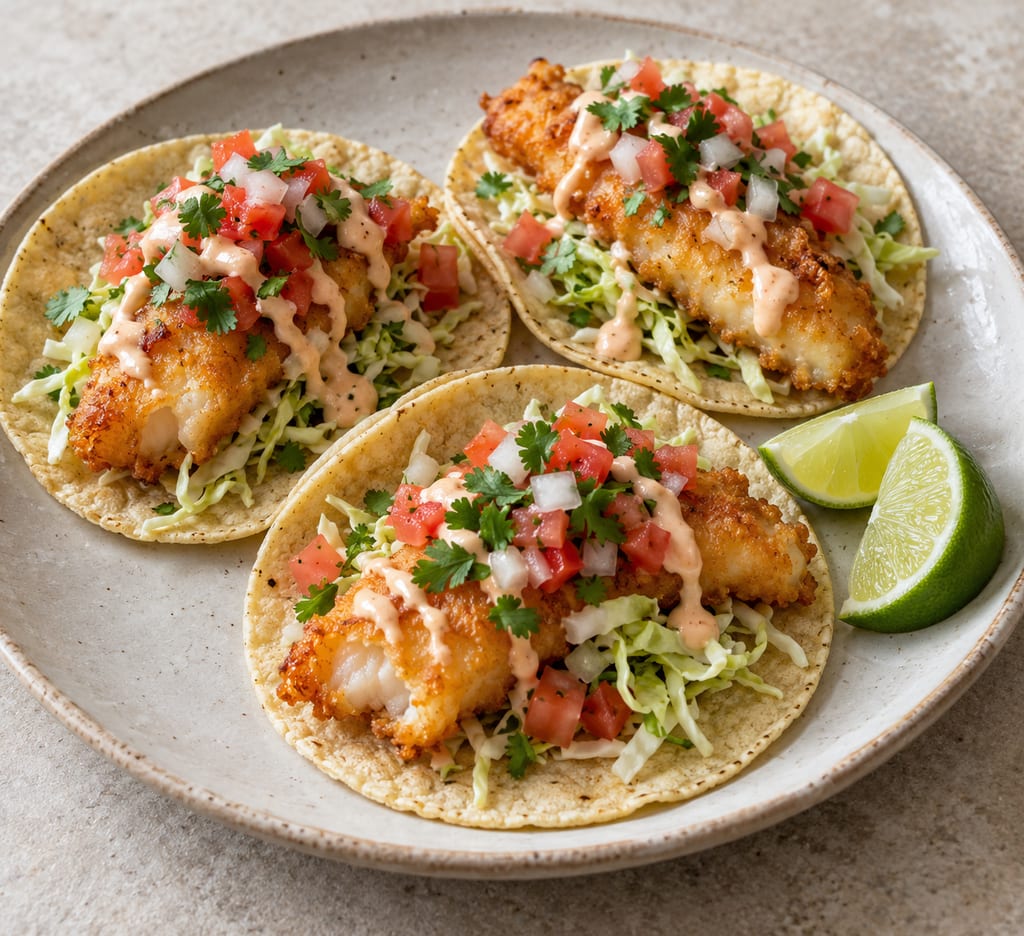
Crisp battered white fish in warm corn tortillas with shredded cabbage, lime and fresh salsa. This home version draws on the Ensenada style without claiming to be a definitive historic formula.
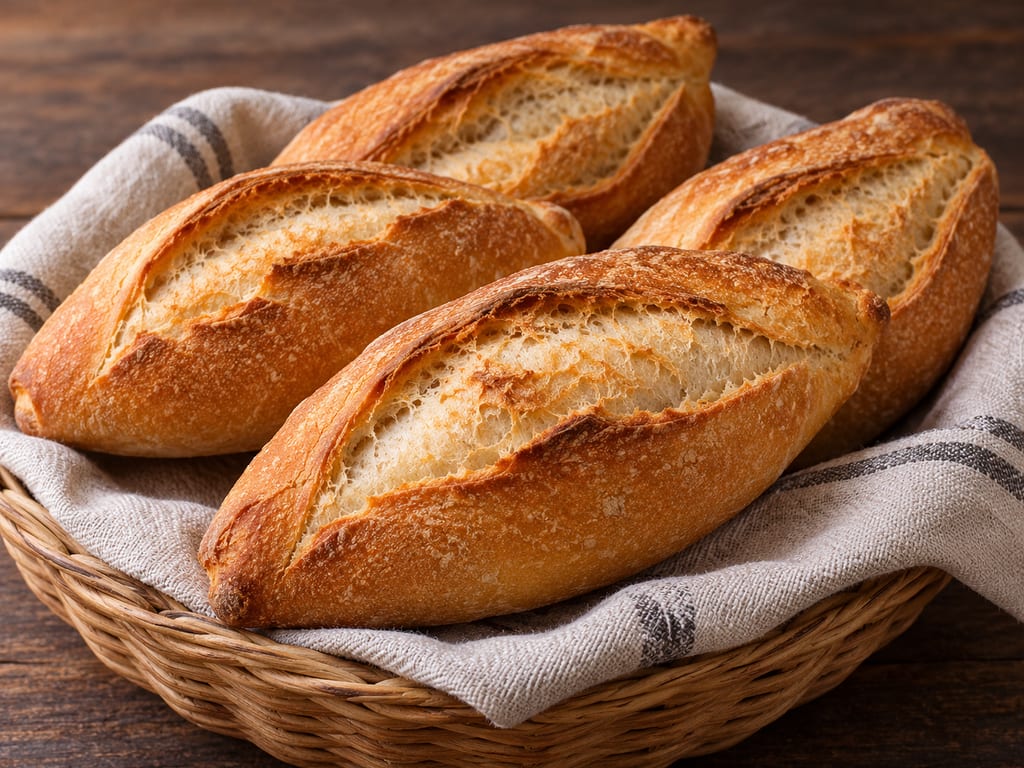
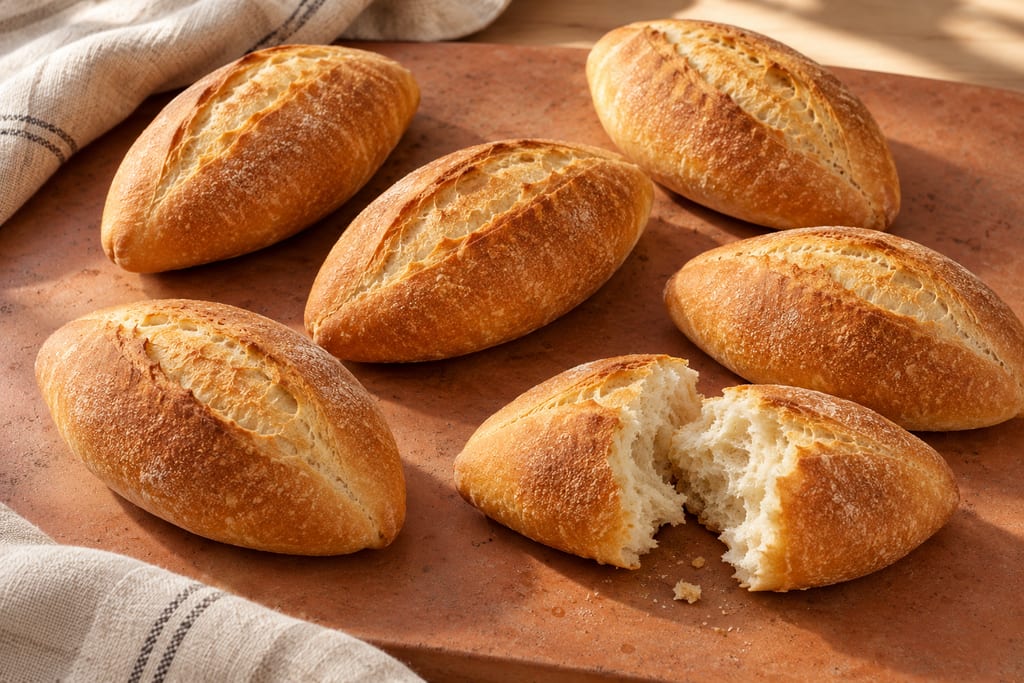
A measured, commercial-yeast home method for Guadalajara-style birote salado, with a six-hour preferment, shaped rolls and a two-temperature steam bake. This formula contains no egg.
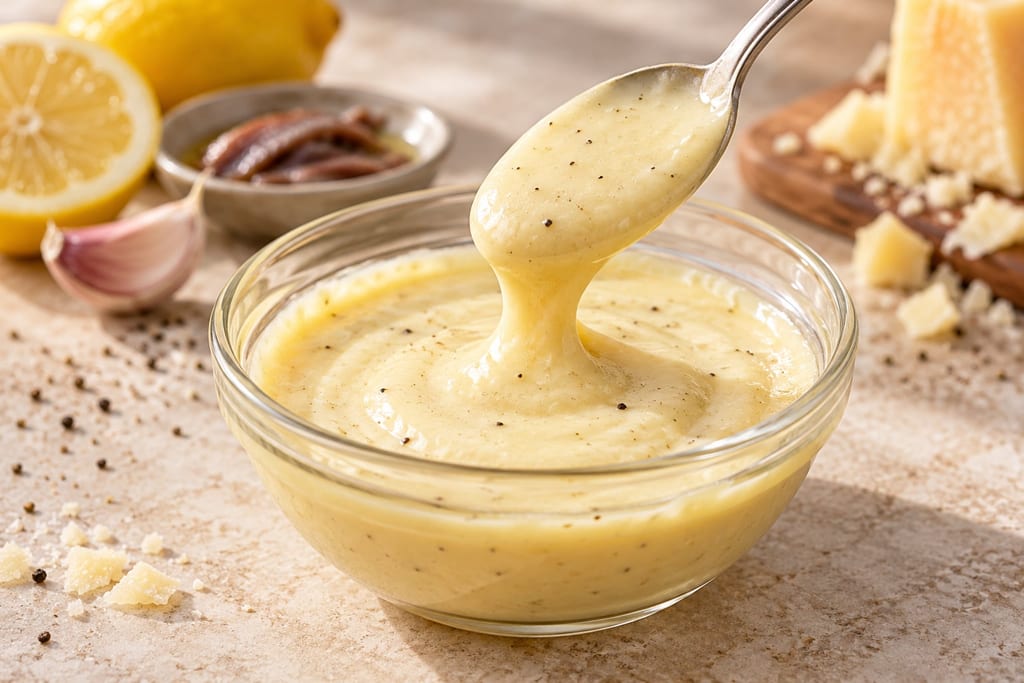
A source-specific Caesar dressing made with pasteurized egg yolks, Parmesan, lemon, anchovy, garlic, mustard and olive oil. This modern Vitamix formulation is distinct from the salad’s disputed 1924 origin accounts.
Chipotle is a ripe jalapeño pepper smoke-dried in a wood-fired cocedor. Camargo, Chihuahua, documents a large-scale version of the process; its source accounts do not establish a complete home batch or validated safety endpoint.
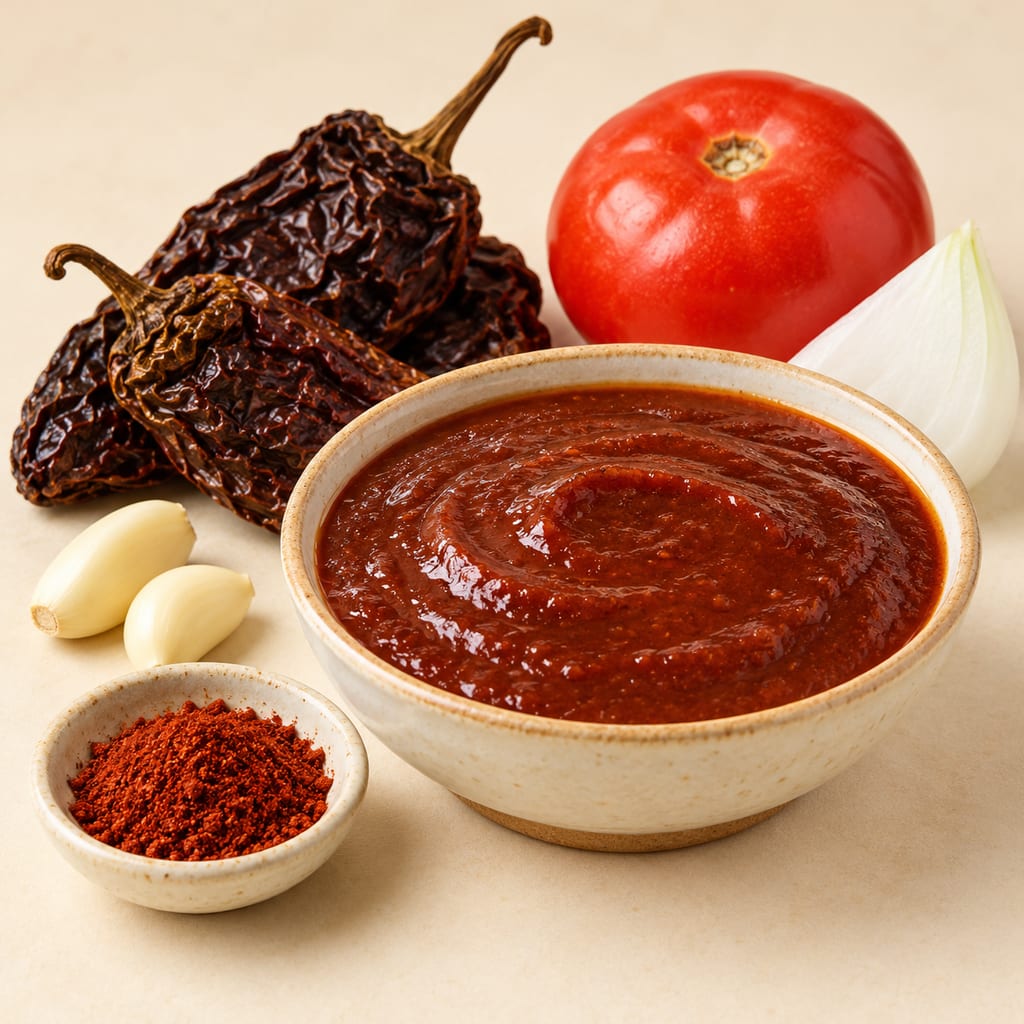
Chipotle adobo is a cooked sauce of smoked chipotle chiles, tomato, onion, garlic, dried chile powder, spices and vinegar, the form in which chipotles are most often sold in the United States.
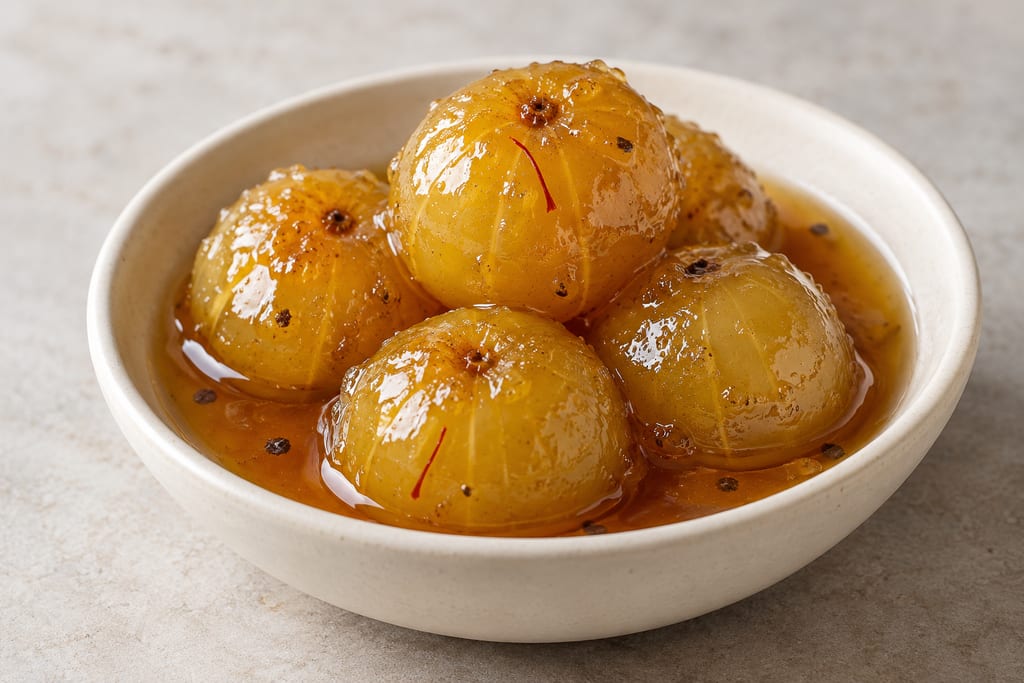
Amla murabba preserves whole Indian gooseberries in a heavy sugar syrup scented with cardamom and sharpened with pepper and black salt. This household method soaks the fruit before cooking.
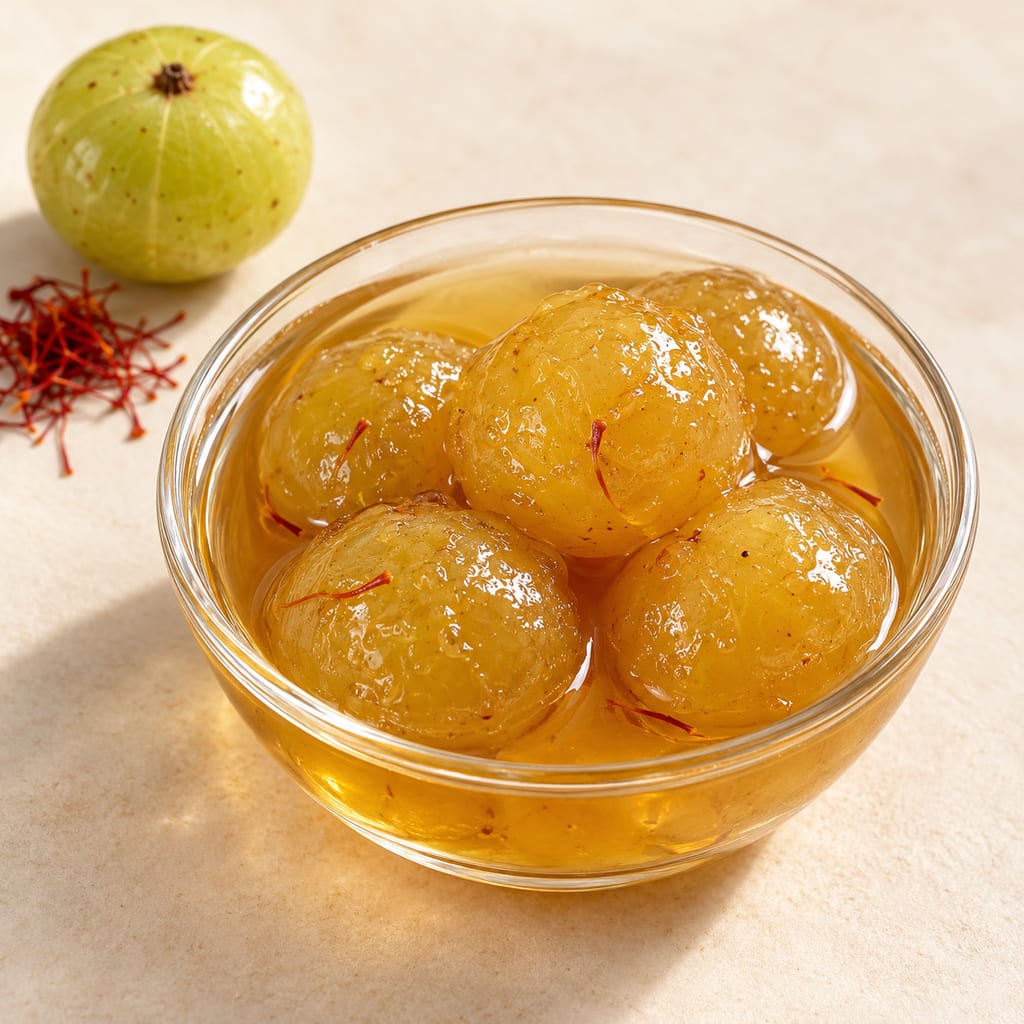
Whole amla simmer in sugar syrup with saffron, black cardamom and pepper in this chef's version of the Indian fruit preserve. The fruit is soaked overnight before cooking.
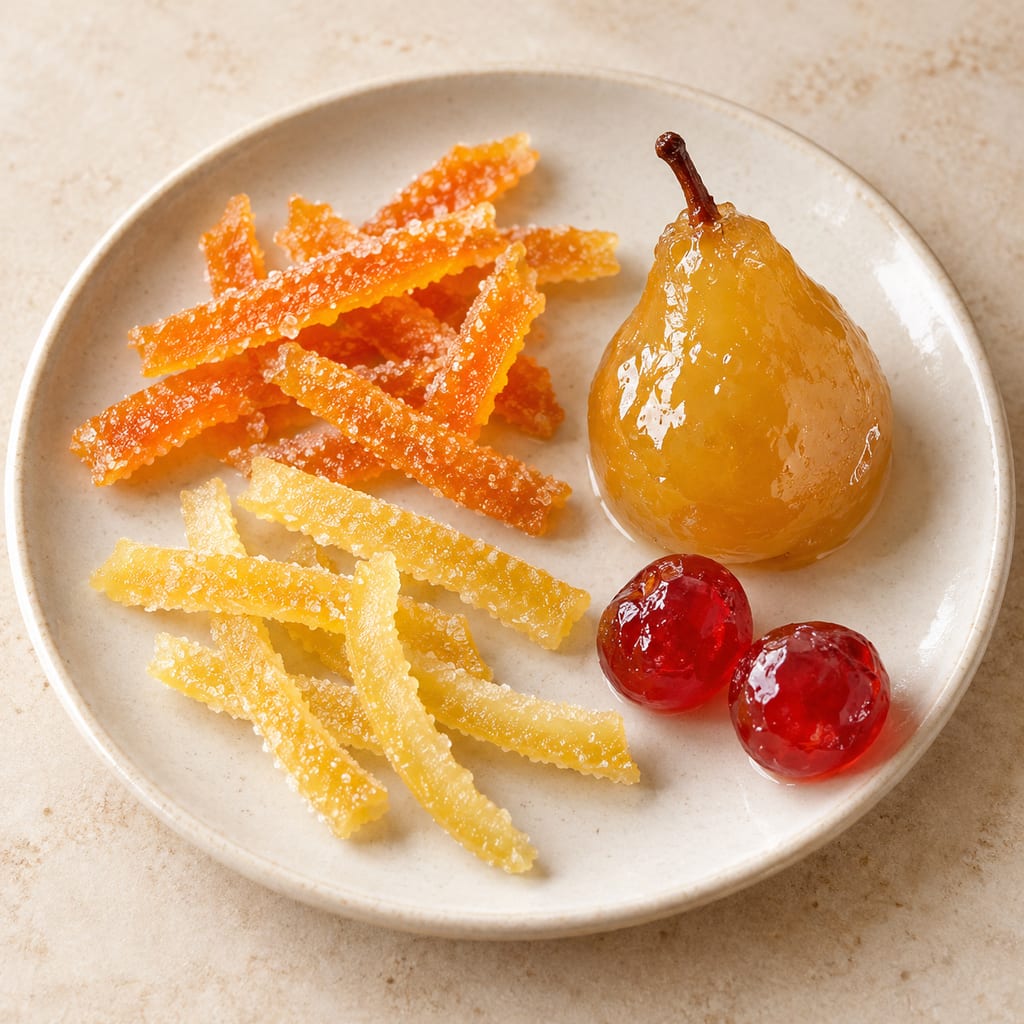
Candied fruit is fruit that has been repeatedly steeped in concentrated sugar syrup, which replaces part of its water with sugar, often followed by drying. It differs from fruit served in a thin syrup.
Cypriot cherry glyka made by layering firm pitted cherries with sugar, briefly boiling them, chilling overnight, and boiling again to concentrate the syrup. This version is refrigerated and has no shelf-stable canning process.