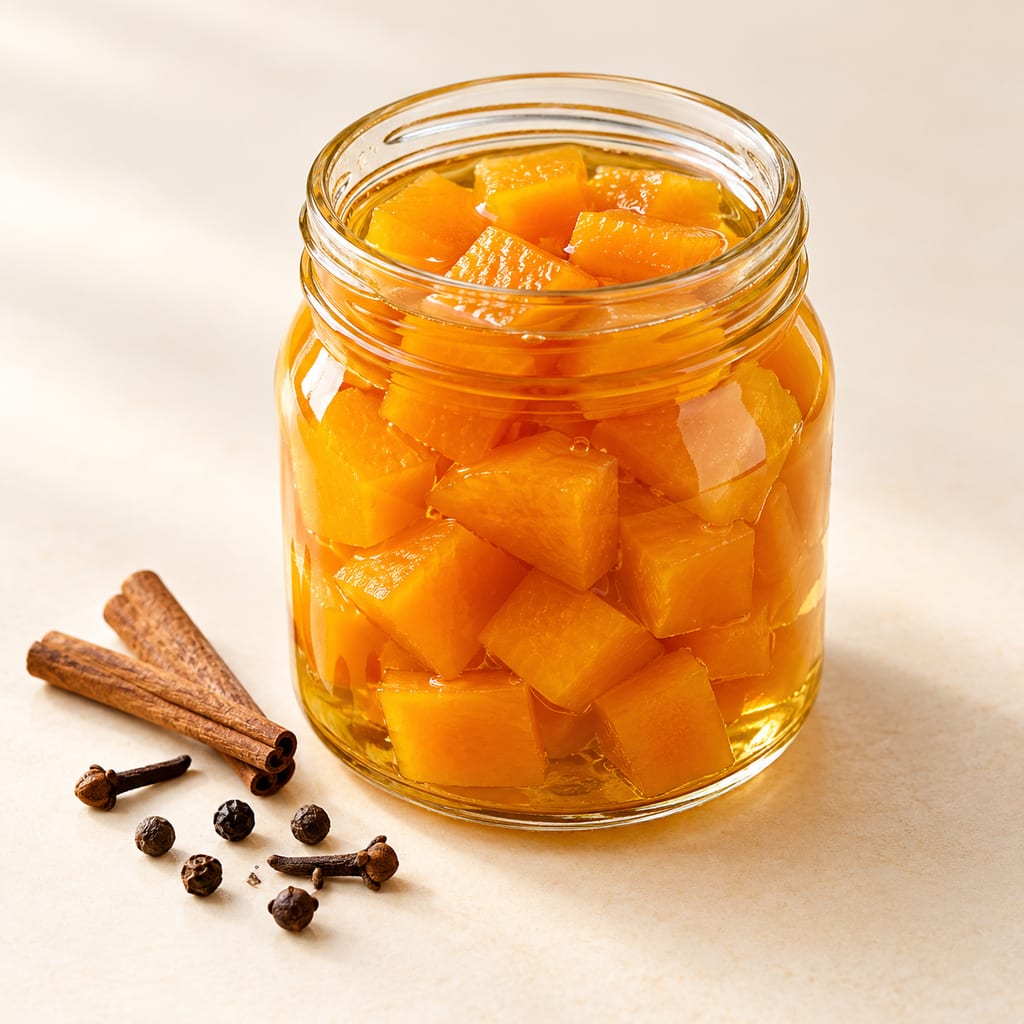
Ball sweet pumpkin pickles
Ball sweet pumpkin pickles: Cupboard: exact published Ball formulation and water-bath process.
 FermenteaWhere food goes to change
Equipment · All-in-one appliances
Fridge produce store · Refrigerator crisper storage
An ordinary household refrigerator used to store selected fresh produce in vented crates or drawers, at low temperature and at a humidity chosen by the drawer. Not every crop benefits from cold.
A refrigerator used as a produce store is an intact appliance whose drawers or a crate inside it hold selected crops at a low temperature. Its appeal is that the cold, and in some drawers the humidity, is already built in.
It is not a cure for every crop. Cold storage helps some produce and harms other produce, so the choice of crop matters more than the appliance.
Michigan State University Extension notes that airflow sets humidity: less airflow means higher humidity. Many refrigerators have one drawer for fruits, kept at lower humidity, and another for vegetables, kept at higher humidity.
The low-humidity drawer lets some ethylene gas escape, which slows rot in produce that is sensitive to it. Keeping ethylene producers and sensitive crops apart is the simplest measure available in a household fridge.
The Arkansas Cooperative Extension guide advises not refrigerating bananas, sweet potatoes, potatoes or whole dry onions. Those crops are better kept at a cool room temperature, since cold can damage them.
The guide does not explain the mechanism, and the inspected sources do not give chilling thresholds by crop. Anyone storing a crop in a refrigerator should check it against a university or USDA source first.
The question is whether a refrigerator store is worth having beside a purpose-built, controlled cabinet. An ordinary crisper is cheap and already installed, but it gives little control over humidity or temperature. A cabinet with a logged humidity setting costs more and needs more monitoring.
The fair test is the crop. Record the storage life of the same crop in the fridge drawer, in a crate in the fridge, and at room temperature, and only then decide whether extra equipment pays off.
The household refrigerator with humidity-controlled crisper drawers is a modern appliance. The inspected material is consumer and extension guidance on its use and does not date its adoption.
Some crops lose quality or rot when kept too cold, and others sprout or soften in a humid drawer.
Hazard sourceChoose crops suited to cold storage and separate ethylene producers
Control sourceSettings differ by appliance. Follow the manufacturer's guidance and check the actual drawer temperature with a thermometer.
Bananas, sweet potatoes, potatoes and whole dry onions should not be refrigerated, according to one extension guide.
Source →Ethylene-sensitive produce should be kept apart from high ethylene producers such as apples, pears, plums, cantaloupes and peaches.
Source →Less airflow means higher humidity, so the drawer setting changes how much moisture the crop keeps.
Source →Documented for international use, with no single place of origin assigned.
Ball sweet pumpkin pickles: Cupboard: exact published Ball formulation and water-bath process.
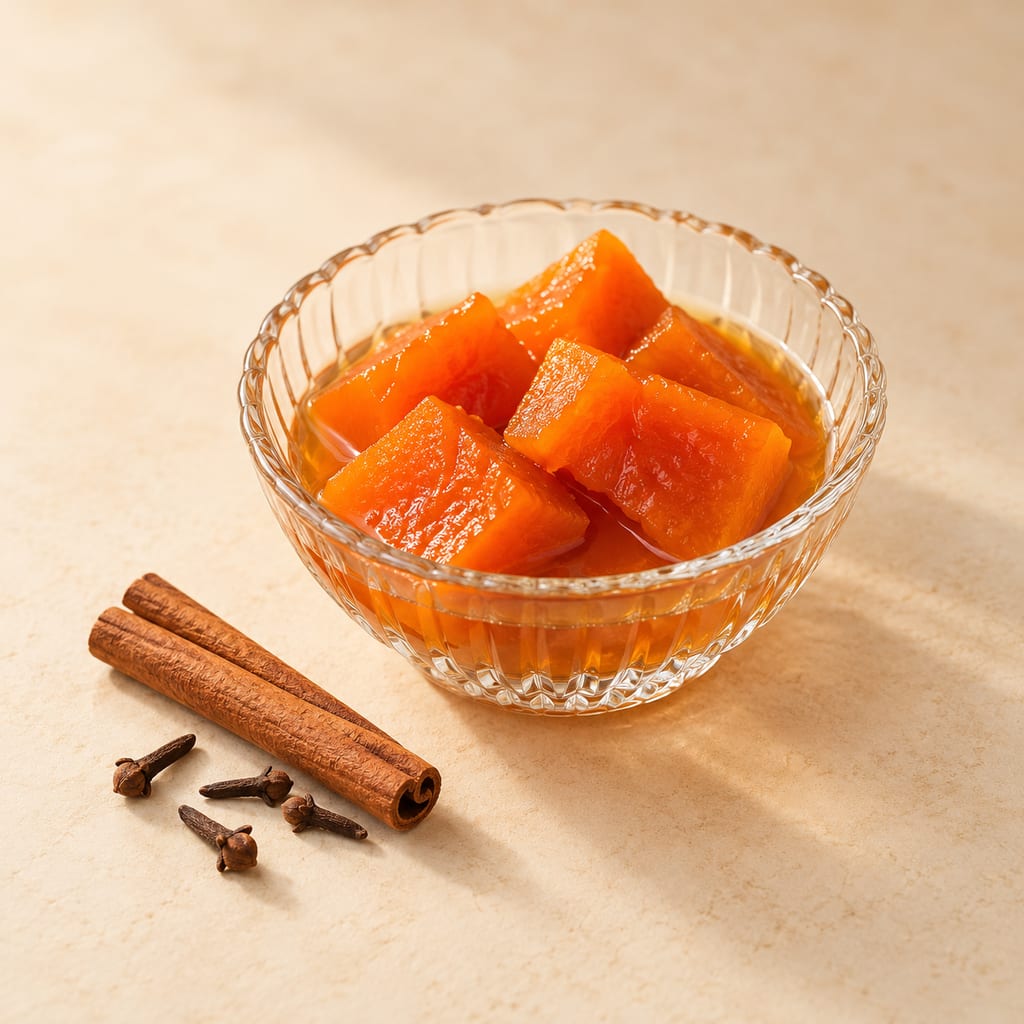
Brazilian doce de abóbora: Freeze for winter; small fresh portion refrigerated up to 48 hours.
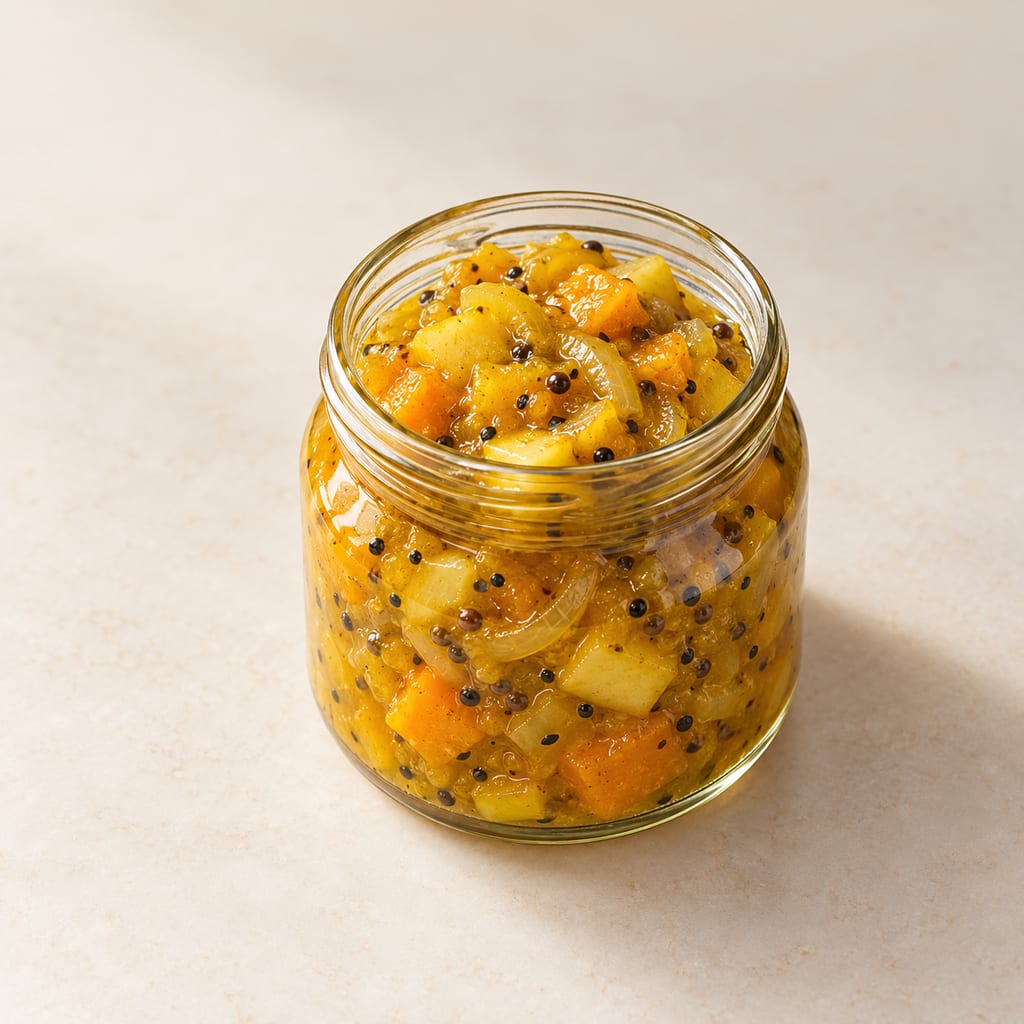
British pumpkin, apple and mustard pickle: Freeze for winter; small fresh portion refrigerated up to 48 hours.
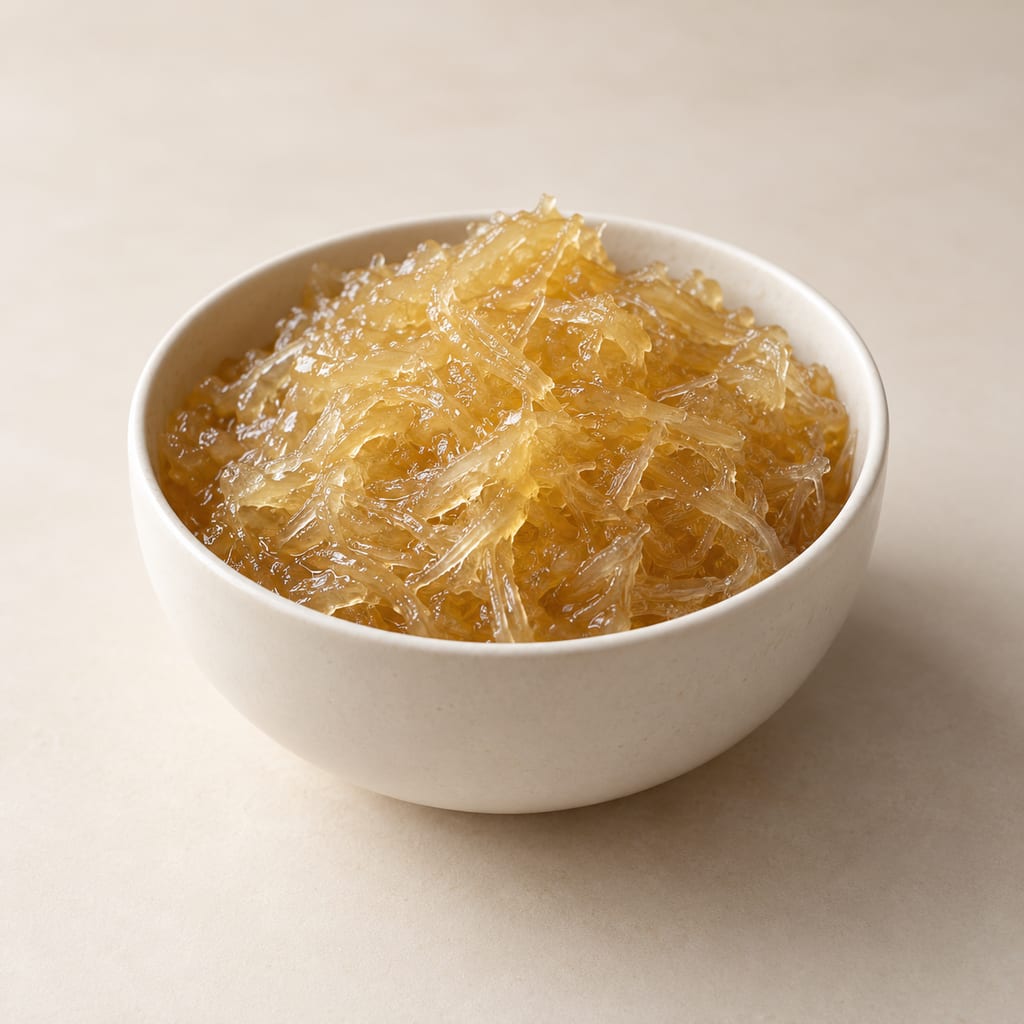
Fine strands of Cucurbita ficifolia cooked in an equal weight of sugar, then portioned for refrigerator or freezer storage. Ordinary orange pumpkin does not give the same fibres.
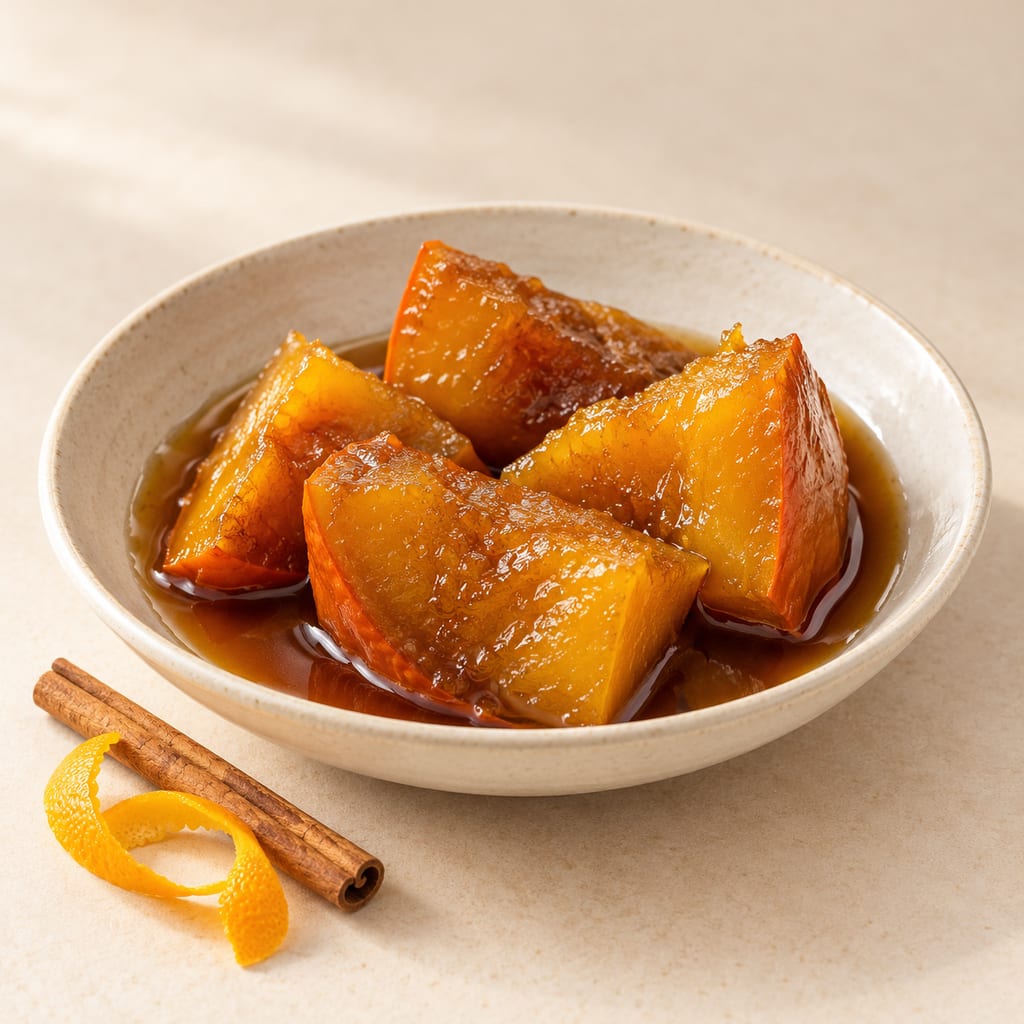
Rind-on pumpkin simmered with piloncillo, orange and cinnamon until glazed. This Mexican sweet keeps refrigerated for up to one week.
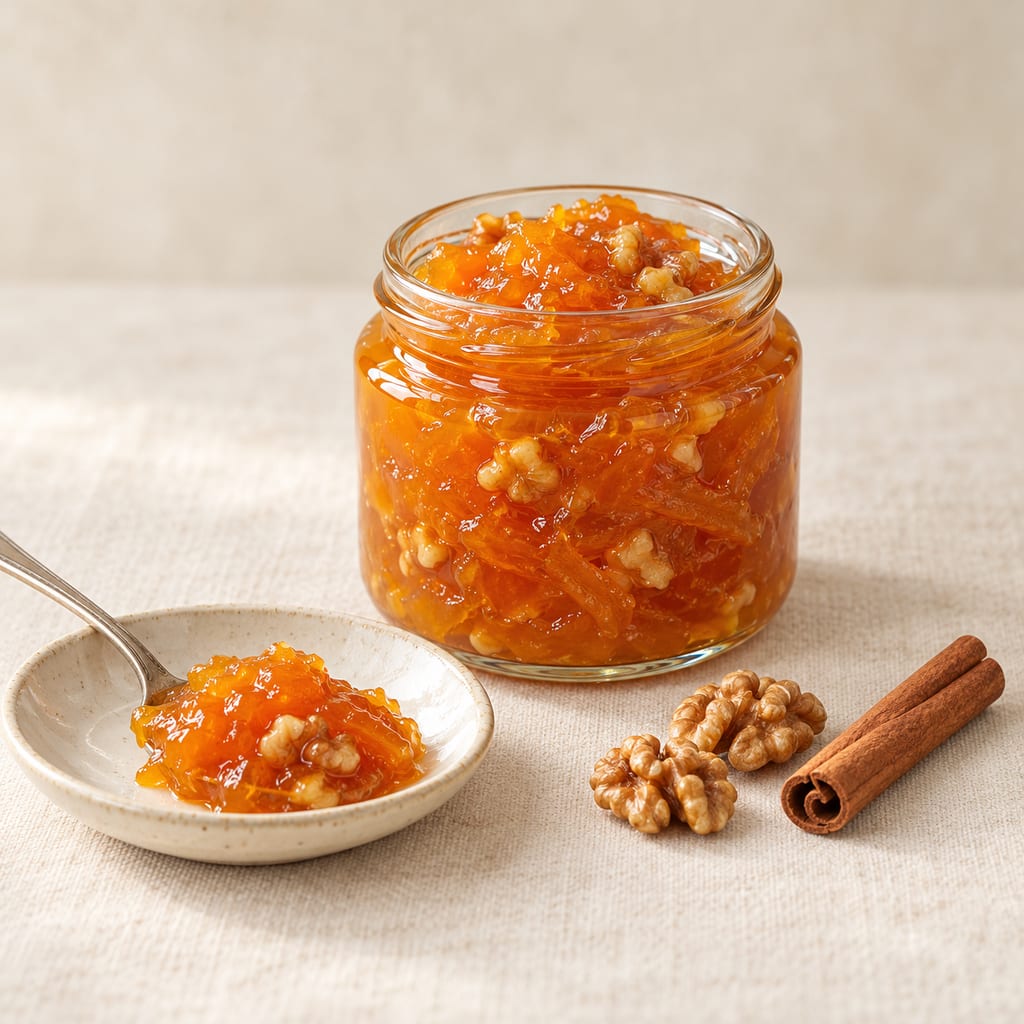
Portuguese pumpkin jam cooked with cinnamon and optional walnuts. A sweet spread to refrigerate or freeze, rather than a home-canned preserve.
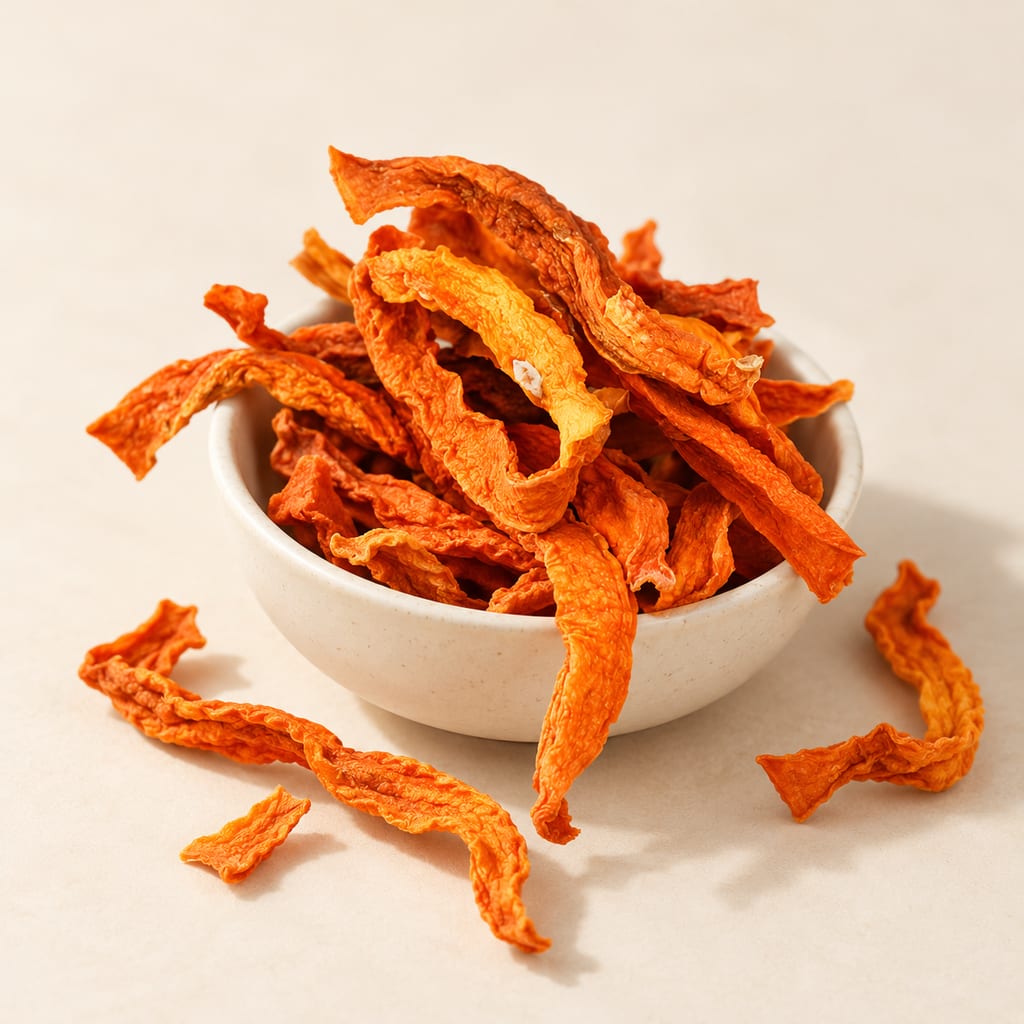
Steam-blanched pumpkin dried until brittle, kept as pieces or ground into powder, with pumpkin-specific packaging and quality guidance.
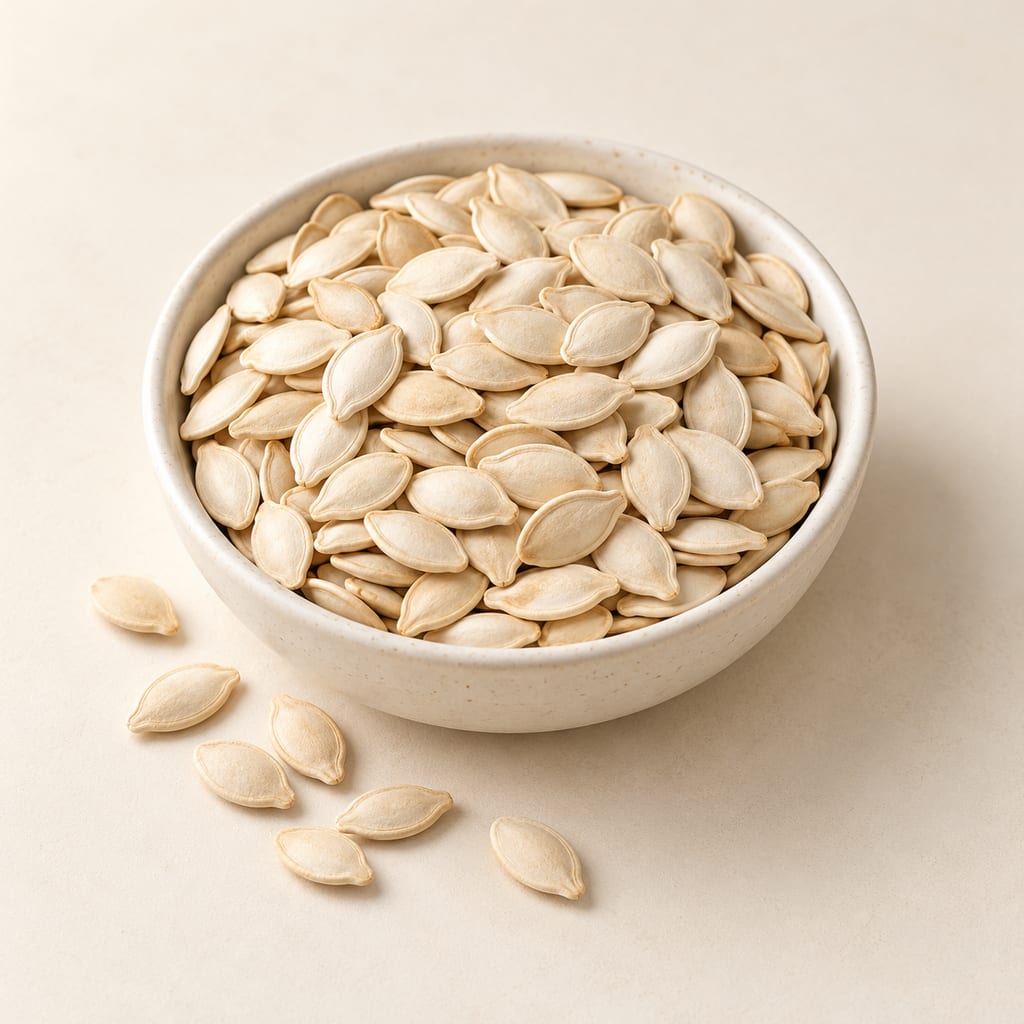
Washed pumpkin seeds dried gently for storage, with an optional roasting step before eating. Refrigerate or freeze the cooled seeds.

Soft, spreadable Calabrian pork sausage made with a great deal of red chilli and fatty pork, stuffed into natural casings, sometimes smoked and matured while staying soft.

A way to add independent temperature logging to an existing food dehydrator without changing its built-in controls or protections. It is a monitoring method, not a rewiring plan.

Pleurotus cystidiosus is the abalone mushroom, a cultivated oyster-type fungus with dark brown caps that grows more slowly and is more demanding than other Pleurotus species.

A dark, balanced vinegar from Emilia-Romagna made by combining cooked or concentrated grape must with wine vinegar, then acetifying and refining it in wood under a protected specification.

A living dairy inoculum that starts controlled cream fermentation, developing acidity and aroma before sour cream or cultured butter is finished.

A small electric incubator holds jars at a selected temperature for yogurt and other documented warm food preparations. Controls, capacity and vessel arrangement vary by model.

Adygean salt is a seasoned table salt associated with Adygea and the wider North Caucasian culinary tradition. Salt is blended with garlic and a variable selection of herbs and spices; the exact mix depends on the named style and maker.

The African Caesar-group mushroom, Amanita masasiensis, is a wild ectomycorrhizal species of central and southern African woodlands, eaten locally. The genus contains deadly poisonous species, so identification needs care.
No community contributions have been published for this entry yet.
Sign in to contribute. Published comments and photos are free to read.
Michigan State University ExtensionHumidity · Ethylene
Refrigerator humidity effects on produce qualityLess airflow means higher humidity; high-ethylene producers include apples, pears, plums, cantaloupes and peaches.
Cited in: Overview; Humidity in the crisper; Compared with a controlled cabinet
University of Arkansas Cooperative Extension, Miller CountyCrisper · Crops not to refrigerate
Which crisper drawer to useLow-humidity drawer for fruit; do not refrigerate uncut bananas, sweet potatoes, potatoes or dry onions.
Cited in: Humidity in the crisper; Crops that should not be chilled