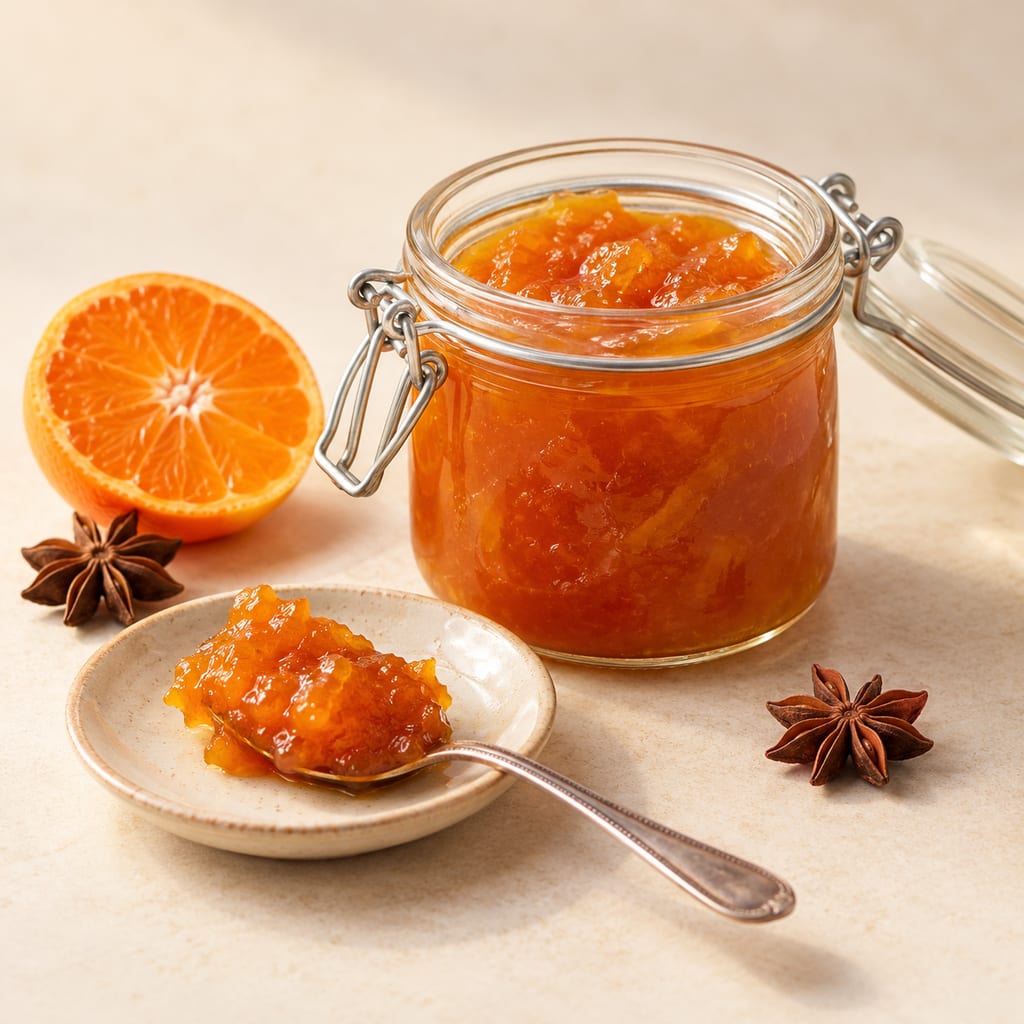
Portuguese pumpkin jam: doce de abóbora
Portuguese pumpkin jam: Freeze for winter; small fresh portion refrigerated up to 48 hours.
 FermenteaWhere food goes to change
Modern method
Doce de abóbora
Portuguese pumpkin jam cooked with cinnamon and optional walnuts. A sweet spread to refrigerate or freeze, rather than a home-canned preserve.
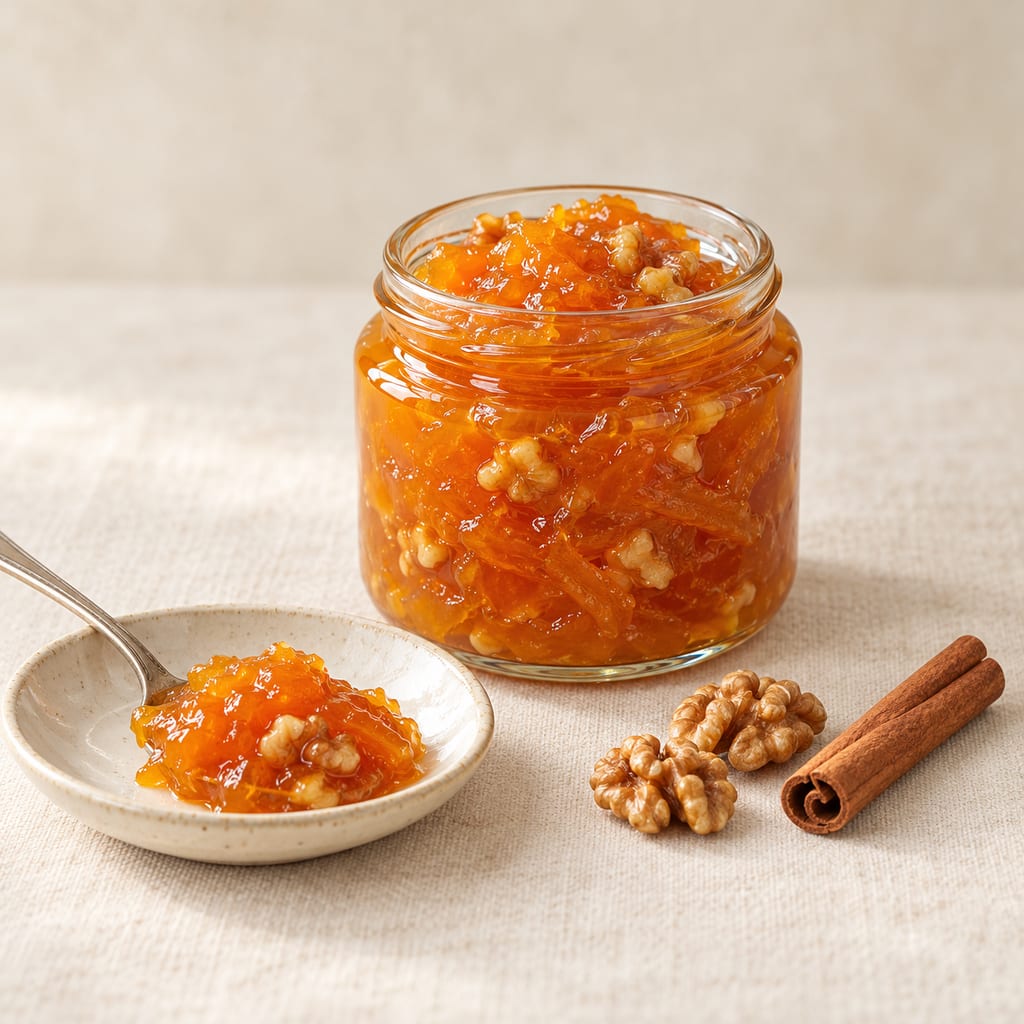
Doce de abóbora is a pumpkin jam, often paired with cinnamon and walnuts. This version follows a household adaptation of O Pantagruel: one kilogram of sugar for one kilogram of pumpkin, with two cinnamon sticks. Those choices are kept together instead of being combined with a different syrup-preserve formula.
The pumpkin is cooked in water first, drained and milled. Concentration then takes place with the sugar. The spoon-path test describes the texture: the pan base remains visible briefly after stirring. It is not a test of acidity or a canning endpoint.
Walnuts are optional, but a batch containing them must be identified for anyone avoiding nuts. Pumpkin preserves need refrigeration or freezing. High sweetness and a thick set do not supply a tested room-temperature canning method.
The version here follows the author’s successful smaller batch, rather than the sweeter quantity also quoted from O Pantagruel. Those are two documented formulations, not a range to combine without deciding which one to make. The optional walnuts are folded into the finished mixture with the ground cinnamon.
The spoon path is a practical observation about consistency. Cooking longer changes concentration and texture, but does not by itself establish acidity or shelf stability. Once made, reserve a small refrigerated portion for eating and freeze the rest for longer keeping. Apply the general cooked-leftover limit of 3–4 days to the refrigerated portion, rather than borrowing storage instructions for a tested acidic-fruit jam.
The storage instruction belongs to this formulation. Ball’s sweet pumpkin pickles and Bernardin’s pumpkin–pineapple compote have their own published boiling-water processes, with specified ingredient proportions, piece sizes, jars and processing schedules. Those recipes do not provide a canning method for this preparation. Keep this version chilled or frozen as directed.
This household adaptation was published by Constança Cabral in December 2010, drawing on O Pantagruel.
Scaling: source batch only
Refrigerate or freeze pumpkin jam; do not home-can it for cupboard storage. Identify walnuts when used.
Hazard sourceRefrigerate or freeze pumpkin jam; do not home-can it for cupboard storage. Identify walnuts when used.
Control sourceRefrigerate or freeze pumpkin jam; do not home-can it for cupboard storage. Identify walnuts when used.
Documented association, not a birthplace claim.
Portuguese pumpkin jam: Freeze for winter; small fresh portion refrigerated up to 48 hours.
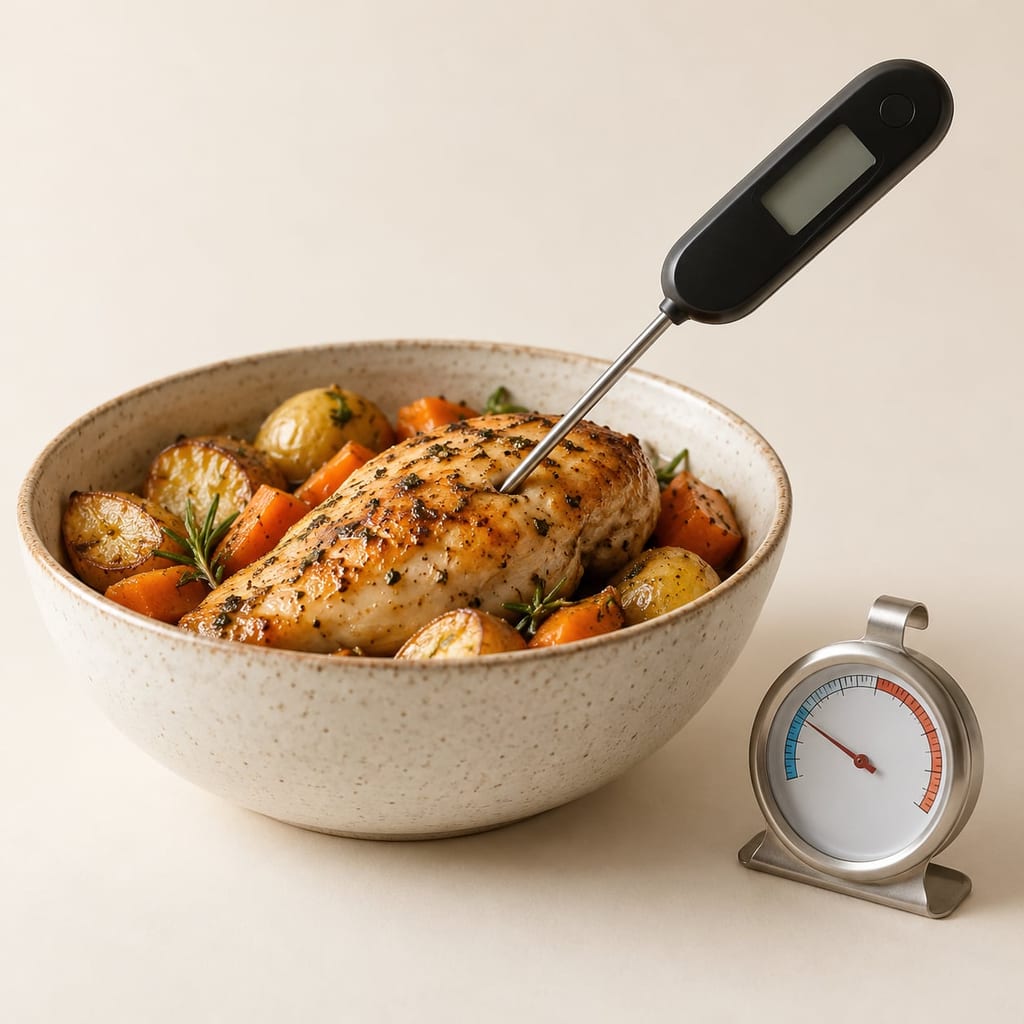
A food probe measures the temperature inside food at the probe tip; a refrigerator thermometer measures the cold storage environment. They answer different questions and cannot establish acidity or validate a preservation process.
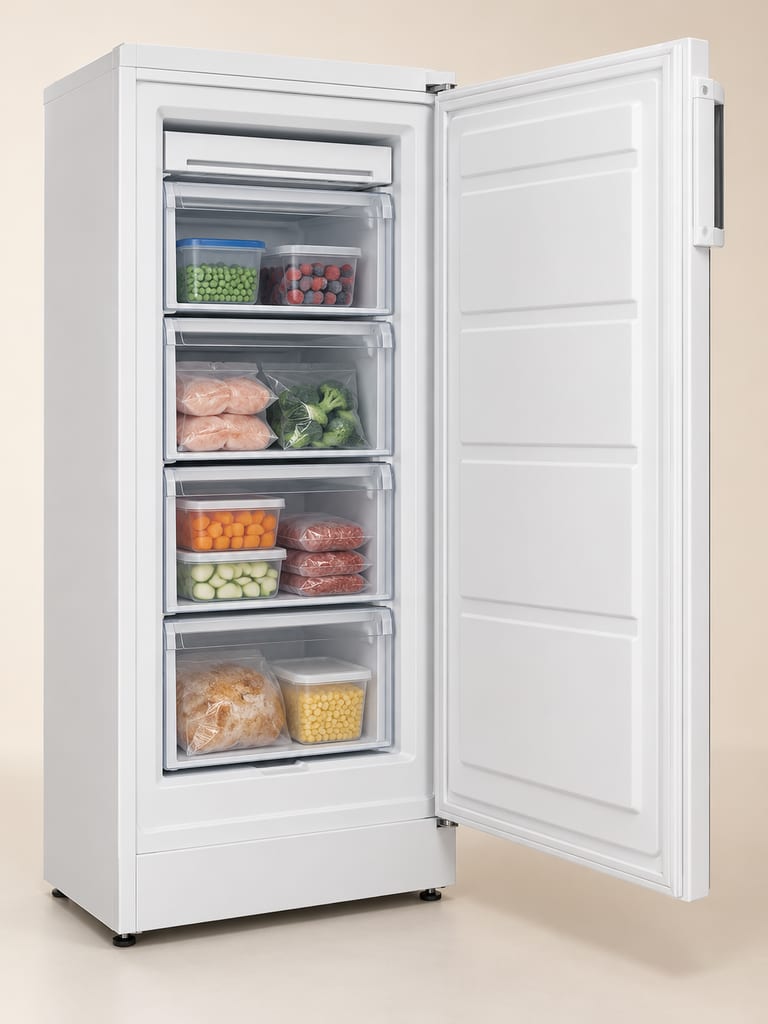
A household freezer holds food in a frozen state for storage and selected texture or separation work; its batch-storage role differs from industrial equipment that freezes individual pieces separately.
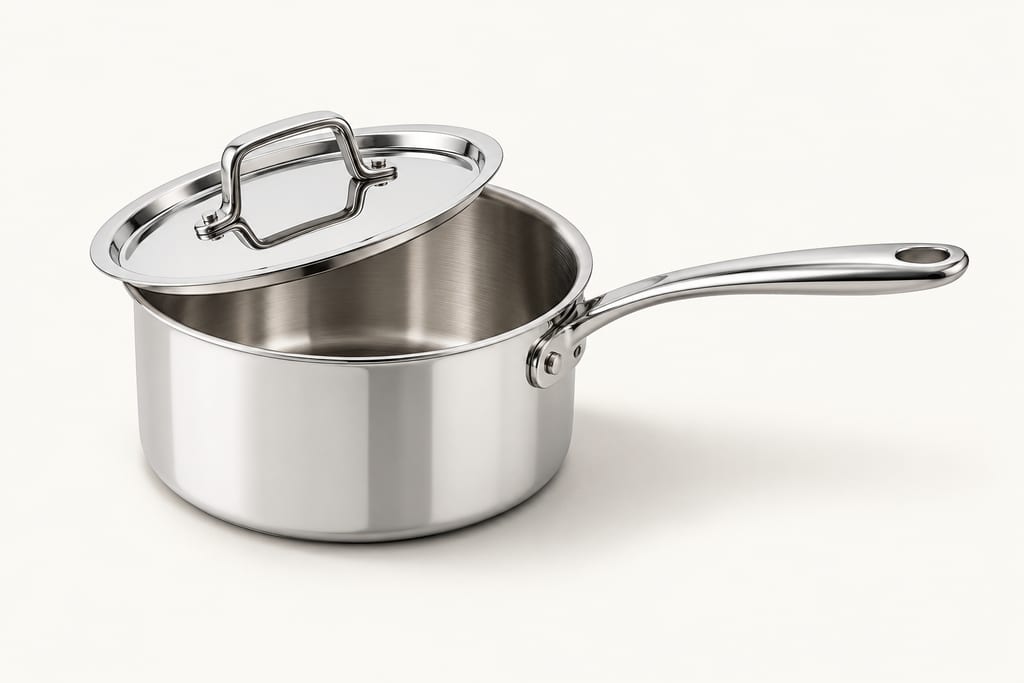
A modern, portable stovetop pan with a stainless-steel cooking surface for sauces and other small simmering jobs. Size, cladding, lid, compatibility and care vary by model.
An ordinary household refrigerator used to store selected fresh produce in vented crates or drawers, at low temperature and at a humidity chosen by the drawer. Not every crop benefits from cold.
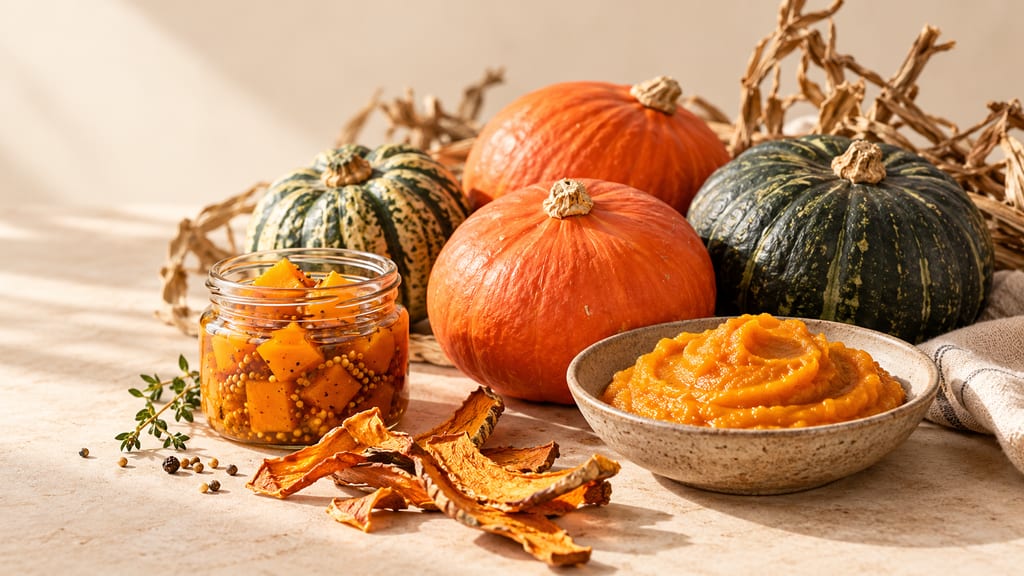
A full harvest-to-pantry guide to keeping pumpkins whole, drying and freezing them, and making pickles and sweet preserves around the world—with the exact distinction between tested canning and cold storage.
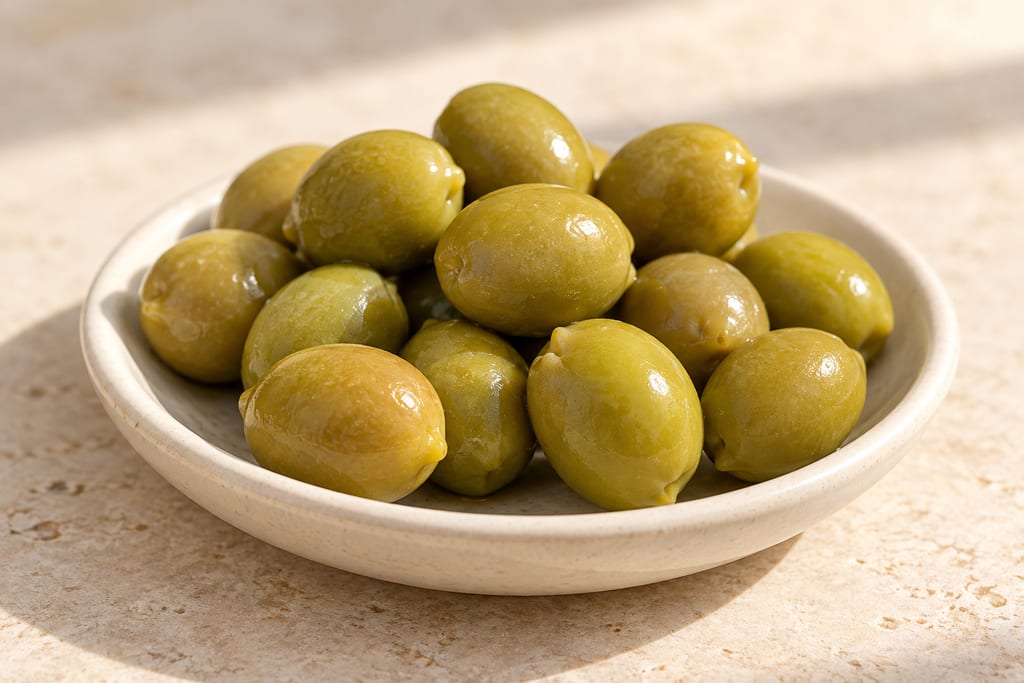
A Portuguese table-olive product from the Negrinha cultivar in northeastern Portugal, sold in three commercial styles, two of them brined fermentations and one oxidised to black.
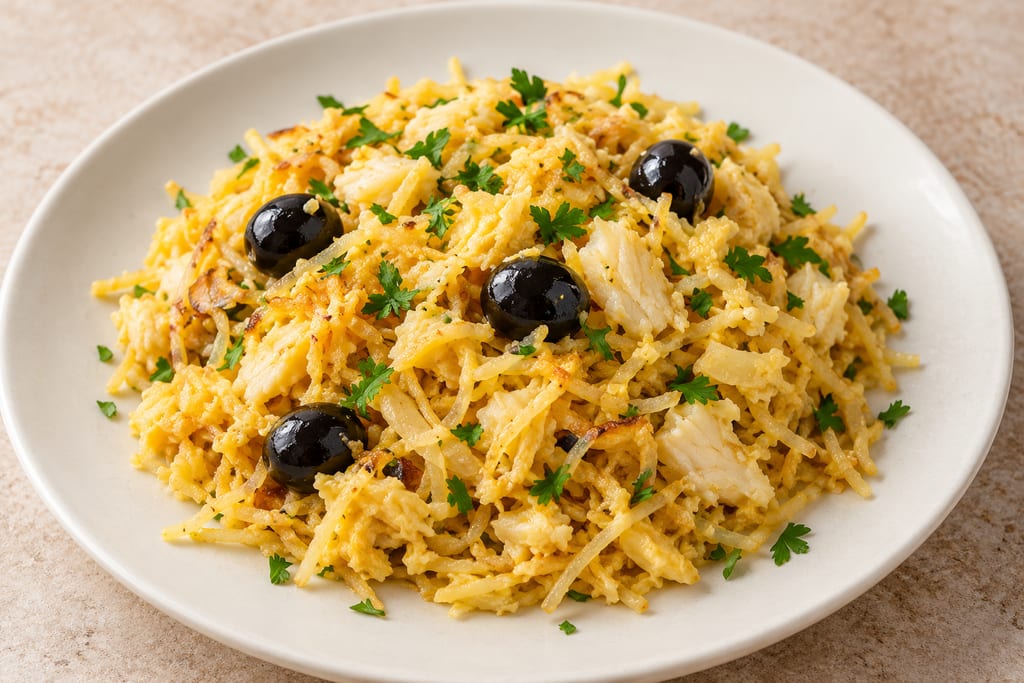
Lisbon's salt cod dish: shredded desalted cod and fine fried potato matchsticks folded through softened onion and bound with beaten egg, finished with parsley and black olives.
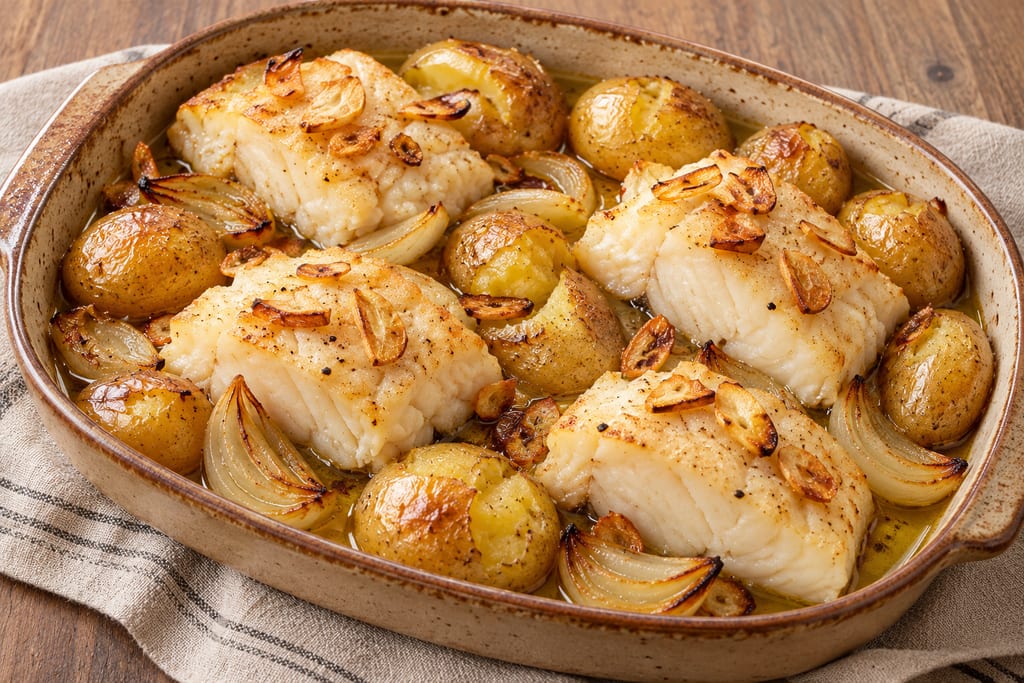
Thick pieces of desalted salt cod roasted in olive oil with garlic and onion, served with small potatoes cooked and then crushed until their skins split.
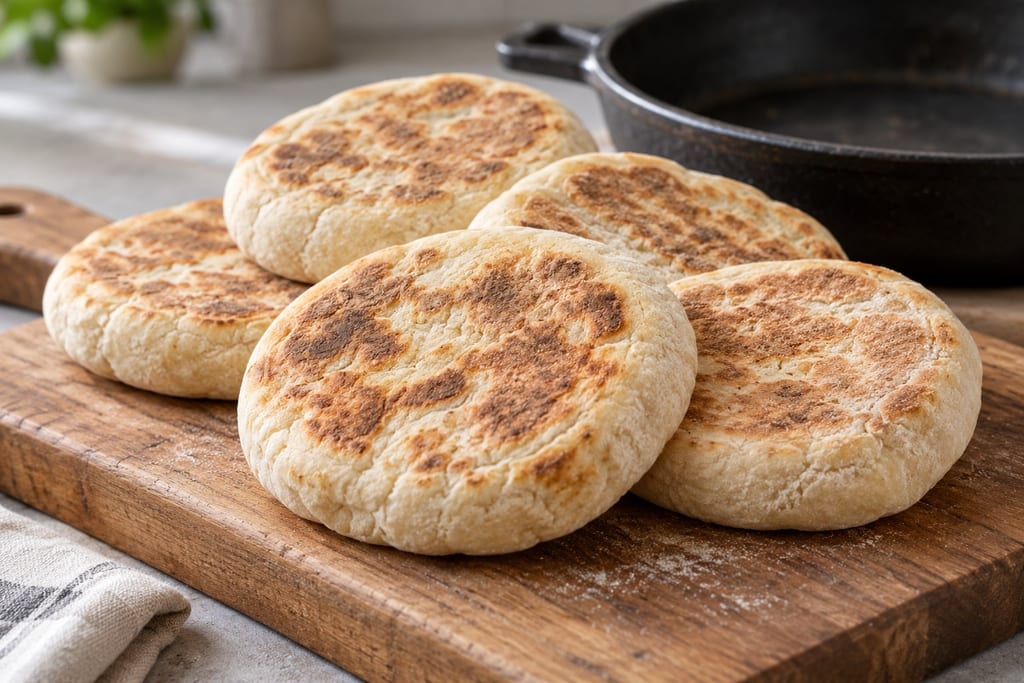
Sweet-potato wheat breads with fresh yeast, browned in a pan and finished in the oven. This is the bread component of Teleculinária's scrambled-egg dish.
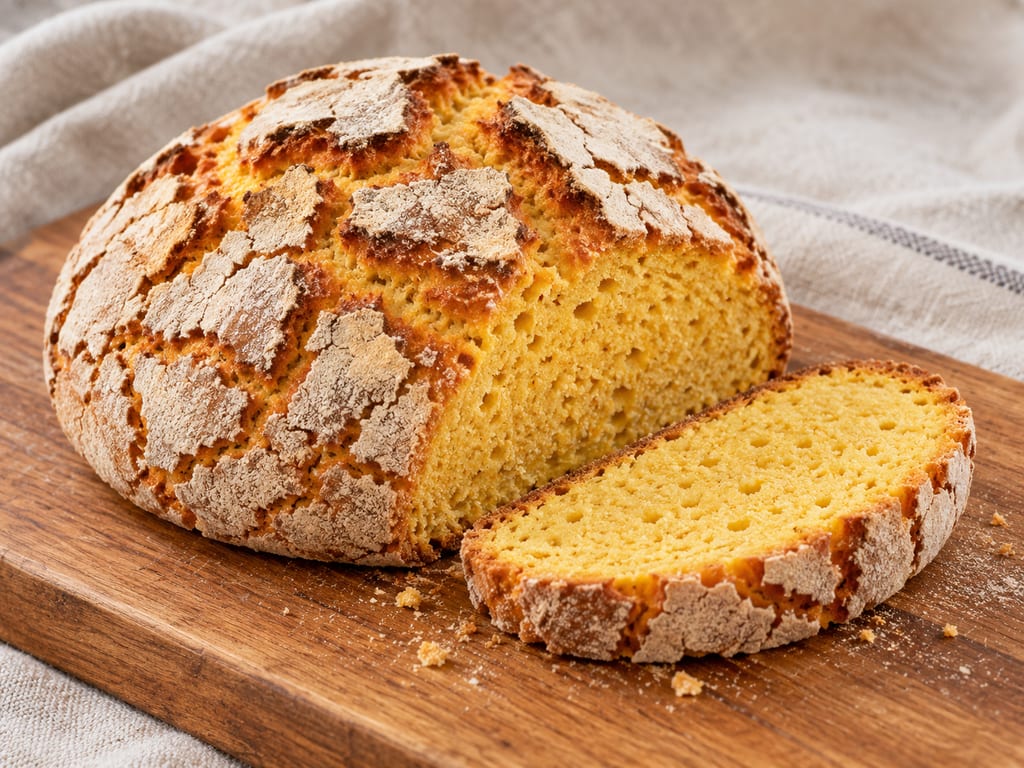
This modern home broa de milho uses scalded maize flour and a wheat-flour yeast sponge; it is distinct from Northern Portuguese maize-and-rye sourdough breads.
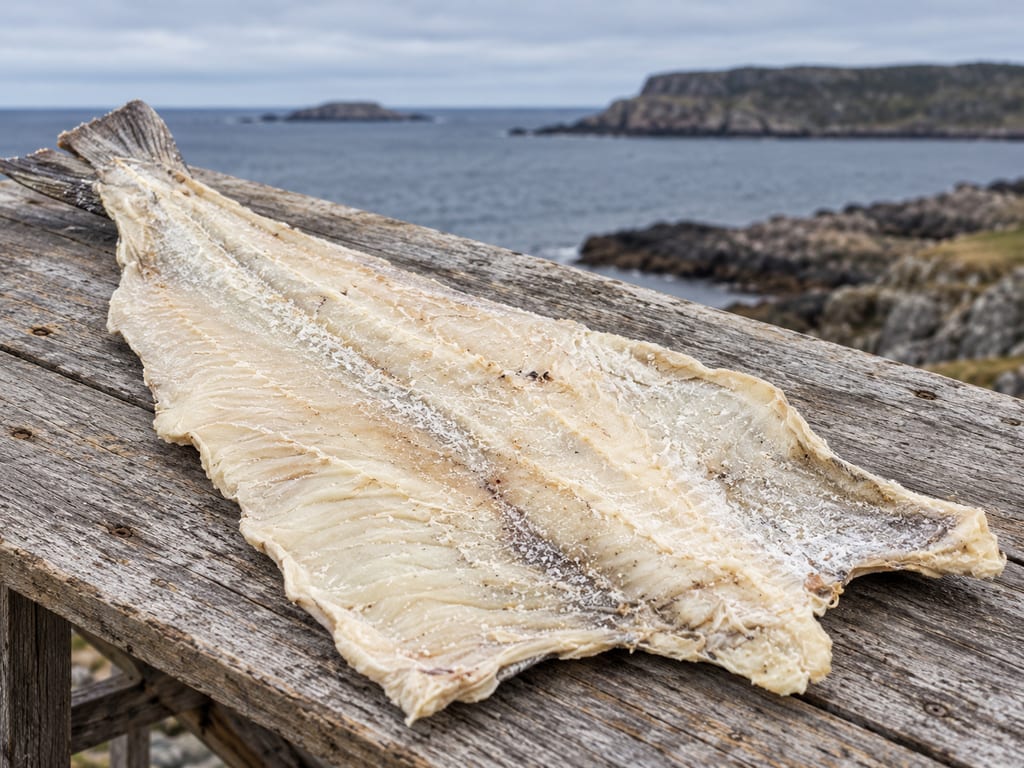
Atlantic cod split, salted and dried on raised flakes along the Newfoundland and Labrador shore, manufactured ashore for markets across the Atlantic.
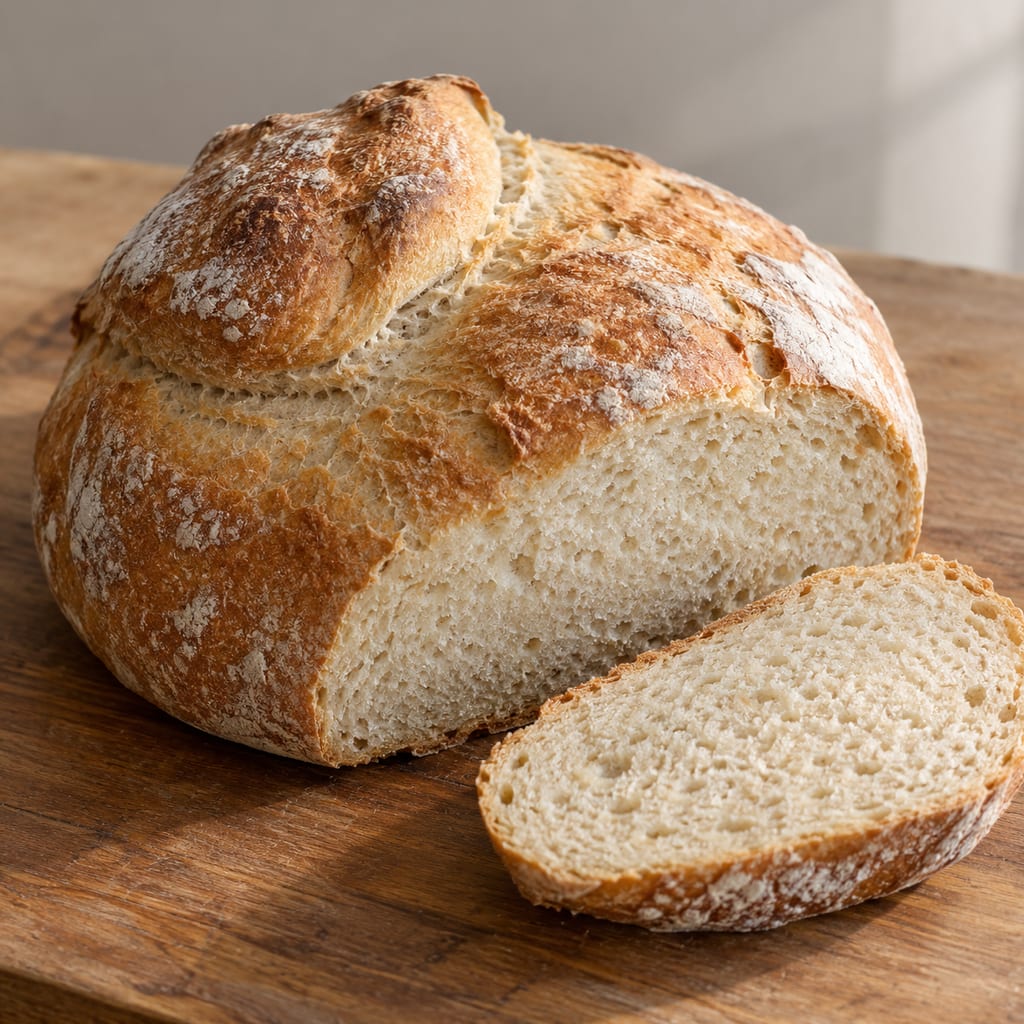
A rounded Alentejo wheat loaf with a raised folded head. This home adaptation uses a fresh-yeast preferment, then proofs the shaped loaf and bakes it with steam.
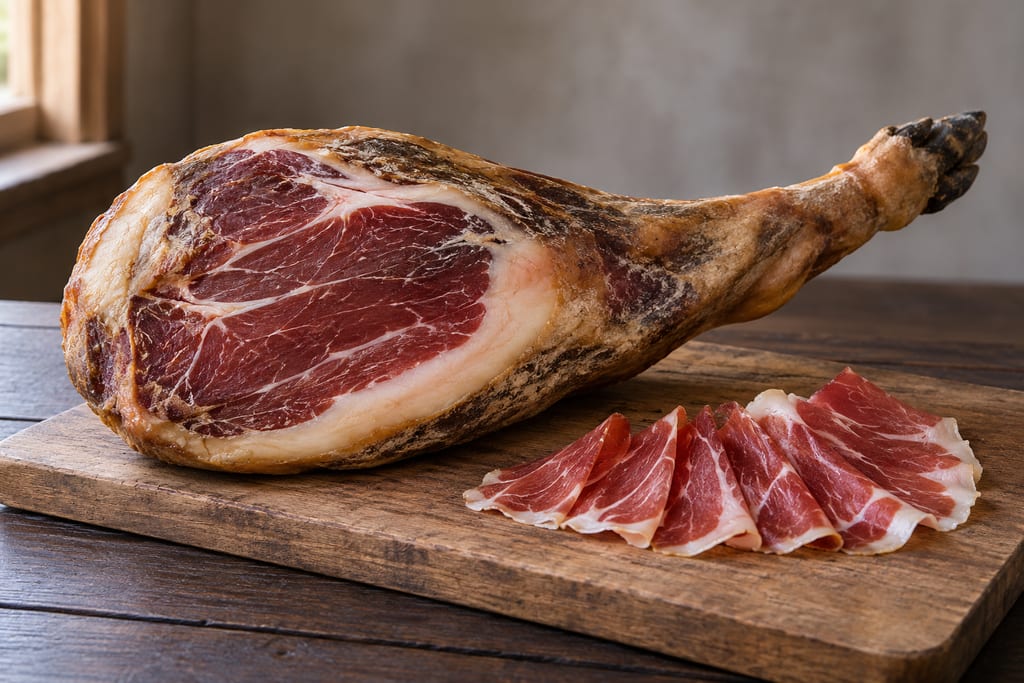
Smoked dry-cured pork ham of the Barroso highlands of northern Portugal: hand-salted, sometimes coated with olive oil and paprika, then smoked slowly over oak or broom in the cold mountain air.
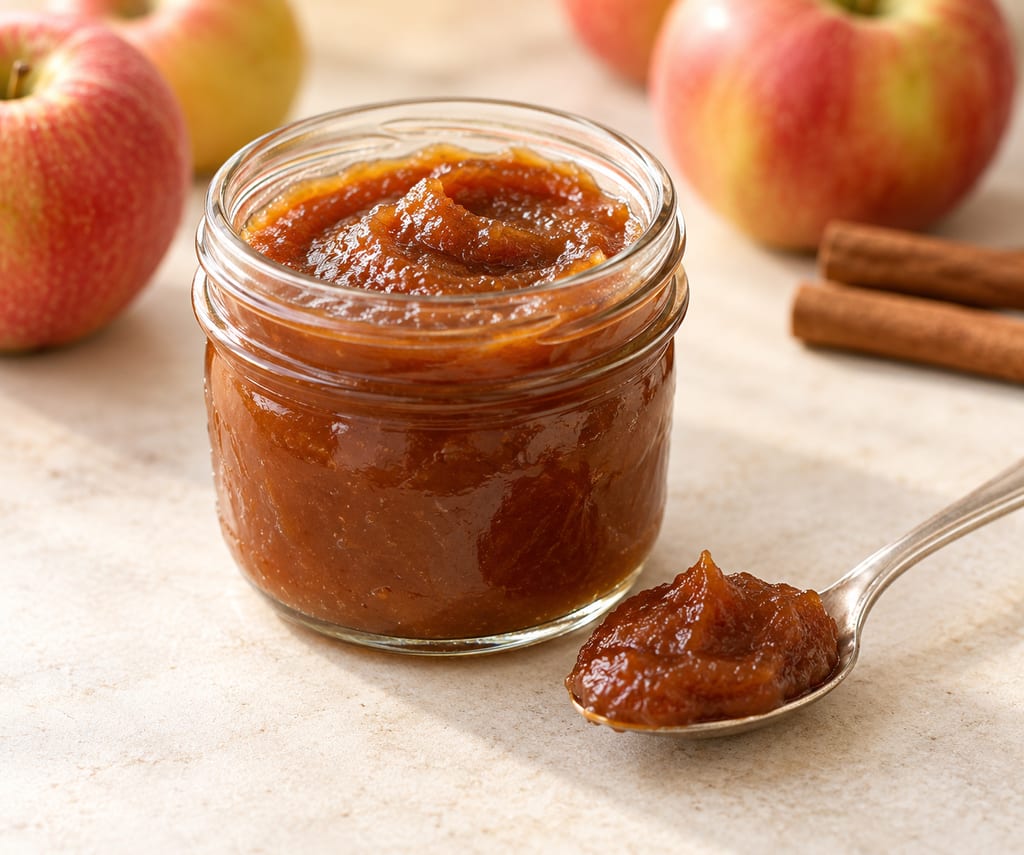
Apple butter is a smooth, concentrated apple preserve cooked with cider, vinegar, two sugars and spices, then hot-filled and processed in a boiling-water canner using the published jar-size and elevation schedule.
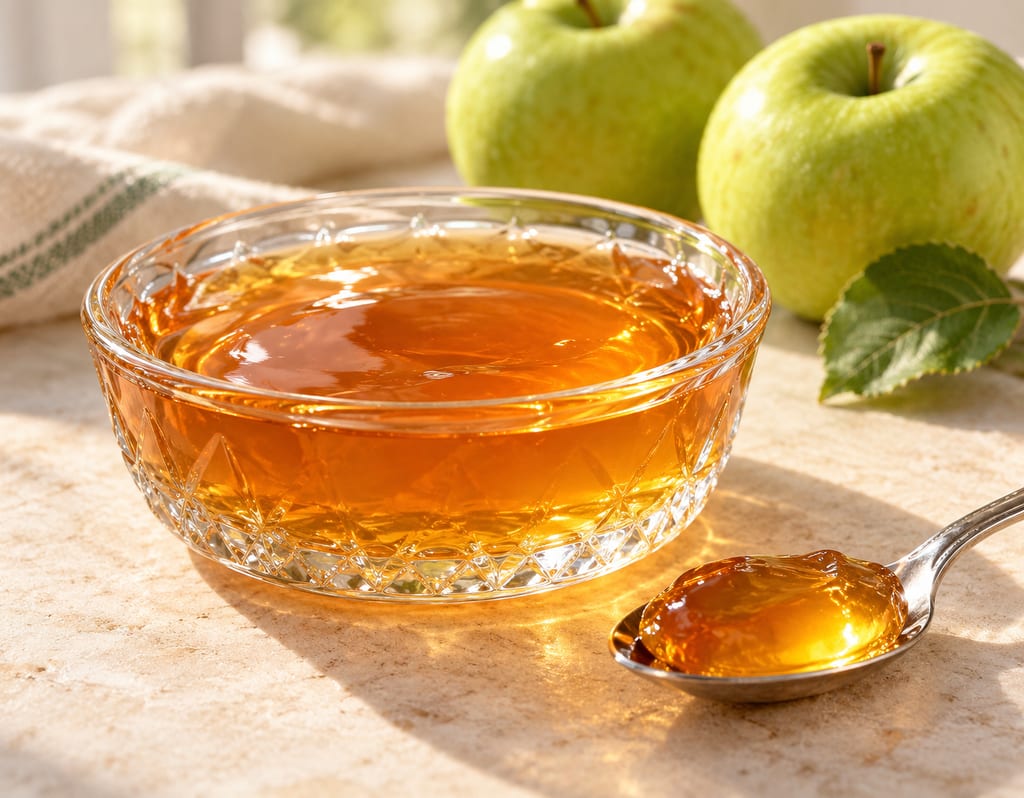
A clear jelly made from tart-apple juice, sugar and optional strained lemon juice. This batch uses a stated fruit-to-water preparation, gel endpoint, hot fill and altitude-adjusted boiling-water process.
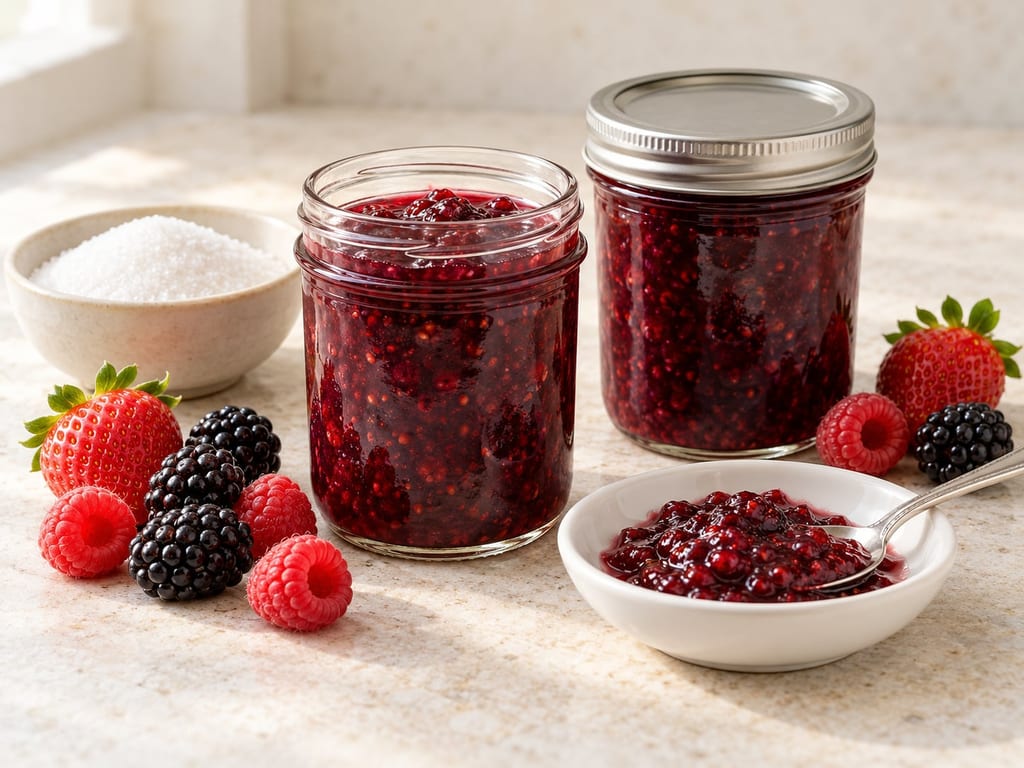
A NCHFP berry jam made without added pectin: crushed berries and sugar are cooked to the desired gel point, hot-filled into sterile half-pint or pint jars, and processed in a boiling-water canner.
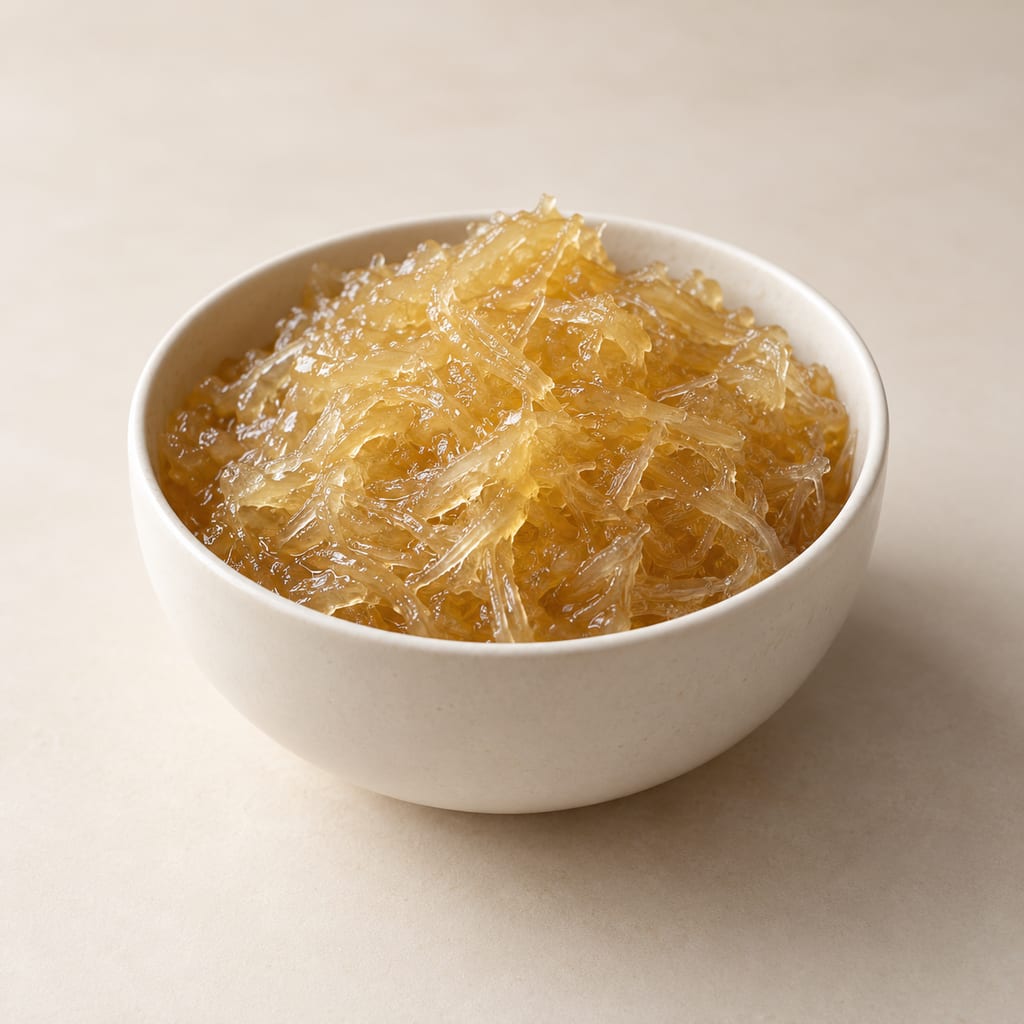
Fine strands of Cucurbita ficifolia cooked in an equal weight of sugar, then portioned for refrigerator or freezer storage. Ordinary orange pumpkin does not give the same fibres.
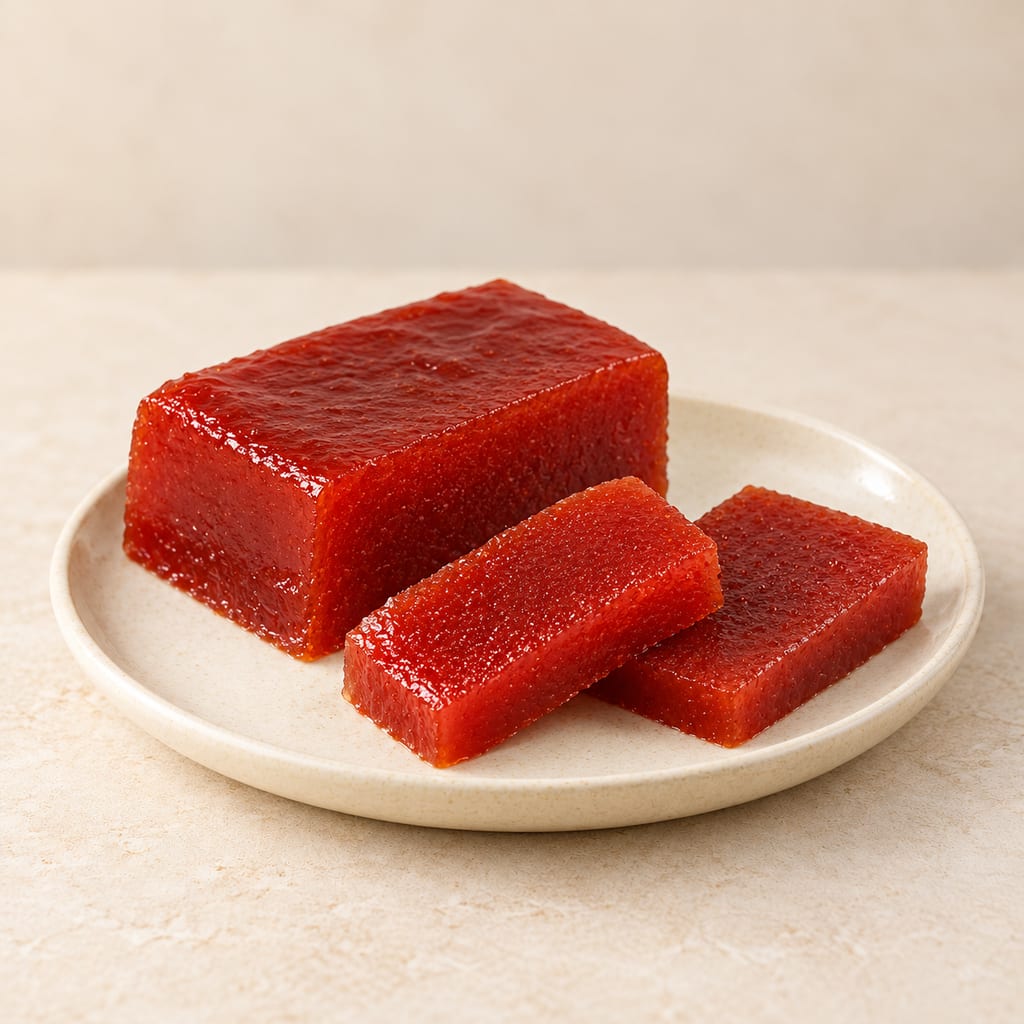
Dulce de membrillo is quince cooked with sugar into a firm paste for slicing. This family method softens the fruit in a pressure cooker, then blends it and leaves it to set.
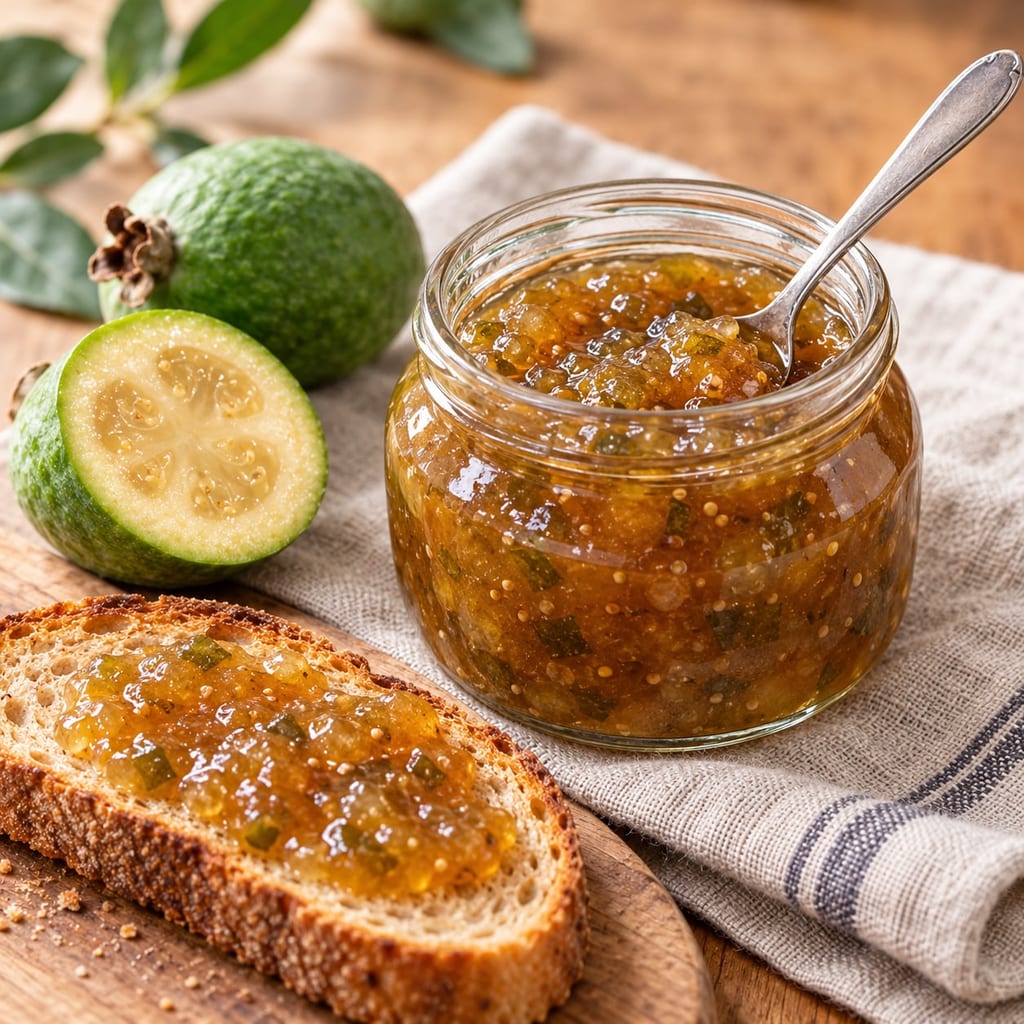
Blended whole feijoas simmer into a skin-on jam with lemon, sugar and vanilla. The skins remain for a more textured finish; keep this batch refrigerated or frozen because its method has no validated shelf-stable canning process.
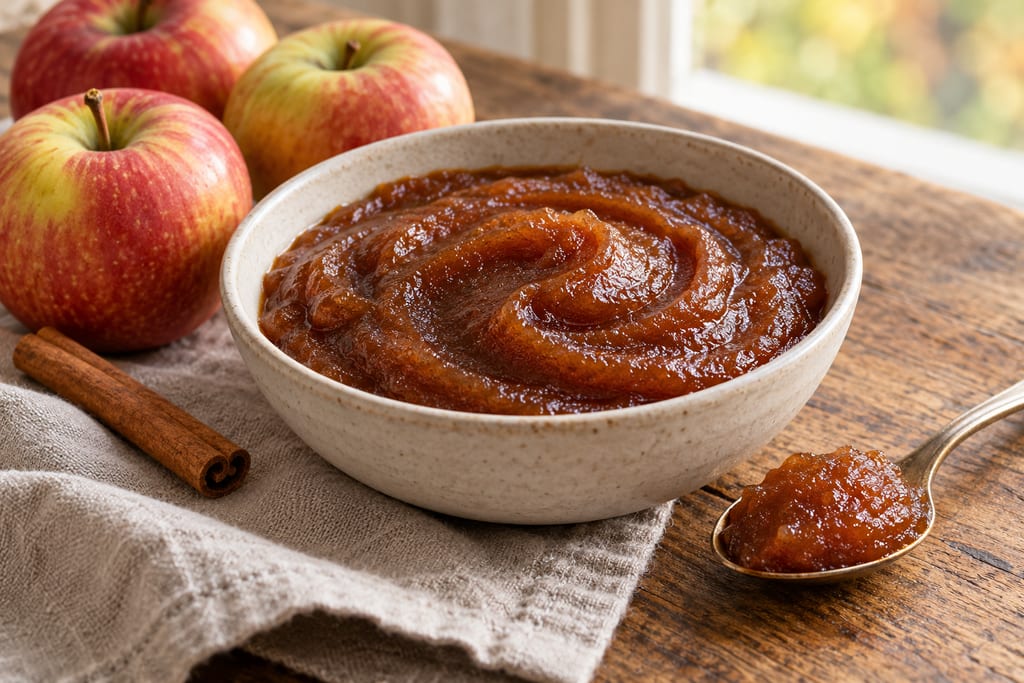
A smooth fruit pulp cooked down with sugar and spice until it holds its shape on a spoon, made by three documented routes in a slow cooker, a microwave or an electric multicooker.
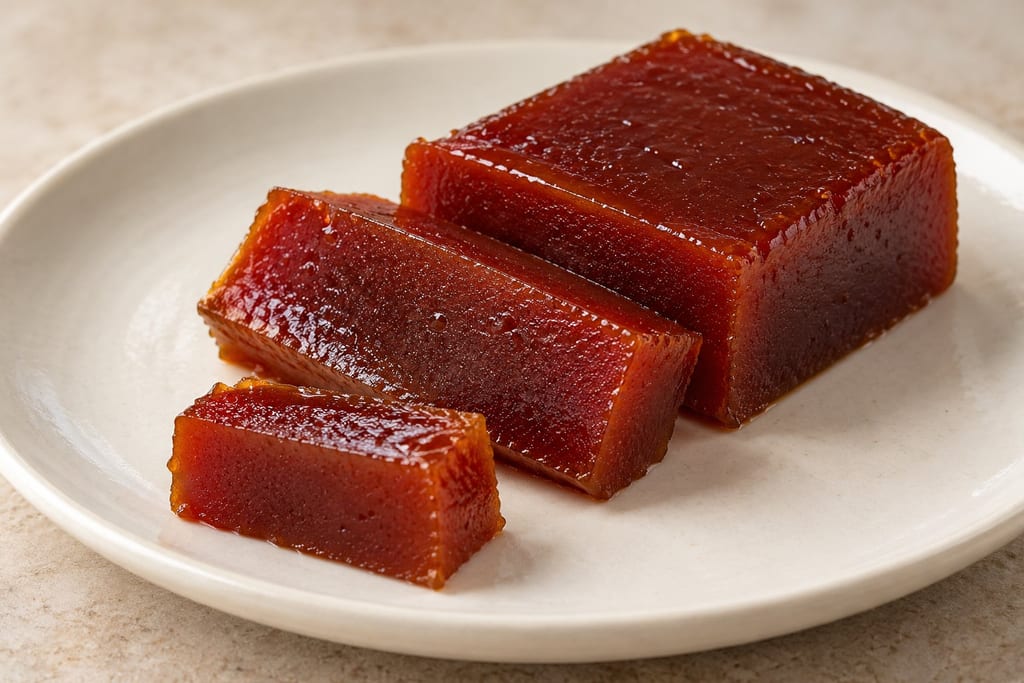
Cooked, sieved guava pulp is reduced with sugar and lime juice to a sliceable paste, then refrigerated. This adapted trial begins with prepared pulp and has no validated canning process or storage duration.
No community contributions have been published for this entry yet.
Sign in to contribute. Published comments and photos are free to read.
Constança CabralMethod · Safety
Doce de Abóbora :: Pumpkin JamAuthor’s one-kilogram pumpkin/one-kilogram sugar adaptation with two cinnamon sticks and optional walnuts; preparation and spoon-path endpoint.
Cited in: A Portuguese pumpkin sweet; Drain before concentrating; Keep the selected sugar ratio
North Carolina Cooperative ExtensionMethod · Safety
Preserving Winter Squash and PumpkinsDry strips; rehydrate one cup dried pumpkin with two cups water, soak one hour then boil until tender. Refrigerate or freeze sweet pumpkin preserves.
Cited in: Walnuts and keeping; Keep the selected sugar ratio
USDA Food Safety and Inspection ServiceSafety
How do I handle leftovers safely?General cooked-leftover rule: refrigerate promptly in shallow containers, use within 3–4 days or freeze; not a pumpkin-specific shelf-life validation.
Cited in: Keep the selected sugar ratio
US Food and Drug AdministrationSafety
Are You Storing Food Safely?Cold storage temperatures; freezing suppresses growth rather than killing most bacteria; prompt refrigeration.
www.bernardin.caMethod · Context · Handling
Bernardin: Pumpkin Pineapple Autumn Glory CompoteDocumented preparation, regional context or preservation handling, with the limits stated in the text.
Cited in: Choosing the right preservation route
ucanr.eduMethod · Context · Handling
UC Master Food Preservers: Sweet Pickled Pumpkin, 2020, from Ball Complete Book of Home Preserving p301Documented preparation, regional context or preservation handling, with the limits stated in the text.
Cited in: Choosing the right preservation route