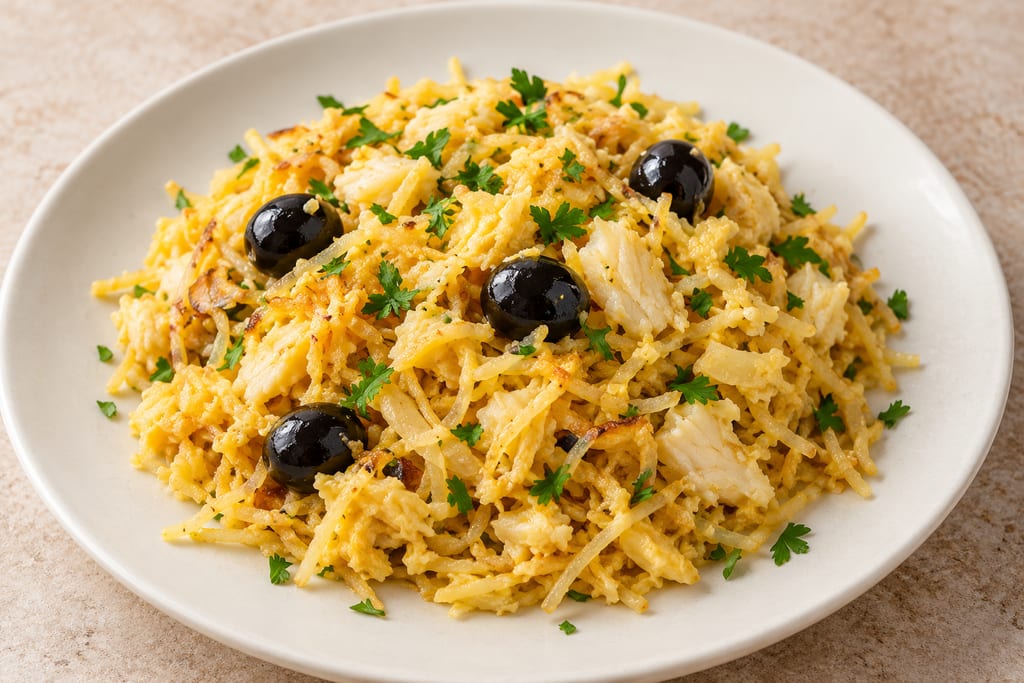
Bacalhau à Brás
Lisbon's salt cod dish: shredded desalted cod and fine fried potato matchsticks folded through softened onion and bound with beaten egg, finished with parsley and black olives.
 FermenteaWhere food goes to change
Azeitona de Conserva Negrinha de Freixo · Negrinha de Freixo · Azeitona de Conserva Negrinha de Freixo · Negrinha table olives
A Portuguese table-olive product from the Negrinha cultivar in northeastern Portugal, sold in three commercial styles, two of them brined fermentations and one oxidised to black.
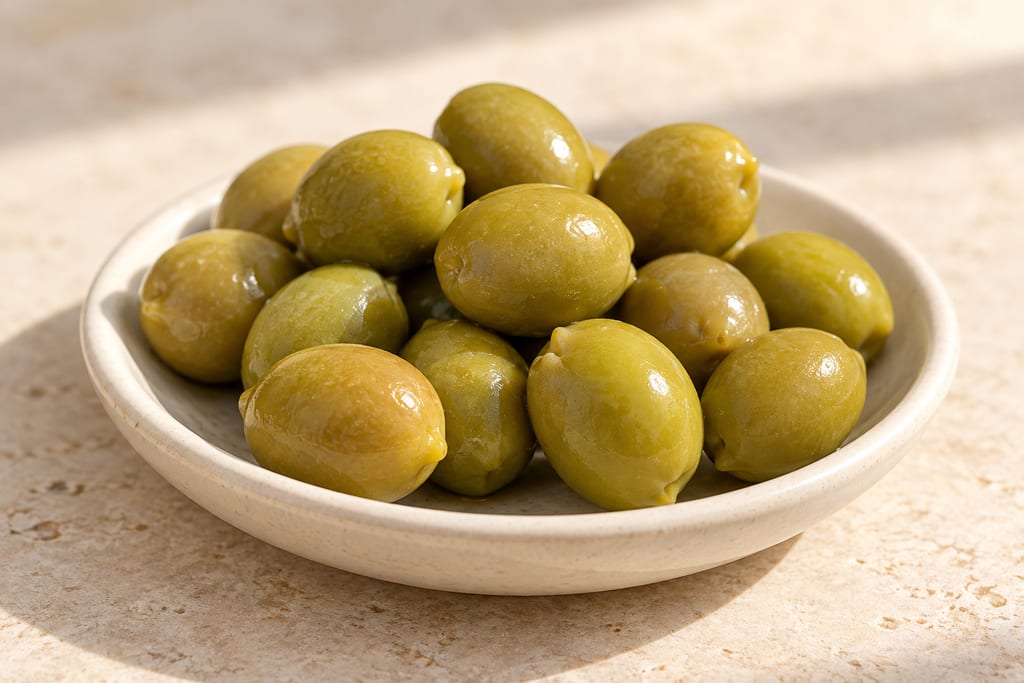
Azeitona de Conserva Negrinha de Freixo names a table-olive product made from the Negrinha cultivar. Portugal's 1994 recognition order names seven municipalities across Guarda and Bragança, and the Portuguese Traditional Products site reports later protection under EU Regulation (EC) No 1107/96. The fruit ranges from green-yellow to black-violet with maturity, has a rounded shape, firm flesh and a small stone that separates readily.
The Portuguese Traditional Products account credits its text to a 2001 Ministry of Agriculture publication. That account says industrial olive preserving began in the area in the late nineteenth century and names Brazil as a major market for canned olives. It reports local commercial history. It does not date the start of olive fermentation or show where curing began.
The 2001 account describes three commercial styles. Green olives are treated with 1.5 to 2.5% sodium hydroxide, as the 2001 account gives it, washed and placed in brine of about 10% for lactic fermentation. Fully mature black-violet olives ferment in 8 to 10% brine for six to nine months. The third style starts with partly ripe fruit, treated with sodium hydroxide and oxidised to black; the account says heat or acidification preserves it and does not call it fermented. Oxidation and chemical debittering should be kept apart from the two brined fermentations.
The concentrations and times here belong to a historical commercial description. They are not household directions or validated safety controls.
The olives are an accompaniment to traditional dishes or drinks and an aperitif. They are sold whole, pitted or stuffed locally. The source does not name a specific dish pairing.
The process descriptions come from a 2001 book reproduced on a product page. The linked DGADR specification (caderno) was not accessible in the review, and the 1994 order PDF did not expose searchable text. The sources do not establish a complete household batch, equipment limits, monitoring schedule, failure response or storage guidance. No home adaptation is proposed.
The concentrations and durations above are commercial-description values from that account. They are not verified current legal requirements or household directions.
The 1994 recognition order names seven municipalities across Guarda and Bragança. The record does not establish a single birthplace for olive curing.
Lisbon's salt cod dish: shredded desalted cod and fine fried potato matchsticks folded through softened onion and bound with beaten egg, finished with parsley and black olives.
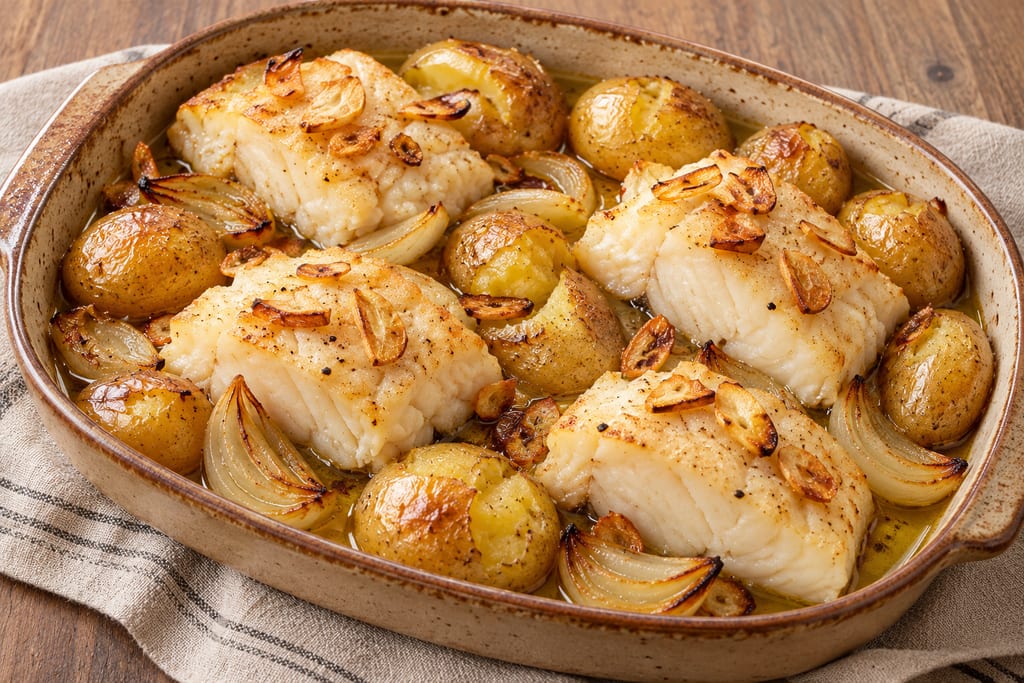
Thick pieces of desalted salt cod roasted in olive oil with garlic and onion, served with small potatoes cooked and then crushed until their skins split.
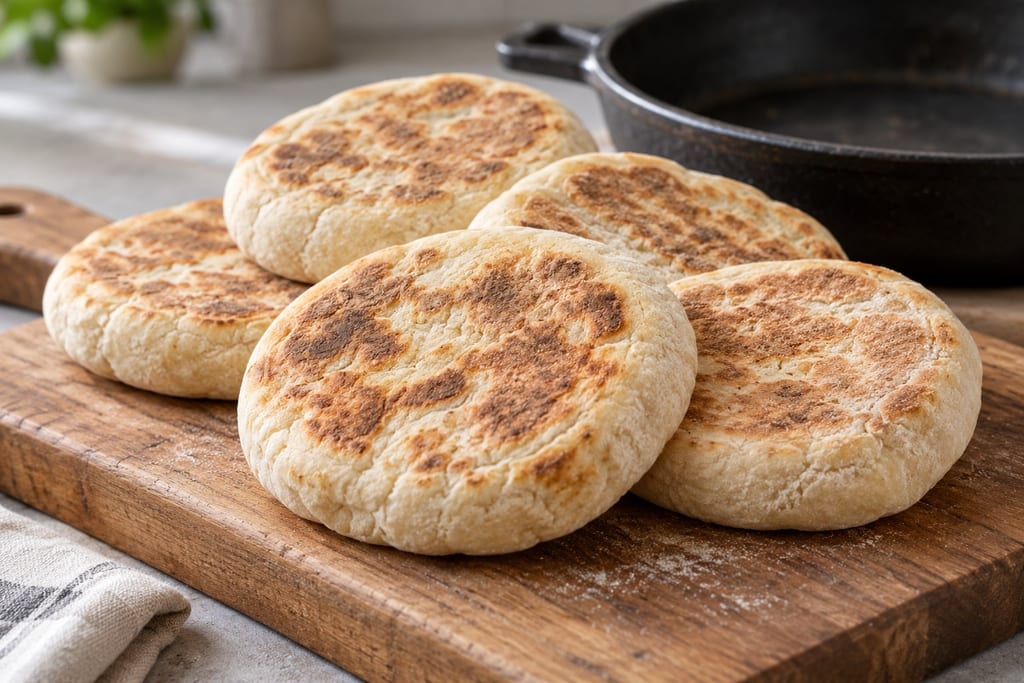
Sweet-potato wheat breads with fresh yeast, browned in a pan and finished in the oven. This is the bread component of Teleculinária's scrambled-egg dish.
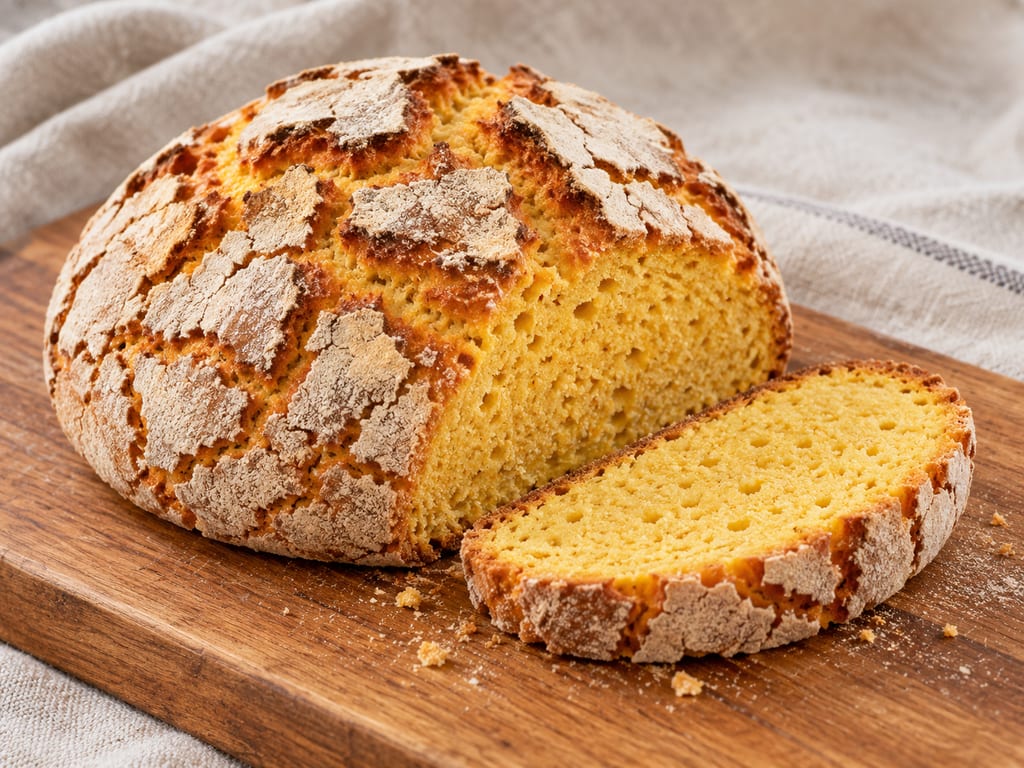
This modern home broa de milho uses scalded maize flour and a wheat-flour yeast sponge; it is distinct from Northern Portuguese maize-and-rye sourdough breads.
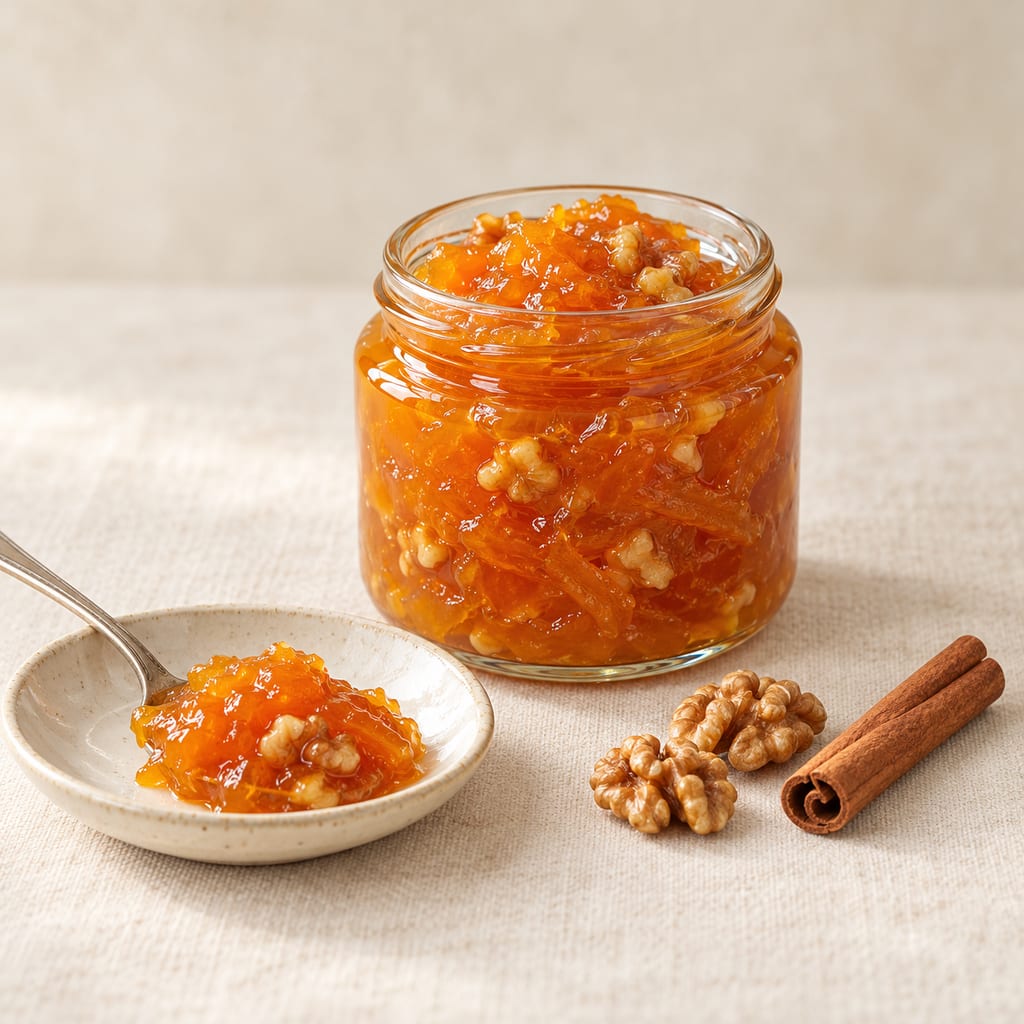
Portuguese pumpkin jam cooked with cinnamon and optional walnuts. A sweet spread to refrigerate or freeze, rather than a home-canned preserve.
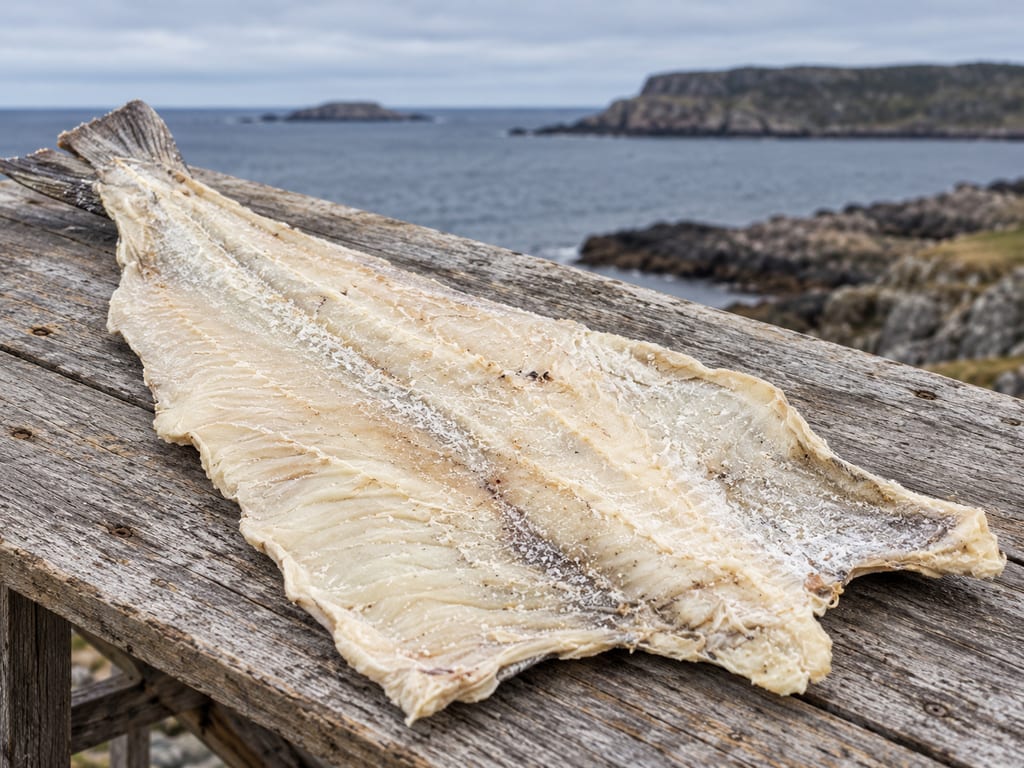
Atlantic cod split, salted and dried on raised flakes along the Newfoundland and Labrador shore, manufactured ashore for markets across the Atlantic.
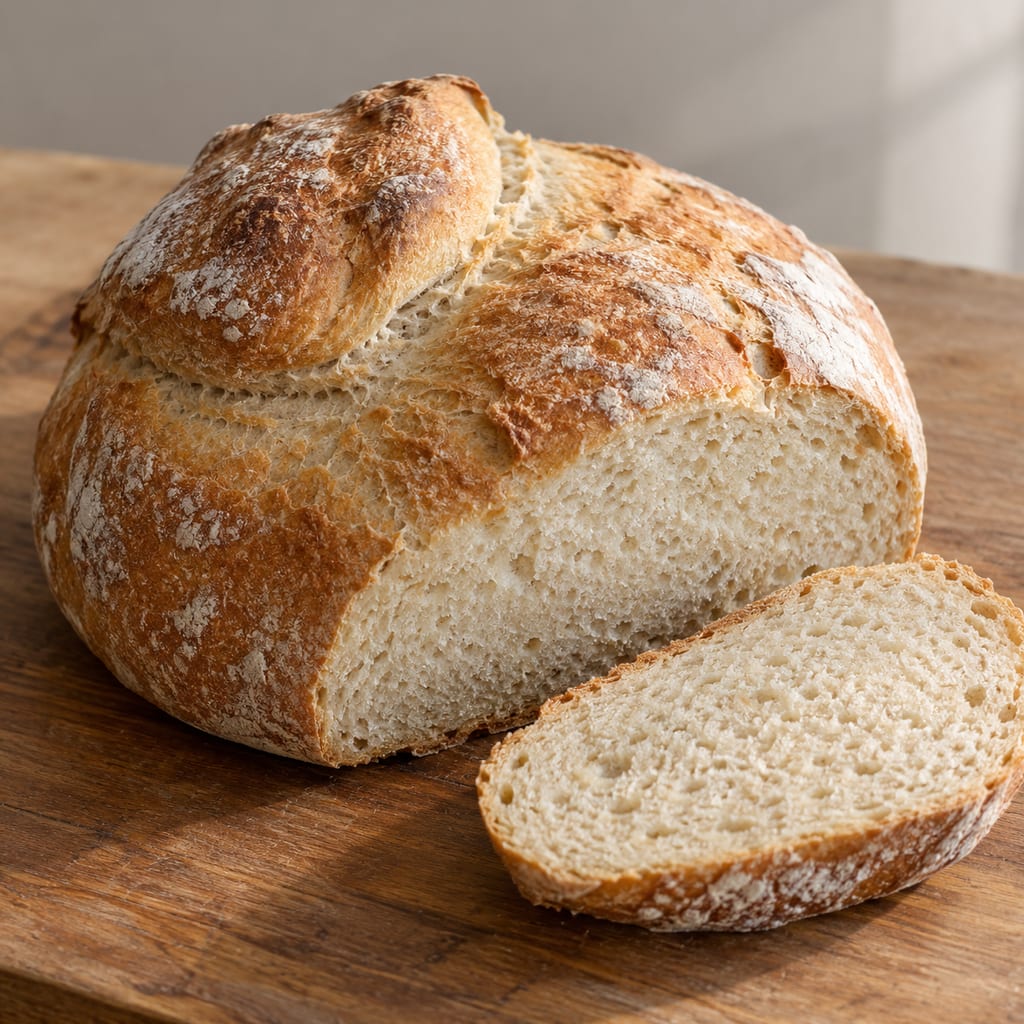
A rounded Alentejo wheat loaf with a raised folded head. This home adaptation uses a fresh-yeast preferment, then proofs the shaped loaf and bakes it with steam.
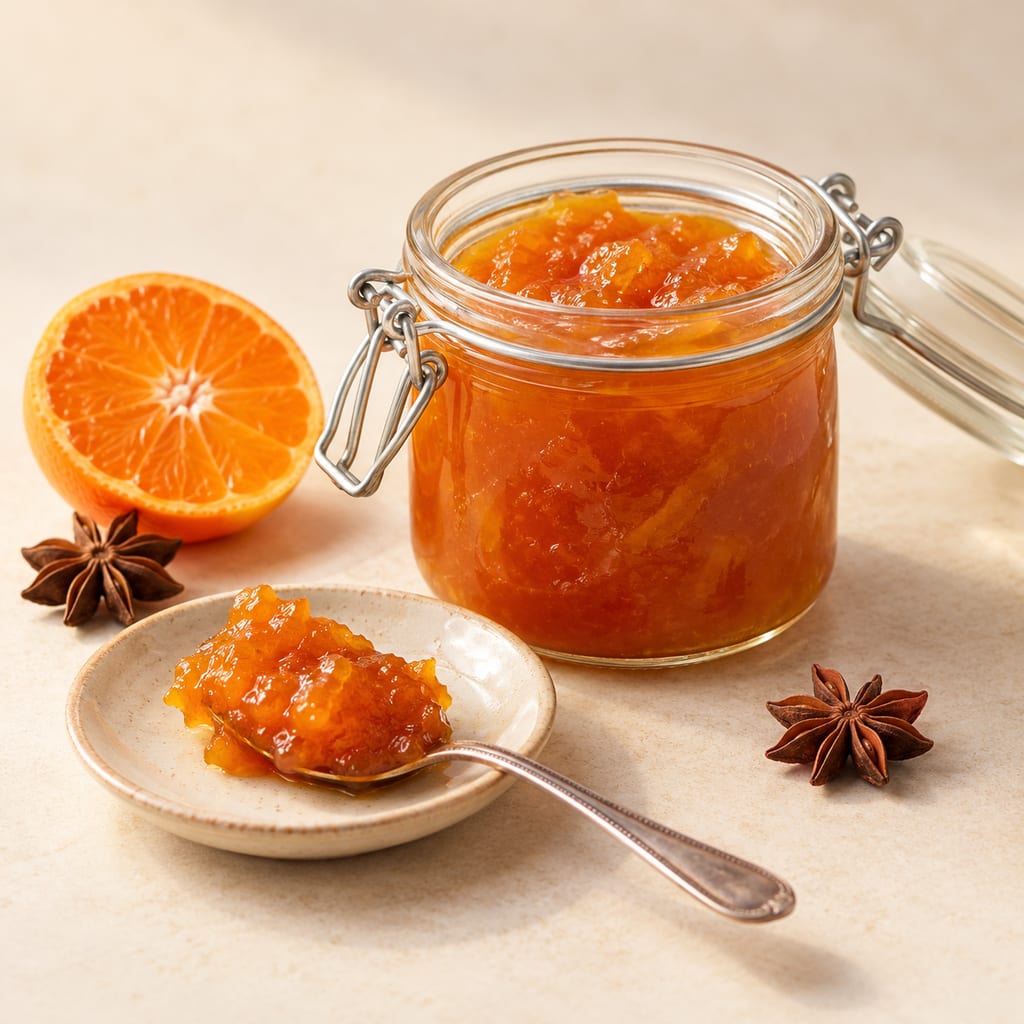
Portuguese pumpkin jam: Freeze for winter; small fresh portion refrigerated up to 48 hours.
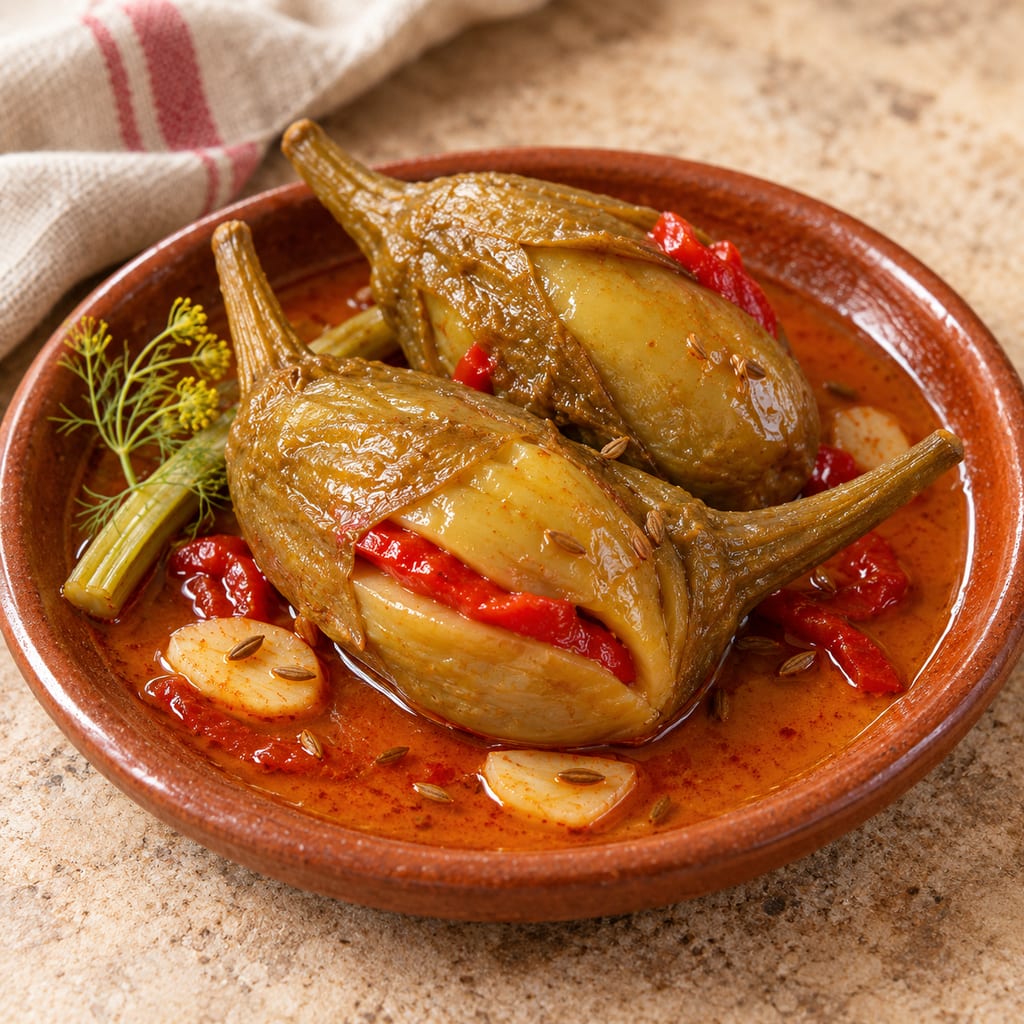
A protected aubergine preserve from Ciudad Real in Spain: tender fruit of the local Dealmagro variety, cooked briefly and then fermented in a vinegared, paprika-seasoned dressing.
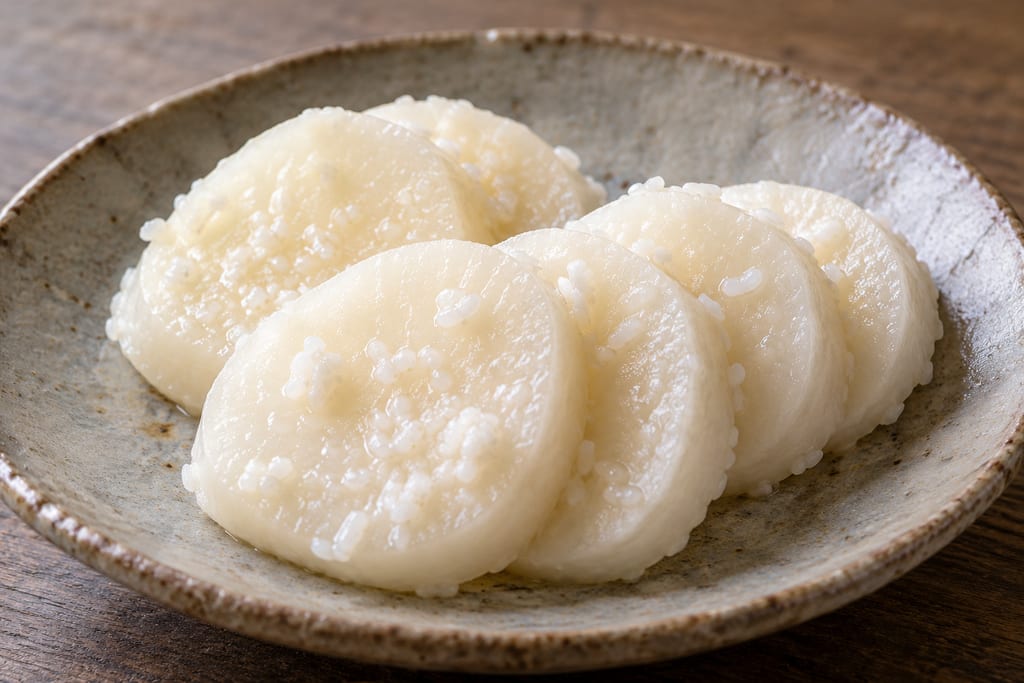
A sweet, crisp Japanese daikon pickle from Tokyo's Nihonbashi district, made by salting fresh radish and dressing it in rice koji, sugar or koji amazake without the heavy drying used for takuan.
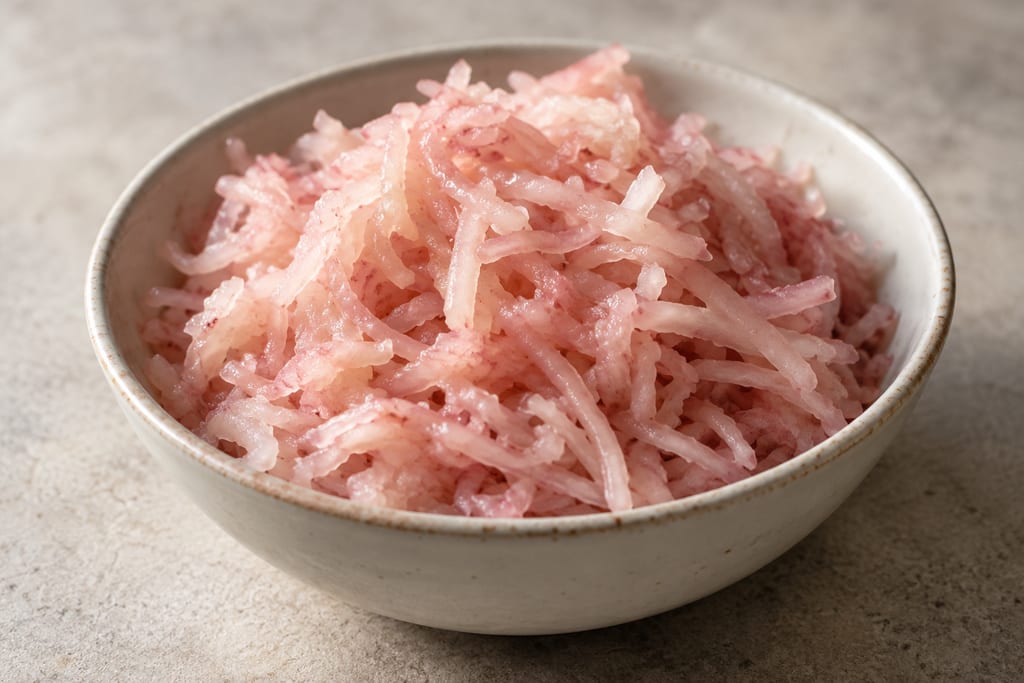
Source-specific Brovada DOP producer method for Friuli Venezia Giulia turnips and red-grape marc. This records a regulated producer process; it is not a validated home-scale recipe.
An industrial fermentation patio places factory-made fiberglass-reinforced polyester olive tanks below floor level, with drainage and transfer infrastructure arranged around the buried vessels.
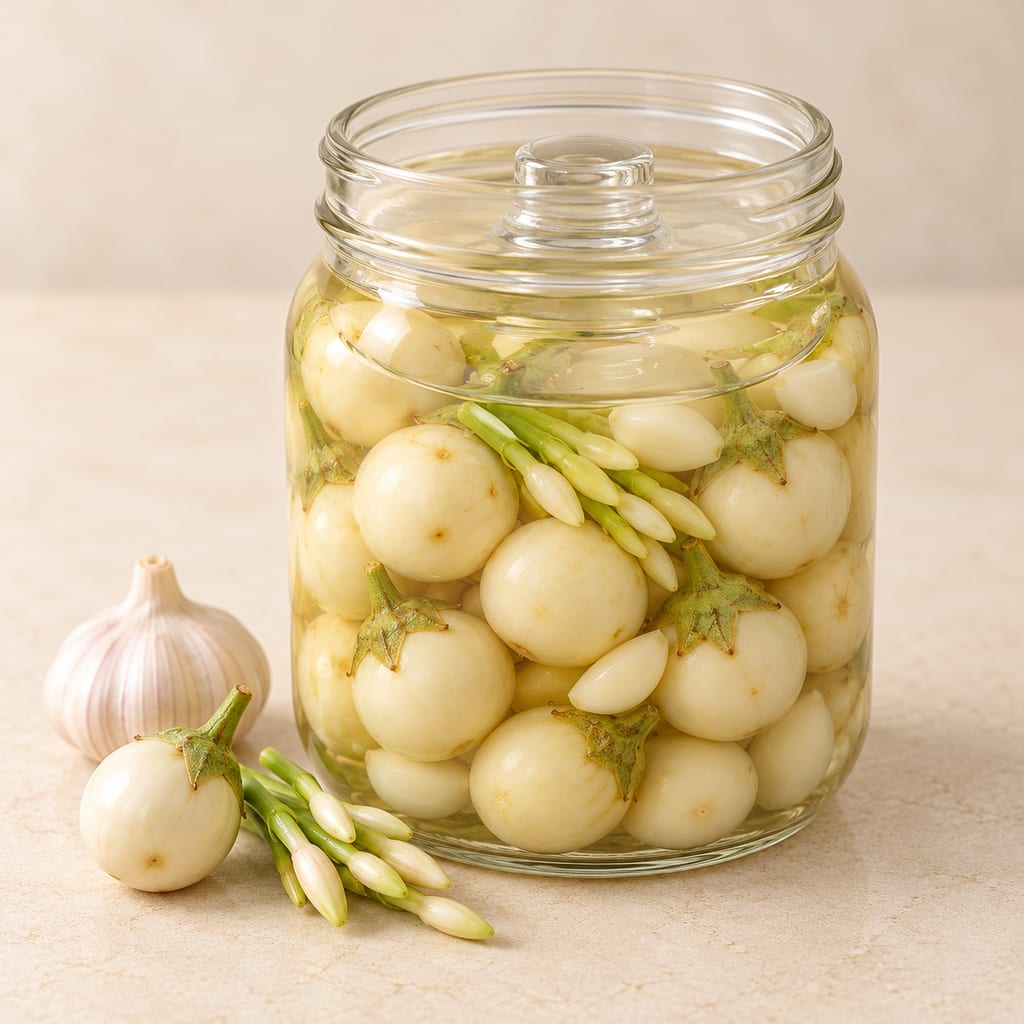
Vietnamese salted and fermented small eggplant, dried on the day of purchase, then held submerged in warm salty water with garlic and galingale flower for a week or longer.
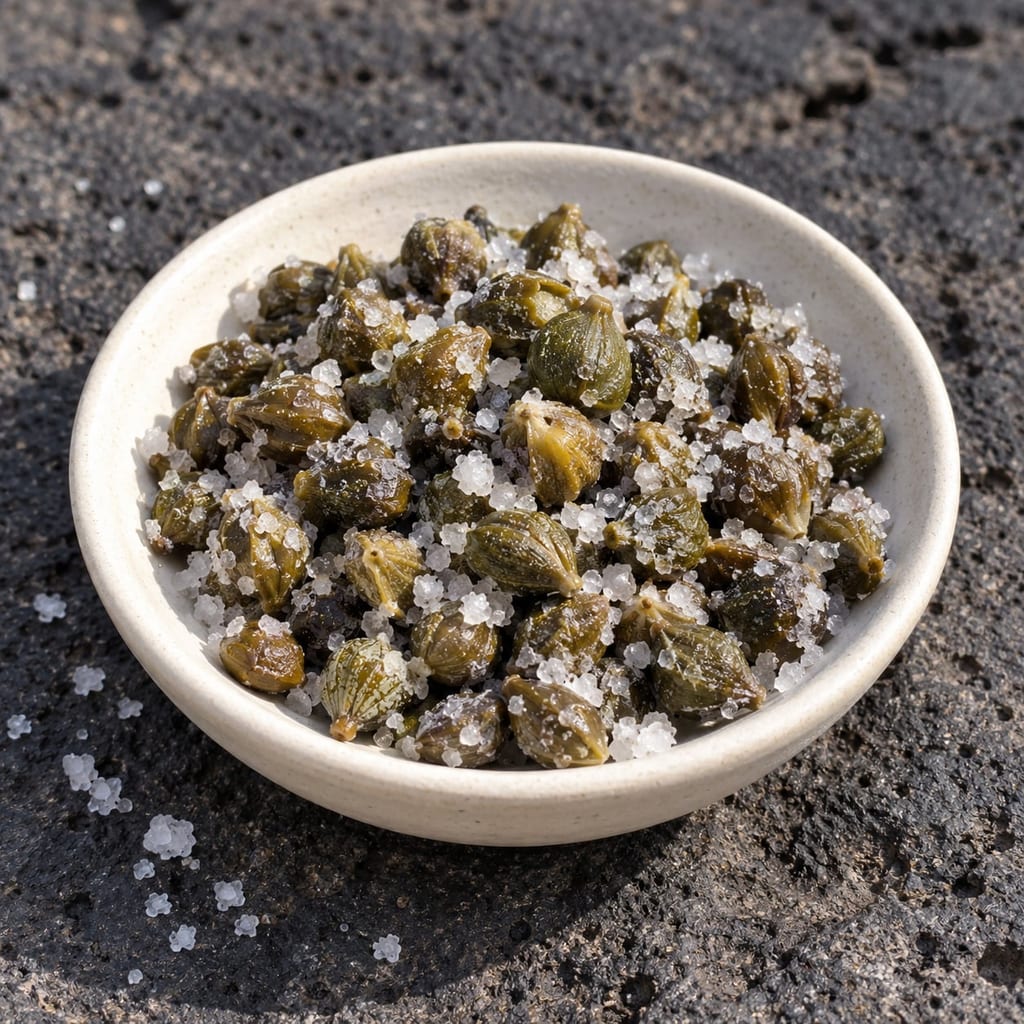
A protected Sicilian product: unopened caper buds from the island of Pantelleria, dry-salted with sea salt in a two-stage process that encourages lactic fermentation.
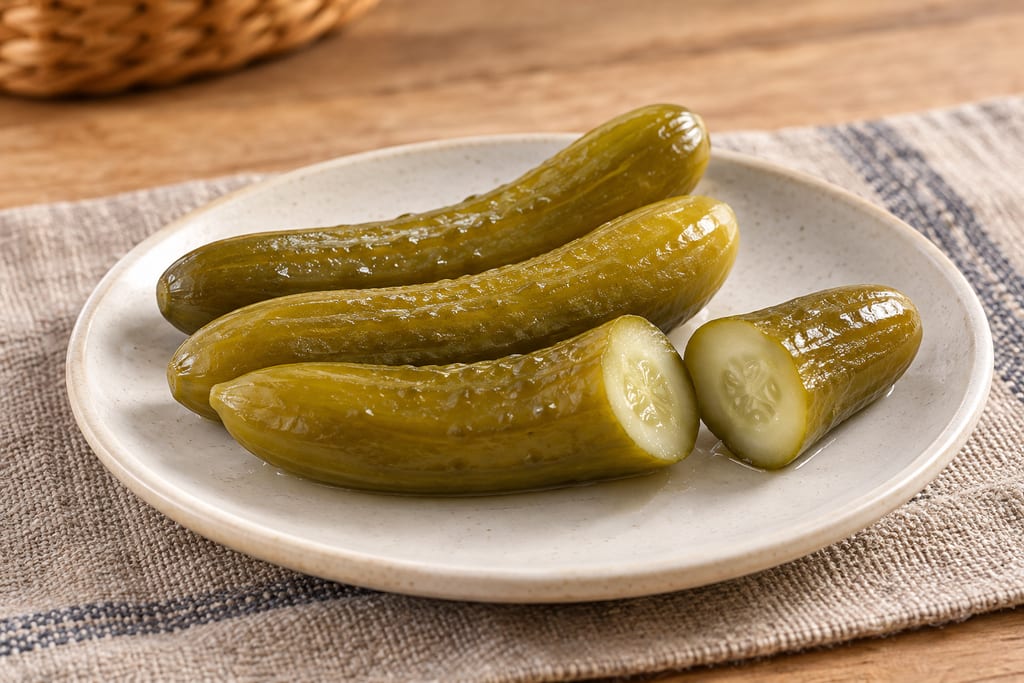
Çubuk turşusu is a registered pickle from Çubuk district in Ankara. Its cucumber variant is sold as Salatalık Turşusu, and a commercial specification sets its brine and room-temperature period.
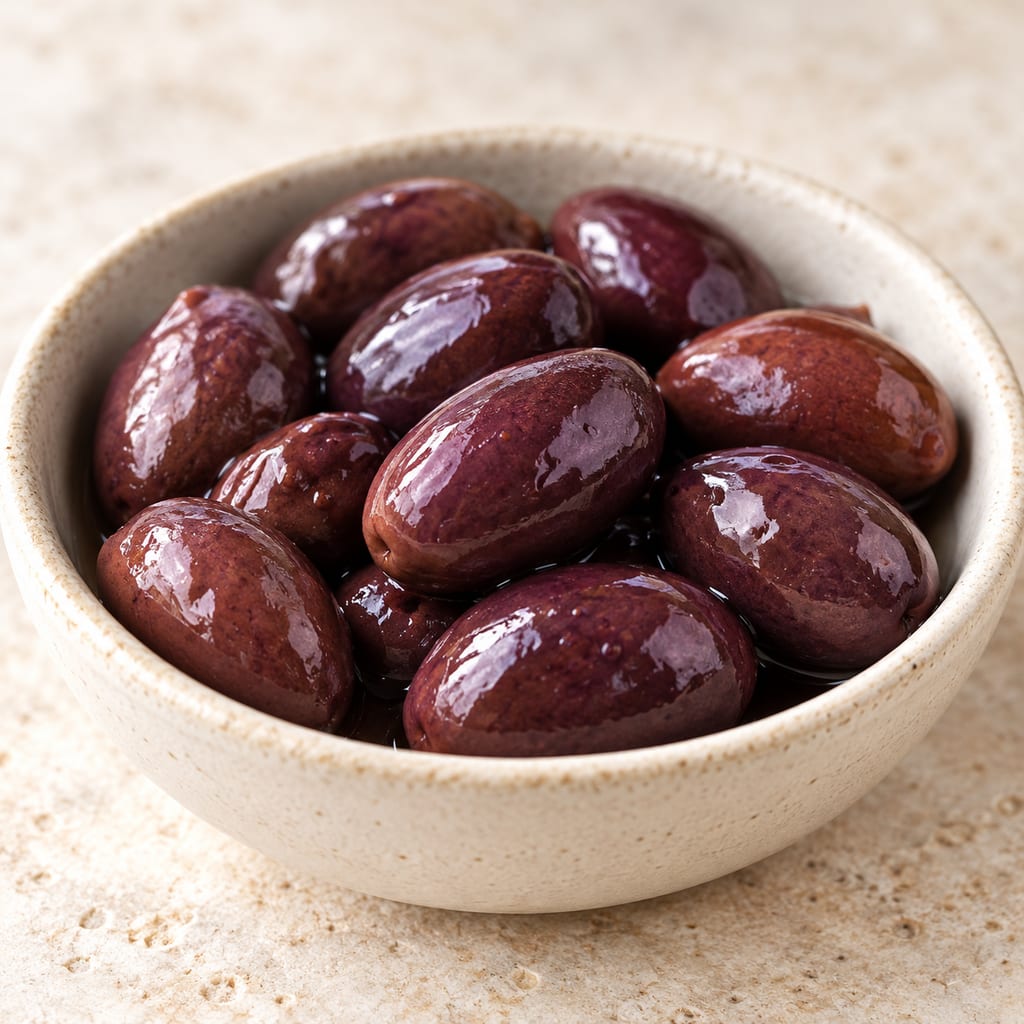
Elia Kalamatas is a Messinia table olive of the Kalamon variety, picked before full ripeness and fermented in brine for six to nine months; it is a PDO product, not a generic black olive.
No community contributions have been published for this entry yet.
Sign in to contribute. Published comments and photos are free to read.
Produtos Tradicionais Portugueses; reproduces a 2001 Ministry of Agriculture publicationMethod · History
Azeitona de Conserva Negrinha de Freixo – DOPThree commercial styles: green (NaOH, brine fermentation), black-violet (brine six to nine months), oxidised black (NaOH and oxidation, not fermented)
Industrial olive preserving from the late nineteenth century; Brazil as a major market
Cited in: Overview; Commercial history; Three treatments; Serving; What remains unresolved
Diário da República, 2.ª série, no. 28History
Despacho 47/94 and Annexes I–II1994 recognition of the product, naming seven municipalities across Guarda and Bragança
Cited in: Overview; What remains unresolved