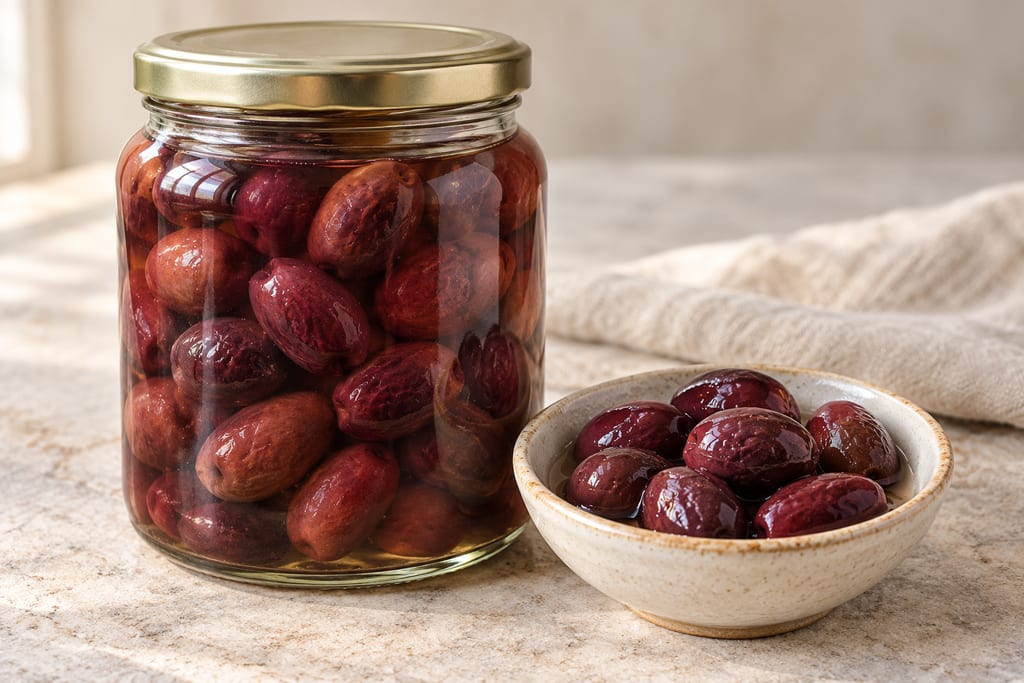
Greek-style black olives in brine
Ripe olives go straight into brine with no lye and cure for months, mostly by yeasts. The home method here is the University of California two-stage brine.
 FermenteaWhere food goes to change
Ελιά Καλαμάτας · Ελιά Καλαμάτας · Kalamata PDO olives · Kalamata olives · Elia Kalamatas PDO
Elia Kalamatas is a Messinia table olive of the Kalamon variety, picked before full ripeness and fermented in brine for six to nine months; it is a PDO product, not a generic black olive.
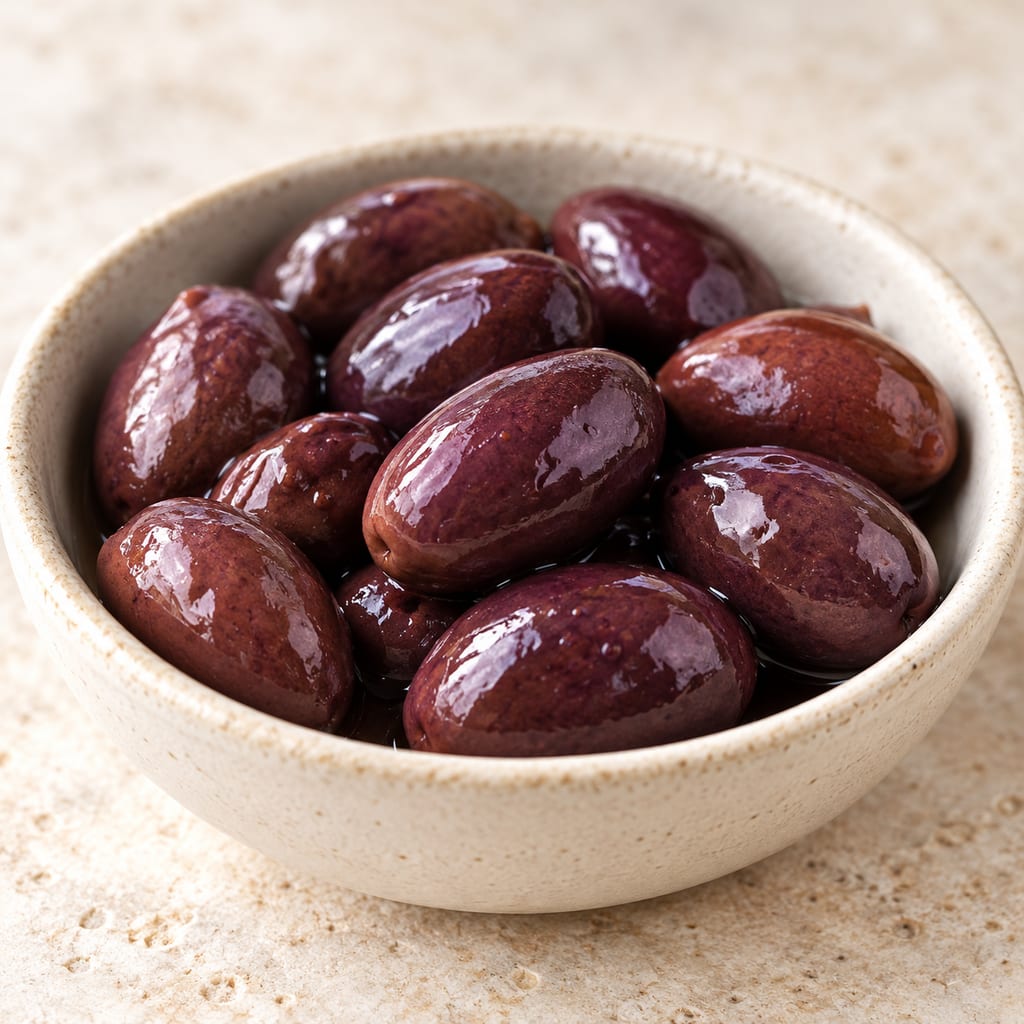
Elia Kalamatas is the name for a table olive produced in Messinia from the Kalamon variety. The University of the Peloponnese project describes the olives as picked from late October to November. The University of the Peloponnese describes the product as black, medium-sized and pointed, with a crunchy texture and fruity taste. Kalamon is grown in several Greek regions, but the PDO name applies only to the product made in Messinia, so the variety and the named product are related without being interchangeable.
Codex classifies such olives as natural black olives: black fruit placed directly in brine, where it undergoes partial or complete fermentation. Natural here means that the fruit is brined without alkaline treatment. It does not mean raw.
The university summary says the fruit is washed and placed in brine of 6–8% sodium chloride for fermentation over six to nine months, then packaged. The summary does not explain the percentage basis, name a starter or microbial sequence, or give household-scale quantities and monitoring. The figures are part of a product summary and are not presented here as a complete home formula, a legal PDO requirement or a validated safety control.
UC ANR Publication 8267 gives a separate Greek-style method for mature, fully coloured olives, with a two-stage household brine. That method is a comparator for a different ripeness and is not transferred to the Messinia product.
The full current protected-name specification was not reviewed, so detailed legal requirements are not stated here. The university page gives no batch size, monitoring method, failure response or tested storage condition for the finished olives. Appearance, smell and taste do not establish that a batch is safe.
The University of the Peloponnese names Messinia as the place of the PDO product. The record does not establish a birthplace for olive curing.
Ripe olives go straight into brine with no lye and cure for months, mostly by yeasts. The home method here is the University of California two-stage brine.
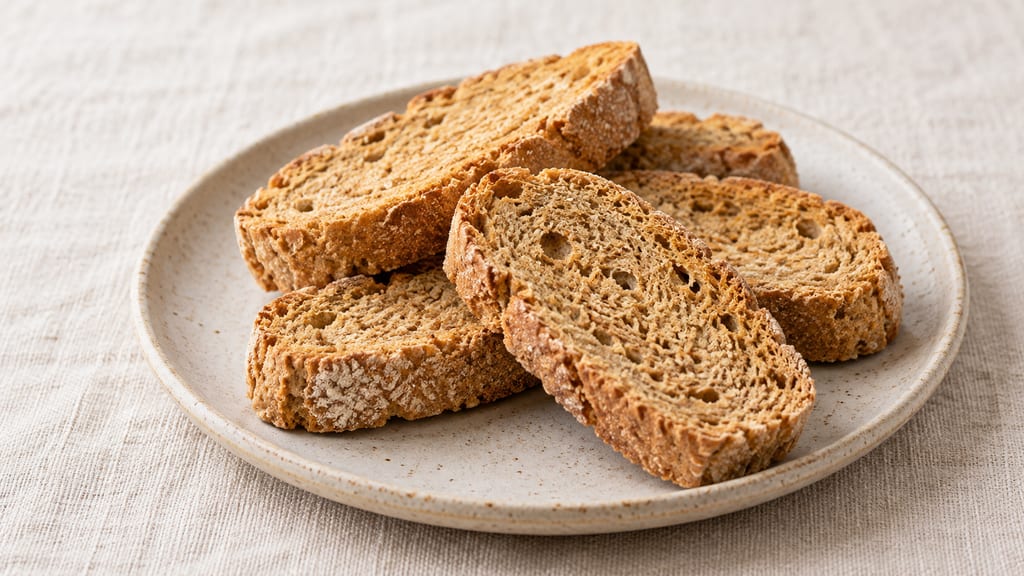
Cretan paximadi is a twice-baked rusk. This barley-wheat version is raised with yeast, baked as a loaf, sliced, and dried slowly until it keeps.
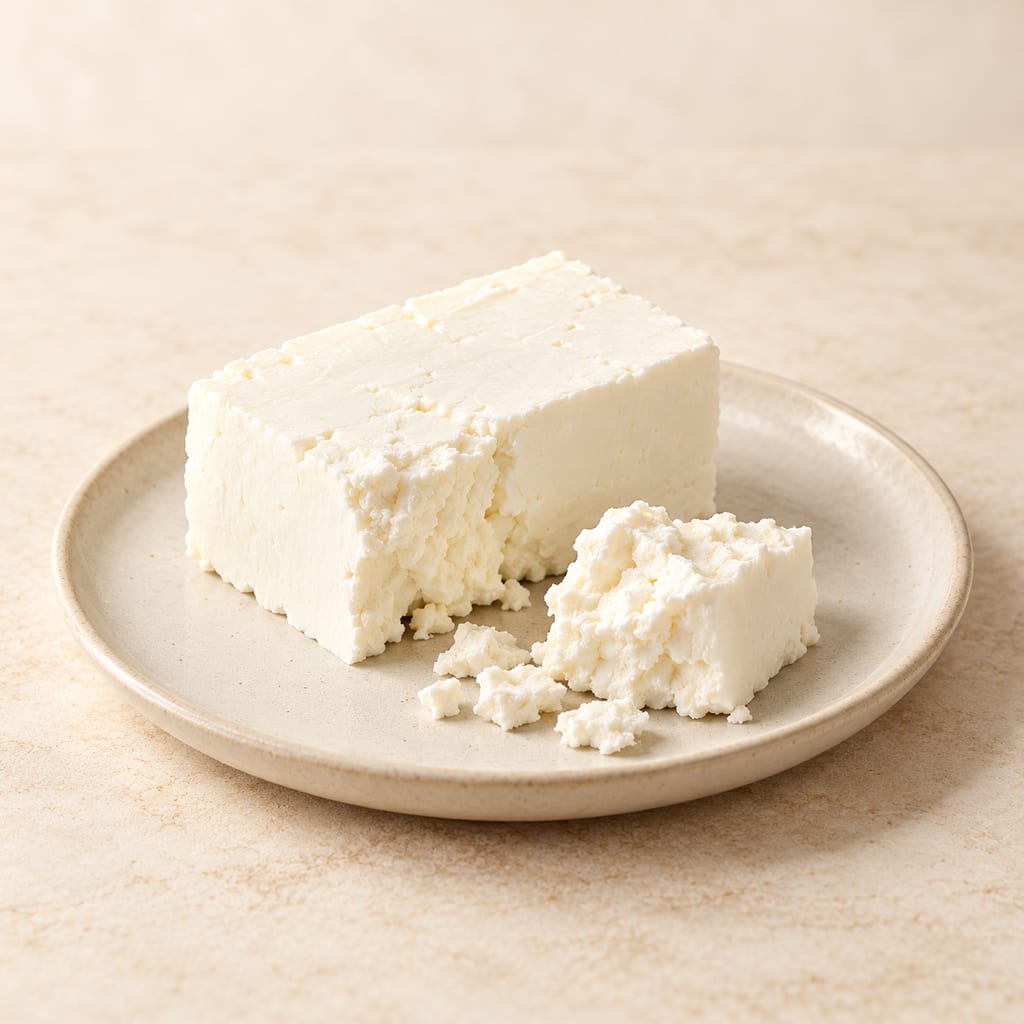
White cheese made with a lactic starter and rennet, drained without pressing, dry-salted and covered in brine. This home adaptation allows whole milk from different dairy animals.
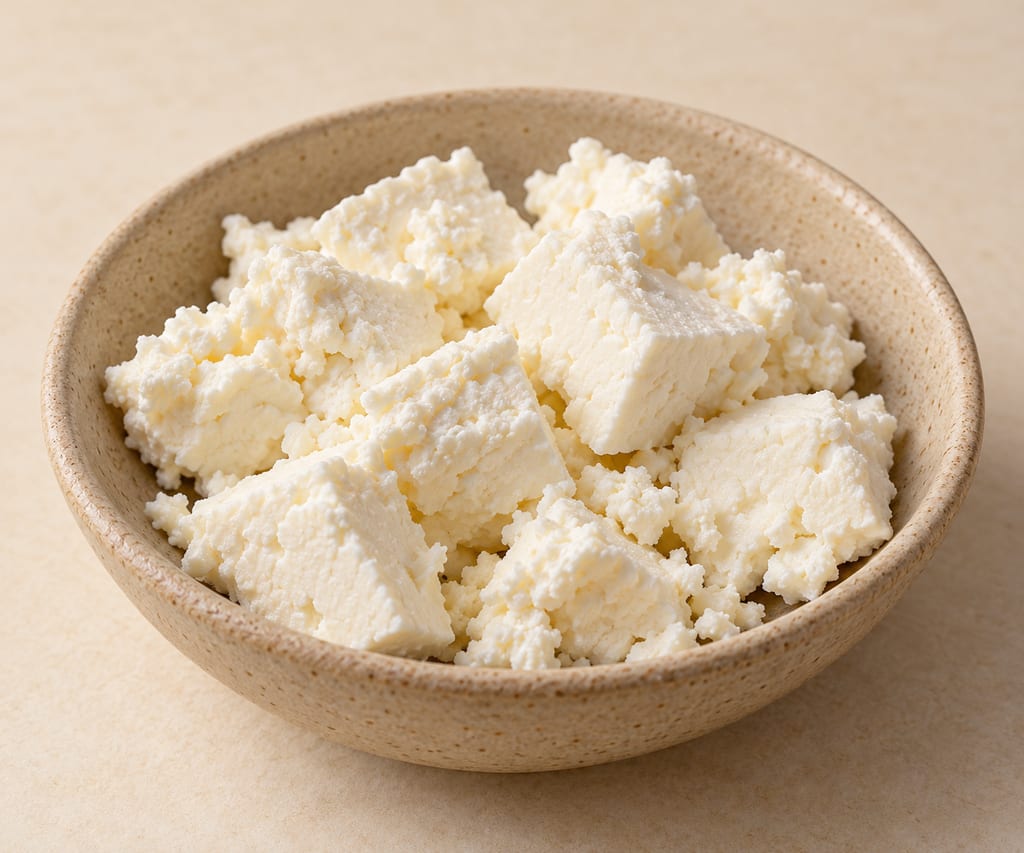
Whole milk set with a mesophilic starter and rennet makes a fresh, crumbly feta-style cheese. Its curds pass through hot salted whey before molding.
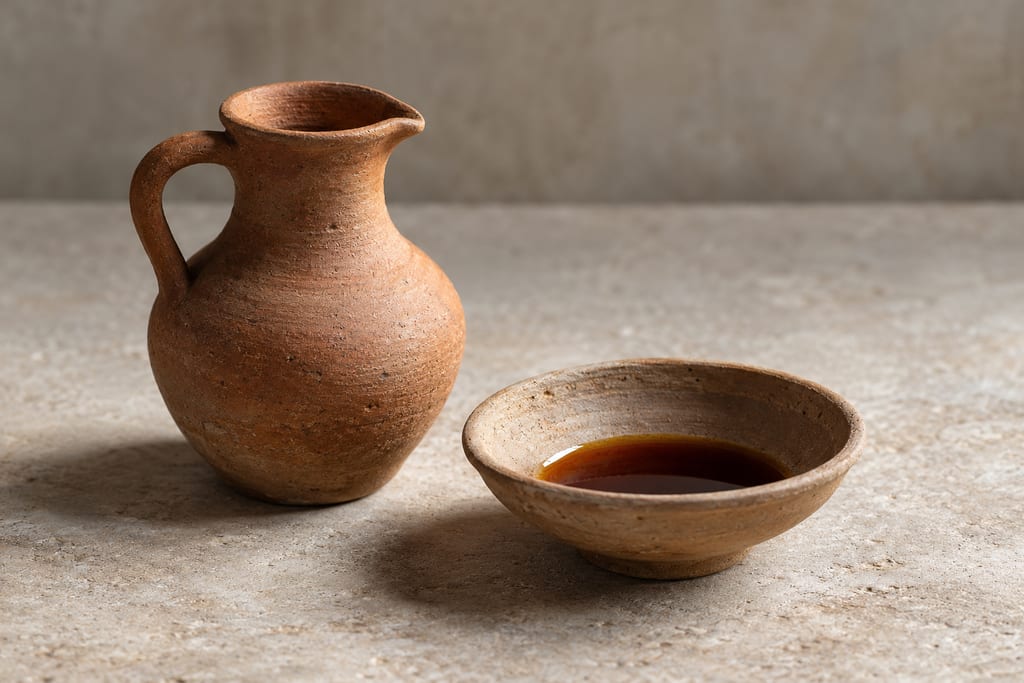
Garum, Greek garos and Latin liquamen, was the fish sauce of the ancient Mediterranean: fish and viscera salted and left in the sun, then drained off as a savoury liquid.
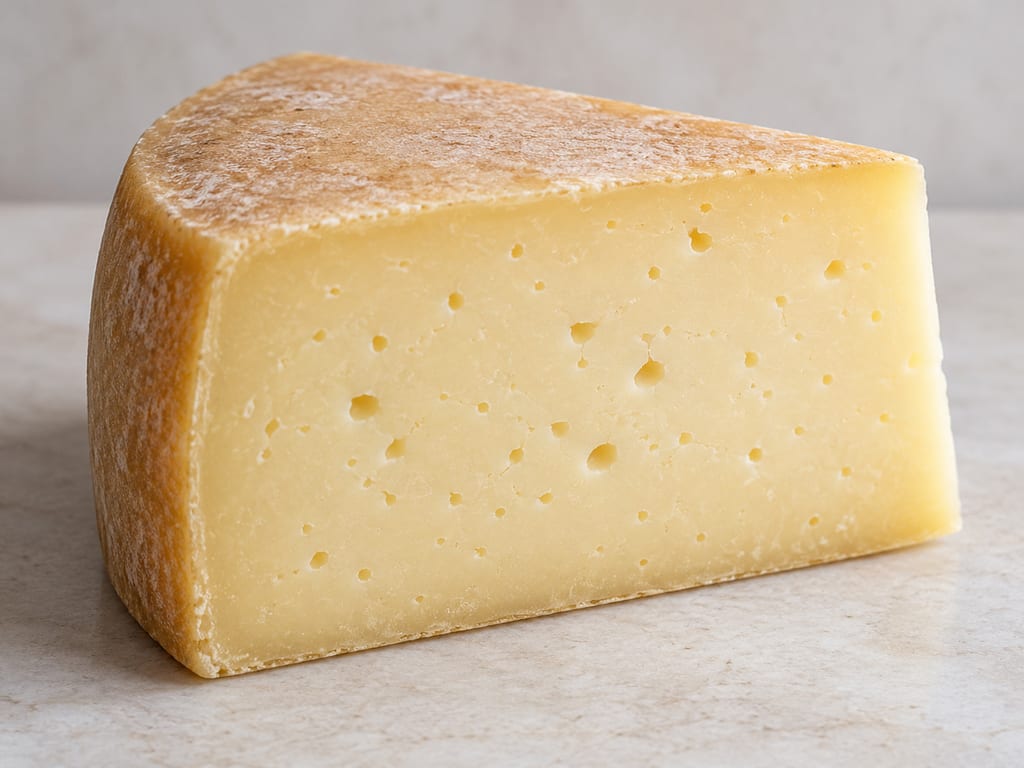
This Cypriot graviera is a hard sheep-milk cheese with a dry rind and round eyes. Its curd is heated, pressed and dry-salted before a long cool ripening.
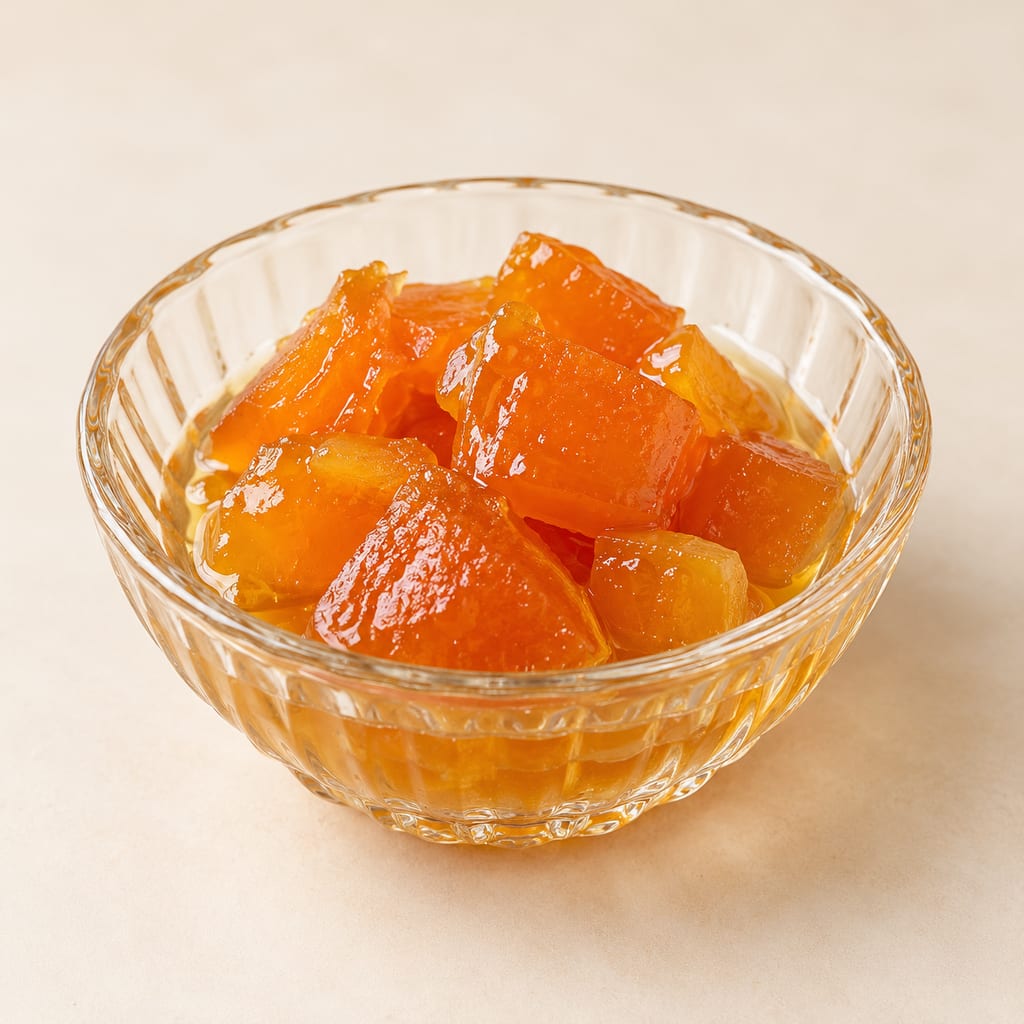
Greek pumpkin spoon sweet, with Cypriot context: Freeze for winter; small fresh portion refrigerated up to 48 hours.
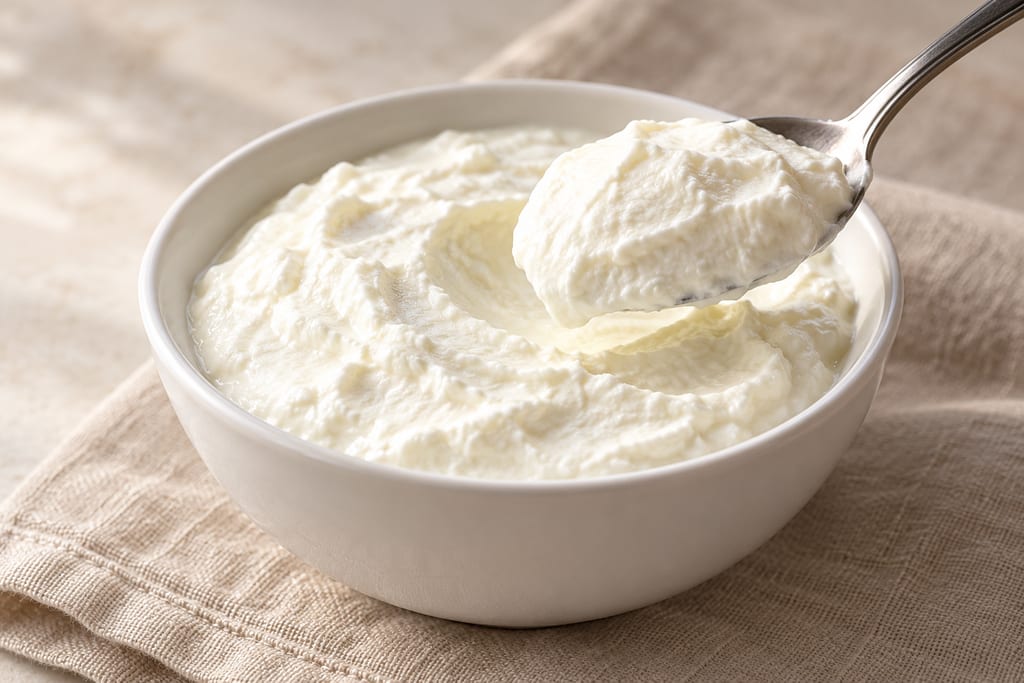
Greek-style strained yogurt is cultured whole milk drained through cloth to remove whey. This modern Utah home method makes a thick yogurt from a gallon batch.
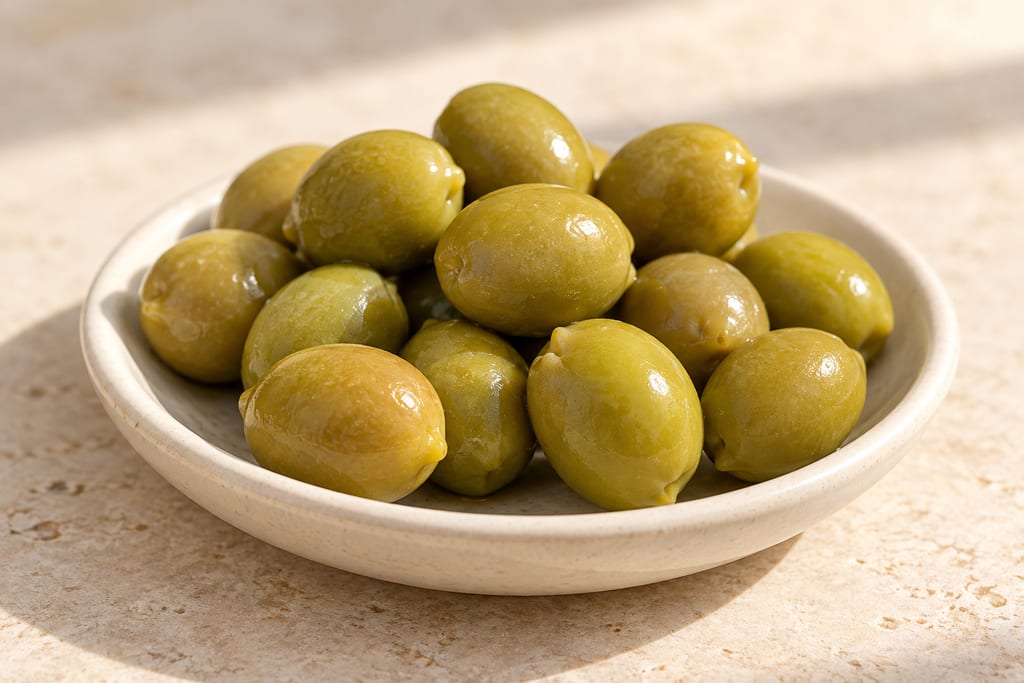
A Portuguese table-olive product from the Negrinha cultivar in northeastern Portugal, sold in three commercial styles, two of them brined fermentations and one oxidised to black.
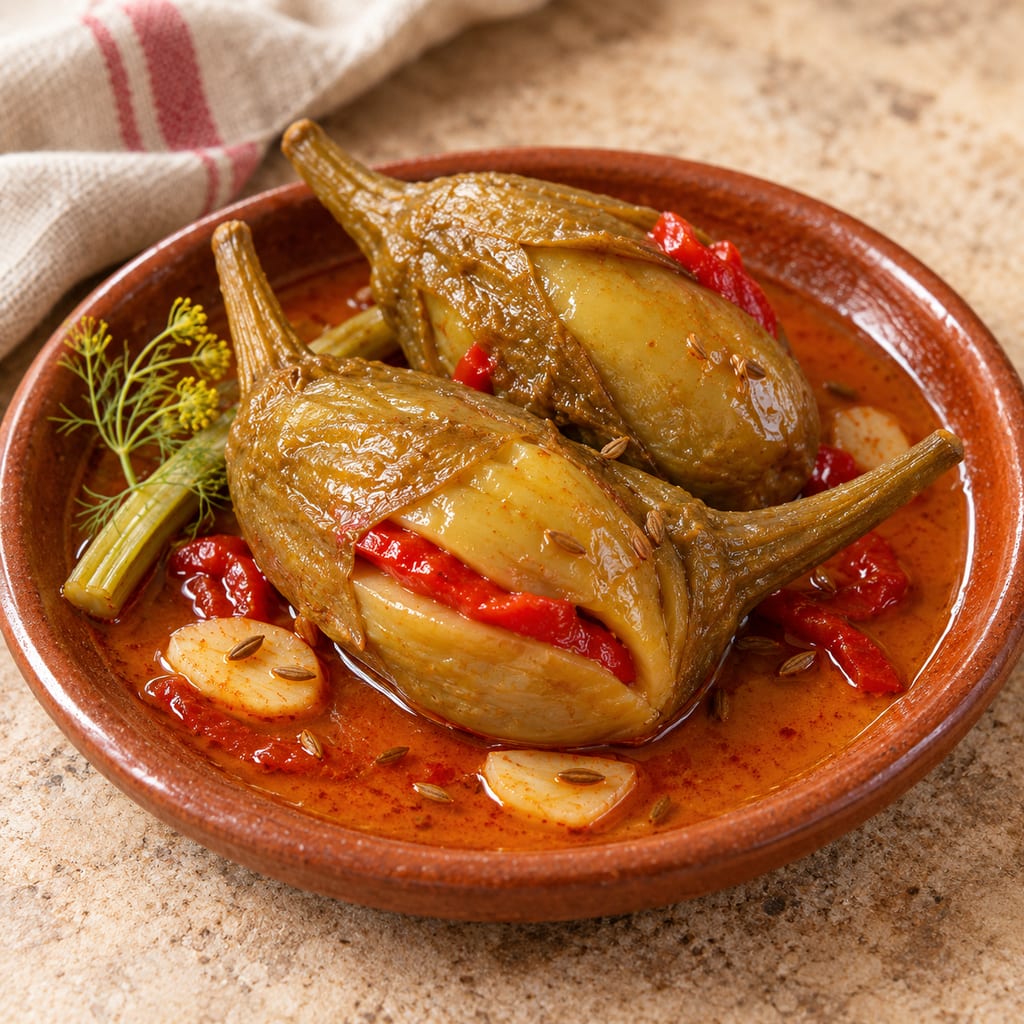
A protected aubergine preserve from Ciudad Real in Spain: tender fruit of the local Dealmagro variety, cooked briefly and then fermented in a vinegared, paprika-seasoned dressing.
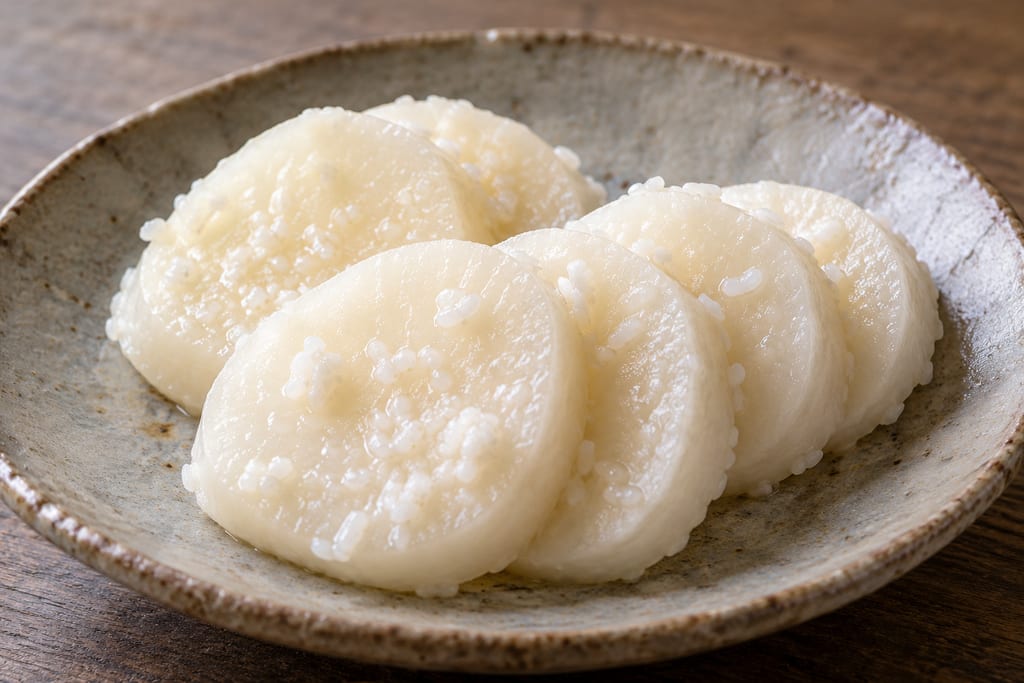
A sweet, crisp Japanese daikon pickle from Tokyo's Nihonbashi district, made by salting fresh radish and dressing it in rice koji, sugar or koji amazake without the heavy drying used for takuan.
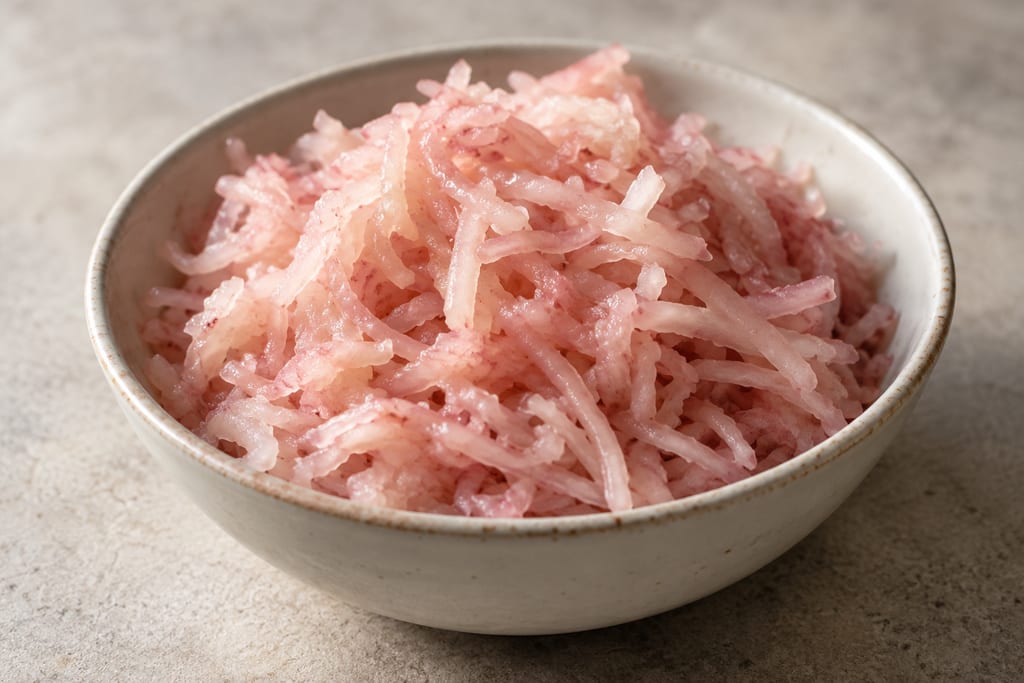
Source-specific Brovada DOP producer method for Friuli Venezia Giulia turnips and red-grape marc. This records a regulated producer process; it is not a validated home-scale recipe.
An industrial fermentation patio places factory-made fiberglass-reinforced polyester olive tanks below floor level, with drainage and transfer infrastructure arranged around the buried vessels.
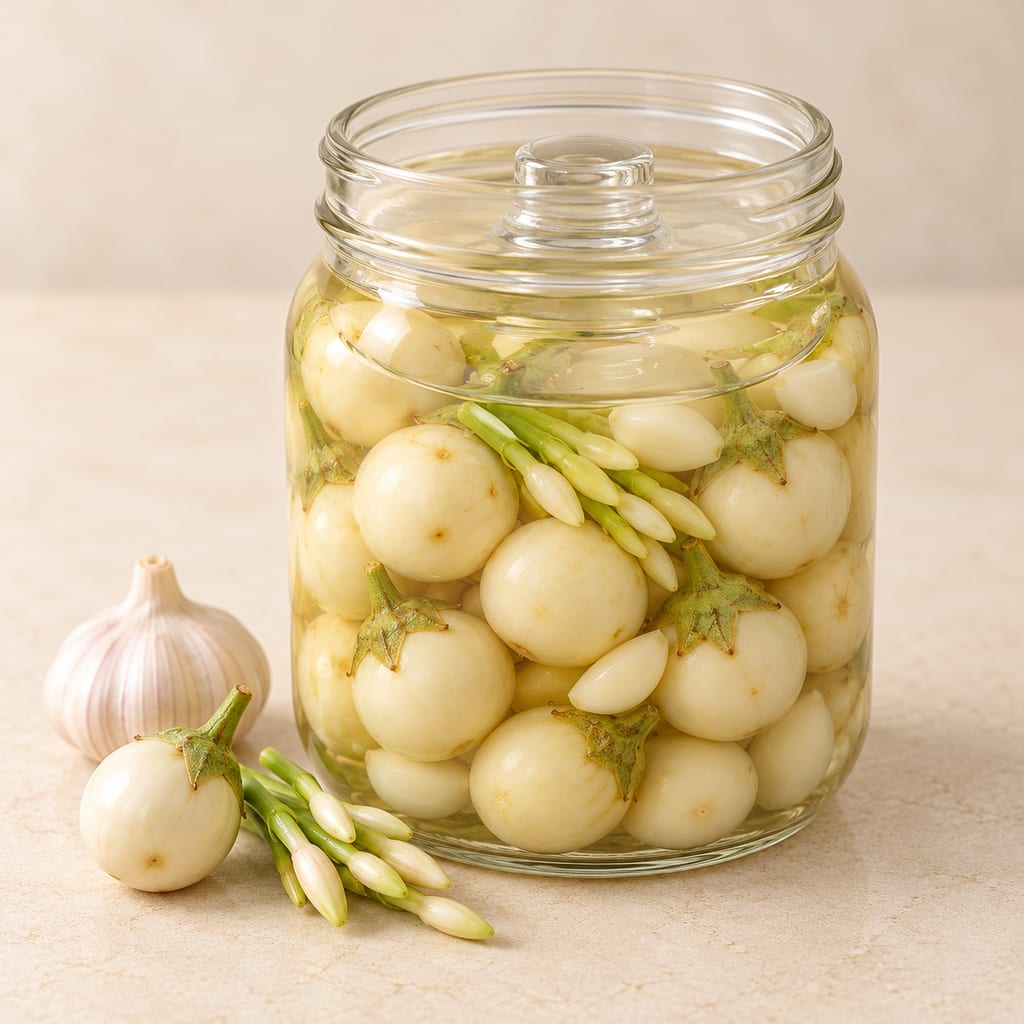
Vietnamese salted and fermented small eggplant, dried on the day of purchase, then held submerged in warm salty water with garlic and galingale flower for a week or longer.
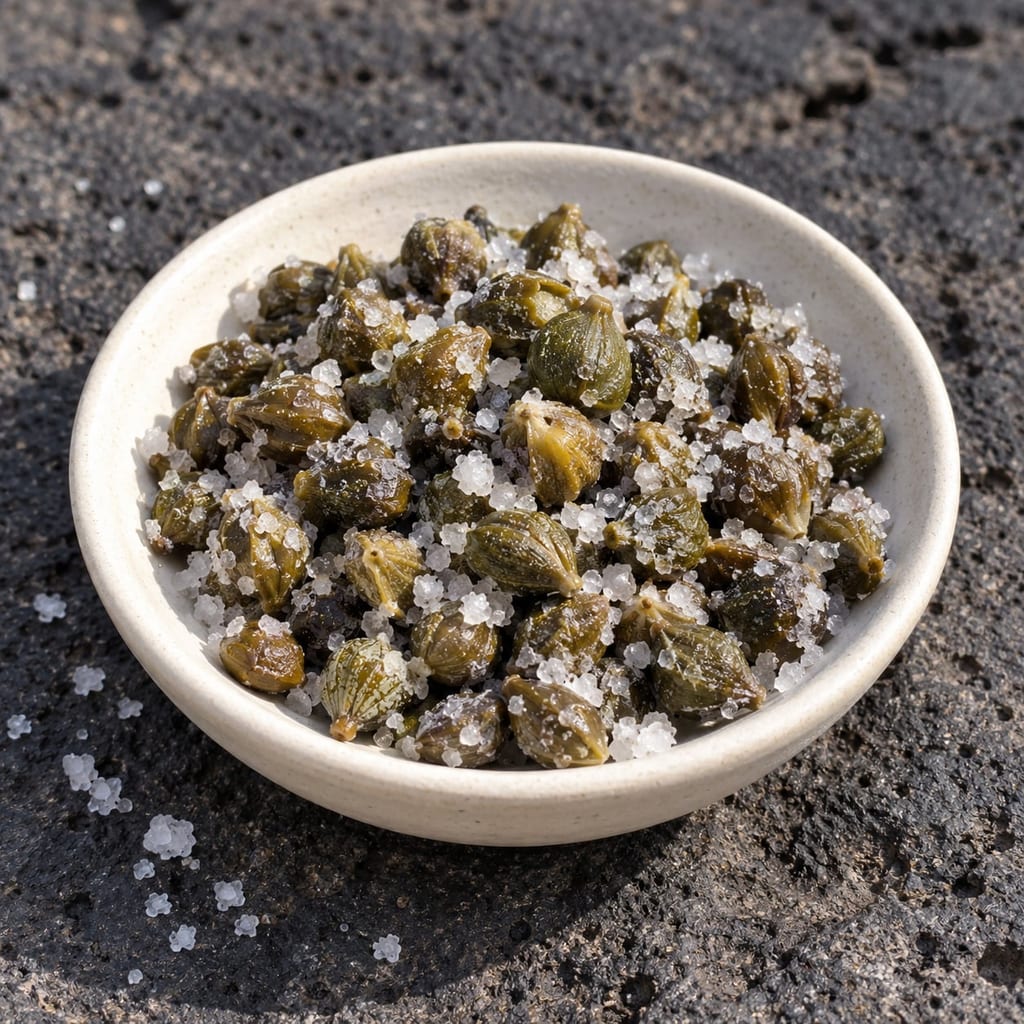
A protected Sicilian product: unopened caper buds from the island of Pantelleria, dry-salted with sea salt in a two-stage process that encourages lactic fermentation.
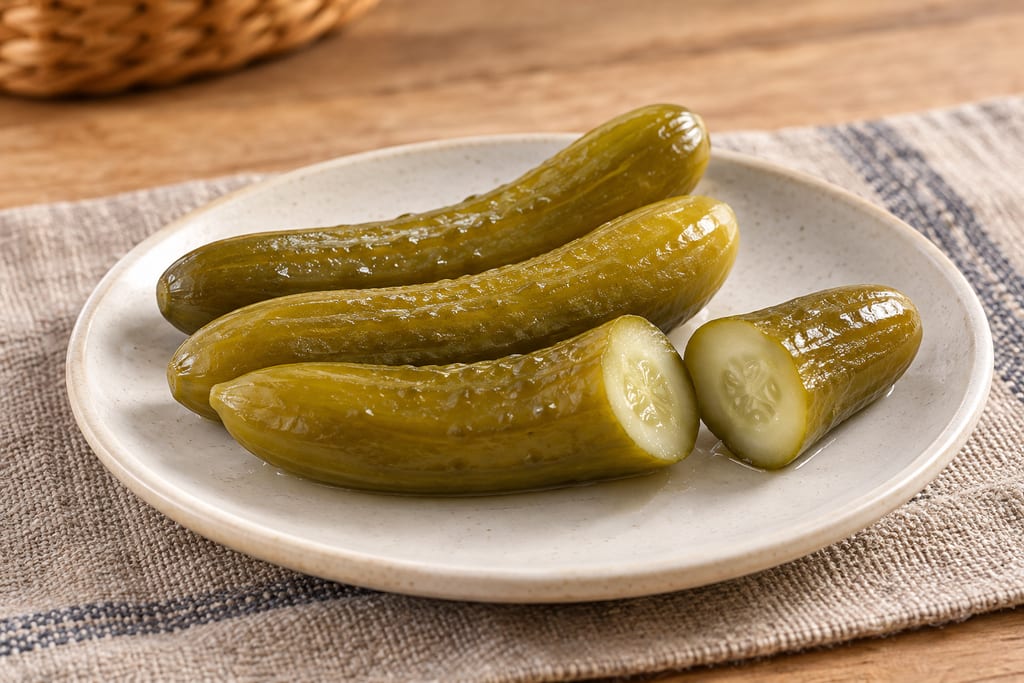
Çubuk turşusu is a registered pickle from Çubuk district in Ankara. Its cucumber variant is sold as Salatalık Turşusu, and a commercial specification sets its brine and room-temperature period.
No community contributions have been published for this entry yet.
Sign in to contribute. Published comments and photos are free to read.
University of the Peloponnese, Food Microbiome projectMethod · History
Products: PDO “Elia Kalamatas”Kalamon variety, Messinia PDO, October–November harvest before full ripeness
Washing and 6–8% NaCl brine, six to nine months fermentation
Cited in: Overview; The brining process; What remains open
Codex Alimentarius CommissionMethod
Standard for Table Olives CXS 66-1981Natural black olives are black fruit placed directly in brine, with partial or complete fermentation
Cited in: Overview
UC ANR; UC Davis Department of Food Science and TechnologySafety · Method
Olives: Safe Methods for Home PicklingGreek-style household black olive method for mature, fully coloured fruit (separate comparator)
Cited in: The brining process