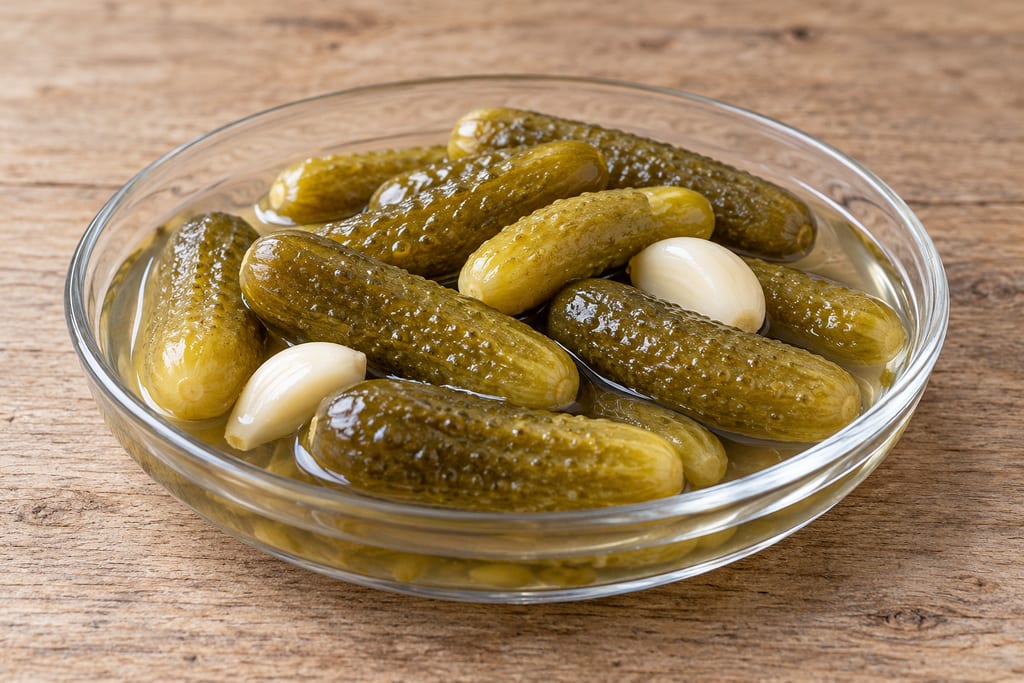
Orhangazi Gedelek turşusu (cucumber)
Cucumber variant of the registered Gedelek pickle family from Orhangazi, Bursa: cucumbers in a salt brine with garlic and a small amount of acid, held for about 20 to 30 days.
 FermenteaWhere food goes to change
Çubuk cucumber pickle · Salatalık Turşusu
Çubuk turşusu is a registered pickle from Çubuk district in Ankara. Its cucumber variant is sold as Salatalık Turşusu, and a commercial specification sets its brine and room-temperature period.
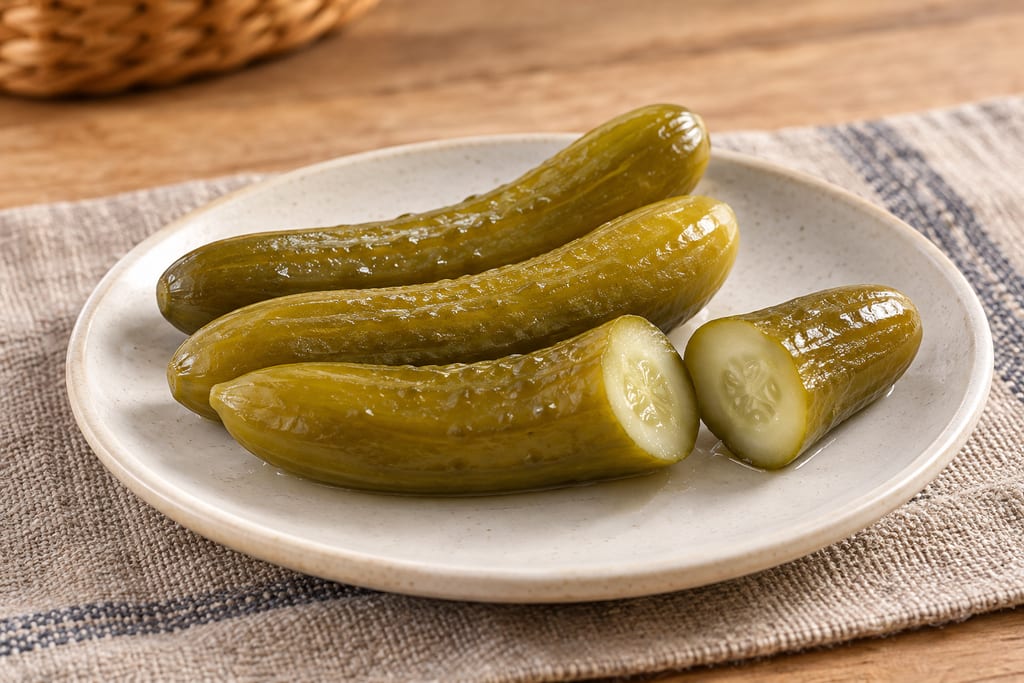
Çubuk turşusu is a pickle from Çubuk district and its villages in Ankara Province, Türkiye. The Turkish Patent and Trademark Office registered the name as a geographical indication. The registration covers a family of vegetable pickles made in the district. Its cucumber row is labelled Salatalık Turşusu, and that cucumber variant should not be taken as the whole registered family.
The registration records a legal product identity. Its dates do not establish when the practice began.
The registered specification describes sorting and washing the vegetables, filling barrels or tins, and closing them tightly to limit air entry. It then holds them at room temperature for about 20 to 35 days. It names barrels of 5 kg or more and separate sales containers, but it gives no household vessel, cleaning or process control.
Its cucumber example uses 11 kg of cucumber, 7.7 kg of brine and 0.3 kg of aromatics, for 19 kg in total. The brine is stated as 89.6% water, 8.4% salt and 2% 5° vinegar. These are commercial figures on their own bases, not a household batch.
A 2025 study reports a batch prepared at a registered producer, with 3 kg of no. 1 cucumbers, 1.21 kg of brine and 48 g of spices. The paper prints 58%, 40.4% and 1.6% beside those amounts. The listed masses total 4.258 kg while the percentages sum to 100%, and the paper does not explain the basis or reconcile the difference. The paper gives the brine as 9.7% salt and 2% vinegar.
The samples were held at 20 °C for 20 days and then at 4 °C. Measurements were scheduled on days 1, 7, 15, 21, 30, 45, 60, 90 and 180. These are study conditions and sampling dates, not household instructions or a shelf-life claim.
A university thesis repeats a July harvest report and the 20 to 35 day account. It cites a separate work that was not inspected. The available evidence does not establish a dated origin, a household serving tradition, a validated home method, safe process endpoints or after-opening storage guidance.
The general discussion of lactic-acid bacteria in the study does not identify the organisms in its Çubuk samples, so the fermentation type of the pickle is not established here.
The registration records a legal product identity. Its dates do not establish when the practice began, and the undated historical wording in the sources does not establish a first attestation or origin.
Yield 19 kg total in the cucumber example · Scaling: source batch only
The specification is a commercial production document. It gives no household vessel, cleaning or process control, and the study does not identify organisms in its Çubuk samples.
Hazard sourceNo household control or endpoint is established. Use clean equipment and follow the registered method as written; do not treat taste, smell or appearance as proof that a batch is safe.
Control sourceNo source in this review establishes a validated household batch, a safety endpoint or an after-opening storage limit.
The 2025 study's listed masses and percentages do not reconcile, so its batch cannot be scaled from.
The registered specification covers pickles made in Çubuk district and villages of Ankara province. The registration dates do not establish when the practice began.
Cucumber variant of the registered Gedelek pickle family from Orhangazi, Bursa: cucumbers in a salt brine with garlic and a small amount of acid, held for about 20 to 30 days.

Ayran is Turkey’s cold, savoury yogurt drink: plain yogurt is loosened with water and lightly salted, then whisked smooth or aerated into a soft cap of foam.
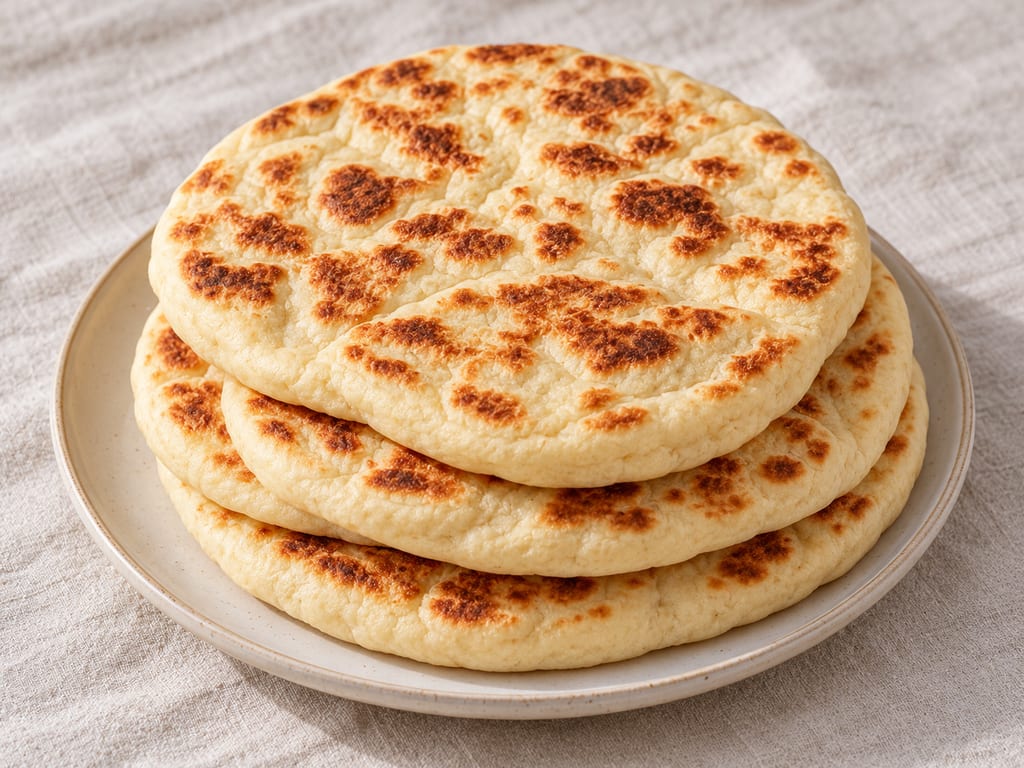
This Turkish bazlama uses yeast, plain yogurt and olive oil for a soft dough cooked in a skillet. Shape it into twelve small or six larger rounds, flip as bubbles appear, and wrap the breads to keep them soft.
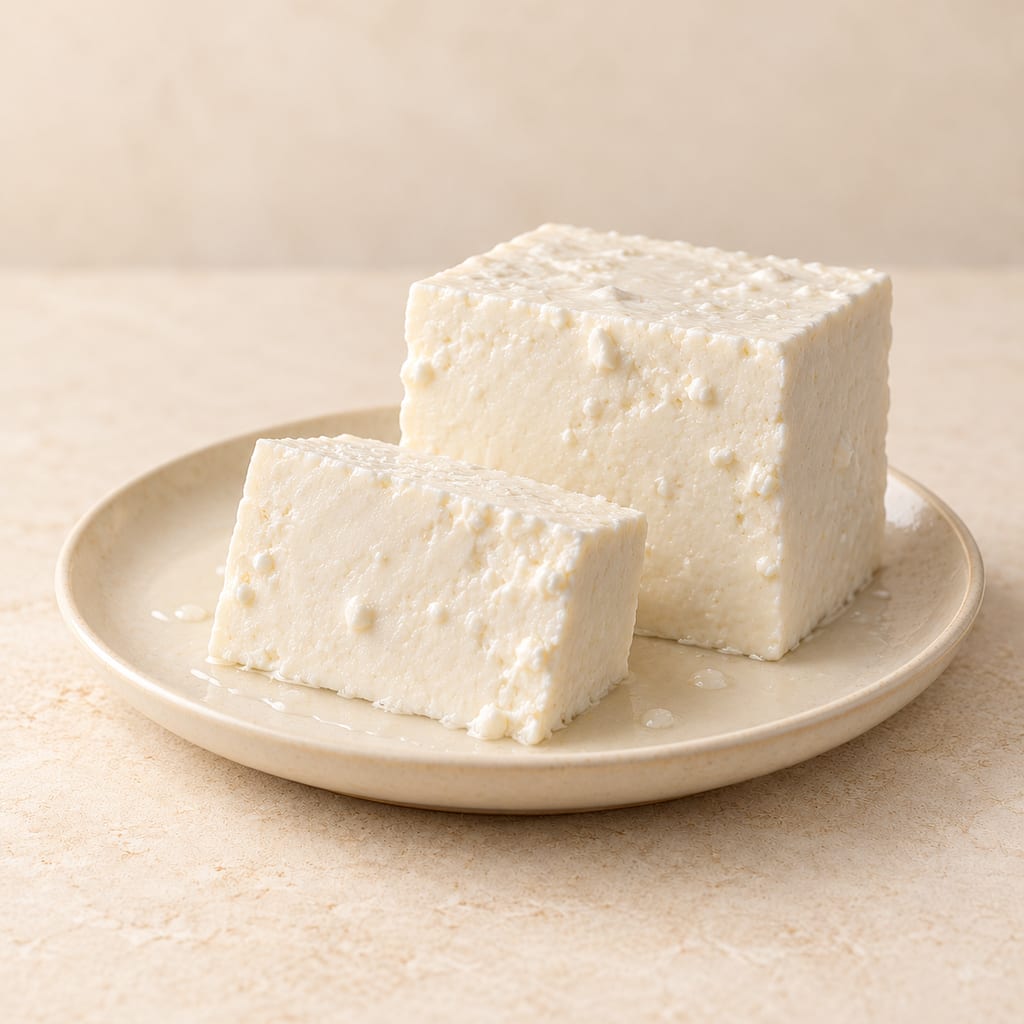
Beyaz peynir is a Turkish white cheese matured in brine. Sheep milk, alone or mixed with other milks, gives a close-textured cheese cut into blocks and packed in cans.
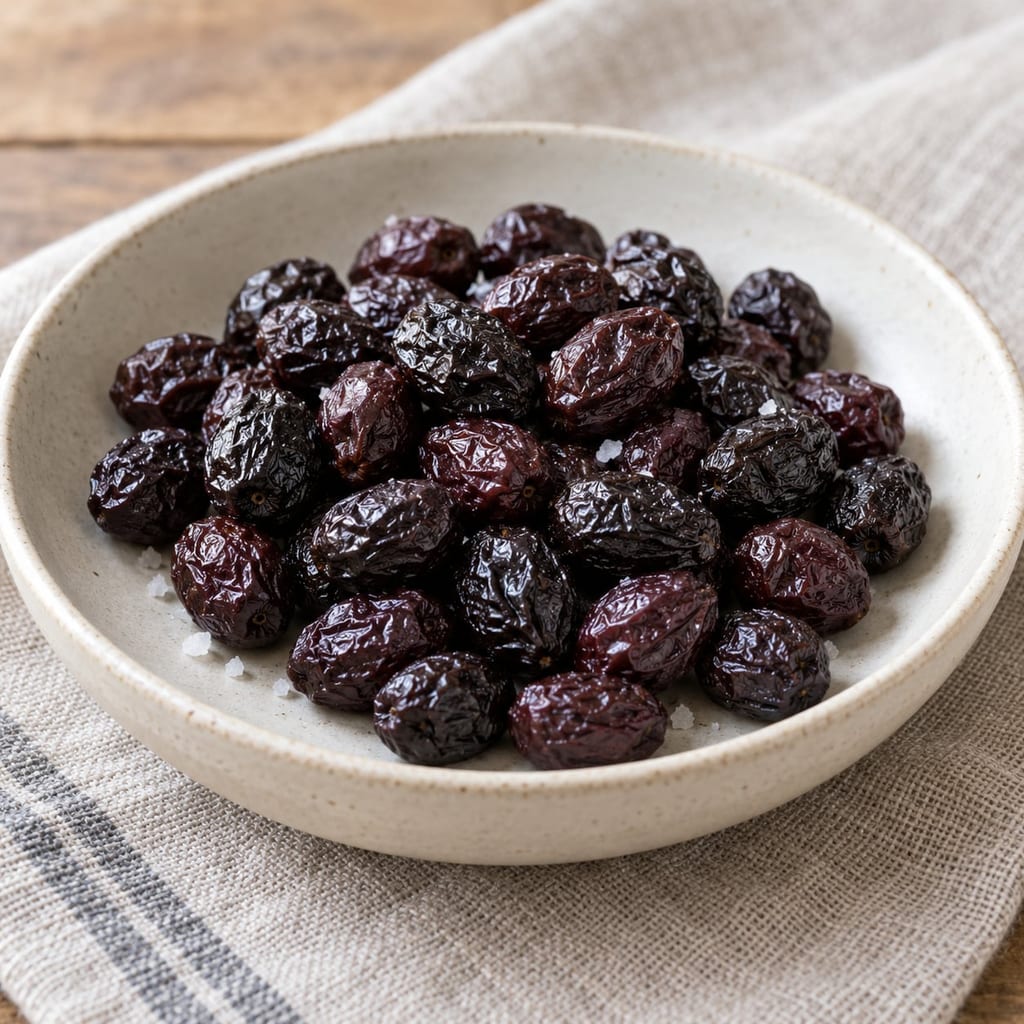
Fully ripe dark olives are mixed with salt and turned weekly as salt draws out moisture. Distinct from existing brine-fermented and lye-treated olives.
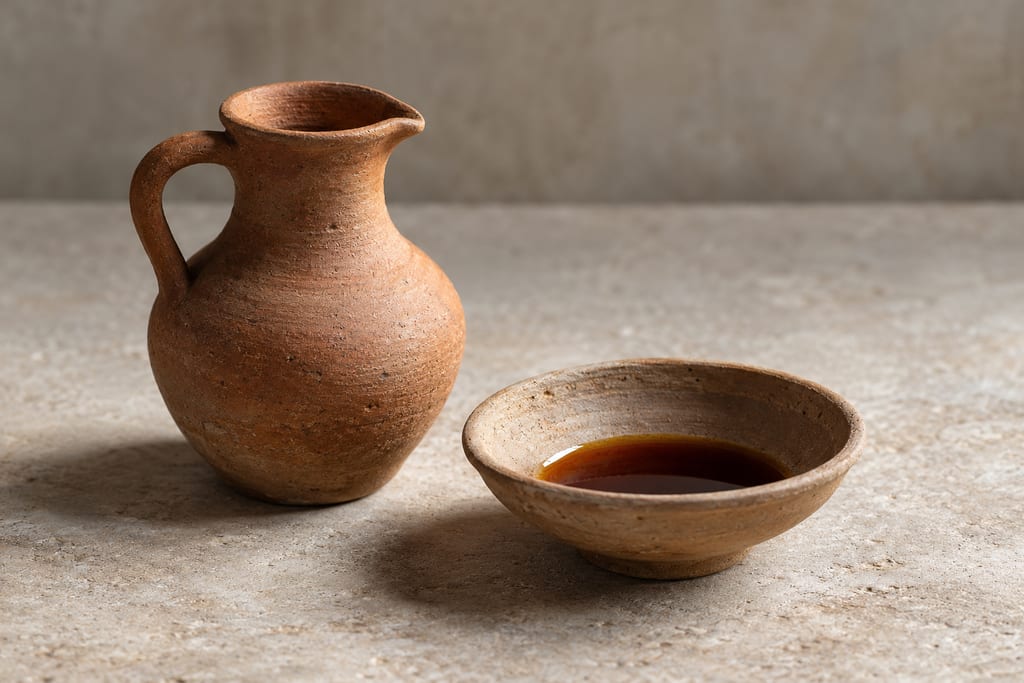
Garum, Greek garos and Latin liquamen, was the fish sauce of the ancient Mediterranean: fish and viscera salted and left in the sun, then drained off as a savoury liquid.
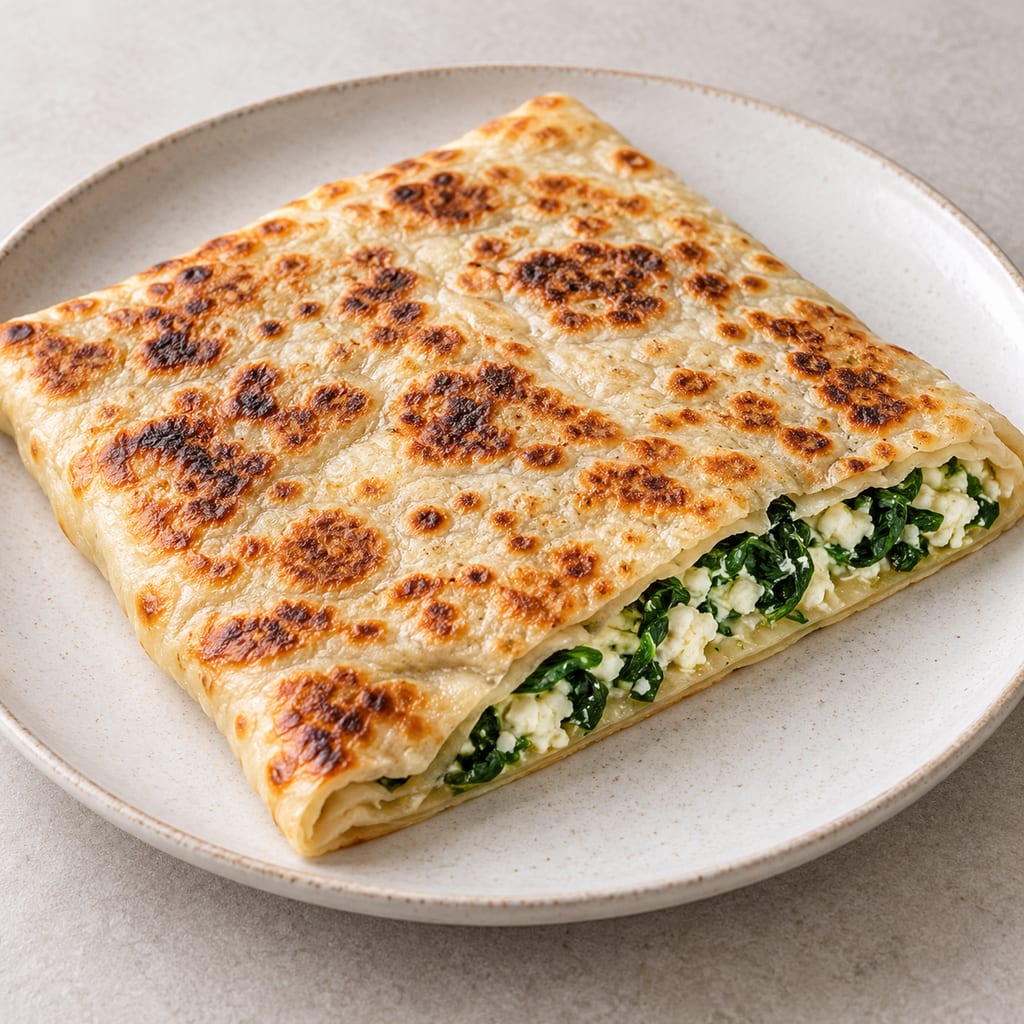
A yeast-and-yogurt dough is rolled into a large thin sheet, filled with spinach, onion and feta, folded closed, then cooked on an oiled griddle. This is Özlem Warren’s spinach-and-cheese family-style version.
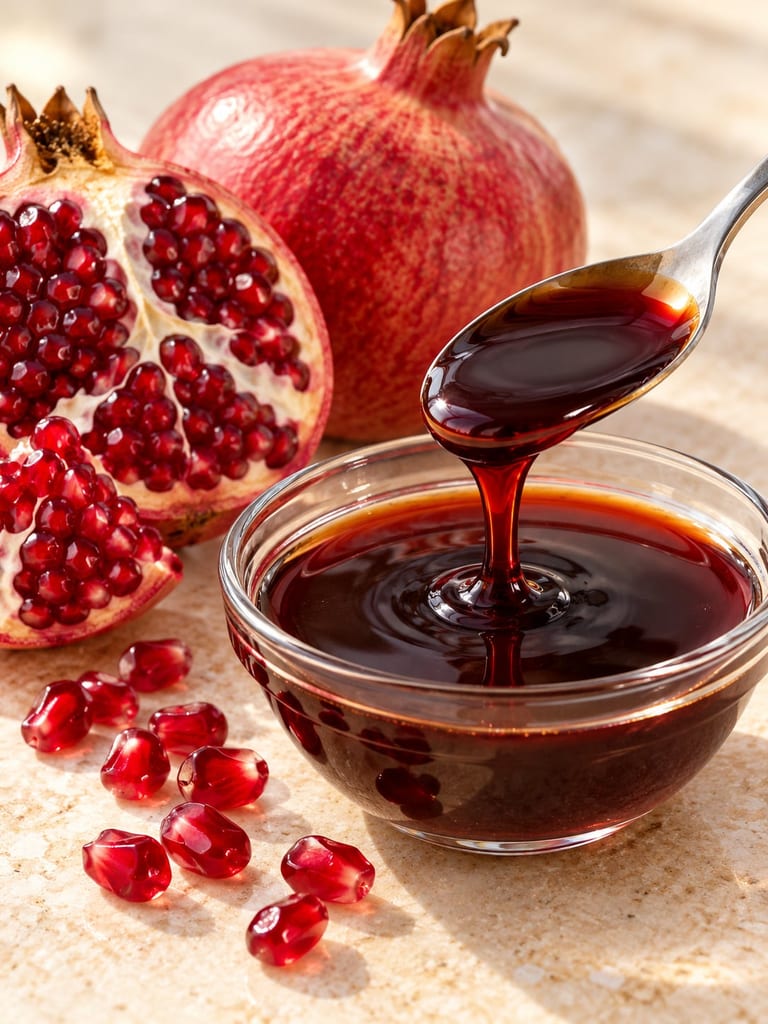
The registered Hatay method presses pomegranate arils and slowly concentrates the strained juice. Its 100 kg source batch and experienced-producer endpoint are retained; no home-scale time or shelf-life is inferred.
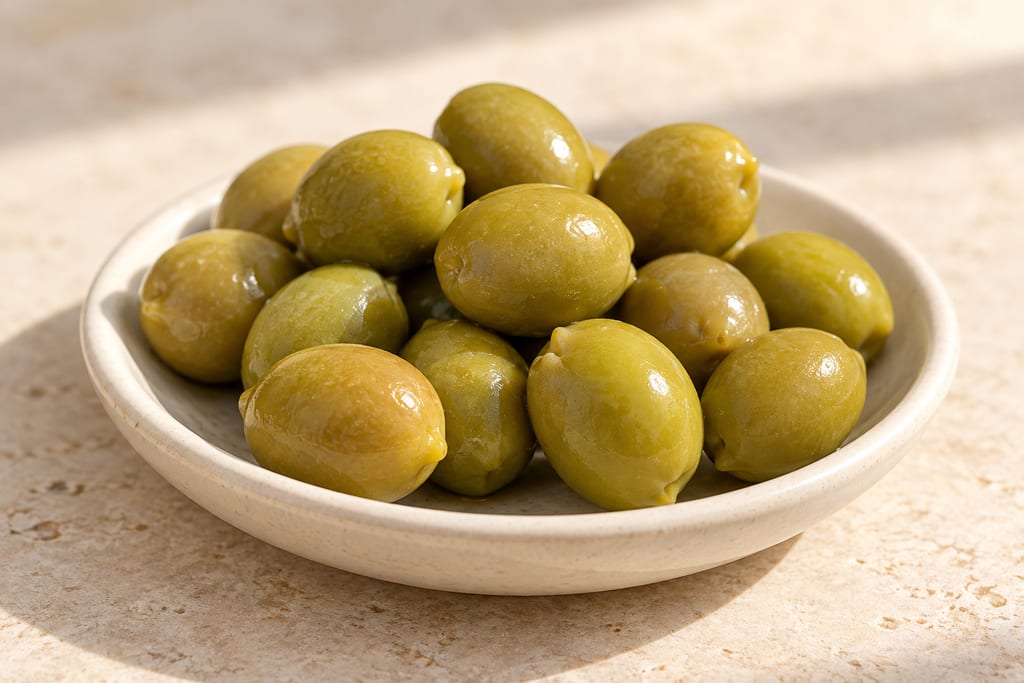
A Portuguese table-olive product from the Negrinha cultivar in northeastern Portugal, sold in three commercial styles, two of them brined fermentations and one oxidised to black.
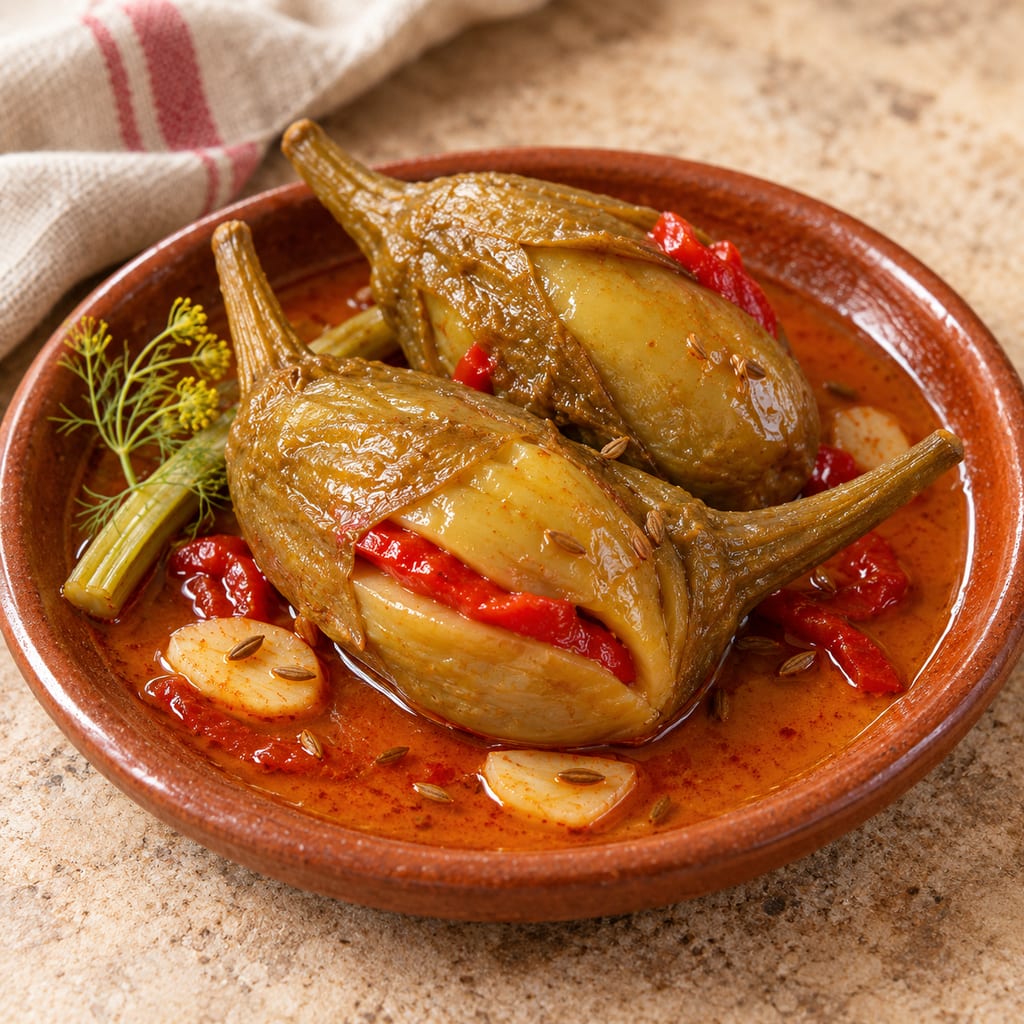
A protected aubergine preserve from Ciudad Real in Spain: tender fruit of the local Dealmagro variety, cooked briefly and then fermented in a vinegared, paprika-seasoned dressing.
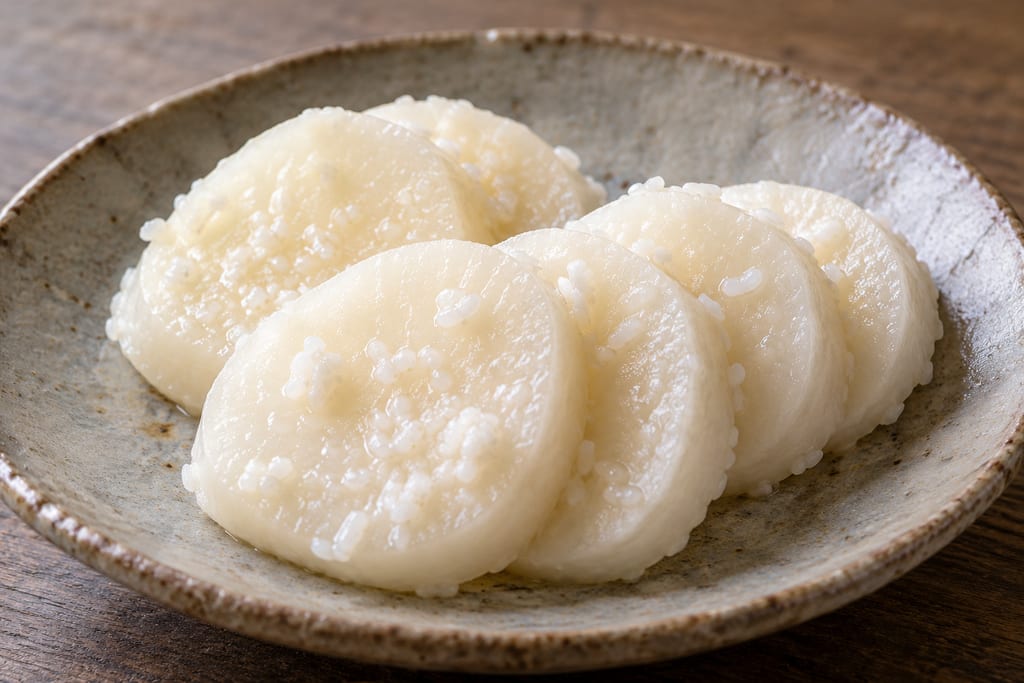
A sweet, crisp Japanese daikon pickle from Tokyo's Nihonbashi district, made by salting fresh radish and dressing it in rice koji, sugar or koji amazake without the heavy drying used for takuan.
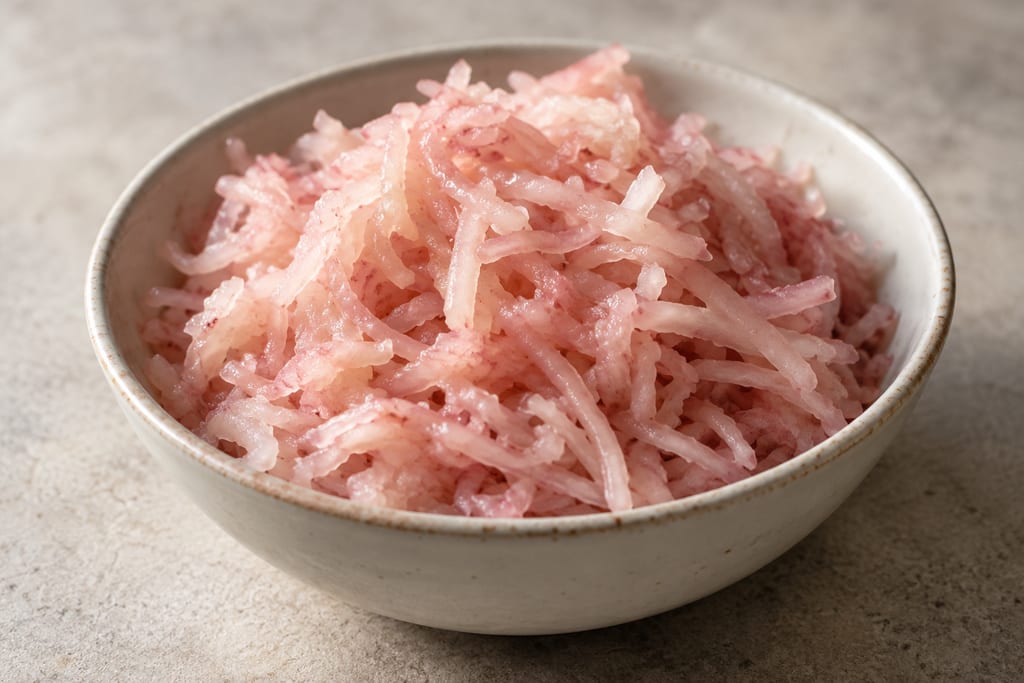
Source-specific Brovada DOP producer method for Friuli Venezia Giulia turnips and red-grape marc. This records a regulated producer process; it is not a validated home-scale recipe.
An industrial fermentation patio places factory-made fiberglass-reinforced polyester olive tanks below floor level, with drainage and transfer infrastructure arranged around the buried vessels.
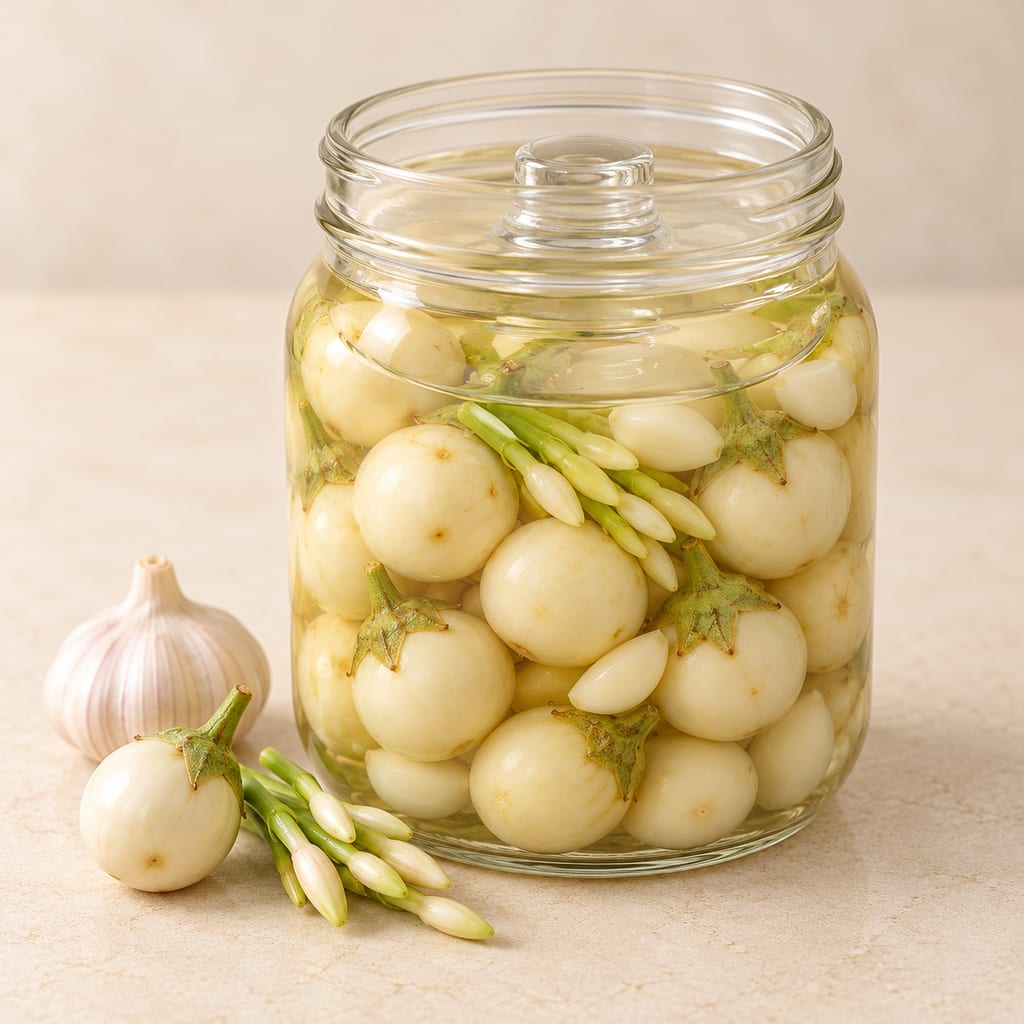
Vietnamese salted and fermented small eggplant, dried on the day of purchase, then held submerged in warm salty water with garlic and galingale flower for a week or longer.
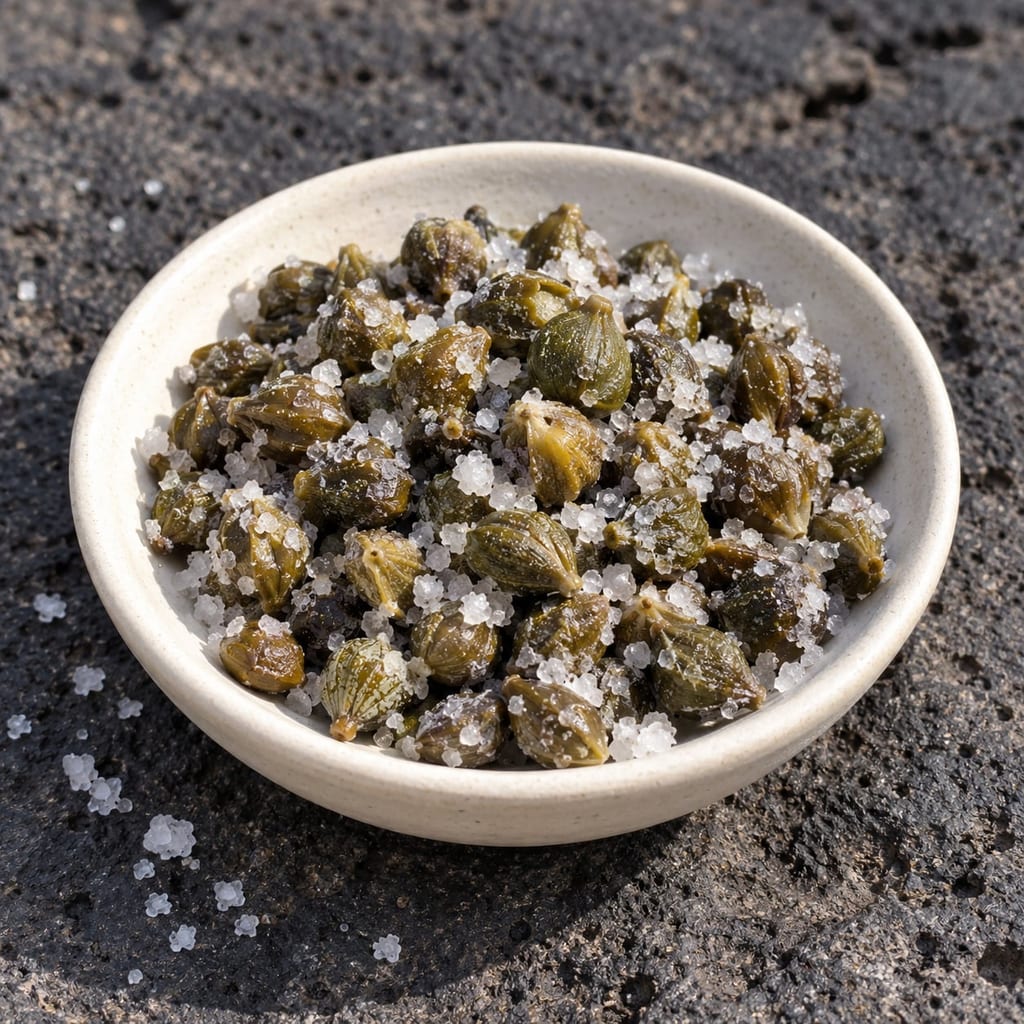
A protected Sicilian product: unopened caper buds from the island of Pantelleria, dry-salted with sea salt in a two-stage process that encourages lactic fermentation.
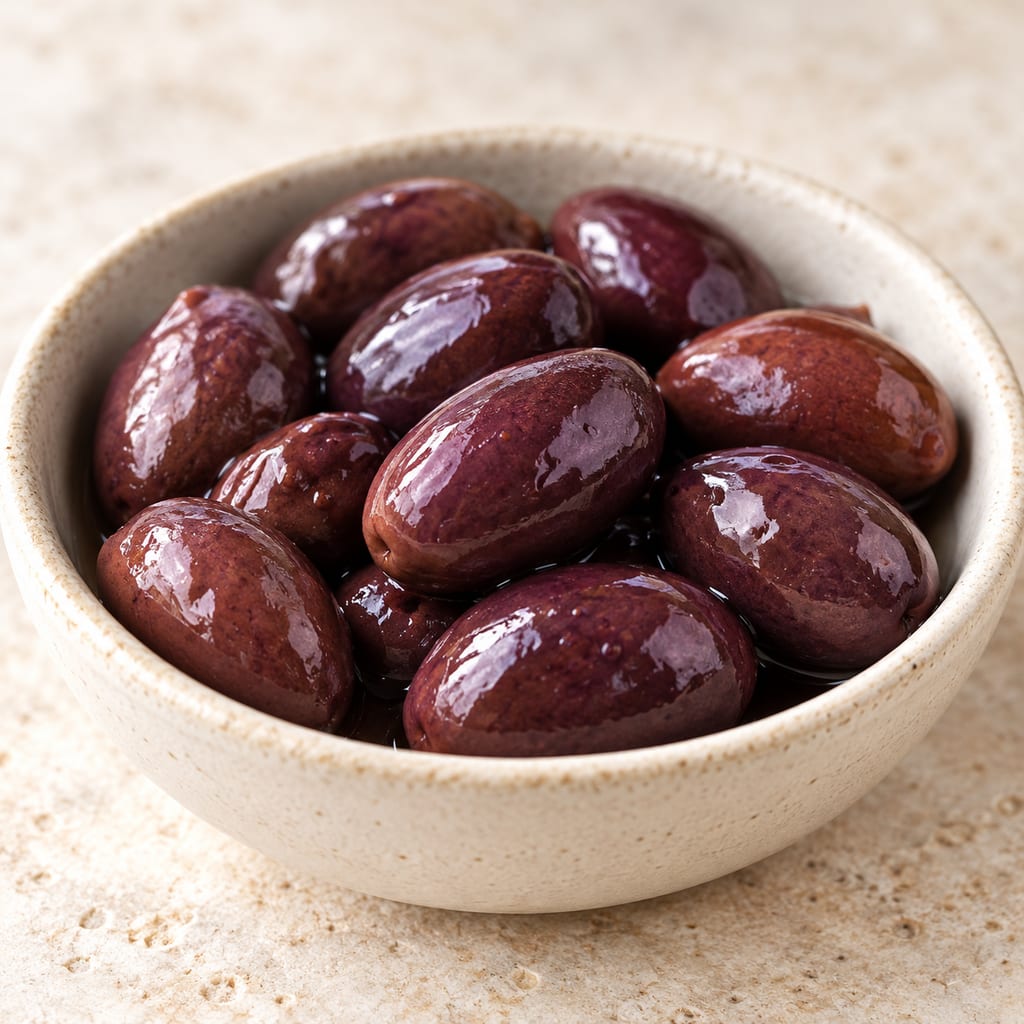
Elia Kalamatas is a Messinia table olive of the Kalamon variety, picked before full ripeness and fermented in brine for six to nine months; it is a PDO product, not a generic black olive.
No community contributions have been published for this entry yet.
Sign in to contribute. Published comments and photos are free to read.
Türk Patent ve Marka KurumuMethod · Geography · History
No: 99 - Mahreç İşareti: Çubuk TurşusuSorting and washing; barrels or tins closed tightly; room-temperature period of about 20 to 35 days; cucumber example of 11 kg cucumber, 7.7 kg brine and 0.3 kg aromatics; brine of 89.6% water, 8.4% salt and 2% 5° vinegar; the cucumber row labelled Salatalık Turşusu.
Cited in: Overview; Specification; Open questions
Turkish Journal of Agriculture - Food Science and TechnologyMethod · Safety
Investigation of Some Physicochemical Properties and Quality Parameters of Çubuk Pickles During Fermentation and Storage ProcessA producer batch of 3 kg cucumbers, 1.21 kg brine and 48 g spices; 9.7% salt and 2% vinegar in the brine; held at 20 °C for 20 days and then at 4 °C; measurements on days 1, 7, 15, 21, 30, 45, 60, 90 and 180.
Cited in: A research batch; Open questions