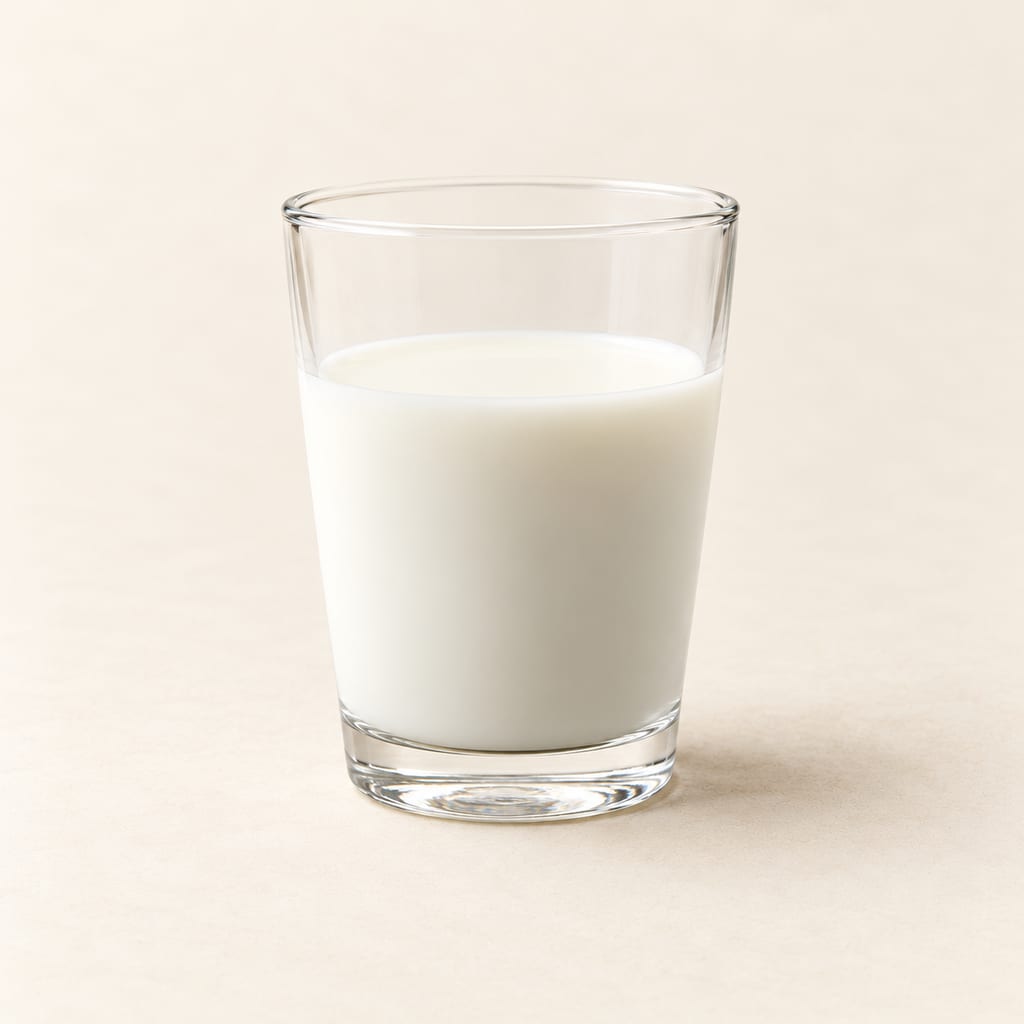
Goat milk
Goat milk is the liquid milk of domestic goats, used as a drink, a cheesemaking substrate and the base of regional dairy foods. Its composition varies among animals and farms, and its species name does not say whether it is pasteurized.
 FermenteaWhere food goes to change
Traditional method
Susurluk Ayranı · Turkish yogurt drink
Ayran is Turkey’s cold, savoury yogurt drink: plain yogurt is loosened with water and lightly salted, then whisked smooth or aerated into a soft cap of foam.

Ayran (Turkish: ayran) is a cold, savoury drink made by loosening plain yogurt with water and seasoning it with salt. It should pour freely, feel cool and lightly tangy, and taste dairy-rich without the sweetness expected of many Western yogurt drinks. Blending or whisking gives a smooth drink; a more vigorous pour can leave a soft cap of bubbles. Its few ingredients make the character of the yogurt unusually clear: a mild, creamy yogurt yields a gentle drink, while a sharp or strongly set one stays tart after dilution.
Recipes are deliberately adjustable because yogurt differs in thickness, acidity and fat. Begin with equal measures of yogurt and cold water, then add more water only until the drinkable body you want; a Turkish state producer describes up to one and a half measures of water for one measure of yogurt as an ideal upper ratio. Salt is usually modest, enough to make the dairy taste savoury rather than salty. This small-batch method dilutes already-made yogurt. It does not ferment the finished drink.
The history that can be dated securely is the history of the word, not a single moment when someone first mixed yogurt and water. The Turkish Language Association dates Kâşgarlı Mahmud's Dîvânu Lugâti’t-Türk to 1072–1074; a modern etymological entry records ayran there as a milk-derived drink. That makes the name visible in an eleventh-century dictionary, but does not prove that the surviving meaning matched every modern recipe, nor that the beverage was invented in that decade.
Atatürk Orman Çiftliği, a Turkish state producer, repeats a popular account that Göktürks added water to sour yogurt to soften its sharpness. It is a useful expression of a traditional origin story, but the producer gives no contemporary Göktürk document establishing that event. Ayran belongs to a much longer, widely shared history of managing seasonal milk through culturing and other dairy transformations; archaeology that establishes early dairying cannot by itself identify a named drink. The careful claim is therefore modest: the word is attested in medieval Turkic lexicography, while the exact beginnings of the drink remain uncertain.
In Turkey, ayran is an everyday table drink as well as a product of dairies. It appears with meals and is especially familiar alongside grilled meats, breads and spicy or strongly seasoned food. The name travels across borders, but the ingredients and processes under it do not always travel unchanged. A European review documents related yogurt drinks in Bulgaria, Macedonia, Kyrgyzstan and Azerbaijan, with local names such as ayryan, ayrani and other spellings. Similarity of name and a shared yogurt base do not make every local drink identical.
Susurluk ayranı is a particularly well-documented Turkish regional form. Susurluk is in Balıkesir Province, on the Bursa–İzmir road. The Turkish geographical-indication specification describes its reputation as dating from the 1950s, tied to the town's roadside stop and restaurant trade. Its most visible distinction is a generous foam, made by repeatedly drawing the mixture up and pouring it back from a height or by mechanical circulation. Full-fat yogurt is used without removing the cream, and the specification calls for comparatively little salt. That defined local style is a variation within Turkish ayran, not a claim about every ayran.
The same word can designate a substantially different dairy food elsewhere. A Kazakh study examines fermented milk called ayran; the supplied regional atlas describes it as boiled milk inoculated with starter and set into a semisolid sour product. That is not this recipe's diluted Turkish drink. It is mentioned here to prevent a misleading pan-regional definition, not as a method to combine with the Turkish preparation.
In the ordinary kitchen method, fermentation has already happened in the yogurt. Yogurt cultures acidify milk: lactic acid lowers its pH and causes milk proteins, especially casein, to form a fine gel. The yogurt's acidity, protein network and any retained whey determine how thick the drink begins and how much water it can take before seeming thin. Dilution spreads the yogurt through water and salt; it changes concentration and texture but does not restart or complete fermentation.
Some commercial ayran is made by culturing milk prepared for that product rather than by mixing finished yogurt and water. The Turkish food definition recognizes both routes. The state producer describes its own industrial sequence as adjusting and pasteurizing milk, cooling it to about 45 °C, adding an ayran culture, holding it for three hours, then filling the package. These are details of that producer's line, not a universal home fermentation protocol; the published description does not supply a starter specification or a complete set of controls for reproducing it at home.
Yogurt's live cultures, where present, are not the only reason a drink tastes tart. Acid and dissolved milk solids are already part of the finished yogurt, and the mixing step carries them into the drink. Calling every stage fermentation would confuse two distinct operations: bacterial acidification of milk into yogurt, and the later physical mixing of that yogurt with water.
Plain yogurt is both the flavour base and the body. Full-fat yogurt gives a rounder, creamier impression; lower-fat yogurt can make a lighter drink, though dilution makes its texture more noticeable. Thick strained yogurt needs more water than a looser stirred yogurt to reach the same pour. Choose plain, unsweetened yogurt; fruit, sugar and flavourings move the result away from savoury Turkish ayran. Because water is added, overly sour yogurt will still read as tangy, not become mild by dilution.
Cold potable water thins the yogurt and makes the drink refreshing. The amount is not a fixed law: start with an equal volume to the yogurt, then approach the state producer's upper ratio of 1:1.5 if you prefer a lighter pour. Add water gradually, since it is easy to thin the drink but difficult to restore a thick body without adding more yogurt. Very cold water helps serve it promptly, while still allowing the yogurt to disperse.
Salt rounds the acidity and makes the drink savoury. Start with a small pinch and taste; commercial and household preferences differ, and the Susurluk specification's low-salt description should not be mistaken for a single national measure. Salt is a seasoning, not a preservative here. Do not add herbs or citrus and then describe the result as the canonical plain drink: mint and other additions are documented adaptations, best identified as such.
Whisk the yogurt first until smooth, especially if it is very thick. Stir in an equal measure of cold water in several additions, loosening the yogurt before pouring in the next. Season lightly with salt, whisk again and taste. Add more water in small pours until the drink flows easily but still coats the glass. If using a blender, pulse briefly; prolonged high-speed blending is unnecessary for a simple drink and can make a large frothy head that quickly settles.
Serve at once in chilled glasses, or keep the covered mixture cold and stir or shake it before pouring if it separates slightly. This is a service recipe rather than a preservation process: no warm incubation, pH target or shelf-stable outcome is implied. A home video gives a more specific starting point of three tablespoons yogurt, one glass cold water and one-eighth teaspoon salt; the ratio is one example, not an official Turkish standard. The larger state-producer ratio and the home glass measure differ, which is why gradual mixing is more useful than insisting on one exact proportion.
A little foam can arise simply from whisking, but Susurluk's characteristic crown is intentional. The specification says to circulate the yogurt-water mixture from a cooled vat through a narrow tube and drop it back from a height, or to repeat a high pour by hand. In this style the yogurt's own fat and cream remain; the dossier links those to plentiful foam and a fuller taste. This agitation is mechanical aeration, not a further fermentation and not butter-making: the goal is a foamy drink, not separation of fat into butter grains.
The official Susurluk formulation is a large production batch: 10 kg yogurt, 8–9 litres water and two tablespoons salt. It calls for vigorous circulation after combining. That scale makes sense for a dairy or busy service; a household can borrow the technique with a whisk or a careful pour, but should not pretend that a scaled spoon fraction reproduces the GI specification exactly. The form, fat content and handling of the yogurt also affect the result.
Ayran is commonly served cold with Turkish meals, especially kebabs, grilled meat, pide and other savoury foods. Its tart dairy flavour and fluid body provide a contrast to fat, char and chilli, while the salt makes it feel like a deliberate accompaniment rather than a sweet finish. It can also be drunk alone as a simple snack. Pairing traditions vary; the drink need not be limited to one meal or season.
Related drinks help explain ayran's place without erasing differences. Iranian doogh can include herbs or carbonation; Balkan and eastern Mediterranean yogurt drinks have their own names and customary proportions; Indian chaas and lassi have separate regional practices, with many lassi styles richer, spiced or sweetened. The names are not interchangeable translations. Mint ayran is a recognizable variation, and lemon or sparkling water may appear in modern recipes, but neither is necessary to make the basic Turkish drink.
Yayık ayranı belongs to the same broad dairy world but can involve the buttermilk or residual liquid of churning; it should not automatically be reduced to the exact same yogurt-and-water method. Likewise, Kazakh ayran in the cited study is a set cultured milk. An ingredient label or menu name alone may not specify which process a producer means. Describing the local preparation is more informative than claiming one universal recipe.
A good plain ayran is smooth and pourable. If it is too thick, add cold water a little at a time; if it is too thin, whisk in more yogurt. If salt dominates, dilute with more yogurt and water in the same proportion; if the drink tastes flat, a little more salt may sharpen the savoury balance. Foam is transient and depends on agitation and fat; a drink that settles is not automatically a failure. Slight separation after standing can be stirred back together, but the expected look and smell do not prove microbiological safety.
Use yogurt made from pasteurized milk, clean utensils and potable water. The CDC warns that raw milk can carry harmful germs, and culturing or diluting it does not make it a safe shortcut. Keep prepared ayran covered and refrigerated, serve it cold, and follow the yogurt's handling directions; this recipe does not establish a special shelf life. Discard it if it has been mishandled or shows obvious spoilage, and remember that some hazards cannot be judged by smell or appearance. Ayran contains milk and is unsuitable for people with a milk allergy; salt-sensitive readers can omit or reduce the seasoning.
Ayran is recorded as a milk-derived drink in the Dîvânu Lugâti’t-Türk, compiled in 1072–1074; this dates the lexical record, not the invention of the beverage.
Scaling: keep yogurt and water within a 1:1 to 1:1.5 volume ratio; salt is to taste.
Raw milk can carry harmful pathogens; fermentation or dilution is not a reliable safety control.
Hazard sourceYogurt is a milk product and contains milk proteins.
Hazard sourceAyran is a perishable dairy drink; keep it cold and follow the yogurt's handling directions.
Hazard sourceChoose yogurt made from pasteurized milk.
Control sourceUse potable water and clean utensils; keep prepared ayran covered and refrigerated.
Control sourceServe cold and use the source yogurt within its handling directions.
Control sourceThis method mixes already-made yogurt; it does not ferment or preserve the drink.
Foam, sourness, smell and appearance do not verify microbiological safety.
No special shelf life is established for the mixed drink.
Country-level association for Turkish yogurt-and-water ayran; not a claim of a securely dated origin.
The named geographical indication covers Susurluk; its foam-forward style is a regional form.
Goat milk is the liquid milk of domestic goats, used as a drink, a cheesemaking substrate and the base of regional dairy foods. Its composition varies among animals and farms, and its species name does not say whether it is pasteurized.
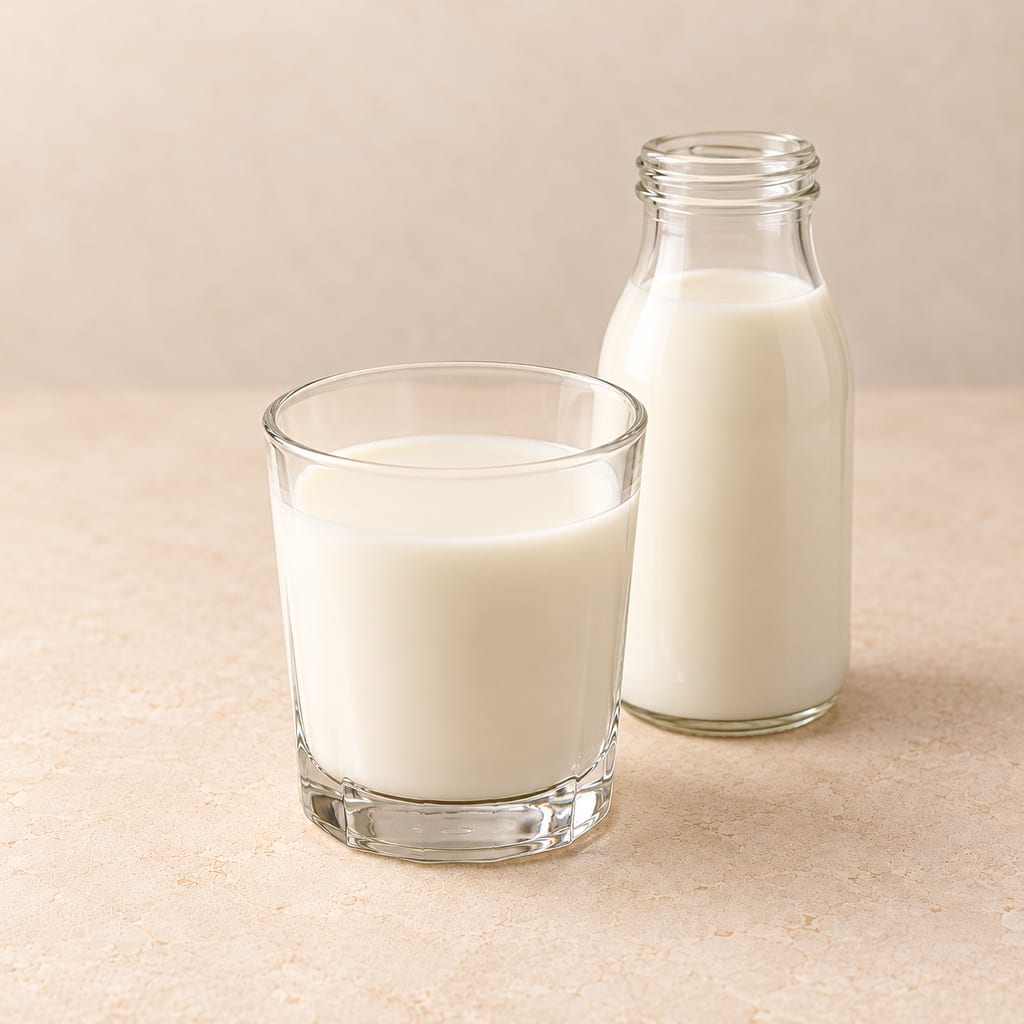
Milk from a ewe, used in cheese and cultured dairy foods. Its protein, fat and solids vary with the animal and season; it contains lactose and milk allergens.
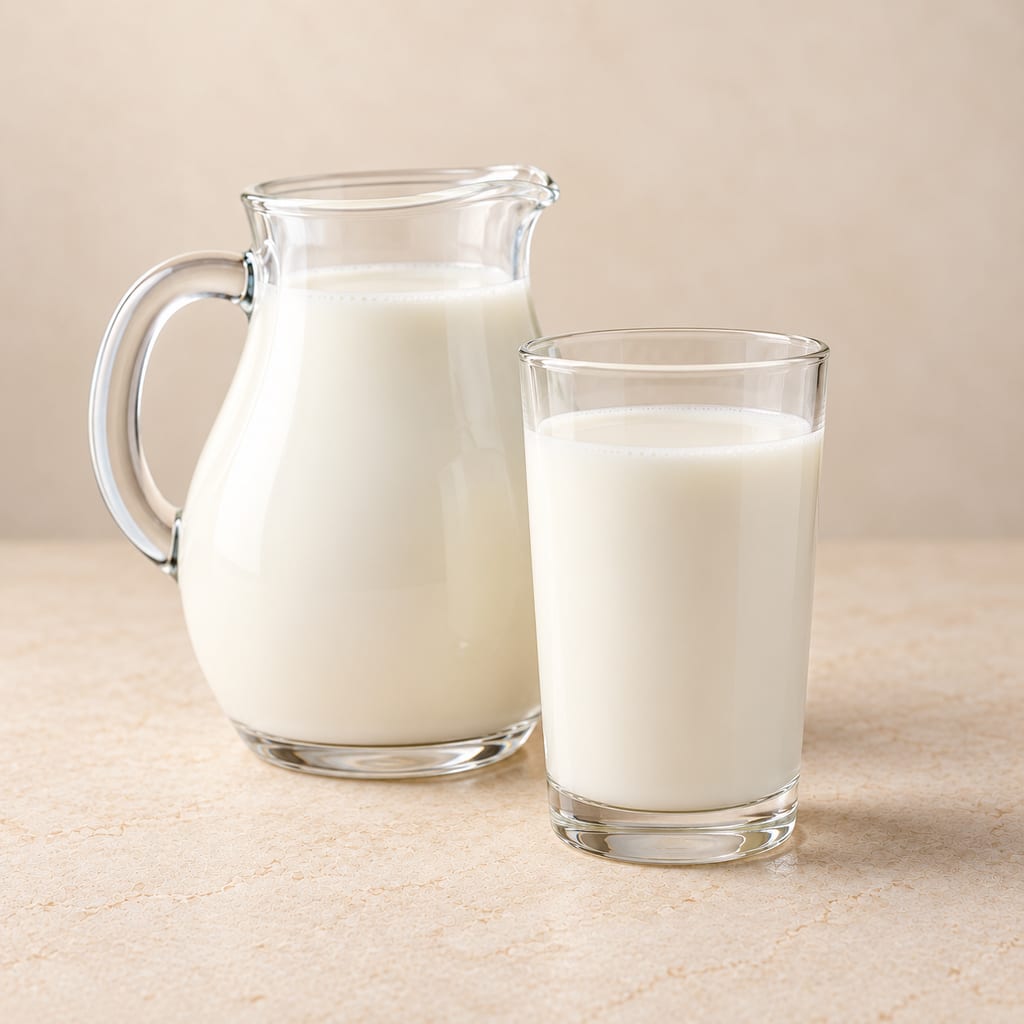
Cow milk in its whole-fat category supplies fat, proteins and lactose for cooking, cultured dairy and cheese. Heat treatment and homogenization are separate product choices.
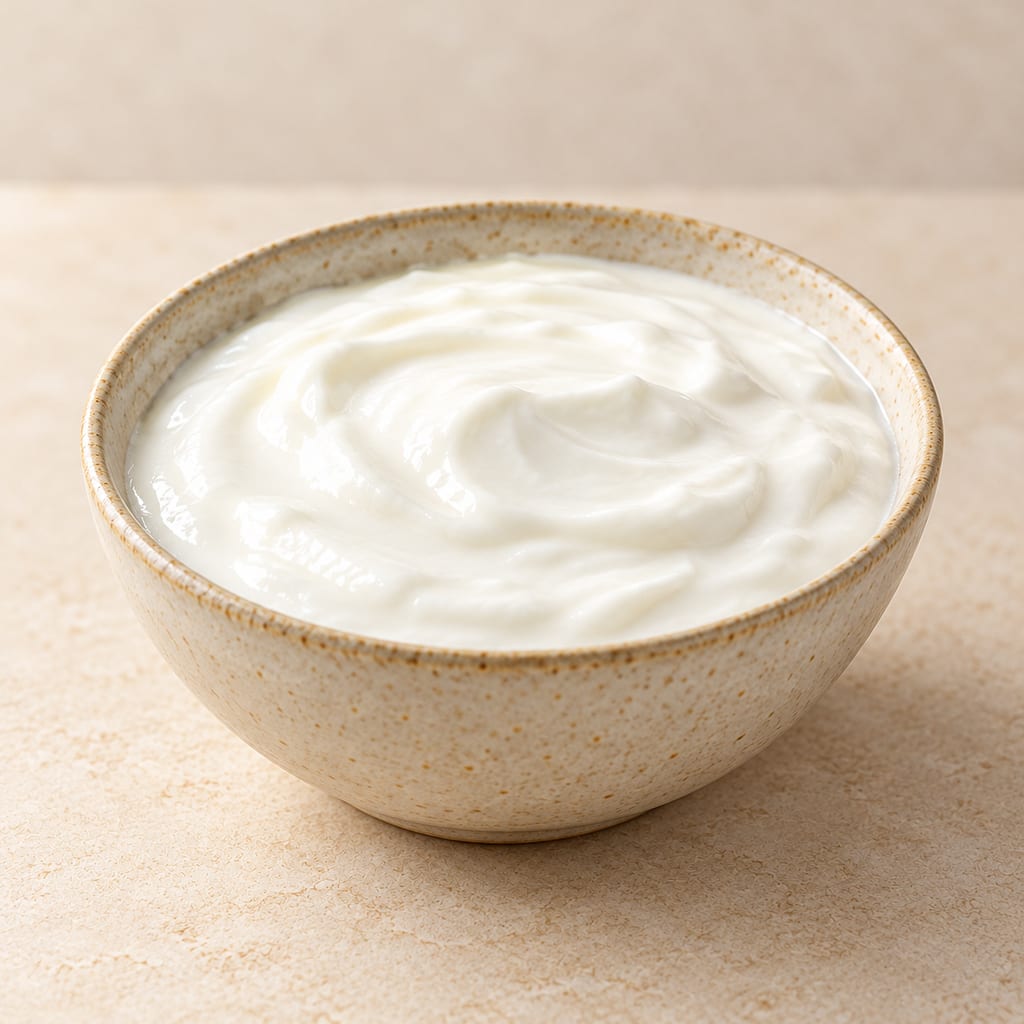
Katyk is a traditional fermented milk of Turkic-speaking peoples, made by souring heated milk with lactic bacteria, often with a spoonful of the last batch, into a thick, sour curd.
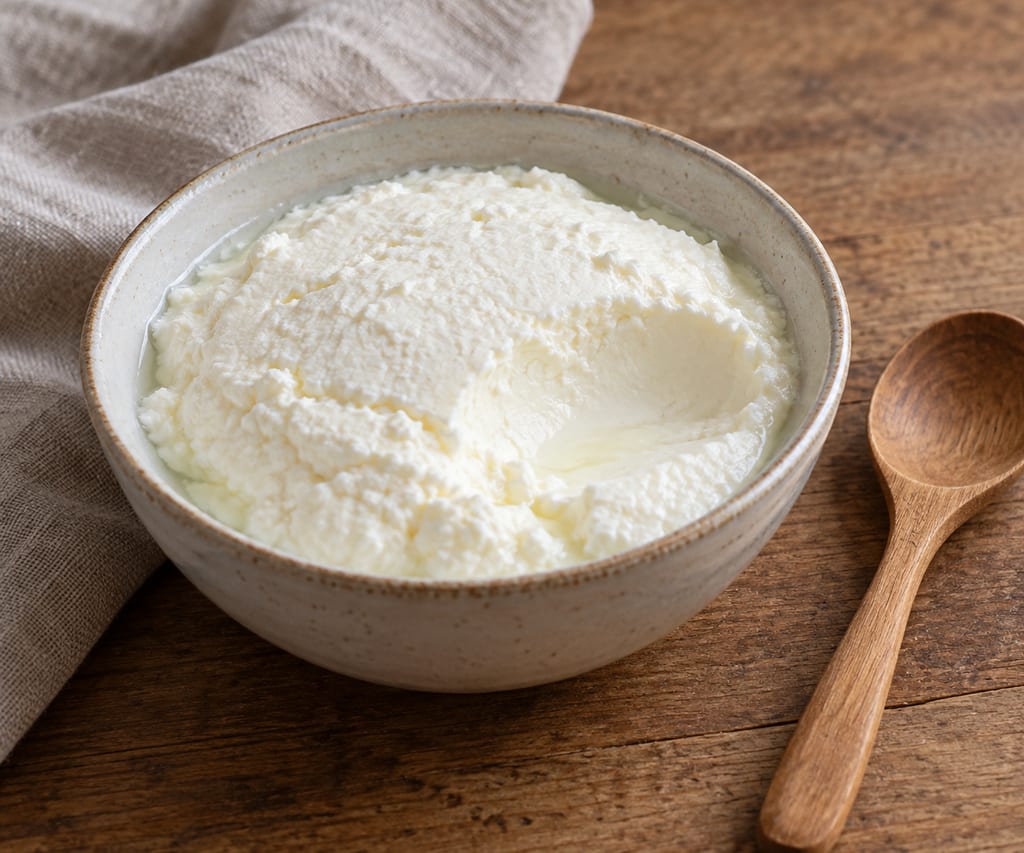
Tarag is a traditional Mongolian fermented milk made by culturing heated cow, yak, sheep or goat milk with a retained starter into a sour, softly set or drinkable yoghurt.
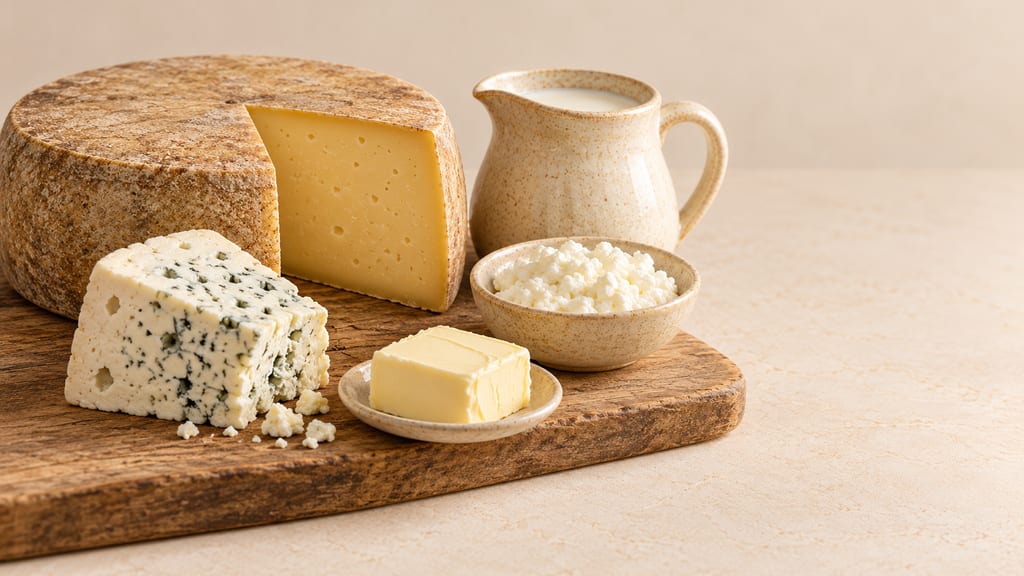
Follow milk into cheese, cultured drinks, butter, dried curds and sweets: a journey through the animals, seasons and household decisions behind the world's dairy foods.

A cold dip, soup or sauce of strained yogurt, cucumber and garlic, eaten across Greece, Turkey and the wider Balkans and Levant under names that include cacık and tarator.
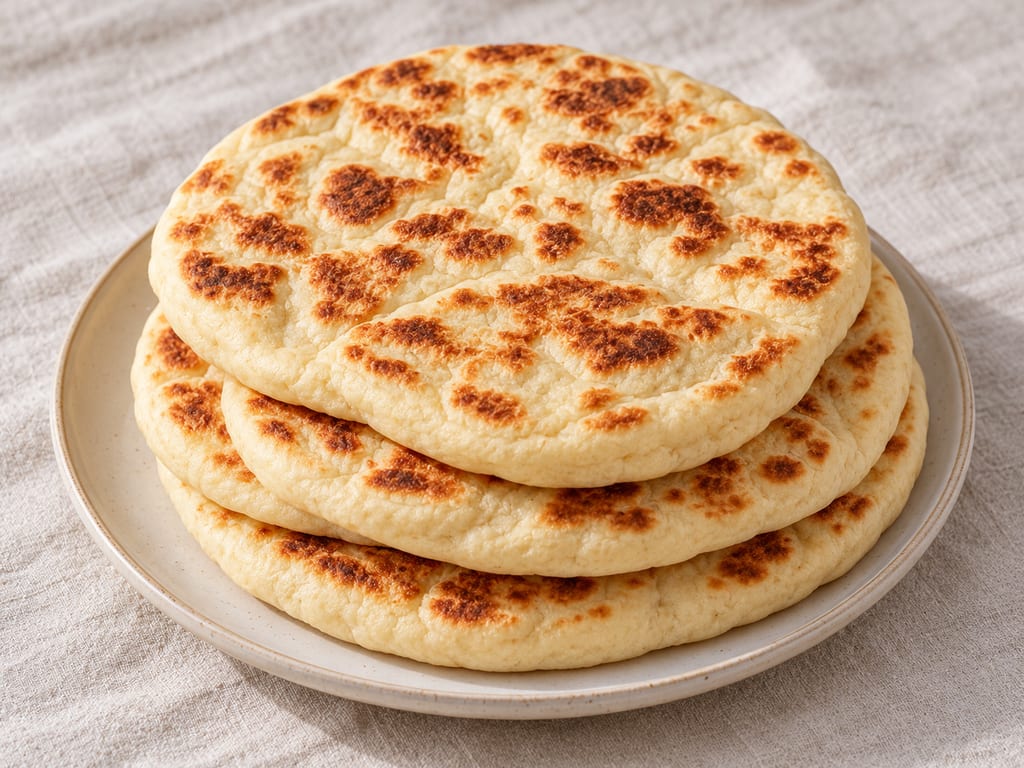
This Turkish bazlama uses yeast, plain yogurt and olive oil for a soft dough cooked in a skillet. Shape it into twelve small or six larger rounds, flip as bubbles appear, and wrap the breads to keep them soft.
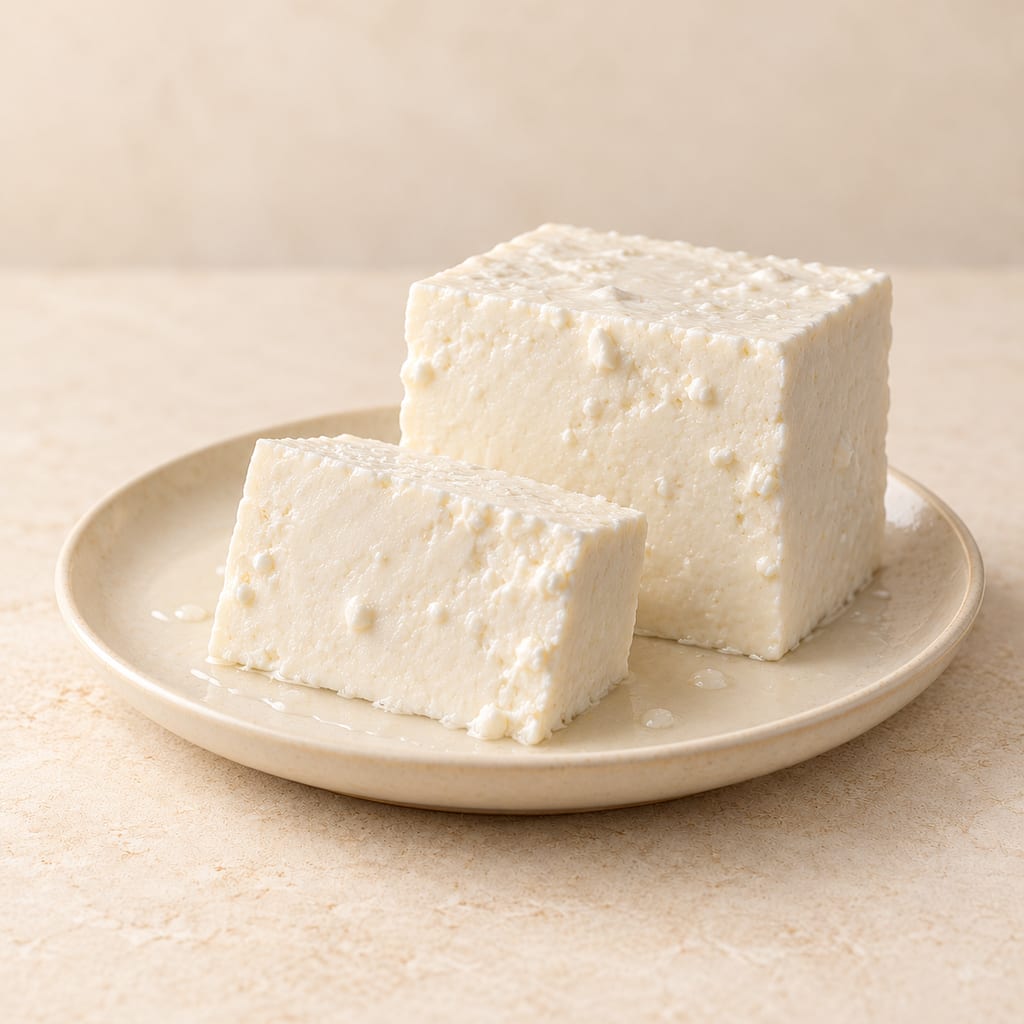
Beyaz peynir is a Turkish white cheese matured in brine. Sheep milk, alone or mixed with other milks, gives a close-textured cheese cut into blocks and packed in cans.
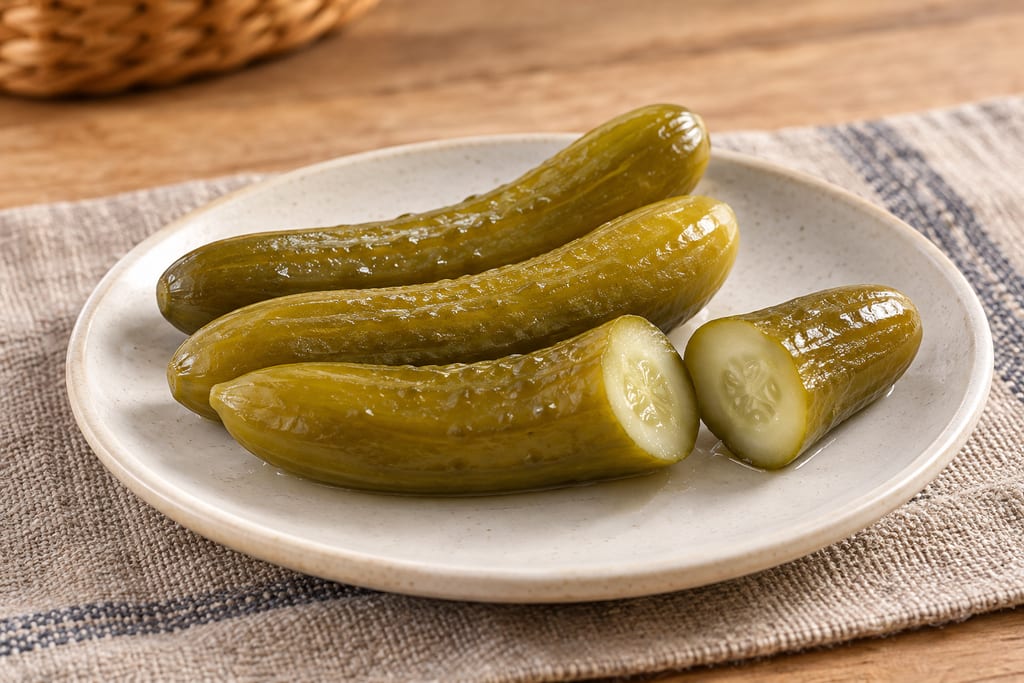
Çubuk turşusu is a registered pickle from Çubuk district in Ankara. Its cucumber variant is sold as Salatalık Turşusu, and a commercial specification sets its brine and room-temperature period.
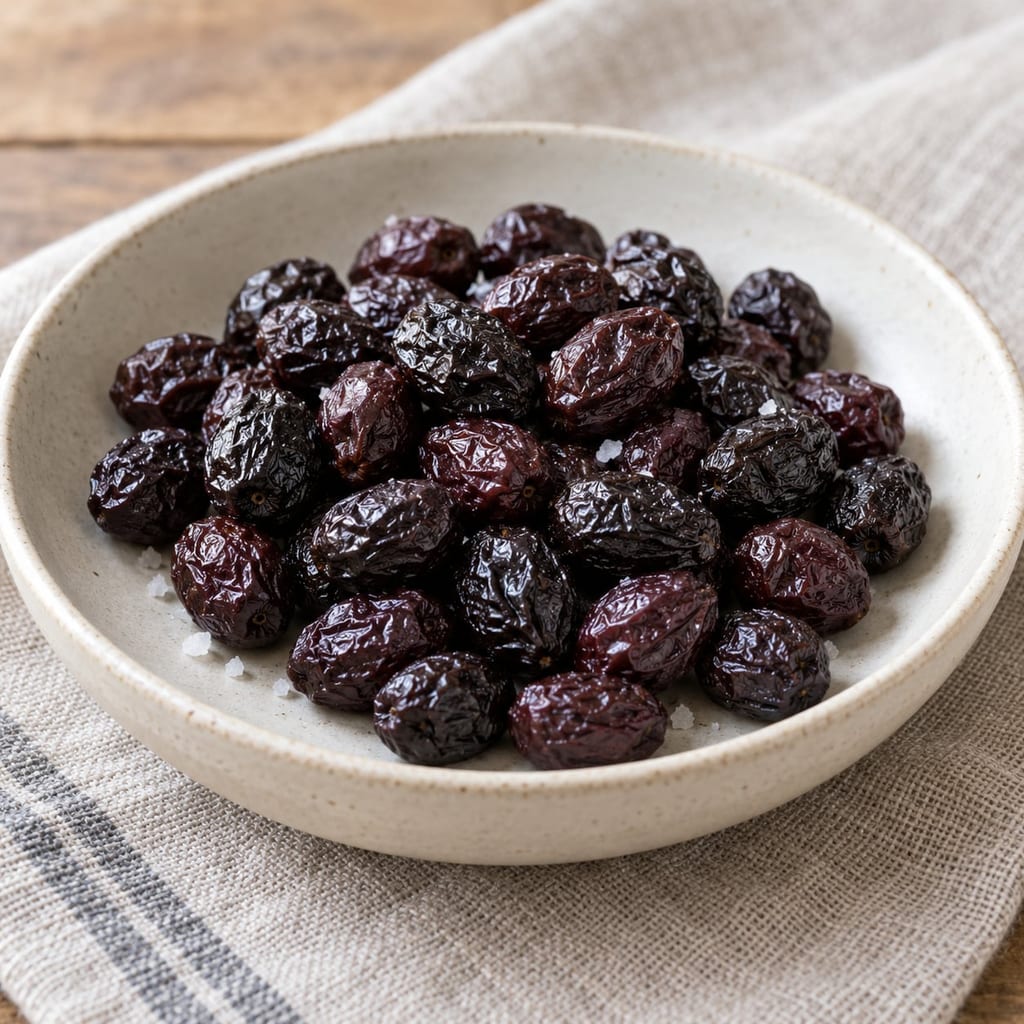
Fully ripe dark olives are mixed with salt and turned weekly as salt draws out moisture. Distinct from existing brine-fermented and lye-treated olives.
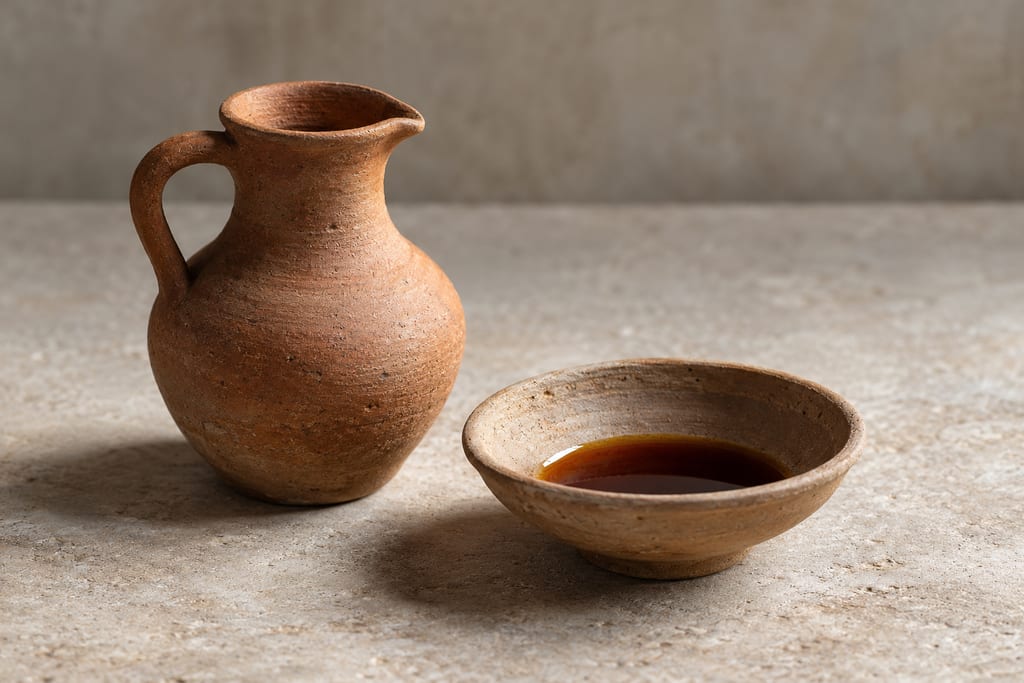
Garum, Greek garos and Latin liquamen, was the fish sauce of the ancient Mediterranean: fish and viscera salted and left in the sun, then drained off as a savoury liquid.
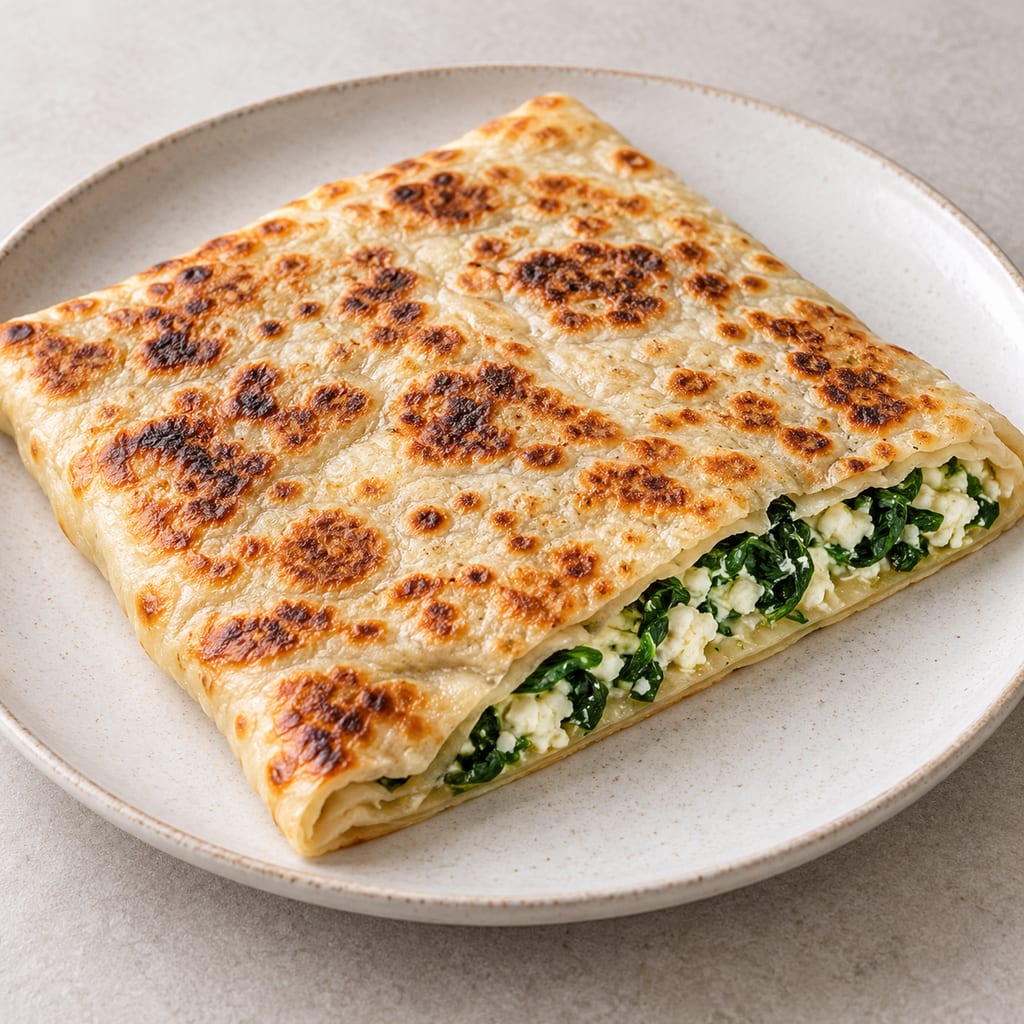
A yeast-and-yogurt dough is rolled into a large thin sheet, filled with spinach, onion and feta, folded closed, then cooked on an oiled griddle. This is Özlem Warren’s spinach-and-cheese family-style version.
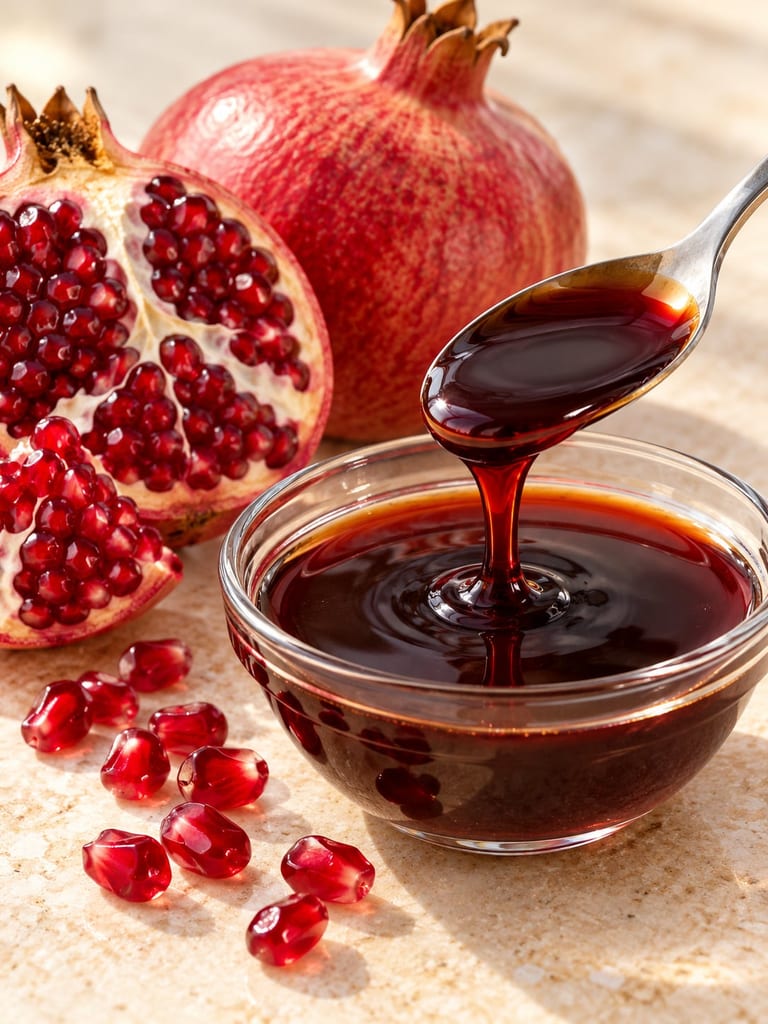
The registered Hatay method presses pomegranate arils and slowly concentrates the strained juice. Its 100 kg source batch and experienced-producer endpoint are retained; no home-scale time or shelf-life is inferred.

Airag is Mongolia’s fermented mare’s-milk drink, traditionally churned with saved starter in a reusable cowhide khokhuur.
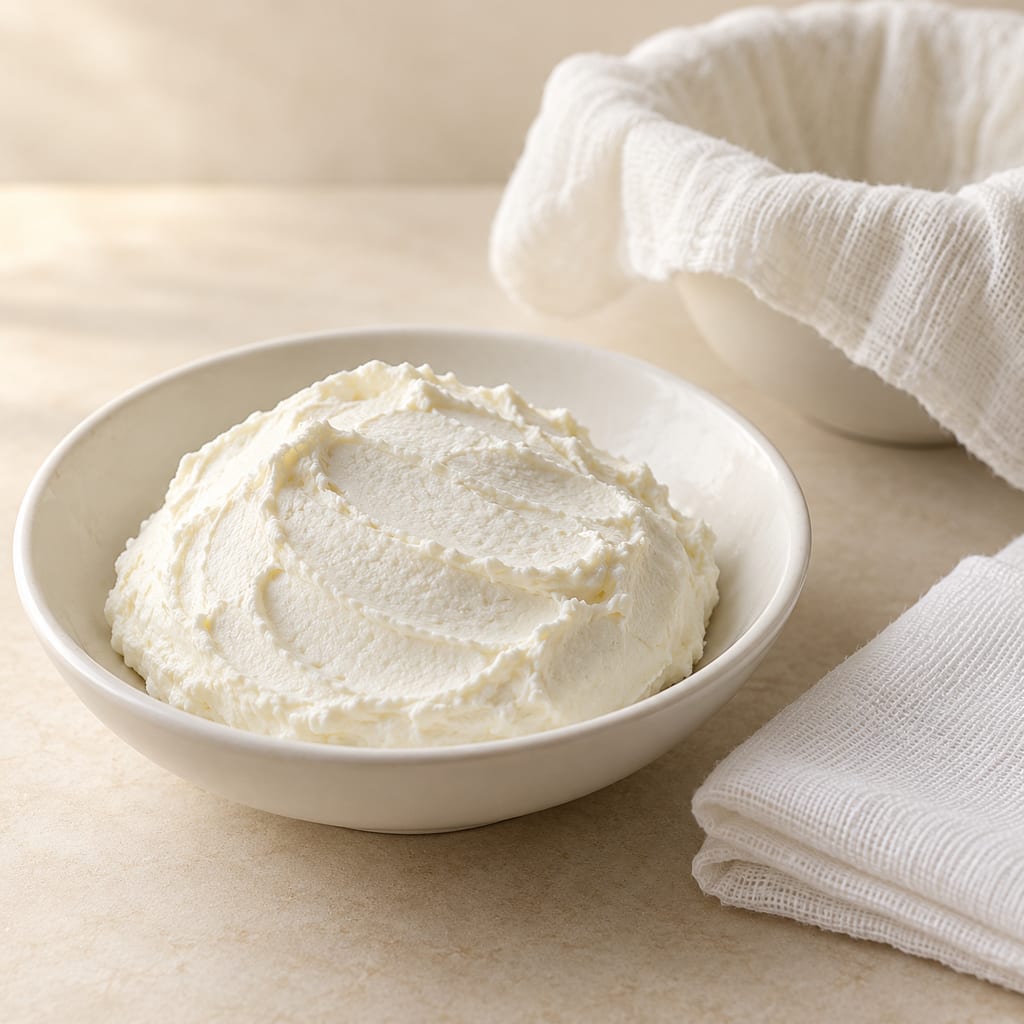
A soft cheese made by setting aside part of the day's milk kefir, draining it in a cloth and salting it through the evening, ready the next morning.
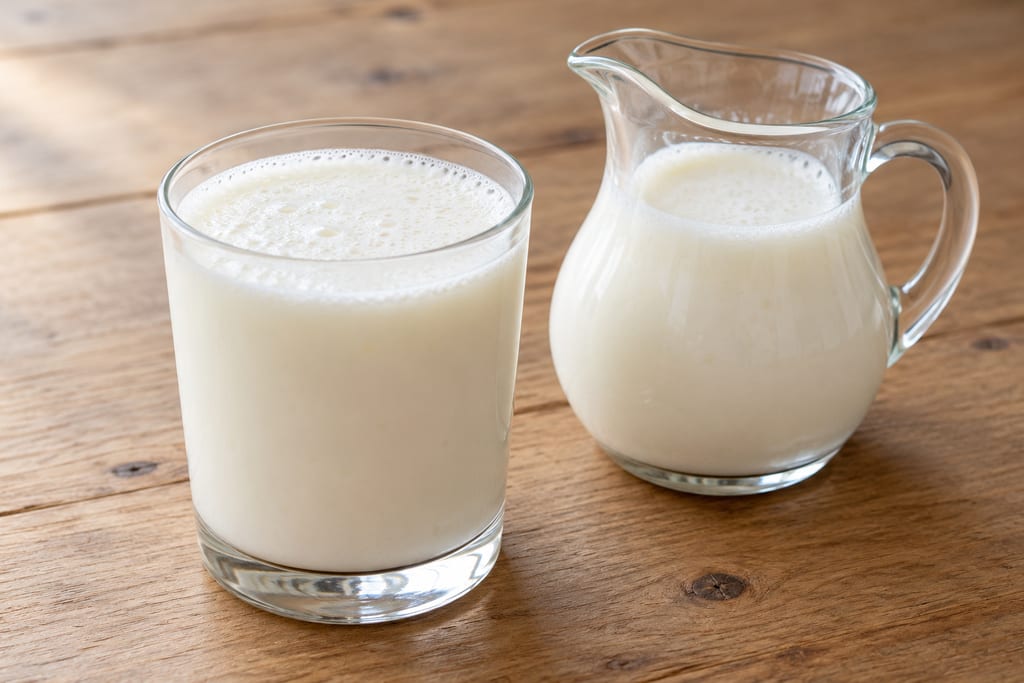
Khurunga is a traditional Buryat fermented milk made with a kept mixed bacteria-and-yeast starter, giving a sour, lightly alcoholic and often fizzy drink that is also the base for milk spirit and curds.
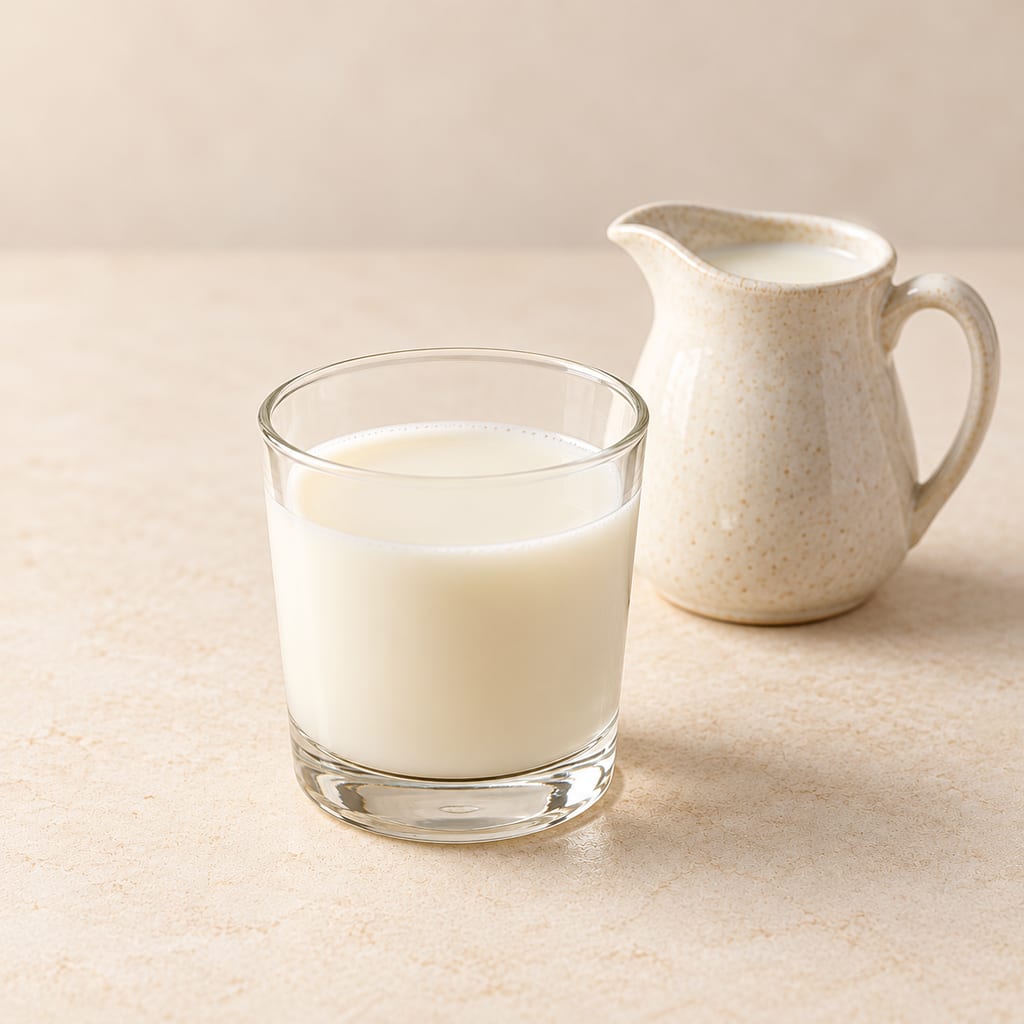
Koumiss is a sour, lightly alcoholic mare-milk drink made by lactic bacteria and yeasts. This technical method uses pasteurized milk, a previous-batch starter and staged cooling.
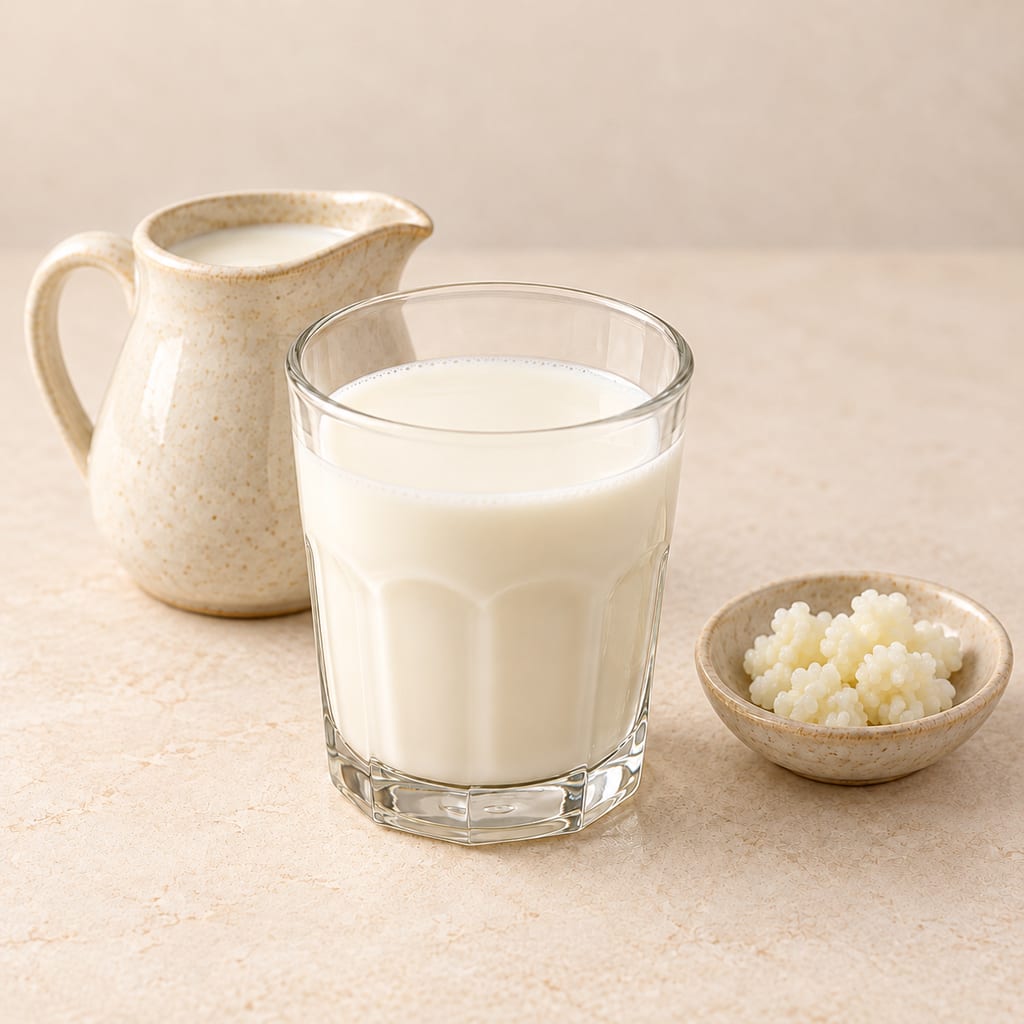
Milk kefir is a tangy fermented drink made with reusable grains of bacteria and yeasts. Grain fermentation can give the milk a light fizz and some alcohol.
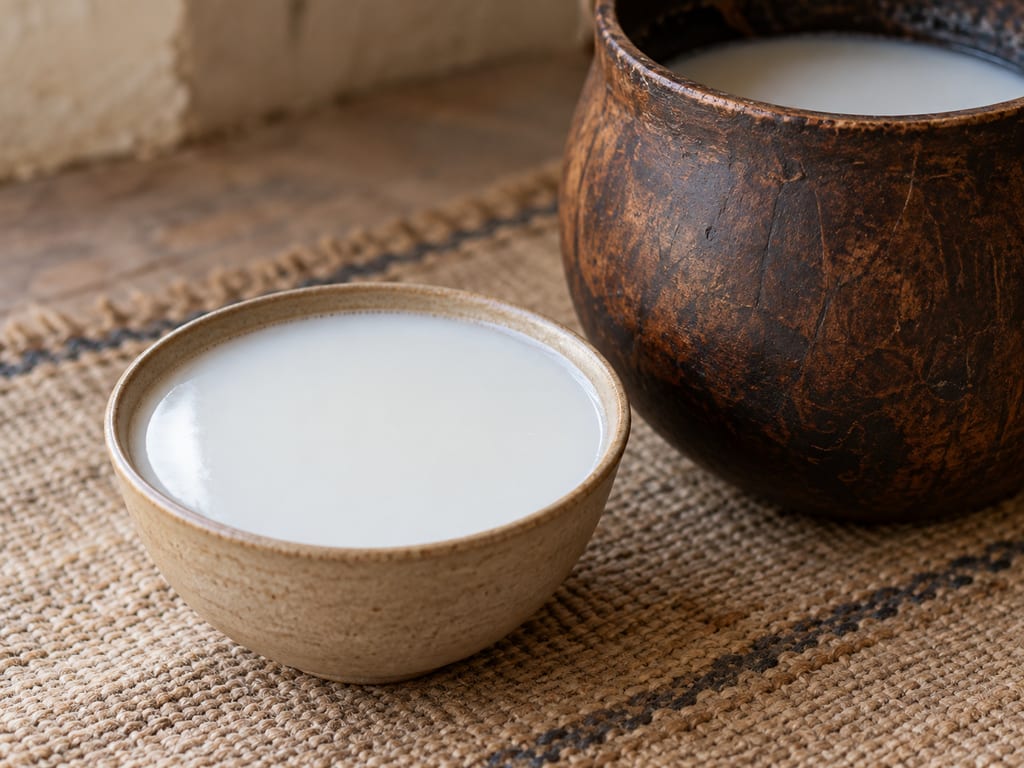
Suusac is a traditional fermented camel-milk drink of Somali pastoral communities in Kenya and Somalia, soured spontaneously in smoke-treated vessels into a thin, acid, smoky milk.
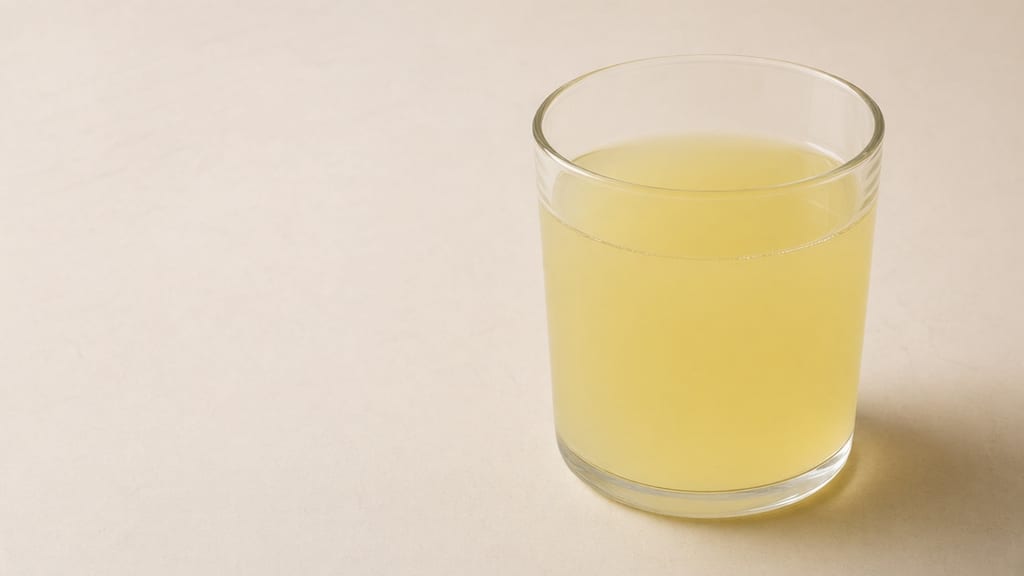
Sýra is Icelandic soured skyr whey kept as a household acid store: a drink when diluted, and historically the medium for súrmatur. Fresh leftover whey is not the same material.

Protected Italian vinegar made only from cooked grape must, fermented and aged in a battery of wooden barrels for at least 12 years: sweet, sharp and syrupy.

Appam, or hoppers, are South Indian and Sri Lankan rice pancakes made from a fermented coconut-and-rice batter and cooked in a curved pan to a crisp lacy rim and a soft, spongy centre.
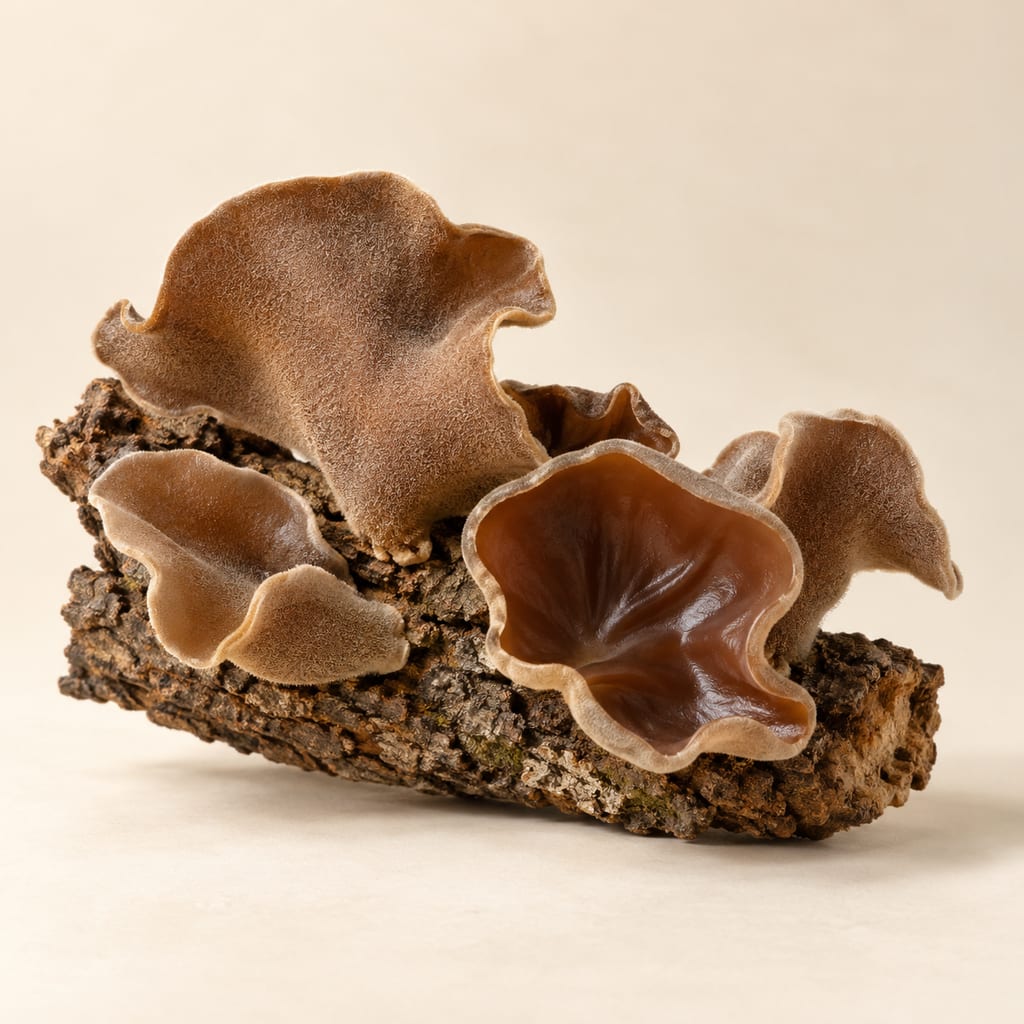
Auricularia tremellosa is a wood ear fungus of the genus that supplies most dried wood ear sold in China; its own food record is thin, and the culinary practice described here comes from the closely related wood ear species.
A thin stone griddle used over an open hearth. Norwegian archaeology documents the established tradition from the early Middle Ages; a Viking-period origin is only a cautious suggestion linked to Shetland.

Crushed or milled barley cooked in water until the starch softens and the mixture thickens, the plainest way a northern household turned stored grain into a meal, here with apple and hazelnut.
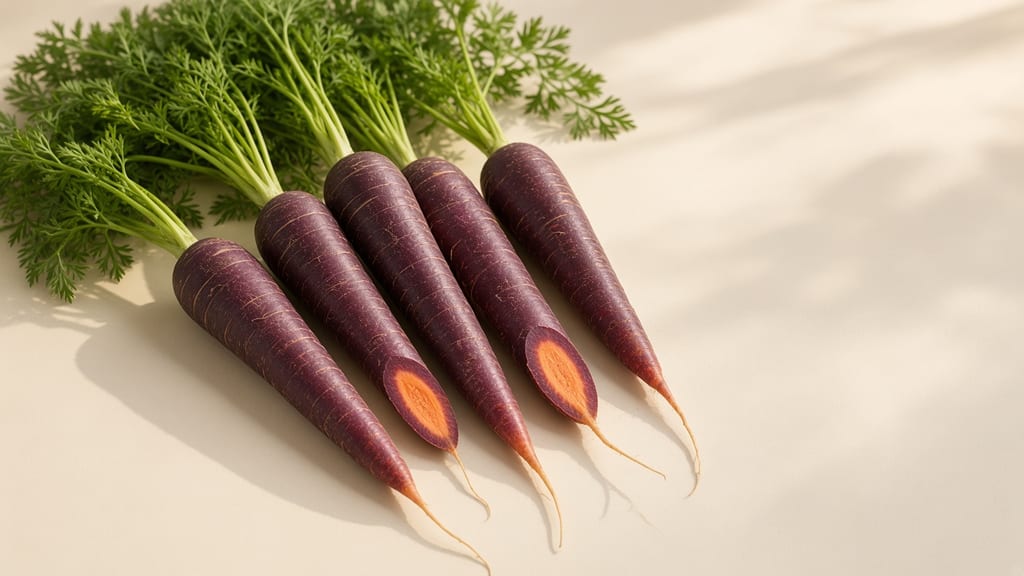
Black carrot is the anthocyanin-pigmented Eastern carrot (Daucus carota var. atrorubens), the purple root that preceded orange types and still colours kanji and şalgam.
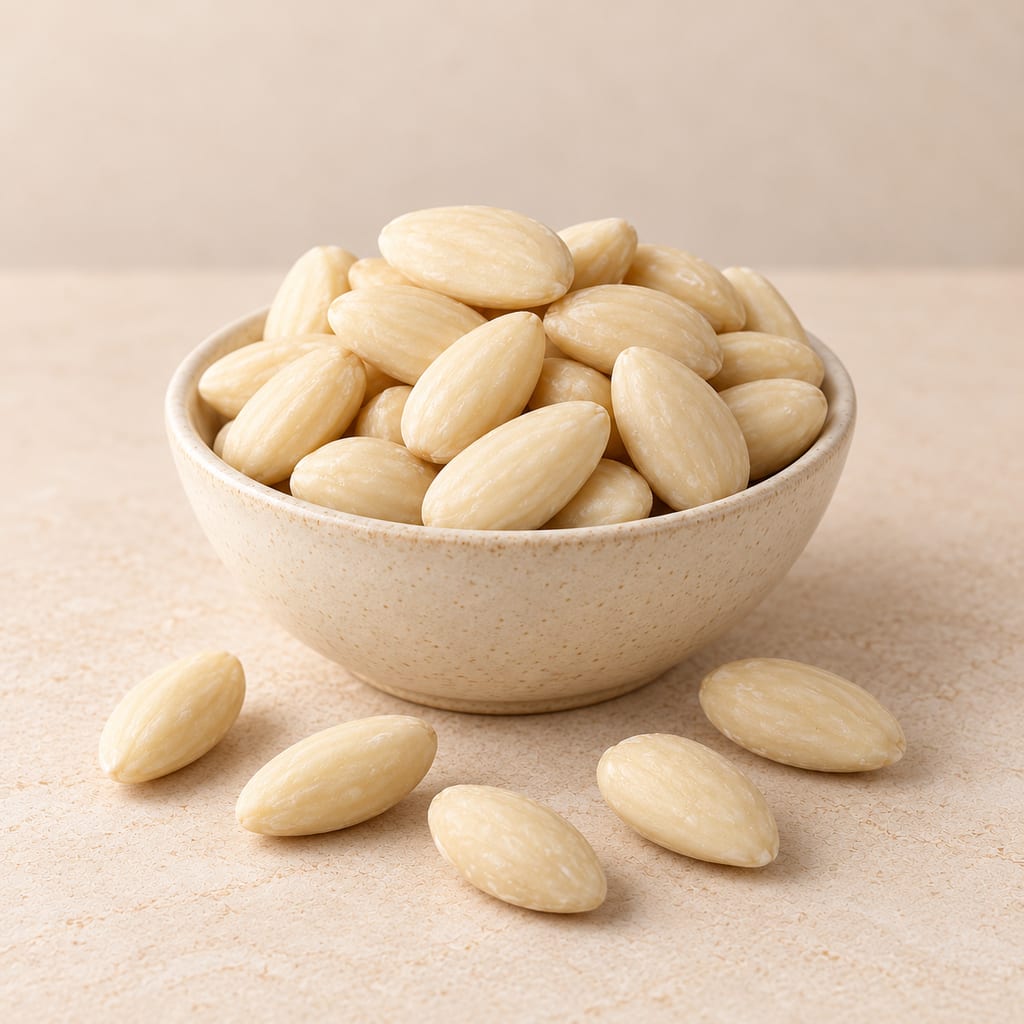
Blanched almonds are sweet almond kernels with the brown seed coat removed. A documented amla murabba cooks ten optional slivered kernels into the finishing syrup with spices and saffron.
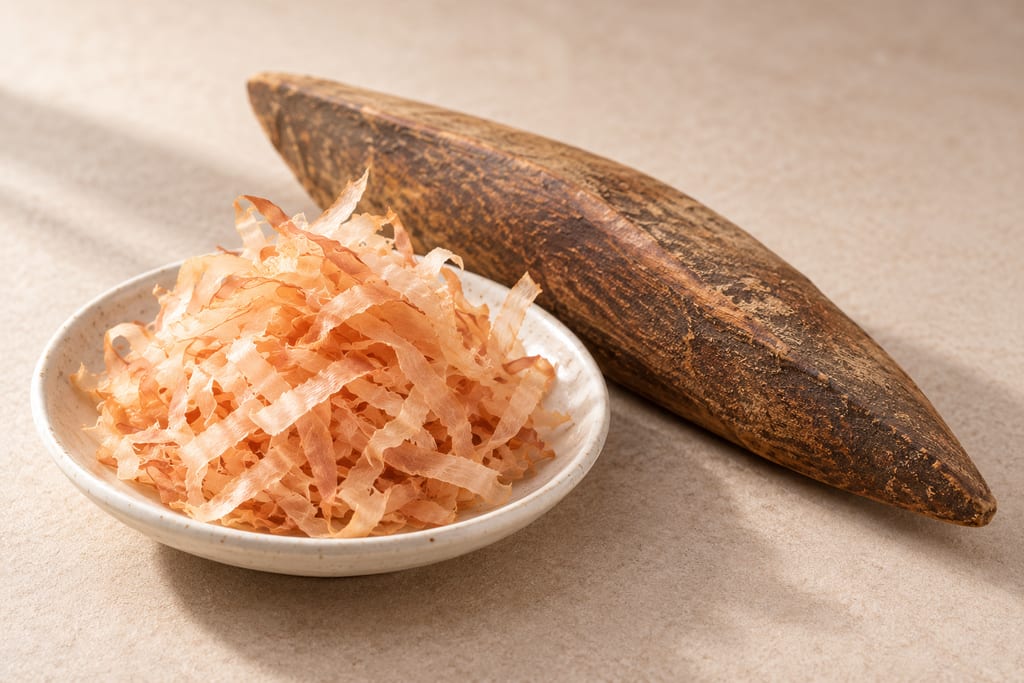
Katsuobushi is skipjack tuna cooked, smoked and dried into a hard block that is shaved into flakes for dashi and toppings. Some styles stop at the smoke-dried stage; others receive carefully managed mold maturation.
No community contributions have been published for this entry yet.
Sign in to contribute. Published comments and photos are free to read.
Atatürk Orman ÇiftliğiHistory · Method · Variation
AyranThe producer prefers one measure of yogurt to no more than 1.5 measures of water.
Its industrial route ferments adjusted milk with an ayran culture; this is separate from dilution of finished yogurt.
The page reports a Göktürk origin story; this is presented as a later tradition, not as proof of invention.
Cited in: A salted yogurt drink, not a second yogurt; A name with a medieval written record; What fermentation contributes before mixing; The three ingredients and their balance; A reliable small-batch method
Turkish Patent and Trademark Office (TÜRKPATENT)Geography · History · Method · Variation
Susurluk Ayranı specification, GI No. 238The designation is bounded to Susurluk, Balıkesir, and describes the foam, full-fat yogurt, water and low salt.
The specification links local reputation to the 1950s and the Bursa–İzmir road corridor.
It gives a large batch of 10 kg yogurt, 8–9 L water and 2 tablespoons salt, and describes agitation from height.
Cited in: Turkey and the regional map; The three ingredients and their balance; Foam, churning and the Susurluk distinction; Serving and useful comparisons
Journal of Dairy Research, Cambridge University PressDefinition · Science · Method
Exploring Turkish yoghurts: a comprehensive study on product characteristicsThe Turkish Food Codex definition includes yogurt diluted with water and a direct-culture route using milk whose dry matter has been adjusted.
Ayran is one of several Turkish products made from yogurt.
Cited in: A salted yogurt drink, not a second yogurt; What fermentation contributes before mixing; Reading the result and keeping it safely
Nutrition Research Reviews, Cambridge University PressGeography · Use · Science
Traditional low-alcoholic and non-alcoholic fermented beverages consumed in European countries: a neglected food groupAyran is a salted yogurt drink; composition changes with milk type, fat content and dilution.
The review documents consumption across Turkey, Bulgaria, Macedonia, Kyrgyzstan and Azerbaijan and distinguishes related names and preparations.
Cited in: A salted yogurt drink, not a second yogurt; Turkey and the regional map; What fermentation contributes before mixing; Serving and useful comparisons
LWT - Food Science and TechnologyVariation · Science · Geography
Bacterial diversity analysis in Kazakh fermented milks Shubat and AyranOriginal study of named Kazakh fermented milks; the supplied fermented-milk atlas describes its Kazakh ayran as boiled milk inoculated with starter and set semisolid, unlike diluted Turkish ayran.
Cited in: Turkey and the regional map; Serving and useful comparisons
Turkish Language AssociationHistory
Dîvânu Lugâti’t-Türk: Kâşgarlı Mahmud and the dictionaryThe Turkish Language Association dates compilation of Kâşgarlı Mahmud's dictionary to 1072–1074.
Cited in: A name with a medieval written record
Nişanyan SözlükHistory · Names
ayranThe lexical entry records ayran in the Dîvânu Lugâti’t-Türk as a milk-derived drink and notes that its etymology is disputed.
Cited in: A name with a medieval written record
Wikimedia CommonsImage
Fresh ayran.jpgMavigogun's photograph shows finished fresh ayran served in a glass mug in Istanbul; CC BY-SA 3.0.
Elvanca TariflerHome method
HOW TO MAKE AYRAN - Traditional Turkish Soft DrinkA home method mixes plain yogurt, cold water and salt; it gives one-eighth teaspoon salt for three tablespoons yogurt and one glass water, with no fermentation step.
Cited in: The three ingredients and their balance; A reliable small-batch method
U.S. Centers for Disease Control and PreventionSafety
Raw MilkPasteurized dairy products are the safer choice; raw milk can carry pathogens.
Cited in: Reading the result and keeping it safely