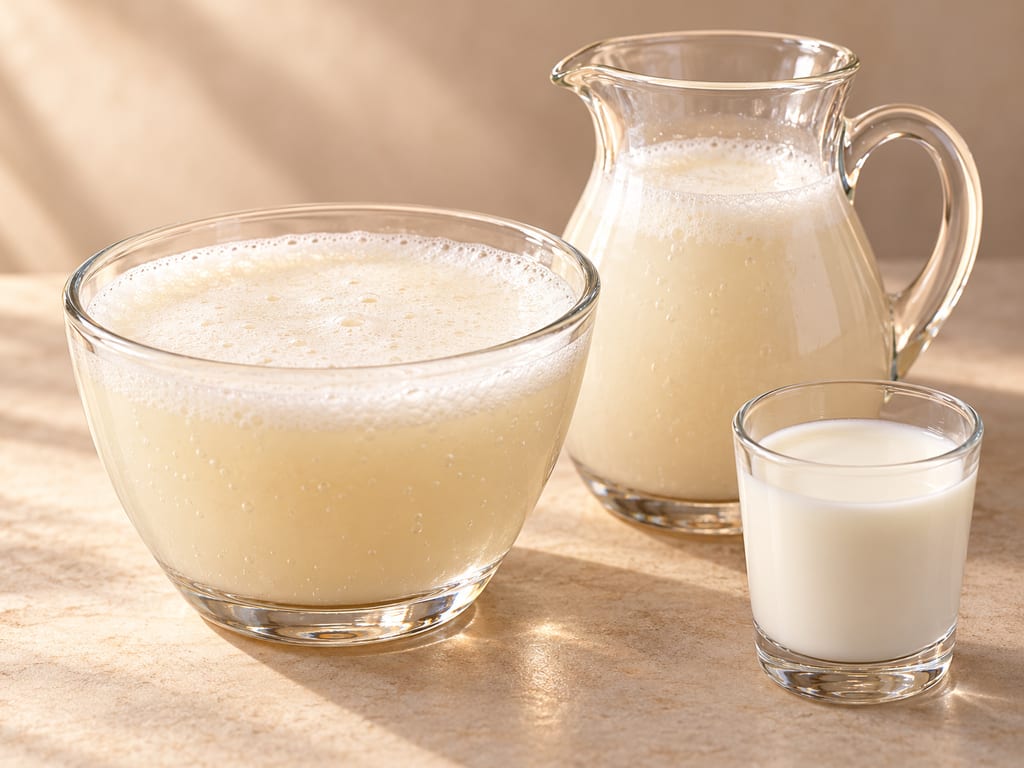
Airag
Airag is Mongolia’s fermented mare’s-milk drink, traditionally churned with saved starter in a reusable cowhide khokhuur.
 FermenteaWhere food goes to change
Traditional method
Тараг · Tarag · Тараг · Mongolian yogurt · Mongolian yoghurt · Mongolian cultured milk · Traditional Mongolian fermented milk · Тараг бүрэх
Tarag is a traditional Mongolian fermented milk made by culturing heated cow, yak, sheep or goat milk with a retained starter into a sour, softly set or drinkable yoghurt.
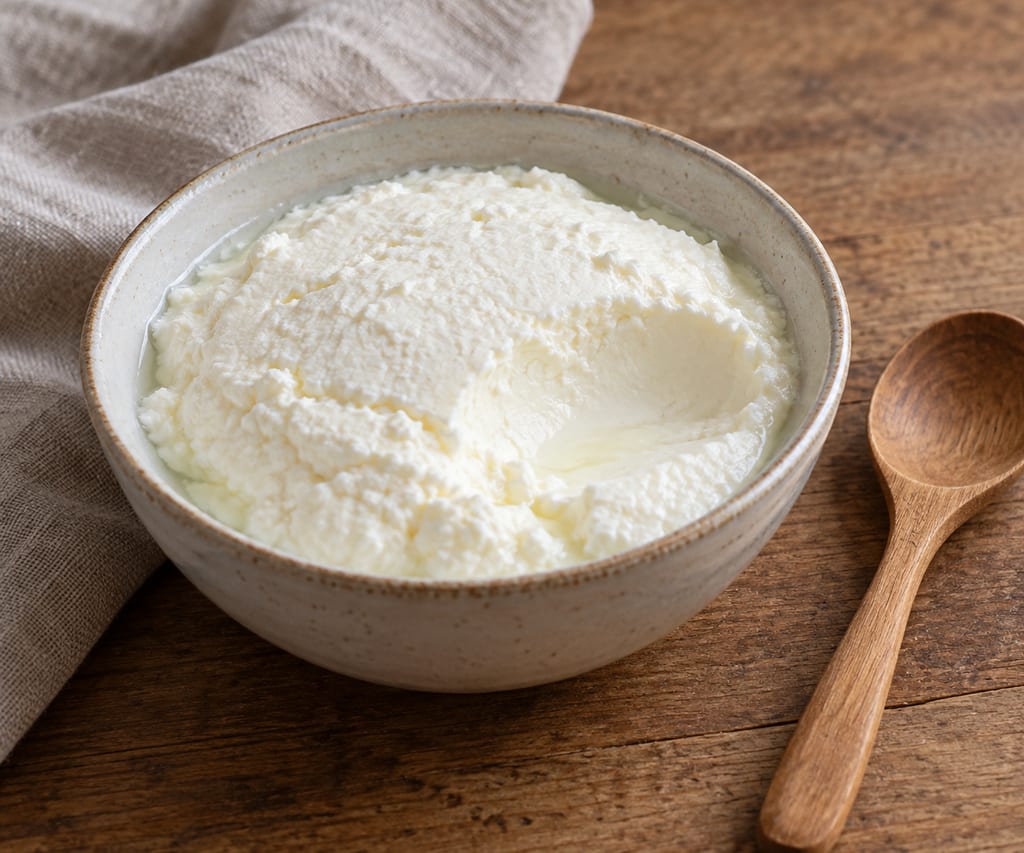
Tarag (тараг) is Mongolia's everyday fermented milk, one of the white foods, цагаан идээ, that herding families make from their animals' milk. Heated milk is mixed with a living starter, covered and kept warm until lactic acid bacteria sour it and the proteins set. It can be spooned, if freshly set and left undisturbed, or stirred and drunk. The taste is clean, sour and milky, sometimes with a trace of cooked milk from the heating.
Cow, yak, sheep and goat milk are all used, and the species changes the texture, because fat, casein, whey protein and minerals differ between them. Camel milk goes into a separate product, khoormog, and mare's milk into airag, so neither belongs under tarag. The Mongolian dictionary defines тараг бүрэх, tarag bürekh, as mixing starter into heated milk, covering it and letting it set. The starter is таргийн хөрөнгө, targiin khöröngö, usually a spoonful of an earlier batch.
English calls it Mongolian yoghurt, and the comparison has limits. Anthropologist Eric Thrift separates ordinary, often drinkable tarag from some industrial products sold under the borrowed word yoghurt, and household tarag is not made with only the two bacteria of standard yoghurt. Studies find a mix of lactobacilli, streptococci, lactococci and yeasts. The main change is still lactic fermentation.
Tarag belongs to the dairy work of Mongolian pastoral households. Milk flows with the season, the livestock and the pasture, and in the productive summer months families turn it into foods to eat at once or process for storage: heating, culturing, skimming cream, draining curds and drying dairy solids. Tarag fits in as a fermented milk that is eaten directly or turned into curd. The age of Mongolian herding does not date tarag itself.
A firm twentieth-century record is the 1975 study by Jean-Pierre Accolas, Jean-Pierre Deffontaines and Françoise Aubin in Études Mongoles, which separates tarag, a yoghurt-like cultured milk, from unda and airag. Modern microbiology starts with a 2007 study of three nomadic households in central Mongolia, followed by Watanabe's analysis of 31 tarag samples in 2008 and sequencing studies in 2014. Older Korean and East Asian texts use the word tarag, written 타락 or 駝酪, but it could mean milk porridge or milk tea, so they do not describe today's method.
Tarag is still household work, though urbanisation and dairies have changed it. An FAO report describes herders and peri-urban households making traditional products, with larger dairies selling branded versions. A bought starter or packaged tarag is not automatically the same as a family's long-kept culture. Mongolia's National Center for Cultural Heritage documented traditional dairy preparation in 2022.
Tarag is mainly a lactic fermentation. The bacteria turn lactose into lactic acid, and as the pH falls the casein proteins gel. Unlike yoghurt from an industrial starter, tarag carries a community inherited from the last batch, the vessel and the local dairy environment. Lactobacilli matter most, with streptococci, lactococci and other bacteria also found, and yeasts turn up in some samples without making every tarag a significantly alcoholic ferment.
In Watanabe's 2008 study of 31 samples the leading cultivated lactic bacteria were Lactobacillus delbrueckii subsp. bulgaricus, Lactobacillus helveticus and Streptococcus thermophilus, averaging about 10^8.35 colony-forming units per millilitre against about 10^5.86 for yeasts, which included Saccharomyces cerevisiae and Kazachstania unispora. In a 2014 study of 26 Mongolian samples L. delbrueckii predominated. A 2012 survey of 198 samples from eastern Inner Mongolia recovered 790 lactic isolates of 31 species or subspecies, led by L. helveticus and Lactococcus lactis subsp. lactis. Communities differ by place and by milk, and these are sample results, not a starter recipe.
The chemistry is the usual one. Beta-galactosidase splits lactose, glycolysis makes pyruvate, and lactate dehydrogenase reduces it to lactic acid. Calcium phosphate leaves the casein micelles as acidity rises, and around pH 4.6 the casein forms a continuous gel. Heating beforehand unfolds beta-lactoglobulin, which links to casein and strengthens the gel and its water holding. Proteases free peptides and amino acids, and some cultures make acetaldehyde and diacetyl.
The ingredients are milk and an active starter. The milk gives lactose, casein, whey protein, fat and minerals, and the starter gives lactic bacteria already used to milk. A retained portion of earlier tarag is the usual starter, and prepared dried dairy products are also mentioned, though they are not interchangeable without testing.
The recipe here is the household method published in November 2019 by Mongolia's livestock genetic-resources authority: 10 litres of sheep, goat or cow milk and about 150 to 200 g of starter, adjusted to how active it is. The milk is warmed gently, a little of it is mixed with the starter to spread it, and that is stirred into the batch. The milk goes into a wooden or enamelled vessel, is covered, kept warm and left alone for about three to four hours until it sets. Neither the warming temperature nor the incubation temperature is stated.
Heating before inoculation reduces competing microbes and changes the whey proteins so a firmer gel forms. Heritage accounts describe boiling the milk and sometimes skimming the cream, which changes fat and mouthfeel. The milk must cool before the starter goes in, since heat kills the bacteria. The instructions warn that too little starter or poor insulation delays setting, while too much warmth makes the milk rise or release whey, and they advise cooling the set tarag before opening it, because disturbing a warm curd encourages whey to separate. A cool rest improves the flavour.
Other methods exist. A 2016 chapter on Mongolian dairy foods describes boiled milk, a starter percentage, controlled warm incubation and a titratable acidity endpoint, and research from Mongolia and China documents tarag kept going by repeated transfer in cooler conditions. These cannot be merged into one recipe. A modern batch should use pasteurised milk, clean equipment and a characterised starter run to that culture's own temperature and acid endpoint.
Tarag differs by region, household and animal. Mongolia's dictionary separates элгэн тараг, elgen tarag, freshly set thick tarag left undisturbed, from исгэлэн тараг, isgelen tarag, tarag made sourer by further fermenting or standing, and names cow's-milk (үхрийн) and sheep's-milk (хонины) tarag. Cow's milk is widely used, and yak milk is important in highland areas. The same starter on different milks gives different gel strength, viscosity and flavour.
Fieldwork in Dundgovi on three nomadic families found Lactobacillus helveticus, L. fermentum, L. kefiri and related species across ordinary and isgelen tarag, and L. delbrueckii subsp. bulgaricus in one tarag, so household products cannot be assumed to hold just the two industrial yoghurt bacteria. The 2014 work on tarag from Arkhangai, Bulgan, Dundgovi, Tov, Ovorkhangai and Omnogovi found L. delbrueckii dominant but varying between samples.
Eastern Inner Mongolia in China shows strong regional contrasts: a 2014 sequencing study found Streptococcus at 12.07 per cent of bacterial reads in its Mongolian samples and 0.71 per cent in Inner Mongolian ones, and Lactococcus at 3.66 and 21.86 per cent. Household instructions describe a warm, covered fermentation that sets in hours, while naturally maintained cultures in Mongolia and China are described with longer, cooler fermentation, giving a different balance of bacteria and yeasts. Commercial tarag and laboratory-selected cultures are further variants.
Tarag is eaten from a bowl when freshly set and drunk when stirred. It runs from mild when new to pronounced when old, and it needs no sugar, fruit or thickener; flavoured packaged versions are separate products. Mongolian cooks often call it a thin yoghurt, while the dictionary recognises thick, freshly set tarag too, so the difference is texture, not a defect.
It sits in the seasonal dairy economy beside airag, khoormog, cream, butter, cheeses and dried curds, which herders and peri-urban households make in the productive season. Tarag can be used directly and also supplies the acid dairy base for later foods. One is аарц, aarts, a soft sour curd: a Mongolian culinary source makes тарагны аарц, taragny aarts, by heating the tarag and separating the coagulated curd from the liquid. Aarts can be pressed, shaped and dried into ааруул, aaruul, a long-keeping dried curd, though aaruul can also come from other fermented milks.
Tarag also keeps itself going: a portion of a good batch is set aside as the next starter, and some regions use dried dairy material to restart fermentation at the start of the milk season. Successive transfers can change the culture.
Good tarag smells of clean fermented milk and has the texture its method calls for: a coherent curd if left alone, fluid if stirred. Judge it against the traditional method and not against a commercial yoghurt, and look for no odd colour or mould.
Milk that does not set may have had too little live starter or poor insulation, which the Mongolian instructions both name as causes of slow setting. Too much heat makes it overflow or release whey. Cooling the curd before handling reduces whey separation. A little clear or yellowish whey after stirring or cooling is normal; a lot suggests over-acidification, a weak gel or unsuitable heating, and the milks of different animals behave differently.
Yeasts are found in real tarag, so detecting them does not make a batch spoiled. But vigorous bubbling, swollen containers, heavy foaming or a strong alcoholic smell are not expected in a warm-fermented, yoghurt-type process. The Mongolian expression тараг сагах describes tarag rising and overflowing from too much fermentation, and a gassy batch is not safe to eat for that reason alone. Sequencing identifies DNA, including from dead or scarce organisms, and read abundance is not the same as viable cell count.
Raw milk can carry Campylobacter, pathogenic E. coli, Listeria, Brucella and Salmonella, and contaminated tools or starter can bring organisms back after heating. Repeated backslopping can shift the culture. Use pasteurised milk, a known starter and a measured acid endpoint (Utah State University Extension uses pH 4.6 or below for yoghurt, general guidance and not a tarag-specific limit), refrigerate promptly, and discard anything mouldy, foul-smelling or oddly coloured. A large 10-litre batch cools slowly in an insulated vessel. No shelf life is established. Claims that tarag cures disease or is automatically probiotic need evidence for an identified strain, dose and outcome.
Documented as a cultured milk in 1975; earlier history is undated.
Raw milk can carry Campylobacter, pathogenic E. coli, Listeria, Brucella, Salmonella and Cryptosporidium; fermentation does not guarantee their removal.
Hazard sourceA retained starter is a variable microbial community whose safety and activity cannot be assumed from another household's.
Hazard sourceThe method relies on an insulated warm vessel with no stated temperature; poor warmth delays acid, excess warmth causes whey separation.
Hazard sourceA weak culture may not lower the pH in time, leaving warm milk open to unwanted growth; thickening alone does not prove acidification.
Hazard sourceStarter, vessels, ladle, hands, covers or containers can recontaminate heated milk.
Hazard sourceA 10-litre insulated vessel cools slowly, allowing more acid or growth of unwanted organisms.
Hazard sourceFresh tarag is perishable and high in moisture; fermentation does not make it shelf-stable.
Hazard sourceFermentation does not remove all lactose or destroy milk allergens.
Hazard sourceUse commercially pasteurised milk for modern preparation.
Control sourceUse clean, sanitised, food-grade equipment.
Control sourceUse an authenticated food-grade starter with known handling.
Control sourceVerify acidification with a calibrated pH meter in a validated process.
Control sourceDo not disturb the setting curd, and cool it after fermentation.
Control sourceCool and refrigerate promptly with containers suited to batch size.
Control sourceDo not extend warm fermentation when the culture fails to acidify.
Control sourceThis is a documented Mongolian household preparation, not a validated modern home recipe.
No incubation temperature or final acidity is given, so it is not a controlled safety protocol.
The 3 to 4 hour setting time is not a guaranteed safe fermentation time.
Use pasteurised milk; the traditional handling of fresh milk is not evidence that raw milk is safe.
Do not assemble a starter from arbitrary pure cultures just because those organisms were found in tarag.
A commercial yoghurt starter does not reproduce a household tarag culture.
The 150 to 200 g starter quantity does not carry over to dried commercial cultures.
A coherent curd, sour taste or low pH alone does not show that pathogens or toxins are absent.
Do not use spoiled milk, contaminated starter or unidentified soured milk.
Discard on gas, swelling, mould, foul smell or odd colour; some pathogens leave no sign.
Tarag may contain yeasts but should not be called alcoholic without product-specific analysis.
No validated refrigerated shelf life exists for this formulation.
Fermentation does not remove milk allergens or guarantee lactose removal.
Country-level; samples in microbiological studies came from several provinces.
Field samples, not a claim of origin.
Region-level.
Airag is Mongolia’s fermented mare’s-milk drink, traditionally churned with saved starter in a reusable cowhide khokhuur.

Ayran is Turkey’s cold, savoury yogurt drink: plain yogurt is loosened with water and lightly salted, then whisked smooth or aerated into a soft cap of foam.
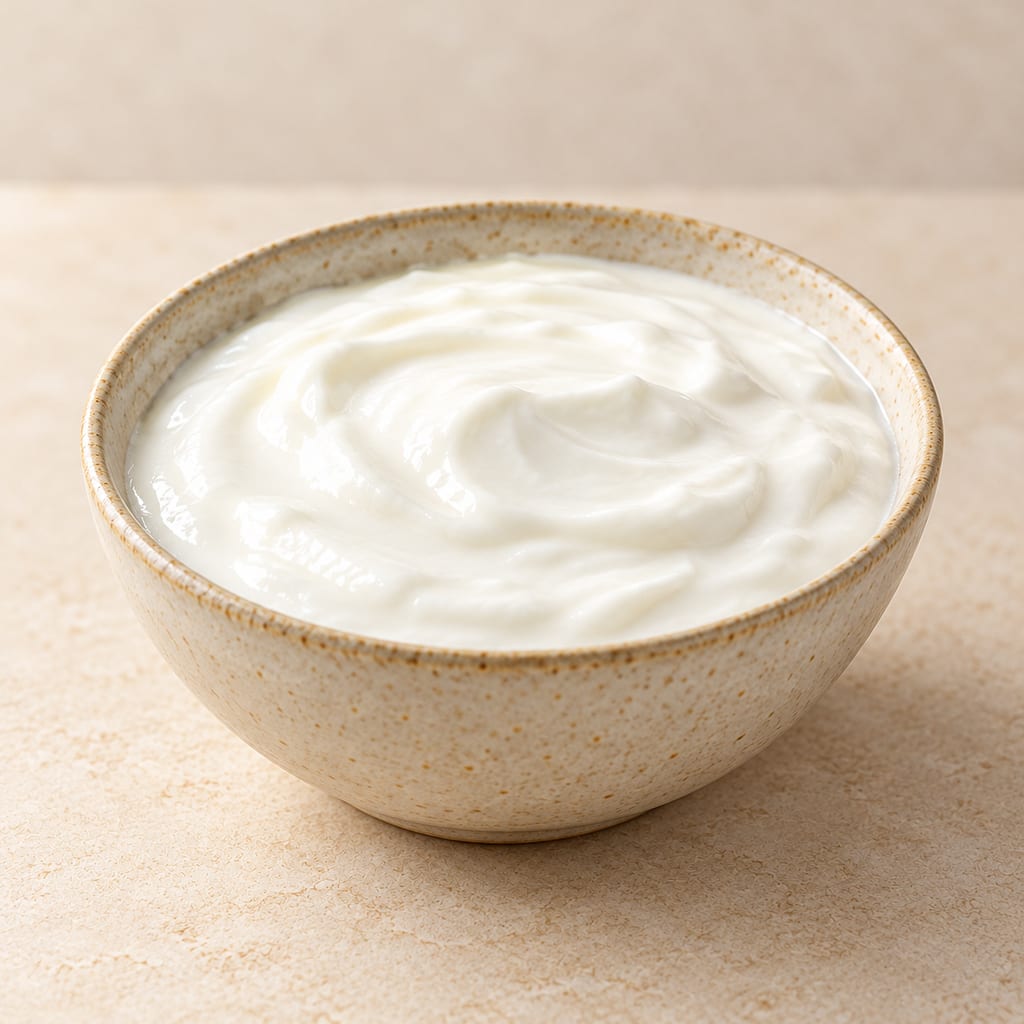
Katyk is a traditional fermented milk of Turkic-speaking peoples, made by souring heated milk with lactic bacteria, often with a spoonful of the last batch, into a thick, sour curd.
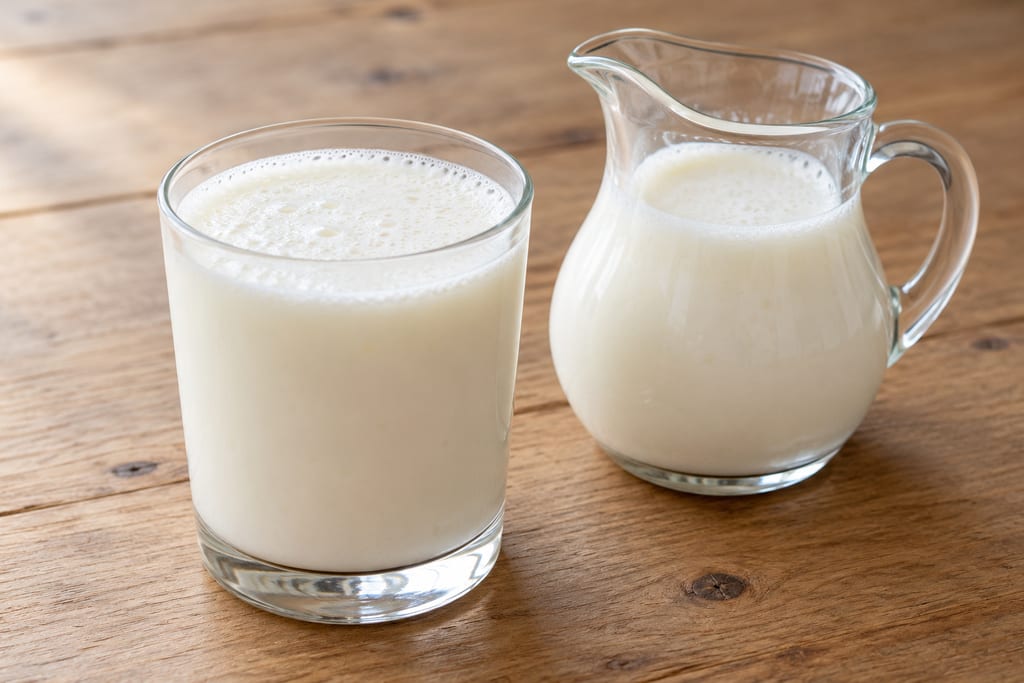
Khurunga is a traditional Buryat fermented milk made with a kept mixed bacteria-and-yeast starter, giving a sour, lightly alcoholic and often fizzy drink that is also the base for milk spirit and curds.
Follow milk into cheese, cultured drinks, butter, dried curds and sweets: a journey through the animals, seasons and household decisions behind the world's dairy foods.
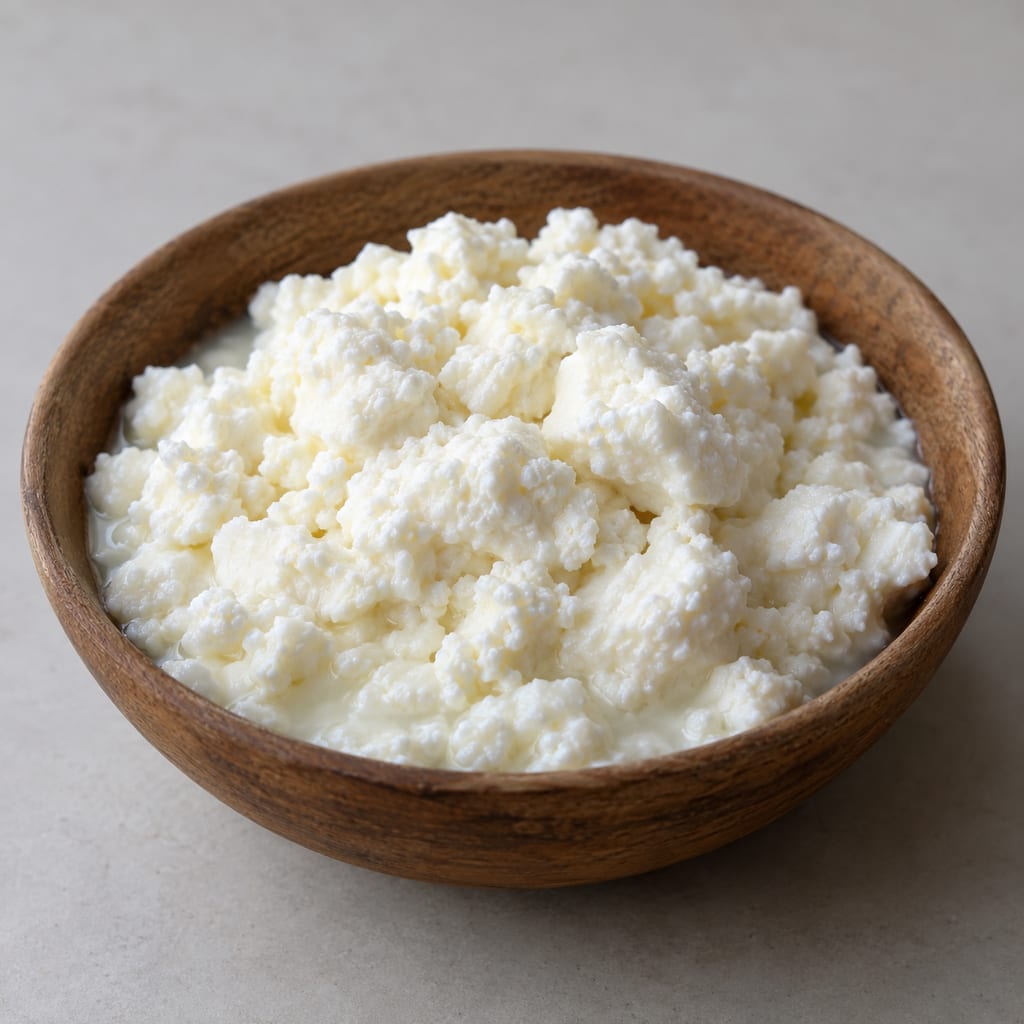
Aarts is a soft Mongolian curd made by draining boiled fermented yogurt; it remains wet, unlike aaruul, which is dried.
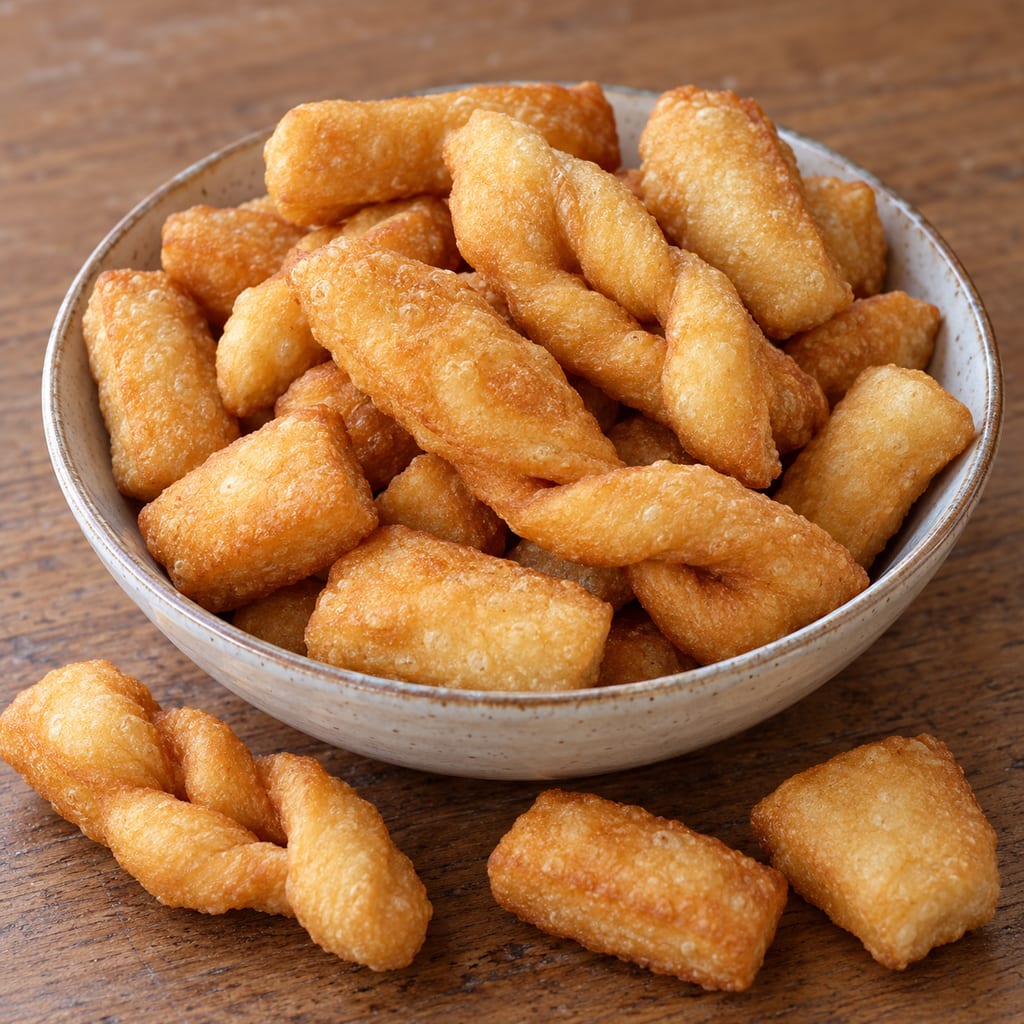
Firm Mongolian fried pastries made from an unyeasted wheat dough enriched with butter and sweetened with sugar; the dense dough is rested, cut or knotted, and fried until golden.
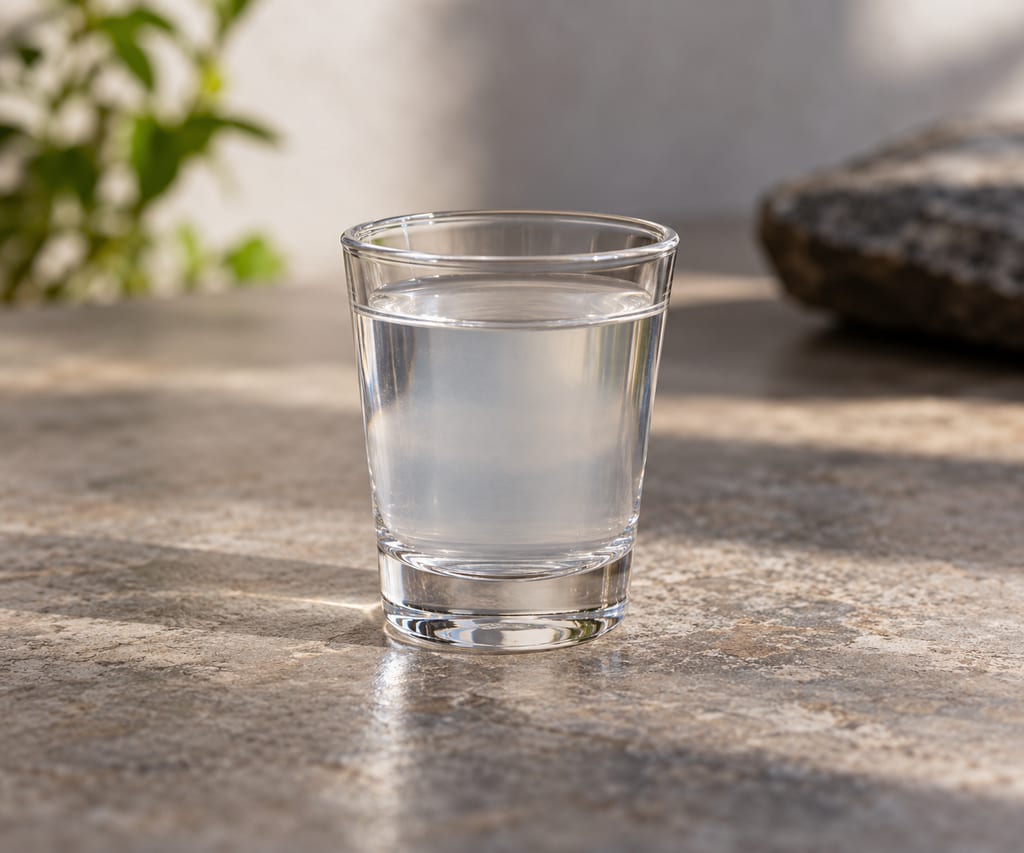
A Buryat milk spirit distilled from khurenge, the backslopped sour dairy ferment, in a cauldron still: a distillate that keeps milky and cheese-like aromas from the dairy it came from.

Mongolian pan-fried flatbreads made by folding sugar and oil through a simple wheat dough.
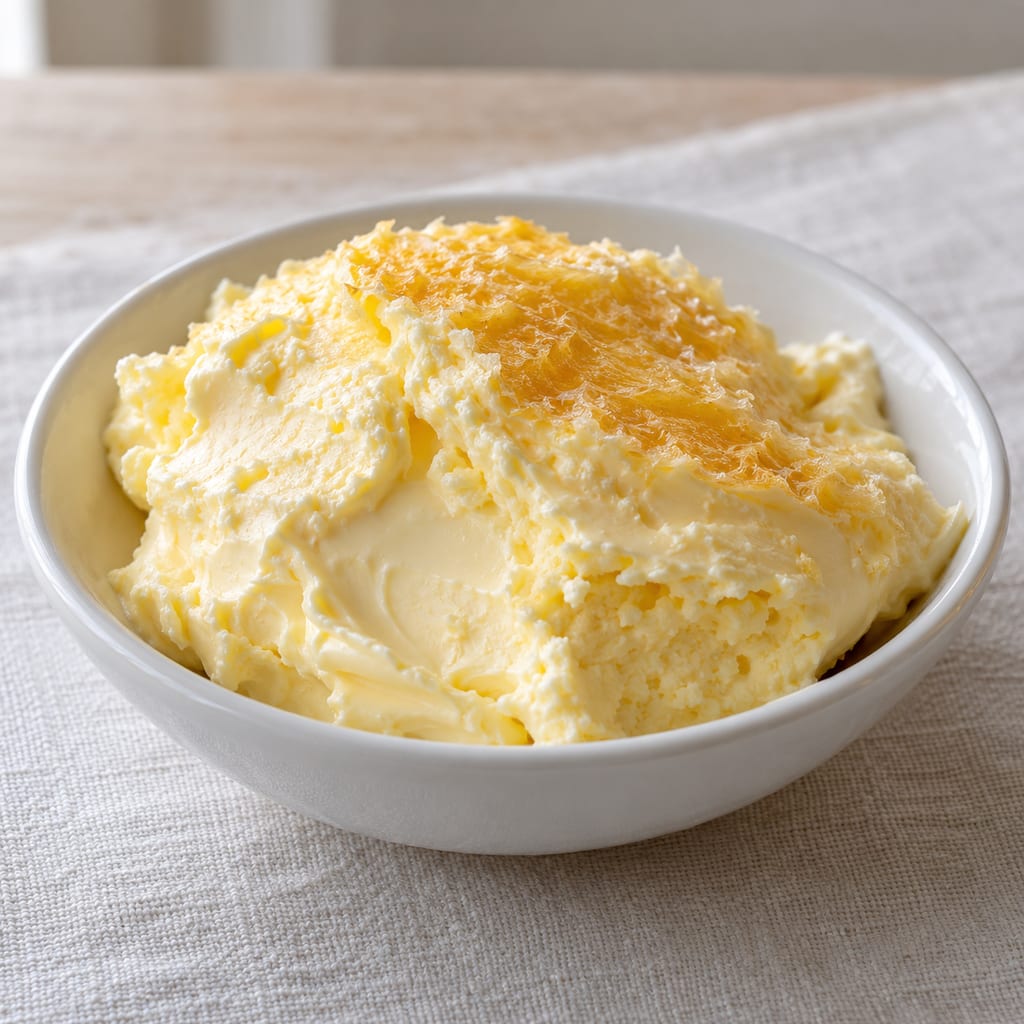
High-fat cream scalded below boiling for at least an hour until a thick crust forms, then cooled hard so the crust sets and the cream beneath thickens.
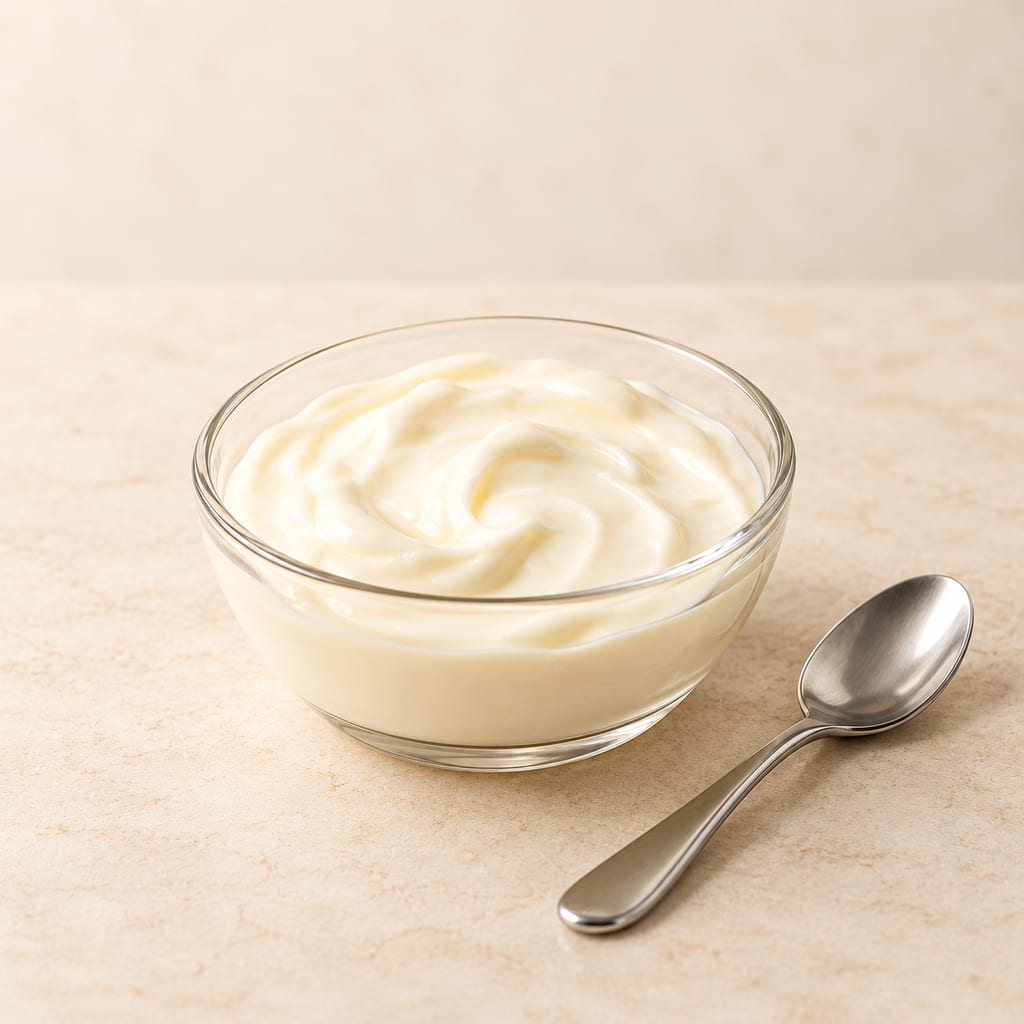
Crème fraîche is cream soured by lactic cultures into a thick, mild topping. It suits fruit and desserts as well as soups, sauces and other savoury dishes.
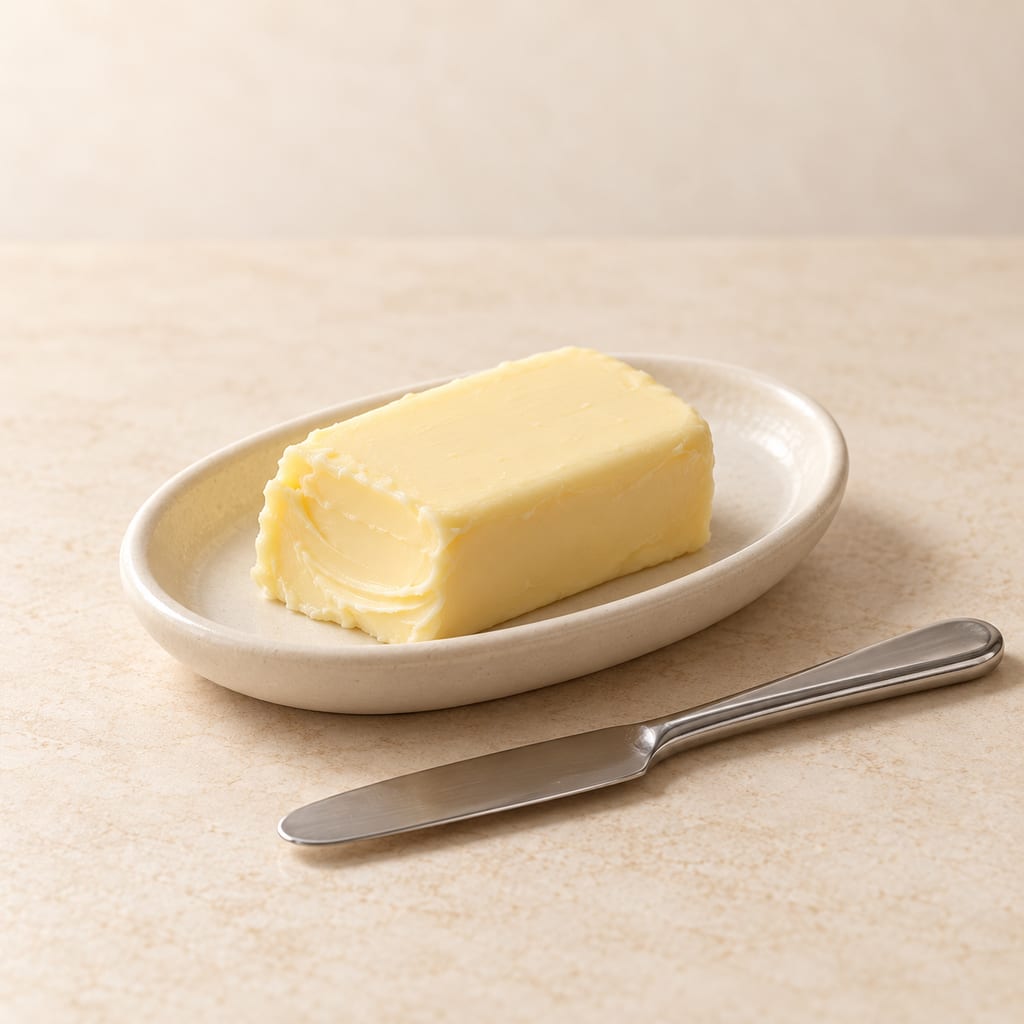
Cultured butter is churned from cream soured with lactic cultures. Its lightly tart flavour comes from the cultured cream, which separates into butter grains and buttermilk.
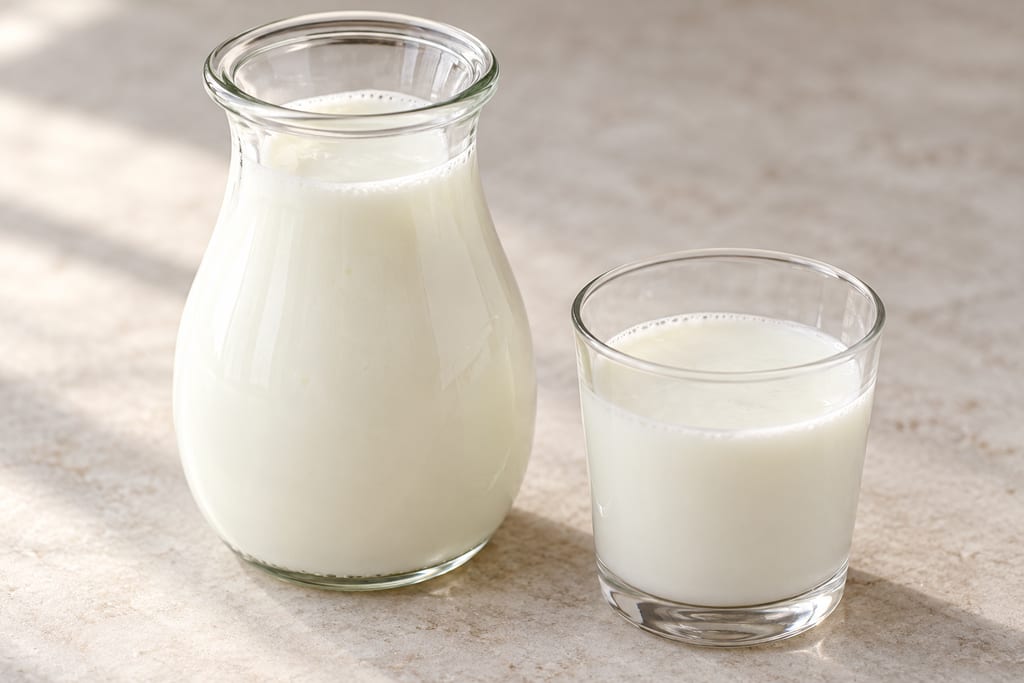
Cultured buttermilk is skim milk soured with a lactic starter into a tangy drink. This Canadian home method sets the milk without churning cream.
Milk thickened with a packet of buttermilk culture makes a tangy drink and a baking ingredient. This warm-incubated version uses whole milk.
Filmjölk is a Swedish cultured milk with mild acidity and a spoonable body. This recurring batch uses filmjölk from the previous batch to culture fresh milk.
Butter heated until most water leaves and the milk solids separate, giving a fat that keeps far longer than butter. Rendering applies the same heat to animal tissue to make lard and tallow.
Greek-style strained yogurt is cultured whole milk drained through cloth to remove whey. This modern Utah home method makes a thick yogurt from a gallon batch.

Soft, spreadable Calabrian pork sausage made with a great deal of red chilli and fatty pork, stuffed into natural casings, sometimes smoked and matured while staying soft.

A way to add independent temperature logging to an existing food dehydrator without changing its built-in controls or protections. It is a monitoring method, not a rewiring plan.

Pleurotus cystidiosus is the abalone mushroom, a cultivated oyster-type fungus with dark brown caps that grows more slowly and is more demanding than other Pleurotus species.

A dark, balanced vinegar from Emilia-Romagna made by combining cooked or concentrated grape must with wine vinegar, then acetifying and refining it in wood under a protected specification.

A living dairy inoculum that starts controlled cream fermentation, developing acidity and aroma before sour cream or cultured butter is finished.

A small electric incubator holds jars at a selected temperature for yogurt and other documented warm food preparations. Controls, capacity and vessel arrangement vary by model.

Adygean salt is a seasoned table salt associated with Adygea and the wider North Caucasian culinary tradition. Salt is blended with garlic and a variable selection of herbs and spices; the exact mix depends on the named style and maker.

The African Caesar-group mushroom, Amanita masasiensis, is a wild ectomycorrhizal species of central and southern African woodlands, eaten locally. The genus contains deadly poisonous species, so identification needs care.
No community contributions have been published for this entry yet.
Sign in to contribute. Published comments and photos are free to read.
Mongolian Livestock Genetic Resources Information Centre, 2019Method
Тараг бүрэх арга ажиллагаа (Traditional procedure for setting tarag)10 litres of sheep, goat or cow milk and about 150 to 200 g of starter
warm milk, covered, 3 to 4 hours to set; cool before opening
Cited in: What tarag is; What is known of its history; How it is made and why; Variations; Eating and using it; Reading results and problems
National Center for Cultural Heritage, Mongolia, 2022Method · History
The Traditional Technique of Preparing the Dairy Milk Products (Цагаан идээ бэлтгэх уламжлалт арга)boiling fresh milk and skimming cream before making tarag
documented traditional dairy preparation
Cited in: What tarag is; What is known of its history; How it is made and why; Eating and using it
Mongolian Tourist Information CenterUse
Цагаан идээ (Traditional Mongolian dairy foods)tarag among Mongolia's white foods; downstream aarts
Cited in: What tarag is; Eating and using it
Mongolia GuideMethod · Use
Yogurt: Taragrelated traditional method with a 2 to 3 hour setting period
Cited in: How it is made and why; Eating and using it
World Journal of Microbiology and Biotechnology, 2008Science
Diversity of Lactic Acid Bacteria and Yeasts in Airag and Tarag, Traditional Fermented Milk Products of Mongolia31 tarag samples; L. delbrueckii subsp. bulgaricus, L. helveticus and S. thermophilus
about 10^8.35 CFU/ml lactic bacteria, 10^5.86 yeasts
Cited in: What tarag is; What is known of its history; The microbes and the milk; How it is made and why; Eating and using it; Reading results and problems
Animal Science Journal 78(6), 2007Science · Variation
Microbiota of Airag, Tarag and Other Kinds of Fermented Dairy Products from Nomad in Mongoliathree nomadic families in Dundgovi; Lactobacillus species in ordinary and isgelen tarag
Cited in: What is known of its history; The microbes and the milk; Variations
Bioscience of Microbiota, Food and Health, 2014Science · Variation
Pyrosequencing Analysis of the Microbial Diversity of Airag, Khoormog and Tarag, Traditional Fermented Dairy Products of Mongolia26 Mongolian tarag samples; L. delbrueckii predominant
Cited in: What is known of its history; The microbes and the milk; Variations
Microbiological Research, 2012Science · Variation
Microbiological study of traditional tarag from eastern Inner Mongolia (198 household samples)790 lactic isolates of 31 species or subspecies; L. helveticus and Lactococcus lactis subsp. lactis
Cited in: The microbes and the milk; Variations
Asian Ethnicity 15(4), 2014Definition
Pure Milk: Dairy Production and the Discourse of Purity in Mongoliaordinary drinkable tarag versus industrial products sold as yoghurt
Cited in: What tarag is; Variations
Utah State University ExtensionSafety
Homemade Fermented Yogurtstarter handling; pH 4.6 or below; prompt refrigeration
Cited in: How it is made and why; Reading results and problems
Utah State University ExtensionSafety
Tips to Safely Ferment at Homemeasure acidity; control time and temperature
Cited in: Reading results and problems
US Centers for Disease Control and PreventionSafety
Raw Milkraw milk pathogens; choose pasteurised milk
Cited in: How it is made and why; Reading results and problems
US Food and Drug AdministrationSafety
Safe Food Handlingclean equipment; contamination after heating
Cited in: Reading results and problems
FoodSafety.govSafety
4 Steps to Food Safetyrefrigerator at 4 C or below
Cited in: Reading results and problems