
Boortsog (Mongolian unyeasted fried pastry)
Firm Mongolian fried pastries made from an unyeasted wheat dough enriched with butter and sweetened with sugar; the dense dough is rested, cut or knotted, and fried until golden.
 FermenteaWhere food goes to change
Modern adaptation
Mongolian pan-fried flatbreads made by folding sugar and oil through a simple wheat dough.

Gambir is a Mongolian pan-fried flatbread. This version folds oil and sugar into a firm flour-and-water dough before rolling it thin. The source also describes making it with dough left over from another dish.
Catherine Pleteshner’s account of fieldwork at Delgeruun Choira in Mongolia’s Gobi Desert recalls the kitchen of a woman she calls Eej during the summer of 2005. Eej prepared fried breads early each morning with help from one of the lams. The account distinguishes bin made with flour, salt and sunflower oil; gambir with flour, sugar and sunflower oil; and richer, leavened boortsog.
That observation places gambir among several breads made in one working kitchen. It supports the distinction between a sweet, simple dough and other fried breads, without proving that every monastery or household used the same ingredients. A documented monastery meal is not evidence that the bread was invented in monasteries.
The selected Mongolian recipe describes gambir as a practical use for dough remaining after another dish. Wendy Werneth’s travel account likewise mentions leftover dough from dumplings and meat pastries. She describes eating sweet gambir with jam, and also trying it alongside fried cabbage. These are documented uses, not a requirement that the bread be either dessert or a savoury side.
Werneth notes that cooks may use oil or butter. The recipe here keeps oil, as already specified, rather than silently replacing it with dairy fat. The account does not establish a storage period for leftover dough or finished bread, and this page adds none.
The folded sheet distributes sugar and oil before the dough is rolled again. The two cuts near the centre are part of the source method: its explanation is that they limit a large steam bubble and make the finished bread easier to break. Moderate frying heat allows the centre to cook before the surface burns.
The source provides a dough rest and approximate thickness but no measured frying temperature or time. Those limits remain visible in the instructions. The small number of ingredients should not be mistaken for evidence of an ancient date: the first attestation and precise birthplace of gambir remain unknown here.
The source documents gambir as a Mongolian pan-fried bread and a way to use leftover dough; its first attestation is not established.
Scaling: source batch only
Contains wheat.
Raw flour can contain harmful germs: do not taste raw dough, and wash hands and surfaces after handling it.
Hot oil can burn; use a stable pan and keep water away from it.
The source documents a Mongolian preparation, not a precise birthplace.
Firm Mongolian fried pastries made from an unyeasted wheat dough enriched with butter and sweetened with sugar; the dense dough is rested, cut or knotted, and fried until golden.
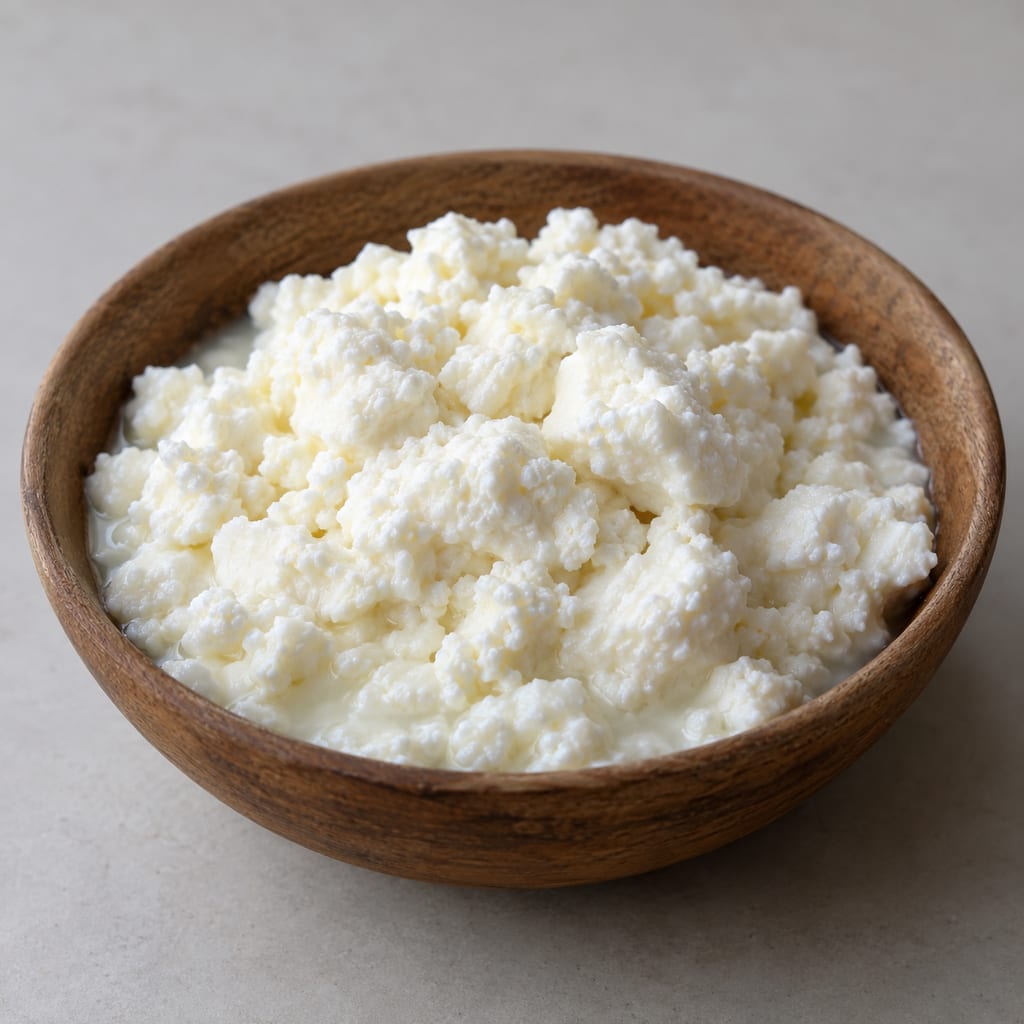
Aarts is a soft Mongolian curd made by draining boiled fermented yogurt; it remains wet, unlike aaruul, which is dried.

Airag is Mongolia’s fermented mare’s-milk drink, traditionally churned with saved starter in a reusable cowhide khokhuur.

A Buryat milk spirit distilled from khurenge, the backslopped sour dairy ferment, in a cauldron still: a distillate that keeps milky and cheese-like aromas from the dairy it came from.
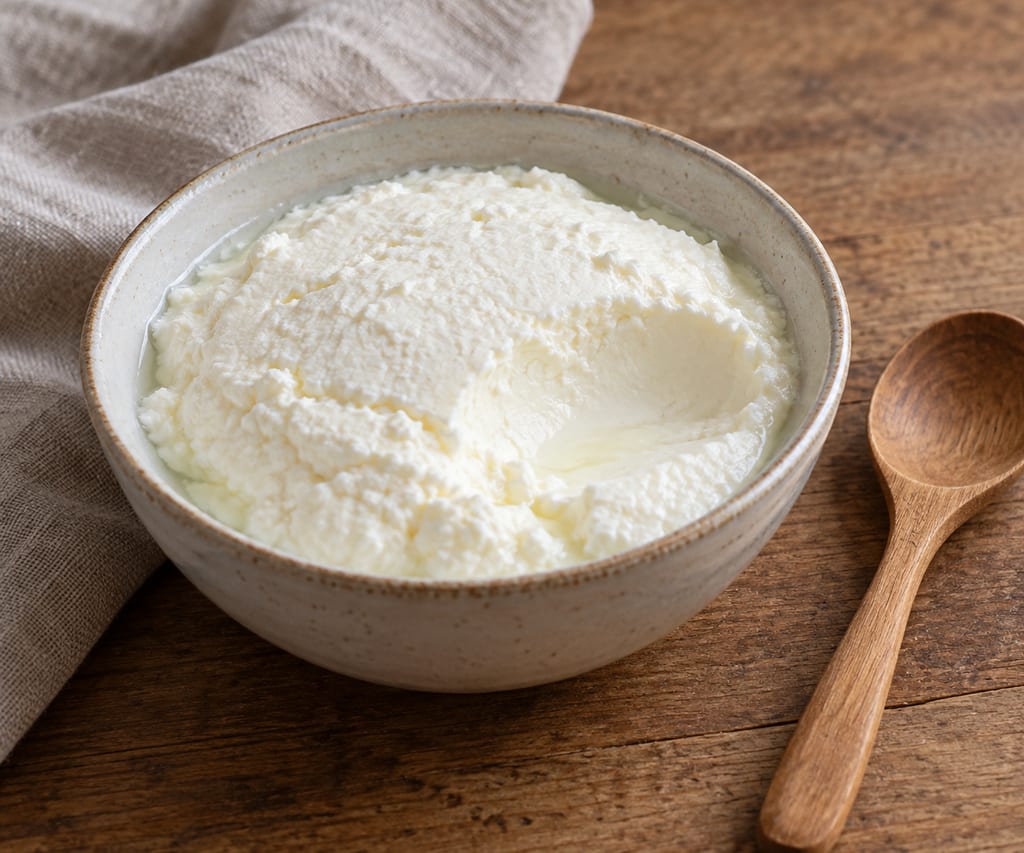
Tarag is a traditional Mongolian fermented milk made by culturing heated cow, yak, sheep or goat milk with a retained starter into a sour, softly set or drinkable yoghurt.

This Karnataka-style akki rotti mixes fine rice flour with vegetables, coconut, herbs and spices, then hand-pats and griddle-cooks the dough.

A Colombian Andean griddle cake made from fresh sweet-corn batter, cooked in butter and served with white cheese.
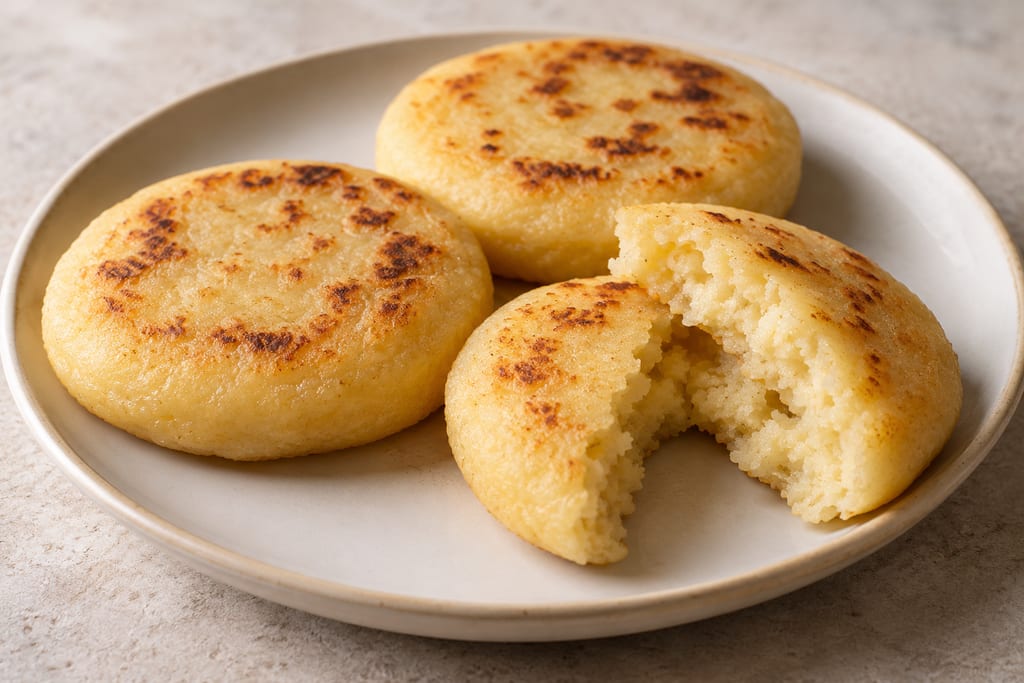
This household version combines precooked corn flour, warm water and salt, then cooks thick rounds on a lightly oiled skillet or griddle. It is one source-specific arepa method, not a universal Colombian or Venezuelan formula.
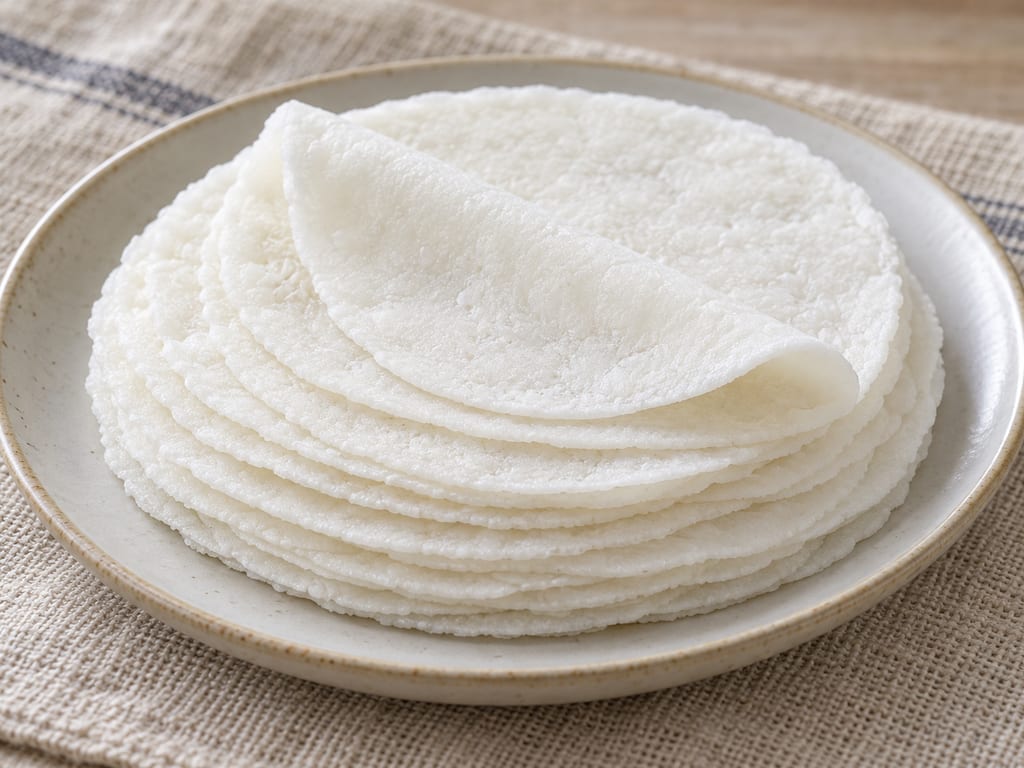
Thin Malabar rice-flour rounds made from roasted rice flour cooked into salted boiling water, kneaded after cooling, and rolled to about 1 mm. They cook on a hot griddle without taking on colour.
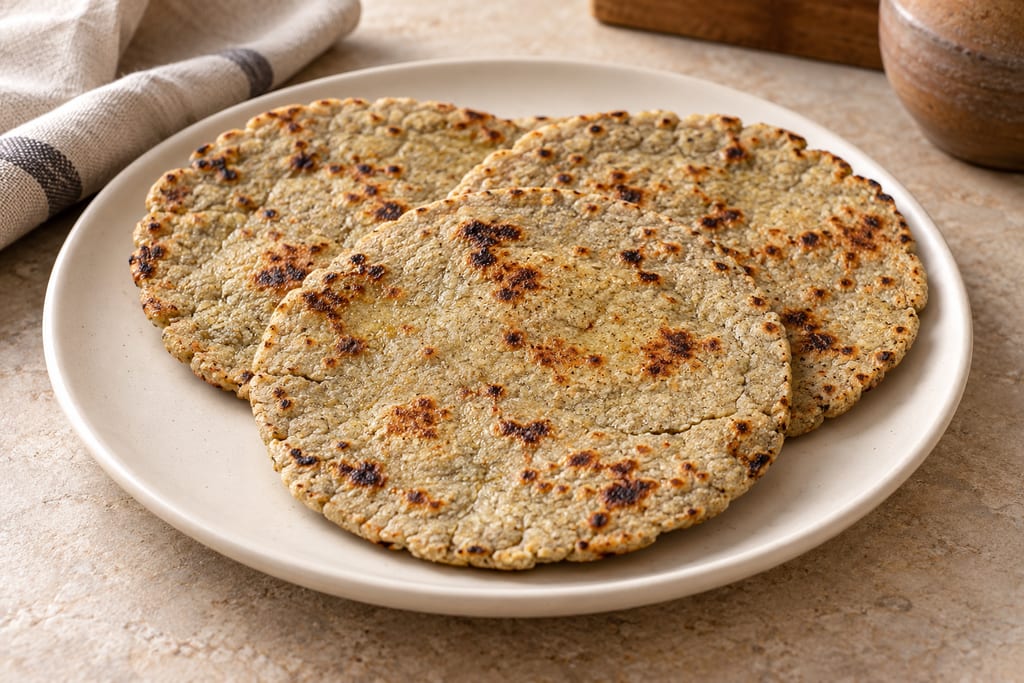
A pearl-millet flatbread shaped between sheets and cooked on a hot tawa. This home batch makes eight.
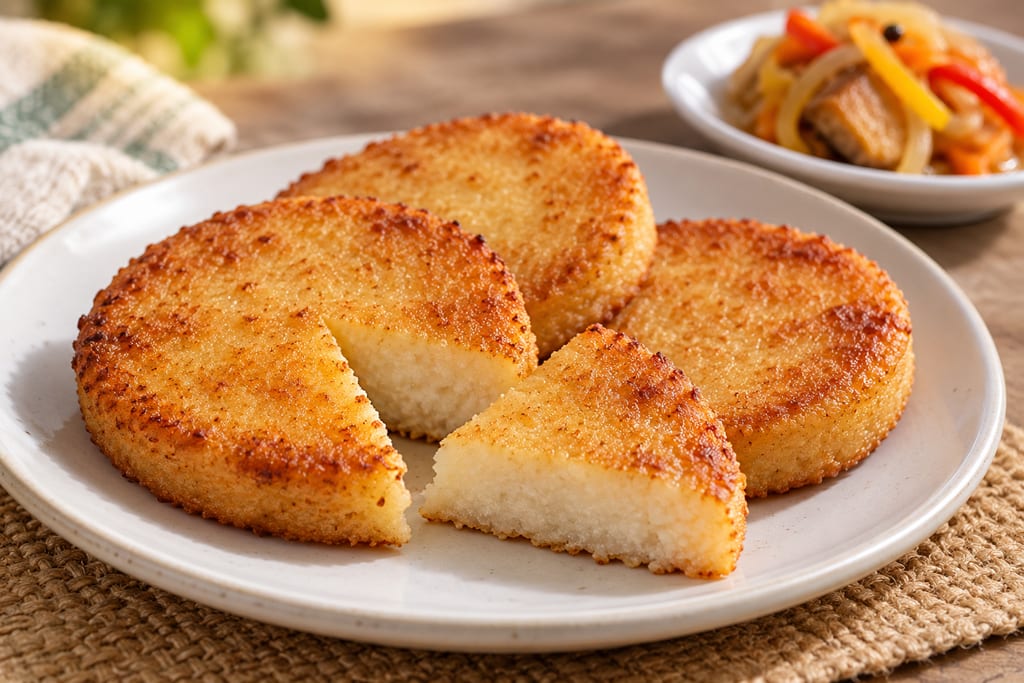
A serving method for approved, prepared bammy rounds: soak them in coconut milk and refry until golden. It does not process raw cassava.

Salvadoran-style masa harina cakes filled with refried beans and cheese, sealed and cooked on an oiled skillet.
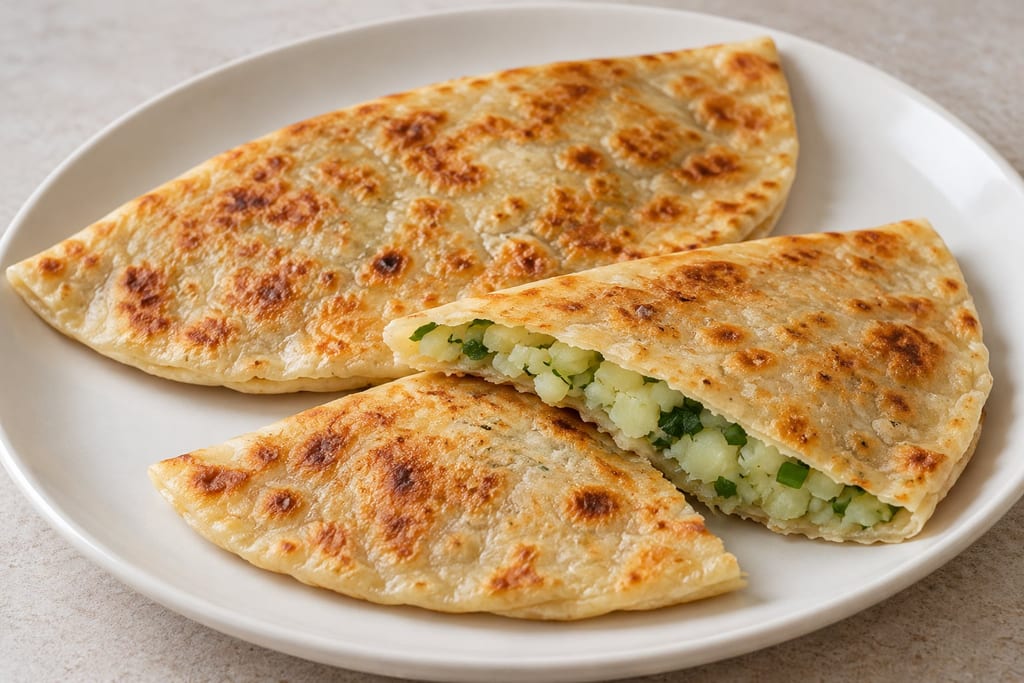
A thin, unleavened Afghan flatbread filled with mashed potato, scallion and cilantro, folded and pan-browned. This version uses a dough made from scratch.
No community contributions have been published for this entry yet.
Sign in to contribute. Published comments and photos are free to read.
Mongolische RezepteInspiration · Method · Geography
Gambir - PfannkuchenFlour, water and sugar quantities; folding and rolling, thickness, cuts and moderate pan frying.
Cited in: Layers in the pan; Leftover dough and different accompaniments; What this method establishes
Catherine Pleteshner, CP in MongoliaContext
Letter from Mongolia 01: Eej and the new lamFirst-person 2005 monastery-kitchen fieldwork, published 2024, distinguishing gambir, bin and boortsog; not an invention claim.
Cited in: A bread in a monastery kitchen
The Nomadic VeganContext
How to Eat Vegan in MongoliaWendy Werneth's travel observations of accompaniments, oil/butter variants and leftover-dough use.
Cited in: Leftover dough and different accompaniments