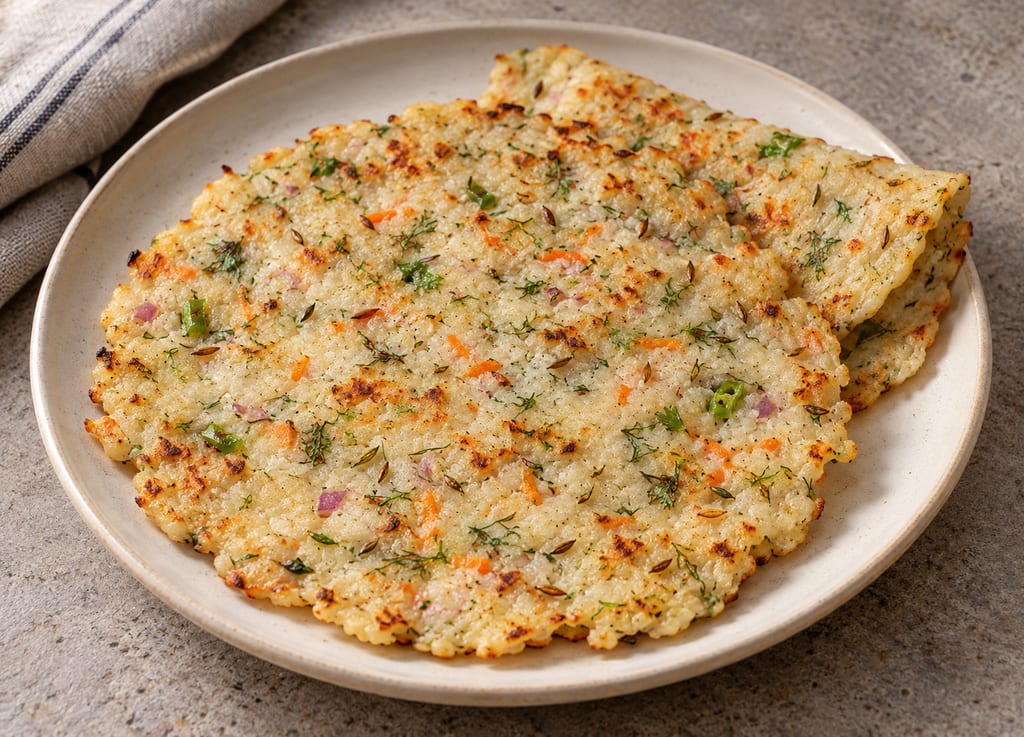
Akki rotti (Karnataka rice-flour flatbread)
This Karnataka-style akki rotti mixes fine rice flour with vegetables, coconut, herbs and spices, then hand-pats and griddle-cooks the dough.
 FermenteaWhere food goes to change
Modern adaptation
Pupusa · Pupusas
Salvadoran-style masa harina cakes filled with refried beans and cheese, sealed and cooked on an oiled skillet.
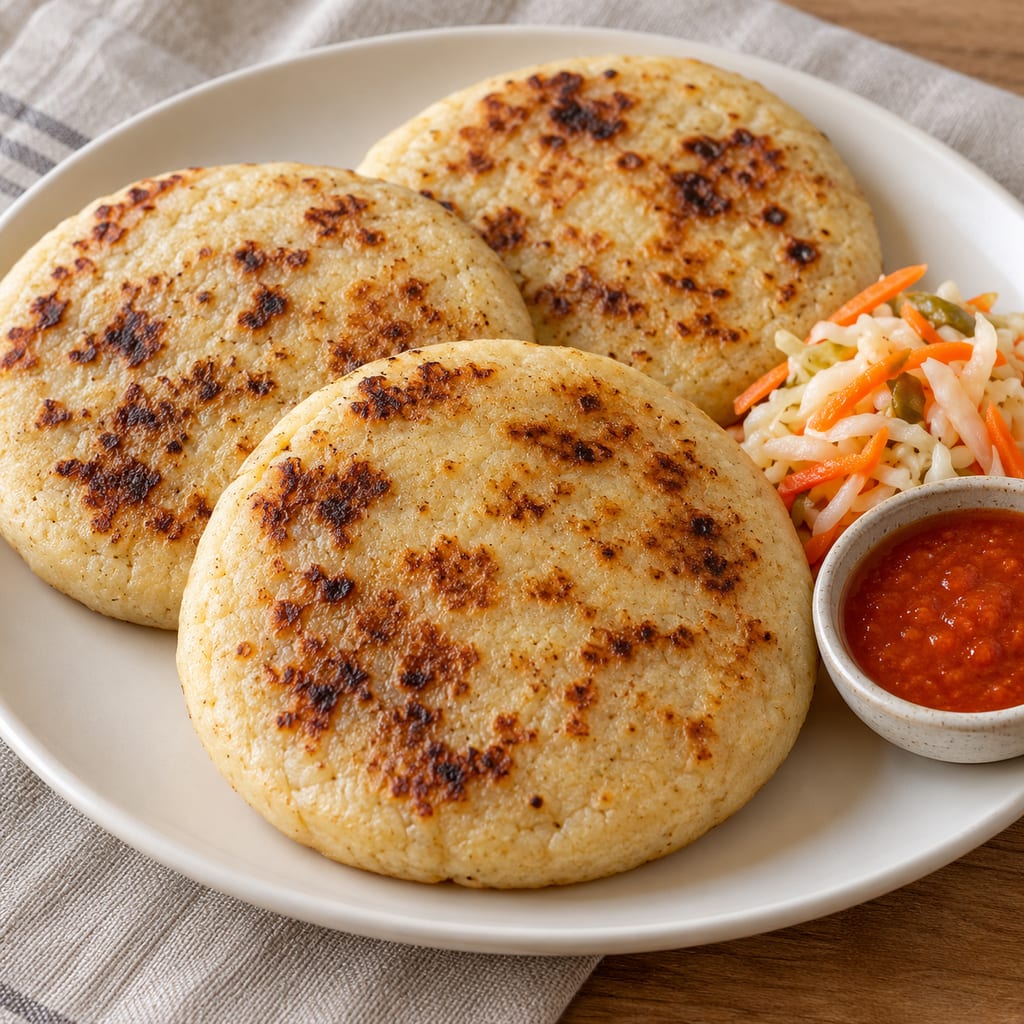
Pupusas are thick griddle cakes associated with El Salvador. Boston Medical Center describes them as masa-harina cakes filled with beans, cheese and sometimes meat, commonly eaten with curtido and salsa roja. Its recipe gives one specific home batch; other doughs and fillings exist.
El Salvador's tourism authority calls pupusa a national food and reports that a 2005 legislative decree designated it the national dish. That recognition date does not establish when pupusas first appeared. This version uses the maize dough and bean-and-cheese filling in the Boston Medical Center recipe. Rice-dough pupusas are a distinct preparation and are not mixed into this formula.
Mix two cups masa harina with salt and one and a half cups room-temperature water. Shape the dough into ten balls. Make a pocket in each, add a teaspoon of refried beans and a small piece of mozzarella, then pinch it closed. Pat the filled ball into a thick disc without exposing the filling.
Cook three or four pupusas at a time in a lightly oiled skillet over medium-high heat. Turn when the first side is golden and cook the other side until golden as well. The source gives 15 minutes of cooking for its ten-piece batch but no exact per-side time or numerical pan temperature. Serve them warm with curtido and salsa roja if available.
El Salvador's tourism authority reports a November observance for the pupusa, a wide range of fillings and rice pupusas associated with Olocuilta. These are present-day associations and practice. None of them is treated as the origin of the dish.
Durham County Public Health publishes a larger adapted bean-and-cheese batch for 12 to 15 people. Its filling cooks oil, onion, salt, garlic, optional chile and canned black beans, with 3 to 4 cups of cheese, until the liquid evaporates. The dough is 4 cups masa harina, 2 teaspoons salt and 3 cups water. Each cake is formed around about 2 tablespoons of filling and cooked on a medium-high griddle, after about 30 minutes of preparation and 30 minutes of cooking. It gives no per-side time or finished texture, and no storage guidance. The method above stays the Boston Medical Center one.
Masa harina is made from maize that has been cooked and soaked in an alkaline solution before milling, according to the recipe source. FDA's flour guidance warns that flour can carry harmful bacteria, says not to taste raw dough, and recommends cleaning hands, equipment and work surfaces after handling it. The guidance does not specifically test masa harina or set a pupusa-specific temperature or time limit.
Keep the filling enclosed and cook the pupusas on both sides before serving. The source's golden-surface cue describes its method, but no numerical doneness limit is established here.
El Salvador's tourism authority describes pupusa as a Salvadoran food and national symbol and says it became the national dish by legislative decree in 2005. That date is not an earliest attestation. This record follows Boston Medical Center's contemporary masa-harina bean-and-cheese formula; it does not represent every dough or filling tradition.
Yield 10 pupusas · Scaling: source batch only
Flour can carry harmful bacteria; FDA advises against tasting raw flour or dough. Boston Medical Center describes masa harina as maize cooked in an alkaline solution before milling, but gives no microbiological validation for this product.
Hazard sourceDo not taste the uncooked dough. Wash hands, bowls, utensils and work surfaces after handling it, and cook each filled pupusa on both sides before serving.
Control sourceDo not eat the masa dough before cooking. The source gives a skillet method but no validated internal temperature or time limit; do not treat surface colour alone as proof of safety.
Boston Medical Center documents a Salvadoran preparation, and El Salvador's tourism authority identifies pupusa as a national food. No precise birthplace is claimed.
This Karnataka-style akki rotti mixes fine rice flour with vegetables, coconut, herbs and spices, then hand-pats and griddle-cooks the dough.
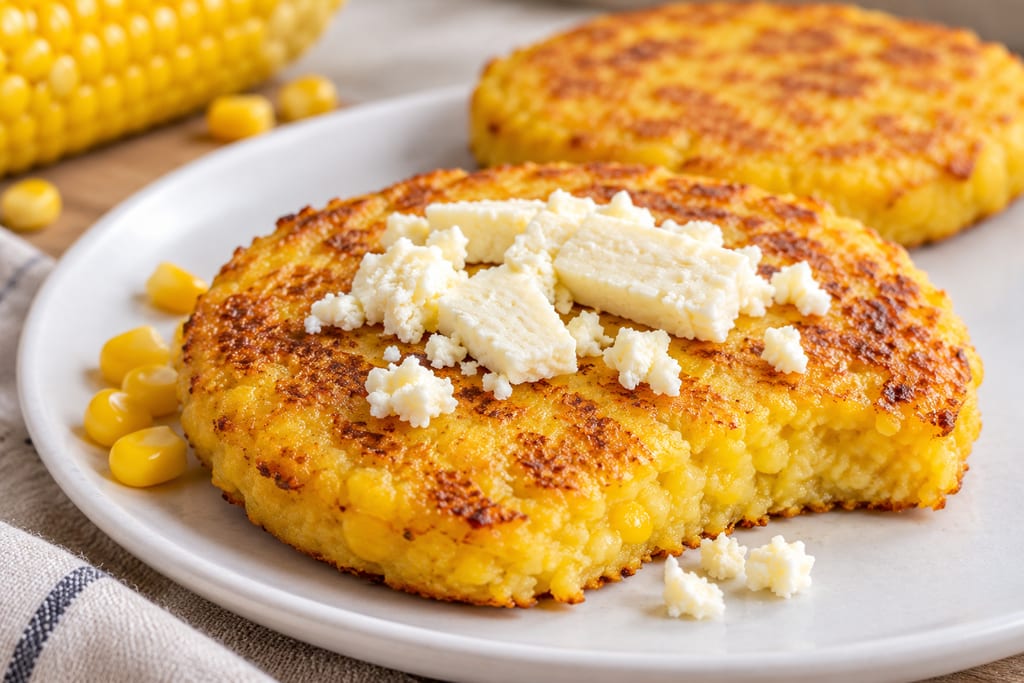
A Colombian Andean griddle cake made from fresh sweet-corn batter, cooked in butter and served with white cheese.
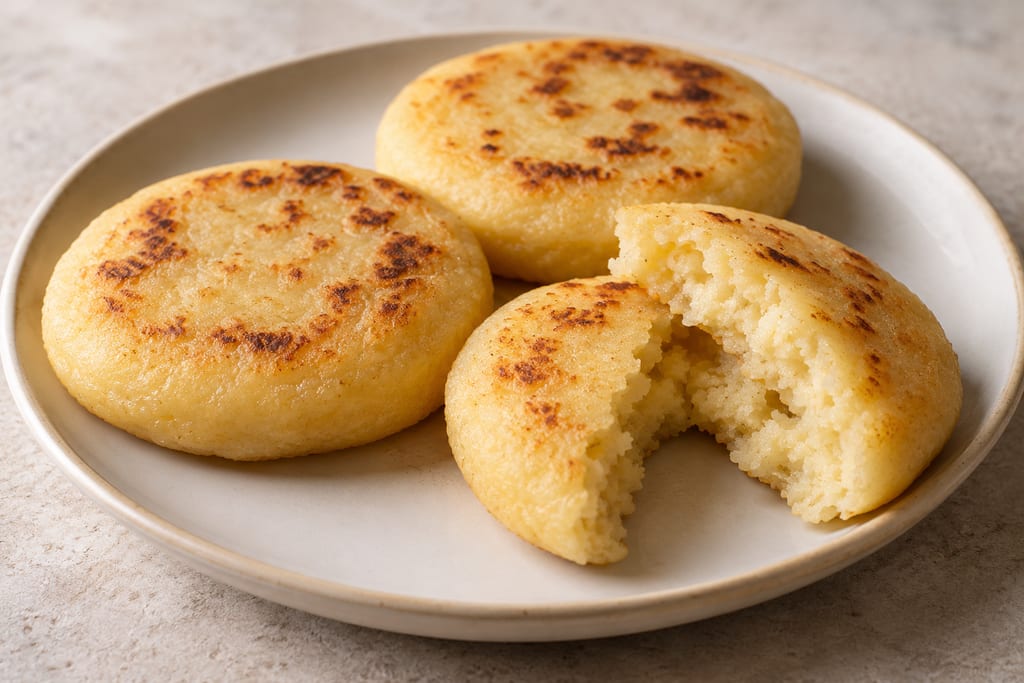
This household version combines precooked corn flour, warm water and salt, then cooks thick rounds on a lightly oiled skillet or griddle. It is one source-specific arepa method, not a universal Colombian or Venezuelan formula.
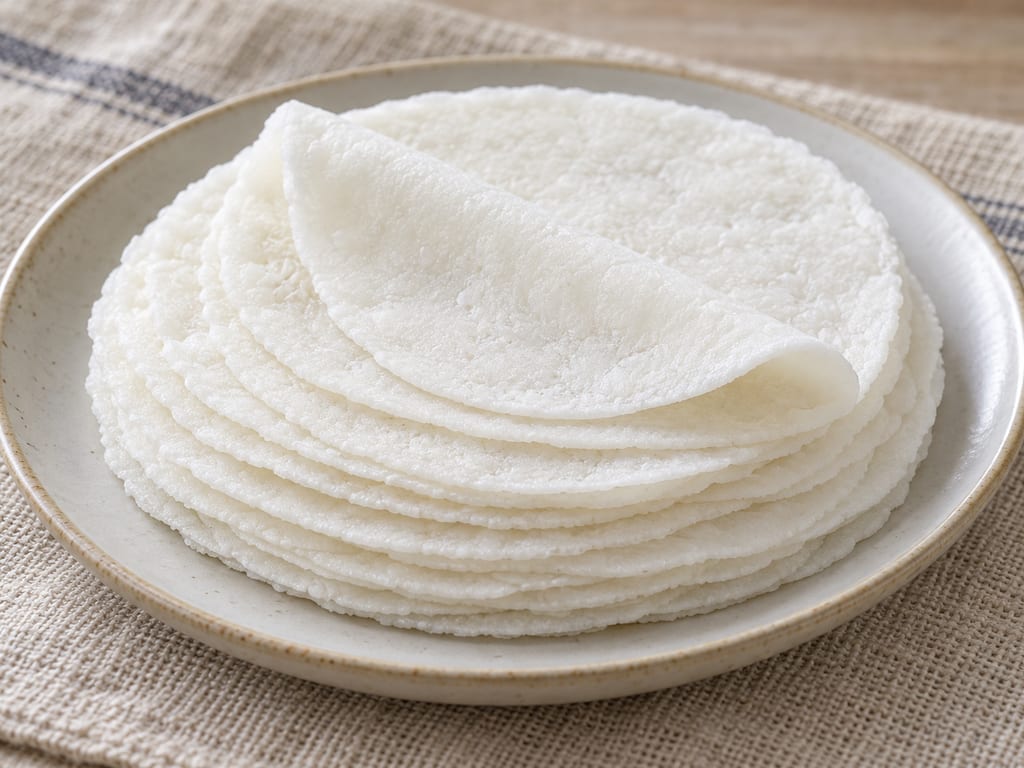
Thin Malabar rice-flour rounds made from roasted rice flour cooked into salted boiling water, kneaded after cooling, and rolled to about 1 mm. They cook on a hot griddle without taking on colour.
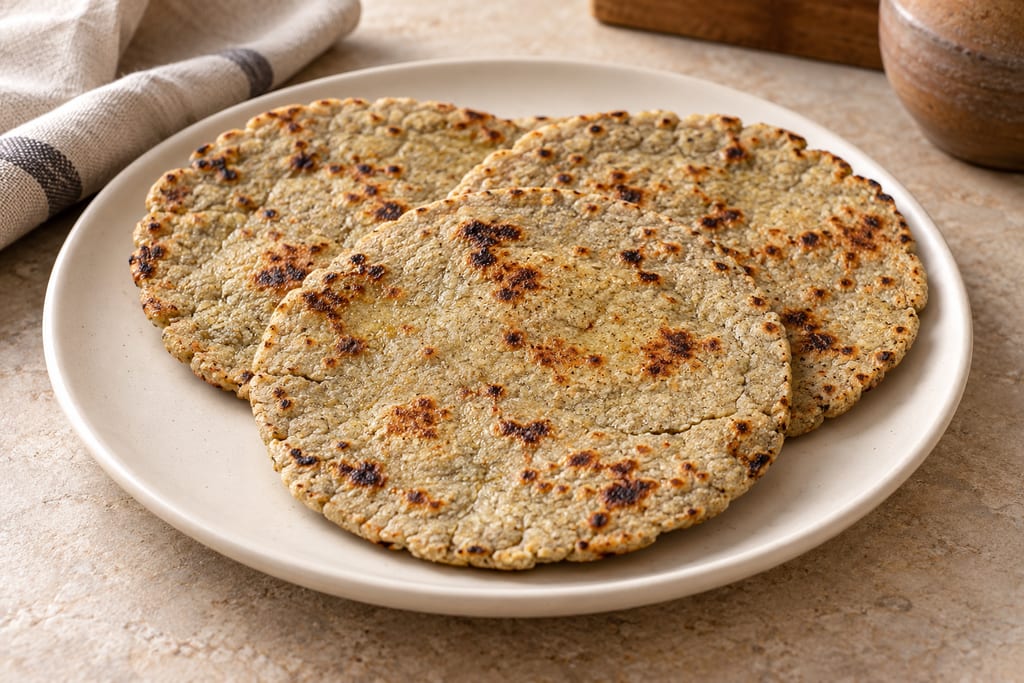
A pearl-millet flatbread shaped between sheets and cooked on a hot tawa. This home batch makes eight.
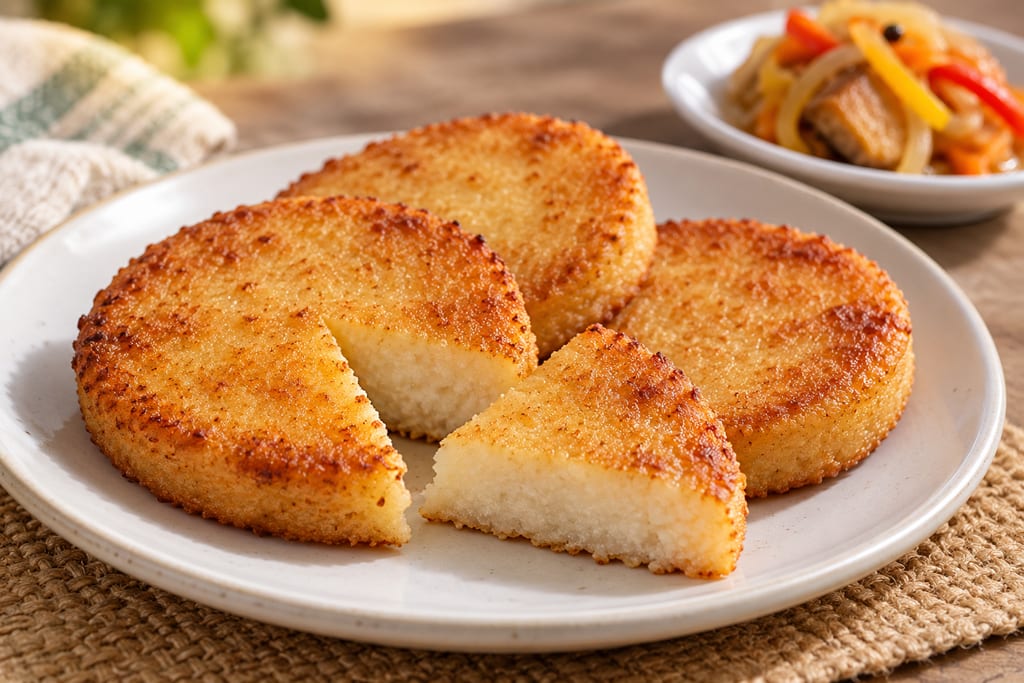
A serving method for approved, prepared bammy rounds: soak them in coconut milk and refry until golden. It does not process raw cassava.
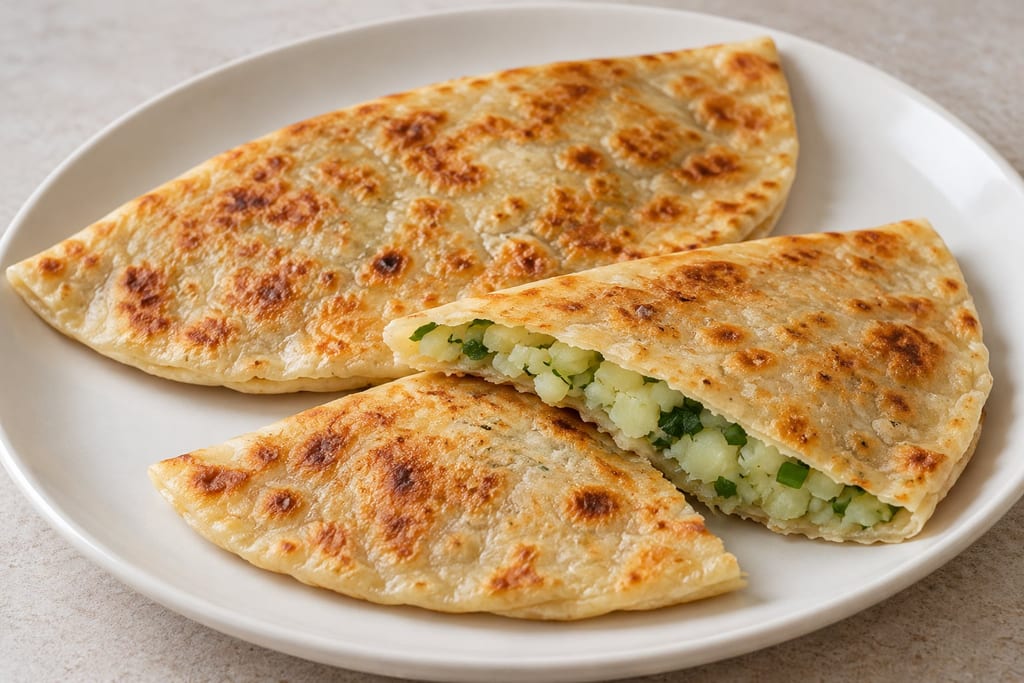
A thin, unleavened Afghan flatbread filled with mashed potato, scallion and cilantro, folded and pan-browned. This version uses a dough made from scratch.
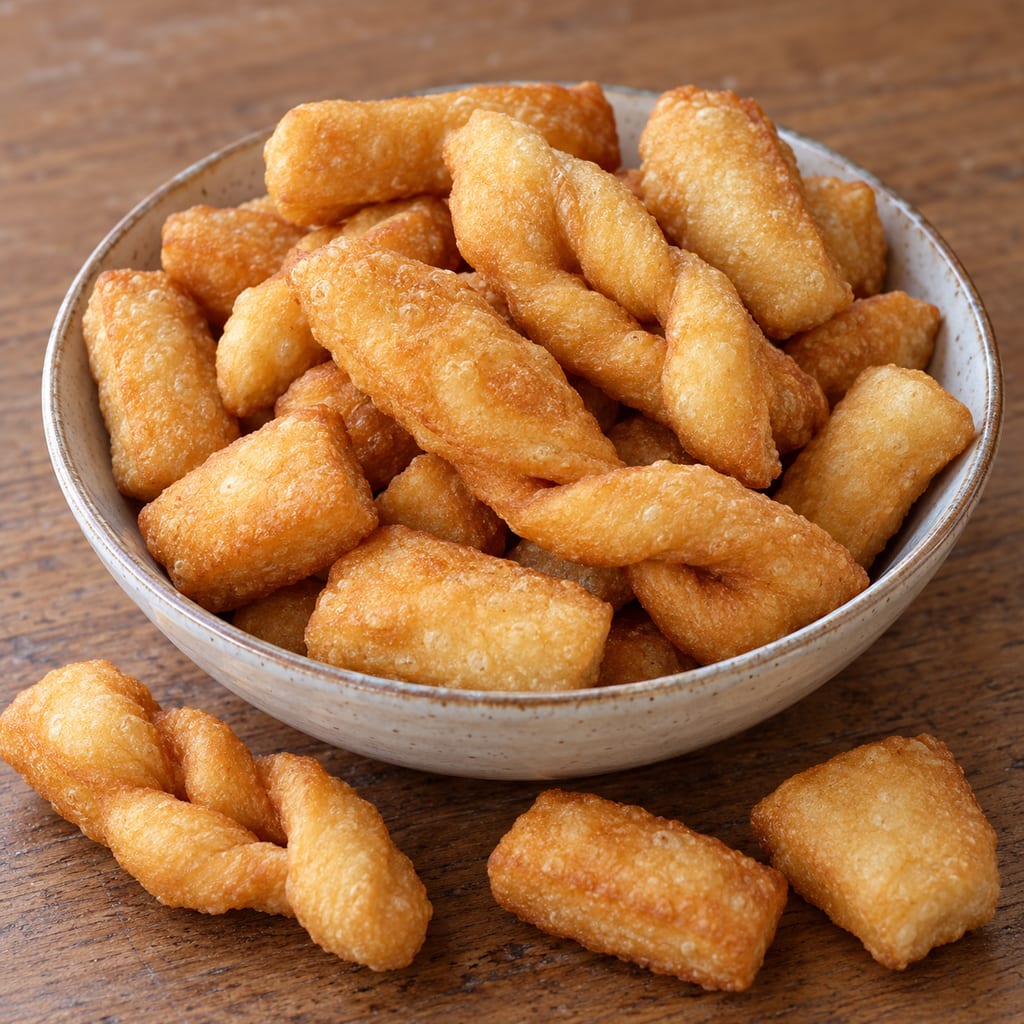
Firm Mongolian fried pastries made from an unyeasted wheat dough enriched with butter and sweetened with sugar; the dense dough is rested, cut or knotted, and fried until golden.
No community contributions have been published for this entry yet.
Sign in to contribute. Published comments and photos are free to read.
Boston Medical CenterInspiration · Method
Pupusas (Salvadoran Cornmeal Griddle Cake)The recipe uses masa harina, salt, room-temperature water, refried beans, cheese and oil; it yields ten balls and serves five.
The source specifies a bean-and-cheese filling, sealing each ball, and skillet cooking in batches until both sides are golden; it reports 15 minutes prep and 15 minutes cooking.
The source describes pupusas as Salvadoran and commonly eaten with curtido and salsa roja.
Cited in: A filled Salvadoran masa cake; Fill, seal and griddle; Handling the dough
El Salvador TravelHistory · Geography
Día Nacional de la Pupusa: Destinos para disfrutar de un sabor de cultura y tradiciónThe Salvadoran tourism authority calls pupusa a national culinary icon and says a 2005 legislative decree named it the national dish.
The source lists beans, cheese and chicharrón among traditional fillings and describes pupusa as a widely eaten Salvadoran food.
The source reports a November observance, a wide range of fillings, and rice pupusas associated with Olocuilta.
Cited in: A filled Salvadoran masa cake; Fillings, rice dough and a second batch
Durham County Public HealthMethod · Comparison
Bean and Cheese PupusasA separate adapted bean-and-cheese batch serves 12 to 15: a filling of oil, onion, salt, garlic, optional chile, canned black beans and 3 to 4 cups of cheese, and a dough of 4 cups masa harina, 2 teaspoons salt and 3 cups water.
About 30 minutes of preparation and 30 minutes of cooking; the filling is cooked until its liquid evaporates, each cake is formed around about 2 tablespoons of filling and cooked on a medium-high griddle. No per-side time is given.
Cited in: Fillings, rice dough and a second batch
U.S. Food and Drug AdministrationSafety
Handling Flour Safely: What You Need to KnowFDA warns that flour is a raw food, advises against tasting raw flour or dough, and recommends washing hands, utensils and surfaces after handling it.
The guidance does not specifically validate masa harina or give a pupusa-specific cooking limit.
Cited in: Handling the dough