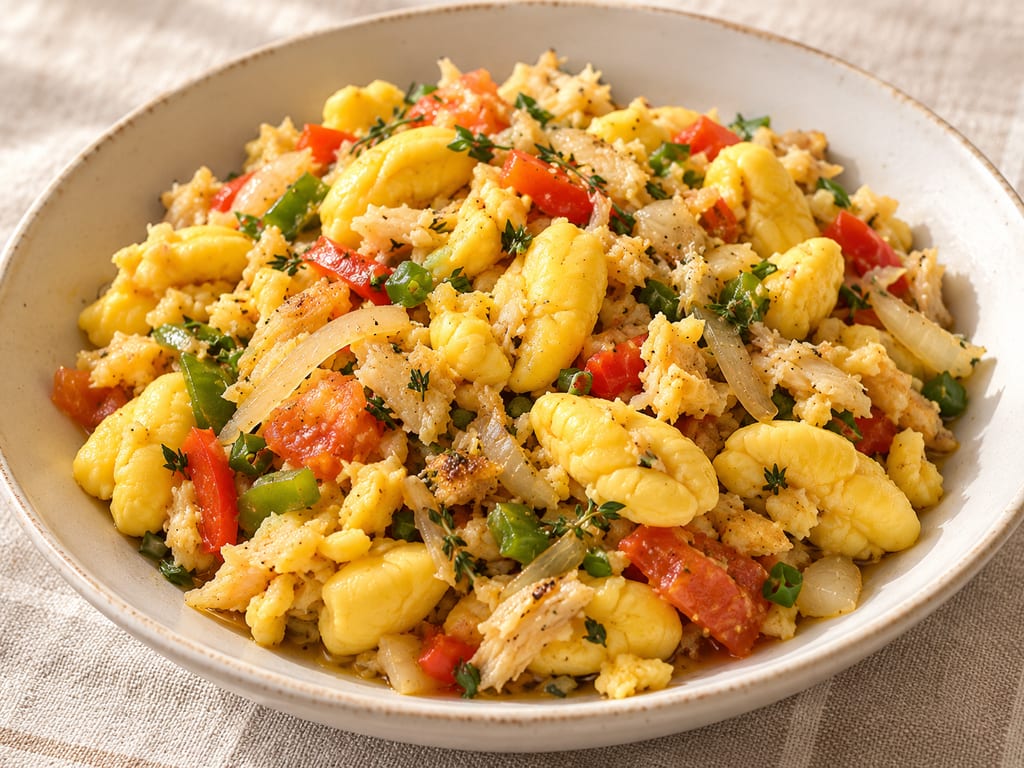
Ackee and saltfish
Jamaica's best-known dish: salt-cured cod desalted and flaked, then folded through ackee arils with onion, tomato, sweet pepper, thyme and Scotch bonnet.
 FermenteaWhere food goes to change
Modern adaptation
Bammy · Jamaican cassava bread · Bammies
A serving method for approved, prepared bammy rounds: soak them in coconut milk and refry until golden. It does not process raw cassava.
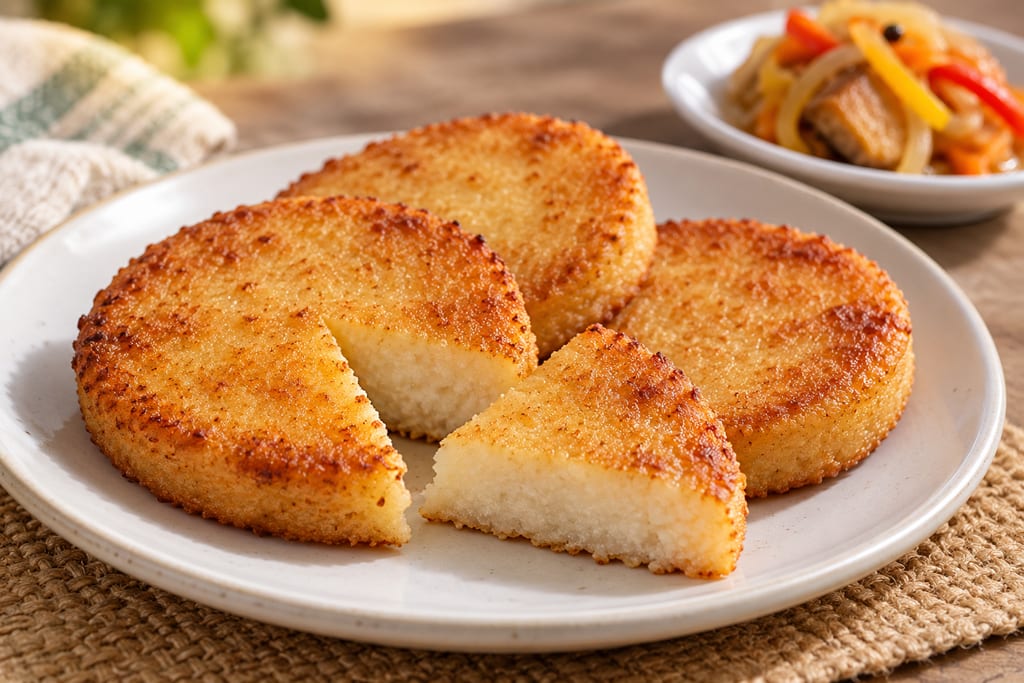
Bammy is a round cassava bread associated with Jamaica. The Jamaica 55 heritage account connects cassava bread with Taíno foodways and describes cakes made after extracting cassava juice, then cooked on a griddle and eaten with fish. It gives no date for the first attestation of bammy, so the period remains unknown.
This entry covers a finishing method for already prepared, food-grade bammy rounds: soak them in coconut milk, then fry them until golden. The environmental-health guide says cooked bammy is sometimes soaked in coconut milk and refried or grilled. A Jamaica Gleaner article describes packaged bammies and suggests coconut-milk soaking followed by skillet toasting. Immaculate Bites supplies the measured eight-round batch and timing for the soak and final fry; its raw-cassava process is not used here.
Use prepared rounds that can be traced to an approved source. Soak eight bammies in one cup of coconut milk for 15–20 minutes, remove them and pat them lightly dry. Fry both sides in a medium-heated pan for about 4–5 minutes per side, until golden. The source does not state a surface temperature. Serve warm with fried fish or escovitch fish.
This recipe intentionally begins after cassava processing. Cassava contains cyanogenic compounds. Food Standards Australia New Zealand says that cooking alone may not reduce them to a safe level. Its flour detoxification instructions specify particular steps and measurements; squeezing moisture from fresh grated cassava and frying it is not a substitute. The environmental-health guide advises checking labels and invoices to verify an approved commercial source.
Jamaica's culinary-heritage account identifies bammy or cassava bread with Taíno foodways and describes cassava cakes eaten with fish. A Canadian environmental-health guide describes bammy as a Jamaican cassava-flour bread commonly served with fried fish. The coconut-milk soak and refry here are a documented finishing method for prepared rounds, not a claim that every historical bammy was made or served this way.
Yield 8 prepared bammy rounds · Scaling: source batch only
Cassava can release harmful hydrogen cyanide if inadequately processed; frying an unprocessed root or a guessed squeeze-and-fry method is not a reliable control.
Hazard sourceUse only packaged, prepared food-grade bammy from a verifiable approved source; follow its label. Do not substitute raw cassava or unverified cassava flour. This recipe covers only soaking and finishing, not detoxification.
Control sourceDo not use freshly grated cassava in this method. The Canadian environmental-health guide describes a separate grate, press, fully dry and sift process and advises verifying that commercial bammy comes from an approved source.
The amount of cyanogenic compounds and their removal are not measured here. Soaking or frying the prepared rounds does not establish safety of raw cassava.
The recipe source documents a Jamaican preparation, and the environmental-health guide identifies bammy as a Jamaican cassava bread. No parish-level origin is claimed.
Jamaica's culinary heritage account associates cassava bread or bammy with Taíno foodways. It does not date the first attestation or establish that every modern bammy formula is unchanged.
Jamaica's best-known dish: salt-cured cod desalted and flaked, then folded through ackee arils with onion, tomato, sweet pepper, thyme and Scotch bonnet.

Caribbean browning is a dark liquid of deeply caramelised sugar, used in small amounts for colour and a smoky, bitter-sweet flavour in stews and black cake.
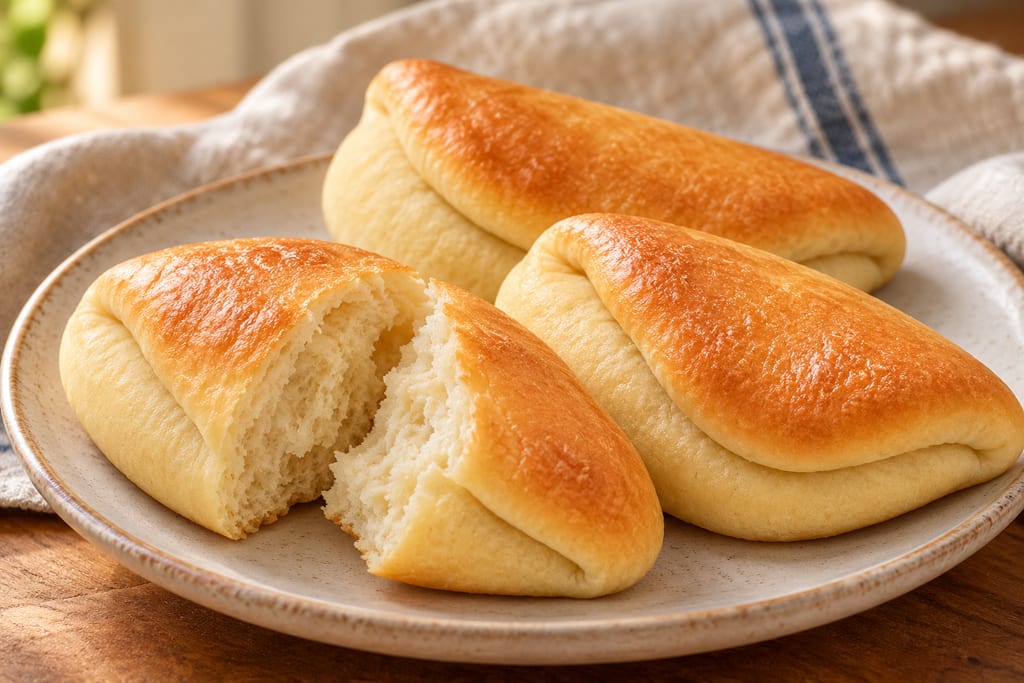
Jamaican-style folded rolls made from sweet coconut-milk yeast dough and brushed with butter.
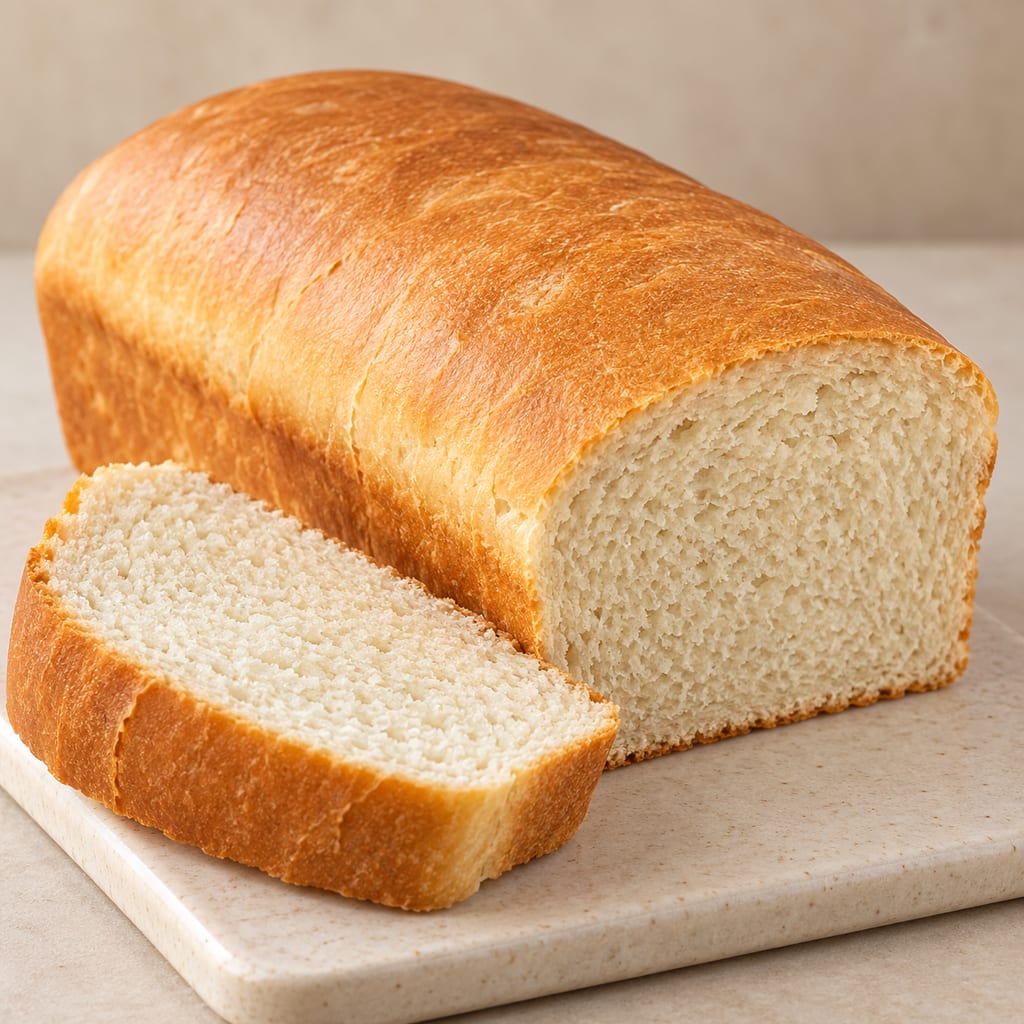
Jamaican hard dough bread is a firm, close-crumbed yeasted wheat loaf with a thicker crust and a soft, chewy interior. Roll the dough tightly and bake it in a loaf tin.
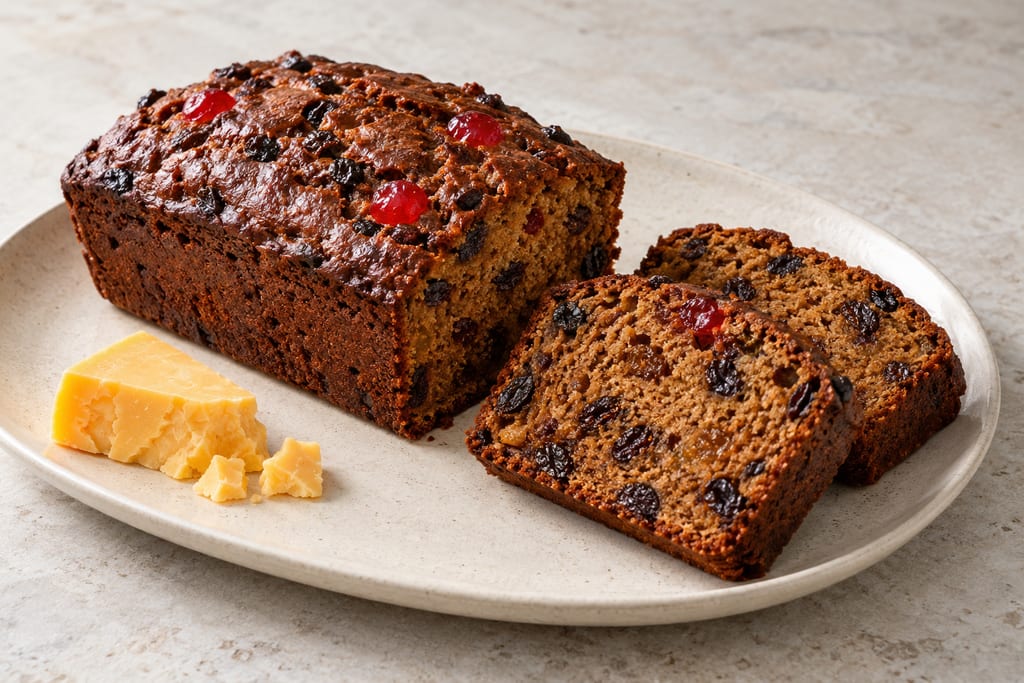
A Jamaican Easter loaf made from a dark, sweet batter of stout, dried fruit and warm spices. This version uses baking powder and a loaf pan; yeast-raised variations are separate preparations.
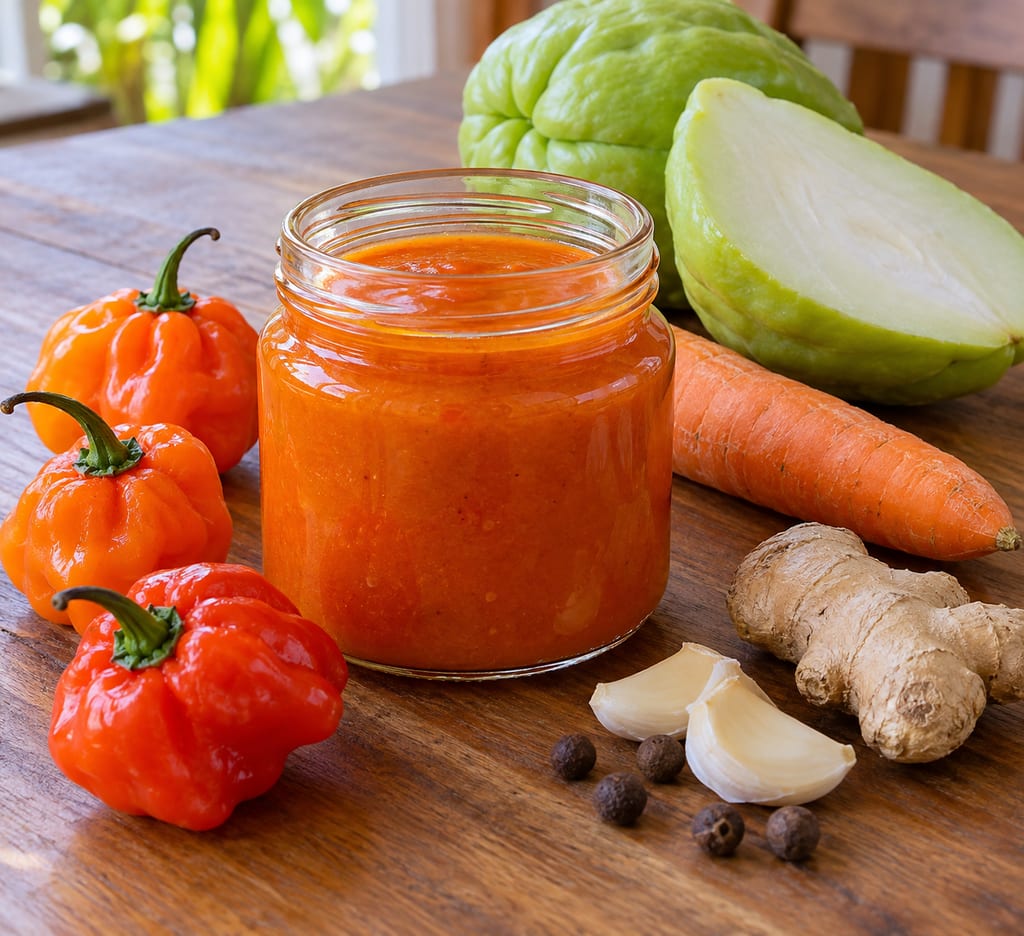
This Jamaican recipe cooks Scotch bonnet peppers with carrot, cho cho, onion, garlic, ginger, allspice and vinegar, then blends and strains the mixture.
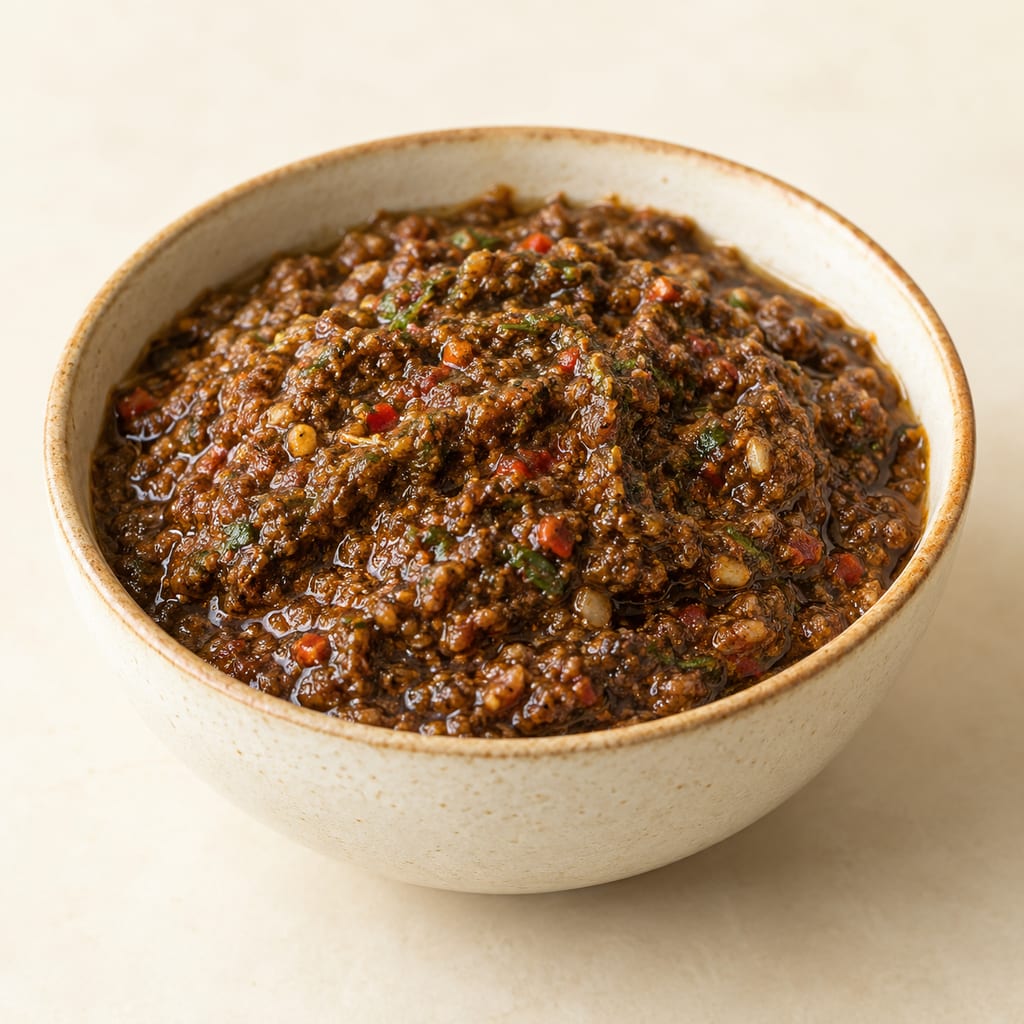
A Jamaican wet jerk paste of ground allspice, Scotch bonnet pepper, thyme, scallion, garlic, ginger and nutmeg, loosened with soy sauce, oil, vinegar and lime, used to marinate meat, fish or tofu before cooking.
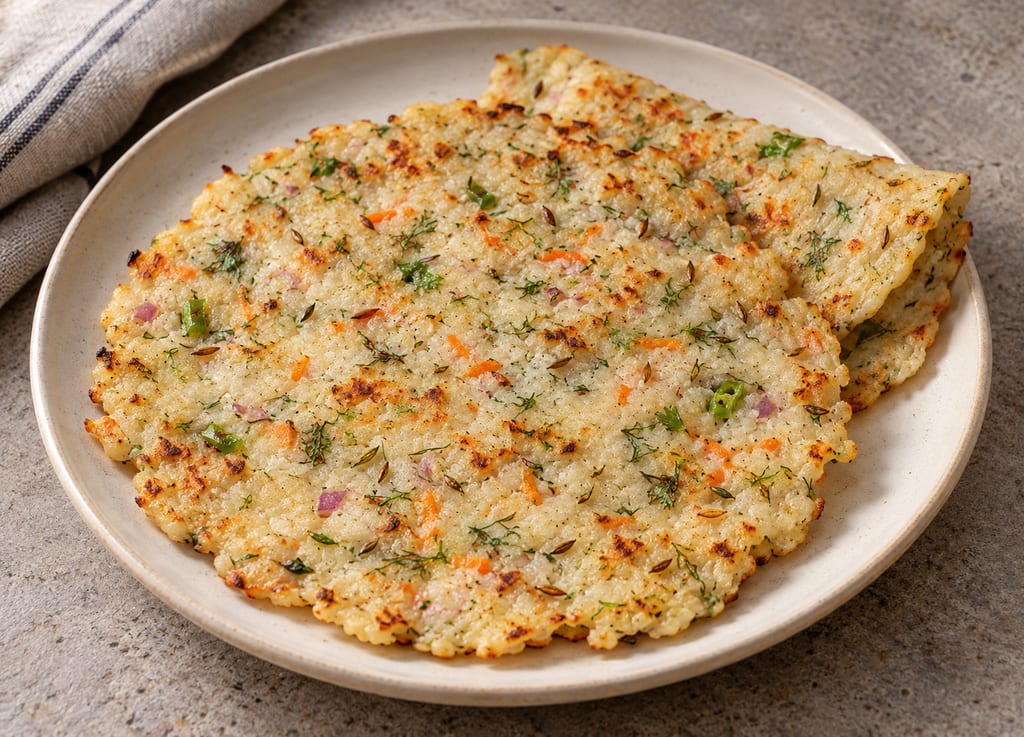
This Karnataka-style akki rotti mixes fine rice flour with vegetables, coconut, herbs and spices, then hand-pats and griddle-cooks the dough.
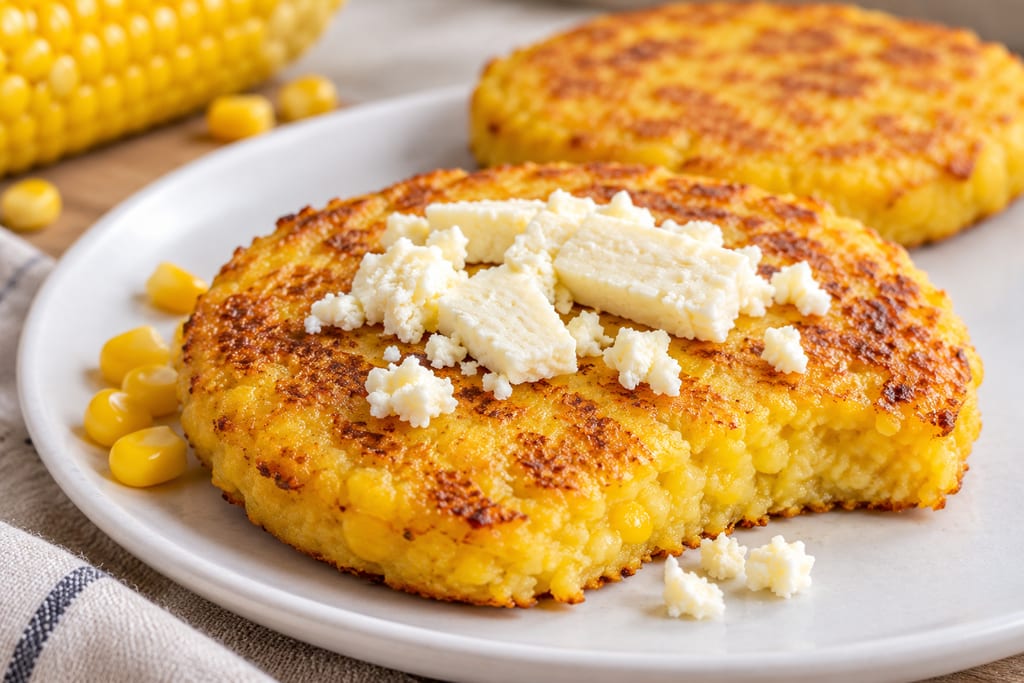
A Colombian Andean griddle cake made from fresh sweet-corn batter, cooked in butter and served with white cheese.
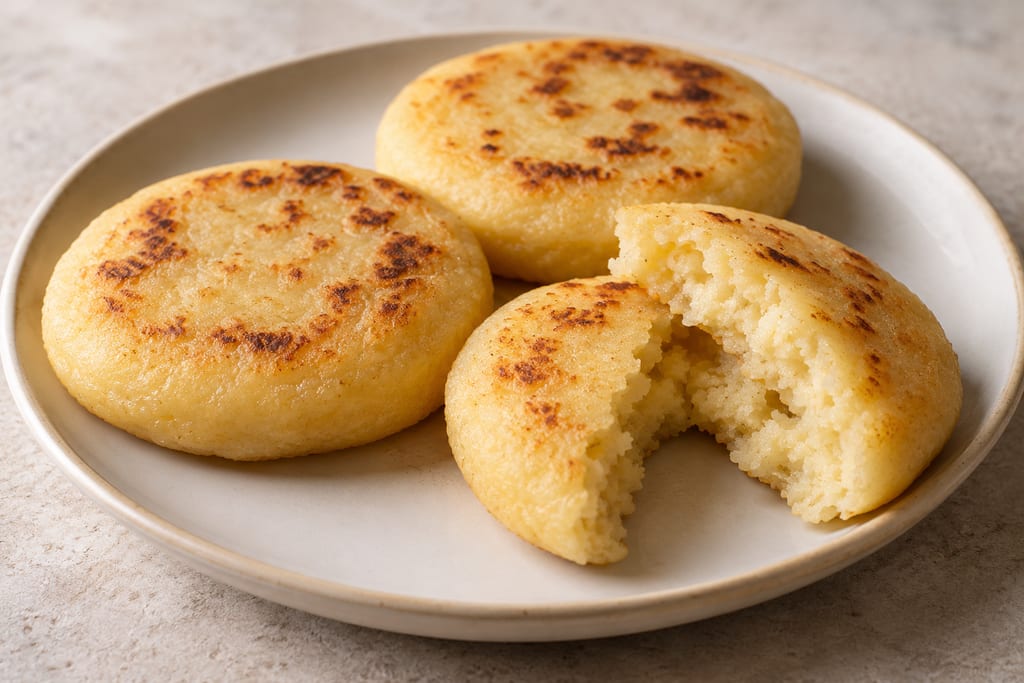
This household version combines precooked corn flour, warm water and salt, then cooks thick rounds on a lightly oiled skillet or griddle. It is one source-specific arepa method, not a universal Colombian or Venezuelan formula.
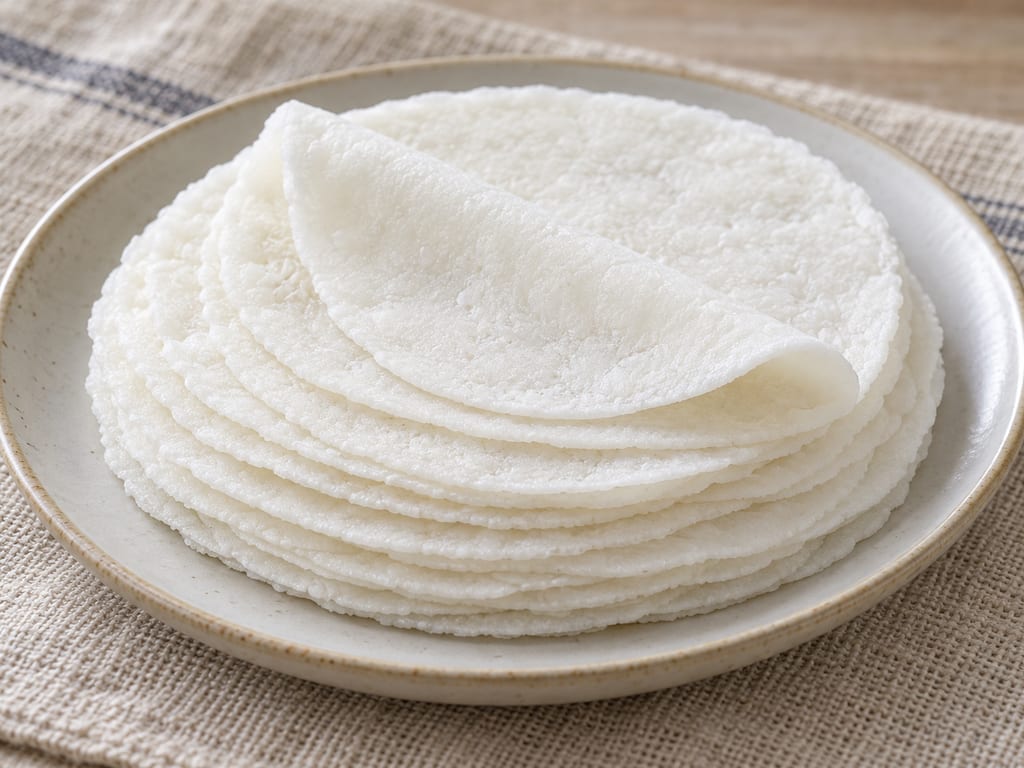
Thin Malabar rice-flour rounds made from roasted rice flour cooked into salted boiling water, kneaded after cooling, and rolled to about 1 mm. They cook on a hot griddle without taking on colour.
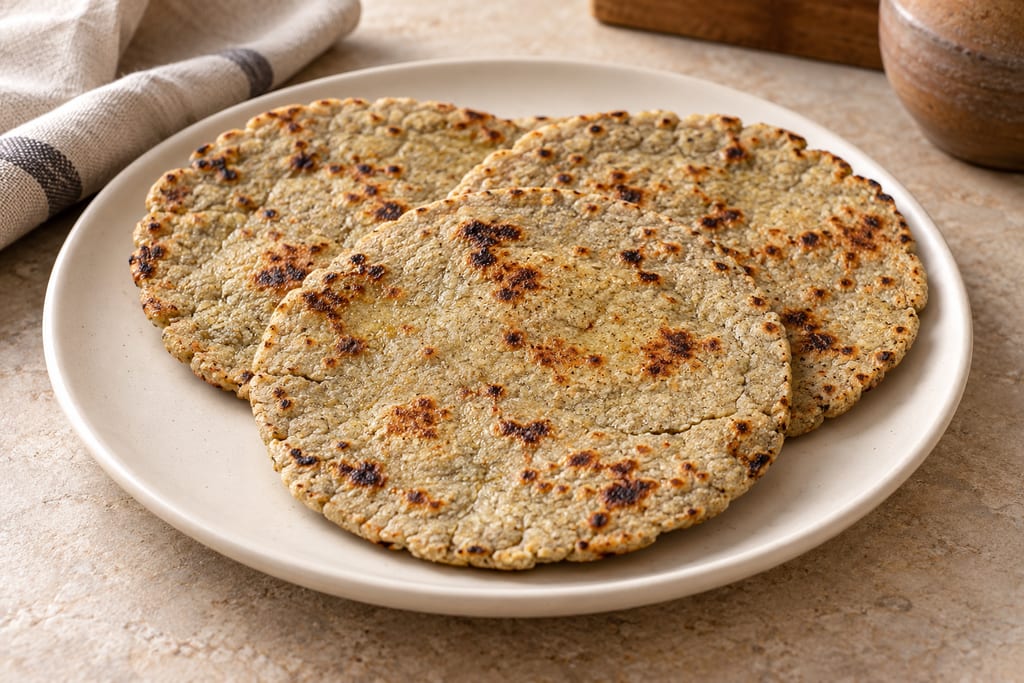
A pearl-millet flatbread shaped between sheets and cooked on a hot tawa. This home batch makes eight.
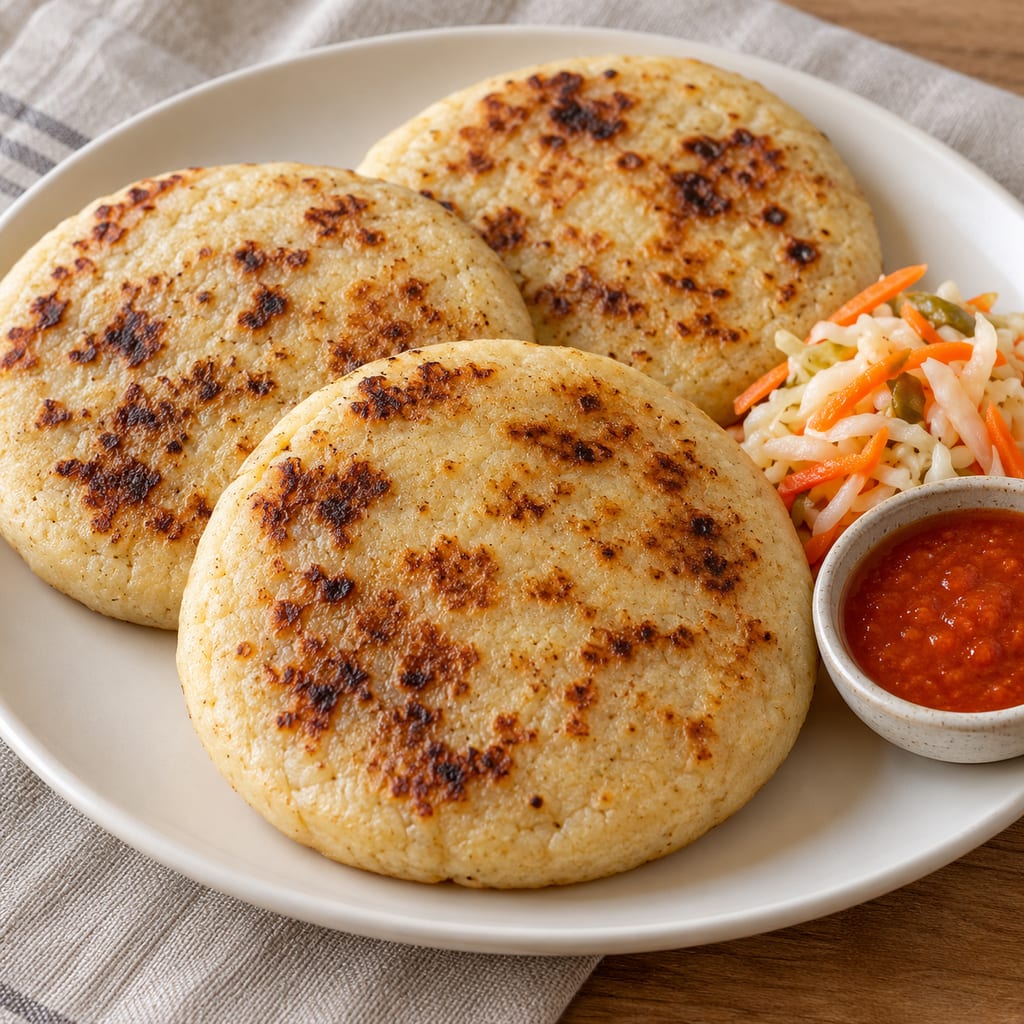
Salvadoran-style masa harina cakes filled with refried beans and cheese, sealed and cooked on an oiled skillet.
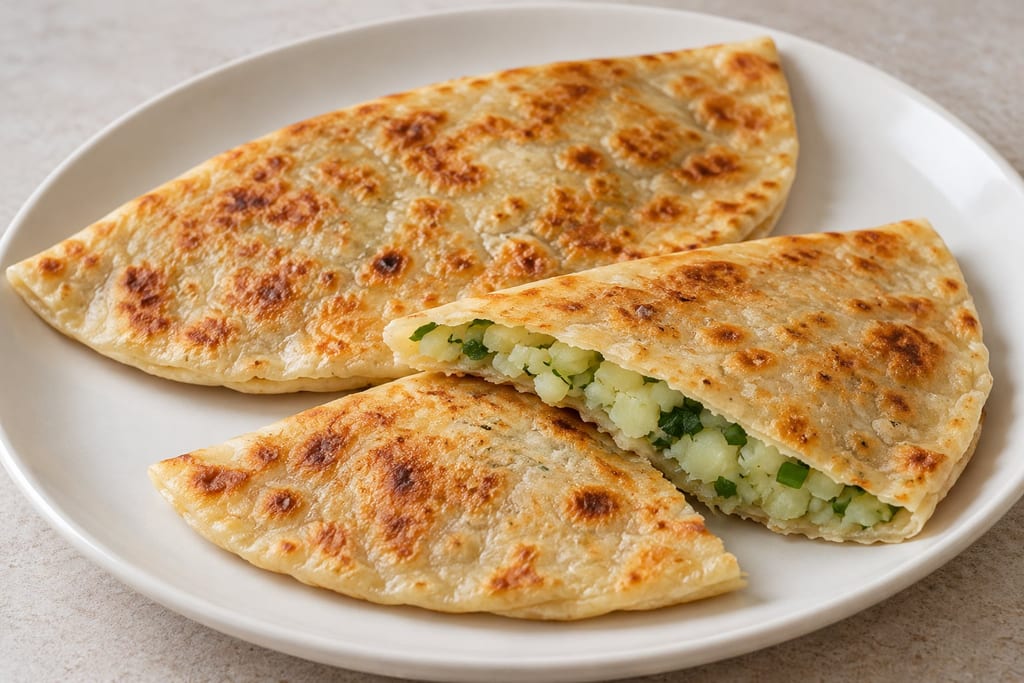
A thin, unleavened Afghan flatbread filled with mashed potato, scallion and cilantro, folded and pan-browned. This version uses a dough made from scratch.
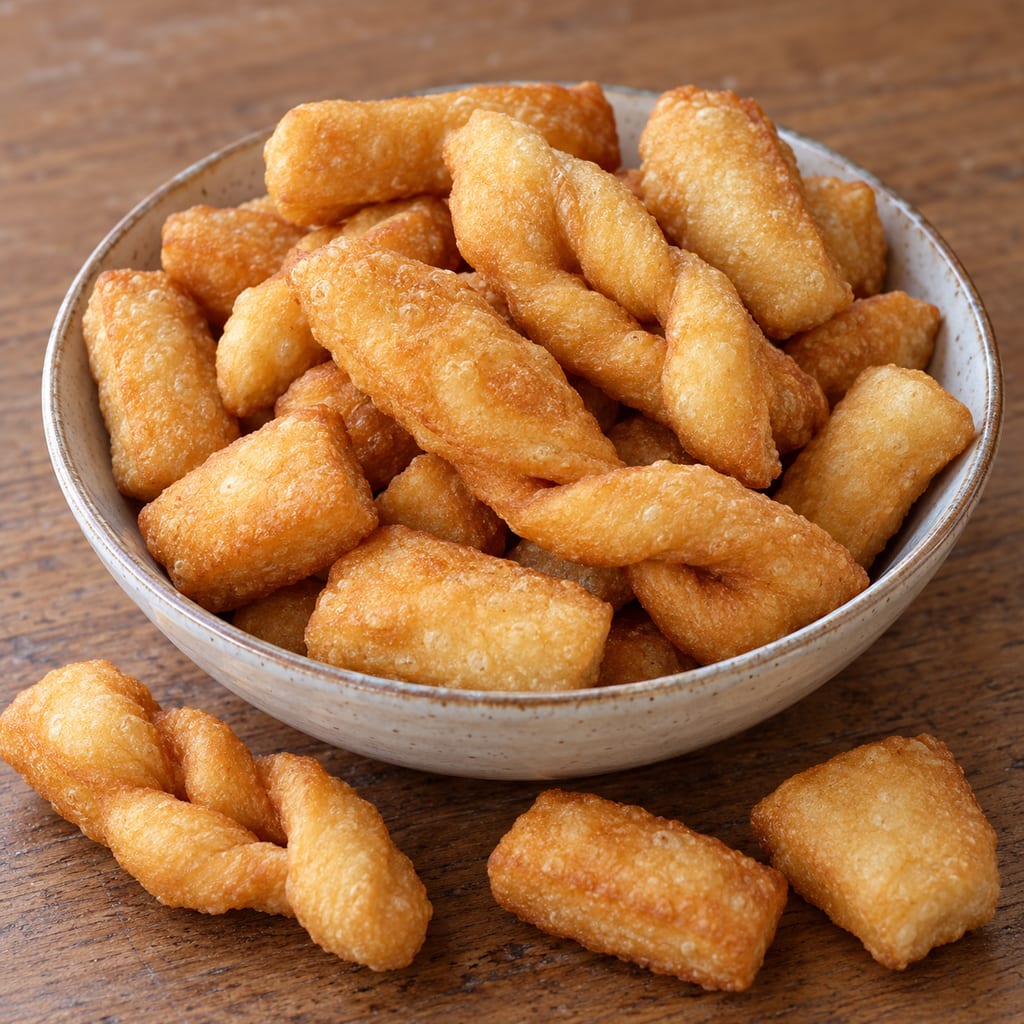
Firm Mongolian fried pastries made from an unyeasted wheat dough enriched with butter and sweetened with sugar; the dense dough is rested, cut or knotted, and fried until golden.
No community contributions have been published for this entry yet.
Sign in to contribute. Published comments and photos are free to read.
Immaculate BitesInspiration · Method · History
BammyThe author describes Jamaican bammy as cassava flatbread, says it is served with fried or escovitch fish, and notes buying pre-made bammy for comparison.
The measured recipe yields eight bammies and gives one cup (236 ml) coconut milk, 2–3 tablespoons oil or ghee, a 15–20 minute soak after the first griddle cook and a 4–5-minute-per-side final fry or grill.
This record uses only the prepared-round soak and finishing steps; it does not use the source's raw-grated-cassava method.
National Collaborating Centre for Environmental HealthMethod · Safety · Geography
CaribbeanBammy is a Jamaican cassava-flour bread commonly served with fried fish; the guide says some cooked bammy is soaked in coconut milk and regrilled or fried.
The guide describes grating, fully pressing, fully drying and sifting cassava for flour, and advises confirming that commercial bammy comes from an approved source.
Celebrating Jamaica 55History · Geography
Culinary HeritageThe Jamaican heritage account says bammy or cassava bread was a Taíno staple, describes cassava juice extraction and griddle-baked cakes, and names cassava bread eaten with fish.
Food Standards Australia New ZealandSafety
Cassava and bamboo shootsCassava contains cyanogenic glycosides that can release hydrogen cyanide.
The agency says cyanide reduction by cooking alone varies from 10 to 75 percent and is not reliable to ensure a safe level; its cited detoxification method is specific and controlled, unlike this finishing recipe.
The GleanerMethod · History
NEW PRODUCT: Rainforest Seafoods' Jamaican Bammy is hereA 2012 article describes packaged, already prepared Jamaican bammy sold in supermarkets and suggests soaking it in coconut milk, then toasting it in a heavy or non-stick skillet.