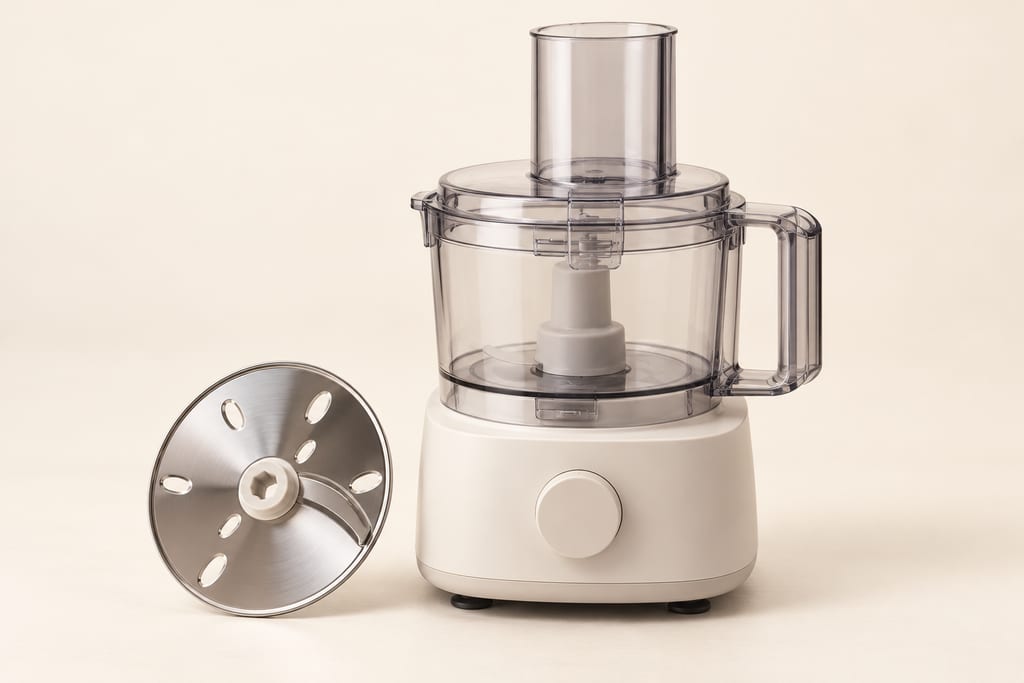
Blender or food processor
A fast blade in a jug that grinds toasted sesame to tahini, blends cooked or soaked material with water into milky extracts and chops material for pressing. It does not strain.
 FermenteaWhere food goes to change
Coconut milk is an aqueous emulsion extracted from mature coconut kernel, sold fresh, packaged or reconstituted. It is distinct from the liquid naturally inside a coconut.
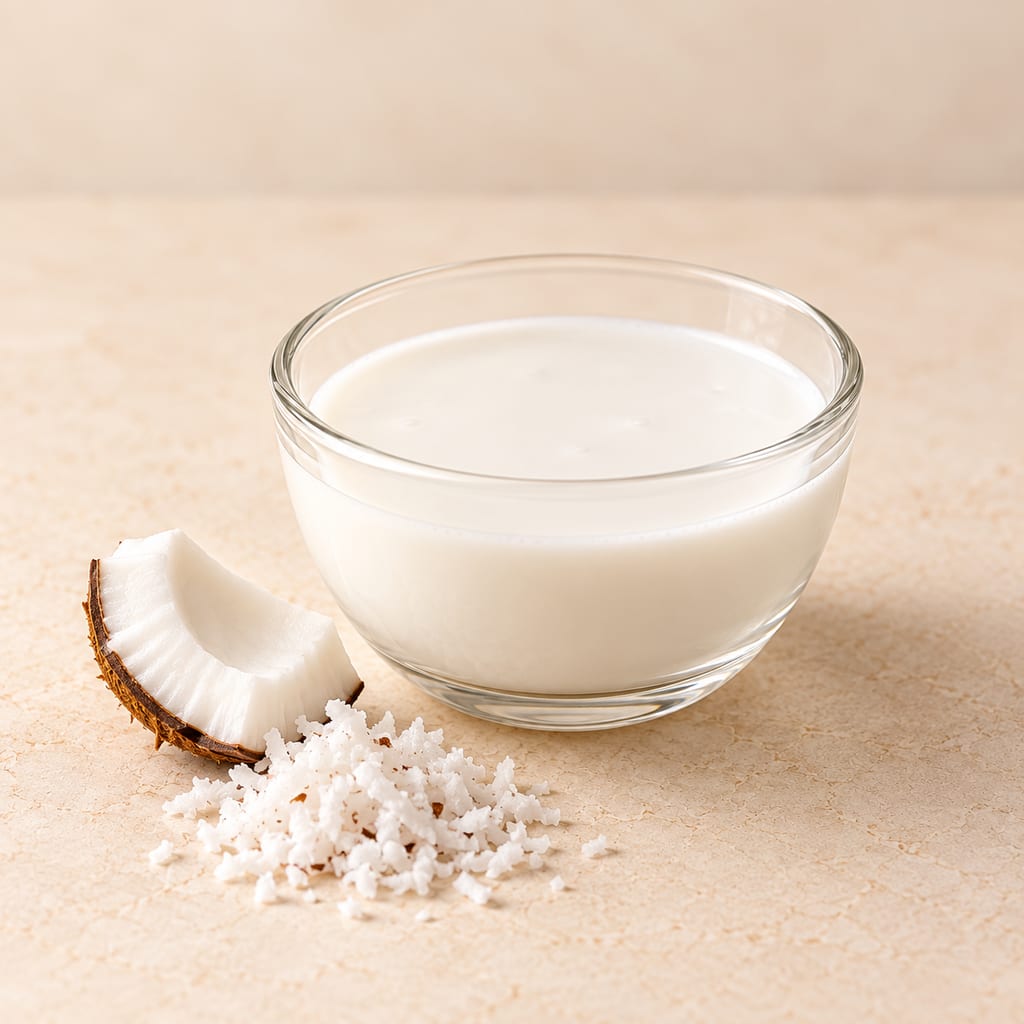
Coconut milk is an opaque, water-based emulsion made from the solid endosperm, or kernel, of the coconut palm (Cocos nucifera). Grated or otherwise comminuted kernel is pressed or squeezed, with or without added water, and most coarse fibres are removed. The amount of water changes concentration and fat level.
It is not coconut water. Coconut water is naturally present in the coconut; coconut milk is extracted from solid kernel. It is also distinct from coconut cream, a richer product, and from coconut cream concentrate or powder. Some commercial products are reconstituted from dried kernel or cream powder, so the package label matters when a recipe depends on a particular form.
Coconut milk can separate on standing into a fat-rich upper layer and a more watery lower layer. That separation describes an emulsion changing over time; it does not tell a cook whether the product is safe. Packaged standards distinguish products by composition and processing, while fresh household extraction varies with the nut, pressing and added water.
A household method starts with freshly grated kernel, soaked or mixed with warm water and squeezed through a sieve or cloth. Adding more water to the remaining pulp and squeezing again yields a thinner later extraction. The Philippine Coconut Authority calls a single-stage extraction without added water kakang gata; the term identifies a particular extraction rather than every coconut-milk product.
For home preparation, mix grated coconut and potable water, then strain through a fine sieve or clean muslin while squeezing the solids. The method gives no universal water ratio: the amount of water and number of presses alter the strength. Use the resulting liquid in a recipe that specifies fresh coconut milk; a household squeeze is not equivalent to standardized canned product.
Commercial processing begins with mature coconut, separated from husk and shell. The kernel is pared as needed, washed, grated or ground, pressed, filtered and standardized. Packaged products covered by Codex receive appropriate heat treatment to prevent spoilage before or after sealing. Canned, carton, chilled and reconstituted products can differ in concentration, additives and handling; follow the product label.
Coconut milk appears in breads in more than one role. A Kenyan mahamri formula mixes it into yeast-raised dough with flour, sugar and cardamom before frying. The Smithsonian page describes mahamri as made across Kenya and notes that its tested recipe is adapted for an American kitchen.
A published Kerala appam method mixes coconut milk into fermented rice batter with yeast and a cooked rice-flour paste. Samoan pani popo uses coconut milk in enriched roll dough and again as a sweet sauce poured over shaped buns before baking. These examples show different uses: liquid in dough or batter, and sauce surrounding bread during baking.
These recipes do not establish one technical effect on fermentation. Coconut milk supplies liquid and coconut flavour; its fat and solids can change finished texture. Recipes vary in their use of fresh, canned or reconstituted products. Use the form named by the recipe and do not swap coconut water, cream or powder without adjusting the formula.
Coconut milk also forms a base for savoury dishes, desserts and sauces in South and Southeast Asian cuisines. In the Malay Peninsula, household extraction from grated kernel is documented alongside its use with rice, sago and tubers, fish and vegetables. Recipes may use thinner milk, a rich first extraction or coconut cream; names and proportions are not interchangeable everywhere.
Santan is used in Malaysia and Indonesia, and gata in the Philippines. These names refer to coconut milk in the sources reviewed here, but local usage can distinguish a first rich pressing from later, thinner extractions. This record uses coconut milk for the general extracted ingredient; coconut cream and coconut water remain separate items.
A packaged product and freshly extracted milk are not the same safety case. The Codex standard covers packaged coconut milk and cream subjected to an appropriate heat process; it is not a validated home-preservation procedure. The sources reviewed here do not establish a safe home pasteurization schedule or a coconut-milk-specific storage period for freshly extracted milk.
For packaged coconut milk, follow the label's storage directions and open-life guidance. If leftover contents come from a can, transfer them to a clean food container and refrigerate them rather than storing them in the opened can. Keep fresh-prepared food chilled and follow local food-safety guidance; separation, smell or taste cannot establish that coconut milk is safe.
A historical study describes households soaking grated kernel and squeezing it to make santan; this is a documented regional preparation, not a claim of origin.
The Smithsonian's Kenyan mahamri recipe uses coconut milk in yeast dough; the source describes mahamri/mandazi as made across Kenya.
Kerala Tourism publishes one appam method using coconut milk in rice batter; this is not a claim of exclusive origin.
A 2022 pani popo recipe describes Samoan sweet rolls with coconut milk in dough and baking sauce; it does not prove earliest historical use.
A fast blade in a jug that grinds toasted sesame to tahini, blends cooked or soaked material with water into milky extracts and chops material for pressing. It does not strain.
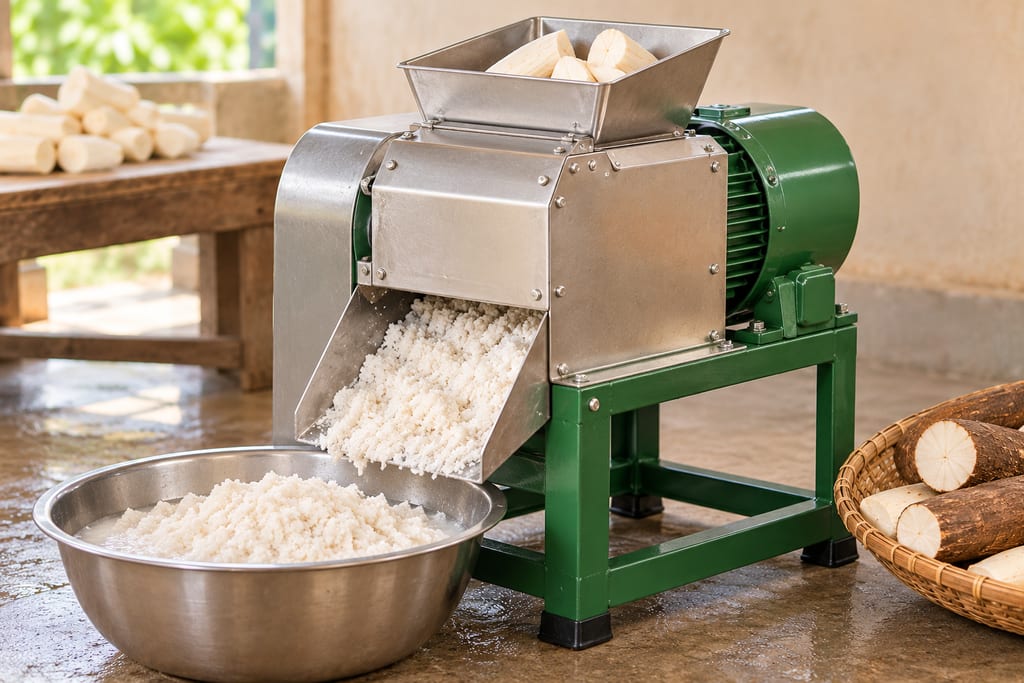
Graters, motorized rasping drums and processor grating discs reduce cassava or coconut to shreds or mash. They perform the grating stage only; later processing determines texture, extraction and cassava safety.
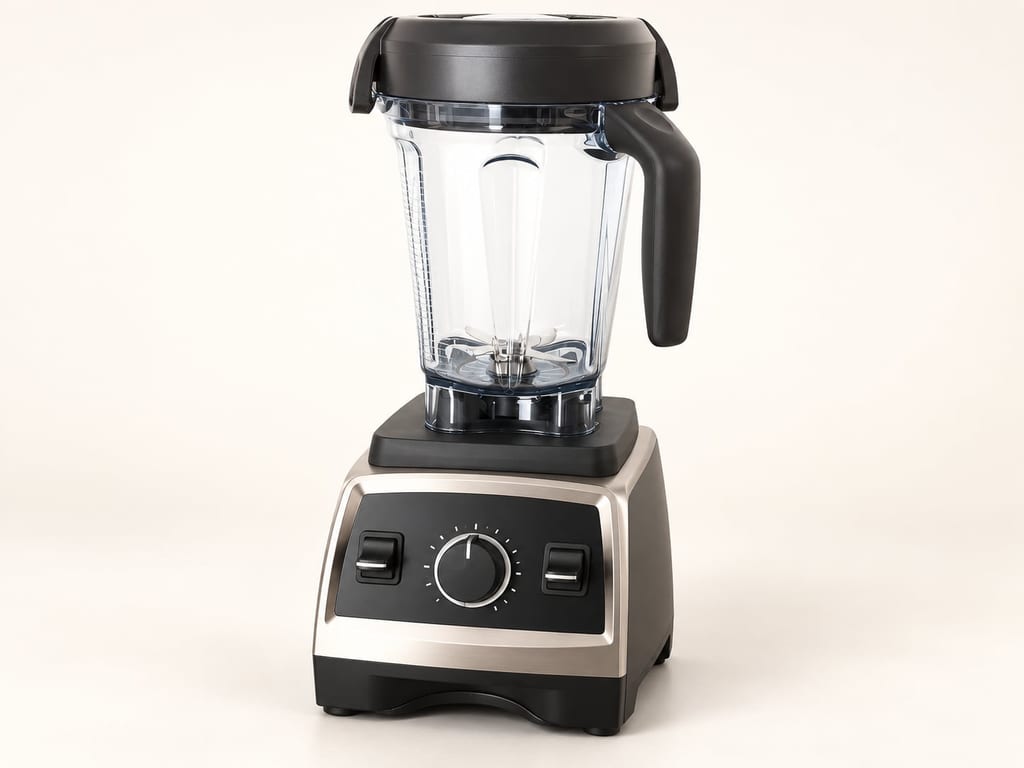
A model-specific countertop blender with a 2 L low-profile Classic container, ten manual speeds and five presets. “Pro 750” is the European short name for Professional Series 750; electrical ratings differ by region.
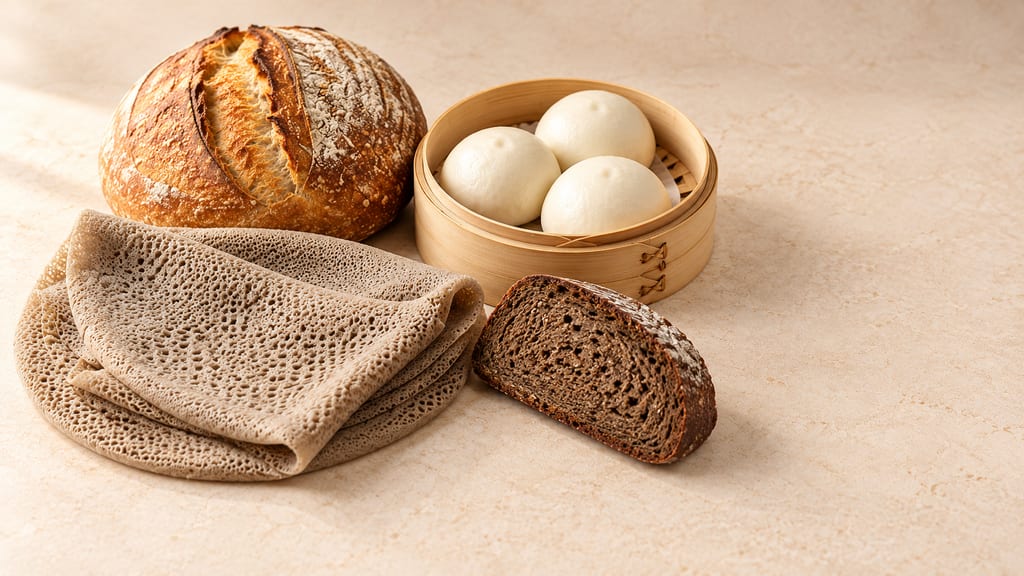
From the baguette and the steamed bun to injera, titiyas, Finnish rye and cassava bread: how grain, microbes and heat answer the question of what bread is for.
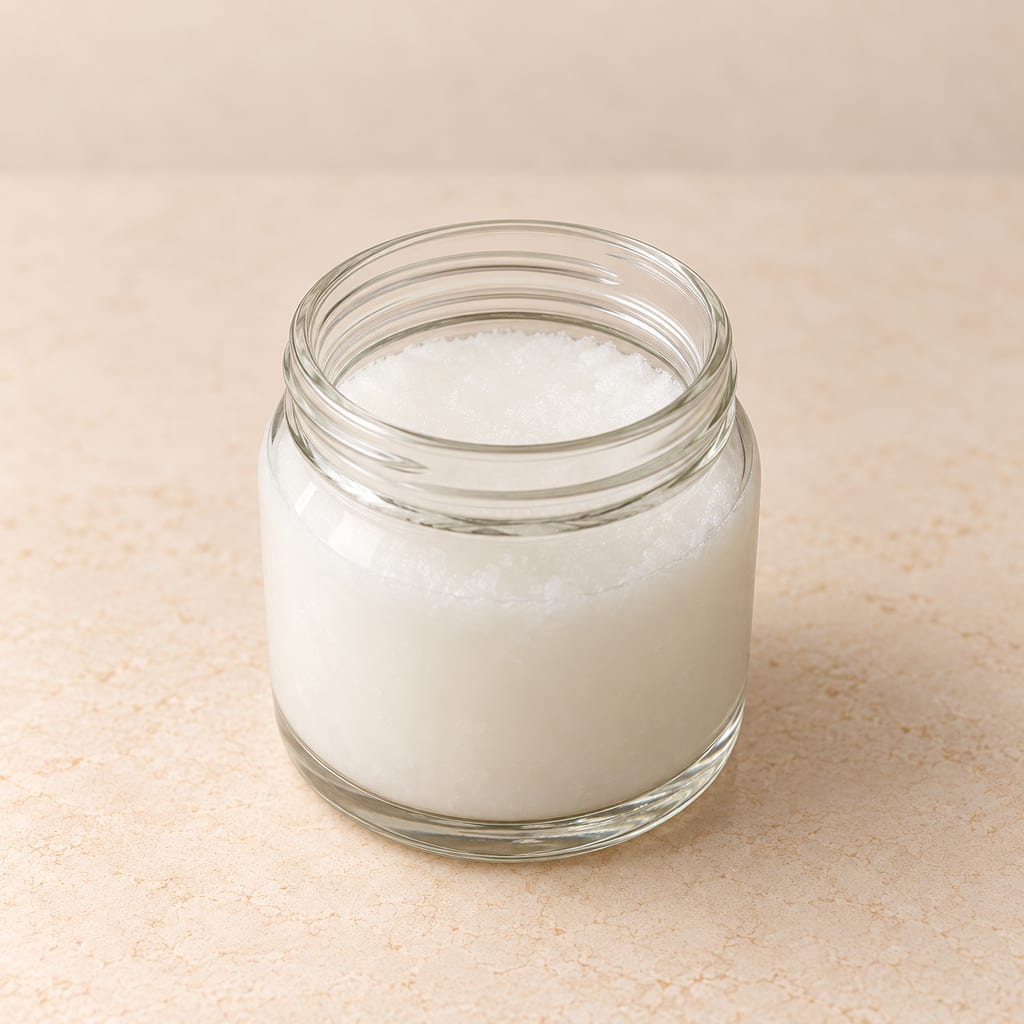
Fat pressed or separated from the kernel of a mature coconut: solid below about 25 °C, mostly saturated and half lauric acid, sold virgin, refined or hydrogenated.
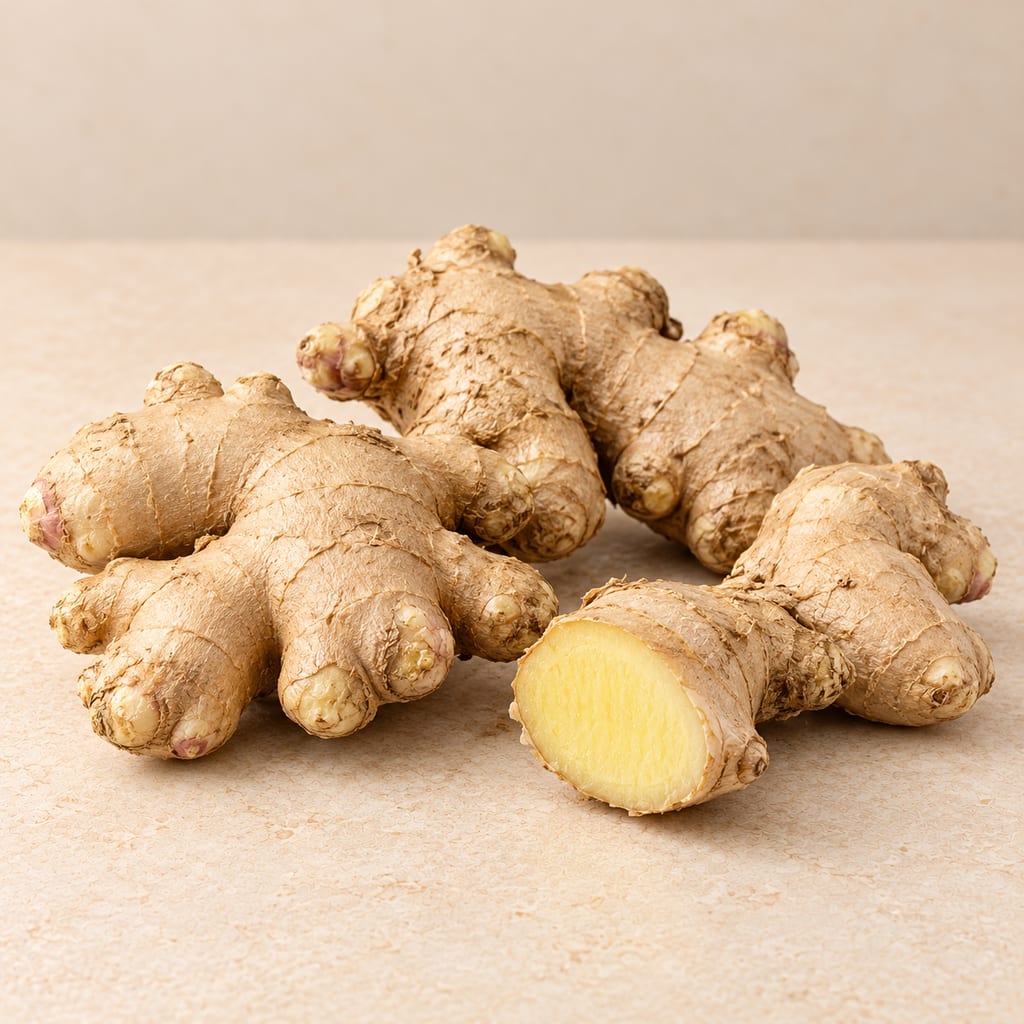
Ginger is the aromatic rhizome of Zingiber officinale, used fresh, dried and preserved. Historical ginger wines sliced or bruised it to flavour a sugar-based ferment.
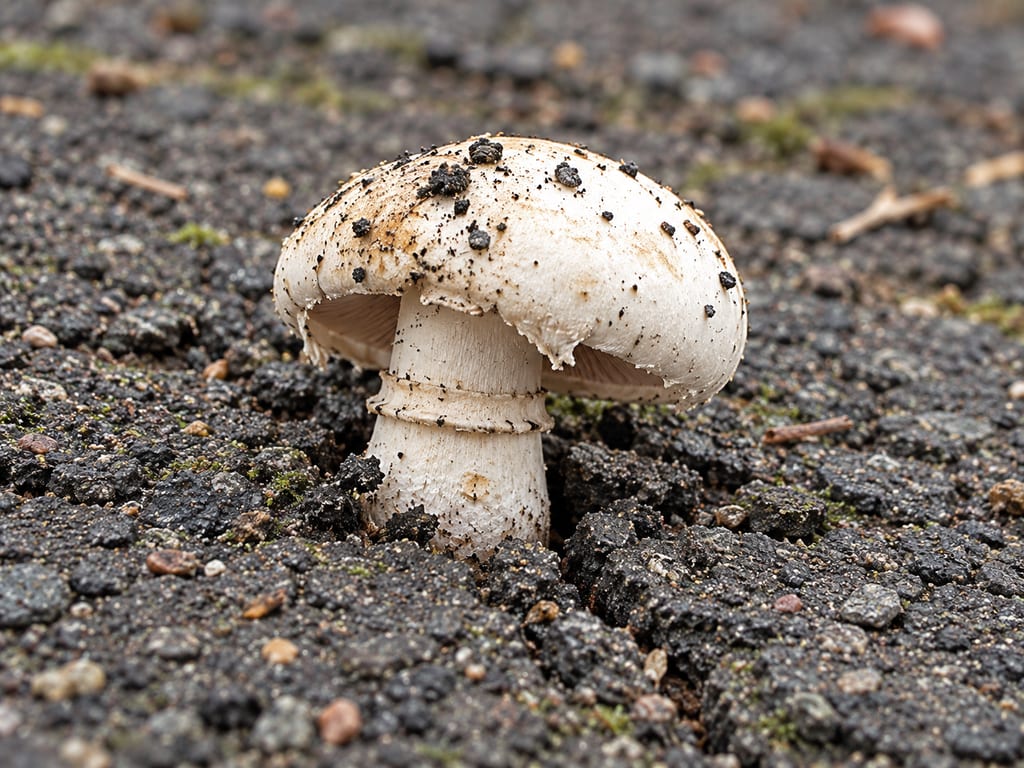
Agaricus bitorquis is a firm edible mushroom known for fruiting in hard, disturbed ground and for its persistent double ring. It is also cultivated in warmer conditions than the common button mushroom.
Rice flour is ground, non-waxy rice used in breads, batters and noodles. Its particle size, milling and rice variety shape how it absorbs water and sets when cooked.
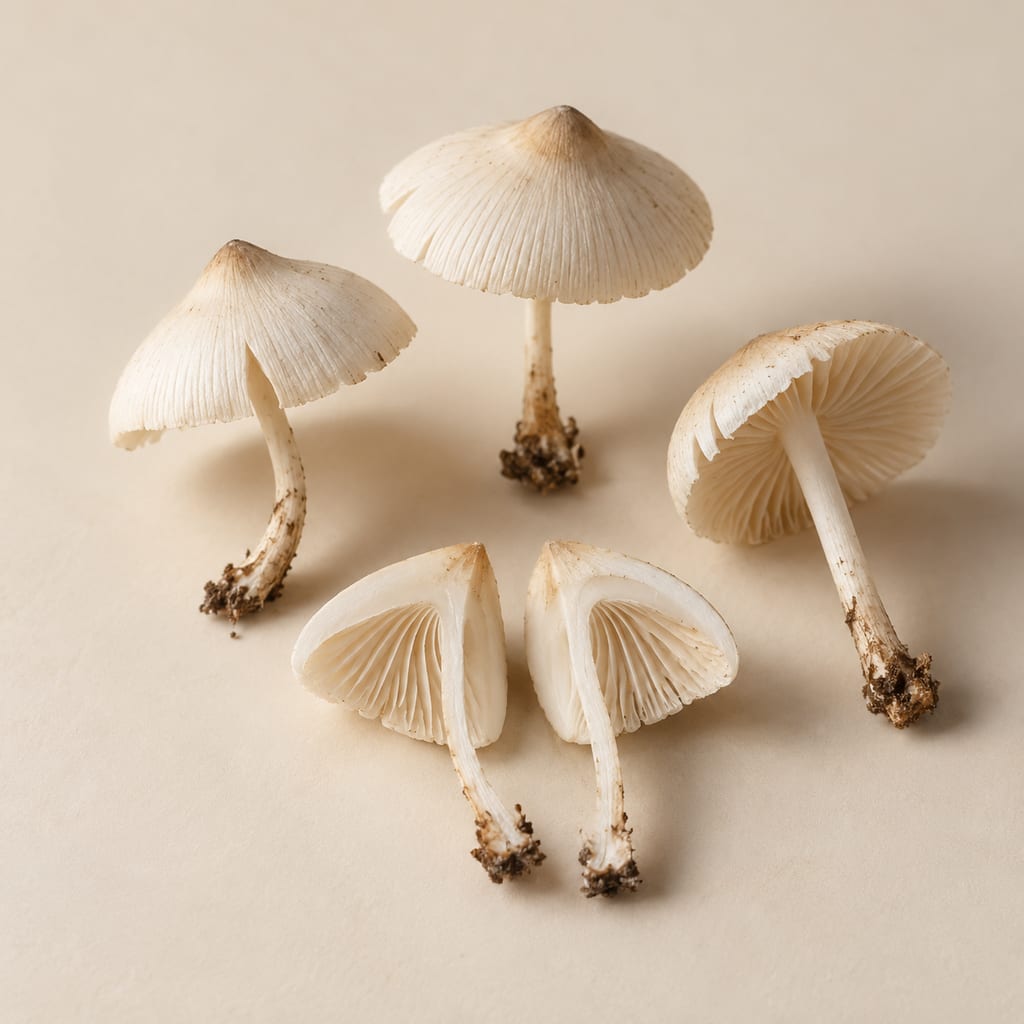
A small wild termite-associated mushroom recorded as food in parts of India and elsewhere. Its name has a taxonomic history, and some African records are treated cautiously because they may represent a different lineage.
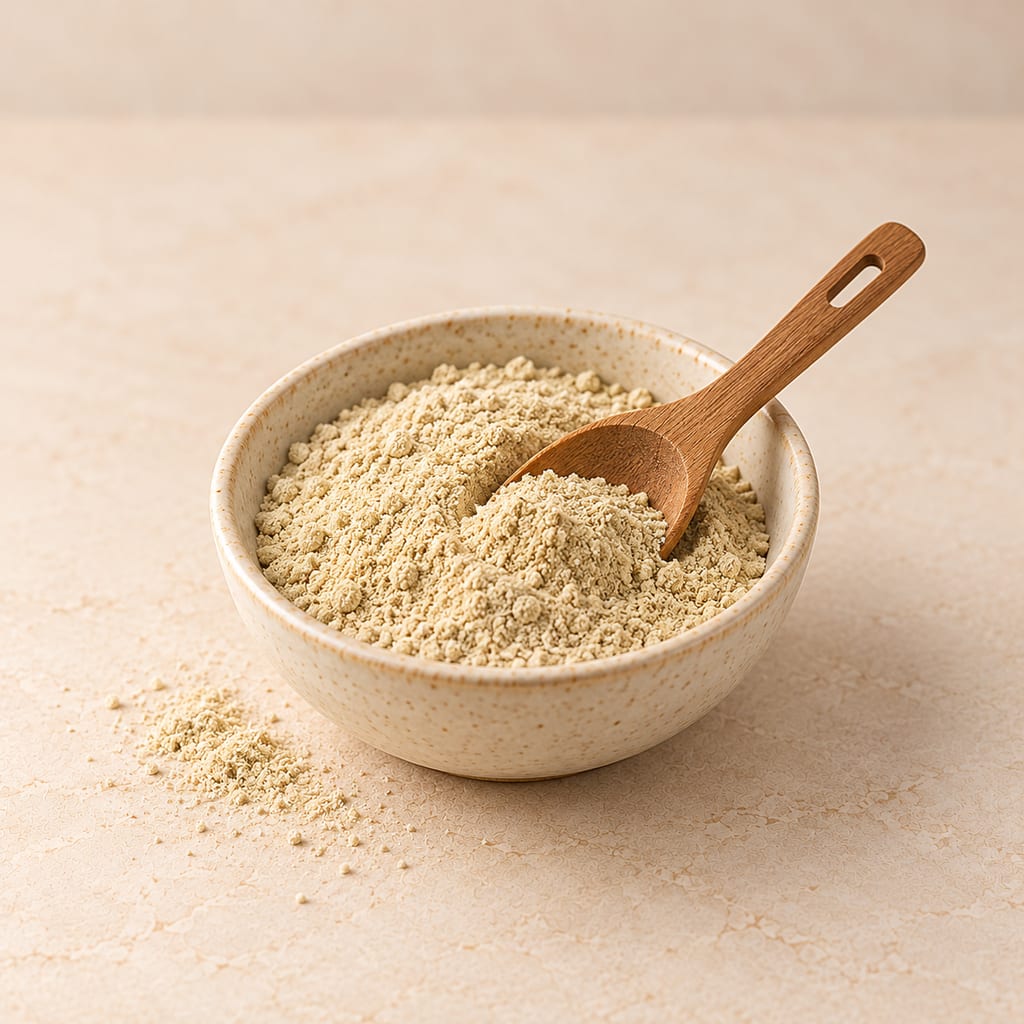
White pepper is the ripe fruit of Piper nigrum with its outer fruit wall retted or stripped away, leaving a pale, smooth peppercorn. It seasons pale sauces and soups and three linked cured sausages.
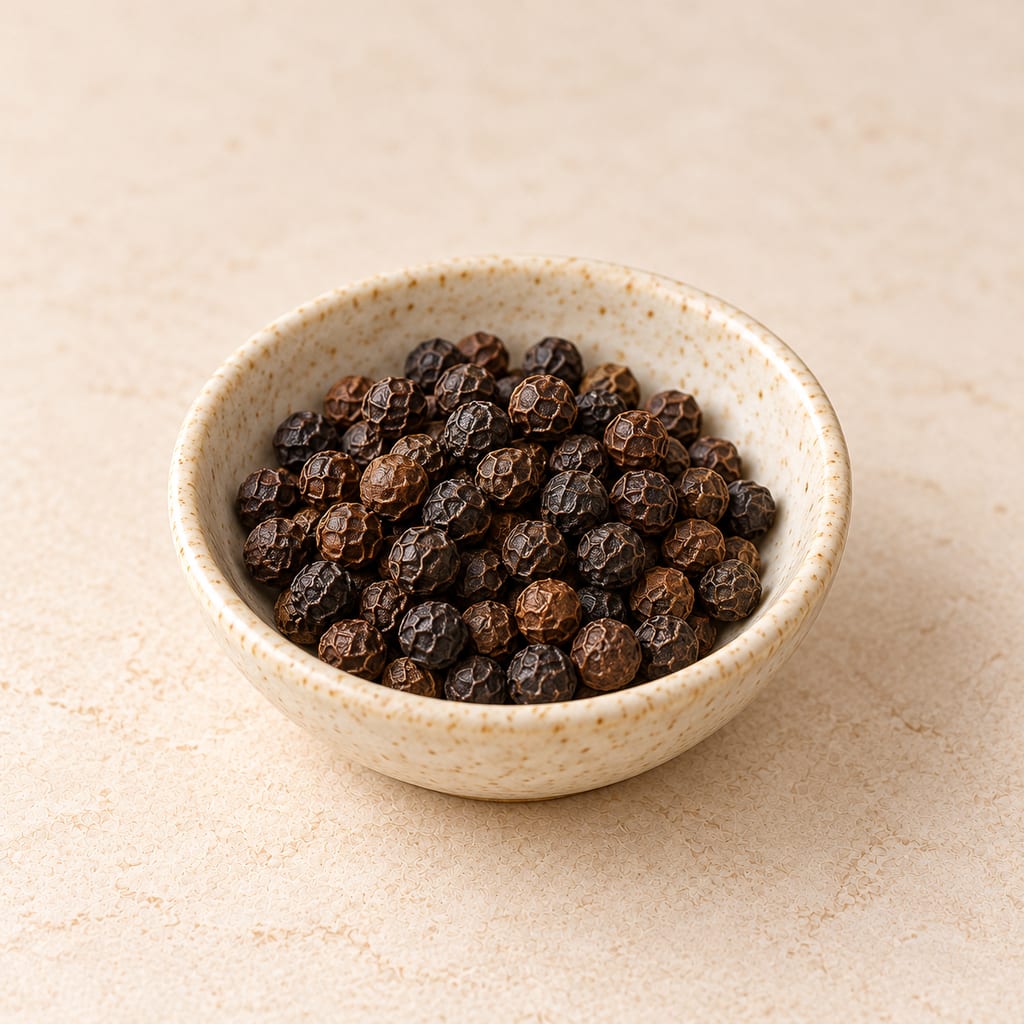
Whole peppercorns are the dried, uncracked berries of Piper nigrum, sold with their pungent seed intact. They season cured sausages such as Genoa-style salami and soppressata di Calabria beside a ground pepper.
No community contributions have been published for this entry yet.
Sign in to contribute. Published comments and photos are free to read.
Codex Alimentarius Commission / FAO and WHOIdentity · Commercial processing · Safety
Standard for Aqueous Coconut Products: Coconut Milk and Coconut Cream (CXS 240-2003)Defines coconut milk as a dilute emulsion of comminuted kernel in water and distinguishes cream.
Packaged products covered by the standard receive appropriate heat treatment; reconstituted products must be identified.
Cited in: A liquid pressed from coconut kernel; Household extraction and commercial products; Food safety and storage
Philippine Coconut AuthorityProcessing · Commercial processing
FPDD Guide No. 2: Coconut Milk and Its ProcessingManual or mechanical extraction of comminuted coconut meat with or without water; water changes composition.
Process flow covers grating, grinding, extraction, filtration, pasteurization and packaging; single-stage extraction without added water is called kakang gata.
Cited in: Household extraction and commercial products
Tetra Pak, Coconut HandbookIdentity · Processing · Home preparation · Uses
Coconut Food ProductionMature kernel is grated and pressed; water amount changes concentration.
Home method mixes grated kernel and water, squeezes through sieve or muslin; repeated extraction yields thinner liquid.
Used widely in South and Southeast Asian cuisines; commercial product is filtered, standardized, pasteurized and aseptically filled.
Cited in: A liquid pressed from coconut kernel; Household extraction and commercial products; Coconut milk in breads and batters; Other food uses and names
Foods, MDPI / PubMed CentralIdentity · Names · Distinction
The Chemical Composition and Biological Properties of Coconut (Cocos nucifera L.) WaterCoconut water is naturally present aqueous endosperm; coconut milk is liquid from grating solid endosperm with or without water.
Santan is used in Malaysia and Indonesia; gata in the Philippines.
Cited in: A liquid pressed from coconut kernel; Other food uses and names
SOAS University of LondonHistory · Traditional preparation · Uses
Smallholder Involvement in Tree Crops in Malaya, with Special Reference to Oil and Coconut Palms in Johor, 1862–1963Describes household santan from grated kernel soaked in warm or hot water and hand-squeezed through sieve.
Places coconut milk in Malay sweet and savoury cooking with starch staples, fish and vegetables; does not establish earliest date or origin.
Cited in: Other food uses and names
Smithsonian Center for Folklife and Cultural HeritageBread use · Geographic association
MahamriKenyan mahamri formula combines coconut milk, flour, sugar, cardamom and yeast; described as made across Kenya.
Recipe tested by Smithsonian staff and adapted for American kitchen.
Cited in: Coconut milk in breads and batters
Department of Tourism, Government of KeralaBread use · Geographic association
Appam and Crab MasalaKerala appam method uses coconut milk, rice flour, yeast and cooked rice-flour paste in batter; one formulation only.
Cited in: Coconut milk in breads and batters
Delta Beta Epsilon NationalBread use · Geographic association
Pani PopoA 2022 page describes Samoan sweet rolls with coconut milk in dough and sauce; adapted from samoafood.com, not proof of origin date.
Cited in: Coconut milk in breads and batters
UK Food Standards Agency / GOV.UKSafety · Storage
Home food fact checkerDo not use smell to assess food bearing a use-by date; transfer leftover canned food to another container and refrigerate; follow manufacturer's open-life/storage instructions.
Cited in: Food safety and storage
UK Food Standards Agency / GOV.UKSafety · Storage
How to chill, freeze and defrost food safelyGeneral guidance is to keep chilled food out of refrigeration for the shortest time and follow package directions; no coconut-milk-specific storage duration.
Cited in: Food safety and storage