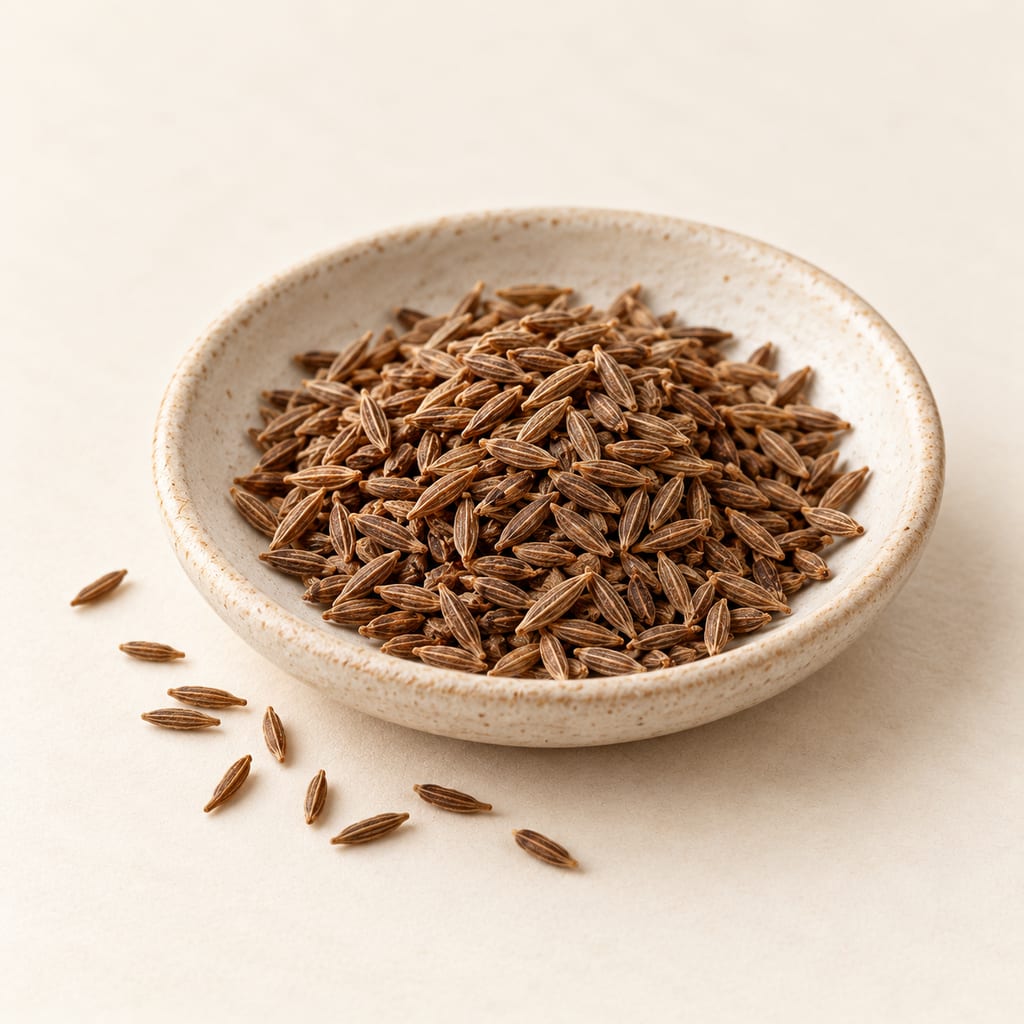
Cumin seed
Cumin seed is the dried aromatic fruit of Cuminum cyminum, used whole or ground; a Himachal Galgal pickle account names it among the seasonings.
 FermenteaWhere food goes to change
Mushrooms
A small wild termite-associated mushroom recorded as food in parts of India and elsewhere. Its name has a taxonomic history, and some African records are treated cautiously because they may represent a different lineage.
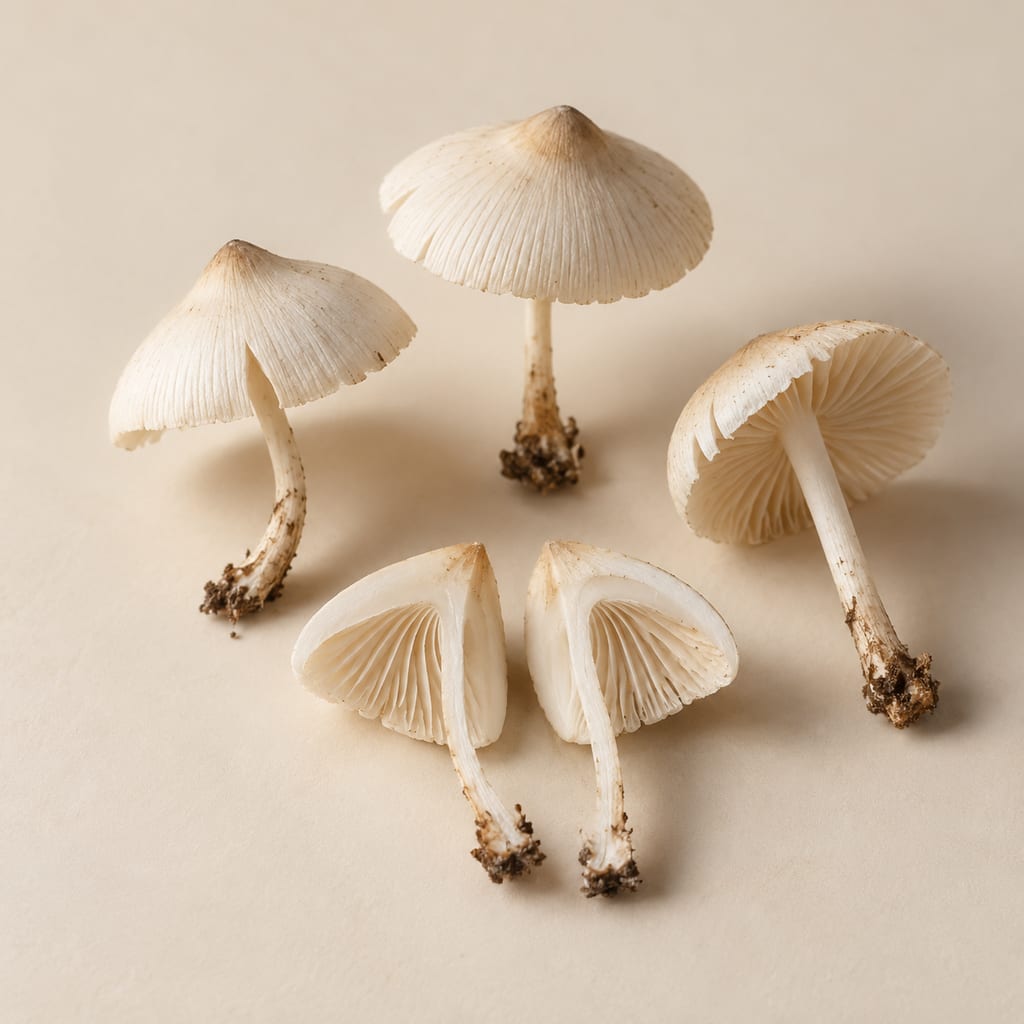
Termitomyces microcarpus is a small, gregarious mushroom associated with fungus-growing termites. EFTA describes fruit bodies emerging from discarded fungus-comb material at termite-mound surfaces, including associations with Protermes and Odontotermes. Caps are described as white to cream or pale brownish, with a low rounded central perforatorium; pale gills may have a pink tinge, and the slender white stem lacks a pseudorhiza. These are specialist-source descriptions, not a field identification key.
The Indian catalogue name Entoloma microcarpum (Berk. & Broome) Sacc. maps to the current combination Termitomyces microcarpus (Berk. & Broome) R. Heim; Species Fungorum gives Agaricus microcarpus as the basionym. EFTA notes Sri Lanka as the type locality but cautions that African specimens called T. microcarpus may differ from Asian material and need phylogenetic study. Regional food records under this name should be attributed to their cited sources rather than treated as proof of one uniform lineage.
This is a rainfall-linked wild mushroom, not a crop with a single harvest calendar. A Himachal Pradesh account places Bhatolian in lower Shiwalik deciduous forests, often around termite mounds, and says gathering takes place during the rainy season. Kerala’s state biodiversity publication records the mushroom across the state and gives May–November; that calendar belongs to the Kerala source context.
Other reports include a country-level historical Indian food record and a 2025 collection listing from Naktideul, Odisha. The FAO compilation lists both Entoloma microcarpum and Termitomyces microcarpus as edible in India, citing older works. It compiles published claims and is not an independent safety assessment. The Odisha paper gives no coordinates, so a locality pin should not be inferred.
A local Himachal account says Bhatolian is cooked with rice as pulao and also describes vegetable and potato dishes and soup. The supplied catalogue reports soups and fried dishes in broader termite-mushroom contexts, but not every preparation can be assigned to every place or taxonomic population. These examples document regional use; they do not establish a universal recipe or safe preparation method.
The evidence supports describing a wild seasonal ingredient with locally recorded food use. It does not establish species-specific toxicology, safe identification, or general storage and preservation guidance. Small size, termite-mound habitat, a local name, or a photograph cannot confirm an unknown specimen. This account is not for identifying or collecting wild mushrooms for eating; seek qualified local expertise and established local food-safety practice.
Country-level historical records under Entoloma microcarpum and Termitomyces microcarpus; not a modern range survey.
Local Bhatolian account reports gathering and dishes; no coordinates.
State biodiversity publication reports wild edible use across Kerala; season is specific to this record.
2025 collection report names the locality; no coordinates inferred.
Cumin seed is the dried aromatic fruit of Cuminum cyminum, used whole or ground; a Himachal Galgal pickle account names it among the seasonings.
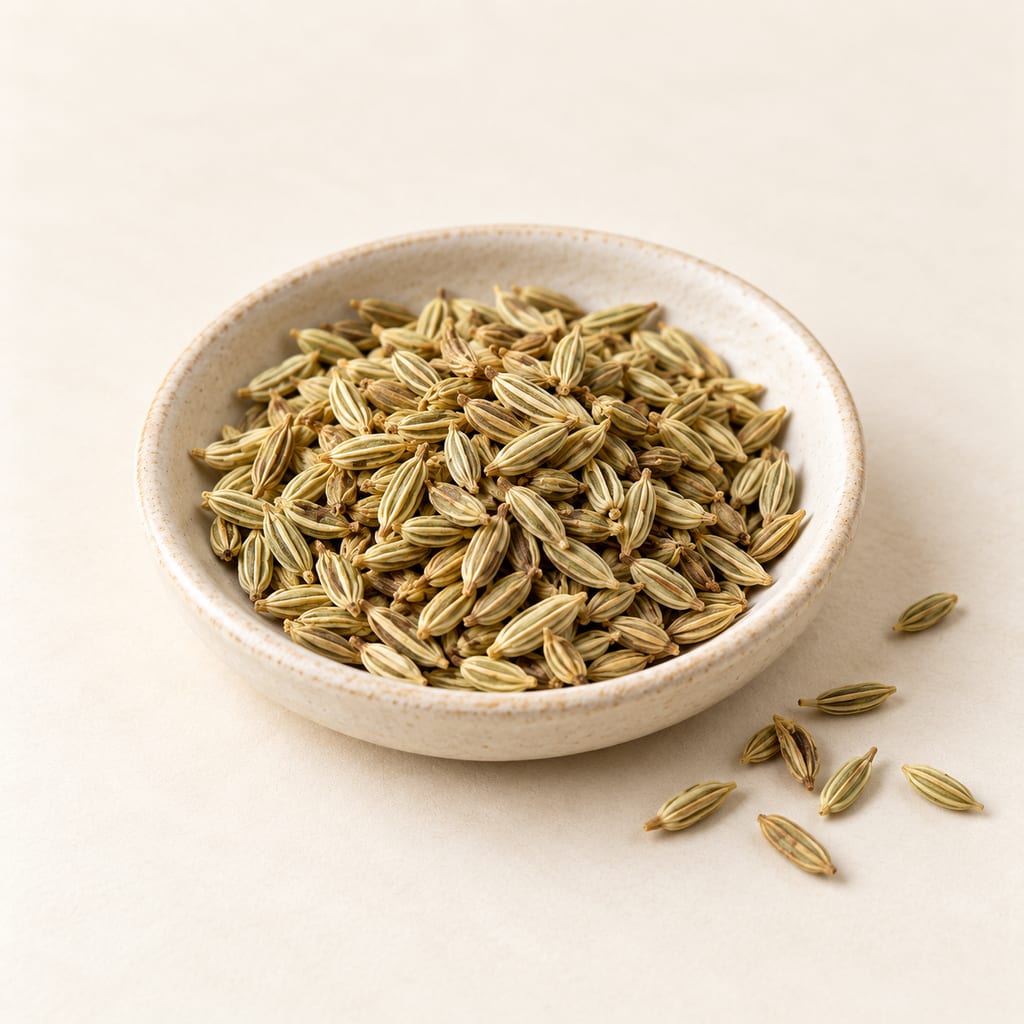
Fennel seed is the dried aromatic fruit of Foeniculum vulgare; a Himachal Pradesh survey records it among the seasonings of Galgal pickle.
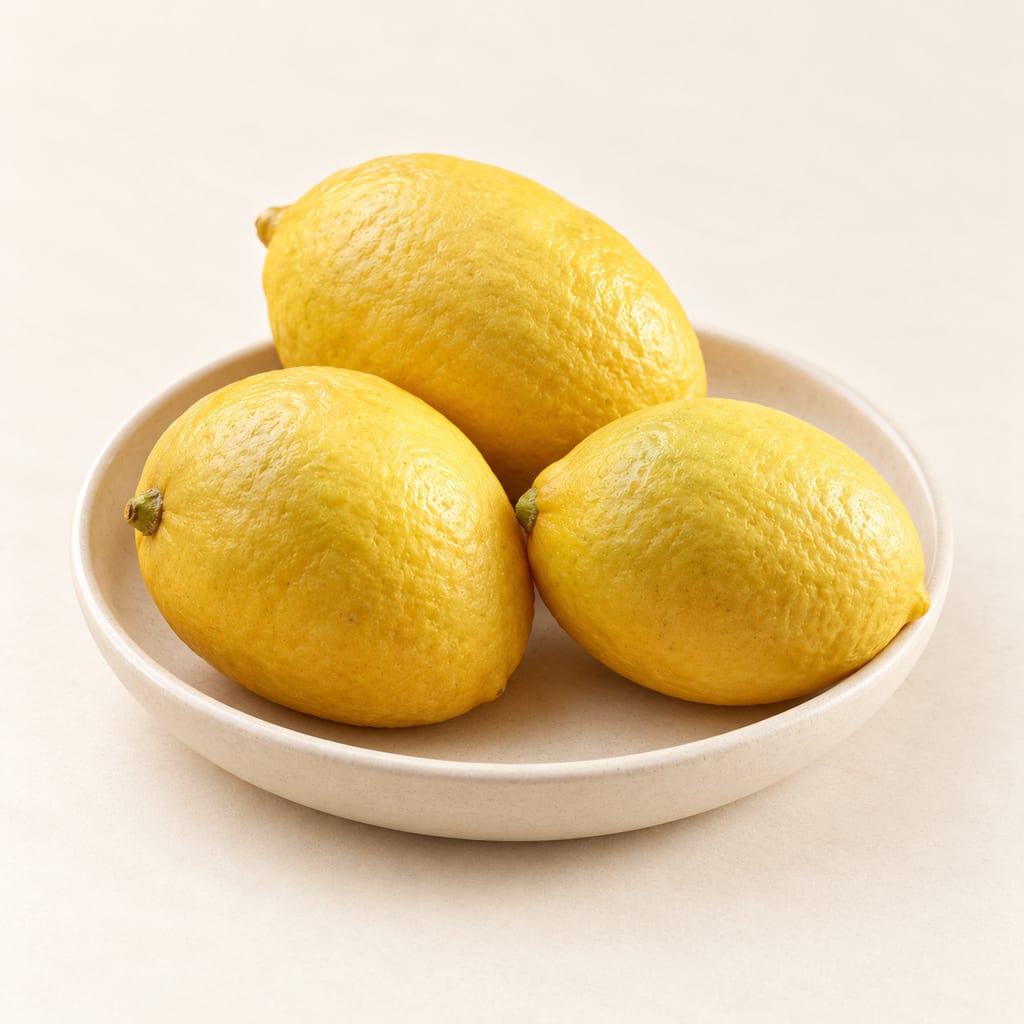
Himachal galgal is a large sour hill citrus used for pickles, concentrated juice and fresh winter preparations; its botanical naming varies across authorities.
No community contributions have been published for this entry yet.
Sign in to contribute. Published comments and photos are free to read.
Species FungorumTaxonomy
Species Fungorum name record 160459Maps Entoloma microcarpum to Termitomyces microcarpus; records Agaricus microcarpus as basionym.
Cited in: Identity and ecology
EFTAIdentity · Ecology · Taxonomy
Termitomyces microcarpusMorphology, termite association, Sri Lanka type locality, and taxonomic reservation for African material.
Cited in: Identity and ecology; Food traditions and limits of evidence
FAOFood history · Safety
Wild edible fungi: a global overview of their use and importance to people, Annex 2Compilation limits and historic Indian edible listings for both names.
Cited in: Season and regional records; Food traditions and limits of evidence
Himalayan Wild Food PlantsFood use · Season · Geography
Termitomyces microcarpus … BhatolianLower Shiwalik/Himachal context, rainy-season gathering, pulao, vegetable dishes and soup.
Cited in: Season and regional records; Food traditions and limits of evidence
Kerala State Biodiversity BoardFood use · Season · Geography
Wild Edible Mushrooms of KeralaKerala-wide wild food record and May–November season.
Cited in: Season and regional records
IARJSETGeography
Wild edible and marketed mushrooms of OdishaLists T. microcarpus from Naktideul; no coordinates used.
Cited in: Season and regional records