
Galgal pickle with fennel and thyme
In a surveyed Himachal method, ripe galgal is blanched, sun-dried, cooked with mustard oil, fennel and thyme, then left to ferment.
 FermenteaWhere food goes to change
Substrates
Himachal galgal is a large sour hill citrus used for pickles, concentrated juice and fresh winter preparations; its botanical naming varies across authorities.
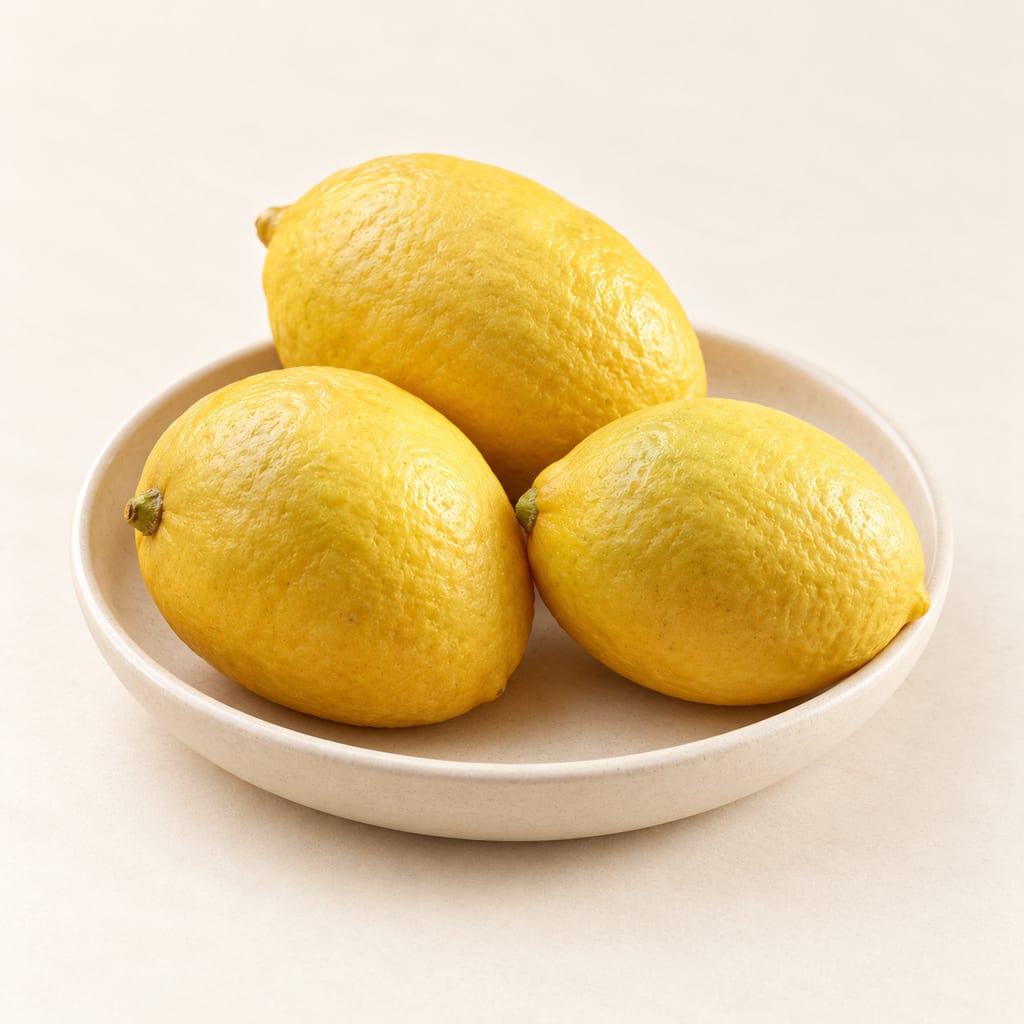
In the north-western Himalaya, galgal is a name for a citrus fruit larger than the small lemons common in many shops. A ripe fruit can weigh several hundred grams, with yellow skin, a thick rind and sharply sour flesh. In Himachal Pradesh, it is valued both for what can be eaten fresh and for what its juice can do later: it becomes pickle, a concentrated souring sauce called chukh, and a winter relish of chopped fruit, greens and chilli. That combination of fresh brightness and stored acidity has made galgal a useful kitchen fruit in a region where the harvest is seasonal.
The food name belongs to a regional citrus, not to every fruit sold as lemon or lime. Himachal horticultural and food references commonly identify hill lemon as Citrus pseudolimon Tanaka. The same name appears in a survey of traditional Himachal pickles and in studies of hill lemon grown in the Shivaliks. Yet citrus names have long shifted as botanists grouped and regrouped hybrid plants. Some reference works treat Galgal as Citrus × limon ‘Galgal’ and place Citrus pseudolimoni among its synonyms; a Himachal biodiversity list also places C. limon and C. pseudolimon in a synonym sequence. The USDA germplasm database keeps a C. pseudolimon record, but the molecular picture is not simple: one chloroplast study grouped sampled accessions within pummelo, while a separate marker study placed them in a lemon–lime lineage and described their morphology as within the citron lineage.
The careful everyday name is therefore “Himachal hill lemon, or galgal,” with C. pseudolimon noted as the identification used by much of the regional horticultural literature. That qualification matters in a market or recipe context. The small, thin-skinned kaghzi lime is a different citrus in local trade; a regional account even reports that galgal juice has sometimes been used as a cheaper substitute for it in squash. A substitute in a product is not the same thing as a botanical identity. “Galgal” also appears in medicinal name lists for unrelated plants, another reason to keep the regional food context attached to the name.
Galgal is typically described as oval or ovate-oblong and yellow when ripe. Its peel is prominent: horticultural work records a thick rind, and one regional description notes a firmly adhering rind and loosely packed cylindrical or spindle-shaped juice vesicles within the pulp. The juice is pale and sour. Seed counts and fruit sizes vary, however, so the fruit is better understood as a variable local type than as a uniform commercial lemon. In one northern Himalayan account, a fruit was reported at 400–500 grams with dozens of seeds; another measured set of ten fruits averaged 411 grams, with a measured seed mass of 1.55 percent. Those are samples from different studies, not a specification every fruit must meet.
A 1961 Census of India monograph on Chaunri village in Himachal Pradesh describes a daily table built around maize or wheat chapatis with dal or vegetables. Chutney from amchur or anardana might sharpen a meal; pickle added another small, forceful taste. Galgal was the main citrus used in the village’s household pickles. Families sometimes added jimikand or ginger for variety, used mustard oil, and kept the pickle in earthenware. The account catches Galgal in an ordinary meal, beside staples rather than as a stand-alone novelty.
A later survey, published in 2016, documented traditional pickles through conversations in around seventy rural and tribal households across ten Himachal districts. Its Galgal entry lists preparations in Kullu, Bilaspur, Hamirpur, Mandi, Shimla and Solan. The seasoning set includes mustard oil, thyme, fennel, red chilli, fenugreek, turmeric, sugar and salt. The researchers describe pickles as meal accompaniments and appetizers, a way to use seasonal fruits and vegetables, and a sharp, spiced contrast to ordinary meals. Across the region, pickle production has been associated with rural household knowledge and women’s work; the survey treats these methods as part of living food practice rather than as one standardized product.
The fruit’s uses reach beyond the pickle jar. In a local account, ripe Galgal is chopped into a winter dish called chacha or chha-chha, mixed with a salt made from seasonal greens and chilli, with jaggery or another sweetener to soften its sour edge. The page also describes a dramatic finishing gesture: a hot or spent coal is set into the mixture, mustard oil poured over it, and the bowl covered briefly to catch the smoke. This is one reported way of making the relish, not a rule for every household. The same account links the fruit to siddu and kachouri at table and to local fairs, including Mandi’s Shivratri fair.
The other important pantry form is chukh. In the regional fruit account, the word means concentrated Galgal juice, cooked down for use when fresh fruit is out of season. Ripe fruit is pressed for juice, which is heated until reduced to about one quarter of its original volume. It later sours khatta, a dish served at communal meals and dham gatherings. A government fruit-variety handbook also records village chukh-making. The name needs local context: the 2016 Himachal pickle survey calls a Chamba chilli pickle made with lime juice chukh. These are distinct foods sharing a name, one concentrated citrus juice and the other a spiced chilli preparation.
The 2016 survey shows Galgal juice doing another job within the pickle pantry. In its elon seed pickle, juice from Galgal enters a mustard-oil mixture with turmeric, fenugreek, chilli, asafoetida, sugar and other spices. A kachalu pickle uses the juice with pieces of taro corm and a different seasoning set. Here the citrus fruit is not the main piece in the jar; its sour liquid gives another plant food part of its character. This makes Galgal both a pickle fruit and an ingredient for pickling other foods. The two combinations also show why “Galgal pickle” alone is not a complete account of what hill households do with their winter citrus.
The shared name Galgal pickle covers different methods. A 2016 Himachal survey describes a short-cooked, fermented pickle. Fully ripe fruit is washed, immersed in boiling water for two minutes and sun-dried. The fruit is cut small; fenugreek is browned in mustard oil, then the citrus is cooked with salt, red chilli, thyme, sugar, turmeric and fennel for five to ten minutes. After cooling, the mixture rests for fifteen to twenty-five days to ferment. In higher Himalayan areas, people kept it near a traditional fireplace called a tandoor to provide warmth during winter. This survey provides no quantities for the Galgal ingredients.
Enterococcus faecalis and Leuconostoc mesenteroides were among organisms isolated from the surveyed Galgal pickle samples. These identifications describe the sampled food, not a starter that every household adds. The hot pan and the later warm rest have different roles: cooking changes fruit and spices; fermentation belongs to the cooled resting stage. The survey names several districts but does not tie the written method to a single household.
A recipe published in 2020 follows another route. It starts with one kilogram of ripe Galgal, blanches it for ten minutes, dries the fruit in full sun for six to eight hours and leaves it outside for two more nights. After cutting it into small rectangular pieces, the cook sautés it in mustard oil with fenugreek, turmeric, chilli and salt, stirs in 250 grams of jaggery, and transfers the mixture to a ceramic jar. The jar is placed in bright sun for three to five days; the recipe says it is ready after fifteen to twenty days. Cumin appears in the ingredient list but the method never specifies when to add it. Unlike the 2016 survey’s explicit fermentation description, this recipe does not explain the final resting period as a fermentation stage.
These two versions share ripe Galgal, heat and spices, but their drying periods, seasoning, sweetness and resting stages differ. The 2016 version includes fennel and thyme, with the authors attributing a characteristic aroma and a sweet, slightly sour taste to the fennel. The 2020 version adds jaggery and gives the fruit a longer outdoor drying stage. Its stated day range describes that particular recipe, while the surveyed version explicitly names fermentation. The difference gives each pickle its own balance of tart fruit, spice and time.
Galgal’s high acidity makes it useful where a dish needs a strong sour note. A 2026 juice study measured fruit from an experimental farm near Neri, Hamirpur: its juice registered pH 2.48 and titratable acidity of 5.01 percent as citric acid. These figures describe that study’s material and test conditions, not every tree or a pickle safety limit. pH and titratable acidity measure different properties; neither should be turned into a guarantee about a home pickle. The study’s practical contribution is to show the juice’s pronounced acidity alongside its yield, and to compare what happens when the peel is included during extraction.
In that experiment, screw extraction without peel gave the highest juice recovery among the tested methods and a cleaner sensory profile. Peel-inclusive methods showed stronger FTIR bands associated with phenolics, sugars and pectins, although measured total phenolics varied little; those methods also brought more bitterness; the researchers associated limonin and naringin with that bitter character. This is a useful kitchen distinction. A cook seeking bright, clean juice can separate the peel before extracting, while a pickle maker may want peel and flesh together for a more substantial bite. Those are not interchangeable outcomes, and the study does not test the two pickle recipes.
Horticultural variation also helps explain why Galgal can work as both juice fruit and preserve. A 2004 survey of upper-Shivalik germplasm found that rind thickness, fruit diameter and the central core varied considerably. In the sample, larger fruits tended to have thicker rinds and lower juice percentages, which the researchers considered useful for pickle; fruits around 400–500 grams with a length-to-diameter ratio of 1.2–1.4 had above-average juice content for juice products. These findings are guidance from a particular population, not a grading standard. A market fruit may be more oblong or rounded, smoother or rougher, thick-rinded or less so.
Both documented pickle methods choose ripe fruit and cut it without specifying whether the seeds are removed. The regional descriptions show why the piece of fruit matters: a thick rind can supply substantial body to a pickle, while a juicy fruit supplies more sour liquid for chukh. Fruit size alone cannot settle that choice. The harvest changes across trees and localities, and the cook’s intended use changes which part of Galgal is most valuable.
The Government of India’s horticulture handbook places semi-wild Galgal in Jammu and Kashmir, Himachal Pradesh and Uttarakhand, describes it as indigenous to India and says it is cultivated on a limited scale. It records a loose, irregular tree and a fruit around ten to eleven and a half centimetres across, with pickle as its main use and a sizeable North Indian trade. A Himachal field study focused on the upper Shivalik hills, while the regional food account describes trees growing along field edges, roadsides and hill margins. The latter reports an altitude of up to 3,000 metres and an October-to-January harvest season; an agricultural article gives December and January as the general harvest period. Together, these descriptions place Galgal in the cool-season food calendar of the north-western hills, although exact harvest timing depends on locality and source.
The 1959 publication of the botanical name is part of how the fruit came to be classified; it does not date its first kitchen use. The living food story is easier to see on the table. Chaunri households used Galgal pickle beside chapatis and dal; other hill cooks concentrated its juice for later souring or mixed ripe pieces with greens and chilli in winter. A fruit that yields both substantial rind and sharp juice gives them several ways to keep a seasonal taste in the meal.
Documented use in this place; not a claim of origin.
In a surveyed Himachal method, ripe galgal is blanched, sun-dried, cooked with mustard oil, fennel and thyme, then left to ferment.
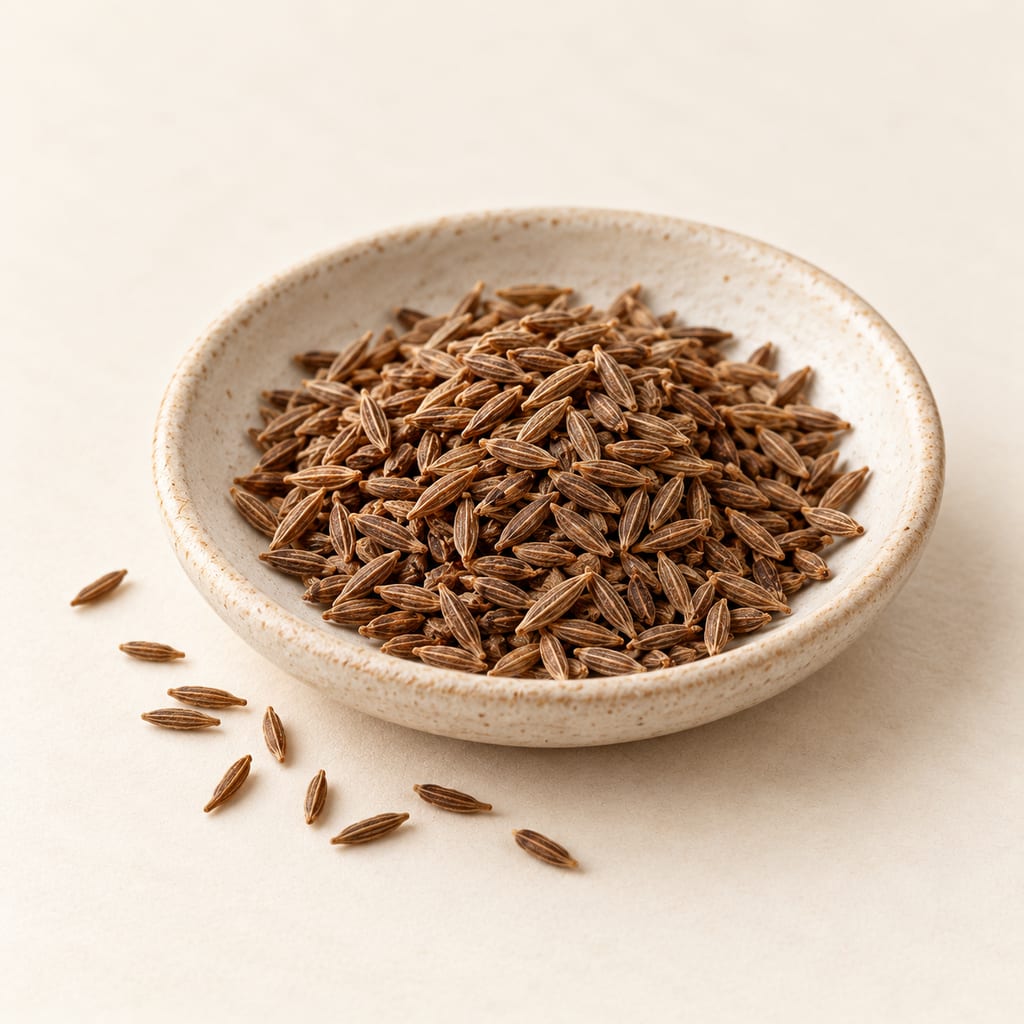
Cumin seed is the dried aromatic fruit of Cuminum cyminum, used whole or ground; a Himachal Galgal pickle account names it among the seasonings.
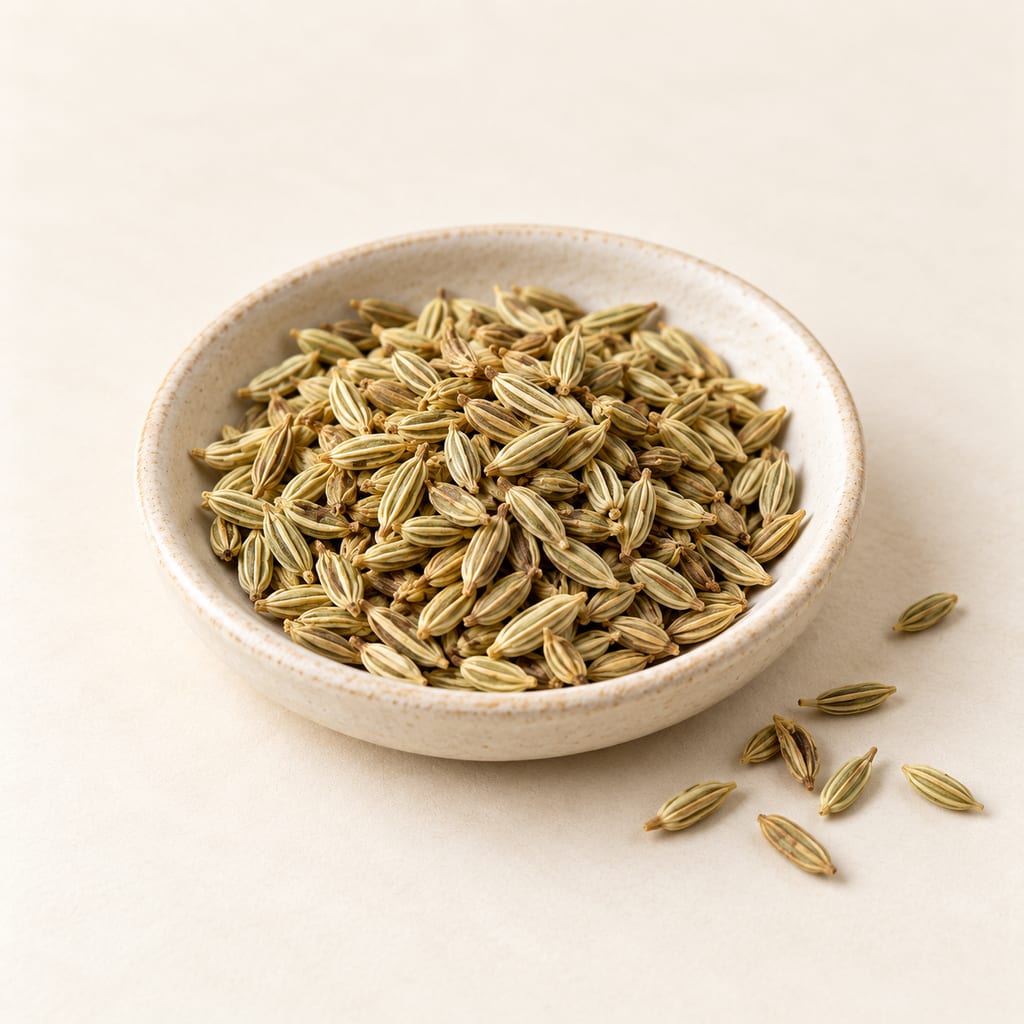
Fennel seed is the dried aromatic fruit of Foeniculum vulgare; a Himachal Pradesh survey records it among the seasonings of Galgal pickle.
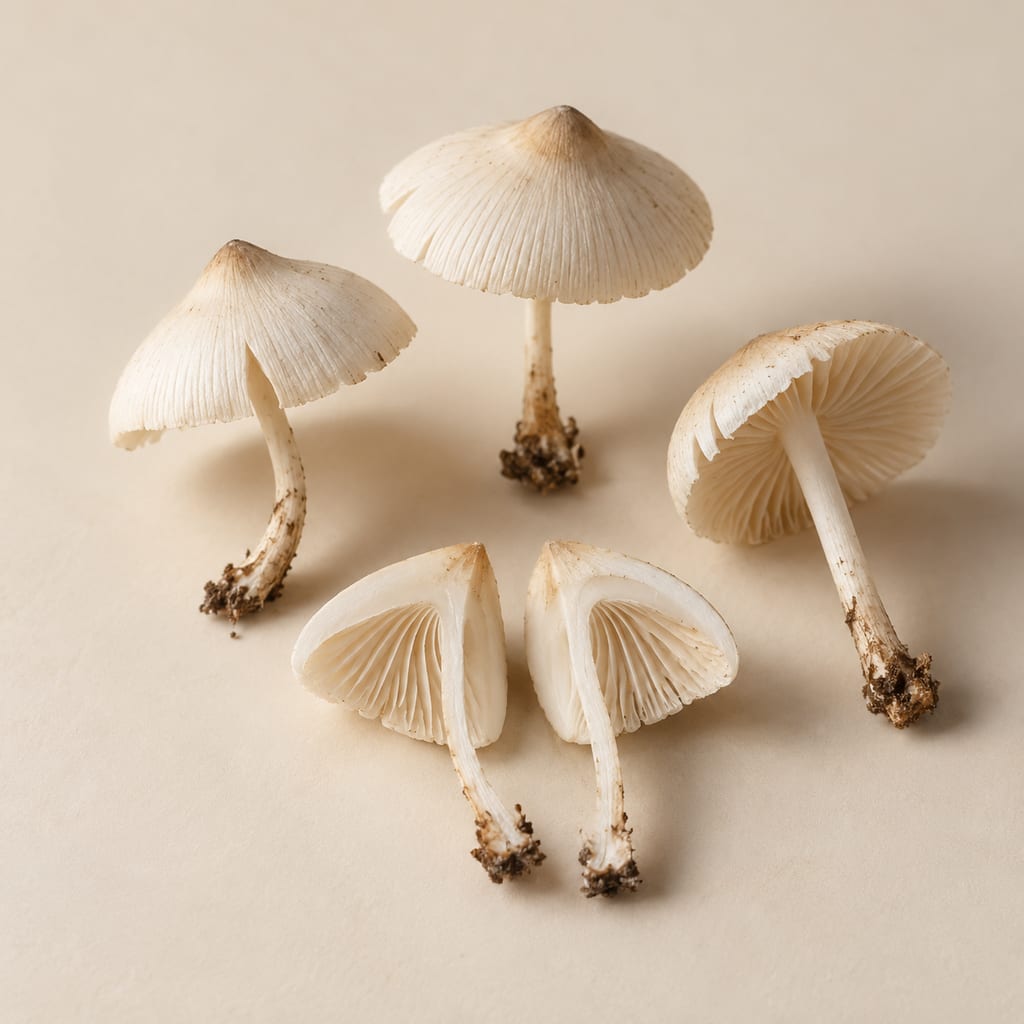
A small wild termite-associated mushroom recorded as food in parts of India and elsewhere. Its name has a taxonomic history, and some African records are treated cautiously because they may represent a different lineage.
No community contributions have been published for this entry yet.
Sign in to contribute. Published comments and photos are free to read.
Government of India, Ministry of Agriculture, Department of Agriculture and CooperationEditorial
Checklist of Commercial Varieties of FruitsSemi-wild states and limited cultivation
Government handbook's indigenous-to-India wording
Fruit/tree description, pickle, trade, chukh and souring use
Cited in: A local name, more than one botanical story; Winter fruit, household pickle; From the foothills to the kitchen
Census of India 1961, Government of India, Office of the Registrar General and Census CommissionerEditorial
Village Survey of Chaunri, Part VI–No. 24, Volume XX, Himachal PradeshGalgal named as main citrus for household pickles in Chaunri
Jimikand/ginger variations
Mustard oil and earthenware
Cited in: Winter fruit, household pickle
Himalayan Wild Food PlantsEditorial
Citrus pseudolimon Tanaka- Galgal (गलगल), Khtta.Local morphology, seed and season descriptions
Chacha/chha-chha and chukh descriptions
Galgal with siddu/kachouri and local market/fair use
Exact 1 kg pickle ingredients and method
Cited in: Winter fruit, household pickle; Two pickle traditions, not one formula; What the fruit contributes; From the foothills to the kitchen
Himachal Pradesh State Biodiversity BoardEditorial
Horticulture diversity in Himachal PradeshHimachal biodiversity checklist's synonym sequence for hill lemon, Galgal lemon and Galgal
Cited in: A local name, more than one botanical story
Indian Journal of HorticultureEditorial
Variability studies in galgal (Citrus pseudolimon Tanaka) in upper Shivaliks of Himachal PradeshUpper Shivalik study setting
Rind/diameter/core variation
Fruit size/rind/juice relationship and study-specific selection suggestion
Cited in: What the fruit contributes; From the foothills to the kitchen
Journal of Horticultural SciencesEditorial
Standardization of juice extraction and preservation methods for hill lemon (Citrus pseudolimon Tan.)Neri experimental-farm harvest at 700 m; n=10 fruit physical measures
411±49.69 g mean fruit mass; 21.83% peel, 1.55% seed mass, 42.70% juice yield
Juice pH 2.48±0.01 and titratable acidity 5.01±0.02%
Peel contact/extraction effects on bitterness and measured limonin/naringin
Measured total phenolics varied little across extraction methods; peel-inclusive samples had stronger FTIR bands associated with phenolics, sugars and pectins, not a direct quantitative pectin-retention result.
Cited in: What the fruit contributes
Royal Botanic Gardens, KewEditorial
Medicinal Plant Names Services: galgalMedicinal name matches include Citrus medica and Cochlospermum religiosum
Cited in: A local name, more than one botanical story
Indian Journal of Traditional KnowledgeEditorial
Traditional pickles of Himachal PradeshApprox. 70 households across ten districts
Six district names and spice set for Galgal pickle
Two-minute blanch, sun-dry, cooking and 15–25 day ferment
Tandoor warming account
Enterococcus faecalis KR137541 and Leuconostoc mesenteroides KR137536 isolates
Cited in: A local name, more than one botanical story; Winter fruit, household pickle; Two pickle traditions, not one formula
USDA Agricultural Research Service, National Plant Germplasm SystemEditorial
GRIN Taxonomy: Citrus pseudolimon Tanaka, taxon 314374C. pseudolimon taxon and cited 1959 name publication
North India cultivated range/common names
Notes that referenced accession studies resolve samples differently
Cited in: A local name, more than one botanical story
Pakistan Journal of Botany article recordEditorial
The nomenclature of three citrus varieties collected in Pakistan and chemicals in essential oils from their peelsAuthors identify their sampled Galgal as C. pseudolimon after fruit, branch and leaf morphology
Cited in: A local name, more than one botanical story
Rashtriya KrishiEditorial
Galgal: A boon for pickle industryDecember–January harvest generalization; chukh and souring uses; cultivation overview
Cited in: From the foothills to the kitchen
Multi-lingual Multiscript Plant Name Database, University of MelbourneEditorial
Sorting Citrus names indexSeparate Citrus pseudolimon Tanaka name entry, alongside the part 1 Galgal routing
Cited in: A local name, more than one botanical story
Multi-lingual Multiscript Plant Name Database, University of MelbourneEditorial
Sorting Citrus names, part 1Citrus × limon 'Galgal' entry
Citrus pseudolimoni Tanaka synonym
Galgal, Gulgul, Hill lemon, Kumaon lemon vernacular entries
Cited in: A local name, more than one botanical story