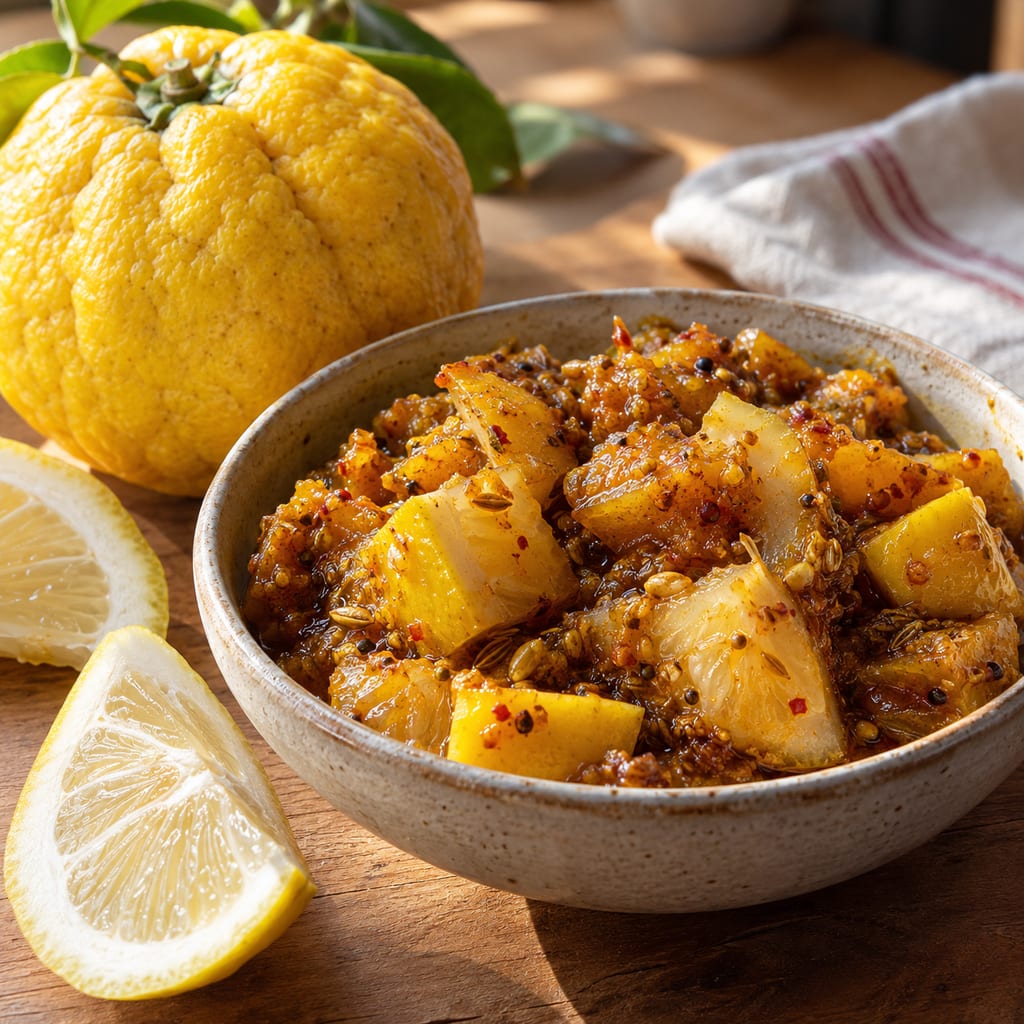
Galgal pickle
Ripe Himalayan galgal is boiled, sun-dried and cooked with mustard oil, spices and jaggery before a further rest in a ceramic jar.
 FermenteaWhere food goes to change
Spices and aromatics
Cumin seed is the dried aromatic fruit of Cuminum cyminum, used whole or ground; a Himachal Galgal pickle account names it among the seasonings.
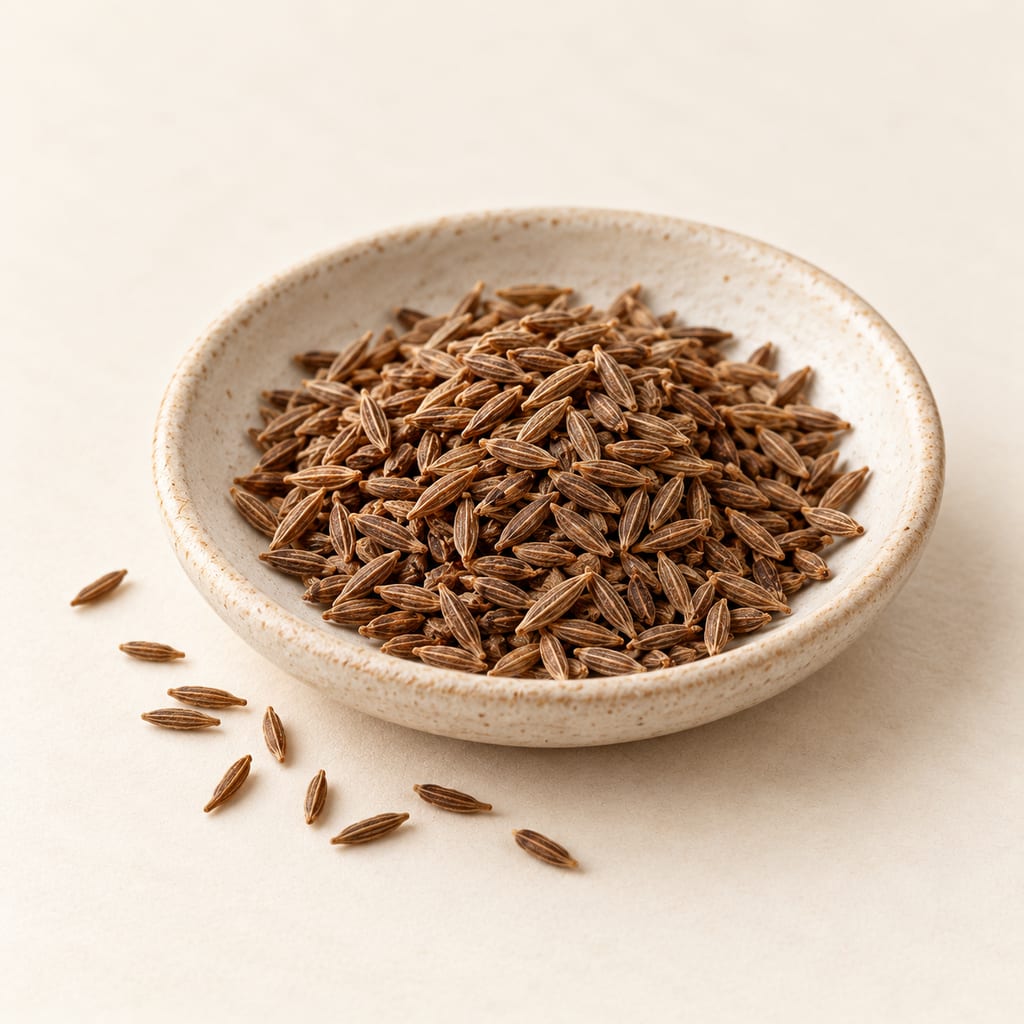
Cumin is the dried fruit of Cuminum cyminum, an annual in the parsley family, Apiaceae. What cooks call a seed is botanically a small, narrow fruit: a ridged, oblong body, commonly yellow-grey to brown, with a strong warm aroma. Whole, it gives up its flavour gradually; cracked or ground, it releases a more immediate, broad seasoning. Its signature is savory and earthy, with a citrusy, slightly bitter edge and a warm sweetness. The familiar spice is distinct from black cumin (Nigella sativa), which belongs to a different plant family, and from the mountain spice often sold as shahi jeera or kala zeera, usually Bunium persicum. These names overlap in trade and older texts, so the botanical name matters.
Cuminum cyminum grows as an annual across subtropical fields and gardens. Its native range runs from Iraq to Afghanistan, though people now cultivate it much farther afield. Coriander, fennel and caraway belong to the wider parsley family, but their fruits are distinct spices. Cumin’s fine divided leaves and small flowers grow in umbrella-shaped clusters; the harvested fruits are only a few millimetres long. The English words ‘cumin’ and ‘cummin’ descend through Greek and Latin forms; Persian zīra, Arabic kammūn, and Hindi or Urdu jīrā are among names with long written histories. In a kitchen or market, these words carry food traditions as well as plant names, so their exact meaning depends on the place and period.
Cumin’s early history is difficult to pin to one birthplace or a neat path of diffusion. Its present native range runs from Iraq to Afghanistan, while centuries of cultivation and trade make the ancient spread less certain. The spice moved through connected markets and kitchens, sometimes under names that also described similar aromatic fruits. That ambiguity matters when reading an old recipe: a word for cumin can record a familiar flavour or form without proving the precise plant species. The distinct modern spice, however, has a recognizable place in both whole-fruit and ground mixtures, and cooks still choose the form to suit the dish.
Archaeology provides a firmer anchor for cumin in ancient Egypt than a broad claim about its origin. The Museo Egizio catalogue identifies cumin among the spices in baskets from the tomb of Kha at Deir el-Medina, dated 1425–1353 BCE. The object documents cumin’s presence in a New Kingdom funerary assemblage; it does not tell us how the household cooked with it, whether it was locally grown, or how widespread its use was. Written references tell us as much about naming as about the plant. Classical Greek and later medical literature grouped cumin, caraway and other umbelliferous fruits by their similar appearance and attributed effects. The Persian encyclopedia Encyclopaedia Iranica traces confusion across Greek, Arabic and Persian texts and notes that zīra could refer to caraway as well as cumin. Its account distinguishes the common Persian zīra-ye sabz for Cuminum cyminum from “black” or Kermani zīra, labels applied to other species. Historic medicinal claims are evidence of historical belief and practice, not modern clinical advice.
In the Persian culinary record, cumin appears in dishes rather than as an abstract commodity. Iranica describes it sprinkled on a type of cookie, used with meatballs and pilafs, and included in Safavid-era pilafs, stews, omelette-like kūkū and būrānī. It also records zīra-bā, a sour soup with cumin in a dietary context, and later regional uses in Kerman pastries and roasted-pea qāvūt. These details show both a steady everyday seasoning role and more specific regional occasions. They do not establish that all historical spellings or recipes used botanical cumin rather than a lookalike spice.
Cumin is cultivated for its fruits, which are harvested when the plants begin to wither and the fruits turn yellow. A crop account compiled by Pl@ntUse from Jansen’s 1981 study and older agronomic references describes plants being lifted while dew is present, stacked to dry in the sun, then threshed with sticks or by trampling on a threshing floor. It reports a harvest around three to three and a half months after sowing in the settings described. Those are documented practices from particular sources and places, not a universal production specification. Rainfed crops depend on weather: severe drought or heavy rains can damage them, changing the amount a grower harvests.
Once dry, the small fruits separate from the plant and can be cleaned and sold whole. A retail ‘seed’ is thus the dried fruit, as with several members of Apiaceae. Drying concentrates a crop into a pantry spice that can travel and be measured by the spoonful. Its fragrance depends on volatile compounds, and the proportions of those compounds vary with growing region, harvest, processing and the way a sample is analysed. A published essential-oil profile describes one sample and method; it does not fix the taste of every jar. A cook can judge a batch more directly by its aroma when opened and by what it contributes to food.
Cumin’s aroma comes chiefly from volatile essential-oil constituents. Cuminaldehyde is a defining odorant, alongside terpenes such as gamma-terpinene, p-cymene and pinene; cuminic alcohol and other compounds contribute as well. The relative proportions vary substantially between samples. A scientific review describes the raw spice as strong and warm, with roasted cumin gaining additional aroma from substituted pyrazines. Those nitrogen-containing compounds arise during heating reactions and help make toasted cumin smell deeper and more roasted than the raw fruit. Roasting is a physical and chemical transformation, not fermentation.
Crushing changes how a cook can use cumin. Whole fruits can be left visible in a bread, rice dish or pickle, giving small points of spice and a little texture. Cracked fruit makes the aroma apparent as it is prepared; ground cumin blends through a filling, sauce or dry spice mixture so that the seasoning reaches each bite more evenly. These choices affect texture and distribution as well as aroma. They also explain why a cook might toast whole cumin before crushing it, or stir powder into a mixture that would not welcome intact fruits. Neither form is intrinsically better: the dish determines whether distinct grains or a continuous flavour are wanted.
Dry heat changes cumin’s fragrance. In a study comparing microwave heating with conventional roasting, the resulting volatile profiles differed and characteristic aldehydes were retained differently under the tested conditions. The study does not prescribe a universal home roasting time. In a kitchen, brief warming can bring out a deeper toasted aroma; longer or more intense heat may change that aroma again. A cook can smell the change as it happens and take the pan off the heat before the spice tastes harsh. Roasting is a physical and chemical transformation, not fermentation, and its role is flavour rather than preservation.
Whole cumin is useful where the cook wants an early aromatic base and the occasional bite of a fruit. In Indian tempering, whole spices are heated in fat before wetter ingredients enter the pan. This gives cumin a moment of direct heat, then carries the warmed spice into the rest of the dish. Ground cumin can be mixed into a sauce or filling without leaving distinct grains. Toasting whole fruit before grinding gives another sequence: heat first, then a fine spice that spreads through the food. These are different culinary choices, not a single required order. In a particular recipe, the presence of oil, the timing of other ingredients and the desired texture decide where the cumin belongs.
Cumin’s culinary range extends across breads, legumes, meat, vegetables, soups, rice dishes, pickles and spice mixtures. It can stand beside coriander, chilli, garlic, turmeric, fenugreek or black pepper, yet its own warm, earthy note remains recognizable. Iranian cookery examples show it in both savory and sweet contexts; South Asian cuisines use it in spice blends and as a whole-seed tempering spice; North African and Middle Eastern cuisines also use cumin in seasoning and cooked dishes. These are broad patterns, not claims that every regional kitchen follows one standard formula. Place, household, season and dish all matter.
A 2020 Himalayan Wild Food Plants account of Galgal, the regional hill lemon, lists two tablespoons of cumin seed among the ingredients for a pickle made with one kilogram of ripe fruit, mustard oil, fenugreek powder, turmeric, red chillies, jaggery and salt. The written method says to blanch the fruit, sun-dry it, leave it in the open for two nights, cut it, sauté it in mustard oil with “spices like fenugreek seed powder, turmeric powder, red chillies powder and salt,” add jaggery, then jar and sun the pickle before a stated 15-to-20-day ready-to-eat period. Cumin does not appear in the method, so its addition stage and preparation remain unknown.
This is one reported preparation, not a complete validated procedure. The account gives no salt quantity or objective endpoint, does not establish that the 15-to-20-day interval is fermentation, and provides no storage-life guidance. Its blanching, drying, sautéing and sun exposure change the fruit’s moisture, texture and aroma; sensory readiness alone cannot establish safety. Cumin contributes spice character, but how it enters this pickle remains unspecified.
The context around this pickle helps explain the ingredient’s role without filling that gap. The same account describes Galgal harvested mainly from October through January in the Western Himalayas, where the large sour citrus is eaten fresh, preserved as pickle, or concentrated as chukh. Pickle is eaten with kachouri and siddu, in roadside eateries and at local markets and fairs, including Mandi’s Shivratri fair. Cumin’s earthy warmth sits naturally beside sour citrus, mustard oil and the more bitter, maple-like notes of fenugreek, while jaggery adds sweetness and chilli adds heat. That is a sensory reading of the listed ingredients, not evidence for an undocumented step or a universal regional taste.
Whole cumin is easy to recognize by its narrow, ridged fruits and warm aroma. Ground cumin is useful where an even seasoning matters, but a packet of powder gives fewer visual clues to its identity. A label should therefore name the spice clearly, especially in markets where ‘black cumin,’ shahi jeera, caraway and other aromatic fruits appear nearby. Those foods have their own aromas and culinary places; they are not simple colour variants of Cuminum cyminum. Keep the container closed and dry, and buy an amount suited to how often the kitchen uses it. In a Galgal pickle, the source names whole cumin seed yet leaves its addition stage unwritten, so that choice cannot be settled by the ingredient list alone.
Cumin is a seasoning, not a starter culture or preservative. Its aromatic compounds contribute flavour; they do not make a pickle safe or establish how long it keeps. Use it according to the dish’s texture and timing. Whole fruit gives a visible accent in a loaf or pilaf, while a ground spice can blend into a stew; a spoonful of either cannot replace the salt, acid or other controls specified in a pickle. Its warmth can sit beside sour fruit or rich cooked food, but the final balance is made by the entire recipe.
Documented recipe association; not a claim of the ingredient's origin.
Ripe Himalayan galgal is boiled, sun-dried and cooked with mustard oil, spices and jaggery before a further rest in a ceramic jar.
Dry salami, sour pork with rice, matured sheep and aged blubber follow different paths from animal to food. Their stories connect microbes with climate, slaughter, migration and the meals people share.
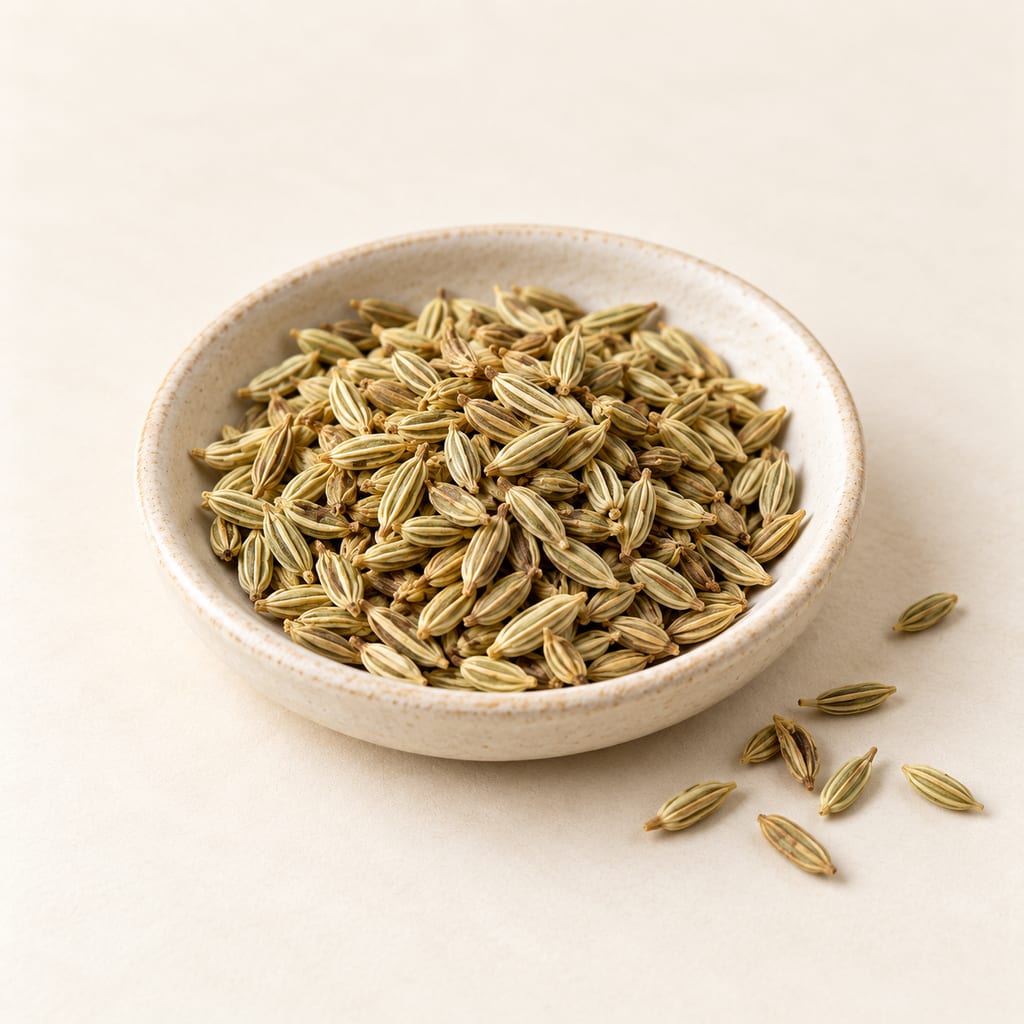
Fennel seed is the dried aromatic fruit of Foeniculum vulgare; a Himachal Pradesh survey records it among the seasonings of Galgal pickle.
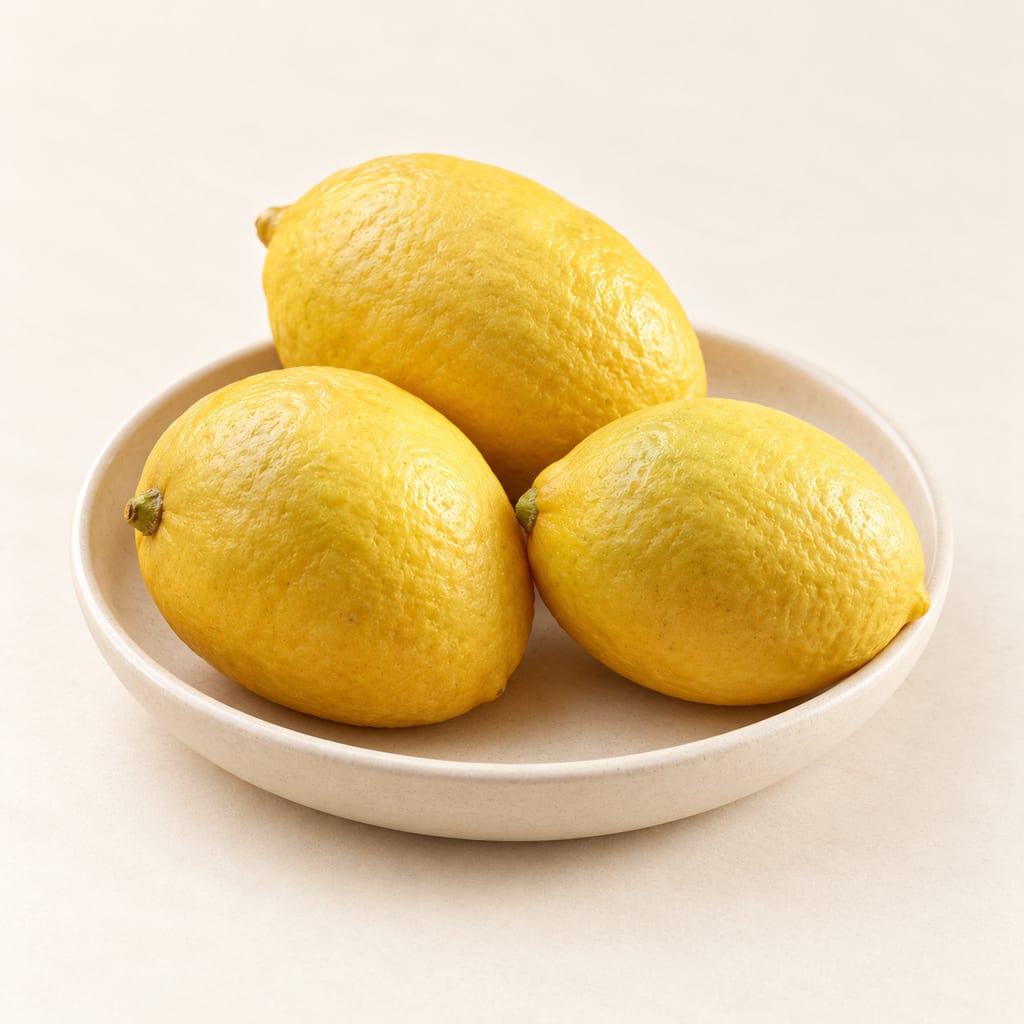
Himachal galgal is a large sour hill citrus used for pickles, concentrated juice and fresh winter preparations; its botanical naming varies across authorities.
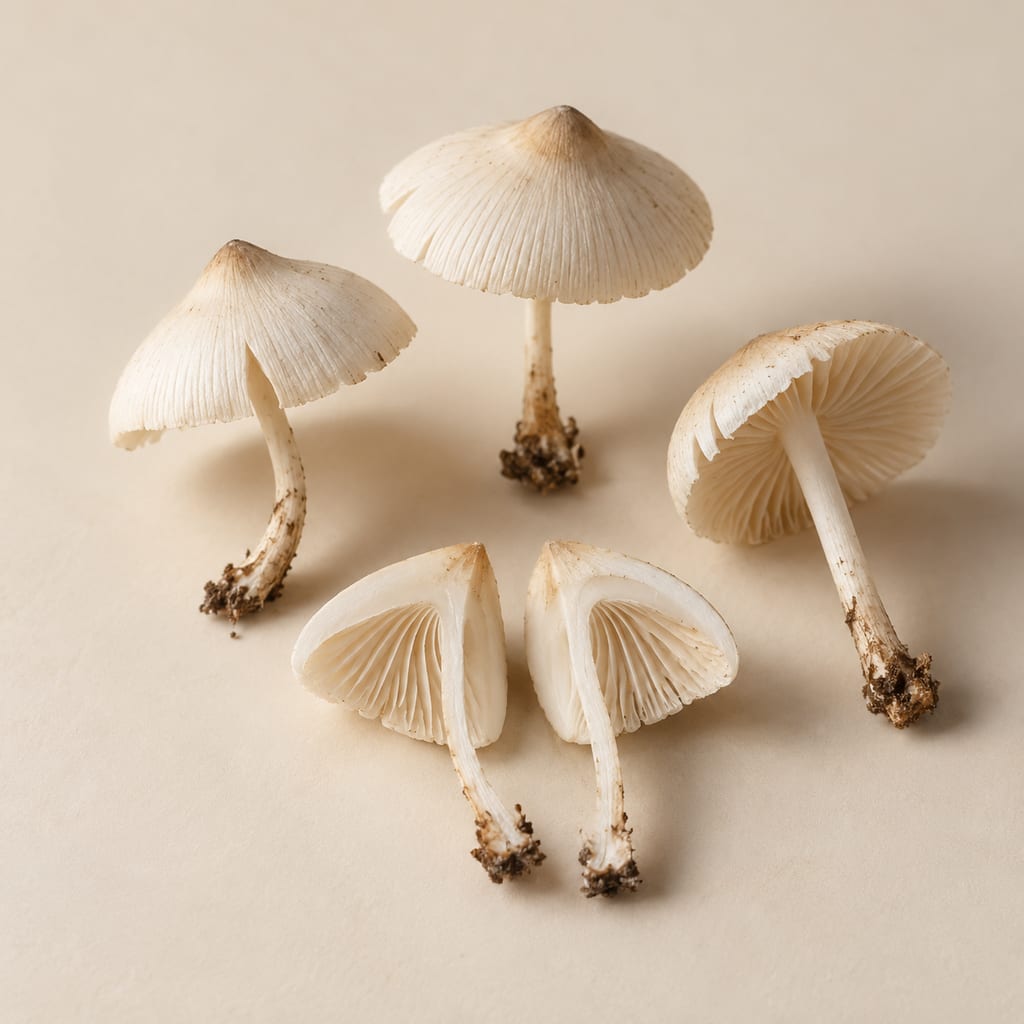
A small wild termite-associated mushroom recorded as food in parts of India and elsewhere. Its name has a taxonomic history, and some African records are treated cautiously because they may represent a different lineage.

At North Abydos in Egypt, a fixed early Dynastic brewery comprised parallel semi-subterranean installations with rows of ceramic mash vats; excavation reports revise their number, scale and estimated batch capacity.

Ají amarillo is the orange-yellow Peruvian chilli cultivar group of Capsicum baccatum, used to colour and season huancaína sauce and ají de gallina. Published heat estimates do not establish one range for the named cultivar.

Toasted almonds are whole sweet almond kernels dry-roasted until golden to brown. Heat replaces their marzipan note with a roasted, nutty one; they thicken and flavour romesco.

Kodiak salmon, halibut and cod cut as seg'aq and hung on an initaq rack to become tamuuq, with kac'amaasaq and kupcuunaq named as different results.

Aniseed is the dried ripe fruit of Pimpinella anisum, an aromatic Apiaceae spice commonly called a seed. It adds a sweet, warm aroma to breads such as Moroccan krachel and South African mosbolletjies, and is distinct from star anise.

A fixed Late Chalcolithic installation in Areni-1 cave combined a shallow clay pressing basin with a large jar set into the cave floor and storage vessels nearby.

Ripe avocado flesh is the soft, buttery, fat-rich pulp of Persea americana, eaten raw. It is low in acid, so it is a fresh ingredient that needs care in chilled dishes.

A portable dome and pan used over a hearth, with embers on the lid and heat from below. Regional peka and saç forms share this principle while differing in materials, pan shape and how the food is cooked.
No community contributions have been published for this entry yet.
Sign in to contribute. Published comments and photos are free to read.
Food Quality and Safety, Oxford University PressEditorial
Cumin (Cuminum cyminum) and black cumin (Nigella sativa) seeds: traditional uses, chemical constituents, and nutraceutical effectsCumin fruit oblong yellow-grey; whole/ground usage across cuisines.
Distinguishes Cuminum from Nigella and Bunium.
Indian use in kormas, soups and spice blends.
Cuminaldehyde, cuminic alcohol, terpenes and roasted pyrazines contribute to aroma.
Cited in: A plant of dry country, grown across food cultures; What makes cumin smell like cumin; Whole cumin in oil, ground cumin in a blend; Choosing and keeping the spice
Museo Egizio, TurinEditorial
Collection online: Lidded basket with tarragon seeds (Suppl. 8248)Museum description reports baskets included cumin, juniper, tarragon and coriander.
New Kingdom assemblage from tomb of Kha, Deir el-Medina.
Cited in: A plant of dry country, grown across food cultures
Food Chemistry, ElsevierEditorial
Microwave heating and conventional roasting of cumin seeds (Cuminum cyminum L.) and effect on chemical composition of volatilesTested microwave/conventional heating comparison and volatile-oil analysis; authors report characteristic aldehydes retained better in tested microwave samples.
Cited in: What makes cumin smell like cumin; Whole cumin in oil, ground cumin in a blend
International Journal of Food Properties, Taylor & FrancisEditorial
Characterization of Aroma Active Compounds of Cumin (Cuminum cyminum L.) by GC-MS, E-Nose, and Sensory TechniquesDescriptive sensory work found spicy, herbal, cooling, earthy, cumin-like, floral, green and lemony odor attributes.
Eight Indian-region oil samples showed different profiles; northern samples showed stronger floral, citrussy and cumin-like notes.
Identified aroma contributors include cuminaldehyde and terpenes; individual descriptors vary by compounds and sample.
Cited in: What makes cumin smell like cumin; Whole cumin in oil, ground cumin in a blend
Pudoc, Centre for Agricultural Publishing and Documentation, WageningenEditorial
Spices, condiments and medicinal plants in Ethiopia, their taxonomy and agricultural significanceBibliographic provenance for S6 source.
Cited in: From flowering umbel to dry spice
Himalayan Wild Food PlantsEditorial
Citrus pseudolimon Tanaka- Galgal (गलगल), Khtta.Lists 2 tablespoons cumin seed for 1 kg ripe Galgal with mustard oil, fenugreek powder, turmeric, chillies, jaggery and salt.
Method describes blanch, sun-dry, open-air exposure, cutting, sauté with fenugreek/turmeric/chilli/salt, jaggery, ceramic jar and sun exposure; cumin has no assigned step.
Galgal regional harvest, pickle uses and serving context.
Cited in: Cumin in a Galgal pickle account; Choosing and keeping the spice
Pl@ntUse / Plant Resources of Tropical Africa knowledge resourceEditorial
Cuminum cyminum (Jansen, 1981)Cumin annual, finely divided leaves and umbels.
In the described crop, yellowing fruits and withering plants signal harvest; plants dew-stacked, sun-dried and threshed.
Ethiopia-focused growing timing and environmental limitations.
Cited in: From flowering umbel to dry spice
Royal Botanic Gardens, Kew, Plants of the World OnlineEditorial
Cuminum cyminum L.Accepted species; native range Iraq to Afghanistan; annual subtropical herb.
Flora of Iraq account gives fruit 4–6 x 2 mm.
Listed distribution and cultivation areas.
Cited in: A plant of dry country, grown across food cultures; From flowering umbel to dry spice; Choosing and keeping the spice
International Plant Names Index (IPNI)Editorial
Cuminum cyminum L.Cuminum cyminum published in Species Plantarum 1:254 (1753); Apiaceae.
Cited in: A plant of dry country, grown across food cultures
Encyclopaedia IranicaEditorial
CUMINPersian zira and Arabic kammun overlap with other umbelliferous fruits.
Classical/Islamic text naming confusion.
Persian examples include cookies, meatballs, pilafs, Safavid dishes and Kerman sweets/qavut.
Cited in: A plant of dry country, grown across food cultures