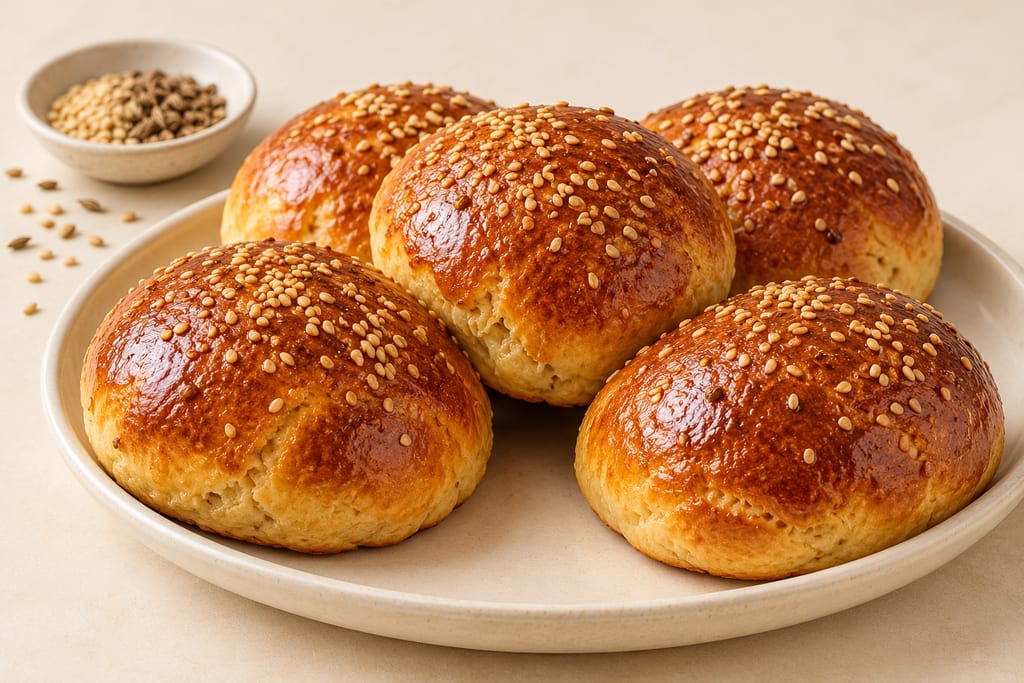
Krachel
Krachel, also called el gors, are Moroccan sweet yeast rolls scented with anise, sesame and orange flower water. This version follows the three-rise method documented by Christine Benlafquih.
 FermenteaWhere food goes to change
Spices and aromatics
Aniseed is the dried ripe fruit of Pimpinella anisum, an aromatic Apiaceae spice commonly called a seed. It adds a sweet, warm aroma to breads such as Moroccan krachel and South African mosbolletjies, and is distinct from star anise.

Aniseed is the spice made from the dry ripe fruits of Pimpinella anisum L., an annual herb in Apiaceae, the parsley or carrot family. The culinary word “seed” is convenient, but botanically it is a fruit: the U.S. Food and Drug Administration calls aniseed the dried ripe fruit, and the European Medicines Agency describes the medicinal raw material as the whole fruit, generally entire. It is usually sold whole or ground. A whole fruit is small, greenish grey, ridged and curved; FDA describes its outline as crescent-shaped. The aroma is sweet and warm, with a strong anethole note that many people call liquorice-like.
That liquorice comparison describes the smell, not the plant’s identity. Anise is Pimpinella anisum, while liquorice comes from Glycyrrhiza glabra. Anise also differs from star anise, Illicium verum, a tree in a different family, Schisandraceae. Both spices can smell sweet because they contain anethole-rich aromatic oils, but their shapes, plant families and fruits are different. PROSEA also warns that some fennel cultivars are called “anise” or “sweet anise” because of their similar taste. Fennel is Foeniculum vulgare, another Apiaceae species, not anise. A scientific name is useful when translating old accounts, comparing labels or resolving a market-name ambiguity.
Names travel with the spice. English uses anise or aniseed; French names include anis vert; PROSEA records jinten manis in Indonesia, jintan manis in Malaysia and anis in the Philippines. Its entry also lists “sweet cumin” in English, a name that can be misread as cumin. The word is a trade name, not a botanical link to Cuminum cyminum. The common English word “anise” can refer to Pimpinella anisum unless the writer specifies star anise, but older texts sometimes use the word loosely. In this page, aniseed means the dried ripe fruit of Pimpinella anisum, and star anise is kept separate.
Kew’s Plants of the World Online accepts Pimpinella anisum L. and places its native range from southeast Türkiye to central Israel and Cyprus. PROSEA calls an eastern Mediterranean origin probable. These statements describe the plant’s botanical range and the source authors’ interpretation; they do not identify where a particular sack of spice was grown or establish a single domestication site. PROSEA records cultivation in many countries, including Spain and Italy, Bulgaria and Romania, Türkiye and Iran, northern Africa, India, China, Japan, Chile, Argentina and Mexico. The crop now belongs to a broad trade, and its country of sale cannot by itself reveal its origin.
The annual plant has a slow start and takes months to reach ripe fruit. PROSEA describes uneven ripening: the fruits on a main stem mature before those on side branches, so harvesting too early leaves immature fruit while waiting too long risks shattering. Its production account says growers commonly harvest when most fruits have turned greyish green or when the main umbel is fully ripe; large fields may be combine-harvested while garden plots can be cut by hand. Bundled tops are left to dry and finish ripening before the fruits are threshed and cleaned. These are commercial crop notes, not instructions for home growing or a guarantee that every producer follows the same sequence.
Anise grows in temperate and subtropical conditions and does poorly in tropical lowlands, according to PROSEA. PROSEA records it as cross-pollinated by insects and records several named cultivars, but does not provide a single dominant cultivar for the modern world market. The fruit trade itself is not well quantified there: anise is grouped with other “spice seeds,” so the source could not provide separate world production and trade statistics. Such limits matter when a page is tempted to give a neat production ranking or connect a culinary tradition to a specific farm region. The evidence supports a wide crop range and an older eastern Mediterranean association, not a precise chain of supply.
Anise has a history in food and trade, but the records do not let us name a single first kitchen. PROSEA reports that ancient Egyptians used anise about 1500 BCE and that Greeks and Romans also used it. Its account says the spice was later brought to India via Persia and describes a shipment that reached Canton in 1200 through Java, while stressing that the fruits had been produced much farther west. The source calls the eastern Mediterranean origin probable. Because the historical statements are summarized rather than accompanied here by the underlying Egyptian or ancient textual evidence, the date should be treated as a reported pointer, not a proven first use or a direct trade route for every later market.
The Oxford Companion to Food says the Greeks knew anise by the fourth century BCE and summarizes Greek and Roman uses. A separate Metropolitan Museum of Art publication on medieval household herbs describes anise seed as a prized and relatively expensive flavoring in food, citing The Goodman of Paris, where it appears with bay and cinnamon in meat jellies and in a preserve made with nuts, honey and raisins. That record shows that anise could move between savory and sweet preparations and that spices had economic value in medieval kitchens. It does not say that anise was affordable to every household or that one medieval formula represents all European cooking.
Much later food writing continues to associate anise with breads, rolls, cookies and drinks. This continuity of use is visible across different source types, but it should not be mistaken for a single uninterrupted recipe tradition. Ancient herb texts, medieval household records, modern culinary accounts and contemporary product recipes each answer different questions. The old account may identify a plant used as seasoning; a current recipe tells us what one cook puts into dough today. They are useful together as evidence for a durable flavoring, but not as proof that a modern krachel or mosbolletjies formula descends unchanged from antiquity.
Anise’s characteristic aroma comes largely from its volatile oil. The European Medicines Agency treats the fruit and distilled anise oil as separate preparations and describes the oil as rich in trans-anethole. PROSEA also identifies (E)-anethole as the main character-impact compound, while listing other constituents. This is why a small amount of fruit can perfume a larger batch of dough, although aroma strength varies by crop and storage. Anise contributes flavor to bread; in the dough it is an aromatic seasoning, not the yeast, a starter, or the source of fermentable sugar.
Whole and ground fruit behave differently in handling. Whole anise can remain as small pieces through mixing and baking, giving occasional bites and a less uniform distribution. Grinding disperses the flavor more evenly, but exposes more of the aromatic material to air. The krachel source uses whole anise and offers ground anise as another way to get the characteristic flavor without visible fruit. PROSEA notes that fruit oil can be lost during handling and recommends crushing fruit immediately before distillation for oil extraction; this is a processing observation, not a home-baking instruction. A recipe’s specified form and quantity matter more than a blanket substitution rule.
Anise does not make one universal bread flavor. The fruit may read as warm and sweet in enriched dough, while other aromatics in the same bread—sesame, orange-flower water, grape juice or rye—change the final impression. When anise is baked, its aroma is integrated into the dough rather than preserved as raw spice. Research on anise oil composition can explain its characteristic note, but it cannot predict the exact flavor of a particular batch because cultivar, maturity, storage and recipe balance vary.
Moroccan krachel, also called el gors, is a soft sweet roll flavored with anise, sesame and orange-blossom water. Christine Benlafquih’s Taste of Maroc recipe describes the combination as traditional and serves the rolls at breakfast, tea time, after-school snacks or when breaking the fast during Ramadan. Its dough includes eggs, butter, milk, yeast and sugar as well as the two seeds. The recipe rises several times before baking; those stages develop the enriched dough’s structure and softness, while the anise remains one part of the aromatic blend. The author’s formula gives two teaspoons of anise seeds for twelve rolls, with ground anise as an option. That is evidence for this recipe, not a required measure for every krachel.
South African mosbolletjies are soft pull-apart buns linked to newly harvested grape juice and anise. Brent Borchardt’s modern home version uses grape juice from Marechal Foch grapes, commercial yeast, wheat flour, milk powder, sugar, butter and three tablespoons of anise seeds. It is an accessible adaptation that the author distinguishes from traditional grape-must fermentation. The source recounts a French Huguenot connection to the bread’s history, but this personal recipe does not establish a full history of the bread or all South African household practice. It does show how the spice is paired with grape-derived flavor in a rich bun.
A Swedish Food home recipe for soft tunnbröd lists wheat and rye flours, milk, butter and yeast, with anise or fennel as an aromatic choice. The source gives a dry skillet as a home alternative to a baking stone. It is one cook’s formula and its “anise/fennel” wording leaves the choice open; it does not justify claiming that every tunnbröd, or even every regional version, contains anise. The atlas also groups anise among the possible aromatics for Swedish limpa alongside orange, caraway and fennel. A list of alternatives is not a fixed ingredient list, and each formula should be read on its own terms.
Across these examples, anise works alongside other ingredients and methods rather than defining a single bread family. It can be a whole seed-like fruit in an enriched bun, a seasoning in grape-scented dough or one of several aromatics in a rye-wheat loaf or flatbread. The correct form and amount are the ones supported by the chosen recipe. If a bread source calls for anise and fennel as alternatives, they should not be combined or swapped without a reason from that source.
PROSEA records anise fruit used whole or ground in curries, sweets, confectionery and baked goods, as well as in drinks such as French anisette, Turkish rakı, Latin American aguardiente and Philippine anisado. These uses fit the existing Fermentea links to arak, ouzo, rakı, Chinchón and related drinks, which use anise for aroma rather than as fermentable sugar. The drinks are distinct preparations with their own histories and methods; their presence on this ingredient page is a map of uses, not a reason to collapse them into a single anise drink.
The same source describes anise leaves used for flavoring and garnish and sugar-coated fruit given to visitors after a birth in the Netherlands. The current record is about the dried fruit sold as aniseed, not a full plant-use monograph. Fresh leaf use and the confectionery custom are useful context, but the fruit spice remains the central subject. It is also a reminder that ingredients carry social practices as well as flavor: a small sweet can mark a visit, while a spice in a shared bread or drink can identify a familiar regional taste.
Choose a product clearly labeled anise or aniseed, and keep the scientific name in mind when translation uses a broad word such as “anise.” Whole fruit is easier to identify than ground spice. FDA describes it as greenish grey and crescent-shaped, with a strong aromatic odor. A gentle crush releases its aroma and can help a cook judge seasoning strength. Aroma is a quality cue only; it cannot establish that a spice is free of contamination or safe to eat.
Use the form named in the recipe. Whole fruits leave visible flecks and can be bitten; ground anise distributes into the crumb and cannot be picked out. If a recipe explicitly permits one form in place of the other, follow its wording; do not infer that an oil, extract or star anise is equivalent. Essential oil is a concentrated product obtained separately by distillation. It is not a casual 1:1 substitute for whole or ground fruit.
Keep dried anise dry, covered and away from heat and direct light. University of Delaware Cooperative Extension recommends cool, dry, sealed storage for herbs and spices; PROSEA likewise advises an airtight container in a cool, dark place. Both concern handling and retaining aroma, not a universal shelf life. EMA summarizes one storage study in which compositional changes over a year were relatively minor except for fruit in contact with air and high relative humidity. That study does not make one year a safe-use rule for every package. Follow the supplier’s directions; do not use smell or taste as a food-safety test.
Anise can cause allergy in some people. The European Medicines Agency summarizes occasional skin, respiratory and gastrointestinal reactions and advises people with known sensitivity to anise, Apiaceae spices or anethole to avoid anise medicinal preparations. A 2020 study identified allergenic proteins in anise and discussed cross-reactions with other Apiaceae spices and pollens. Spice allergy is uncommon, but a serious reaction is possible; anyone with a known anise allergy should avoid the spice and seek advice from an allergy clinician about related foods. No general recipe amount can be described as safe for every person.
Anise oil is not the same exposure as the ordinary whole fruit used as a seasoning. It is distilled and concentrated; the EMA review treats oil and fruit as separate preparations and describes adverse effects in the context of medicinal products and overdose reports. Do not apply the medicinal oil’s dosing or toxicity discussion to routine bread seasoning, and do not treat ordinary seasoning as evidence that the concentrated oil is harmless. This page offers no therapeutic uses or dose advice.
The cited clinical and laboratory studies establish that anise can be allergenic and report cross-reactions in some patients; they do not measure reactions to every culinary form or identify a universally safe amount. People with known anise allergy should avoid it and ask their allergy clinician about related foods. The fact that anise appears in bread recipes does not establish that a particular product is suitable for someone with an allergy.
Anise can trigger allergy. Clinical studies report occasional anise reactions and possible cross-reactivity with other Apiaceae spices and pollen allergens; this does not predict an individual response.
Krachel is described as a Moroccan roll traditionally flavored with anise; this is a bread-use association, not a claim that anise originated in Morocco.
The cited modern grape-juice and commercial-yeast mosbolletjies recipe uses anise; it is not evidence that this method reproduces traditional must fermentation.
The cited soft tunnbröd recipe specifies anise/fennel, while the cited limpa source lists anise among possible aromatics. These are documented recipe associations, not a claim that all Swedish flatbread or limpa contains anise.
Krachel, also called el gors, are Moroccan sweet yeast rolls scented with anise, sesame and orange flower water. This version follows the three-rise method documented by Christine Benlafquih.

Ripe avocado flesh is the soft, buttery, fat-rich pulp of Persea americana, eaten raw. It is low in acid, so it is a fresh ingredient that needs care in chilled dishes.
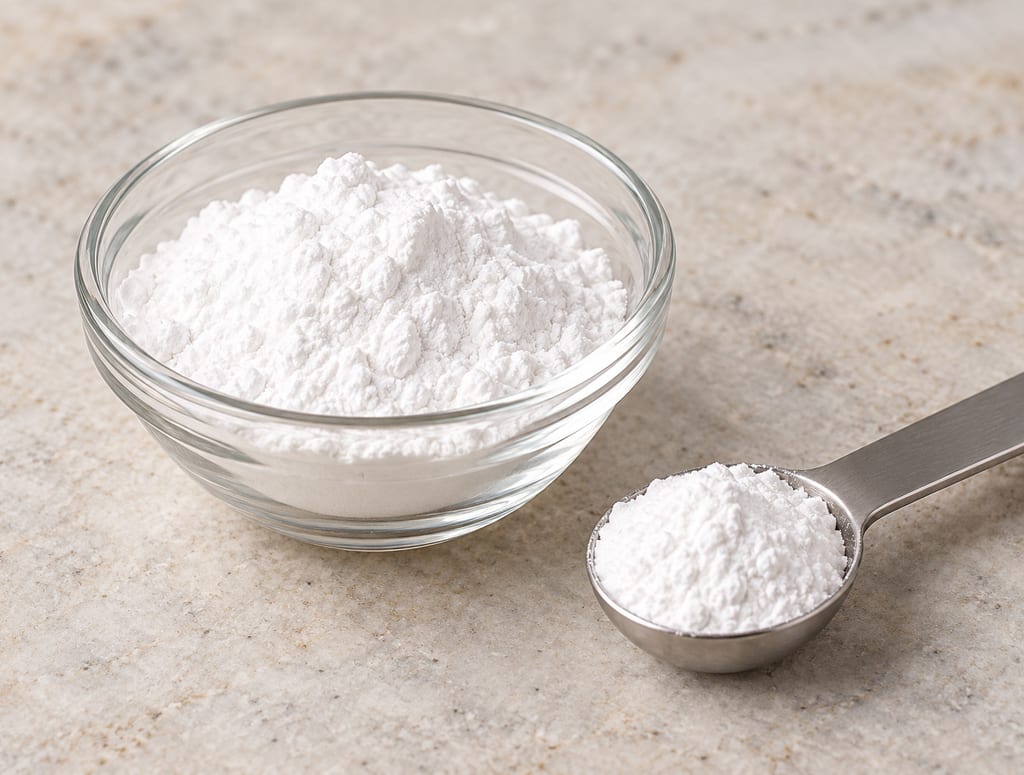
Baking powder is a dry chemical leavener that combines bicarbonate with acid-reacting ingredients and a carrier. Moisture and heat release carbon dioxide for quick breads, batters and griddle cakes.
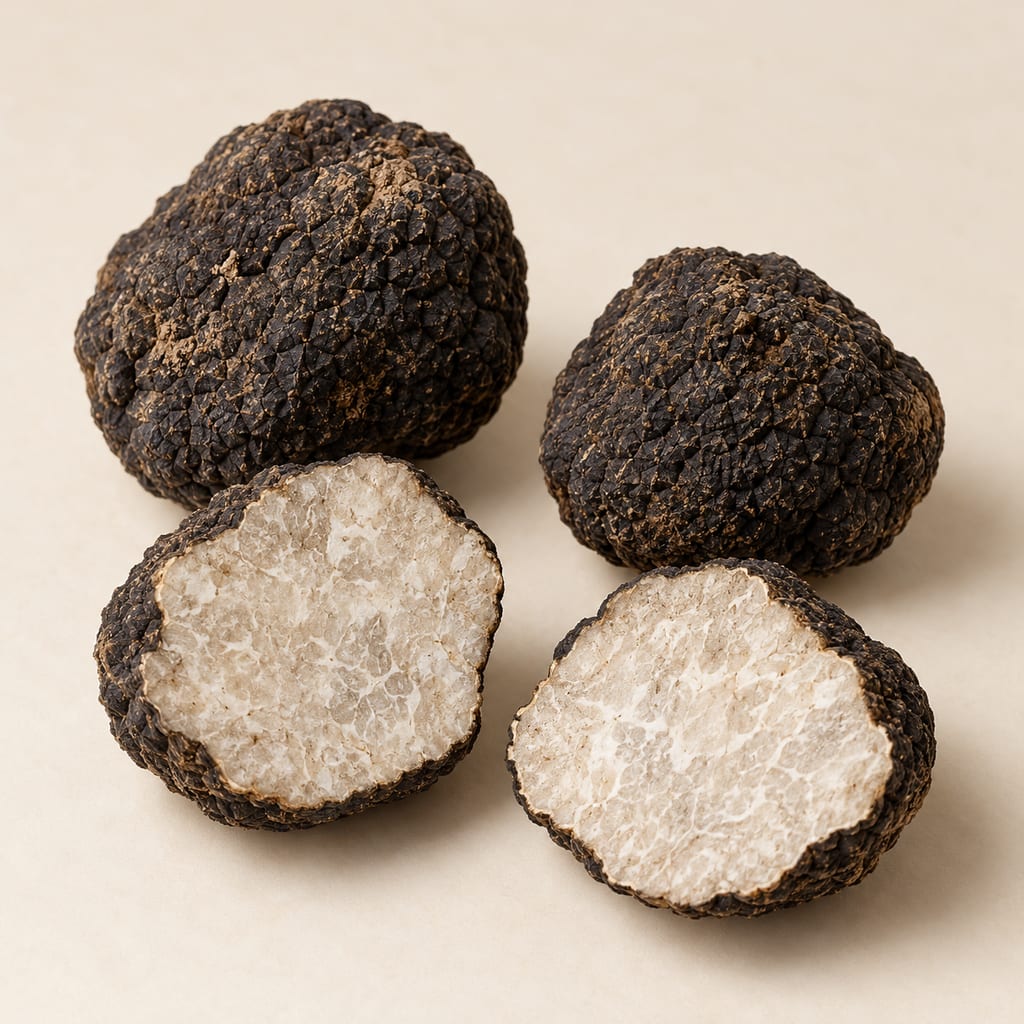
The black desert truffle, catalogued as Picoa juniperi, is a subterranean fungus gathered wild in arid and semi-arid lands. Eastern Anatolian households eat it, usually fried with eggs.

Chicken eggs supply proteins and yolk fats that set and emulsify. Atlas breads use them in enriched doughs, surface washes and a sourdough pancake batter mixed after fermentation.
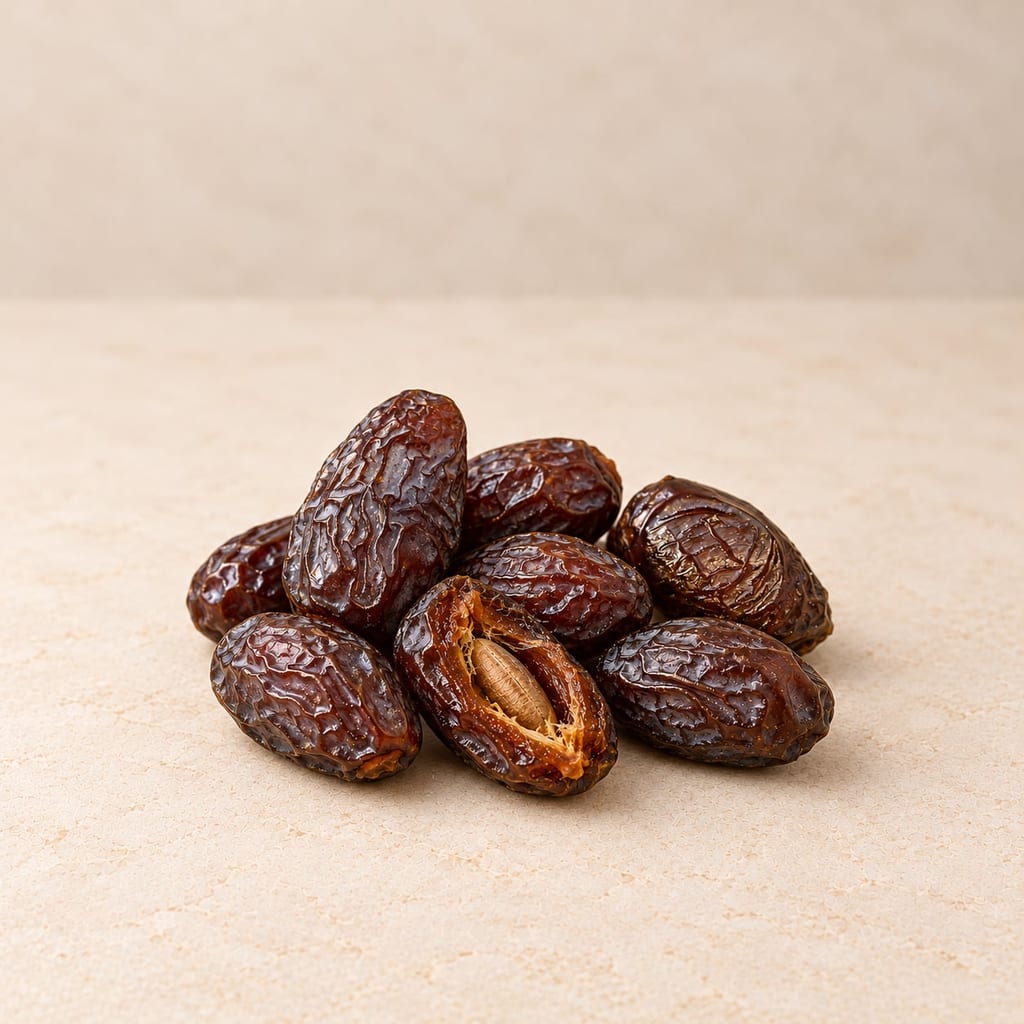
Dates are the sugar-rich fruit of the date palm, eaten soft or dried and used whole, pitted, as syrup or as paste. In sauces and chutneys they add sweetness and body.
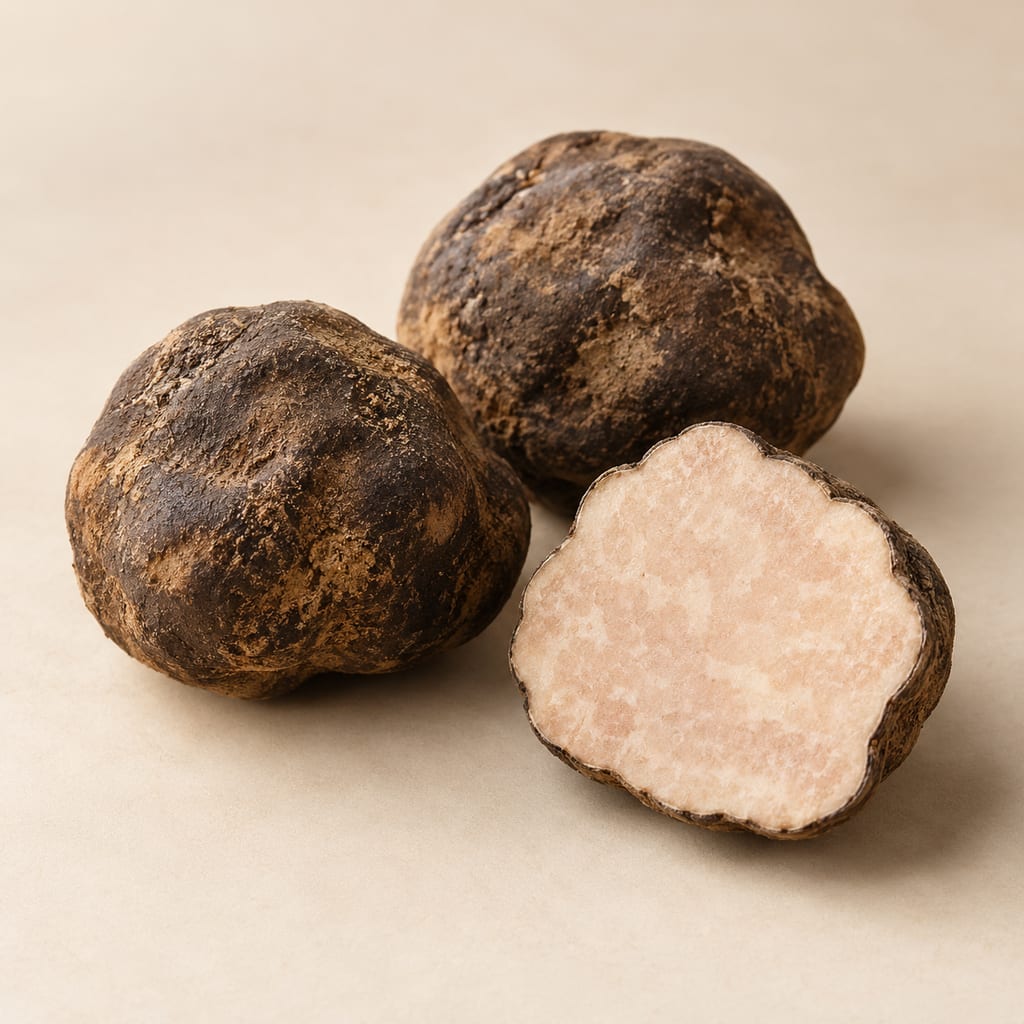
Desert truffle, Terfezia claveryi, is an underground fungus of dry Spanish and Moroccan ground that is gathered and sold seasonally, under names such as terfass, in local markets.
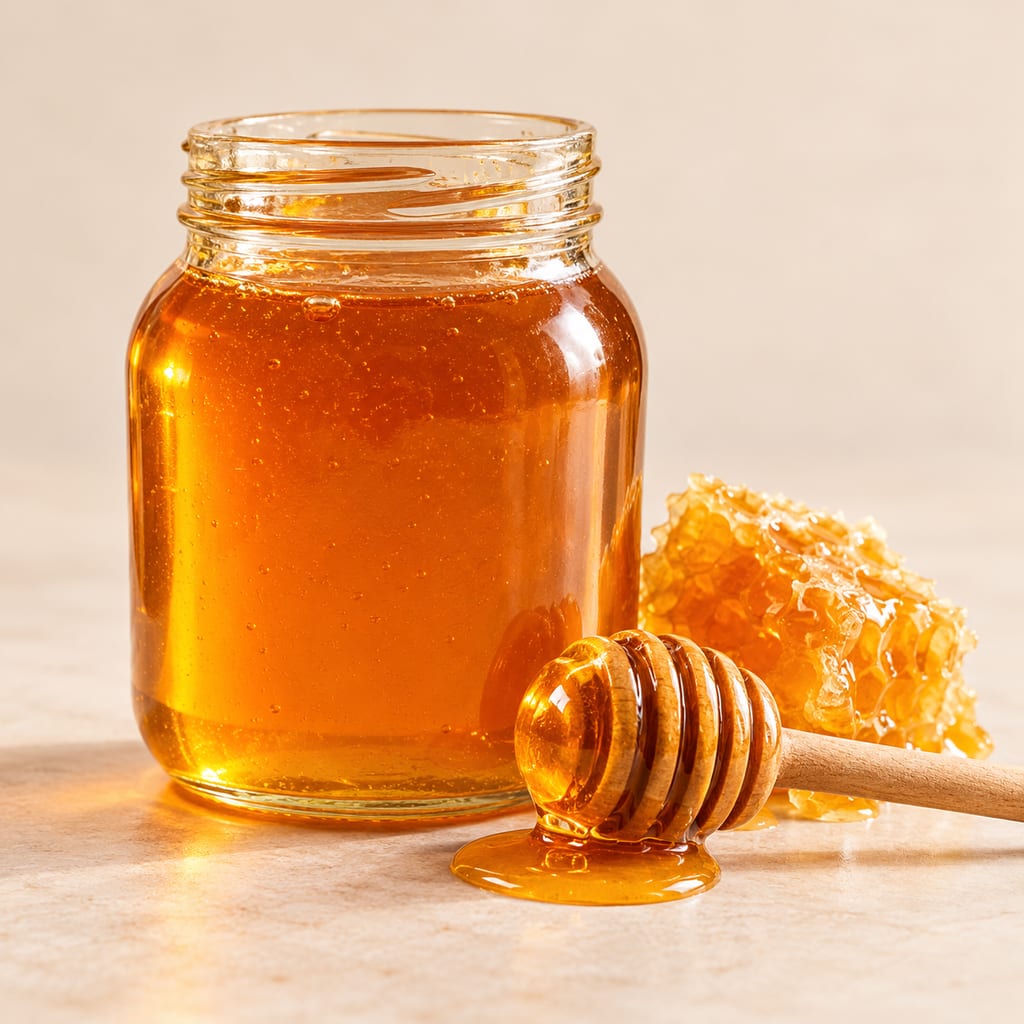
Honey is a bee-made food from floral nectar or honeydew; breads use it in dough or as a syrup served with cooked griddle breads.
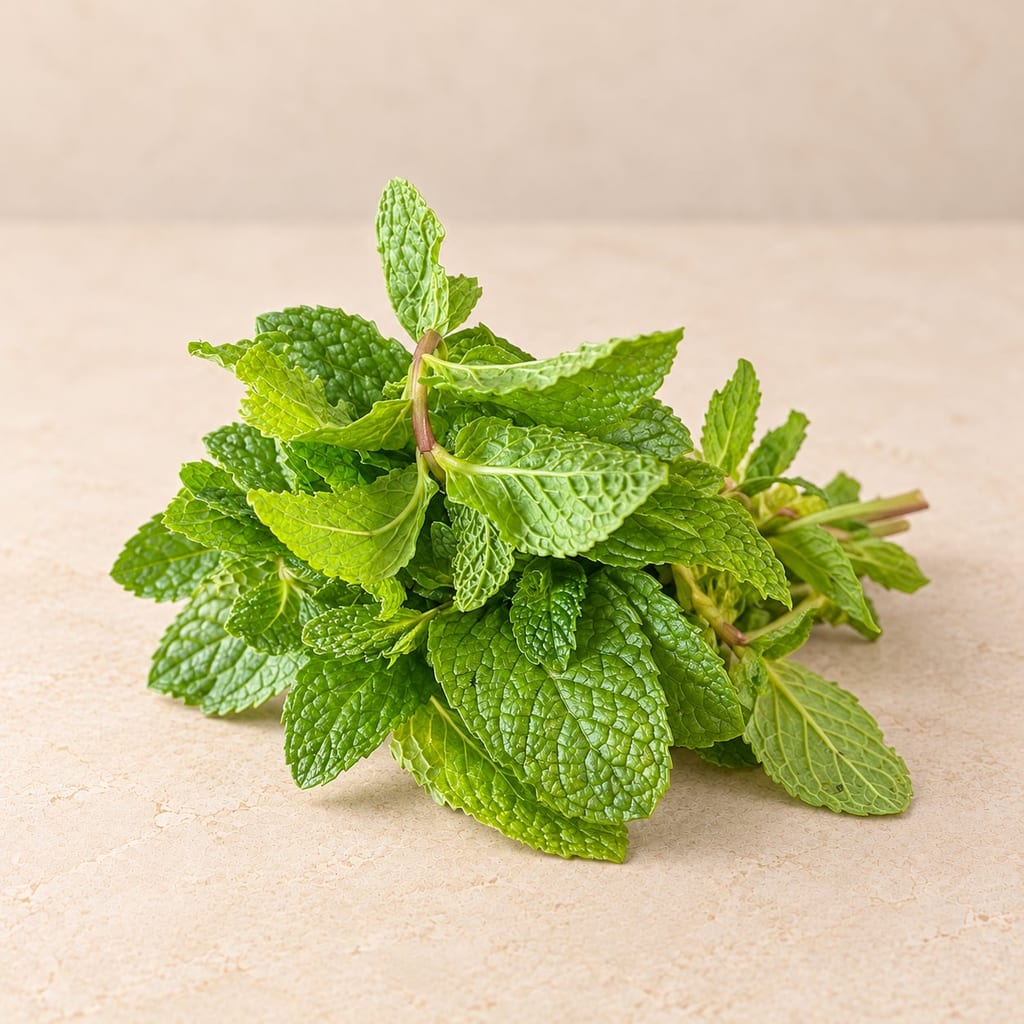
Mint is the fresh leaf of aromatic Mentha plants, chiefly spearmint and peppermint. It gives chutneys, yoghurt sauces and fermented drinks a cool, sweet, green note.

At North Abydos in Egypt, a fixed early Dynastic brewery comprised parallel semi-subterranean installations with rows of ceramic mash vats; excavation reports revise their number, scale and estimated batch capacity.

Ají amarillo is the orange-yellow Peruvian chilli cultivar group of Capsicum baccatum, used to colour and season huancaína sauce and ají de gallina. Published heat estimates do not establish one range for the named cultivar.

Toasted almonds are whole sweet almond kernels dry-roasted until golden to brown. Heat replaces their marzipan note with a roasted, nutty one; they thicken and flavour romesco.

Kodiak salmon, halibut and cod cut as seg'aq and hung on an initaq rack to become tamuuq, with kac'amaasaq and kupcuunaq named as different results.

A fixed Late Chalcolithic installation in Areni-1 cave combined a shallow clay pressing basin with a large jar set into the cave floor and storage vessels nearby.

A portable dome and pan used over a hearth, with embers on the lid and heat from below. Regional peka and saç forms share this principle while differing in materials, pan shape and how the food is cooked.
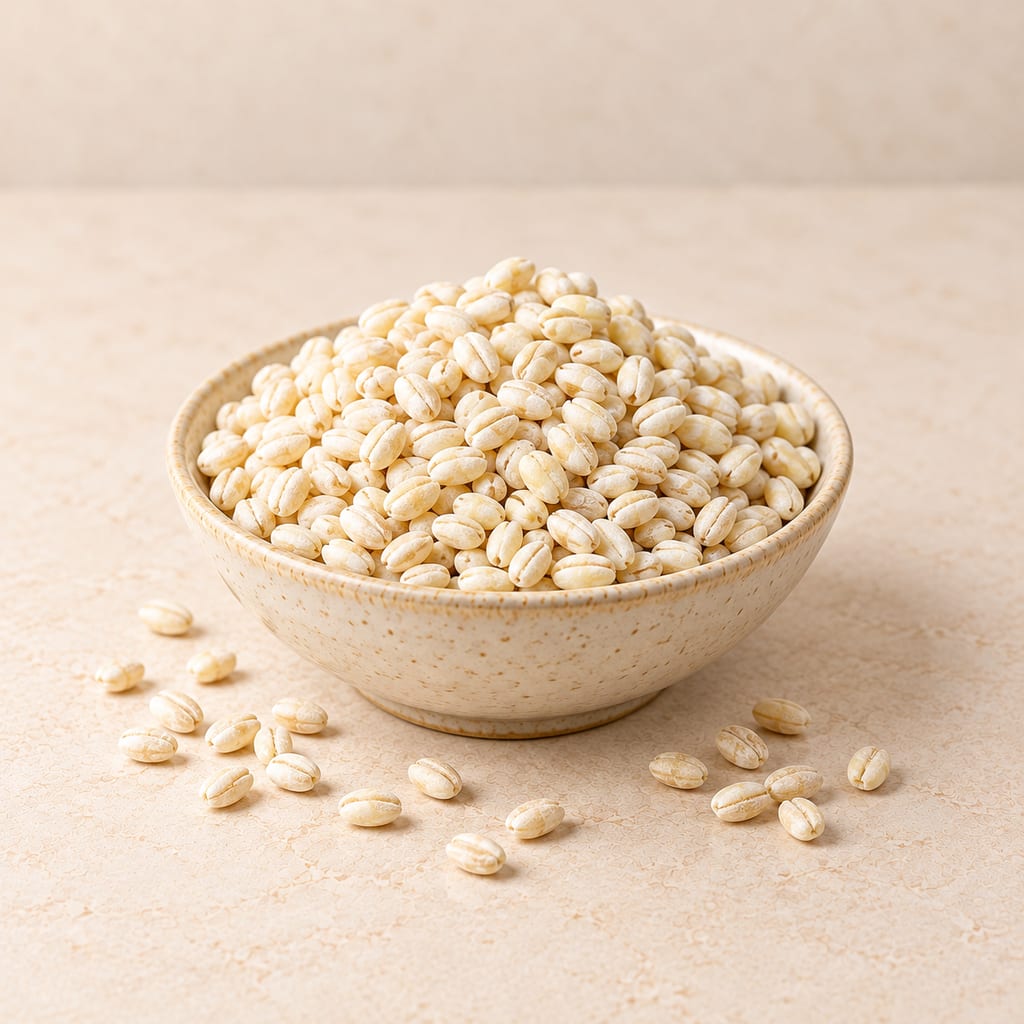
Barley is a hardy cereal, domesticated in the Middle East over 10,000 years ago, eaten whole, pearled or milled, malted for brewing, and grown with koji mold for barley miso.
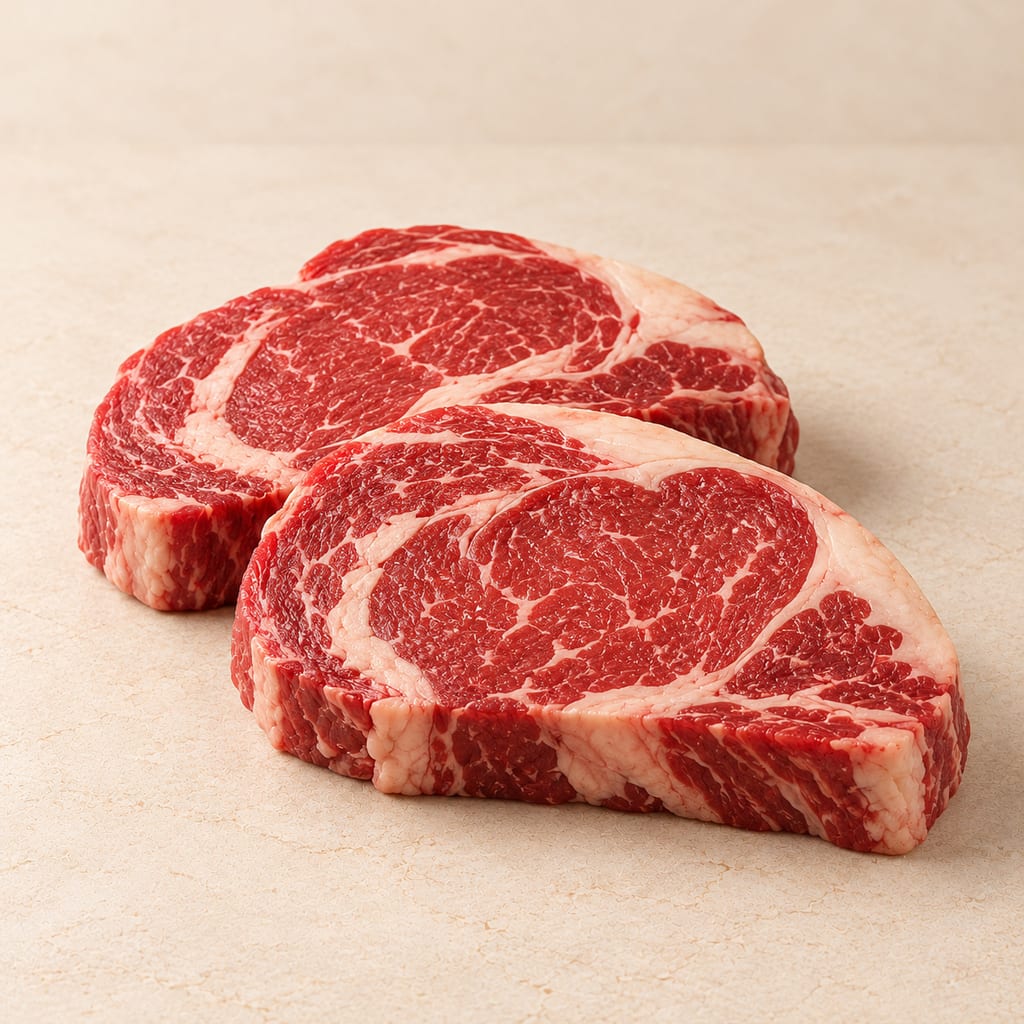
Beef is the meat of domestic cattle, Bos taurus and Bos indicus, sold as steaks, roasts, ground meat and cured products, and used in broths, salami and koji seasonings.
No community contributions have been published for this entry yet.
Sign in to contribute. Published comments and photos are free to read.
Plants of the World Online, Royal Botanic Gardens, KewIdentity · Geography
Pimpinella anisum L.Kew accepts Pimpinella anisum L. in Apiaceae and records its native range from southeast Türkiye to central Israel and Cyprus.
The botanical range is not a claim about a particular cultivated lot or historical bread use.
Cited in: A fruit sold as a seed; Where the plant grows and how the fruit is harvested
U.S. Food and Drug AdministrationIdentity · Quality
CPG Sec 525.750 Spices - DefinitionsFDA describes anise/aniseed as the dried ripe fruit of Pimpinella anisum L., an annual Apiaceae herb, greenish-gray and crescent-shaped, with an anethole-rich aromatic oil.
This is U.S. compliance guidance, not a global standard or a way to authenticate a specific retail lot.
Cited in: A fruit sold as a seed
Plant Resources of South-East Asia (PROSEA), hosted by Pl@ntUseIdentity · History · Geography · Cultivation · Uses · Handling
Pimpinella anisum (PROSEA)PROSEA lists anise/aniseed, French anis vert, Indonesian jinten manis, Malaysian jintan manis and Philippine anis; it also records sweet cumin as an English name that can confuse readers with cumin.
It describes probable eastern Mediterranean origin, reports ancient Egyptian use around 1500 BCE, Greek and Roman use, transfer to India via Persia, and a shipment to Canton via Java in 1200 while noting the fruit had been produced farther west.
PROSEA lists modern cultivation across southern Europe, Türkiye, Iran, northern Africa, India, China, Japan, Chile, Argentina and Mexico; these are crop associations, not proof of every market's sourcing.
The fruit is used whole or ground in curries, sweets, confectionery, baked goods and alcoholic drinks. The source reports anethole as the main character-impact volatile and warns that ground anise may be adulterated with ground fennel.
For cultivation, PROSEA says the fruit ripens unevenly and is harvested when 80–90% turn greyish-green or the main umbel is ripe; tops are dried before threshing and cleaning. It recommends cool, dark, airtight storage but gives no retail shelf-life guarantee.
Cited in: A fruit sold as a seed; Where the plant grows and how the fruit is harvested; A long record, with careful dates; Aromatic chemistry and its place in a dough; Beyond bread; Buying, storing and using it at home
European Medicines Agency, Committee on Herbal Medicinal ProductsIdentity · Chemistry · Safety · Handling
Assessment report on Pimpinella anisum L., fructus and Pimpinella anisum L., aetheroleumEMA identifies aniseed as the whole dried fruit, generally intact, and distinguishes the fruit from steam-distilled anise oil.
EMA reviews anethole-rich essential oil and a study in which one-year compositional changes were relatively minor except in fruit exposed to air and high relative humidity; that study does not establish a universal shelf life.
EMA reports occasional allergic reactions to anise at dermal, respiratory and gastrointestinal levels and advises people with known sensitivity to anise, Apiaceae spices or anethole to avoid medicinal preparations. These findings do not establish a culinary dose or a safety validation for ordinary baking.
Cited in: A fruit sold as a seed; Aromatic chemistry and its place in a dough; Buying, storing and using it at home; Allergy and the difference between spice and oil
The Metropolitan Museum of ArtHistory · Uses
Herbs for the Medieval Household for Cooking, Healing, and Divers UsesThe museum publication describes anise seed as a prized, relatively expensive medieval food flavoring and cites its use in The Goodman of Paris, including meat jellies and preserves.
The publication also summarizes later bread, roll and cookie uses; it does not claim a single point of origin.
Cited in: A long record, with careful dates
Oxford Companion to Food, Oxford University PressHistory · Uses
AniseThe entry summarizes anise as known to Greeks by the fourth century BCE and documents classical and later culinary and drink uses.
This is a secondary food-history account and does not establish the earliest cultivation or a single route of diffusion.
Cited in: A long record, with careful dates
Taste of MarocDocumented use · Bread preparation
Krachel Recipe – Moroccan Sweet Rolls with Anise, Sesame and Orange Flower WaterThe author describes krachel/el gors as Moroccan sweet rolls traditionally flavored with anise, sesame and orange-flower water, served at breakfast or tea.
The cited dough includes whole anise seeds and gives ground anise as an alternative; this is one modern home formula, not a universal amount or method.
Cited in: Aromatic chemistry and its place in a dough; Breads that use anise
SchmeckenDocumented use · Modern adaptation
Mosbolletjies Recipe with Marechal Foch Grape JuiceThis modern South African-inspired bun recipe uses anise seed, grape juice, commercial yeast, wheat flour, milk powder, sugar, egg and butter.
The author distinguishes the recipe from traditional use of newly harvested grape juice/must and notes French Huguenot history as the author's account; do not treat this one formula as the whole tradition.
Cited in: Breads that use anise
Swedish FoodDocumented use · Bread preparation
Soft FlatbreadThe cited soft tunnbröd home preparation names anise/fennel as its aromatic option alongside wheat, rye, milk, butter and yeast.
This source-specific recipe does not show that all tunnbröd uses anise.
Cited in: Breads that use anise
King Arthur BakingDocumented use · Bread preparation
Swedish LimpaThe atlas cites this as a modern tested wheat-and-rye limpa formula; the wider limpa discussion lists anise among possible aromatics with orange, caraway and fennel.
Do not read an aromatic option as required in every limpa or attribute every option to the cited formula.
Cited in: Breads that use anise
University of Delaware Cooperative ExtensionHandling
Using Herbs and SpicesGeneral dried-spice quality guidance: store closed, cool, dry and away from direct sunlight; an aroma check is a quality cue and does not establish safety.
Cited in: Buying, storing and using it at home
Central European Journal of ImmunologySafety
New allergens from spices in the Apiaceae family: anise Pimpinella anisum L. and caraway Carum carvi L.The 2020 study confirms allergenic proteins in anise, including Bet v 1 analogues, profilins and glyceraldehyde 3-phosphate dehydrogenase.
The article says spice allergies are relatively rare and that some reactions cross-react with pollen and Apiaceae spices; its laboratory findings do not predict individual reactions.
Cited in: Allergy and the difference between spice and oil