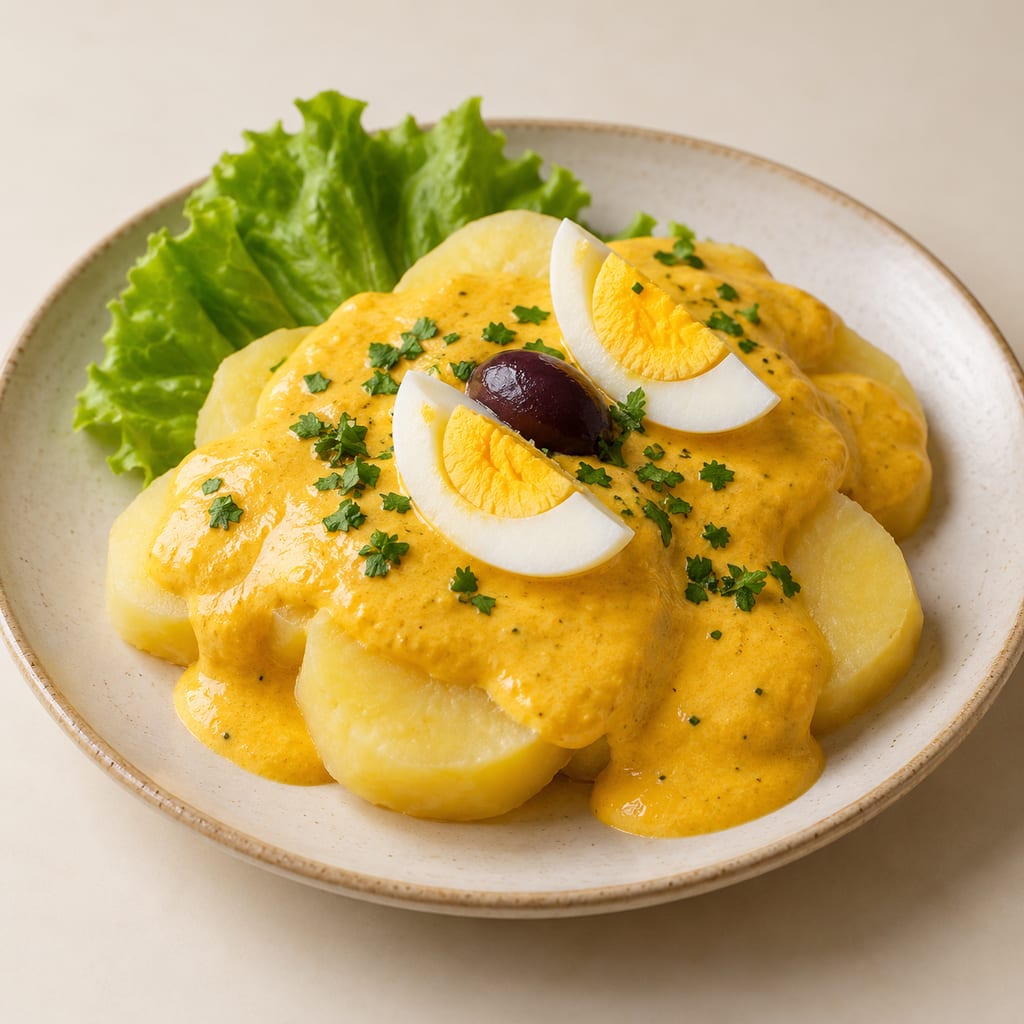
Salsa a la huancaína
A creamy Peruvian sauce of ají amarillo, fresh cheese and milk, served with potatoes. This source-based version sautés aromatics before blending the sauce.
 FermenteaWhere food goes to change
Spices and aromatics
Ají amarillo is the orange-yellow Peruvian chilli cultivar group of Capsicum baccatum, used to colour and season huancaína sauce and ají de gallina. Published heat estimates do not establish one range for the named cultivar.
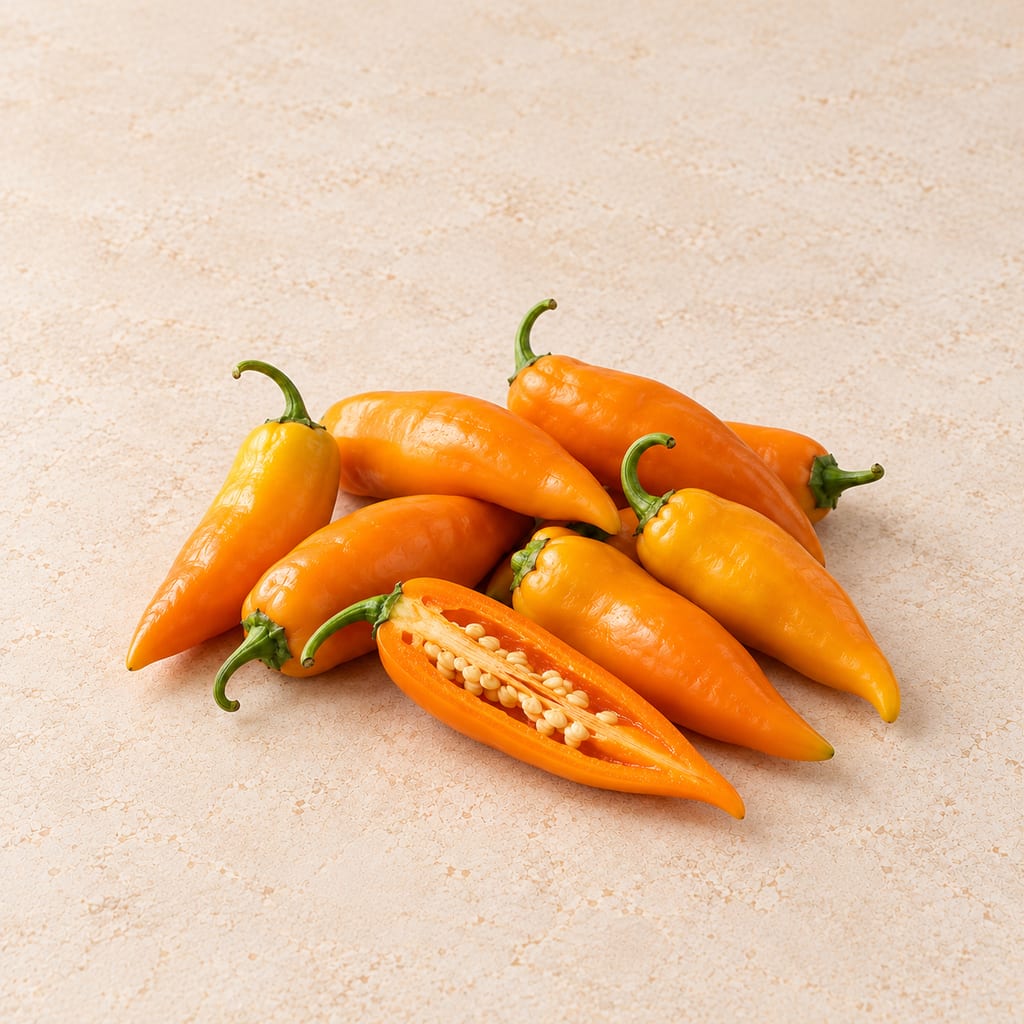
Ají amarillo is a cultivar group of Capsicum baccatum, the Andean chilli species whose domesticated form hangs from the plant instead of standing upright. The name means yellow chilli, but the pods that reach the market are usually bright orange when ripe, and the fruit turns yellow mostly after it has been cooked. A pod is long and narrow, typically 10 to 15 centimetres by 2 to 3.5 centimetres, tapering to a point, and it passes from green through yellow-orange as it matures. The flesh is thick, the colour deep, and the heat is medium: figures of about 30,000 to 50,000 Scoville heat units are commonly quoted, which places it well above a jalapeño and in the range of cayenne.
What sets it apart from other chillies is that it works as colouring and seasoning at the same time. In Peruvian cooking the amount of ají amarillo used regulates both the colour of a sauce and its picor, the sharpness on the tongue, which is why the pepper appears in so many yellow-gold Peruvian dishes. It is the country's most widely sold chilli, and it is the one a Peruvian cook means when a recipe simply says ají.
The plant itself is a perennial shrub that is grown as a crop on the Peruvian coast. It flowers and sets fruit between about 18 and 25 degrees Celsius; in hotter weather the fruit deforms and loses firmness. The wild form of the species, Capsicum baccatum var. baccatum, carries upright fruit that fall from the plant when ripe. The domesticated variety, pendulum, keeps its fruit firmly attached and hanging, and its pods are far more varied in shape than those of any other cultivated Capsicum species.
Ají amarillo goes by several names depending on the country and the stage of the pod. In Peru it is also called ají escabeche and, in the trade, ají verde or ají kitucho. Chileans call the pale, green-to-yellow pods ají cristal, and it is the most commercialised chilli there, eaten raw in salads and ground into sauces such as pebre and chancho en piedra. In Colombia the same species goes by ají chivato or cimarrón, and in the Montes de María it is the main ingredient of machucao de ají. Taxonomically all of these belong to Capsicum baccatum, which Linnaeus described in 1767 and which carries 24 chromosomes. The epithet means berry-like, and botanically the fruit of every chilli is a berry.
The dried form of the same pepper has its own name. Ají mirasol is ají amarillo dried in the open air, in the sun, and the word is usually read as looking at the sun. The drying keeps the pods for several months, concentrates their flavour and colour, and darkens them to a dark straw-yellow. Peruvian cooks toast the dried pods before using them, a step called soasar, to bring out their flavour. In the Peruvian ají family the amarillo and the mirasol are one plant in two states, while the other staples belong to different cultivar groups: the ají panca is the main dried chilli of the country, ripening from dark red to chocolate brown, one of the least pungent and prized for its colour; the ají limo is a small, aromatic, very variable chilli that comes in red, yellow, green, white and purple and is considered indispensable for ceviche; and the rocoto, the hottest of the group and the only one with black seeds, is a different species altogether, Capsicum pubescens.
Capsicum baccatum has cousins beyond Peru. The cultivar list for the species includes the lemon drop, known as ají limón or ají limo, the Bishop's crown, and the sweet piquanté that is related to the Peppadew, which is nearly without heat. Pungency varies widely across the species, so a baccatum chilli of unknown cultivar cannot be assumed to behave like ají amarillo. In Brazil the same species, as dedo-de-moça, is widely used in the south and southeast.
Botanists generally place the origin of the genus Capsicum on the eastern slopes of the Bolivian highlands, from which wild species spread through the Americas, carried by birds and probably by people. Capsicum baccatum is one of five species that people domesticated, the others being annuum, chinense, frutescens and pubescens. Where exactly baccatum was first domesticated is not settled. Barbara Pickersgill, studying chilli remains from the Peruvian coastal sites of Huaca Prieta and Punta Grande, concluded in 1969 that baccatum was the first chilli to be cultivated there, that it was probably domesticated in Bolivia, and that it reached the coast in the late Preceramic period along with other crops thought to come from southern Peru or Bolivia. A later archaeobotanical report from the University of California, Berkeley, by Katherine Chiou and Christine Hastorf, repeats the view of the older literature that baccatum may have been domesticated in lowland coastal Peru. The two accounts disagree on the place, and the evidence available does not choose between them.
What the Berkeley team could show is how the coastal diet changed. They identified Capsicum seeds from the Preceramic settlements of Huaca Prieta and Paredones in the Chicama Valley of northern Peru, a record that runs from about 7,500 to 4,000 years ago, using measurements of seed shape and surface. The people there ate several chilli species early on. In the phase dated roughly 5,300 to 4,100 years ago baccatum becomes far more common, and by about 4,500 years ago every seed analysed from both sites in the later phase was baccatum. The seeds also got larger over time, which the researchers read as selection for bigger fruit once people along the coast were growing their own chillies. The baccatum seeds were found mainly in feasting areas, while the highland rocoto turned up in households, which suggests that the yellow chilli was valued as a desirable food, though that is the authors' interpretation rather than a fact the seeds can state directly.
Remnants of yellow pepper about 4,000 years old have also been reported from Huaca Prieta and from Ancón on the central coast. A written description comes much later: Padre Acosta described the pepper in 1590, noting that it grows in warm, irrigated valleys and not in the cold highlands, a remark that matches the crop's coastal geography today.
Ají amarillo is the most important native chilli of Peru. Its production rests mostly on small and medium farmers, although demand from the food industry has led to larger plantings in recent years. It grows along the coast, especially in the Norte Chico of Lima, in the warm, irrigated valleys that Padre Acosta described four centuries ago.
Counting is difficult because official statistics group the chillies. In September 2024 the trade paper Agraria reported that Peru has more than 350 varieties of ají, rocoto and pimiento, that more than 11,000 farmers grow them on about 14,000 hectares in 24 regions, and that most holdings are under one hectare. Lima then accounted for about a third of ají production and Tacna for 23 percent, with Tacna noted for ají amarillo. A year later the same paper gave the leading regions for ají, mainly amarillo, as Lima with 20.3 percent, Tacna with 20.1 percent and Ica with 17 percent, and total production above 200,000 tonnes. The two years differ noticeably, so the shares are indicators and not fixed figures. The same report puts domestic chilli consumption at about 5 kilograms per person per year, second on the continent behind Mexico, and describes Peru as the third-largest exporter of chillies after China and India. Peru marks the crop with the Día de los Ajíes Peruanos on the first Friday of September, created by Ministerial Resolution 0060-2018-MINAGRI. In 2023 the Taste Atlas guide ranked ají amarillo first in its list of the world's best vegetables, a result Peruvian outlets reported widely.
The crop is sold fresh, frozen, dried, canned and as paste. Sun-drying into mirasol is common in Áncash, Arequipa, Moquegua and Tacna.
A 2011 study measured capsaicinoids in several Capsicum baccatum ají accessions, rather than retail lots identified as ají amarillo. Those samples were mildly pungent compared with the study's Capsicum chinense control, and the accessions differed in aroma and pungency. This does not establish a single heat range for ají amarillo. Heat varies between pods; remove the placenta and seeds for a milder flavour, or leave them in for more heat.
The colour has a separate chemical origin. Chilli pigments are carotenoids, dominated by capsanthin and capsorubin, along with beta-carotene, beta-cryptoxanthin, lutein, zeaxanthin, antheraxanthin and violaxanthin. The mix changes as the fruit matures, which is why the same pod passes from green to yellow to orange. Because carotenoids dissolve in fat, oil carries the colour into sauces such as huancaína.
A chemical study of Andean ají accessions found earthy, vegetable and bell-pepper notes among the tested Capsicum baccatum fruits; one accession also had a sweet, fruity note. These results describe the accessions in that study, not every market lot of ají amarillo.
Ají amarillo sits at the centre of Peruvian cooking, where it forms a trinity with red onion and coriander. It colours and seasons papa a la huancaína, ají de gallina, causa limeña, tamales, carapulcra, arroz con pato, seco de cabrito, picante de cuy and adobo arequipeño. In huancaína the yellow pepper is sautéed or grilled and ground with red onion, garlic and fresh cheese into the sauce that covers boiled yellow potatoes; the origin of the dish is disputed between a story of Huanca women feeding workers on the Lima to Huancayo railway and a newer account of sales to travellers at its stations.
The pepper is used in different ways elsewhere. Peruvians use it mostly fresh, while Bolivians usually dry and grind it, and it appears in the Bolivian fricasé paceño. In Ecuador ají amarillo is often served as a condiment with onion and lemon juice, and ají sauces are a common table condiment across Colombia, Peru and Ecuador. Dried mirasol is toasted before use, and its flavour and colour are more concentrated than those of the fresh pod. In the United States, the spice company McCormick named ají amarillo its flavour of the year for 2025, a measure of how far the pepper has travelled from the coast.
Ají amarillo is a flavouring and a colouring ingredient, and its preserved forms are dried, frozen, canned and paste. The traditional preservation is sun-drying. The dried pod is called ají mirasol, a name usually read as looking at the sun, and it is made along the Peruvian coast, in Áncash, Arequipa, Moquegua and Tacna. Drying keeps the pods for several months and concentrates flavour and colour; the dried pod darkens to a dark straw-yellow and is toasted before use to bring out its flavour.
No fermented ají amarillo tradition is documented. The Peruvian pastes and sauces built on it are fresh or cooked preparations, and where a chilli mash is deliberately fermented, as in hot-sauce making, the chilli is a different, red, annuum type. The pigments that give ají amarillo its colour, capsanthin and capsorubin, are highly stable, which is why colour survives cooking and drying well.
Ají amarillo has thick flesh and a bright orange colour when ripe. It is used at more than one stage: in Chile it is eaten raw while still green to yellow, and in Peru the ripe orange pod is sold fresh, frozen, dried, canned and as paste. For huancaína the pepper is sautéed or grilled before it is ground, and cooking turns the orange pods yellow. For a milder result remove the placenta and seeds; for a hotter one leave them in. Dried mirasol is toasted before use.
Heat is the main caution with any chilli: capsaicinoids bind to pain receptors in the mouth and throat, and sensitivity varies widely between people.
Where Capsicum baccatum was first domesticated is disputed between the Bolivian highlands and coastal Peru. Official production statistics lump ají amarillo with other chillies, so its own area and tonnage are unknown, and the regional shares reported for 2024 and 2025 differ. Measured heat, carotenoid content and any fermentation behaviour for ají amarillo itself, as opposed to the species, have not been published.
Archaeological seeds from Huaca Prieta and Paredones in the Chicama Valley and present-day regional shares; the first domestication of the species is not placed here.
One 1969 interpretation of coastal Peruvian remains places domestication of the species in Bolivia; the claim is contested and is not a precise birthplace.
A creamy Peruvian sauce of ají amarillo, fresh cheese and milk, served with potatoes. This source-based version sautés aromatics before blending the sauce.
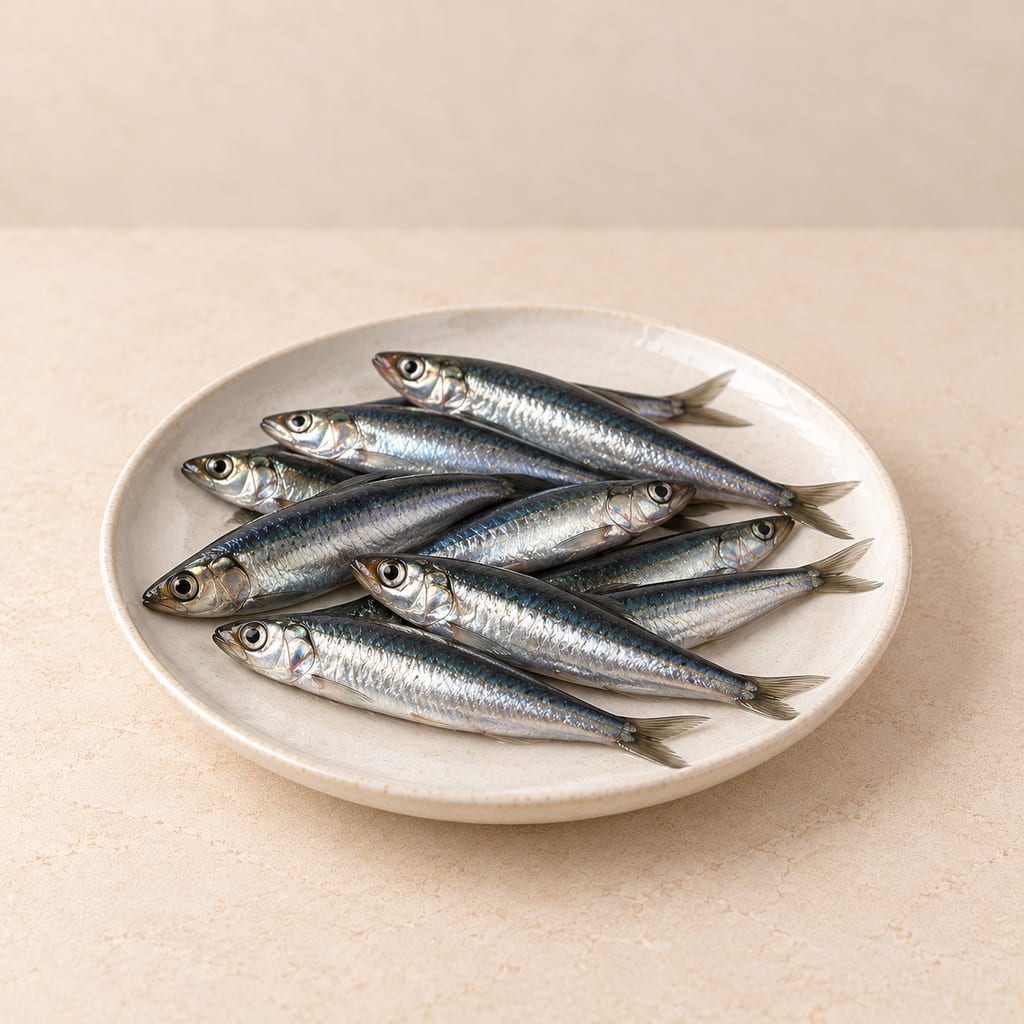
Anchovies are small schooling sea fish of the family Engraulidae, eaten fresh or dried and above all salted: as fillets in oil, whole salted fish or fish sauce.
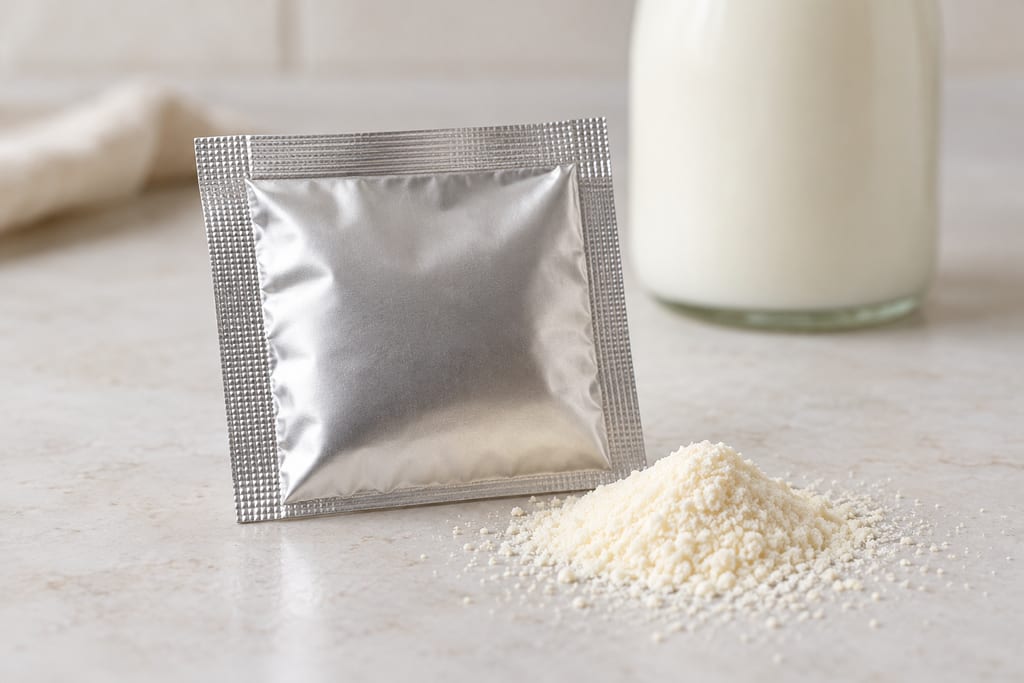
A mixed dairy starter selected for acidification and aroma. The documented Queso Andino culture has no identified modern strain blend or commercial formulation.

Ripe avocado flesh is the soft, buttery, fat-rich pulp of Persea americana, eaten raw. It is low in acid, so it is a fresh ingredient that needs care in chilled dishes.
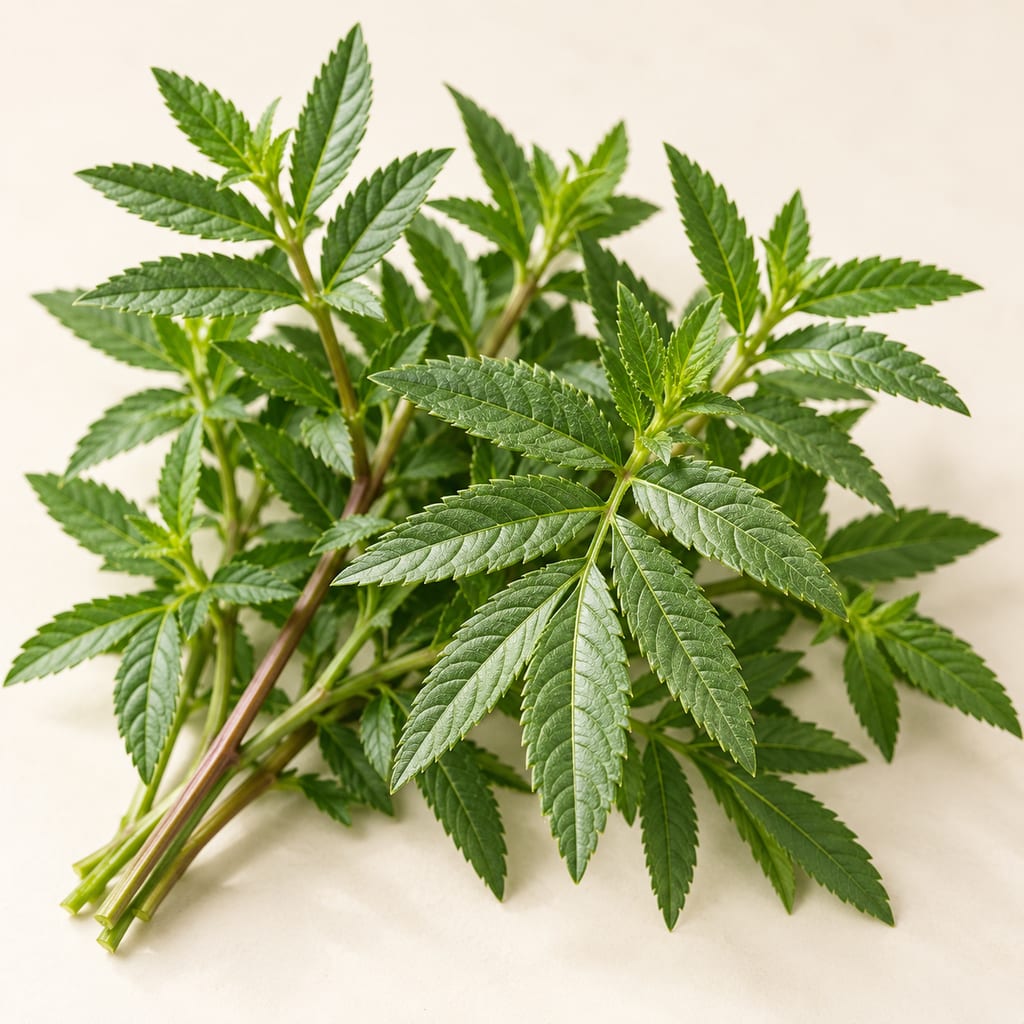
Chincho is the aromatic leaf of Tagetes elliptica, a perennial Andean herb used especially to season pachamanca in Peru's central highlands.
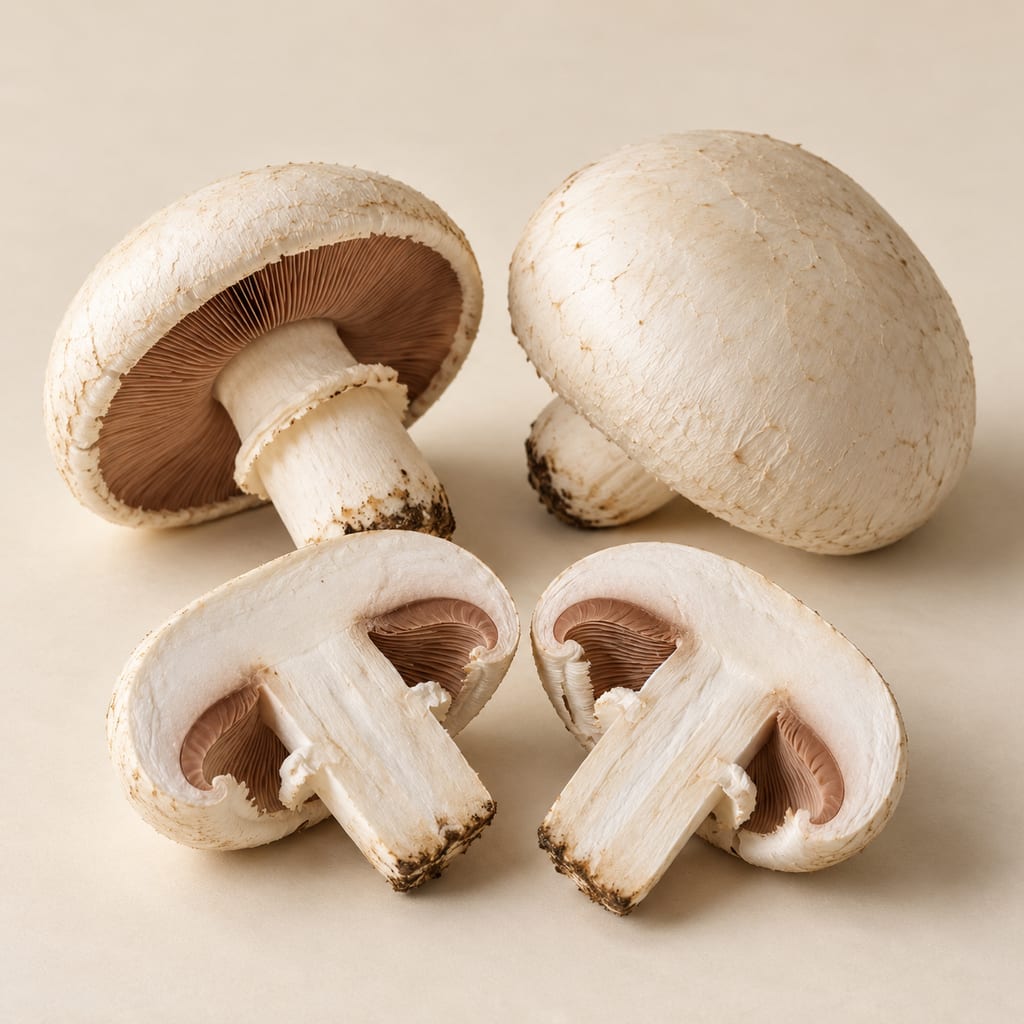
The field mushroom (Agaricus campestris) is a wild grassland fungus with a long record of cooked food use in several regions. Local names, seasons and practices belong to particular communities.
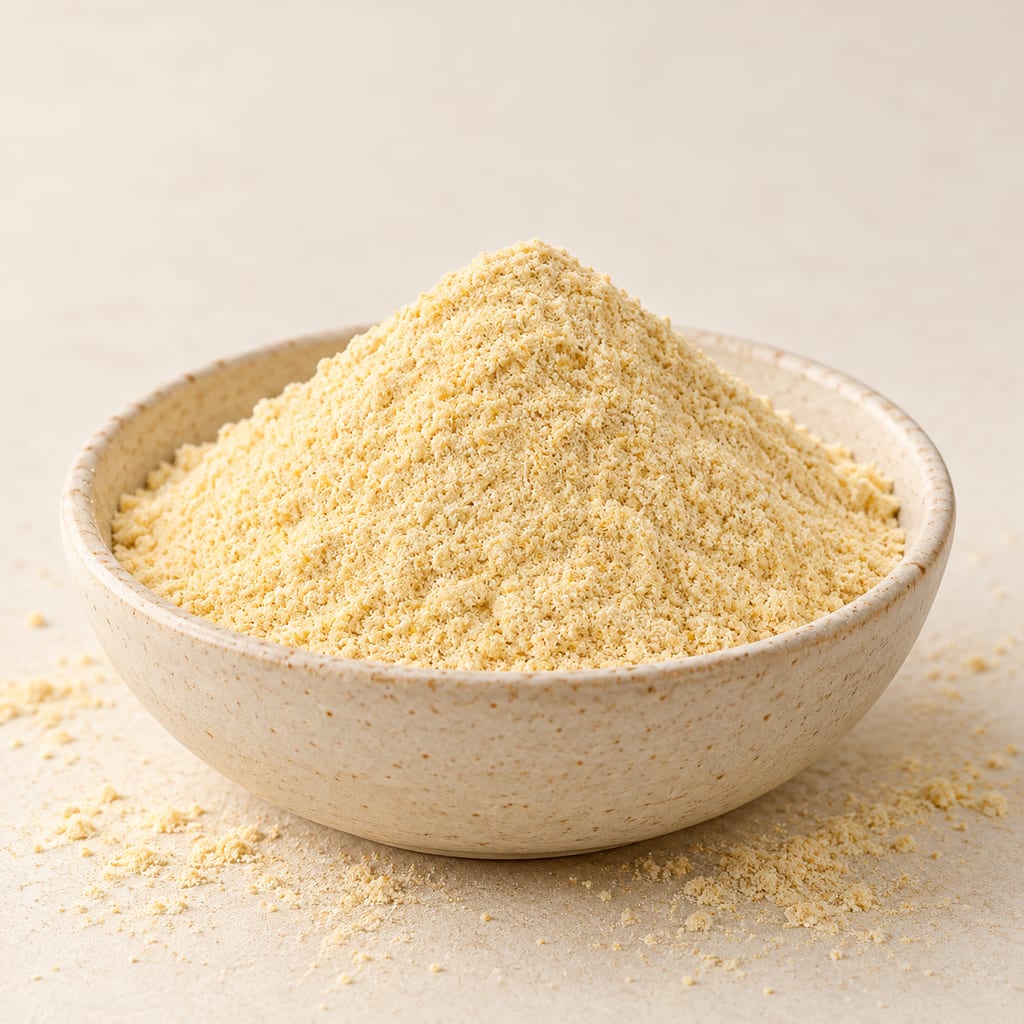
Jora flour is ground malted maize, produced by germinating, drying and milling corn kernels. It provides the enzymatic starch breakdown essential for chicha de jora.
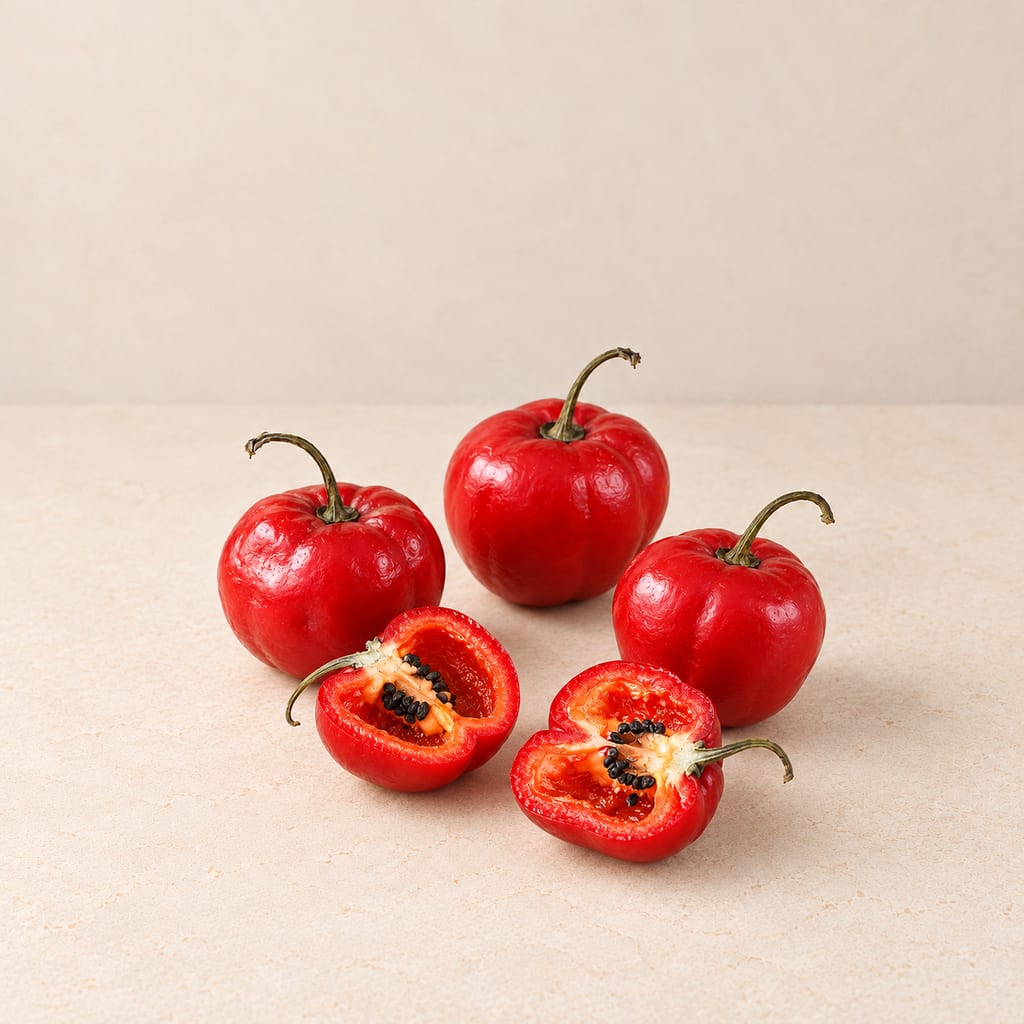
Locoto is the Bolivian name for Capsicum pubescens, an Andean chilli with thick-walled fruit, distinctive dark seeds and heat that varies between plants and harvests.
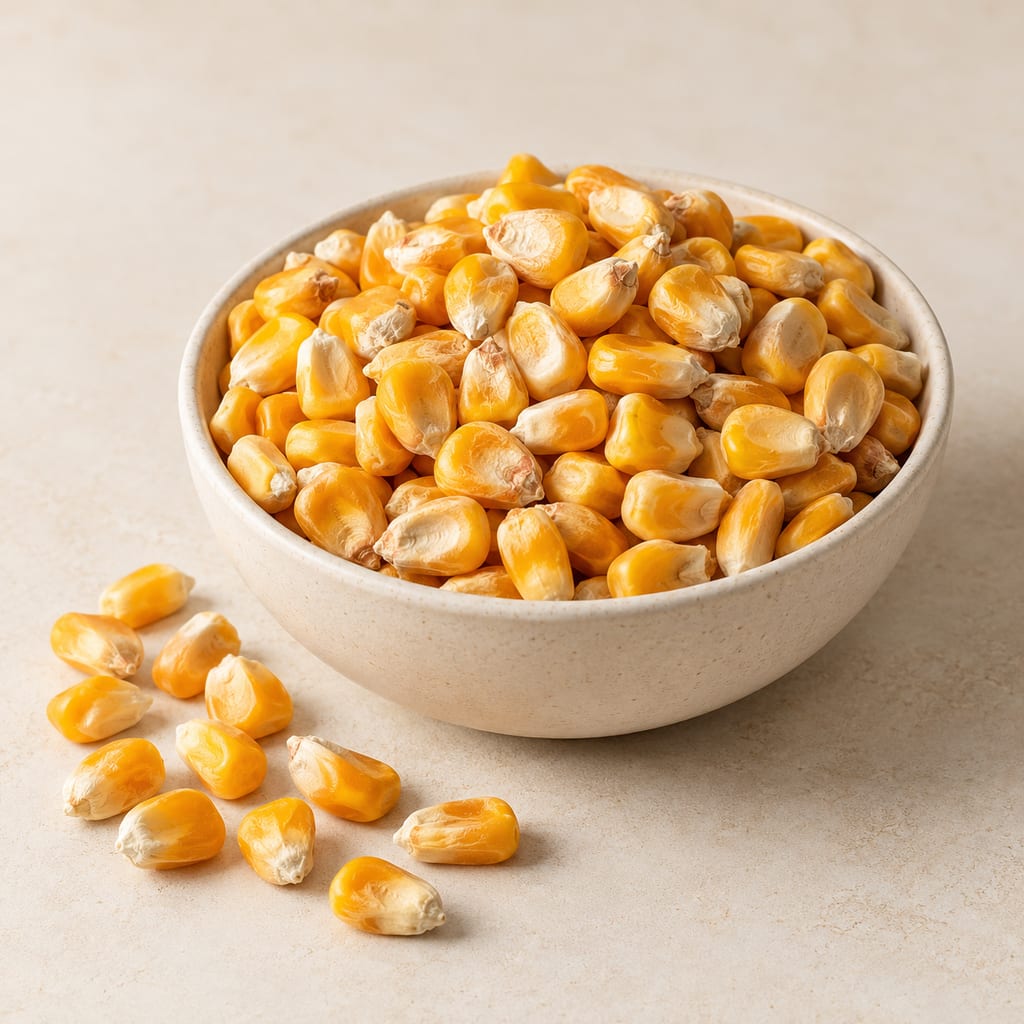
Maize is the foundational grain of Andean fermentation. Its role in brewing chicha de jora depends on germination into jora, a malted form generating enzymes and sugars necessary for alcoholic fermentation.
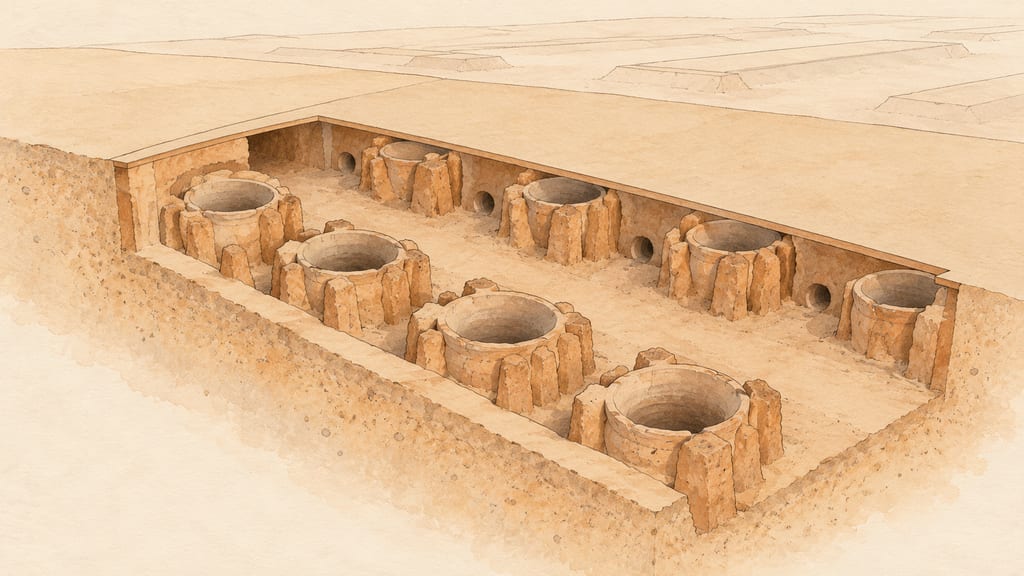
At North Abydos in Egypt, a fixed early Dynastic brewery comprised parallel semi-subterranean installations with rows of ceramic mash vats; excavation reports revise their number, scale and estimated batch capacity.

Toasted almonds are whole sweet almond kernels dry-roasted until golden to brown. Heat replaces their marzipan note with a roasted, nutty one; they thicken and flavour romesco.

Kodiak salmon, halibut and cod cut as seg'aq and hung on an initaq rack to become tamuuq, with kac'amaasaq and kupcuunaq named as different results.

Aniseed is the dried ripe fruit of Pimpinella anisum, an aromatic Apiaceae spice commonly called a seed. It adds a sweet, warm aroma to breads such as Moroccan krachel and South African mosbolletjies, and is distinct from star anise.
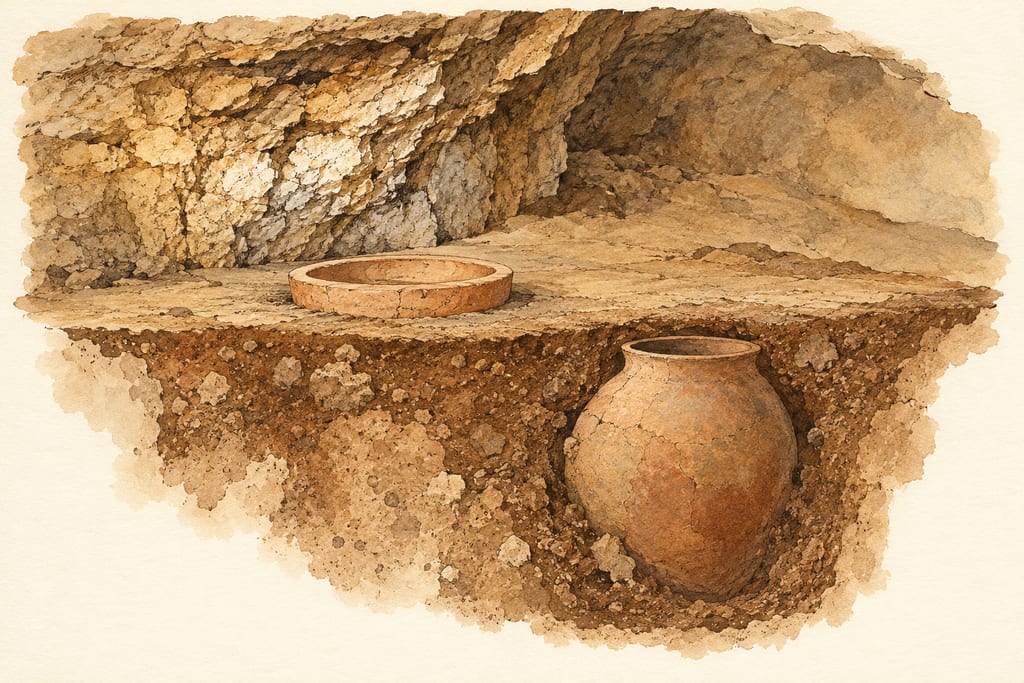
A fixed Late Chalcolithic installation in Areni-1 cave combined a shallow clay pressing basin with a large jar set into the cave floor and storage vessels nearby.
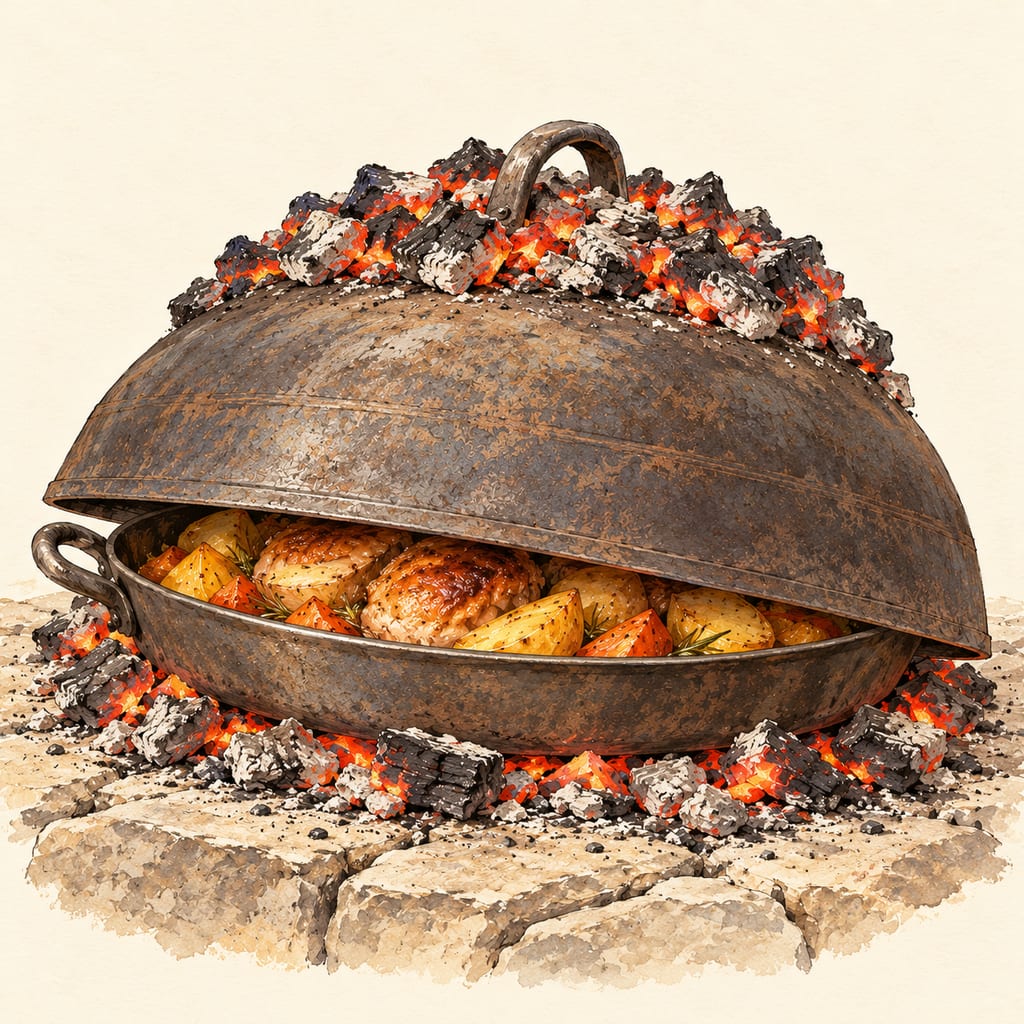
A portable dome and pan used over a hearth, with embers on the lid and heat from below. Regional peka and saç forms share this principle while differing in materials, pan shape and how the food is cooked.
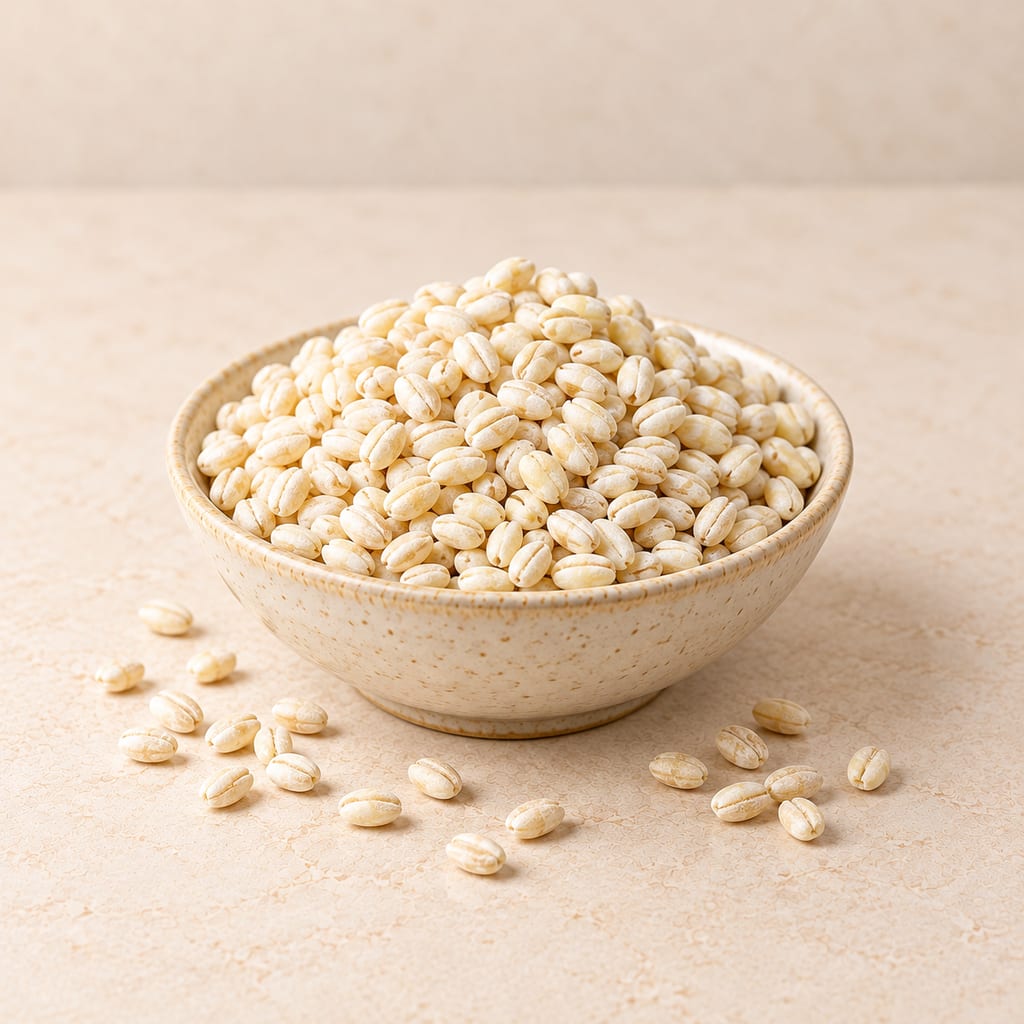
Barley is a hardy cereal, domesticated in the Middle East over 10,000 years ago, eaten whole, pearled or milled, malted for brewing, and grown with koji mold for barley miso.
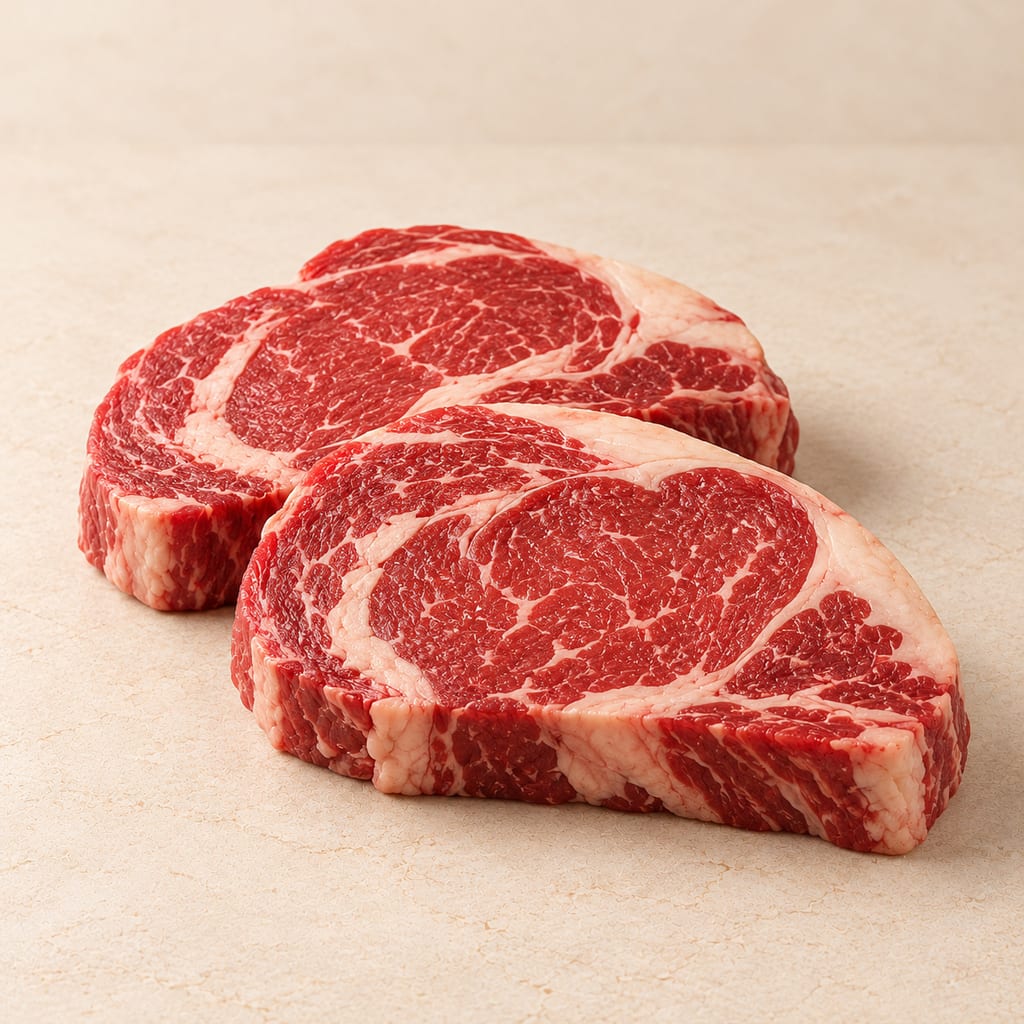
Beef is the meat of domestic cattle, Bos taurus and Bos indicus, sold as steaks, roasts, ground meat and cured products, and used in broths, salami and koji seasonings.
No community contributions have been published for this entry yet.
Sign in to contribute. Published comments and photos are free to read.
University of California, Berkeley Archaeobotany LaboratoryHistory · Geography
Capsicum spp. at the Preceramic Sites of Huaca Prieta and Paredones, Chicama Valley, Peru (UCB Archaeobotany Laboratory Report 74)Preceramic chilli seeds at Huaca Prieta and Paredones, 7500 to 4000 BP
Capsicum baccatum dominant by 4500 BP and seeds enlarging
Five domesticated species and the Bolivian origin of the genus
Cited in: Where the chilli came from; Open questions
American Antiquity (Cambridge University Press)History
The Archaeological Record of Chili Peppers (Capsicum spp.) and the Sequence of Plant Domestication in PeruC. baccatum first chilli cultivated at the sites, probably domesticated in Bolivia
Arrival on the coast in the late Preceramic
Cited in: Where the chilli came from; Open questions
WikipediaIdentity · Use
Capsicum baccatumBotanical description and domesticated variety pendulum
Cultivars and heat of about 30,000 to 50,000 SHU
Uses in Peru, Bolivia, Ecuador and Brazil
Cited in: A yellow chilli that ripens orange; Names and near relatives; Where the chilli came from; Heat, colour and flavour; In the kitchen
Wikipedia (Spanish)Identity · Names
Capsicum baccatumPod size and colour change
Regional names
Peruvian dishes
Description by Linnaeus in 1767 and 24 chromosomes
Cited in: A yellow chilli that ripens orange; Names and near relatives; In the kitchen; Drying, freezing and paste; Choosing, preparing and storing it
Andina, Agencia Peruana de NoticiasIdentity · Use
Dia de los Ajies Peruanos: conoce los ejemplares emblematicos de nuestra gastronomiaAjí amarillo, mirasol, panca, limo and rocoto described
Mirasol is sun-dried and toasted before use
Cited in: A yellow chilli that ripens orange; Names and near relatives; In the kitchen; Drying, freezing and paste; Choosing, preparing and storing it
Agraria.peProduction
Peru cuenta con mas de 350 variedades de ajiesMore than 350 varieties, 11,000 farmers, about 14,000 hectares, 24 regions
Lima 33 percent and Tacna 23 percent in 2024
Día de los Ajíes Peruanos on the first Friday of September
Cited in: Growing and the Peruvian harvest
Agraria.peProduction
Mas de 11 mil productores agrarios en Peru se dedican al cultivo de ajiesRegional shares for 2025
Annual production above 200,000 tonnes and consumption of about 5 kg per person
Cited in: Growing and the Peruvian harvest; Open questions
Agraria.peHistory · Use
Aji amarillo peruano es considerado el mejor vegetal del mundoTaste Atlas ranking of 2023
Forms sold: fresh, frozen, dried, canned, paste
Sun-dried mirasol in Áncash, Arequipa, Moquegua, Tacna
Padre Acosta description of 1590
Cited in: A yellow chilli that ripens orange; Names and near relatives; Where the chilli came from; Growing and the Peruvian harvest; Drying, freezing and paste; Choosing, preparing and storing it
WikipediaUse · History
Papa a la huancainaIngredients of huancaína sauce
Competing origin accounts
Yellow pepper remains about 4,000 years old at Huaca Prieta and Ancón
Cited in: Where the chilli came from; In the kitchen; Choosing, preparing and storing it
Antioxidants (Basel), via PubMedScience
Carotenoids of Capsicum Fruits: Pigment Profile and Health-Promoting Functional AttributesCapsanthin and capsorubin dominate pepper carotenoids
Pigment profile varies with maturity
Cited in: Heat, colour and flavour; Drying, freezing and paste
HortiDailyScience
NMSU researchers investigate how super hot peppers pack their powerful punchCapsaicinoid vesicles on the placenta in most chillies
Bosland and Cooke, New Mexico State University, 2016
Cited in: Heat, colour and flavour
WikipediaGeneral
Chili pepperCapsaicinoids bind to pain receptors in the mouth and throat
Heat ranges of common chillies
Cited in: Choosing, preparing and storing it
Journal of the Science of Food and Agriculture, indexed by PubMedIdentity · Flavour · Science
Volatile and capsaicinoid composition of ají (Capsicum baccatum) and rocoto (Capsicum pubescens), two Andean species of chile peppersA study measured heat and aroma across accessions of Capsicum baccatum ají and rocoto, with a Capsicum chinense control.
The tested Andean peppers were mildly pungent relative to the control, and volatile profiles differed among accessions.
The C. baccatum samples had earthy, vegetable or bell-pepper-like aroma notes; one ají accession had a sweet, fruity note.
The study did not report one cultivar-specific Scoville range for retail ají amarillo.