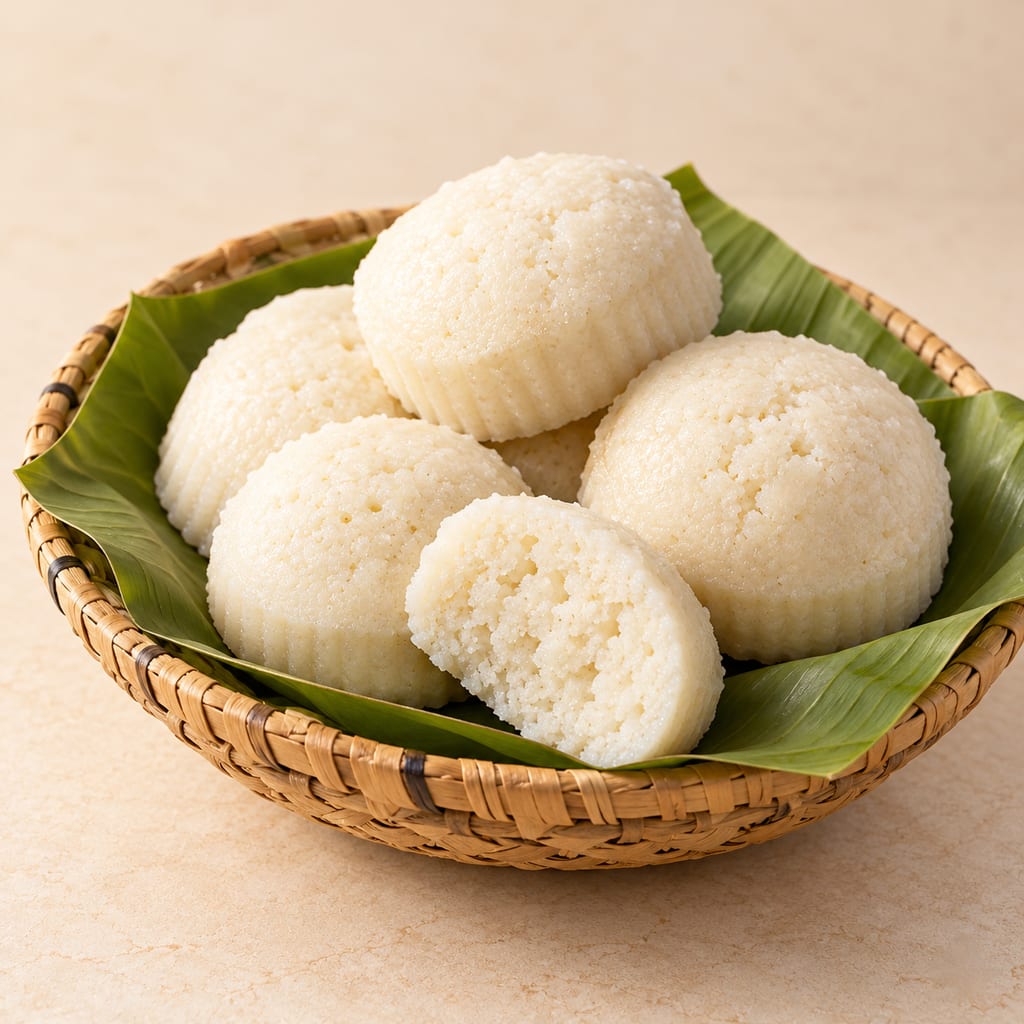
Ablo (rice-based steamed bread)
Soft, lightly tangy steamed cereal bread documented across Benin and Togo. This page gives one measured rice-flour research method; maize-based Ablo and mixed-grain versions remain distinct traditions.
 FermenteaWhere food goes to change
Substrates
Maize is the foundational grain of Andean fermentation. Its role in brewing chicha de jora depends on germination into jora, a malted form generating enzymes and sugars necessary for alcoholic fermentation.
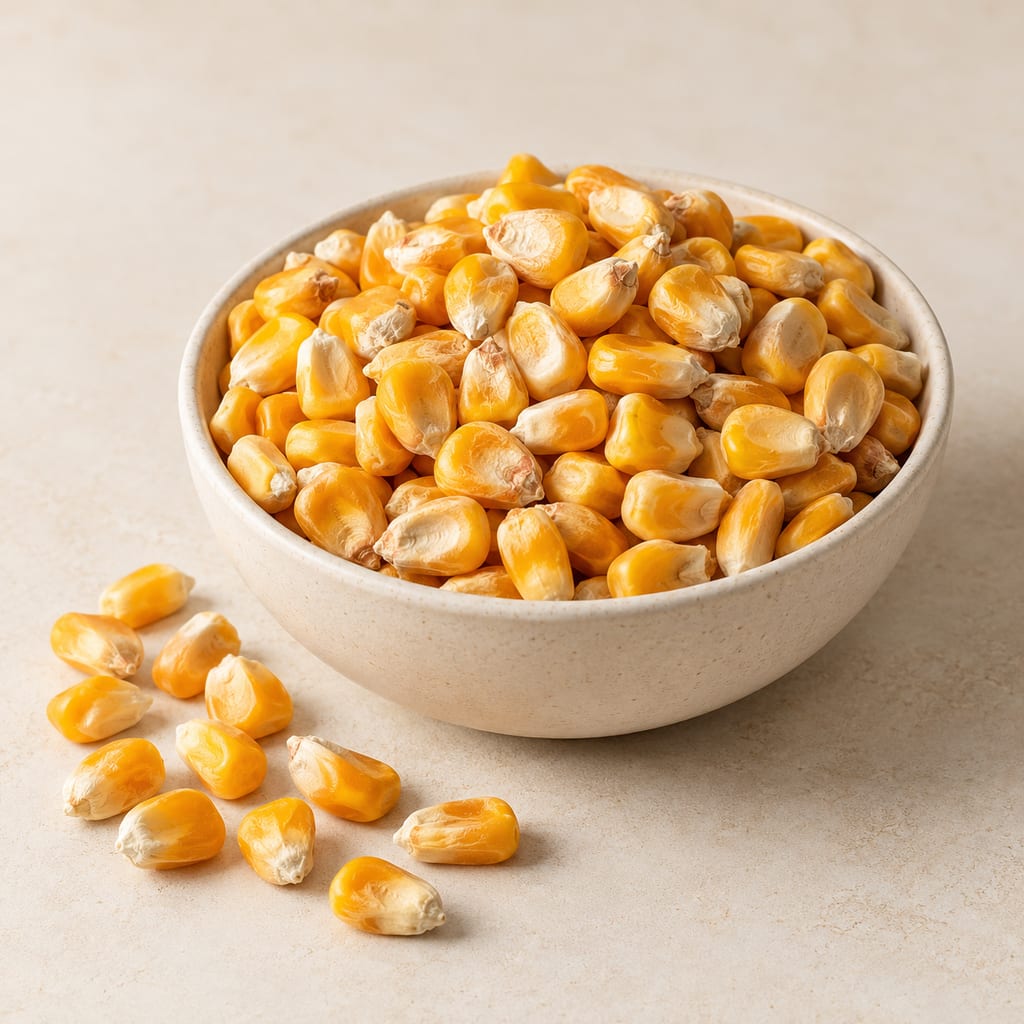
Maize (Zea mays) is a cereal grain that serves as the primary substrate for many Andean fermented beverages. While the raw grain is a complex matrix of starch, protein, and oil, its role in fermentation depends heavily on its preparation state. In the context of chicha de jora, the critical ingredient is not raw maize flour, but jora: maize that has been induced to germinate. Jora is defined as dried maize kernels that have been moistened until they sprout and then dried again in the sun. This germination process is not merely a physical change; it is a biochemical activation. The sprouting kernel produces enzymes, specifically amylases, which begin to convert the grain's stored starches into simple sugars. These sugars are the fuel for the subsequent fermentation, distinguishing jora from other maize preparations where starch conversion must be achieved through external means or salivary enzymes.
The physical structure of the maize kernel dictates how it behaves during processing. A kernel consists of the pericarp or hull, which accounts for about 5.3 percent of the kernel's weight and serves as a protective covering. Inside lies the endosperm, the largest portion at approximately 82.3 percent of the weight, which consists largely of starch and bound protein (gluten) at 9.4 percent. This starch is the primary resource for fermentation. The germ, or embryo, represents 11.5 percent of the kernel and contains a high proportion of oil (4.5 percent w/w). The tip cap, or pedicel, makes up the remaining 0.8 percent. When maize is germinated to create jora, the metabolic activity of the germ mobilizes the starch reserves in the endosperm. The resulting material, when ground, is known as pachucho. This ground jora is the immediate precursor to the mash used in chicha production, carrying the enzymatic potential necessary to convert the remaining starches into fermentable sugars during the cooking and resting phases.
The history of maize in the Andes is deep and complex, predating the Inca Empire by millennia. Archaeological evidence from the Paredones and Huaca Prieta sites on the north coast of Peru reveals that maize was present in the region as early as 6775–6504 calibrated years before present. These findings, including burned husks and cob fragments, indicate that maize arrived in South America via a lowland migration route from Mesoamerica, likely domesticated by around 6700 BP. The genetic similarity of these ancient specimens to modern South American landraces suggests a rapid dispersal and local adaptation process. Further inland, at the Waynuna site in the southern Peruvian highlands, maize remains dating to approximately 3,600 to 4,000 calibrated years before present provide evidence of deliberate movement of plant foods from tropical forests to highland environments, including on-site processing into flour.
Within the Inca Empire, maize held a status that transcended mere sustenance. It was a sacred crop, central to religious ceremonies and state administration. The preparation of chicha, particularly chicha de jora, was institutionalized. Women were trained in the techniques of brewing in specific institutions known as Aqlla Wasi, or feminine schools, ensuring the quality and ritual purity of the beverage. Chicha was offered to the land (Pachamama) to ensure good harvests and was a key element in communal labor exchanges and state feasts. A special annual festival, the Kayova (or Cayua), was dedicated to chicha production, taking place in January at the beginning of the maize harvest. The drink was so integral to social and political life that it was used as a form of payment and a medium for diplomatic exchange. Historical accounts note that Inca Atahualpa offered chicha de jora to the Spanish priest Vicente de Valverde, a gesture of hospitality that the cleric misinterpreted as an attempt at poisoning.
The terminology for maize varies across the Andean linguistic landscape. In Quechua, the grain is known as 'sara', while in Aymara it is 'tonqo'. The specific term 'jora' refers to the germinated state of the grain, highlighting the cultural recognition of the different stages of maize preparation. The distinction between raw maize, cooked maize, and germinated maize reflects a sophisticated understanding of food processing and its effects on flavor and nutritional availability, a knowledge system that was refined over centuries of agricultural and brewing practice.
The quality of chicha is heavily influenced by the variety of maize used. Peru alone boasts 55 distinct maize races, with specific varieties prized for brewing. Alazan maize, with its light to dark red kernels, is considered a high-quality variety for chicha. It is early maturing and highly drought resistant, making it a reliable crop in variable climates. Viru maize is a yellow variety that requires a longer growing season and is somewhat less drought resistant than Alazan, but it contributes specific flavor notes to the beverage. Maize Negro, a purple-black variety, is specifically used for preparing chicha in the Arequipa region, imparting a distinctive color and flavor.
In the highlands, maize cultivation is adapted to specific agroecological zones. Around Lake Titicaca, at 3,800 meters above sea level, the 'Confite Puneño' race is grown, characterized by small plants and ears. In the inter-Andean valleys, known as the Quechua zone, 'maíz amiláceo' (floury corn) is cultivated for human consumption, including for chicha. The Vilcanota valley community in Cusco uses a detailed classification system for maize cultivars based on color, shape, and use. Terms like 'Q’ello' (yellow), 'Oq’e' (gray/blue for toasting), and 'Uchucullo' (for chicha) reflect a deep local knowledge of which varieties perform best for specific purposes. The choice of variety affects not only the flavor and color of the chicha but also the efficiency of the germination and fermentation processes, as different varieties have varying starch structures and enzyme potentials.
The transformation of raw maize into jora is a controlled biological process that requires careful management of moisture and temperature. The process begins with the selection of suitable maize varieties, often specific landraces known for their starch content and flavor profile. The kernels are moistened to initiate germination. This step is critical: the grain must absorb enough water to activate the embryo's metabolism, but not so much that it drowns or rots. As the kernels sprout, the plant's natural enzymes begin to break down the starches in the endosperm into simpler sugars. This enzymatic activity is the defining feature of malting, whether in barley for beer or maize for chicha.
Once the germination has proceeded sufficiently, the kernels are dried in the sun. This drying step halts the growth of the sprout and stabilizes the grain, preserving the enzymes and sugars created during germination. The resulting dried, germinated maize is jora. In some traditional preparations, the jora may be toasted or roasted after drying, which adds color and complex flavors to the final beverage, though the primary function of the germination phase remains the enzymatic conversion of starch. The jora is then ground, traditionally in a stone mill, to produce pachucho. This coarse flour is mixed with water and boiled. The boiling step serves multiple purposes: it gelatinizes the remaining starches, making them more accessible to the enzymes, and it sterilizes the mixture. The specific duration of boiling can vary, but traditional accounts mention boiling pachucho in an earthenware pot for approximately 3.5 hours. During this time, water is added to replace moisture lost to evaporation, maintaining the consistency of the mash.
After boiling, the mixture is allowed to cool and ferment. The sugars generated during germination and released during cooking are consumed by yeasts and bacteria present in the environment or added as starters. The fermentation process converts these sugars into alcohol and carbon dioxide, creating the effervescent, slightly sour character of chicha. The entire process, from germination to fermentation, relies on the specific biochemical properties of the maize kernel and the careful manipulation of its physical state.
The role of maize in chicha fermentation is defined by its capacity to provide fermentable sugars. Raw maize starch is not directly fermentable by yeast; it must first be broken down into simple sugars. In chicha de jora, this conversion is achieved through the germination of the maize (jora). The enzymes produced during germination, particularly alpha-amylase and beta-amylase, hydrolyze the starch molecules into maltose and other sugars. This enzymatic activity continues during the cooking and resting phases of the brewing process, ensuring a sufficient supply of sugars for the yeast to consume. The efficiency of this conversion directly impacts the alcohol content and flavor profile of the final beverage.
The fermentation itself is a complex microbial process. Chicha is a clear, yellowish, effervescent beverage with an alcohol content that can vary between 2 and 12 percent by volume, though some sources cite 1–3 percent for typical chicha de jora. The flavor is often described as similar to cider, with a balance of sweetness, acidity, and fermented aroma. The specific flavor profile depends on the maize variety, the duration of fermentation, and the microbial community present. Young chicha, fermented for 1–2 days, is milder and sweeter. Traditional chicha, fermented for 3–5 days, offers a better balance of flavors. Strong chicha, fermented for 6–8 days or more, has a more tart flavor and intense aroma. The use of pigmented maize varieties, such as Maize Negro from Arequipa, can result in a red or purple color, adding visual distinctiveness to the drink.
In some traditional methods, starch conversion is aided by salivation. Chewing the maize releases salivary amylase, which begins the breakdown of starches in the mouth. The chewed maize, known as 'muko', is then mixed with water and fermented. This method, while effective, is distinct from the jora method, which relies on the plant's own enzymes. The jora method is generally considered more efficient and scalable, and it is the basis for the commercial and ritual production of chicha de jora in many Andean communities.
Maize preparation in the Americas is not monolithic. While jora production relies on germination and enzymatic activity, another widespread method is nixtamalization. Nixtamalization involves cooking and steeping dried maize kernels in an alkaline solution, typically water and food-grade lime (calcium hydroxide). This process is fundamentally different from malting. Nixtamalization does not induce germination; instead, it uses chemical and thermal treatment to alter the kernel's structure. The alkaline solution dissolves the pericarp, which is then rinsed away, and it induces partial gelatinization of the starch and denaturation of proteins. This process significantly increases the bioavailability of niacin (vitamin B3) and calcium, and it reduces the presence of mycotoxins such as fumonisins and aflatoxins. Nixtamalized maize is ground into dough (masa) for tortillas, tamales, and other foods, but it is not typically used for the enzymatic starch conversion required in chicha brewing.
Other preparations include the use of sweet maize, where a genetic mutation retards the conversion of sugar to starch, resulting in a kernel that is dry, sugary, and wrinkled. This type is often used for snacks like cancha, where the kernels are toasted and salted. Flint maize, with its hard starch, is more resistant to spoilage and insect damage, making it suitable for storage and shipping. Floury maize, with its soft starch, is easier to grind by hand but is more susceptible to molding in wet conditions. The choice of maize variety and preparation method depends on the intended use: jora for fermentation, nixtamal for dough-based foods, and sweet or flint varieties for snacking or storage. Each method exploits different aspects of the maize kernel's composition, whether it be the starch reserves, the protein matrix, or the sugar content.
Maize is susceptible to contamination by mycotoxins, which are toxic compounds produced by molds such as Aspergillus and Fusarium. Aflatoxins, produced by Aspergillus molds, are a significant concern, particularly in corn. These toxins can cause liver cancer, birth defects, and immune system problems. Aflatoxin contamination is influenced by environmental factors like temperature, humidity, and rainfall during growing, harvesting, and storage. Proper drying and storage are critical to preventing mold growth. Maize should be dried to a moisture content of 12–14 percent for safe storage, often achieved by drying in the sun or in specialized structures called qolqas. If maize is stored with high moisture content, mold growth and aflatoxin production can occur.
Fumonisins, produced by Fusarium molds, are another common contaminant in corn. High levels of fumonisins occur when hot, dry weather is followed by high humidity. These toxins are associated with neural tube defects and other health issues. Nixtamalization has been shown to significantly reduce the levels of fumonisins and aflatoxins in maize products, but this process is not typically used for jora production. For jora, careful selection of clean, undamaged kernels and proper drying are the primary controls. Floury maize varieties, such as Opaque-2, are particularly susceptible to molding in wet conditions, which can destroy the crop before harvest. Flint varieties are more resistant to spoilage and insect damage, making them safer for storage. Quality control in chicha production involves monitoring the fermentation process to ensure that desirable microbes dominate and that no off-flavors or harmful compounds develop. The presence of mycotoxins cannot be detected by smell or taste, so prevention through good agricultural and storage practices is essential.
While chicha de jora is the most prominent fermented product of maize in the Andes, the grain is central to a wide range of culinary and ritual practices. Chicha morada, made from purple corn, is a non-fermented, boiled soda that is sweet, fruity, and spicy. It is a popular everyday beverage, distinct from the alcoholic chicha de jora. Frutillada is a Cusco-style variation of chicha de jora made with strawberry juice, recognized by the Peruvian Ministry of Culture as a particular form of chicha. These variations demonstrate the versatility of maize as a base for both alcoholic and non-alcoholic drinks.
Maize is also used in various solid foods. Cancha, made from toasted maize kernels, is a common snack. Mote, or hominy, is maize that has been nixtamalized and is used in stews and salads. The grain is a staple in many Andean dishes, providing carbohydrates and calories. In ritual contexts, maize and chicha are offerings to Pachamama (the Earth Mother) and the Apus (mountain spirits). Sharing chicha is a way to build social bonds, and it is consumed during agricultural festivals, family gatherings, and communal work events. The picanterías and chicherías of regions like Cusco, Piura, and Lambayeque are recognized as cultural heritage sites, serving as spaces where these traditions are maintained and celebrated. The act of drinking chicha is not merely consumption but a participation in a cultural and spiritual practice that connects the drinker to the land and the community.
Site of early maize domestication evidence and traditional chicha production.
Region where Maize Negro is used for chicha.
Region with specific maize cultivar classifications and chicha traditions.
Soft, lightly tangy steamed cereal bread documented across Benin and Togo. This page gives one measured rice-flour research method; maize-based Ablo and mixed-grain versions remain distinct traditions.
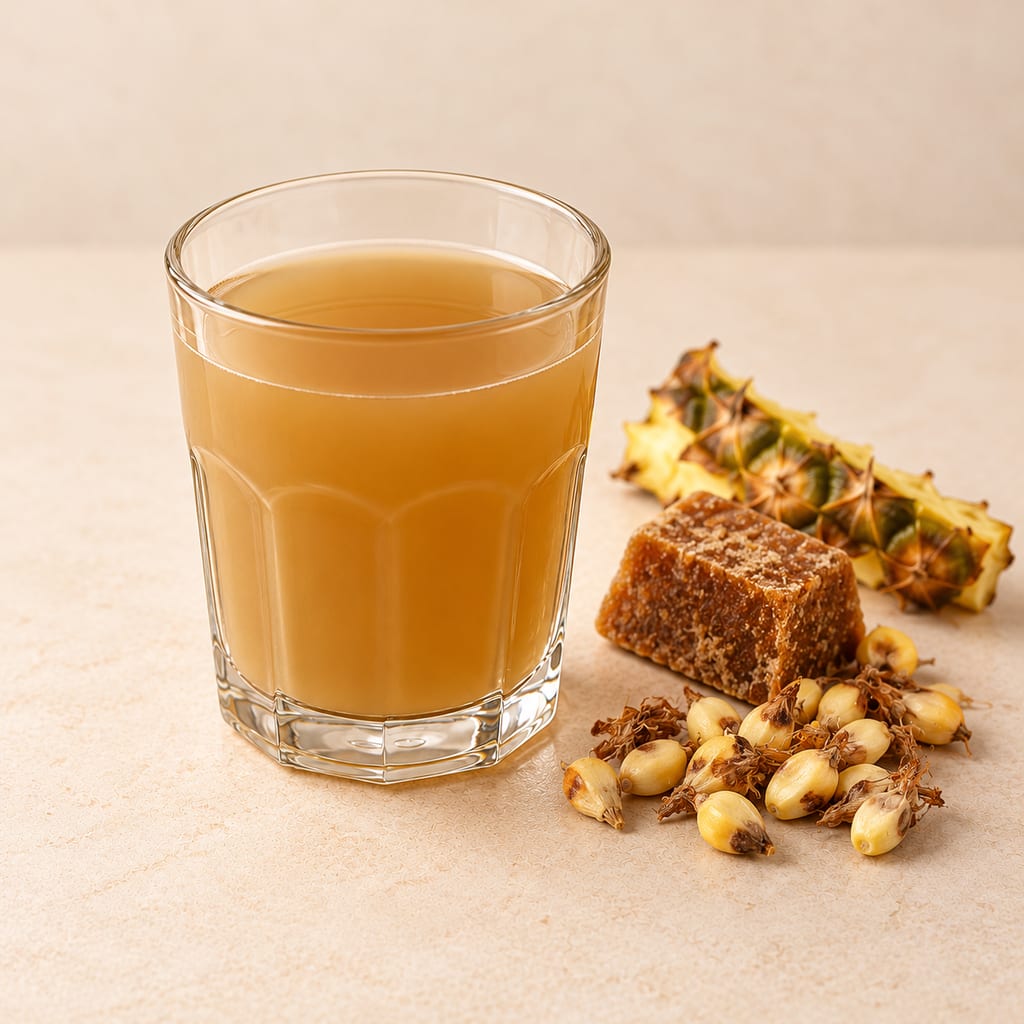
A contemporary Ecuadorian recipe simmers jora flour with spices, then adds panela and pineapple peel before a short spontaneous ferment. Its particular aromatics and measurements belong to this published adaptation.
Fermented fuba is an Umbundu maize-flour preparation made by lactic fermentation of dehulled, degermed kernels before milling, sun-drying and sieving.
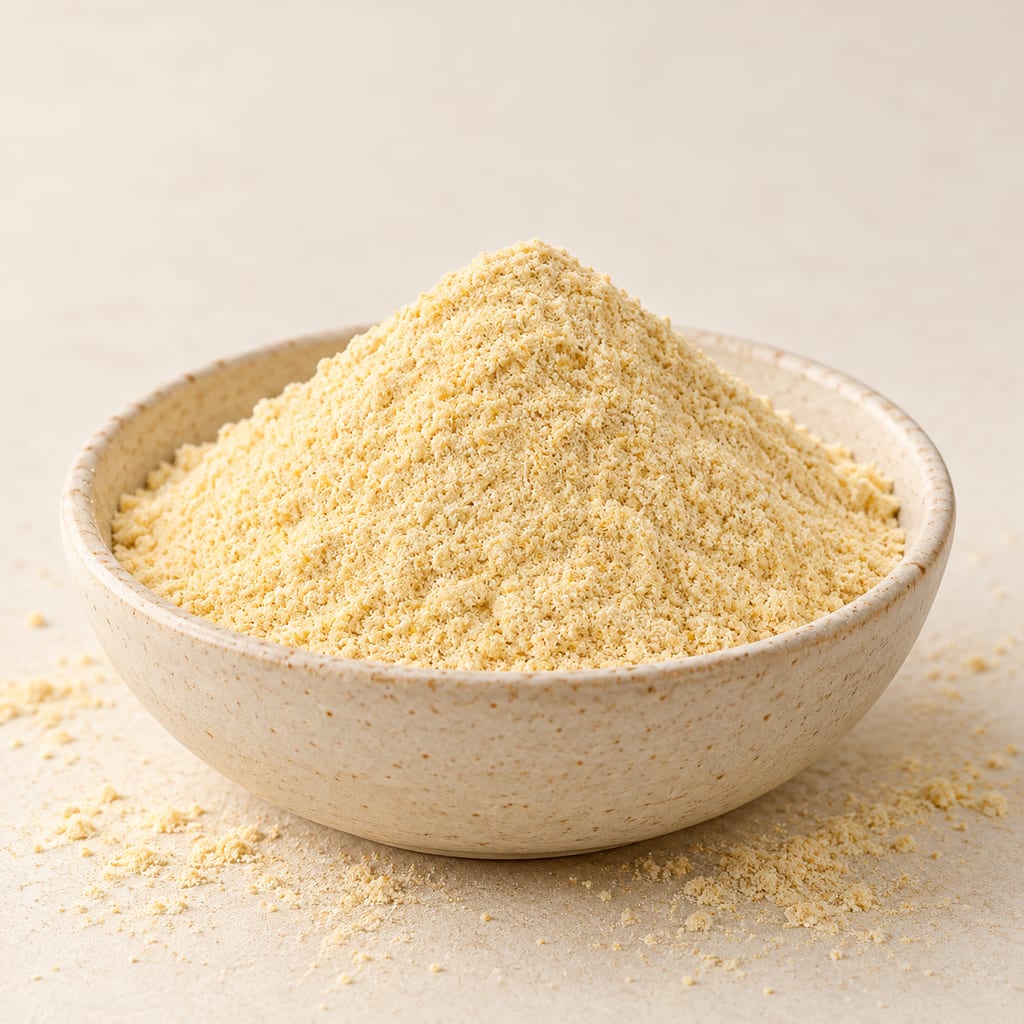
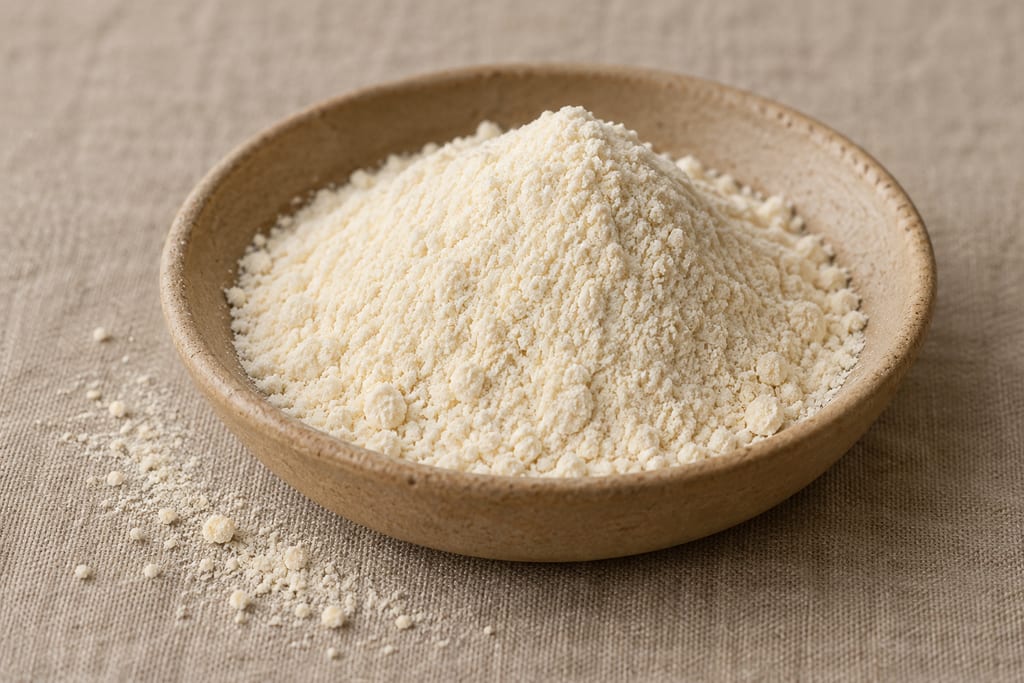
Jora flour is ground malted maize, produced by germinating, drying and milling corn kernels. It provides the enzymatic starch breakdown essential for chicha de jora.
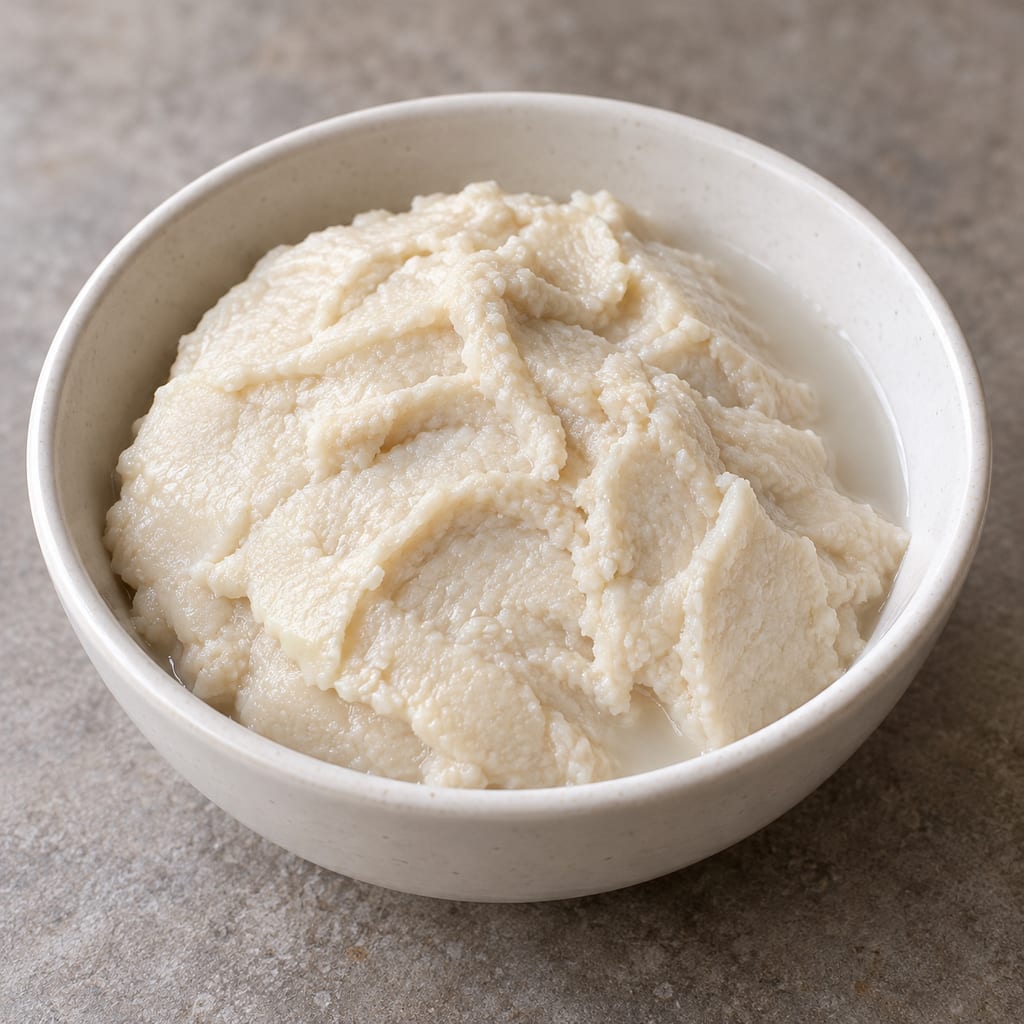
Ogi or akamu is a wet fermented cereal preparation documented in Nigeria and Benin. Grain or maize starch is steeped, milled or sieved, then fermented by process-specific routes; evidence supports no universal method or safety limit.
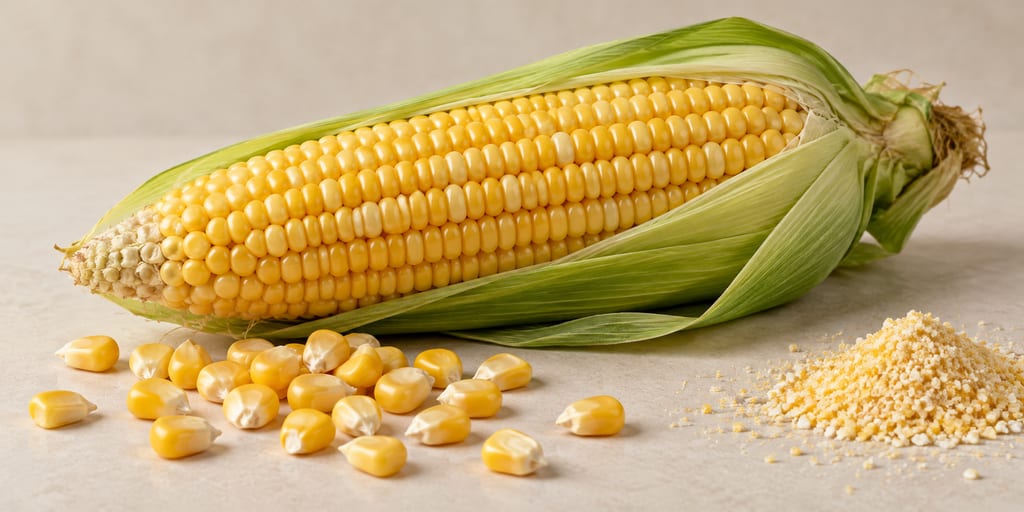
Quimbombo is a maize beer made in an Umbundu tradition in Angola. The documented Huambo method stages malt saccharification, lactic souring, a second boil and yeast fermentation.
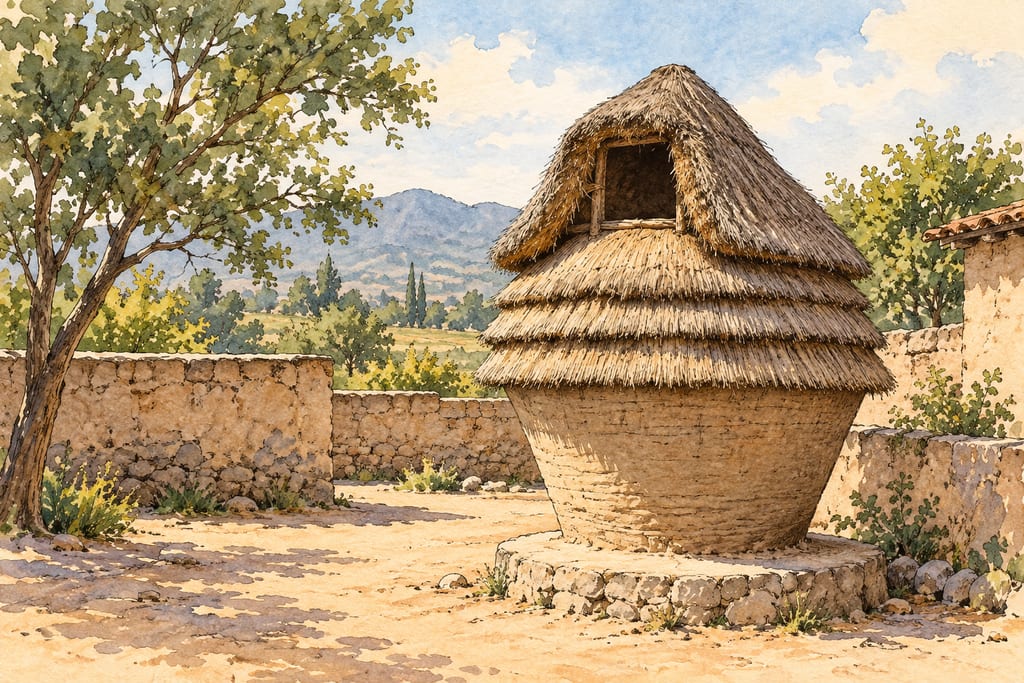
A cuexcomate is a fixed household granary of central Mexico: a hollow earthen body with a dry-grass roof, used chiefly to store maize. Its shape and construction vary by region.
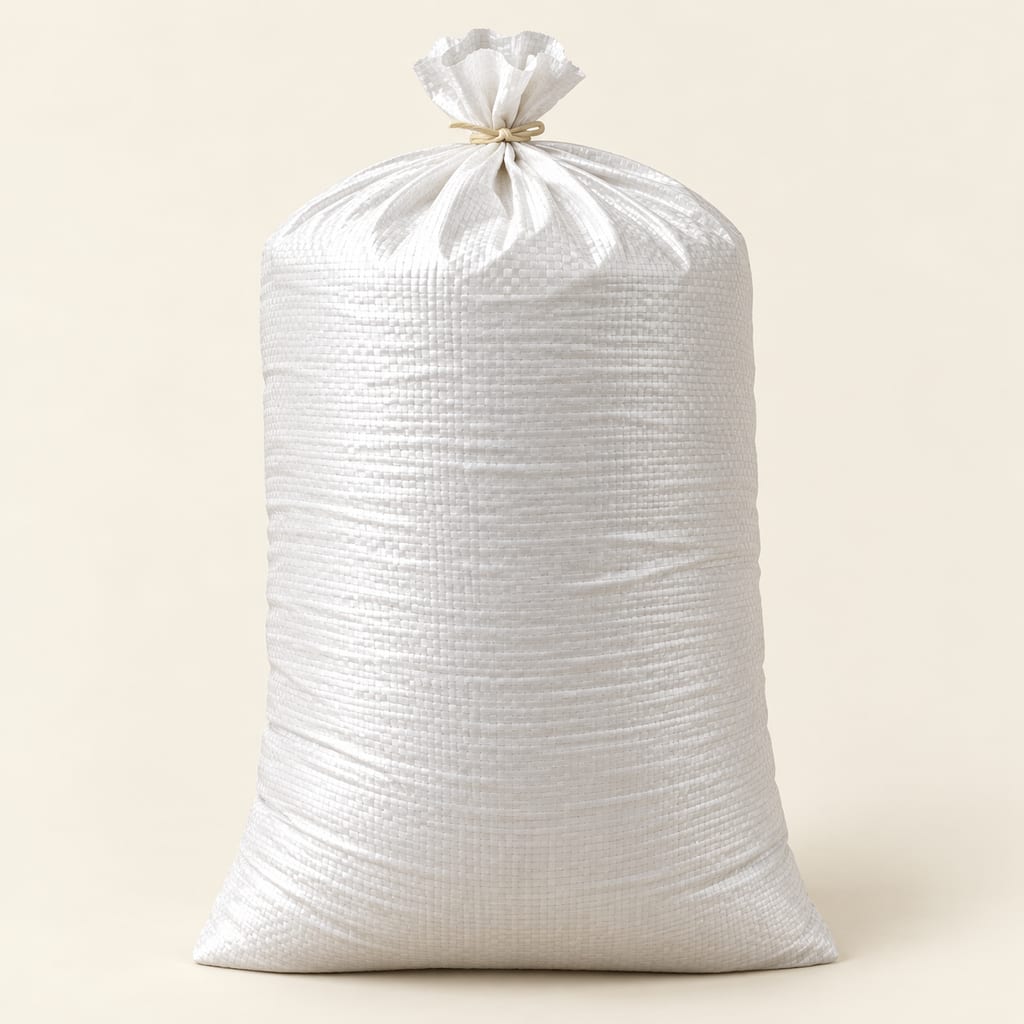
A hermetic grain bag stores suitably dried grain in an airtight, multilayer package. The PICS design pairs two inner liners with a woven outer sack; it is a storage tool, not a fermenter or dryer.
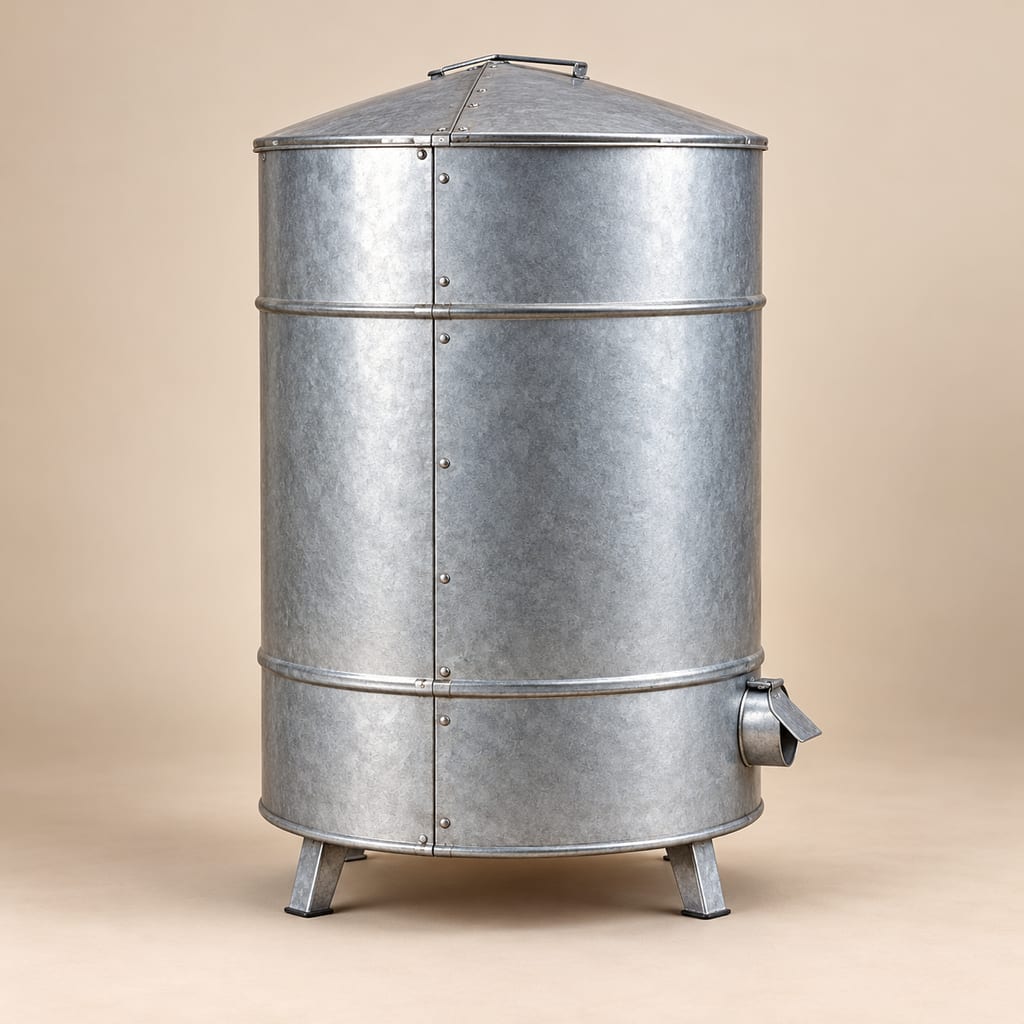
A locally fabricated galvanized-metal vessel for dry-grain storage. Household models sit on raised platforms and seal at inlet and outlet; they are movable containers, not granary buildings or fixed industrial installations.
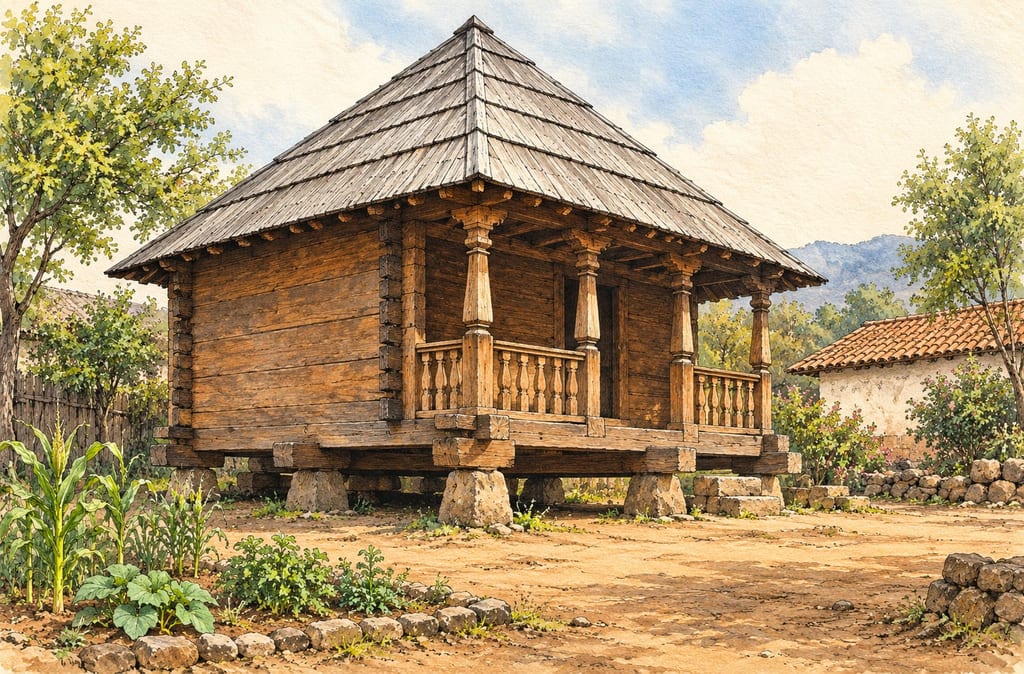
A Purépecha troje is a timber household dwelling with a raised loft for grain and seeds. Its portal, room and tapanco combine family life, food work and storage in a single structure.

From sour breads and milk to savoury seeds, cassava staples and living beers, African fermentation follows the crop, the community and the work of transformation.
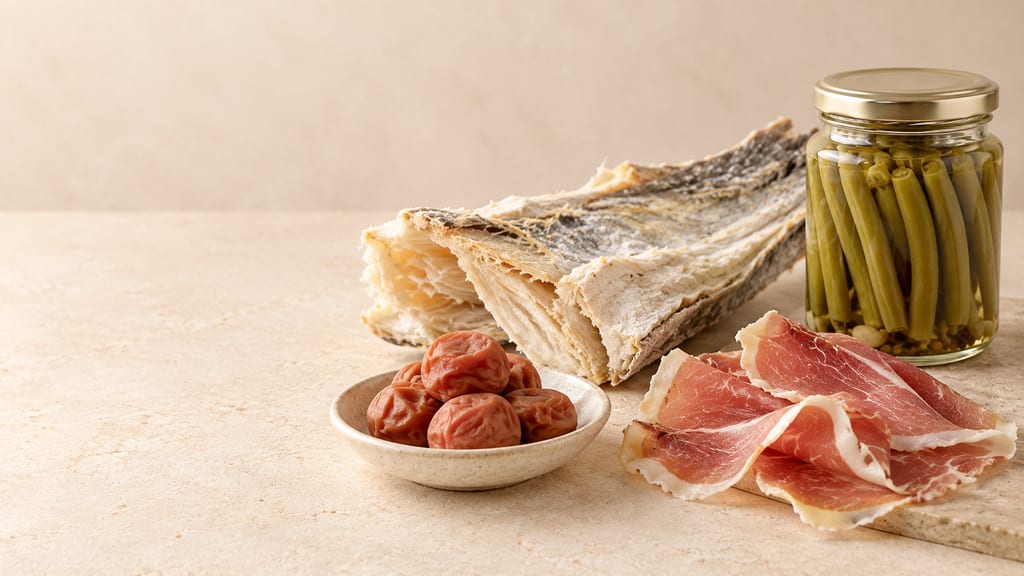
Every preserved food is a stack of barriers against microbes, enzymes, air and time. This is how they work, what a recipe's numbers measure, and how cooks worldwide build them.

Ají amarillo is the orange-yellow Peruvian chilli cultivar group of Capsicum baccatum, used to colour and season huancaína sauce and ají de gallina. Published heat estimates do not establish one range for the named cultivar.
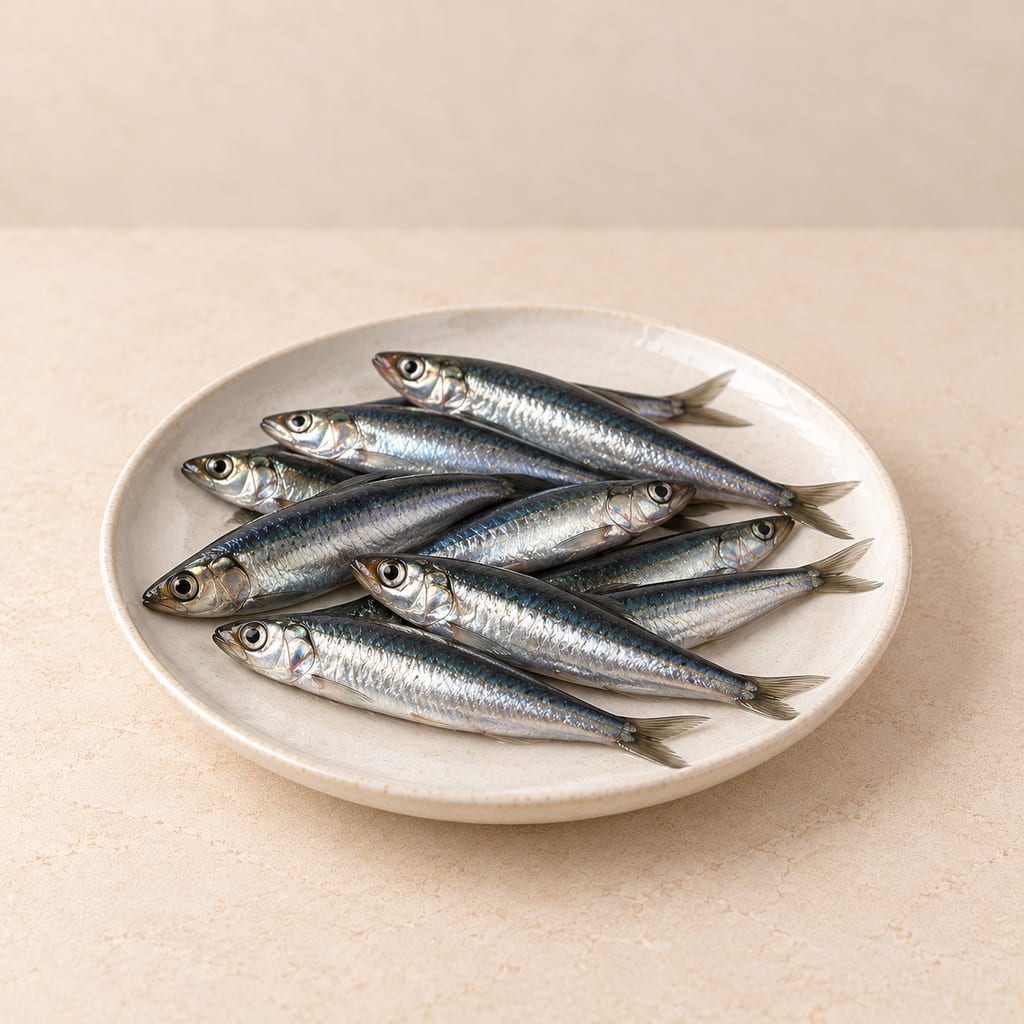
Anchovies are small schooling sea fish of the family Engraulidae, eaten fresh or dried and above all salted: as fillets in oil, whole salted fish or fish sauce.
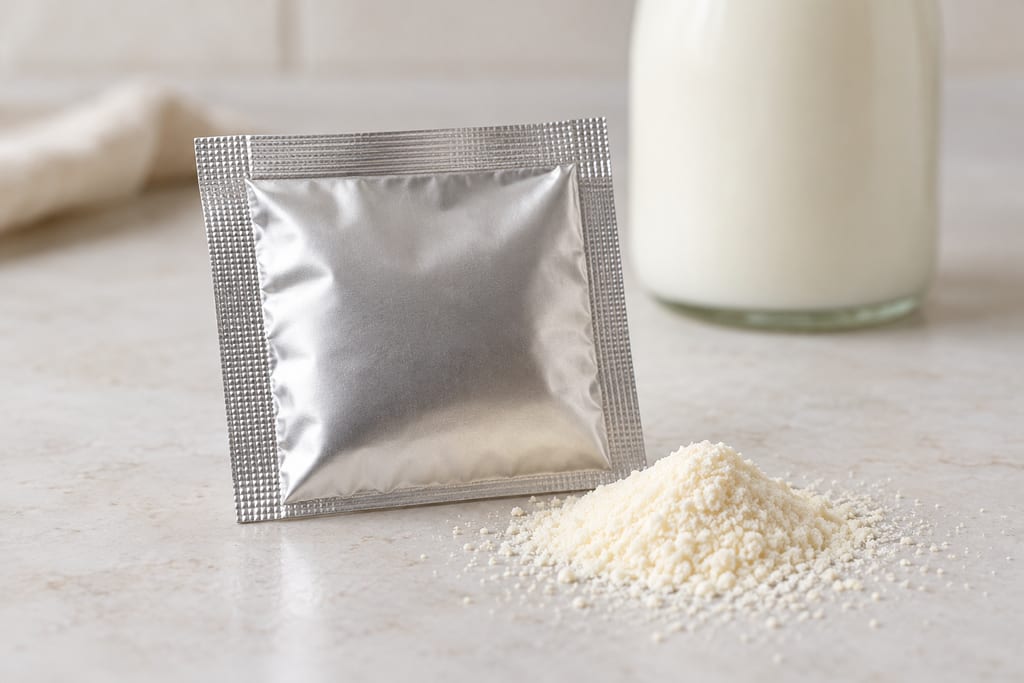
A mixed dairy starter selected for acidification and aroma. The documented Queso Andino culture has no identified modern strain blend or commercial formulation.

Ripe avocado flesh is the soft, buttery, fat-rich pulp of Persea americana, eaten raw. It is low in acid, so it is a fresh ingredient that needs care in chilled dishes.
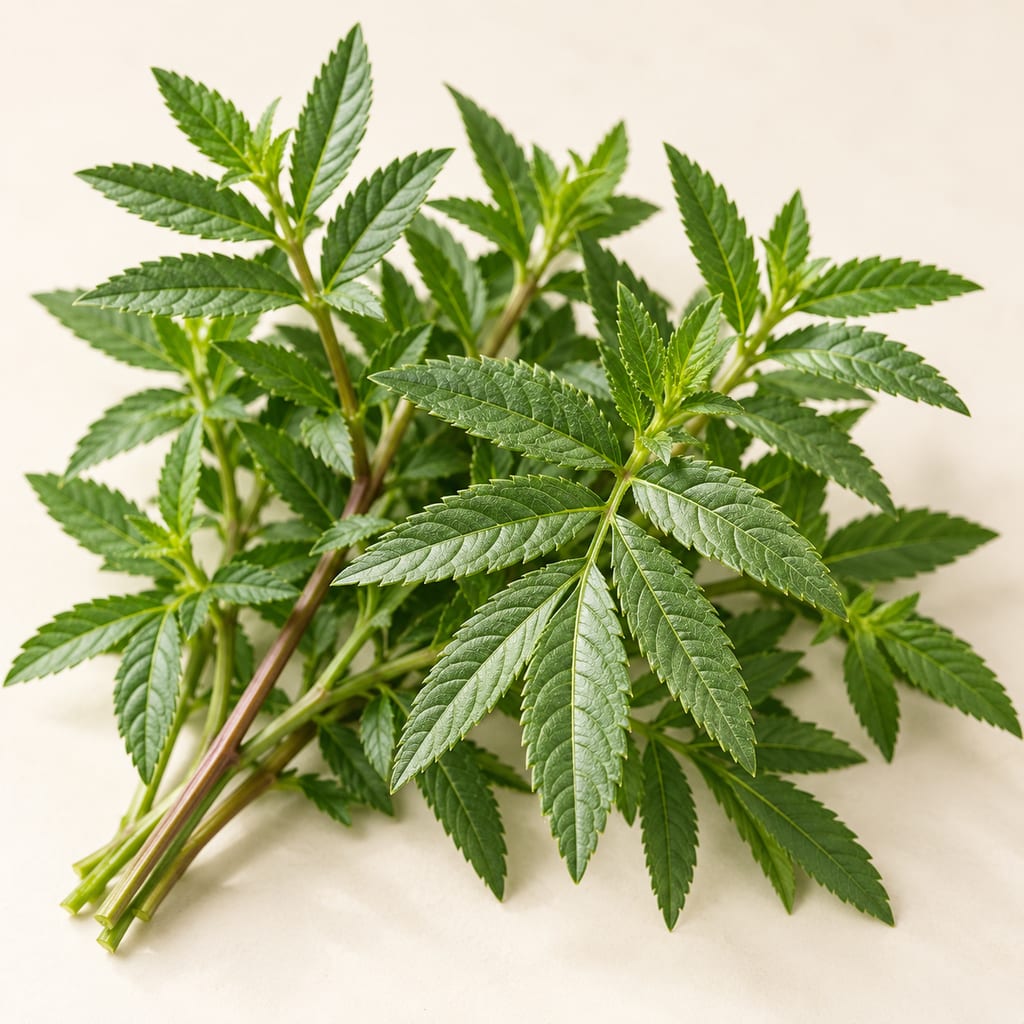
Chincho is the aromatic leaf of Tagetes elliptica, a perennial Andean herb used especially to season pachamanca in Peru's central highlands.
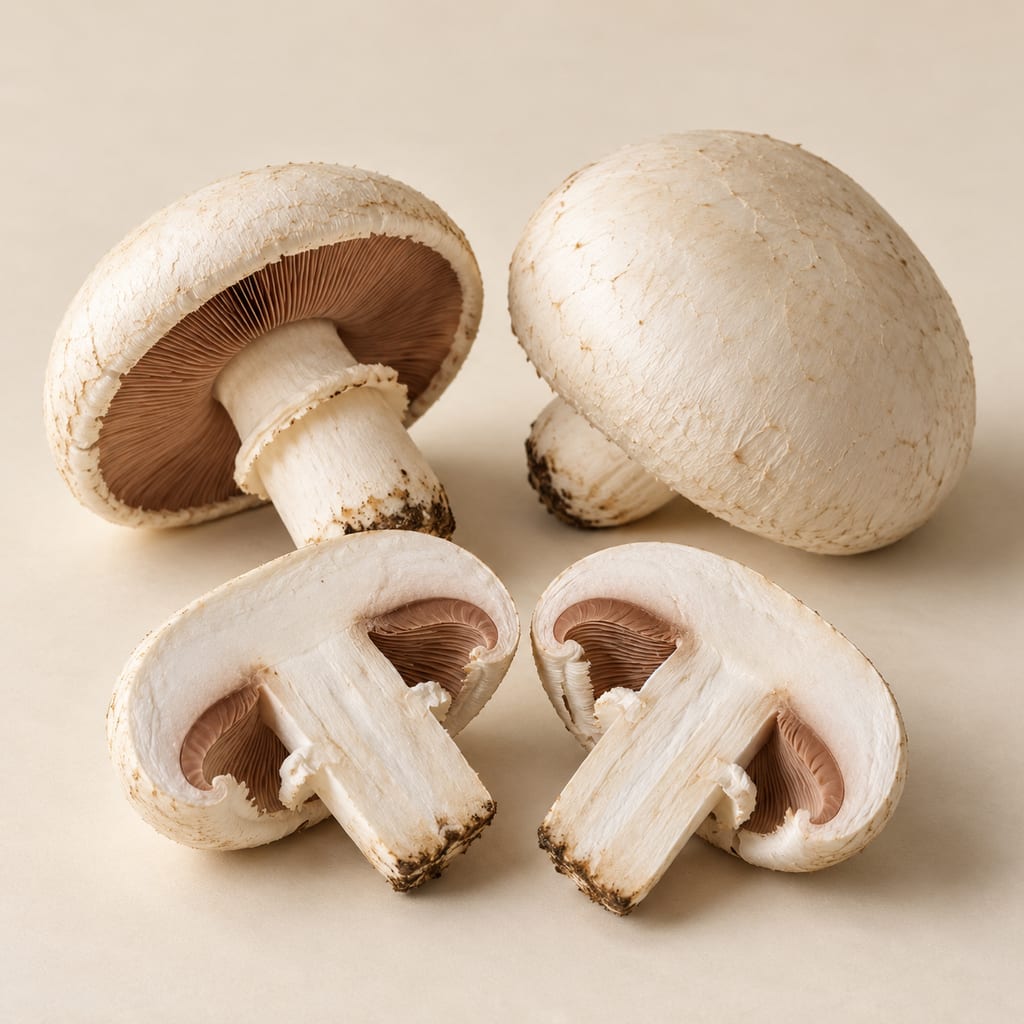
The field mushroom (Agaricus campestris) is a wild grassland fungus with a long record of cooked food use in several regions. Local names, seasons and practices belong to particular communities.
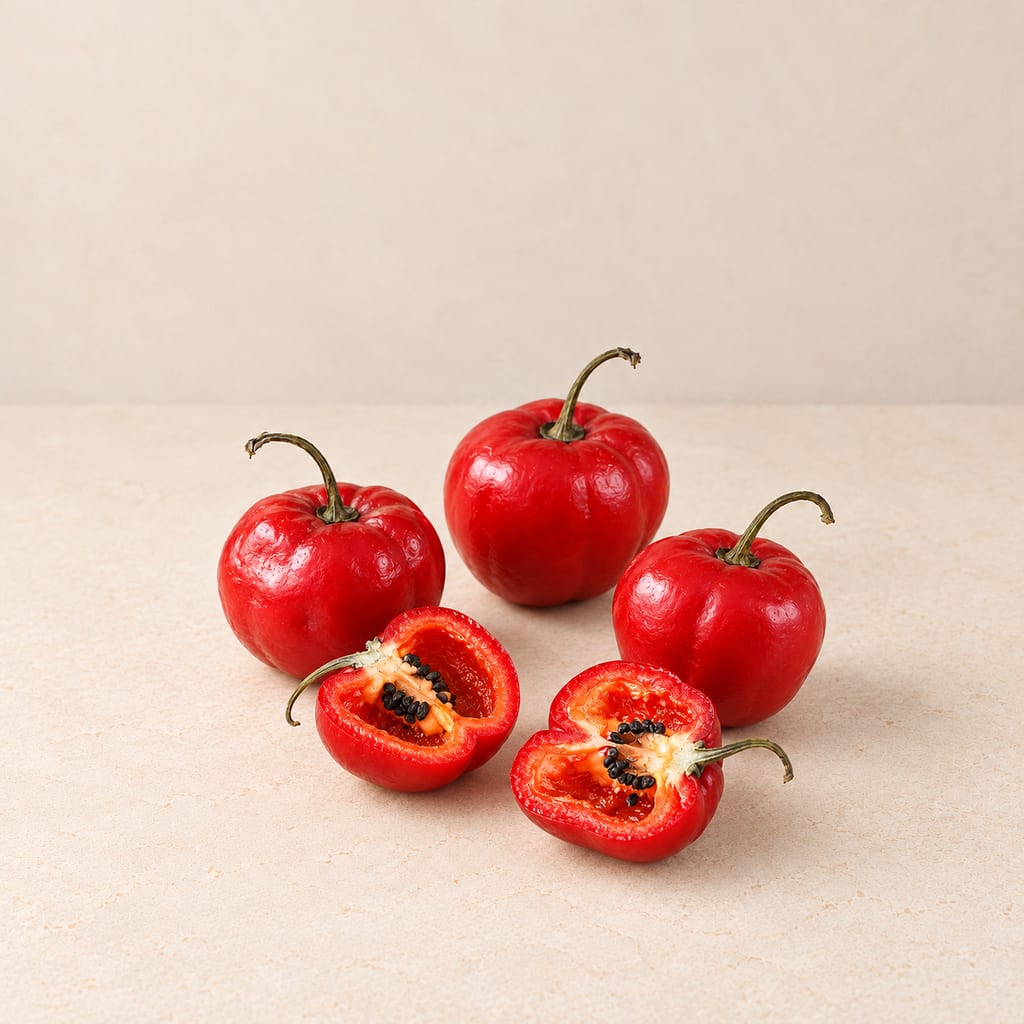
Locoto is the Bolivian name for Capsicum pubescens, an Andean chilli with thick-walled fruit, distinctive dark seeds and heat that varies between plants and harvests.
A wild Andean gilled fungus eaten in Peru under the name q’oncha. A 2017 study moved it from Pleurocollybia to Gerhardtia, and it features in Cusco festival tradition.

At North Abydos in Egypt, a fixed early Dynastic brewery comprised parallel semi-subterranean installations with rows of ceramic mash vats; excavation reports revise their number, scale and estimated batch capacity.

Toasted almonds are whole sweet almond kernels dry-roasted until golden to brown. Heat replaces their marzipan note with a roasted, nutty one; they thicken and flavour romesco.

Kodiak salmon, halibut and cod cut as seg'aq and hung on an initaq rack to become tamuuq, with kac'amaasaq and kupcuunaq named as different results.

Aniseed is the dried ripe fruit of Pimpinella anisum, an aromatic Apiaceae spice commonly called a seed. It adds a sweet, warm aroma to breads such as Moroccan krachel and South African mosbolletjies, and is distinct from star anise.

A fixed Late Chalcolithic installation in Areni-1 cave combined a shallow clay pressing basin with a large jar set into the cave floor and storage vessels nearby.

A portable dome and pan used over a hearth, with embers on the lid and heat from below. Regional peka and saç forms share this principle while differing in materials, pan shape and how the food is cooked.
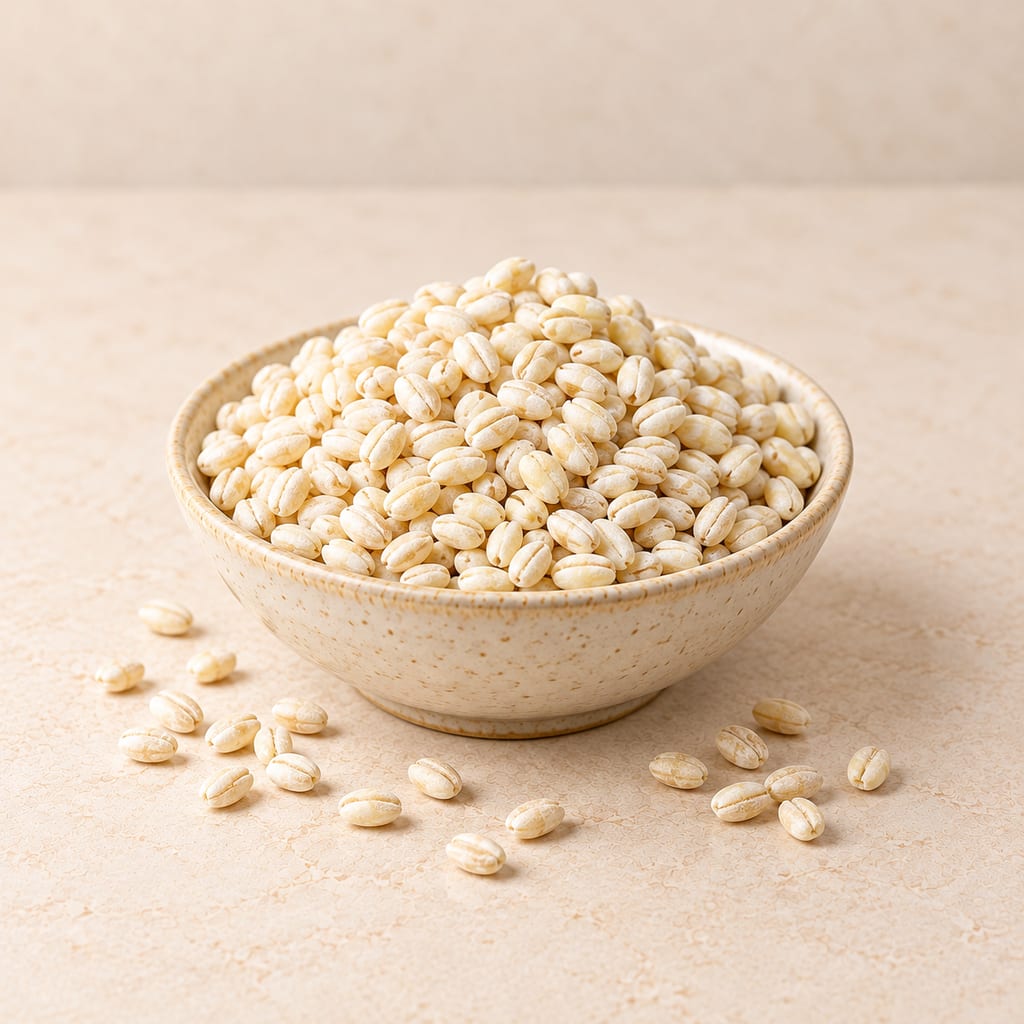
Barley is a hardy cereal, domesticated in the Middle East over 10,000 years ago, eaten whole, pearled or milled, malted for brewing, and grown with koji mold for barley miso.
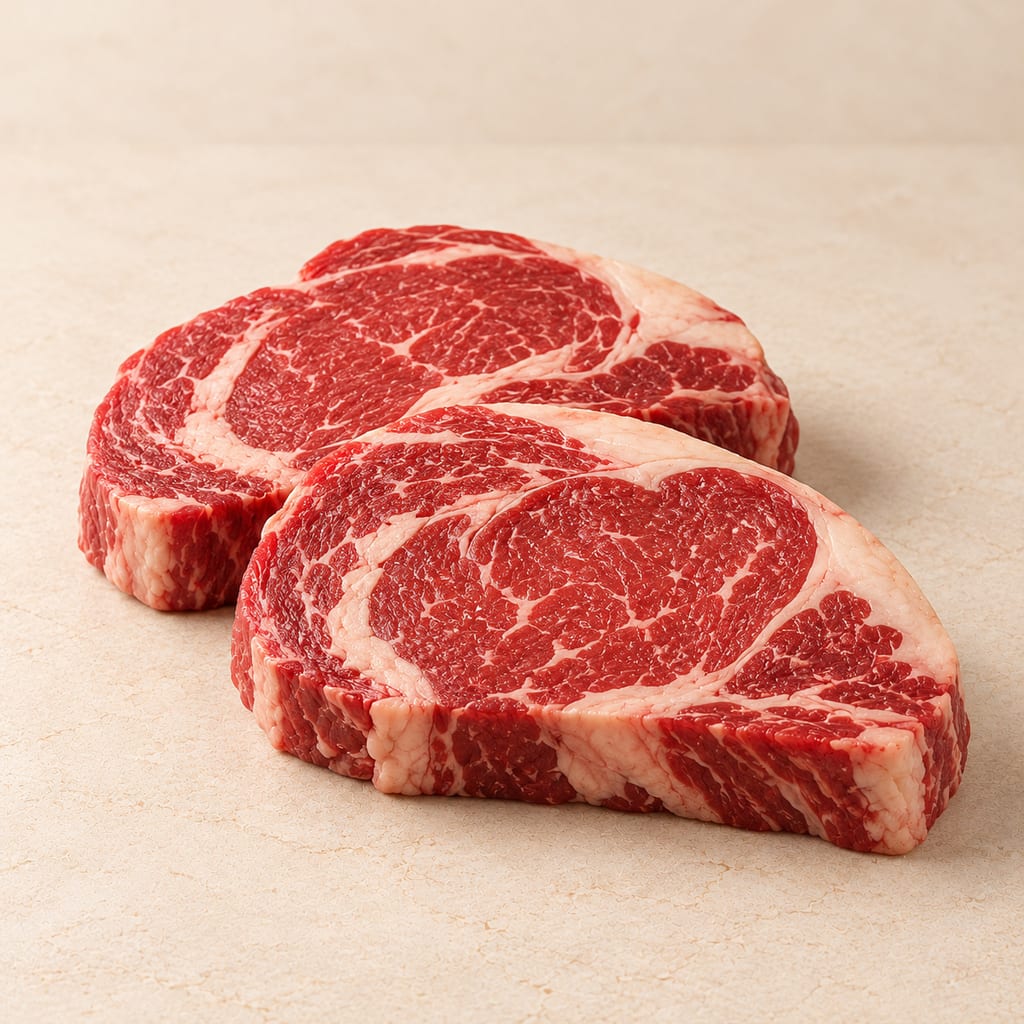
Beef is the meat of domestic cattle, Bos taurus and Bos indicus, sold as steaks, roasts, ground meat and cured products, and used in broths, salami and koji seasonings.
No community contributions have been published for this entry yet.
Sign in to contribute. Published comments and photos are free to read.
trexperienceperu.com
Peruvian Chicha de Jora: The Sacred Drink of the IncasCited in: Definition and Botanical Identity of Andean Maize; The Germination Process: From Grain to Jora; Biochemical Conversion: Starch to Sugar; Culinary and Ritual Uses of Maize Beyond Chicha
peru.travel
Chicha de jora: the nectar of the IncasCited in: Historical Role of Maize in Andean Fermentation; Culinary and Ritual Uses of Maize Beyond Chicha
polodelconocimiento.com
polodelconocimiento.comen.wikipedia.org
Chicha de jora - WikipediaCited in: Historical Role of Maize in Andean Fermentation; Biochemical Conversion: Starch to Sugar
nature.com
Early maize agriculture and interzonal interaction in southern Peru | NatureCited in: Historical Role of Maize in Andean Fermentation
fao.org
Fermented cereals a global perspective. Chapter 4.Cited in: Definition and Botanical Identity of Andean Maize; Varieties of Maize Used for Jora Production; The Germination Process: From Grain to Jora; Biochemical Conversion: Starch to Sugar
www2.congreso.gob.pe
www2.congreso.gob.peCited in: Historical Role of Maize in Andean Fermentation; Varieties of Maize Used for Jora Production
fao.org
fao.orgCited in: Definition and Botanical Identity of Andean Maize; Comparison with Nixtamalization and Other Preparations; Quality Control: Spoilage and Mycotoxin Risks
cimmyt.org
What is nixtamalization? – CIMMYTCited in: Comparison with Nixtamalization and Other Preparations; Quality Control: Spoilage and Mycotoxin Risks
lacerveteca.com
The Ferment That Started in the Mouth — La CervetecaCited in: Biochemical Conversion: Starch to Sugar
beerandbrewing.com
chicha, | The Oxford Companion to Beer | Craft Beer & Brewingelifesciences.org
Domestication and lowland adaptation of coastal preceramic maize from Paredones, Peru | eLifeCited in: Historical Role of Maize in Andean Fermentation