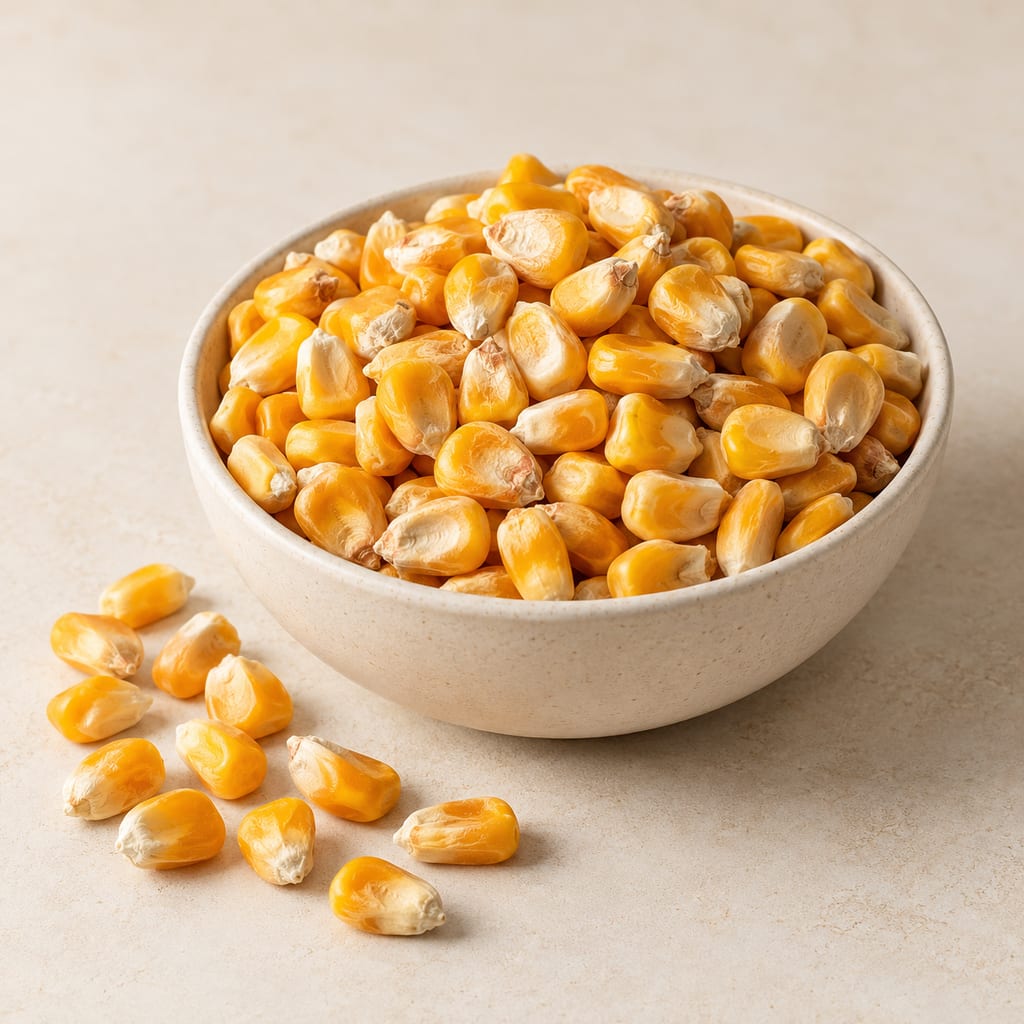
Maize
Maize is the foundational grain of Andean fermentation. Its role in brewing chicha de jora depends on germination into jora, a malted form generating enzymes and sugars necessary for alcoholic fermentation.
 FermenteaWhere food goes to change
Ablo · Abolo
Soft, lightly tangy steamed cereal bread documented across Benin and Togo. This page gives one measured rice-flour research method; maize-based Ablo and mixed-grain versions remain distinct traditions.
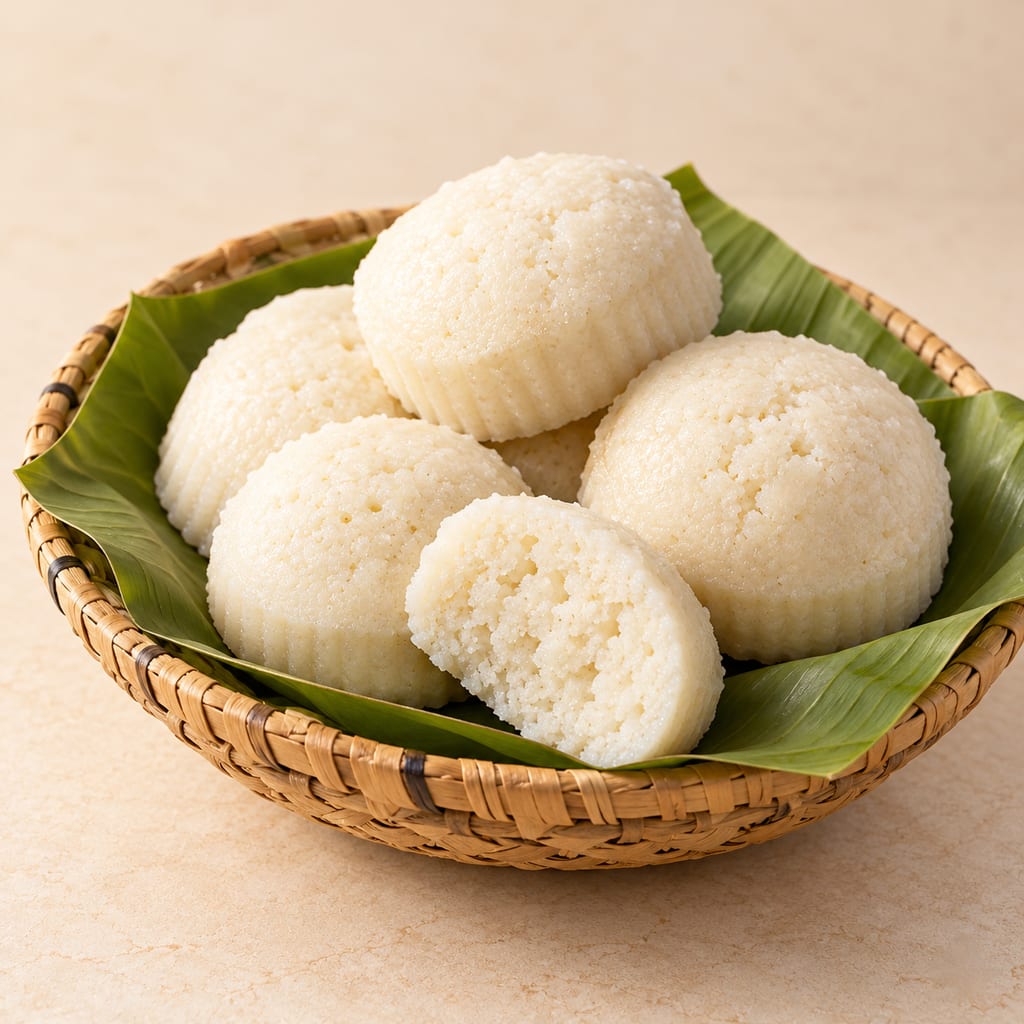
Ablo is a soft, moist bread made by fermenting cereal batter and cooking it in steam. It is eaten across Benin and Togo and appears in research on related food practices in neighbouring countries. The spelling Abolo also occurs. One food-science account connects the name with Mina, a language spoken in the region, and describes Ablo as bread made from semi-liquid fermented maize paste. The words and the food cross modern borders; this record therefore treats it as a regional preparation rather than assigning exclusive national ownership.
The available studies are strongest on production and consumption in the twentieth and twenty-first centuries, not on a precise beginning. They document a food made and sold in everyday settings, but do not establish a first inventor, a securely dated earliest mention or a single birthplace. Those limits matter: a food can have a long, meaningful history even where published evidence does not support a neat origin story. The date of this page's first attestation is consequently left unknown.
Traditional production research identifies maize as the older or original cereal in Ablo. Makers first process maize into mawè, a fermented dough or paste, then prepare the batter for steaming. This sequence takes time: grain preparation, fermentation and cooking are distinct stages, and the acidity and gas production of the fermented dough affect the resulting cake. One Benin study reports that makers sometimes use mawè before it becomes strongly sour, indicating that the starter's stage matters to the desired flavor.
Rice-only Ablo and maize-rice blends are documented alongside maize versions. Studies describe these as adaptations, particularly in changing urban markets, rather than as evidence that maize disappeared. A survey reported maize production in Comè and rice production in Cotonou; some makers in Comè blended a modest share of rice with maize. This is a snapshot of particular makers and places, not a map of every village or a rule about what all residents prefer.
The formula here is deliberately different from the mawè-based process: it uses rice flour, a small amount of wheat flour and measured baker's yeast. A 2021 research paper specifies this controlled rice method and measures the dough and cake properties. Publishing its exact ingredients helps readers reproduce that method, but does not make it the definitive Ablo recipe. Yeast-assisted rice batter should not be silently combined with a maize process using a fermented mawè starter.
Fermentation is the biological stage that prepares the batter to expand and contributes acidity. In a leavened dough, yeast uses available sugars and releases carbon dioxide; bubbles retained by the viscous batter expand the crumb. Research on Ablo describes yeasts and lactic-acid bacteria in related cereal preparations, but the exact community depends on whether makers use spontaneous fermentation, mawè or added yeast. This recipe adds a specified baker's yeast, so a reader should not infer that its microbial process matches a spontaneous starter.
The paper's rice trial ferments for five hours at 33°C. These are experimental conditions for its particular flour ratio, not universal targets for traditional Ablo. A different rice flour or room temperature changes water absorption and fermentation rate. The source does not offer an exact home fermentation endpoint applicable across kitchens, so the recipe keeps the study's time and controlled temperature together and does not convert them into a pH or shelf-life promise.
The rice method first heats one quarter of the rice flour in water, then cools this paste before mixing in the other ingredients. Heating gelatinizes some starch and thickens the mixture. Starch gelatinization and batter fluidity affect how the dough expands under heat: research on rice Ablo links flour treatment, dough properties and rice variety to expansion and firmness. If the precooked paste becomes too thick, the batter can become less fluid and expansion may suffer. The exact balance depends on the flour and on the amount of starch treated.
The formula uses the hot-water-bath step at 74–85.6°C for 15 minutes and cools the paste to 45°C. Rather than pick one precise value the source did not identify as universally best, the instructions preserve that reported range and ask the cook to monitor it. This is a controlled food-science method; ordinary household maize preparations may cook or ferment flour differently.
After the cooked paste cools, the remaining rice flour, wheat flour, salt, yeast and reserved water are mixed at low shear for twelve minutes. The study used 80 rpm. Low-speed kneading distributes the ingredients and builds a consistent batter; the dough is not kneaded to develop a wheat bread gluten network. Wheat flour is part of this specific formula, but rice remains the majority cereal. It means this version contains gluten and is unsuitable for someone avoiding wheat.
The recipe ferments the mixed dough at 33°C for five hours, folds in sugar afterwards, then portions it into 32 g amounts in mini aluminum molds. The paper's order matters: sugar is added after fermentation in this method, not at the beginning. The cakes steam for thirteen minutes and rest for ten minutes after cooking. Steaming sets the starch-rich batter without browning it on a dry surface, producing the moist, tender form associated with Ablo. Different mold sizes alter heat penetration and therefore need their own timing; the published small portions are the reference here.
Ablo appears as breakfast, dinner food and a snack. Published descriptions include street vending and service in homes, hotels and celebrations. It can be eaten plain or with spicy tomato sauce, pepper and onion mixtures, fish or meat. The exact accompaniment depends on household and seller; the bread's neutral, slightly sour cereal base works alongside savory flavors without requiring a single fixed sauce.
Production is also skilled daily work. Studies of Benin food commerce describe women as central to making and selling Ablo and record production connected with everyday income and occasions such as weddings and baptisms. Those observations are tied to surveyed communities and should not be generalized into a claim that every maker, household or celebration follows one custom. They do show that Ablo is both a prepared food and part of local markets and social meals.
The clearest documented variations are the grain base and the fermentation approach: maize with mawè, rice alone, or a maize-rice blend; spontaneous starter activity or added yeast. Studies also compare fermentation duration and flour handling. These methods may yield differences in acidity, volume, crumb and firmness, so they should remain separate recipes when quantities and steps are available. This page gives only the rice-flour research formula in executable detail and explains the maize tradition as context.
Published sensory work treats color, texture, odor and consistency as qualities that people notice. The rice research connects dough fluidity and starch treatment to expansion and density, helping explain why a cake can turn out more compact when the flour properties or precooking differ. These are evidence-based process relationships, not a promise that every successful cake will have an identical crumb. Batter rise is a quality observation; it does not by itself establish safe handling or cooking.
The weights and times in the method come from a controlled rice-based experiment. The approximate yield follows the study's 32 g portions and the total ingredient mass; transfer losses and mold filling will alter the number. Temperature-controlled equipment is needed to repeat the reported method closely. If working at ordinary room temperature or using a different flour, describe the change as an adaptation, because the paper does not validate those substitutions.
The source does not provide a tested household storage duration for this specific formula. The cooked cakes are moist and should be treated as perishable; cool them promptly and refrigerate leftovers rather than relying on smell or appearance. Handle the hot paste and steamer carefully. Wheat flour is an explicit allergen for people with wheat allergy or coeliac disease. This safety note does not claim that fermentation or a good-looking rise is a validated safety control.
Rice flour supplies most of the starch and gives this version its cereal character. Its fineness, variety and water uptake affect batter flow; research tests how variety and dough properties relate to expansion. The quarter-flour precook changes part of that starch before the remaining flour is added. Water is split between the paste and later mixing, so putting all of it into the first step alters hydration and consistency.
Wheat flour is a small share of the total flour but is not optional in the published formula. It contributes a different protein and starch mixture from rice and introduces gluten as an allergen. Salt seasons the dough, baker's yeast leavens it, and sugar is folded in after fermentation. Replacing wheat or changing the yeast amount creates an adaptation rather than preserving the tested formula.
Research on Ablo spans makers, street food and laboratory work. A survey recorded different cereal choices at different sites, including maize in Comè and rice in Cotonou. This shows how ingredients, consumer demand and production setting can shape a food's repertoire. It does not prove that rice Ablo originated in Cotonou or that geography alone determines its method.
The controlled rice method was developed as food-science research, where flour proportions, temperature and dough properties could be measured. It is useful because it provides exact weights and steps, not because laboratory production replaces vendor knowledge. Traditional maker surveys and controlled experiments answer different questions: one describes production systems and the other tests a selected formula. Reading them together gives context without merging them.
Rice flour is not uniform. Milling, cultivar and storage can change particle size and absorption, and studies treat grain variety and dough viscoelasticity as meaningful variables. A stiffer batter may not hold gas or expand like the tested batter. Separate work on gelatinization connects the degree of starch cooking to fluidity and final firmness. These findings explain why small flour or heating changes can alter texture.
The controlled settings work as a linked set: precook a measured fraction, cool it, mix at low speed, ferment warm, portion small molds and steam for the specified time. Changing one condition changes dough behavior, so this recipe does not promise the research result under arbitrary conditions. It does not invent a visual endpoint or storage period absent from the paper.
The regional label covers a repertoire, not a single standard. Grain supply, milling facilities, customers and time available can contribute to choices among maize, rice and blends, while studies document that these forms are made and sold. A producer working with fermented maize dough and a researcher measuring a rice batter describe different parts of that repertoire. Their accounts complement one another as long as their processes remain distinct.
The distinction explains why this exact rice formula cannot stand in for every Ablo eaten with fish or pepper sauce. It is a reproducible example of a measured modern variation, alongside older and continuing maize-based practice. Publishing it does not erase those forms or imply that laboratory control makes it more authentic.
Studies document Ablo as a Benin–Togo regional steamed cereal bread and describe maize and newer rice forms, but do not establish a securely dated first attestation.
Yield 19 small cakes · Scaling: source batch only
This recipe contains wheat flour.
Rising batter and sensory cues are not safety tests.
Studies document maize-based traditional Ablo and rice or mixed-grain variants in Benin; no exclusive origin claim.
The cited survey observed maize-based production in Comè; this does not claim every local maker uses maize.
The cited survey observed rice-based production in Cotonou; this does not claim rice originated there.
Research describes Ablo/Abolo in Benin–Togo foodways and Mina-speaking communities; the record does not imply exclusive ownership.
The cited study situates related cereal bread traditions in Ghana; it does not claim identical formulas across countries.
Maize is the foundational grain of Andean fermentation. Its role in brewing chicha de jora depends on germination into jora, a malted form generating enzymes and sugars necessary for alcoholic fermentation.
Rice flour is ground, non-waxy rice used in breads, batters and noodles. Its particle size, milling and rice variety shape how it absorbs water and sets when cooked.
From sour breads and milk to savoury seeds, cassava staples and living beers, African fermentation follows the crop, the community and the work of transformation.
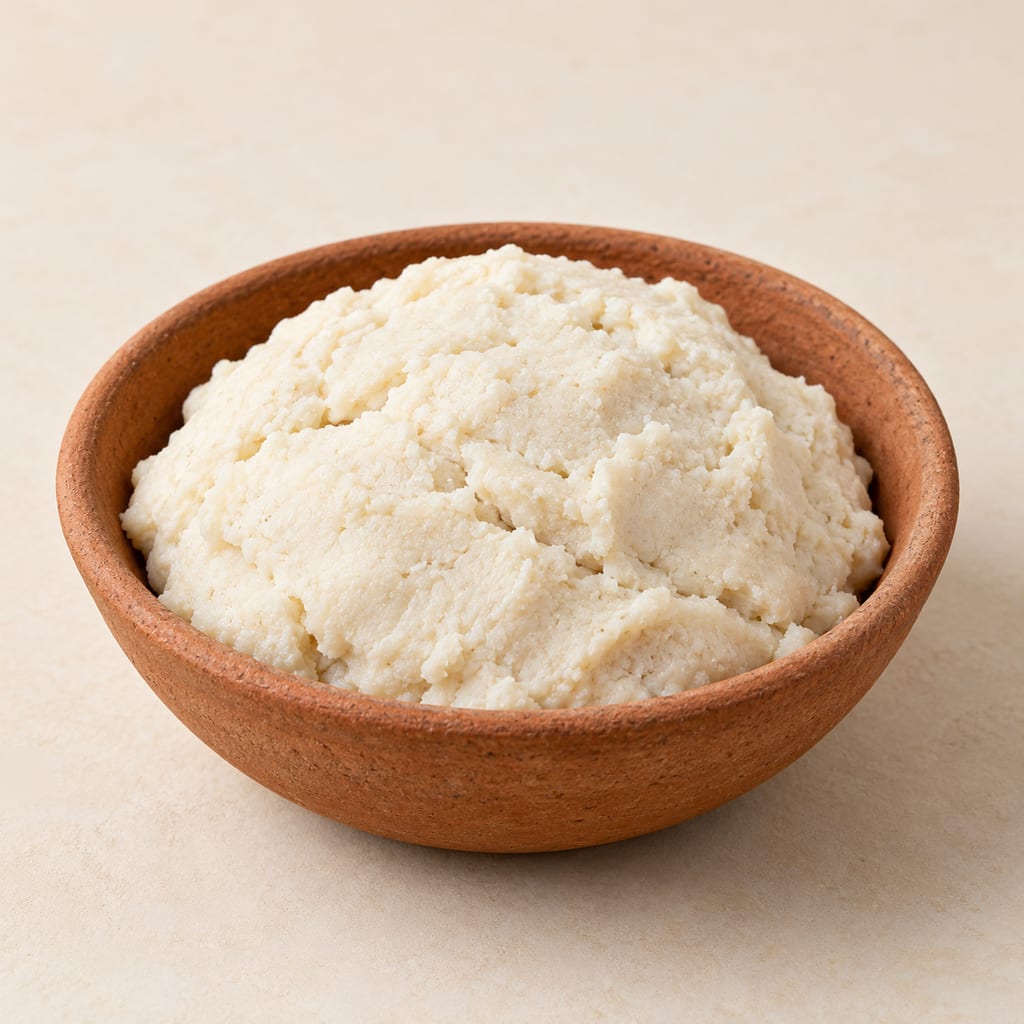
Ghanaian sour cassava dough fermented with traditional inoculum and drained during fermentation. It is used as a base for cooked foods such as banku and akple; process variants and safety outcomes differ.
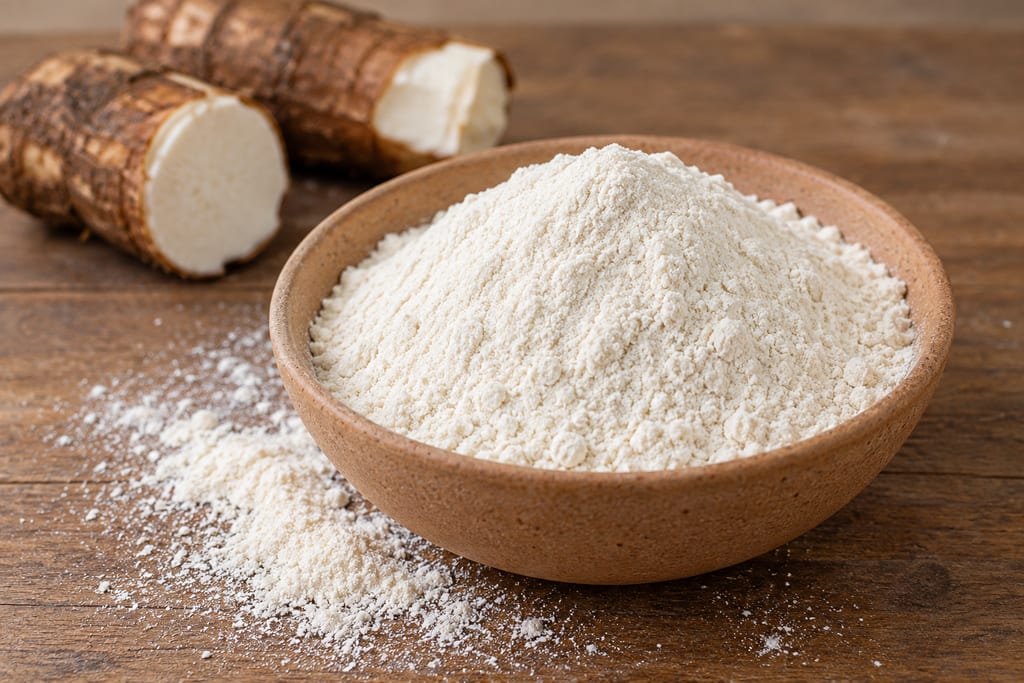
Lafun is a Nigerian fermented cassava flour described in historical accounts. This record documents reported processing stages, not a validated household method or a batch-specific cyanogen and moisture safety endpoint.
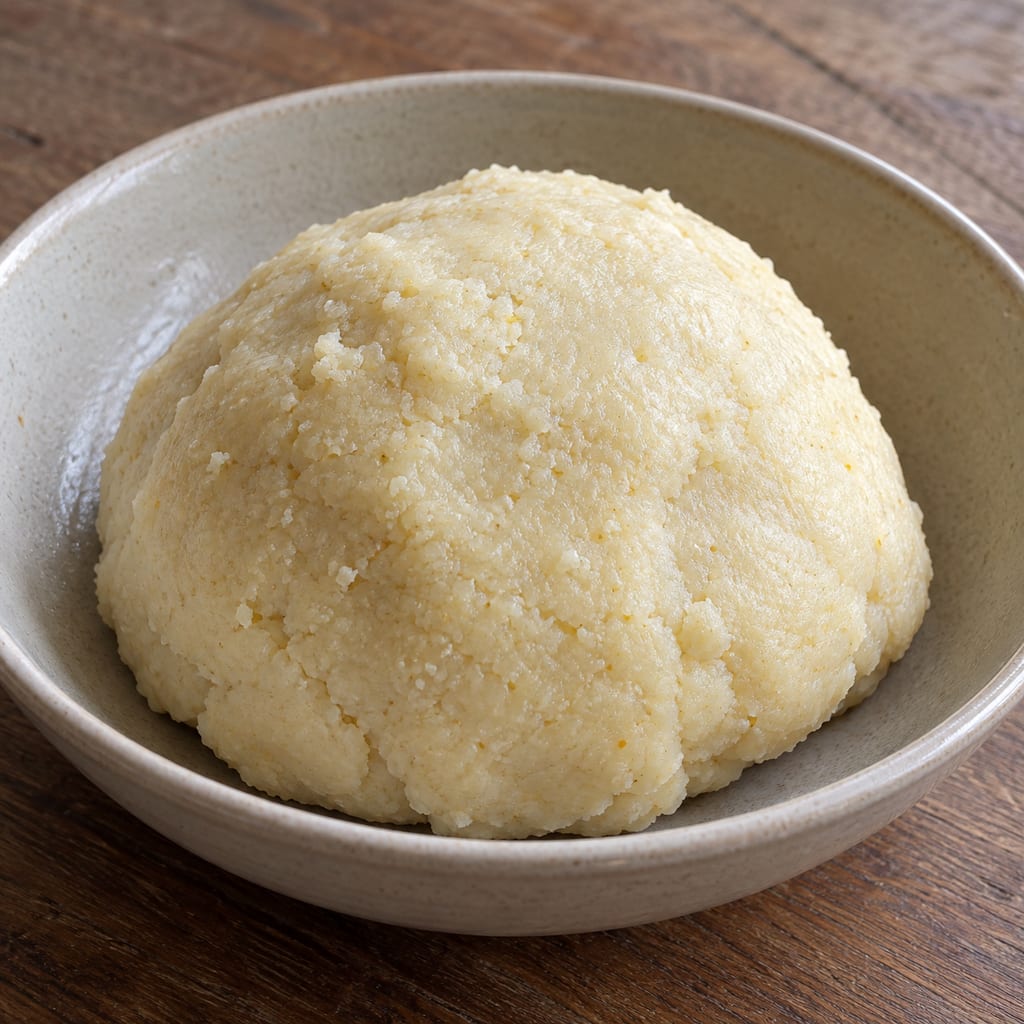
Mawè is a spontaneously fermented maize or other cereal dough from Benin and neighbouring West Africa, soured by lactic bacteria and yeasts and used as the base for cooked pastes, porridges, breads and drinks.
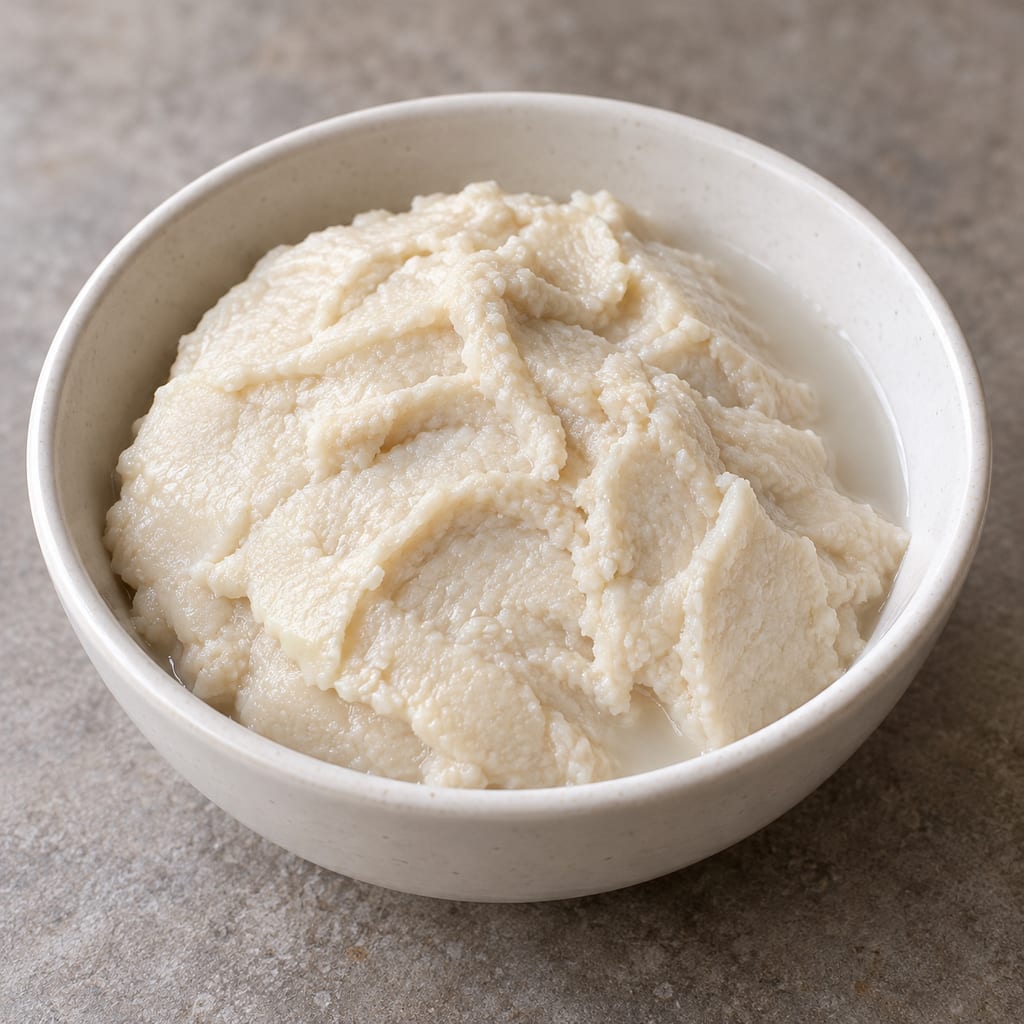
Ogi or akamu is a wet fermented cereal preparation documented in Nigeria and Benin. Grain or maize starch is steeped, milled or sieved, then fermented by process-specific routes; evidence supports no universal method or safety limit.
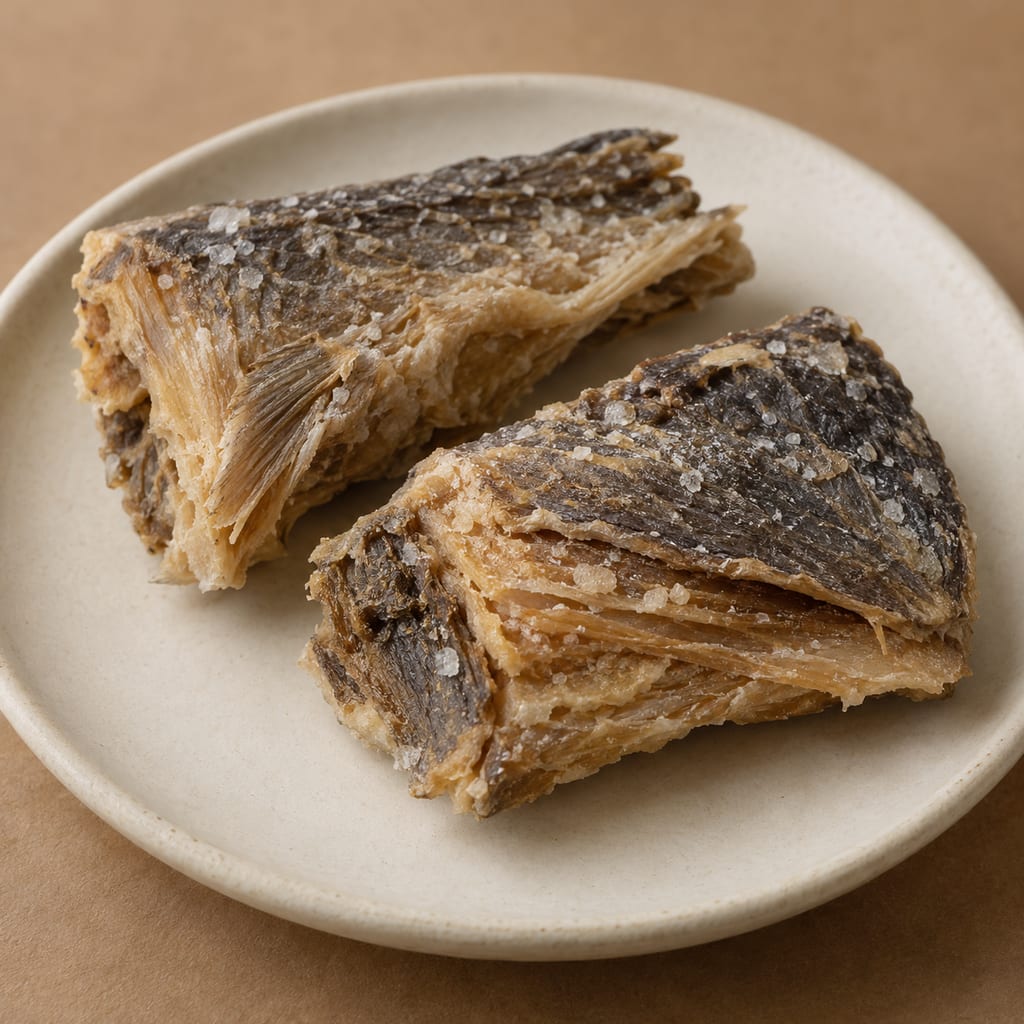
Lanhouin is a strongly flavoured fermented fish condiment documented in coastal West Africa, including southern Benin. This page records one published research reproduction as evidence, not as a validated home-preservation recipe.
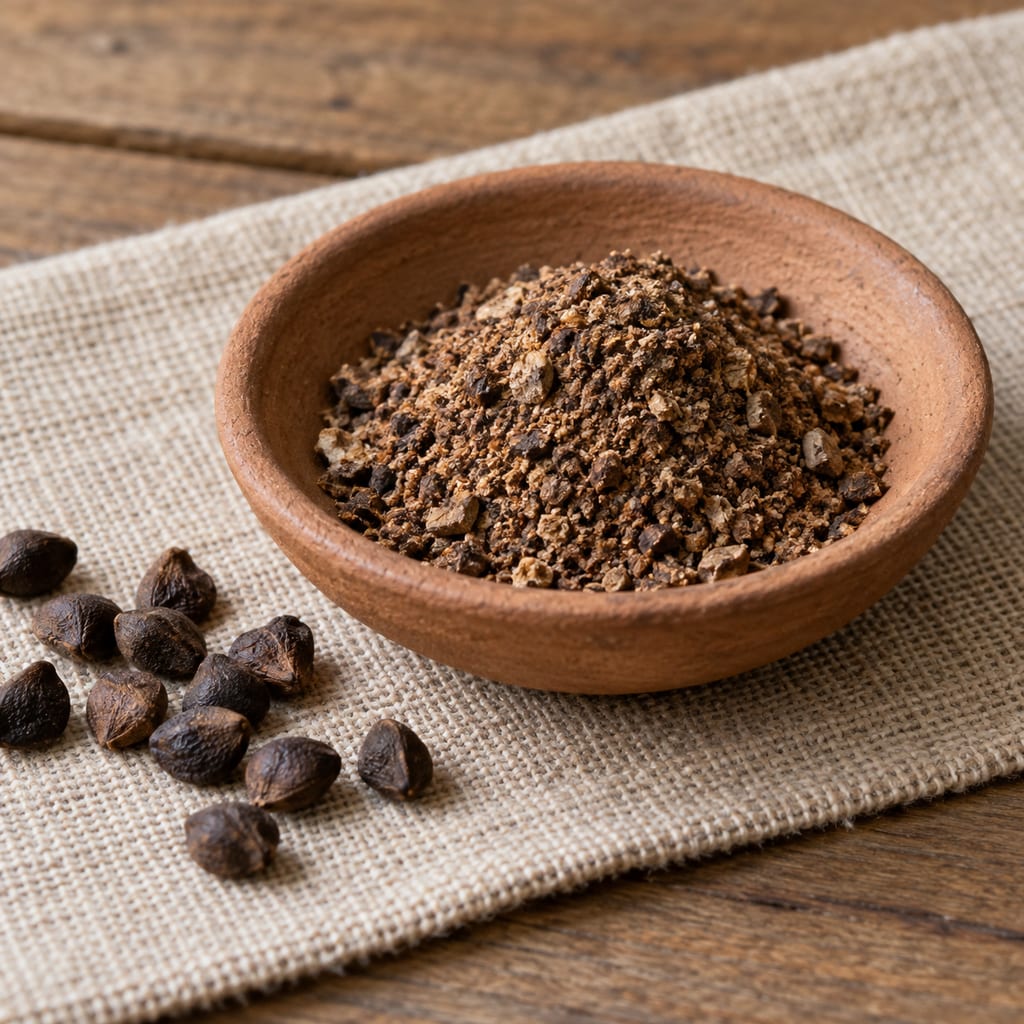
A traditional Beninese inoculum made from fermented roselle, cotton or baobab seeds, rich in bacterial spores, added to cooked African locust beans to speed up fermentation and soften them into sonru.
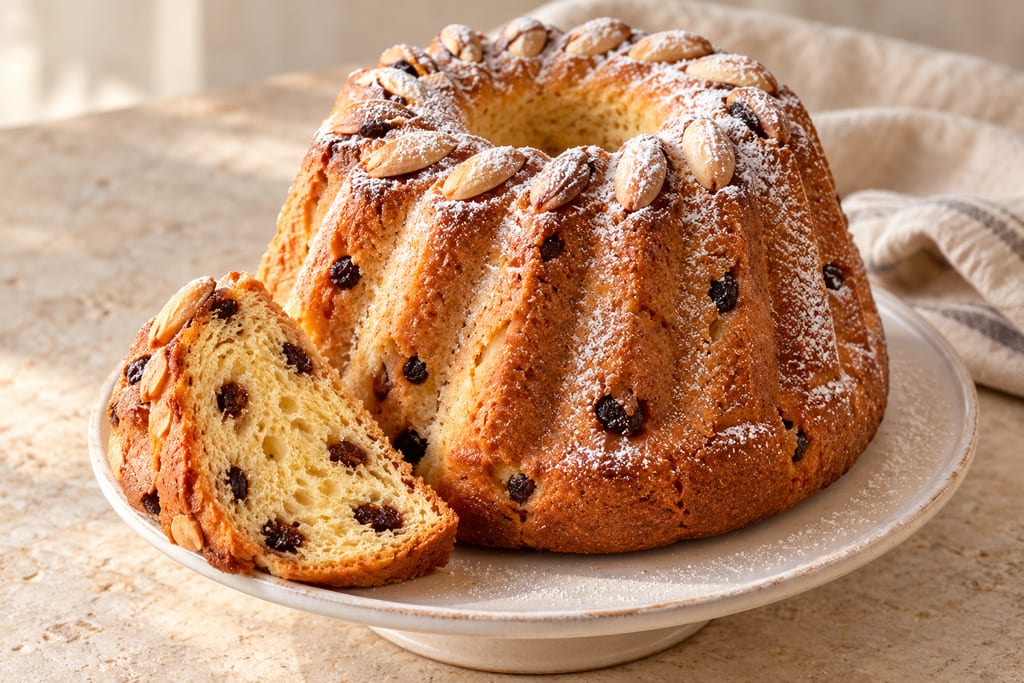
An enriched Alsatian yeast ring with raisins and almonds, kneaded with butter, proofed in a fluted mould and baked until browned.

Anpan is a soft wheat bun filled with sweet red-bean paste and finished with egg wash and black sesame. This dough rises with commercial instant yeast.
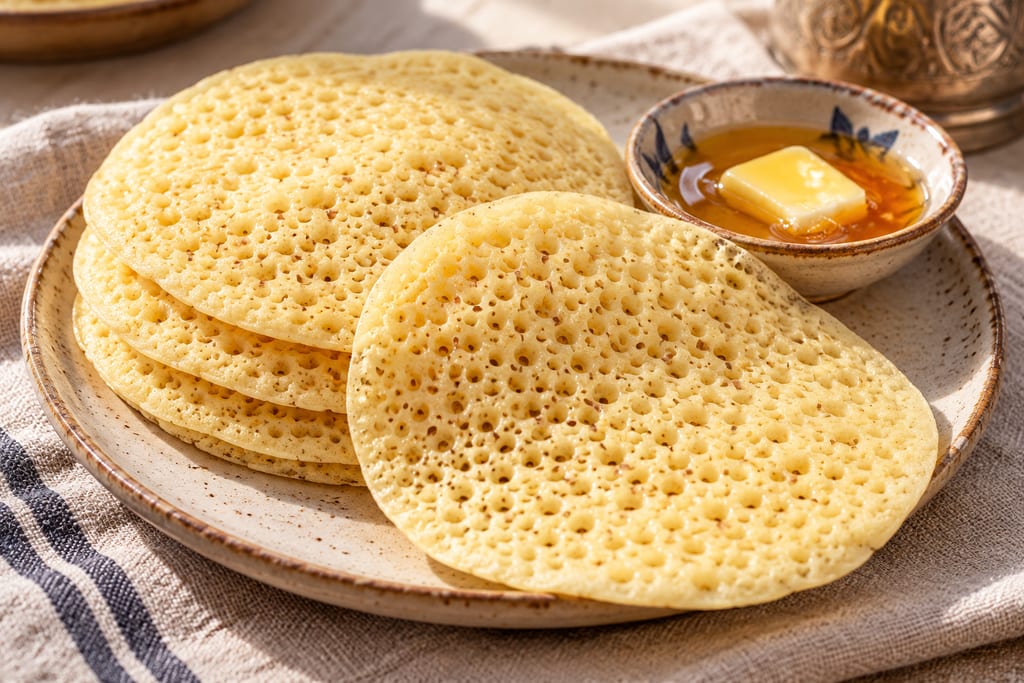
Moroccan semolina pancakes made from a thin yeast batter, rested until foamy and cooked on one side until the surface sets with a honeycomb of holes. This source-specific batch makes sixteen 5-inch pancakes.
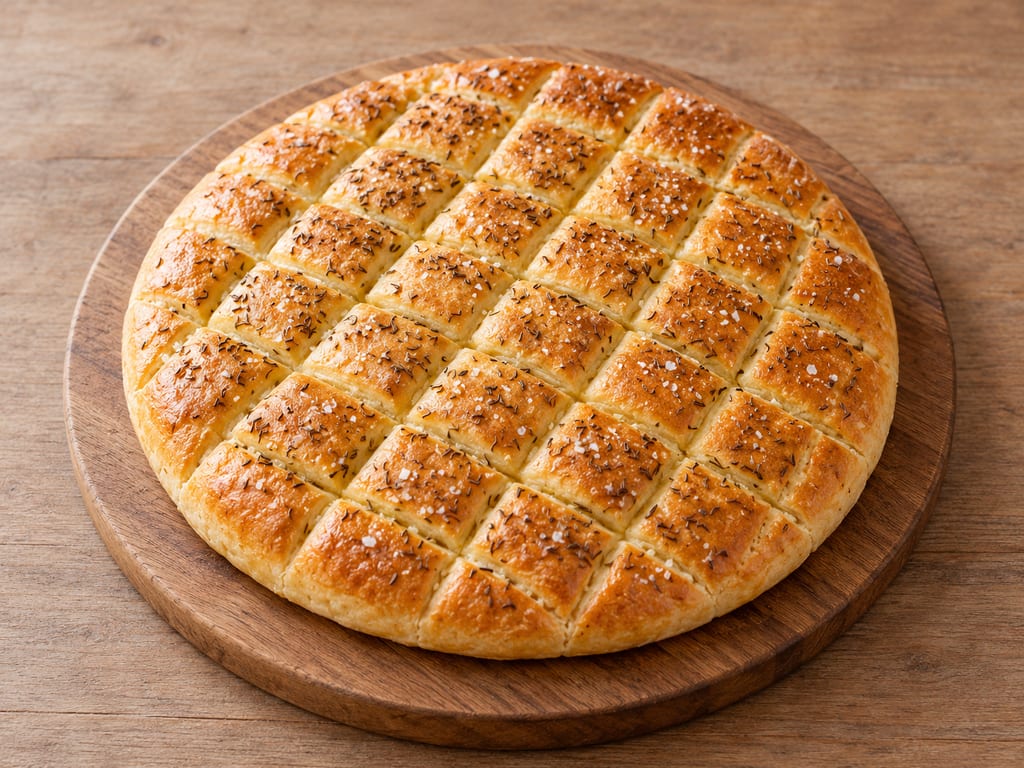
A round Slovenian flatbread scored in a grid and topped with caraway and coarse salt.
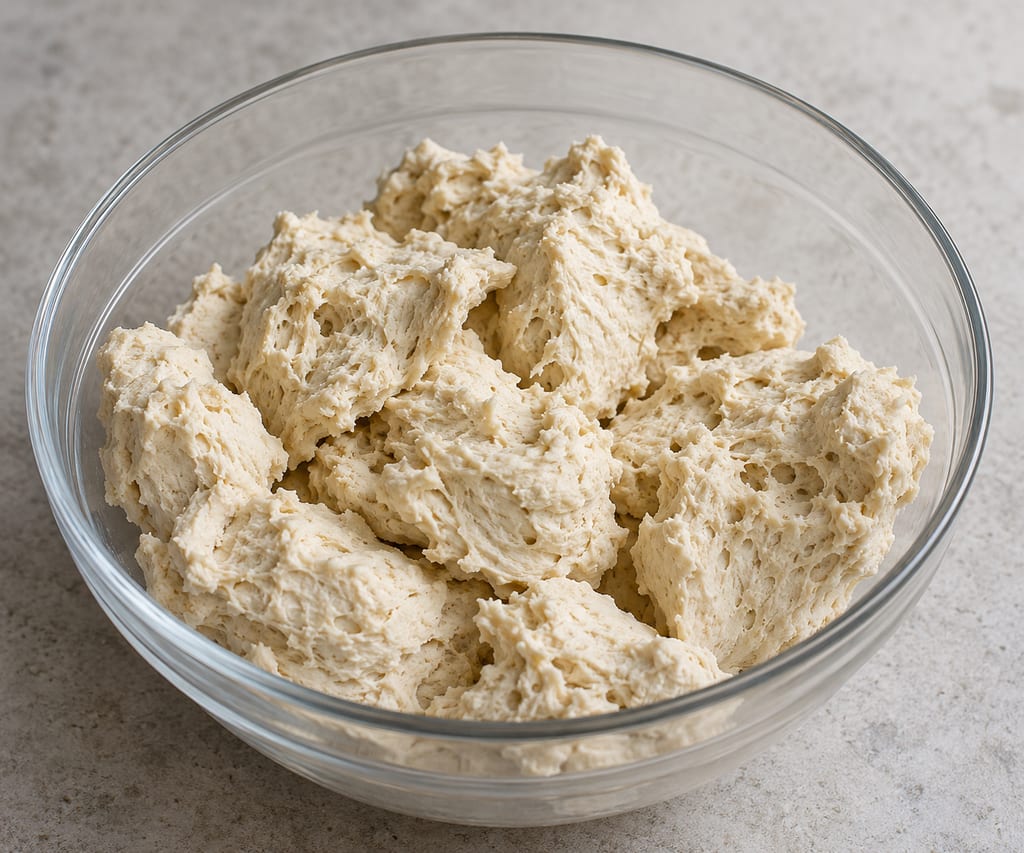
Biga is an Italian bread preferment of flour, water and a little yeast, usually a stiff unsalted mass of about 45 per cent water, fermented ahead and then mixed into the final dough.
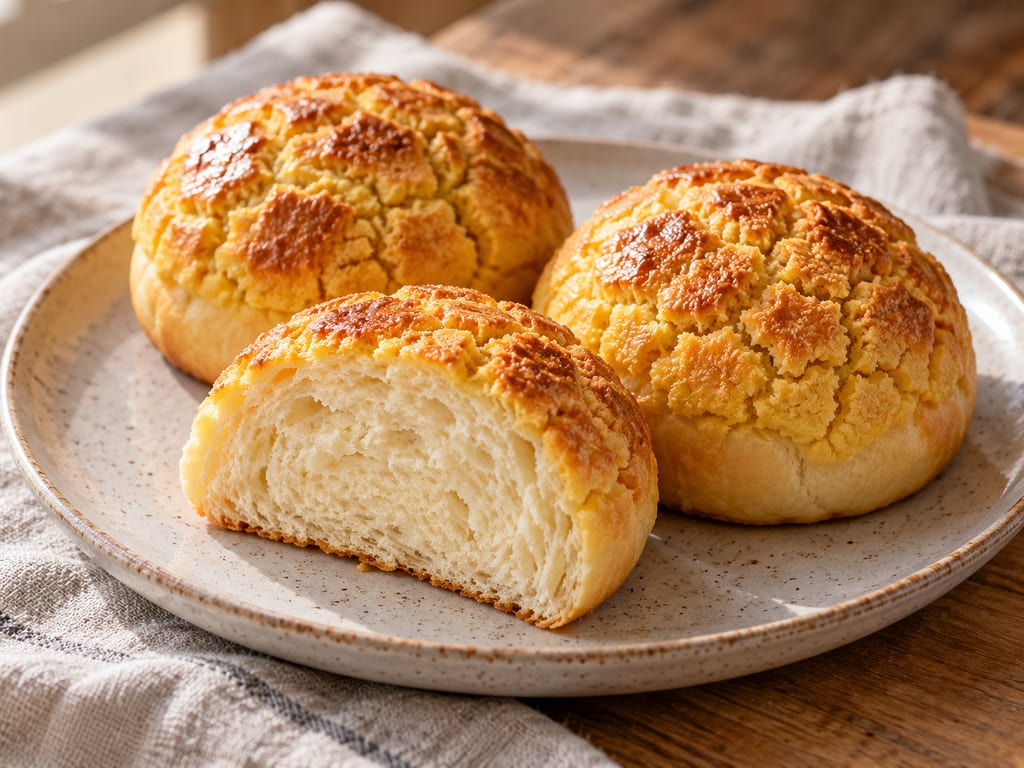
Hong Kong-style pineapple buns have soft yeast dough beneath a crisp, sweet pastry topping.
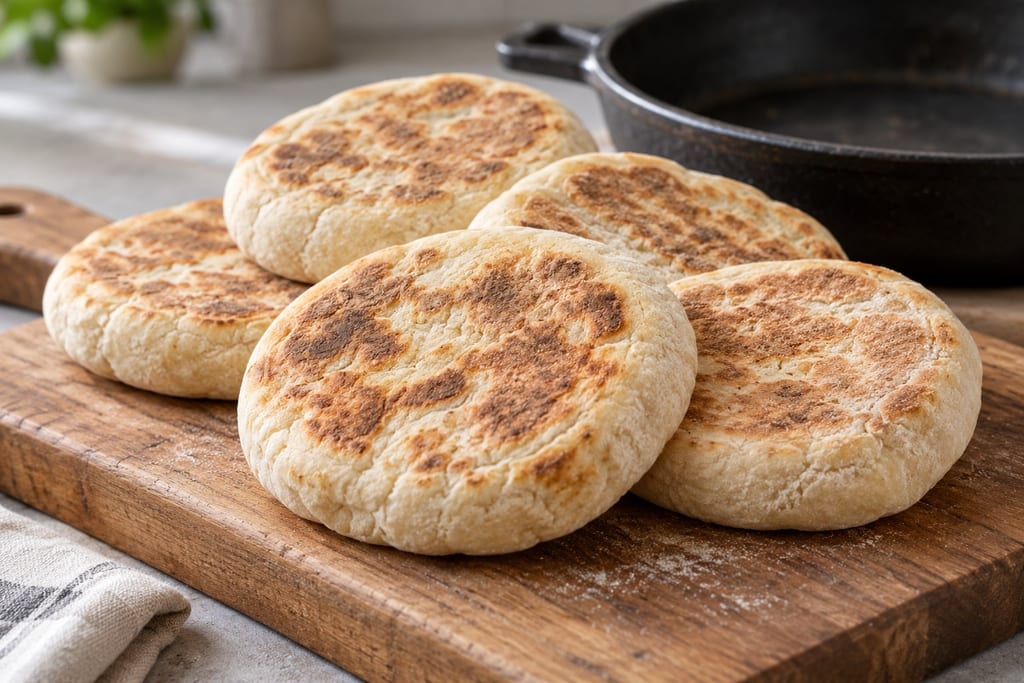
Sweet-potato wheat breads with fresh yeast, browned in a pan and finished in the oven. This is the bread component of Teleculinária's scrambled-egg dish.
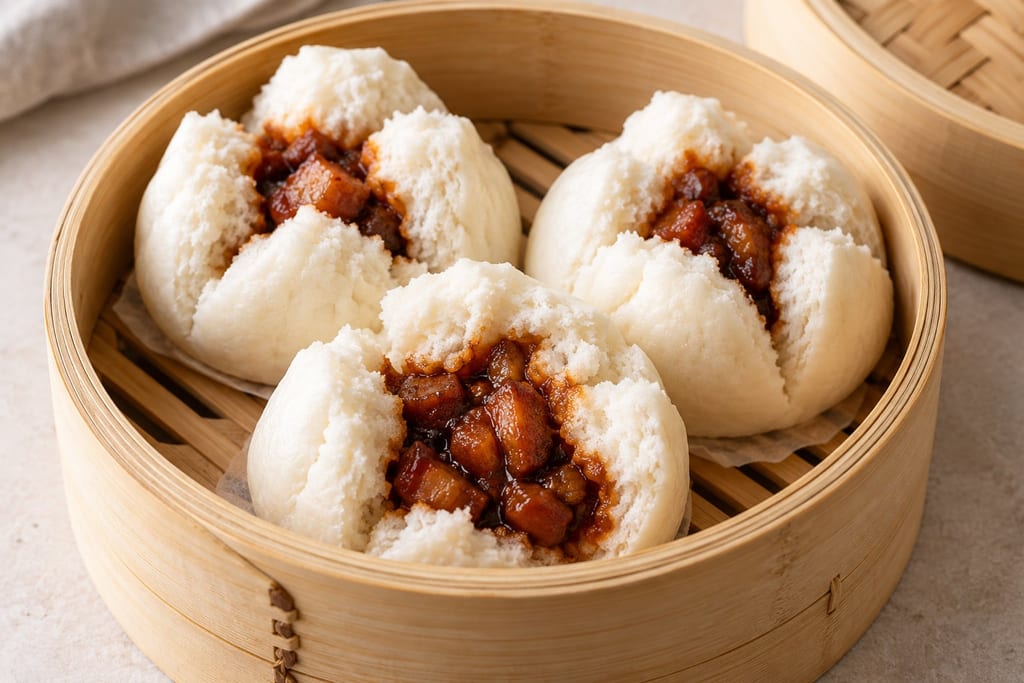
Fourteen fluffy steamed buns filled with cooked char siu and a thickened oyster-soy sauce.
No community contributions have been published for this entry yet.
Sign in to contribute. Published comments and photos are free to read.
Annales des sciences agronomiquesHistory · Geography · Method · Uses
Effect of Traditional Production Technology on the Quality of Ablo: A steamed bread in BeninDescribes maize, rice and mixed Ablo; maize as traditional form and rice as later modification.
Reports production observations in Comè and Cotonou, fermentation differences, steaming, daily and ceremonial uses.
Cited in: A regional steamed bread; Maize, rice and changing production; Mixing, proofing and steaming; Reading the recipe's limits; Place and production setting; A regional repertoire
Journal of Applied BiosciencesHistory · Geography · Uses · Variations
Optimization of semi-solid state fermentation for processing ablo, a wet steamed bread from West AfricaConnects Ablo/Abolo with Mina-speaking communities and steamed cereal bread traditions.
Describes maize as traditional and rice or maize-rice versions as later adaptations; reports meals and accompaniments.
Cited in: A regional steamed bread; The role of fermentation; Eating and social use; A regional repertoire
International Journal of Biological and Chemical SciencesHistory · Geography · Method
Evaluation des procédés traditionnels de production du ablo, un pain humide cuit à la vapeur, au BéninDocuments traditional steamed Ablo production in Benin and maize-based mawè preparation.
Cited in: Maize, rice and changing production
International Journal of Food Science & TechnologyMethod · Technique · Variations
Role of dough viscoelastic properties and rice variety in the thermal expansion and quality of unconventional rice-based bread: case of steamed-cooked ‘Ablo’Controlled rice flour formula and its mixing, fermentation, portioning and steaming conditions.
Rice variety and dough properties affect expansion and texture.
Cited in: Maize, rice and changing production; The role of fermentation; Why part of the flour is precooked; Mixing, proofing and steaming; Variations and sensory qualities; Reading the recipe's limits; Ingredient choices in this formula; Place and production setting; Interpreting different results
Journal of Cereal ScienceMethod · Technique
The quality of steam-cooked rice bread is directly linked with the level of starch gelatinization and the fluidity of fermented doughReports relationship of starch gelatinization and fermented-dough fluidity to steamed rice bread quality.
Cited in: Why part of the flour is precooked; Variations and sensory qualities; Interpreting different results
International Journal of BiosciencesUses · Technique
Traditional production system of Ablo, West Africa steamed cooked moist breadDiscusses sensory qualities and production practice in Benin.
Cited in: Variations and sensory qualities
International Journal of Innovation and Applied StudiesUses · Geography
Perception and knowledge of production and merchandising of Ablo, a fermented cereal food of BeninDescribes women producers and sellers and common servings with chili, fish or meat.
Cited in: Eating and social use