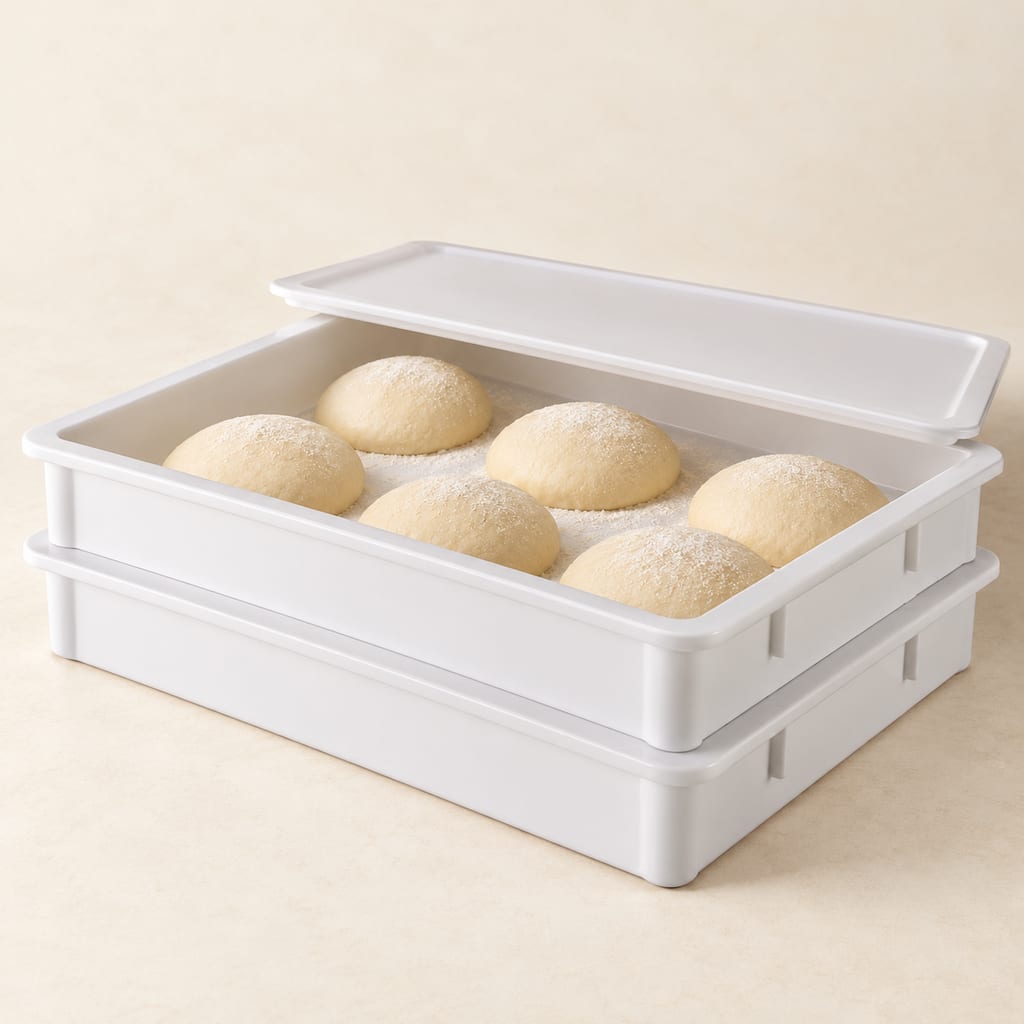
Dough fermentation box
A dough fermentation box is a shallow or deeper food container for holding dough during a rise or proof. Its job is to contain, cover and move dough; it does not provide the controlled heat of a bread proofer.
 FermenteaWhere food goes to change
Modern adaptation
Anpan (あんパン) · sweet red bean bun
Anpan is a soft wheat bun filled with sweet red-bean paste and finished with egg wash and black sesame. This dough rises with commercial instant yeast.
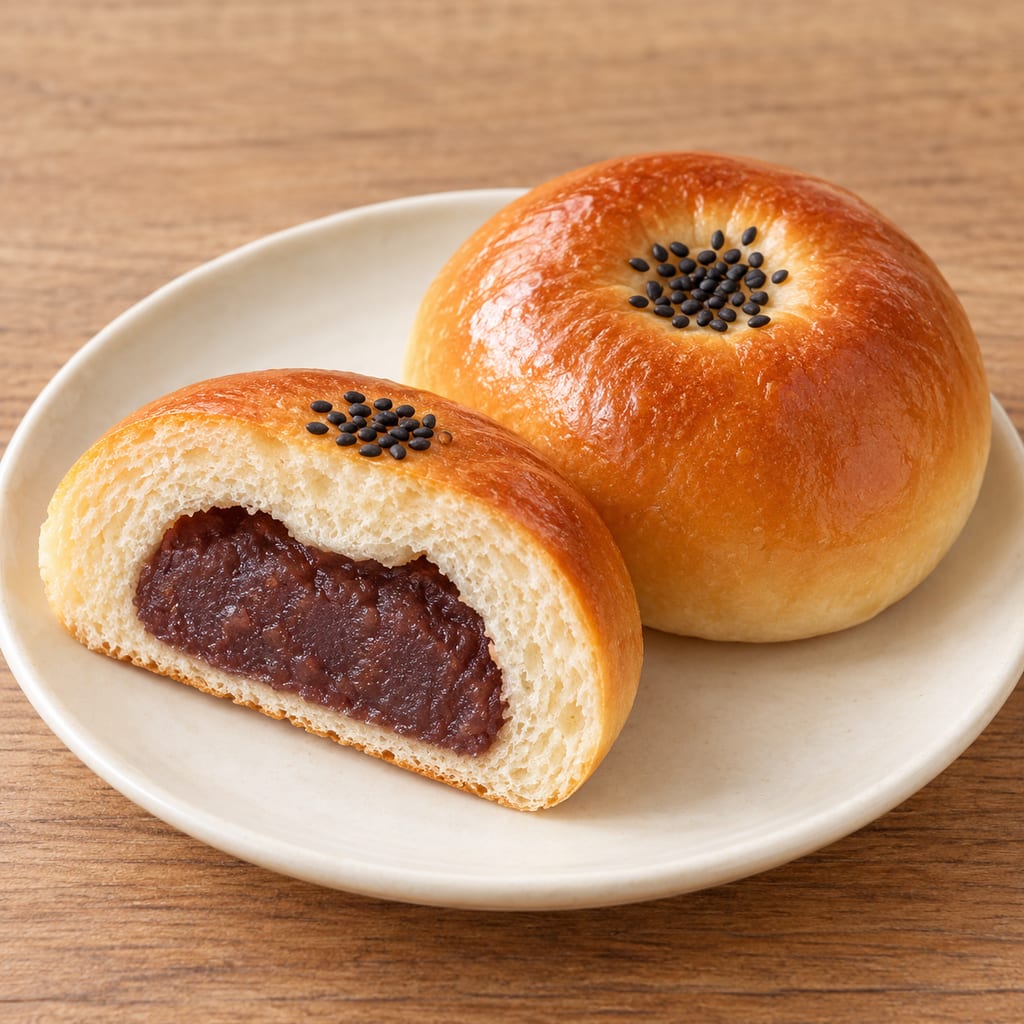
Kimuraya attributes the creation of anpan to 1874 and says sakura anpan was presented to the Meiji emperor in 1875. Its account describes sakadane made with rice, koji and water. The modern JOC recipe uses commercial instant yeast, not that historical starter.
Yield 8 buns · Scaling: source batch only
Both sources associate anpan with Japan; neither supports a specific birthplace.
A dough fermentation box is a shallow or deeper food container for holding dough during a rise or proof. Its job is to contain, cover and move dough; it does not provide the controlled heat of a bread proofer.
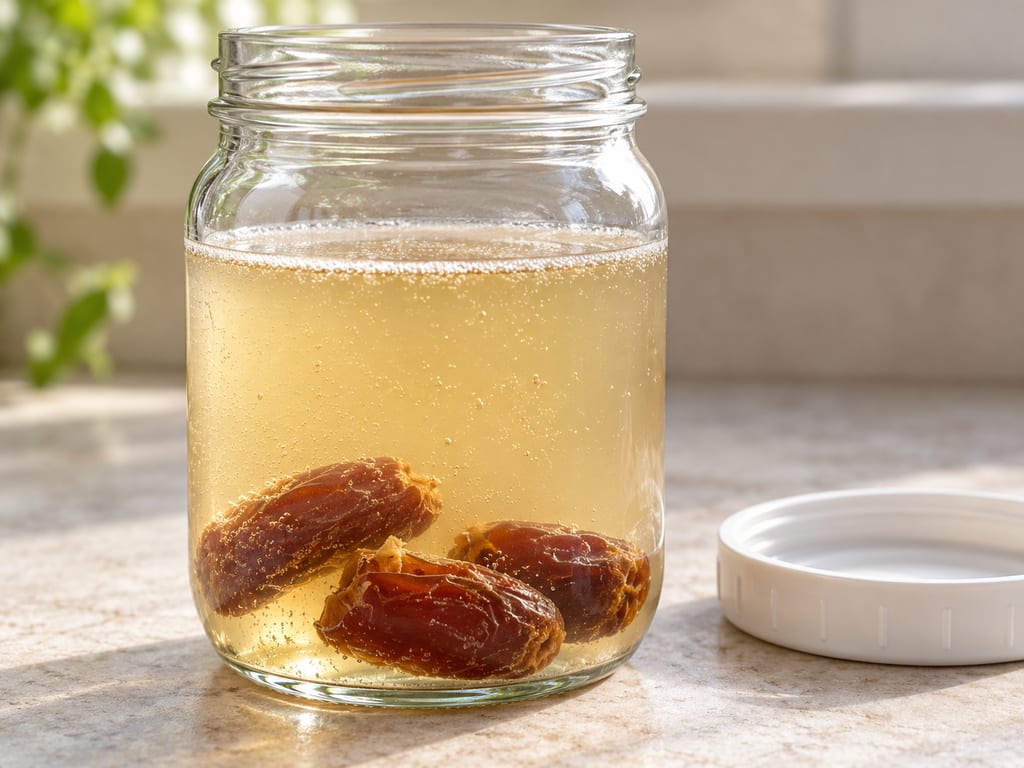
Fruit yeast water is a spontaneously fermented liquid made by soaking fruit in water, with or without sugar, to grow yeast for starting bread dough or a separate flour starter.
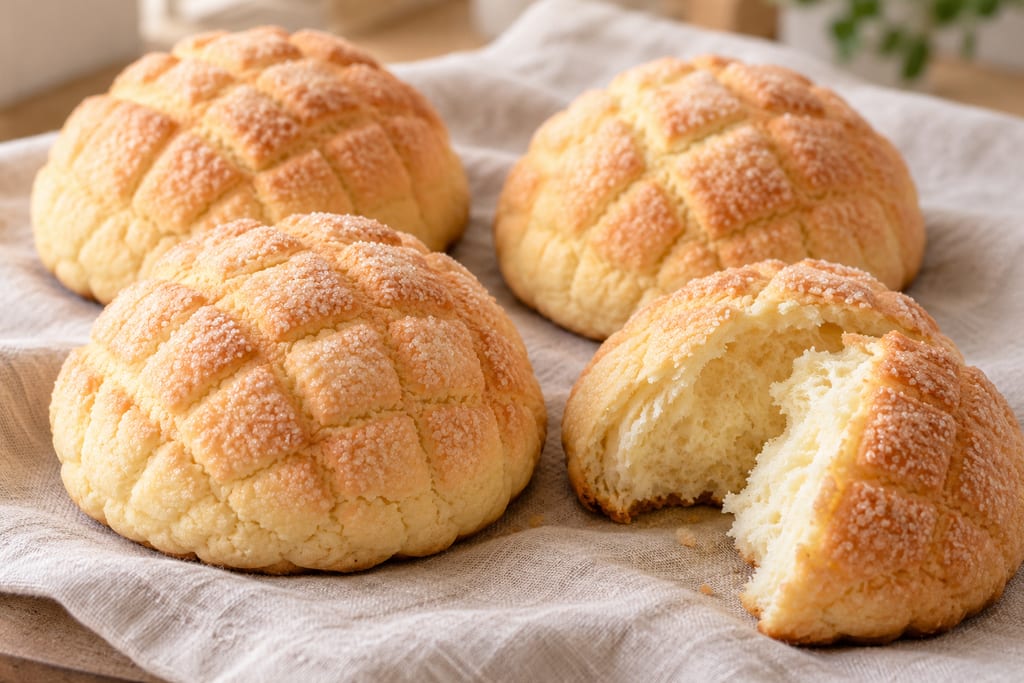
Melon pan pairs a soft Japanese yeast bun with a crisp, crosshatched cookie shell. In this ten-bun version, the bread dough is wrapped in a separate biscuit layer and baked until lightly golden.
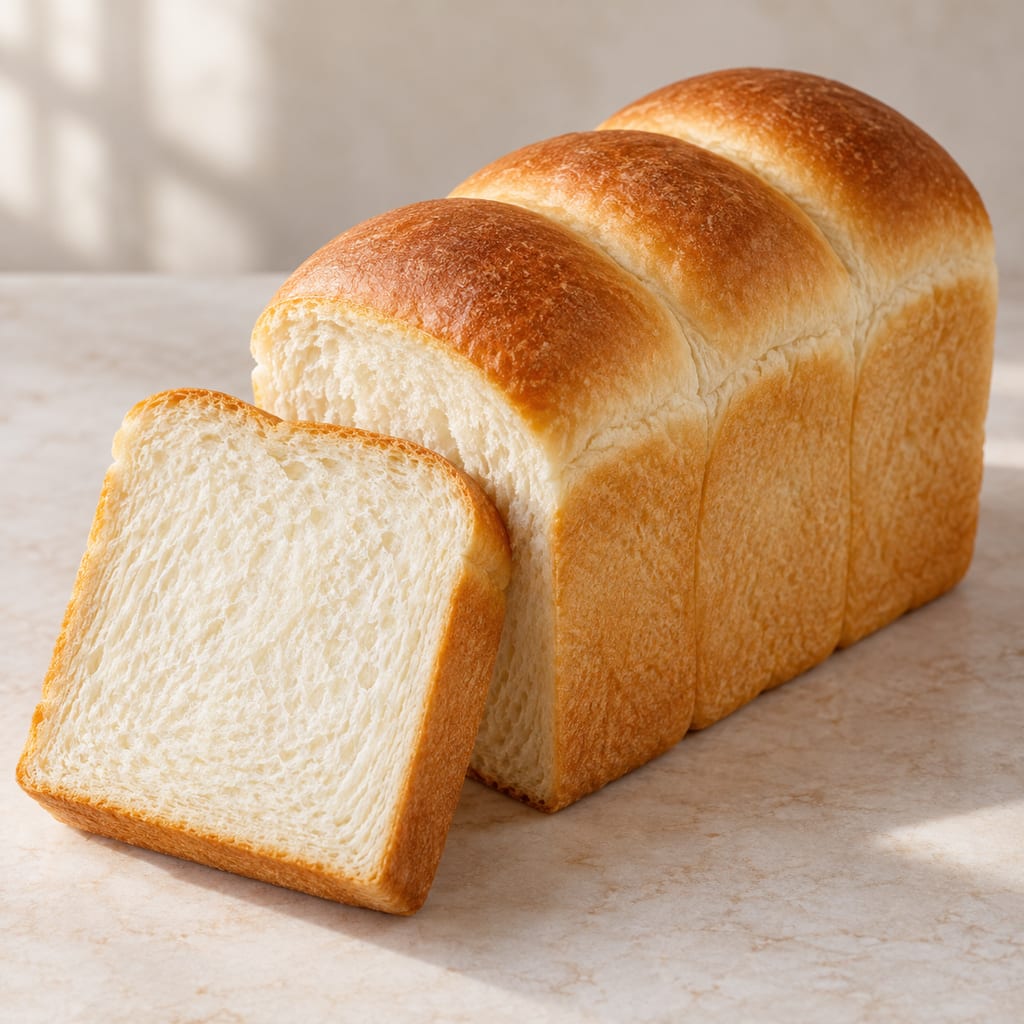
Shokupan is a soft, mildly sweet Japanese wheat loaf served as toast or in sandwiches. This formula makes a square or rounded one-loaf pan bread with a fine, milky crumb.
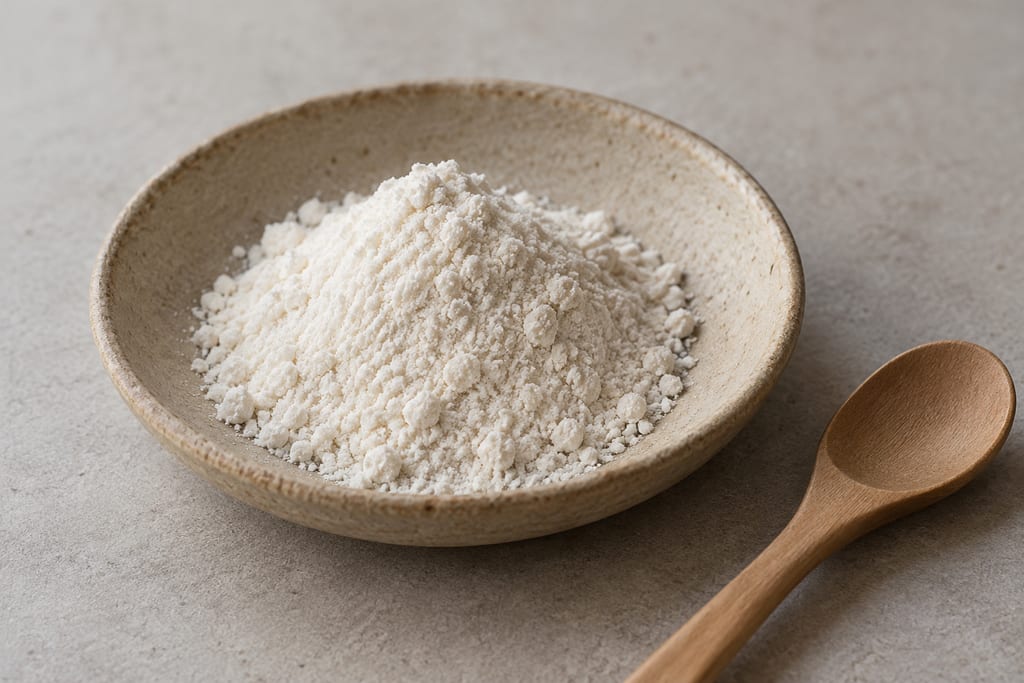
Starch released from giant woodland lily bulbs by pounding, washed out in water, settled and dried: the refined fraction of an Ainu process that also yields fermented cakes from the residue.

Japanese reddish-brown vinegar from sake lees matured about three years, turned to vinegar by acetic bacteria; the vinegar of Handa and Edomae sushi rice.

A thick, naturally sweet rice-and-koji preparation used to add body and sweetness to marinades, dressings and sauces. This method follows a published Marukome home recipe and is an enzyme-conversion hold, not a way to grow koji mould.
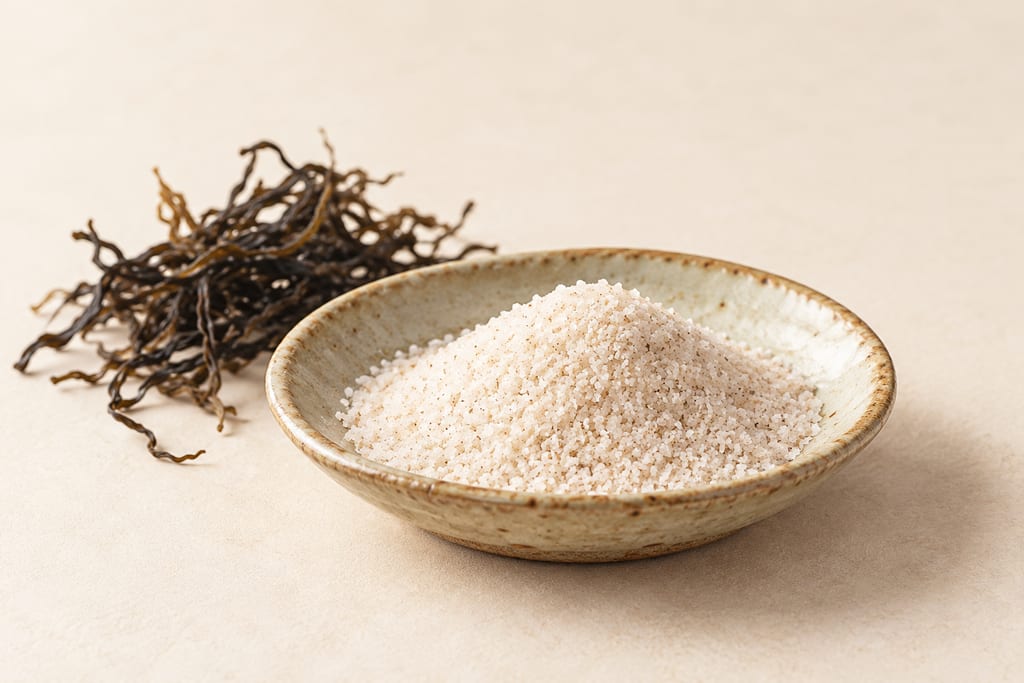
Amabito no Moshio is a modern, pale beige Japanese seaweed salt made from Seto Inland Sea water and hondawara seaweed. Its documented factory method concentrates filtered brine in kettles, then separates and dries the salt.

Japanese skipjack tuna cooked, then repeatedly smoked and dried over a wood fire by the hand-fired tebiyama method into a hard block for shaving into dashi: the first stage of katsuobushi.
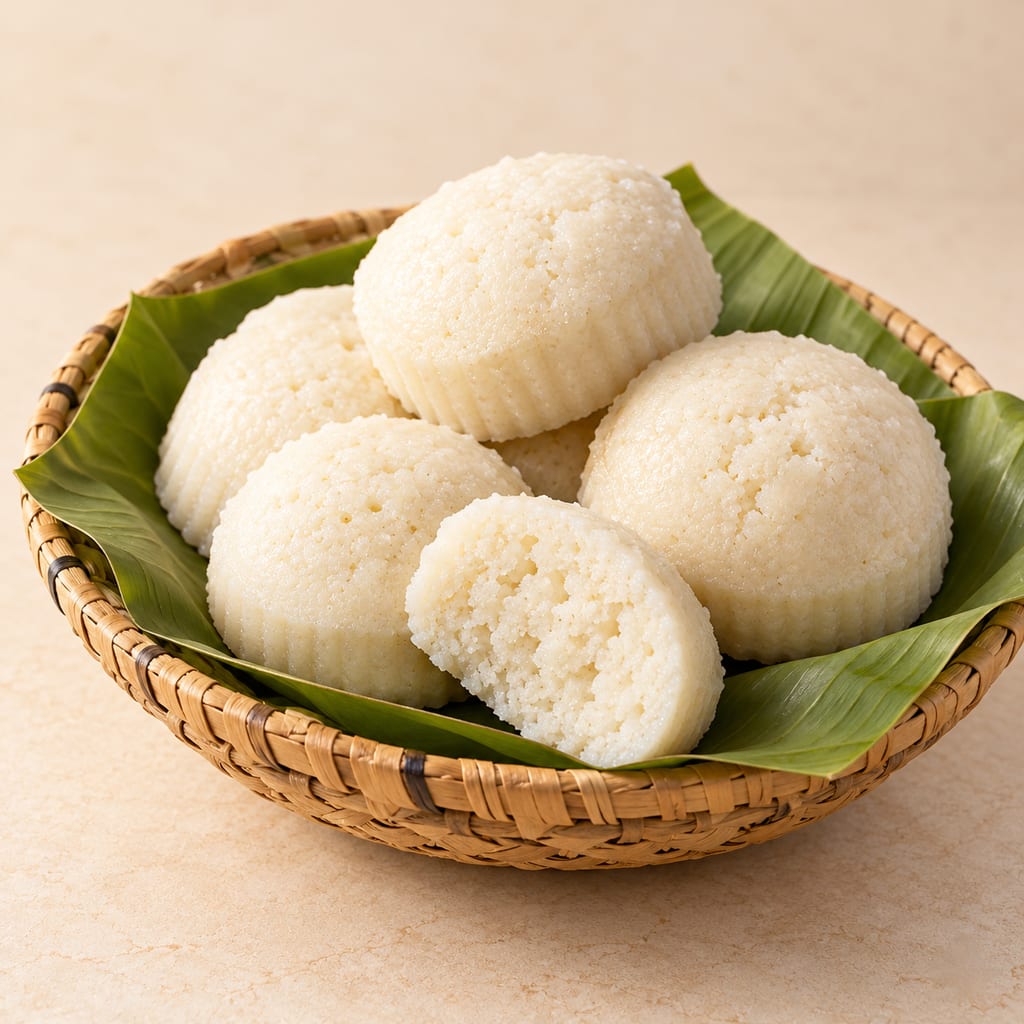
Soft, lightly tangy steamed cereal bread documented across Benin and Togo. This page gives one measured rice-flour research method; maize-based Ablo and mixed-grain versions remain distinct traditions.
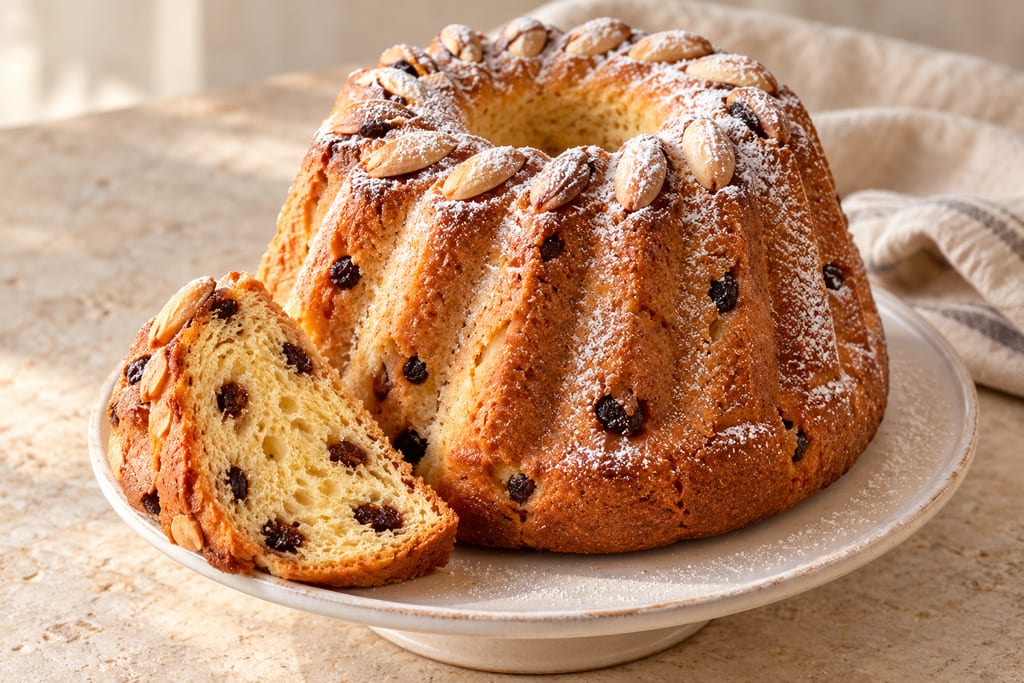
An enriched Alsatian yeast ring with raisins and almonds, kneaded with butter, proofed in a fluted mould and baked until browned.
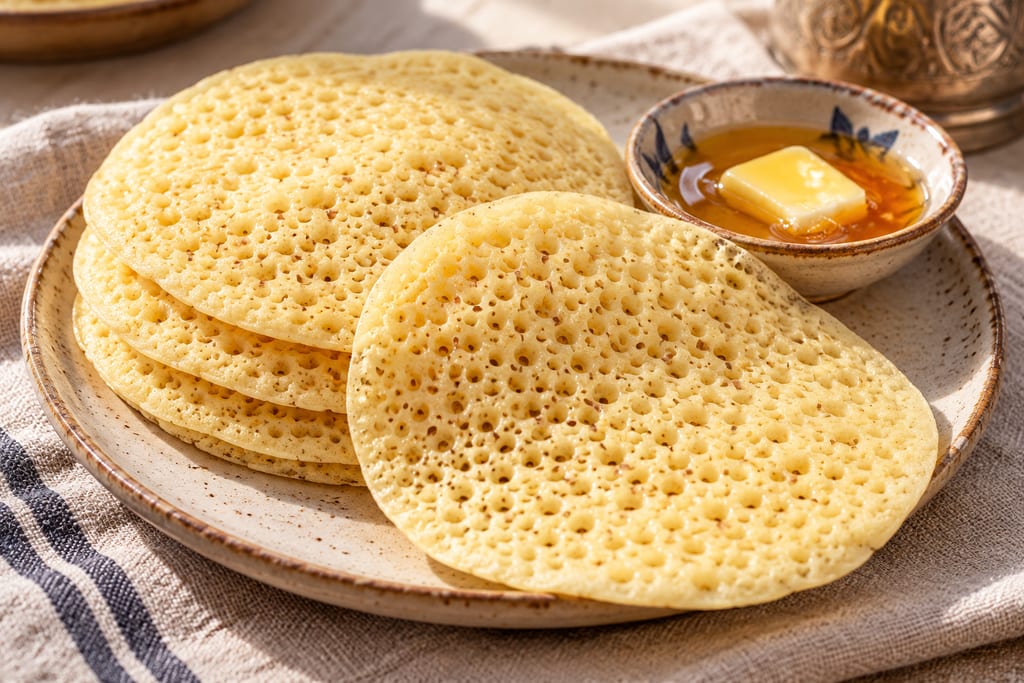
Moroccan semolina pancakes made from a thin yeast batter, rested until foamy and cooked on one side until the surface sets with a honeycomb of holes. This source-specific batch makes sixteen 5-inch pancakes.
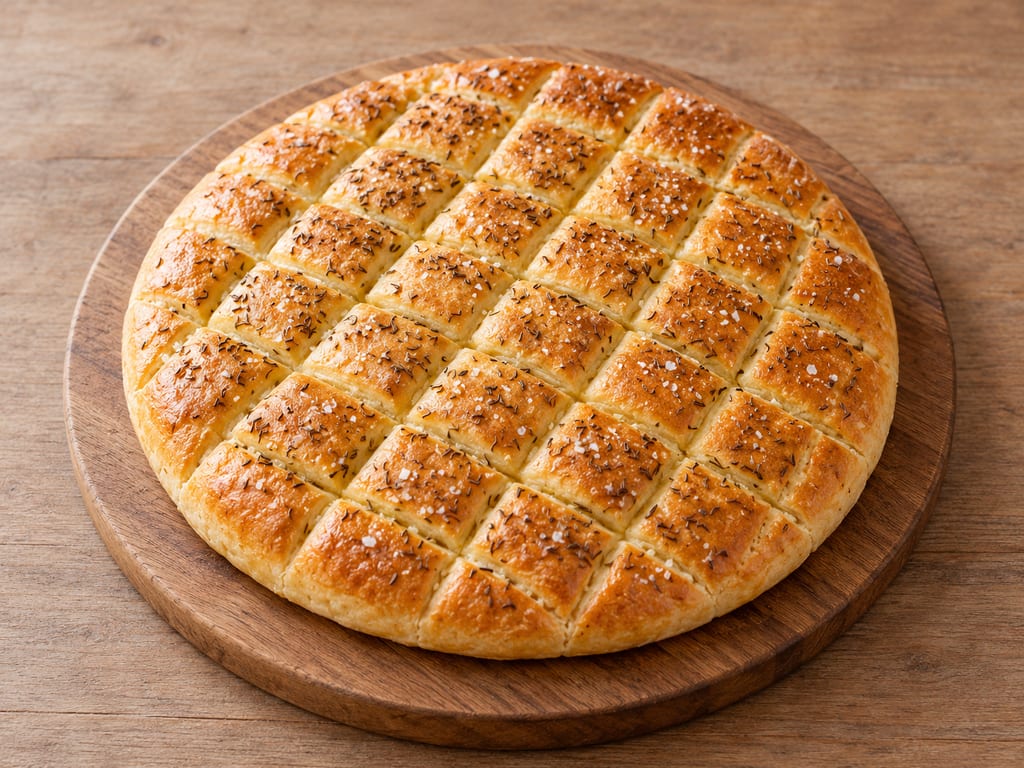
A round Slovenian flatbread scored in a grid and topped with caraway and coarse salt.
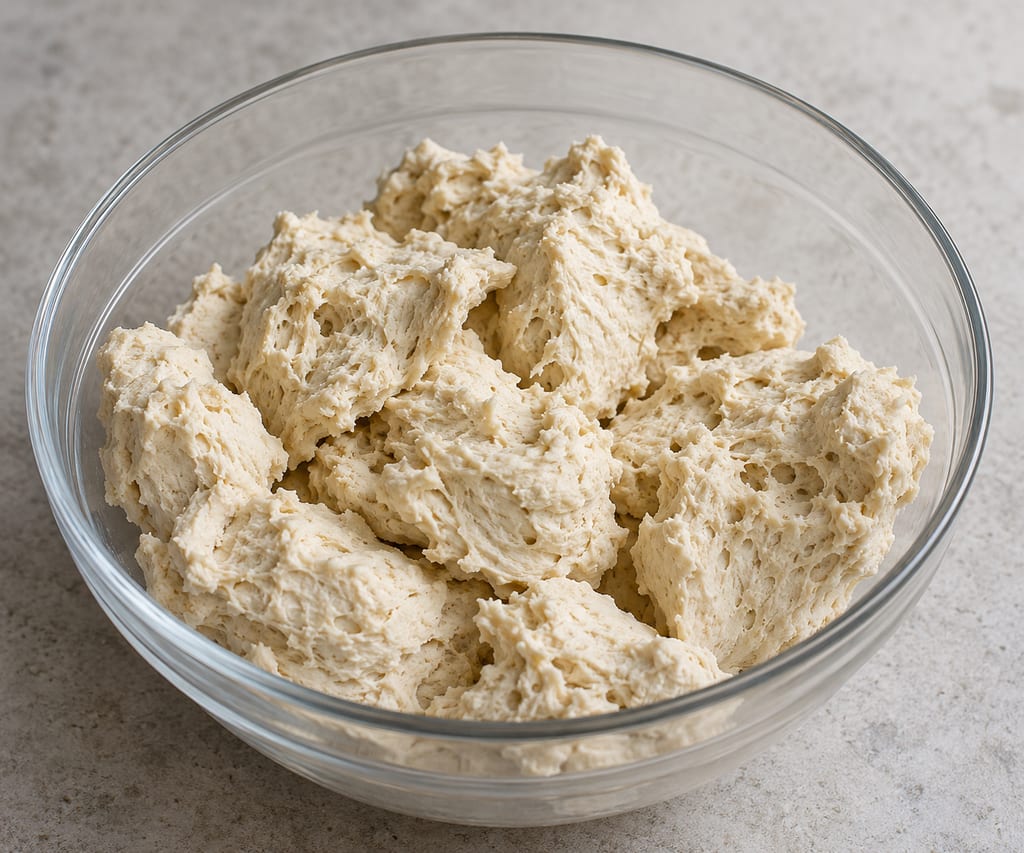
Biga is an Italian bread preferment of flour, water and a little yeast, usually a stiff unsalted mass of about 45 per cent water, fermented ahead and then mixed into the final dough.
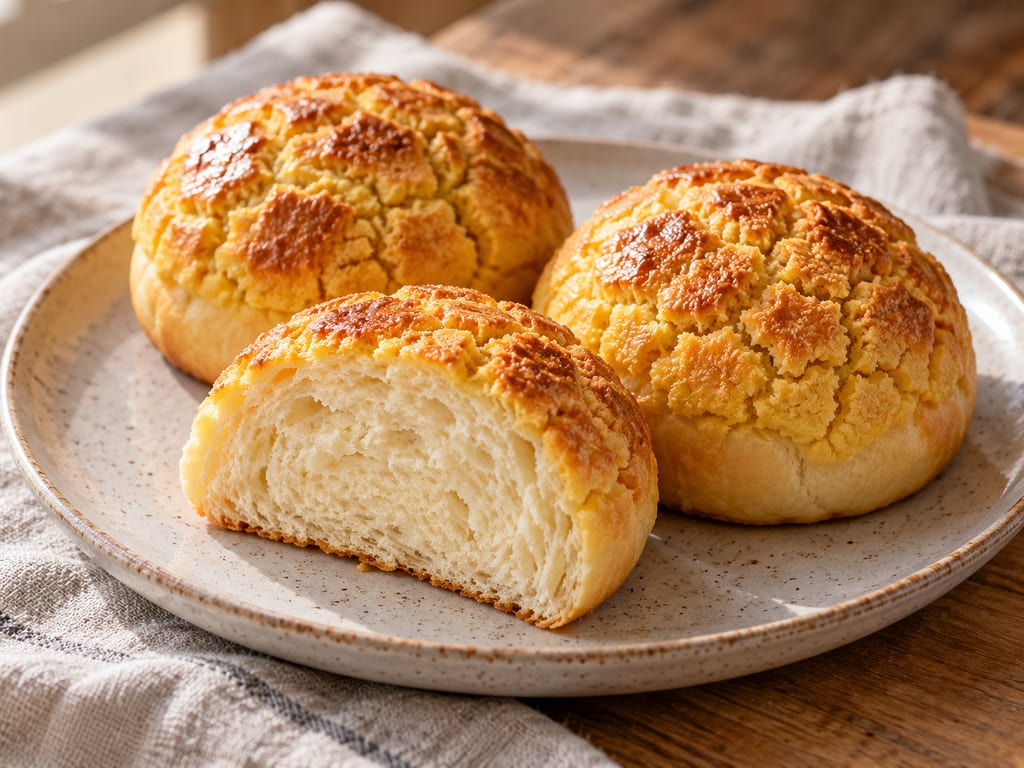
Hong Kong-style pineapple buns have soft yeast dough beneath a crisp, sweet pastry topping.
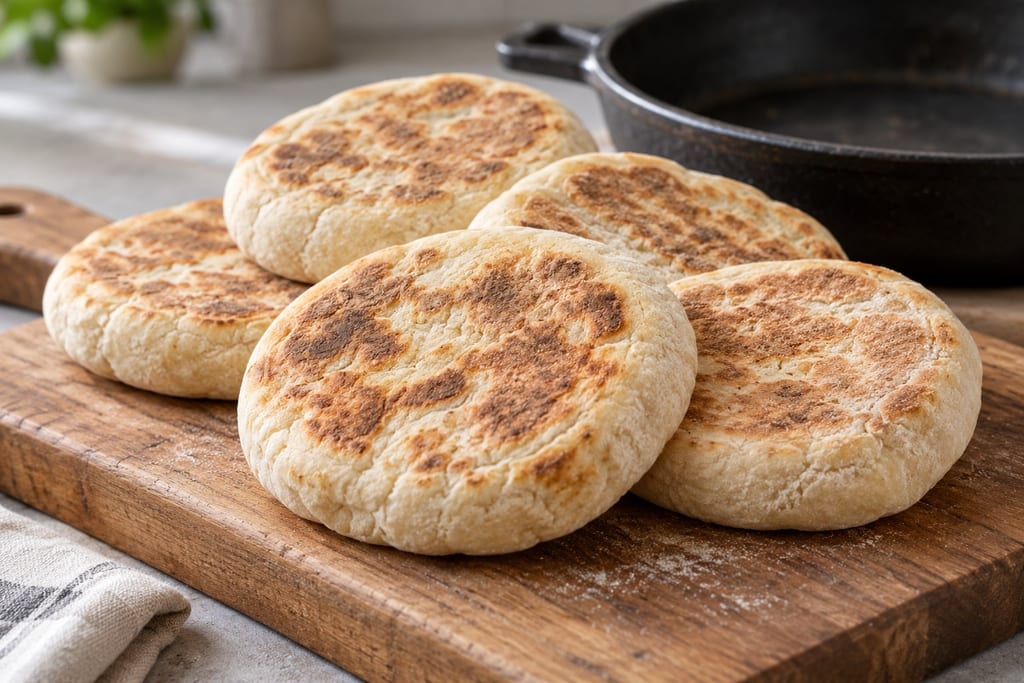
Sweet-potato wheat breads with fresh yeast, browned in a pan and finished in the oven. This is the bread component of Teleculinária's scrambled-egg dish.
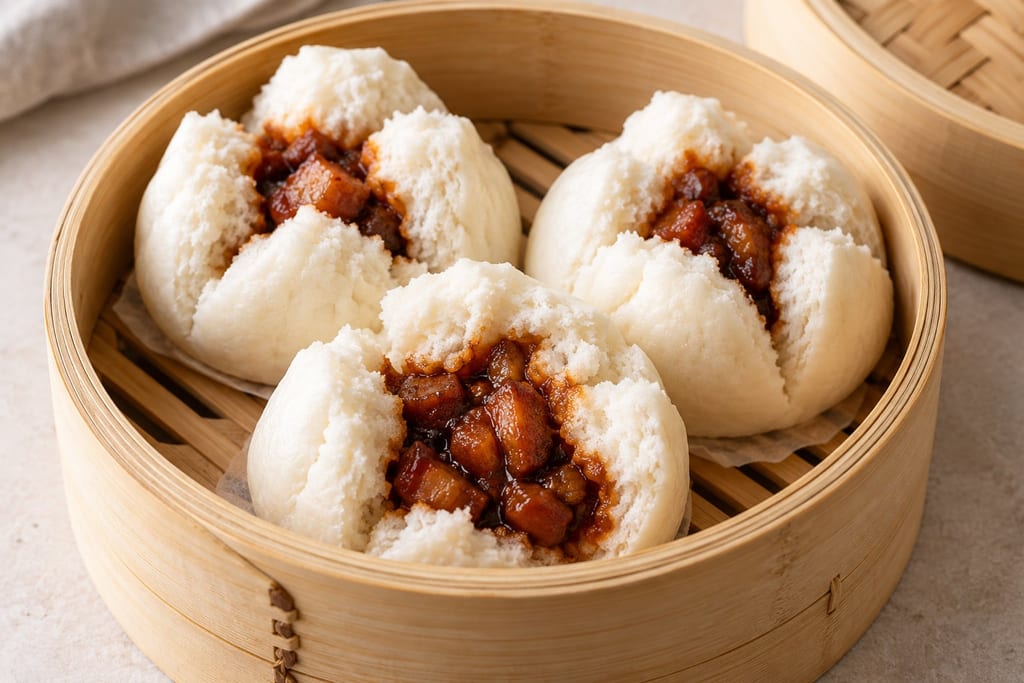
Fourteen fluffy steamed buns filled with cooked char siu and a thickened oyster-soy sauce.

A Cap-Pelé boucanière is an Acadian herring-smoking building. The documented Willie Niles example is a one-storey wood-frame structure with a ridge smoke vent and interior bays for hanging fish-bearing cannes.

Achcharu is a family of Sri Lankan vinegar pickles made with mixed vegetables or seasonal fruit and a piquant spice dressing. This version is a quick, refrigerated, non-fermented mixed-vegetable pickle.

The acocote is a long, hollowed and dried gourd used to draw aguamiel from a mature maguey. It is a harvesting tool: the sap is transferred to a separate vessel before it ferments into pulque.

Adrak murabba preserves young ginger in sugar syrup, a sweet South Asian preparation recorded in Indian cookery and food-processing sources.

Parkia biglobosa seeds are fermented into regional West African seasonings, including nététou, iru, dawadawa and soumbala. The yellow fruit pulp is a separate food, and names and methods vary by place.

A refined common-wheat flour blended for a broad range of baking; its protein and behavior vary with wheat, milling and market.

The almond mushroom, Agaricus subrufescens, was cultivated in eastern North America in the 1800s, lost its market, and returned as a cultivated mushroom from Brazil, where it is grown under several names.
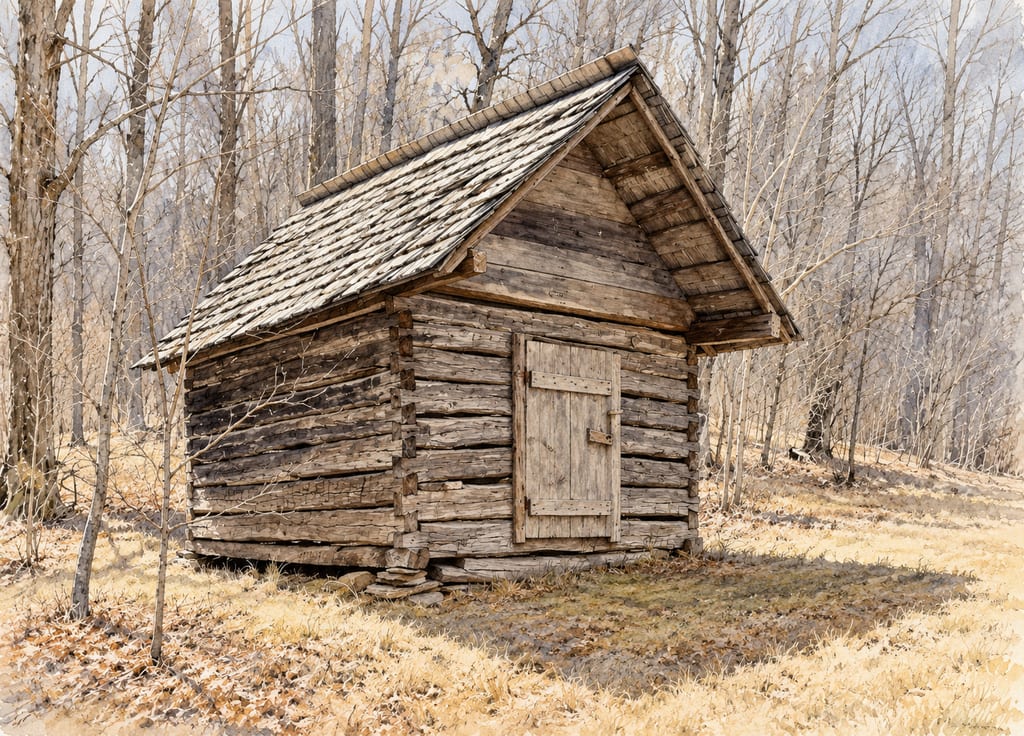
A source-based account of Appalachian meat-curing outbuildings, centered on the Henry Whitehead Place smokehouse at Cades Cove, Tennessee. Regional practice and this one building are kept distinct.
No community contributions have been published for this entry yet.
Sign in to contribute. Published comments and photos are free to read.
Just One CookbookInspiration · Recipe · Identity
AnpanRecipe card and ingredient list, lines 193–228; ordered method lines 229–340; page storage section.
Kimuraya SohontenHistory · Geography
Anpan historyAttributed company chronology and description of sakadane, lines 18–31.