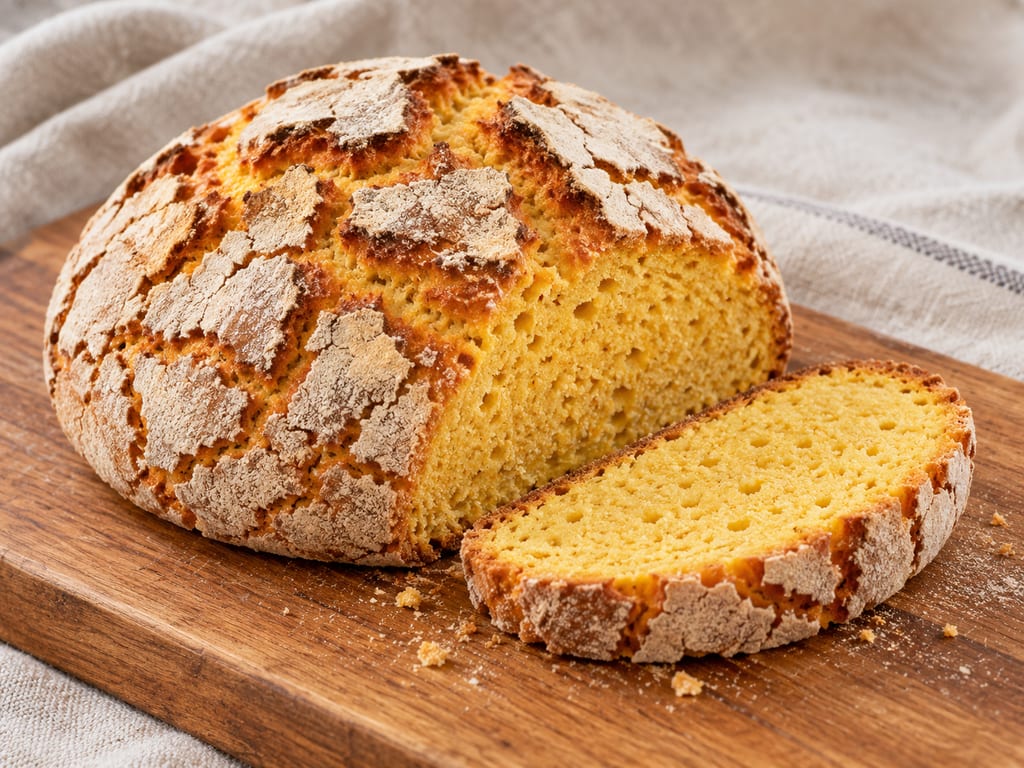
Broa
This modern home broa de milho uses scalded maize flour and a wheat-flour yeast sponge; it is distinct from Northern Portuguese maize-and-rye sourdough breads.
 FermenteaWhere food goes to change
Modern method
Bolo do caco
Sweet-potato wheat breads with fresh yeast, browned in a pan and finished in the oven. This is the bread component of Teleculinária's scrambled-egg dish.
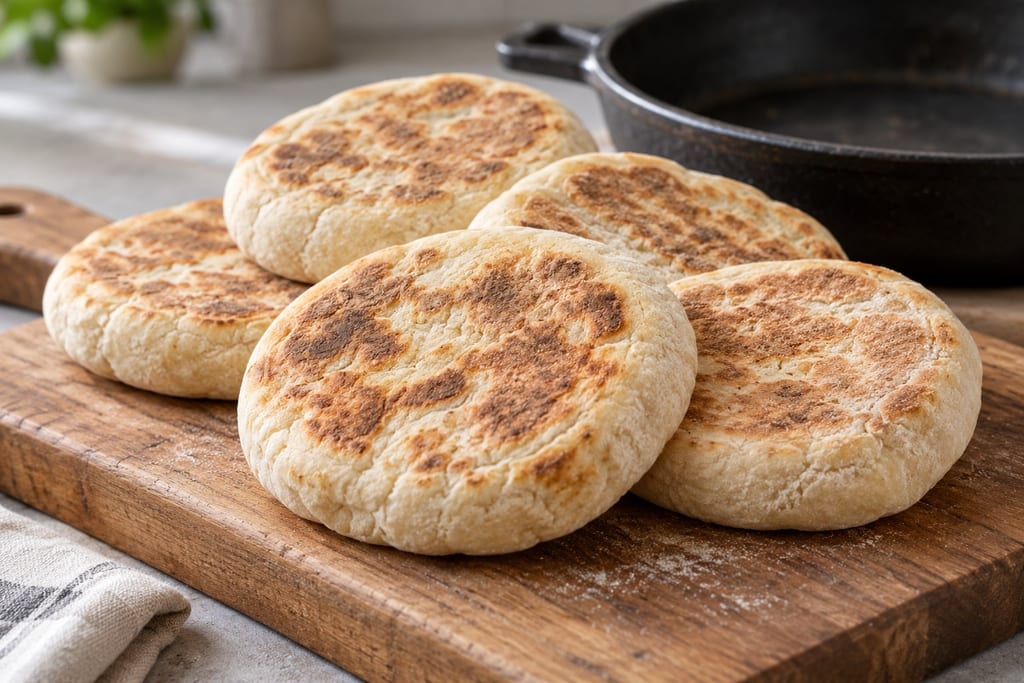
Bolo do caco belongs to Madeira's bread culture, with sweet potato contributing softness. It is often split and spread with garlic-and-parsley butter, used for filled sandwiches or eaten alongside espetada.
The name recalls cooking on a hot basalt surface. This household method uses a pan followed by an oven finish; it should not be mistaken for a reconstruction of the older stone process.
Madeira's Ethnographic Museum treats the cooking surface as part of the bread's history. Its Do Caco à Massa workshop pairs making a soft-stone cooking slab with a Porto Santo recipe collected from Maria José Neves. The museum explains that using such a surface let poorer households bake without paying for a public wood-fired oven.
The museum calls the bread's origin disputed. It also records several meanings of caco, including stone, iron and pottery cooking surfaces, and describes some households still cooking on heated tuff. This is a broader account than the tourism board's basalt-stone summary. Neither account establishes one original stone material or a dated first recipe. Teleculinária's pan browning and 180°C oven finish remain a separate modern home method.
A contemporary pan-and-oven household version. Visit Madeira associates the bread with Madeira and Porto Santo, including older basalt-stone cooking, without establishing a dated first attestation.
Scaling: source batch only
Raw grain flour can carry harmful bacteria.
Hazard sourceDo not taste raw dough. Keep flour away from ready-to-eat foods and clean hands, utensils and surfaces after handling.
Control sourceThe pan times and oven setting describe this source formula, not a validated internal-temperature endpoint. No qualified process validation or storage limit is supplied.
Regional food association.
The tourism board associates the bread's origin with Porto Santo, but supplies no date or primary historical citation.
This modern home broa de milho uses scalded maize flour and a wheat-flour yeast sponge; it is distinct from Northern Portuguese maize-and-rye sourdough breads.
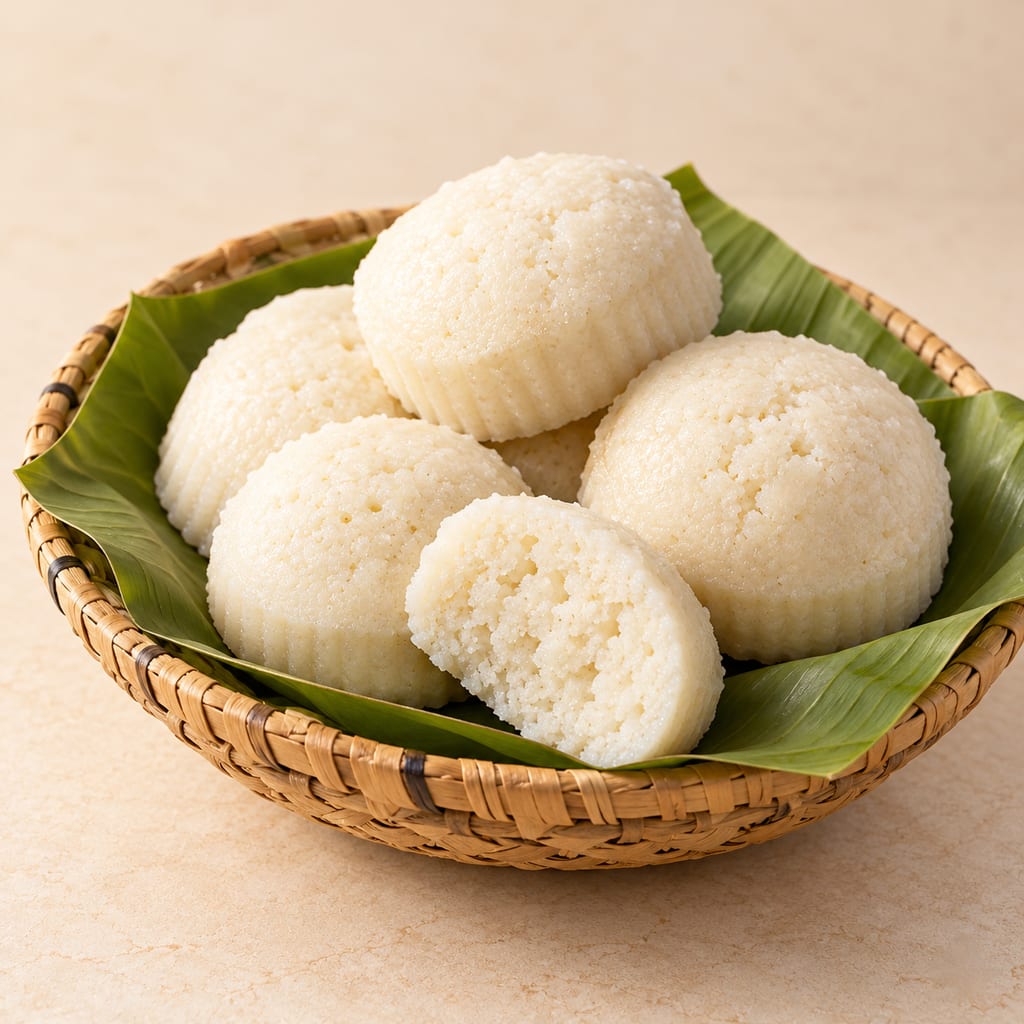
Soft, lightly tangy steamed cereal bread documented across Benin and Togo. This page gives one measured rice-flour research method; maize-based Ablo and mixed-grain versions remain distinct traditions.
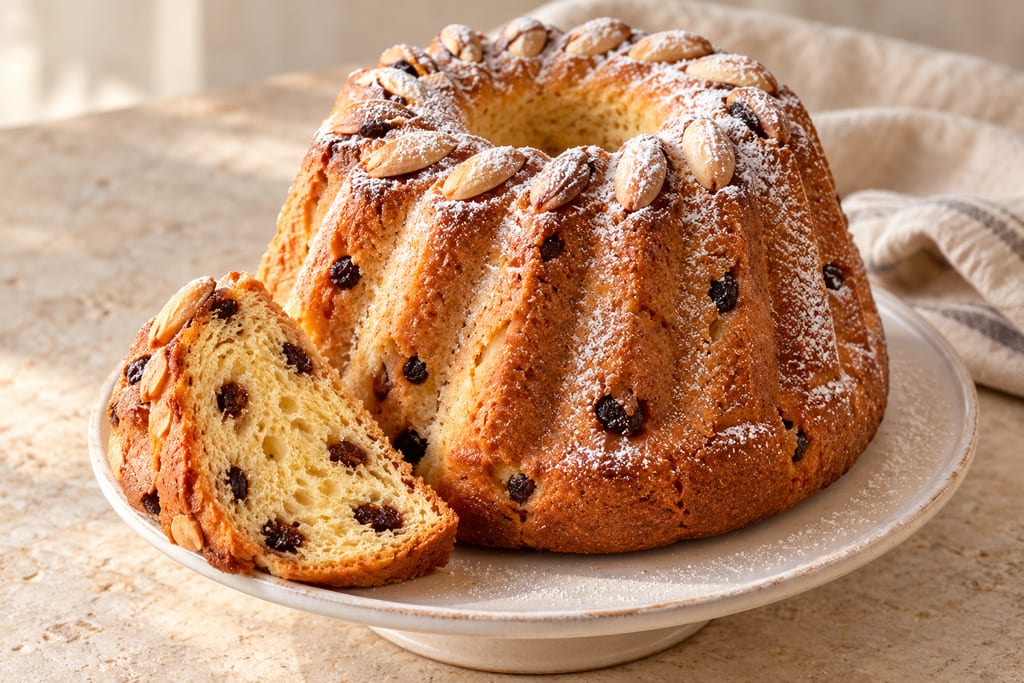
An enriched Alsatian yeast ring with raisins and almonds, kneaded with butter, proofed in a fluted mould and baked until browned.

Anpan is a soft wheat bun filled with sweet red-bean paste and finished with egg wash and black sesame. This dough rises with commercial instant yeast.
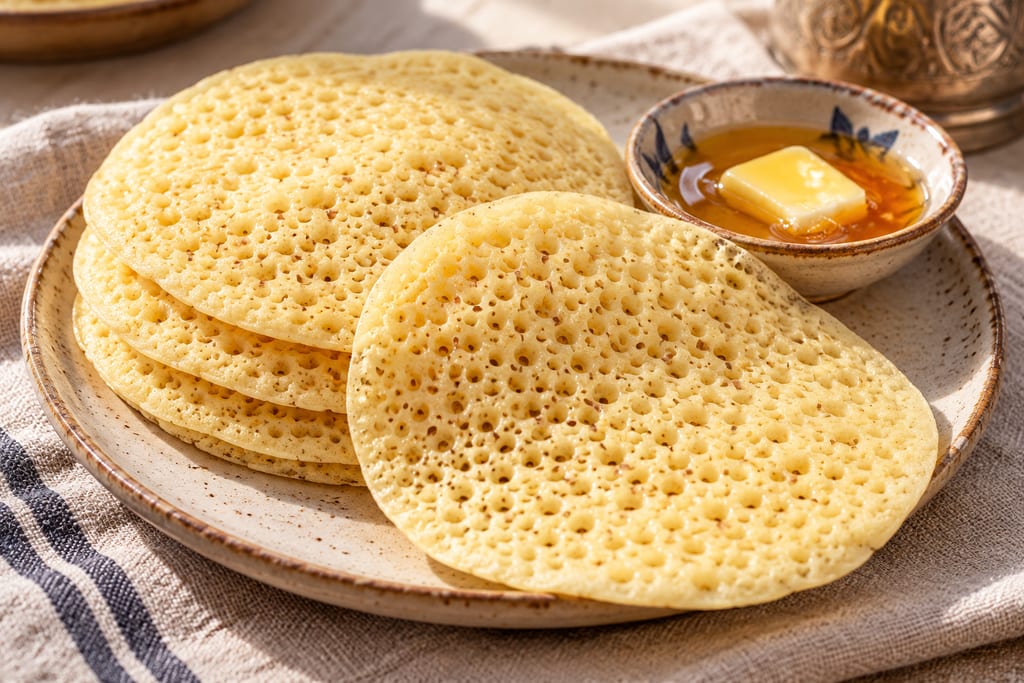
Moroccan semolina pancakes made from a thin yeast batter, rested until foamy and cooked on one side until the surface sets with a honeycomb of holes. This source-specific batch makes sixteen 5-inch pancakes.
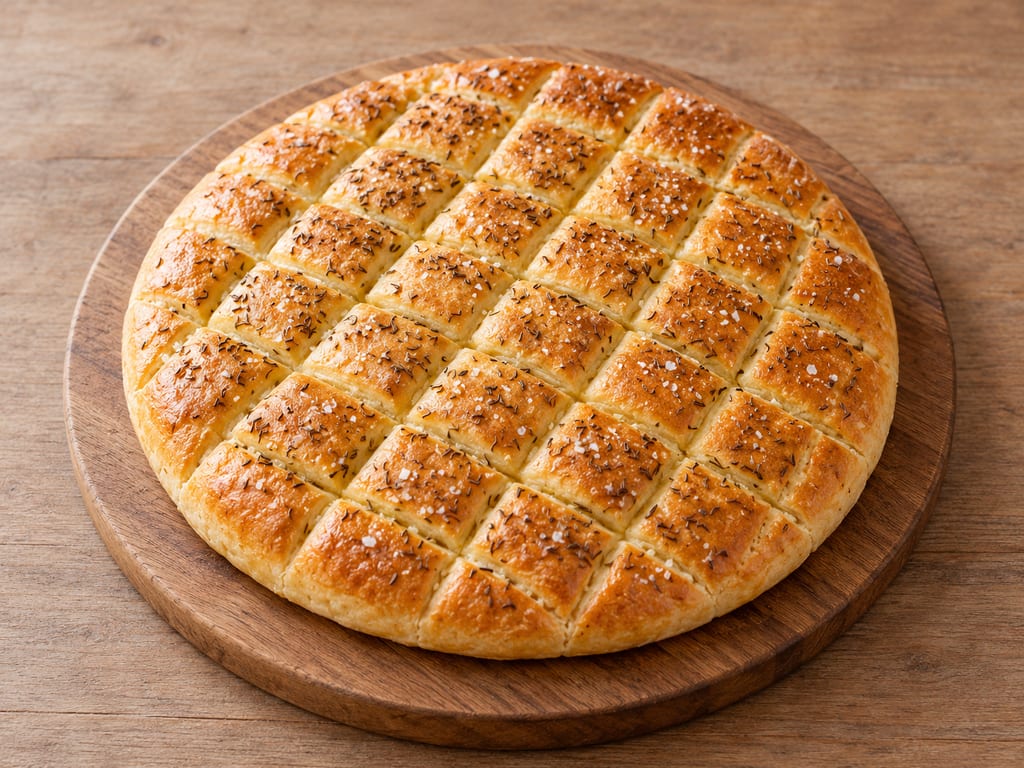
A round Slovenian flatbread scored in a grid and topped with caraway and coarse salt.
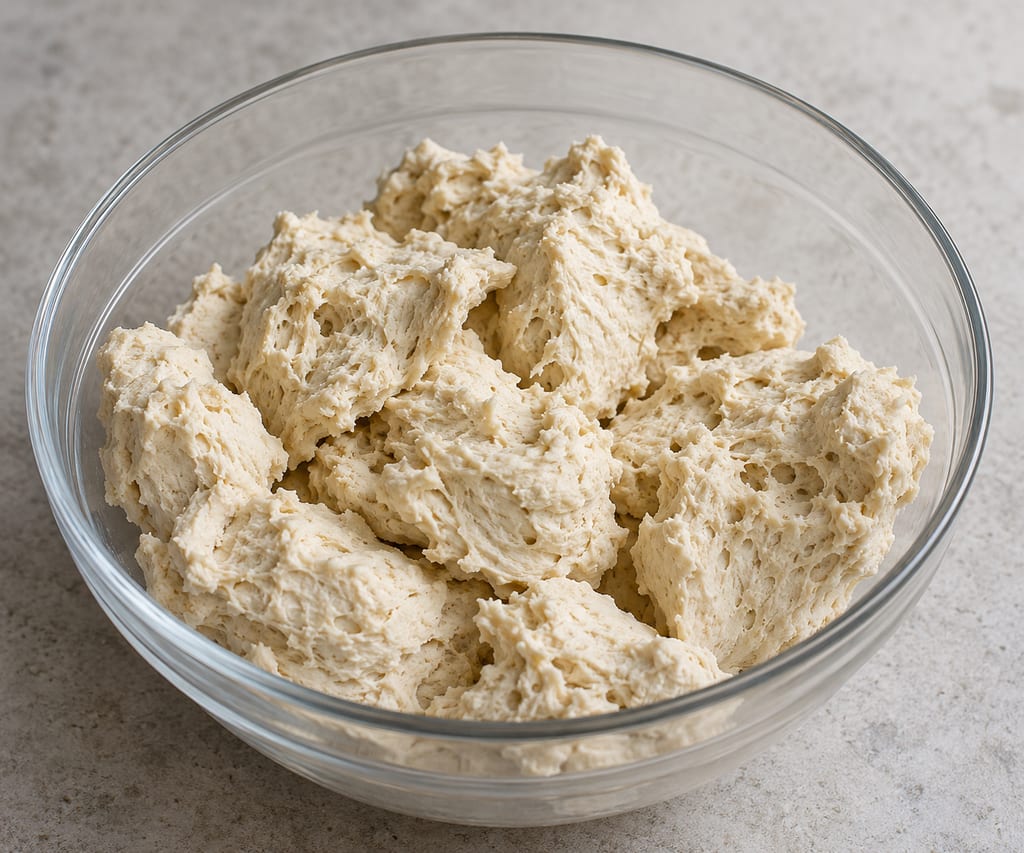
Biga is an Italian bread preferment of flour, water and a little yeast, usually a stiff unsalted mass of about 45 per cent water, fermented ahead and then mixed into the final dough.
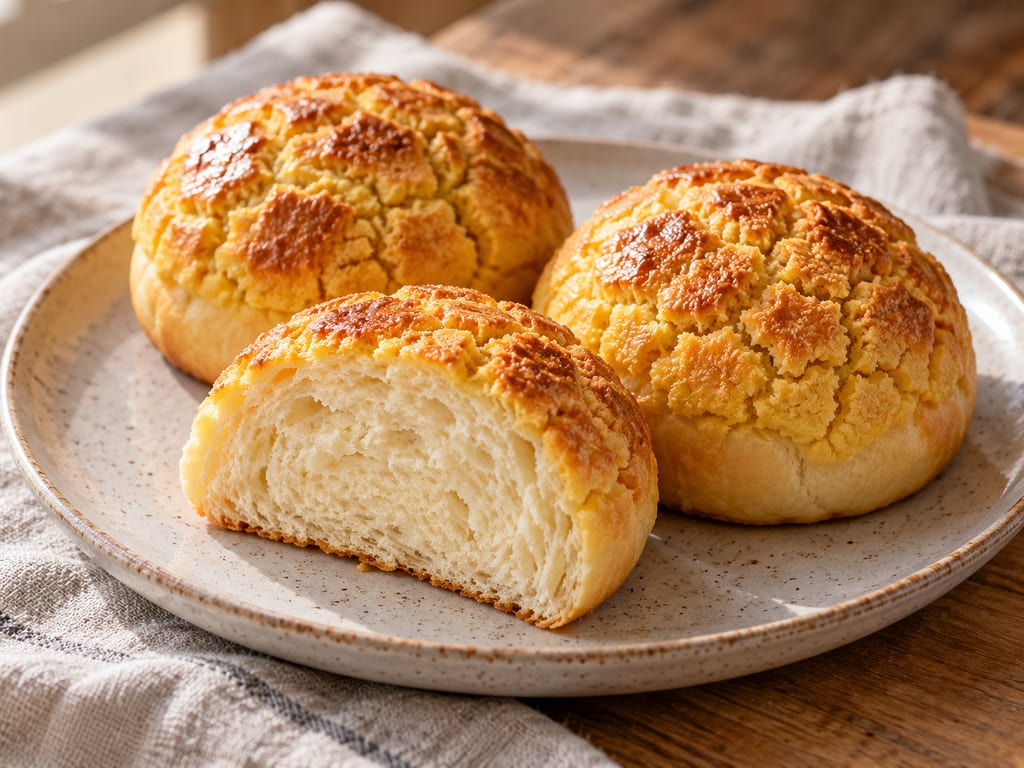
Hong Kong-style pineapple buns have soft yeast dough beneath a crisp, sweet pastry topping.
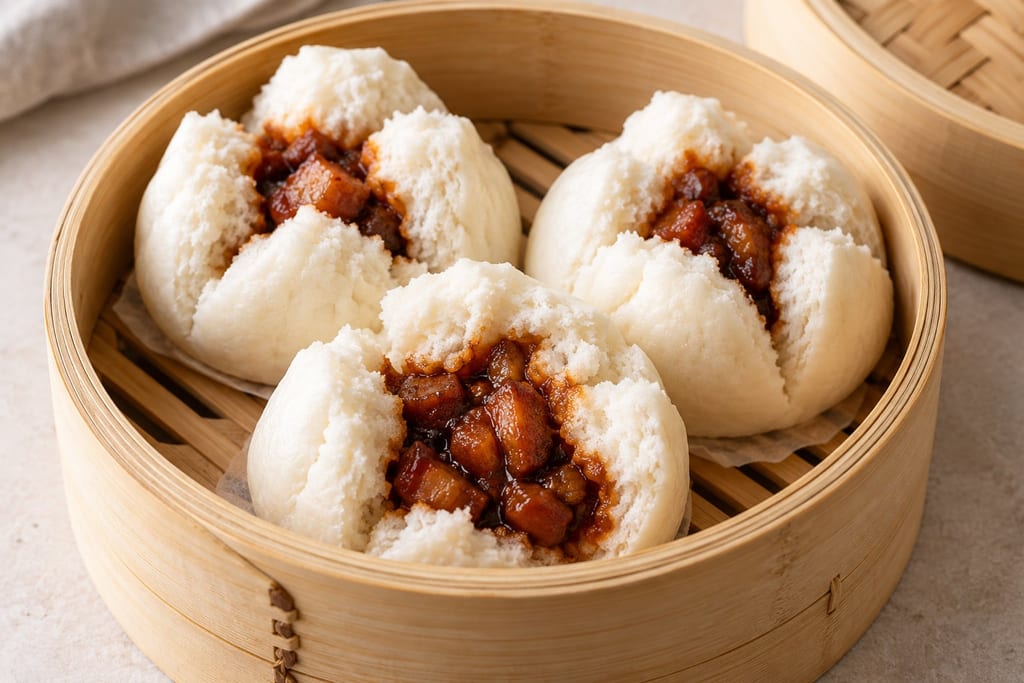
Fourteen fluffy steamed buns filled with cooked char siu and a thickened oyster-soy sauce.
No community contributions have been published for this entry yet.
Sign in to contribute. Published comments and photos are free to read.
TeleculináriaRecipe
Bolo do caco com ovos mexidosBread-component quantities and full pan/oven method; egg topping not included.
Cited in: Bread from Madeira; Stone, ovens and disputed origins
Madeira Promotion Bureau / Visit MadeiraIdentity · Geography · History
Bolo do CacoMadeira and Porto Santo associations, sweet potato, basalt cooking and uses; no primary dated origin evidence.
Cited in: Bread from Madeira; Stone, ovens and disputed origins
U.S. Food and Drug AdministrationSafety
Handling Flour Safely: What You Need to KnowRaw flour hazards and handling.
Direção Regional da Cultura, Madeira; Museu Etnográfico da MadeiraHistory · Cultural context
Oficina Do Caco à MassaMuseum workshop announcement presents stone-making and a Porto Santo traditional recipe collected from Maria José Neves. It describes historical avoidance of paid public wood-fired ovens, explicitly calls the bread's origin controversial, and distinguishes soft-stone/tuff, stone, iron and pottery usages of caco. This contextual evidence does not validate the pan-and-oven home recipe.
Cited in: Stone, ovens and disputed origins
Wikimedia CommonsImage rights research
Bolo do caco.jpgKostia's own-work photograph dated 6 September 2025 is explicitly CC0 1.0. Visually inspected original shows three baked round flat breads, split with chorizo, and a bolo-do-caco label. Accepted as a bread-form/serving reference, not exact formula evidence. Original 2257 by 2401 pixels, 1555256 bytes, SHA-256 db3a373ca764b6a46052a75dd49809b422915147a9f6b168a001453979b6047e. Approved linked image linked-7e0c1a2f6891ff31; durable reference upload 979f86f1-e6bd-426d-b954-373f49d4fc9b. One of five required references; no hero generated.