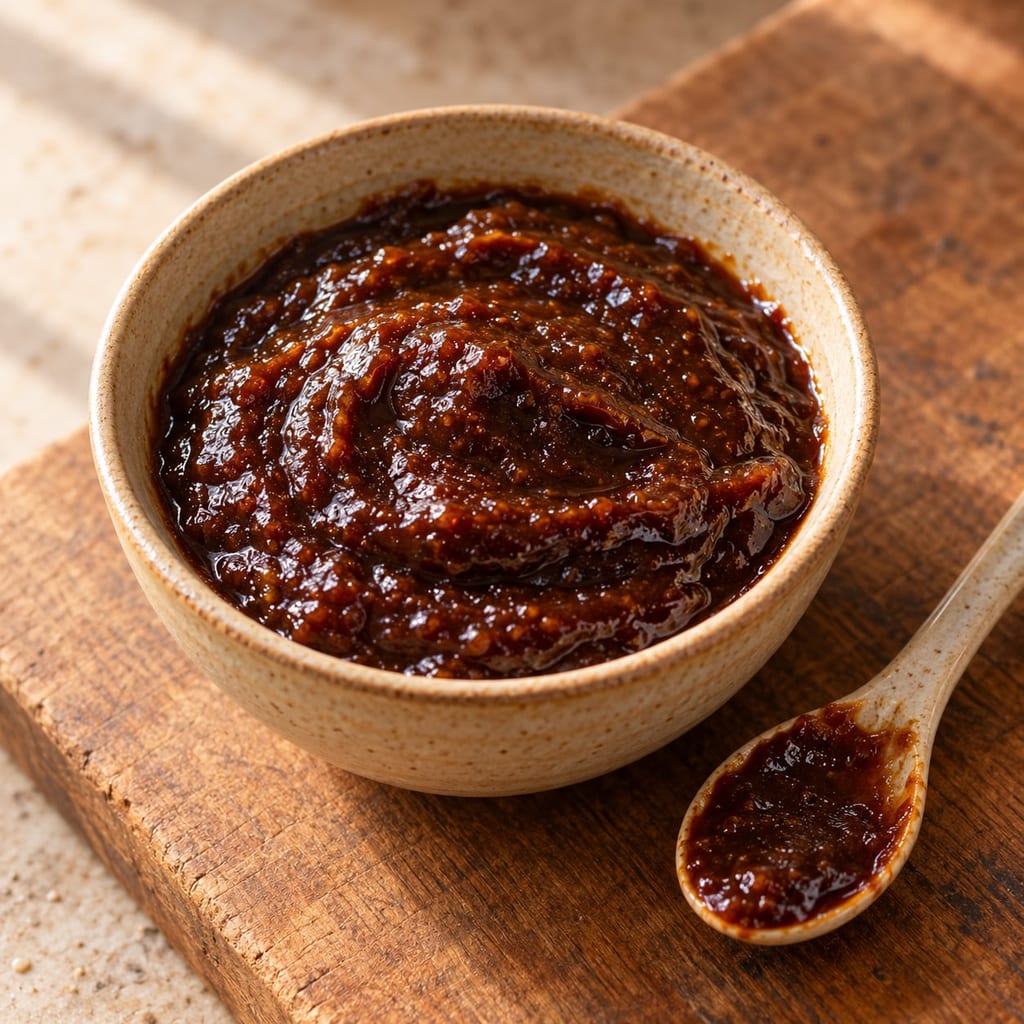
Chu hou sauce (Cantonese fermented soybean braising paste)
Chu hou is a sweet, savoury Cantonese paste of fermented soybeans, fermented bean curd, garlic, ginger and sesame, used mainly to braise meat.
 FermenteaWhere food goes to change
Modern method
Char Siu Bao (叉烧包) · baozi · baozi · Chinese steamed BBQ pork buns
Fourteen fluffy steamed buns filled with cooked char siu and a thickened oyster-soy sauce.
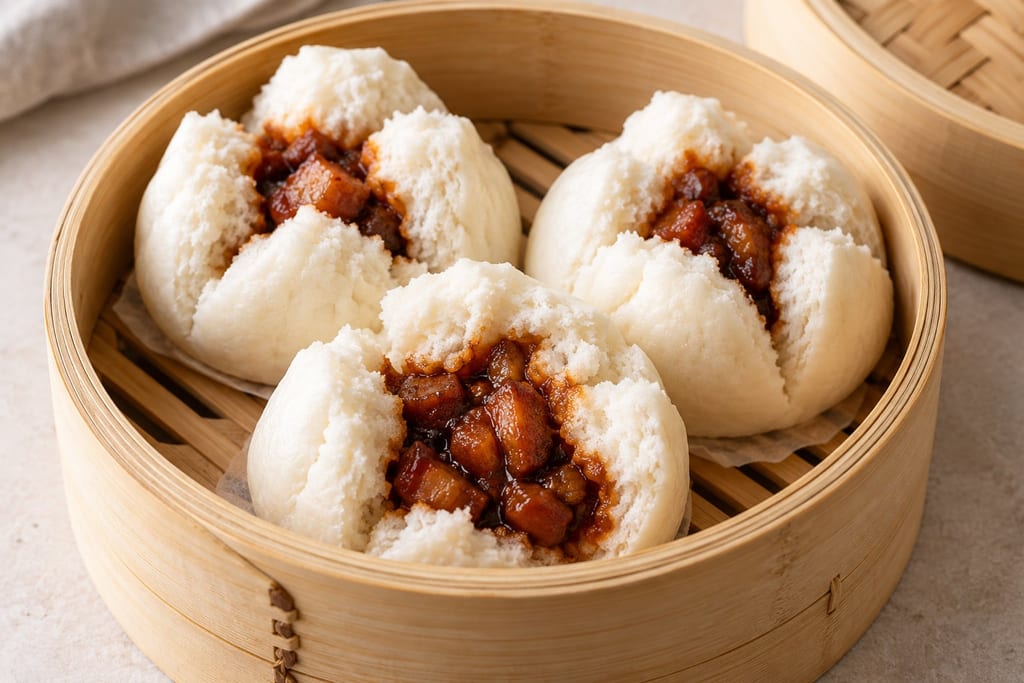
This version wraps cooked char siu in a soft yeast-and-baking-powder dough, then steams the filled buns. It makes fourteen bao. The sauce is thickened separately into a jelly, cooled and mixed with chopped, ready-cooked char siu. This bread record uses shop-bought cooked char siu, an option the recipe page explicitly permits; it does not include a separate method for preparing pork.
The author places Char Siu Bao in Canton/Guangdong dim sum and describes a fluffy, sweeter wrapper with filling prepared before wrapping. The open top is a characteristic of this version; a standard pleated close is offered as an alternative. This modern recipe gives no dated first attestation or precise historical birthplace, so the record preserves the regional context without claiming an origin date. The author also names oyster sauce as a seafood-allergy concern and suggests a mushroom-based vegetarian alternative.
The onion first perfumes a small amount of oil. Water, oyster sauce, char siu sauce and dark soy boil briefly; removing the onion leaves a smooth sauce, though the author allows it to be chopped and retained. A starch slurry then thickens the sauce until it sets like jelly. Cool that base before mixing in the chopped cooked char siu so the filling stays together while the wrappers are shaped.
This dedicated dough differs from the author's other bao methods. The formula combines flour, sugar, baking powder, instant yeast and neutral oil, then gradually adds lukewarm water. Hand mixing includes a ten-minute covered rest and a short knead; the mixer option kneads for about eight minutes. Wei Guo says the added baking powder lets this formula go directly to shaping without a first proof. Flour choices change the water amount: the page gives 180 g for bao or cake flour and 190 mL for all-purpose flour. That distinction is retained rather than averaged.
Divide the dough into fourteen portions and keep pieces covered until use. Roll each into a 9–10 cm disc with a thicker centre and thinner rim. Put about 20 g filling in the middle. The featured open-top fold is demonstrated in the recipe's tutorial; the author also points to a regular pleated alternative in the linked bao guide. This is a bread-shaping technique only; the char siu itself is already cooked and purchased/prepared separately.
Line steamer baskets with parchment, or lightly oil the metal or plastic surface. Let the assembled buns rest uncovered for about thirty minutes, until they look plump and light. Bring the water to a full boil, cover the steamer and cook over medium-high heat for ten minutes without opening the lid. The page serves them straight from the steamer and gives a three-minute steam reheat for refrigerated cooked buns. USDA guidance says cooked leftovers should reach 165°F (74°C) throughout; check the filling centre when reheating buns containing cooked and chilled char siu. The source gives no measured temperature for its initial ten-minute steam, so that time is not represented as a validated internal endpoint.
Raw flour remains uncooked through mixing and proofing. CDC advises against tasting raw dough and recommends cooking flour-containing dough according to recipe directions, with cleaning after handling. The filling contains oyster sauce; the source identifies a vegetarian mushroom-sauce alternative for readers avoiding seafood.
Wei Guo presents Char Siu Bao as a Chinese dim sum bun and places it in a Canton/Guangdong context. The page is a modern recipe, not a dated historical record, so no first date or precise birthplace is claimed.
Yield 14 bao · Scaling: source batch only
The wrapper dough contains uncooked flour until steaming. Do not taste raw dough.
Hazard sourceThe filling is made with cooked char siu and the recipe offers refrigerated cooked leftovers. The source gives a three-minute reheating time but no internal temperature.
Hazard sourceThe recipe includes oyster sauce and advises readers with seafood allergies to use a vegetarian alternative.
Hazard sourceDo not taste raw dough; cook the flour-containing dough by steaming as directed and clean hands, bowls and tools after handling raw flour.
Control sourceIf reheating buns that contain previously cooked and chilled char siu, check that the filling centre reaches 165°F (74°C) with a food thermometer.
Control sourceKeep oyster sauce visible in the ingredients; the source suggests a mushroom-based vegetarian sauce for seafood allergy concerns.
Control sourceThis bread version uses ready-cooked char siu as a filling. The source permits shop-bought char siu and does not provide a pork-cooking method here.
Contains wheat, soy sauce and oyster sauce. Check packaged char siu and sauces for additional allergens.
For reheating buns with previously cooked and chilled char siu, reach 165°F (74°C) in the filling centre. The source's 3-minute reheating instruction is not a measured safety endpoint.
The source's final steaming time is 10 minutes, but it does not give a temperature or internal endpoint for the filled bun.
The author identifies the food as Chinese dim sum; this is not a precise origin claim.
The page places it in Canton/Guangdong dim sum context, not a uniquely verified birthplace.
Chu hou is a sweet, savoury Cantonese paste of fermented soybeans, fermented bean curd, garlic, ginger and sesame, used mainly to braise meat.
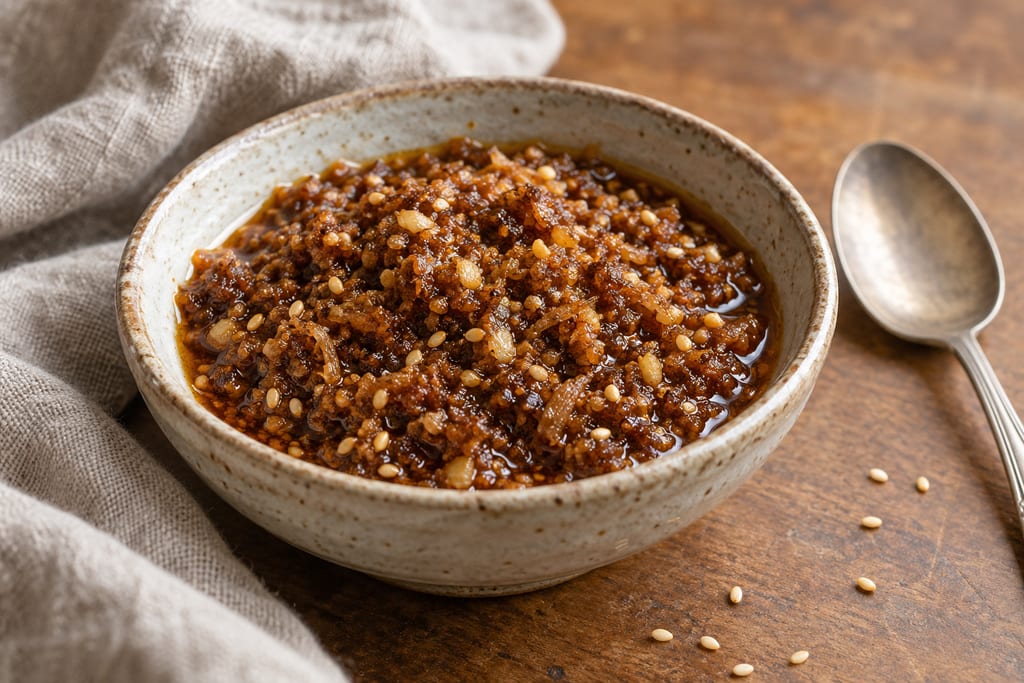
Shacha is a savoury, granular Fujian, Teochew and Taiwanese condiment of oil, garlic, shallot and dried seafood, often sold as Chinese barbecue sauce.
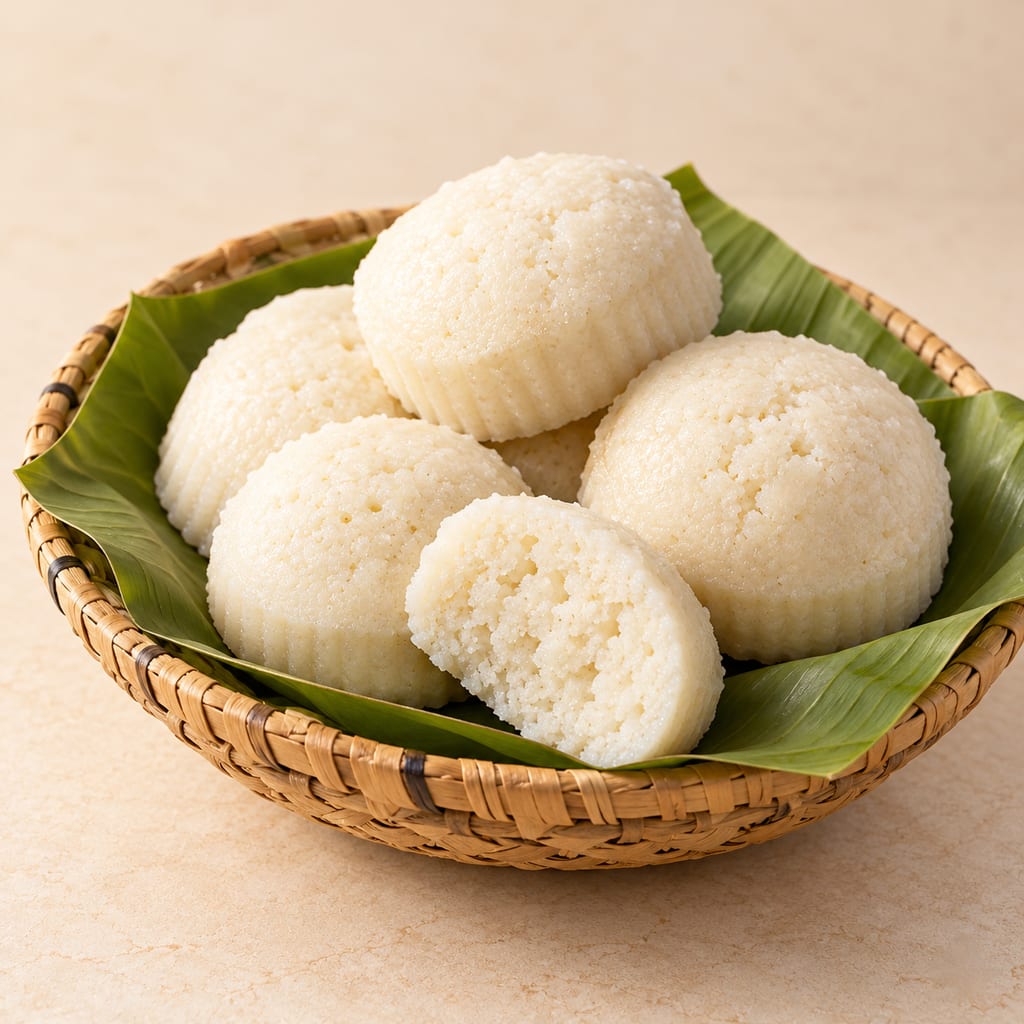
Soft, lightly tangy steamed cereal bread documented across Benin and Togo. This page gives one measured rice-flour research method; maize-based Ablo and mixed-grain versions remain distinct traditions.
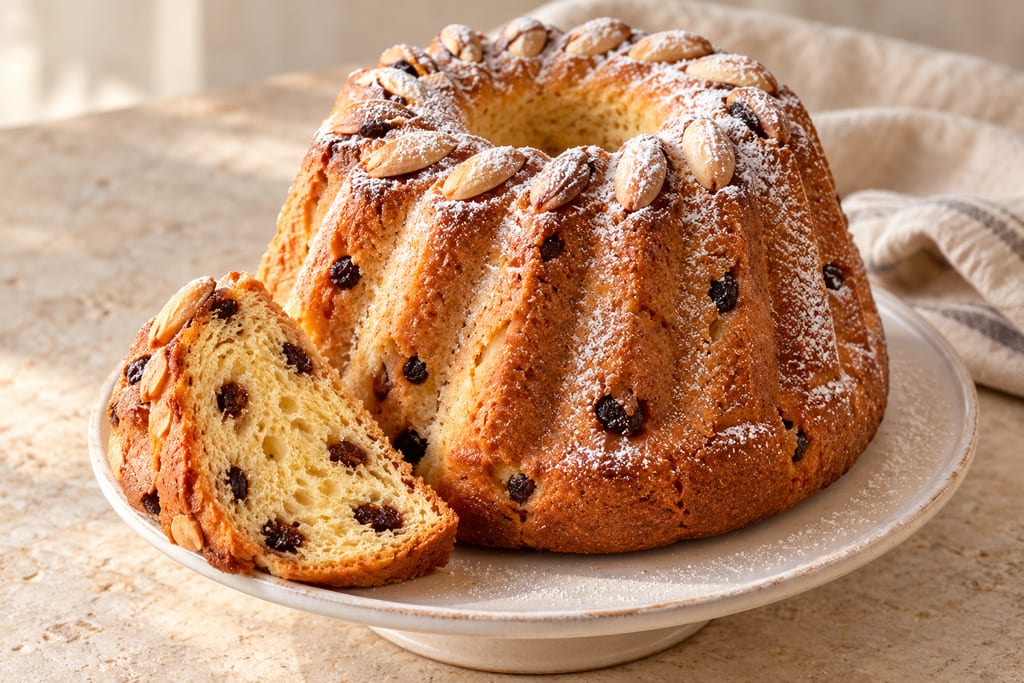
An enriched Alsatian yeast ring with raisins and almonds, kneaded with butter, proofed in a fluted mould and baked until browned.

Anpan is a soft wheat bun filled with sweet red-bean paste and finished with egg wash and black sesame. This dough rises with commercial instant yeast.
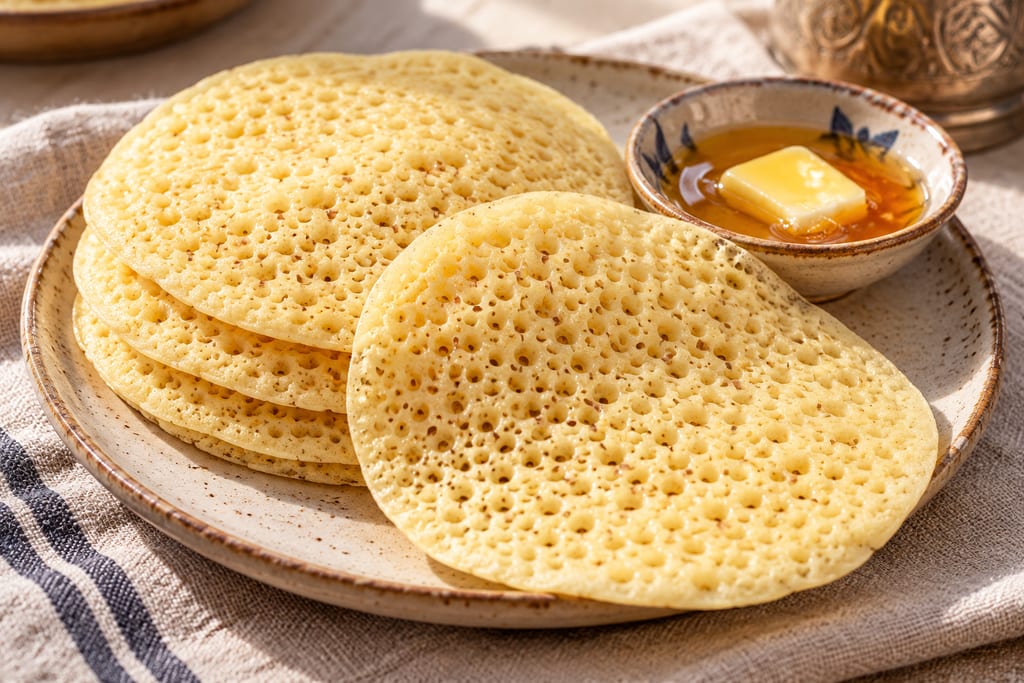
Moroccan semolina pancakes made from a thin yeast batter, rested until foamy and cooked on one side until the surface sets with a honeycomb of holes. This source-specific batch makes sixteen 5-inch pancakes.
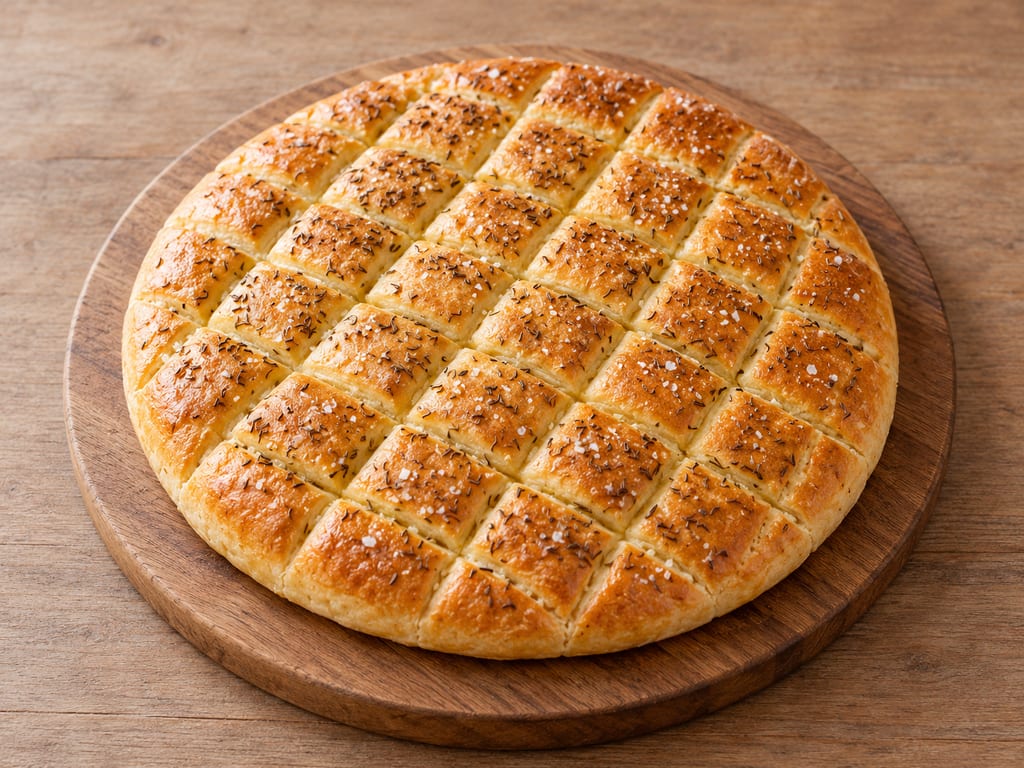
A round Slovenian flatbread scored in a grid and topped with caraway and coarse salt.
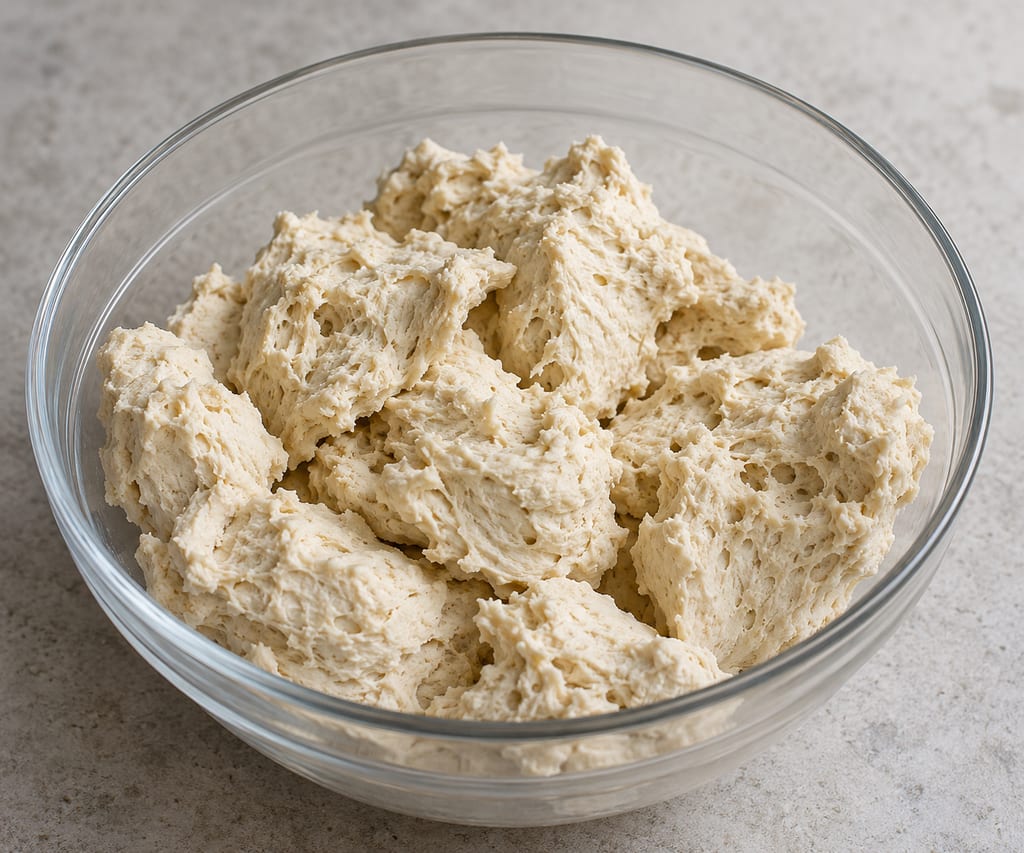
Biga is an Italian bread preferment of flour, water and a little yeast, usually a stiff unsalted mass of about 45 per cent water, fermented ahead and then mixed into the final dough.
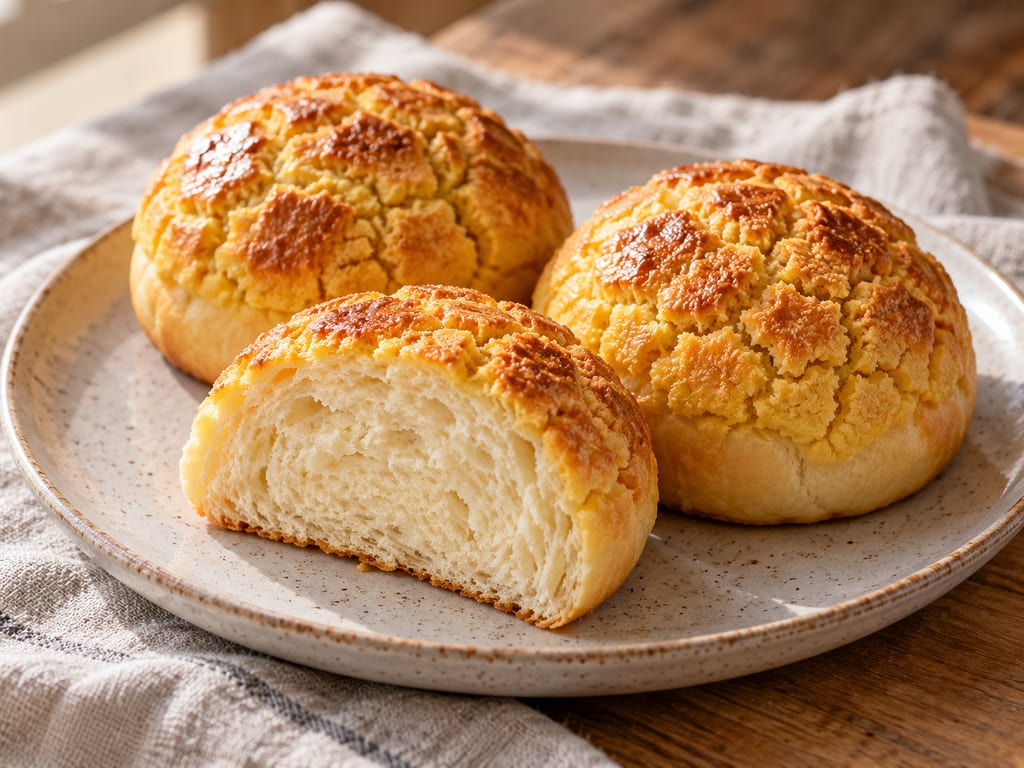
Hong Kong-style pineapple buns have soft yeast dough beneath a crisp, sweet pastry topping.
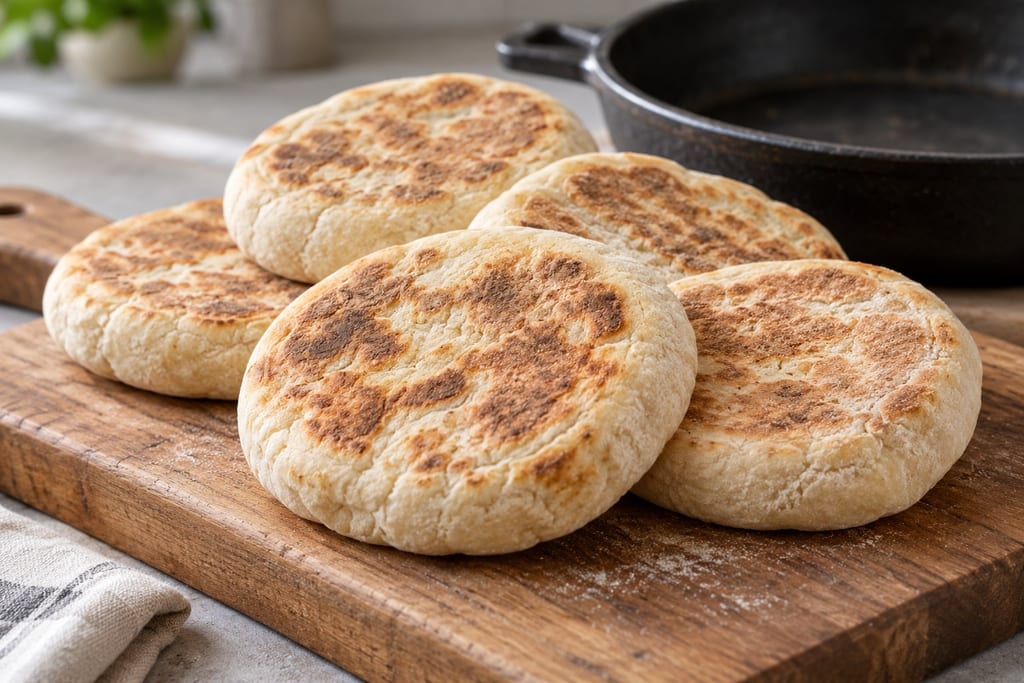
Sweet-potato wheat breads with fresh yeast, browned in a pan and finished in the oven. This is the bread component of Teleculinária's scrambled-egg dish.
No community contributions have been published for this entry yet.
Sign in to contribute. Published comments and photos are free to read.
Red House SpiceRecipe · Geographic context
Char Siu Bao (BBQ Pork Buns, 叉烧包)Recipe makes 14 bao with 350 g bao flour/cake flour or all-purpose flour, 2 tbsp sugar, 2 tsp baking powder, 2 tsp instant dry yeast, 1½ tbsp neutral oil and 180 g lukewarm water; the source says to add 10 mL water if using all-purpose flour.
Filling sauce uses ½ tbsp oil, ½ sliced onion, 120 g water, 2 tbsp oyster sauce, 1 tbsp char siu sauce, 1 tsp dark soy sauce and 2 tbsp tapioca or corn starch mixed with 3 tbsp water; it is cooked until jelly-like, cooled and mixed with 130 g cooked char siu.
Hand dough is covered for 10 minutes and kneaded about 2 minutes; mixer dough kneads about 8 minutes. Divide into 14, roll 9–10 cm discs, use about 20 g filling per bao, proof shaped buns about 30 minutes and steam at medium-high for 10 minutes after water boils.
The filling is cooked before wrapping, and shop-bought char siu is permitted. The page directs refrigeration of cooked leftovers for up to three days and steaming for three minutes to reheat; it does not give an internal reheating temperature.
The author places Char Siu Bao in Canton/Guangdong dim sum and says the filling can use a vegetarian alternative to oyster sauce for seafood allergy concerns.
Cited in: A fluffy Cantonese dim sum bao; Make the jelly filling and dedicated dough; Fill, shape, proof and steam
Red House SpiceMethod
Steamed bao buns (baozi, 包子), a complete guideA separate bao guide describes baozi as leavened, filled steamed buns and notes that proofing varies with dough and ambient temperature. It does not replace the Char Siu Bao formula's dedicated baking-powder dough or 30-minute post-shaping proof.
Cited in: A fluffy Cantonese dim sum bao; Fill, shape, proof and steam
Centers for Disease Control and PreventionFood safety guidance
Raw Flour and DoughUncooked flour can carry harmful germs; do not eat raw dough; bake or cook flour-containing dough according to the recipe and clean hands, bowls, utensils and surfaces after handling raw flour.
Cited in: Fill, shape, proof and steam
USDA Food Safety and Inspection ServiceFood safety guidance
How do I reheat leftovers safely?Cooked foods and leftovers should be reheated throughout to 165°F (73.8°C); use a food thermometer and check several places. This general guidance supports a conditional reheating control for buns containing cooked and chilled char siu, not a claim that the recipe's 10-minute steam is validated.
Cited in: Fill, shape, proof and steam