
Baguette with overnight poolish
Three long, crusty wheat loaves made with an overnight yeast poolish, shaped by hand and baked with steam for a crisp crust.
 FermenteaWhere food goes to change
Traditional method
Kouglof · Kougelhopf · Kugelhopf
An enriched Alsatian yeast ring with raisins and almonds, kneaded with butter, proofed in a fluted mould and baked until browned.
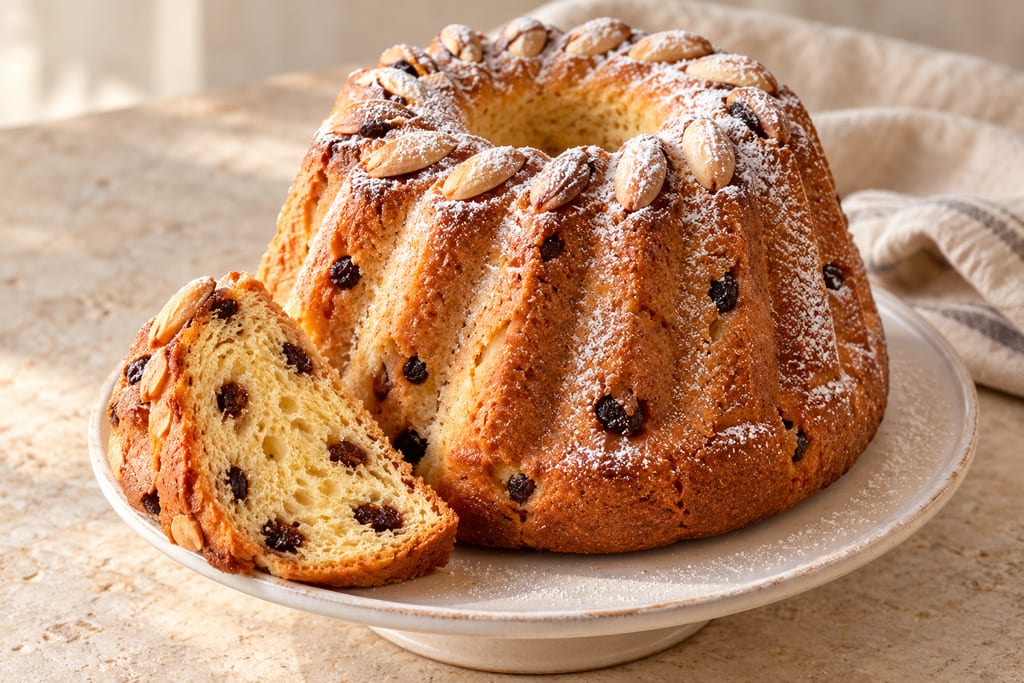
Kouglof, also written kougelhopf, is an Alsatian yeast-raised brioche baked in a fluted ring mould. Regional descriptions show almonds set into the mould grooves and raisins folded into the dough. The selected formula from Alsace Lait serves eight and uses butter, eggs and an optional splash of rum with the raisins.
The dough is enriched in stages: first a yeast sponge, then a knead with eggs and flour, followed by a second knead as the butter and raisins are added. This order builds the dough before the butter softens it. The method uses a mould rather than a free-standing loaf shape, so the dough is spread evenly into the flutes and central ring.
The mould is buttered generously and each groove receives an almond before the dough goes in. A fluted mould gives the loaf its recognisable form and puts the almonds on the finished crust. The source does not specify mould capacity, so the batch is recorded at its stated yield without an inferred pan size.
Dissolve fresh yeast in milk warmed to 37°C, then mix in 100 g flour for a smooth sponge. After a one-hour rise, combine it with the remaining 200 g flour, sugar, salt, two eggs and one yolk. Knead for about 10 minutes before adding butter.
Work in the butter over a further 10-minute knead, adding the drained raisins gradually. The dough is rich and soft. The source gives times rather than a windowpane test or proofing temperature, so the method keeps its measured kneads and rests without adding an unsupported dough cue.
The raisins soak in hot water; 5 cl amber rum is optional. Drain them before adding so the dough receives the fruit without carrying the soaking liquid into the knead. This formula does not include additional candied fruit, citrus peel or other regional variations.
Butter the fluted kouglof mould generously and place one almond in each groove. Spread the dough evenly so it fills the ring without leaving the almonds displaced. Cover and leave it to rise for three hours. No room temperature or visual endpoint is stated for this rise.
Bake at 180°C for 45 minutes. The recipe page's time summary reports four hours including rest, while its steps list a one-hour sponge rise and a three-hour mould rise before the 45-minute bake. Those figures do not reconcile, so this record follows the procedural times and reports the discrepancy.
The regional wine organization's method lets the shaped dough rise to the edge of the mould and gives a similar 180°C, 45-minute bake. That cue corroborates the mould-specific rise without replacing the selected recipe's measured three-hour schedule.
The dough contains raw flour, two eggs and an extra yolk. Do not taste it before baking, and wash hands, equipment and work surfaces after handling the raw mixture.
The selected recipe gives a 45-minute bake, while FDA guidance says egg dishes should reach 160°F. Check the centre of the ring with a clean thermometer and continue baking if it has not reached 71.1°C. No storage or shelf-life limit is supplied by the recipe or added here.
Alsace regional sources describe kougelhopf as a local yeast-raised brioche, often made with raisins and almonds in a fluted mould. The selected Alsace Lait formula is a contemporary enriched version; the inspected pages do not establish a first attestation or single birthplace.
Yield 8 servings · Scaling: source batch only
The flour and egg-enriched dough are handled before baking.
Hazard sourceThe dough contains two whole eggs and one yolk before baking.
Hazard sourceDo not taste raw flour or dough; wash hands, utensils and work surfaces after handling.
Control sourceBake until the centre reaches 71.1°C (160°F), checked with a clean food thermometer; continue baking if needed.
Control sourceDo not taste the raw dough.
The recipe gives a 45-minute baking time but no internal endpoint; check the centre because the dough contains eggs.
No storage or shelf-life limit is given.
Regional sources call kougelhopf an Alsatian speciality; this does not establish a single place of origin.
Three long, crusty wheat loaves made with an overnight yeast poolish, shaped by hand and baked with steam for a crisp crust.
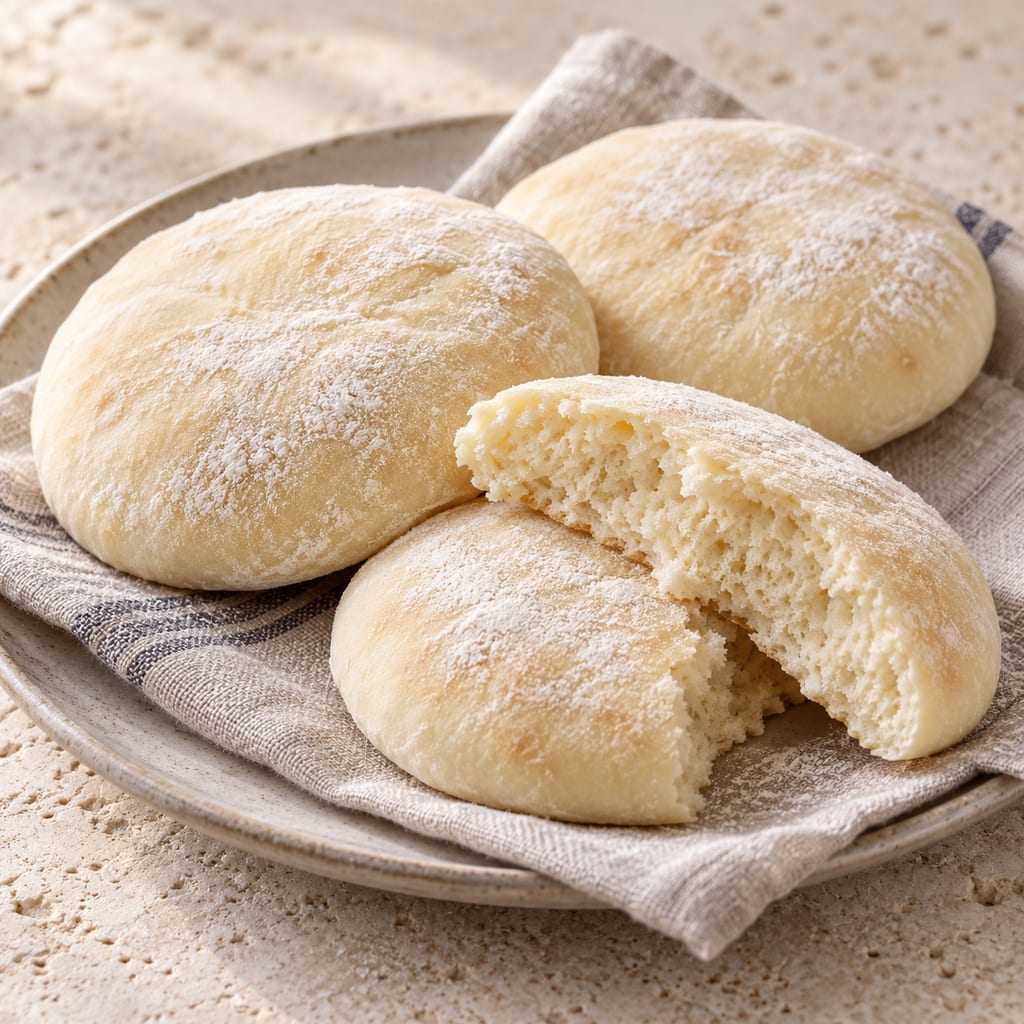
A pale, softly baked, low-profile bread associated with northern France and Tournai. This source-specific household method makes four large faluches; it differs from older accounts of leftover bread dough baked during communal bread baking.
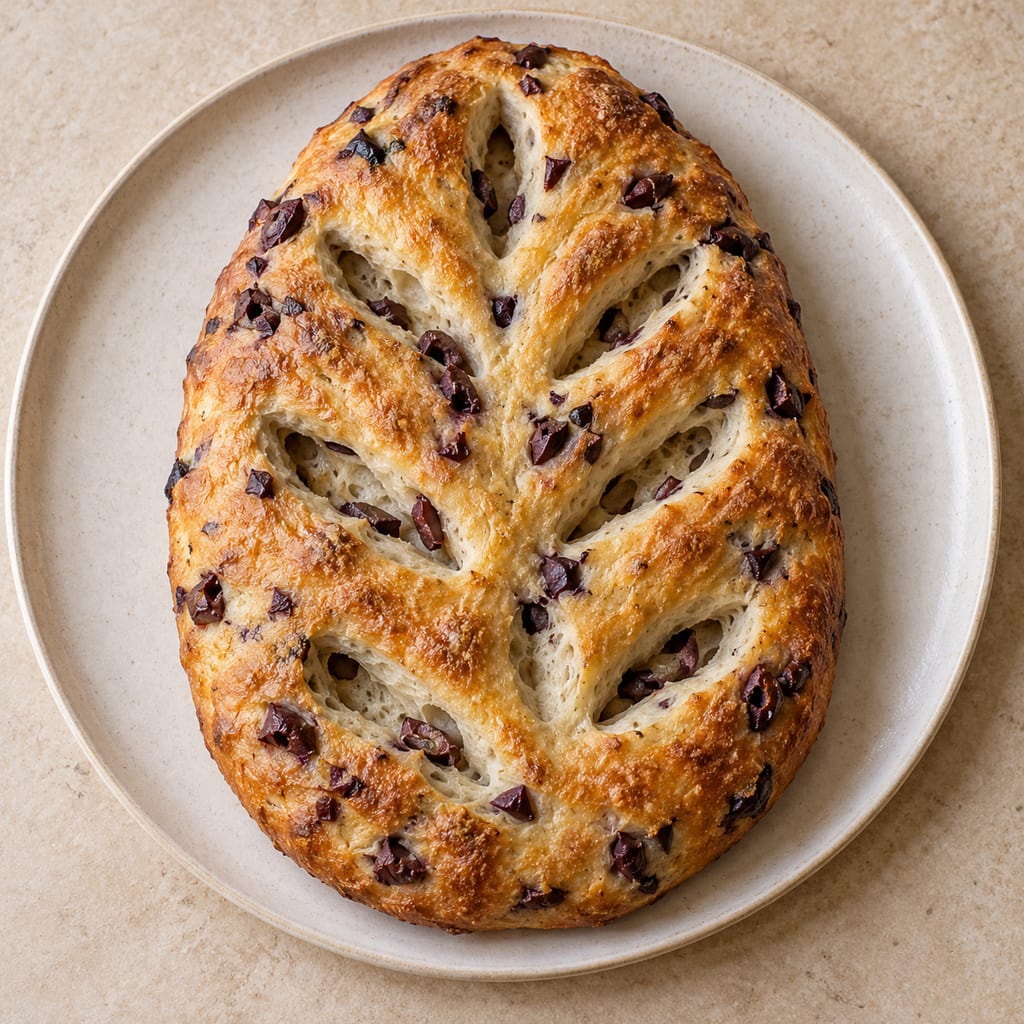
A Provençal olive bread shaped as a flattened oval with seven open slits. This Le Cordon Bleu formula uses wheat flour, fresh yeast, olive oil and Kalamata olives.
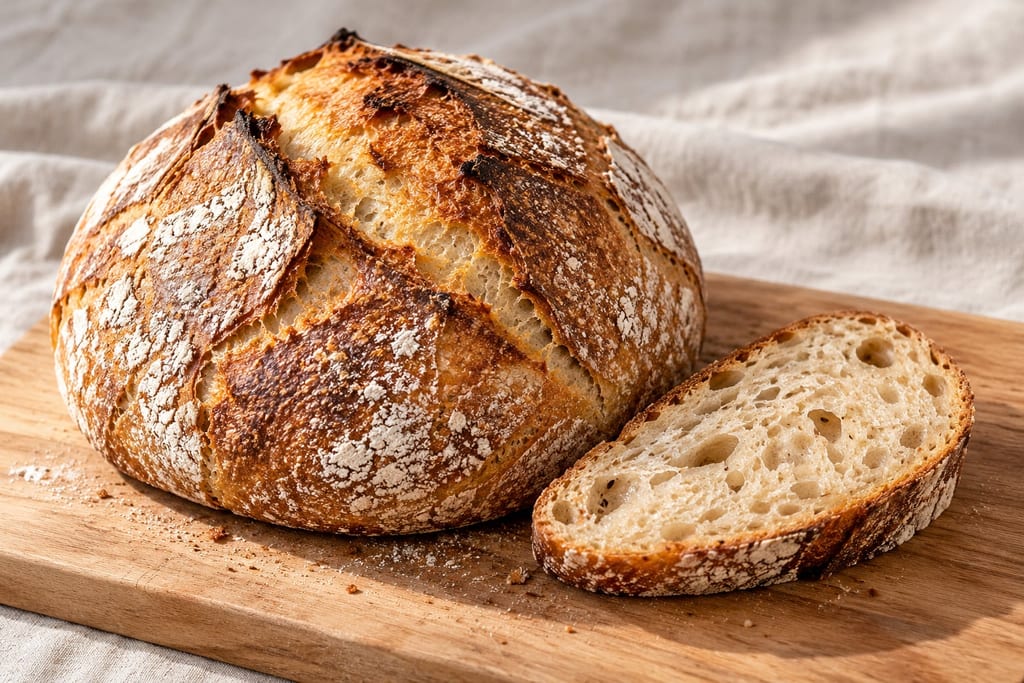
Two large French-style wheat loaves use unfed sourdough starter, whole-wheat flour, long room-temperature fermentation and a covered-pot bake.
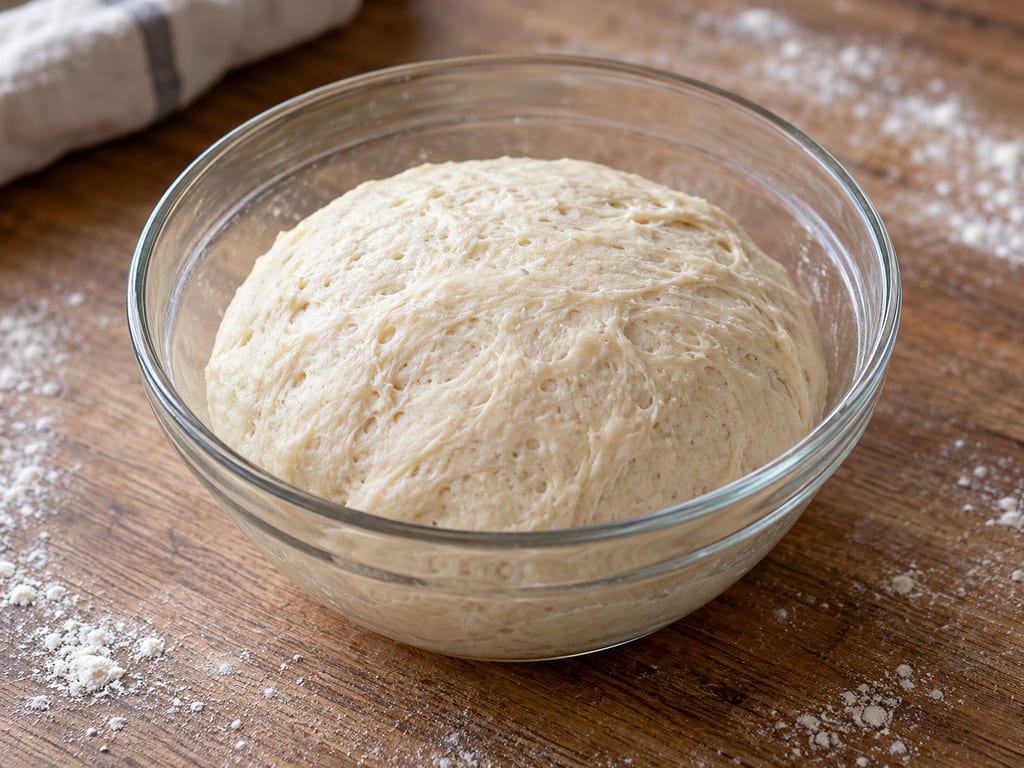
Pâte fermentée is a bread preferment made from salted, yeasted dough set aside to ferment and mixed into a later batch, carrying developed dough and fermentation products with it.
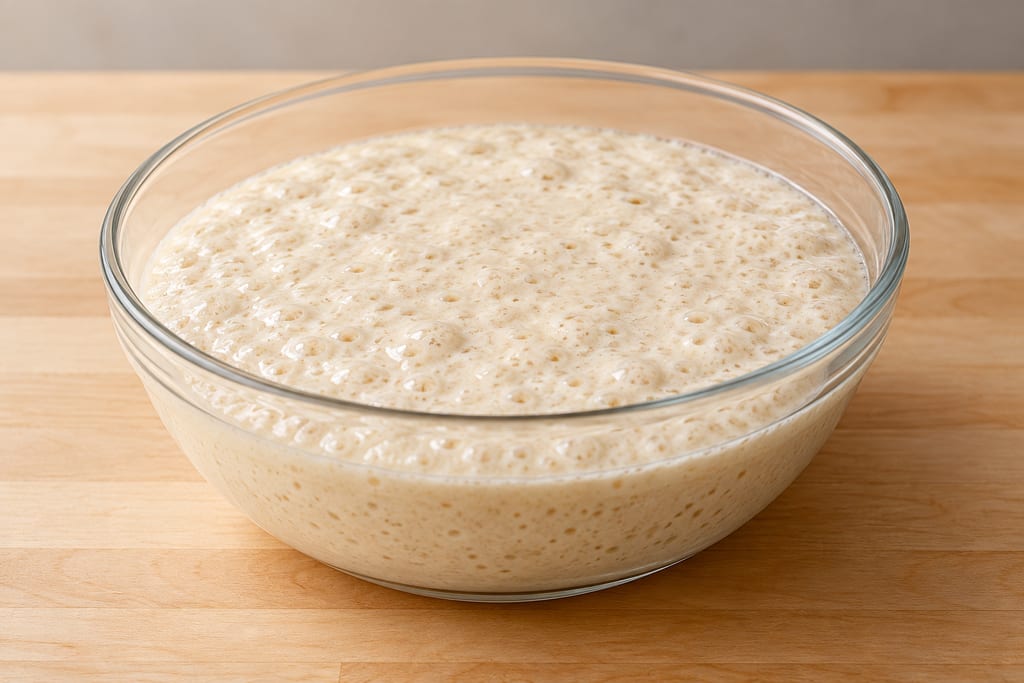
Poolish is a loose, unsalted bread preferment of roughly equal weights of wheat flour and water with a pinch of baker's yeast, left to ripen before it goes into the final dough.
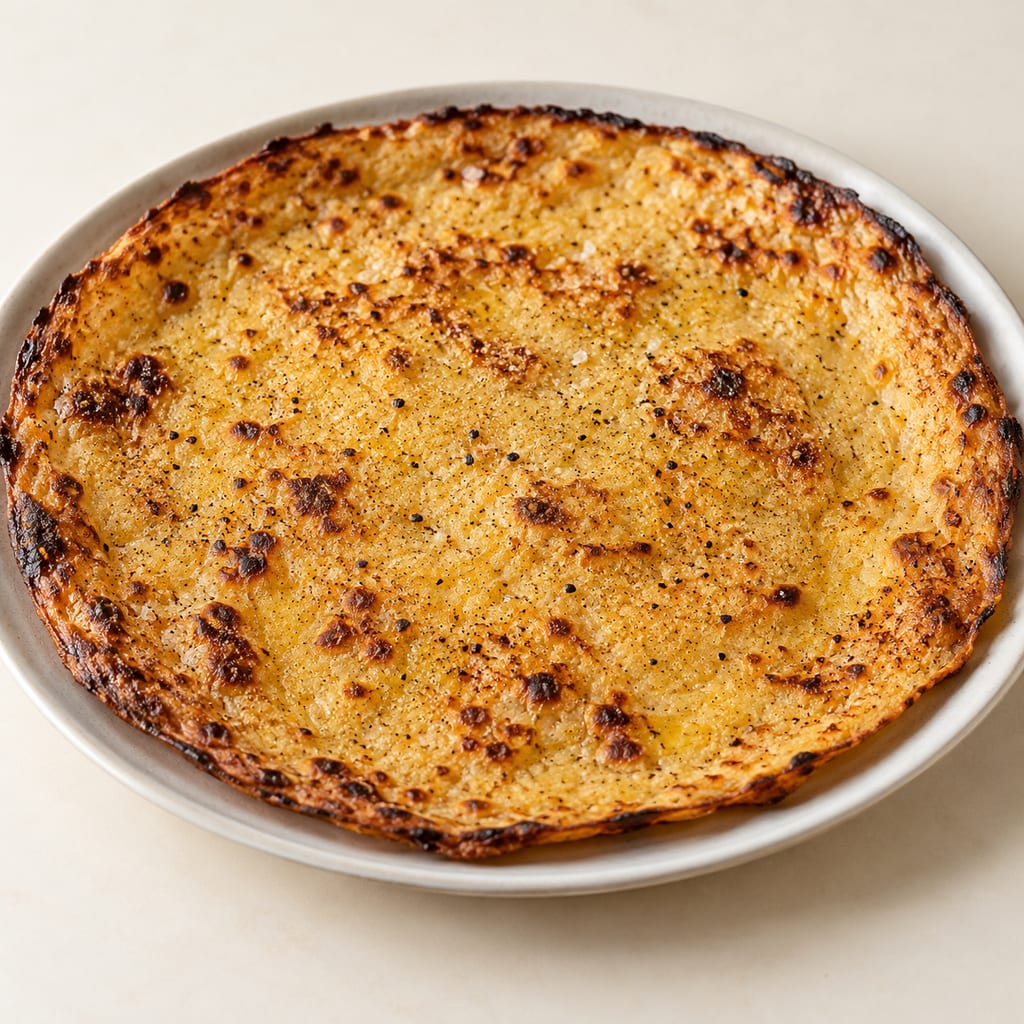
Socca is a thin chickpea-batter pancake from Nice, cooked on a very hot copper plate and served piping hot. This page follows the Nice source; the Genoa farinata formula, which conflicts on water quantity, is not blended in.
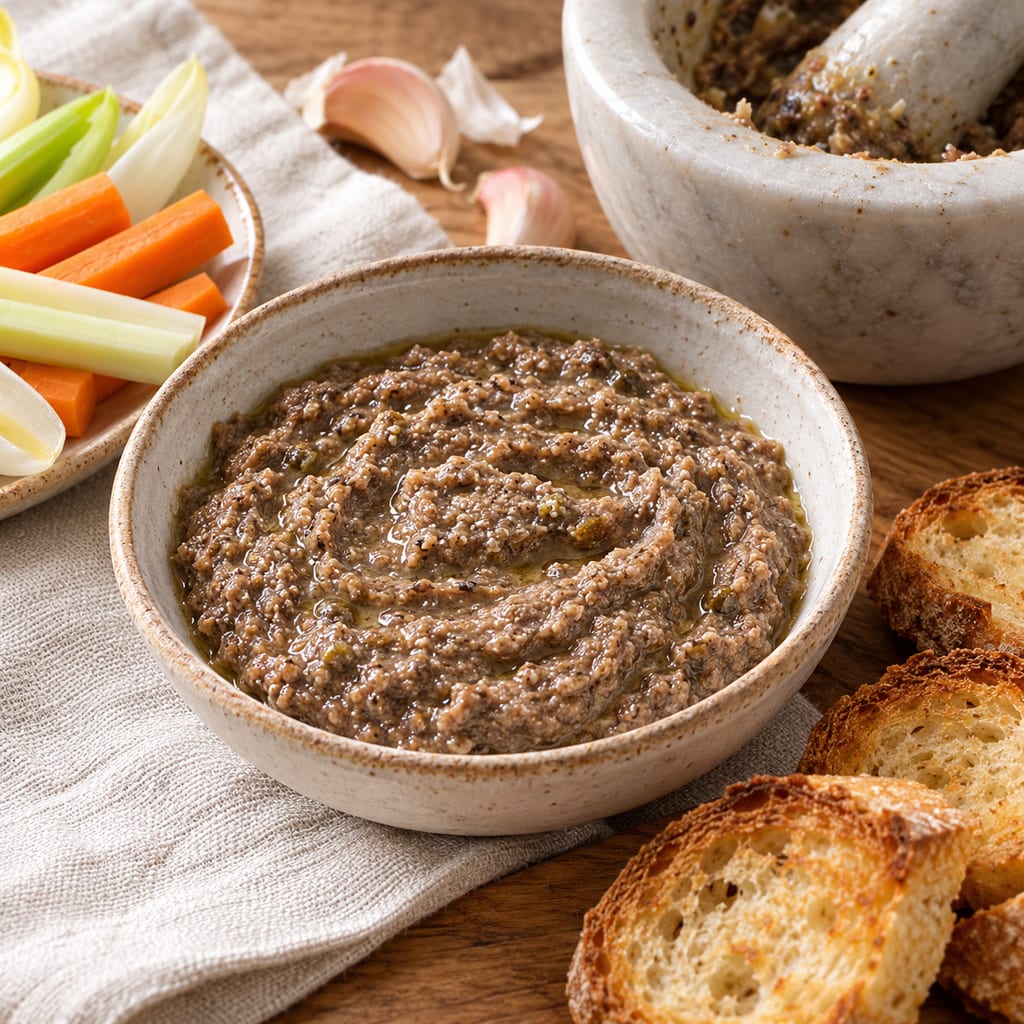
A Provencal dip of anchovies, garlic, capers and olive oil, pounded or blended to a creamy paste and served with raw vegetables, bread and eggs.
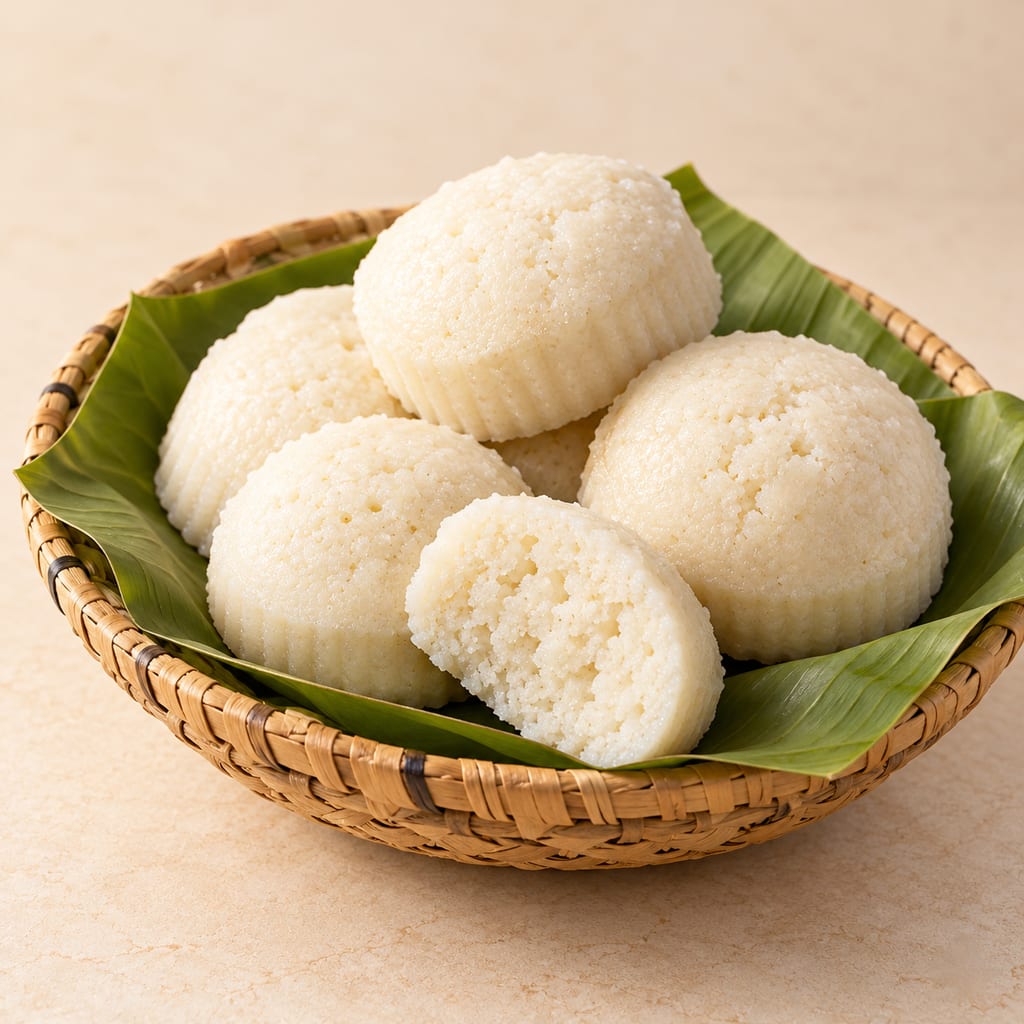
Soft, lightly tangy steamed cereal bread documented across Benin and Togo. This page gives one measured rice-flour research method; maize-based Ablo and mixed-grain versions remain distinct traditions.
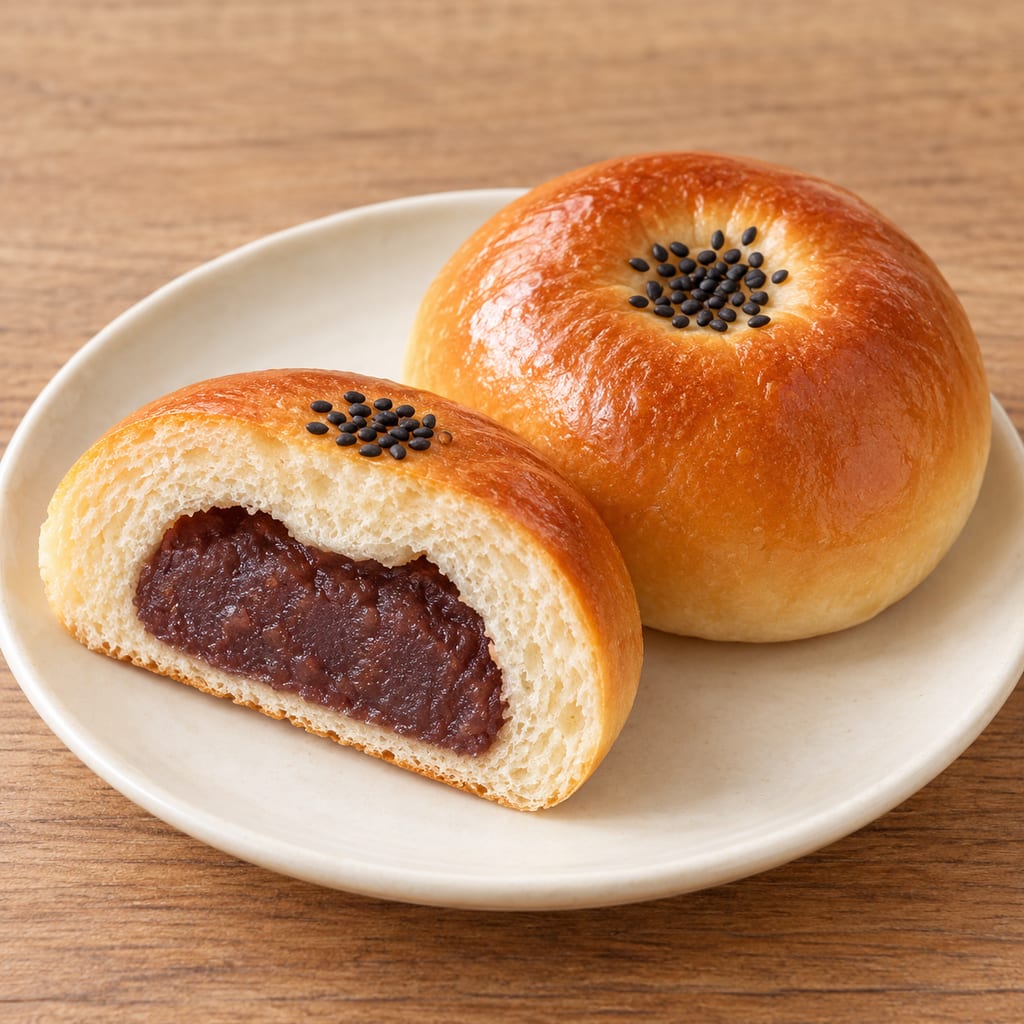
Anpan is a soft wheat bun filled with sweet red-bean paste and finished with egg wash and black sesame. This dough rises with commercial instant yeast.
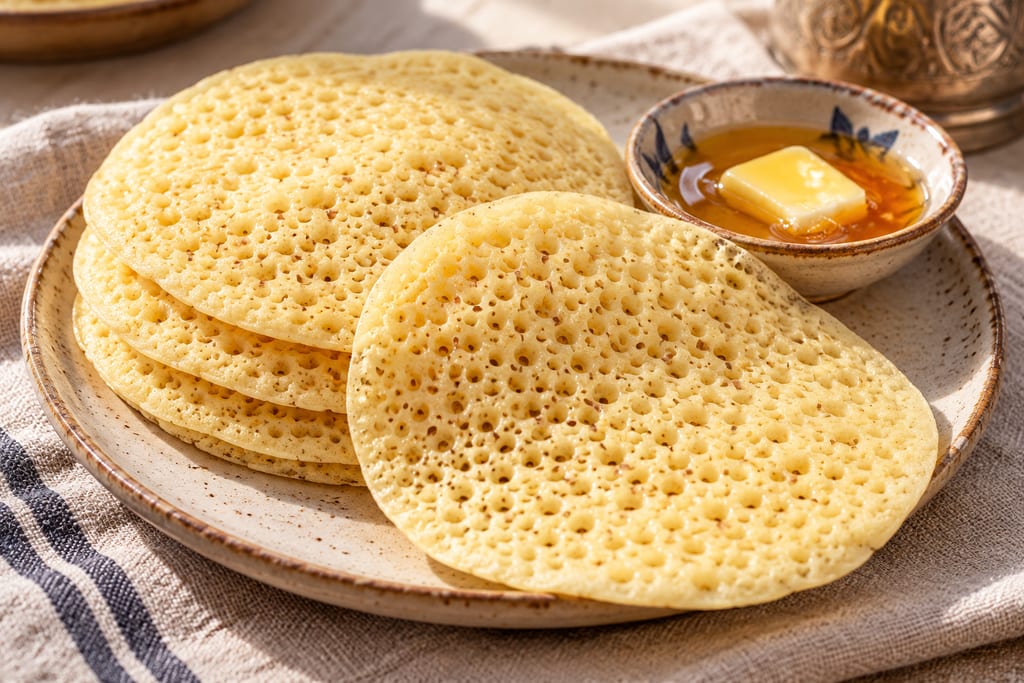
Moroccan semolina pancakes made from a thin yeast batter, rested until foamy and cooked on one side until the surface sets with a honeycomb of holes. This source-specific batch makes sixteen 5-inch pancakes.
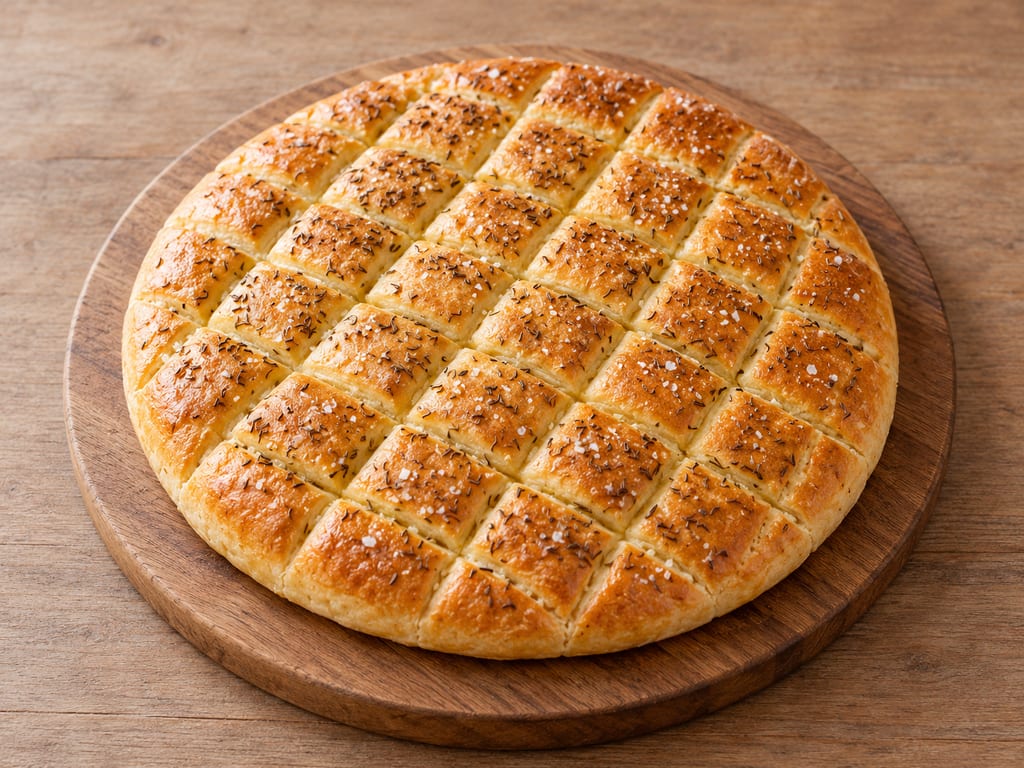
A round Slovenian flatbread scored in a grid and topped with caraway and coarse salt.
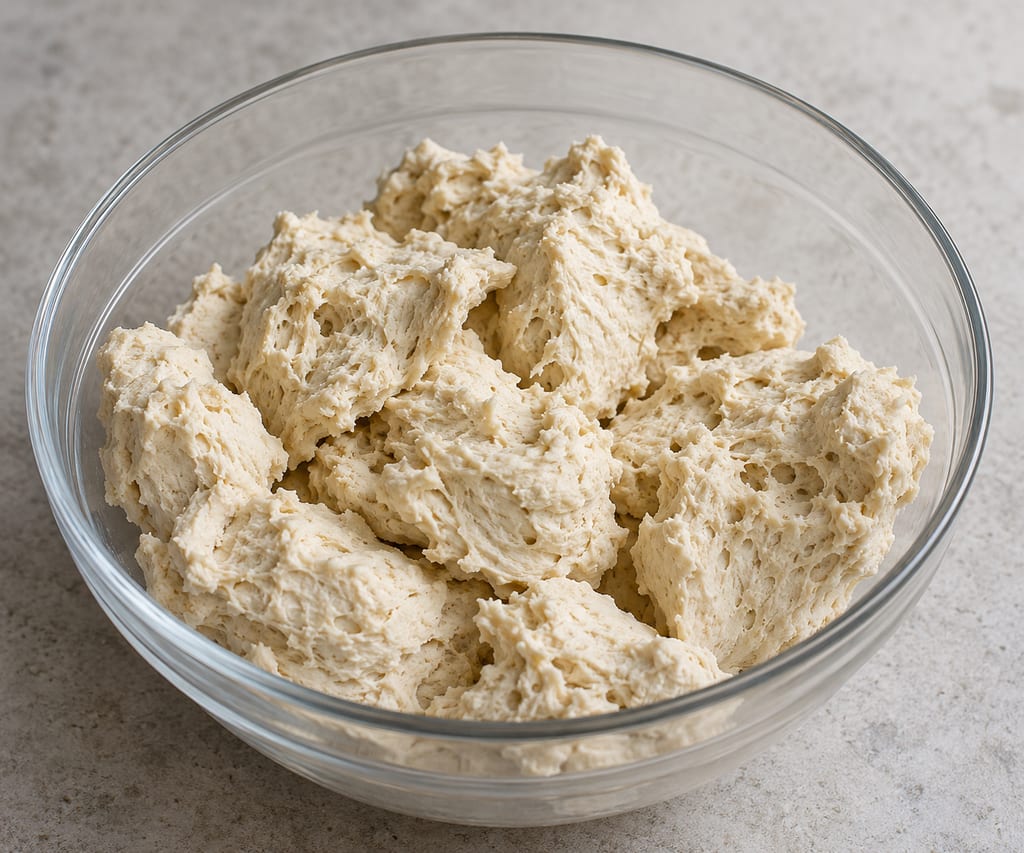
Biga is an Italian bread preferment of flour, water and a little yeast, usually a stiff unsalted mass of about 45 per cent water, fermented ahead and then mixed into the final dough.
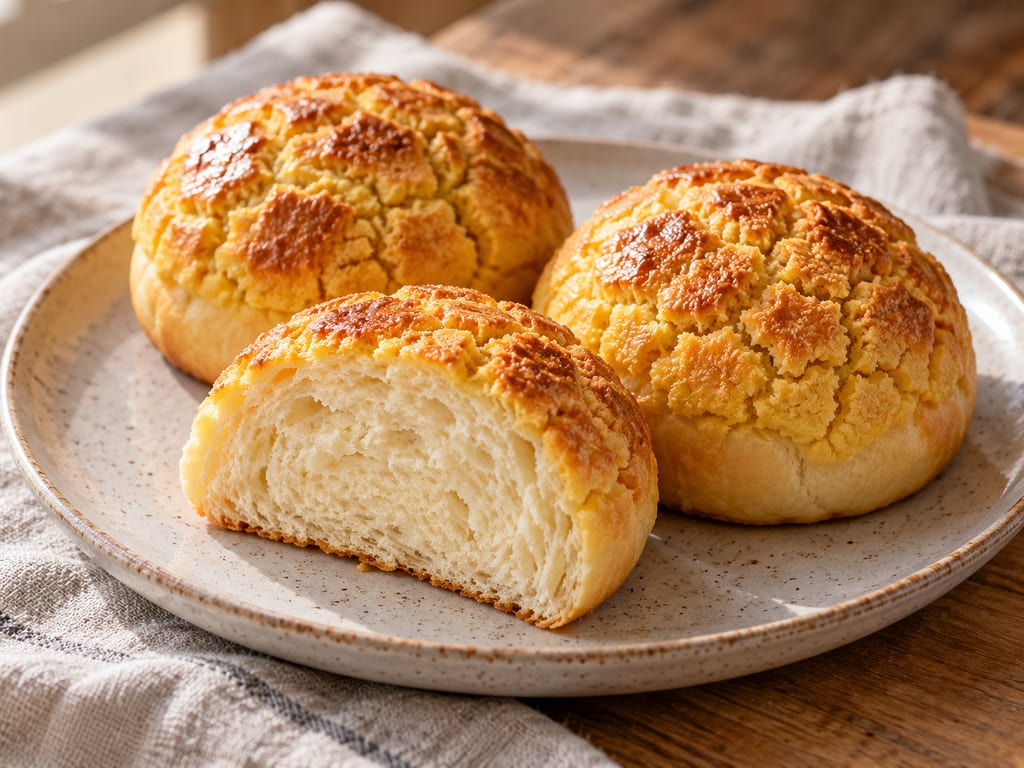
Hong Kong-style pineapple buns have soft yeast dough beneath a crisp, sweet pastry topping.
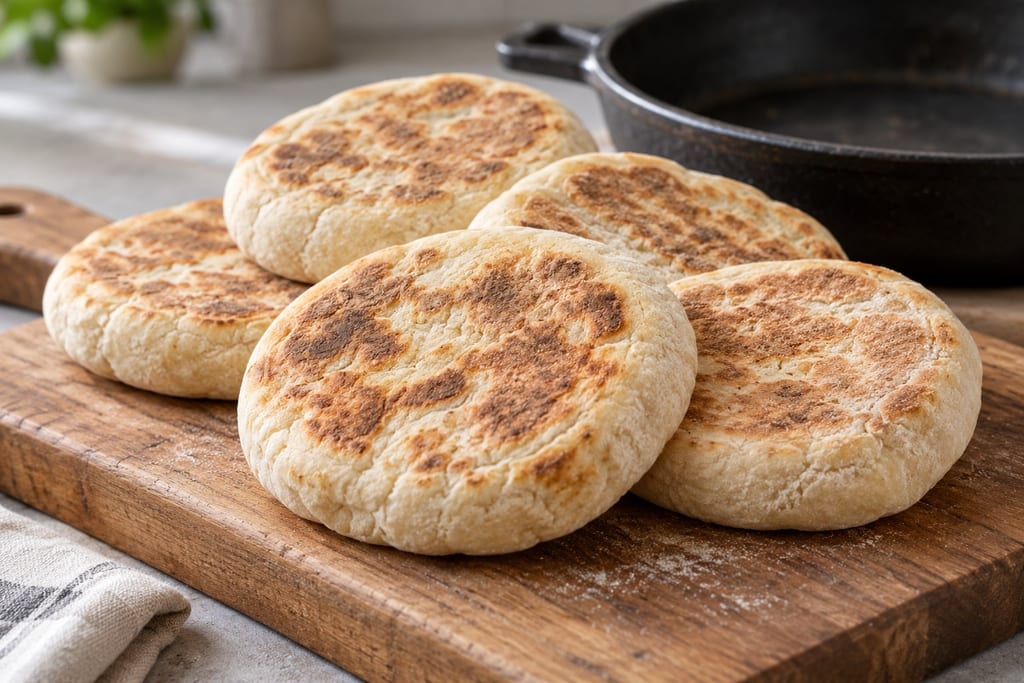
Sweet-potato wheat breads with fresh yeast, browned in a pan and finished in the oven. This is the bread component of Teleculinária's scrambled-egg dish.
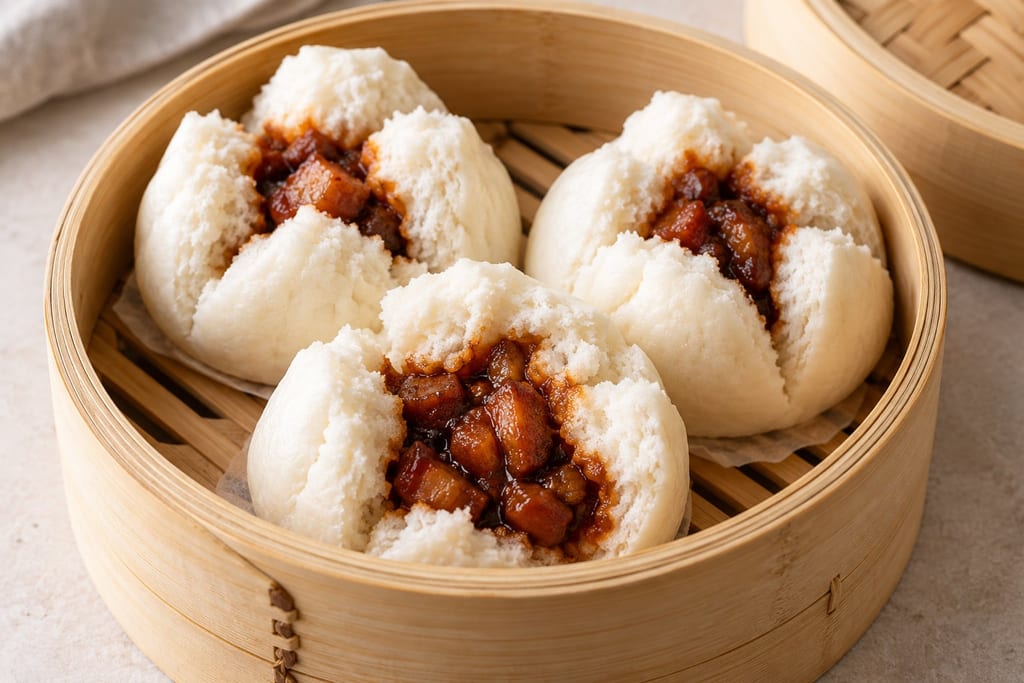
Fourteen fluffy steamed buns filled with cooked char siu and a thickened oyster-soy sauce.
No community contributions have been published for this entry yet.
Sign in to contribute. Published comments and photos are free to read.
Alsace LaitMethod · Ingredients
Kouglof cakeThe complete formula for eight uses butter, fresh yeast, milk, wheat flour, raisins, hot water, optional rum, sugar, salt, two eggs, one yolk and almonds.
The yeast sponge rises for one hour; the dough is kneaded before and after butter addition, with raisins incorporated during the second knead; the mould is buttered, almonds are placed in grooves, the dough rises three hours and bakes at 180°C for 45 minutes.
Cited in: An Alsatian enriched ring bread; Sponge and enriched dough; Moulding, proofing and baking
Vins d'AlsaceGeography · History · Equipment
Recipe of Alsace kougelhopfThe page presents kugelhopf as an Alsace recipe and describes the characteristic fluted ring mould, almonds in each groove, a second rise to the mould edge, and a 180°C bake of about 45 minutes.
Cited in: An Alsatian enriched ring bread; Moulding, proofing and baking
Pays Rhénan Tourist OfficeGeography · History · Equipment
Recette du KougelhopfThe office describes kougelhopf as an Alsatian brioche with almonds and raisins baked in Soufflenheim moulds and associated with the regional Kaffee Kranzel gathering.
Cited in: An Alsatian enriched ring bread
U.S. Food and Drug AdministrationSafety
Handling Flour Safely: What You Need to KnowRaw flour may carry harmful bacteria; do not taste raw flour or dough and wash hands and surfaces after handling.
Cited in: Handling raw dough
U.S. Food and Drug AdministrationSafety
What You Need to Know About Egg SafetyFDA says egg dishes should reach 160°F and be checked with a food thermometer.
Cited in: Handling raw dough