
Bagna cauda
A warm dip of garlic, anchovy and olive oil, often enriched with butter, that Piedmont serves over a flame with raw and cooked vegetables and bread.
 FermenteaWhere food goes to change
Anchoïade · Anchoyade · Provencal anchovy dip · Anchovy spread
A Provencal dip of anchovies, garlic, capers and olive oil, pounded or blended to a creamy paste and served with raw vegetables, bread and eggs.
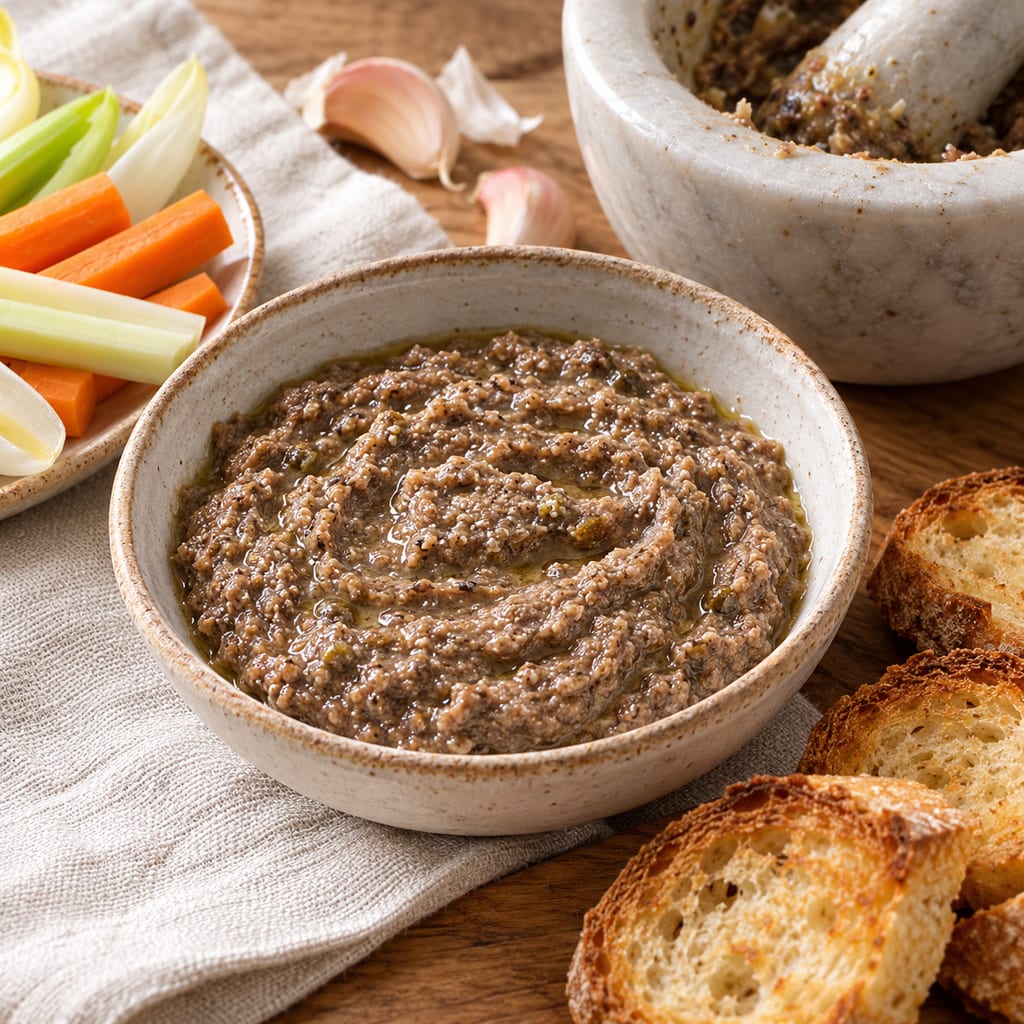
Anchoiade is a Provencal dip in which anchovies lead the flavour. It is a paste of anchovy, garlic and capers worked into olive oil until creamy. Anchovy, not olive, is the main ingredient, which separates it from tapenade and gives it a sharper, saltier character.
It is served as an aperitif with vegetables and bread, and it appears on tables across Provence as a shared dish rather than as a sauce for a main course.
The name is the Provencal form of anchovy and the paste that is made from it. The cited page presents it as a traditional recipe of the region and gives no date. Some recipe sites associate it with Collioure on the Mediterranean coast, but published accounts read here do not confirm that, and no history from before the modern period is documented in them.
Anchoiade should not be confused with bagna cauda, which is a warm Piedmontese dip of anchovy and garlic in oil, or with garum, a fermented fish sauce. Anchoiade uses an existing salted fish, not a fermentation of its own.
Salted anchovies carry most of the flavour and salt. They are desalted before use so that the paste is savoury rather than harsh, and the cited page advises salted anchovies for stronger flavour. Garlic gives the pungent base, and the amount given runs from eight to ten cloves. Capers add a sharp, briny note. Olive oil binds the mixture and gives it body when it is drizzled in while blending.
Vinegar, mustard and olives are optional. The cited page offers them as adjustments to taste, not as part of the base recipe.
Garlic is peeled and its germ removed. The anchovies are soaked in water or milk for about thirty minutes to remove salt, then drained thoroughly. Anchovies and capers are mashed or blended with the garlic until smooth. The oil is then added slowly so that the paste emulsifies into a creamy dip. A mortar is the traditional tool and a blender the alternative.
Desalting matters because the salt level of salted anchovies varies, and the cook adjusts the paste by taste afterwards.
The cited page lists raw vegetables such as carrot, celery, cauliflower, radish, cucumber, pepper, artichoke leaves and cherry tomato. Bread, toast, farmhouse loaf, focaccia and fougasse are the usual base, along with quartered hard-boiled eggs and raw button mushrooms. Pasta is mentioned as an accompaniment. Rose wines from Provence are suggested to drink with it.
The cited page gives no storage time. A garlic and oil paste is a food-safety concern at room temperature, so the paste should be kept refrigerated and not left out between servings. Published accounts read here set no holding limit.
Desalting the anchovies is a flavour step, not a safety control. The page does not describe the effect of desalting on keeping quality.
The date of anchoiade, its earliest documented form, its place names and the base quantities behind the ten-person amounts are not established by the pages read. A Provencal food-history source and a second published recipe would be the next research steps.
Anchoiade is a Provencal preparation of salted anchovy and garlic in oil. The cited page calls it the traditional Provencal recipe and part of the culinary traditions of Provence. Its origin and early history are not documented in the pages read, and the place names Collioure, Nice and Marseille that some recipe sites use are not confirmed here.
Scaling: source batch only
A garlic and oil paste held at room temperature is a botulism concern. The cited page gives no storage time or temperature.
Hazard sourceRefrigerate the paste and keep it cold between servings
Control sourceRefrigerate the paste. The cited page gives no storage time.
The cited page calls it the traditional Provencal recipe. No narrower place or date is given in it.
A warm dip of garlic, anchovy and olive oil, often enriched with butter, that Piedmont serves over a flame with raw and cooked vegetables and bread.
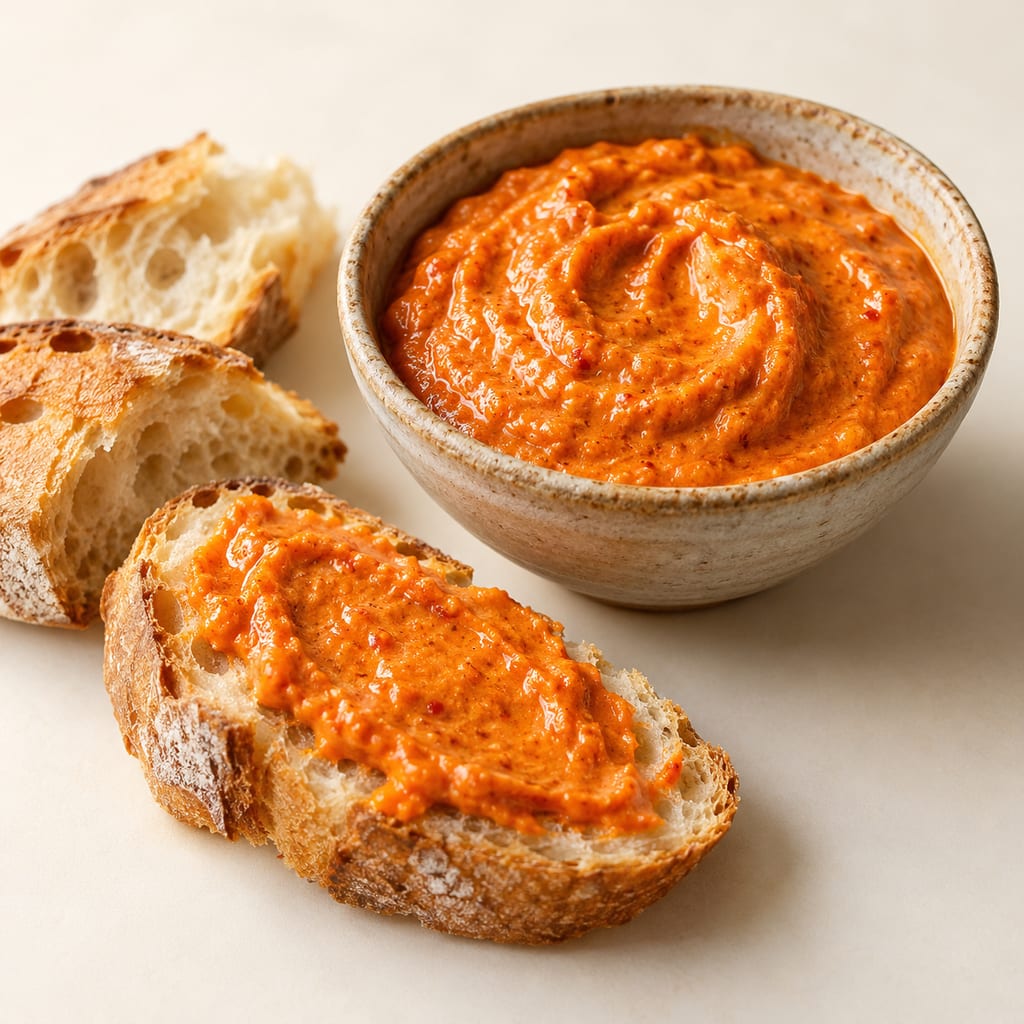
A strongly flavoured Provencal garlic sauce of chilli or cayenne, saffron, olive oil and bread or egg, served on bread with fish soup and bouillabaisse.
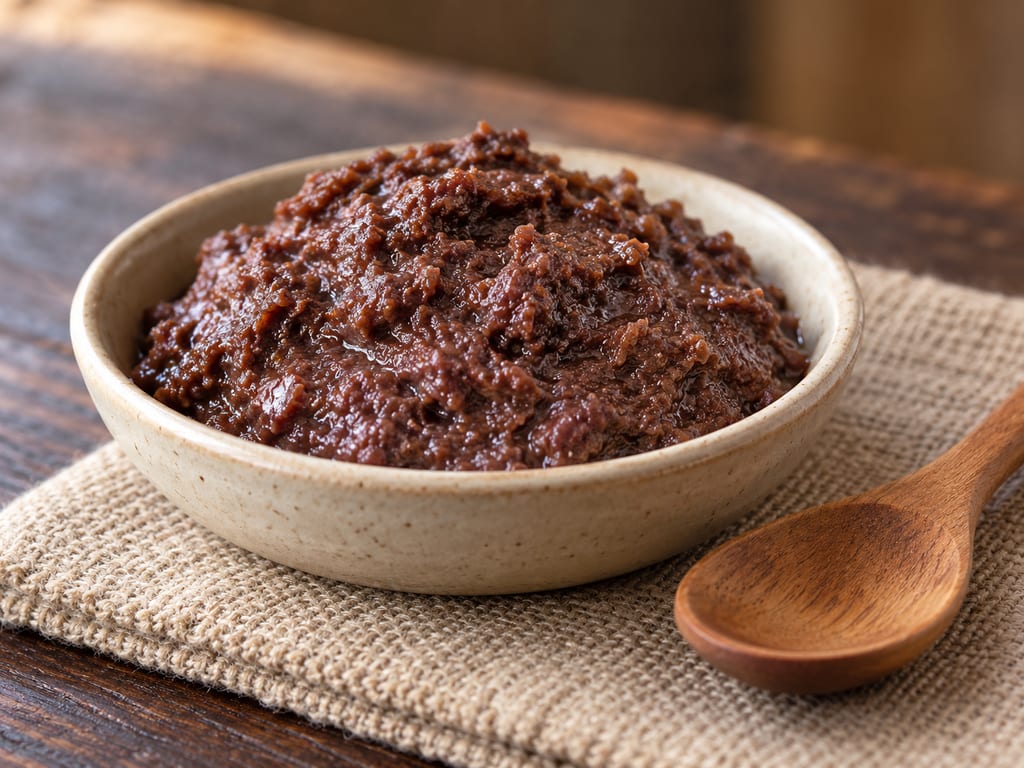
Bagoong isda is a Philippine fish paste: whole small fish salted and left to ferment for a month or more in earthen jars. It is the fish counterpart of bagoong alamang.
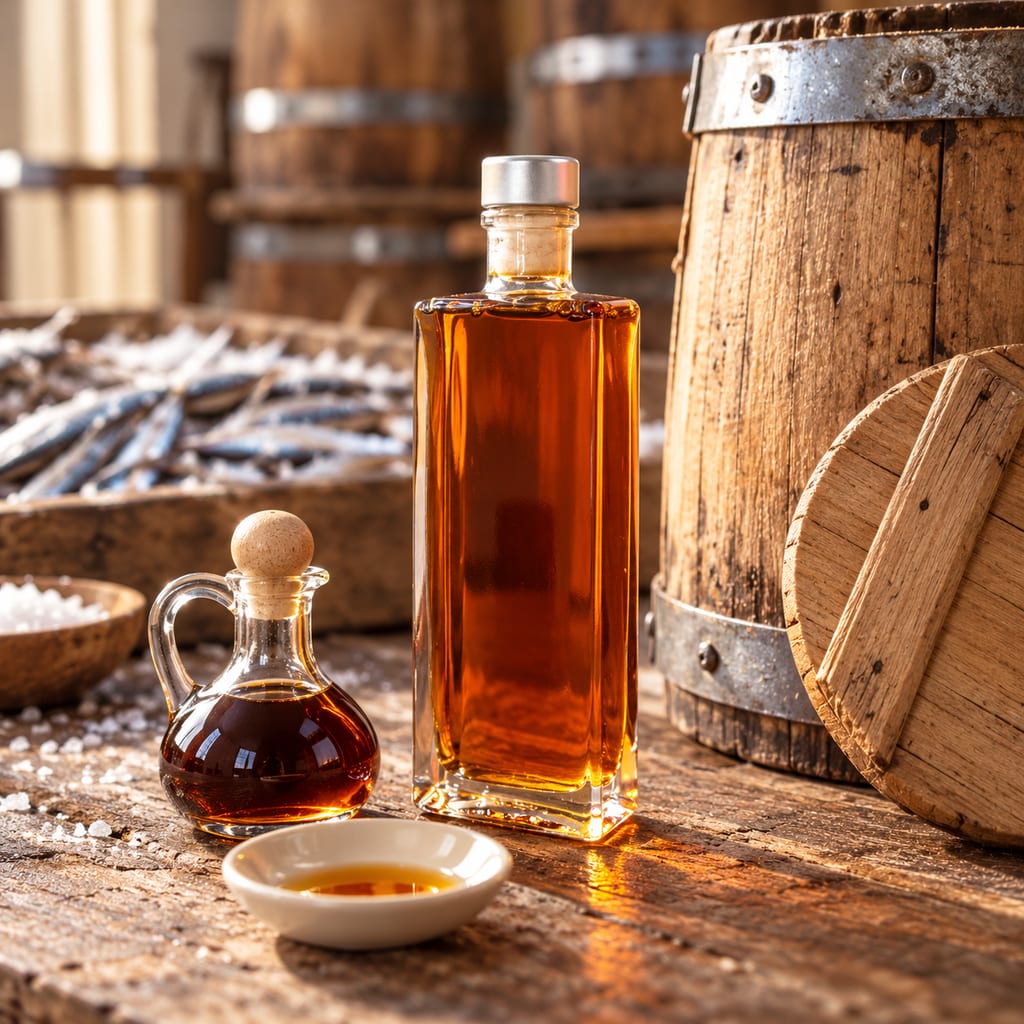
Colatura di alici is the amber liquid drained from salted anchovies matured in wooden containers in Cetara, on the Amalfi coast of Campania, and sold under a protected designation of origin.
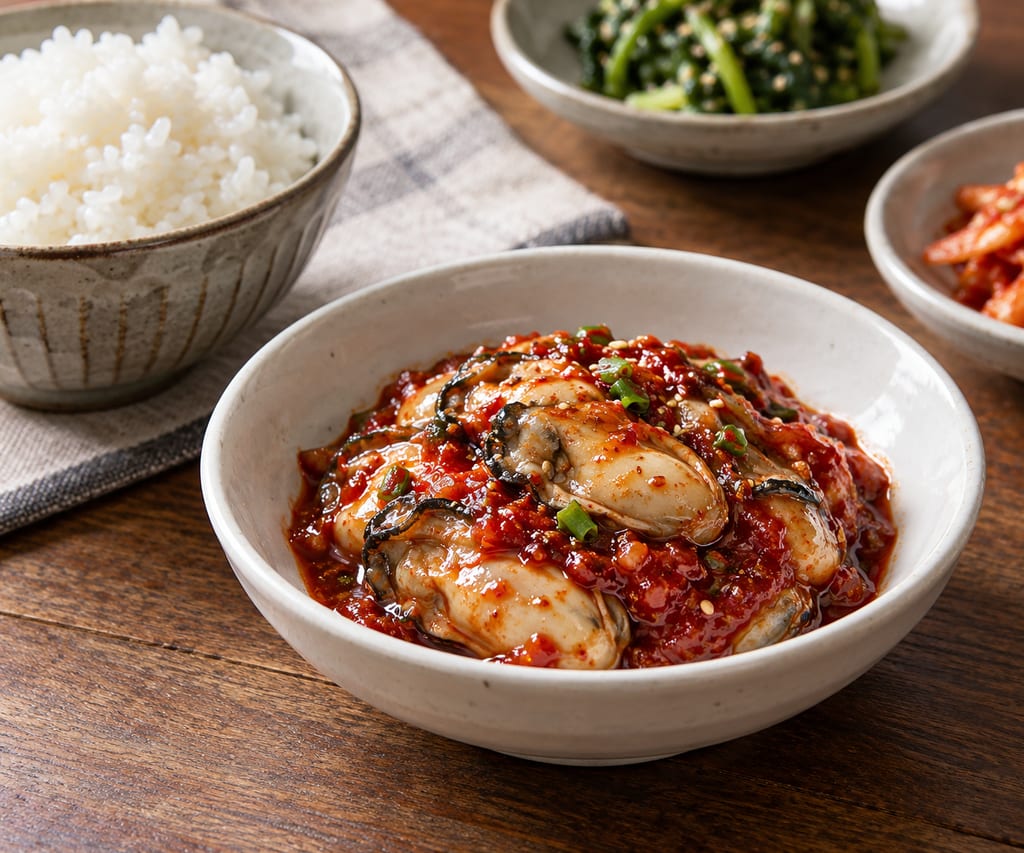
A Korean salted-oyster jeotgal seasoned with chili, associated especially with Seosan and Ganwoldo. This page records its food culture, not a household preparation method.
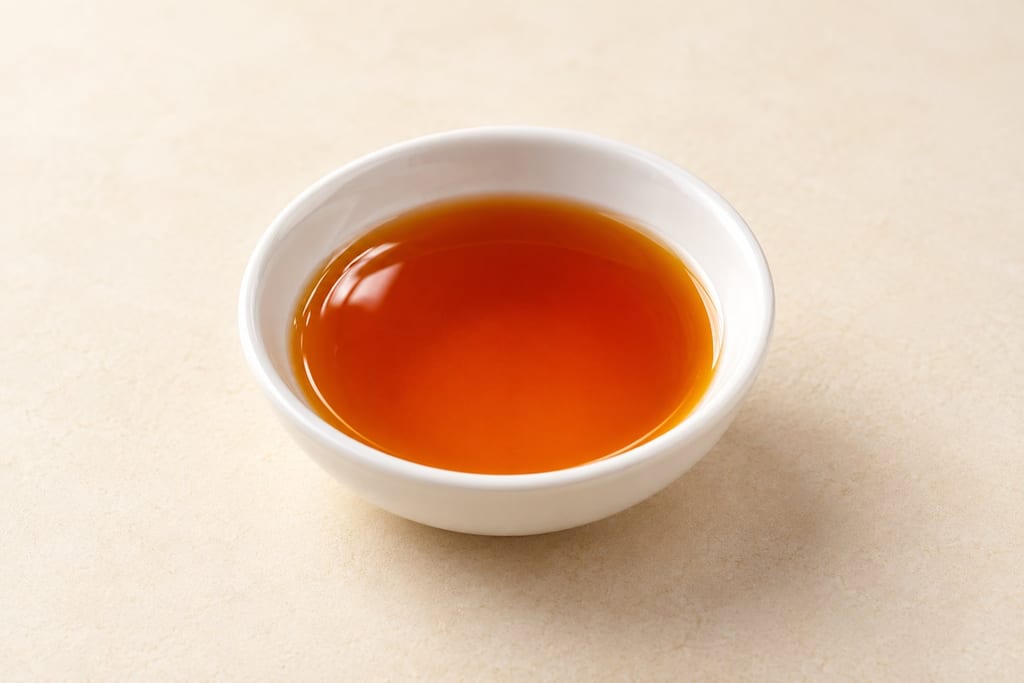
Fish sauce is a clear, salty seasoning made by maturing fish with salt and drawing off the liquid. The broad family includes distinct regional sauces rather than one interchangeable method.
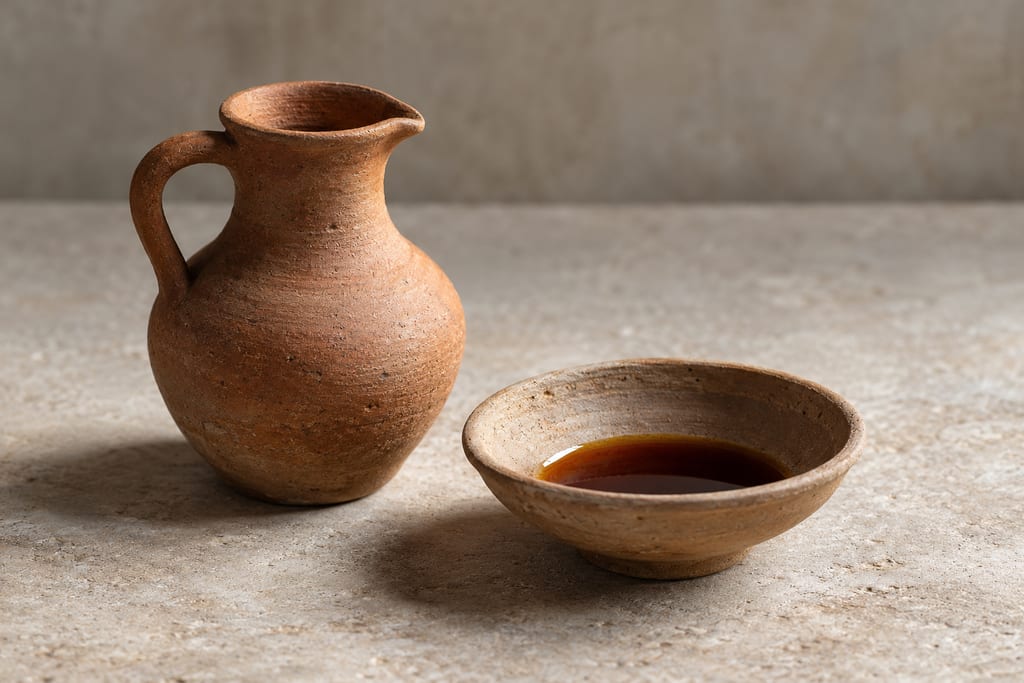
Garum, Greek garos and Latin liquamen, was the fish sauce of the ancient Mediterranean: fish and viscera salted and left in the sun, then drained off as a savoury liquid.
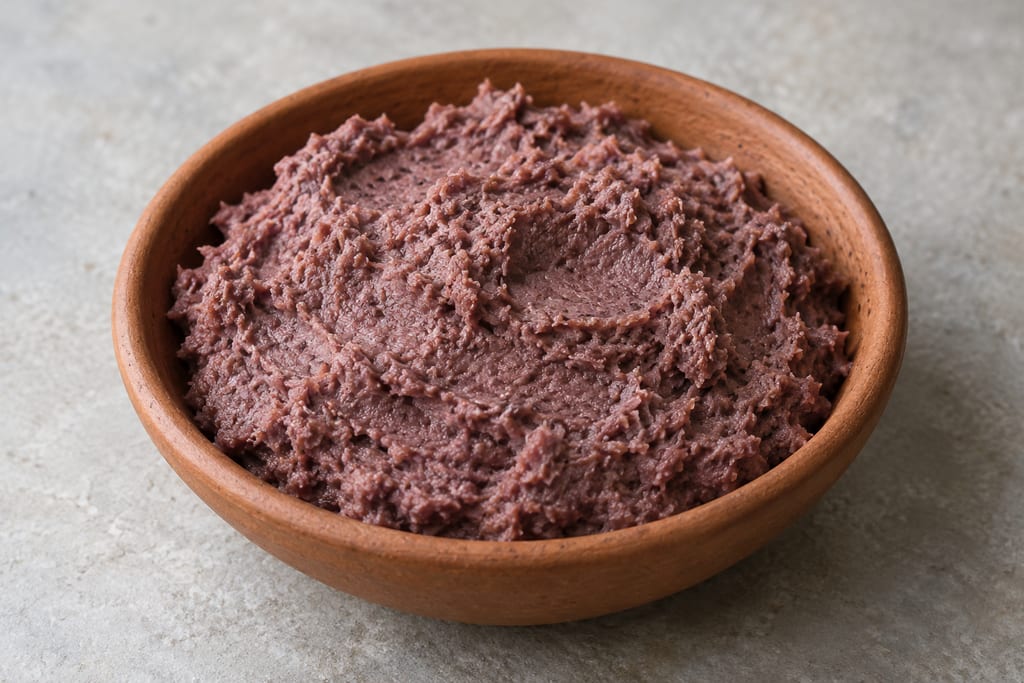
Guinamos is a shrimp paste made on Guimaras in the Philippines: small shrimp salted by hand, sun-dried and trodden by foot until it turns smooth.
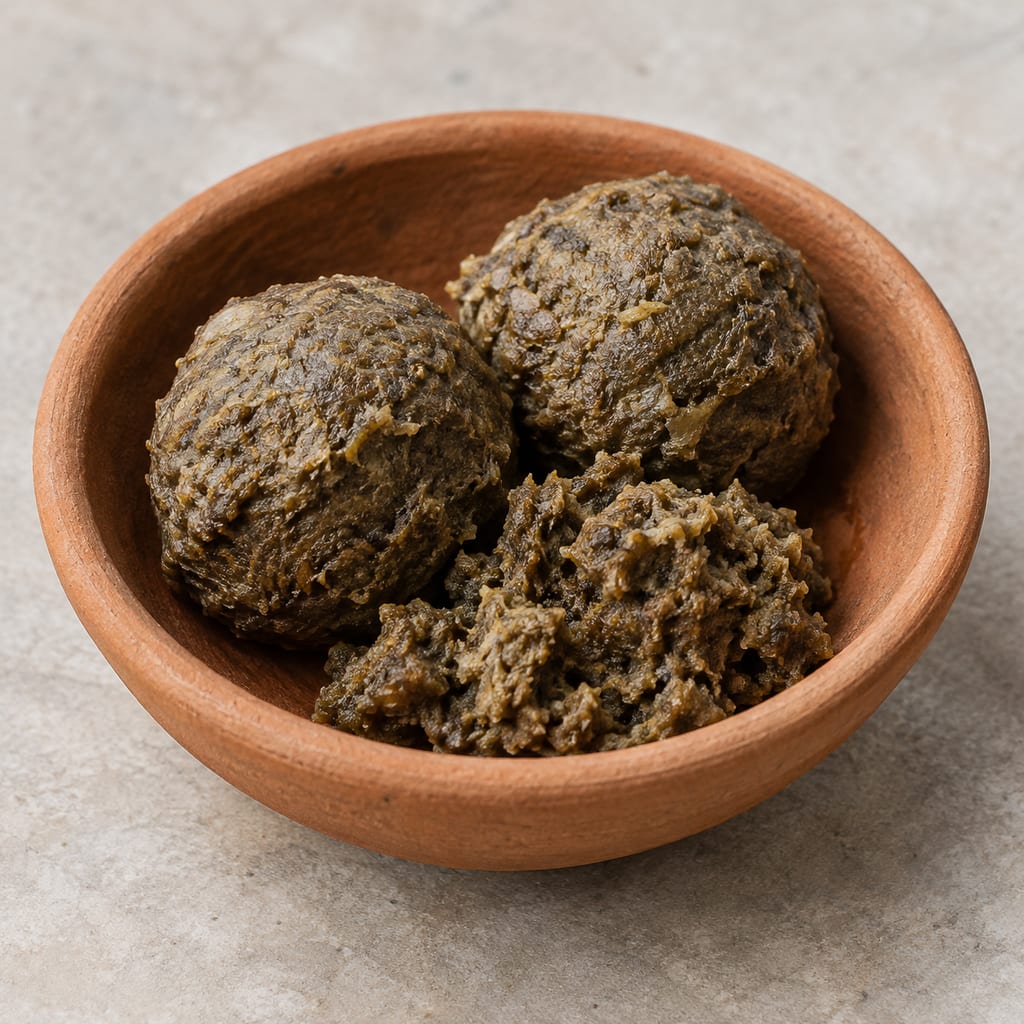
Manipuri fermented fish-and-aroid paste, formed into balls or kept in an earthen pot, used to season Manipuri dishes. Its method is documented in outline only.
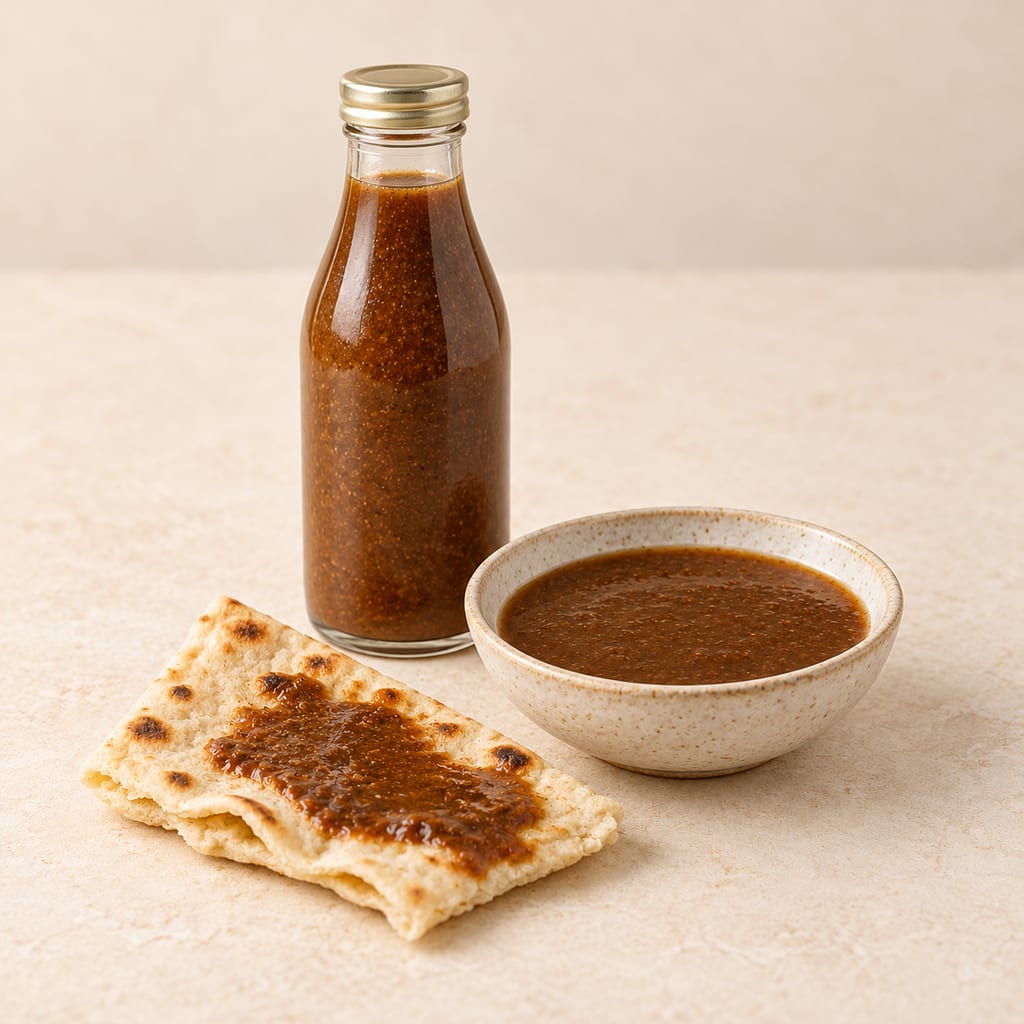
Mahyawa, also written mahyaveh, is a traditional fish sauce from southern Iran, made by salting small sardines or anchovies in water, maturing them in jars and seasoning the filtered liquid with mustard and spices.
No community contributions have been published for this entry yet.
Sign in to contribute. Published comments and photos are free to read.
ProvenceWebMethod · Serving · History
Anchoiade: the traditional Provencal recipeIngredients for ten people: 450 g anchovies, 8 to 10 garlic cloves, 6 tsp capers, about 375 ml olive oil; optional vinegar, mustard and olives
Desalt anchovies in water or milk for about 30 minutes; mortar or blender; oil added slowly
Served with raw vegetables, bread, quartered eggs and raw mushrooms; described as a traditional Provencal recipe
Cited in: Overview; Name and history; Ingredients and their roles; Method; Serving; Storage and safety; Unknowns