Puntius fish
Puntius is a genus of small freshwater fishes cited as raw material for fermented fish in northeastern South Asia. Shidal studies name the genus broadly; studies of ngari and hentak identify Puntius sophore specifically.
 FermenteaWhere food goes to change
Traditional method
Hentaak · Hentak sauce base
Manipuri fermented fish-and-aroid paste, formed into balls or kept in an earthen pot, used to season Manipuri dishes. Its method is documented in outline only.
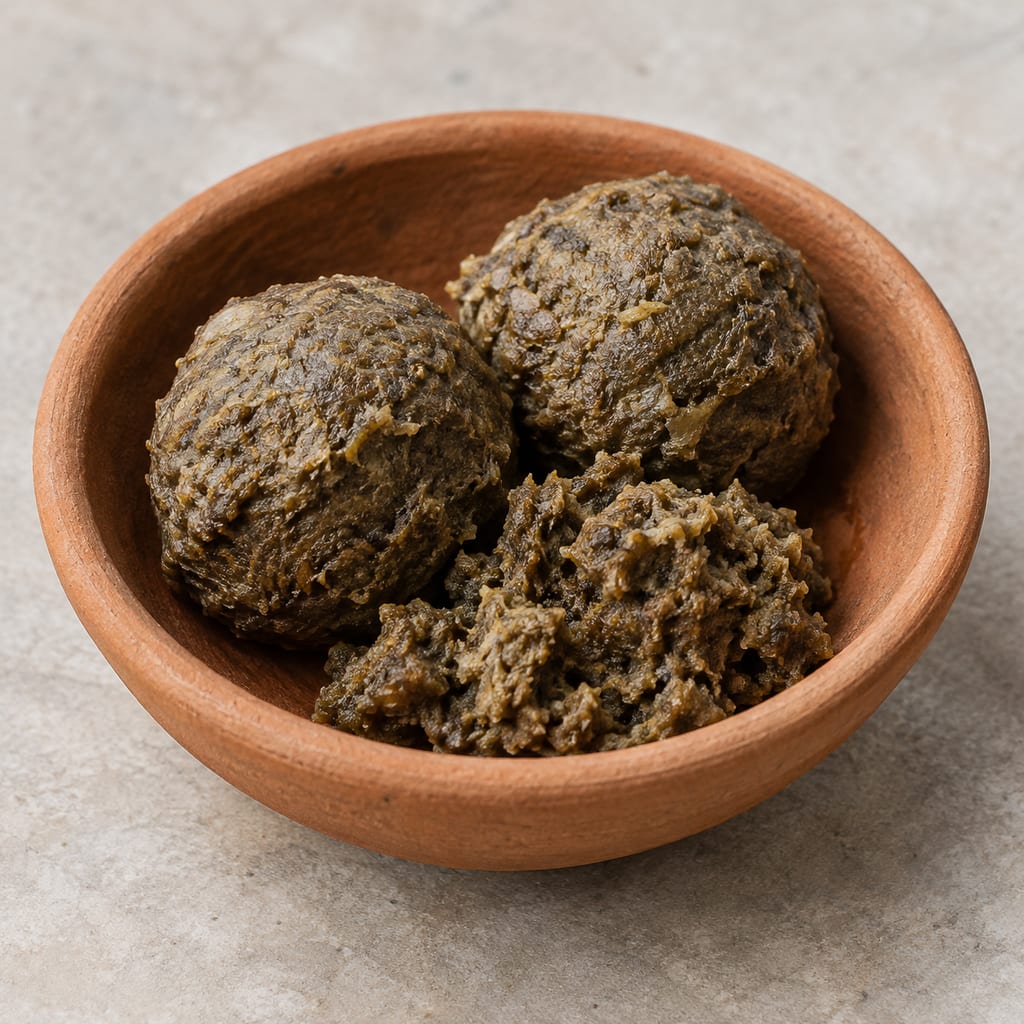
Hentak is a fermented paste from Manipur in north-east India. It is made from sun-dried small fish and the petioles of an aroid plant, shaped into balls or kept in an earthen pot. It works less as a finished sauce than as a seasoning base. Local writing calls it a pickle used to flavour Manipuri dishes.
The sources do not agree on the species. The 2009 study names sun-dried Esomus danricus and Alocasia macrorhiza petioles. A 2018 study names E. danricus or Puntius sophore, petioles and small onion. The 2024 survey of six villages names Esomus danricus (balloon nga or ngasang) and Puntius spp. (phoubu nga), and calls the aroid Colocasia. The botanical name conflicts between sources and has not been resolved.
Hentak flavours several Manipuri cuisines. The 2009 study notes that the balls harden over months and can be loosened with a little water for use. The 2018 study says it is eaten as a side dish or in eromba, a local dish. The state-level festival in 2020 and local women's preparation are the best-recorded modern public use.
No source gives a measured sauce or dip recipe, so the page does not offer one.
The sources give different maturation times for hentak. One outline says the balls are ready after about a week. Another says the paste is kept in a tightly sealed earthen pot for seven to nine days. A third gives about two weeks before the product is ready to eat. A Manipur heritage blog describes balls packed into small airtight earthen pots for a week to a month. These figures are household and blog reports and are not checked against a measured endpoint.
The aroid petioles are cut and sun-dried for about one day before mixing, and the accounts give equal parts of petiole and fish powder. The fish is the Indian flying barb, Esomus danricus, sun-dried on bamboo trays and crushed. Some versions add other plants, including Colocasia esculenta.
A 2016 review of ethnic fermented fish products from India and Nepal lists lactic acid bacteria in hentak, including Lactobacillus plantarum and Lactobacillus lactis, along with other lactobacilli and yeasts. These are the organisms named in that review; the review does not give a home endpoint or a shelf life, and no source here establishes safe keeping at room temperature.
Hentak is a Manipuri seasoning paste of sun-dried fish and aroid petioles. The 2009 account describes sun-drying the fish to powder, cutting and sun-drying the petioles, crushing equal weights, shaping balls and sealing them in earthen pots for about two weeks. A 2024 survey of six villages describes ten days of fish drying and one to two weeks of sealed fermentation at room temperature.
The sources do not give masses, moisture endpoints, temperatures or salt levels, so no safe-storage limit can be set from them. Lactic acid bacteria, including Lactobacillus plantarum, are named in a 2016 review, but no source ties a starter or a condition to a safe outcome.
Hentak is documented in Manipur from the 2009 Indian Journal of Traditional Knowledge study and later surveys. A 2020 state-level festival at Kumbi Thingel Leikai is reported in the Manipur press. No source dates the food's origin.
Scaling: source batch only
No source establishes a safe household fish-fermentation procedure. The method has no measured salt, pH or endpoint.
Hazard sourceThe 2024 Meitei-Pangal survey reports that some makers may use dead or rotten fish. That practice is reported as surveyed, not endorsed.
Hazard sourceUse only fish that is fresh and identified, and do not use dead or rotten fish
Control sourceDo not make Hentak at home from the outline in these sources. They give no safe procedure, no salt level and no endpoint.
Do not use dead or rotten fish. One surveyed practice uses it; no source treats that as safe.
Practised in several Manipur villages. The sources do not date its origin.
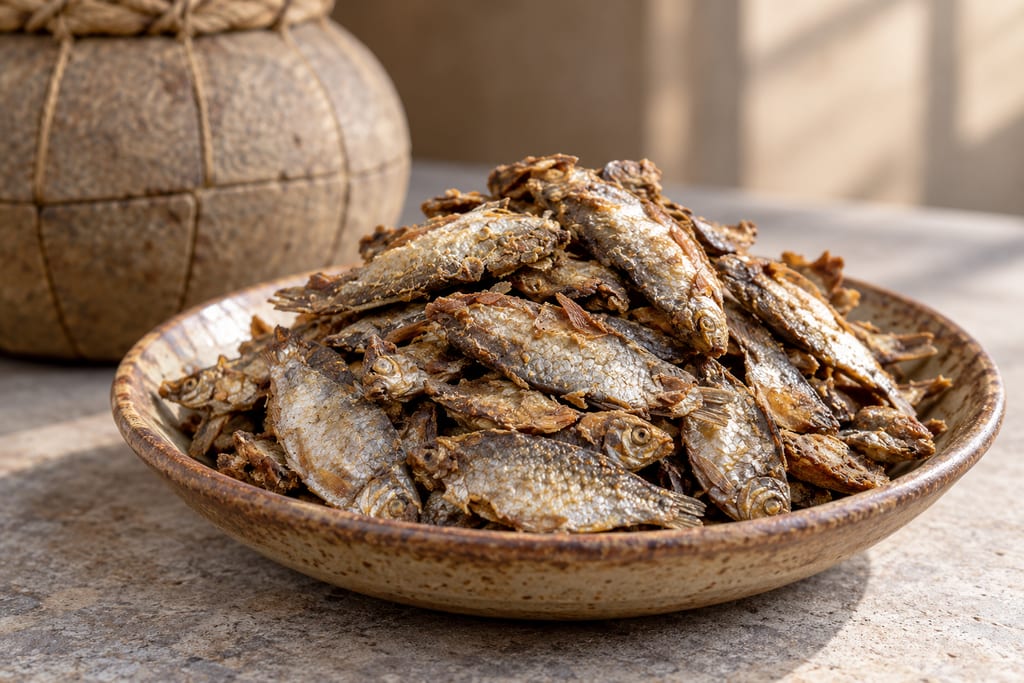
Ngari is a Manipuri fermented fish condiment made from small sun-dried fish, usually Puntius sophore, packed for fermentation. A biochemical study describes a salt-free method; it works as a condiment and ingredient rather than as a filtered sauce.
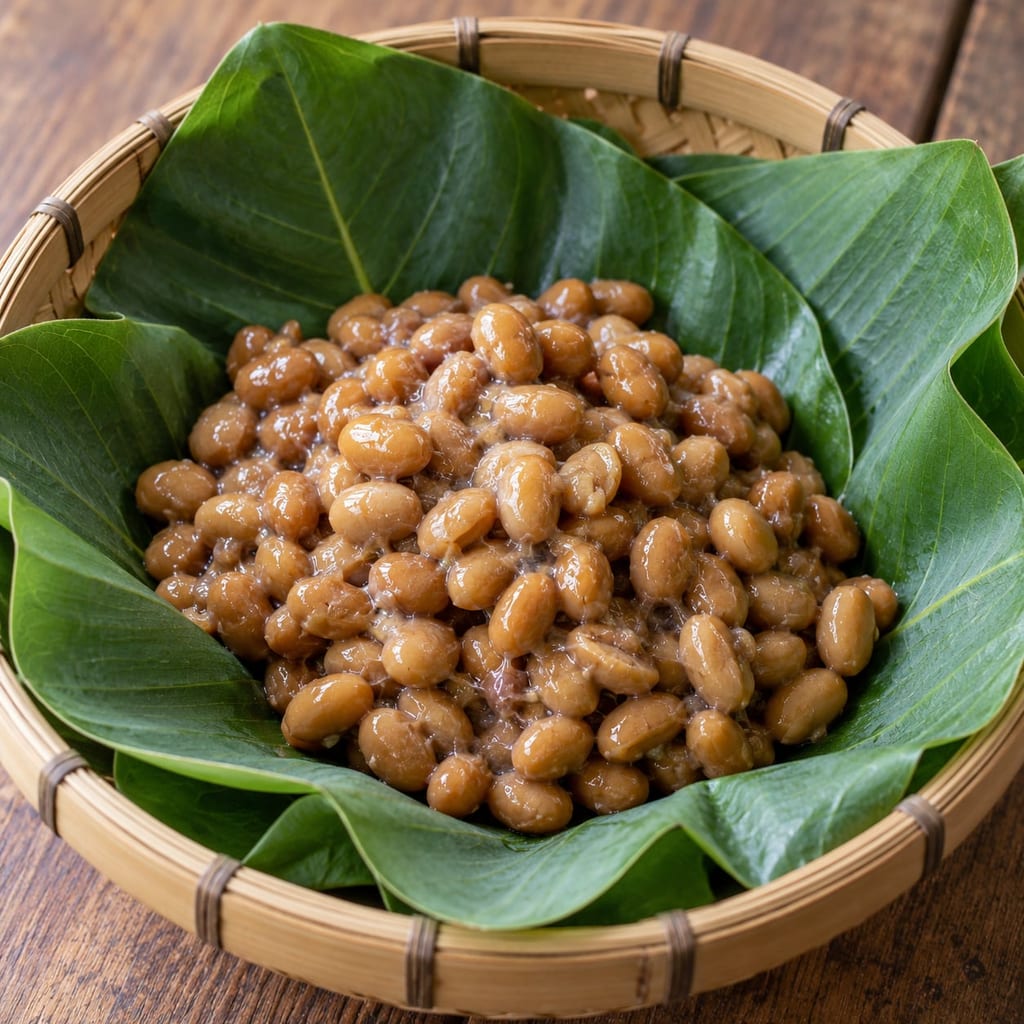
A sticky fermented soybean food of Manipur, made by packing cooked soybeans in leaf-lined bamboo baskets and keeping them warm, related to but distinct from Bekang and Akhone.
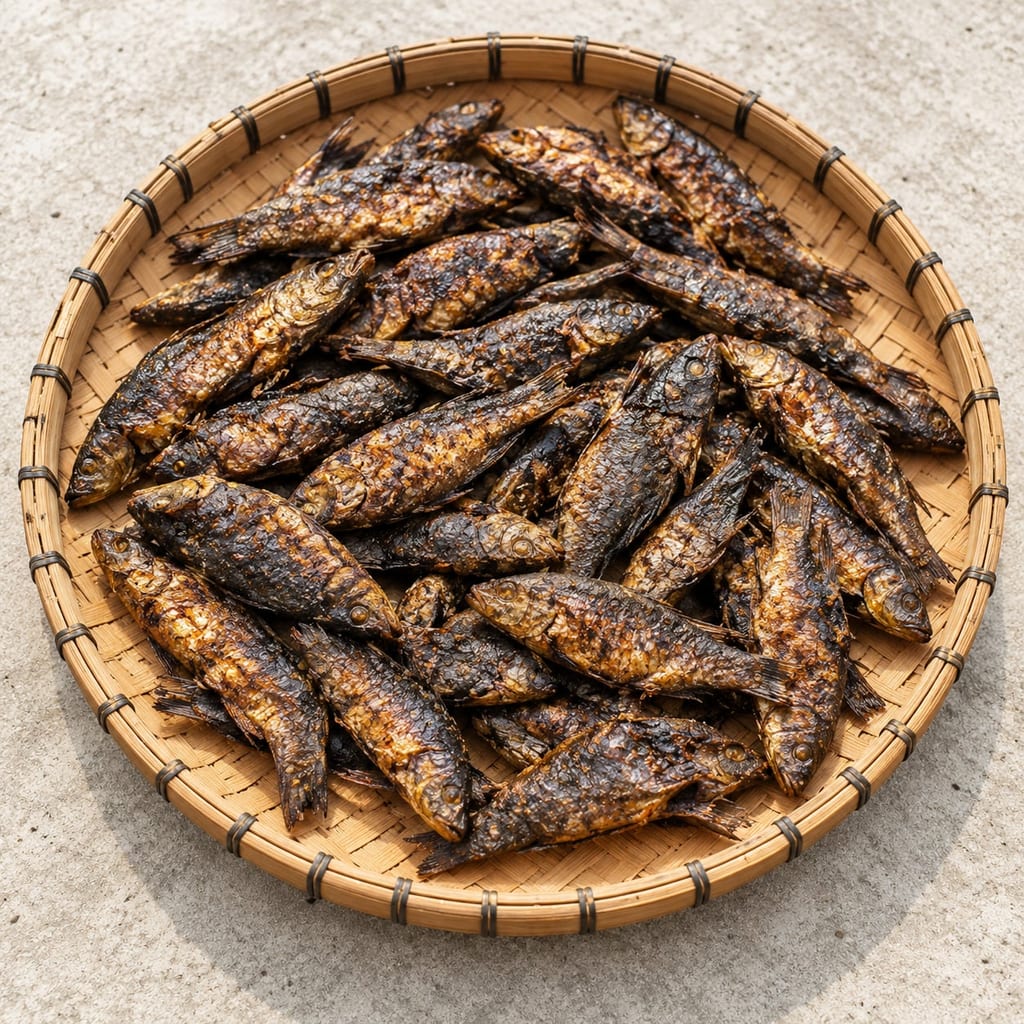
Leirou is fish smoked in a prepared kiln or room by processors around Loktak Lake in Manipur, India, a method the local survey keeps apart from open-flame ngaphak.
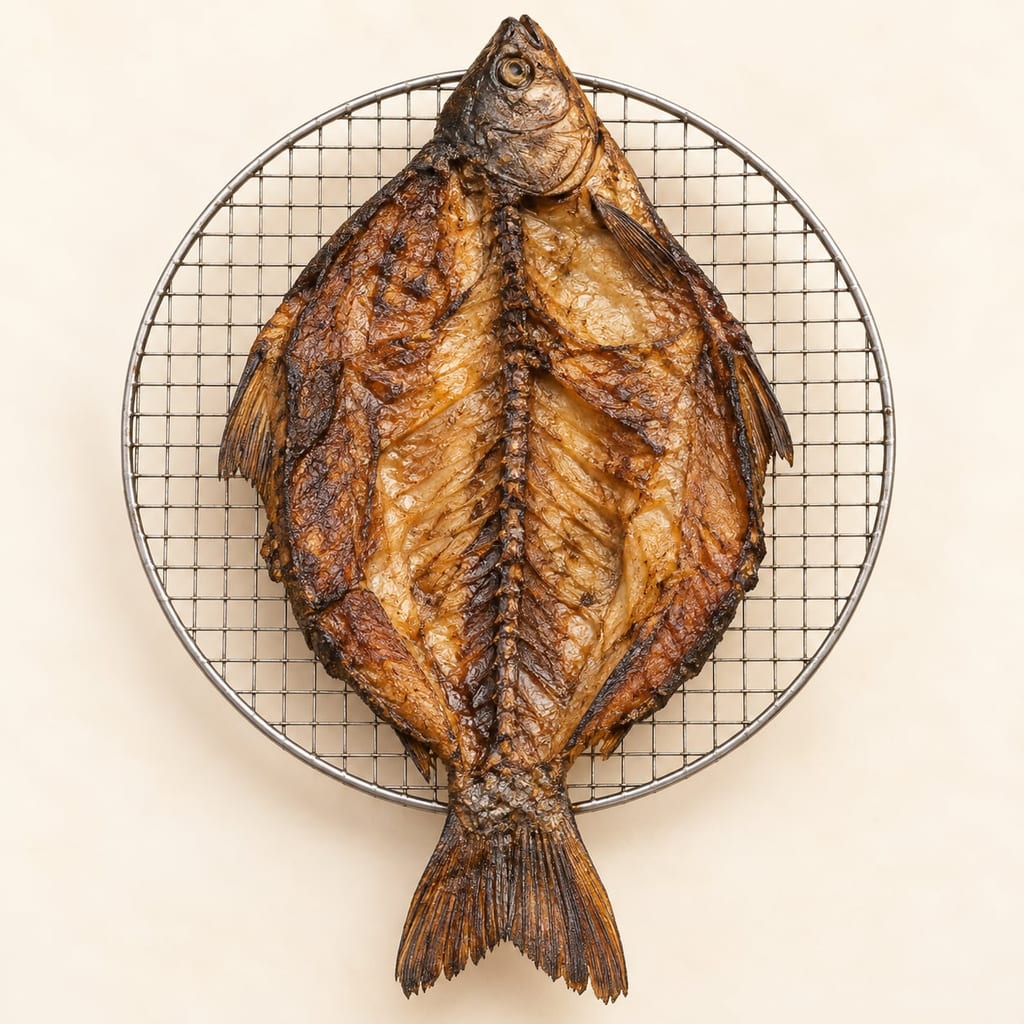
Ngaphak is fish split, flattened and roasted and smoked over an open flame on a wire net or woven bamboo mesh, as practised by fish processors around Loktak Lake in Manipur, India.
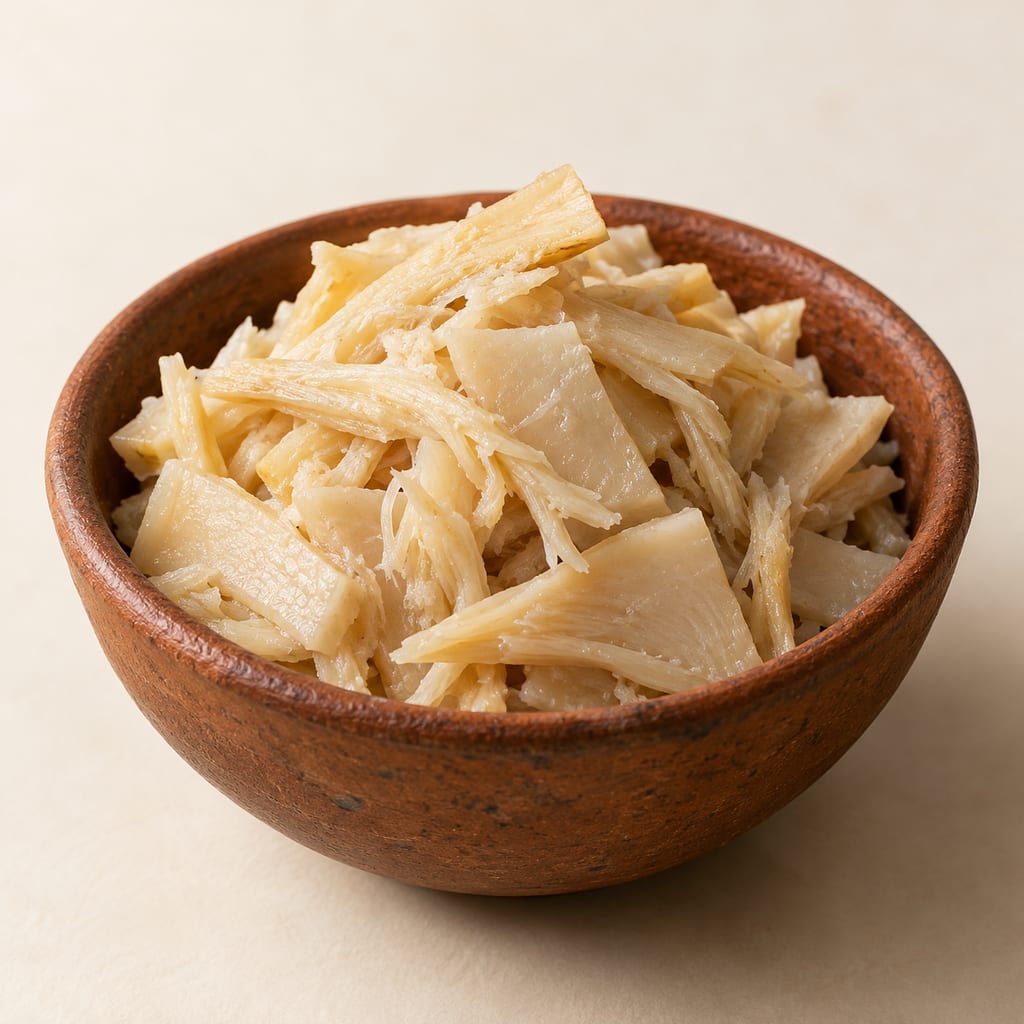
Thin slices of juvenile bamboo shoots fermented for six to twelve months in Manipur, eaten as a sour side dish with rice.
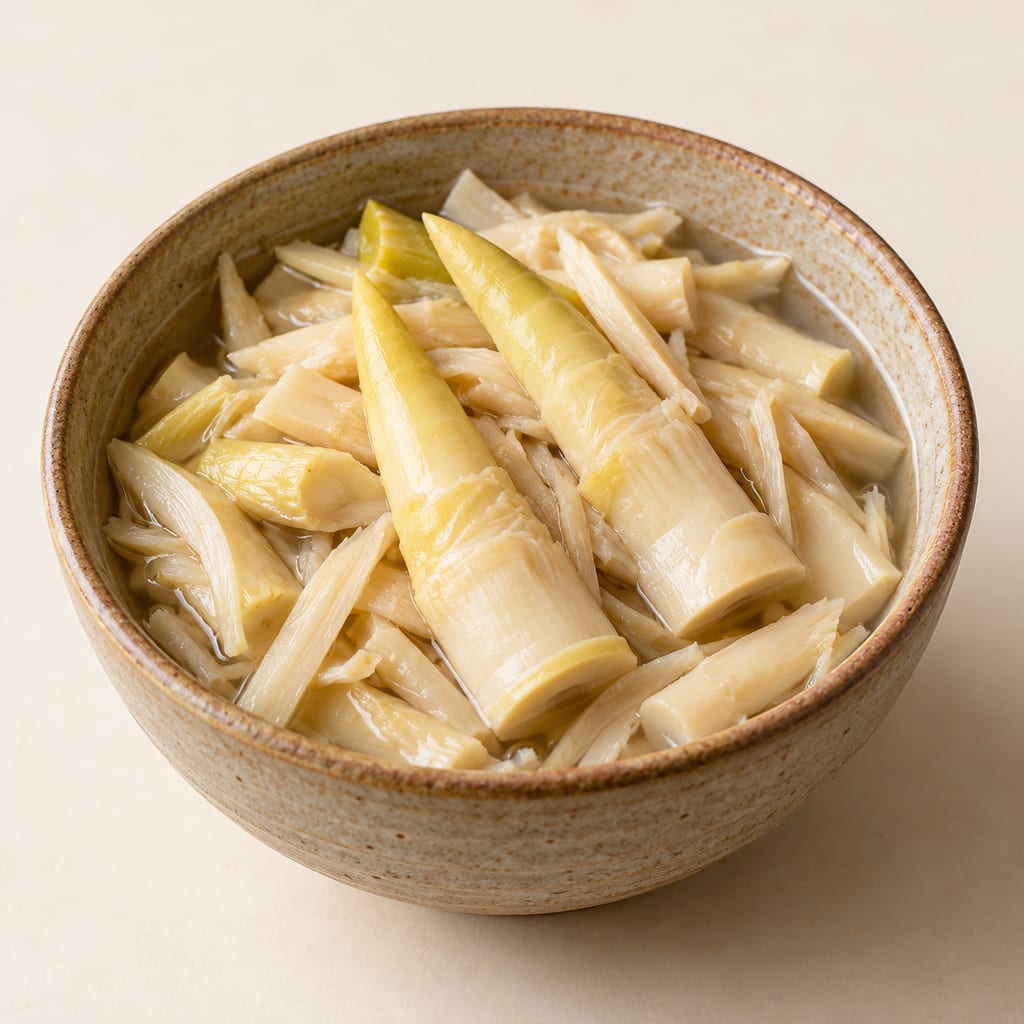
Fermented tender bamboo-shoot tips from Manipur, started with the sour liquid of an earlier batch and eaten in chutneys and curries.
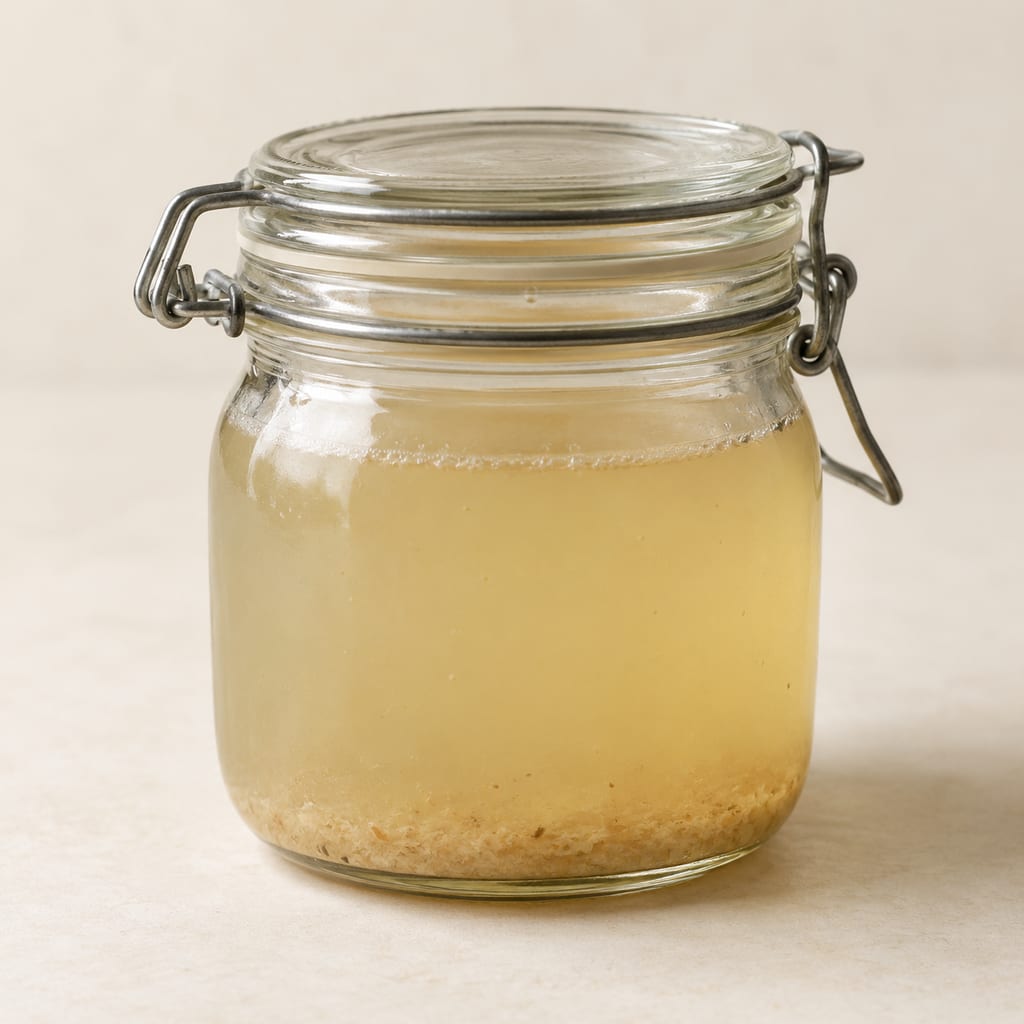
The sour liquid that forms during Manipuri Soidon fermentation, kept to start the next batch and used to sour curries.
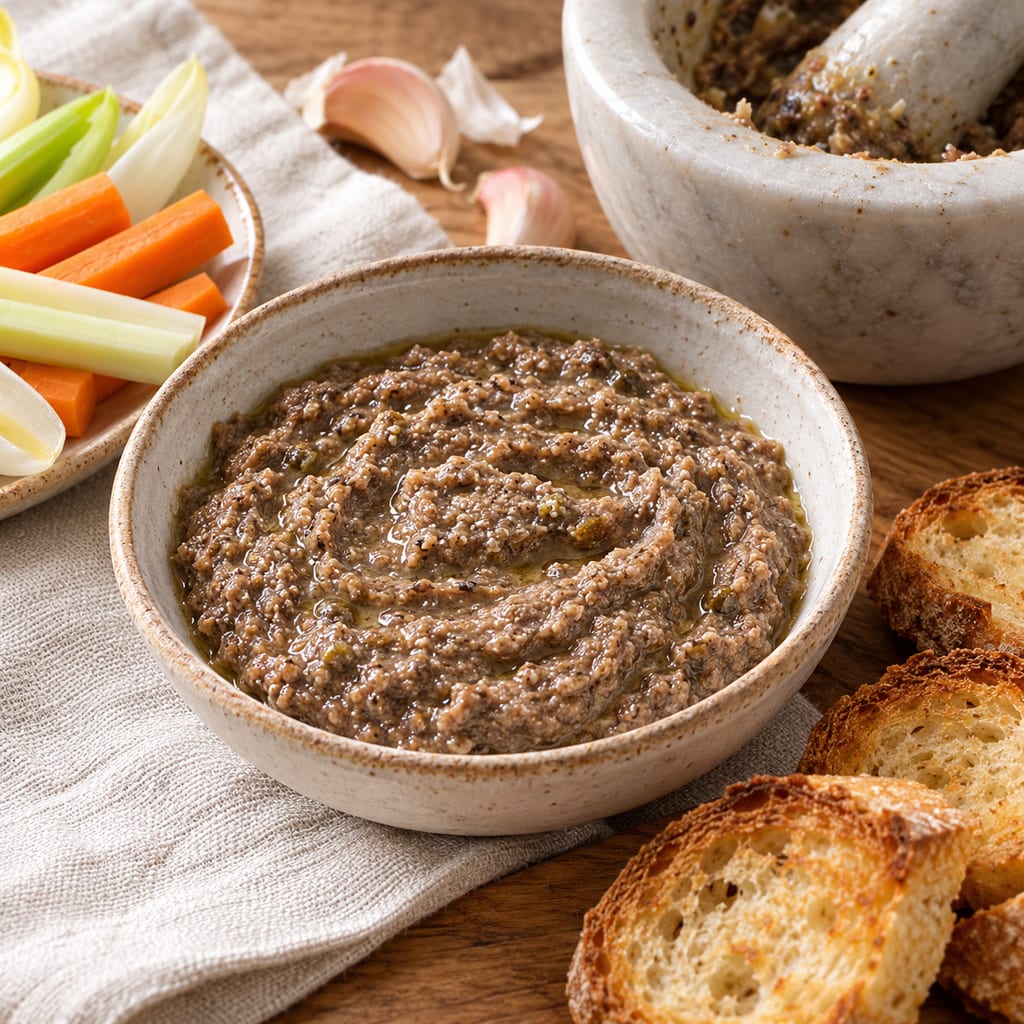
A Provencal dip of anchovies, garlic, capers and olive oil, pounded or blended to a creamy paste and served with raw vegetables, bread and eggs.
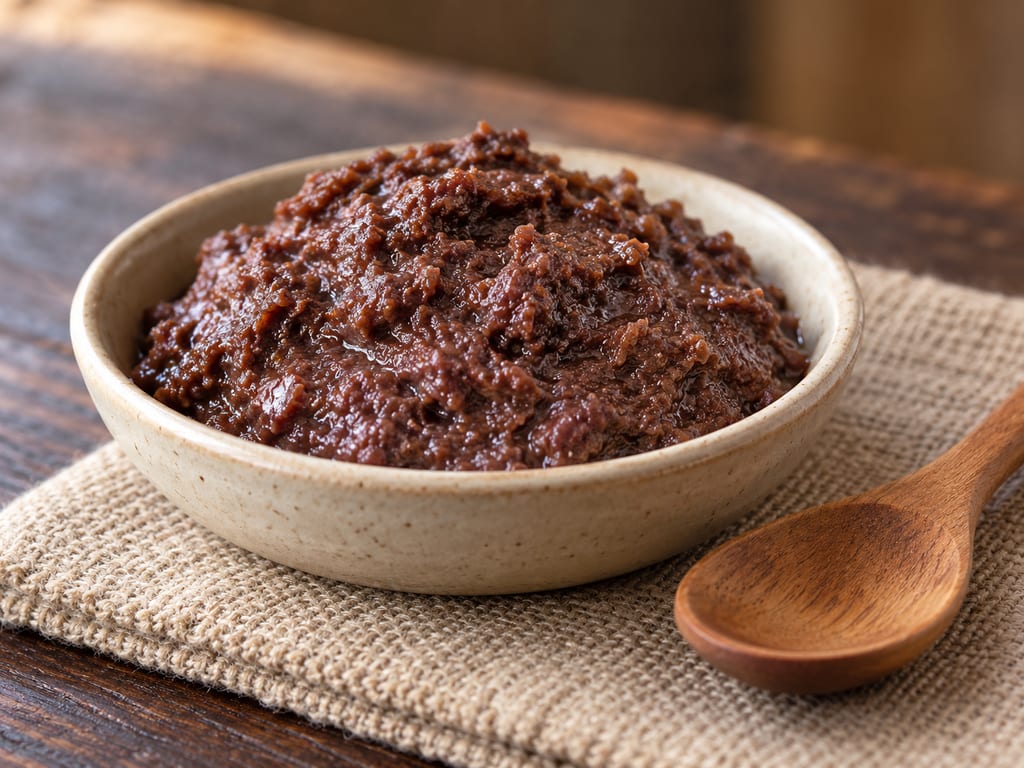
Bagoong isda is a Philippine fish paste: whole small fish salted and left to ferment for a month or more in earthen jars. It is the fish counterpart of bagoong alamang.
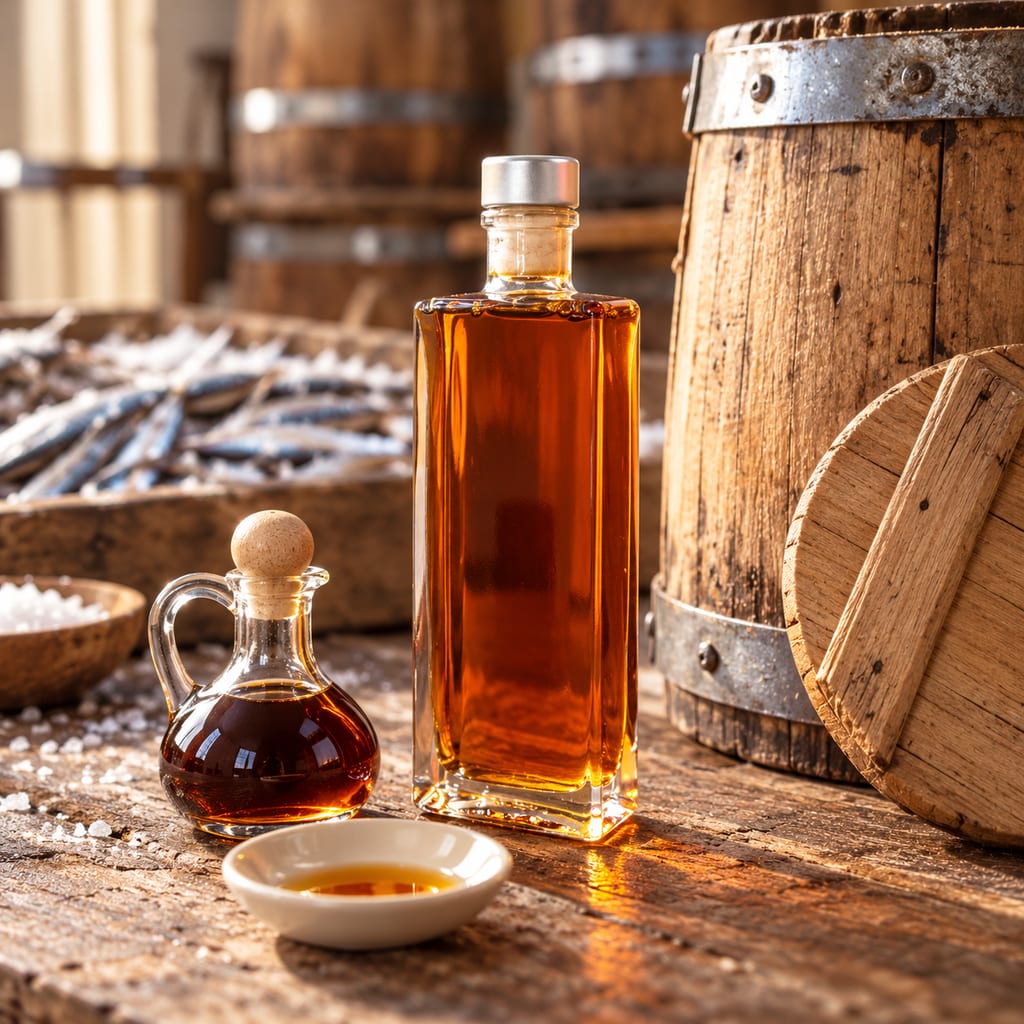
Colatura di alici is the amber liquid drained from salted anchovies matured in wooden containers in Cetara, on the Amalfi coast of Campania, and sold under a protected designation of origin.
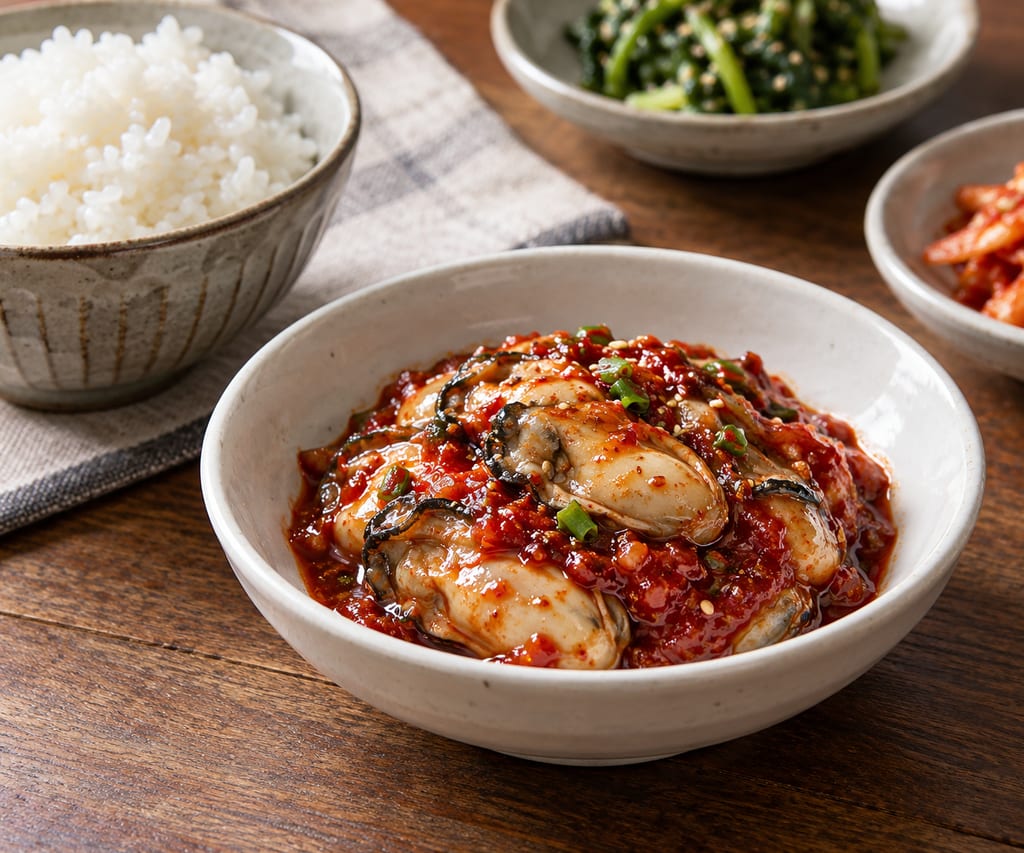
A Korean salted-oyster jeotgal seasoned with chili, associated especially with Seosan and Ganwoldo. This page records its food culture, not a household preparation method.
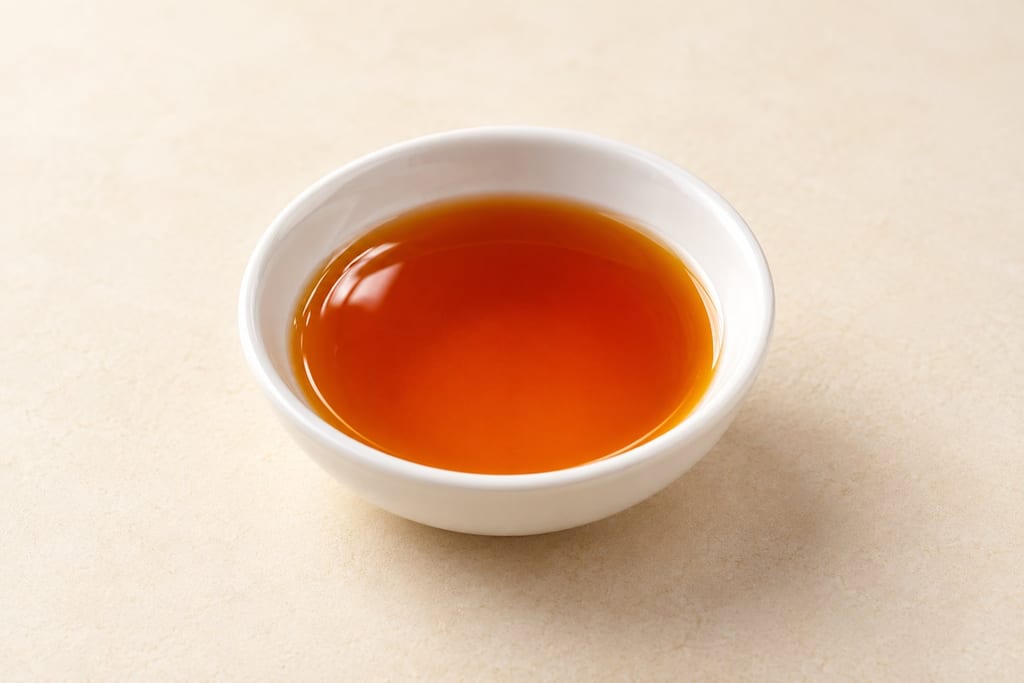
Fish sauce is a clear, salty seasoning made by maturing fish with salt and drawing off the liquid. The broad family includes distinct regional sauces rather than one interchangeable method.
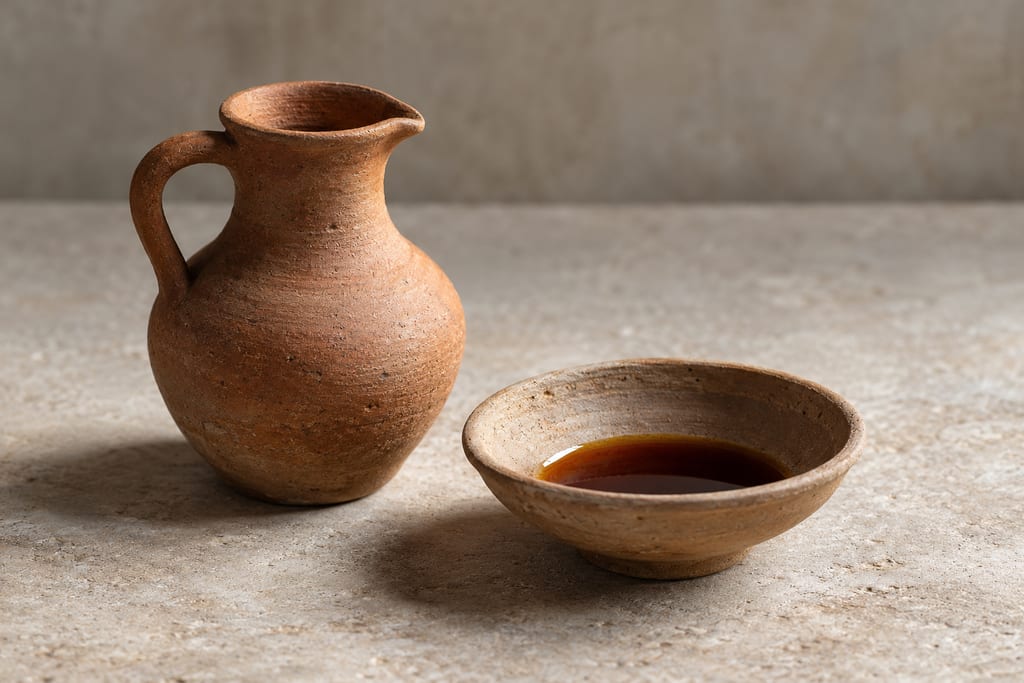
Garum, Greek garos and Latin liquamen, was the fish sauce of the ancient Mediterranean: fish and viscera salted and left in the sun, then drained off as a savoury liquid.
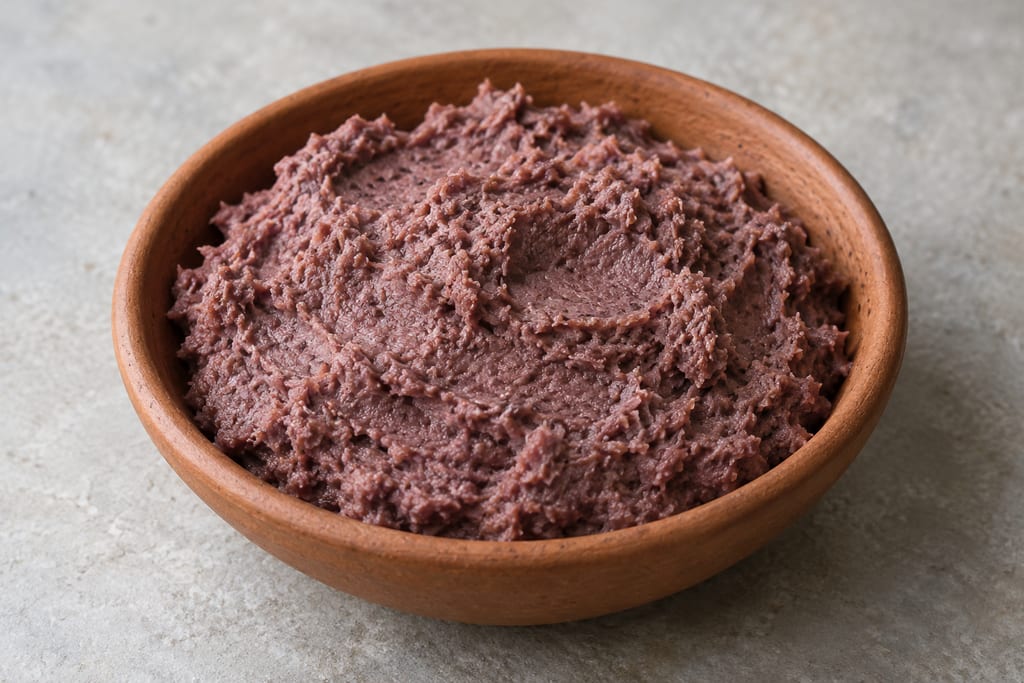
Guinamos is a shrimp paste made on Guimaras in the Philippines: small shrimp salted by hand, sun-dried and trodden by foot until it turns smooth.
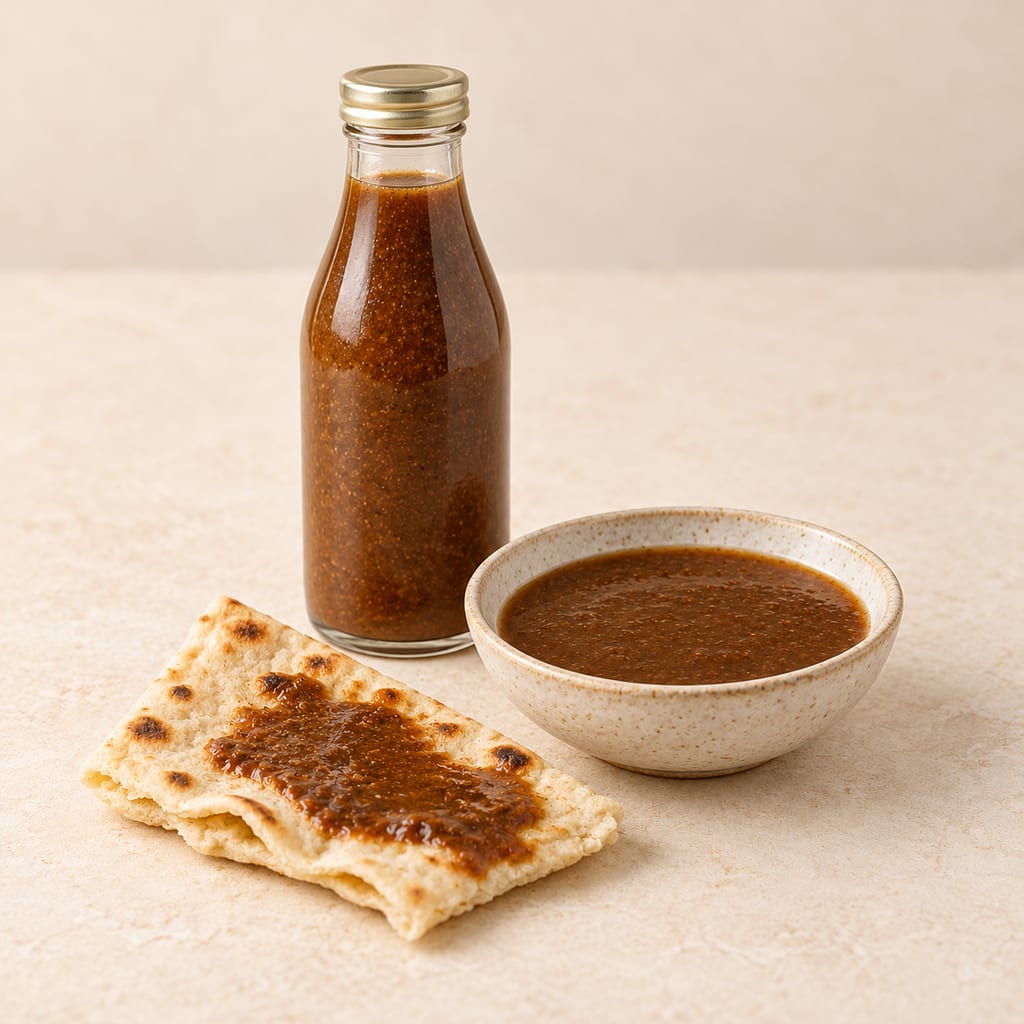
Mahyawa, also written mahyaveh, is a traditional fish sauce from southern Iran, made by salting small sardines or anchovies in water, maturing them in jars and seasoning the filtered liquid with mustard and spices.
No community contributions have been published for this entry yet.
Sign in to contribute. Published comments and photos are free to read.
Indian Journal of Traditional KnowledgeMethod · History
Indigenous fermented foods of Manipur (Indian Journal of Traditional Knowledge, 2009)Esomus danricus and Alocasia macrorhiza petioles, two-week earthen-pot fermentation
Hentak balls harden over months and are loosened with water
Cited in: What hentak is; Where it is eaten; Method
e-PaoHistory · Uses
Hentak: an indigenous Manipuri foodLocal name for the pickle; 2020 state-level festival at Kumbi Thingel Leikai; preparation by women
Cited in: Where it is eaten
ICAR e-PublicationsMethod · Safety
Meitei-Pangal survey of six villages (Journal of Ethnic Foods/ICAR, 2024)Sun-drying fish on bamboo trays for ten days
Equal proportions of powder and petioles, sealed for one to two weeks
Report of some makers using dead or rotten fish
Cited in: What hentak is; Method
PubMed CentralMethod · Science
Traditional fermented foods of Manipur (2018 study)E. danricus or P. sophore, petioles and small onion, fermented 15 to 20 days
Bacillus subtilis isolate
Cited in: What hentak is
AESS archiveMethod
Singh et al. fermented fish and aroid product (Manipur)Duration of 15 to 20 days in an alternative account
WikipediaMethod · Use
HentakFish sun-dried on bamboo trays and crushed; petioles sun-dried one day; equal parts; sealed earthen pot about one week; served to expecting mothers and recovering patients; not produced commercially
Cited in: Timing and what the sources disagree on
LukthelHistory · Method
Beyond Ngari: The History, Science, and Sacred Traditions of Manipuri HentakBalls packed into small airtight earthen pots for a week to a month; blog source, health claims not used
Cited in: Timing and what the sources disagree on
ScienceDirectScience
Ethnic fermented and preserved fish products of India and NepalLactobacillus plantarum, Lactobacillus lactis and other lactobacilli and yeasts named for hentak
Cited in: Microbes the research names; Method