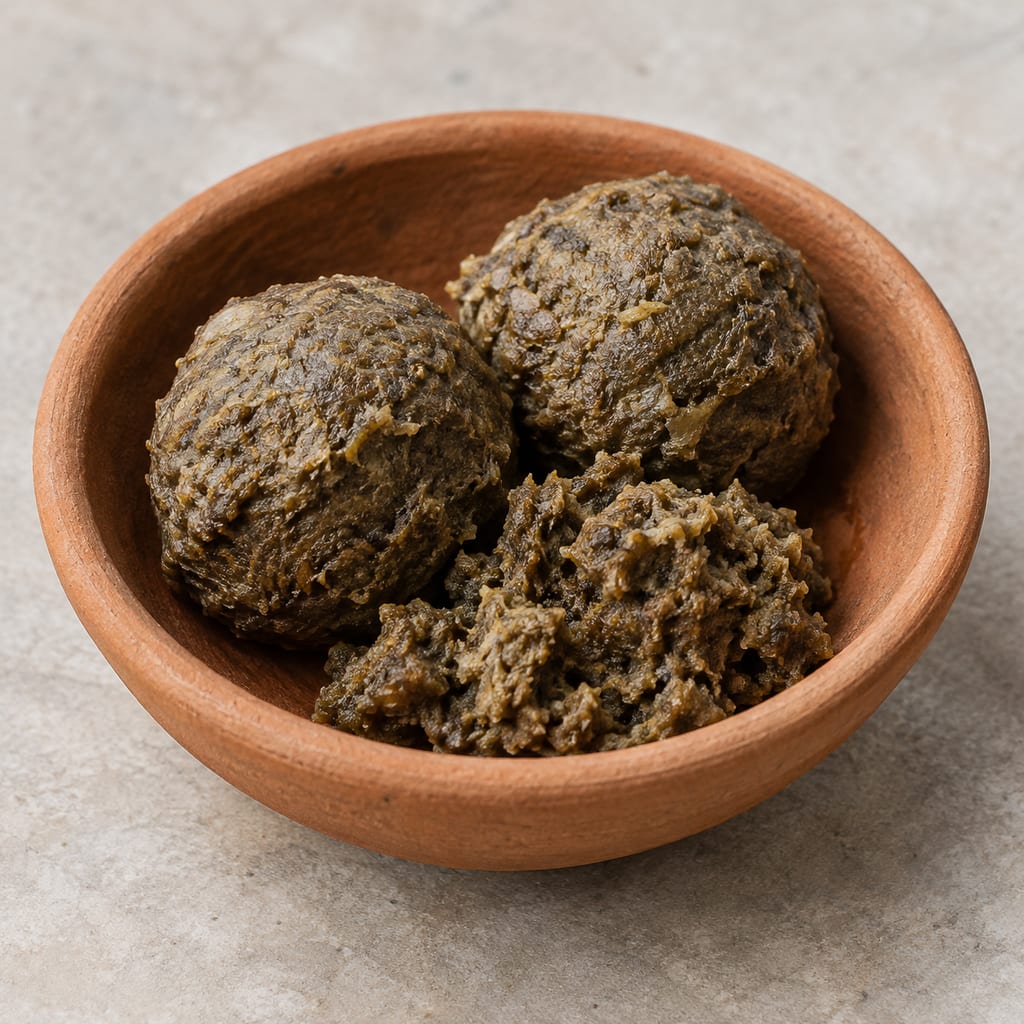
Hentak
Manipuri fermented fish-and-aroid paste, formed into balls or kept in an earthen pot, used to season Manipuri dishes. Its method is documented in outline only.
 FermenteaWhere food goes to change
Puntius is a genus of small freshwater fishes cited as raw material for fermented fish in northeastern South Asia. Shidal studies name the genus broadly; studies of ngari and hentak identify Puntius sophore specifically.
`Puntius fish` is best read as a genus-level label in this item. The atlas and research on shidal use `Puntius` or `Puntius` spp. without naming one species, so the label should not be silently tightened to a single fish. In contrast, studies of ngari name *Puntius sophore* specifically. This page therefore keeps the broader item identity while explaining where evidence does and does not identify the species.
GBIF, using the Catalogue of Life as its taxonomic source, currently accepts *Puntius sophore* (Hamilton, 1822) as a species in *Puntius*. It lists common English names including pool barb and spotfin swamp barb, and Bengali names in Bangla script. Older combinations such as *Barbus sophore* and *Systomus sophore* appear in its synonymy. Scientific names change as classifications are revised; a past name in a paper is not by itself proof of a different fish.
The genus has multiple species. The specific fish cannot be inferred for a batch or village where a source only says *Puntius* spp. Nor does the genus-level name in the shidal article prove that every fish sold as shidal is a *Puntius*. Some recorded shidal includes *Stipinna phasa* as well. The shared feature in the sources is a small local fish used as a raw material; species and product names need to stay attached to their own evidence.
In Manipur, studies describe *P. sophore* as the fish used for ngari. A study of household and commercial practice describes ngari as a preparation made from a single fish species: the fish is salted, sun-dried, packed firmly into an earthen pot and stored sealed. The article reports a several-month maturation, but that is a description of the practices it studied, not a complete validated home process or a general safe recipe. Ngari is a separate fermented product and has its own page.
Hentak is different. The Manipur literature describes it as a mixture of sun-dried small fish and petioles of *Alocasia macrorrhiza* (called hongu), with small onion also mentioned in one account. *P. sophore* is one of the fish named; *Esomus danricus* is another. The fish is therefore one possible raw material in a mixed preparation, not the sole identity of hentak. The plant matters to the product and must not be collapsed into a fish-only description.
Shidal has another documented scope. A survey in Assam and Tripura records local makers using semi-dried *Puntius* spp. and commercial producers using fully dried *Puntius* spp., often brought from other Indian states. The same study also describes variation in how fish are prepared and packed in an oil-treated earthen pot. A separate research abstract calls shidal a salt-free fermented product from *Puntius* spp. caught in the late monsoon and reports maturation under anaerobic conditions. These descriptions come from different studies; they are not interchangeable instructions and do not establish a single species or one universal method.
Published research places shidal production among communities in Assam and Tripura, with differences between village fishers and commercial producers. Studies of ngari and hentak locate those preparations in Manipur and wider northeastern Indian foodways. The wider review of South and Southeast Asian fermented fish foods treats northeast India as a region with several solid and paste-like products, used as condiments or alongside vegetables. This evidence supports regional associations; it does not locate a single birthplace for shidal, ngari, hentak, or the fish.
The history in the available sources is mainly modern documentation of living practice, surveys, and laboratory studies. The shidal article was published in 2012 after field research in Assam and Tripura; the ICAR-hosted shidal analysis appeared in 2009. These dates show that the foods were recorded by those studies by then. They are not dates when the traditions began. The reviewed material does not establish the earliest written mention, a first inventor, or a precise origin story.
The fish itself has a broader ecological range than the foods made from it. *P. sophore* is reported across Bangladesh and neighboring parts of South Asia, while the named preparations have their own community and place histories. Distribution of a fish cannot establish where people first fermented it, and finding a species in several countries does not prove that the same recipe or name crossed those borders in one direction.
The pool barb *P. sophore* provides a well-described example of a Puntius fish used in fermented preparations. The Bangladesh Freshwater Biodiversity Portal describes a moderately compressed, silvery fish with a grey-green to brownish back, pale underside, no barbels, and dark marks near the tail and dorsal-fin base. These traits identify that species in the portal; they should not be applied as a diagnostic description to every species once grouped under *Puntius*.
The portal records *P. sophore* from small streams, canals, floodplain wetlands called beels, ponds, ditches, and inundated fields across Bangladesh, in freshwater and brackish environments. FishBase similarly describes it as a schooling fish of rivers, streams, ponds, plains, and submontane areas, and records a wider South Asian distribution. These range accounts concern the species, not the entire genus and not the origin of fermented fish traditions.
Small indigenous fish are caught, sold, and eaten in many regional food systems, but 'small fish' is not a taxonomic category. The fermented-food literature distinguishes small local fish from the finished product: a fish may be dried, mixed with plant material, salted, packed, or fermented after harvest. Each of those changes the product. This page is about the fish as a raw ingredient, rather than a synonym for ngari, hentak, shidal, or another preserved food.
Fish contributes water, protein, lipids, minerals, and the tissue that resident microorganisms transform during fermentation. In ngari research, measured changes include the breakdown of fish protein and lipid into smaller compounds, including peptides, amino acids and fatty acids; the resulting mixture contributes to its intense savoury character and aroma. The studies describe biochemical results for their tested products. They do not show that every fermented fish develops the same balance of acids, peptides, or aroma compounds.
A 2026 study examines dried *P. sophore* as raw material for ngari. It collected adult fish from Loktak Lake in Manipur and analysed the dried material for proximate composition, amino acids, and fatty acids. This is a study of a particular sample and preparation; its measurements cannot stand for all Puntius species, every season, or all fish sold for fermentation. Drying also changes the material entering a fermentation by removing water, so fresh fish and dried fish are not equivalent inputs.
The fish's size and condition can affect handling and the amount of edible flesh, but the sources reviewed here do not give a standard grade or purchase specification for all Puntius used in these products. The published literature identifies the regional food practice and some study samples, not one universally preferred size, fat level, or flesh quality. Product makers may have local selection knowledge that these studies do not record in enough detail to generalize.
The Bangladesh portal records several Bengali names for *P. sophore*, including Jatputi (জাতপুঁটি), Sofori put (সফরিপুঁটি), Vadiput (ভাদিপুঁটি), and Jatiputi (জাতিপুঁটি). GBIF also lists the Bengali name জাত পুঁটি and the English names pool barb and spotfin swamp barb. Local names vary in spelling and may refer differently between communities, markets, and taxonomic sources. The name in one national species portal does not identify all fish called puti or phabou nga elsewhere.
Research on ngari uses the Meitei name phabou nga for *P. sophore*. That link is tied to the study's naming and context, and should not be generalized to every locality. Similarly, *Puntius* spp. in shidal studies is intentionally broader than *P. sophore*. Commercial supply can cross state boundaries: the Assam–Tripura survey reports that some dried fish used by commercial shidal producers came from other Indian states. That supply note is not a claim that all shidal fish are imported or that the same sourcing applies to household producers.
When a fish is sold whole and a species matters, a market name alone may not resolve its scientific identity. The available sources do not offer a reliable cross-market translation table for every Puntius species or local name. A reader should treat generic 'Puntius' as a genus label and a species identification as established only when the source explicitly identifies it. This is particularly important when comparing studies of different regional ferments.
Fish is a major food-allergen category under United States food-allergen law. Anyone with a fish allergy should avoid it and prevent cross-contact; labelling rules differ across countries. The FDA list is a regulatory category, not a statement that each fish causes the same reaction or a measure of risk for an individual.
Handle fresh or thawed fish as a perishable raw food. FoodSafety.gov advises keeping seafood cold, separating it from ready-to-eat food, washing hands and cleaning utensils and work surfaces after raw-fish contact. The page gives general United States consumer guidance, not product-specific handling instructions for Puntius. Follow current local food authority advice and supplier directions, especially when the fish is intended for a preserved product.
Fish may carry parasites, and the FDA seafood hazards guidance says risk varies by species, source, and production conditions. It also cautions that salting, brining, and pickling may reduce but do not eliminate parasite hazards. This point matters when reading descriptions of traditional preparations: a documented fermentation history is cultural and scientific evidence, not proof that an unvalidated home process makes raw fish safe. The sources consulted do not validate a household ngari, hentak, or shidal process. No smell, taste, colour, bubbling, or informal measurement can certify safety.
*Puntius* fish is eaten as fish as well as used in preservation. Product studies discuss ngari as a condiment or ingredient in everyday dishes, and wider accounts of fermented fish in northeast India describe products eaten with other foods for their flavour and texture. These are uses of finished ferments; the fish remains a distinct raw ingredient page. A recipe that names this ingredient can link to the raw fish while linking a separately made fermented product to its own preparation item.
Freshwater fish are a source of protein and other nutrients, but nutritional findings for one species or preserved sample should not be assigned to every fish in this genus. Fish consumption advice is also region-specific: contaminant levels depend on fish, waters, and local monitoring. The US FDA/EPA consumer chart is not a substitute for advisories in the places where these fish are caught or sold.
The record's title reflects the genus-level wording of the atlas and shidal evidence. Its links identify specific uses where source evidence is firmer: the existing Hentak recipe points to this candidate raw ingredient, while published research documents *P. sophore* for ngari and among the fish used for hentak. If future records establish separate species ingredients or other recipes, they should be added with exact names and evidence rather than broadening this page's scientific claims.
Studies document Puntius sophore in ngari and as one fish used in hentak in Manipur; they do not establish that every fish in these products is the same species.
A survey of shidal production includes Assam and reports Puntius spp. in village and commercial practice; the genus-level identification is retained.
A survey of shidal production includes Tripura and reports Puntius spp.; this does not specify one species or a precise locality.
Manipuri fermented fish-and-aroid paste, formed into balls or kept in an earthen pot, used to season Manipuri dishes. Its method is documented in outline only.
Dry salami, sour pork with rice, matured sheep and aged blubber follow different paths from animal to food. Their stories connect microbes with climate, slaughter, migration and the meals people share.

Bamboo shoots are the young culms of many bamboo species, eaten after boiling or leaching in Asia, and fermented into sour and preserved foods in the Himalayas, northeast India and Burma.
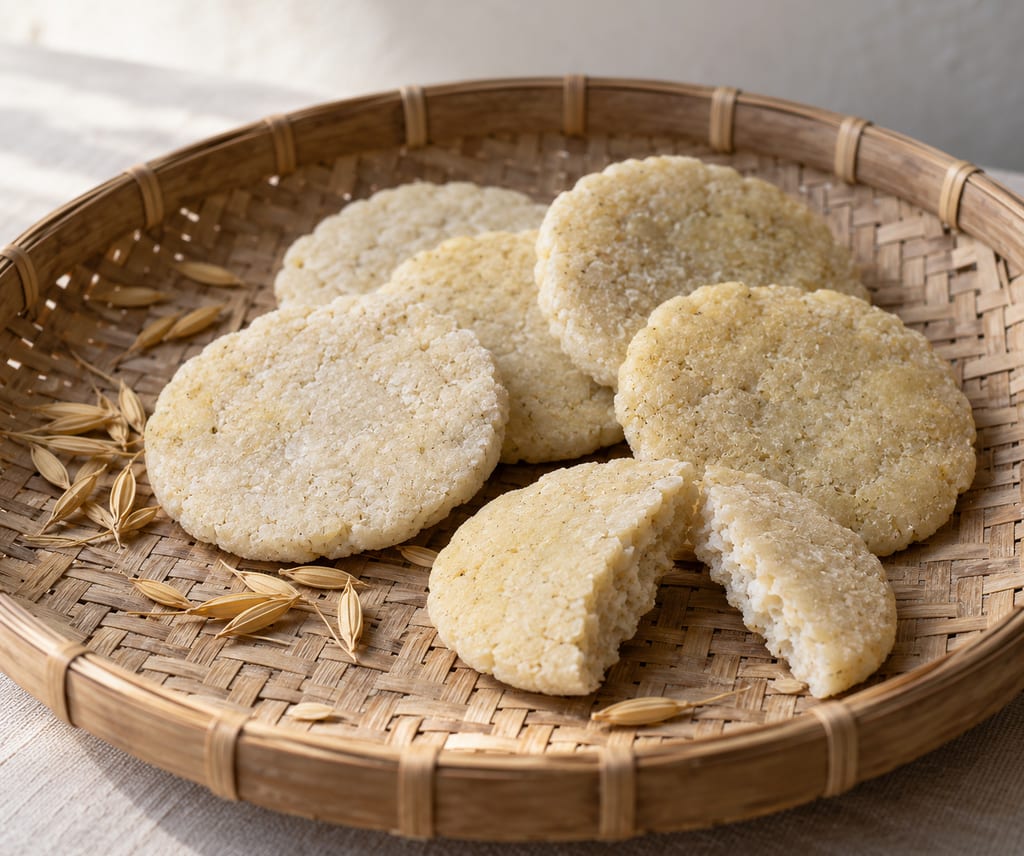
Hamei is a Manipur rice-cake starter used for Atingba. Accounts of how the cakes are made differ, and microbial studies describe particular samples; none defines a universal formula or safety standard.
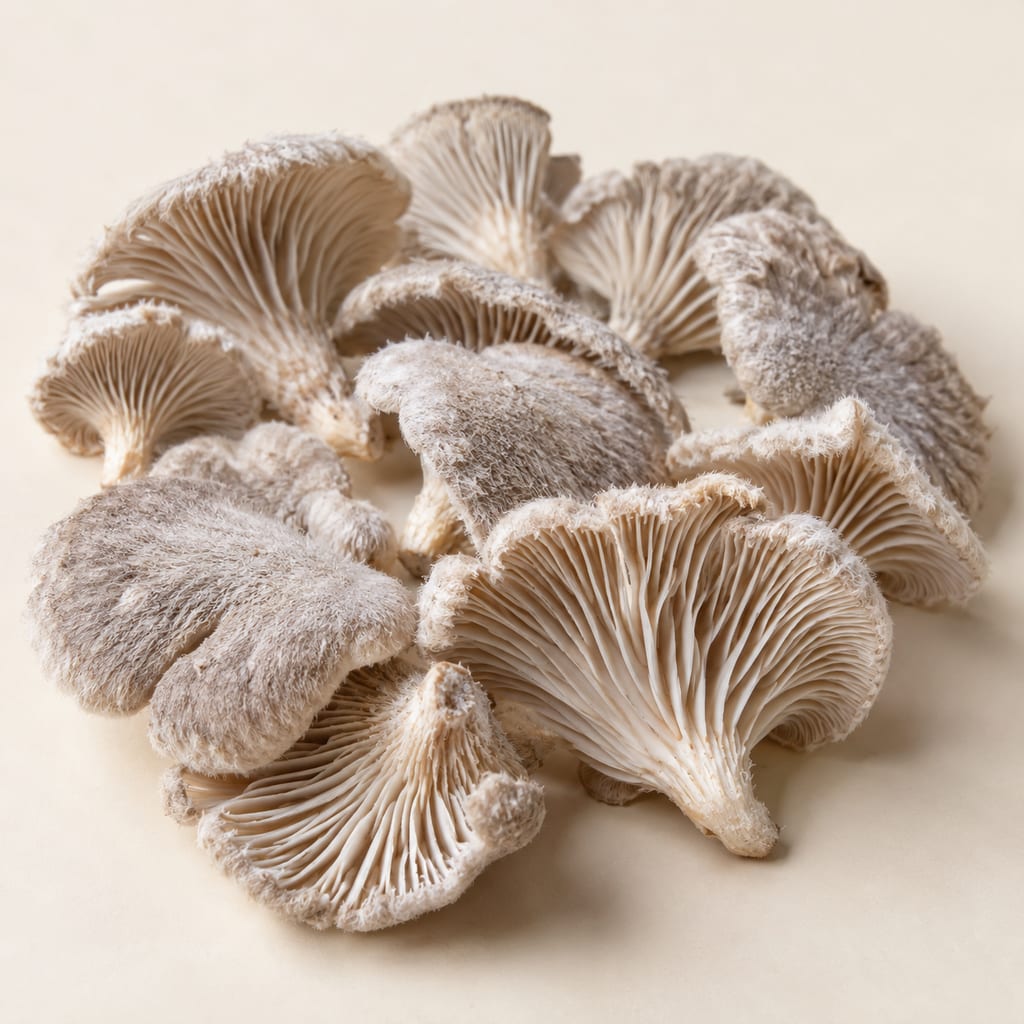
Split gill, Schizophyllum commune, is a common wood-decay mushroom that some sources report as eaten in parts of Southeast Asia and India, with its cultivation history unsettled in the sources.
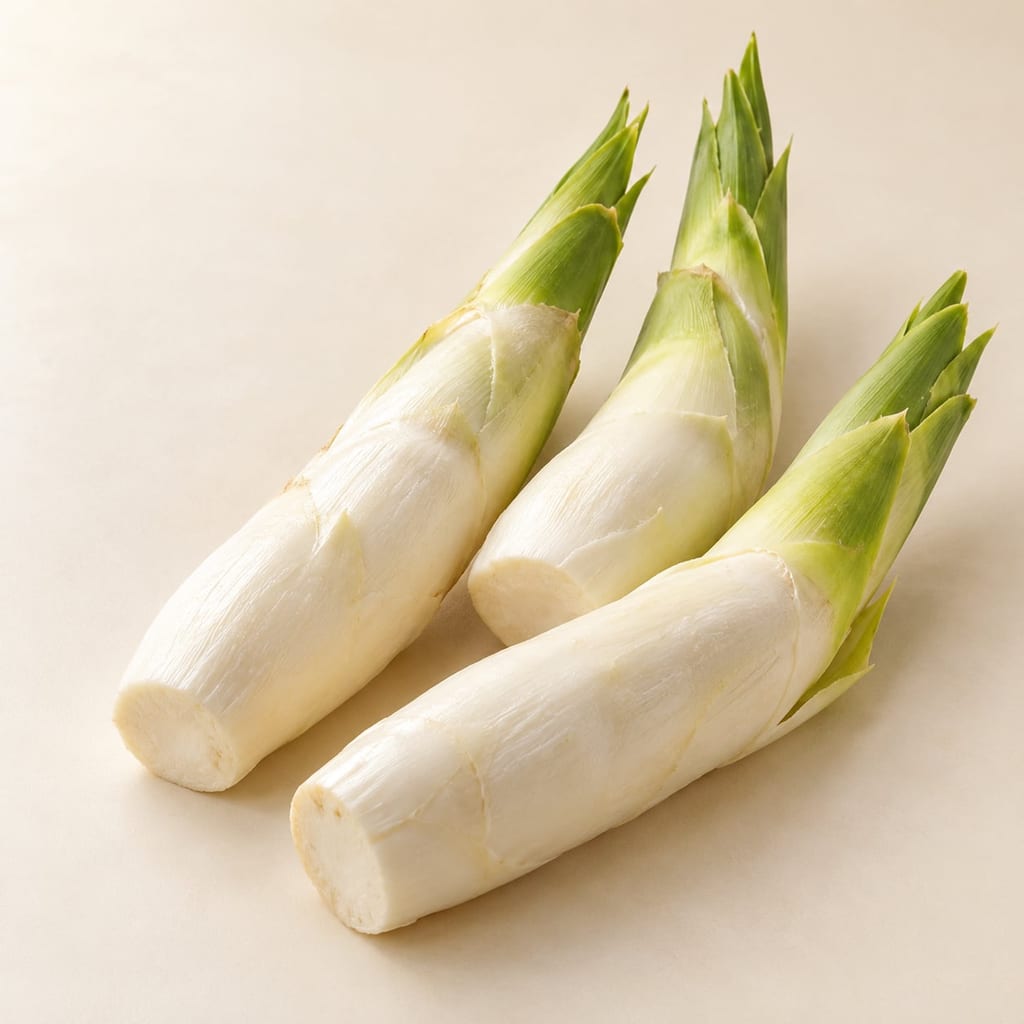
Water-bamboo smut is the swollen gall that the fungus Ustilago esculenta forms on the aquatic grass Zizania latifolia. It is eaten as a vegetable in China and elsewhere in East and Southeast Asia.
No community contributions have been published for this entry yet.
Sign in to contribute. Published comments and photos are free to read.
GBIF Secretariat, using Catalogue of LifeIdentity · Taxonomy
Puntius sophore (Hamilton, 1822)Catalogue of Life currently accepts Puntius sophore and lists older combinations including Barbus sophore and Systomus sophore.
GBIF lists English names pool barb and spotfin swamp barb and Bengali জাত পুঁটি.
Cited in: The name identifies a genus, not one fish; Small freshwater fish in the region; Names, markets, and species uncertainty
Freshwater Biodiversity Portal of BangladeshIdentity · Biology · Geography
Puntius sophore - Freshwater Biodiversity Portal of BangladeshIdentifies P. sophore as pool barb, gives Bengali names in Bangla script, describes body form and markings, and records streams, canals, beels, ponds, ditches and inundated fields across Bangladesh.
Cited in: The name identifies a genus, not one fish; Small freshwater fish in the region; Names, markets, and species uncertainty; The fish and its fermented products are separate subjects
FishBaseBiology · Geography
Puntius sophoreDescribes P. sophore as a schooling fish associated with rivers, streams and ponds in plains and submontane areas, with a South Asian distribution.
Cited in: Small freshwater fish in the region
NISCAIR-CSIR, IndiaUse · History · Geography
Shidal - A traditional fermented Fishery product of North east IndiaA survey in Assam and Tripura reports village use of semi-dried local Puntius spp. and commercial use of fully dried Puntius spp., often imported from other Indian states.
Describes variation in the preparation and packing of shidal, a semi-fermented fish product.
Cited in: The name identifies a genus, not one fish; Three documented food contexts; Place, practice, and an incomplete history; Names, markets, and species uncertainty; The fish and its fermented products are separate subjects
Journal of Indian Fisheries Association / Indian Council of Agricultural ResearchUse · History
Assessment of Nutritional Quality of 'Shidal' a Fermented Fish Product of Northeast IndiaThe abstract identifies shidal as a salt-free fermented fish product prepared from Puntius sp. caught in the late monsoon, popular in northeast India, and matured in anaerobic conditions for four to six months in the study described.
Cited in: Three documented food contexts; Place, practice, and an incomplete history
PubMed CentralUse · Biology · History · Geography
Antimicrobial, antioxidant and probiotics characterization of dominant bacterial isolates from traditional fermented fish of Manipur, North-East IndiaDescribes ngari as using Puntius sophore specifically and describes hentak as a mixture involving sun-dried Puntius sophore and/or Esomus danricus with Alocasia macrorrhiza and onion.
Reports the tested traditional preparations and their regional context; the account is not a home safety validation.
Cited in: Three documented food contexts; Place, practice, and an incomplete history; What the fish contributes; The fish and its fermented products are separate subjects
Journal of Ethnic FoodsUse · History · Geography
Fermented fish products in South and Southeast Asian cuisine: indigenous technology processes, nutrient composition, and cultural significanceReviews the diversity and food contexts of fermented fish products in northeast India and notes shidal made from Puntius sp., generally P. sophore, and Stipinna phasa in some contexts.
Cited in: Three documented food contexts; Place, practice, and an incomplete history; What the fish contributes
Advances in ResearchIdentity · Use · Biology · Geography
Nutritional Profiling of Dried Puntius sophore (Hamilton, 1822), a Principal Raw Material for the Traditional Fermented Fish Product Ngari in Manipur, IndiaThe study identifies P. sophore as a raw material for ngari, describes fish collected from Loktak Lake in 2025 and analyses dried fish for proximate composition, amino acids and fatty acids.
Cited in: What the fish contributes; Names, markets, and species uncertainty
FoodSafety.govSafety
Safe Selection and Handling of Fish and ShellfishProvides consumer guidance on keeping seafood cold, preventing cross-contamination and reducing foodborne illness risks.
Cited in: Handling the raw fish
U.S. Food and Drug AdministrationSafety
Fish and Fishery Products Hazards and Controls Guidance, June 2022 EditionExplains that fish parasite hazards vary by species, source and production conditions; brining and pickling may reduce parasite hazards without eliminating them.
Cited in: Handling the raw fish
U.S. Food and Drug AdministrationSafety
What is a “major food allergen”?Identifies fish as a major food allergen group under U.S. law.
Cited in: Handling the raw fish
U.S. Food and Drug AdministrationSafety
Advice about Eating FishExplains that contaminant guidance is species- and context-specific and provides U.S. consumer advice rather than local guidance for fish caught elsewhere.
Cited in: The fish and its fermented products are separate subjects