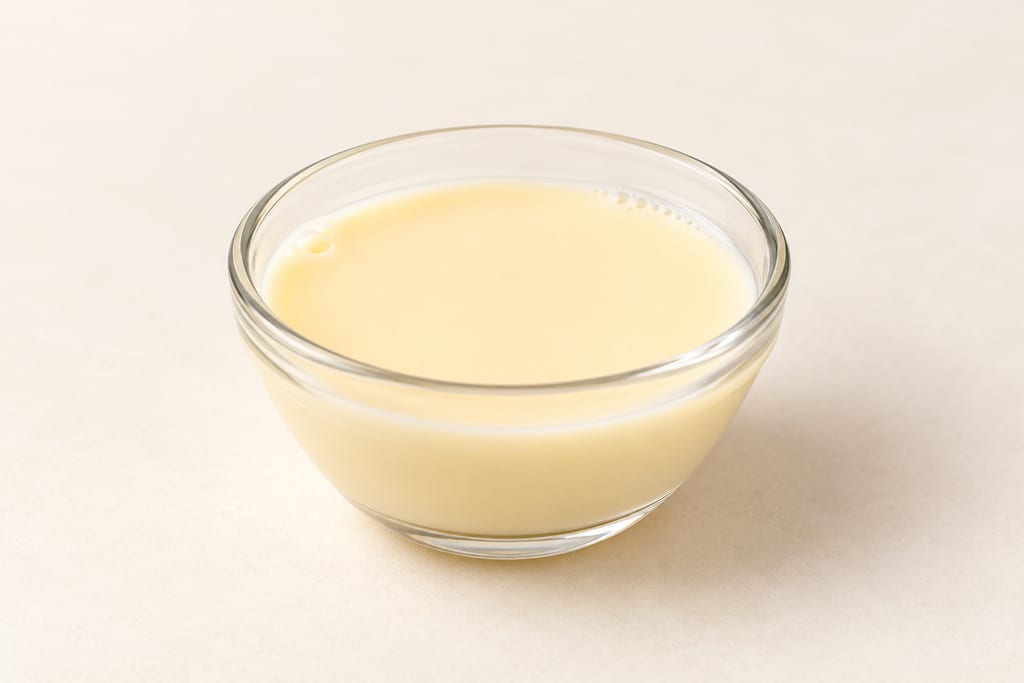
Bovine colostrum
Bovine colostrum is the changing first secretion around calving, concentrated in proteins and maternal immune components; it feeds newborn calves and appears in seasonal foods and processed products.
 FermenteaWhere food goes to change
Substrates
Bamboo shoots are the young culms of many bamboo species, eaten after boiling or leaching in Asia, and fermented into sour and preserved foods in the Himalayas, northeast India and Burma.
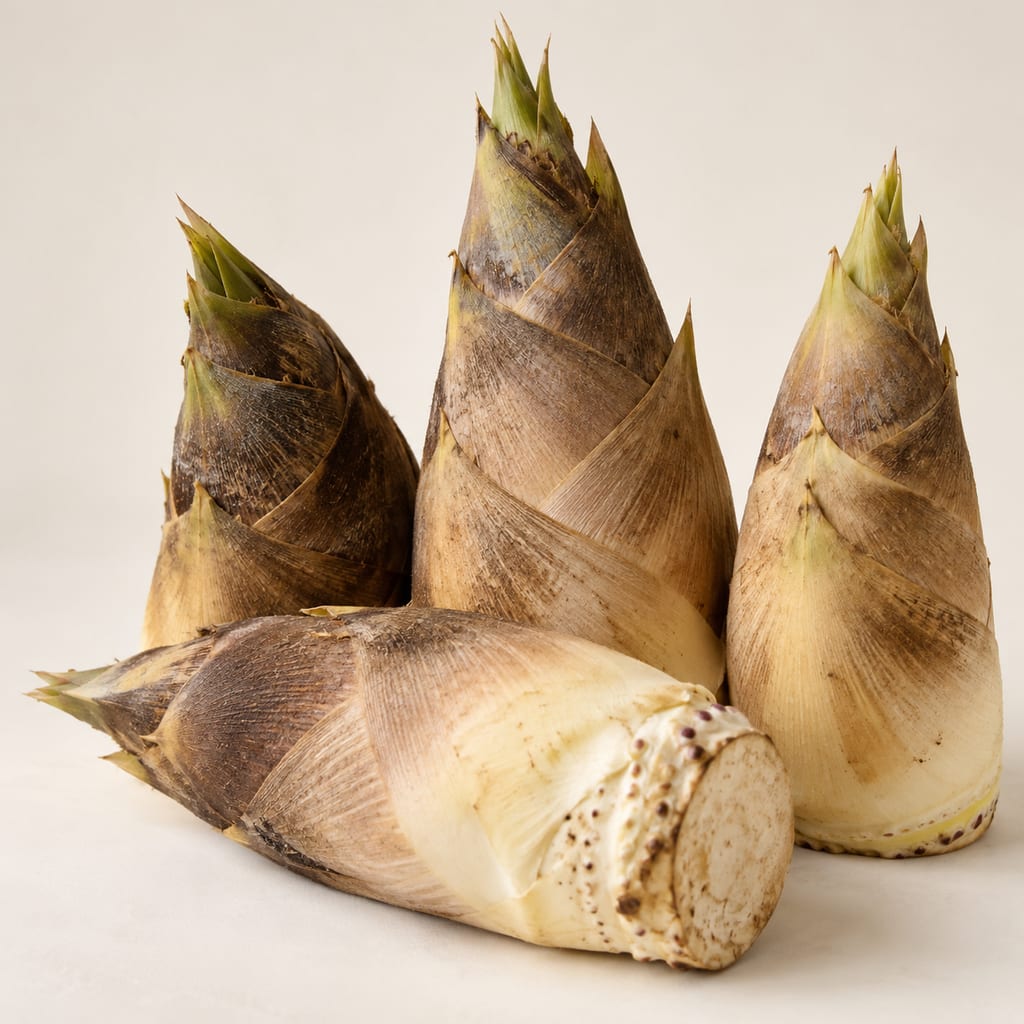
Bamboo shoots are the new culms of many bamboo species, harvested while still young and tender. They are used as a vegetable in many Asian dishes and broths, and they are sold fresh, dried and canned. Most young shoots are edible after boiling, but only about a hundred species are harvested regularly, according to the Wikipedia article.
Many local traditions dry, pickle or ferment the shoot, and the preserved forms are part of the cuisines that use it.
Raw shoots contain cyanogenic glycosides, natural toxins that are also present in cassava. Thorough cooking destroys them, and canning also destroys them. Every preparation described in the sources therefore either cooks the shoot or removes the toxins before it is eaten, and this is the central safety point for the ingredient.
Because the toxins are removed by heat and leaching, the sources' methods vary: boiling, slicing and leaching, soaking and turmeric boiling. The page gives these as regional practices rather than a single standard, and this page does not give a safe time or temperature beyond what is listed.
In Indonesia the shoot is thinly sliced to help leach out cyanide. In Karnataka, Andhra Pradesh and northern Tamil Nadu, sliced shoots soak for two to three days, with the water replaced each day. Sikkim varieties in Nepal are boiled with turmeric for 10 to 15 minutes to remove bitterness. The East Asian species Bambusa oldhamii is sliced thin and boiled several times in a large volume of water when the shoots are older.
Fresh shoots are boiled before other uses in most of these traditions, and the boiling step is the one most often shared across them.
Tama in Nepal is fermented bamboo shoot, cooked with potato and beans. Khorisa in Assam is fermented shoot used with pork, chicken, duck and pigeon; the Wikipedia article says that fermentation makes some nutrients more bioavailable and degrades toxins, which is a claim the page reports and this page does not verify. Medukkeye from Diyun in Arunachal Pradesh is fermented shoot, often fried with pork, and the article notes that shoots can also be fermented and stored with vinegar.
Bas tenga in Nagaland is fermented shoot, usually cooked with pork. Soibum and soijin in Manipur are fermented shoots, and soijin is preserved for many months. Hendua in western Odisha is sun-dried shoot used in fish curries. In Burma, hmyit chin hin from Naypyidaw is a sour bamboo shoot curry.
Menma is the pickled shoot served as a ramen topping in Japan. Pickled shoots appear in luosifen in Guangxi, China, and in no mai dong in Thailand. Atchara in the Philippines is a sweet pickle often made with papaya. These are pickled rather than fermented in the sources, and their method is not given in detail.
The sources reviewed here do not give safe fermentation times, salt levels, storage periods for the fermented products or the microbiology of the fermentation. Fermented bamboo shoot, and the cyanide removal it relies on, need a dedicated source before any method is given.
Documented: tama, fermented shoot, and turmeric-boiled Sikkim varieties.
Documented: khorisa, fermented shoot used with meat.
Documented: soibum and soijin, fermented shoots; soijin keeps for many months.
Documented: menma, a pickled shoot used as a ramen topping.
Bovine colostrum is the changing first secretion around calving, concentrated in proteins and maternal immune components; it feeds newborn calves and appears in seasonal foods and processed products.
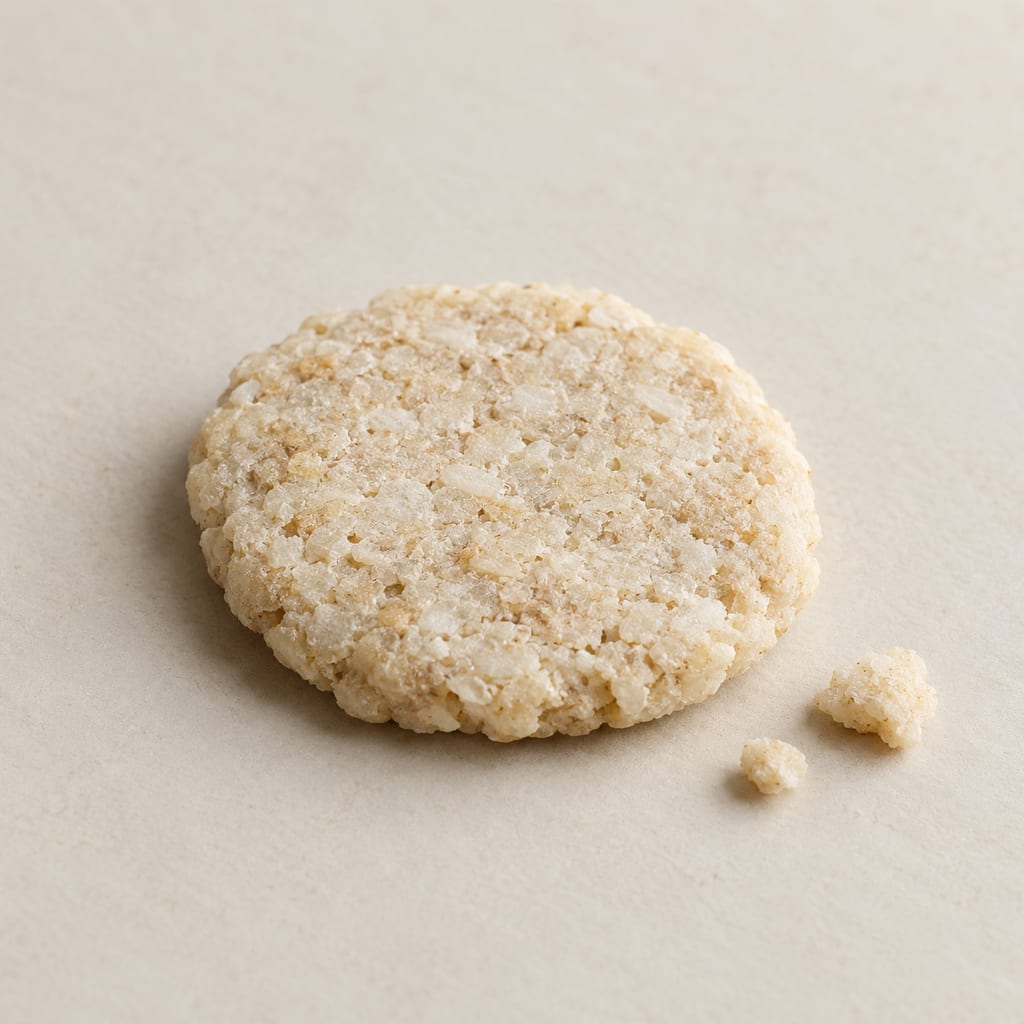
Humao is a sun-dried cereal starter of the Dimasa in Assam, used for Judima rice beer. Accounts of its making are single-household reports and microbial studies describe single sample sets, not a standard.
Puntius is a genus of small freshwater fishes cited as raw material for fermented fish in northeastern South Asia. Shidal studies name the genus broadly; studies of ngari and hentak identify Puntius sophore specifically.
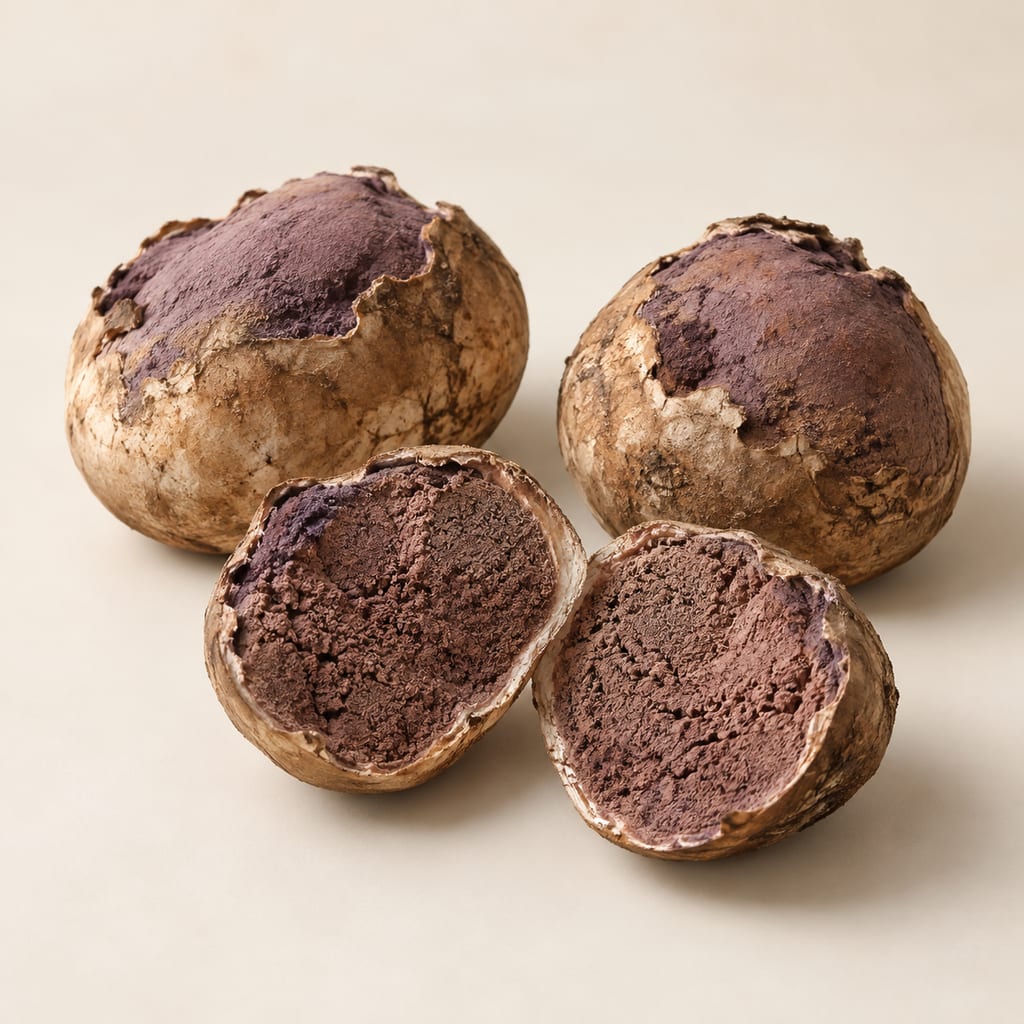
A soil-growing puffball, Calvatia cyathiformis, with white immature gleba that darkens purple as spores mature; food and seasonal records are local and do not establish a universal identification or safety rule.
No community contributions have been published for this entry yet.
Sign in to contribute. Published comments and photos are free to read.
WikipediaLead · Edibility · Safety · Method · Fermentation
Bamboo shootCyanogenic glycosides in raw shoots, destroyed by cooking and canning
Regional leaching and boiling methods: Indonesia, Karnataka, Sikkim, Bambusa oldhamii
Fermented products: tama, khorisa, medukkeye, bas tenga, soibum, soijin, hendua, hmyit chin hin
Pickles: menma, luosifen, no mai dong, atchara
Cited in: What it is; Why the raw shoot must be treated; Regional preparations; Fermented and preserved products; Pickles; Limits of the sources