
Bamboo shoot
Bamboo shoots are the young culms of many bamboo species, eaten after boiling or leaching in Asia, and fermented into sour and preserved foods in the Himalayas, northeast India and Burma.
 FermenteaWhere food goes to change
Mushrooms
Split gill, Schizophyllum commune, is a common wood-decay mushroom that some sources report as eaten in parts of Southeast Asia and India, with its cultivation history unsettled in the sources.
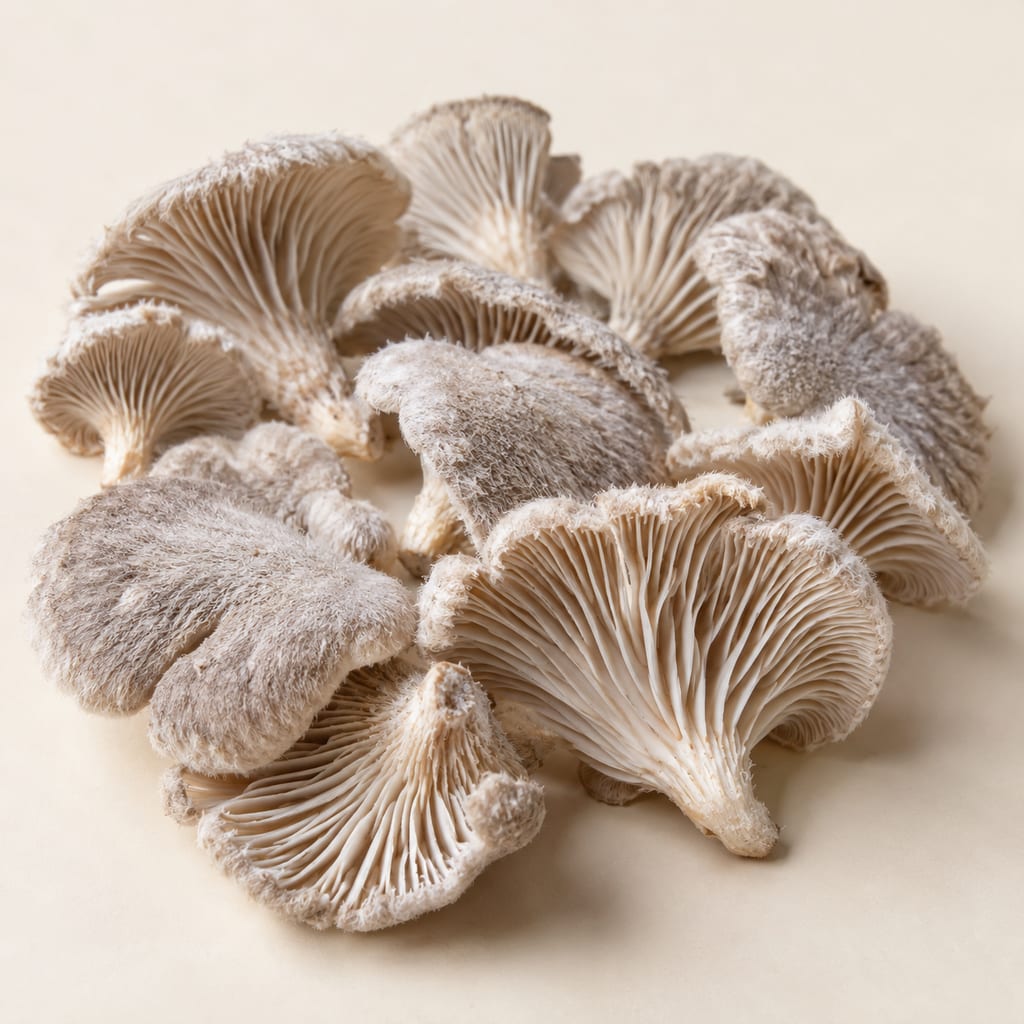
Schizophyllum commune is called split gill because its gills split lengthwise along their edges as the fruiting body dries, which gives the mushroom a distinctive look on the underside. It grows on dead wood, and it is a common shelf-like fungus on logs and branches in many climates.
The Mycoweb entry describes the mushroom as small and tough when eaten, which is why it has been a secondary food rather than a prized one. A 2025 Studies in Fungi report describes it as eaten in tropical and subtropical regions. Its texture and flavour in cooking are not described in detail in the sources reviewed, so this page does not give them.
The species is a common shelf-like fungus on dead wood. The sources reviewed do not describe a full distribution, so this page does not give one.
The sources record food use in several regions. The Mycoweb entry says it is grown for food in Southeast Asia. A 2025 Studies in Fungi report, summarised by search, says people in Manipur, India, eat it with fish and pork. Those are regional food observations, not a species-wide claim.
A market or household use in one place does not make the mushroom a food everywhere it grows, and the sources do not compare the regions for quality or preference.
An Indian report describes growing the mushroom on broadleaf sawdust with rice bran and calcium carbonate, at 28 to 33 degrees Celsius and 80 to 90 per cent humidity. A separate Indian study found that paddy straw with wheat bran gave the highest yield. These are study results for particular substrates and conditions, and this page does not turn them into a household method.
The sources disagree on commercial status. A 2025 review says the species has been cultivated successfully after earlier wild-mushroom efforts, while a 2026 Manipur study says it is not yet commercially cultivated. Commercial status remains unclear.
The Friends of Edgewood summary calls the mushroom edible but tough, and advises against picking and eating wild mushrooms unless you are an expert. That advice is the rule this page follows. It gives no identification or edibility verdict for a specimen, and a wild split gill should be identified by an expert before it is eaten.
The sources do not give a storage life, a preparation method for the tough flesh or an allergen profile, so this page gives none.
Regional statement from the Mycoweb entry. It does not place a single origin, and the commercial status is disputed in the sources.
Region within India, from a 2025 study summarised by search. The sources do not record its use elsewhere in India.
Bamboo shoots are the young culms of many bamboo species, eaten after boiling or leaching in Asia, and fermented into sour and preserved foods in the Himalayas, northeast India and Burma.
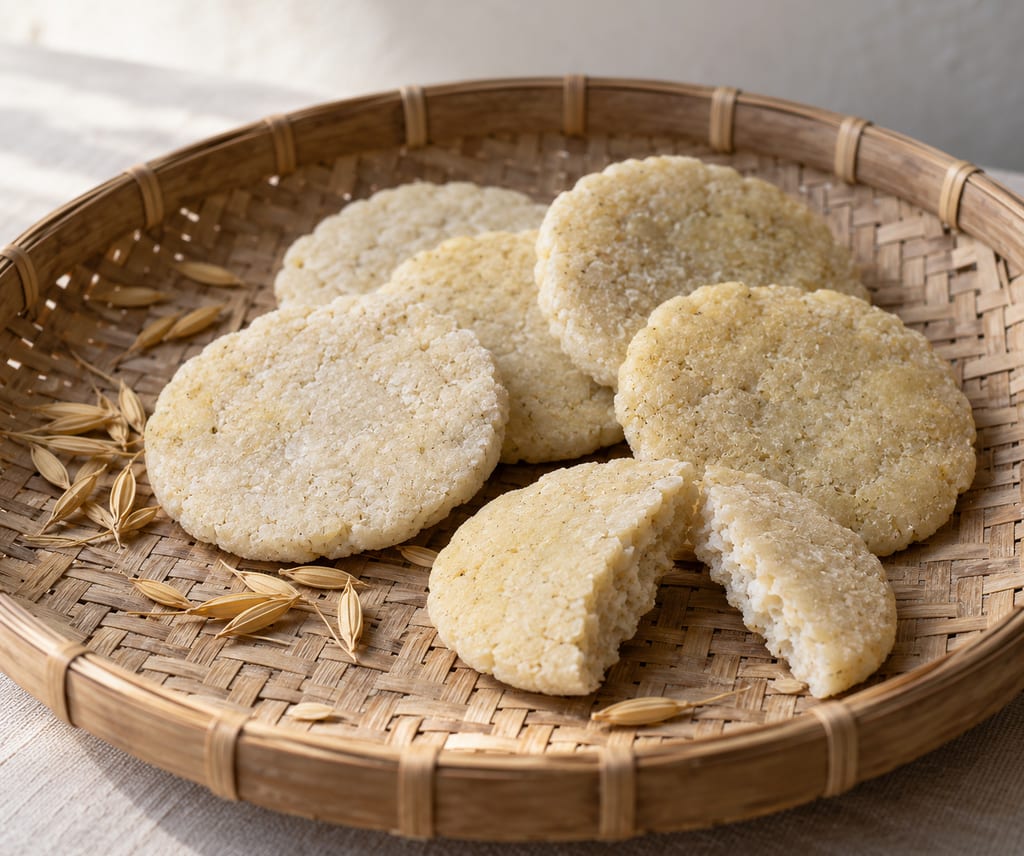
Hamei is a Manipur rice-cake starter used for Atingba. Accounts of how the cakes are made differ, and microbial studies describe particular samples; none defines a universal formula or safety standard.
Puntius is a genus of small freshwater fishes cited as raw material for fermented fish in northeastern South Asia. Shidal studies name the genus broadly; studies of ngari and hentak identify Puntius sophore specifically.
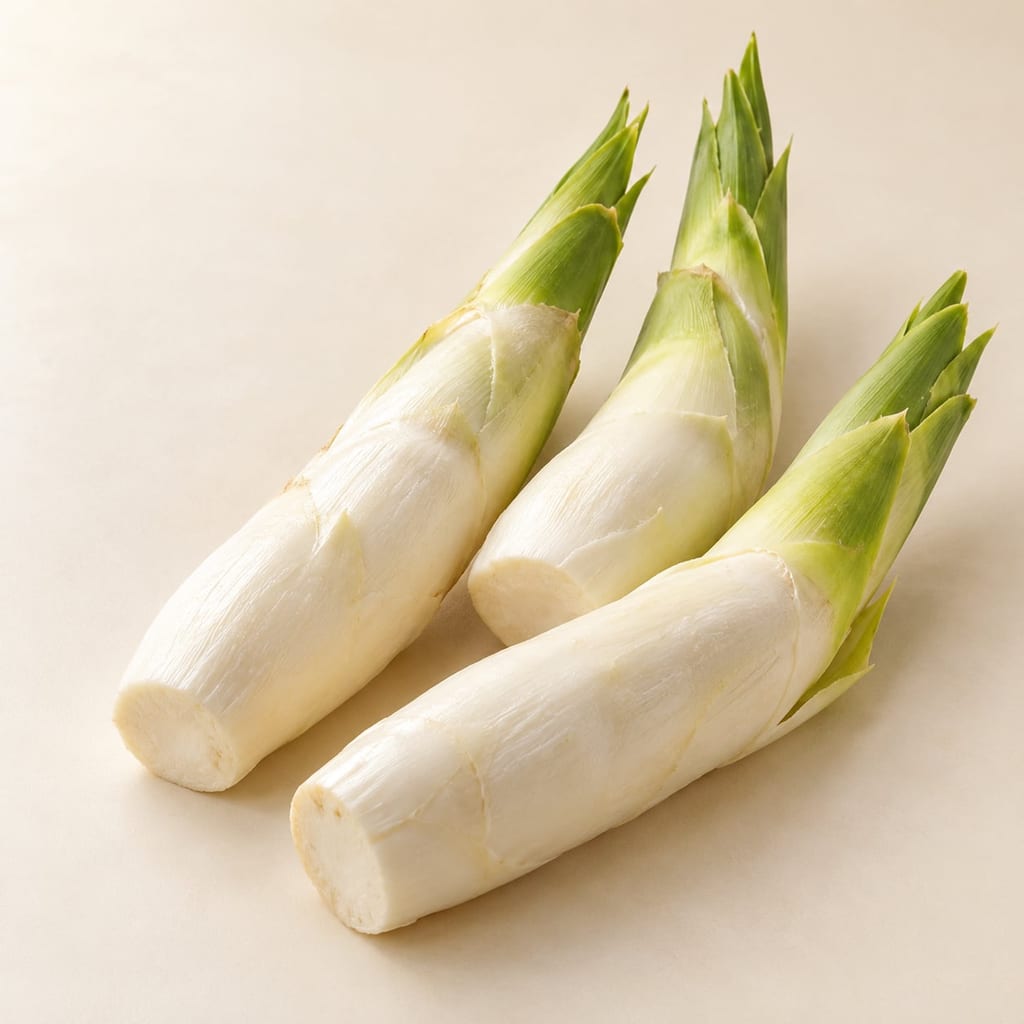
Water-bamboo smut is the swollen gall that the fungus Ustilago esculenta forms on the aquatic grass Zizania latifolia. It is eaten as a vegetable in China and elsewhere in East and Southeast Asia.
No community contributions have been published for this entry yet.
Sign in to contribute. Published comments and photos are free to read.
MycowebIdentity · Food use
Schizophyllum commune (Mycoweb, Common Fungi)Small and tough when eaten; grown for food in Southeast Asia (search summary; primary text not opened).
Cited in: What it is; Where it is eaten; How it is grown
Friends of EdgewoodSafety
Split gillEdible but tough; advises against picking and eating wild mushrooms unless an expert (search summary; primary text not opened).
Cited in: What it is; Where it is eaten; Safety and identification
AGRIS (FAO)Method
Characterization and development of cultivation technology of wild split gill Schizophyllum commune mushroom in IndiaGrowing on broadleaf sawdust with rice bran and calcium carbonate at 28 to 33 degrees Celsius and 80 to 90 per cent humidity (search summary).
Cited in: How it is grown
Wikimedia CommonsImage
File:2025-10-30 D500-1400 Achim-Lammerts Schizophyllum-commune.jpgReference photograph of split gill growing on dead wood, CC BY-SA 4.0.