
Fermented meat around the world
Dry salami, sour pork with rice, matured sheep and aged blubber follow different paths from animal to food. Their stories connect microbes with climate, slaughter, migration and the meals people share.
 FermenteaWhere food goes to change
mahyaveh · mahyawa · mahyaveh · mahveh · suragh
Mahyawa, also written mahyaveh, is a traditional fish sauce from southern Iran, made by salting small sardines or anchovies in water, maturing them in jars and seasoning the filtered liquid with mustard and spices.
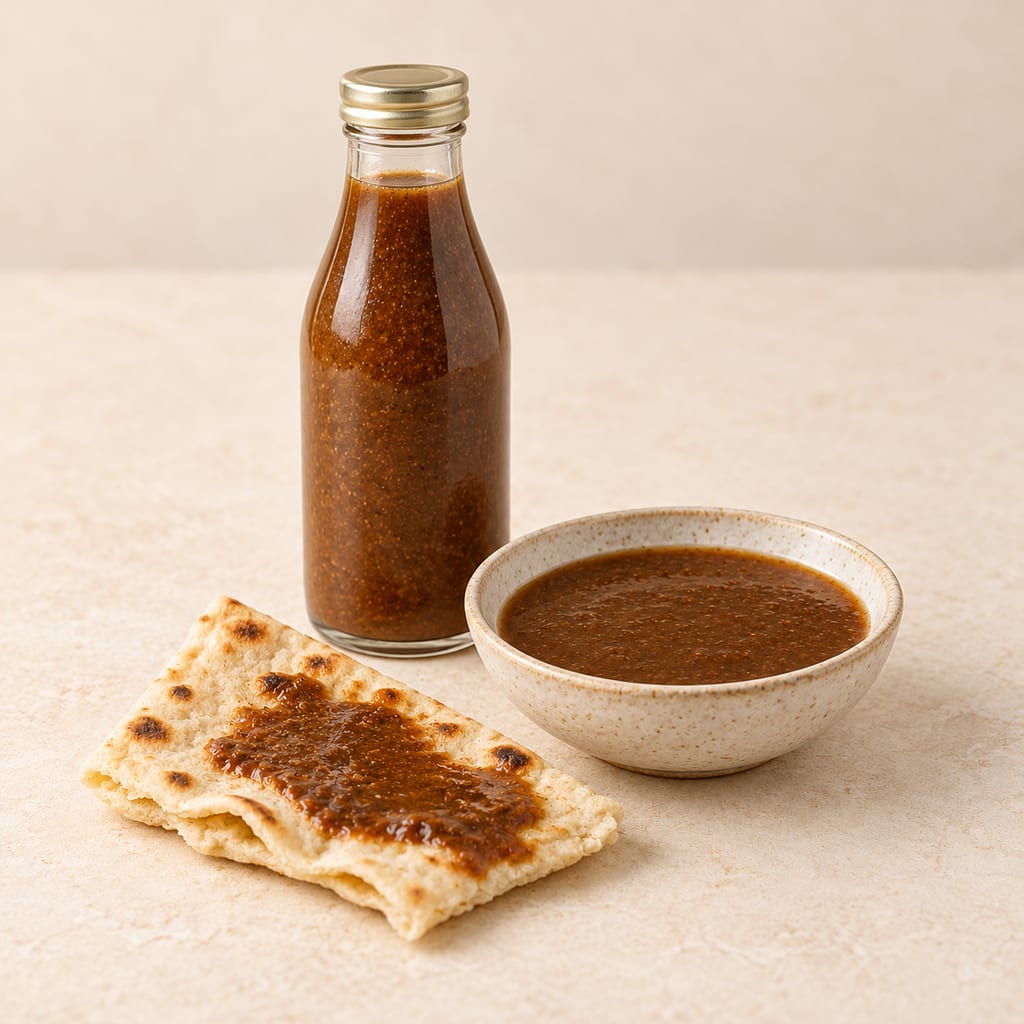
Mahyawa, also written mahyaveh, is a traditional fermented fish sauce from southern Iran. The academic literature places it mainly in Fars and Hormozgan provinces, and it is used widely across the south of the country. Its spelling varies between Persian, English and Arabic sources, and the reviews consulted also record mahveh and suragh as names for the same product.
It is a close analogue of a plain fish sauce but more visibly seasoned. The liquid is taken from matured fish that has been broken down, and mustard and other spices are added before a second maturation, so the finished sauce carries more flavour than a simple filtered fish liquid.
Small fish, most often sardine or anchovy, are salted in water and matured in jars. After the first maturation the fish is broken down and coarsely filtered. Mustard and other spices are added and the liquid matures again. One studied traditional process used about 25 to 30 days for the first stage and a further 10 to 15 days after the second preparation.
The production studies vary the fish and the salt. A 2022 optimization study found that sardine gave the best result, at a salt concentration of about 29.38 percent, after about 103 days of fermentation; anchovy and tuna were tested too. That is a laboratory finding about this study's conditions, not a standard for village or home production.
Mahyawa is a fish sauce that matures through the action of the fish's own protein and the microbes in the mixture. The fermentation studies follow the nitrogenous compounds and the microbial populations through the process, which is how the sauce's savoury character develops. The sources do not separate the enzymatic and microbial contributions for this sauce, so they are not assigned to one cause here.
Salt does the early work of holding the mixture steady. The salt level is the main lever the production studies vary, together with fish type and time, and it shapes both the flavour and the microbial load.
The main variable is the fish. Sardine and anchovy are the two named in the reviews, and the optimization study tested tuna too. Mustard appears in every review as a standard addition. Some popular accounts add fennel, cumin, coriander and mustard seed; the academic sources do not give a fixed list, so the spice blend should be treated as a variable.
The intake material also describes a related Gulf preparation: ground sardines with spices and seeds fermented into a spreadable condiment and served in flatbread, attributed to Bahrain in that material. It shares a fish-and-spice base with mahyawa, but the sources do not show that the two are the same product or that one descends from the other.
The sauce is spread or dipped in a thin bread, and the reference photograph shows it on flatbread beside the bottle it is kept in.
The review identifies high histamine content as the main problem with this sauce, and research has tested two ways of reducing it: adding Zataria multiflora essential oil and adding Mahdavi wheat bran. Both are laboratory studies. The sources give no safe histamine limit, no maturation temperature for home use and no shelf life, and they do not establish safety from appearance, smell or taste.
Open questions: the date of the sauce's first production, the exact spice list of traditional recipes, and whether the Bushehr sale area named in a popular encyclopedia is documented in primary sources.
Mahyawa is documented in the academic literature as a traditional southern Iranian fish sauce. The production studies date its current methods but do not establish when the sauce was first made.
Scaling: source batch only
A review of Iranian fish sauce names very high histamine content as the main problem for this product.
Hazard sourceSmell and taste do not establish that the sauce is safe.
The academic sources place the sauce mainly in these two southern provinces; the Gulf is named as a neighbouring food culture, not a documented origin.
Dry salami, sour pork with rice, matured sheep and aged blubber follow different paths from animal to food. Their stories connect microbes with climate, slaughter, migration and the meals people share.

Khiyār shūr is an Iranian cucumber pickle made in several ways; one household account in salt water is set out here, while vinegar recipes and acidified laboratory brines are kept separate.
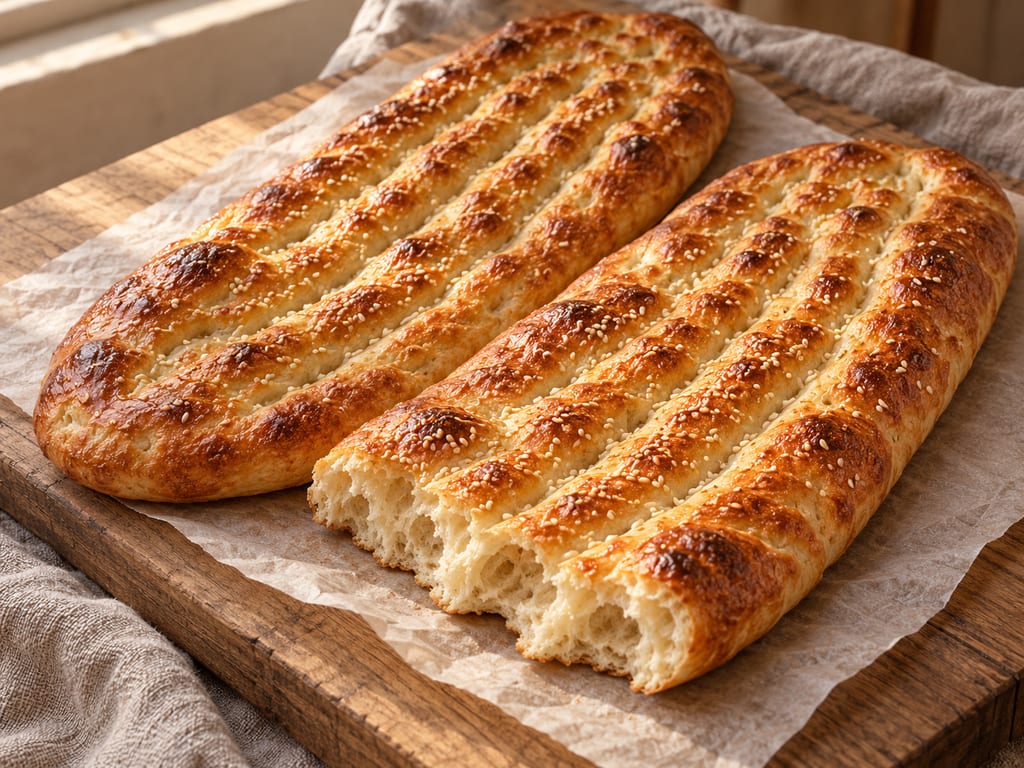
A yeast-raised Iranian flatbread with a crisp roomal-glazed crust, long grooves and a soft interior.
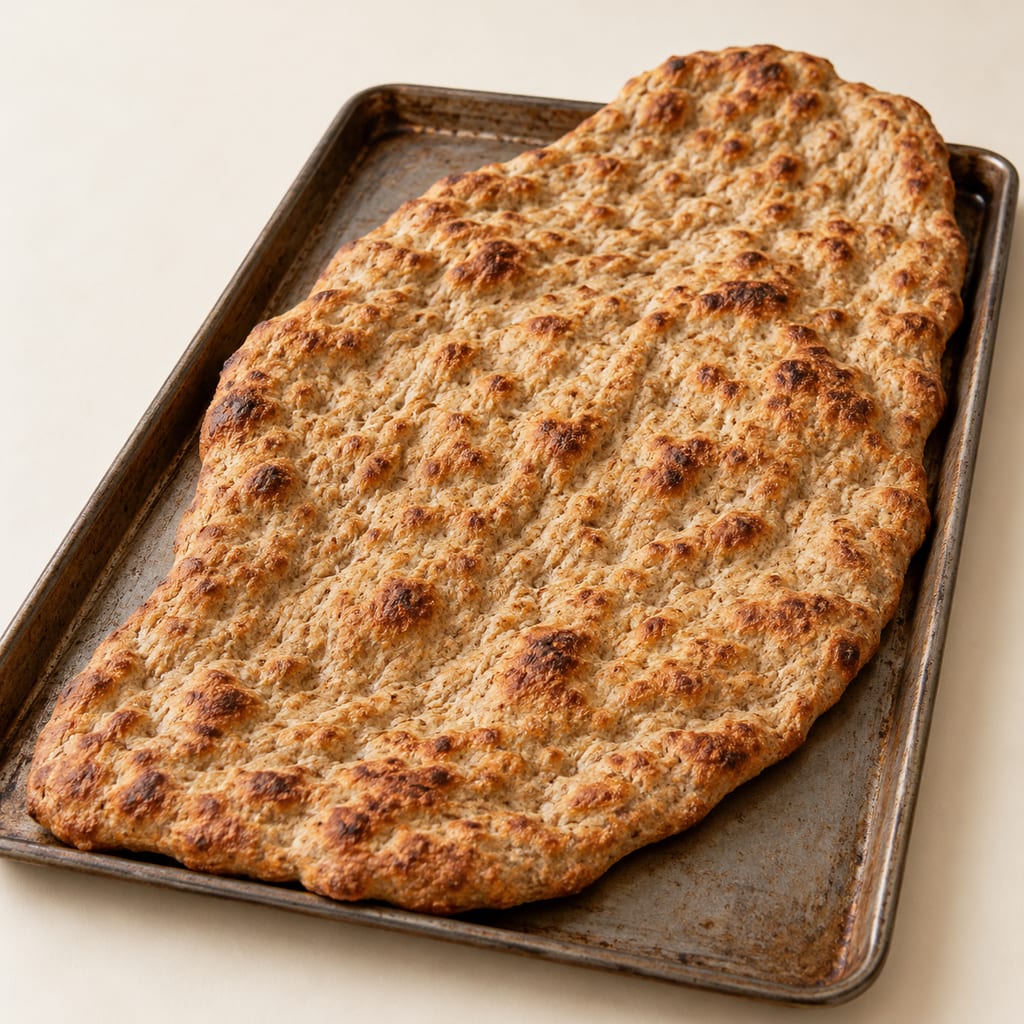
An Iranian whole-wheat sourdough flatbread adapted for a home oven and ordinary baking sheet. This method keeps the broad, dimpled hand-stretched shape but omits the traditional hot-pebble hearth and its imprint.
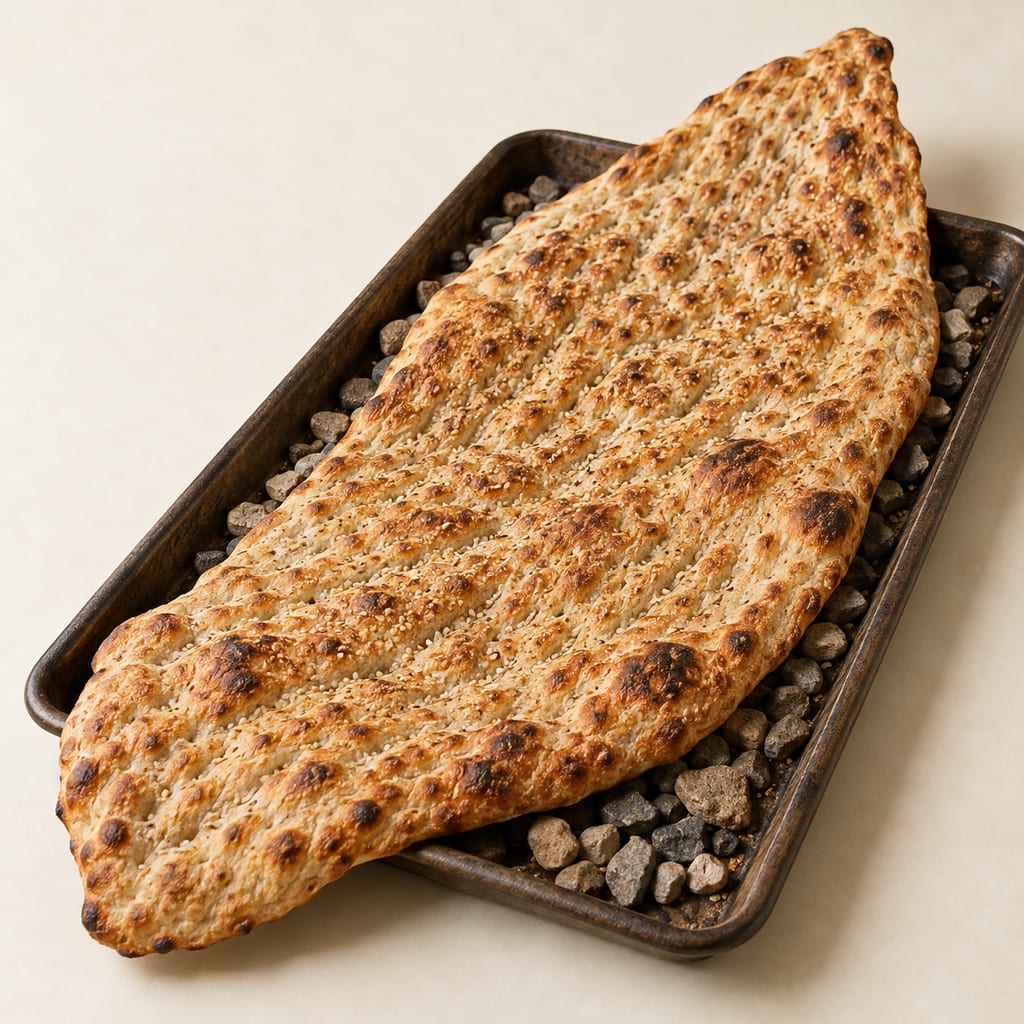
A long, irregular Persian bread baked on a tray of gravel-like stones in a hot oven. This home method uses dried yeast and a mix of wholemeal and bread flour, with an overnight rest.
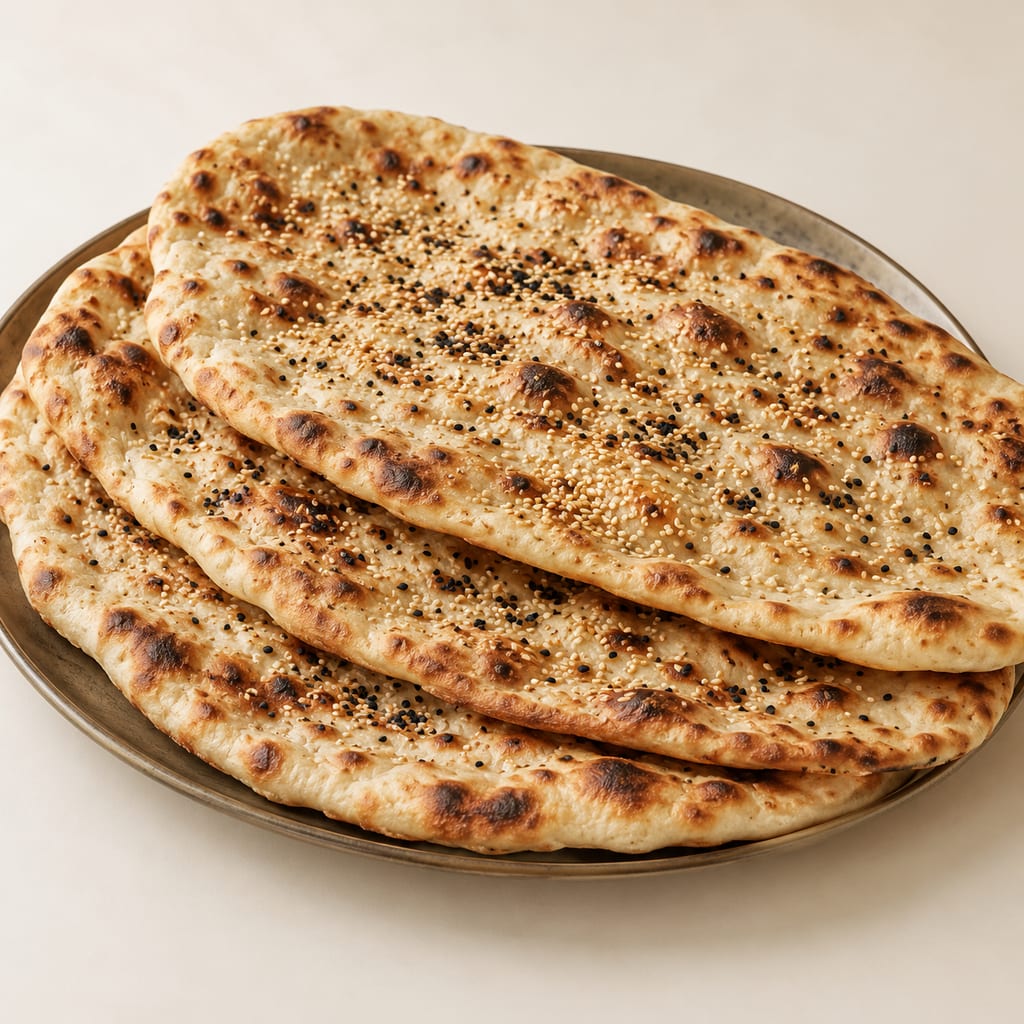
Persian yeast-raised flatbreads, rolled thin, seeded and cooked in a dry skillet.
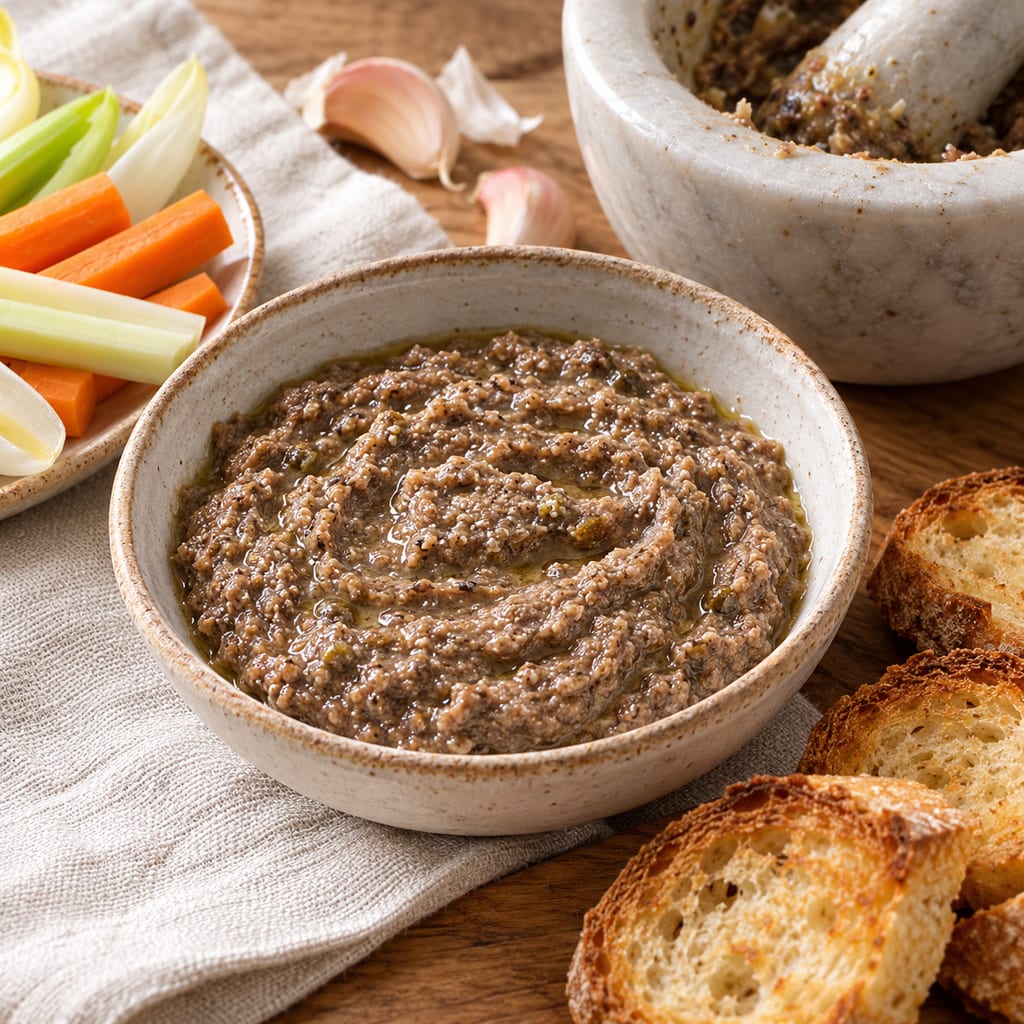
A Provencal dip of anchovies, garlic, capers and olive oil, pounded or blended to a creamy paste and served with raw vegetables, bread and eggs.
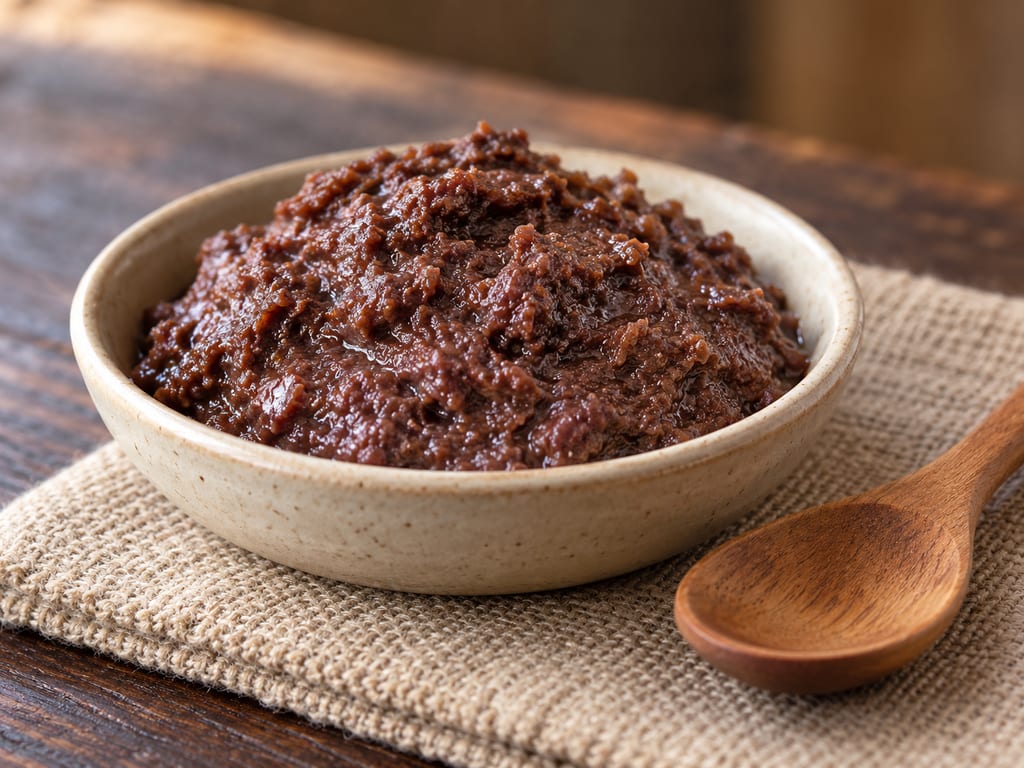
Bagoong isda is a Philippine fish paste: whole small fish salted and left to ferment for a month or more in earthen jars. It is the fish counterpart of bagoong alamang.
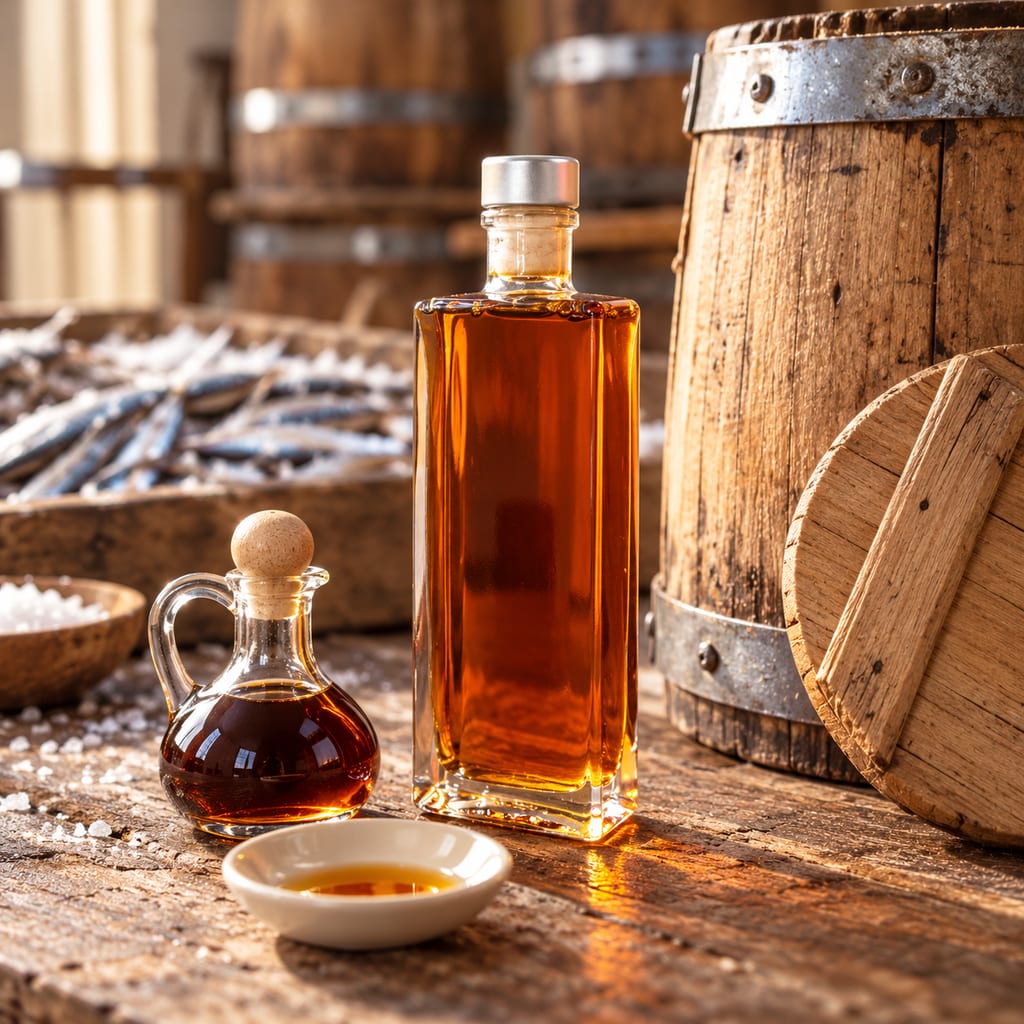
Colatura di alici is the amber liquid drained from salted anchovies matured in wooden containers in Cetara, on the Amalfi coast of Campania, and sold under a protected designation of origin.
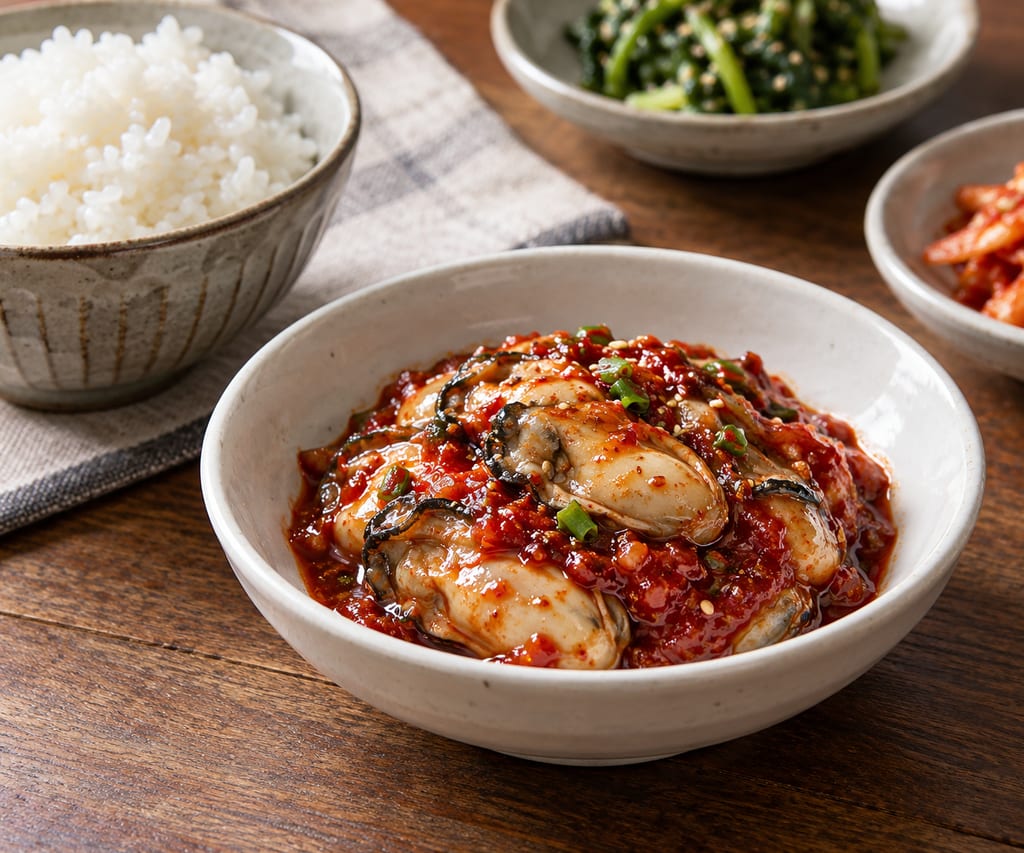
A Korean salted-oyster jeotgal seasoned with chili, associated especially with Seosan and Ganwoldo. This page records its food culture, not a household preparation method.
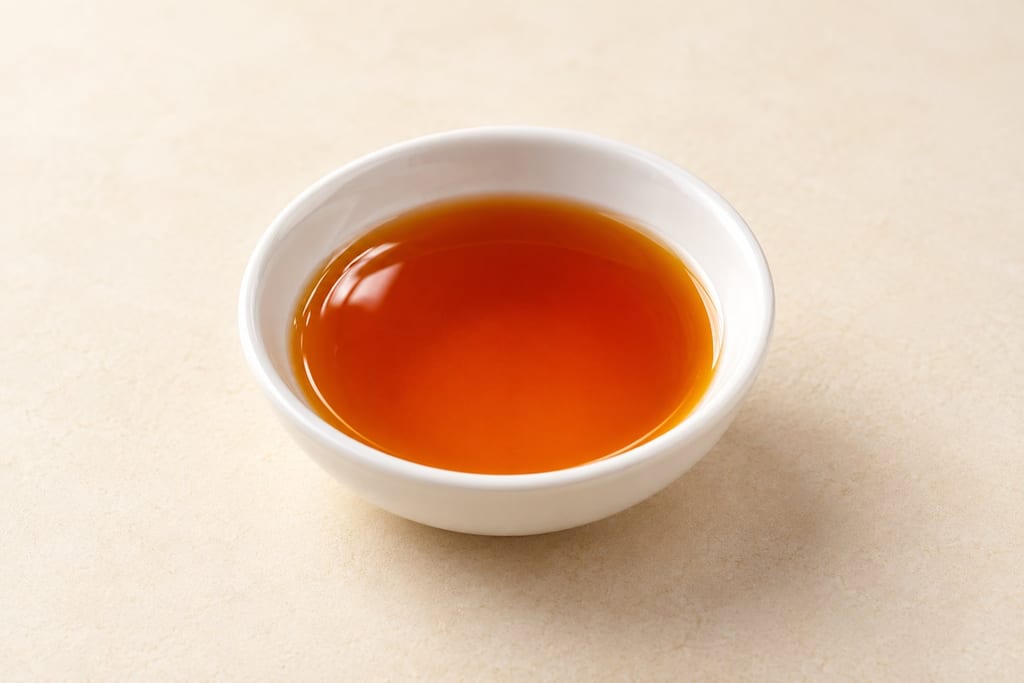
Fish sauce is a clear, salty seasoning made by maturing fish with salt and drawing off the liquid. The broad family includes distinct regional sauces rather than one interchangeable method.
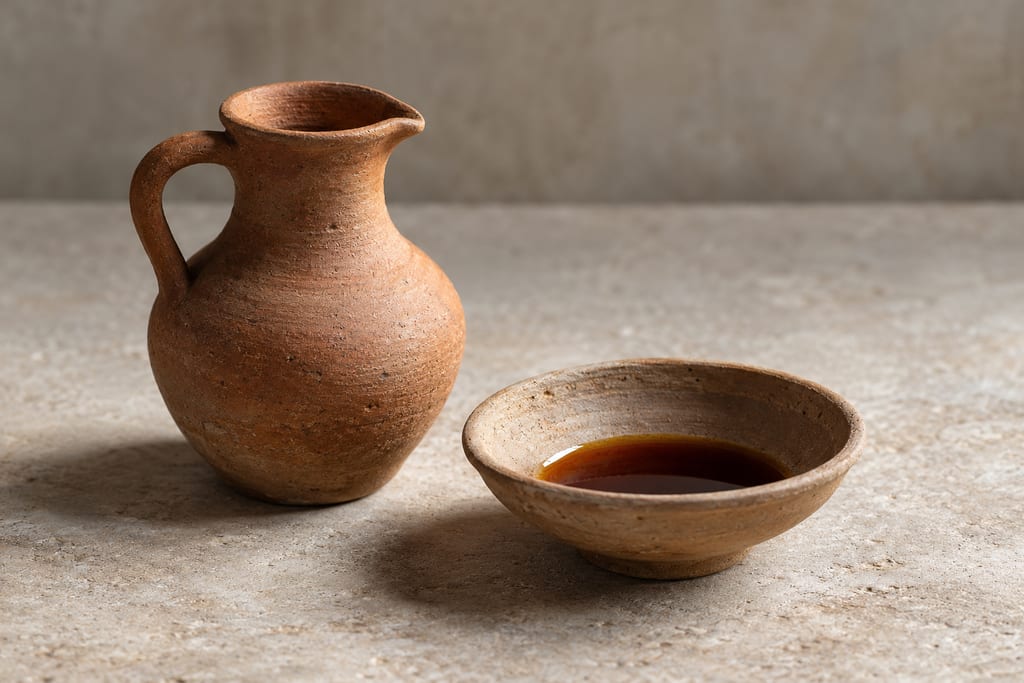
Garum, Greek garos and Latin liquamen, was the fish sauce of the ancient Mediterranean: fish and viscera salted and left in the sun, then drained off as a savoury liquid.
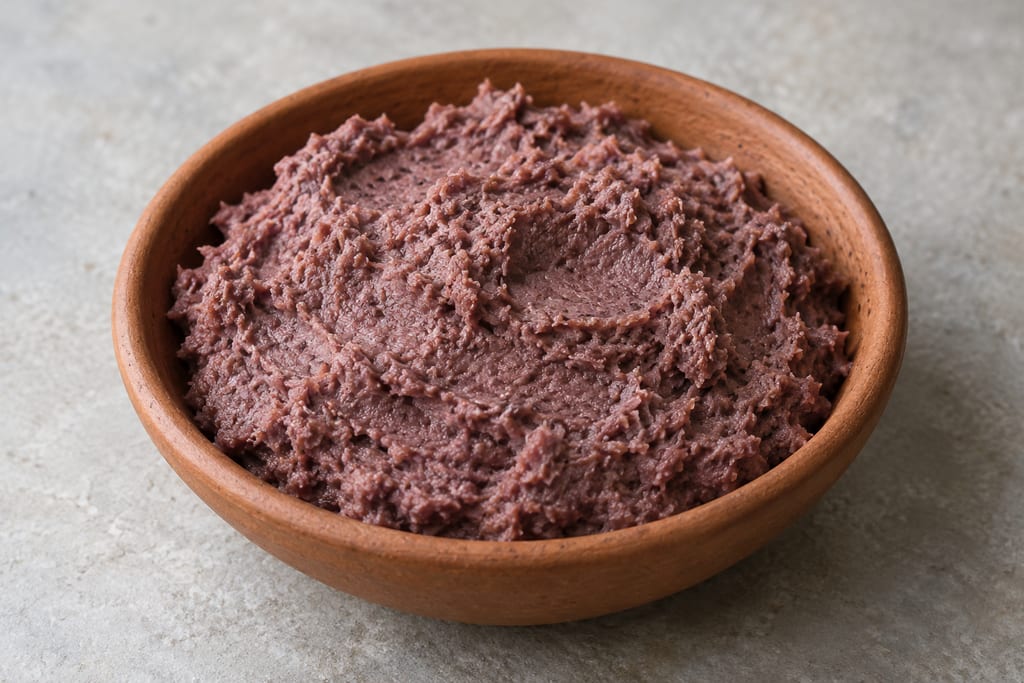
Guinamos is a shrimp paste made on Guimaras in the Philippines: small shrimp salted by hand, sun-dried and trodden by foot until it turns smooth.
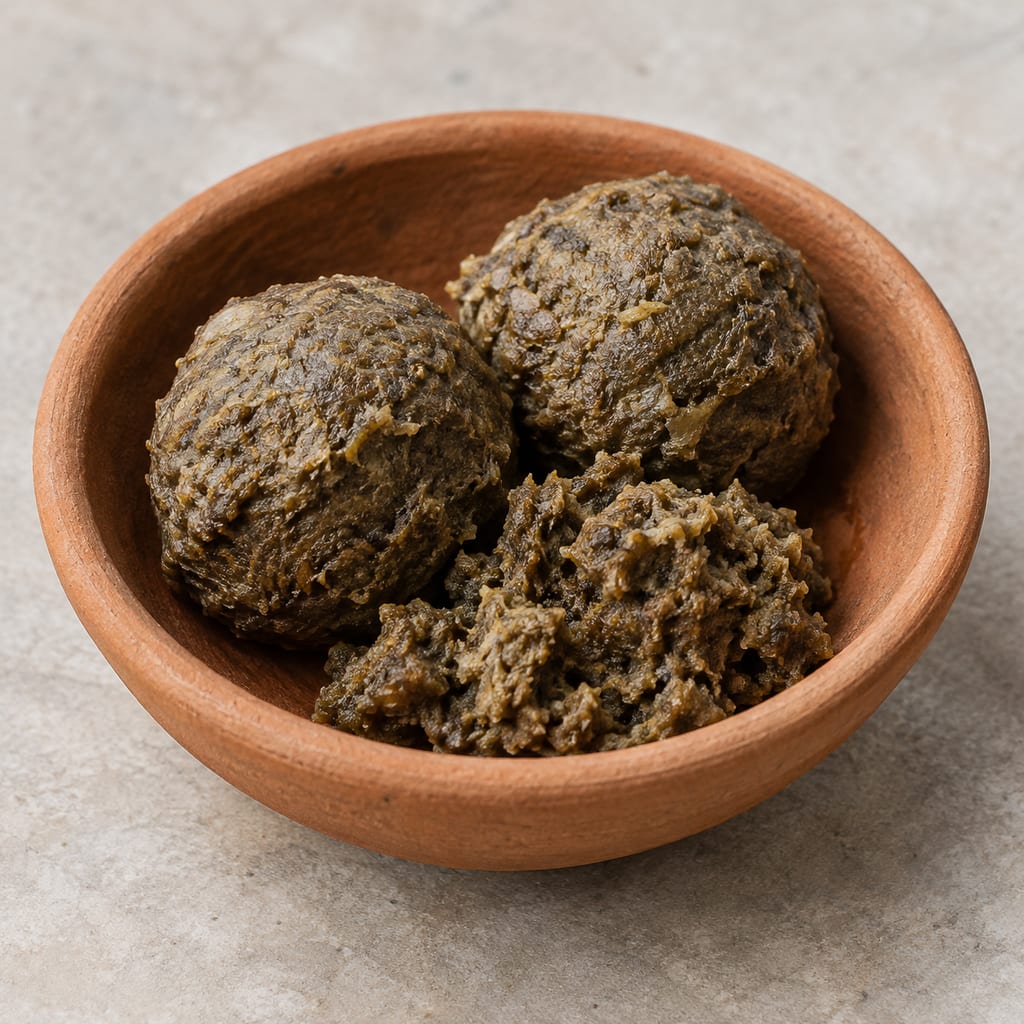
Manipuri fermented fish-and-aroid paste, formed into balls or kept in an earthen pot, used to season Manipuri dishes. Its method is documented in outline only.
No community contributions have been published for this entry yet.
Sign in to contribute. Published comments and photos are free to read.
KNE PublishingMethod · Safety
Optimization of production conditions of Mahyaveh, a traditional Iranian fish sauce, with low microbial loadA 2022 optimization study found sardine gave the best result at a salt concentration of about 29.38 percent, after about 103 days of fermentation.
The study examined the production conditions with a focus on microbial load.
Cited in: How it is made; What happens in the jar; Variations
Method
Effect of fish type, salt concentration and fermentation time on the sensory properties of Iranian fish sauce (mahyaveh)Fish type, salt concentration and fermentation time were varied and assessed for sensory properties.
Cited in: A fish sauce of southern Iran
Method
Changes in nitrogen compounds, microbial populations and electrophoresis patterns during mahyaveh fermentation, a traditional Iranian fish sauceThe fermentation was followed through changes in nitrogenous compounds and microbial populations.
Cited in: What happens in the jar
History · Safety
Fermented fish sauce review articleMahyaveh is a traditional fermented fish sauce from southern Iran, mainly in Fars and Hormozgan; it is generally made from sardine or anchovy with salt, mustard and water.
The main problem for this product is very high histamine content.
Cited in: A fish sauce of southern Iran; How it is made; Variations; Eating and use; Histamine and handling
Safety
Feasibility study of reducing histamine and heavy metal in Iranian fermented fish sauce by adding Mahdavi wheat branAdding Mahdavi wheat bran was studied as a way to reduce histamine and heavy metal content.
Cited in: Histamine and handling
ScienceDirectMethod
https://www.sciencedirect.com/science/article/abs/pii/S0956713511003318Traditional mahyawa processing involved about 25 to 30 days initially and another 10 to 15 days after further preparation.
Cited in: How it is made