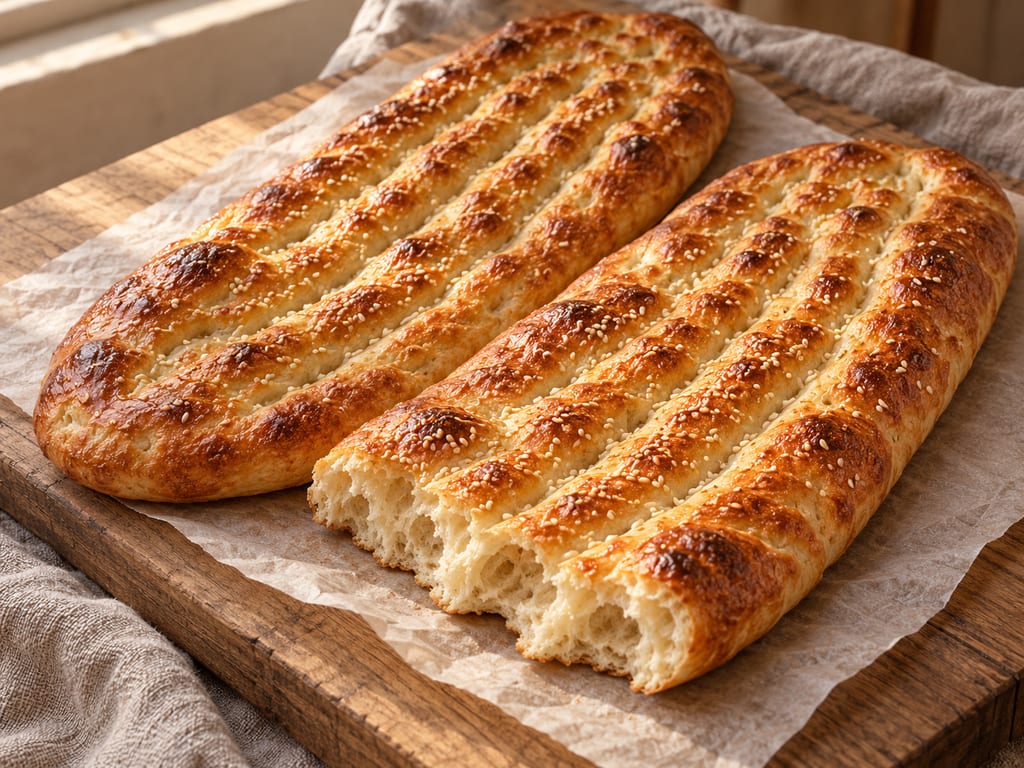
Noon barbari
A yeast-raised Iranian flatbread with a crisp roomal-glazed crust, long grooves and a soft interior.
 FermenteaWhere food goes to change
Modern adaptation
Sangak · nan-e sangak · Persian flatbread
An Iranian whole-wheat sourdough flatbread adapted for a home oven and ordinary baking sheet. This method keeps the broad, dimpled hand-stretched shape but omits the traditional hot-pebble hearth and its imprint.
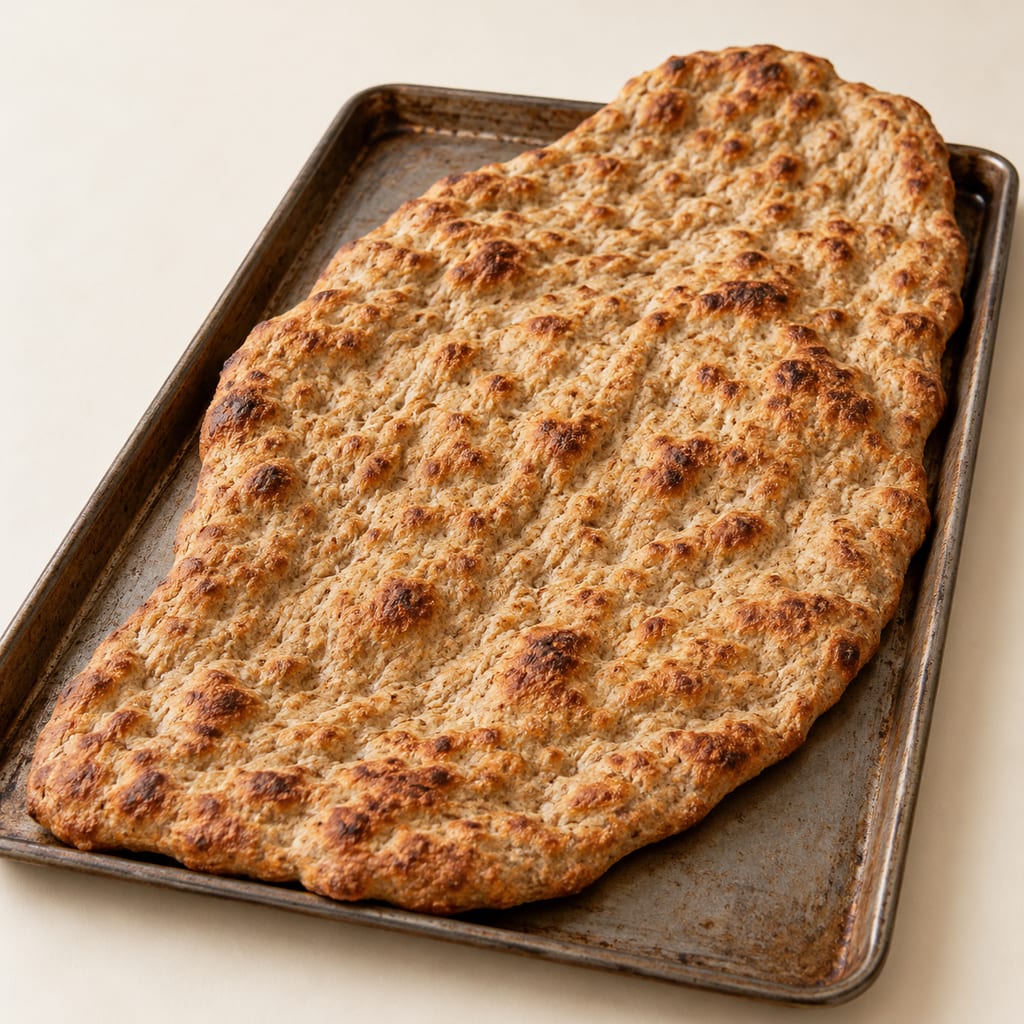
Sangak is a broad, thin Iranian wheat bread known for the impressions left by a pebble-covered baking surface. Encyclopaedia Iranica describes the bakery bread as a long, hand-stretched sheet slid onto a sloping brick oven floor covered with red-hot pebbles. It is not merely dough baked on a flat tray: the pebbles shape its underside, and a practiced baker transfers the sheet with a long-handled board. The traditional bread is commonly eaten with meals such as ab-goosht or kebab.
This version keeps a whole-wheat sourdough dough, a broad hand-stretched shape and a very hot oven, but it is deliberately a home adaptation. The recipe provides an ordinary baking-sheet method without stones. That produces a familiar flatbread shape but cannot reproduce the pebble marks or direct contact with a heated hearth. The equipment choice also keeps the method away from loose stones whose material and dryness have not been verified. Use only the baking-sheet path recorded here.
The recipe is a small one-loaf batch using mostly whole-wheat flour with a smaller amount of all-purpose flour. The whole-wheat portion gives the bread its grain-forward character; the white flour adds a lighter wheat component. A small quantity of honey sweetens the dough, and olive oil is folded in after the first rise. Sesame seeds are optional. The sourdough starter brings the leavening and flavor, but its hydration is not specified, which matters because starter consistency changes the dough’s wetness.
The recipe calls for a starter prepared at least five days ahead and points to a separate starter method. Here, the starter is an already-prepared ingredient, not a second recipe. The dough itself is mixed just until the ingredients come together; there is no kneading. It rises covered for an hour, then receives a series of folds and rests. Starter consistency can make the dough wetter or firmer; the formula gives no hydration level or extra flour amount. Do not turn that uncertainty into an invented fixed addition.
After the first hour, gather the dough’s outer edge toward the center four times to make a ball. Turn it seam-side down, coat it with olive oil and rest it for 30 minutes. Repeat the folds and rests twice more, then fold a fourth time and allow a final 30-minute rest. These repeated folds organize a very slack dough without the long hand-kneading used for firmer bread doughs. They also give the dough several quiet periods in which to relax before shaping.
Stretch the dough directly on the lightly oiled baking sheet, pressing with oiled fingers until it is about ¼ inch thick. The source embraces an irregular outline. That makes a broad home flatbread without requiring the long board and fast transfer used by a sangak baker at a pebble hearth. Add sesame seeds after stretching and lightly oil the top. The instructions do not call for flipping the bread or trying to imprint stones; those steps belong to a different baking surface.
Preheat the oven to 500°F (260°C) while the dough completes its final rest. The baking sheet is lightly oiled and the dough is stretched on it; the sheet-pan route does not ask the cook to preheat the sheet. Drizzle or spray a little more olive oil over the shaped dough and bake for 6 to 9 minutes, until it is just beginning to turn golden. The bread may have some crisp spots but should not be entirely crisp. Since oven performance and dough thickness vary, stay nearby through the short bake and handle the sheet with oven protection.
The short bake is written for a thin sheet of dough; a thicker center will not behave like the edges. The source does not give an internal temperature or another measured doneness test, so none is added here. The dough contains raw flour and should not be tasted before baking. Let the bread cool briefly, then serve warm. Serve it warm with feta, tomato, cucumber and herbs, or use it to wrap kebab.
Sangak is an Iranian flatbread traditionally baked on a sloping oven floor covered with hot pebbles; the pebbles leave impressions in the bread. The home recipe recorded here uses an ordinary baking sheet, so it preserves the dough and shape but not the traditional hearth surface or imprint.
Yield 1 flatbread · Scaling: source batch only
The dough contains uncooked flour and should not be tasted before baking.
Hazard sourceThe oven is preheated to 500°F and the baking sheet will be hot when removed.
Hazard sourceDo not eat raw dough; bake the flatbread before serving and clean hands, utensils and counters after handling flour.
Control sourceUse oven protection and a stable heat-resistant surface when handling the hot baking sheet.
Control sourceThis recorded home method uses an ordinary baking sheet only; it does not use loose hot stones or pebbles.
Both sources identify sangak with Iran. This recipe is a baking-sheet home adaptation, not a claim about exact birthplace or traditional pebble-hearth production.
A yeast-raised Iranian flatbread with a crisp roomal-glazed crust, long grooves and a soft interior.
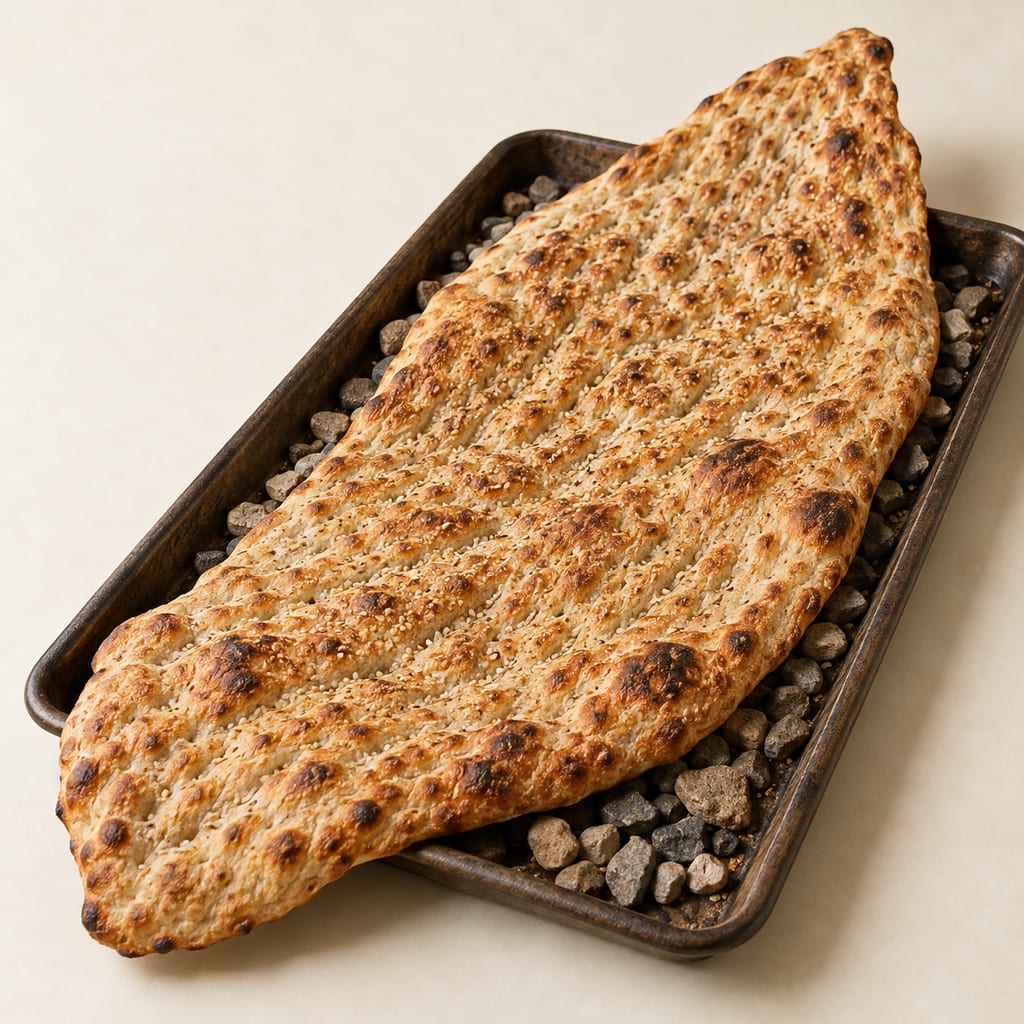
A long, irregular Persian bread baked on a tray of gravel-like stones in a hot oven. This home method uses dried yeast and a mix of wholemeal and bread flour, with an overnight rest.
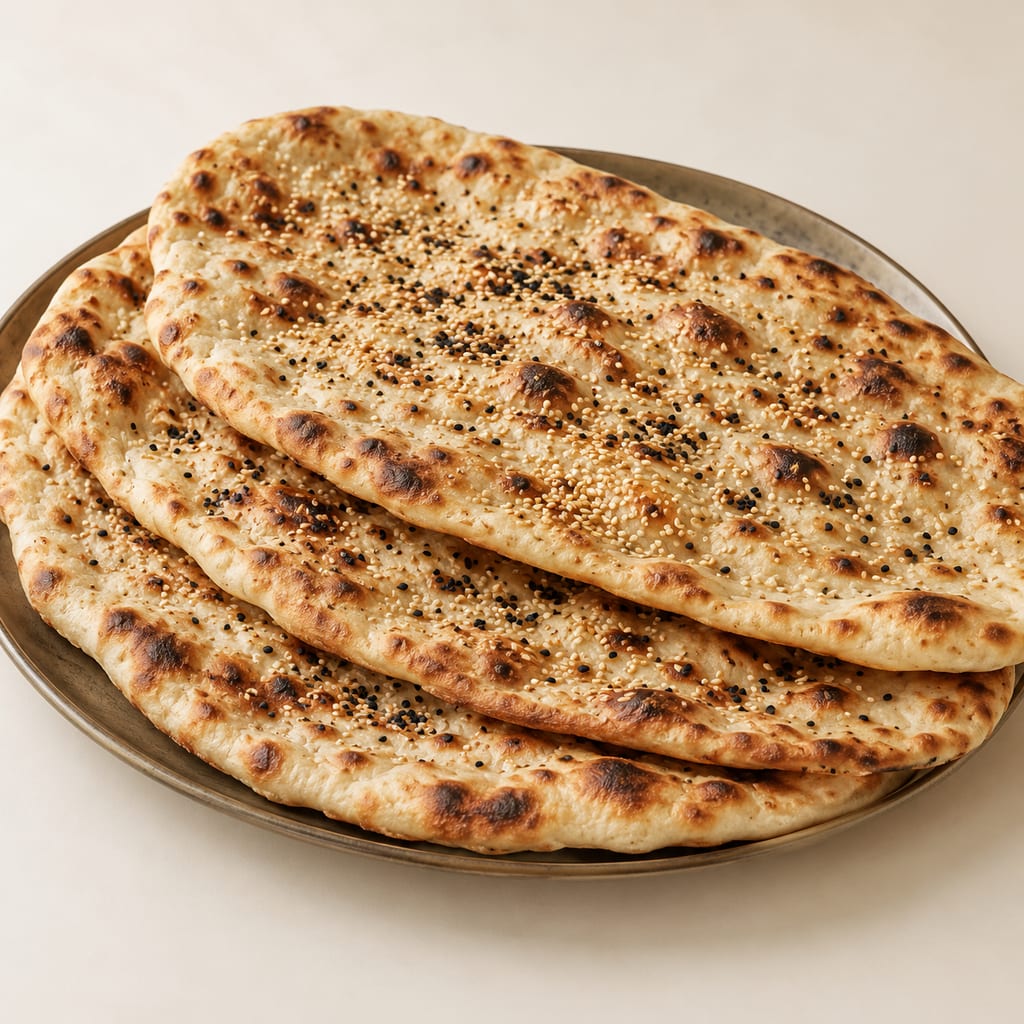
Persian yeast-raised flatbreads, rolled thin, seeded and cooked in a dry skillet.
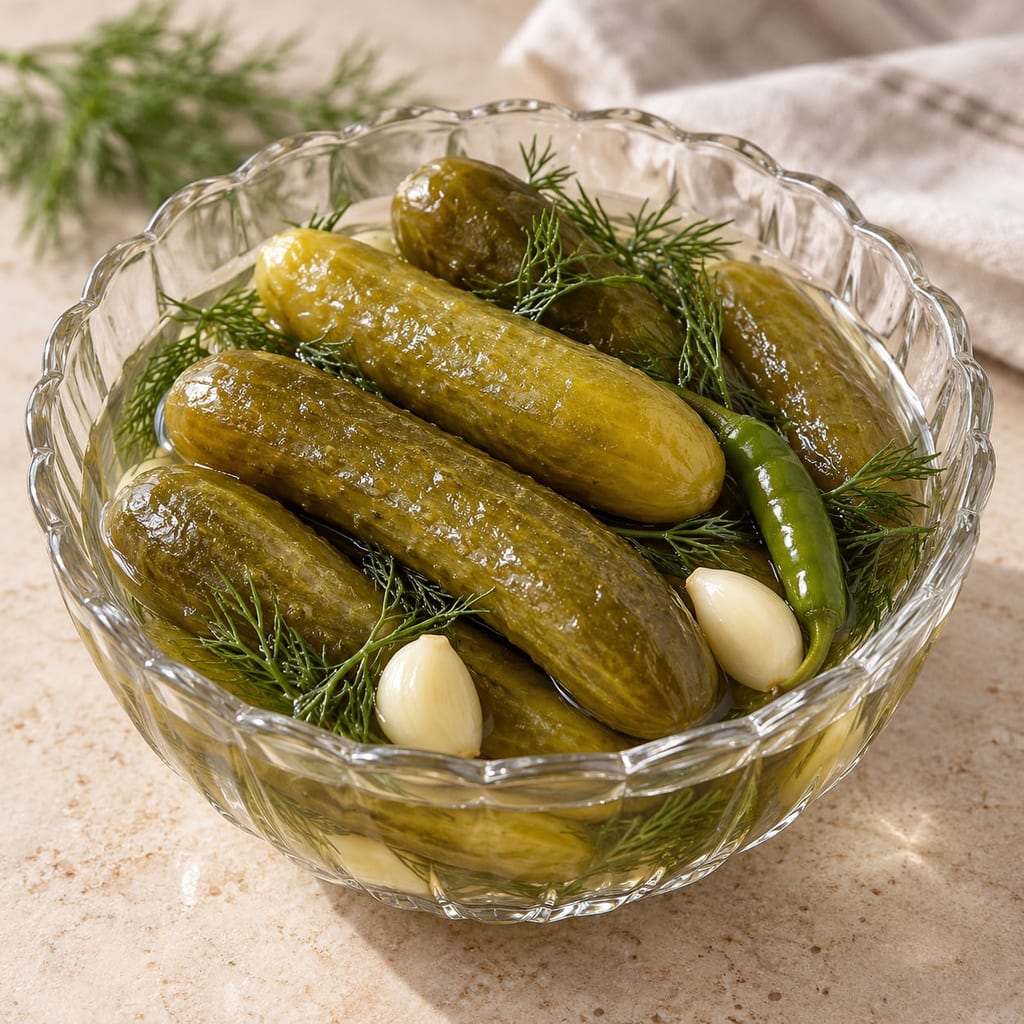
Khiyār shūr is an Iranian cucumber pickle made in several ways; one household account in salt water is set out here, while vinegar recipes and acidified laboratory brines are kept separate.
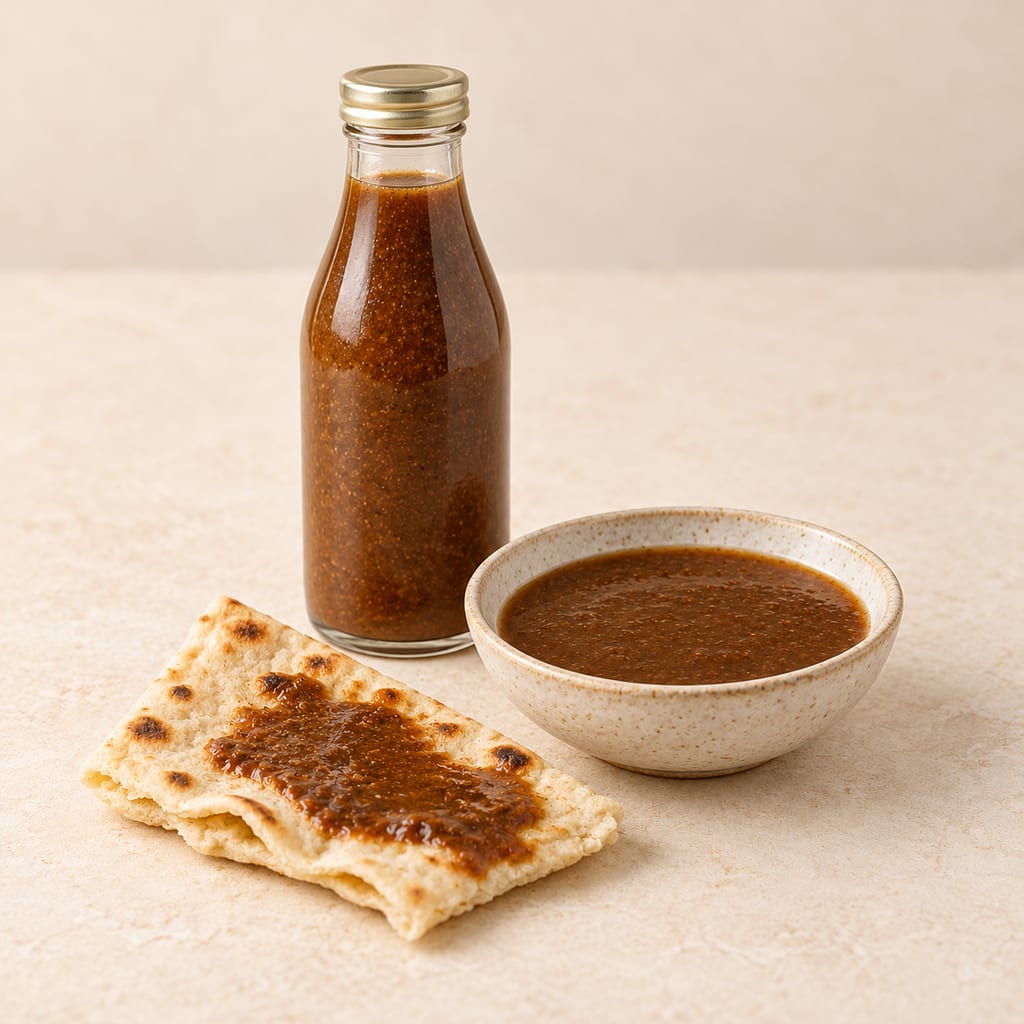
Mahyawa, also written mahyaveh, is a traditional fish sauce from southern Iran, made by salting small sardines or anchovies in water, maturing them in jars and seasoning the filtered liquid with mustard and spices.
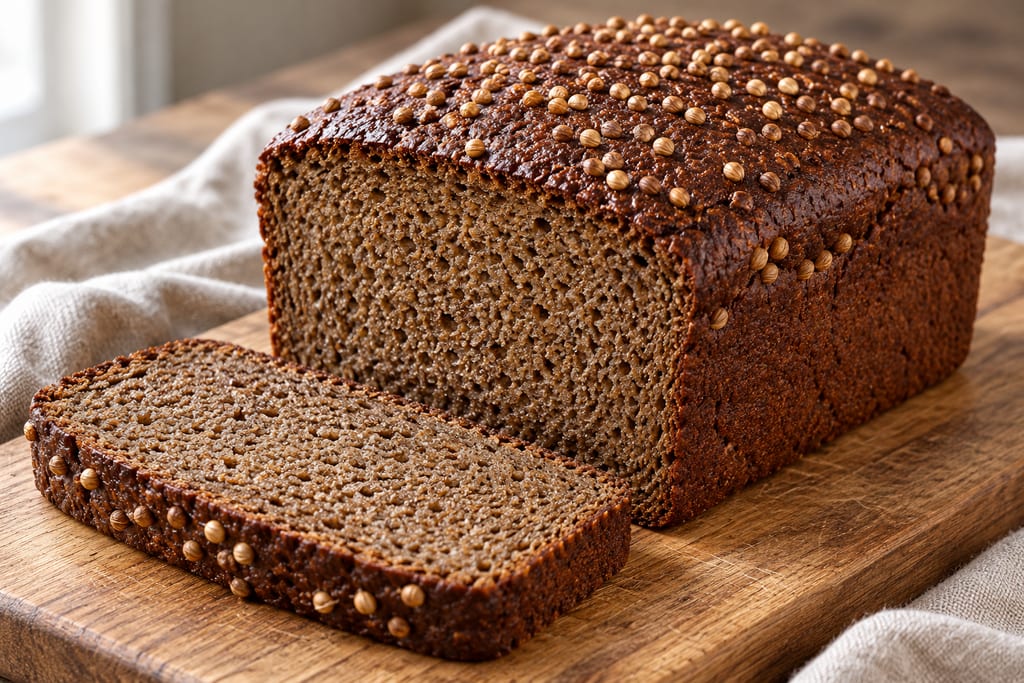
A dark rye sourdough with coriander and roasted barley-malt scald, based on Lily McCann's measured Borodinsk-ish home formula.
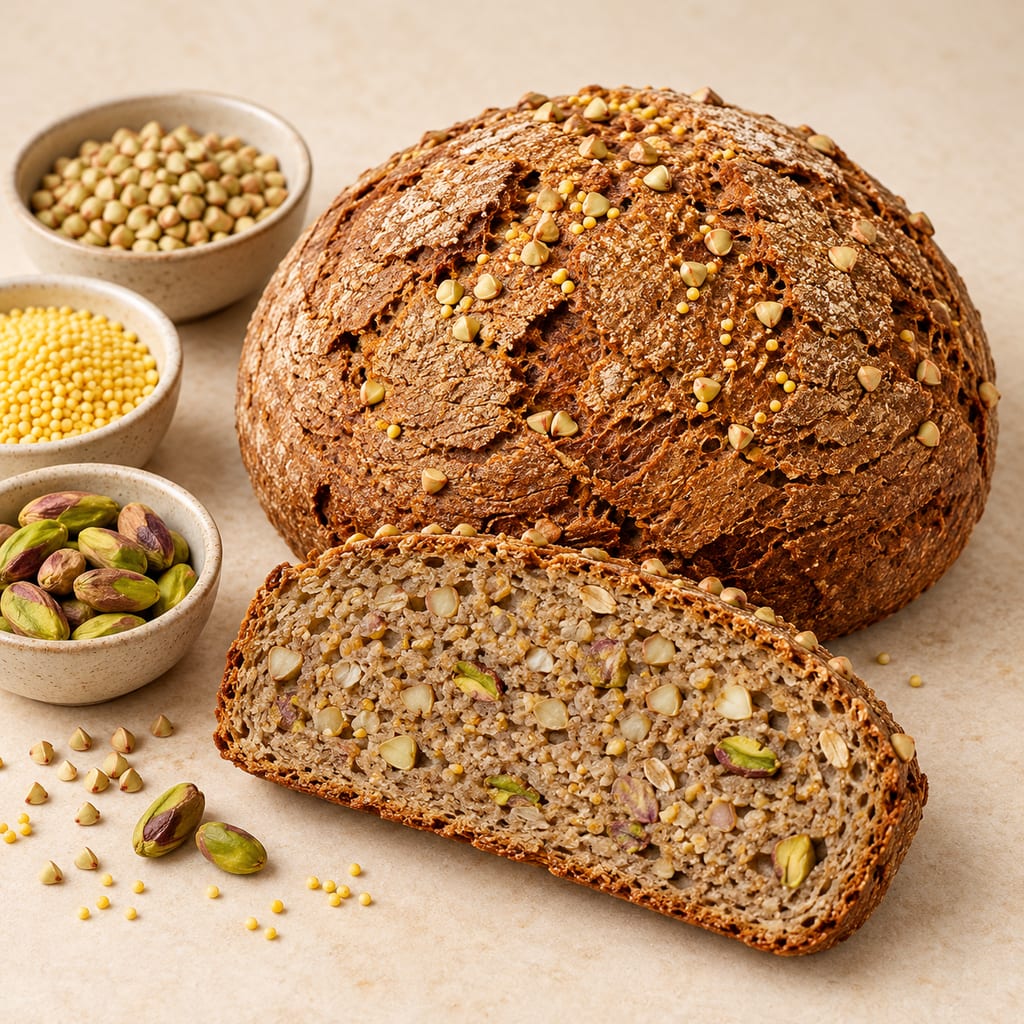
A gluten-free sourdough loaf of about 1 kg. A buckwheat and quinoa starter leavens a dough with cooked whole buckwheat groats, millet and a dark gluten-free bread mix, baked in a lidded pot.
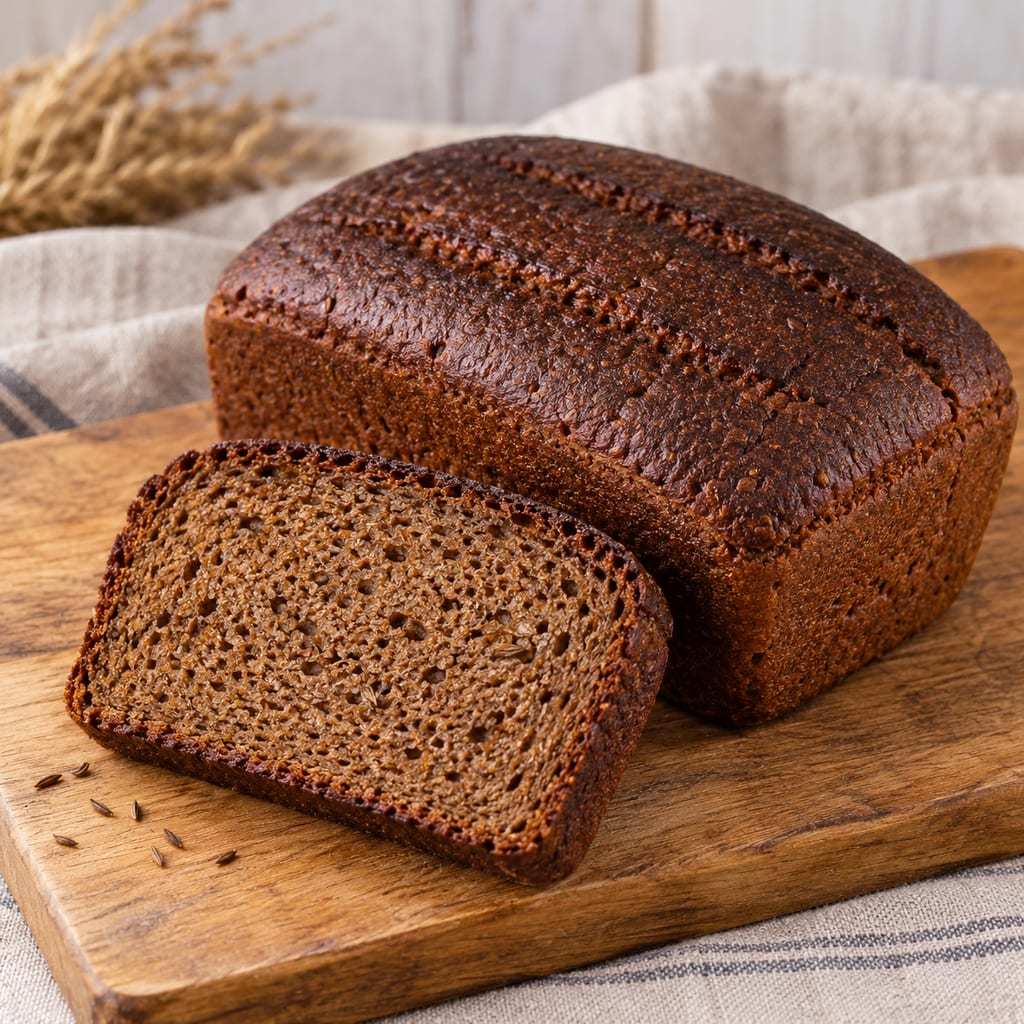
A Lithuanian dark rye loaf made with an overnight rye preferment, caraway, honey and sugar, then proofed in a loaf pan and baked in two stages.
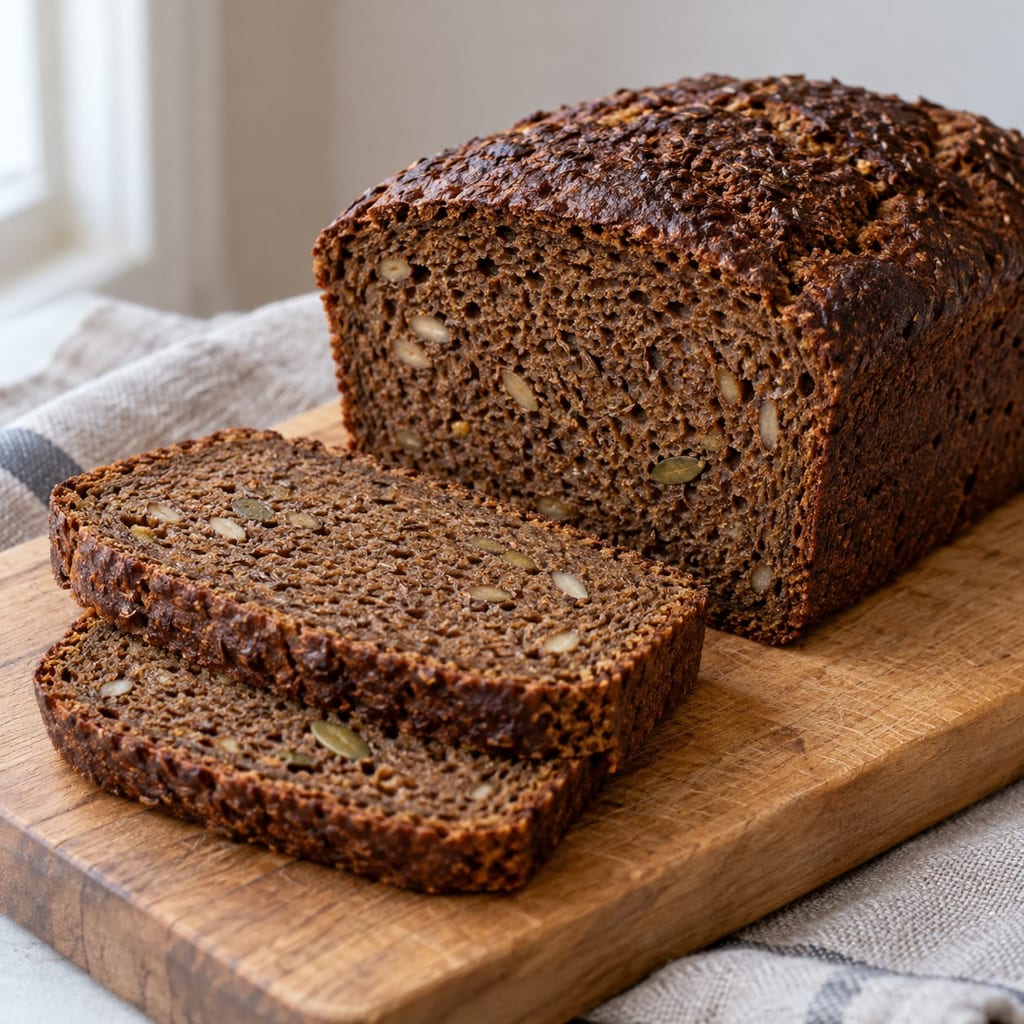
This Estonian rye loaf uses a sourdough preferment, a rye scald and soaked seeds, with a small amount of baker’s yeast. Two tins bake through a staged hot-to-moderate oven schedule.
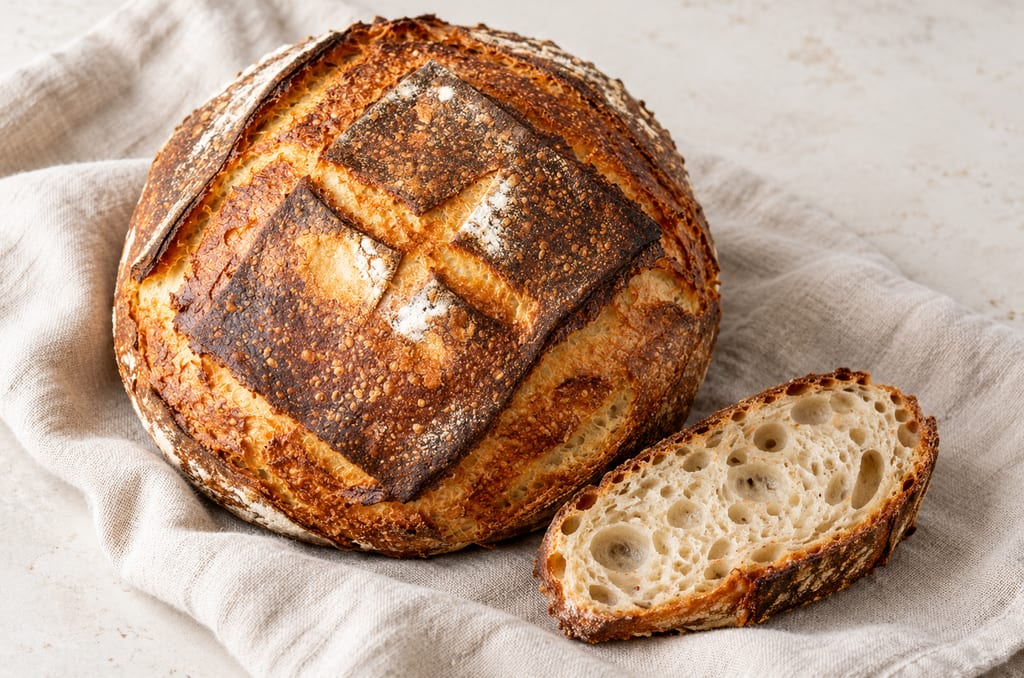
A ripe sourdough starter leavens this modern low-handling loaf. Three hourly folds organize the sticky dough before a long refrigerator rest, final proof and covered bake.
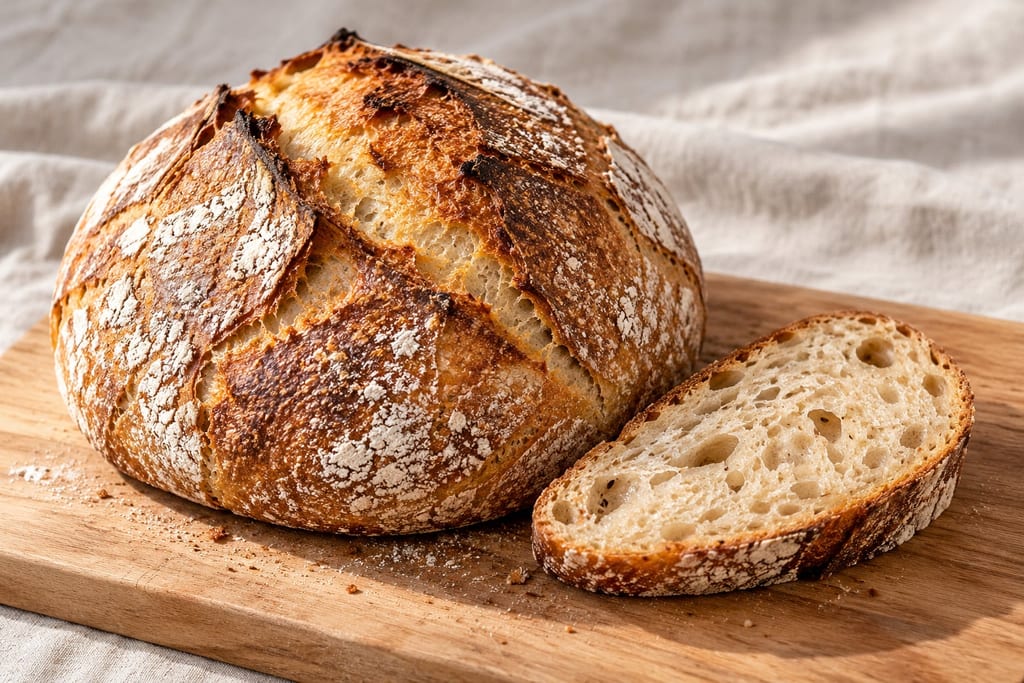
Two large French-style wheat loaves use unfed sourdough starter, whole-wheat flour, long room-temperature fermentation and a covered-pot bake.
This home sourdough adaptation borrows Pan de Cea’s wheat-forward loaf and central fenda while using a domestic oven and a separately documented modern formula.
This household Pan de Cruz adaptation uses sourdough and a folded, tight-crumb wheat dough, marked with a cross and baked in a home oven.
No community contributions have been published for this entry yet.
Sign in to contribute. Published comments and photos are free to read.
Proportional PlateRecipe · Method · Identity · Geography
Sangak (Persian Flatbread)The page describes sangak as an Iranian whole-wheat sourdough flatbread and adapts it for a home oven.
The recipe lists 90 g sourdough starter, 130 g whole-wheat flour, 40 g all-purpose flour, ½ tsp honey, 118 g water, ½ tsp salt, 1 tbsp sesame seeds and 1 tbsp olive oil plus extra.
The method mixes without kneading, rises for one hour, folds the dough four times with three 30-minute rests, then stretches it on an oiled baking sheet to about ¼ inch, oils the top and bakes at 500°F for 6–9 minutes.
The author states the starter should have been begun at least five days ahead and offers a baking-sheet method without stones. The source comments include one report of unusually loose dough; the author replies that starter consistency varies and additional flour may be needed.
Cited in: Iranian bread, adapted for a sheet pan; A small sourdough formula; Folds, rest and stretching; A hot oven and a short bake
Encyclopaedia IranicaIdentity · History · Geography · Traditional method
BreadNan-e sangak is described as a thin Iranian bread about 3–5 mm thick and about 70 cm long, baked on a sloping brick shelf covered with red-hot pebbles that imprint the bread.
The entry describes hand-stretching dough over a long-handled board, sliding it onto the pebble-covered oven floor, baking for a couple of minutes, and eating the bread with foods including ab-goosht and kebab.
Cited in: Iranian bread, adapted for a sheet pan
Centers for Disease Control and PreventionSafety
Raw Flour and DoughUncooked flour can contain germs; do not eat raw dough, and wash hands, utensils and surfaces after handling flour and dough.
Cited in: A hot oven and a short bake
NHSSafety
Burns and scaldsHot cookware and oven-heated items can burn skin.
Cited in: A hot oven and a short bake