Maie
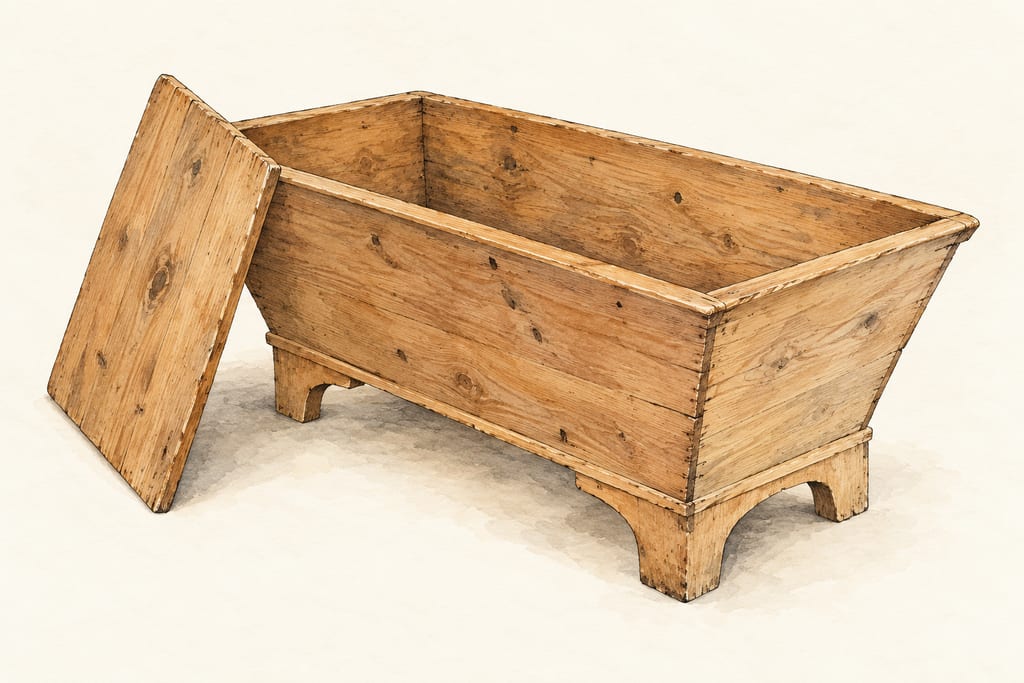
A French maie is a legged wooden chest for hand-kneading bread dough and, in some Auvergnat forms, storing the baked loaves. Its shape and materials vary by region.
 FermenteaWhere food goes to change
Pain de campagne · Country bread · French country bread
Two large French-style wheat loaves use unfed sourdough starter, whole-wheat flour, long room-temperature fermentation and a covered-pot bake.
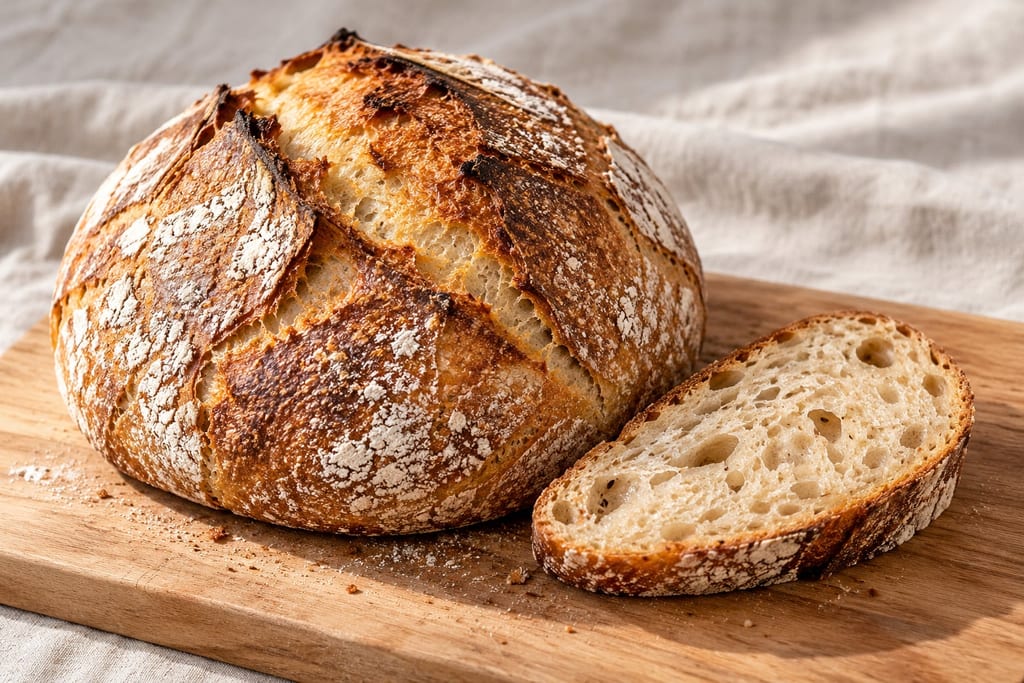
This version of pain de campagne comes from Connecticut home baker Maura Brickman. It combines mostly bread flour with a smaller amount of whole-wheat flour and unfed sourdough starter. The slack dough is strengthened through several folds, rises overnight at room temperature, then receives a long refrigerated proof in two baskets before it bakes in lidded pots.
France.fr describes pain de campagne as a recognizable French bread style, while noting that the name was reportedly coined after the Second World War for an urban loaf with a rustic image. The King Arthur formula is a modern home adaptation; its proportions and process do not define every bread called pain de campagne. The source lists 21 hours 5 minutes total, though its detailed timed rests, optional proof and baking schedule are difficult to reconcile with that total.
Mix the two flours, tepid water, salt and unfed starter until no dry flour remains. The dough may feel loose. Cover it for 15 minutes. With a wet hand, lift and fold each of its four sides into the centre. Repeat that fold three times in all, leaving 15 minutes between rounds; the dough should become smoother and stronger as you work.
Cover the bowl or bucket tightly and leave it near 22°C for about 12 hours. A mark on the container helps you see how far it has risen. Divide the dough into two pieces, round them gently and rest them seam-side down for 10 minutes.
Dust two lined brotforms or towel-lined bowls with whole-wheat flour. Shape each piece into a tight round and place it seam-side up. Cover the baskets. If the bulk dough has doubled or nearly doubled, refrigerate the shaped loaves right away; if it rose more slowly, leave them at room temperature for 30–60 minutes first. The cold proof lasts 8–12 hours.
The source offers this as a flexible schedule, not a universal rise test for every starter or kitchen. Keep the loaves covered during the proof so their surface does not dry out.
Preheat two lidded Dutch ovens in the lower third of the oven to 500°F (260°C) for 45 minutes. Use pots rated for that heat. Turn each loaf onto parchment, score it, then use the parchment to lower the dough into the hot pot. Put the lids on and reduce the oven to 450°F (232°C). Bake covered for 20 minutes, then uncover and bake for another 20–25 minutes until the loaves are deep golden brown.
Raw flour can carry harmful bacteria, so do not taste the dough and clean hands and tools after mixing. The pots and lids are extremely hot; use dry oven gloves and keep arms clear as you load and uncover them. Cool the loaves completely on racks before slicing.
France.fr reports that the name pain de campagne was coined after the Second World War as an urban label for a rustic-style loaf, rather than as a claim that the bread originated in the countryside. That account dates the name's modern framing, not the first use of every related loaf.
Yield 2 large loaves · Scaling: source batch only
The dough contains uncooked flour before baking; raw dough should not be tasted.
Hazard sourceThe recipe heats lidded cast-iron pots to 500°F (260°C) and requires transferring dough into them.
Hazard sourceDo not taste raw dough; clean hands and equipment after handling flour.
Control sourceUse dry oven gloves and keep hands and forearms clear when moving the preheated Dutch ovens and lowering the loaves into them.
Control sourceDo not taste raw flour dough.
The Dutch ovens and lids become extremely hot; use dry oven gloves when handling them.
Contains wheat gluten.
France.fr describes pain de campagne as a French country-style bread. This King Arthur home formula is a modern U.S. adaptation, not a regulated product specification or claim of rural origin.
A French maie is a legged wooden chest for hand-kneading bread dough and, in some Auvergnat forms, storing the baked loaves. Its shape and materials vary by region.
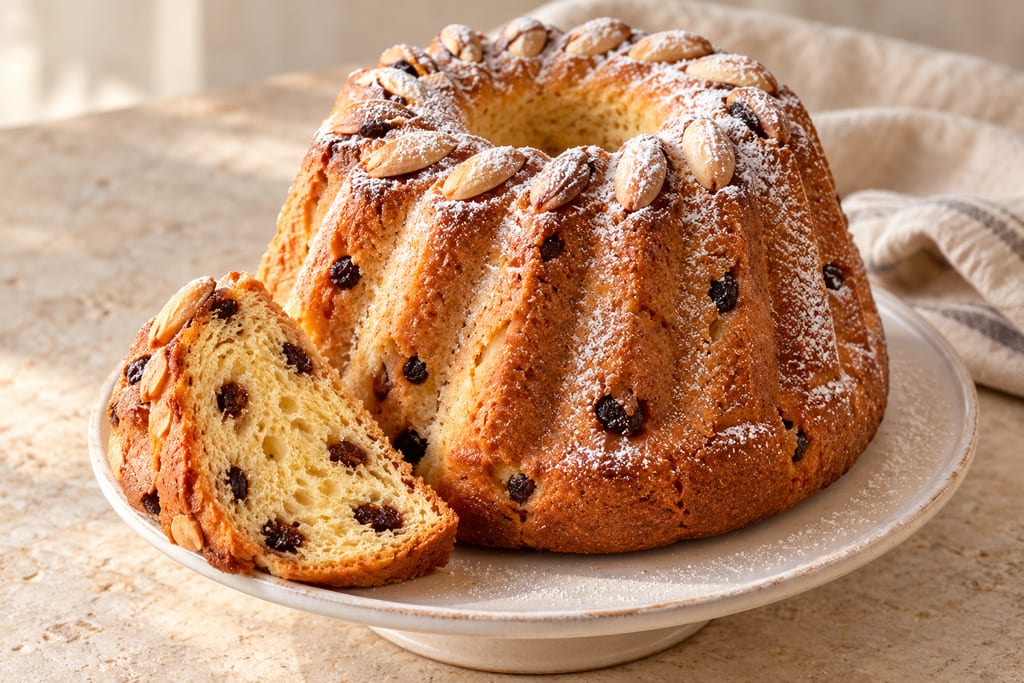
An enriched Alsatian yeast ring with raisins and almonds, kneaded with butter, proofed in a fluted mould and baked until browned.
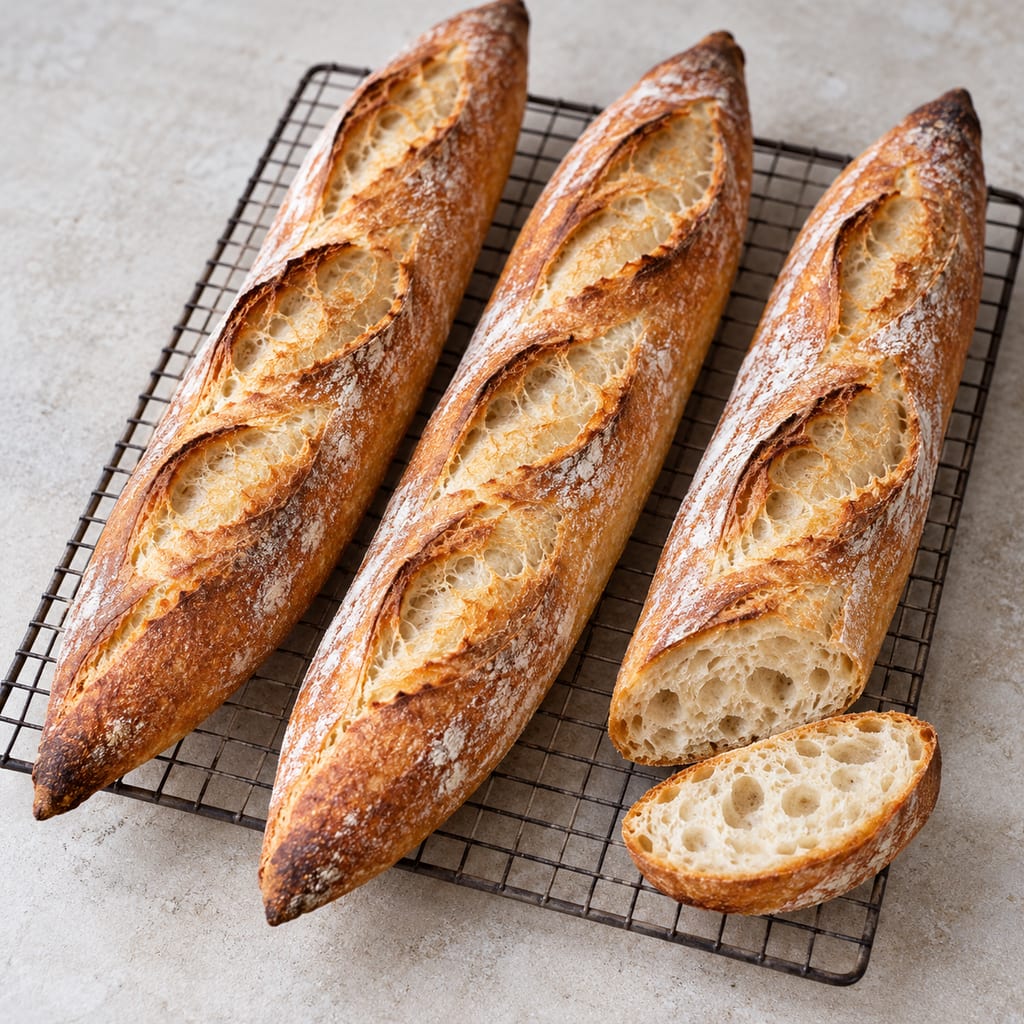
Three long, crusty wheat loaves made with an overnight yeast poolish, shaped by hand and baked with steam for a crisp crust.
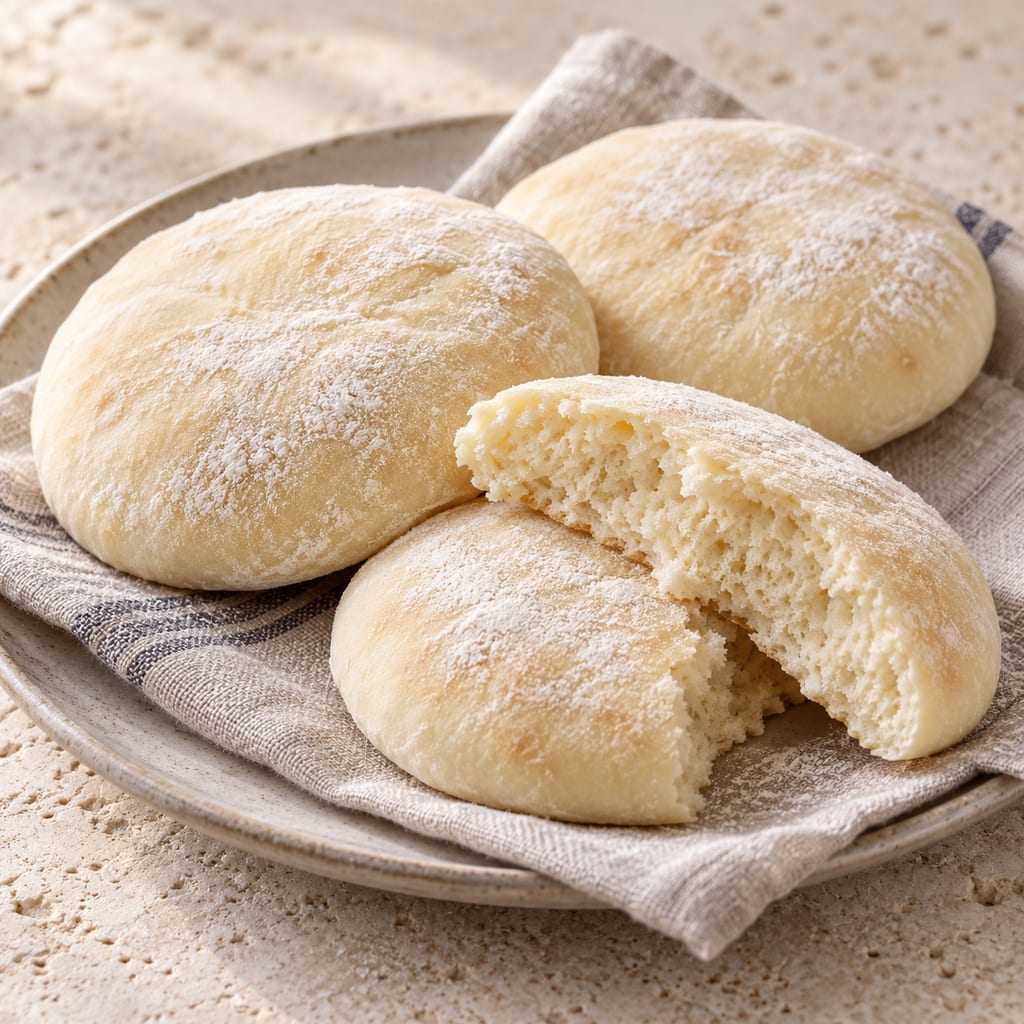
A pale, softly baked, low-profile bread associated with northern France and Tournai. This source-specific household method makes four large faluches; it differs from older accounts of leftover bread dough baked during communal bread baking.
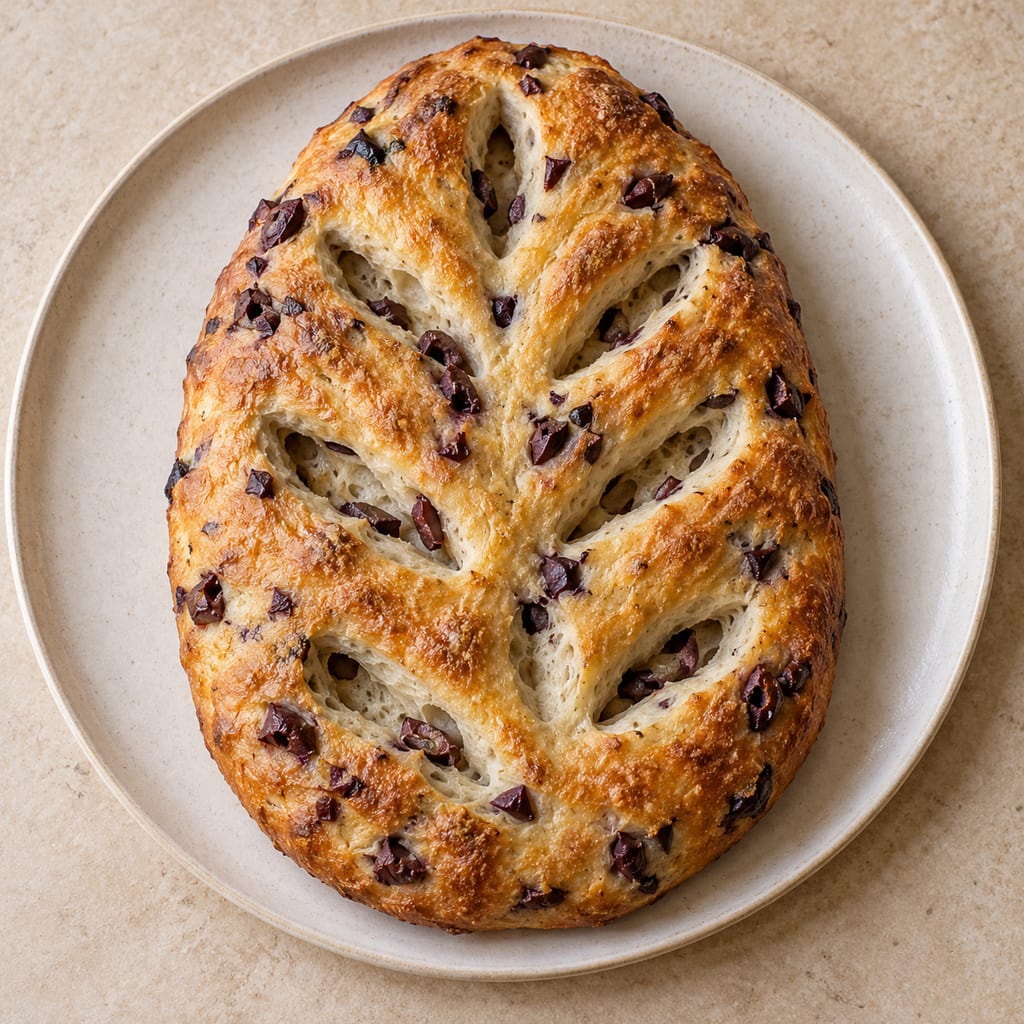
A Provençal olive bread shaped as a flattened oval with seven open slits. This Le Cordon Bleu formula uses wheat flour, fresh yeast, olive oil and Kalamata olives.
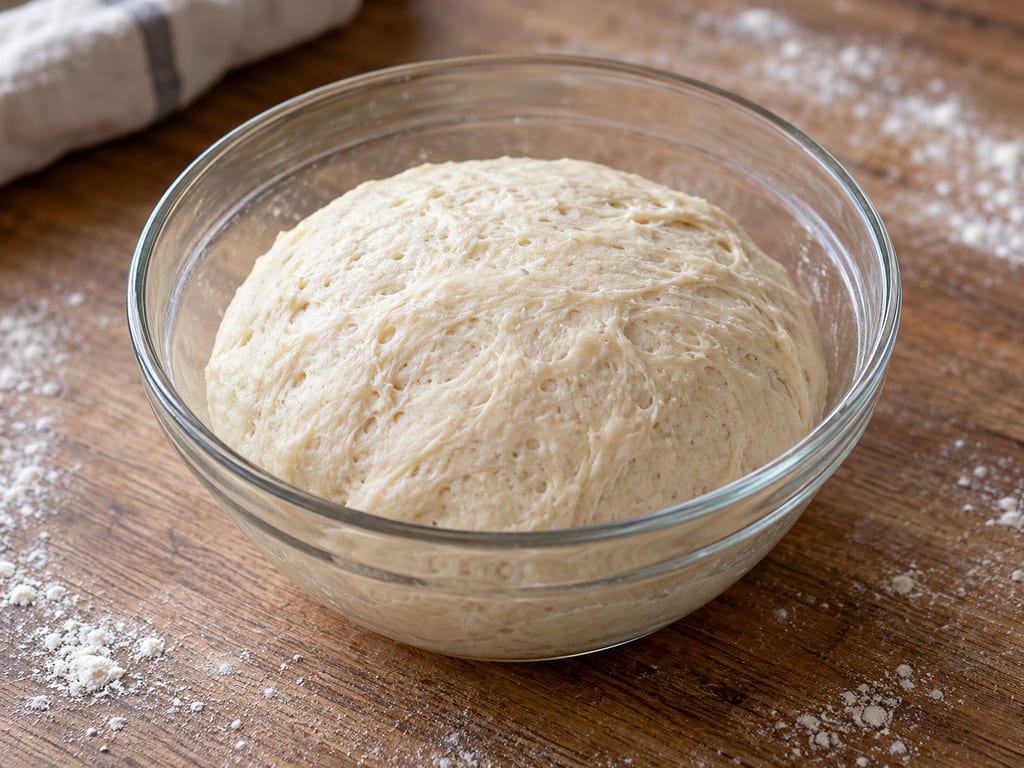
Pâte fermentée is a bread preferment made from salted, yeasted dough set aside to ferment and mixed into a later batch, carrying developed dough and fermentation products with it.
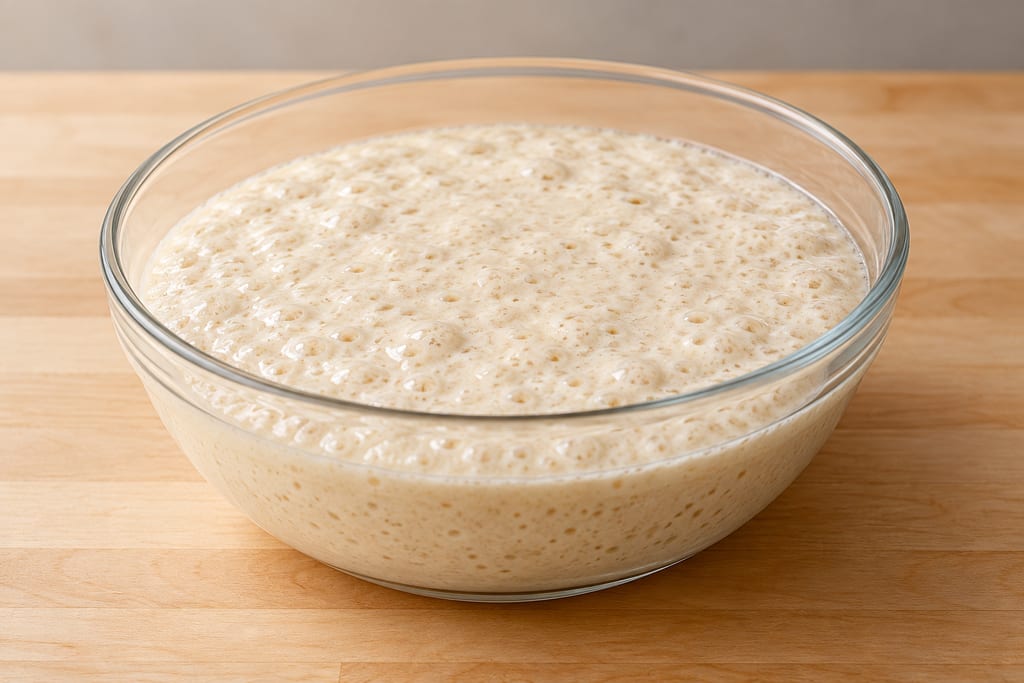
Poolish is a loose, unsalted bread preferment of roughly equal weights of wheat flour and water with a pinch of baker's yeast, left to ripen before it goes into the final dough.
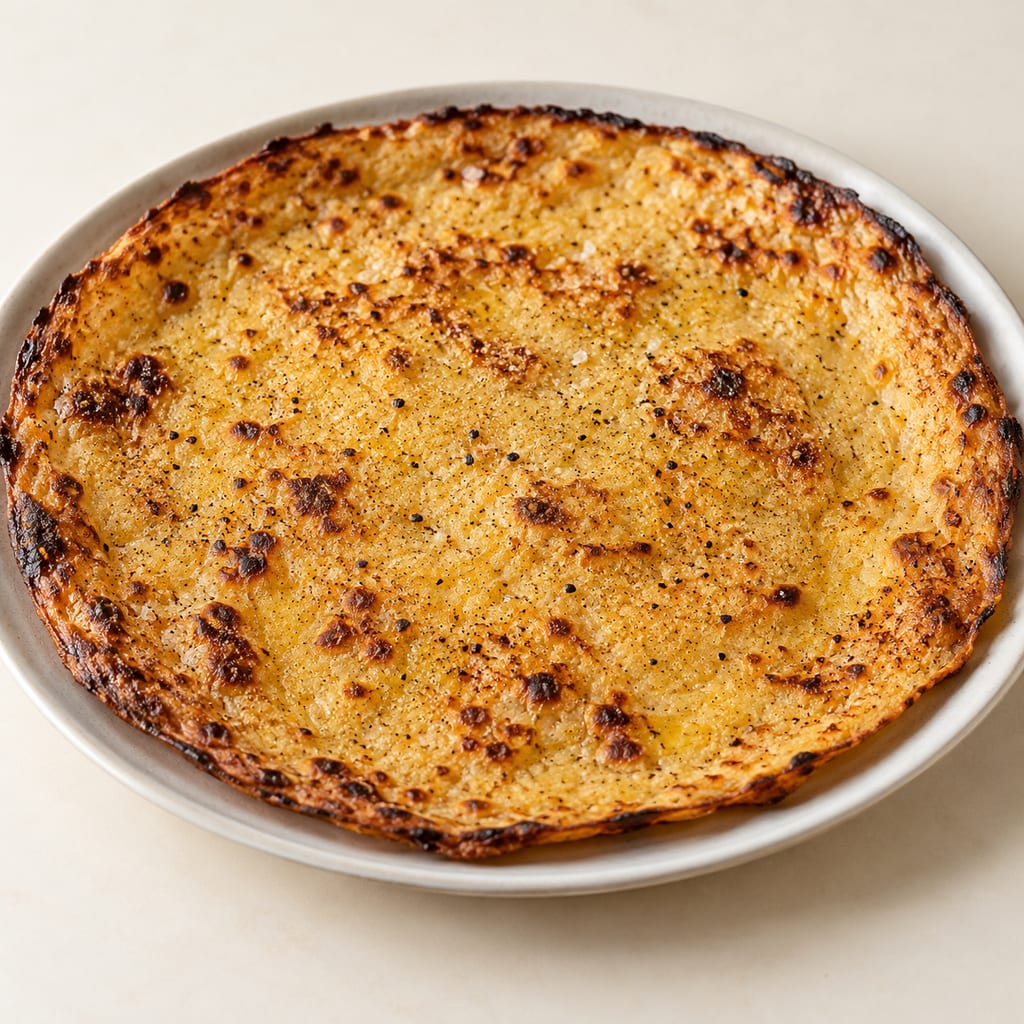
Socca is a thin chickpea-batter pancake from Nice, cooked on a very hot copper plate and served piping hot. This page follows the Nice source; the Genoa farinata formula, which conflicts on water quantity, is not blended in.
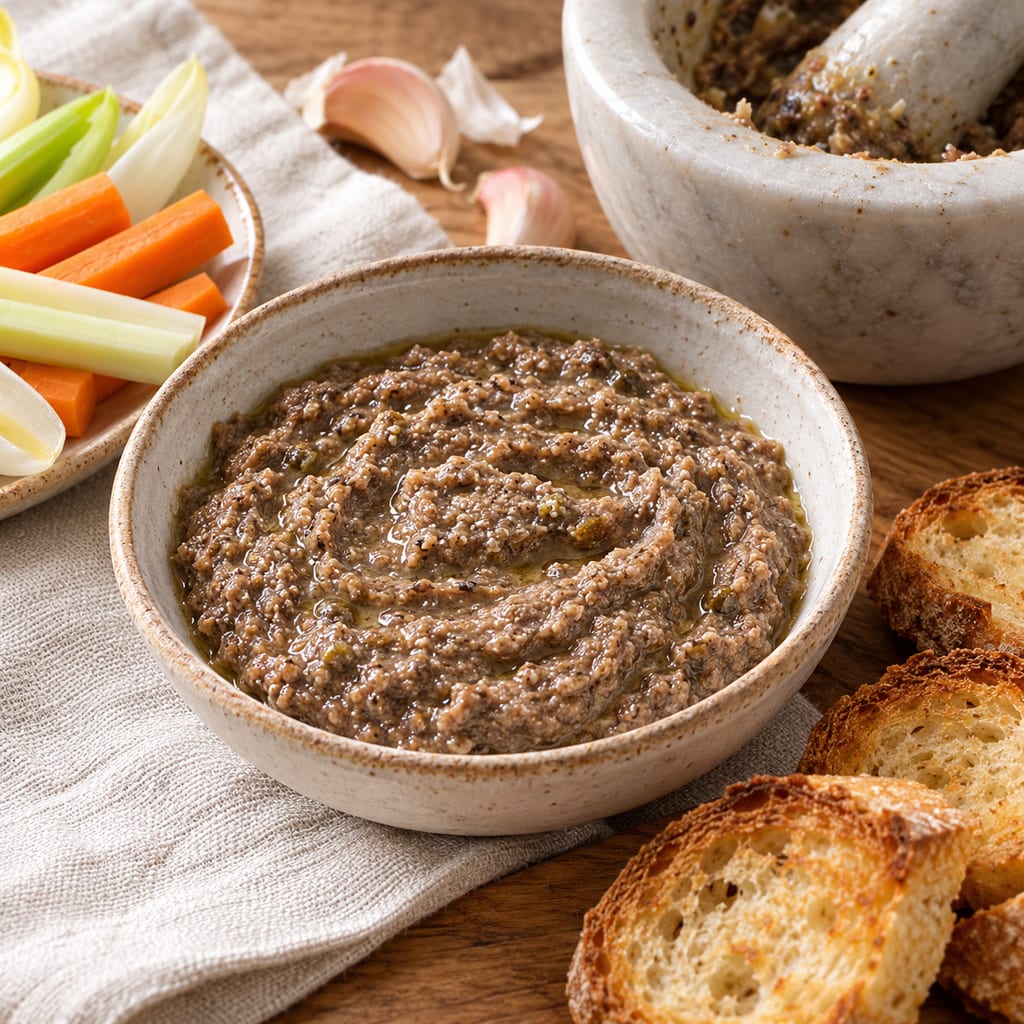
A Provencal dip of anchovies, garlic, capers and olive oil, pounded or blended to a creamy paste and served with raw vegetables, bread and eggs.
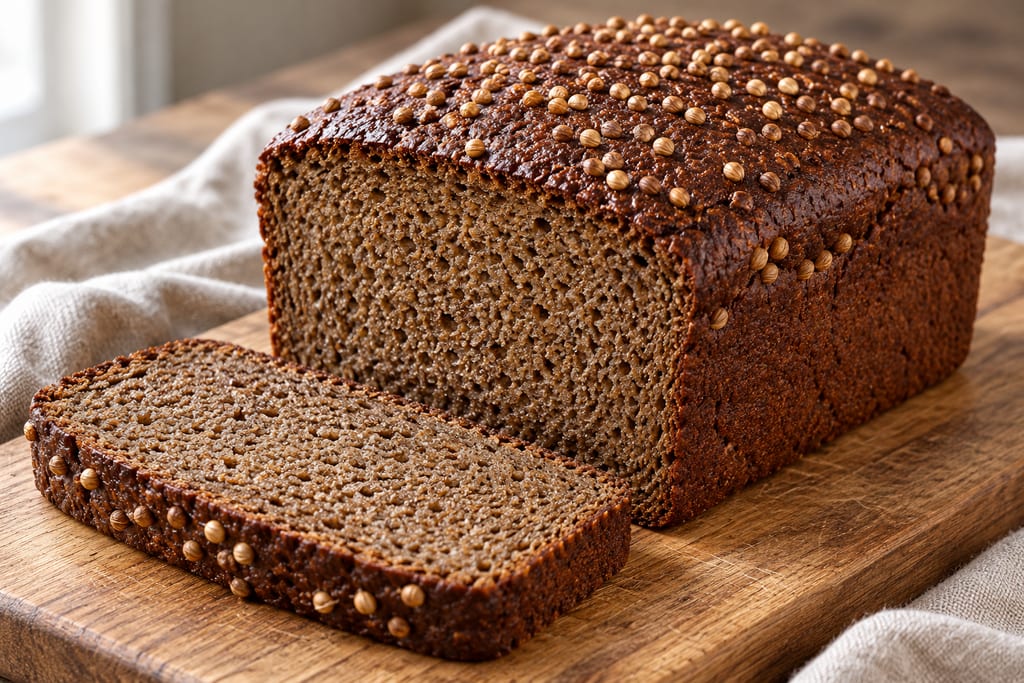
A dark rye sourdough with coriander and roasted barley-malt scald, based on Lily McCann's measured Borodinsk-ish home formula.
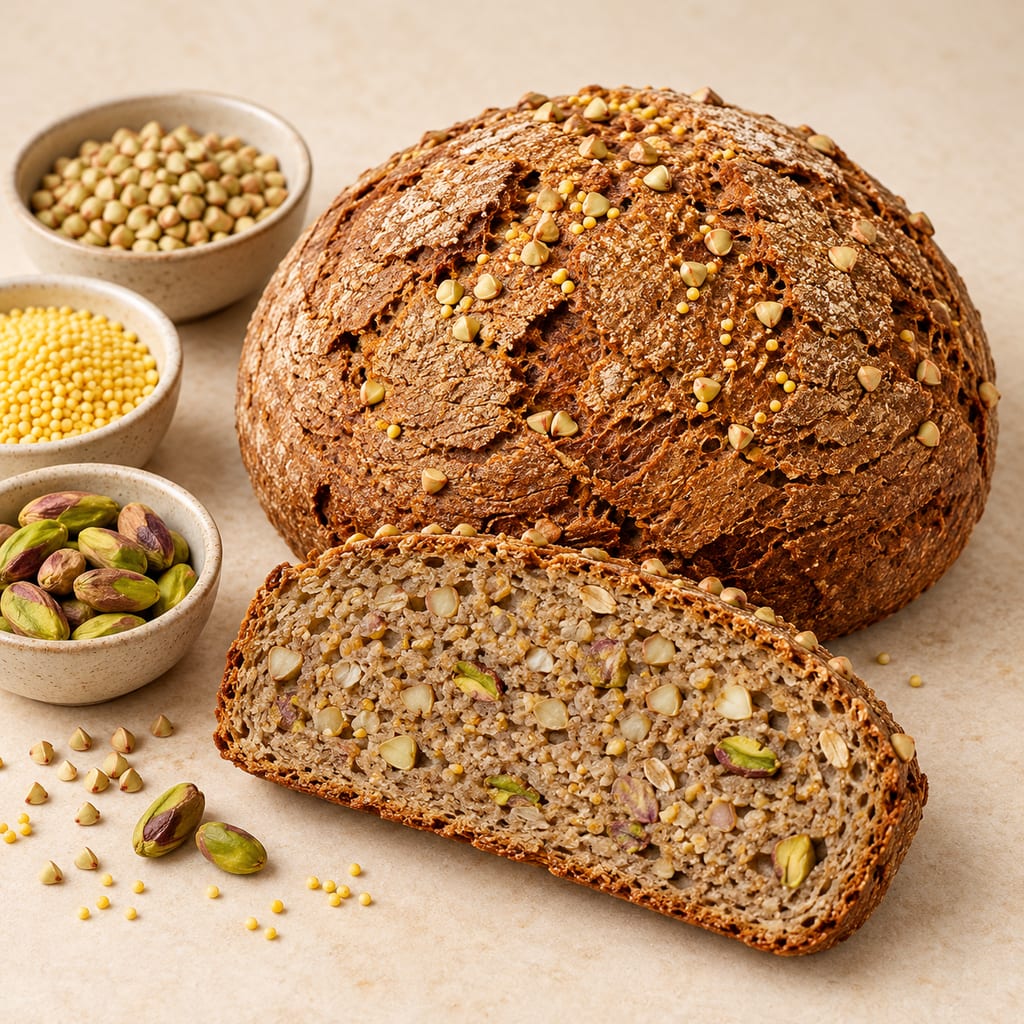
A gluten-free sourdough loaf of about 1 kg. A buckwheat and quinoa starter leavens a dough with cooked whole buckwheat groats, millet and a dark gluten-free bread mix, baked in a lidded pot.
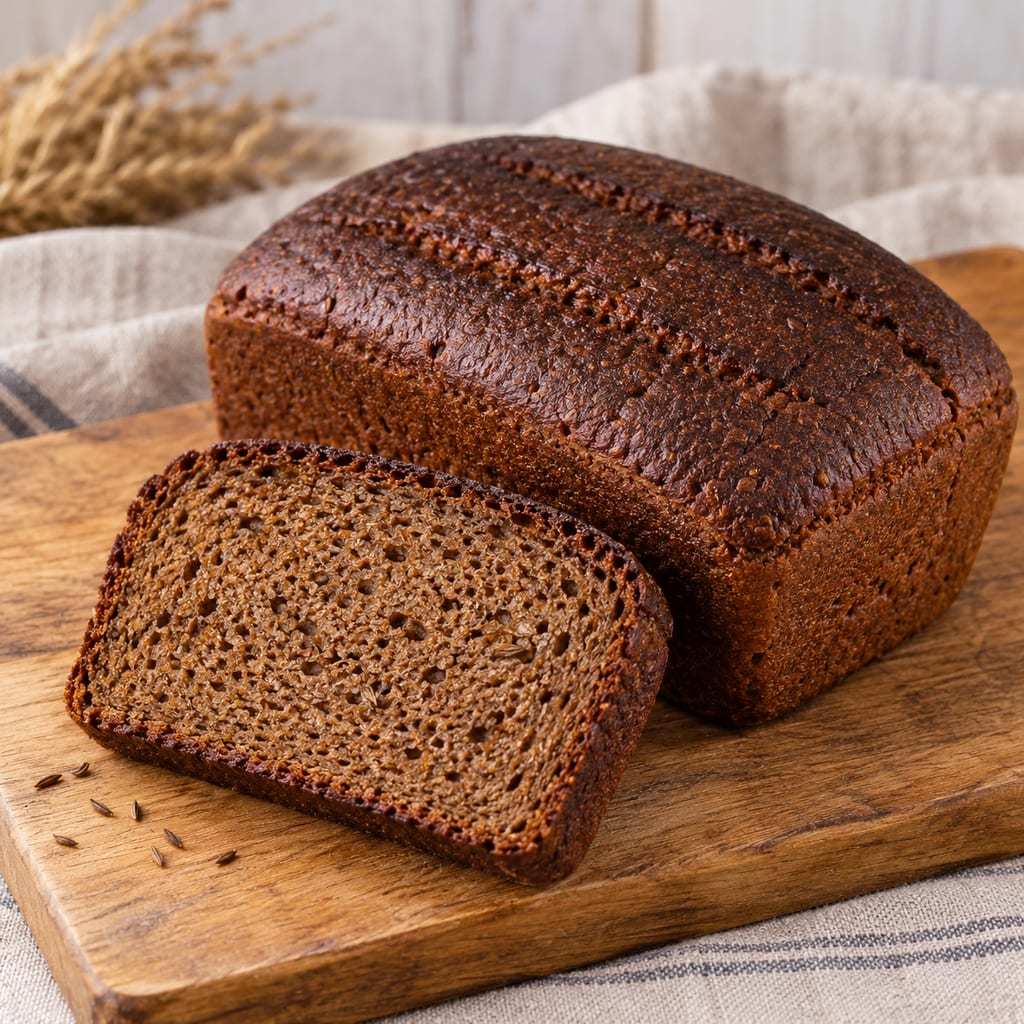
A Lithuanian dark rye loaf made with an overnight rye preferment, caraway, honey and sugar, then proofed in a loaf pan and baked in two stages.
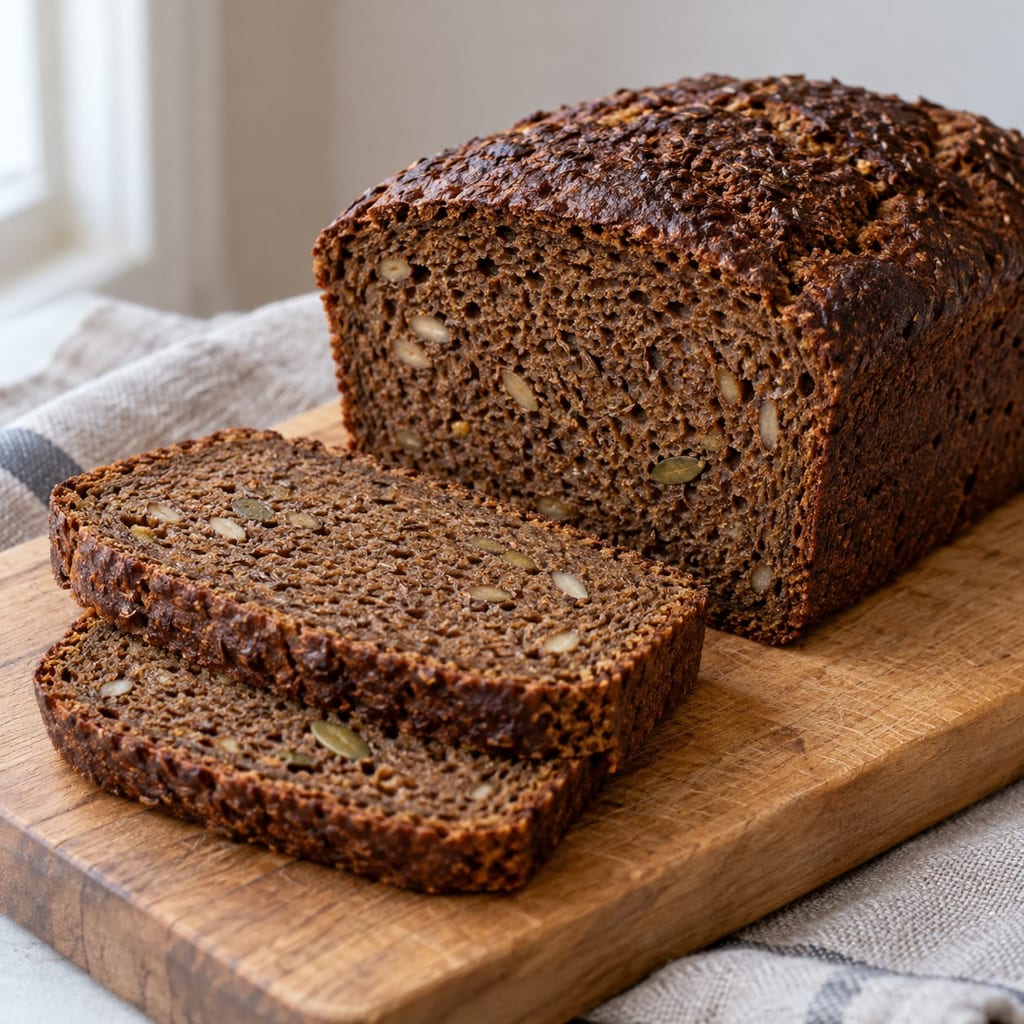
This Estonian rye loaf uses a sourdough preferment, a rye scald and soaked seeds, with a small amount of baker’s yeast. Two tins bake through a staged hot-to-moderate oven schedule.
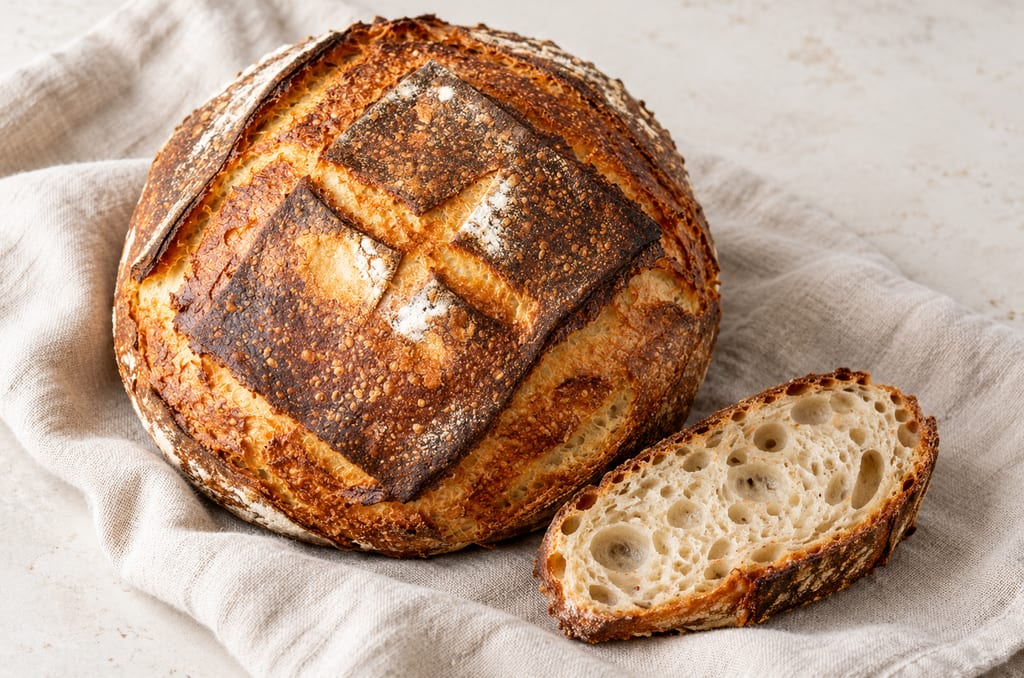
A ripe sourdough starter leavens this modern low-handling loaf. Three hourly folds organize the sticky dough before a long refrigerator rest, final proof and covered bake.
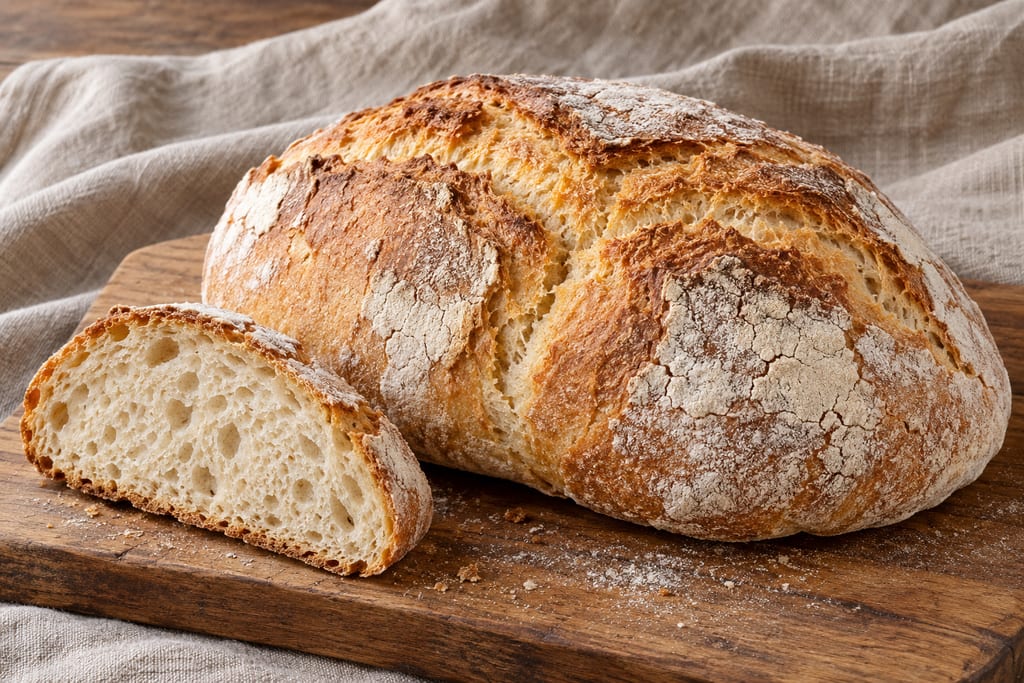
This home sourdough adaptation borrows Pan de Cea’s wheat-forward loaf and central fenda while using a domestic oven and a separately documented modern formula.
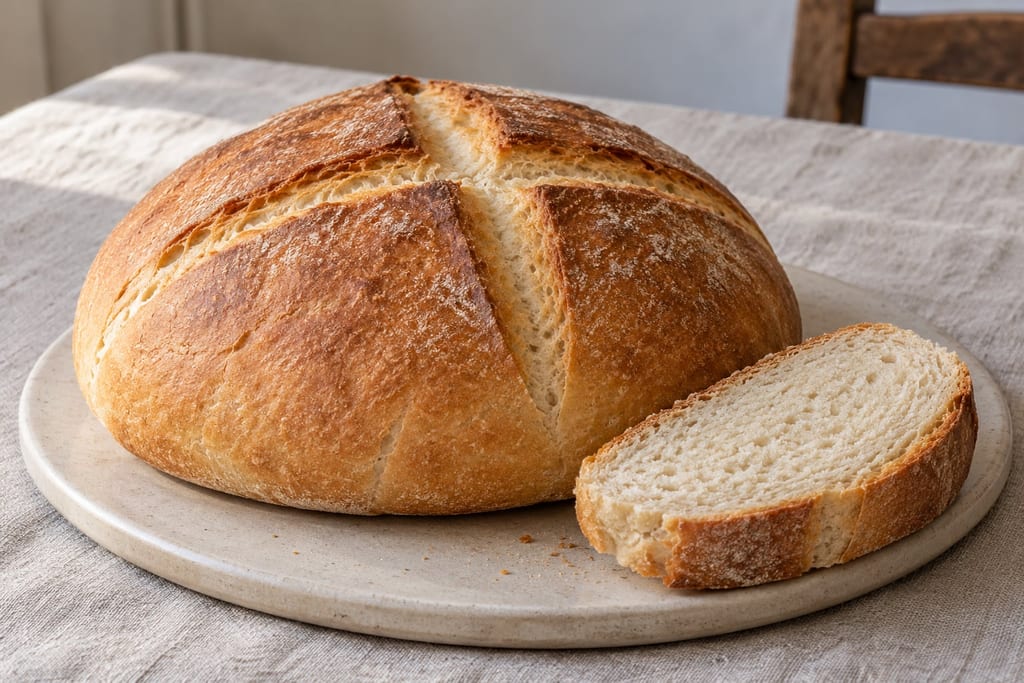
This household Pan de Cruz adaptation uses sourdough and a folded, tight-crumb wheat dough, marked with a cross and baked in a home oven.
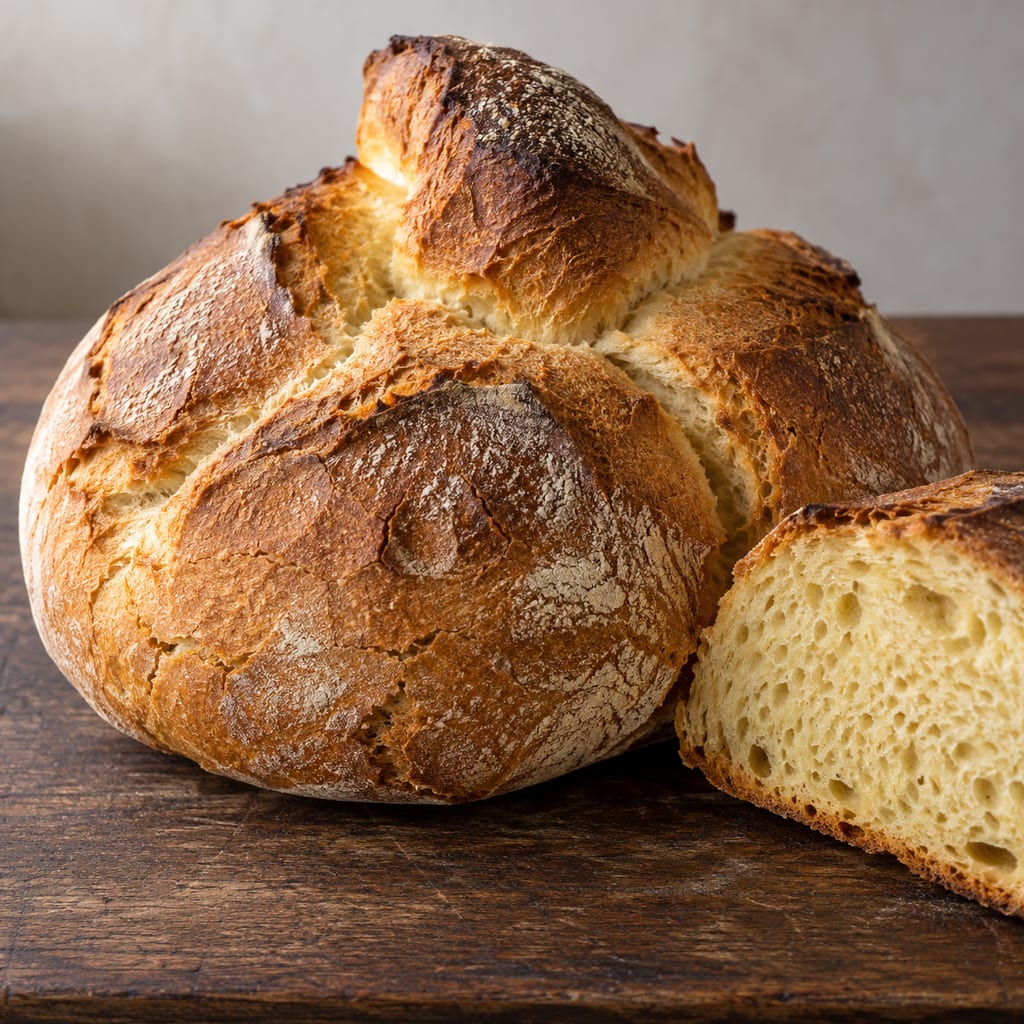
A protected durum-wheat sourdough bread documented by a commercial production specification. The official 100 kg batch and oven process are recorded without inventing a household scale.

Soft, spreadable Calabrian pork sausage made with a great deal of red chilli and fatty pork, stuffed into natural casings, sometimes smoked and matured while staying soft.

A way to add independent temperature logging to an existing food dehydrator without changing its built-in controls or protections. It is a monitoring method, not a rewiring plan.

Pleurotus cystidiosus is the abalone mushroom, a cultivated oyster-type fungus with dark brown caps that grows more slowly and is more demanding than other Pleurotus species.

A dark, balanced vinegar from Emilia-Romagna made by combining cooked or concentrated grape must with wine vinegar, then acetifying and refining it in wood under a protected specification.

A living dairy inoculum that starts controlled cream fermentation, developing acidity and aroma before sour cream or cultured butter is finished.

A small electric incubator holds jars at a selected temperature for yogurt and other documented warm food preparations. Controls, capacity and vessel arrangement vary by model.

Adygean salt is a seasoned table salt associated with Adygea and the wider North Caucasian culinary tradition. Salt is blended with garlic and a variable selection of herbs and spices; the exact mix depends on the named style and maker.

The African Caesar-group mushroom, Amanita masasiensis, is a wild ectomycorrhizal species of central and southern African woodlands, eaten locally. The genus contains deadly poisonous species, so identification needs care.
No community contributions have been published for this entry yet.
Sign in to contribute. Published comments and photos are free to read.
King Arthur BakingInspiration · Method · Geography
Pain de Campagne (Country Bread)The recipe yields two large loaves from 900 g bread flour, 100 g whole-wheat flour, 800 g tepid water, 20 g table salt and 40 g unfed sourdough starter.
The dough rests and is folded three times at 15-minute intervals, then rises for about 12 hours at roughly 72°F; the shaped loaves receive an optional 30–60 minute room rest and an 8–12 hour refrigerator proof.
The recipe uses two lidded Dutch ovens preheated to 500°F, then bakes covered at 450°F for 20 minutes and uncovered for another 20–25 minutes.
The source permits halving all quantities for a one-loaf batch and gives only general leftover storage guidance.
After the initial 15-minute rest, the source schedules three sets of folds at 15-minute intervals across 45 minutes; it does not add a rest after the final fold.
Cited in: A French-style country loaf; Mix, fold and let the dough rise; Shape and proof the loaves; Bake in covered pots
Explore France / Atout FranceGeography · History
5 minutes pour tout savoir sur le pain françaisFrance.fr describes pain de campagne as a French bread with a round or oblong form, rye flour and a slightly acidic taste.
The article says the name pain de campagne was coined after the Second World War as an urban label intended to evoke a rustic loaf and distinguish it from industrial breads; the claim is attributed to the article, not treated as a precise first-documentation date.
Cited in: A French-style country loaf
U.S. Food and Drug AdministrationSafety
Handling Flour Safely: What You Need to KnowRaw flour can carry harmful bacteria; do not taste uncooked dough and clean hands and utensils after handling flour.
Cited in: Bake in covered pots