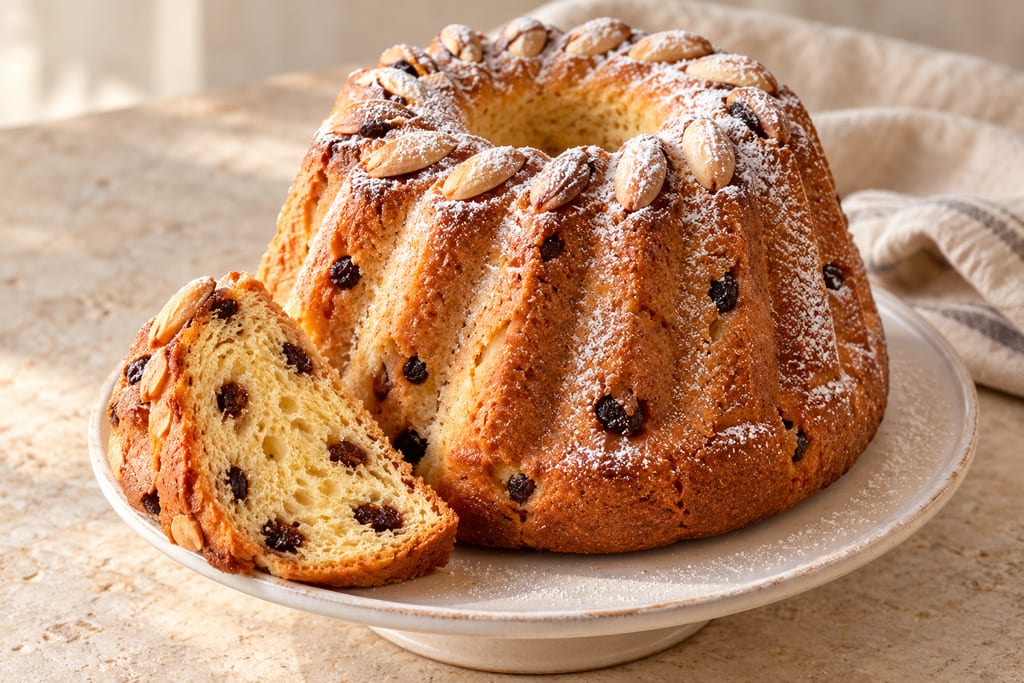
Alsatian kouglof
An enriched Alsatian yeast ring with raisins and almonds, kneaded with butter, proofed in a fluted mould and baked until browned.
 FermenteaWhere food goes to change
Traditional method
Faluche · Faluche du Nord · Falluiche
A pale, softly baked, low-profile bread associated with northern France and Tournai. This source-specific household method makes four large faluches; it differs from older accounts of leftover bread dough baked during communal bread baking.
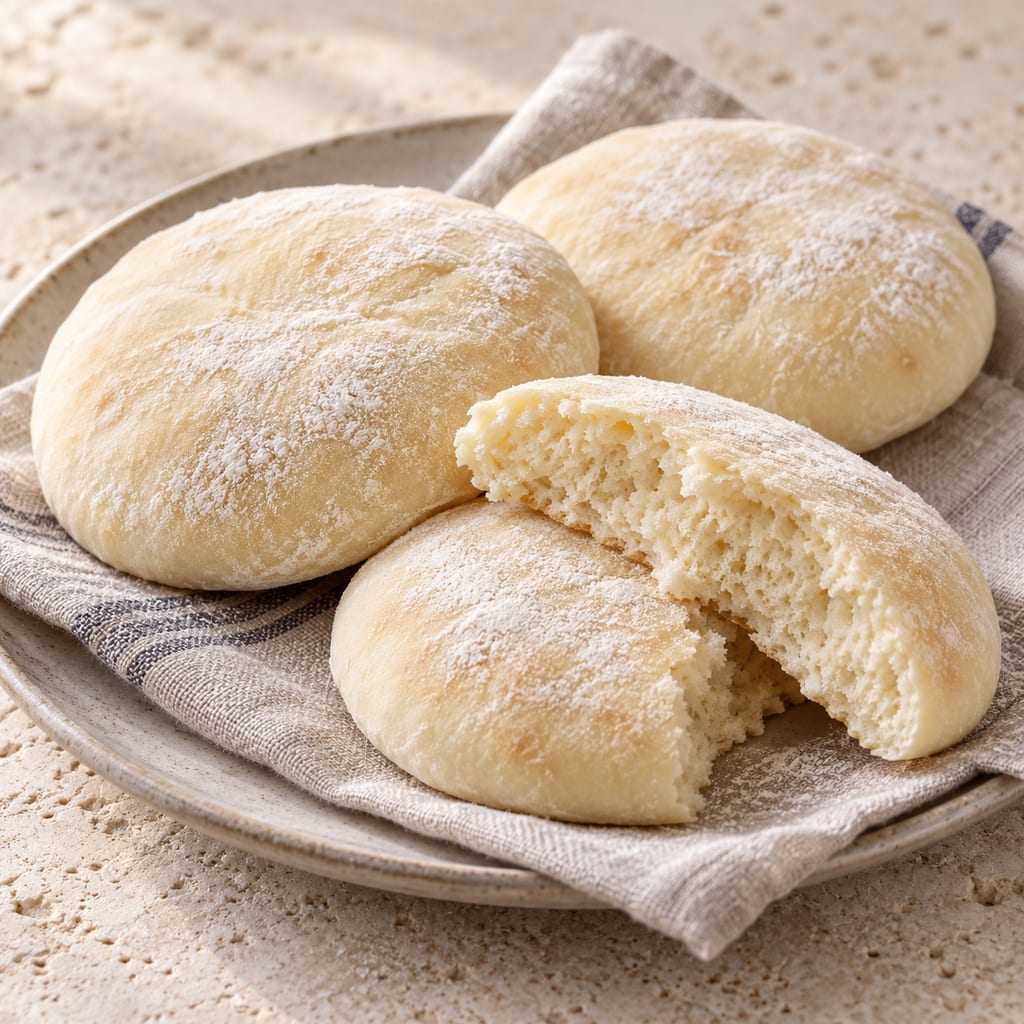
Faluche is a small, soft bread from the Nord and Pas-de-Calais, and from the Tournai area just across the Belgian border. The modern form is a round or oval roll that is flattened by hand before baking, so that it sits low and wide rather than rising into a dome. It is described as very white and softly baked, with a crust that stays pale. That combination separates it from the everyday roll: the faluche is shaped flat, proofed twice and given a short bake at a moderate oven temperature, so it is finished before it can colour.
The regional dictionary records the word as belonging to the Nord and Pas-de-Calais, and the Visit Tournai account places the bread in northern France and Tournai. Neither source fixes a single birthplace, and this page does not claim one.
The name is older than the bread most people now know by it. The Dictionnaire des régionalismes de France distinguishes an earlier faluche, a small flat bread cake with slightly raised edges, from the present small, soft, very white and barely baked round. It reports the word attested in Lille by 1856.
Oral-history accounts gathered at Cassel and Steenbecque describe the older faluche as a piece of leftover bread dough, or the first dough taken from the bake, baked while the main batch of bread was being loaded. These accounts describe practice within a communal baking routine, when the oven was already hot and dough was made for the household's own loaves. They document how the bread was made in those places and periods. They do not establish one continuous formula, and the modern measured method on this page should not be read back into them.
The dough is a yeast-raised bread. Baker's yeast is dissolved in warm milk, then combined with warm water, sugar, salt and olive oil, and worked into flour. Olive oil and milk make the dough softer than a plain water dough would be, and the sugar gives the yeast an easily used food at the start of the proof. These are the roles the method gives each ingredient; the source does not explain them further, and this page does not add a chemical account the source does not give.
The dough is kneaded thoroughly, then left to double in a warm place. The source allows a small extra quantity of flour if the dough sticks to the fingers, but it does not state how much. After the first rise the dough is divided into four equal pieces, each formed into a ball and pressed flat by hand to less than one centimetre thick. That flattening is what gives the bread its character. The shaped rounds rest for an hour before baking, which lets them recover a little before the oven.
The oven is heated to 180 °C. The faluches are dusted lightly with flour and baked for 12 to 15 minutes, with the aim of keeping the crust light and pale. The short bake is the point of the method: the bread is meant to be set and soft rather than browned. The source gives no internal temperature to show doneness, so the cook judges the bake by the pale crust and the set crumb rather than by a number.
The modern method is a household formula, not a reconstruction of the older communal practice. The source gives no proofing temperature, no weight or diameter for the finished pieces, and no numerical bake endpoint. It does not say whether the baker's yeast is fresh or dried, so the recipe leaves that choice open. Raw flour dough can carry harmful germs, and the CDC advises against tasting or eating raw dough, and washing hands, bowls and surfaces after handling it. The bread should be baked as the method directs before it is eaten.
The Dictionnaire des régionalismes de France records faluche as a word of the Nord and Pas-de-Calais and reports it attested in Lille by 1856. It distinguishes an older flat bread cake from the present small, soft, very white, lightly baked round bread. Oral-history extracts describe older faluches made from leftover dough or the first dough baked while the main bread was being loaded; those reports are historical accounts, not the modern household method here. Visit Tournai associates the bread with northern France and Tournai. Neither source establishes a single birthplace.
Yield 4 large faluches · Scaling: source batch only
Uncooked flour can carry germs; the CDC advises not tasting or eating raw dough and baking it before eating.
Hazard sourceDo not taste the raw dough; bake it using the source's temperature and time, and wash hands, bowls and surfaces after handling raw flour or dough.
Control sourceDo not eat the raw dough. The source gives no proofing temperature or numerical internal bake endpoint; follow its baking directions and check that the bread is baked, while retaining the characteristically pale crust.
Regional dictionary evidence supports the name and bread forms in these departments; it does not claim an exact birthplace.
The Tournai tourist office publishes the measured household method; this records a documented association, not a claim that the bread originated there.
An enriched Alsatian yeast ring with raisins and almonds, kneaded with butter, proofed in a fluted mould and baked until browned.
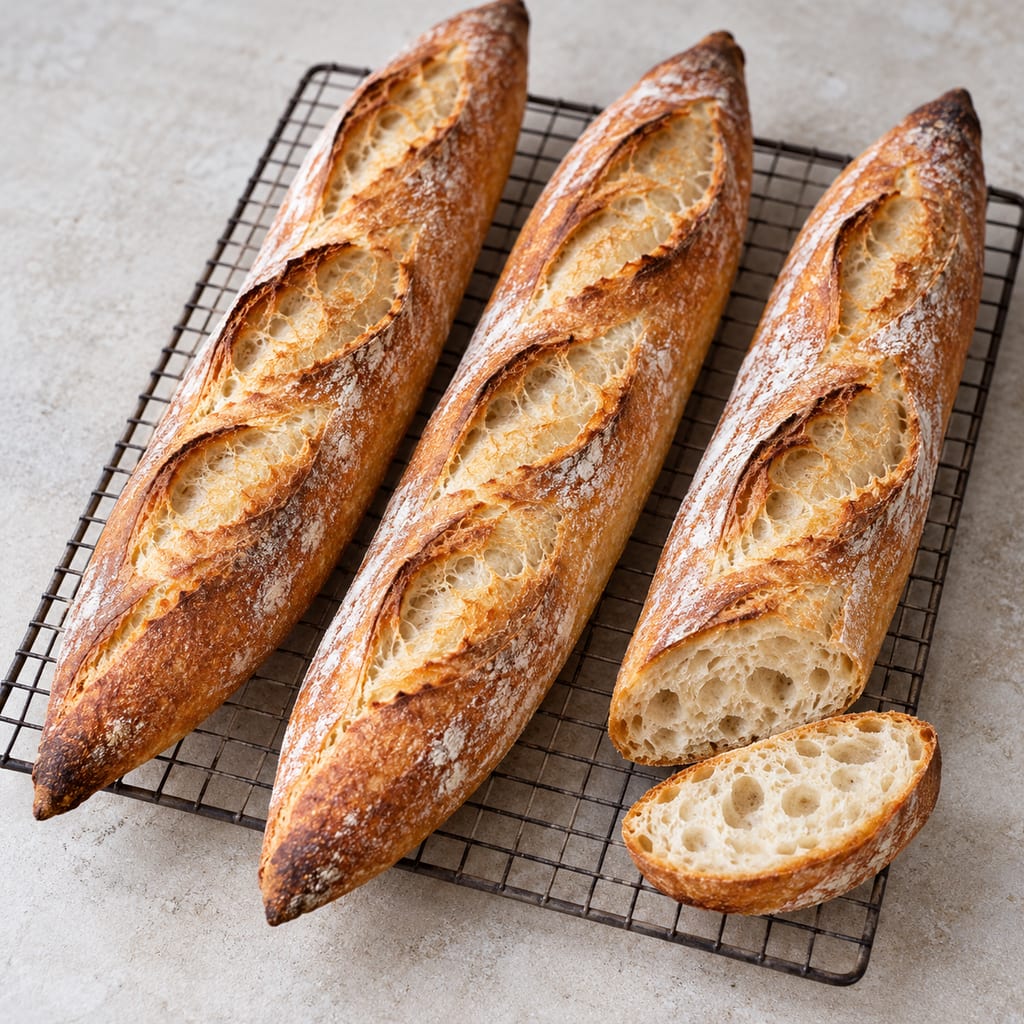
Three long, crusty wheat loaves made with an overnight yeast poolish, shaped by hand and baked with steam for a crisp crust.
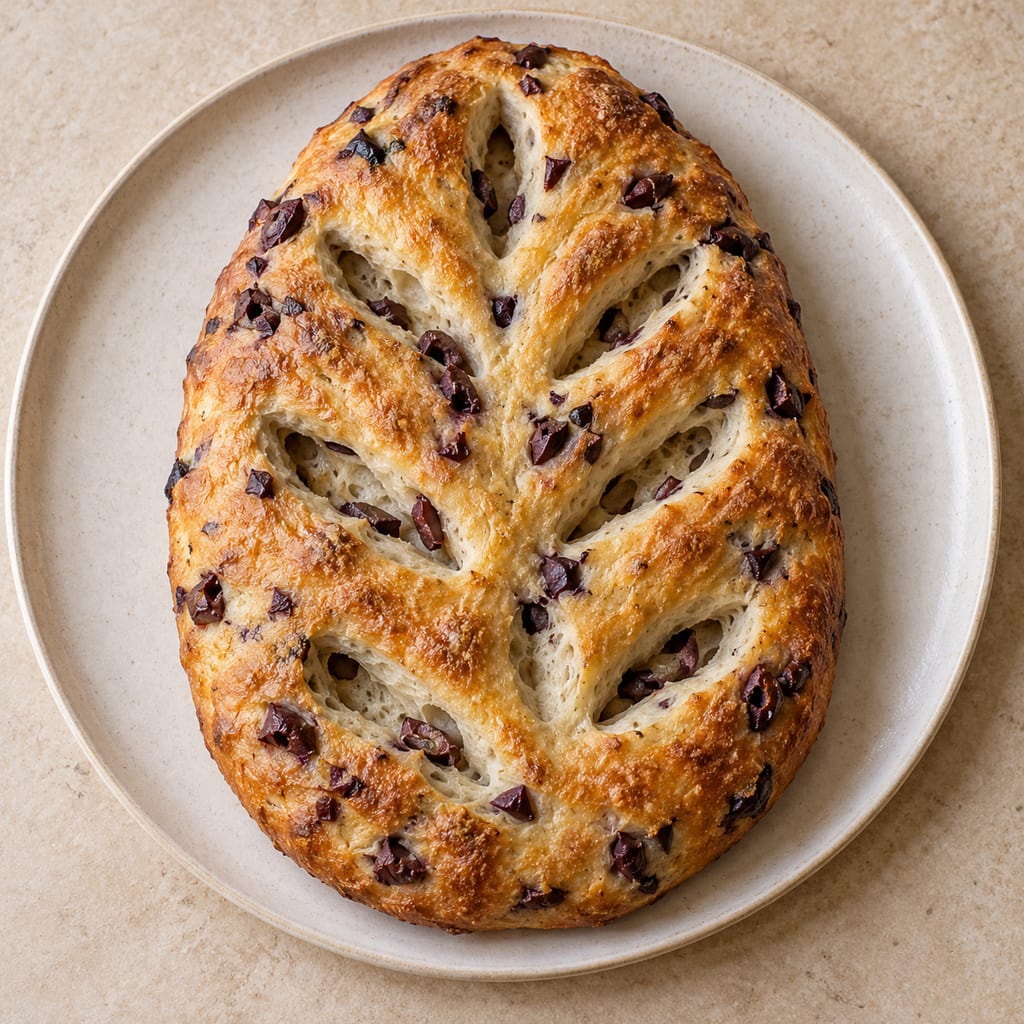
A Provençal olive bread shaped as a flattened oval with seven open slits. This Le Cordon Bleu formula uses wheat flour, fresh yeast, olive oil and Kalamata olives.
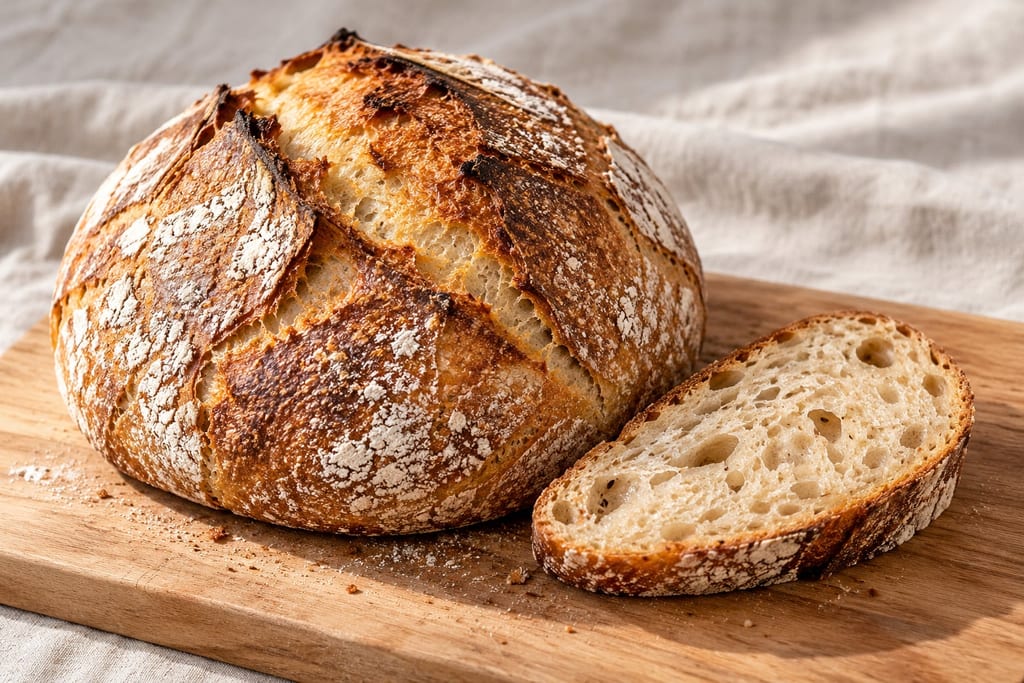
Two large French-style wheat loaves use unfed sourdough starter, whole-wheat flour, long room-temperature fermentation and a covered-pot bake.
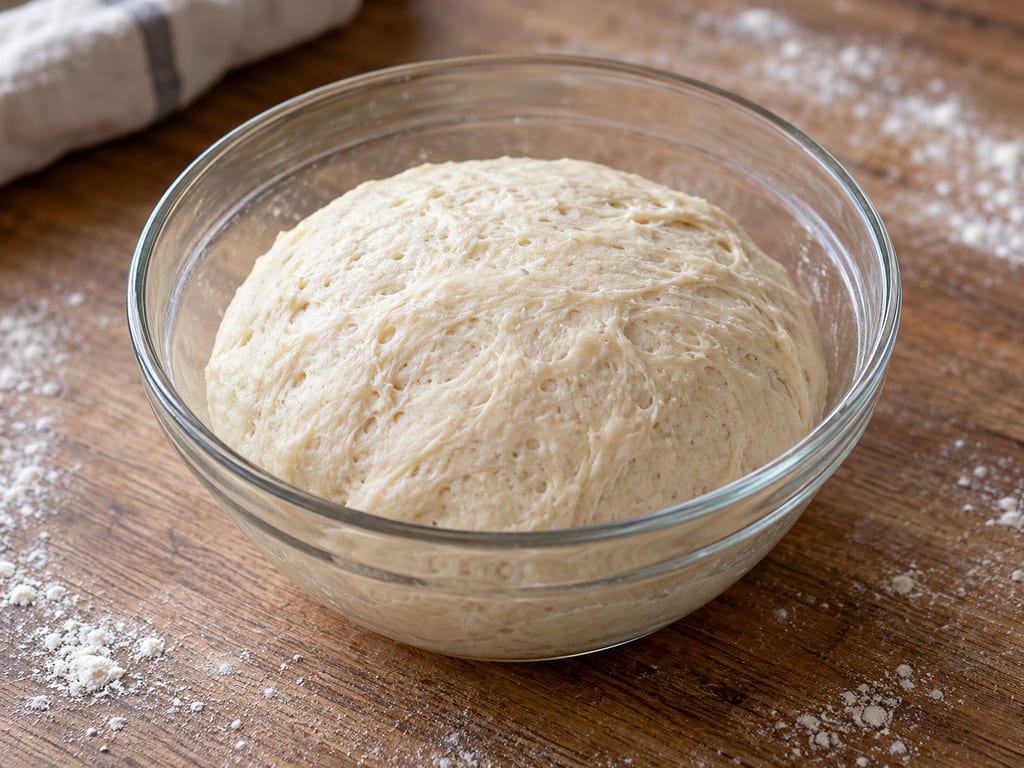
Pâte fermentée is a bread preferment made from salted, yeasted dough set aside to ferment and mixed into a later batch, carrying developed dough and fermentation products with it.
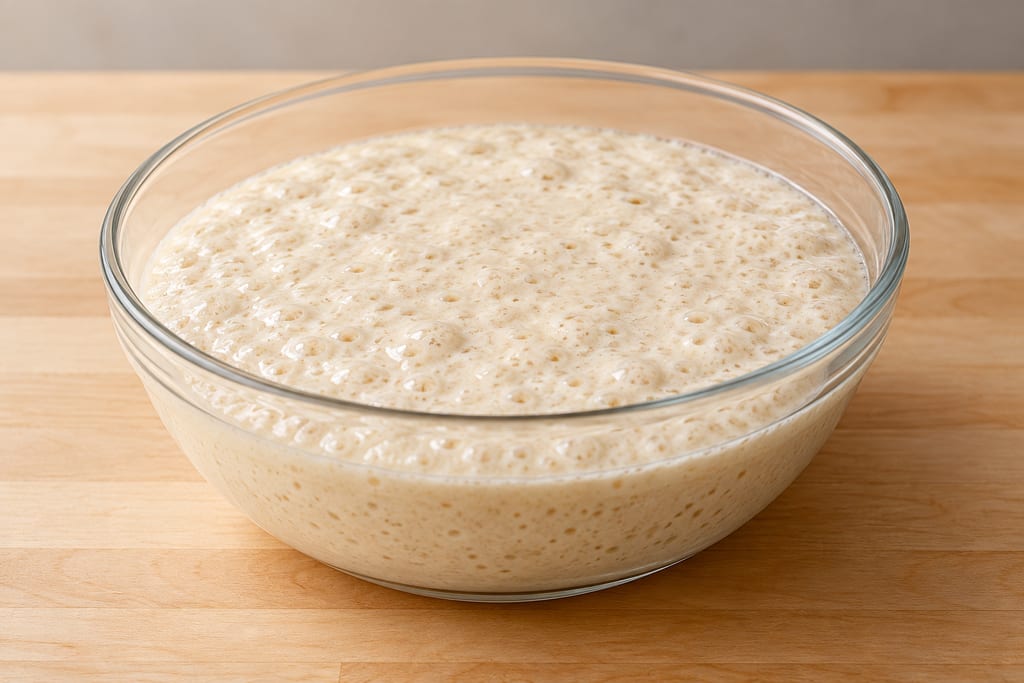
Poolish is a loose, unsalted bread preferment of roughly equal weights of wheat flour and water with a pinch of baker's yeast, left to ripen before it goes into the final dough.
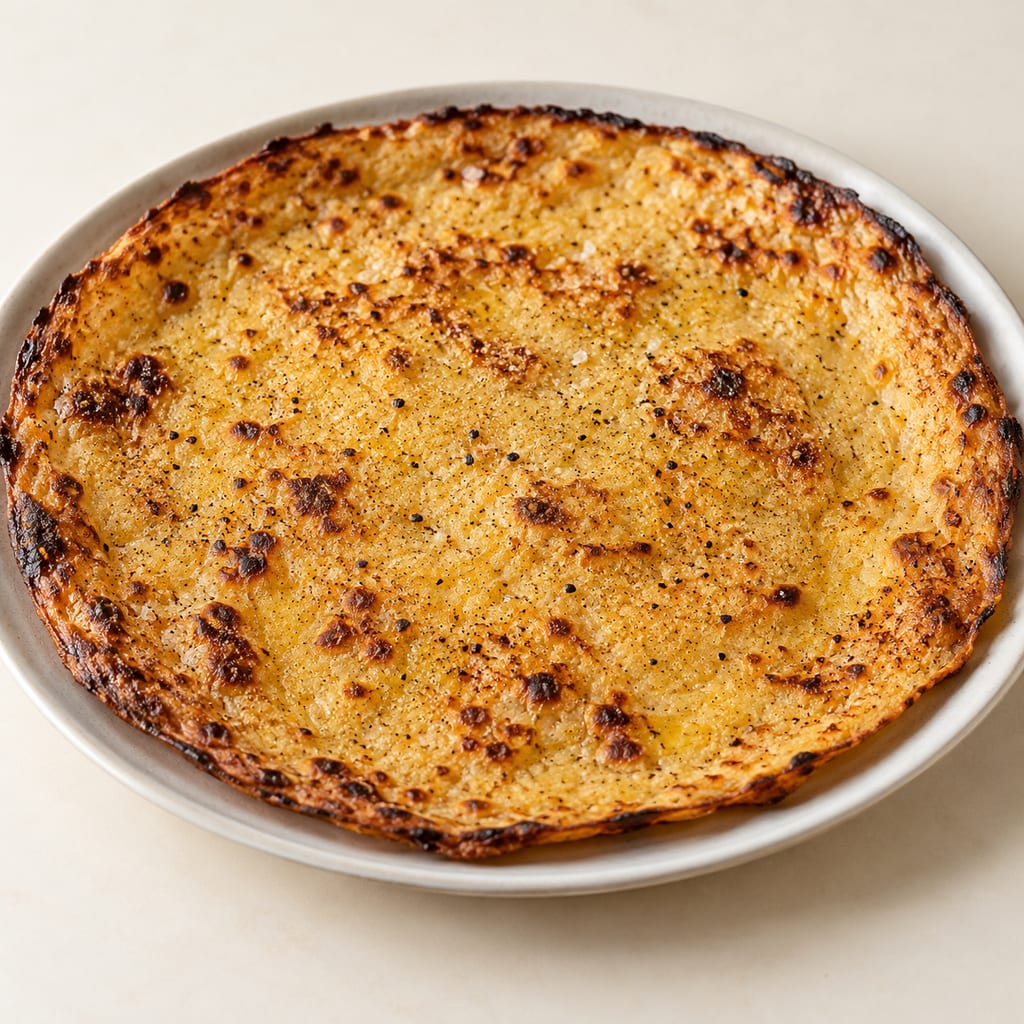
Socca is a thin chickpea-batter pancake from Nice, cooked on a very hot copper plate and served piping hot. This page follows the Nice source; the Genoa farinata formula, which conflicts on water quantity, is not blended in.
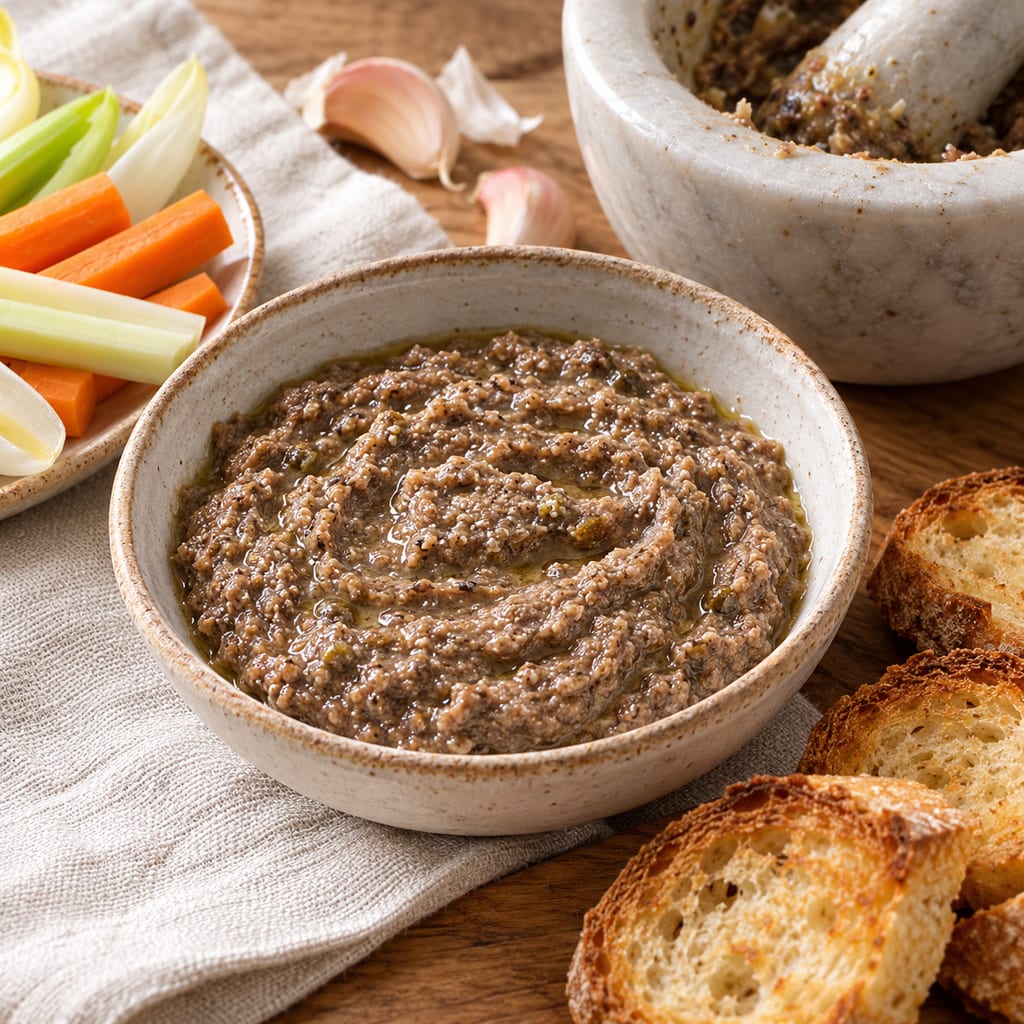
A Provencal dip of anchovies, garlic, capers and olive oil, pounded or blended to a creamy paste and served with raw vegetables, bread and eggs.
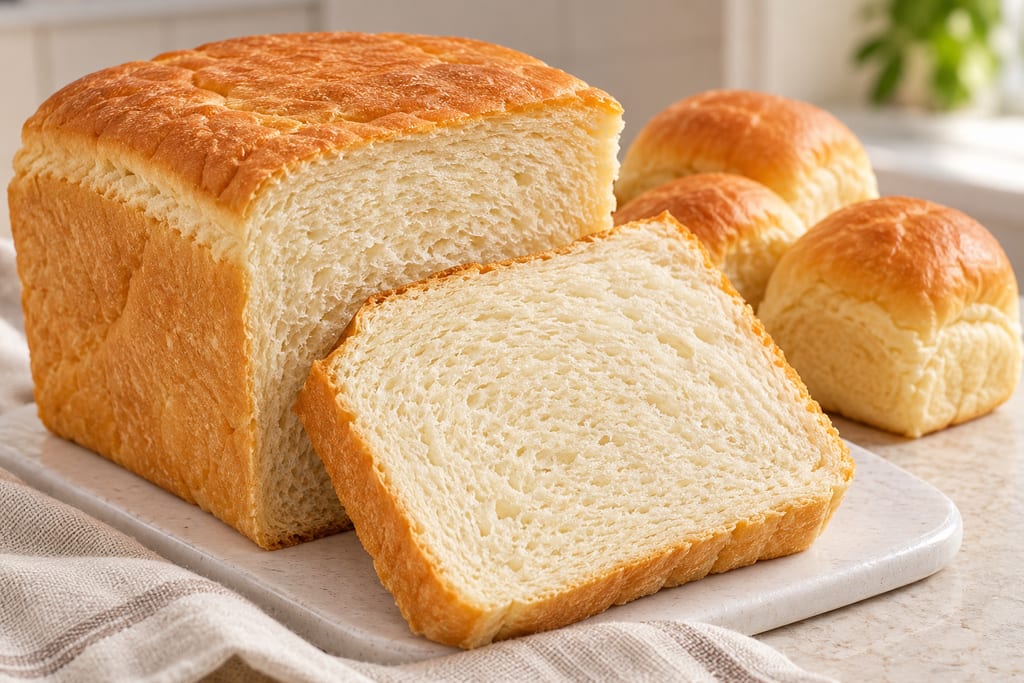
This softer home-style Agege bread uses a scalded flour paste, an enriched yeast dough and a 9×5-inch loaf pan, with rolls from the extra dough.
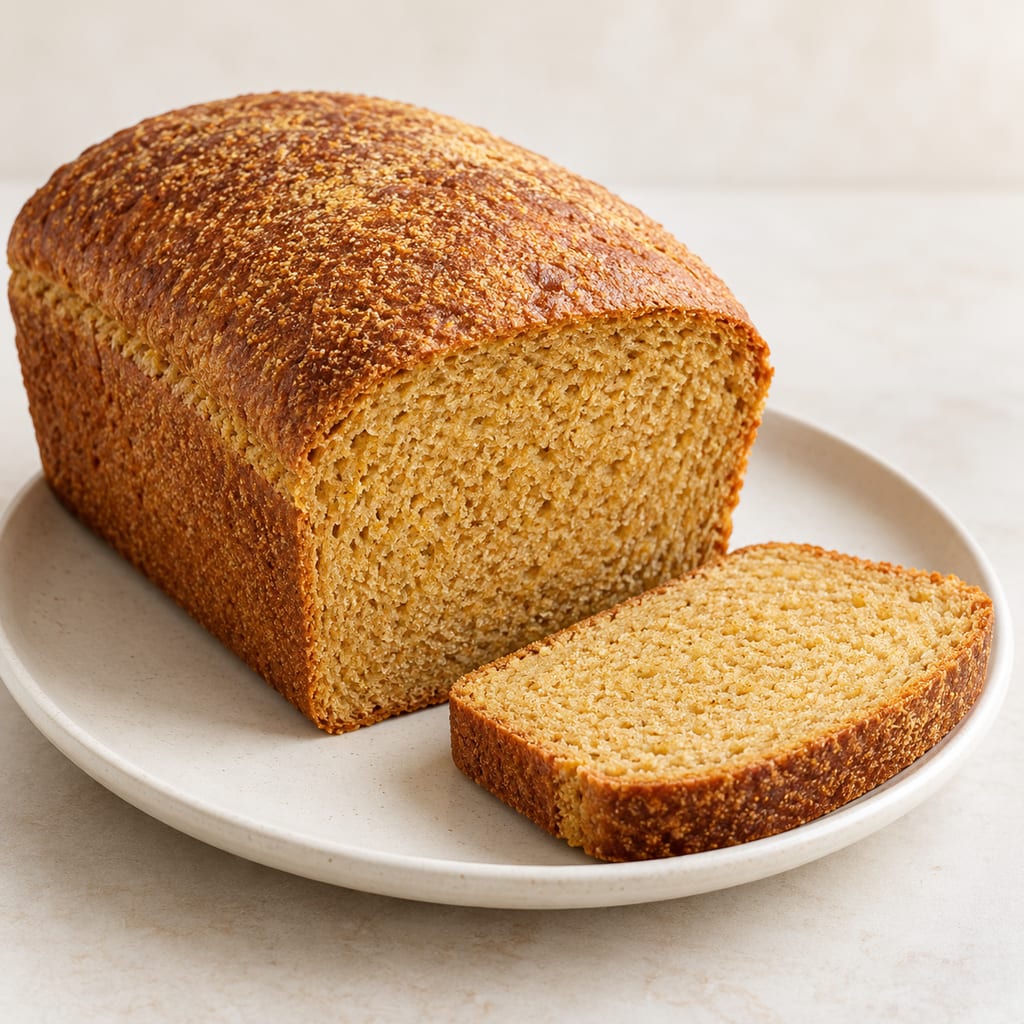
Anadama is a New England yeast loaf made with wheat flour, cornmeal and molasses. Scalded cornmeal enriches the dough, while molasses lends sweetness and a dark crust; it is especially good toasted or beside soup and baked beans.

A yeast-raised wheat ring shaped from a firm dough, briefly boiled and baked. This source-batch formula gives a gently malted crust and a chewy crumb.
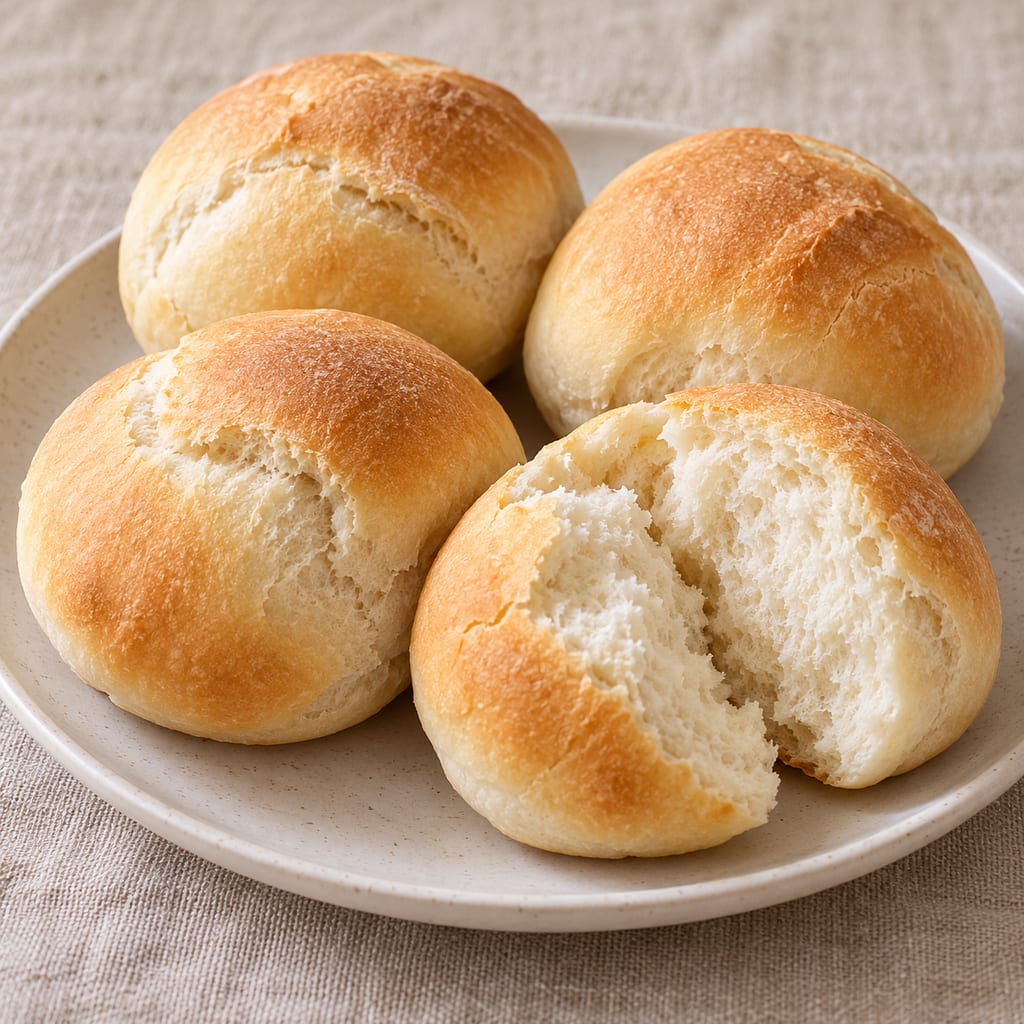
A lightly salted, yeast-raised Barbadian roll, baked in a dozen-roll home batch and often split for cutters.
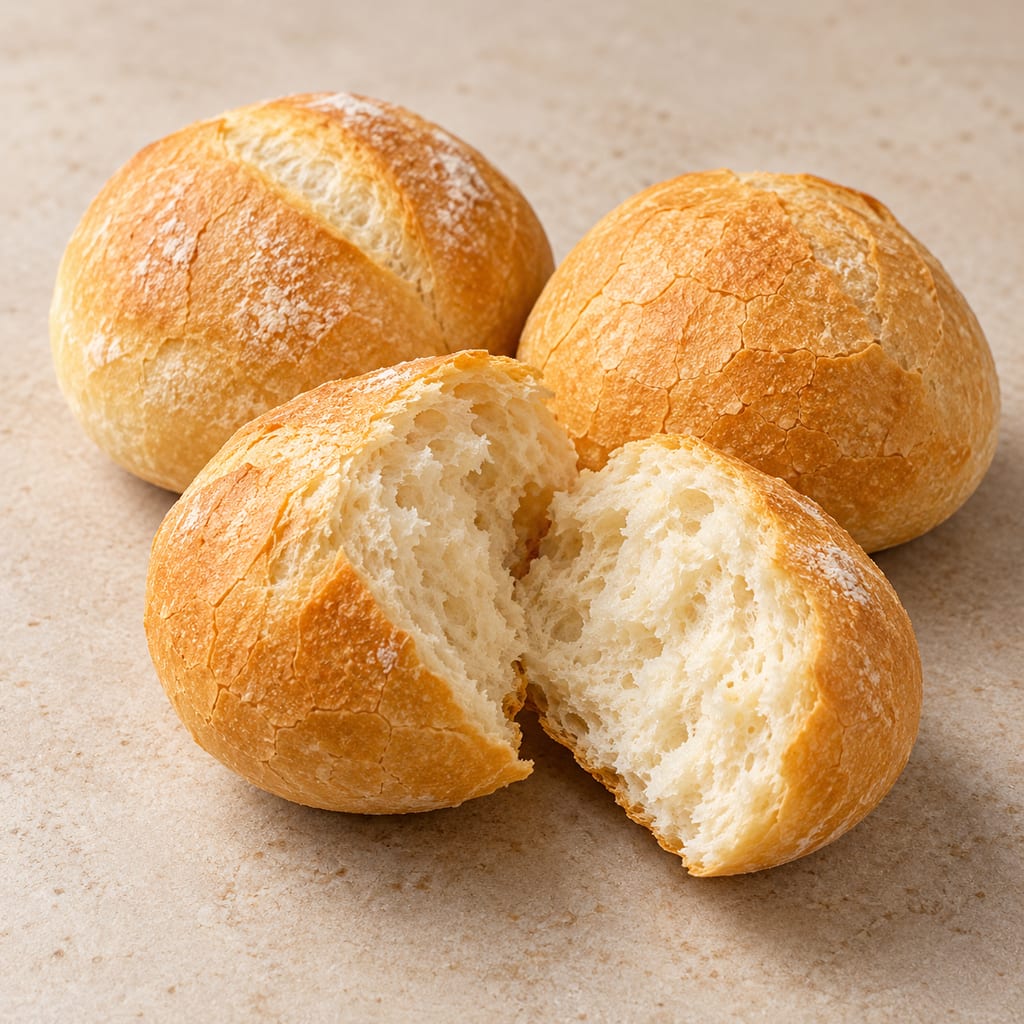
A crisp Belgian roll made from a supplier’s Croc-flour dough, mixed by hand or machine, proofed in rounds and baked with steam.
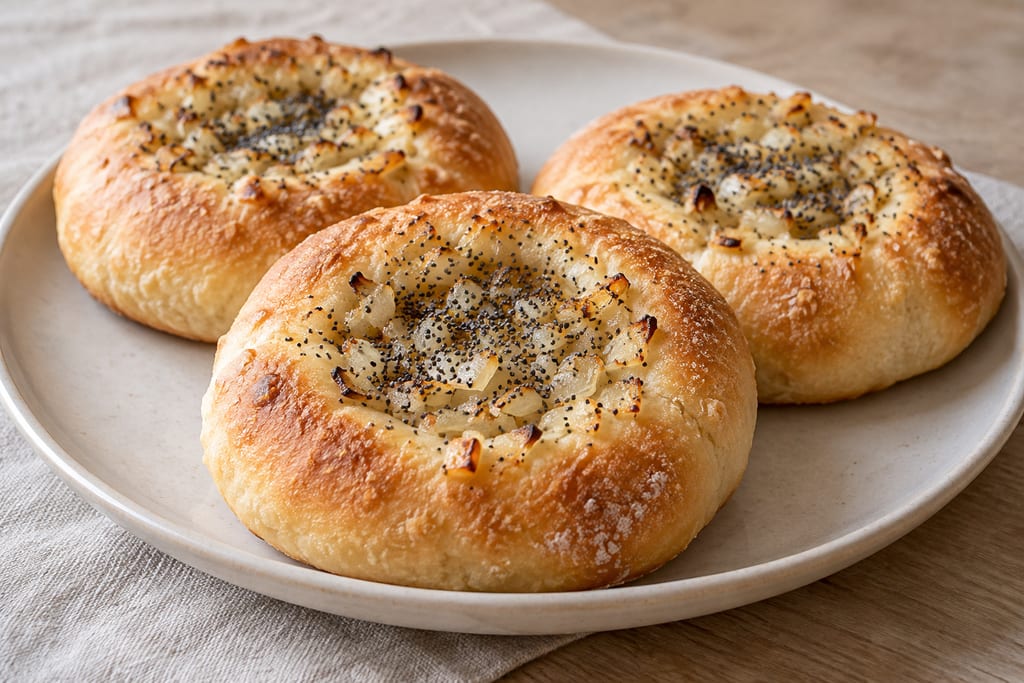
Bialys are soft, yeasted wheat rolls baked without boiling, each shaped with an onion-filled central depression instead of a hole.
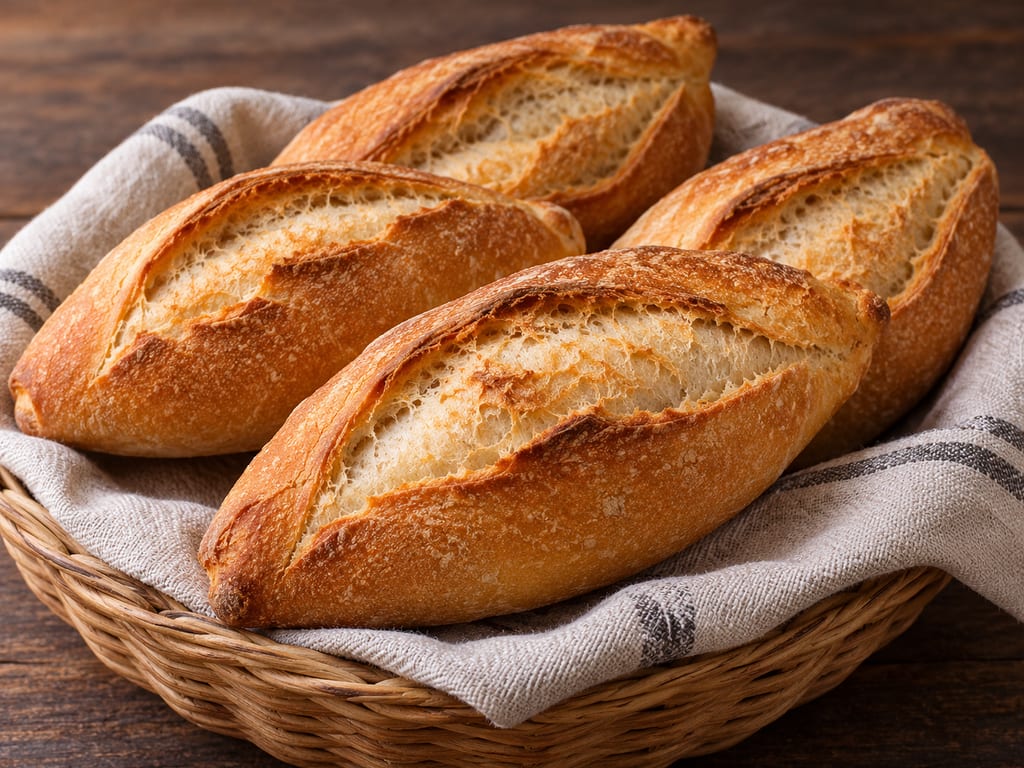
A measured, commercial-yeast home method for Guadalajara-style birote salado, with a six-hour preferment, shaped rolls and a two-temperature steam bake. This formula contains no egg.
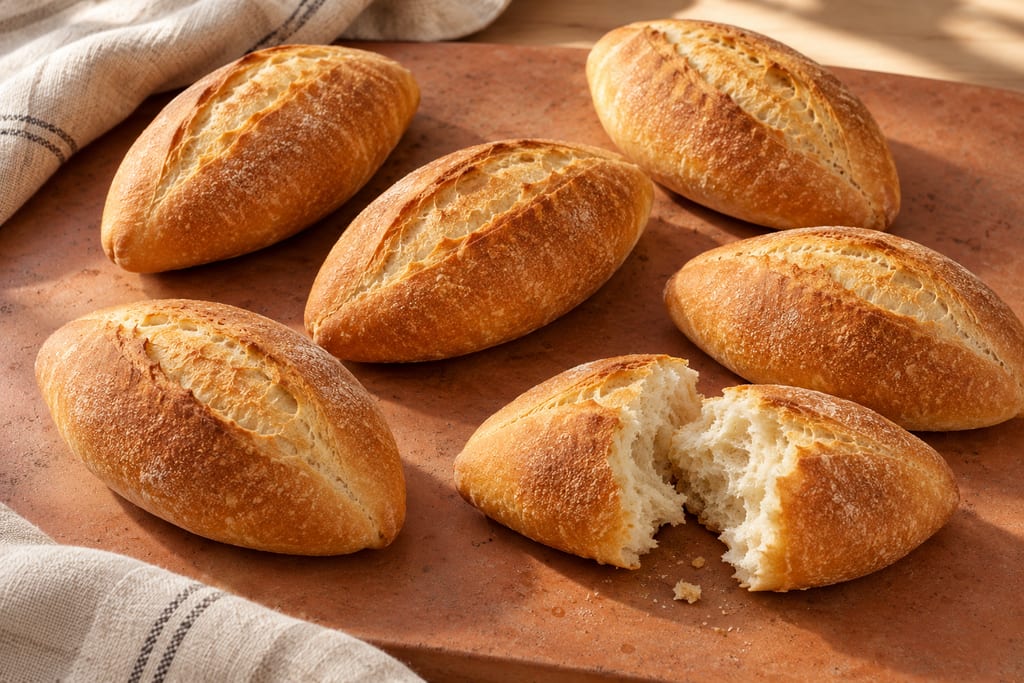
Small, lightly enriched rolls with tapered ends and a scored top; this six-roll formula bakes on a hot stone with steam for a thin, crisp crust.

A Cap-Pelé boucanière is an Acadian herring-smoking building. The documented Willie Niles example is a one-storey wood-frame structure with a ridge smoke vent and interior bays for hanging fish-bearing cannes.

Achcharu is a family of Sri Lankan vinegar pickles made with mixed vegetables or seasonal fruit and a piquant spice dressing. This version is a quick, refrigerated, non-fermented mixed-vegetable pickle.

The acocote is a long, hollowed and dried gourd used to draw aguamiel from a mature maguey. It is a harvesting tool: the sap is transferred to a separate vessel before it ferments into pulque.

Adrak murabba preserves young ginger in sugar syrup, a sweet South Asian preparation recorded in Indian cookery and food-processing sources.

Parkia biglobosa seeds are fermented into regional West African seasonings, including nététou, iru, dawadawa and soumbala. The yellow fruit pulp is a separate food, and names and methods vary by place.

Japanese reddish-brown vinegar from sake lees matured about three years, turned to vinegar by acetic bacteria; the vinegar of Handa and Edomae sushi rice.

A refined common-wheat flour blended for a broad range of baking; its protein and behavior vary with wheat, milling and market.

The almond mushroom, Agaricus subrufescens, was cultivated in eastern North America in the 1800s, lost its market, and returned as a cultivated mushroom from Brazil, where it is grown under several names.
No community contributions have been published for this entry yet.
Sign in to contribute. Published comments and photos are free to read.
Visit Tournai Tourist OfficeMethod · Context
Découvrez la recette de nos faluches!The page associates the soft round or oval faluche with northern France and Tournai.
For four large faluches it gives 500 g flour, 150 ml water, 150 ml milk, 10 g baker's yeast, 2 tablespoons olive oil, 1 teaspoon sugar and 1 teaspoon salt.
It directs two proof stages: 2–3 hours until doubled, then 1 hour after dividing into four and hand-flattening each ball to less than 1 cm thick; bake at 180°C for 12–15 minutes and keep the crust light and pale.
The recipe does not state yeast form, exact loaf dimensions or proofing temperature.
Cited in: A small, pale bread of the north; How the dough is made; Baking and the pale crust; Limits of the method
Dictionnaire des régionalismes de FranceHistory · Identity
Dictionnaire des régionalismes de France: falucheThe dictionary identifies faluche as a Nord and Pas-de-Calais regional word, distinguishes older flat galette and present soft pale roll references, and reports the term attested in Lille by 1856.
It quotes oral-history reports from Cassel and Steenbecque about earlier bread-dough faluches baked alongside the main bread; these are not the same method as the modern Tournai household recipe.
Cited in: A small, pale bread of the north; An older bread with the same name
Centers for Disease Control and PreventionSafety
Raw Flour and DoughCDC says uncooked flour and dough can carry germs, advises against tasting or eating raw dough, and advises baking dough according to the recipe and washing hands, bowls, utensils and surfaces after handling raw flour or dough.
Cited in: Limits of the method
Maison Devulder, Saint-André-lez-LilleCultural context · Identity · Source limitations
FalucheThe local bakery's own product page names faluche among its small breads, describes white-flour dough and a tender, soft result from light cooking, and identifies the shop in Saint-André-lez-Lille. This is a concrete regional producer example of the pale soft bread identity.
The description is qualitative product language, not a time/temperature instruction or proof that the selected Tournai milk-and-oil formula is used by this bakery. No historical origin, present stock or universal ingredients inferred. No photograph licence established or image reused.
Espace Pain InformationCultural context · Identity · Source limitations
Le tour de France des painsThe bread-sector educational sheet lists faluche among breads of Nord–Pas-de-Calais and describes it as a small morning bread served with butter. This supports a published regional serving association, not a birthplace or first historical date.
The sheet does not supply a faluche recipe or substantiate equivalence with the selected Tournai home method. The URL's upload date is not treated as the publication date. No heritage baking practice or safety control transferred, and no image licence established.