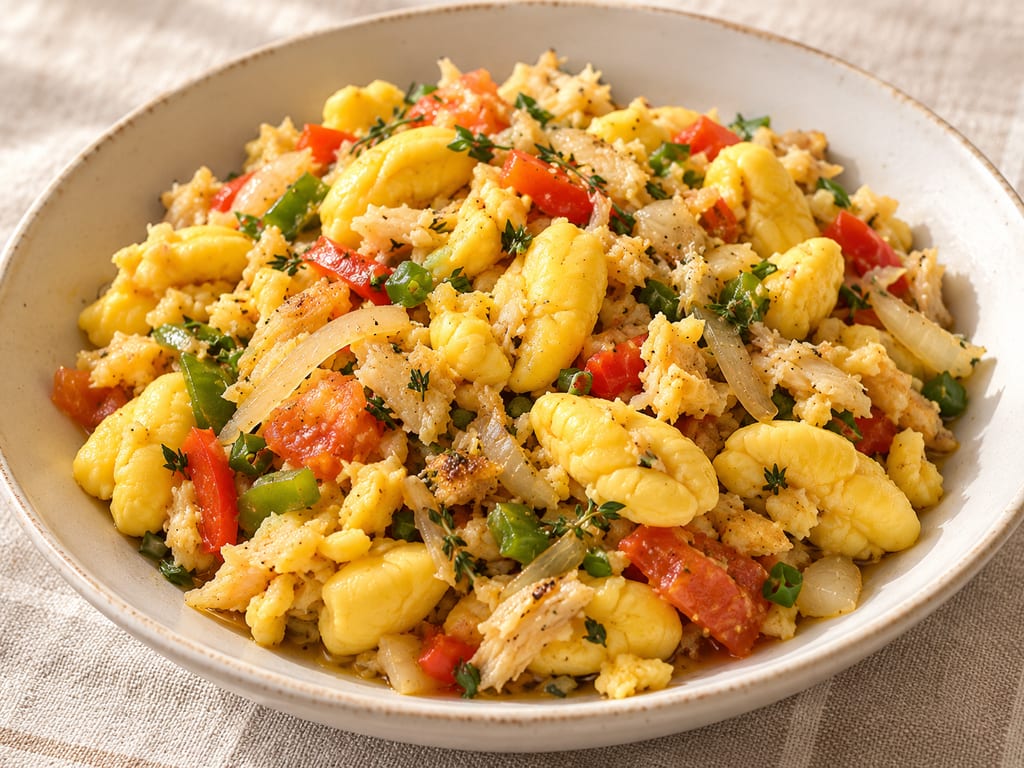
Ackee and saltfish
Jamaica's best-known dish: salt-cured cod desalted and flaked, then folded through ackee arils with onion, tomato, sweet pepper, thyme and Scotch bonnet.
 FermenteaWhere food goes to change
Modern adaptation
Barbadian salt bread
A lightly salted, yeast-raised Barbadian roll, baked in a dozen-roll home batch and often split for cutters.
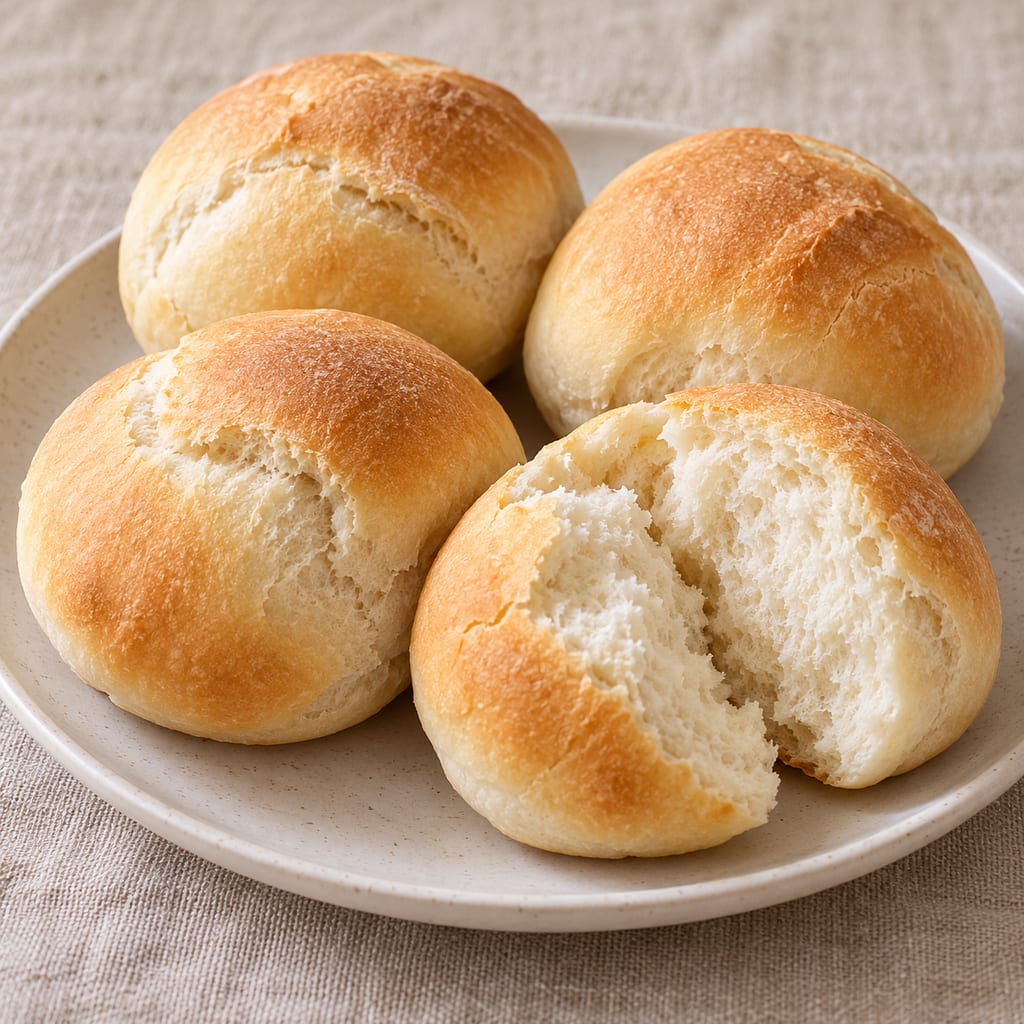
Bajan salt bread is a large, yeast-raised roll. The recipe source describes it as one of the island's less-sweet breads, which explains the name without suggesting that the roll is unusually salty. It makes twelve rolls, usually large enough to slice into smaller portions.
The official Visit Barbados guide describes a cutter as salt bread split around a filling, commonly cheese or smoked ham, and also names marlin and flying fish. Barbados Pocket Guide documents bread-and-two: two fish cakes in the roll, commonly sold at small shops and rum shops. It notes that white and whole-wheat versions are used; the source recipe below follows its white-flour version. Neither source dates the bread's first attestation or identifies one parish as its birthplace.
The formula uses white flour, warm water, yeast, a little sugar, salt and vegetable oil. Add water gradually while bringing together half the flour with the yeast and salt; the remainder is sifted in until the dough can be kneaded. Ten minutes of kneading develops a smooth, elastic dough. The source gives no yeast type, packet size, or water temperature, so those details remain unspecified.
The first covered rise lasts 40–50 minutes, until doubled, followed by dividing and rounding twelve portions and a second warm rise of about 40 minutes or until doubled. The source provides a touch cue for the first rise and no proof temperature. Bake the rolls in a 425°F (220°C) oven for 25–30 minutes. The source's hollow-sound cue is retained only as a quality description, not as a safety test.
Flour is raw and may carry harmful bacteria. Do not taste raw dough. Keep it away from ready-to-eat foods and wash hands, utensils and work surfaces after handling it. Bake the rolls through before eating; the source gives no internal bread temperature.
A contemporary Barbados recipe source calls salt bread a traditional roll and explains that it is less sweet than most bread on the island. Visit Barbados describes the larger roll as the bread used for a cutter, split around fillings such as ham, cheese, marlin or flying fish. The consulted sources do not date its first attestation. Barbados Pocket Guide describes bread-and-two—two fish cakes in salt bread—as a Bajan shop and rum-shop food and notes that both white and whole-wheat versions are used; its mention of Oistins is not a claim of origin.
Yield 12 rolls · Scaling: source batch only
Flour is a raw food and may carry harmful bacteria; the rolls must be baked before tasting.
Hazard sourceDo not taste raw flour or dough. Keep flour and dough away from ready-to-eat foods, wash hands, utensils and work surfaces after handling, and bake the rolls through before eating.
Control sourceThe recipe gives no internal bread temperature. The hollow-sound cue is a source quality cue, not proof of safety.
A Barbados recipe source documents the roll, and the official tourism site describes it as the bread used for Bajan cutters. No specific parish of origin is claimed.
Jamaica's best-known dish: salt-cured cod desalted and flaked, then folded through ackee arils with onion, tomato, sweet pepper, thyme and Scotch bonnet.
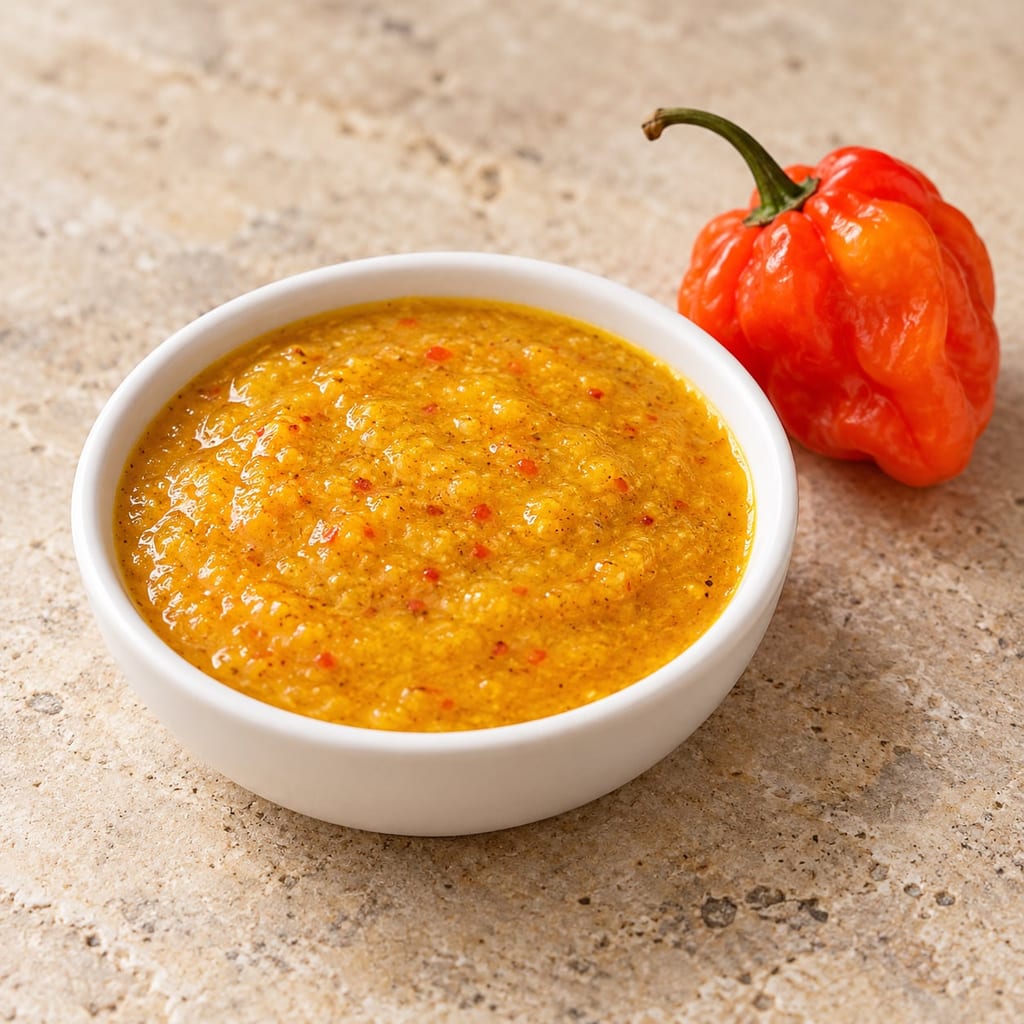
Bajan pepper sauce is a Barbadian hot sauce that blends Scotch bonnet peppers with mustard and vinegar, often with onion, turmeric and oil. Its heat and sharpness come from both the chile and the mustard, which sets it apart from a plain pepper vinegar.
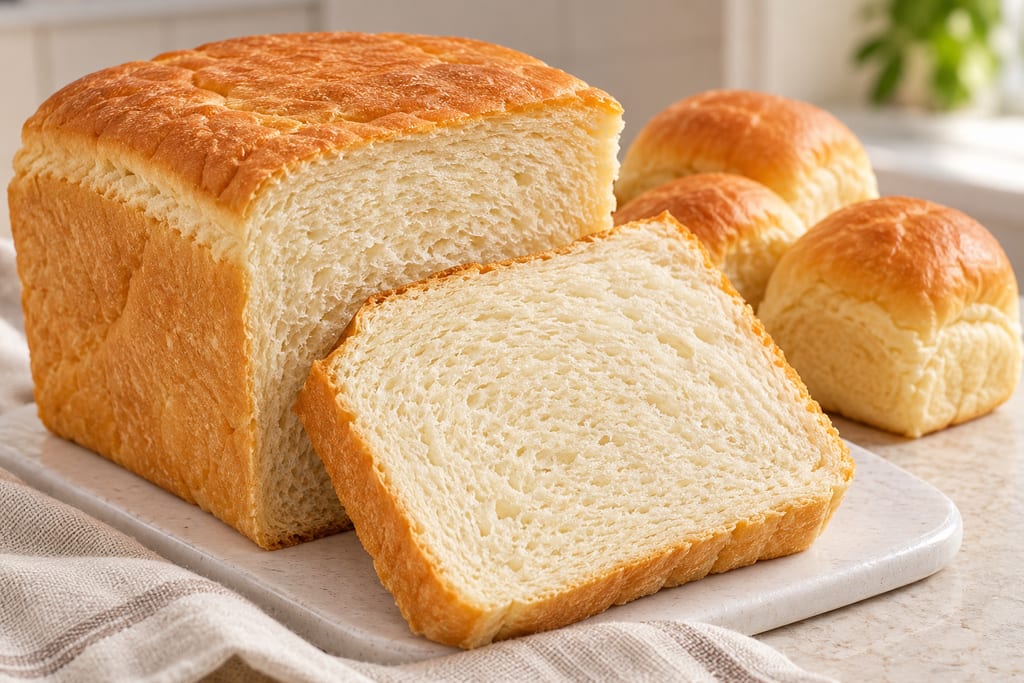
This softer home-style Agege bread uses a scalded flour paste, an enriched yeast dough and a 9×5-inch loaf pan, with rolls from the extra dough.
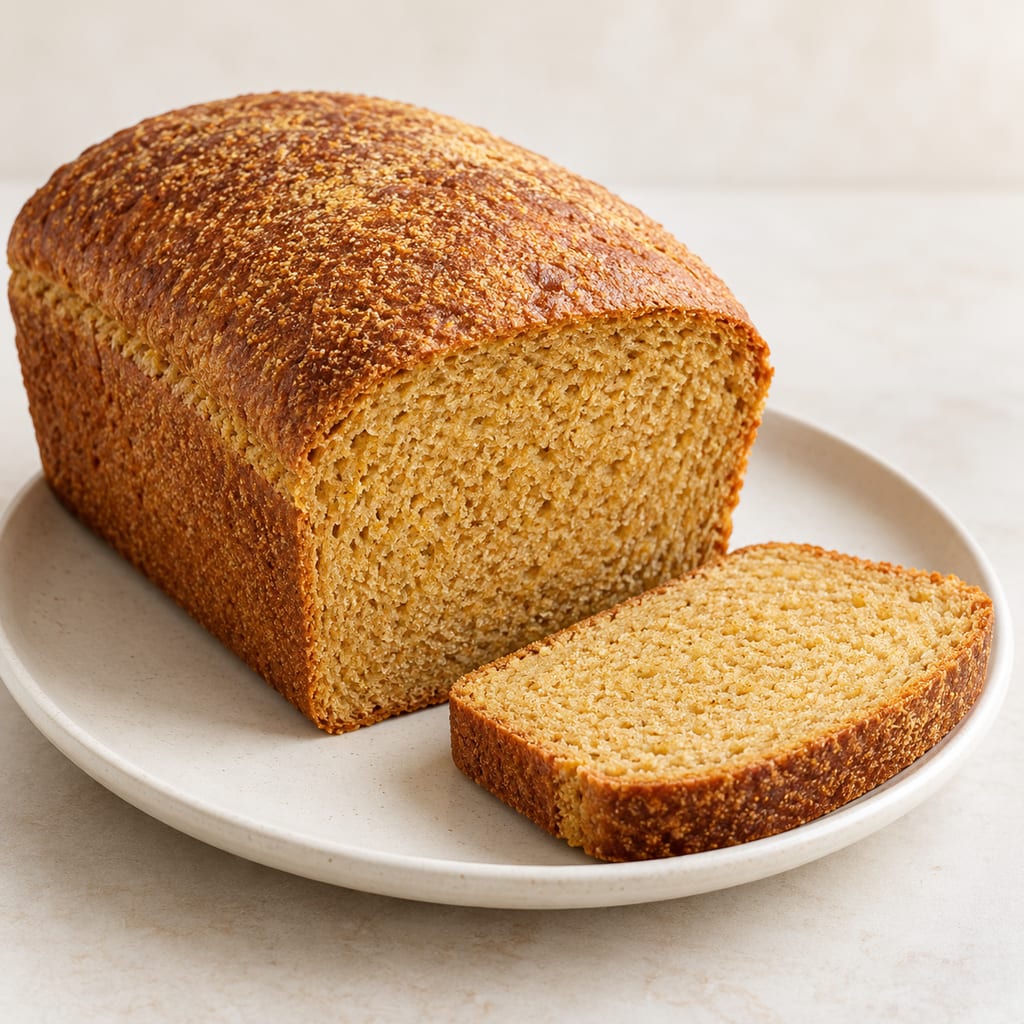
Anadama is a New England yeast loaf made with wheat flour, cornmeal and molasses. Scalded cornmeal enriches the dough, while molasses lends sweetness and a dark crust; it is especially good toasted or beside soup and baked beans.

A yeast-raised wheat ring shaped from a firm dough, briefly boiled and baked. This source-batch formula gives a gently malted crust and a chewy crumb.

Three long, crusty wheat loaves made with an overnight yeast poolish, shaped by hand and baked with steam for a crisp crust.
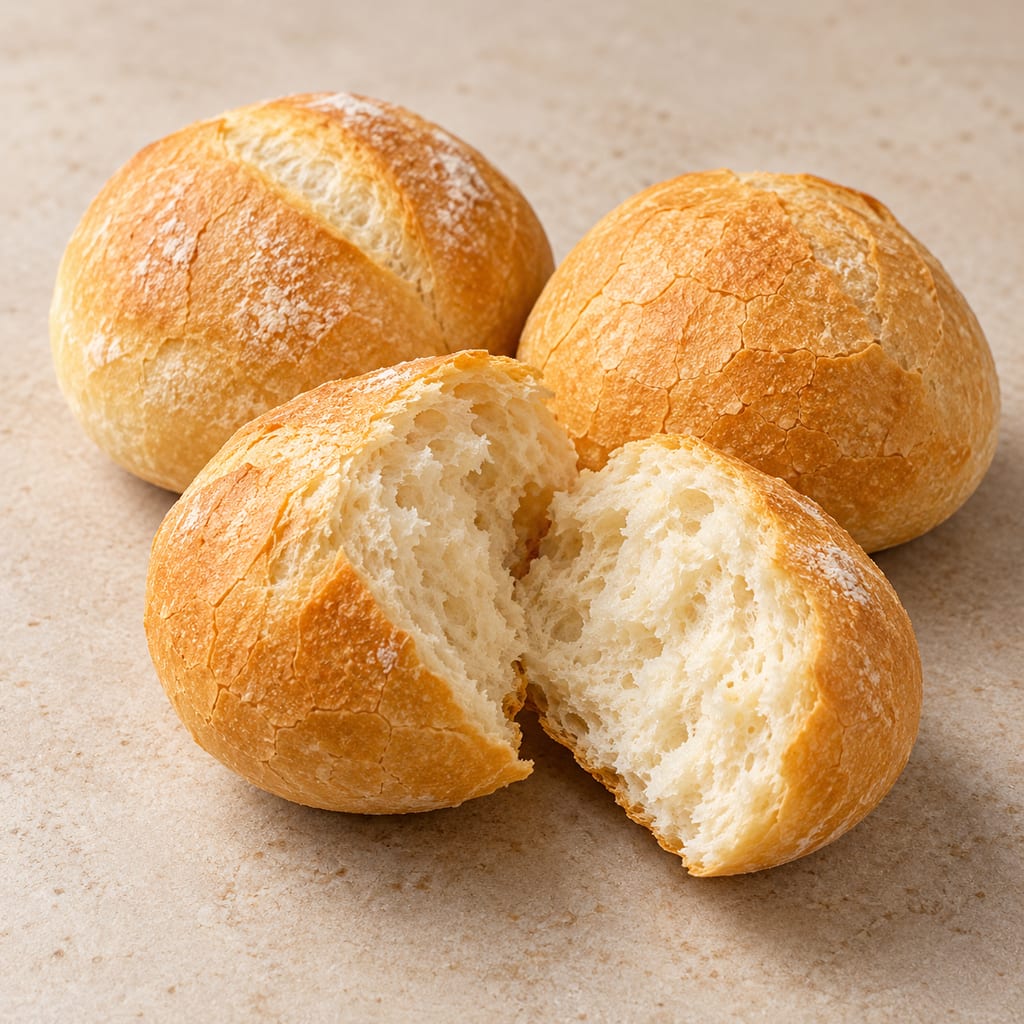
A crisp Belgian roll made from a supplier’s Croc-flour dough, mixed by hand or machine, proofed in rounds and baked with steam.
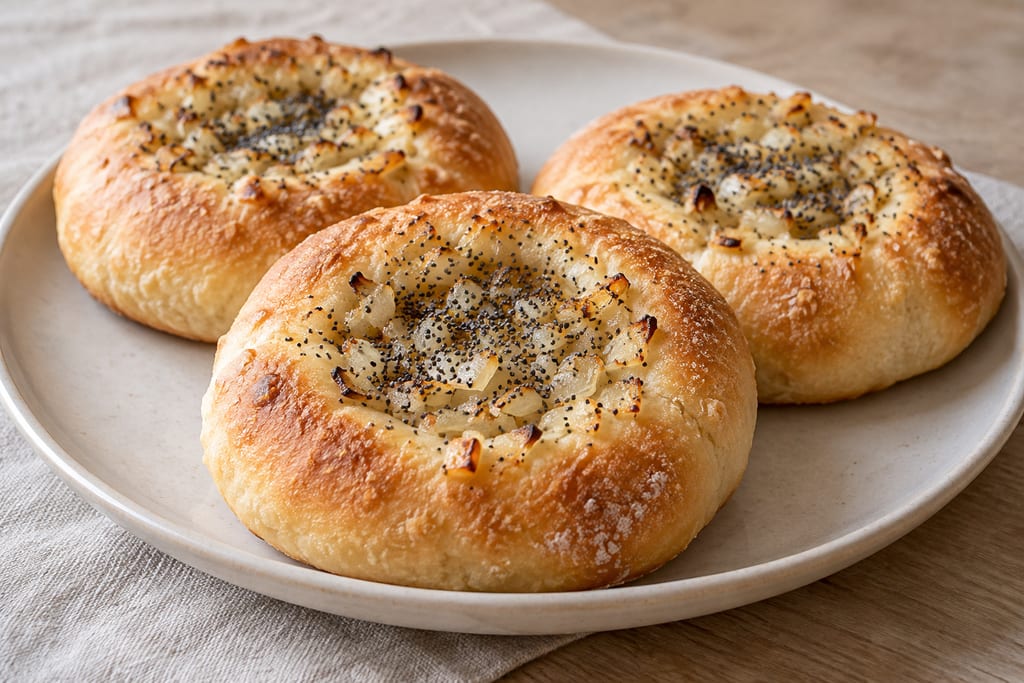
Bialys are soft, yeasted wheat rolls baked without boiling, each shaped with an onion-filled central depression instead of a hole.
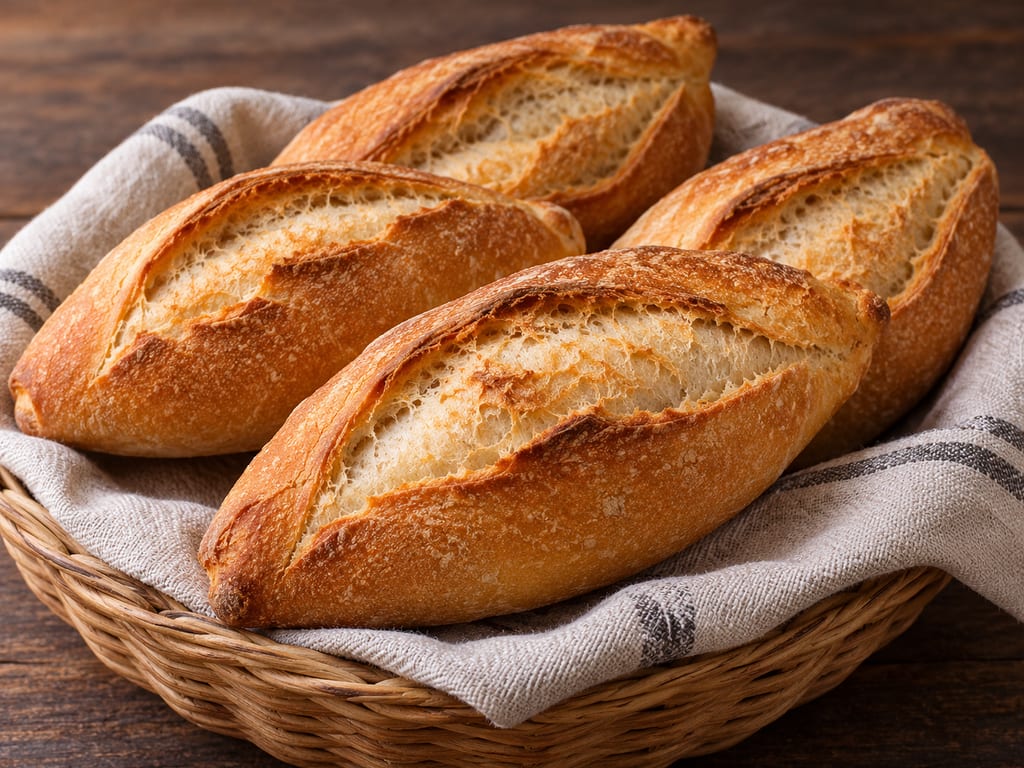
A measured, commercial-yeast home method for Guadalajara-style birote salado, with a six-hour preferment, shaped rolls and a two-temperature steam bake. This formula contains no egg.
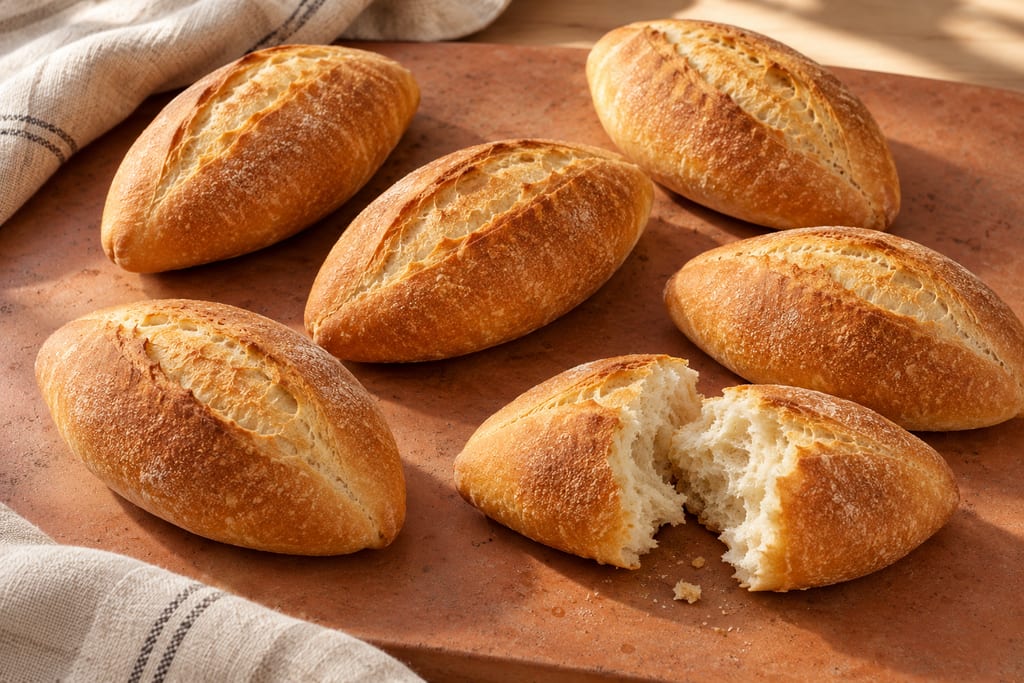
Small, lightly enriched rolls with tapered ends and a scored top; this six-roll formula bakes on a hot stone with steam for a thin, crisp crust.
No community contributions have been published for this entry yet.
Sign in to contribute. Published comments and photos are free to read.
Totally BarbadosInspiration · Method · History
Bajan Salt Bread RecipeThe source names salt bread as a traditional Barbadian roll and says it is less sweet than most bread in Barbados.
Ingredients: 6 1/2 cups white flour, 2 teaspoons sugar, 1 teaspoon salt, 2 tablespoons vegetable oil, two packs yeast and 2 1/4 cups warm water.
Method sequence, 10-minute knead, 40–50-minute first rise, twelve portions, second rise of about 40 minutes, 425°F (220°C) oven and 25–30-minute bake.
The source recommends slicing the large rolls for small sandwiches or toast.
Barbados Tourism Marketing Inc.; Visit BarbadosHistory · Geography
Barbados Street Food & Popular BitesThe official tourism site describes salt bread as the roll used for a Bajan cutter and names fillings including ham, cheese, fried marlin and flying fish.
U.S. Food and Drug AdministrationSafety
Handling Flour Safely: What You Need to KnowFlour may contain harmful bacteria; do not taste raw flour or dough, keep it separate from ready-to-eat food, and clean hands, utensils and surfaces after handling.
Barbados Pocket GuideHistory · Geography
Bread & TwoBread & Two is two fish cakes in Bajan salt bread, commonly sold at small shops and rum shops.
The page describes Bajan salt bread as a lightly golden bun and says it can be white or whole wheat; it names Oistins as one place to find a fish-cake stall but does not claim it as the bread's birthplace.