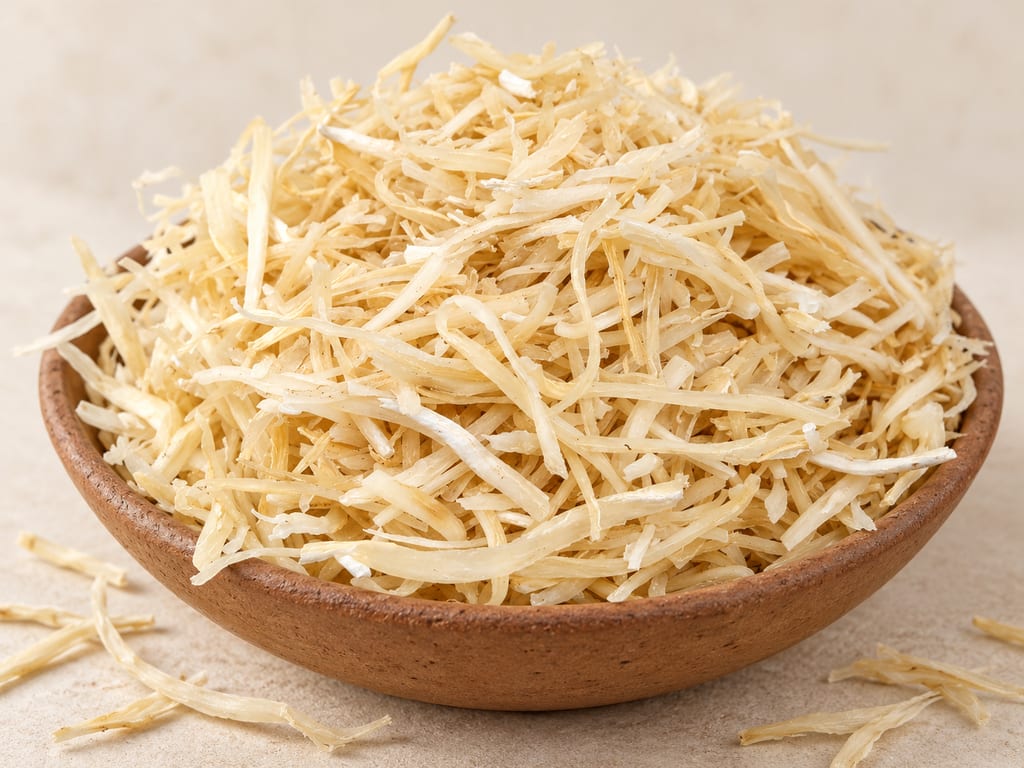
Abacha
Abacha is a fermented cassava-strip preparation from southeastern Nigeria, sold wet or dried and later rehydrated for meals such as African salad.
 FermenteaWhere food goes to change
Modern adaptation
Agege bread
This softer home-style Agege bread uses a scalded flour paste, an enriched yeast dough and a 9×5-inch loaf pan, with rolls from the extra dough.
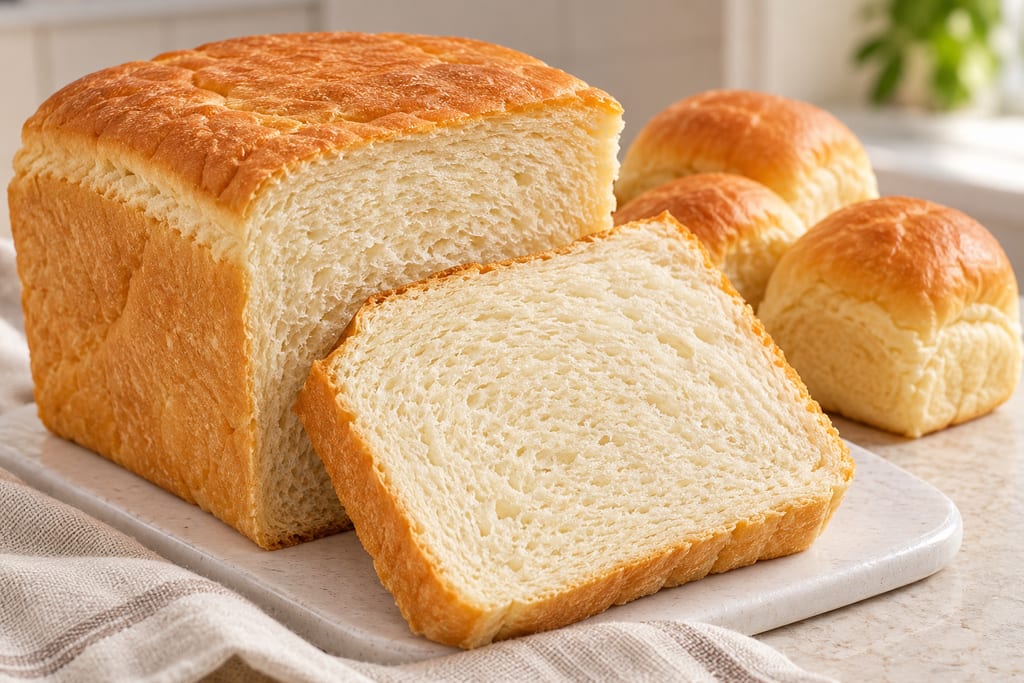
The Taste Tutor recipe describes Agege bread as a Nigerian enriched loaf with a close, elastic crumb. The author gives a softer home-style variation as a replacement for the bread-flour ratio in the main recipe. This entry follows that explicitly stated flour blend: three cups bread flour and one and one-third cups all-purpose flour. The source's instructions otherwise refer to both bread flour and all-purpose flour, while its ingredient list shows only the bread-flour amount; using the explicit variation keeps the flour quantities coherent and signals the softer result the author describes.
The method starts with a cooked flour-and-water scald, then combines it with evaporated milk, butter and warm water. Strong gluten development matters to the author's target texture, so the dough is kneaded for 20–30 minutes in a stand mixer and checked with a stretch cue. The author also describes hand kneading, using part of the measured flour for the work surface.
The source gives two rises of about one hour each, with the dough covered in a warm place until doubled. Shape most of the dough into a log for a 9×5-inch loaf pan; the remaining dough is divided into four rolls. The page also gives an alternative yield of sixteen mini loaves or rolls at 70 g each, but does not explain how that count relates to the loaf-pan method, so the steps here follow the one-loaf-plus-four-roll route.
Bake the loaf for 30 minutes at 350°F (177°C) and the rolls for 15 minutes. Brush the baked bread with butter and cool it on a rack. The source gives no internal temperature.
Do not taste raw flour or dough. Keep it away from ready-to-eat food and clean hands and surfaces after handling. Because the dough contains dairy, the two warm rises together should stay within FoodSafety.gov's general two-hour limit for perishable food, or one hour when temperatures are above 90°F (32°C). Refrigerate dough if a delay would extend that schedule. These general rules do not validate the recipe's proofing conditions.
The bread archive and cited Nigerian recipe associate Agege bread with Nigeria. The author calls this a softer home-style variation and does not date the bread's first attestation or claim a single origin.
Yield 1 9×5-inch loaf plus four rolls from extra dough · Scaling: source batch only
Raw flour may carry harmful bacteria; this recipe also includes dairy ingredients.
Hazard sourceThe recipe uses evaporated milk and butter, then proofing in a warm place; its two rises are each about one hour.
Hazard sourceDo not taste raw flour or dough; prevent contact with ready-to-eat foods and wash hands, tools and work surfaces after handling.
Control sourceKeep the combined warm proofing periods within the food-safety guidance for perishable food: refrigerate within 2 hours, or within 1 hour if exposed above 90°F (32°C); refrigerate dough if a delay extends the schedule.
Control sourceThe scald is cooked before it is cooled. Do not taste flour mixtures before they are fully cooked.
The source does not state an internal bread temperature; follow its described bake and full-bake cue without treating crust color alone as a safety test.
The archive and author associate Agege bread with Nigeria; this country-level association does not claim a single birthplace.
Abacha is a fermented cassava-strip preparation from southeastern Nigeria, sold wet or dried and later rehydrated for meals such as African salad.

Eba is a West African dish of cooked gari, stirred into hot water until it forms a thick paste. It is a cooking stage with no new fermentation, served with soup.
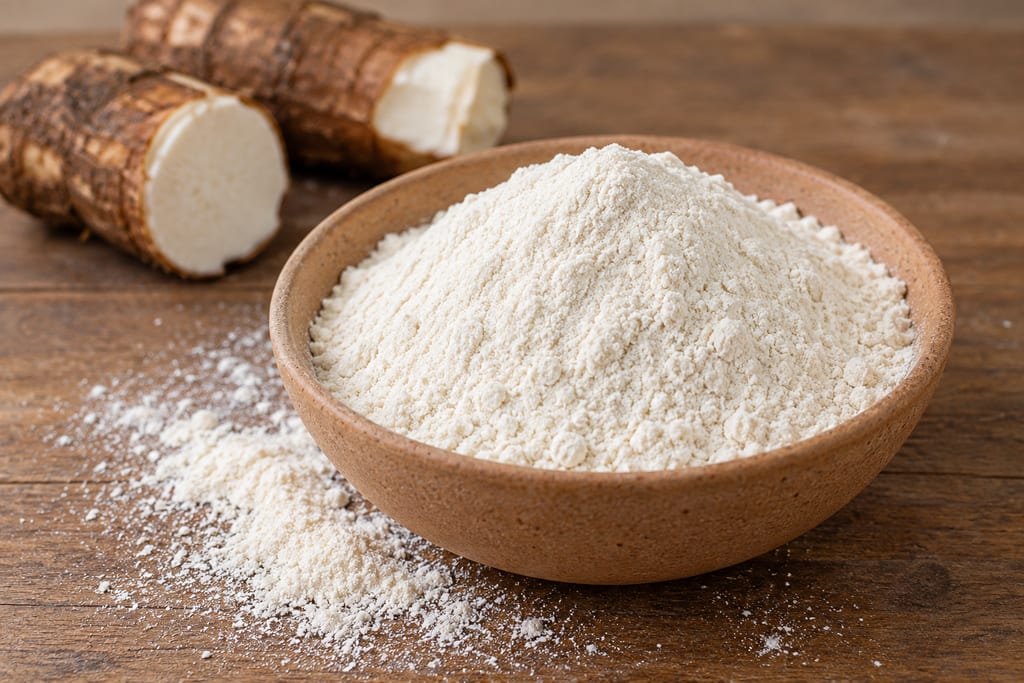
Lafun is a Nigerian fermented cassava flour described in historical accounts. This record documents reported processing stages, not a validated household method or a batch-specific cyanogen and moisture safety endpoint.
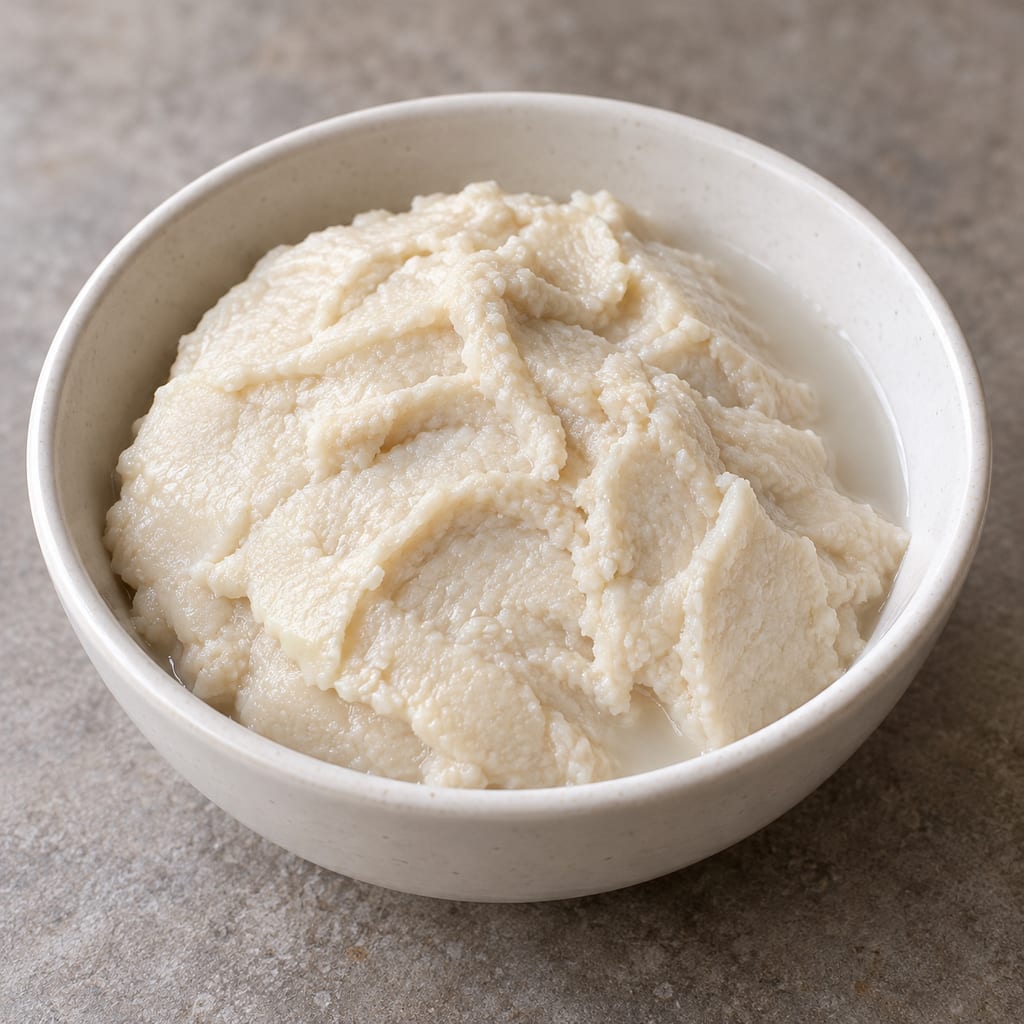
Ogi or akamu is a wet fermented cereal preparation documented in Nigeria and Benin. Grain or maize starch is steeped, milled or sieved, then fermented by process-specific routes; evidence supports no universal method or safety limit.
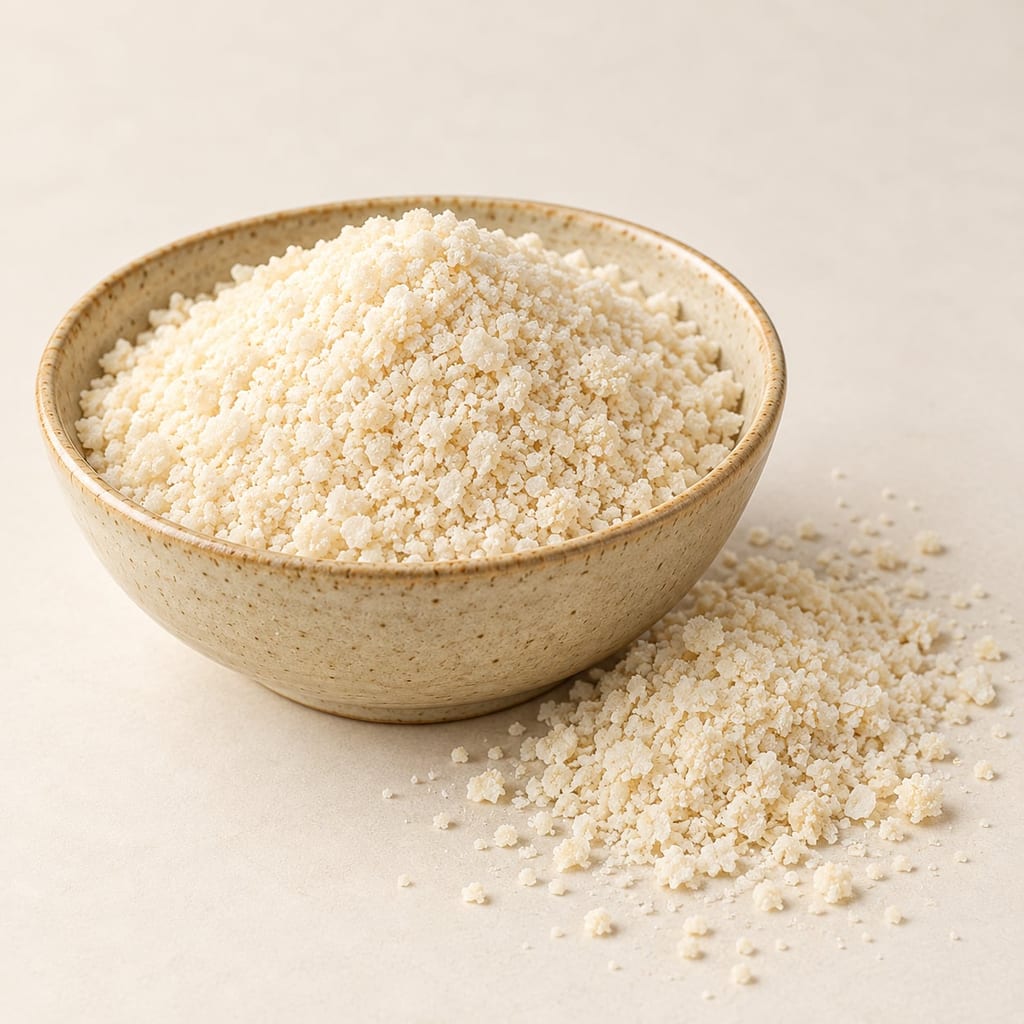
White gari is grated cassava fermented for three days, then pressed, sieved and toasted dry into a coarse West African meal eaten soaked or as a stiff porridge.
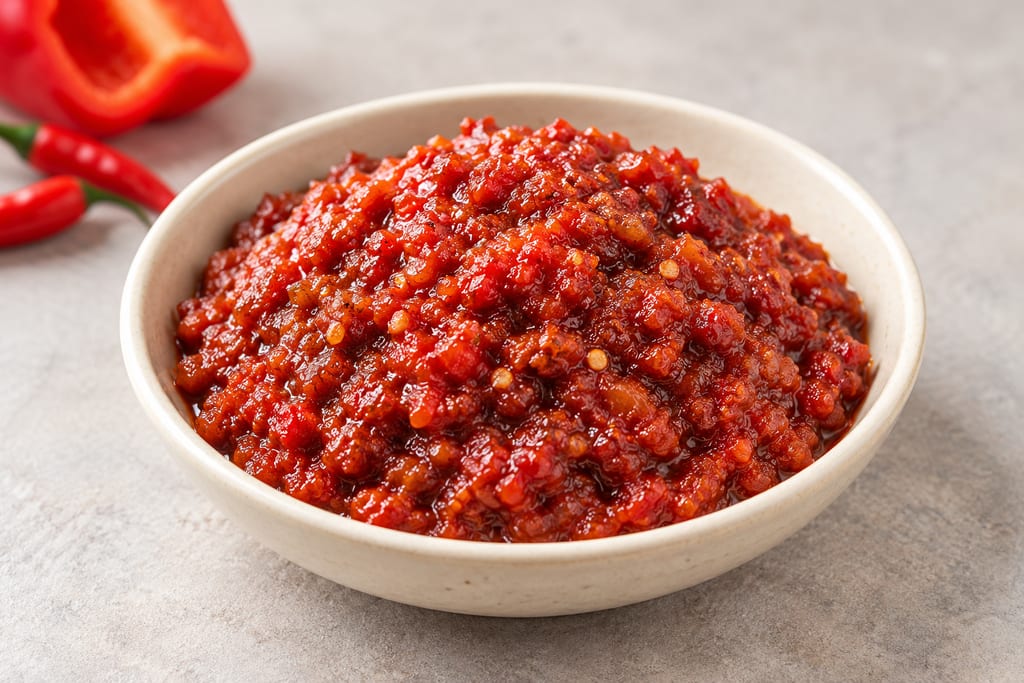
Ata dindin is the Yoruba fried pepper sauce: chillies, red bell pepper and onion blended and cooked down in oil until the oil separates. The same name is also given to a finished stew built on it.
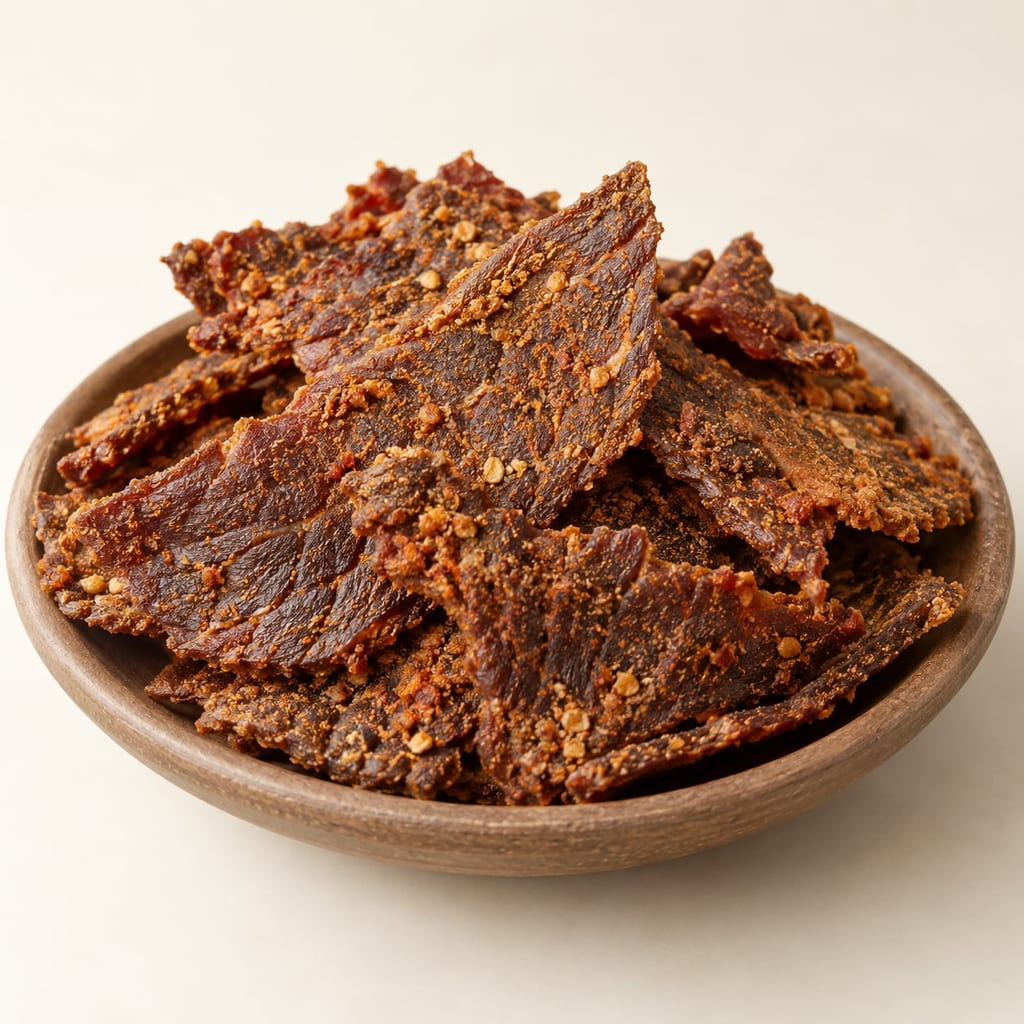
Kilishi is a Hausa-land dried meat from northern Nigeria and southern Niger: thin slices of beef or other meat, dried, coated in a spiced groundnut paste and dried again.
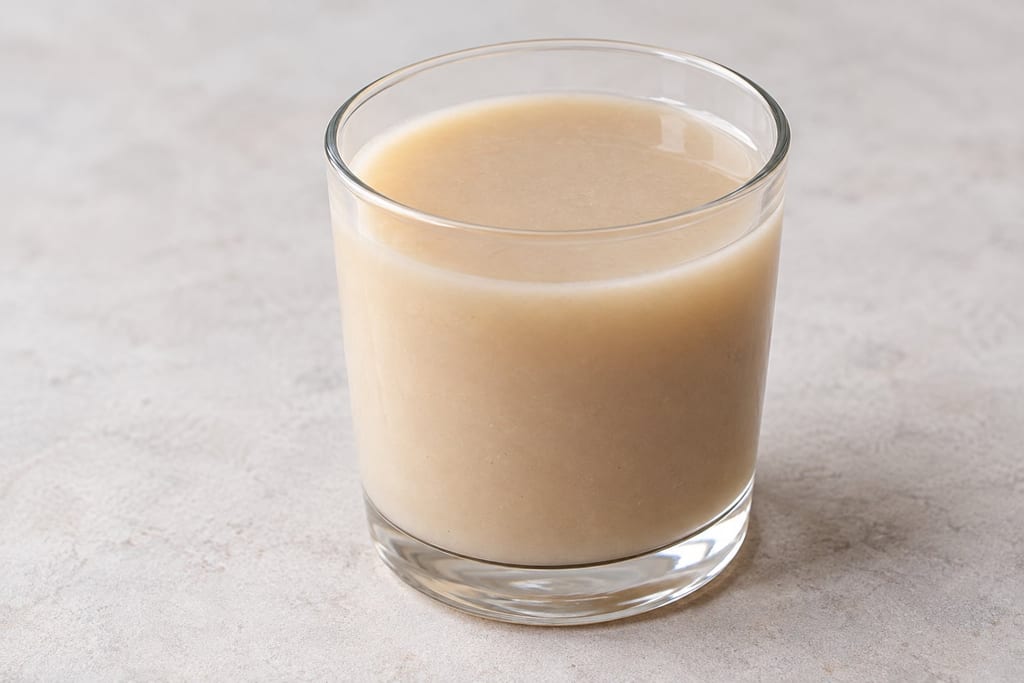
A thick, spiced northern Nigerian drink of pearl millet in which only part of the fermented slurry is cooked, so raw starch and gelatinised starch are recombined.
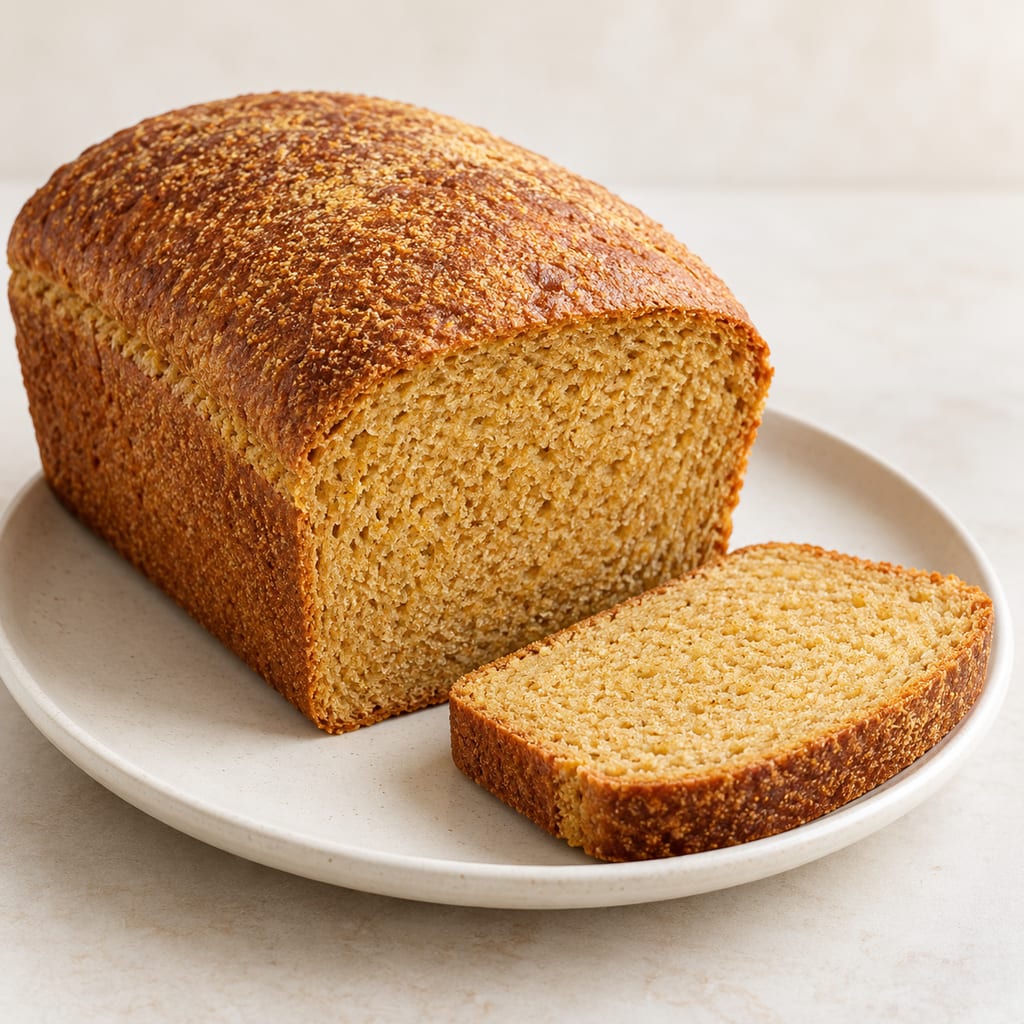
Anadama is a New England yeast loaf made with wheat flour, cornmeal and molasses. Scalded cornmeal enriches the dough, while molasses lends sweetness and a dark crust; it is especially good toasted or beside soup and baked beans.

A yeast-raised wheat ring shaped from a firm dough, briefly boiled and baked. This source-batch formula gives a gently malted crust and a chewy crumb.
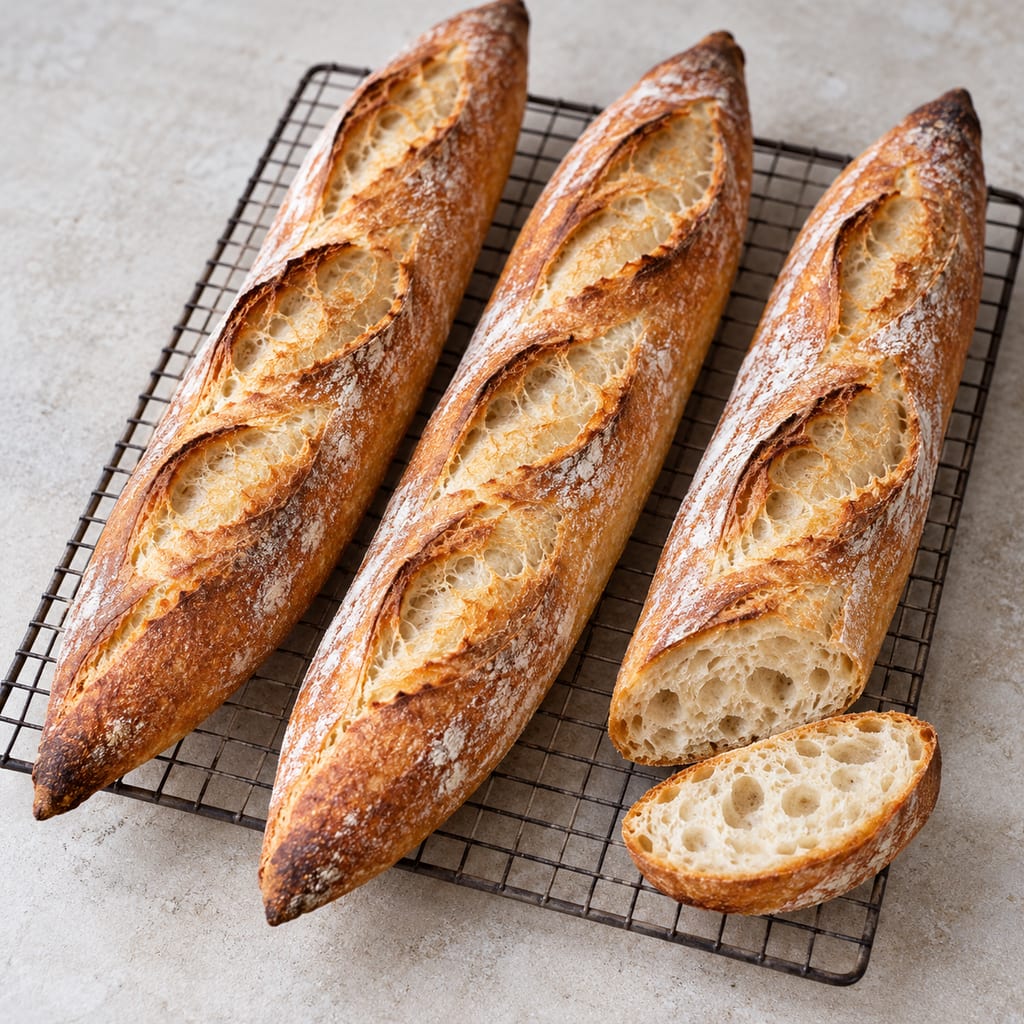
Three long, crusty wheat loaves made with an overnight yeast poolish, shaped by hand and baked with steam for a crisp crust.
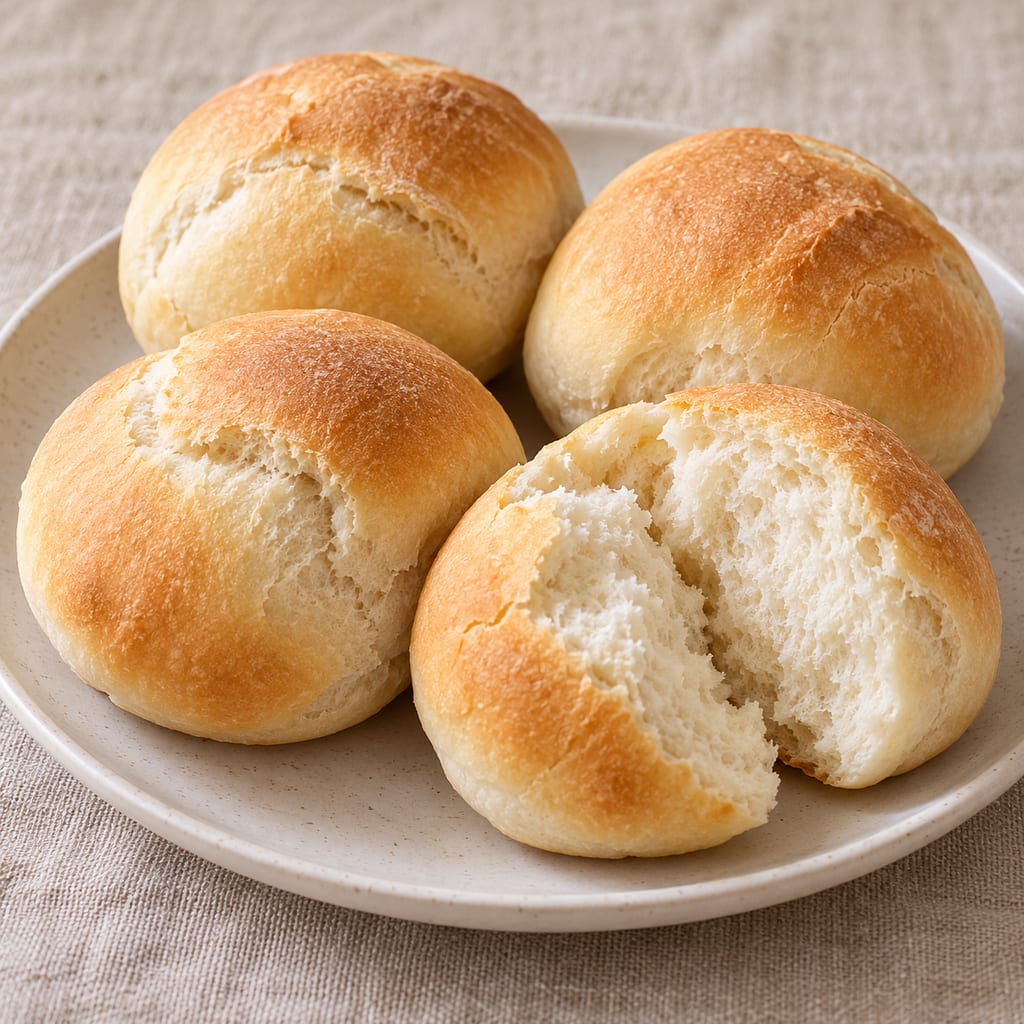
A lightly salted, yeast-raised Barbadian roll, baked in a dozen-roll home batch and often split for cutters.
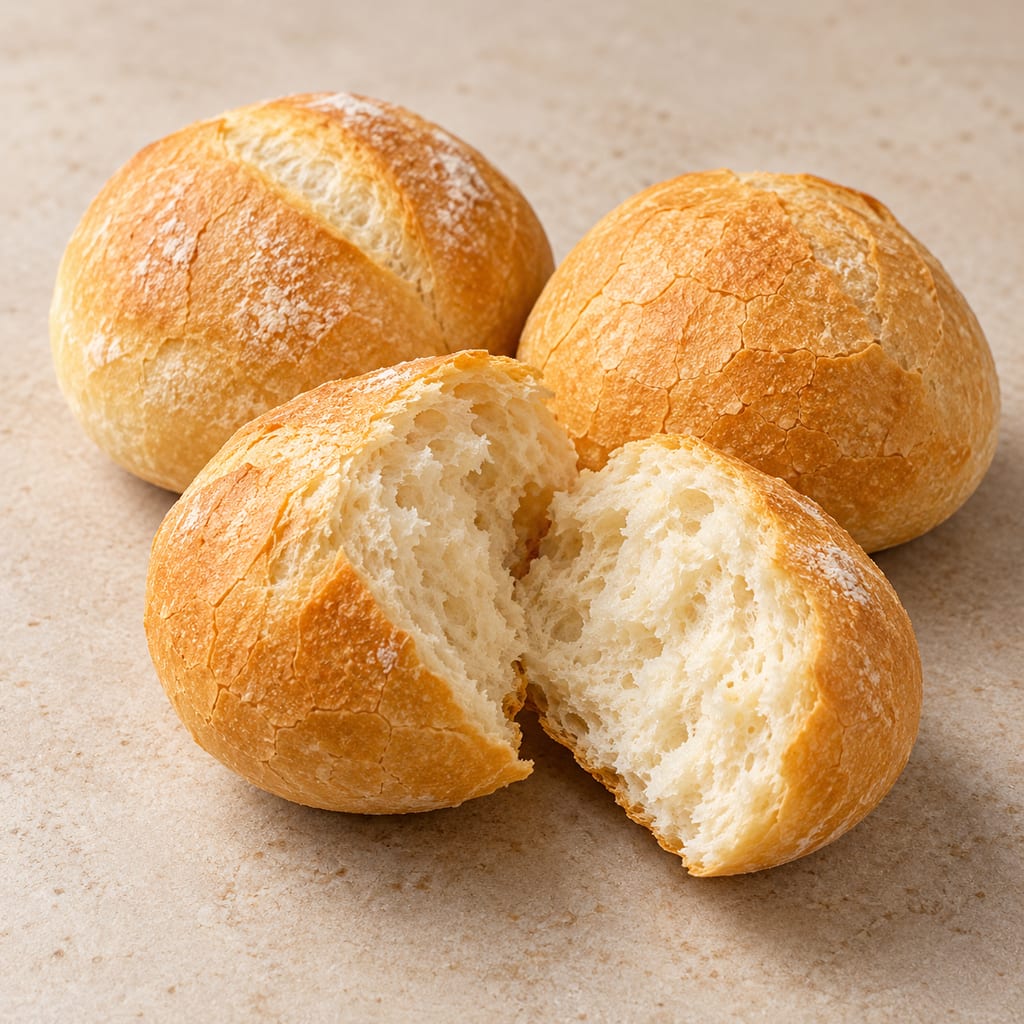
A crisp Belgian roll made from a supplier’s Croc-flour dough, mixed by hand or machine, proofed in rounds and baked with steam.
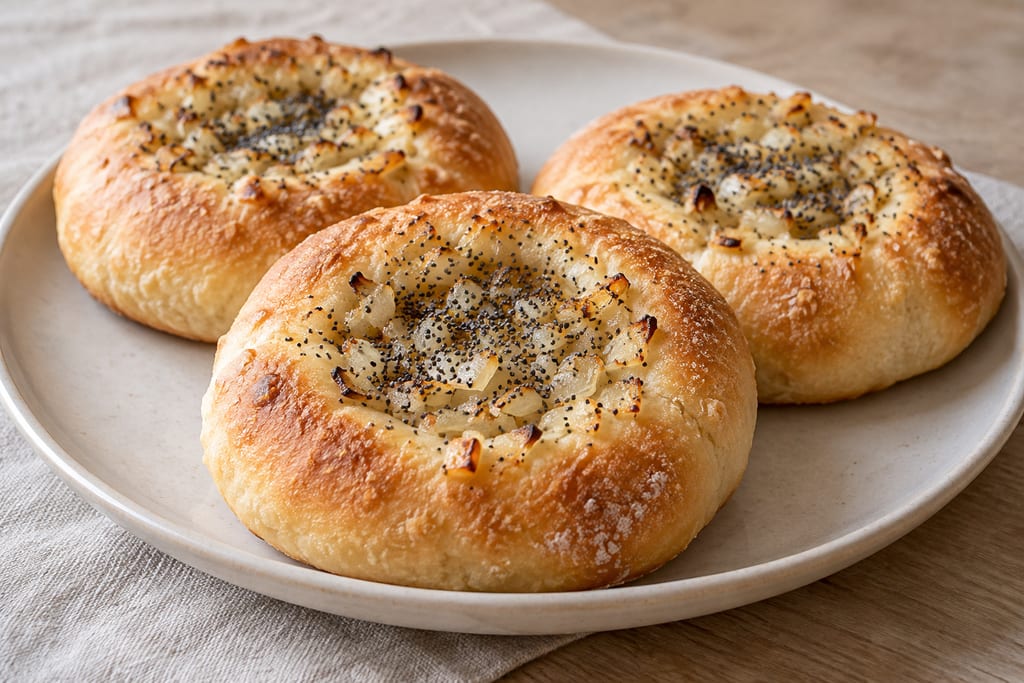
Bialys are soft, yeasted wheat rolls baked without boiling, each shaped with an onion-filled central depression instead of a hole.
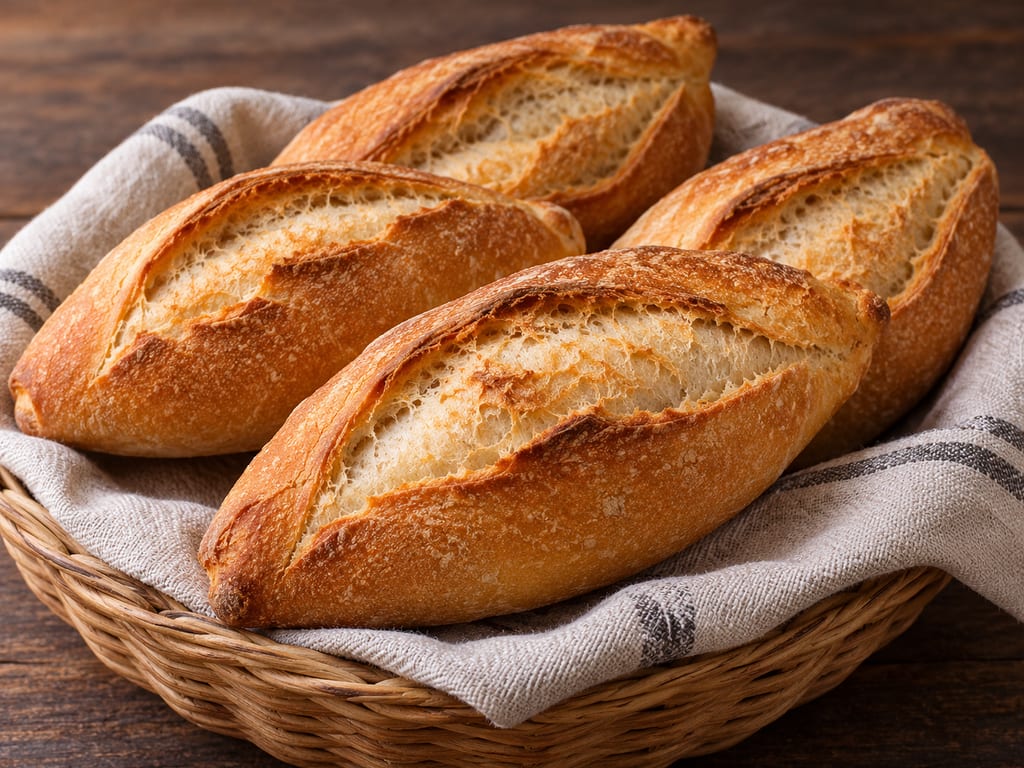
A measured, commercial-yeast home method for Guadalajara-style birote salado, with a six-hour preferment, shaped rolls and a two-temperature steam bake. This formula contains no egg.
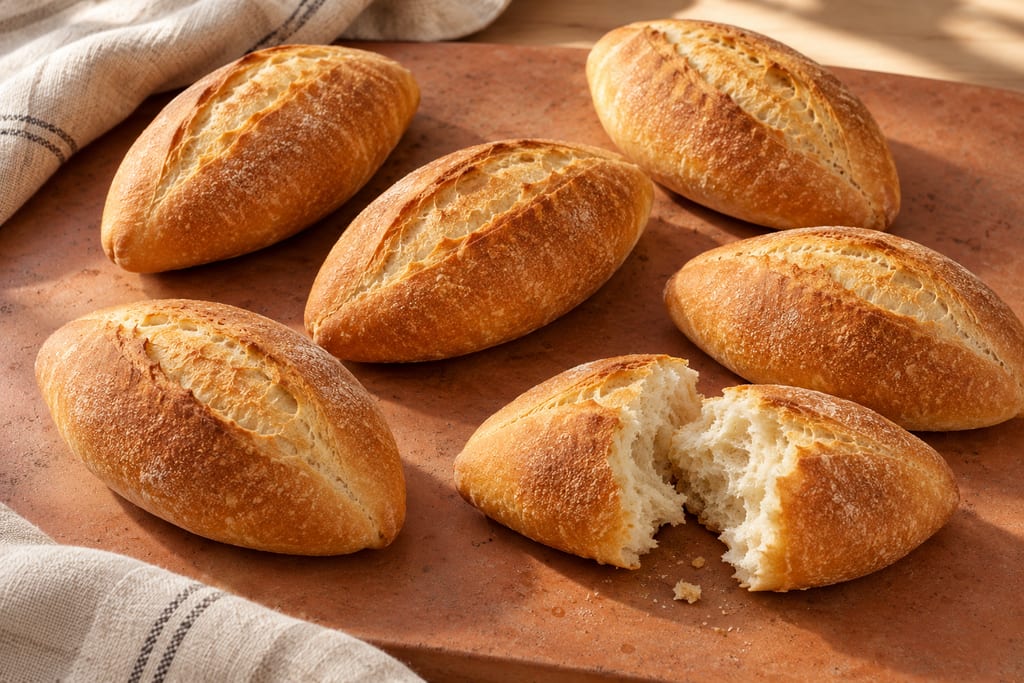
Small, lightly enriched rolls with tapered ends and a scored top; this six-roll formula bakes on a hot stone with steam for a thin, crisp crust.
No community contributions have been published for this entry yet.
Sign in to contribute. Published comments and photos are free to read.
Taste TutorInspiration · Method · History
AGEGE BREADBase formula including the scalded flour, measured ingredients, dough hydration and temperatures, kneading cue, proofing, shaping, oven temperature and bake times.
The author explicitly supplies a softer home-style flour variation of 3 cups bread flour and 1⅓ cups all-purpose flour; this body follows that variation and distinguishes it from the bread-flour-only ingredient list.
The page tags the recipe Nigerian and does not provide a dated first attestation or single-origin evidence.
U.S. Food and Drug AdministrationSafety
Handling Flour Safely: What You Need to KnowDo not eat or taste raw flour or dough; prevent cross-contact and clean hands, tools and surfaces after handling.
FoodSafety.govSafety
4 Steps to Food SafetyRefrigerate perishable foods within two hours, or within one hour when exposed above 90°F (32°C); refrigerator should be at 40°F (4°C) or below.