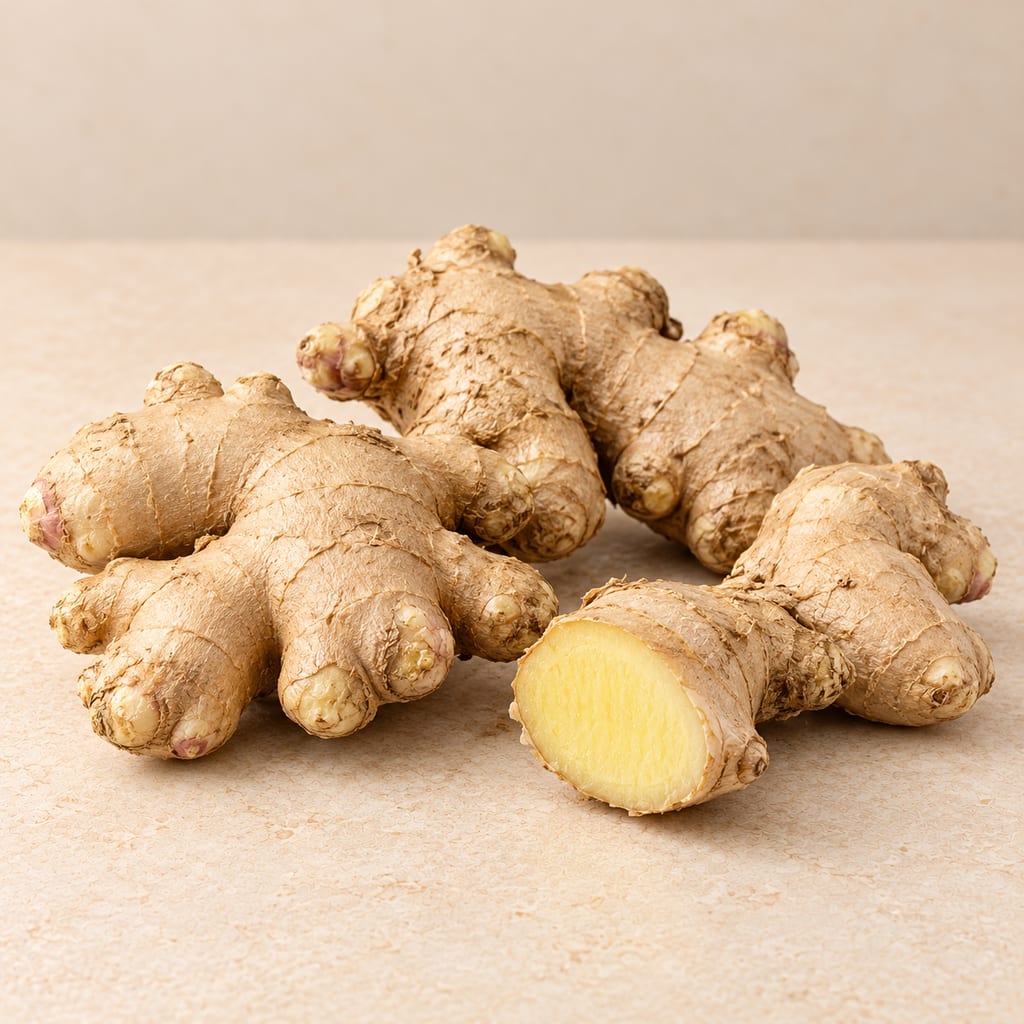
Ginger
Ginger is the aromatic rhizome of Zingiber officinale, used fresh, dried and preserved. Historical ginger wines sliced or bruised it to flavour a sugar-based ferment.
 FermenteaWhere food goes to change
Modern method
Kunu zaki · kunun-zaki
A thick, spiced northern Nigerian drink of pearl millet in which only part of the fermented slurry is cooked, so raw starch and gelatinised starch are recombined.
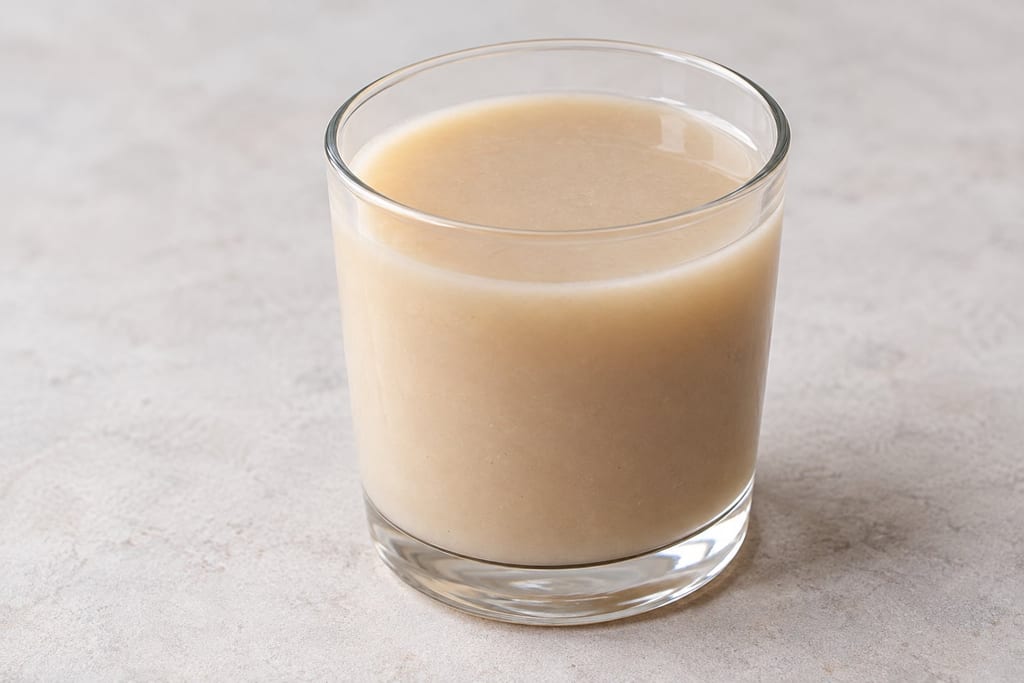
Kunu zaki is a traditional Nigerian cereal beverage, particularly associated with northern Nigeria. It is commonly made from millet, although sorghum, maize and other grains may also be used.
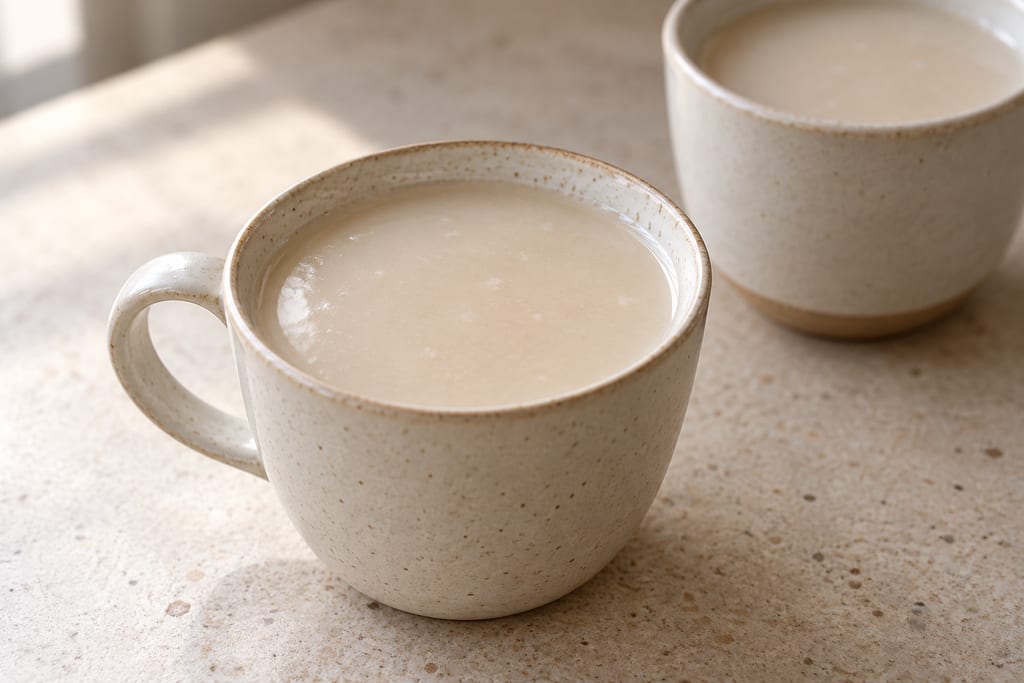
The drink is usually opaque, pale and lightly sour, with a characteristic cereal body and spices such as ginger.
Unlike European beer, it is commonly prepared as a fresh, relatively short-lived drink rather than fermented to substantial alcohol strength and matured.
The grain undergoes soaking, wet milling, partial cooking and fermentation. The process produces a liquid rich in cereal-derived material, rather than a clear, filtered alcoholic beverage.
Kunu zaki is commonly described as non-alcoholic in Nigerian food literature, but that is a culinary classification rather than proof that every naturally fermented sample contains zero ethanol.
This preparation uses pearl millet and a measured method published in a 2025 food-science study.
Kunu zaki belongs to a wider group of northern Nigerian cereal drinks, but not every beverage called kunu has the same ingredients or process.
The term zaki is associated with sweetness.
Hausa — Kunun zaki
Hausa — Kunu — broader cereal-drink family
English — Sweet fermented millet drink
Pearl millet — Cenchrus americanus, synonym Pennisetum glaucum
Ginger — Zingiber officinale
Clove — Syzygium aromaticum
Cinnamon — Cinnamomum species
Black pepper — Piper nigrum
Millet and sorghum are important crops across the West African savanna and Sahel.
Their suitability for relatively dry agricultural environments helped make them significant in regional food traditions.
Fermented cereal foods and drinks developed within these grain-based food systems.
Kunu zaki is associated with Hausa-speaking northern Nigeria and is consumed in households, markets and other everyday settings.
It is often served as a breakfast drink or refreshment.
The beverage's precise date of origin is not established by the available scientific literature.
Its traditional status is well documented, but that does not justify assigning a specific ancient invention date.
A microbiological study published in 1995 investigated the fermentation process.
Further food-safety research in 2003 documented problems associated with inconsistent production and hygiene.
The modern 2025 investigation compared kunu zaki produced from different cereals, including pearl millet.
These studies establish a continuous modern research record, not the origin of the tradition.
Pearl millet is a small-seeded cereal adapted to warm and relatively dry growing conditions.
The grain provides starch, protein, minerals and other components.
Its starch forms much of the beverage's body after wet milling and cooking.
The grain also carries naturally occurring microorganisms.
Soaking changes hydration and may permit microbial activity.
The precise composition depends on the grain variety, storage history and processing.
The recipe's texture therefore begins with grain selection, not simply with how much water is added at the end.
Experimental pearl-millet formulation · Final yield not stated
The study's wording groups ginger, clove and cinnamon around a 10 g figure without clearly establishing whether this is a combined quantity or an individual quantity for each spice.
That ambiguity should remain in the database until the original investigators' formulation is clarified.
The one-kilogram grain quantity is specified.
No exact soaking-water volume, final product yield or batch-sized container is documented.
Pearl millet — 1 kg
Ginger, clove and cinnamon — 10 g stated for the spices; allocation among them unclear
Black pepper — 3 g
Water for soaking — Quantity not stated
Water for mixing after fermentation — 1 L
Additional water — 500 ml
Sugar — 200 g
The grain supplies starch and cereal flavour.
Ginger contributes pungent aromatic compounds and a recognizable warmth.
Clove contains eugenol and related aromatic compounds that produce a strong warm-spice character.
Cinnamon contributes sweet, woody aromas.
Black pepper supplies pungency, primarily associated with piperine.
The added sugar sweetens the finished beverage. It can also become a substrate for microorganisms if fermentation continues after addition.
Use sound pearl millet free from visible mould, insect damage or other deterioration.
The study uses selected grains; it does not establish a separate quantitative cleaning schedule.
Combine the 1 kg millet with the specified spices and water.
Soak for 48 hours.
The study does not provide a soaking temperature or water volume.
This stage allows the grain to hydrate and permits microbial changes to begin.
Drain or process the soaked grain as required by the milling method.
Wet-mill the mixture to produce a slurry.
Wet milling breaks up grain particles and distributes the cereal solids through water.
Pass the milled mixture through muslin cloth.
The purpose is to separate coarser material and obtain a slurry suitable for fermentation.
The source does not specify mesh size.
Leave the sediment slurry for 24 hours at ambient temperature.
The source does not give a precise numerical fermentation temperature.
Microbial acid production may occur during this period.
Remove the supernatant liquid.
The remaining slurry is the principal material for the next stage.
Mix the slurry with 1 L water.
Divide it into two equal portions.
Heat one half of the slurry to 100°C for three minutes.
This partially gelatinizes the starch and creates a thicker cooked component.
Mix the cooked portion with the uncooked portion.
The uncooked fraction introduces a different starch structure and potentially viable microorganisms.
This is a characteristic feature of the process.
Add 500 ml water and 200 g sugar.
Mix thoroughly.
The study does not give a final product yield or validated refrigerated shelf life.
Partial cooking is central to the beverage's texture.
When starch is heated in the presence of water, its granules swell and lose their ordered structure.
This is known as gelatinization.
A cooked slurry becomes thicker because hydrated starch contributes viscosity.
The uncooked fraction behaves differently.
Combining the two fractions gives a mixture containing both cooked and less-processed cereal material.
Traditional kunu methods often use this approach to achieve a drinkable but substantial consistency.
The cooking step may also reduce microorganisms in the heated portion, while the uncooked fraction can reintroduce microbial activity.
It should not be interpreted as sterilizing the finished beverage.
Kunu zaki commonly involves lactic-acid fermentation.
Microorganisms metabolize available sugars and produce acids.
The increased acidity contributes a sour taste and changes the microbial environment.
Research has also identified yeasts during production.
A 1995 study found that the microbial population changed during steeping and fermentation, with Lactobacillus organisms becoming predominant towards the end of the studied process.
The study reported an acceptable beverage after eight hours of fermentation in its own formulation.
That result should not replace the 24-hour fermentation specified in the later experimental method.
Different studies use different substrates and processes.
Fermentation can favour lactic-acid bacteria, but traditional cereal drinks may also be contaminated during preparation.
Grain, spices, water, grinding equipment and containers are possible sources.
A later investigation of locally sold kunu zaki found evidence of undesirable microorganisms in some samples.
This is important because a sour taste does not establish safety.
The presence of beneficial fermentation organisms does not guarantee the absence of pathogens.
Production hygiene and appropriate process controls remain essential.
A widely recognized form, using millet as the main cereal.
Uses sorghum, which may change colour, texture and flavour.
Maize provides a different starch composition and cereal character.
Research has tested less commonly used grains to investigate their chemical and nutritional properties.
These studies demonstrate the adaptability of the beverage.
They do not establish that every grain produces the same fermentation rate or safety characteristics.
Ginger is a prominent ingredient in many versions.
Clove, cinnamon and pepper may be included.
Some traditional production methods also use sweet potato as part of the raw mixture.
Sweet potato introduces additional starch and potential enzyme activity.
Spice quantities differ between producers.
The 2025 formulation's ambiguity concerning the 10 g spice quantity should not be resolved through guesswork.
The drink is commonly served cool.
It may be consumed at breakfast, with snacks or as an everyday refreshment.
Its sweetness and viscosity vary.
Some versions are thin enough to drink easily from a cup.
Others are noticeably more substantial.
Freshness is important because the product can continue fermenting after production.
A good sample should have a characteristic cereal aroma and a balanced, mildly sour taste.
Ginger and other spices should be perceptible.
The drink should remain opaque.
Some sedimentation is normal.
A very gritty texture may indicate inadequate milling or sieving.
Excessively thick paste may indicate poor dilution control.
A thin, watery result may reflect inadequate starch gelatinization.
Grainy texture: Insufficient milling or sieving.
Excessive thickness: Too much gelatinized starch relative to liquid.
Weak spice flavour: Ingredient quality or processing may be responsible.
Unpleasant odour: Possible spoilage; do not consume.
Visible mould: Discard.
Uncontrolled fermentation: The drink may continue acidifying and potentially producing gas after sweetening.
Poor keeping quality: Traditional fresh kunu zaki is known for a short shelf life.
The 2003 hazard-analysis study reported a typical shelf life of approximately one day in the traditional context.
That observation is not a validated storage limit for the 2025 formula.
Use potable water, clean equipment and sound grain.
The partly uncooked final process has not been validated to eliminate all pathogens.
Refrigerate promptly and do not assume the drink is microbiologically safe merely because it is sour.
The final sugar addition may support continuing fermentation.
Do not seal it in unsuitable containers during active gas production.
Kunu zaki is a cereal drink consumed in northern Nigeria, traditionally made from millet or other cereals with spice mixtures. This entry records a measured pearl-millet research method rather than claiming it as a universal household recipe.
Scaling: source batch only
A hazard analysis of kunun-zaki in northern Nigeria identified coliforms, Bacillus cereus and Staphylococcus aureus in sampled products and noted risks from contaminated environments and ambient holding; that survey did not test this exact study batch.
Hazard sourceKeep milling, sieving and fermentation equipment clean; the method does not set a validated acidity or pathogen-reduction endpoint.
Control sourceThe regional hazard analysis found ambient display of kunun-zaki can be risky and observed refrigeration of leftovers; it does not establish a universal storage duration for this formulation.
Control sourceThe study calls kunu zaki non-alcoholic but did not report alcohol testing for this batch; fermentation does not establish zero alcohol.
The source gives no validated finished acidity or storage duration. A separate Nigerian hazard study found contamination concerns in some producer environments; elapsed time alone is not a safety check.
The study locates traditional kunu zaki in northern Nigeria and researches Nigerian millet varieties; the method is not attributed to a specific town.
Ginger is the aromatic rhizome of Zingiber officinale, used fresh, dried and preserved. Historical ginger wines sliced or bruised it to flavour a sugar-based ferment.
From sour breads and milk to savoury seeds, cassava staples and living beers, African fermentation follows the crop, the community and the work of transformation.
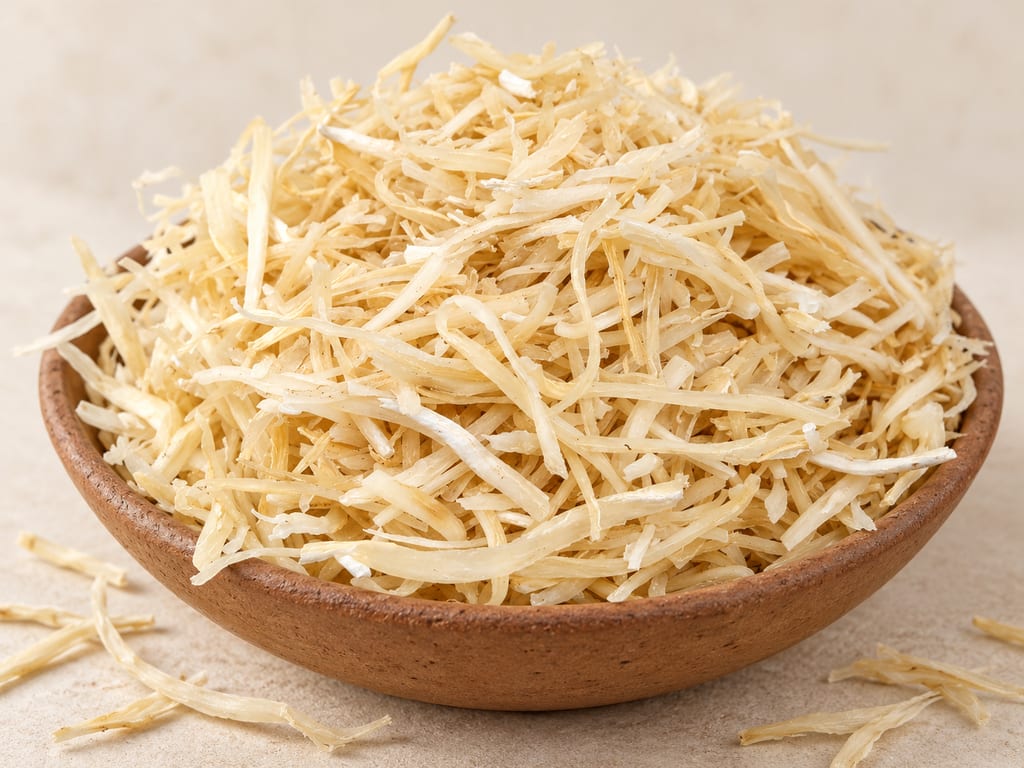
Abacha is a fermented cassava-strip preparation from southeastern Nigeria, sold wet or dried and later rehydrated for meals such as African salad.
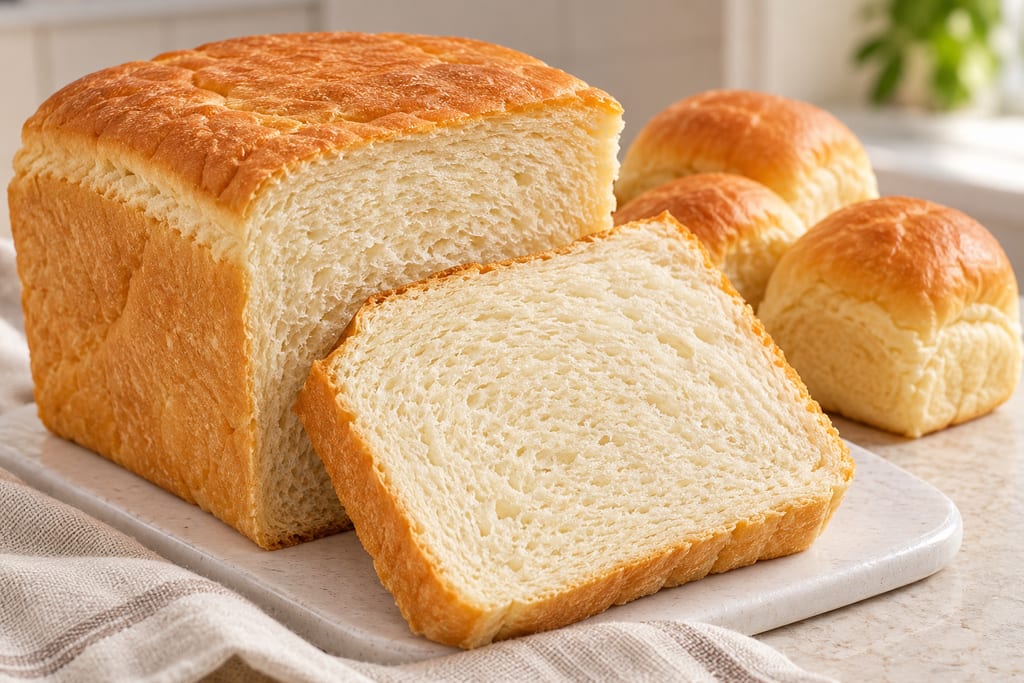
This softer home-style Agege bread uses a scalded flour paste, an enriched yeast dough and a 9×5-inch loaf pan, with rolls from the extra dough.
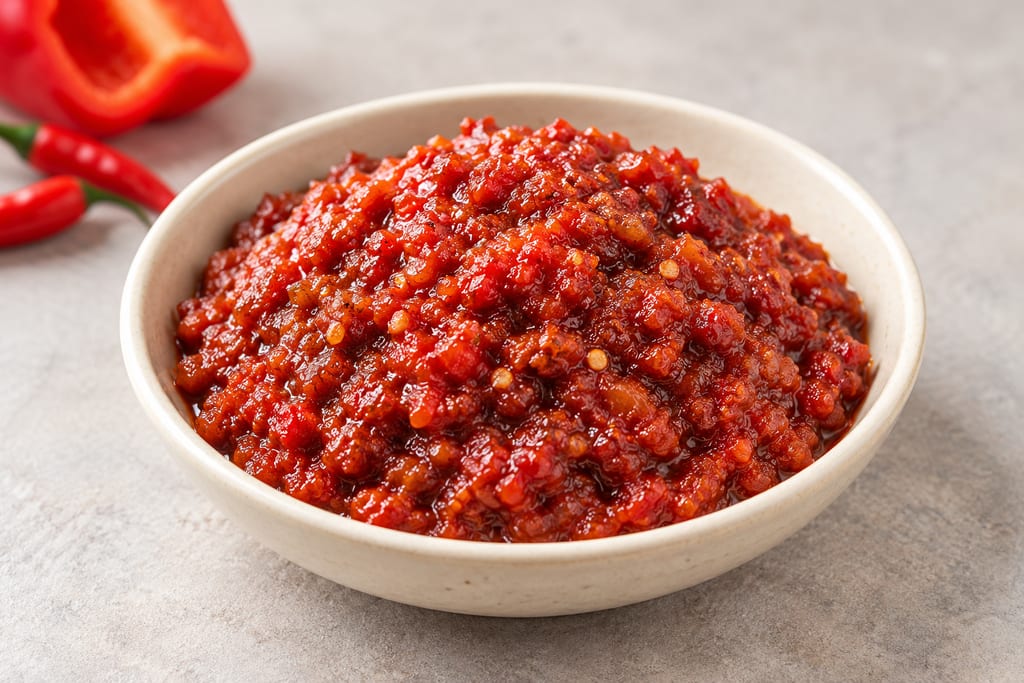
Ata dindin is the Yoruba fried pepper sauce: chillies, red bell pepper and onion blended and cooked down in oil until the oil separates. The same name is also given to a finished stew built on it.

Eba is a West African dish of cooked gari, stirred into hot water until it forms a thick paste. It is a cooking stage with no new fermentation, served with soup.
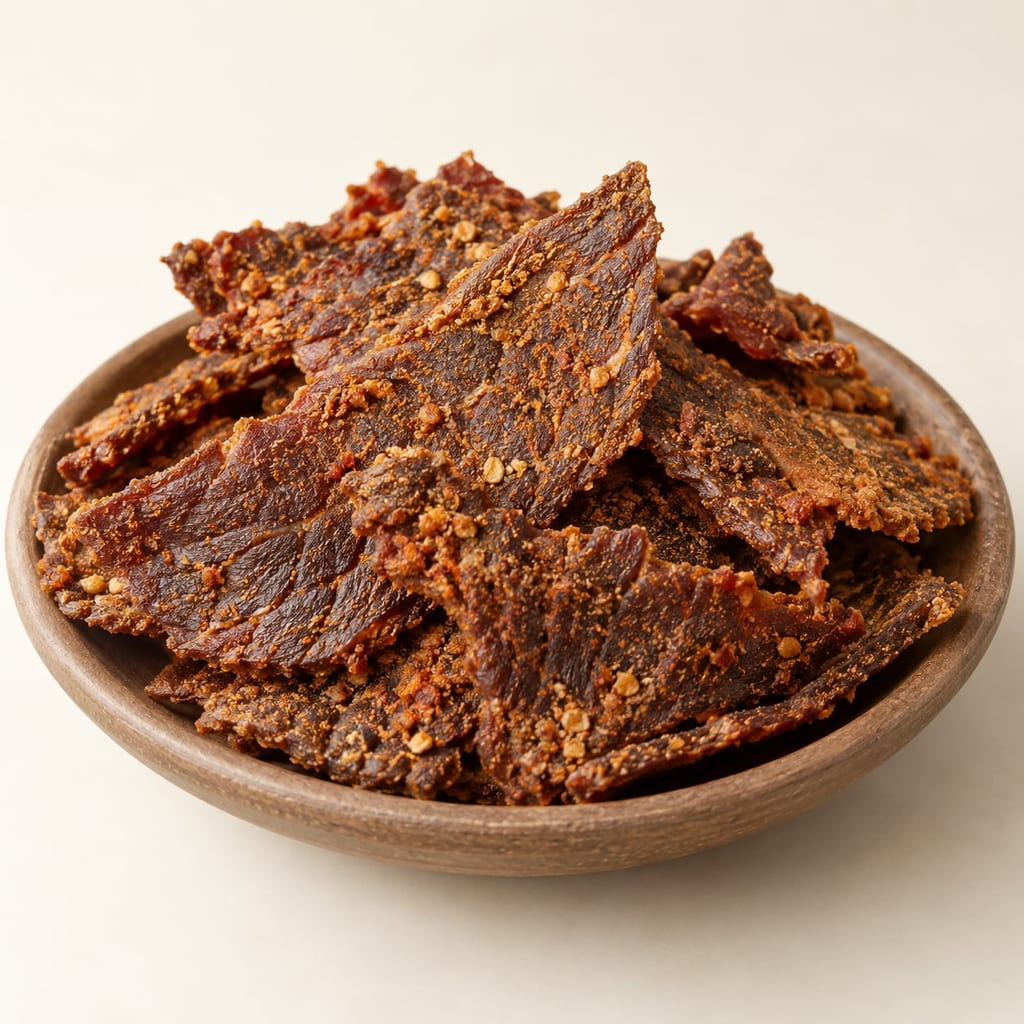
Kilishi is a Hausa-land dried meat from northern Nigeria and southern Niger: thin slices of beef or other meat, dried, coated in a spiced groundnut paste and dried again.
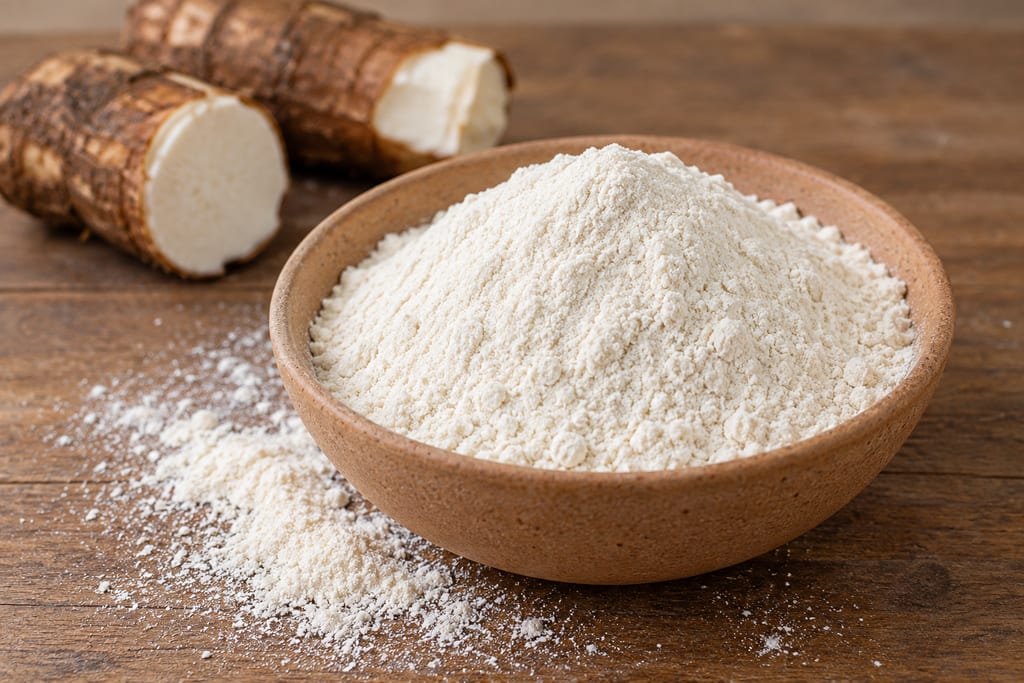
Lafun is a Nigerian fermented cassava flour described in historical accounts. This record documents reported processing stages, not a validated household method or a batch-specific cyanogen and moisture safety endpoint.
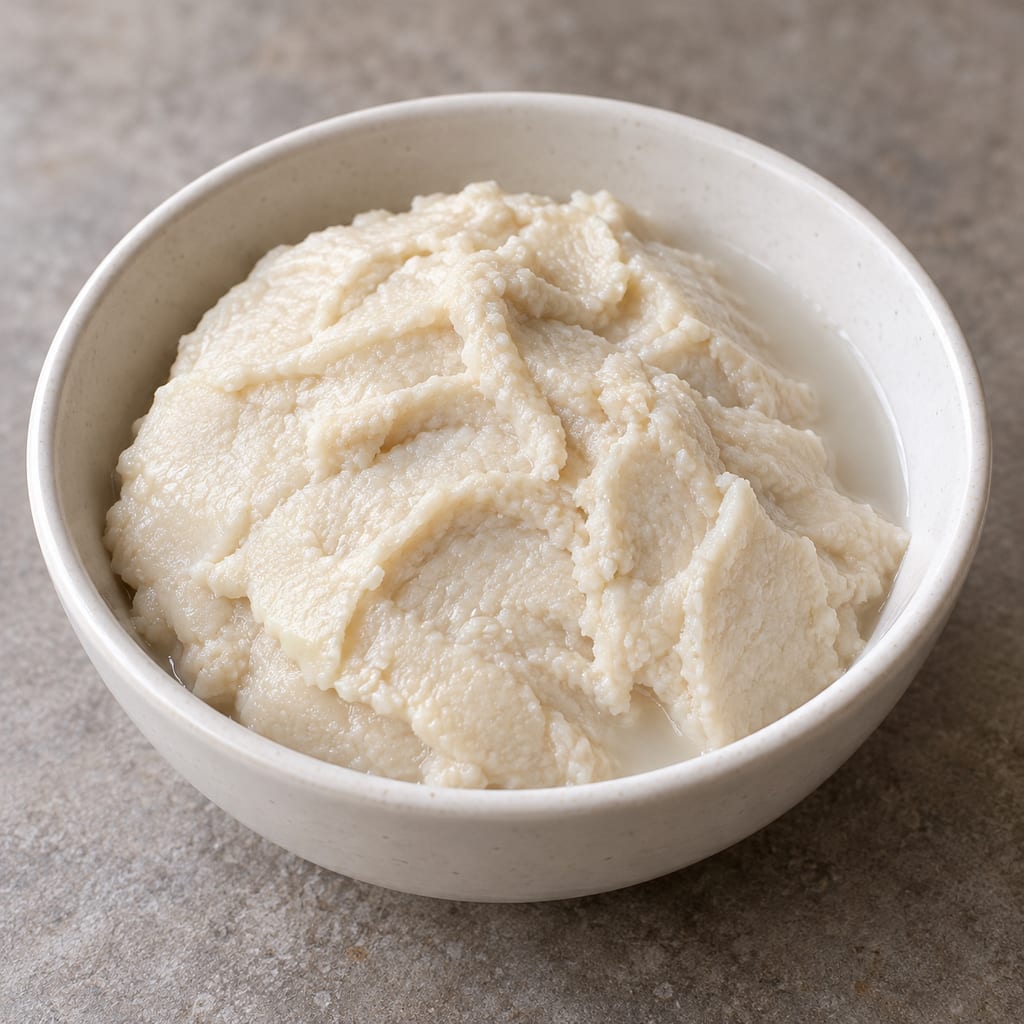
Ogi or akamu is a wet fermented cereal preparation documented in Nigeria and Benin. Grain or maize starch is steeped, milled or sieved, then fermented by process-specific routes; evidence supports no universal method or safety limit.
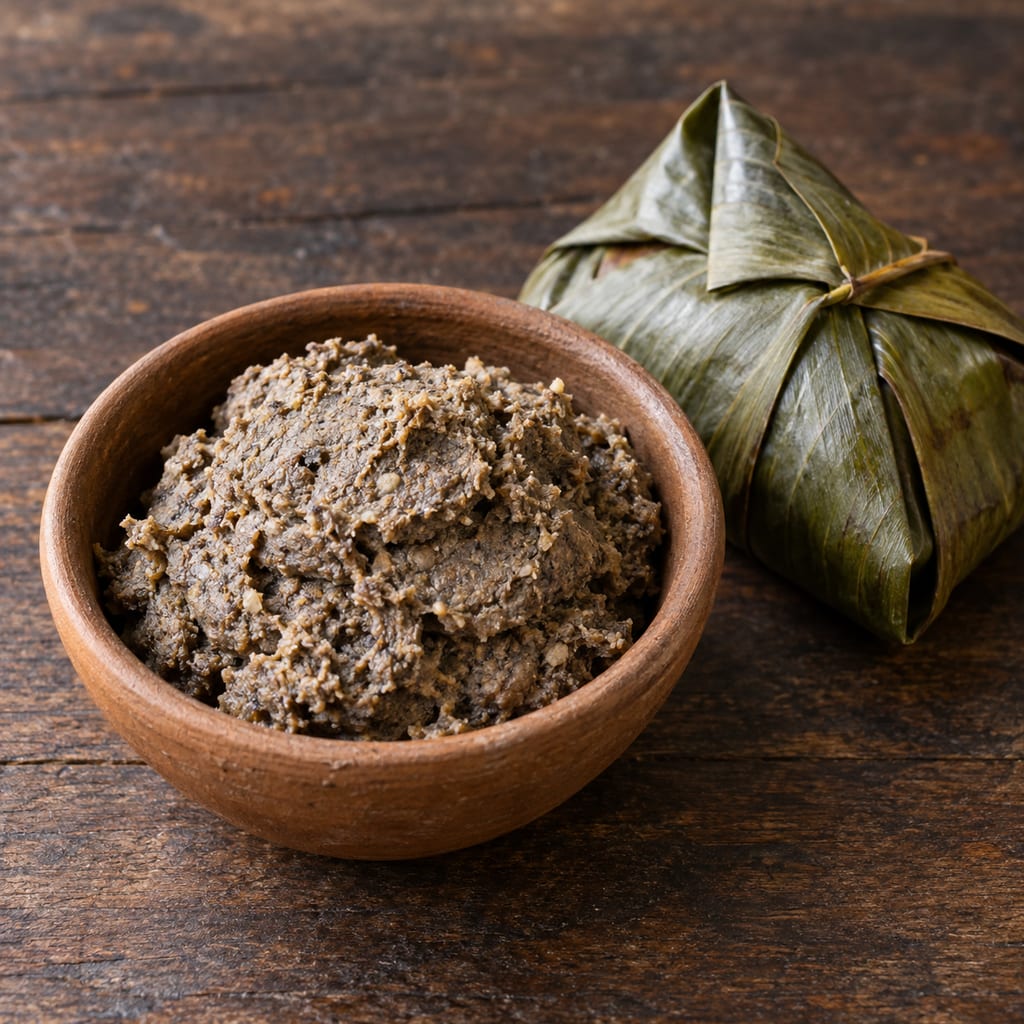
A Nigerian condiment of cooked, fermented melon seeds, wrapped in leaves and held warm for several days, used to thicken and flavour soups and stews.
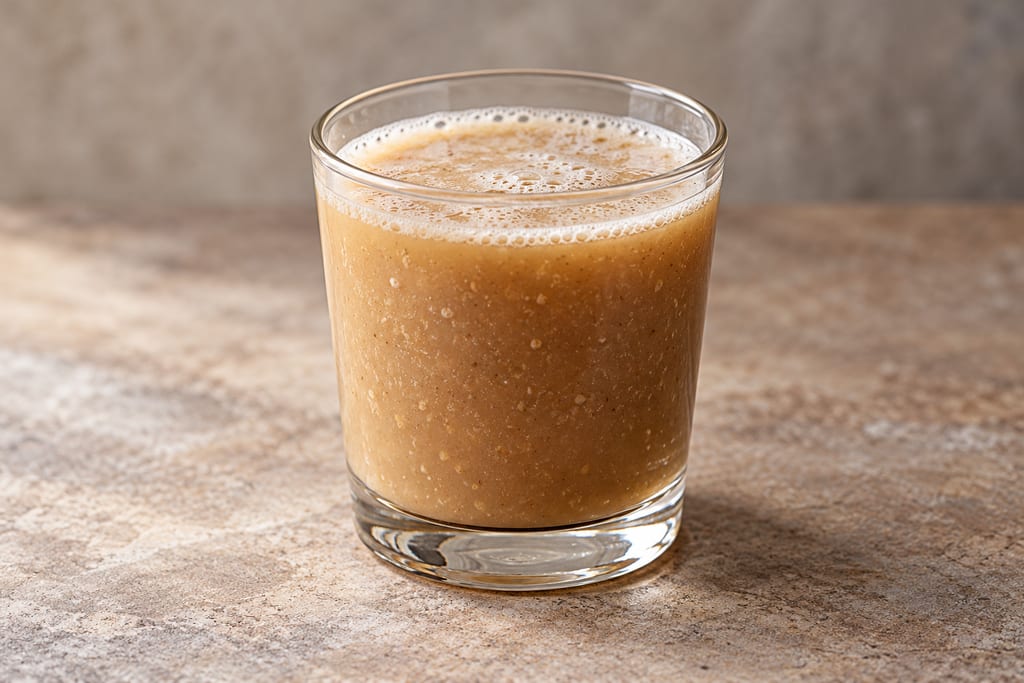
A thick, faintly fizzy Ethiopian cereal drink in which a wheat dough is fermented, roasted dark, then fermented a second time with barley malt into a drinkable slurry.

Hi-ire is the Japanese heat treatment of finished sake, about 65 °C, used to stop re-fermentation and souring. Brewers applied it from the Muromachi era.
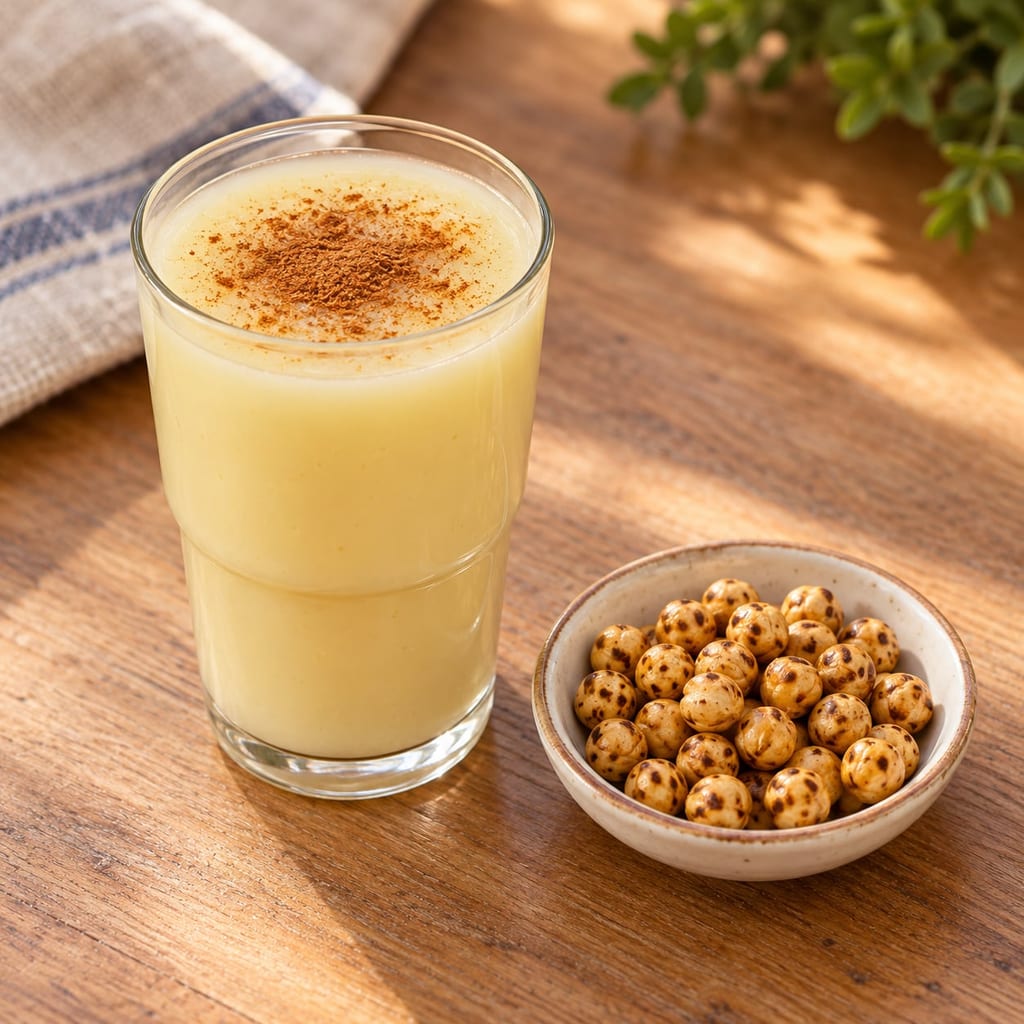
A thick, pale Turkish winter drink of bulgur and rice cooked to a soft cereal base, sweetened with grape molasses and fermented for two days.
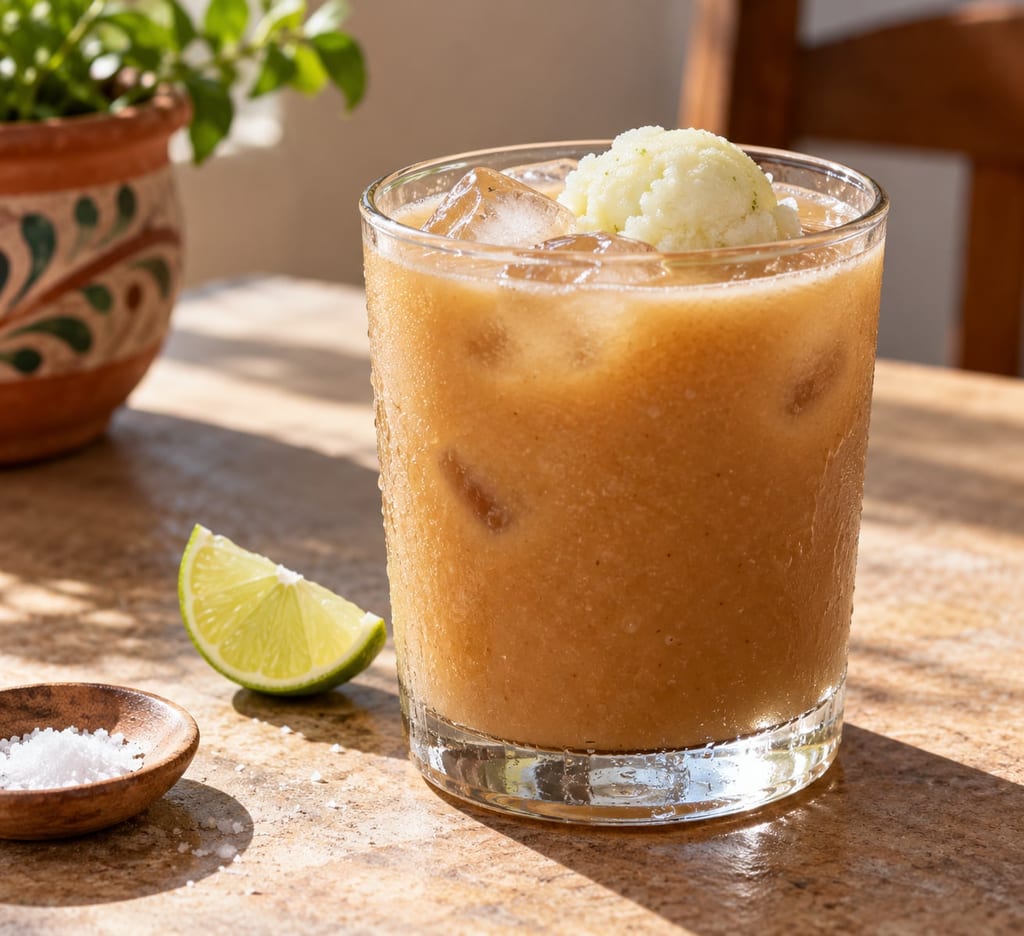
A tart, lightly fermented drink of Jalisco: nixtamalized maize masa cooked with piloncillo and limed, then diluted over ice and salted at serving.
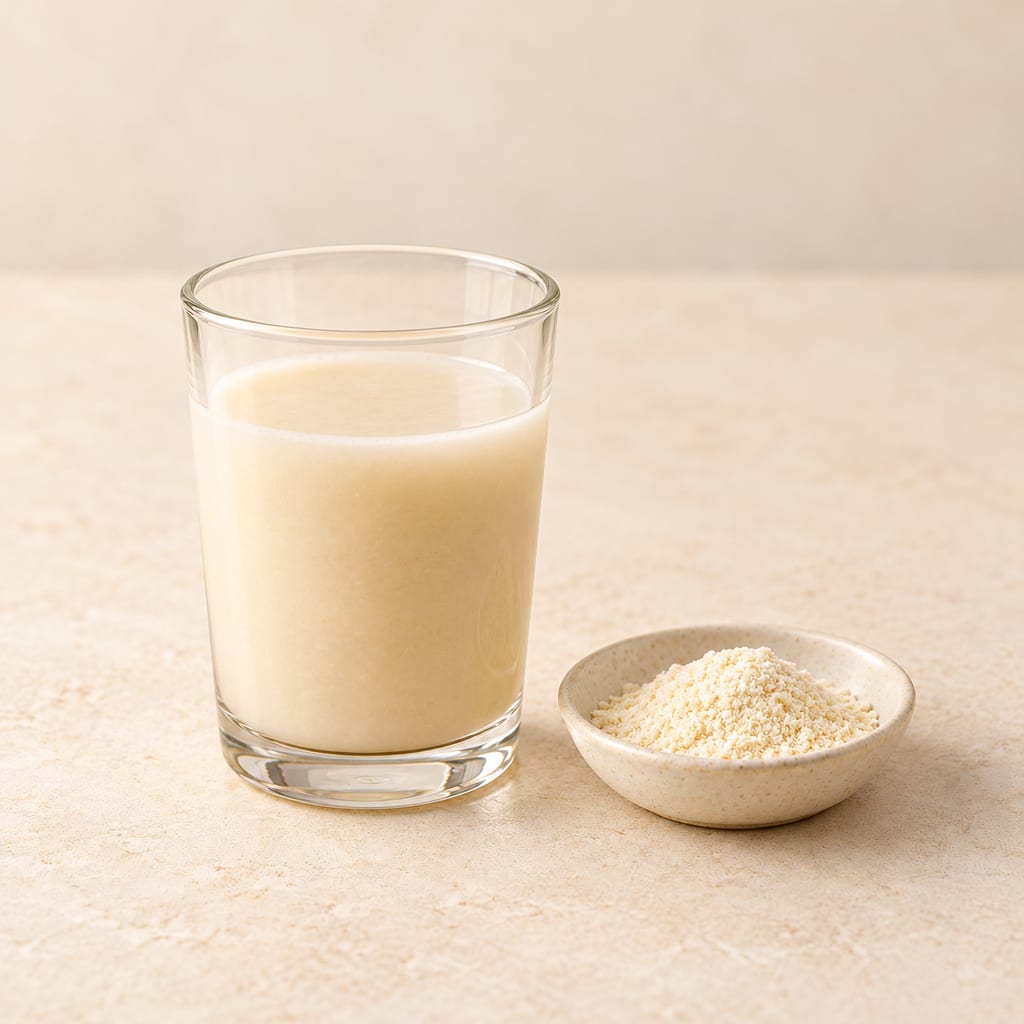
A Ugandan maize drink remade with a defined two-strain starter: roasted maize dough boiled to porridge, cooled and fermented under controlled conditions.
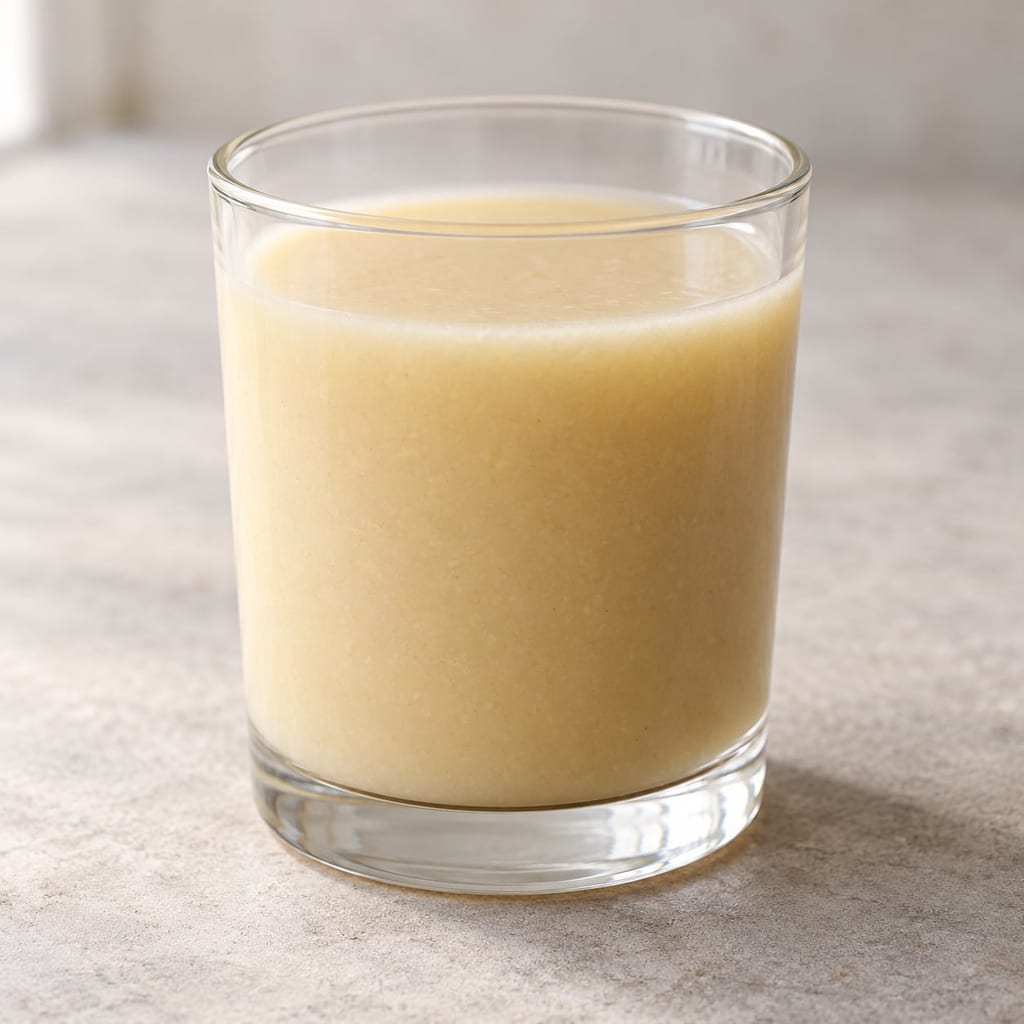
Kyrgyz Bozo is a mixed-fermented cereal drink made with ground grits, sprouted-wheat ugut and carried-over starter. This registry preparation leaves cereal selection, water and starter allocation unresolved.
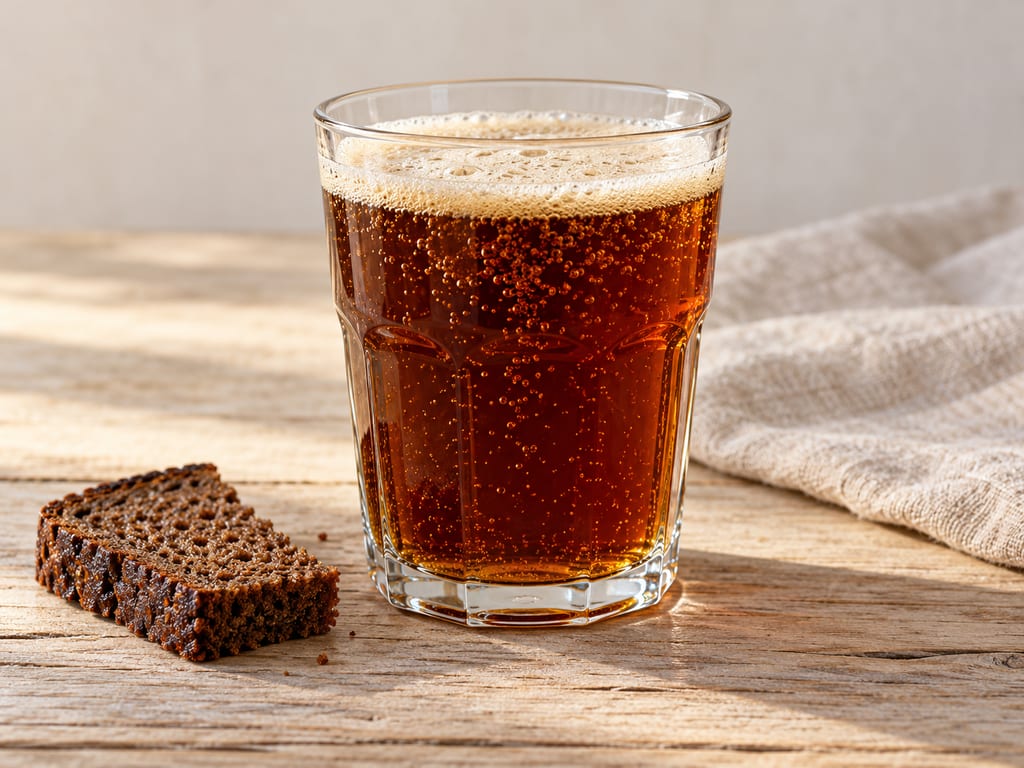
A documentary entry on Latvian rye-bread kvass, preserved from a modern Latvian rye collection. It records a food tradition, not a home-fermentation method.
A documentary account of Zimbabwean mahewu and one producer's formula. Its quantities exceed the stated vessels, and research does not validate it as a safe home method.

Soft, spreadable Calabrian pork sausage made with a great deal of red chilli and fatty pork, stuffed into natural casings, sometimes smoked and matured while staying soft.

A way to add independent temperature logging to an existing food dehydrator without changing its built-in controls or protections. It is a monitoring method, not a rewiring plan.

Pleurotus cystidiosus is the abalone mushroom, a cultivated oyster-type fungus with dark brown caps that grows more slowly and is more demanding than other Pleurotus species.

A dark, balanced vinegar from Emilia-Romagna made by combining cooked or concentrated grape must with wine vinegar, then acetifying and refining it in wood under a protected specification.

A living dairy inoculum that starts controlled cream fermentation, developing acidity and aroma before sour cream or cultured butter is finished.

A small electric incubator holds jars at a selected temperature for yogurt and other documented warm food preparations. Controls, capacity and vessel arrangement vary by model.

Adygean salt is a seasoned table salt associated with Adygea and the wider North Caucasian culinary tradition. Salt is blended with garlic and a variable selection of herbs and spices; the exact mix depends on the named style and maker.

The African Caesar-group mushroom, Amanita masasiensis, is a wild ectomycorrhizal species of central and southern African woodlands, eaten locally. The genus contains deadly poisonous species, so identification needs care.
No community contributions have been published for this entry yet.
Sign in to contribute. Published comments and photos are free to read.
Discover Food / Springer NatureInspiration · Process · History · Location
Chemical, vitamin and amino acid compositions of kunu zaki produced from selected Nigeria-grown underutilised cerealsStudy processes 1 kg each of named Nigerian cereals separately, with 10 g each ginger, clove and cinnamon and 3 g black pepper
Grain is soaked 48 h, wet-milled and sieved; sediment slurry ferments 24 h at ambient temperature
After decanting, 1 L water is added, slurry split, one part boiled at 100°C for three minutes and recombined with the uncooked half; 500 mL water and 200 g sugar are then added
Paper identifies kunu zaki as a traditional fermented cereal drink of northern Nigeria
Cited in: What is kunu zaki?; Names and biological identity; Historical and cultural setting; Why pearl millet is used; Ingredients; Millet; Ginger; Clove; Cinnamon; Black pepper; Sugar; Stage 1 — Sort and clean; Stage 2 — Soak with spices; Stage 3 — Wet mill; Stage 4 — Sieve; Stage 5 — Ferment the sediment slurry; Stage 6 — Decant; Stage 7 — Dilute; Stage 8 — Cook one portion; Stage 9 — Combine cooked and uncooked fractions; Stage 10 — Final dilution and sweetening; Why only part of the slurry is cooked; Pearl-millet kunu zaki; Sorghum kunu; Maize versions; Acha and finger-millet preparations; Variations in spices; How kunu zaki is served; Quality checks; Problems
Food Microbiology / ScienceDirectSafety · History
Hazards and critical control points of kunun-zaki, a non-alcoholic beverage in Northern NigeriaField hazard analysis in Zaria detected coliforms, Bacillus cereus and Staphylococcus aureus in sampled kunun-zaki
Authors identified unhygienic production and ambient display as possible risks and reported one-day product shelf life in the studied production context; this is not a storage limit for the 2025 formula
Cited in: What is kunu zaki?; Names and biological identity; Historical and cultural setting; Why pearl millet is used; Ingredients; Millet; Ginger; Clove; Cinnamon; Black pepper; Sugar; Stage 1 — Sort and clean; Stage 2 — Soak with spices; Stage 3 — Wet mill; Stage 4 — Sieve; Stage 5 — Ferment the sediment slurry; Stage 6 — Decant; Stage 7 — Dilute; Stage 8 — Cook one portion; Stage 9 — Combine cooked and uncooked fractions; Stage 10 — Final dilution and sweetening; Why only part of the slurry is cooked; What happens during fermentation; The microbiology is not uniformly beneficial; Pearl-millet kunu zaki; Sorghum kunu; Maize versions; Acha and finger-millet preparations; Variations in spices; How kunu zaki is served; Quality checks; Problems; Food safety
Clemson Cooperative ExtensionSafety
Cleaning and Sanitation for the HomebrewerClean brewing equipment to reduce contamination during home fermentation
Cited in: Food safety
Efiuvwevwere and Akona, 1995Microbiology
Efiuvwevwere and Akona, 1995 — Microbiology of kunun-zakiMicrobiology of kunun-zaki
Cited in: What happens during fermentation; The microbiology is not uniformly beneficial
sciencedirect.comSafety
Hazards and critical control points of kunun-zaki in northern NigeriaHazards and critical control points of kunun-zaki in northern Nigeria
Cited in: Food safety
journalmrji.comSafety · Method
Physicochemical quality and hazards of millet-based kunu zakiPhysicochemical quality and hazards of millet-based kunu zaki
Cited in: What is kunu zaki?; Why pearl millet is used; Ingredients; Millet; Ginger; Clove; Cinnamon; Black pepper; Sugar; Stage 1 — Sort and clean; Stage 2 — Soak with spices; Stage 3 — Wet mill; Stage 4 — Sieve; Stage 5 — Ferment the sediment slurry; Stage 6 — Decant; Stage 7 — Dilute; Stage 8 — Cook one portion; Stage 9 — Combine cooked and uncooked fractions; Stage 10 — Final dilution and sweetening; Why only part of the slurry is cooked; Pearl-millet kunu zaki; Sorghum kunu; Maize versions; Acha and finger-millet preparations; Variations in spices; How kunu zaki is served; Quality checks; Problems
ejournal.yasin-alsys.orgMicrobiology · Method
Microbial quality of kunu zaki sold in WukariMicrobial quality of kunu zaki sold in Wukari
Cited in: What happens during fermentation; The microbiology is not uniformly beneficial