African fermented foods, drinks and preservation
From sour breads and milk to savoury seeds, cassava staples and living beers, African fermentation follows the crop, the community and the work of transformation.
 FermenteaWhere food goes to change
Ogiri egusi · Ogiri-egusi · Melon-seed ogiri · Ogiri
A Nigerian condiment of cooked, fermented melon seeds, wrapped in leaves and held warm for several days, used to thicken and flavour soups and stews.
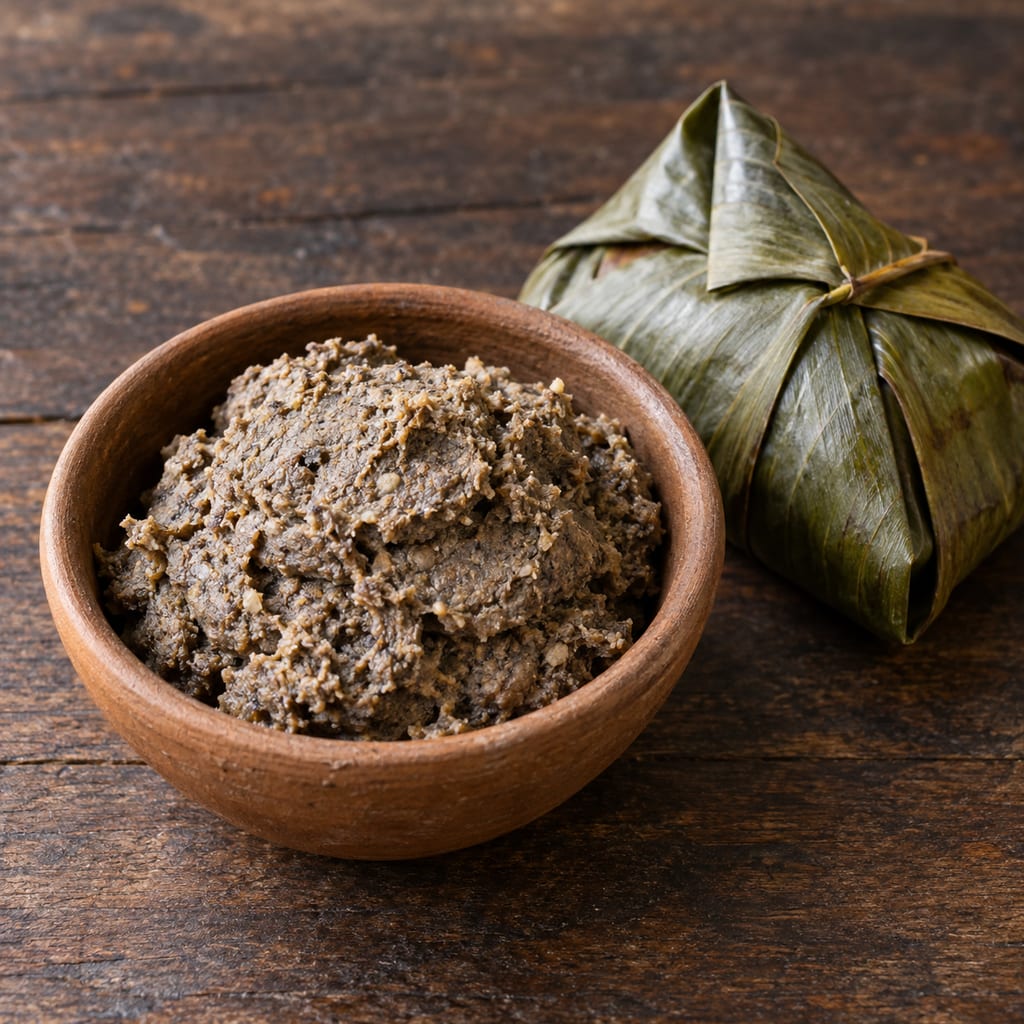
Ogiri-egusi is a fermented condiment of cooked melon seeds, from Nigeria. The seed is boiled, dehulled, mixed with alkaline ash, wrapped in leaves and held warm. The product is pungent and is used to flavour soups and stews and to thicken them.
The atlas records melon-seed Ogiri apart from castor-seed, fluted-pumpkin and watermelon Ogiri, which are different products.
The review summarises melon seeds boiled in excess water for six to eight hours, with the water changed after the first hour, followed by two to five days of warm fermentation wrapped in Thaumatococcus danielli leaves.
The 2020 laboratory comparison boiled 500 g of undehulled seed for three hours, cooled it to 28 degrees C, dehulled it, mixed it with palm-bunch ash and wrapped it in dried banana leaves. It cooked the parcel for three hours. After cooling and mashing, 15 g portions were wrapped in five materials and fermented for five days at 28 degrees C.
The 2020 study compared wrapping materials on the microbiology, physicochemical properties and sensory quality of the product. Its results describe its own laboratory batches and do not set a starter or a standard process.
The 2025 review associates melon-seed Ogiri with Yoruba usage in the south-west. A 2020 study describes Igbo usage of ogiri for several vegetable-protein condiments. The sources do not establish an exclusive boundary or origin.
Scaling: source batch only
The product is a warm, moist seed mass held for several days. The sources give no validated temperature, duration or endpoint for melon-seed Ogiri.
Hazard sourceFollow only the time and temperature the source reports, and do not treat smell or appearance as a safety test.
Control sourceNo validated safety limit, endpoint or storage time is given for melon-seed Ogiri. The review's figures are secondary summaries.
Ogiri is also made from castor, fluted-pumpkin, watermelon and other seeds. These differ in process and in toxicity, and the melon-seed account does not transfer to them.
The 2025 review associates melon-seed ogiri with Yoruba usage in the south-west. This is a usage association, not an origin.
The 2020 laboratory study bought its experimental seeds at Rumuokoro market. It describes the sample source, not the food's origin.
From sour breads and milk to savoury seeds, cassava staples and living beers, African fermentation follows the crop, the community and the work of transformation.
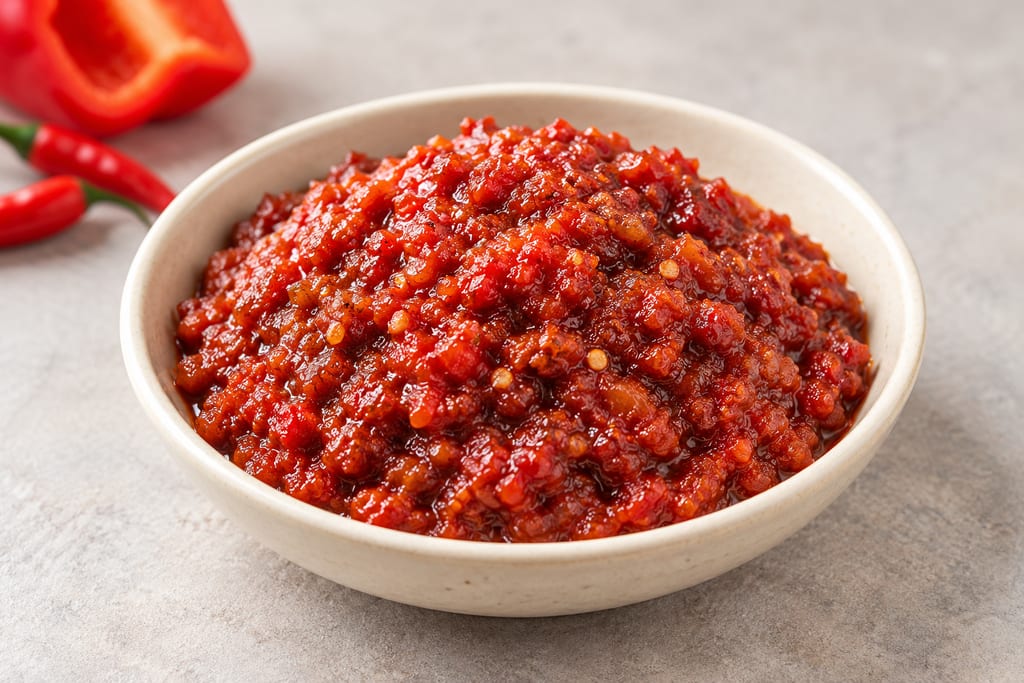
Ata dindin is the Yoruba fried pepper sauce: chillies, red bell pepper and onion blended and cooked down in oil until the oil separates. The same name is also given to a finished stew built on it.
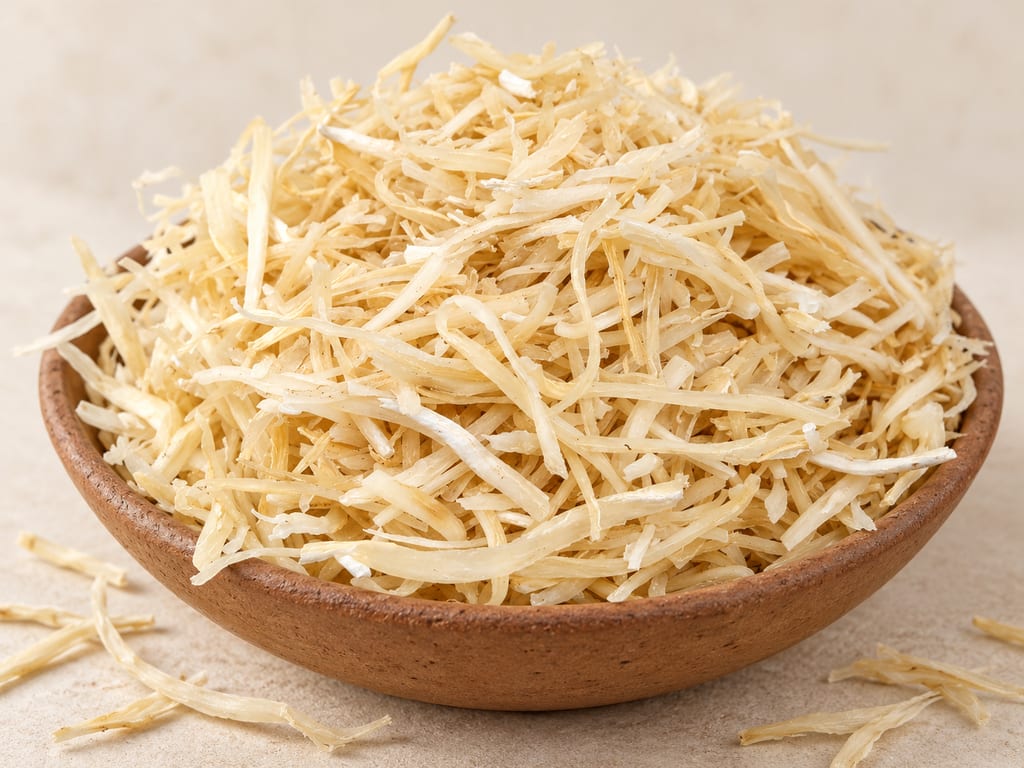
Abacha is a fermented cassava-strip preparation from southeastern Nigeria, sold wet or dried and later rehydrated for meals such as African salad.
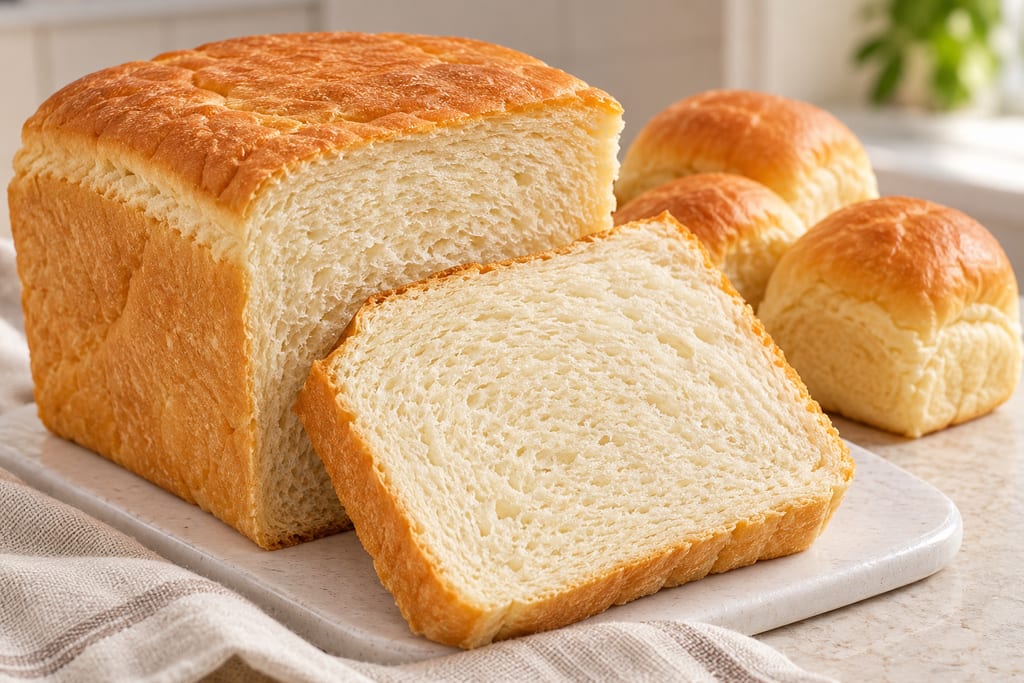
This softer home-style Agege bread uses a scalded flour paste, an enriched yeast dough and a 9×5-inch loaf pan, with rolls from the extra dough.

Eba is a West African dish of cooked gari, stirred into hot water until it forms a thick paste. It is a cooking stage with no new fermentation, served with soup.
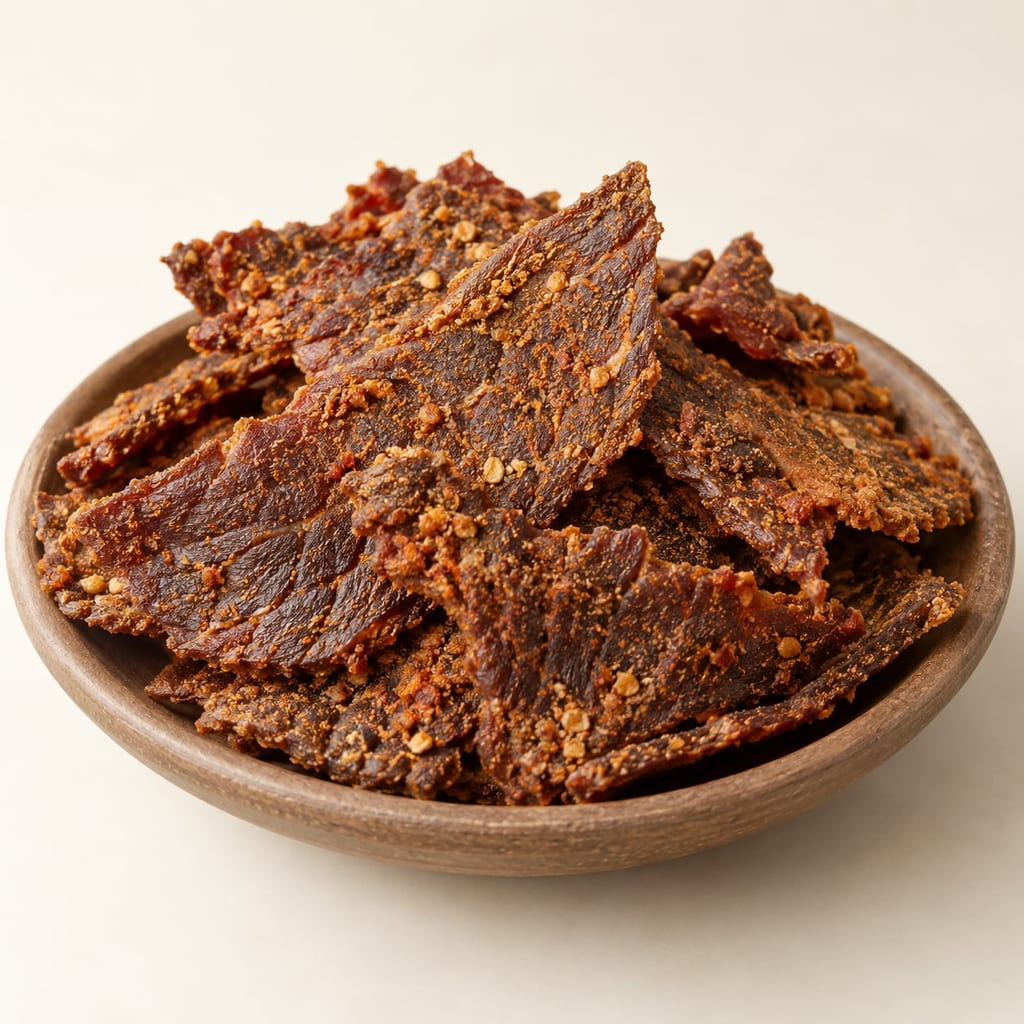
Kilishi is a Hausa-land dried meat from northern Nigeria and southern Niger: thin slices of beef or other meat, dried, coated in a spiced groundnut paste and dried again.
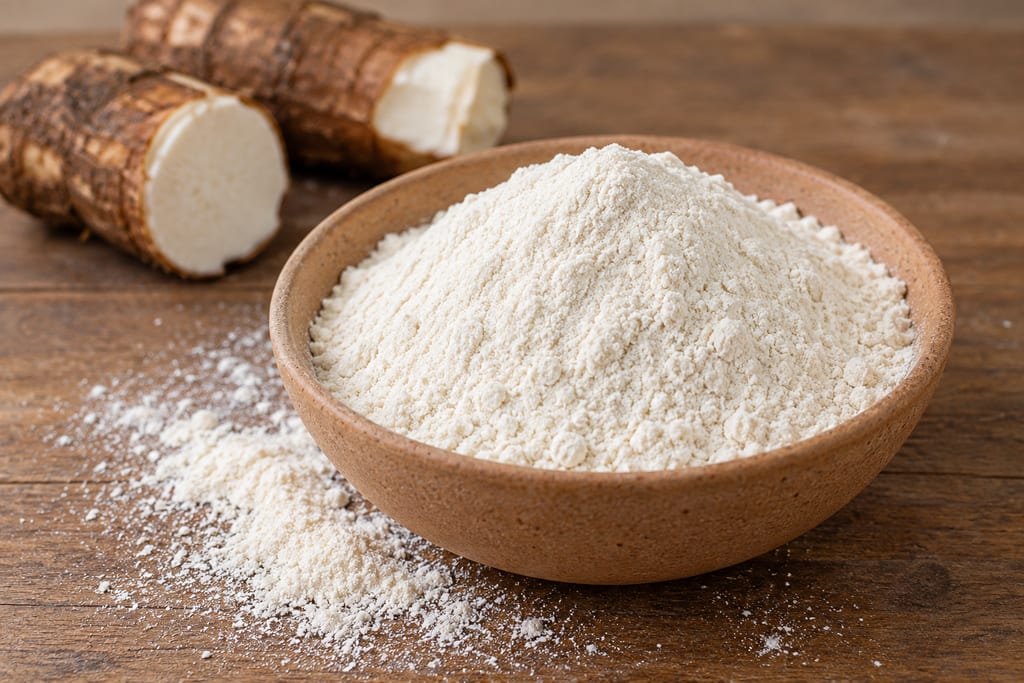
Lafun is a Nigerian fermented cassava flour described in historical accounts. This record documents reported processing stages, not a validated household method or a batch-specific cyanogen and moisture safety endpoint.
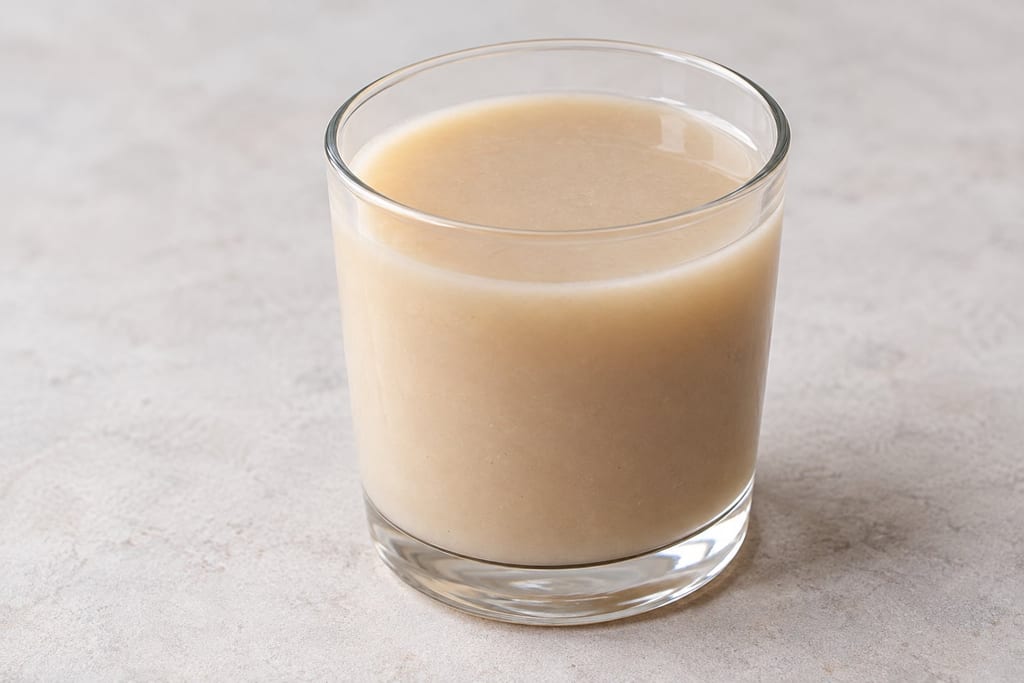
A thick, spiced northern Nigerian drink of pearl millet in which only part of the fermented slurry is cooked, so raw starch and gelatinised starch are recombined.
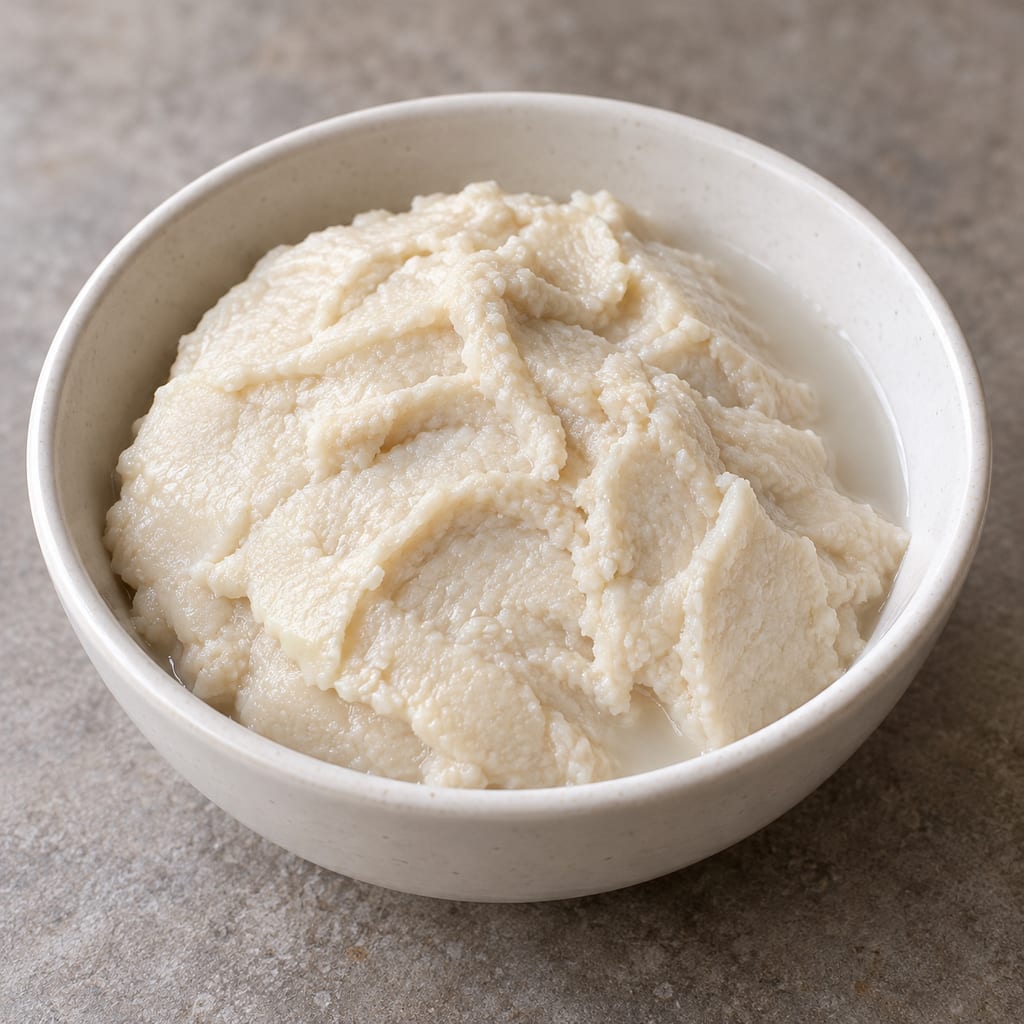
Ogi or akamu is a wet fermented cereal preparation documented in Nigeria and Benin. Grain or maize starch is steeped, milled or sieved, then fermented by process-specific routes; evidence supports no universal method or safety limit.
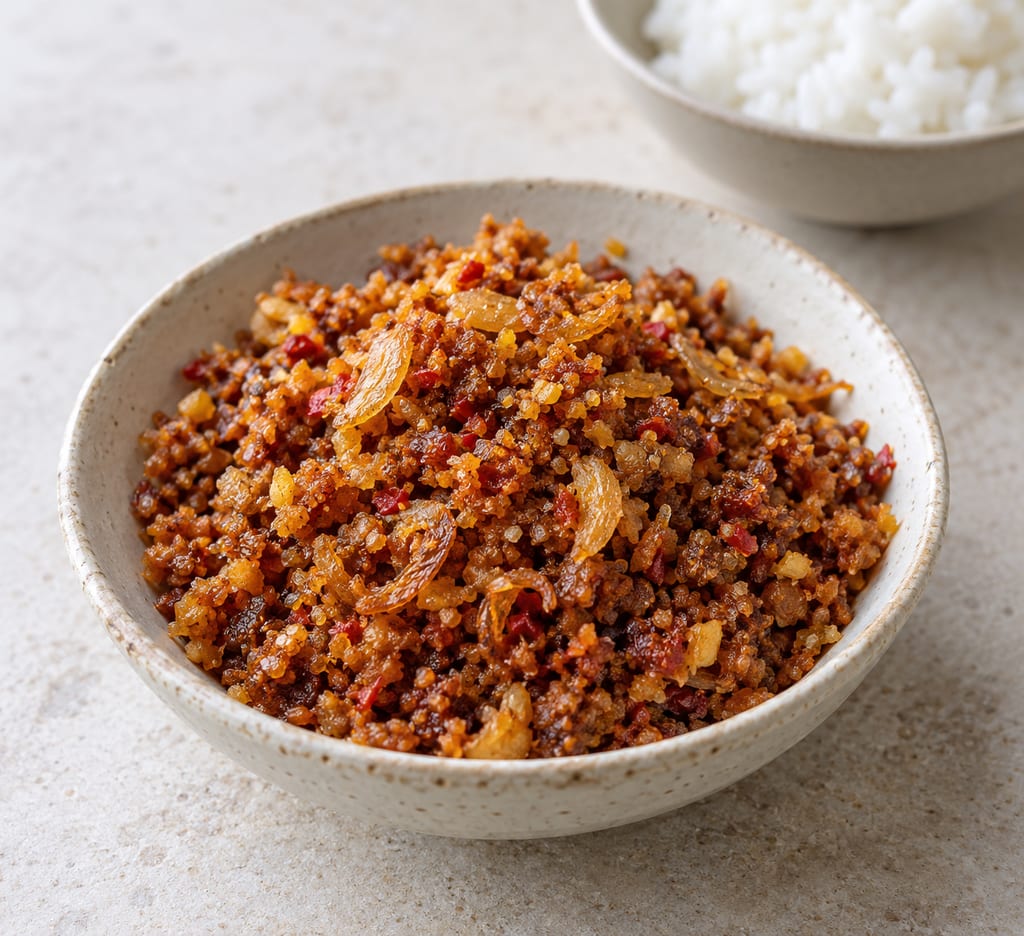
A Myanmar relish of dried shrimp, fried eschalot and garlic, chilli, turmeric, tamarind and ngapi. Naomi Duguid’s published recipe makes about 1 cup; it contains crustacean shellfish.
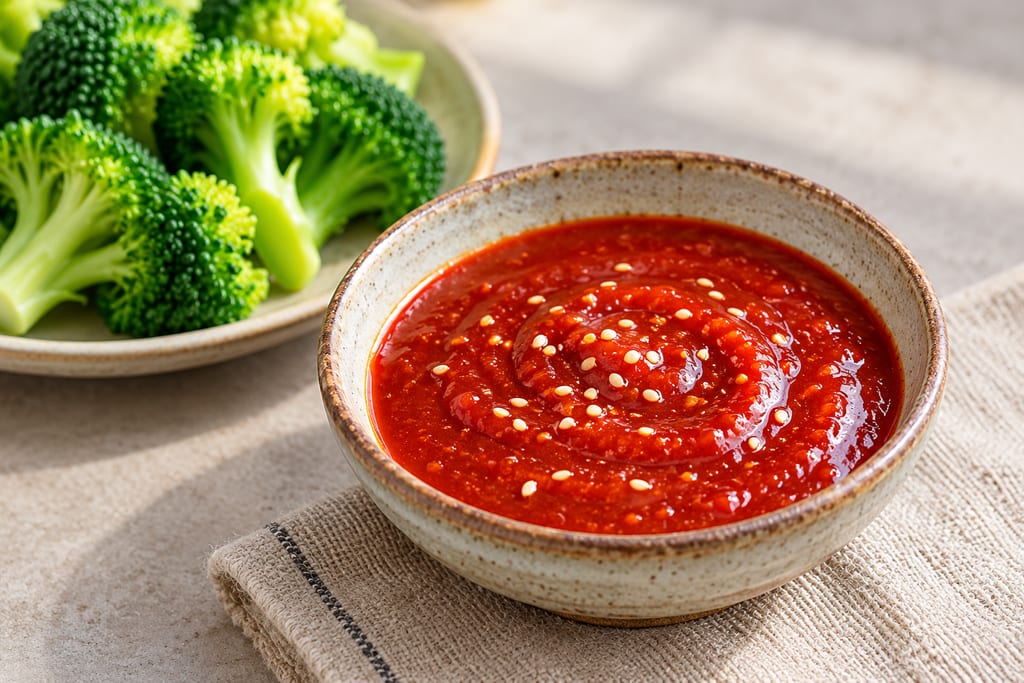
Chogochujang is a Korean sweet-sour sauce made by seasoning gochujang with vinegar and sugar. This development batch adds water and toasted sesame seeds, with optional garlic for the portion being served.
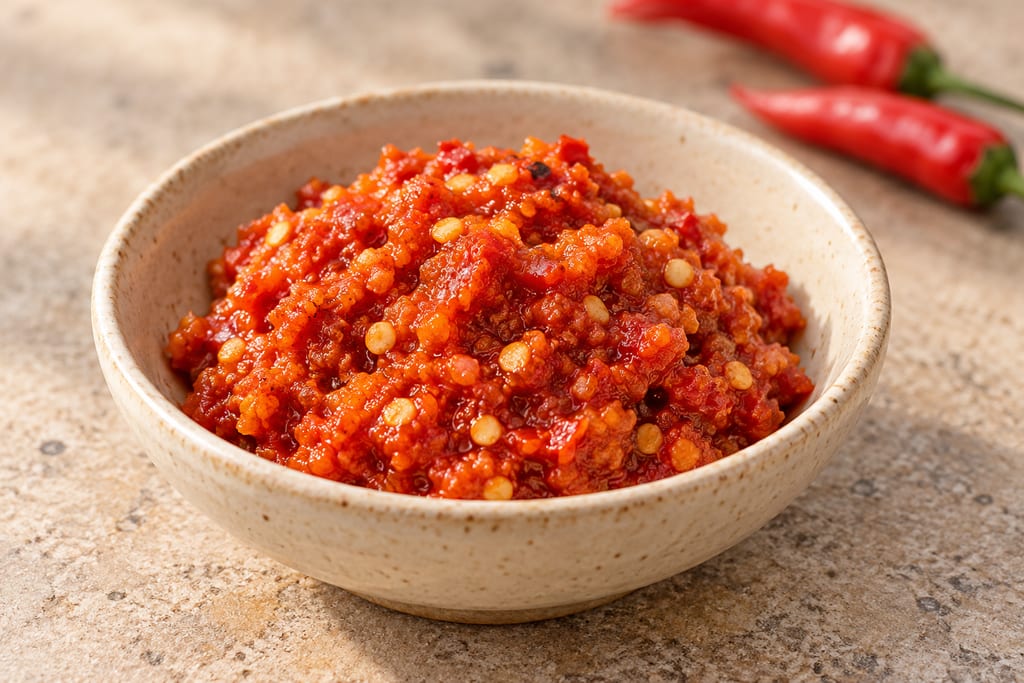
Dinanche, or donne' dinanche, is a Chamorro hot pepper paste of crushed chillies that Guam cooks use on its own or stir into fina'denne'. Its versions range from pepper alone to ones with eggplant, miso or coconut milk.
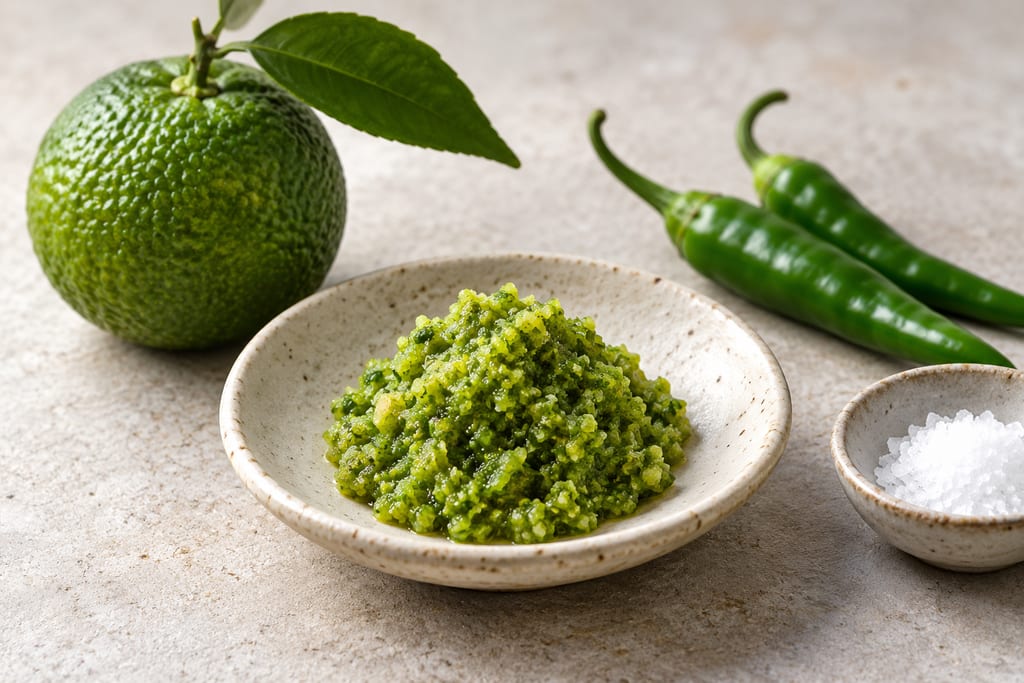
A fresh, uncooked yuzu and green chilli paste inspired by Kyushu’s yuzu kosho, made here as an untested small-batch seasoning rather than a preservation formula.
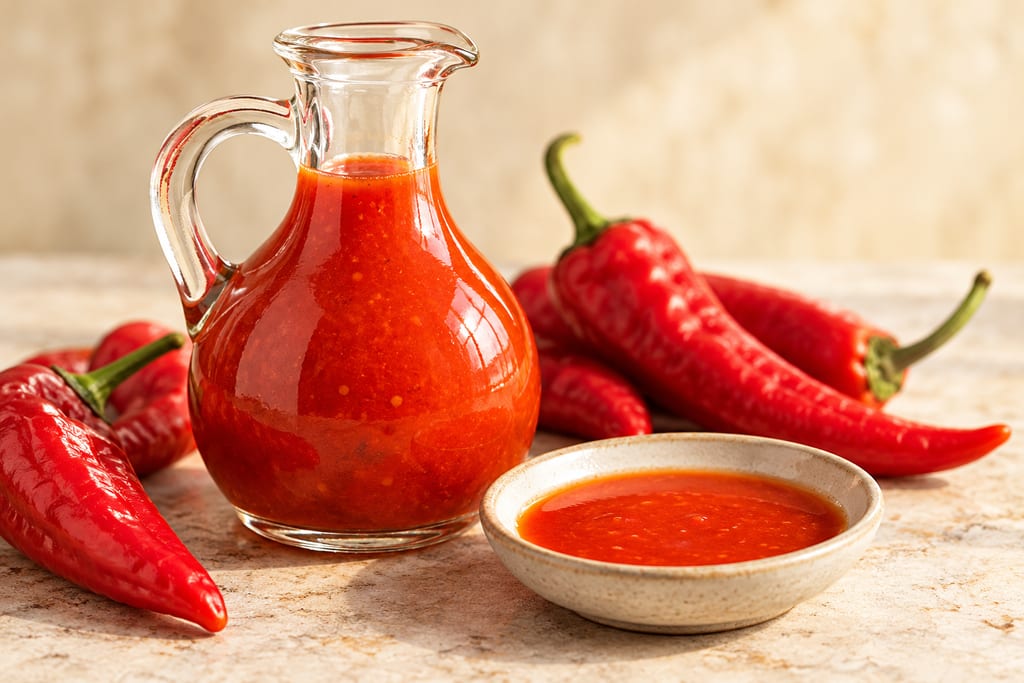
Fresh hot peppers ferment beneath a measured salt brine, then become a bright, tangy sauce blended from the peppers and their liquor.
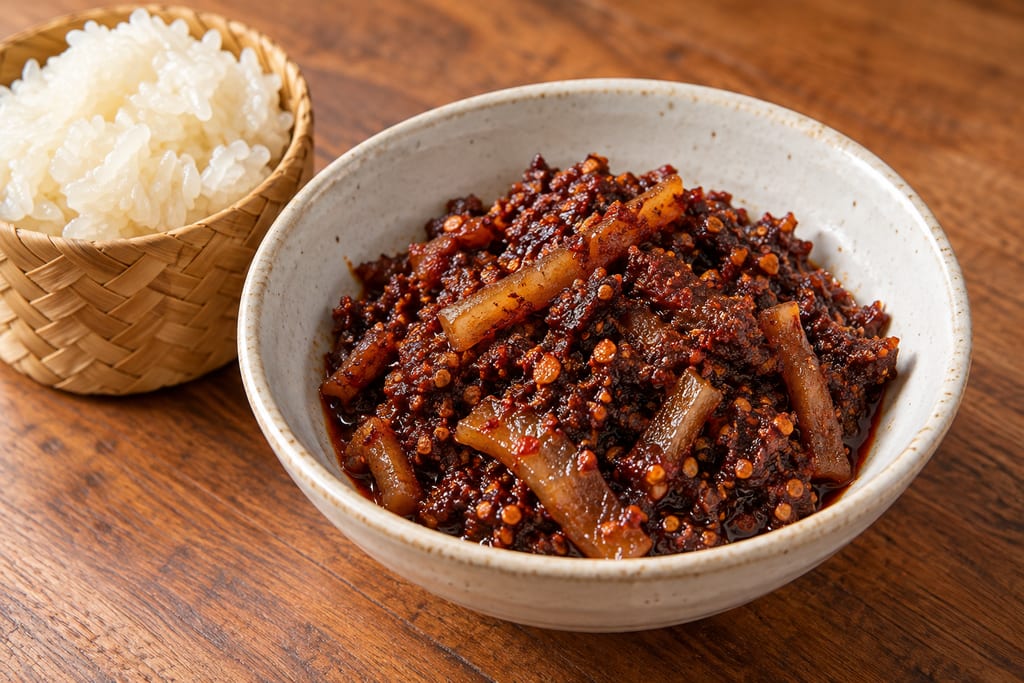
Jeow bong is a Lao paste of dried chilli, shallot, garlic and galangal cooked with buffalo or cow skin, a Luang Prabang specialty eaten with sticky rice and grilled meat.
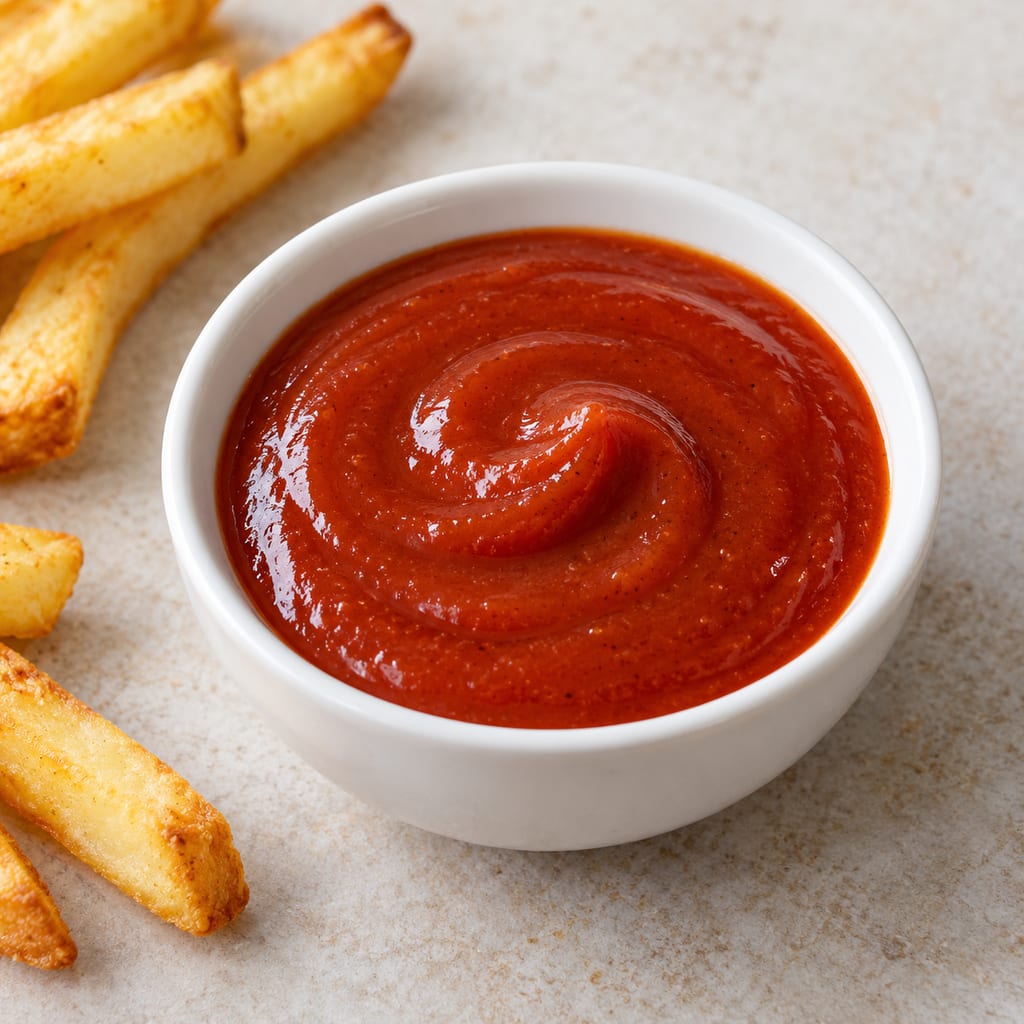
A modern tomato condiment sharpened with the spicy, savoury tang associated with kimchi; this measured version whisk-mixes prepared ketchup and commercial kimchi seasoning.
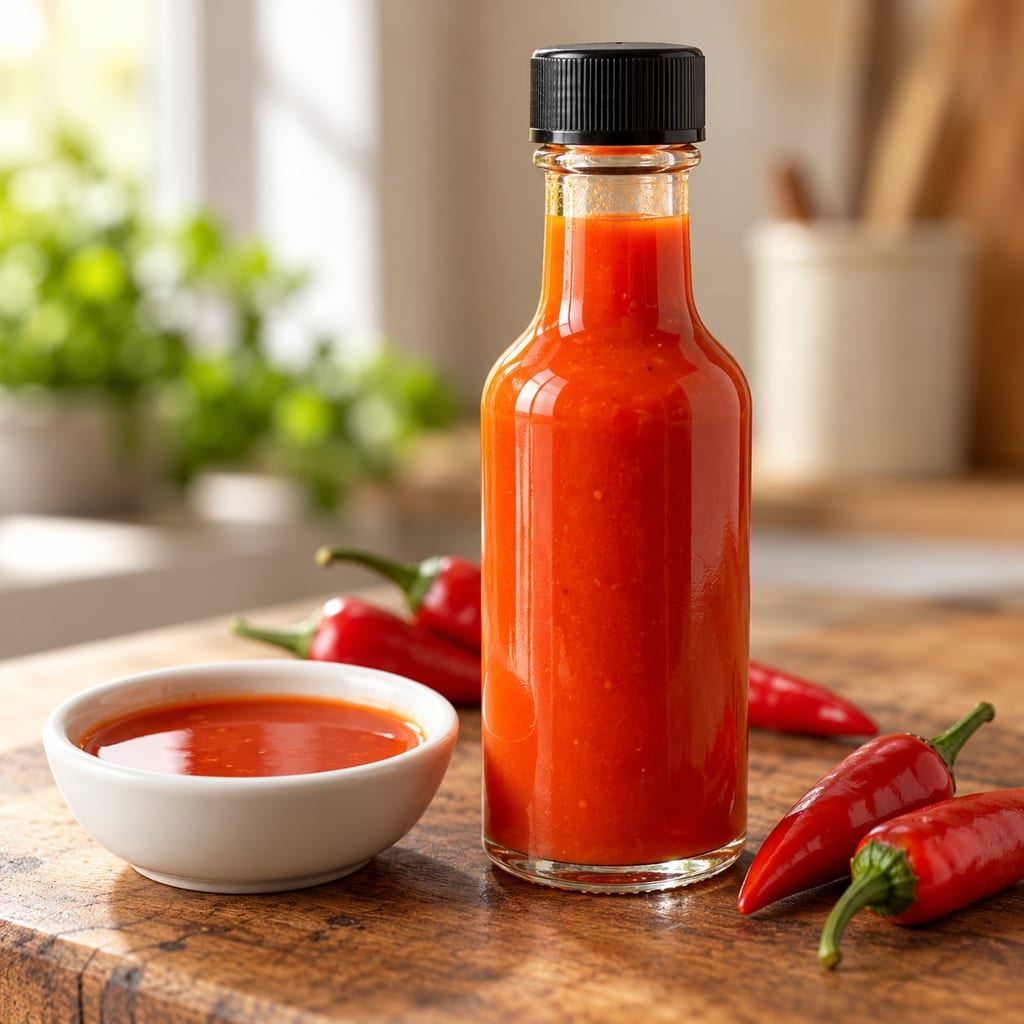
Documentary account of Louisiana pepper sauces, using TABASCO's published barrel-aged commercial process as one specific example; the source does not provide a validated home recipe.
No community contributions have been published for this entry yet.
Sign in to contribute. Published comments and photos are free to read.
Discover Food 5, article 142 (2025), Springer Nature; DOI 10.1007/s44187-025-00409-3Research
Production, nutritional benefits, limitations and strategies for enhancing the national value of fermented native condiments from selected legumes and wild seeds in NigeriaCited in: Overview; Method
Journal of Life and Bio-sciences Research 1(2), 34–43 (2020); DOI 10.38094/jlbsr1213Research
Influence of Different Wrapping Materials on Microbiological, Physicochemical and Sensory Properties of Condiment Product ‘Ogiri-egusi’Cited in: Overview; Method; Microbiology