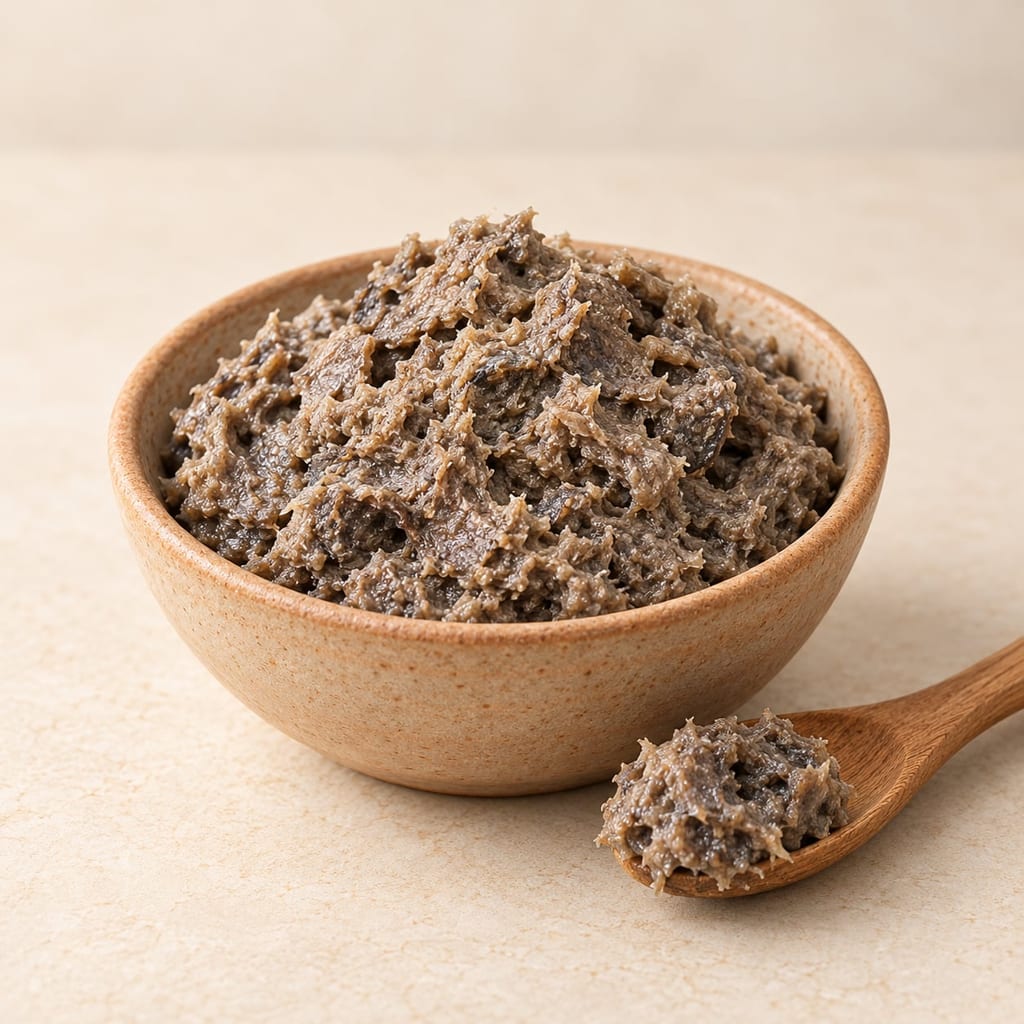
Ngapi
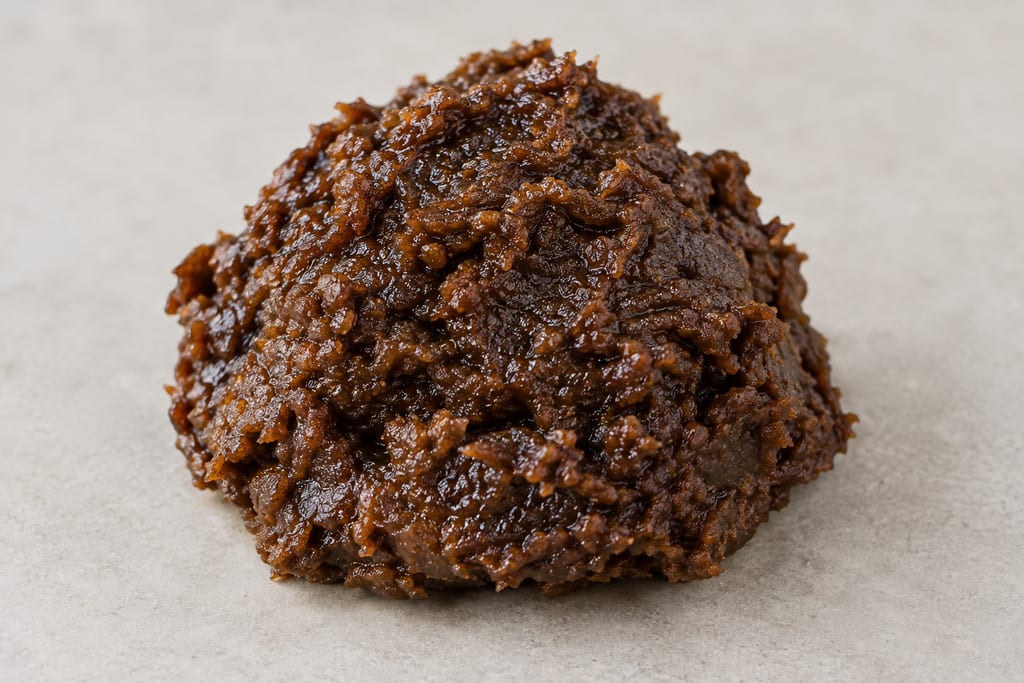
Ngapi is a Myanmar name used for varied fermented fish and shrimp pastes. Selected market and processor samples document differences in species, ingredients, and process; the evidence does not support one nationwide formula.
 FermenteaWhere food goes to change
Traditional method
Burmese dried shrimp relish · Crisp eschalot and dried shrimp relish
A Myanmar relish of dried shrimp, fried eschalot and garlic, chilli, turmeric, tamarind and ngapi. Naomi Duguid’s published recipe makes about 1 cup; it contains crustacean shellfish.
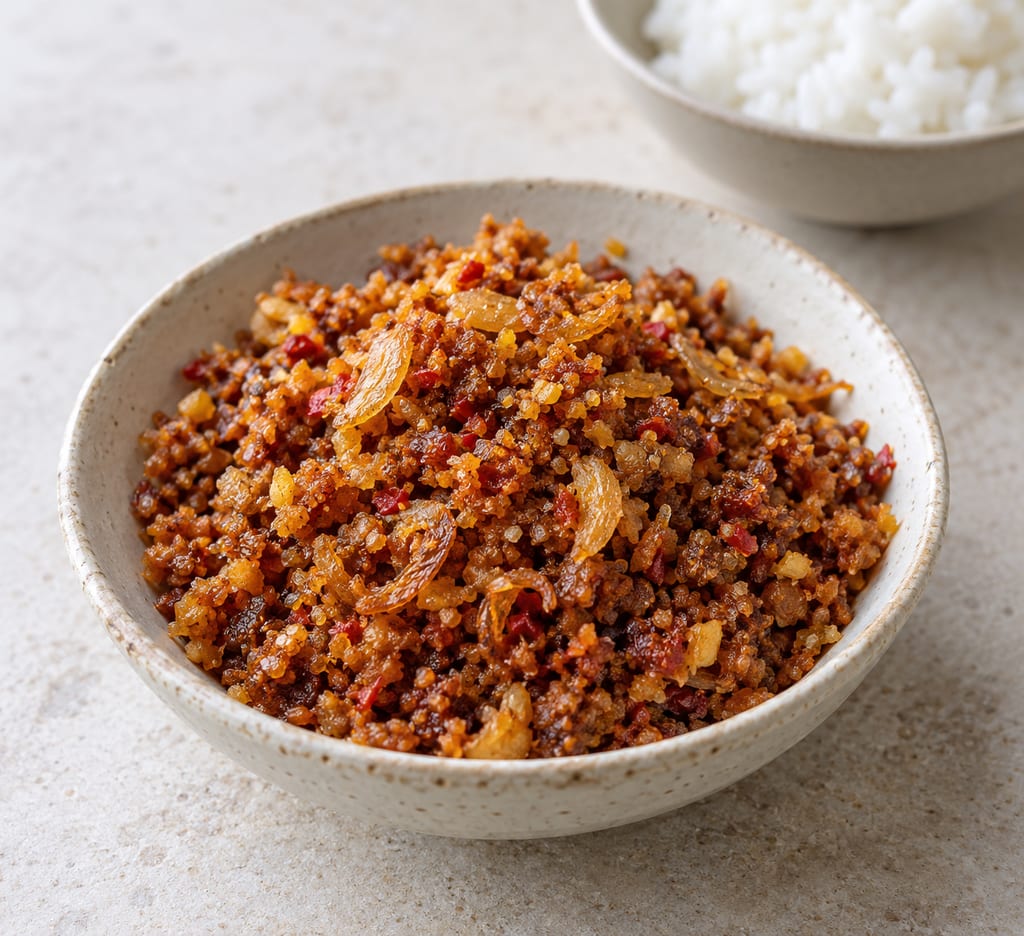
Balachaung is a relish associated with Myanmar. Naomi Duguid’s SBS Food recipe combines dried shrimp, tamarind, peanut oil, turmeric, eschalot, garlic, chilli and ngapi, the shrimp paste. It fries the aromatics and dried shrimp before adding the dissolved paste and tamarind liquid. The result is a concentrated condiment with fried seafood and aromatic texture, rather than the watery consistency of a dip.
The recipe is one documented version, not a standard formula for every household. In a first-person SBS account, Jaclyn Bond writes about the balachaung made by her Myanmar family. She describes a crunchy relish that is dry but slightly sticky, with tiny fried shrimp contributing flavour and texture. Her account gives evidence of family practice and memory; it does not establish one national recipe or a specific place within Myanmar.
A separate historical account from Singapore’s National Library Board discusses ngapi and related shrimp pastes. It recounts historical references to ngapi in Burma, but those references do not date balachaung itself. The relish’s earliest attestation remains unknown in the sources used here, so the history should not be extended from the history of its fermented paste.
Duguid’s recipe begins by soaking dried shrimp for 15 minutes, draining and drying it, then processing it to a powder. Tamarind paste is soaked separately in hot water; the strained liquid supplies a sour note. Eschalot and garlic are fried separately until golden. The shrimp powder is stirred briefly with oil, turmeric and chilli, then cooked with ngapi, tamarind liquid, water, sugar and salt. The fried aromatics go back into the wok at the end.
The stages build the relish’s texture and flavour. Frying the eschalot and garlic gives them browned, crisp edges. Powdered shrimp disperses through the oil and liquid instead of remaining as whole pieces. Ngapi adds a second layer of fermented seafood flavour, while tamarind gives the mixture a tart counterpoint and sugar rounds it. These are observations about the ingredient combination and the source’s method, not measurements of preservation.
The recipe uses small pieces and visual cues such as golden aromatics, foaming paste and a mixture beginning to dry. It does not give numeric cooking temperatures, a target moisture level or a measured acidity. Those cues describe the cook’s process; they do not demonstrate that the relish is shelf-stable.
Bond’s account emphasizes the relish’s crisp and slightly sticky texture. That makes it a contrasting accompaniment, but the sources here do not establish one required serving combination. The published method yields about one cup and describes storage in an airtight container in the refrigerator for up to one month. The page provides no validation data for that period, so it is recorded as the source’s recommendation rather than a tested safe life. It gives no basis for room-temperature storage.
The recipe contains shrimp in both dried form and ngapi. The U.S. Food and Drug Administration lists crustacean shellfish, including shrimp, among major food allergens. Make the ingredients clear to anyone being served the relish.
Balachaung is documented in a contemporary published recipe and a first-person Myanmar-family account. The reviewed sources do not establish its earliest attestation or origin date.
Yield 1 cup · Scaling: source batch only
The recipe contains dried shrimp and shrimp paste (ngapi); FDA identifies crustacean shellfish, including shrimp, as a major food allergen.
Hazard sourceThe recipe page recommends refrigeration for up to one month, but it supplies no validation data for that keeping time. Do not treat the recommendation as a tested safe life or infer shelf stability.
Hazard sourceIdentify dried shrimp and ngapi as crustacean shellfish ingredients and do not serve them to someone avoiding shellfish.
Control sourceThe source says to refrigerate in an airtight container for up to one month. That source-specific recommendation has not been independently validated here; do not treat it as a tested shelf life or evidence of room-temperature stability.
Control sourceContains crustacean shellfish (shrimp).
The source's one-month refrigeration instruction is not independently validated. This record does not establish a safe storage life or shelf stability.
The recipe is tagged Myanmar and a family account identifies the writer's family as from Myanmar. These sources do not identify a more precise birthplace or a single national formula.
Ngapi is a Myanmar name used for varied fermented fish and shrimp pastes. Selected market and processor samples document differences in species, ingredients, and process; the evidence does not support one nationwide formula.
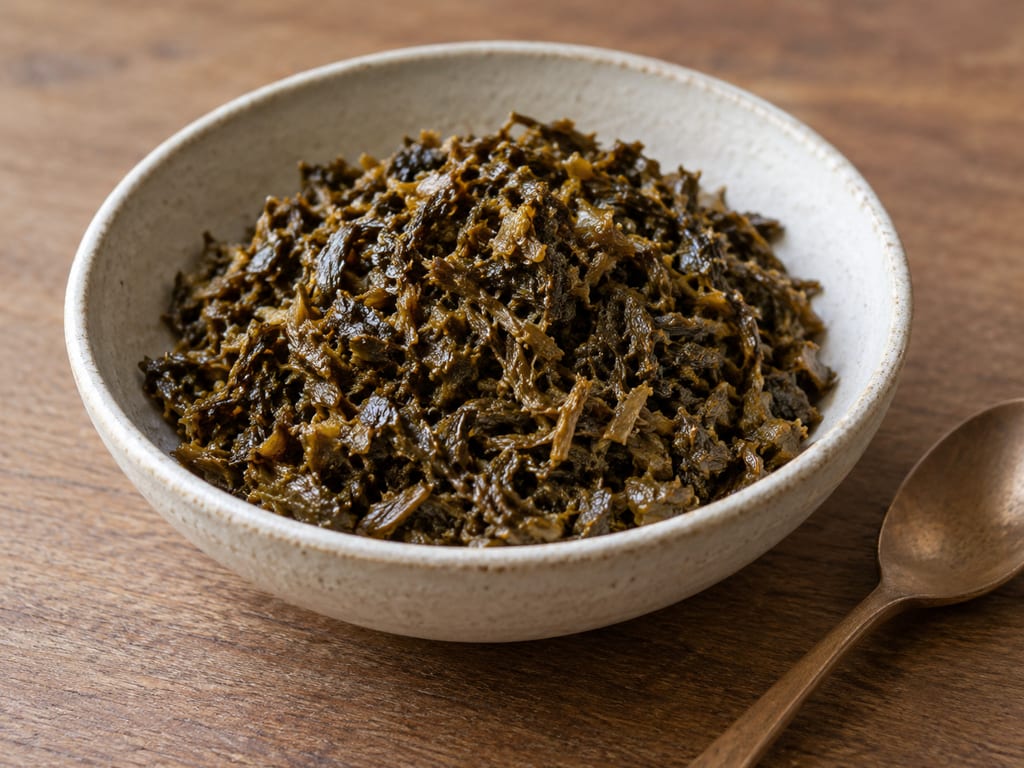
Laphet is Myanmar’s fermented tea-leaf food, associated with ceremony and hospitality. This entry documents cultural context and regional production accounts; it is not a household fermentation recipe.
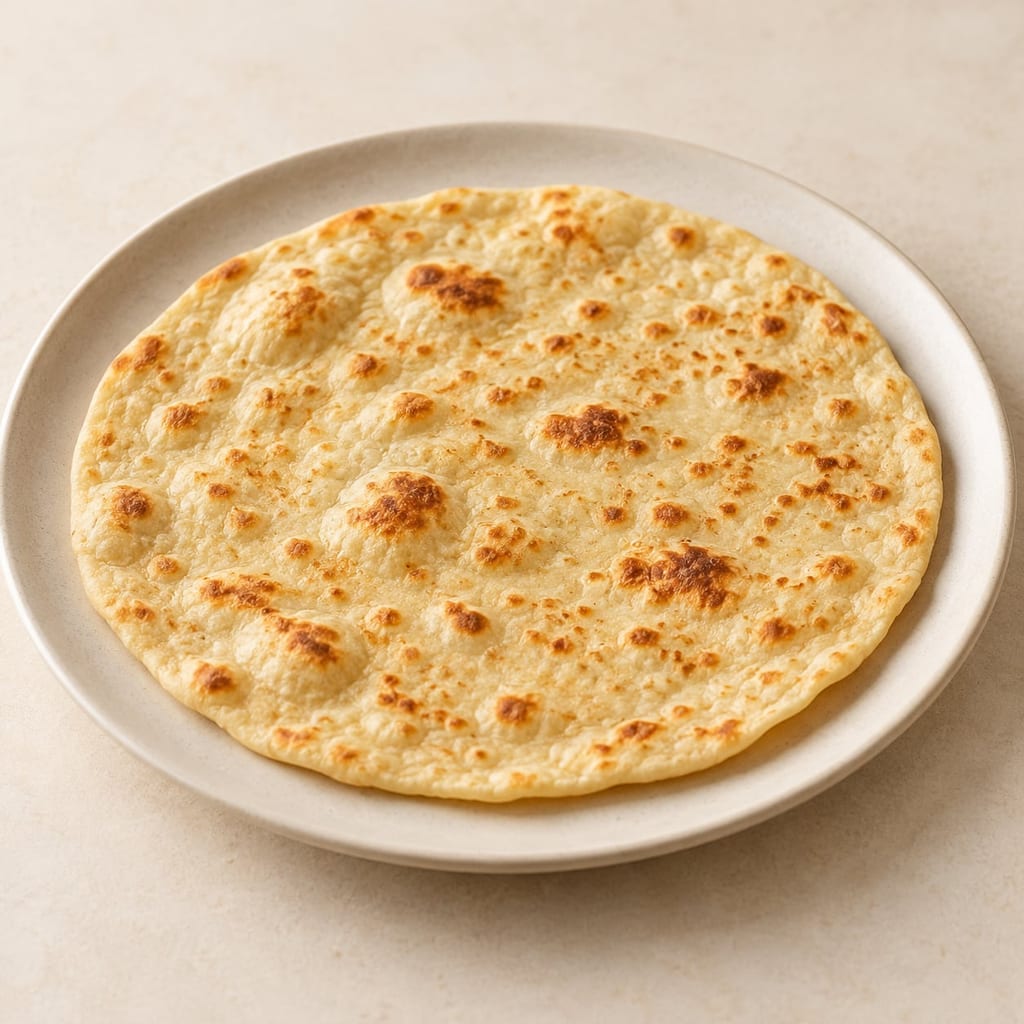
Sandi Wai’s eight-piece Burmese plain naan uses yeast and baking powder, rests for 30 minutes and cooks on a hot nonstick pan without oil.
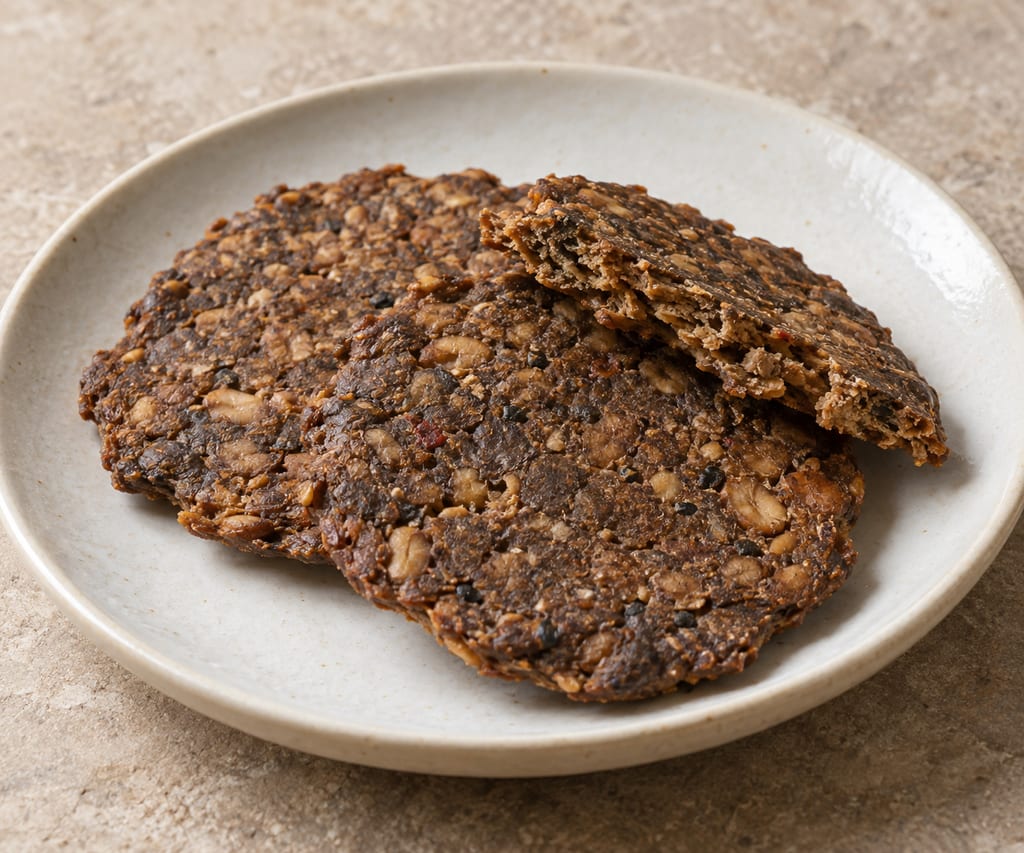
A Myanmar soybean ferment in which cooked beans turn sticky through alkaline bacterial fermentation, then are eaten fresh or seasoned, flattened and sun-dried into savoury wafers.
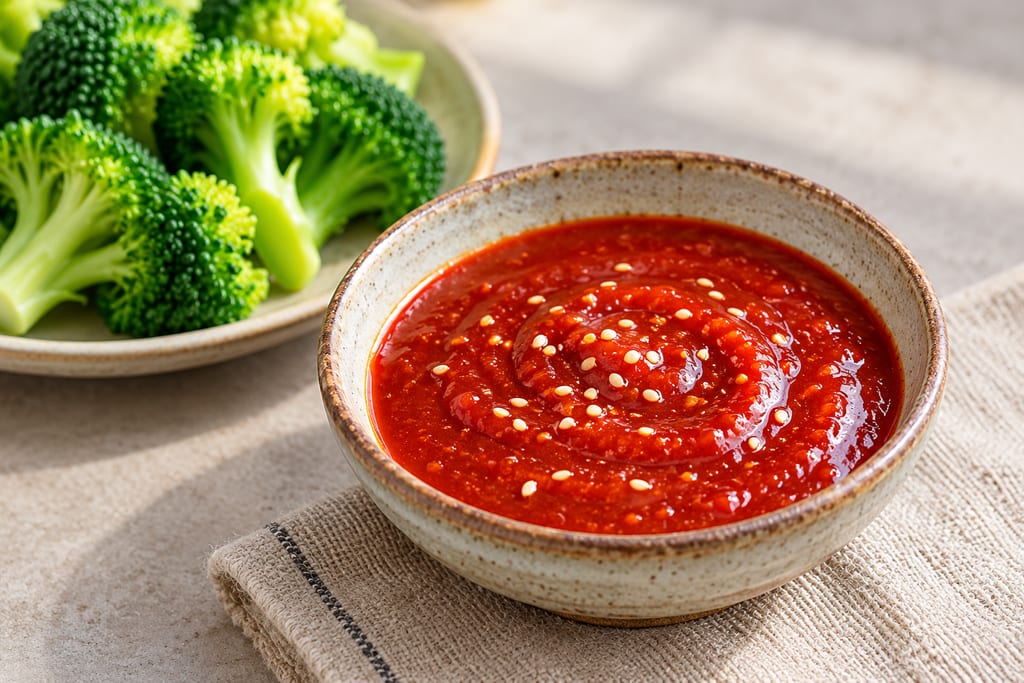
Chogochujang is a Korean sweet-sour sauce made by seasoning gochujang with vinegar and sugar. This development batch adds water and toasted sesame seeds, with optional garlic for the portion being served.
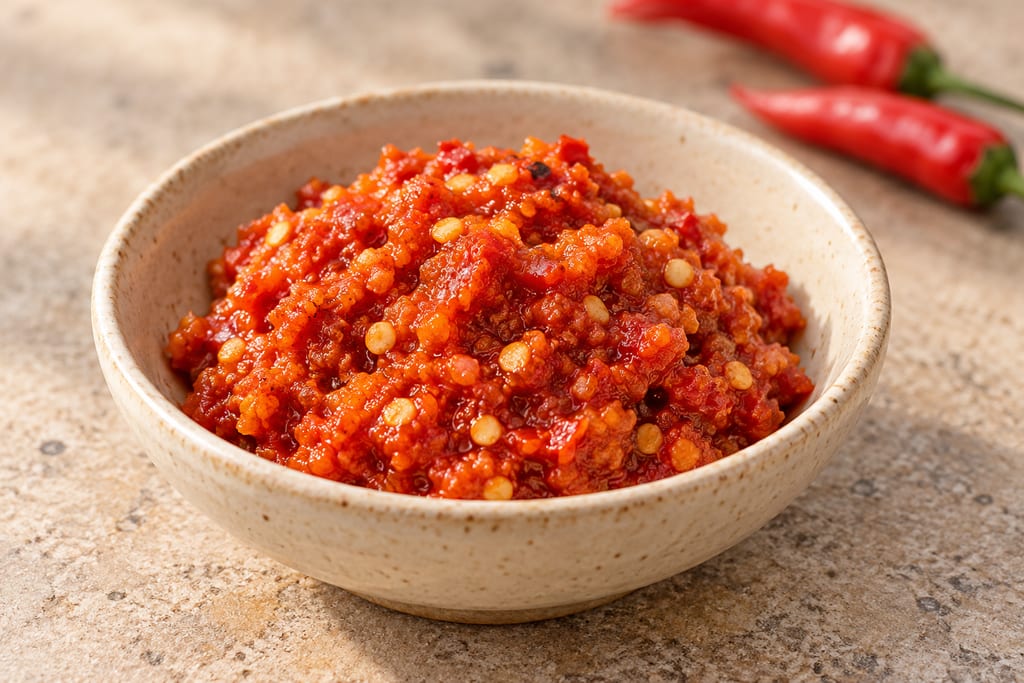
Dinanche, or donne' dinanche, is a Chamorro hot pepper paste of crushed chillies that Guam cooks use on its own or stir into fina'denne'. Its versions range from pepper alone to ones with eggplant, miso or coconut milk.
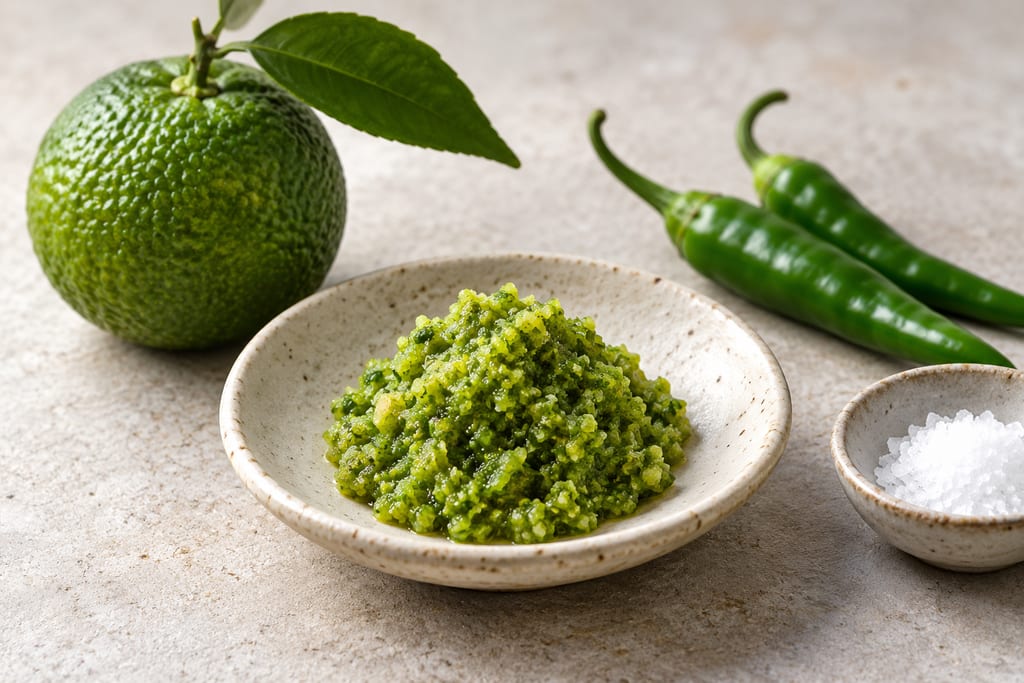
A fresh, uncooked yuzu and green chilli paste inspired by Kyushu’s yuzu kosho, made here as an untested small-batch seasoning rather than a preservation formula.
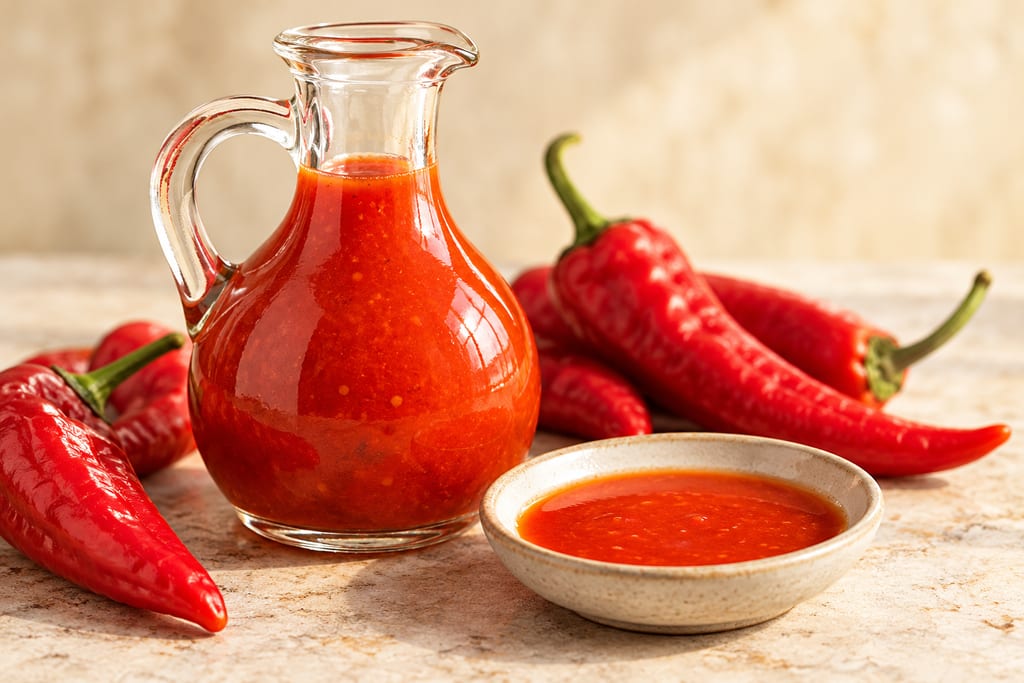
Fresh hot peppers ferment beneath a measured salt brine, then become a bright, tangy sauce blended from the peppers and their liquor.
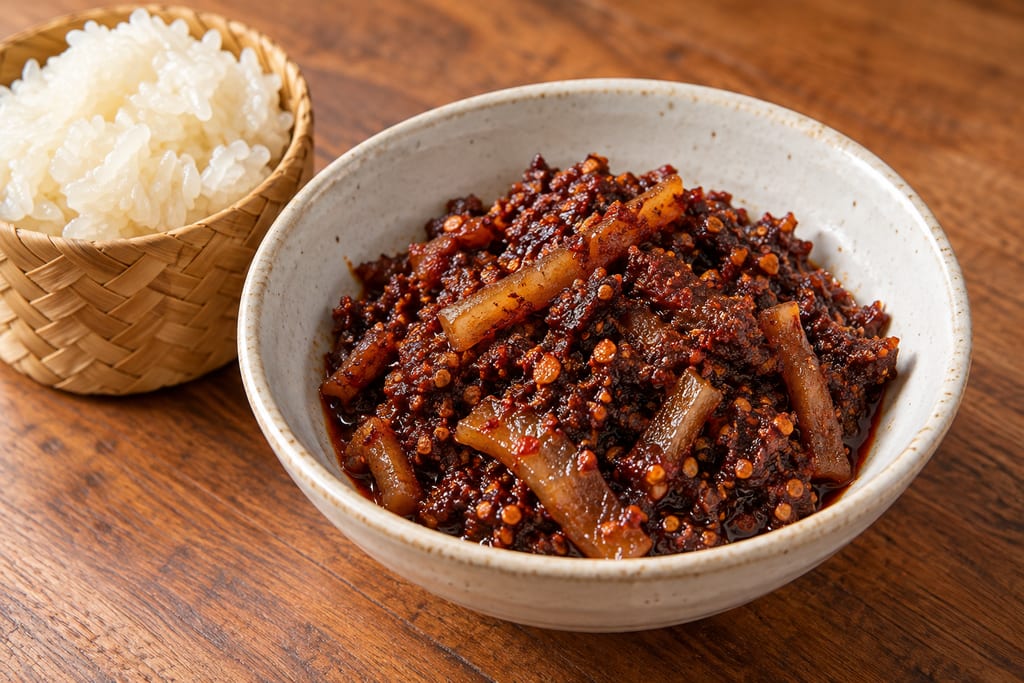
Jeow bong is a Lao paste of dried chilli, shallot, garlic and galangal cooked with buffalo or cow skin, a Luang Prabang specialty eaten with sticky rice and grilled meat.
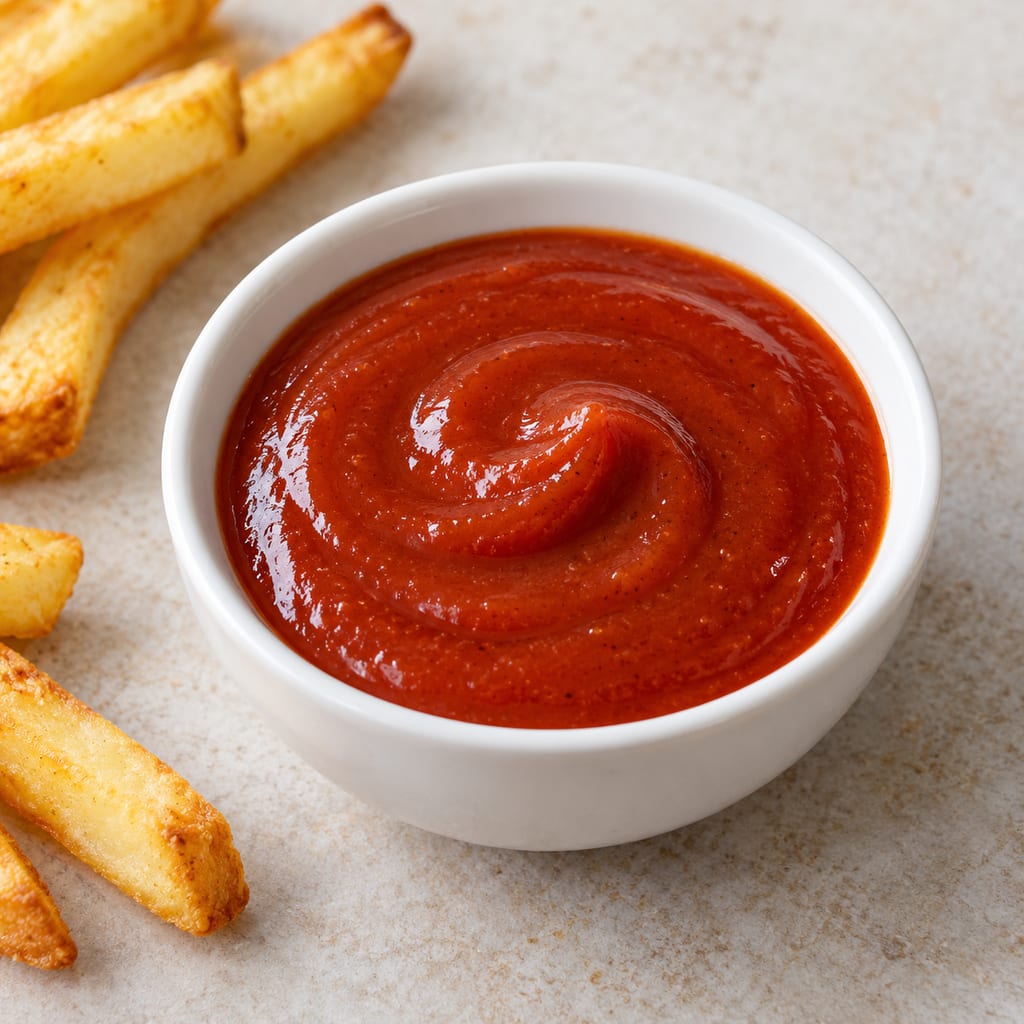
A modern tomato condiment sharpened with the spicy, savoury tang associated with kimchi; this measured version whisk-mixes prepared ketchup and commercial kimchi seasoning.
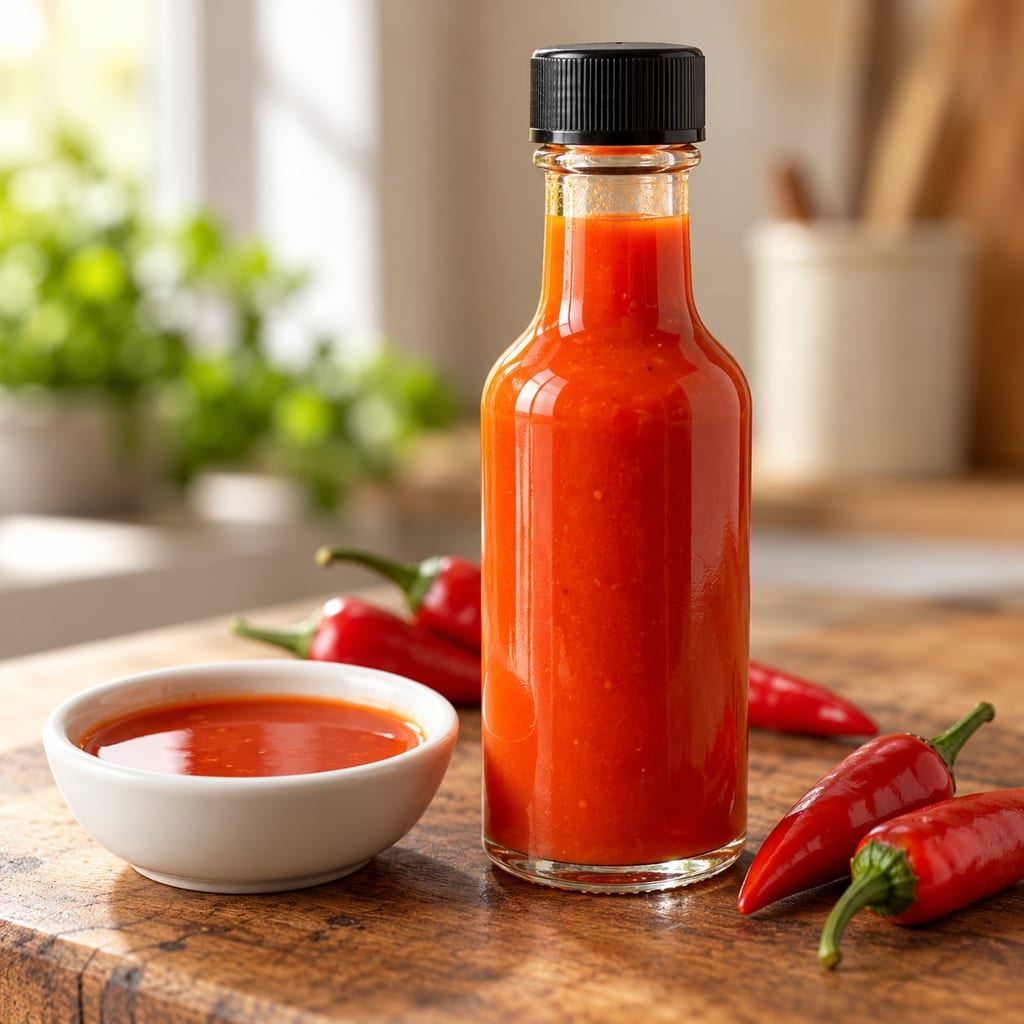
Documentary account of Louisiana pepper sauces, using TABASCO's published barrel-aged commercial process as one specific example; the source does not provide a validated home recipe.
Maari is a Burkinabè baobab-seed condiment documented in producer studies. This is a non-instructional account, not a home recipe: sources vary, omit key process details and establish no validated safety control.
No community contributions have been published for this entry yet.
Sign in to contribute. Published comments and photos are free to read.
SBS FoodMethod · Inspiration
Crisp eschalot and dried shrimp relish (balachaung)Published ingredient quantities and method for a relish yielding about 1 cup.
The page recommends storing in an airtight container and refrigerating for up to one month; it provides no process validation data.
Cited in: A fried shrimp relish with a Myanmar family history; How this published version is made; Serving, storage and allergen information
SBS FoodHistory · Inspiration
From balachaung to curry, my favourite comfort food is always from MyanmarA first-person account of the writer's Myanmar family and its balachaung; the family practice is not presented as universal.
Describes the relish as crunchy, dry but slightly sticky, with tiny fried shrimp important to flavour and texture.
Does not establish an origin date or precise Myanmar locality.
Cited in: A fried shrimp relish with a Myanmar family history
BiblioAsia, National Library Board SingaporeHistory
Belacan: Caviar? Or Vile and Disgusting?Context on the wider shrimp-paste family, including Burmese ngapi; its historical evidence concerns ngapi and related pastes, not balachaung's origin.
Cited in: A fried shrimp relish with a Myanmar family history
U.S. Food and Drug AdministrationSafety
Food Allergies: What You Need to KnowFDA lists crustacean shellfish, including shrimp, among major food allergens.
Cited in: Serving, storage and allergen information