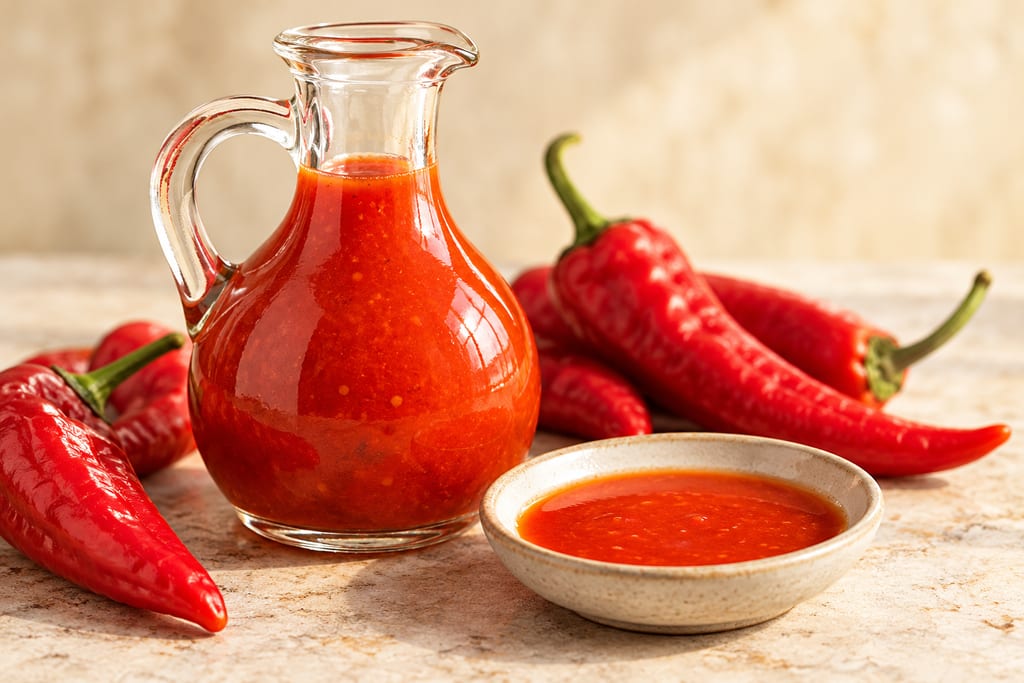
Hot sauce (fermented pepper)
Fresh hot peppers ferment beneath a measured salt brine, then become a bright, tangy sauce blended from the peppers and their liquor.
 FermenteaWhere food goes to change
Documentary account of Louisiana pepper sauces, using TABASCO's published barrel-aged commercial process as one specific example; the source does not provide a validated home recipe.
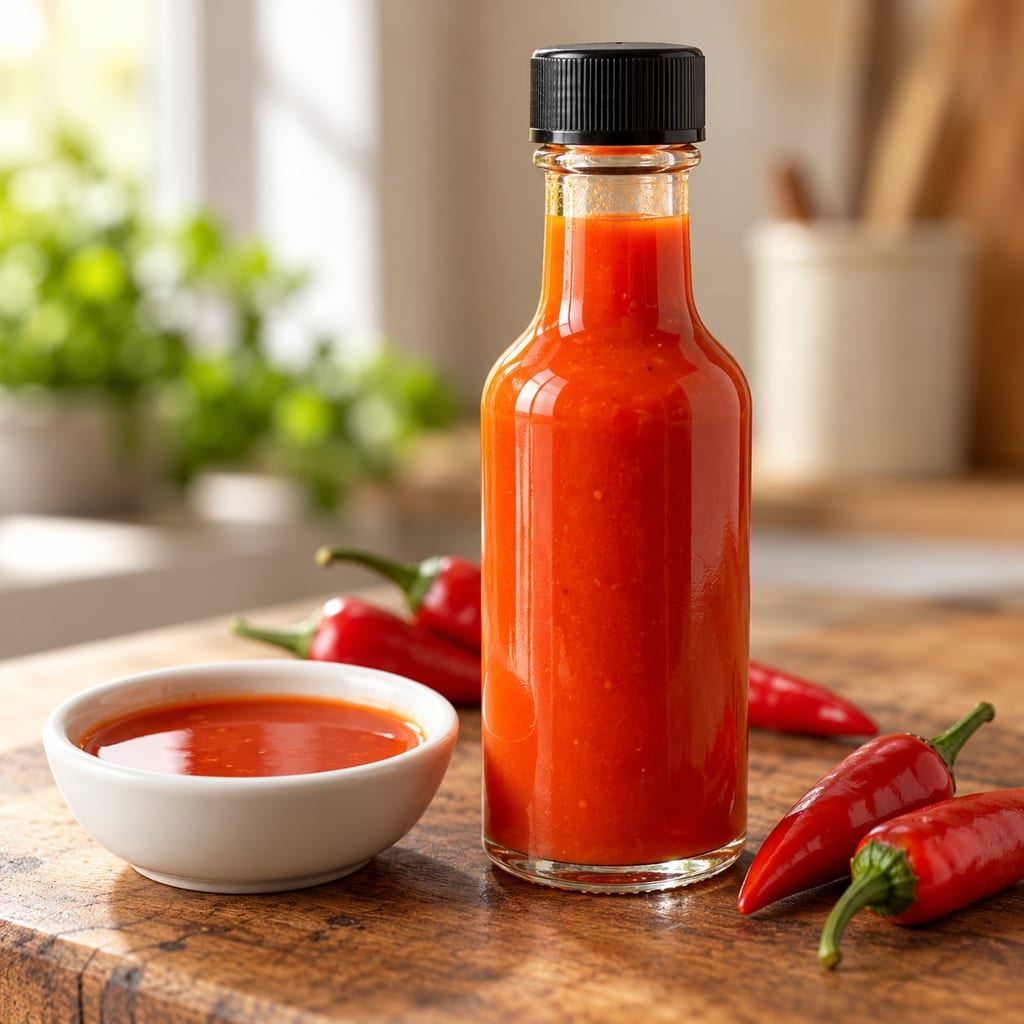
Louisiana pepper sauces are a family rather than one recipe. The common thread is a salted pepper mash that ferments or ages, a later vinegar blend, and straining. TABASCO is the most influential of these and the best documented, and its maker publishes its commercial method. Other Louisiana sauces use different production methods, so this page treats TABASCO's barrel process as one example within the family, not as the family's definition. The method below is a documentary account of one factory process, not a reproducible home formula.
The sauce is thin, sharp and salty. Its heat comes from the peppers.
The company salts the ripe pepper mash on the day it is mashed, then packs it into barrels. The salt layer over the top acts as a barrier. The company says it allows gases to escape while keeping the mash protected.
Because the account describes the salt seal and the barrel without giving temperatures or a pH, the page does not claim how the mash changes microbiologically. The change that matters to a reader is the one the account names directly: the mash is aged for up to three years before it is blended.
After ageing, the mash is blended with high-quality distilled vinegar, then strained and bottled. The company describes this blend as lasting 28 days. The sources do not say how the vinegar changes the aged mash, and they do not give the proportions. A distinct question is whether other Louisiana sauces age their mash in brine rather than in barrels; the sources used here do not settle that, and it is left as an open research question.
Stoneware jars were the first vessels for the pepper mash. By 1900 the company used only white oak barrels, and the account says it does not know why the switch was made. Barrel aging has been part of production for nearly 120 years, according to the company.
Scaling: source batch only
Salt layer sealing the barrel top, allowing gases to escape while excluding air
Control sourceThe sources give no safety limit, pH target or acidity target for this process. A home reader should not treat the company's barrel method as a validated safety control.
The company's own account describes its barrel-aged mash. The account does not claim the method is unique to this island, and other Louisiana sauces use different methods.
Fresh hot peppers ferment beneath a measured salt brine, then become a bright, tangy sauce blended from the peppers and their liquor.
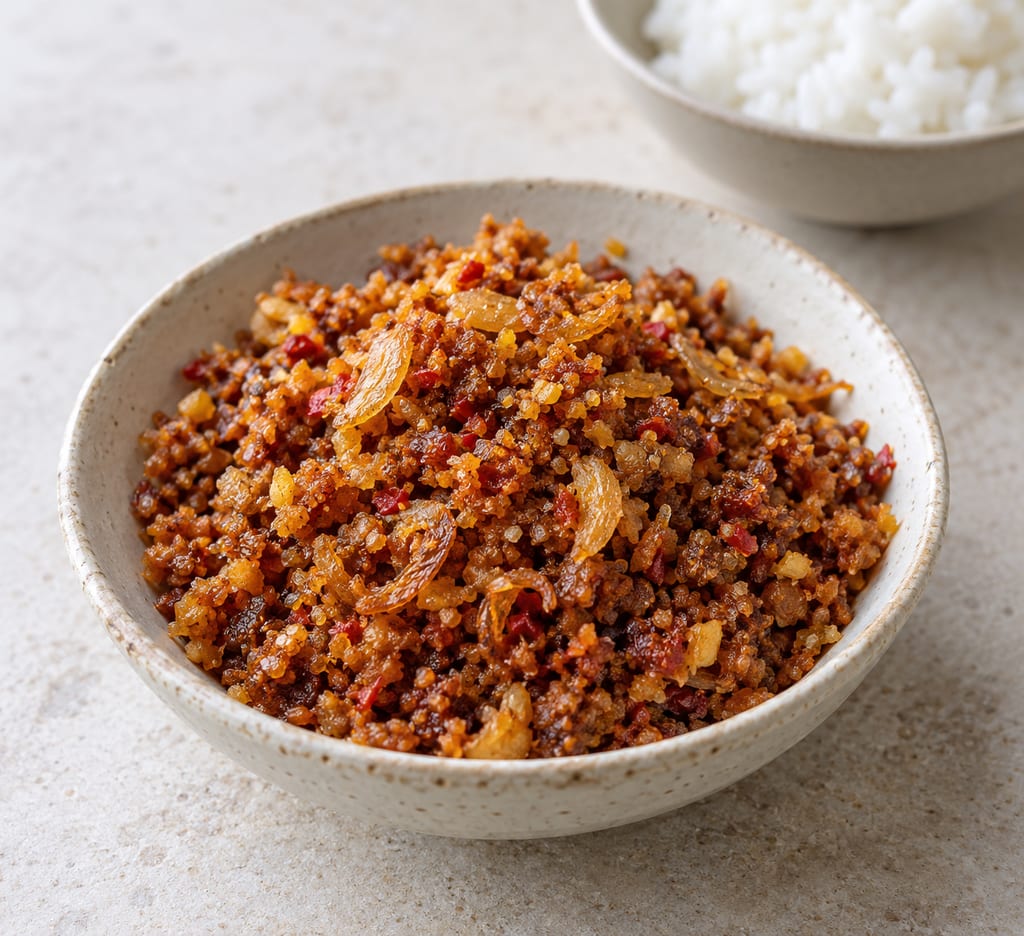
A Myanmar relish of dried shrimp, fried eschalot and garlic, chilli, turmeric, tamarind and ngapi. Naomi Duguid’s published recipe makes about 1 cup; it contains crustacean shellfish.
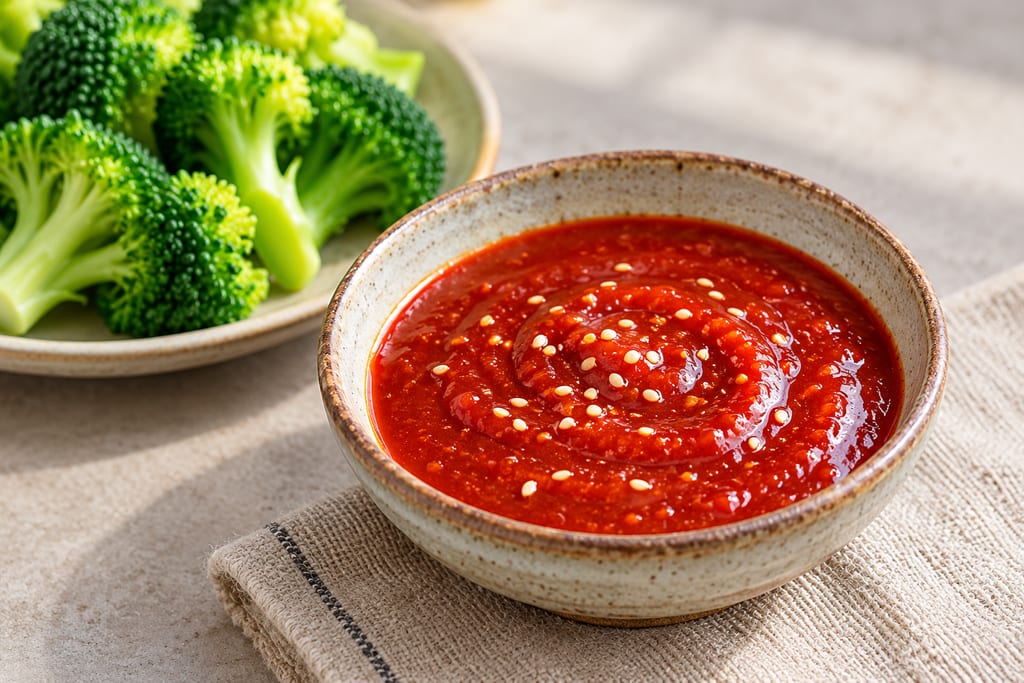
Chogochujang is a Korean sweet-sour sauce made by seasoning gochujang with vinegar and sugar. This development batch adds water and toasted sesame seeds, with optional garlic for the portion being served.
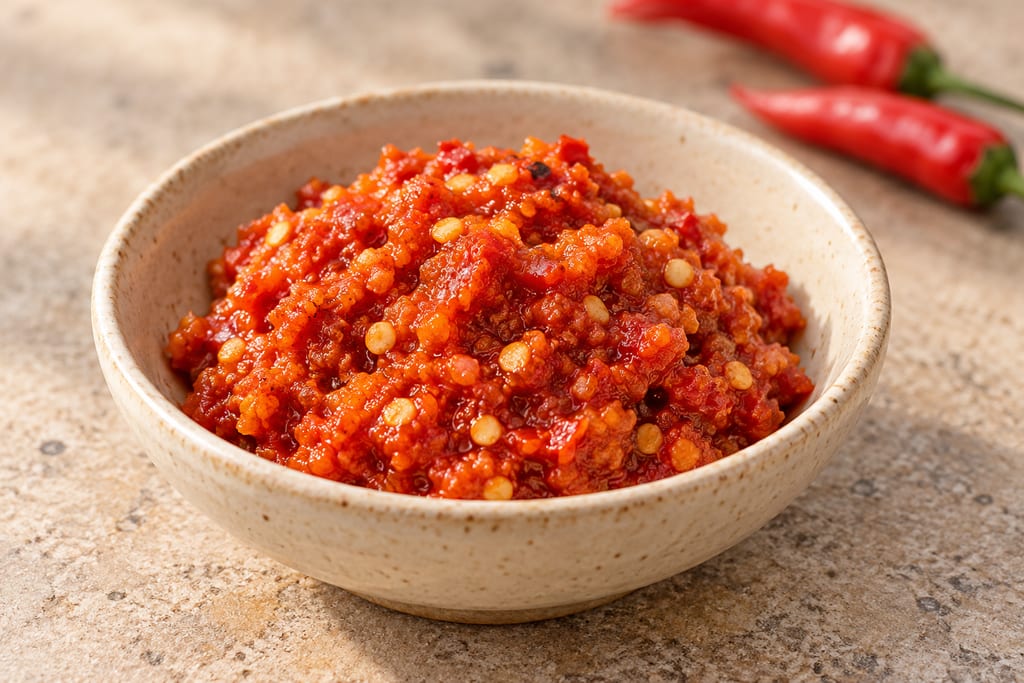
Dinanche, or donne' dinanche, is a Chamorro hot pepper paste of crushed chillies that Guam cooks use on its own or stir into fina'denne'. Its versions range from pepper alone to ones with eggplant, miso or coconut milk.
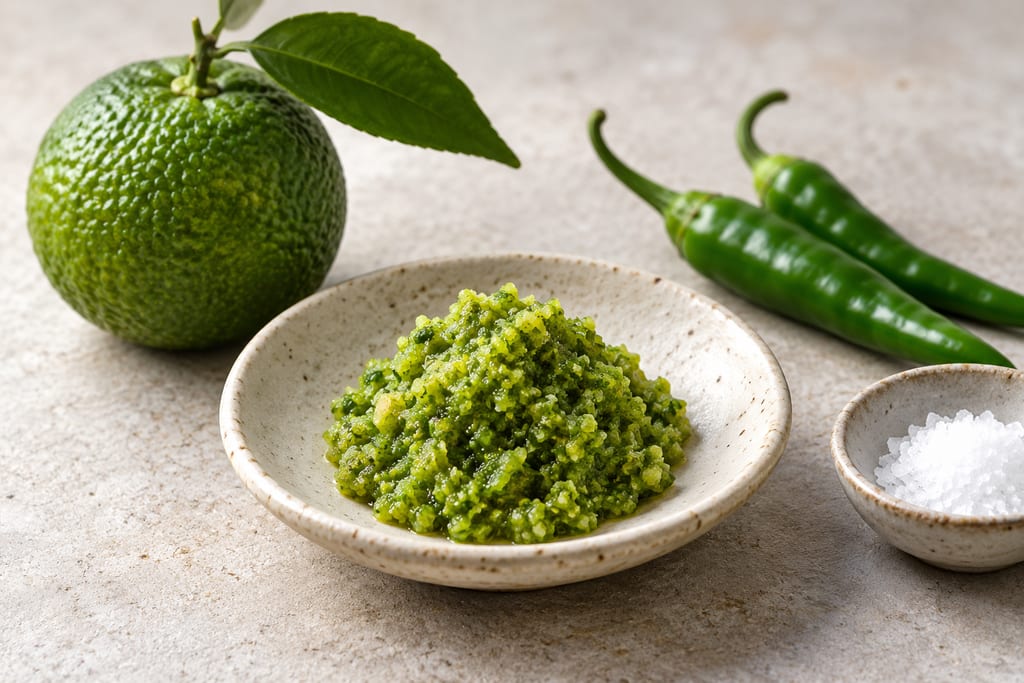
A fresh, uncooked yuzu and green chilli paste inspired by Kyushu’s yuzu kosho, made here as an untested small-batch seasoning rather than a preservation formula.
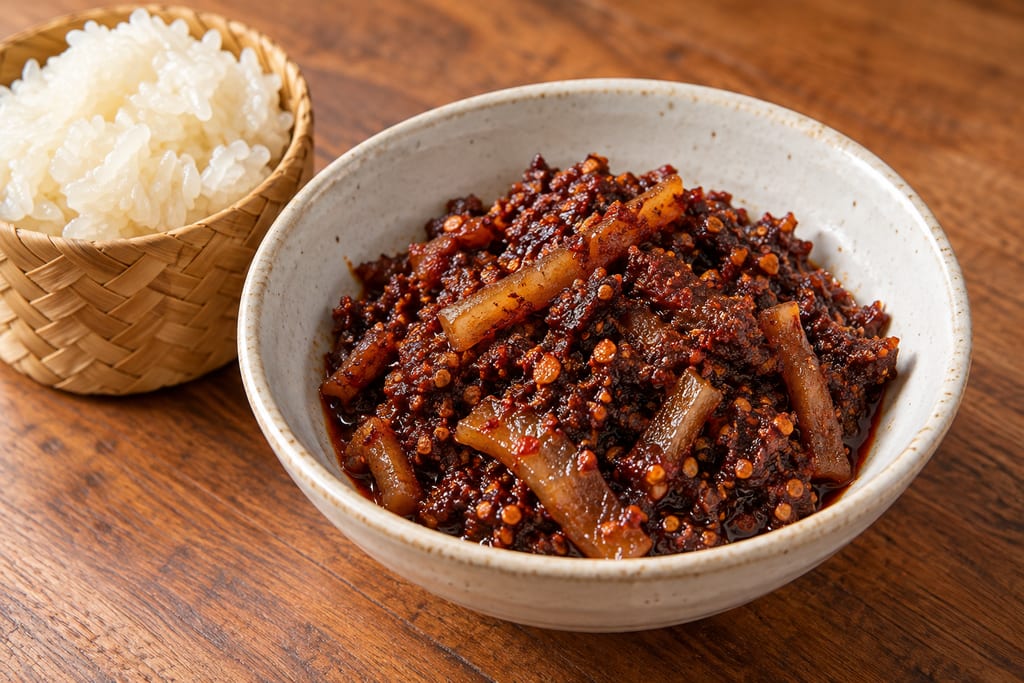
Jeow bong is a Lao paste of dried chilli, shallot, garlic and galangal cooked with buffalo or cow skin, a Luang Prabang specialty eaten with sticky rice and grilled meat.
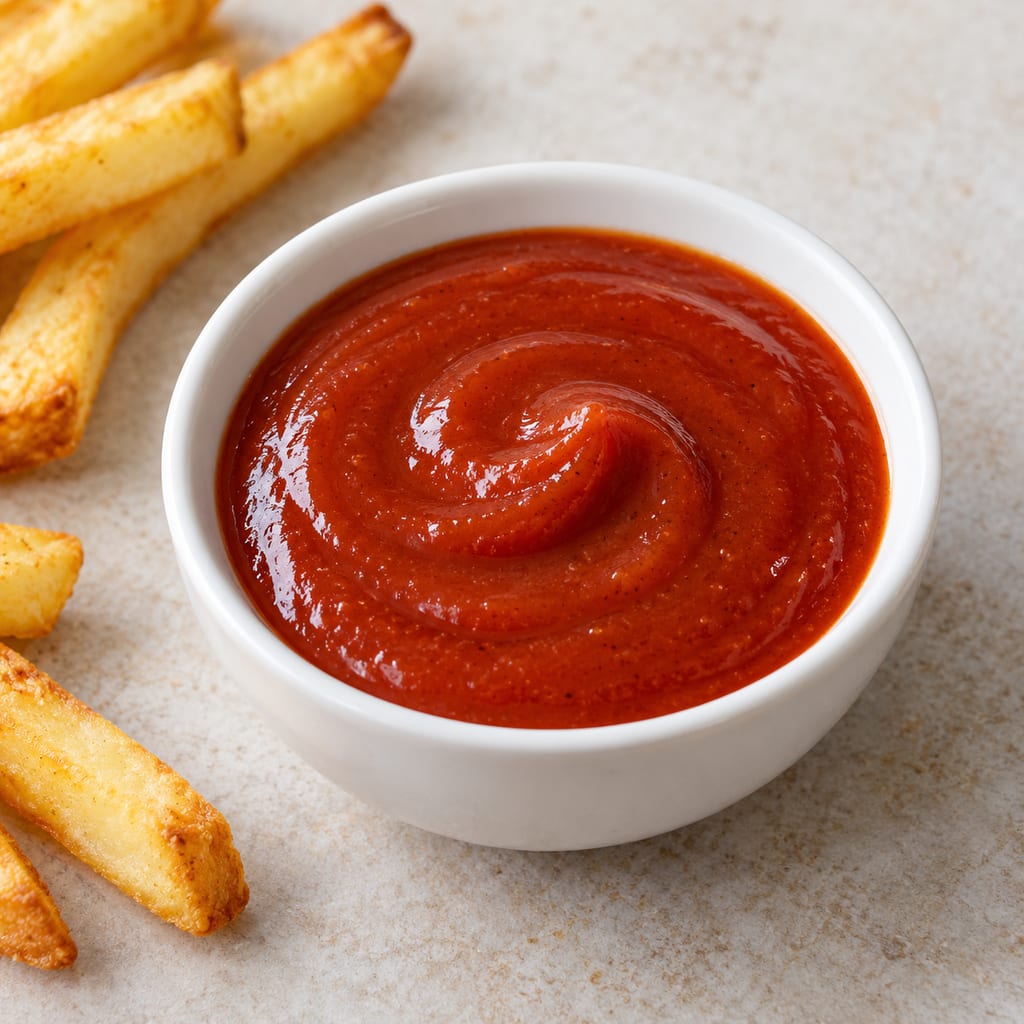
A modern tomato condiment sharpened with the spicy, savoury tang associated with kimchi; this measured version whisk-mixes prepared ketchup and commercial kimchi seasoning.
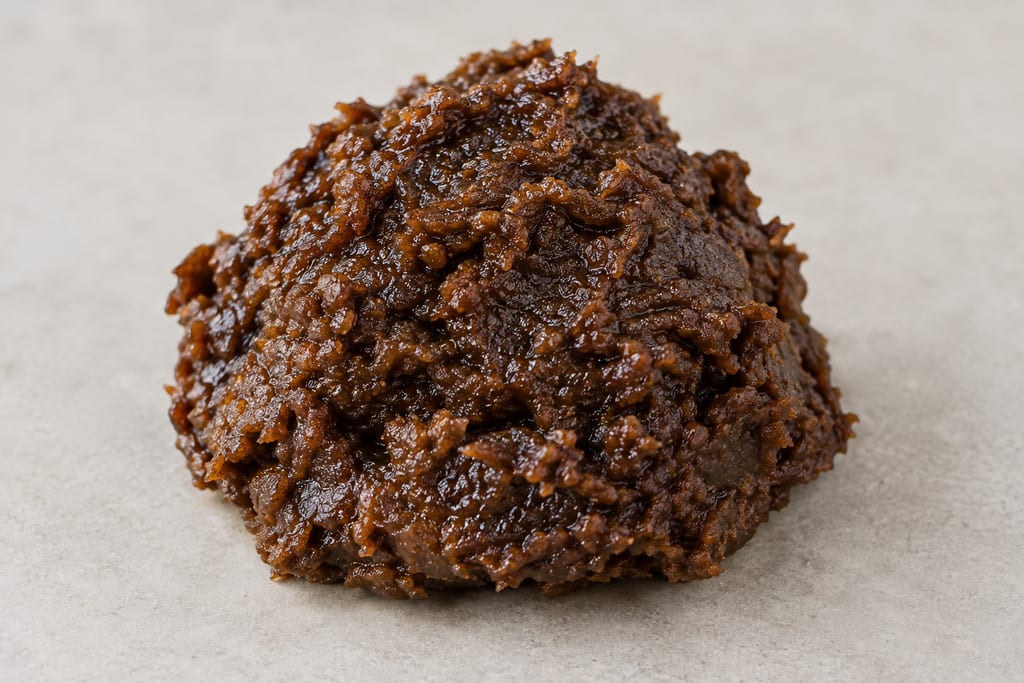
Maari is a Burkinabè baobab-seed condiment documented in producer studies. This is a non-instructional account, not a home recipe: sources vary, omit key process details and establish no validated safety control.
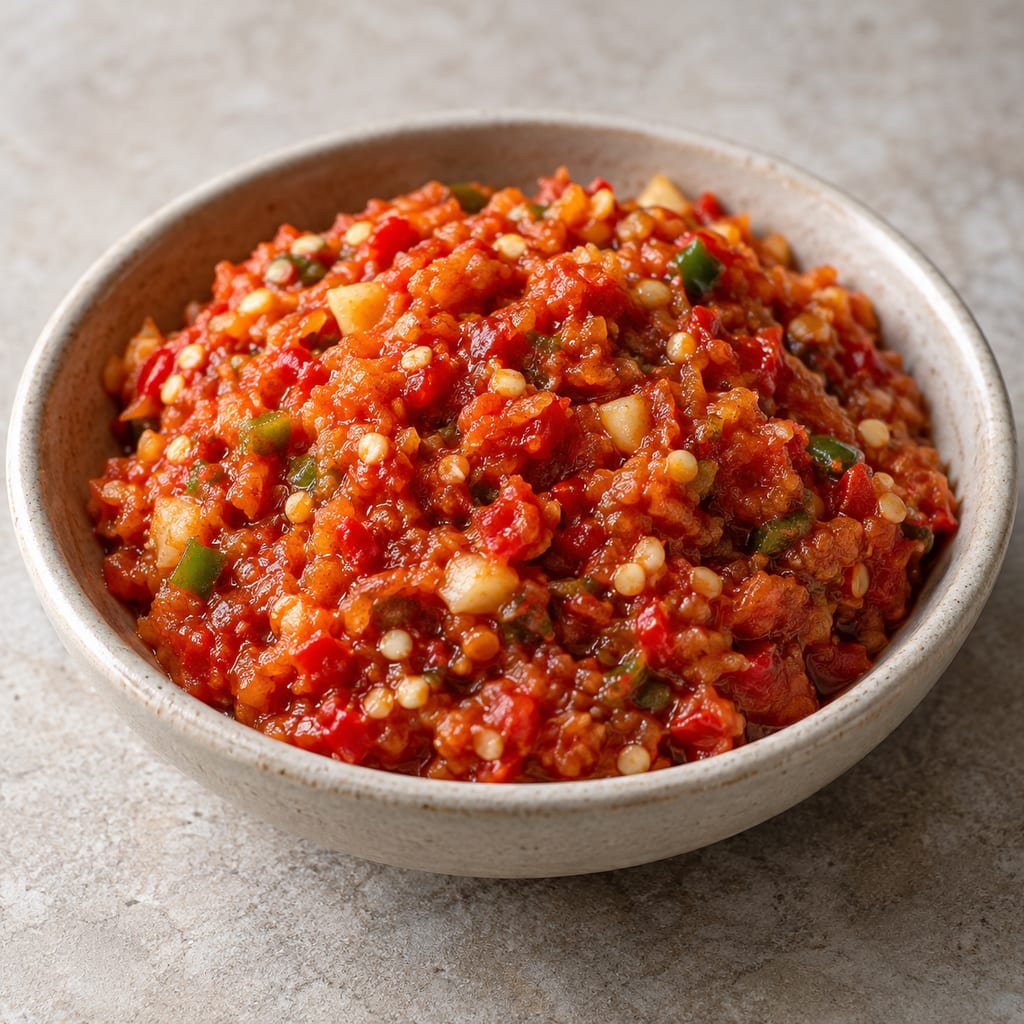
Mazavaroo is a Mauritian hot chilli paste of fresh chillies, garlic, salt and oil with lemon or lime. It is kept refrigerated, and the reviewed recipes say it should rest for days before use.

A Cap-Pelé boucanière is an Acadian herring-smoking building. The documented Willie Niles example is a one-storey wood-frame structure with a ridge smoke vent and interior bays for hanging fish-bearing cannes.

Achcharu is a family of Sri Lankan vinegar pickles made with mixed vegetables or seasonal fruit and a piquant spice dressing. This version is a quick, refrigerated, non-fermented mixed-vegetable pickle.

The acocote is a long, hollowed and dried gourd used to draw aguamiel from a mature maguey. It is a harvesting tool: the sap is transferred to a separate vessel before it ferments into pulque.

Adrak murabba preserves young ginger in sugar syrup, a sweet South Asian preparation recorded in Indian cookery and food-processing sources.

Parkia biglobosa seeds are fermented into regional West African seasonings, including nététou, iru, dawadawa and soumbala. The yellow fruit pulp is a separate food, and names and methods vary by place.

Japanese reddish-brown vinegar from sake lees matured about three years, turned to vinegar by acetic bacteria; the vinegar of Handa and Edomae sushi rice.

A refined common-wheat flour blended for a broad range of baking; its protein and behavior vary with wheat, milling and market.

The almond mushroom, Agaricus subrufescens, was cultivated in eastern North America in the 1800s, lost its market, and returned as a cultivated mushroom from Brazil, where it is grown under several names.
No community contributions have been published for this entry yet.
Sign in to contribute. Published comments and photos are free to read.
TABASCO brandMethod · History · Safety
About Our BarrelsMash mixed with salt the same day; salt layer seals barrel tops and lets gases escape
Aged in white oak barrels for up to three years
Blended with high-quality distilled vinegar for 28 days, then strained and bottled
Stoneware jars early; by 1900 white oak barrels only; barrel aging nearly 120 years
Cited in: A Louisiana family, one documented example; The mash in the barrel; Vinegar, straining and gaps