Balachaung
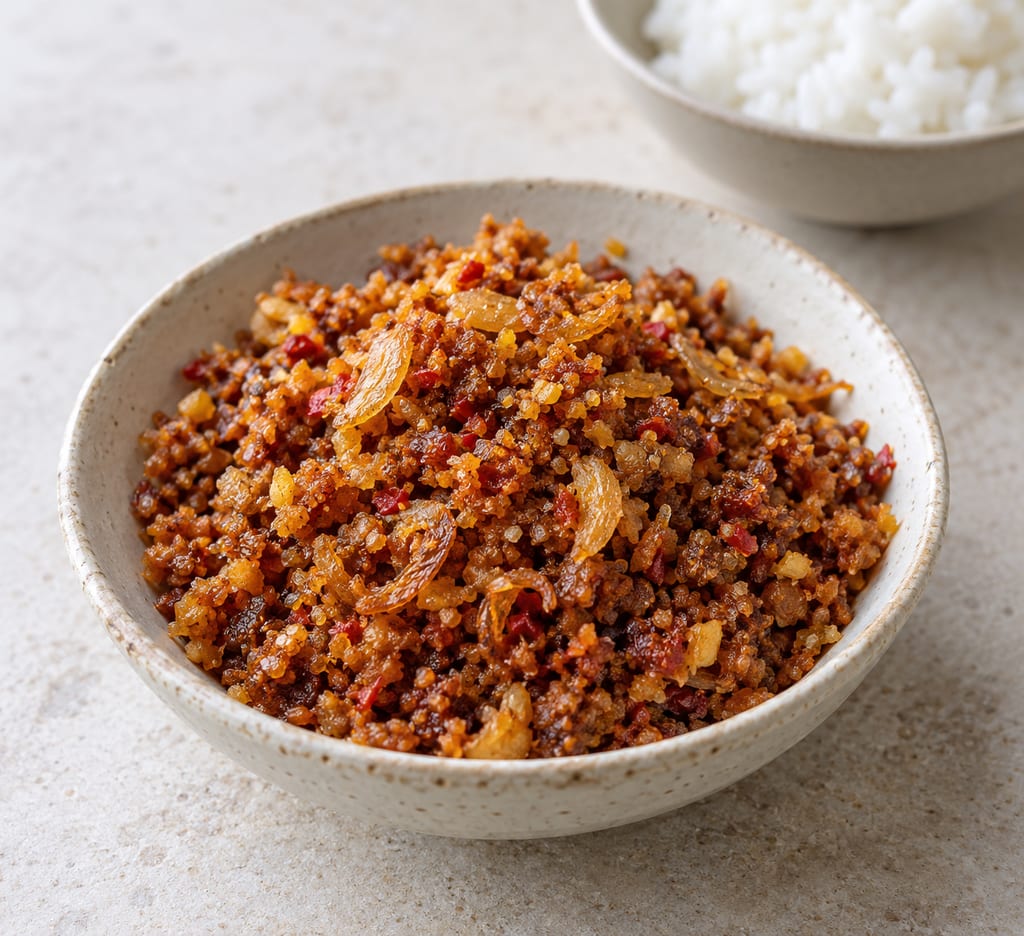
A Myanmar relish of dried shrimp, fried eschalot and garlic, chilli, turmeric, tamarind and ngapi. Naomi Duguid’s published recipe makes about 1 cup; it contains crustacean shellfish.
 FermenteaWhere food goes to change
ငါးပိ · nga-pi
Ngapi is a Myanmar name used for varied fermented fish and shrimp pastes. Selected market and processor samples document differences in species, ingredients, and process; the evidence does not support one nationwide formula.
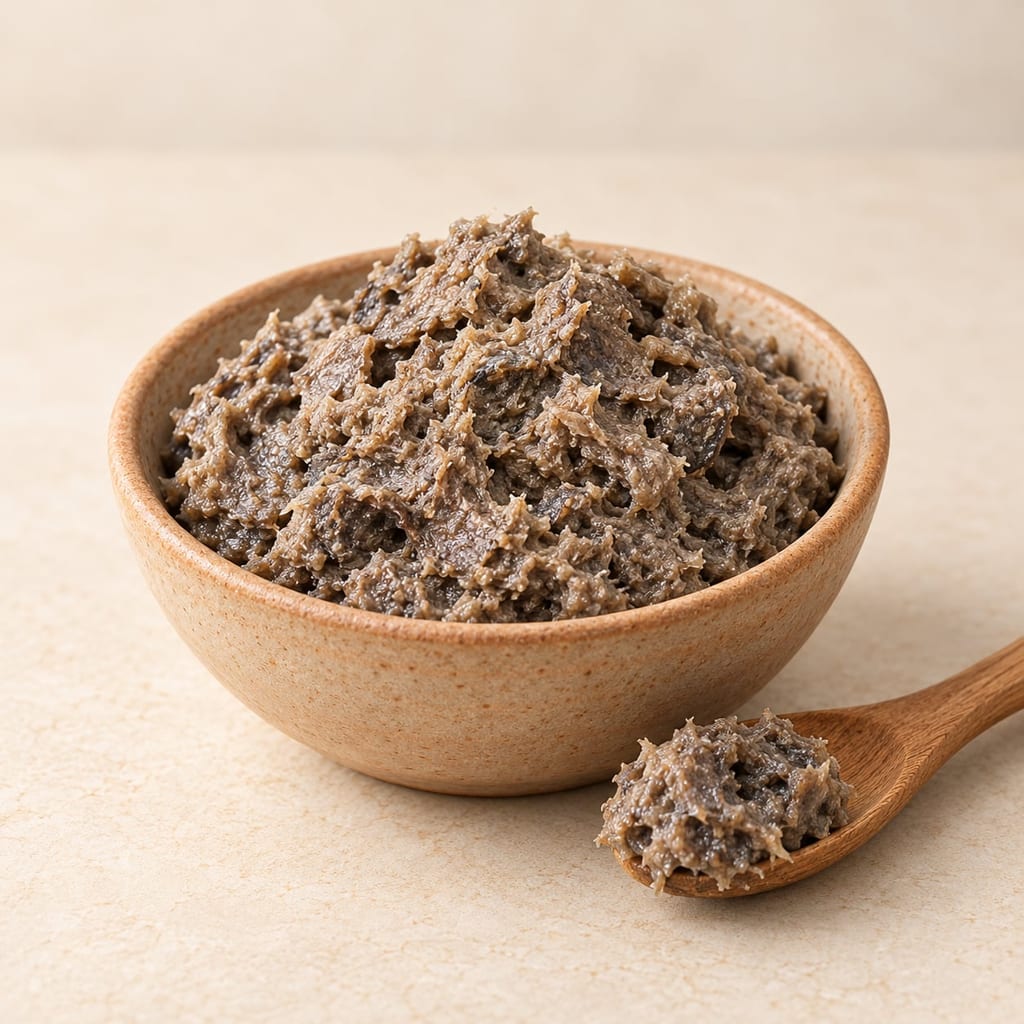
WorldFish uses Ye gyo Ngapi for sampled fish pastes and reports fish species and methods varying among selected processors and markets. Some sampled pastes included cooked rice or roasted rice powder; others were reported as fish and salt. Separate research distinguishes fish ngapi from shrimp ngapi. These records do not establish one national formula or make every ngapi a shrimp product.
WorldFish collected 15 fermented-fish samples in May 2023 from selected project areas: Magway, Sagaing, Kachin, Southern Shan, Eastern Shan, Yangon, and Ayeyarwady. Its annex identifies specific samples from Salin in Magway, Nyaung Don in Ayeyarwady, and Yangon, among others. This is a sample map, not an exhaustive production map. An ethnographic study discusses local fish fermentation and trade and cites early twentieth-century records of ngapi production around Toungoo and Pegu. The available evidence supports longstanding regional practice but cannot establish a precise origin.
The sources reviewed here do not provide a reliable sensory profile for one defined Ngapi batch. Fish and shrimp products, species, salting, rice additions, drying, maturation, and texture vary in the available accounts. A more specific taste description needs direct evidence tied to a named product and source batch.
Fish and shrimp versions need distinct ingredient and allergen declarations; the exact species remains to be established for a specific formulation. WorldFish tested selected products rather than a representative national sample. It reported Salmonella in 7 of 14 samples, E. coli in 3 of 14, measurable histamine in all samples, and high sodium in some products. Those findings signal real concerns for the sampled products but do not describe every ngapi. A Yangon-market study of yegyo ngapi reported sequences similar to Clostridium botulinum in a DNA clone library and recommended closer surveillance. It did not demonstrate that all ngapi contains the organism or establish a home safety control. No validated salt, pH, temperature, time, cooking, histamine-control, or storage limits are supplied here.
Ruddle and Ishige discuss Myanmar ngapi within varied regional fish-fermentation traditions and cite early twentieth-century Gazetteer and Page accounts for production and trade in Toungoo and Pegu districts. These are historical associations, not a single origin date or birthplace.
Ngapi includes fish and shrimp variants; species must be established for any eventual formula and allergen disclosure.
Hazard sourceWorldFish reported Salmonella in half and E. coli in 3 of 14 tested fermented-fish samples from selected Myanmar areas; this sample does not estimate prevalence across ngapi.
Hazard sourceWorldFish reported measurable histamine in all samples tested. This study does not establish a general safe process or storage limit.
Hazard sourceA study of Yangon-market yegyo ngapi found sequences similar to Clostridium botulinum and called for closer surveillance; this does not show all ngapi is contaminated.
Hazard sourceNo validated home salt, pH, time, temperature, cooking, histamine-control, or storage limits were identified.
Country-level association only; neither source establishes a single birthplace.
A sampled Ye gyo Ngapi production locality; not an origin claim.
A sampled Ye gyo Ngapi production locality; not an origin claim.
The report sampled market/processor products here; not an origin claim.
A Myanmar relish of dried shrimp, fried eschalot and garlic, chilli, turmeric, tamarind and ngapi. Naomi Duguid’s published recipe makes about 1 cup; it contains crustacean shellfish.
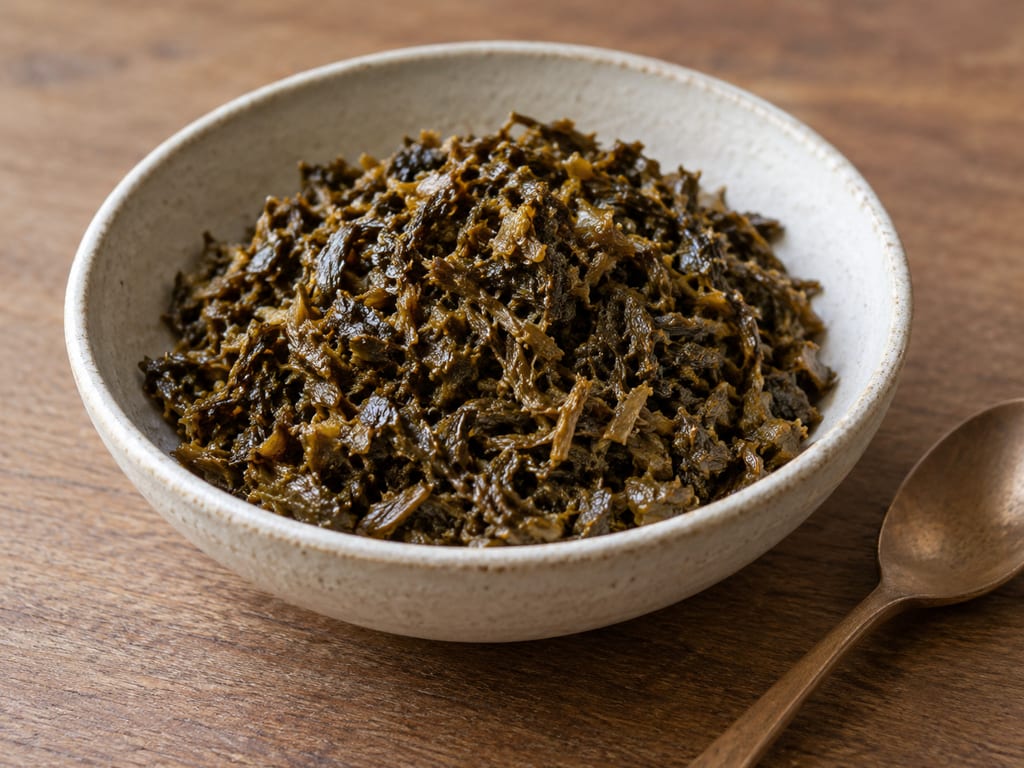
Laphet is Myanmar’s fermented tea-leaf food, associated with ceremony and hospitality. This entry documents cultural context and regional production accounts; it is not a household fermentation recipe.
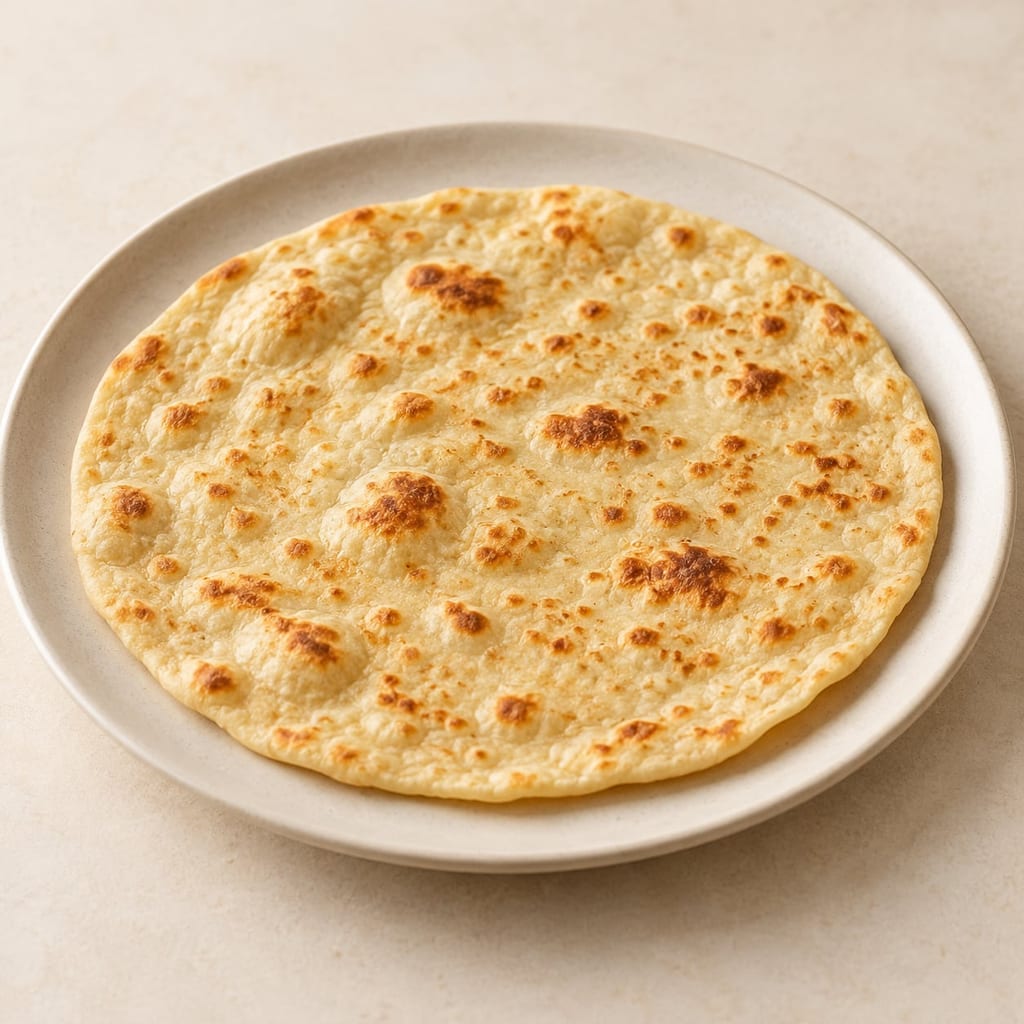
Sandi Wai’s eight-piece Burmese plain naan uses yeast and baking powder, rests for 30 minutes and cooks on a hot nonstick pan without oil.
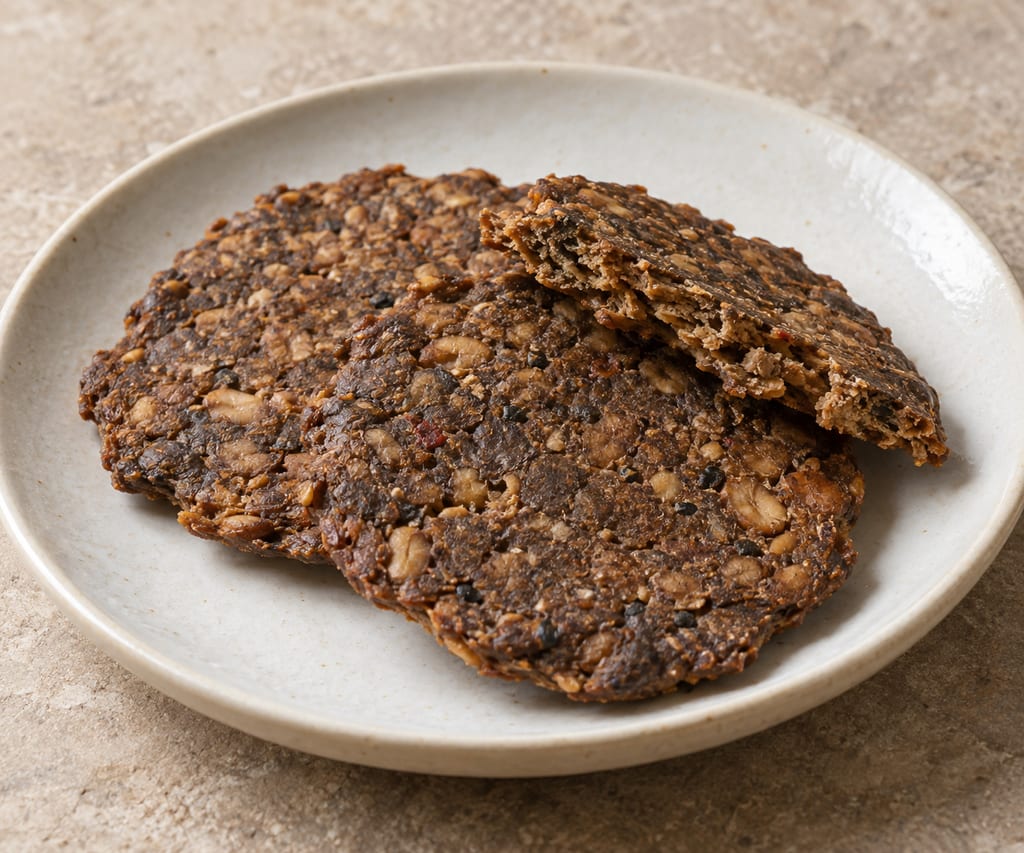
A Myanmar soybean ferment in which cooked beans turn sticky through alkaline bacterial fermentation, then are eaten fresh or seasoned, flattened and sun-dried into savoury wafers.
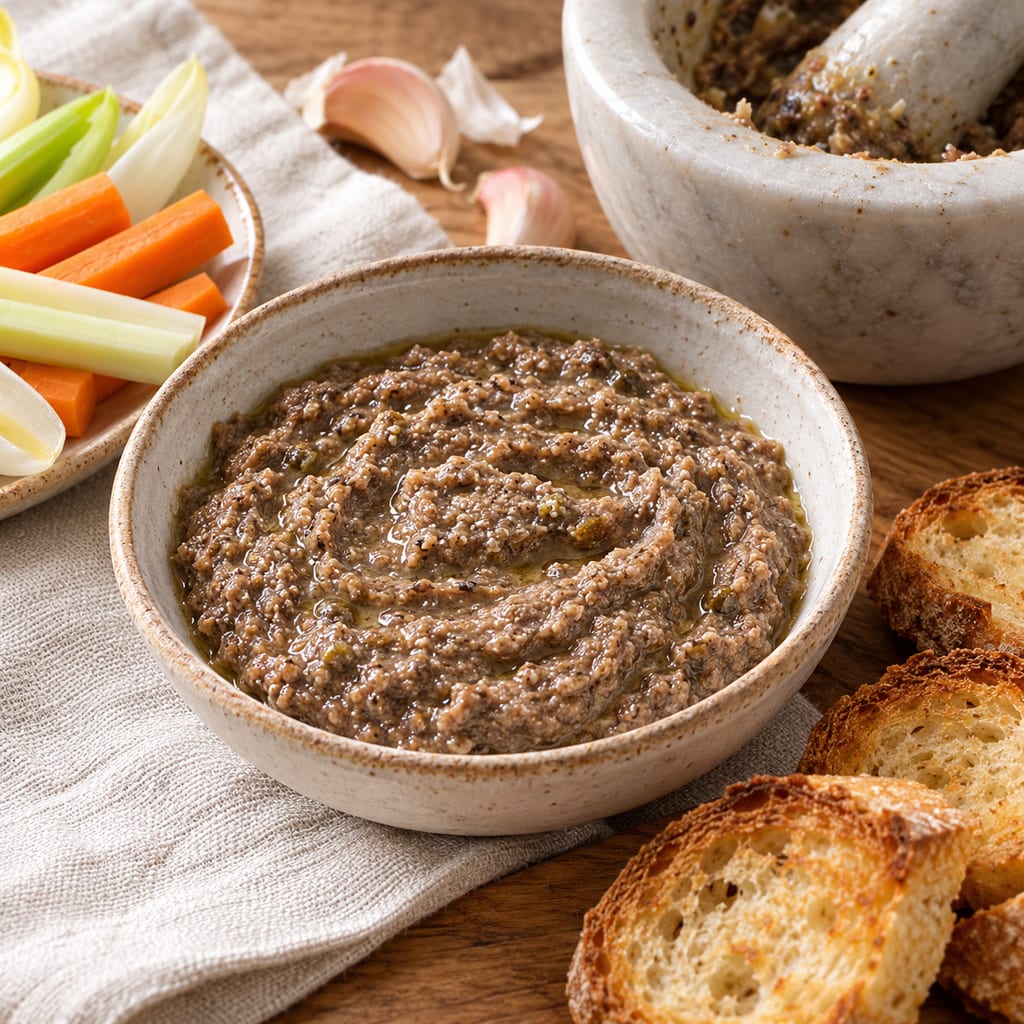
A Provencal dip of anchovies, garlic, capers and olive oil, pounded or blended to a creamy paste and served with raw vegetables, bread and eggs.
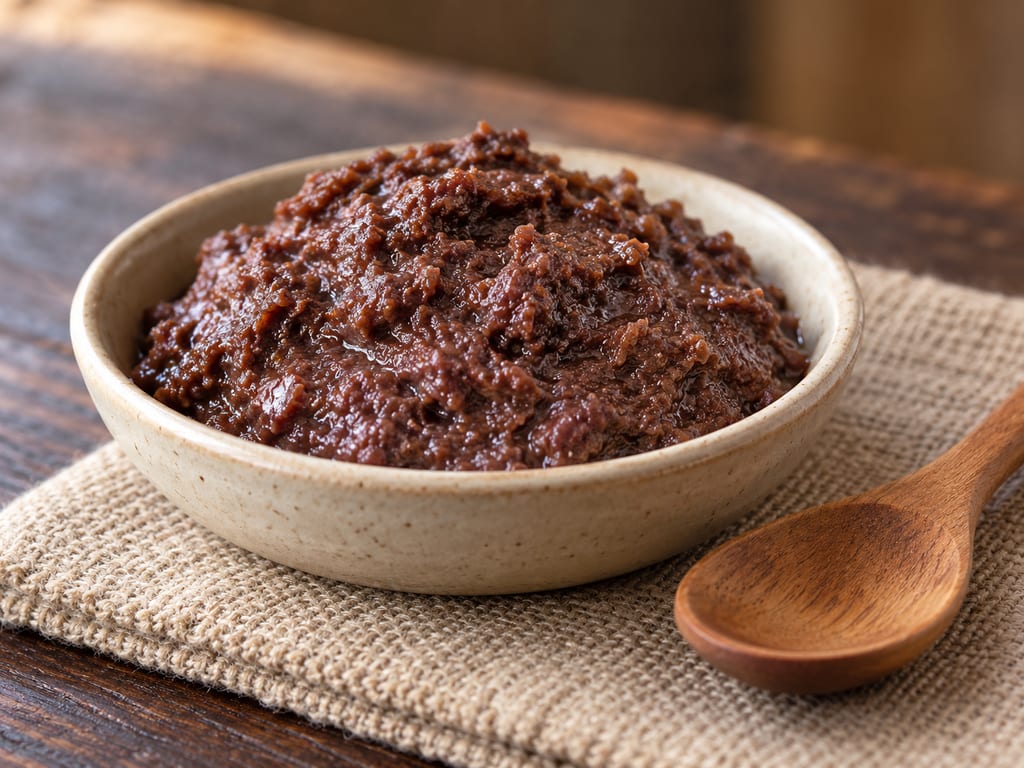
Bagoong isda is a Philippine fish paste: whole small fish salted and left to ferment for a month or more in earthen jars. It is the fish counterpart of bagoong alamang.
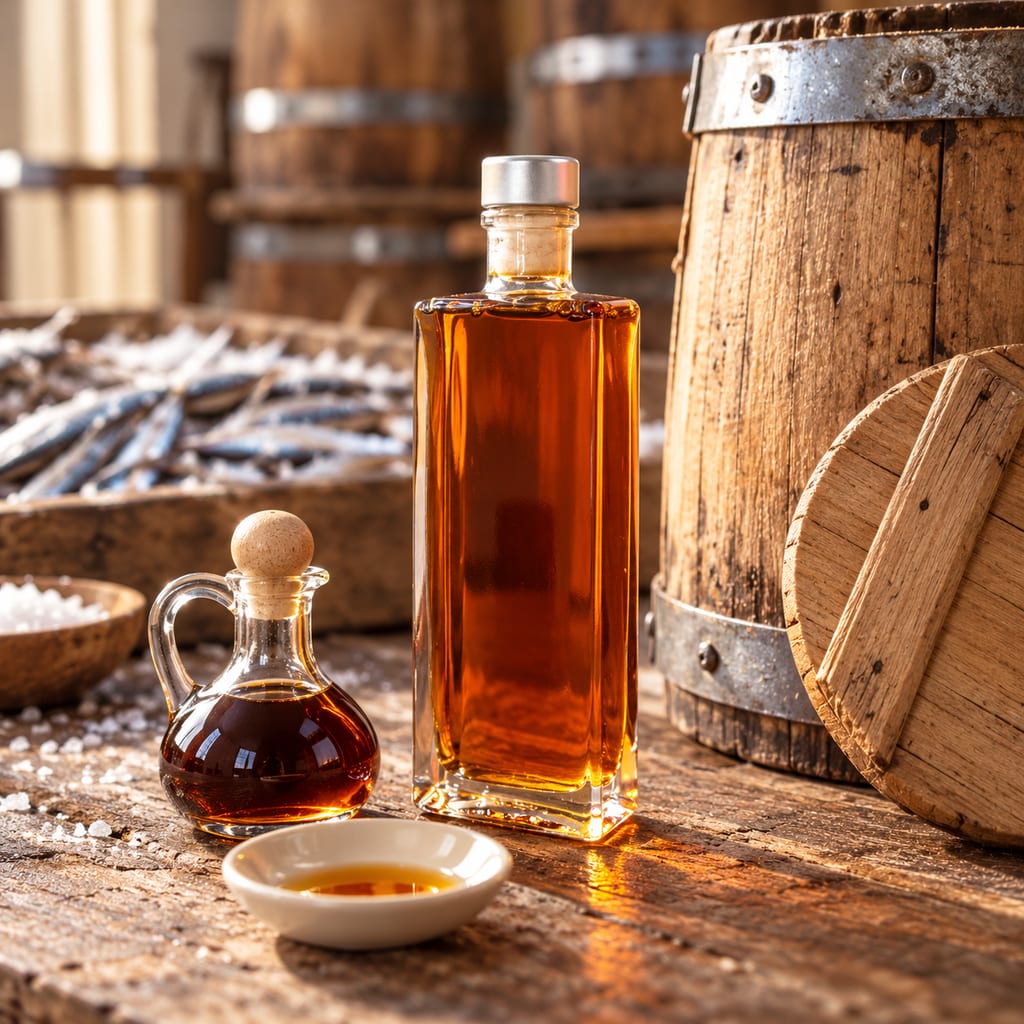
Colatura di alici is the amber liquid drained from salted anchovies matured in wooden containers in Cetara, on the Amalfi coast of Campania, and sold under a protected designation of origin.
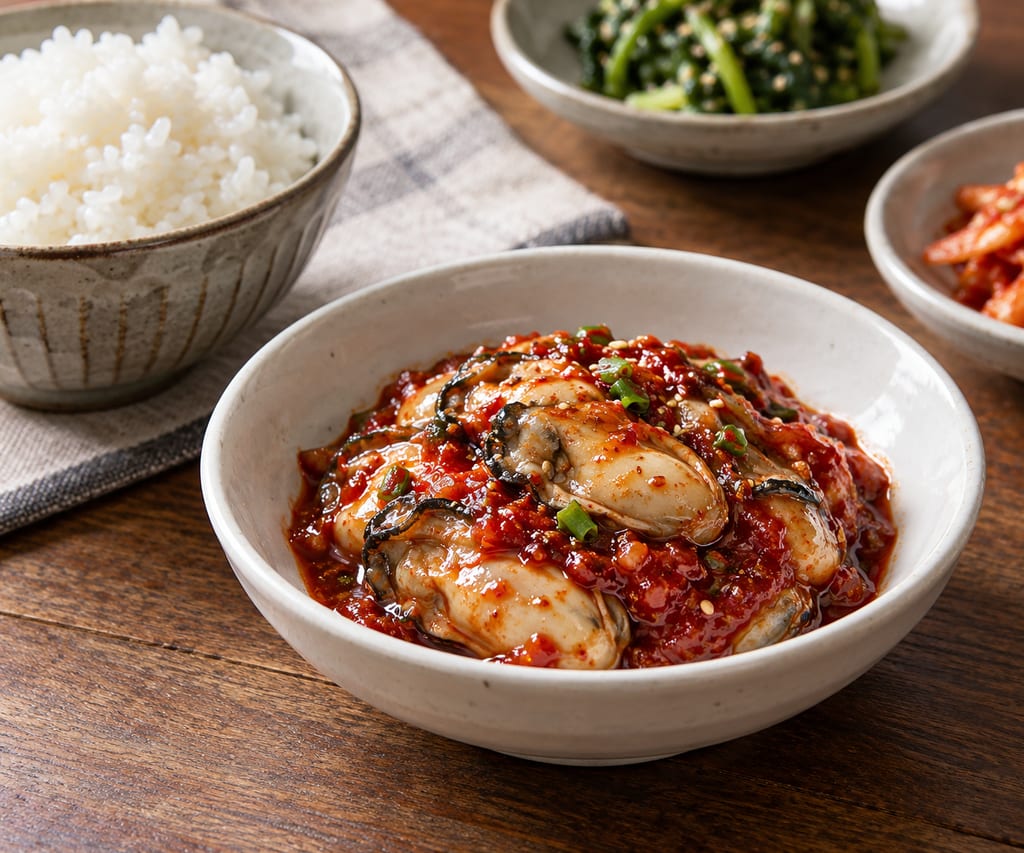
A Korean salted-oyster jeotgal seasoned with chili, associated especially with Seosan and Ganwoldo. This page records its food culture, not a household preparation method.
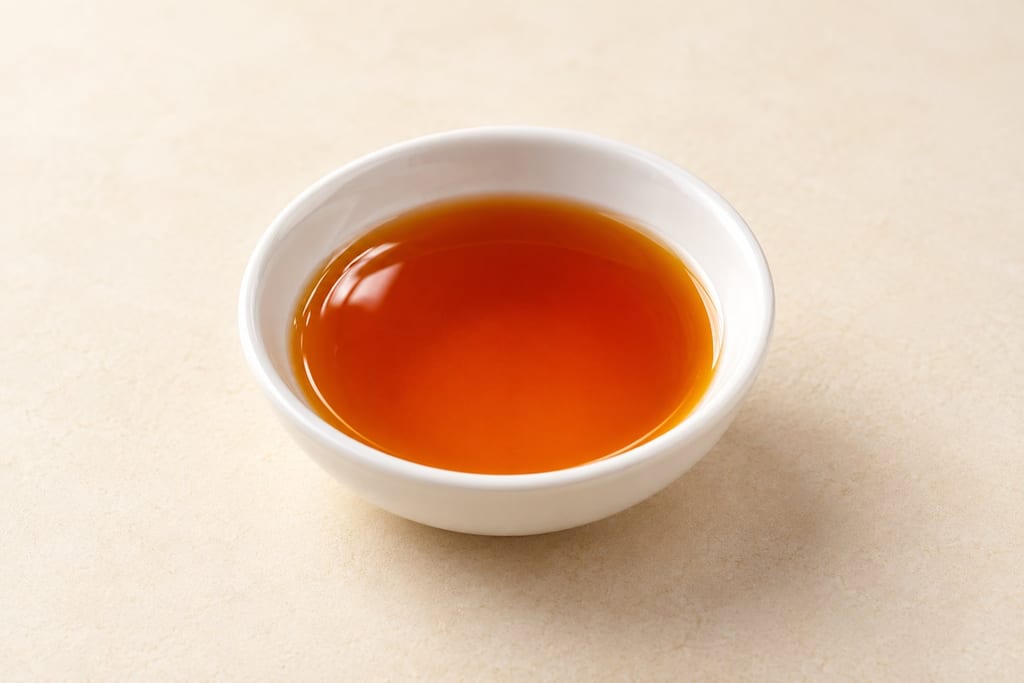
Fish sauce is a clear, salty seasoning made by maturing fish with salt and drawing off the liquid. The broad family includes distinct regional sauces rather than one interchangeable method.
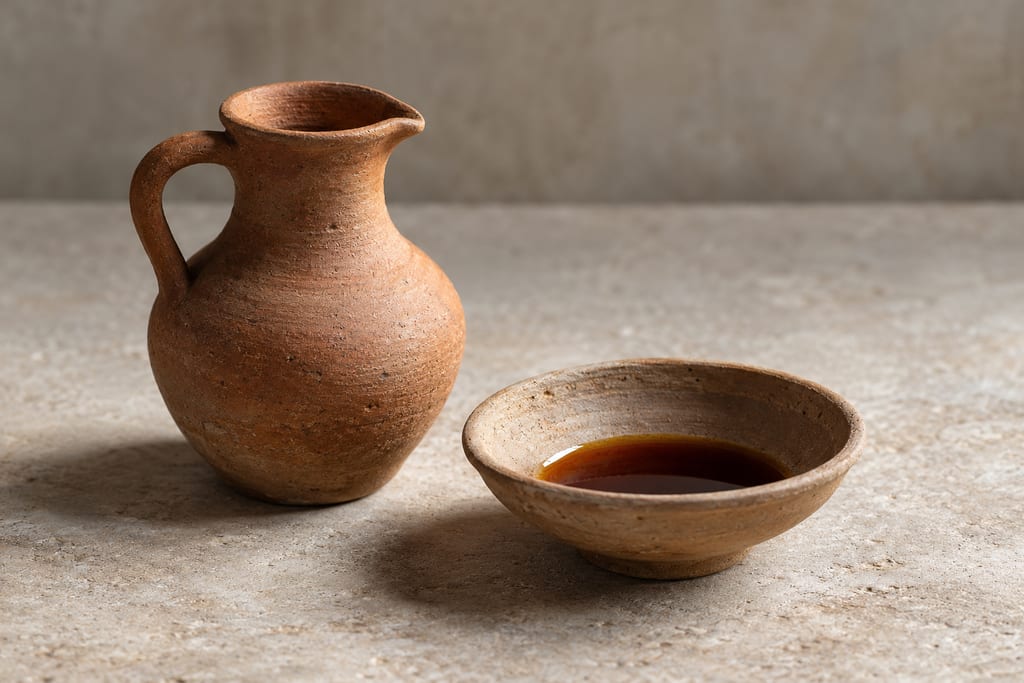
Garum, Greek garos and Latin liquamen, was the fish sauce of the ancient Mediterranean: fish and viscera salted and left in the sun, then drained off as a savoury liquid.
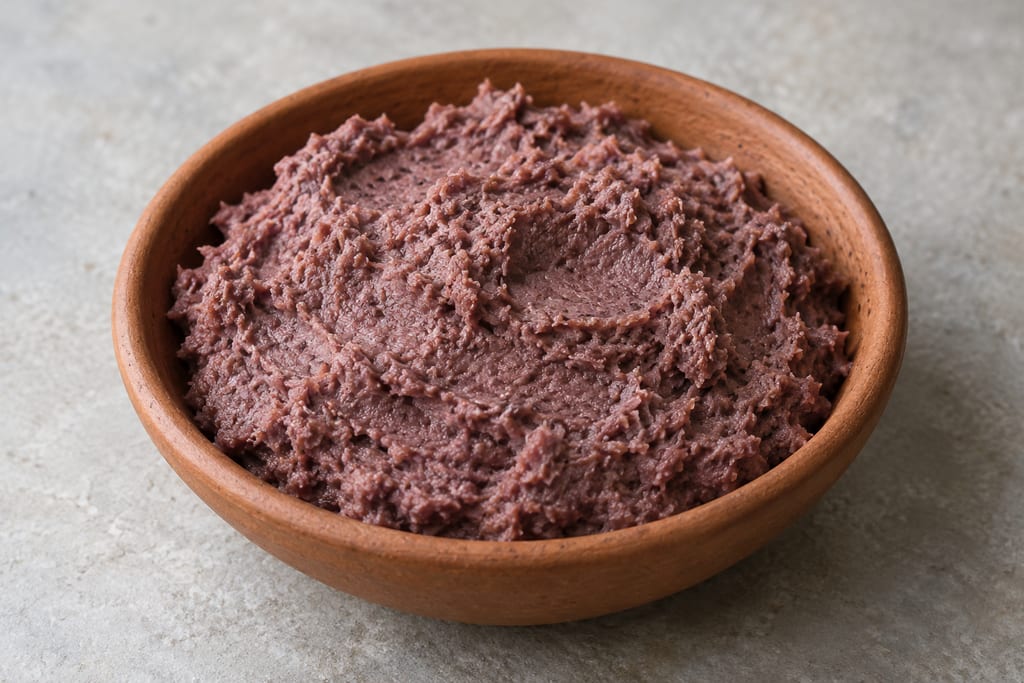
Guinamos is a shrimp paste made on Guimaras in the Philippines: small shrimp salted by hand, sun-dried and trodden by foot until it turns smooth.
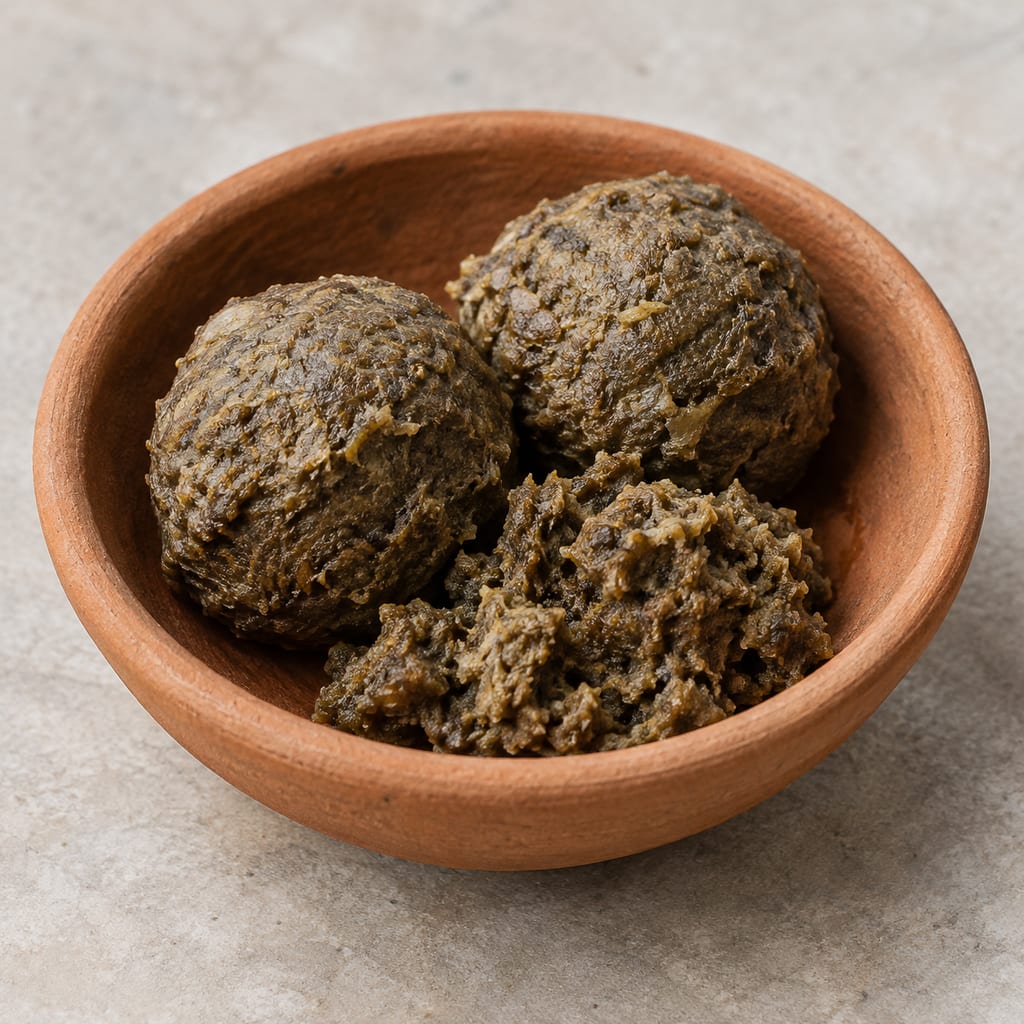
Manipuri fermented fish-and-aroid paste, formed into balls or kept in an earthen pot, used to season Manipuri dishes. Its method is documented in outline only.
No community contributions have been published for this entry yet.
Sign in to contribute. Published comments and photos are free to read.
WorldFishGeography · Ingredients · Method · Safety
Quality of fermented fish in MyanmarWorldFish sampled 15 fermented-fish products in selected Myanmar areas in May 2023.
Sampled Ye gyo Ngapi varied by locality, fish species, rice additions, and processing accounts.
Microbial, histamine, and sodium findings apply to selected samples, not all ngapi.
Cited in: A varied product name; Geography and historical evidence; Taste and form; Allergens and safety
National Museum of Ethnology Research BulletinHistory · Geography
The Ecological Basis for Fish Fermentation in Freshwater Environments of Continental Southeast Asia, with Special Reference to Burma and KampucheaThe paper discusses varied Myanmar fish-fermentation traditions and cites early twentieth-century accounts for ngapi production and trade around Toungoo and Pegu.
These citations support historical associations, not a precise origin.
Cited in: Geography and historical evidence
World Journal of Microbiology and Biotechnology / PubMedSafety
Diversity of the bacterial community in Myanmar traditional salted fish yegyo ngapiThe study examined Yangon-market yegyo ngapi samples and found halophilic lactic acid bacteria and other anaerobic genera.
The authors reported sequences similar to Clostridium botulinum in a clone library and called for closer surveillance; this does not show all ngapi is contaminated.
Cited in: Allergens and safety
WikipediaMethod · Uses · Safety
NgapiFermented, salted and ground fish or shrimp, then sun-dried; no quantities or duration; raw ngapi generally not for direct consumption; regional forms ngapi yay, ngapi daung, ngapi kyaw