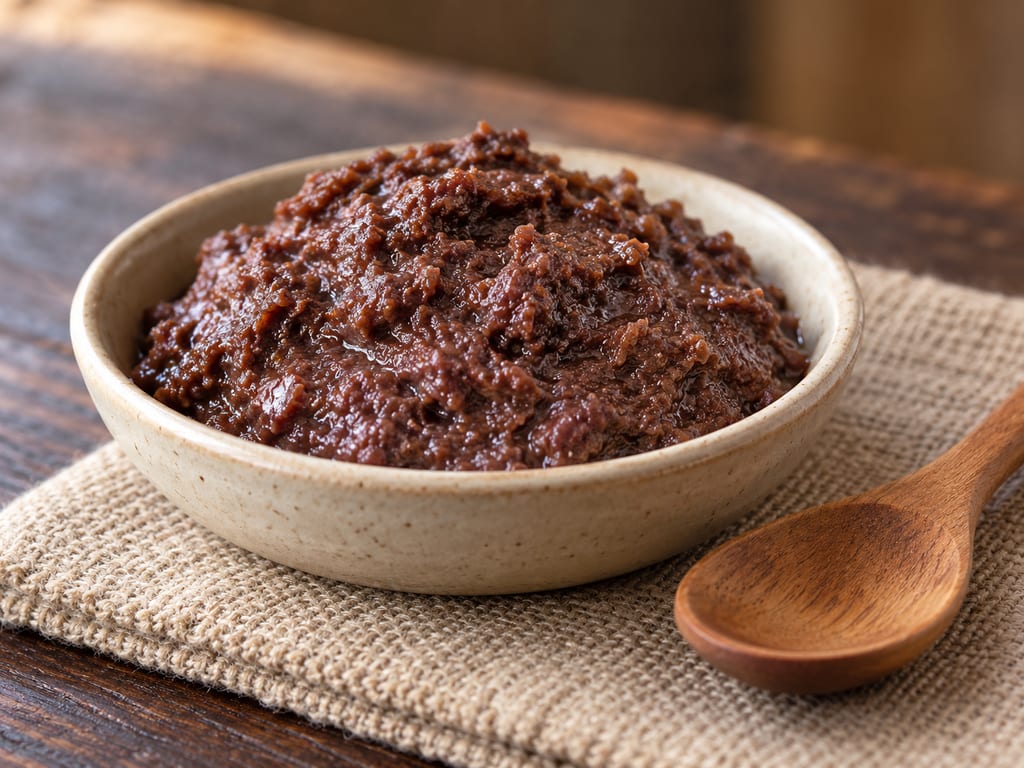
Bagoong isda fish paste
Bagoong isda is a Philippine fish paste: whole small fish salted and left to ferment for a month or more in earthen jars. It is the fish counterpart of bagoong alamang.
 FermenteaWhere food goes to change
Guinamos · Guimaras bagoong
Guinamos is a shrimp paste made on Guimaras in the Philippines: small shrimp salted by hand, sun-dried and trodden by foot until it turns smooth.
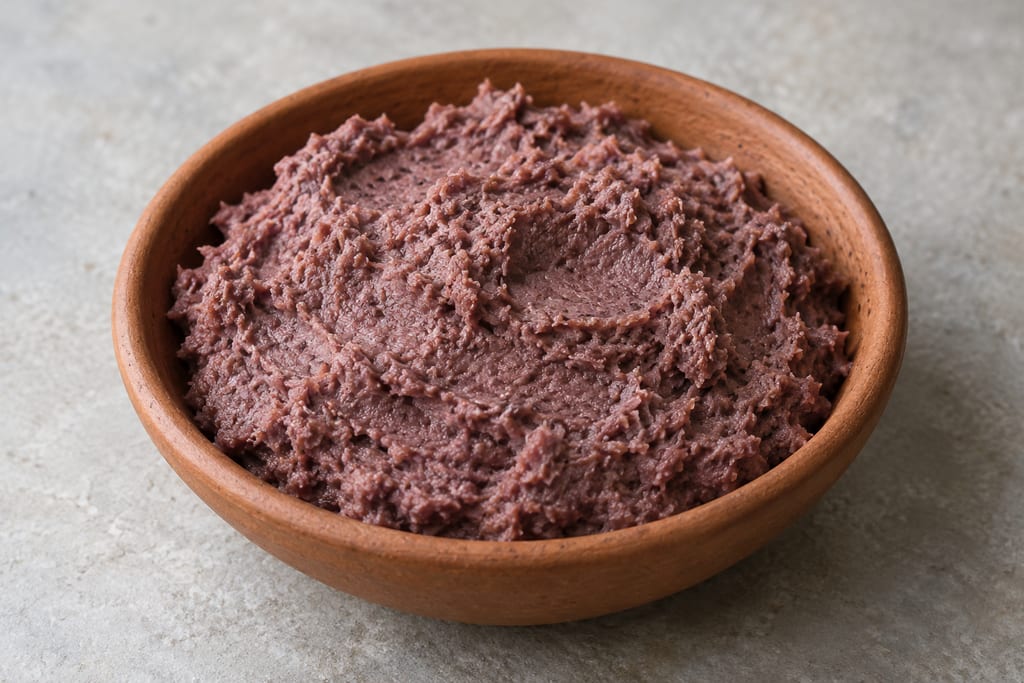
Guinamos is a shrimp paste made on Guimaras, an island in the Western Visayas of the Philippines. It is made from hibe, a small shrimp, mixed with salt and dried in the sun. What makes it a paste rather than dried shrimp is the working: the mass is trodden by foot until it turns uniform and smoother, then dried again.
The name and the method come from one documented practitioner in Barangay Morobuan, in the municipality of Jordan. FEATR's 2023 report calls the product Guinamos, and its companion article links the same practice to the local term. The same family of pastes is called bagoong and ginamos elsewhere in the Philippines, so the name alone does not identify the method.
The process starts by mixing the shrimp by hand with salt. The mixture is spread by the sea to dry. In the documentary's sunny-day example the drying runs from about seven in the morning until eleven. If rain interrupts, the maker salts the mixture again and resumes drying once two or three rain-free days have passed.
After the sun drying, the maker washes his feet and steps on the mixture. The narration says this lowers the moisture and speeds up fermentation. When the mass is uniform and smoother, it goes back into the sun. FEATR's article says the finished paste is packaged and shipped; it does not describe the packaging.
The report gives no quantity of shrimp, no quantity of salt, no salt ratio, no complete fermentation time, no measured drying condition, no yield and no measurable endpoint. Nor does it give a storage schedule. These are the points a household cook would need, and the source does not supply them.
The narration also says that sunlight disinfects the mixture. That statement is not a validated safety control, and it should not be read as one. The missing values are not filled here with the figures of another shrimp paste.
The narrator names batchoy and other dishes as places where guinamos is used, but the source gives no dish recipe or serving quantity. The paste is a seasoning and a base for cooking, which is how shrimp pastes are used across the Philippines.
This is a descriptive account of one documented practice. It has not been reviewed by a qualified process authority, and the original audio and video frames were not independently checked. FDA's consumer guidance says seafood is safest when cooked thoroughly. That general advice does not assess the sun-dried, trodden process documented here, so the paste should be treated as an unvalidated preparation.
FEATR documents a living practice in Barangay Morobuan. The documentary and its article describe the method as traditional, and that description rests on the maker's account of what he was taught.
Scaling: source batch only
The source gives no salt ratio, drying condition or endpoint, so the preparation has no established control against spoilage or pathogen survival.
Hazard sourceQualified process review of salt ratio, drying time and endpoint before any household batch
Control sourceThe narration says sunlight disinfects the mixture. That is not a validated safety control.
Cook seafood thoroughly before eating, as FDA consumer guidance advises for seafood in general. That advice does not validate this process.
Do not fill the missing salt, drying and endpoint details with another shrimp paste recipe.
One documented practitioner; does not establish every local guinamos.
Bagoong isda is a Philippine fish paste: whole small fish salted and left to ferment for a month or more in earthen jars. It is the fish counterpart of bagoong alamang.
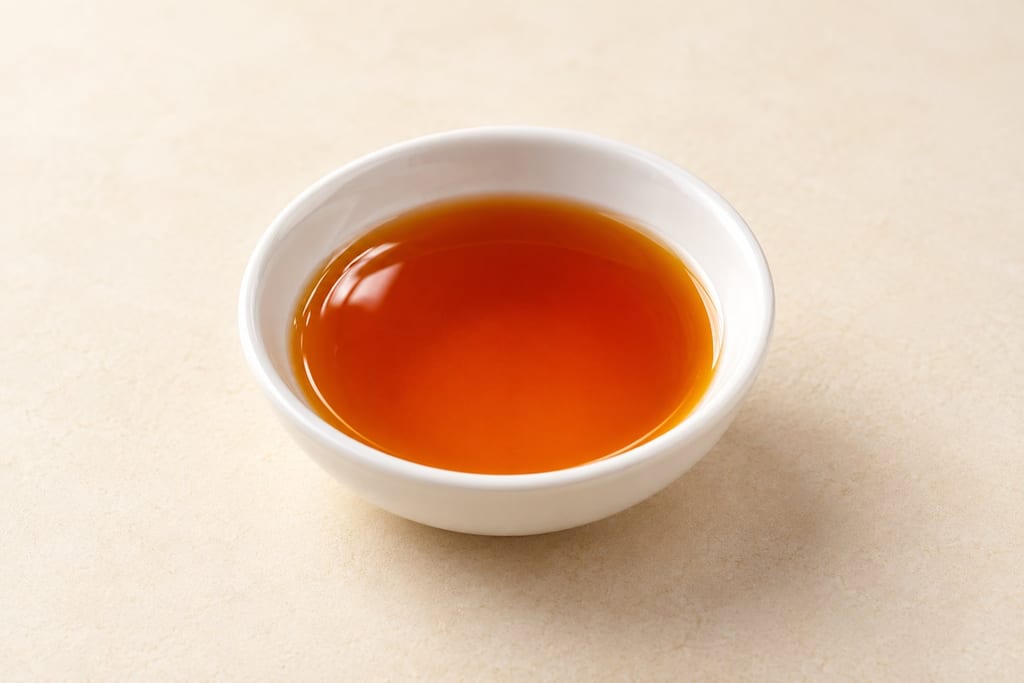
Fish sauce is a clear, salty seasoning made by maturing fish with salt and drawing off the liquid. The broad family includes distinct regional sauces rather than one interchangeable method.
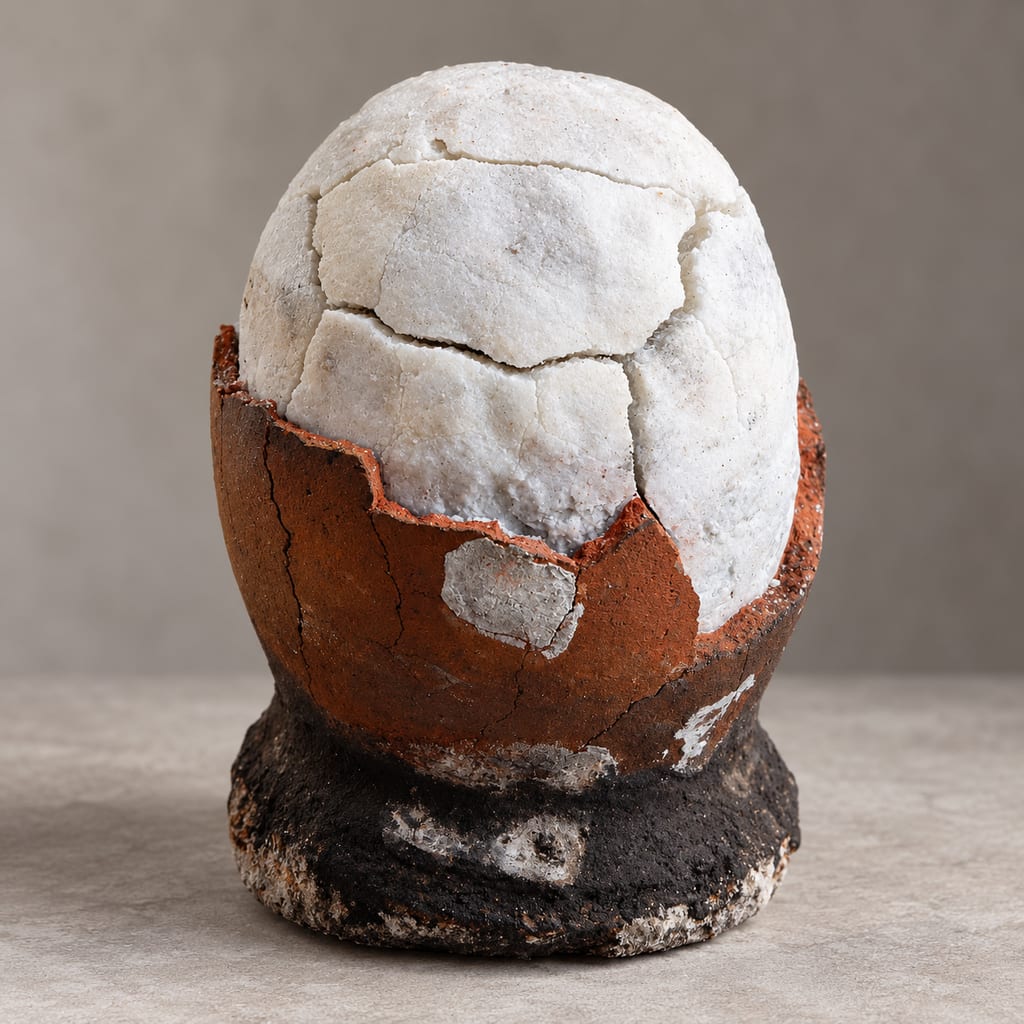
Asin tibuok is a Boholano salt-making craft that turns seawater-soaked coconut husks into a salt-rich ash, brine and formed sea salt in specialized clay pots. This record follows one published account of the community process; it is not a validated household formula.
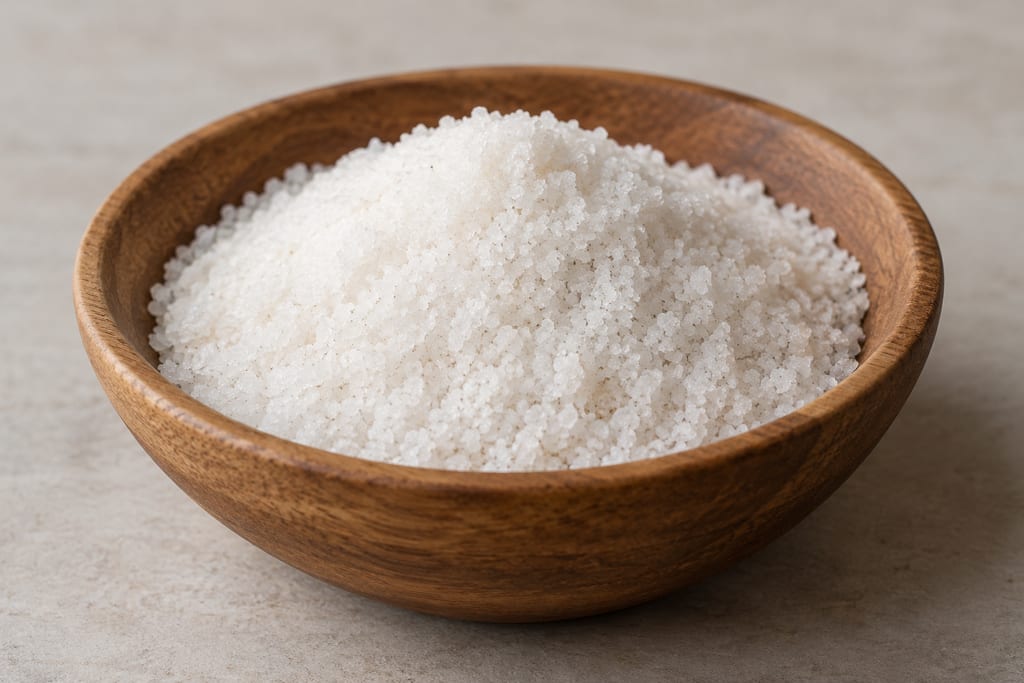
Asin sa buy-o is a fine sea salt made in Panayunan, Botolan, and packed in a woven nipa pouch called a buy-o. Salt-bearing coastal earth is leached with seawater, and the brine is boiled to crystals.
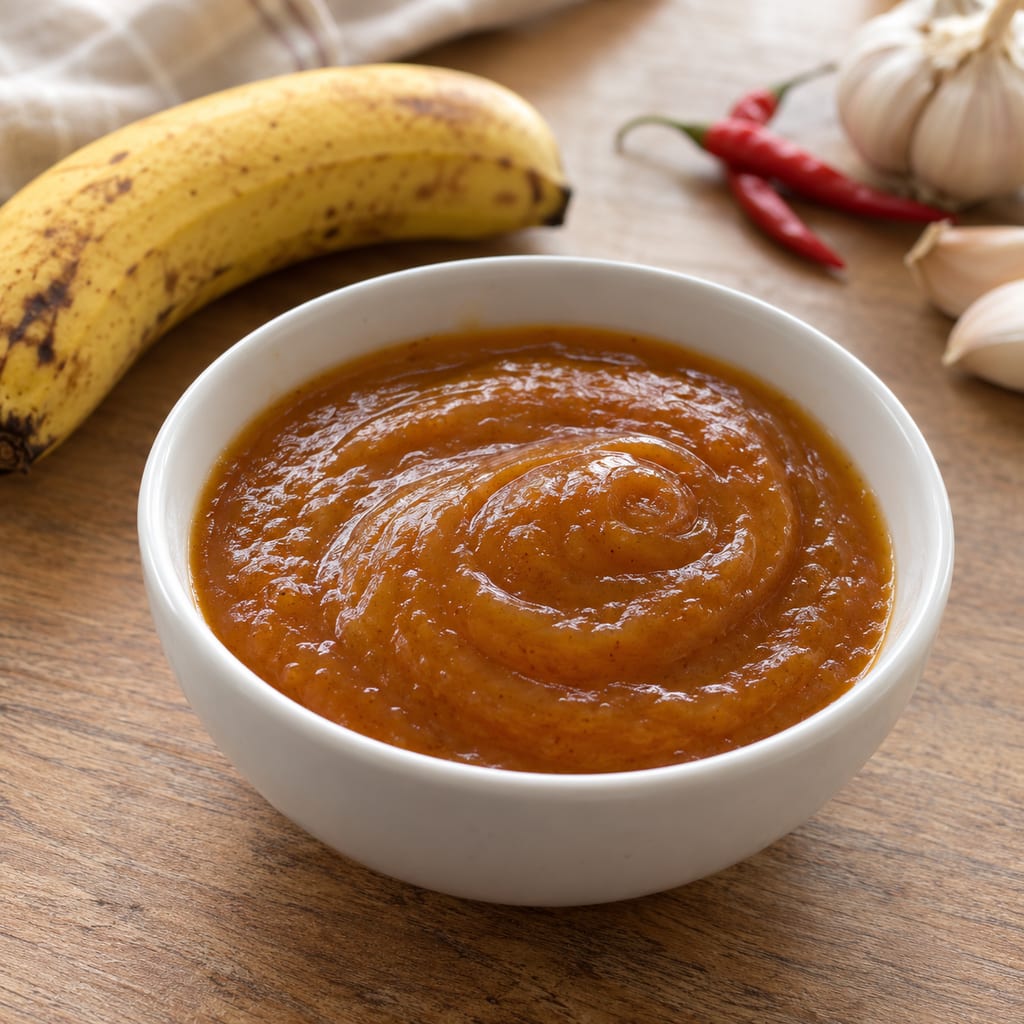
A sweet-hot table sauce of ripe banana simmered with vinegar, sugar, onion, garlic and fresh chilli, in the manner of Philippine banana ketchup. An untested development batch of about 500 g.

PagkainPinoy’s 24–30 piece version twice-bakes day-old soft bread with a thin butter-and-sugar coating.
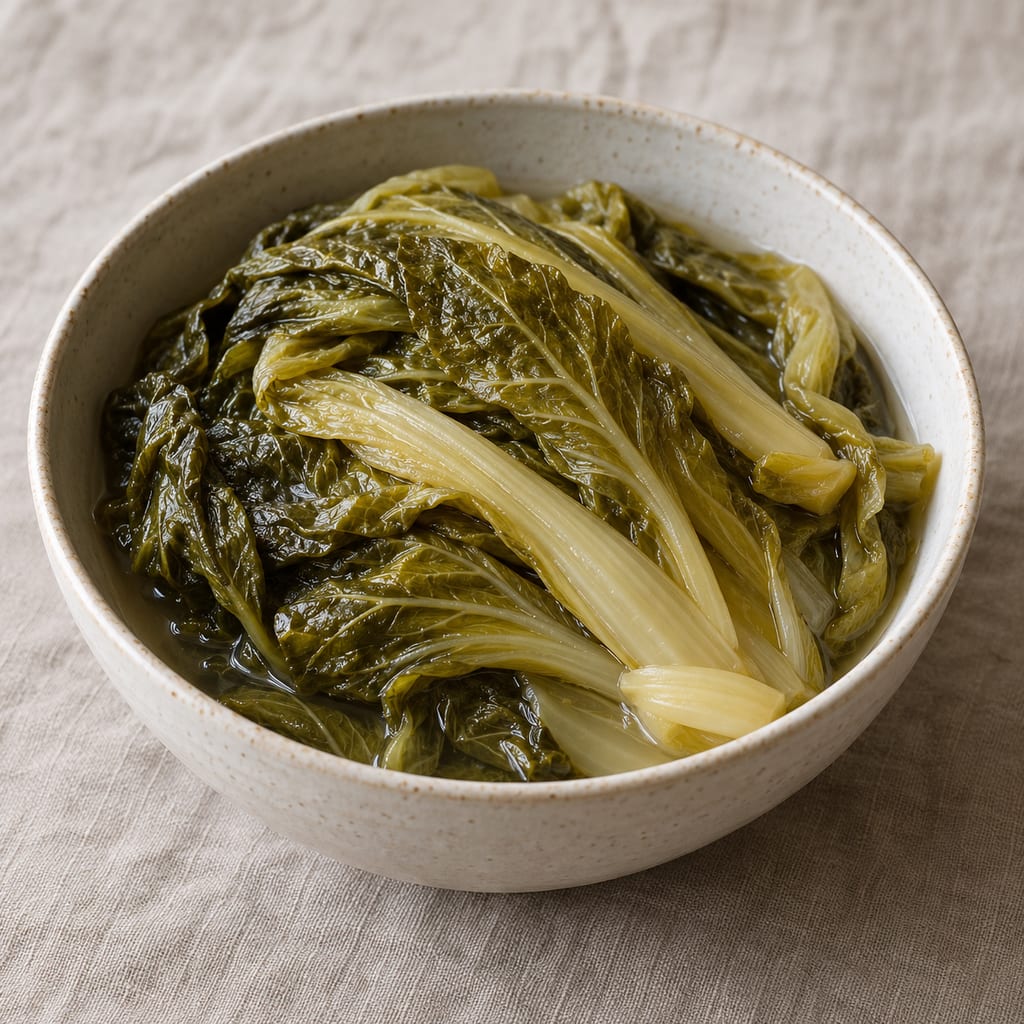
Wilted flat mustard leaves ferment with rice water and salt as a Filipino appetizer and cooking ingredient.

Soft Filipino ensaymada coils use enriched yeast dough, then receive butter, sugar and grated cheese. This modern Filipino version differs from Mallorcan ensaïmada and other Philippine regional formulas.
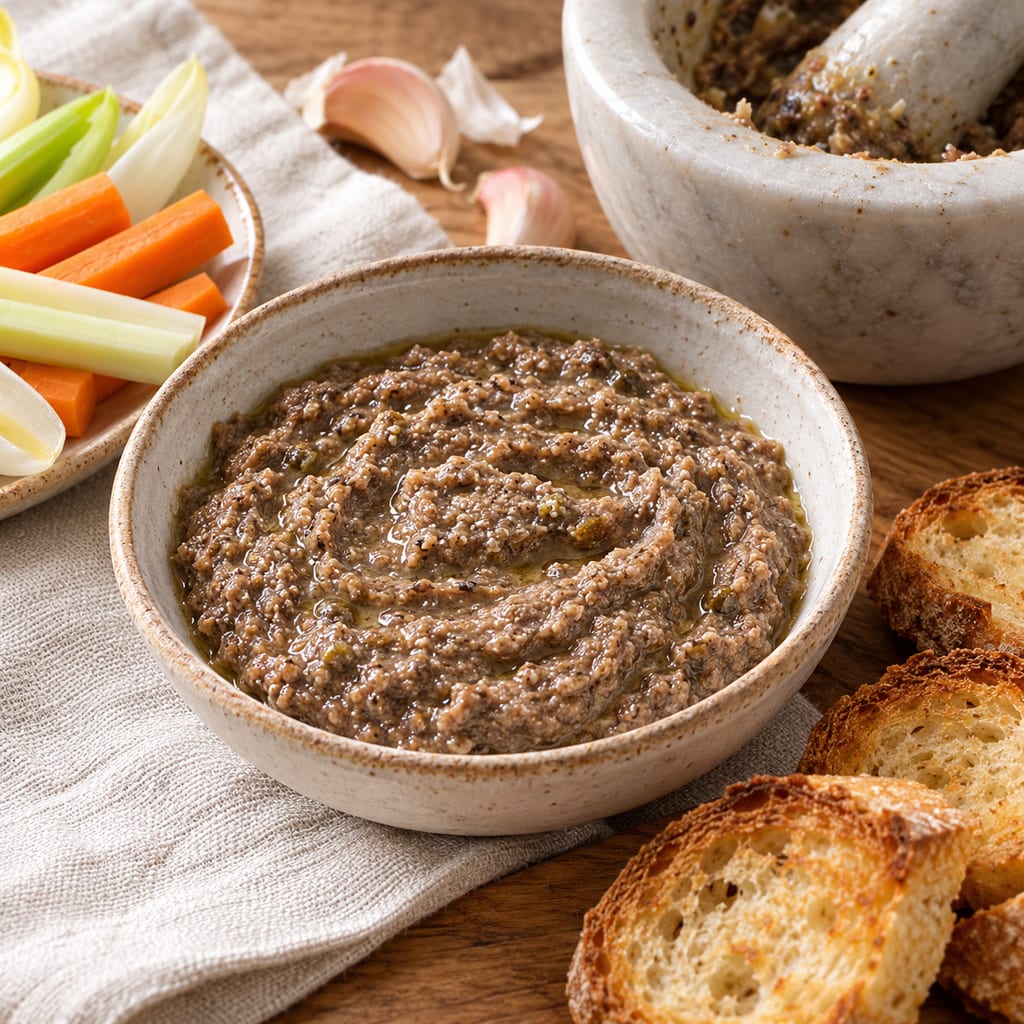
A Provencal dip of anchovies, garlic, capers and olive oil, pounded or blended to a creamy paste and served with raw vegetables, bread and eggs.
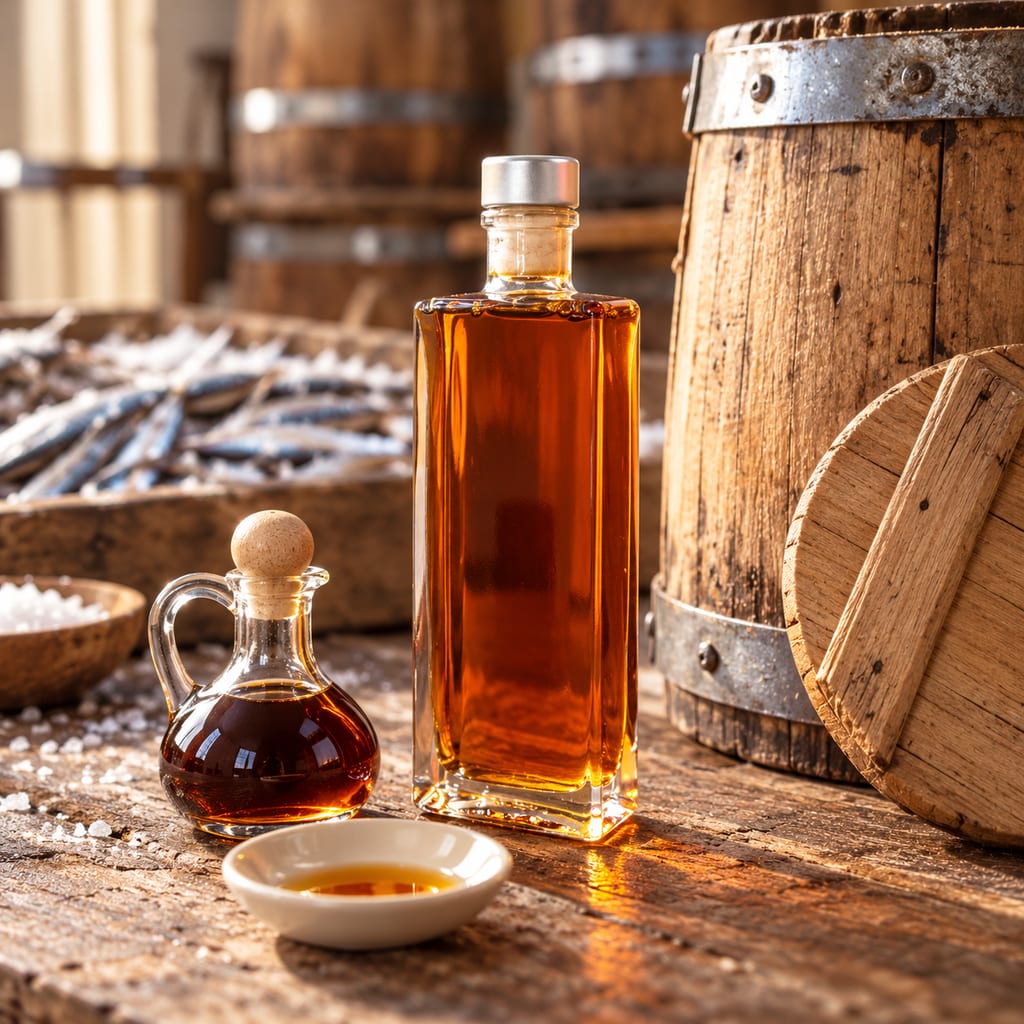
Colatura di alici is the amber liquid drained from salted anchovies matured in wooden containers in Cetara, on the Amalfi coast of Campania, and sold under a protected designation of origin.
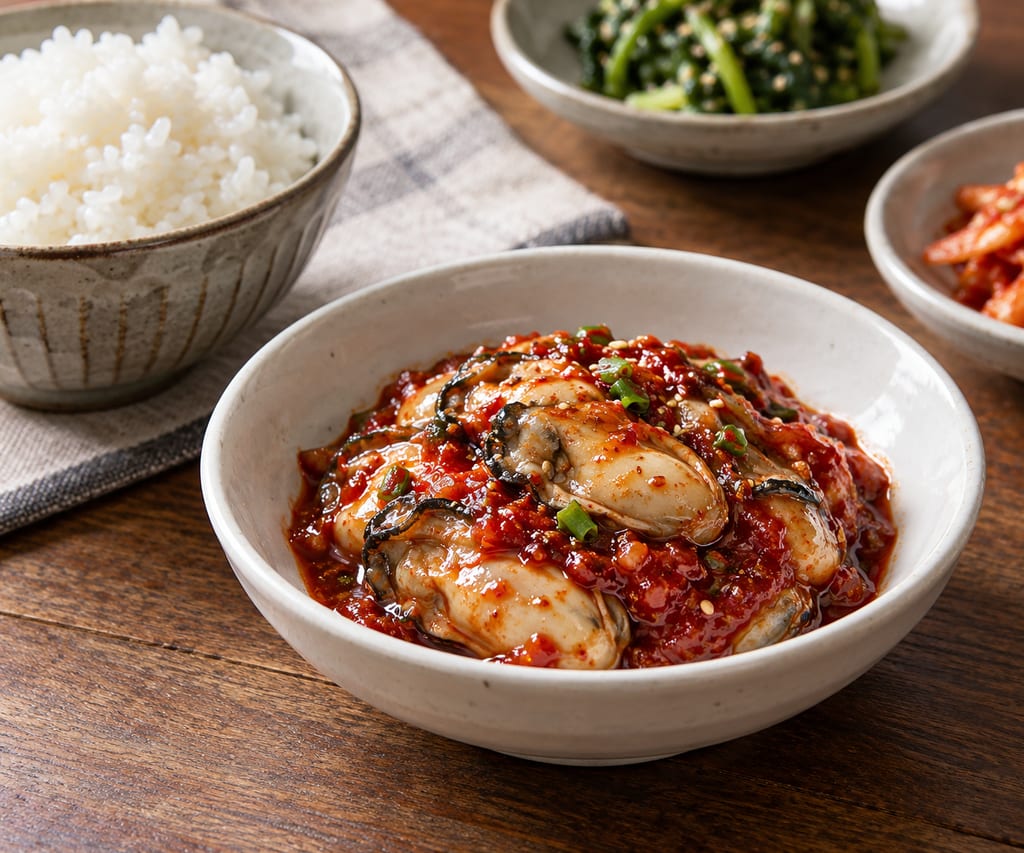
A Korean salted-oyster jeotgal seasoned with chili, associated especially with Seosan and Ganwoldo. This page records its food culture, not a household preparation method.
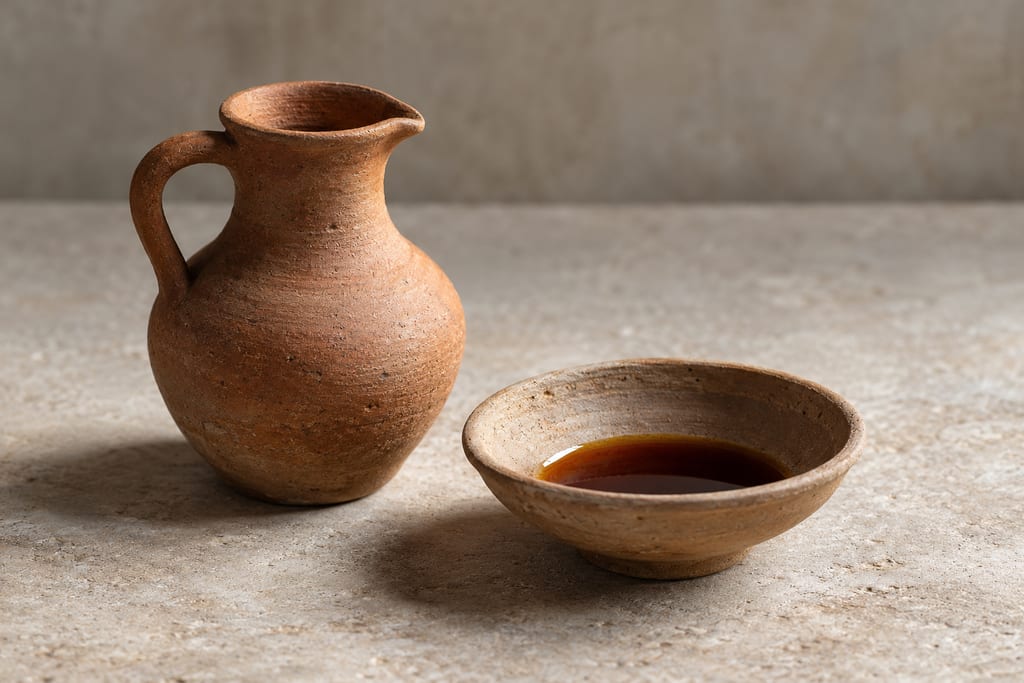
Garum, Greek garos and Latin liquamen, was the fish sauce of the ancient Mediterranean: fish and viscera salted and left in the sun, then drained off as a savoury liquid.
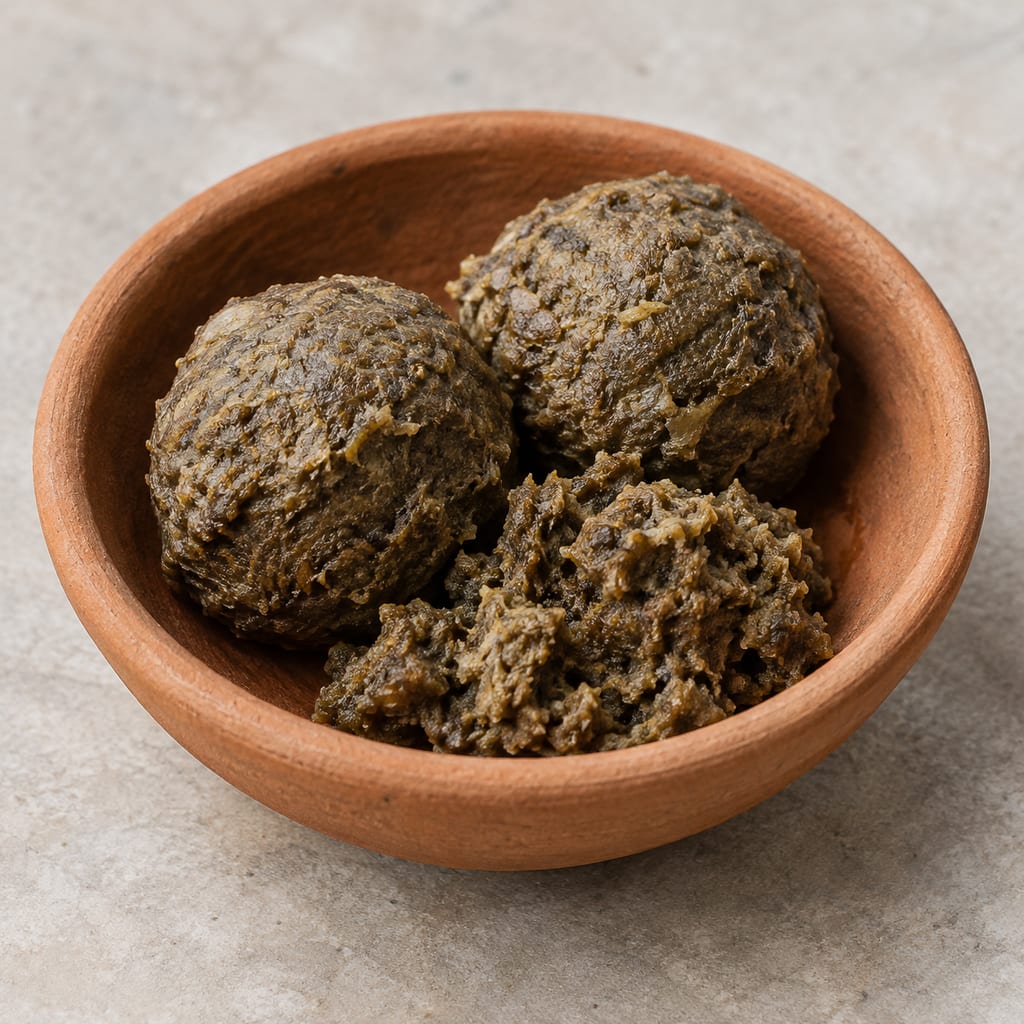
Manipuri fermented fish-and-aroid paste, formed into balls or kept in an earthen pot, used to season Manipuri dishes. Its method is documented in outline only.
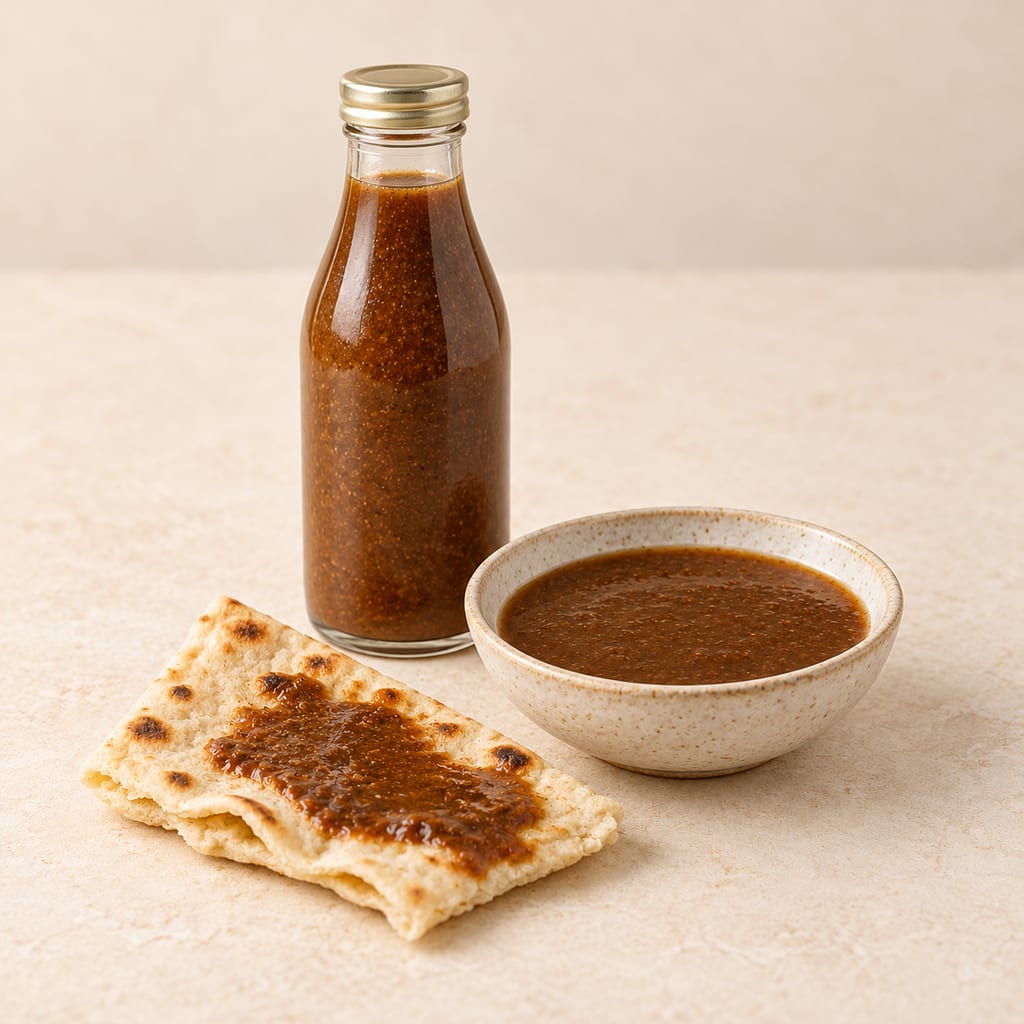
Mahyawa, also written mahyaveh, is a traditional fish sauce from southern Iran, made by salting small sardines or anchovies in water, maturing them in jars and seasoning the filtered liquid with mustard and spices.
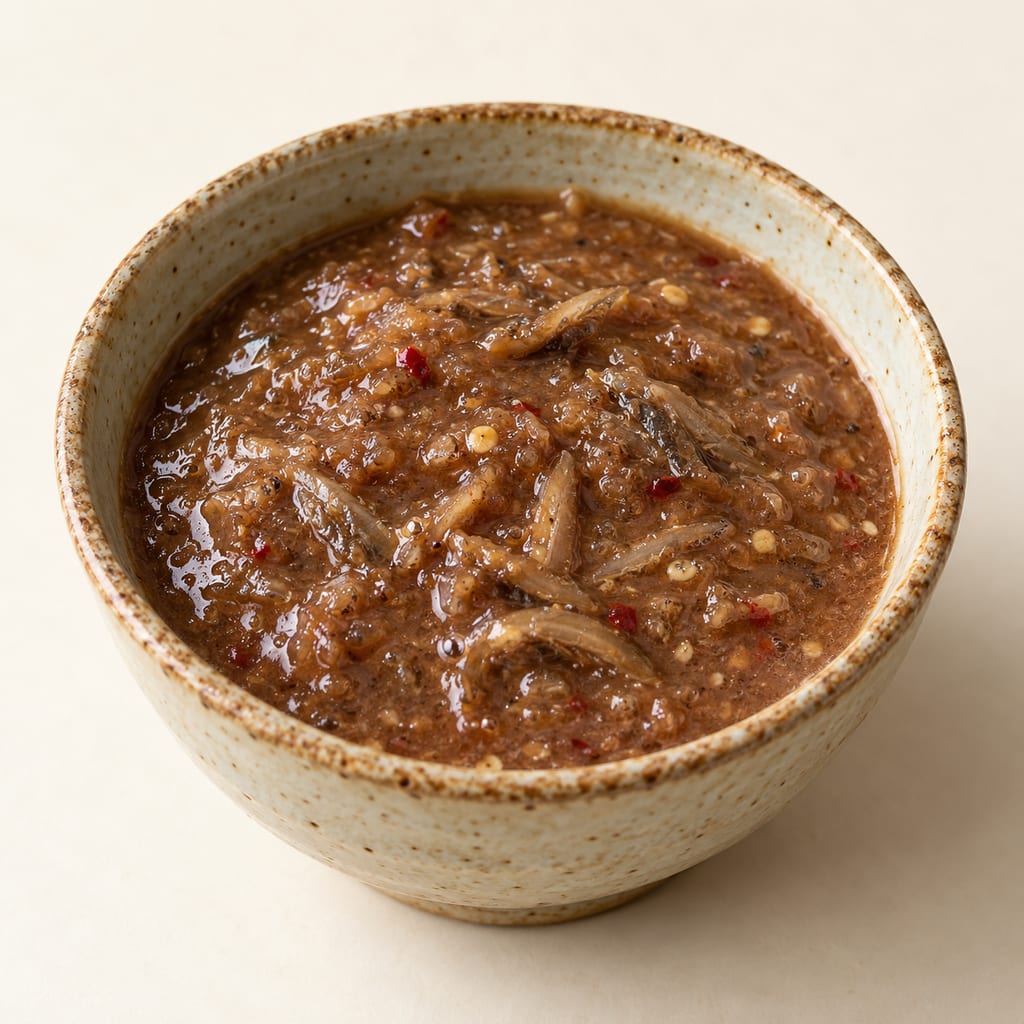
A documentary account of mắm nêm, a pungent Vietnamese fermented fish condiment and dip base. The cited cookbook describes a method, but omits essential process details; this page does not provide a home fermentation recipe.
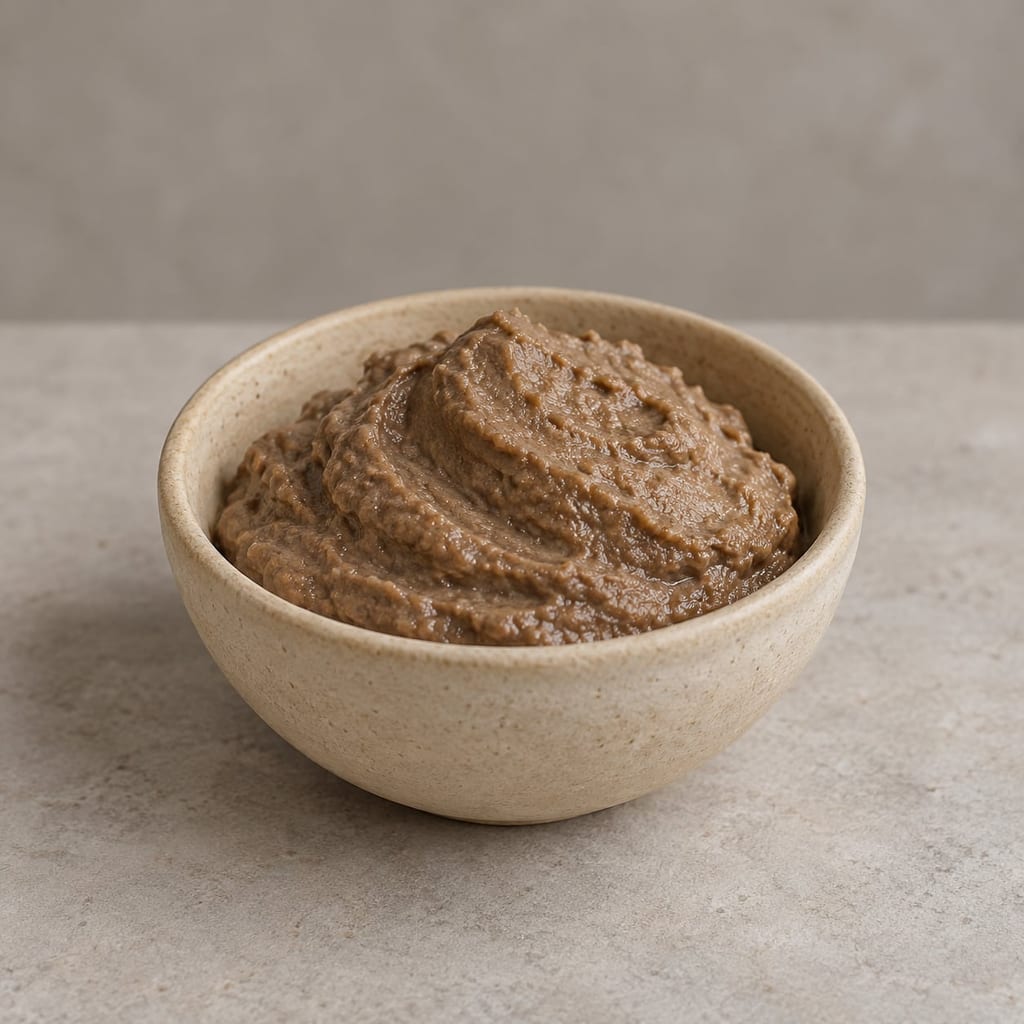
Mindeshi (also Mendeshi) is a Sudanese fermented paste made from small fish, pounded and sometimes dried. Sources disagree about how it relates to Terkin and do not establish one validated process or safety control.
No community contributions have been published for this entry yet.
Sign in to contribute. Published comments and photos are free to read.
FEATRMethod · History
Making Bagoong in the Most Traditional Way (Guimaras Guinamos)Hibe shrimp salted by hand, sun-dried, trodden by foot and dried again
Maker learned the method from elders
Rain interruption and rain-free days for resuming drying
FEATRMethod · History
Making Bagoong in the Most Traditional Way (Guimaras Guinamos)Barangay location in Jordan, Guimaras
Product is packaged and shipped after drying
2023 report date
U.S. Food and Drug AdministrationSafety
Selecting and Serving Fresh and Frozen Seafood SafelySeafood is safest when cooked thoroughly; general consumer advice only