
African fermented foods, drinks and preservation
From sour breads and milk to savoury seeds, cassava staples and living beers, African fermentation follows the crop, the community and the work of transformation.
 FermenteaWhere food goes to change
Mendeshi
Mindeshi (also Mendeshi) is a Sudanese fermented paste made from small fish, pounded and sometimes dried. Sources disagree about how it relates to Terkin and do not establish one validated process or safety control.
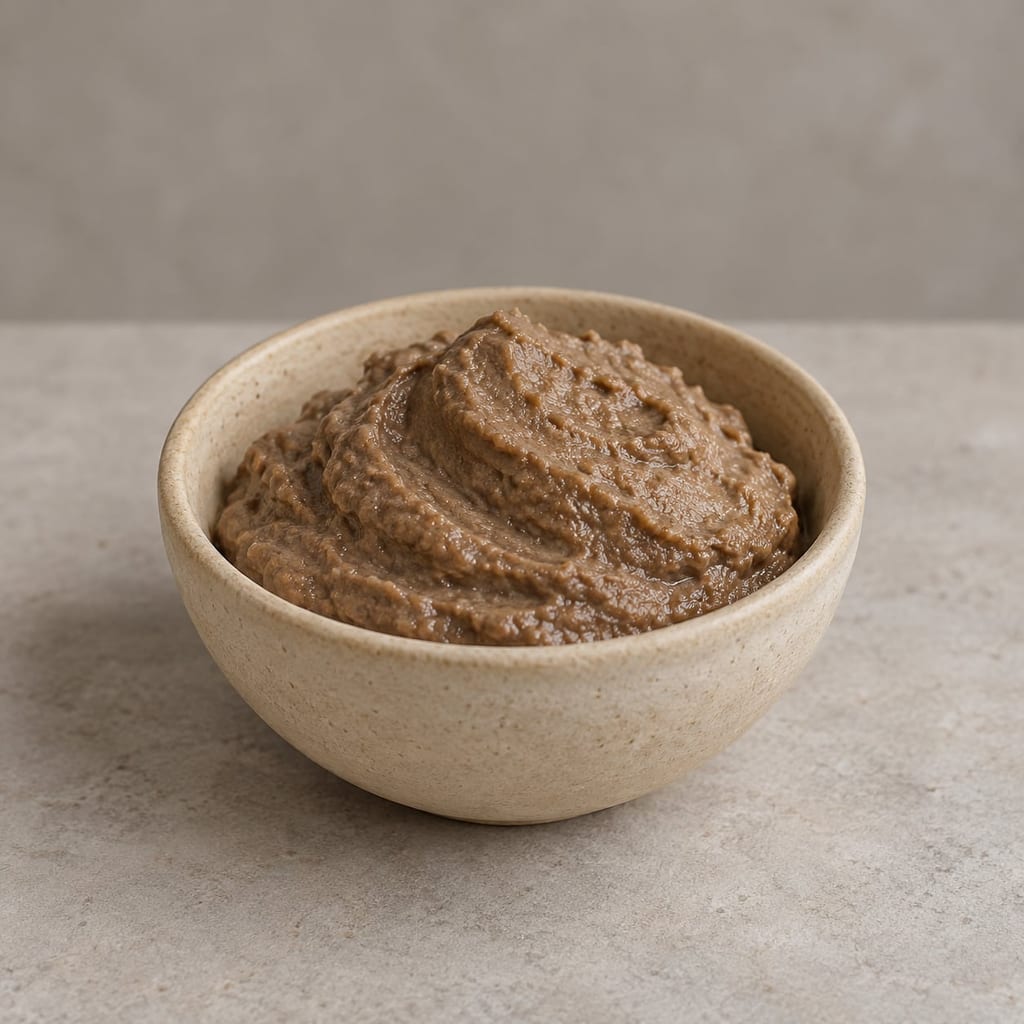
Mindeshi, also spelled Mendeshi, is a fermented fish paste associated with Sudan. Dirar describes small fish pounded into a paste, fermented and sometimes dried later. His account separates Mindeshi from fessiekh, whole salted fish; kejeik, split or dried fish; and terkin/meluha, a fermented fish sauce or paste. Sources vary on the relationship between Mindeshi and Terkin, so the names should not be treated as interchangeable.
A 1992 FAO survey associates the preparation with south-western Sudan. A later study collected a Mendeshi sample in the Khartoum area, but sampling there does not show that the product originated there or is made only in that area.
Dirar's short description gives pounding, fermentation and optional later drying, but no complete batch or control schedule. FAO gives a longer procedure under a combined Terkeen/Mindeshi heading: fish is washed and salted in layers in an earthenware pot or barrel; pepper or other spices may be used; the vessel is then warmed in the sun or near a fireplace and stirred until the fish forms a paste. Because the account groups two products, it is evidence for a reported Sudanese process family, not proof that every Mindeshi uses that exact method.
The sources do not establish whether the fish are gutted, the fish-to-salt amount for Mindeshi, time and temperature controls, acidity, water activity, the role of drying or a safe storage method. The recorded durations and amounts in overlapping accounts are observations, not safety limits.
Dirar describes Sudanese fish ferments as made from freshwater Nile fish. The 2020 study reports Mendeshi from Synodontis spp. and cites Dirar for Mormyrus spp. as another possible fish; FAO's grouped Terkeen/Mindeshi list gives tilapia, Nile perch and Alestes spp. These reports differ in scope and should not be collapsed into a single definitive species list.
The 2022 study sampled Mendeshi among 44 Sudanese fermented foods and reports harmful bacteria and fungi across the sampled foods, without naming Mendeshi-specific organisms or prevalence. FDA guidance identifies hazards in preserved fish including C. botulinum toxin formation and inadequate drying. FDA's examples of illness from uneviscerated fish are general hazard context, not evidence of a Mindeshi outbreak. No validated process controls are supplied by the Mindeshi sources.
Dirar's 1992 chapter distinguishes Mindeshi from other Sudanese fermented fish products. A 2022 study includes a Mendeshi sample but does not establish a first date or origin.
Scaling: source batch only
Mindeshi sources do not establish evisceration status, salt concentration, pH, water activity, time-temperature control or drying endpoint. FDA identifies botulism risk in improperly controlled preserved fish and warns that toxin may occur without outward spoilage; its uneviscerated-fish outbreak examples are not evidence of Mindeshi-specific illness.
Hazard sourceA 2022 study of 44 Sudanese fermented foods, including sampled Mendeshi, reports finding harmful bacteria and fungi among the foods due to preparatory methods. Its abstract does not identify Mindeshi-specific organisms or establish prevalence or safety.
Hazard sourceMindeshi is made from fish; fish is a major food allergen requiring clear identification for people with fish allergy.
Hazard sourceThe published accounts do not establish a validated home process or safe control limits for Mindeshi.
The fish's evisceration status and the fermentation's salt, pH, water-activity and time-temperature controls are not established.
FDA states that botulinum toxin may be present without visible spoilage. Smell, taste, bubbling or appearance cannot establish safety.
Do not use reported durations, salt proportions or sun/fireplace warming as safety limits. No validated drying endpoint or storage limit is available.
Country-level documentation; not an origin claim.
Broad regional use only; source does not identify a locality.
From sour breads and milk to savoury seeds, cassava staples and living beers, African fermentation follows the crop, the community and the work of transformation.

Dry salami, sour pork with rice, matured sheep and aged blubber follow different paths from animal to food. Their stories connect microbes with climate, slaughter, migration and the meals people share.
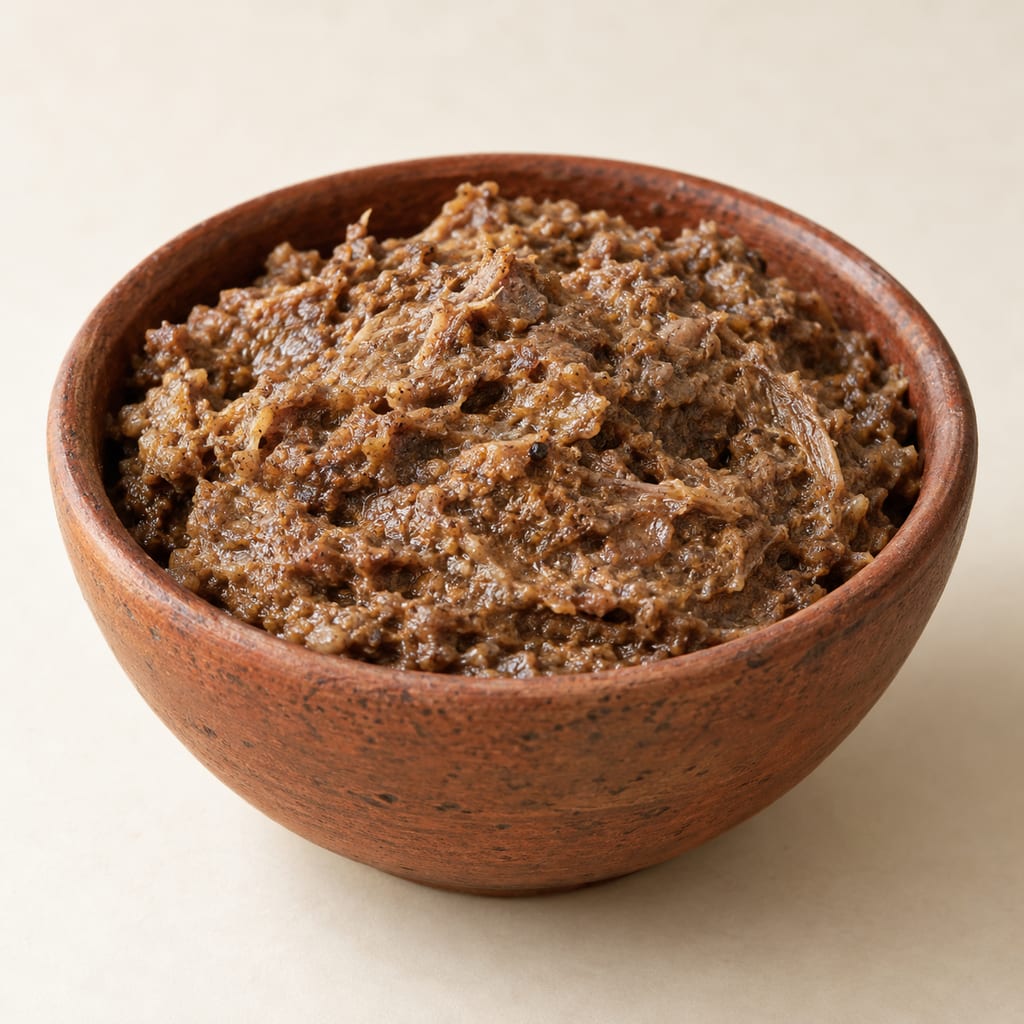
Terkin, also called meluha, is a Sudanese fermented fish paste or sauce. Sources describe raw and cooked forms and different processing methods; none establishes validated safety controls.
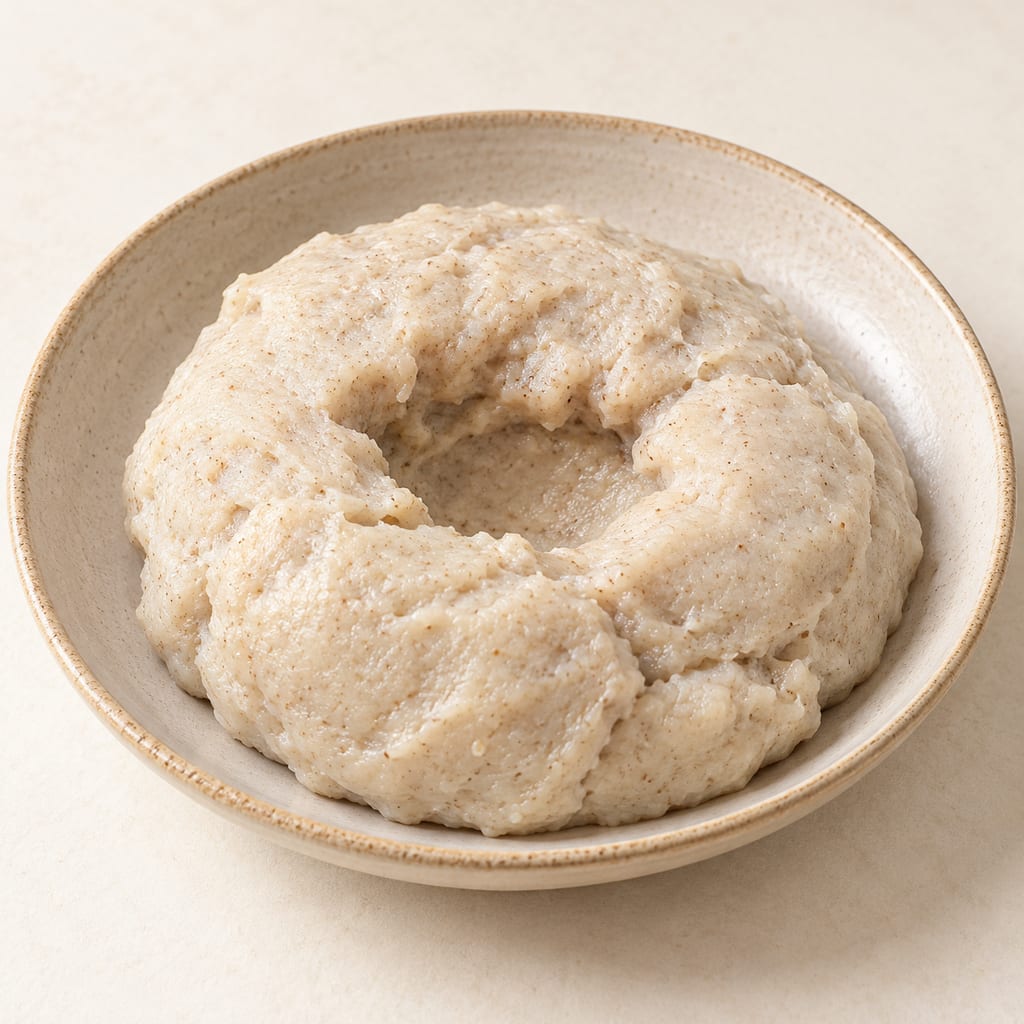
Aceda is Sudan’s firm cereal porridge, commonly made from sorghum and shaped into a smooth mound. Some versions use fermented dough; fermentation is not universal.
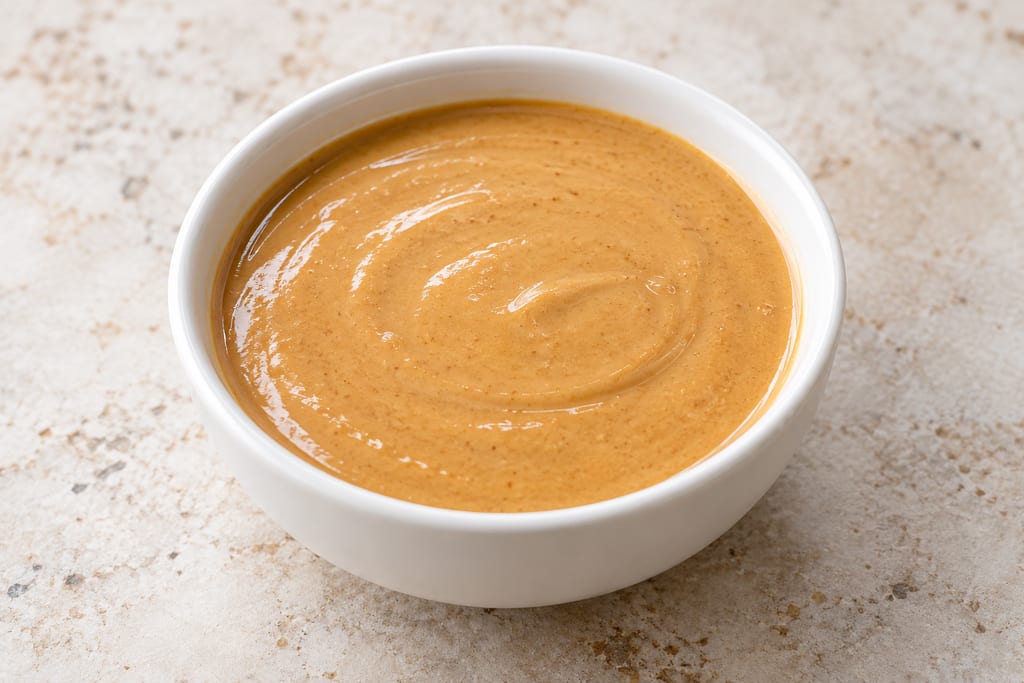
A smooth dressing of peanut butter, oil and lime, tossed into a Sudanese-style tomato salad and served at once.
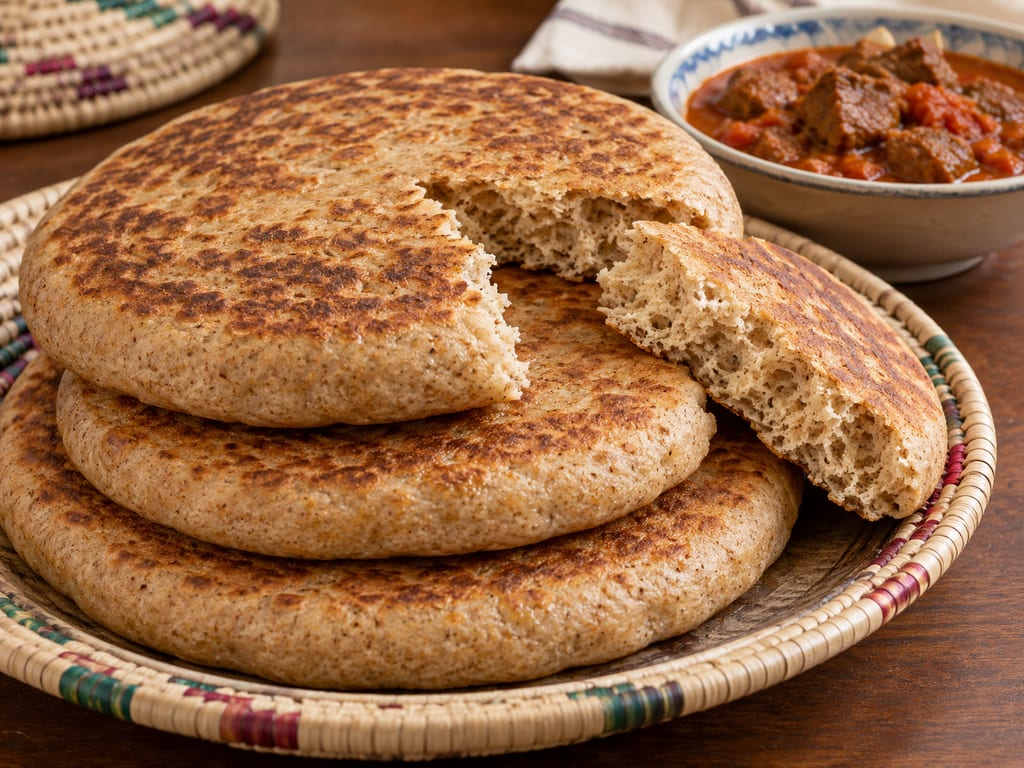
A northern Sudanese wholemeal wheat batter bread, rested with instant yeast and poured in thick rounds onto a lightly oiled pan or saaj.
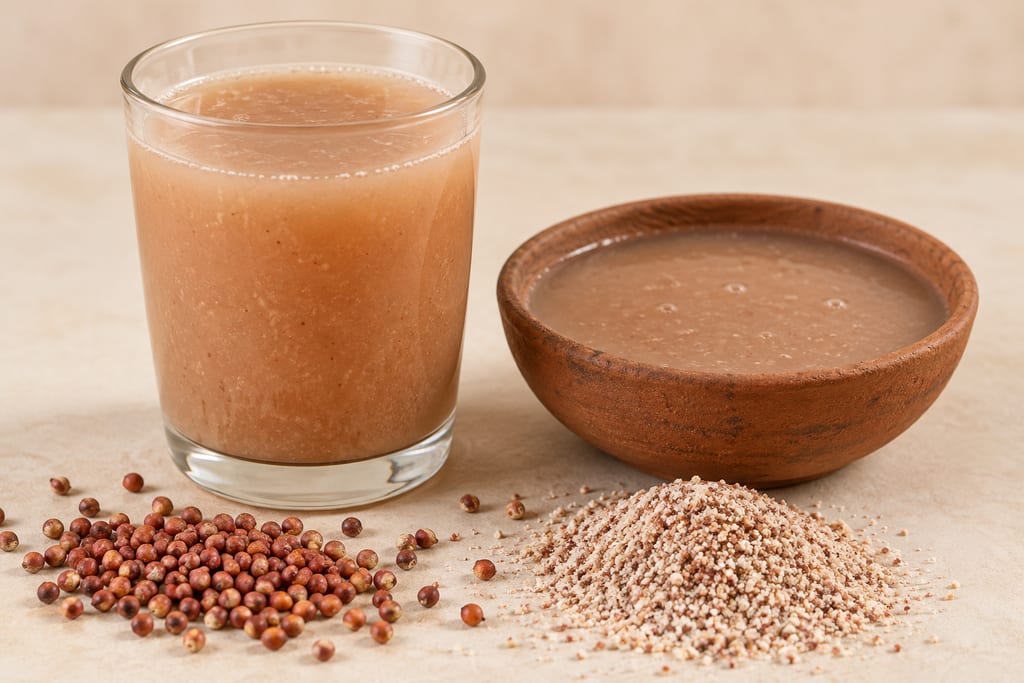
Sudanese opaque sorghum beer made from soured, toasted, cooked and malted grain through three linked fermentations, drunk fresh while still fermenting.
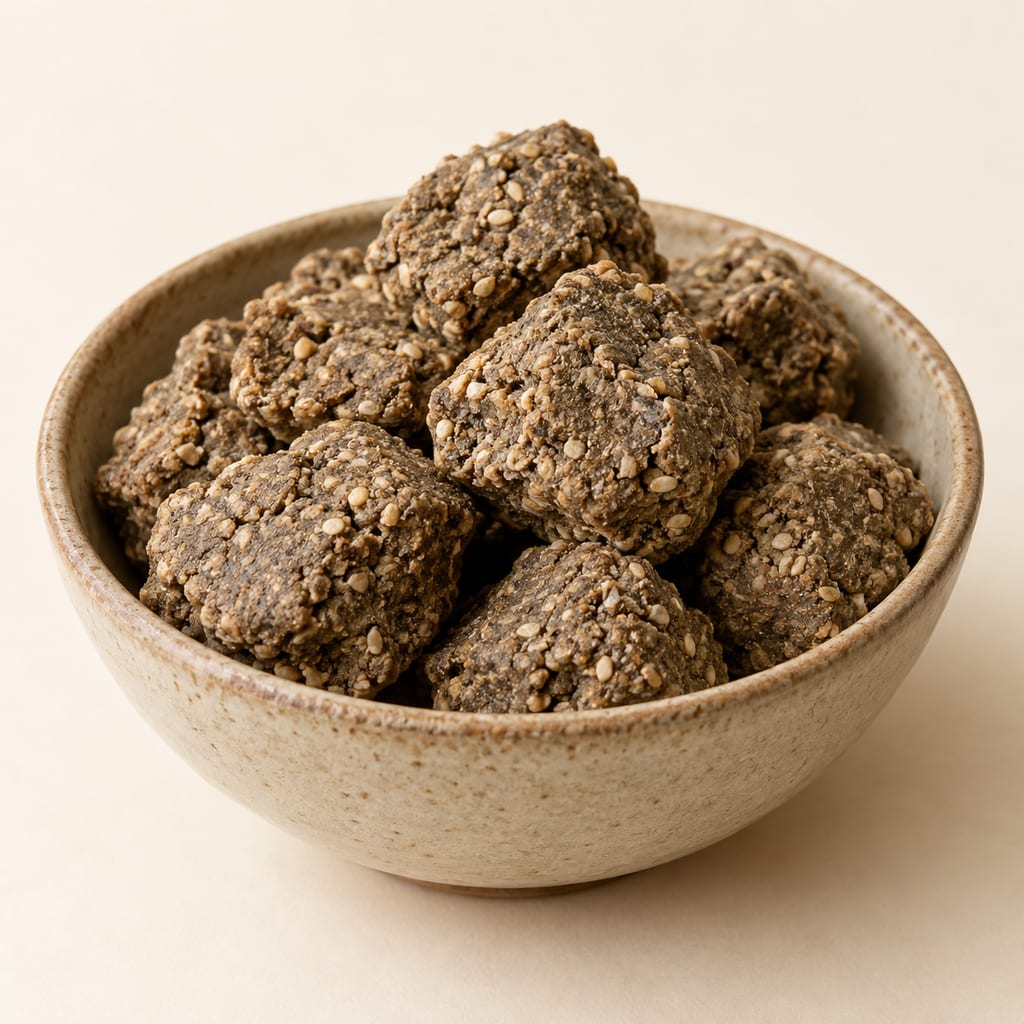
A Sudanese preparation made by fermenting sesame oilseed cake, shaping it into balls and sun-drying. Published accounts describe different processes and do not give a complete household batch.
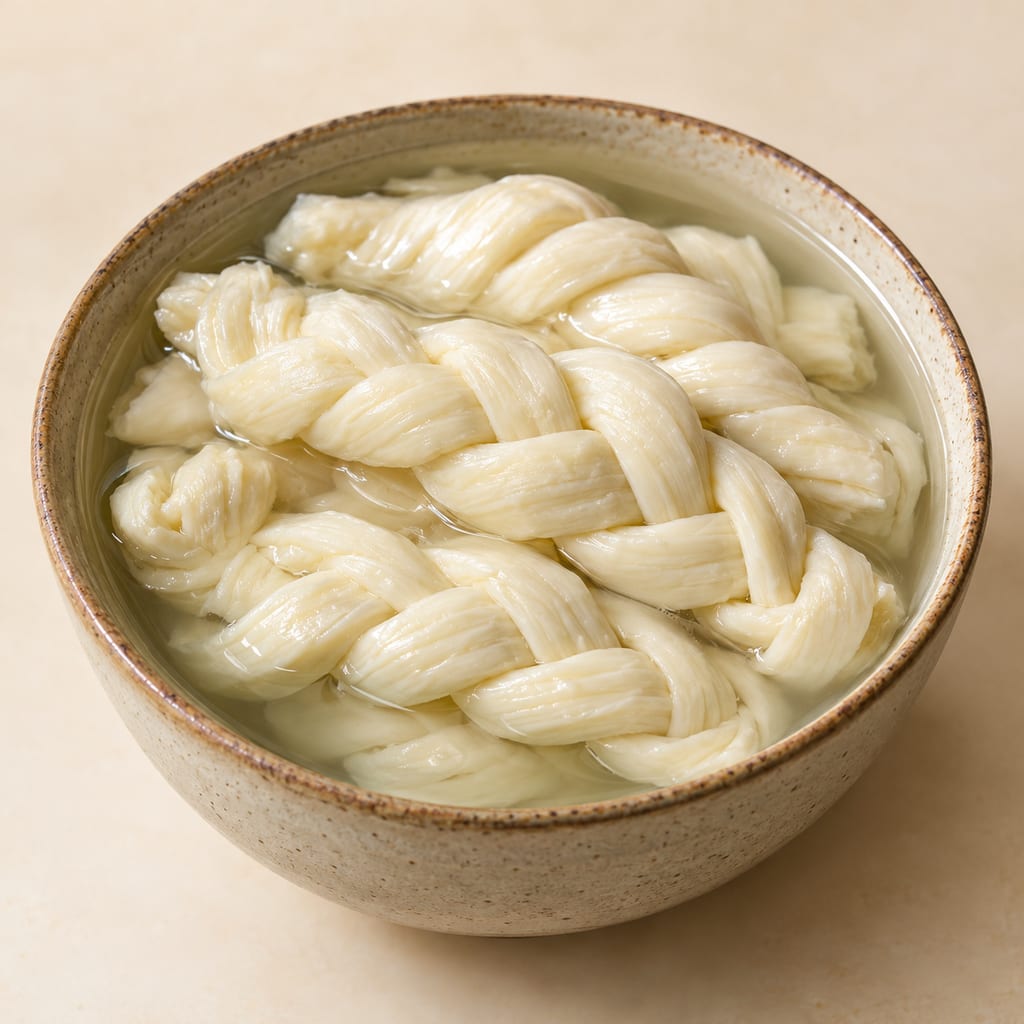
Sudanese braided cheese: curd ladled, salted, cut into strips and braided, then salted in brine and packed into tins filled with brine. A staple kept in brine rather than dried.
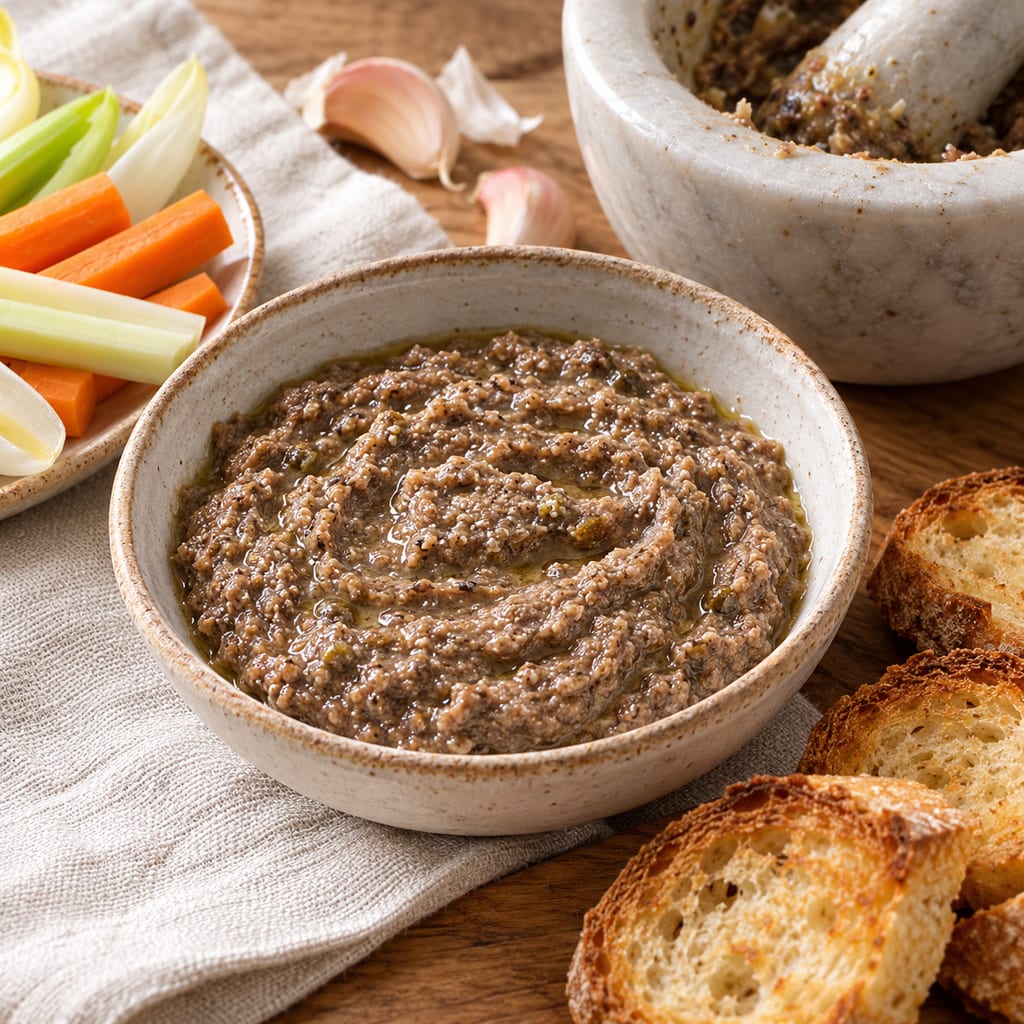
A Provencal dip of anchovies, garlic, capers and olive oil, pounded or blended to a creamy paste and served with raw vegetables, bread and eggs.
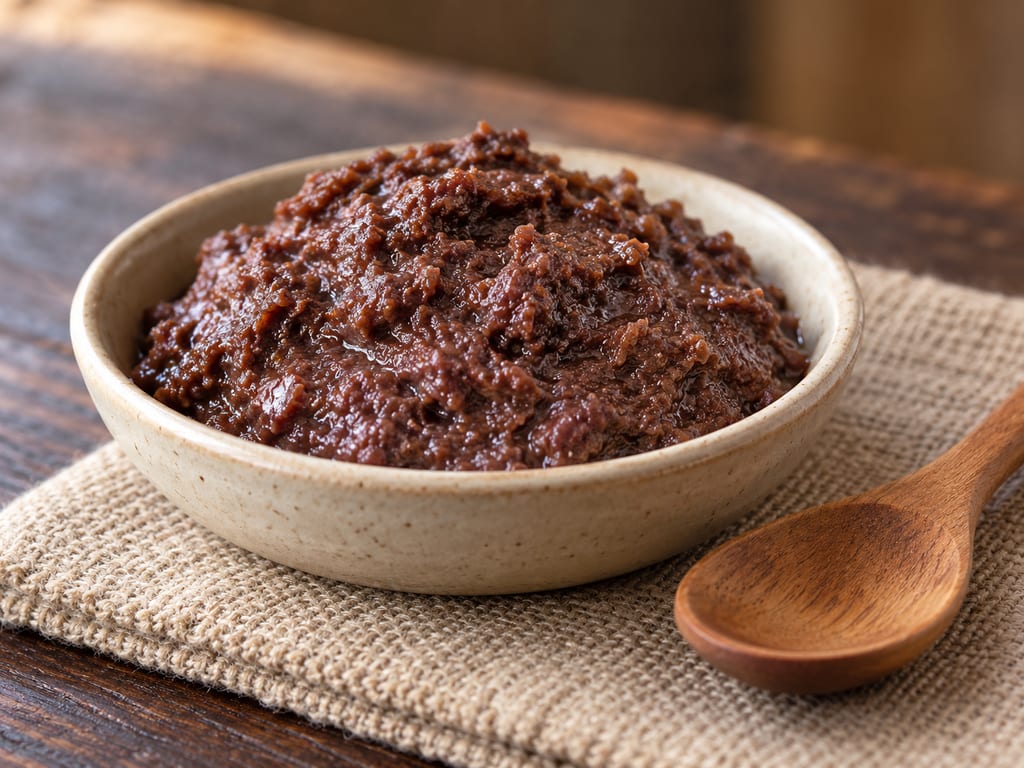
Bagoong isda is a Philippine fish paste: whole small fish salted and left to ferment for a month or more in earthen jars. It is the fish counterpart of bagoong alamang.

Colatura di alici is the amber liquid drained from salted anchovies matured in wooden containers in Cetara, on the Amalfi coast of Campania, and sold under a protected designation of origin.
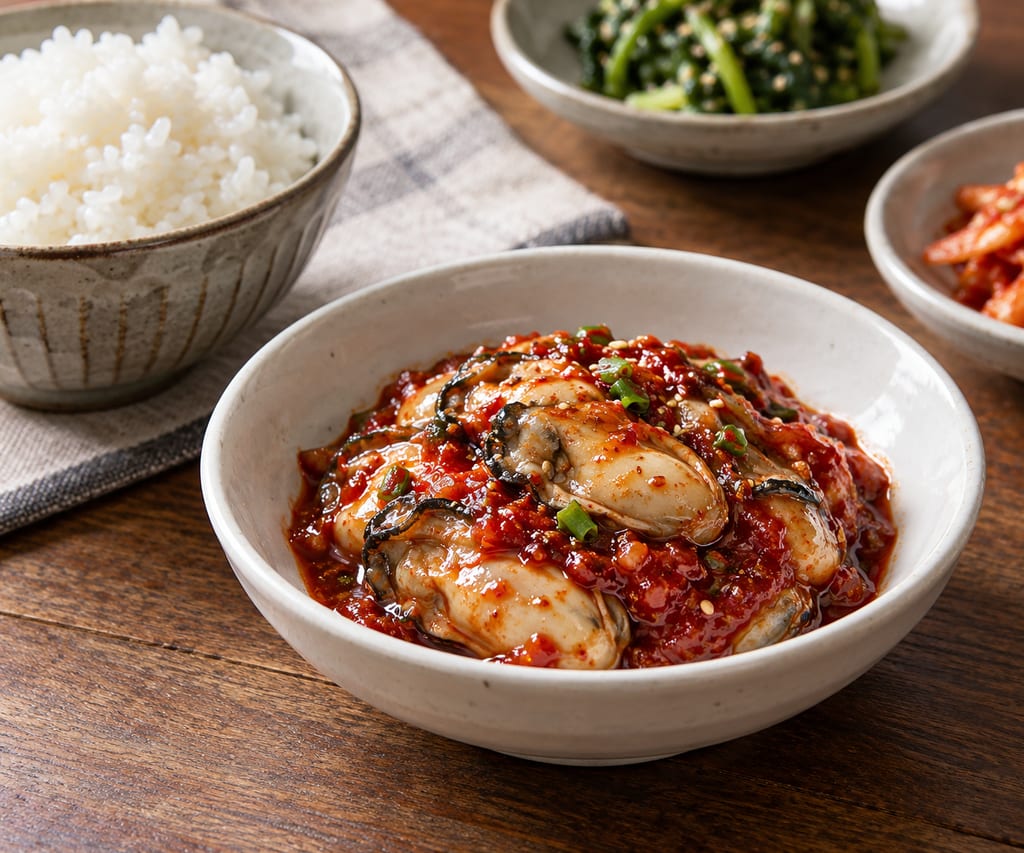
A Korean salted-oyster jeotgal seasoned with chili, associated especially with Seosan and Ganwoldo. This page records its food culture, not a household preparation method.
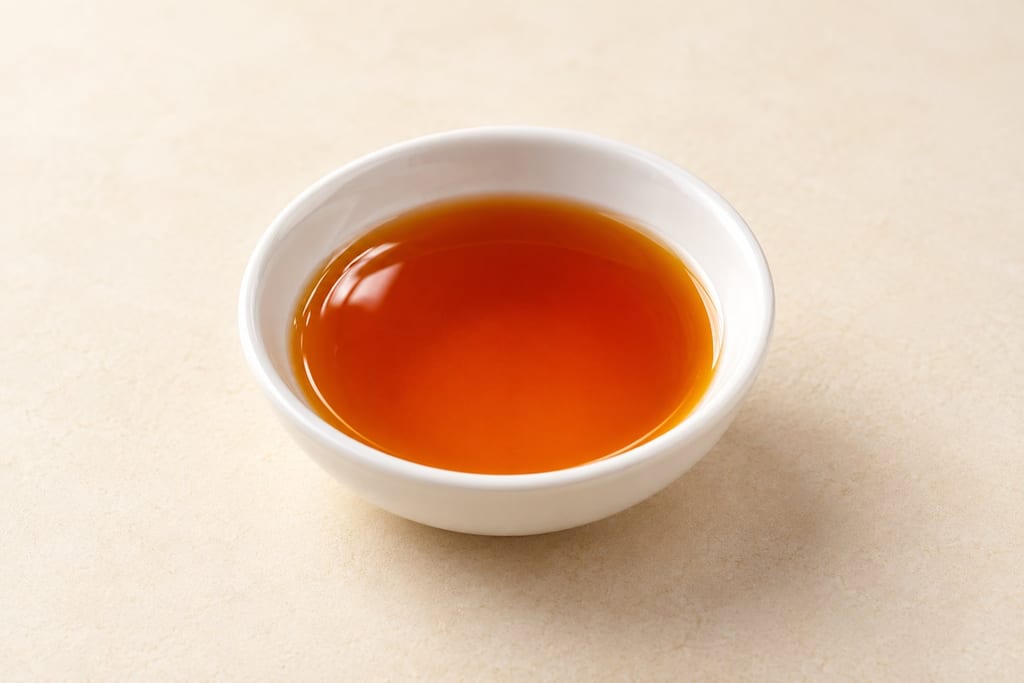
Fish sauce is a clear, salty seasoning made by maturing fish with salt and drawing off the liquid. The broad family includes distinct regional sauces rather than one interchangeable method.
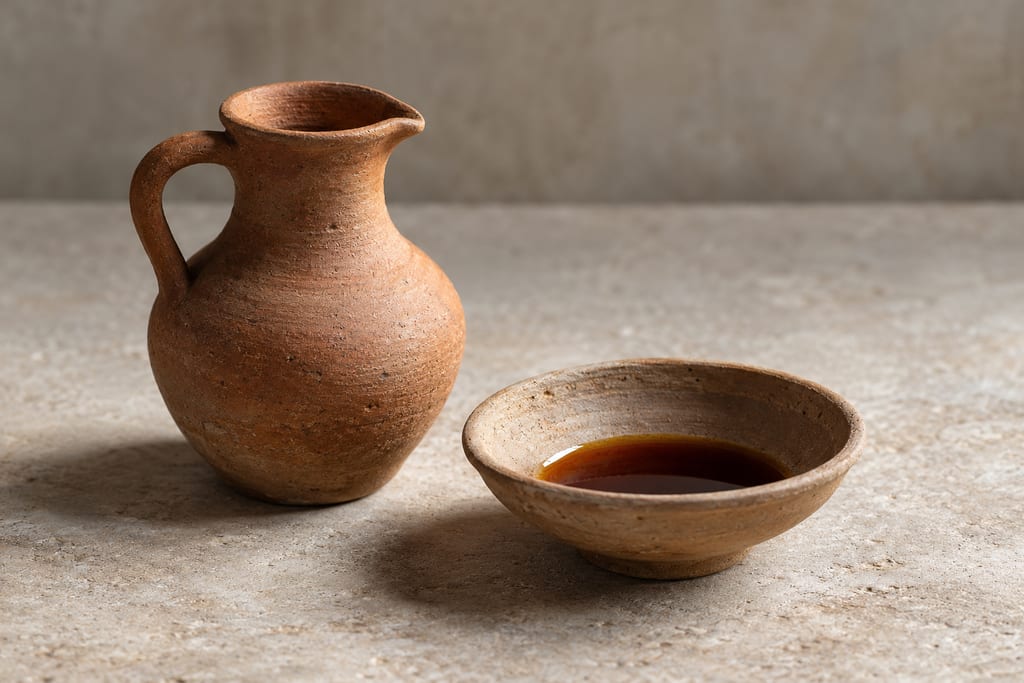
Garum, Greek garos and Latin liquamen, was the fish sauce of the ancient Mediterranean: fish and viscera salted and left in the sun, then drained off as a savoury liquid.
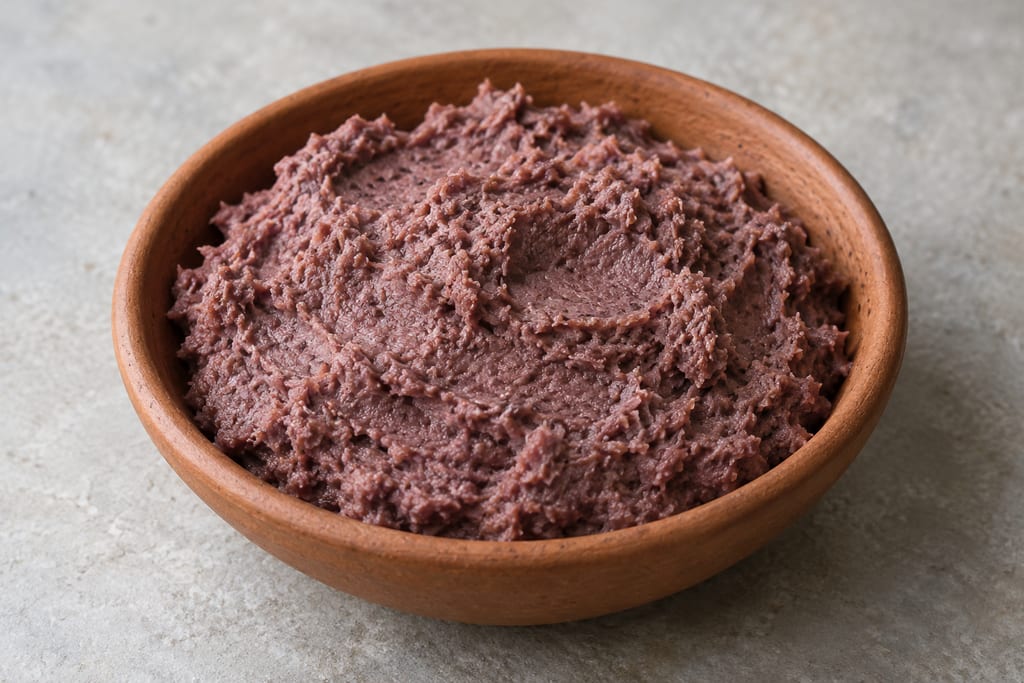
Guinamos is a shrimp paste made on Guimaras in the Philippines: small shrimp salted by hand, sun-dried and trodden by foot until it turns smooth.
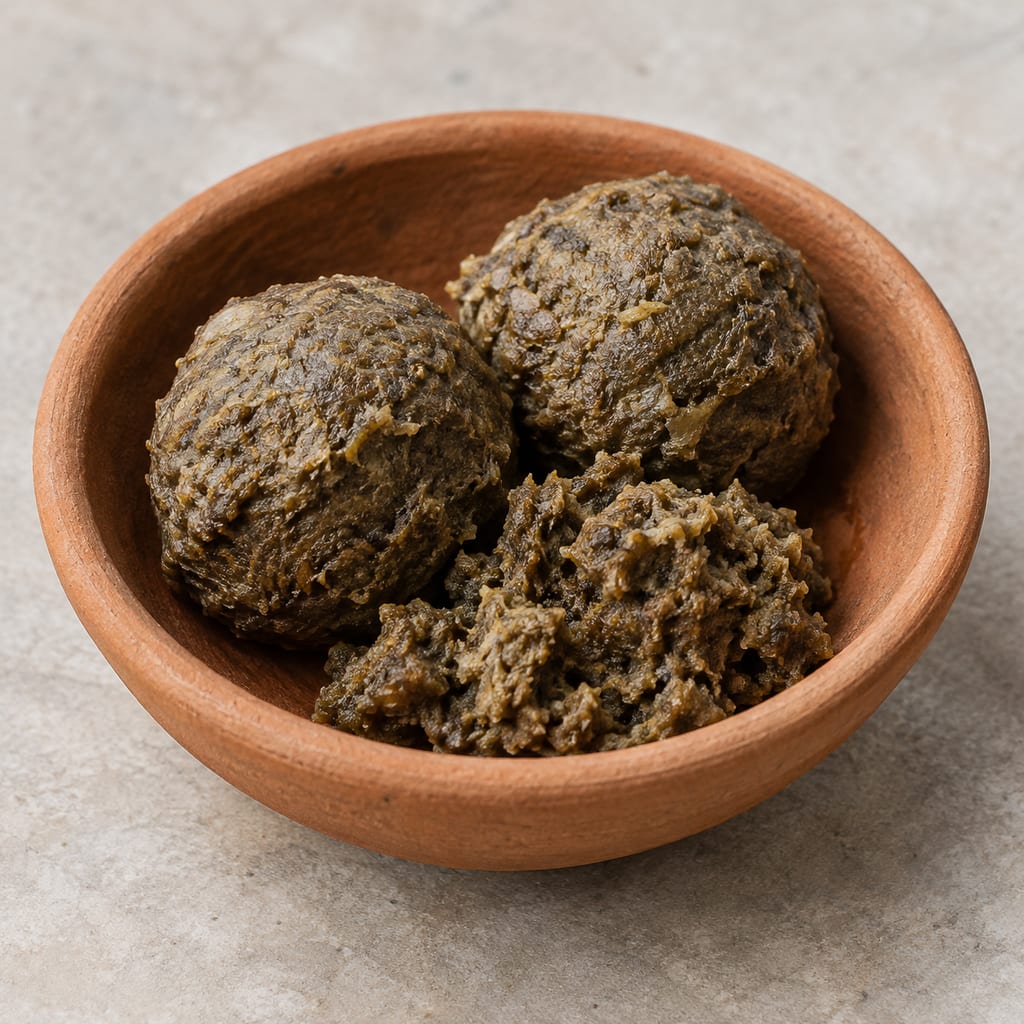
Manipuri fermented fish-and-aroid paste, formed into balls or kept in an earthen pot, used to season Manipuri dishes. Its method is documented in outline only.

Soft, spreadable Calabrian pork sausage made with a great deal of red chilli and fatty pork, stuffed into natural casings, sometimes smoked and matured while staying soft.

A way to add independent temperature logging to an existing food dehydrator without changing its built-in controls or protections. It is a monitoring method, not a rewiring plan.

Pleurotus cystidiosus is the abalone mushroom, a cultivated oyster-type fungus with dark brown caps that grows more slowly and is more demanding than other Pleurotus species.

A dark, balanced vinegar from Emilia-Romagna made by combining cooked or concentrated grape must with wine vinegar, then acetifying and refining it in wood under a protected specification.

A living dairy inoculum that starts controlled cream fermentation, developing acidity and aroma before sour cream or cultured butter is finished.

A small electric incubator holds jars at a selected temperature for yogurt and other documented warm food preparations. Controls, capacity and vessel arrangement vary by model.

Adygean salt is a seasoned table salt associated with Adygea and the wider North Caucasian culinary tradition. Salt is blended with garlic and a variable selection of herbs and spices; the exact mix depends on the named style and maker.

The African Caesar-group mushroom, Amanita masasiensis, is a wild ectomycorrhizal species of central and southern African woodlands, eaten locally. The genus contains deadly poisonous species, so identification needs care.
No community contributions have been published for this entry yet.
Sign in to contribute. Published comments and photos are free to read.
National Academies Press, Applications of Biotechnology to Traditional Fermented FoodsIdentity · Method · Ingredients · Geography
Sudan's Fermented Food HeritageDefines Mindeshi as pounded small-fish paste, fermented and sometimes dried later; distinguishes it from fessiekh, kejeik and terkin/meluha.
Describes Sudanese fermented fish products as made from freshwater Nile fish. The chapter does not give a complete Mindeshi recipe.
Cited in: A small-fish paste from Sudan; Partial and overlapping process accounts
FAO Fisheries Technical Paper 329Method · Ingredients · Equipment · Species variation · Food safety
Fermented Fish in Africa: A Study on Processing, Marketing and Consumption — Chapter 5: Fish Processing CharacteristicsFAO groups Terkeen/Mindeshi in one process description: washed fish salted in layers in an earthenware pot or barrel, optionally with pepper or spices, then warmed and stirred into a paste. This is not Mindeshi-specific and cannot be treated as a universal process.
The same grouped Sudan section lists tilapia, Nile perch and Alestes spp.; details are not species-specific to Mindeshi.
A table associates Sudanese products including Mindeshi with salting, but does not provide a Mindeshi-specific salt ratio or validated safety controls.
Cited in: Partial and overlapping process accounts
FAO Fisheries Technical Paper 329Geography · Use
Fermented Fish in Africa: A Study on Processing, Marketing and Consumption — Chapter 9: Consumer Attitudes to Fishery ProductsDescribes Mindeshi as a paste-like fermented fishery product relished in south-western Sudan. This is a broad regional association, not an origin point.
Cited in: A small-fish paste from Sudan
International Journal of Fisheries and Aquatic Studies 8(3):196–199Species variation · Geography
The gross chemical composition of some traditionally processed Nile fishes from SudanReports Mend(e)shi made from Synodontis spp.; samples were collected at Jebel Aulia fish foundations and Khartoum Central Fish Market.
Its introduction says Mindeshi is generally made from Synodontis spp. and cites Dirar for the possibility of using Mormyrus spp. The cited study does not describe a complete Mindeshi process.
Cited in: A small-fish paste from Sudan; Fish identity and safety evidence
The Boolean, University College Cork 6, DOI 10.33178/boolean.2022.1.15Modern sampling · Identity · Food safety
Sudanese Fermented FoodsResearchers include a small-fish fermented product called Mendeshi among samples of Sudanese fermented foods, collected in homes and open-air markets in western, eastern and central Sudan, including Khartoum/Omdurman; the collection sites do not establish Mindeshi production geography.
The abstract reports harmful bacteria and fungi among sampled fermented foods due to preparatory methods, without identifying organisms or prevalence for Mendeshi specifically.
Cited in: Fish identity and safety evidence
U.S. Food and Drug AdministrationFood safety · Botulism
Fish and Fishery Products Hazards and ControlsFDA seafood hazard guidance covers pathogenic bacteria growth and toxin formation, Clostridium botulinum, and hazards due to inadequate drying. It is general technical guidance, not a Mindeshi-specific safety assessment.
Cited in: Fish identity and safety evidence
U.S. Food and Drug AdministrationFood safety · Botulism
Import Alert 16-74: Uneviscerated Fish Products that are Salt-cured, Dried, Smoked, Pickled, Fermented or BrinedFDA explains that insufficient control during processing of uneviscerated fish can permit C. botulinum toxin formation, and outward signs may not reveal toxin. Small fish still require a process controlling that hazard. This general warning does not establish Mindeshi-specific incidence or controls.
Cited in: Fish identity and safety evidence
U.S. Food and Drug AdministrationFood safety · Allergen
Food AllergiesFish is among the major food allergens; this is a general allergen warning for a fish preparation.