
Fermented meat around the world
Dry salami, sour pork with rice, matured sheep and aged blubber follow different paths from animal to food. Their stories connect microbes with climate, slaughter, migration and the meals people share.
 FermenteaWhere food goes to change
colatura di alici di Cetara · colatura di alici · colatura di Cetara
Colatura di alici is the amber liquid drained from salted anchovies matured in wooden containers in Cetara, on the Amalfi coast of Campania, and sold under a protected designation of origin.
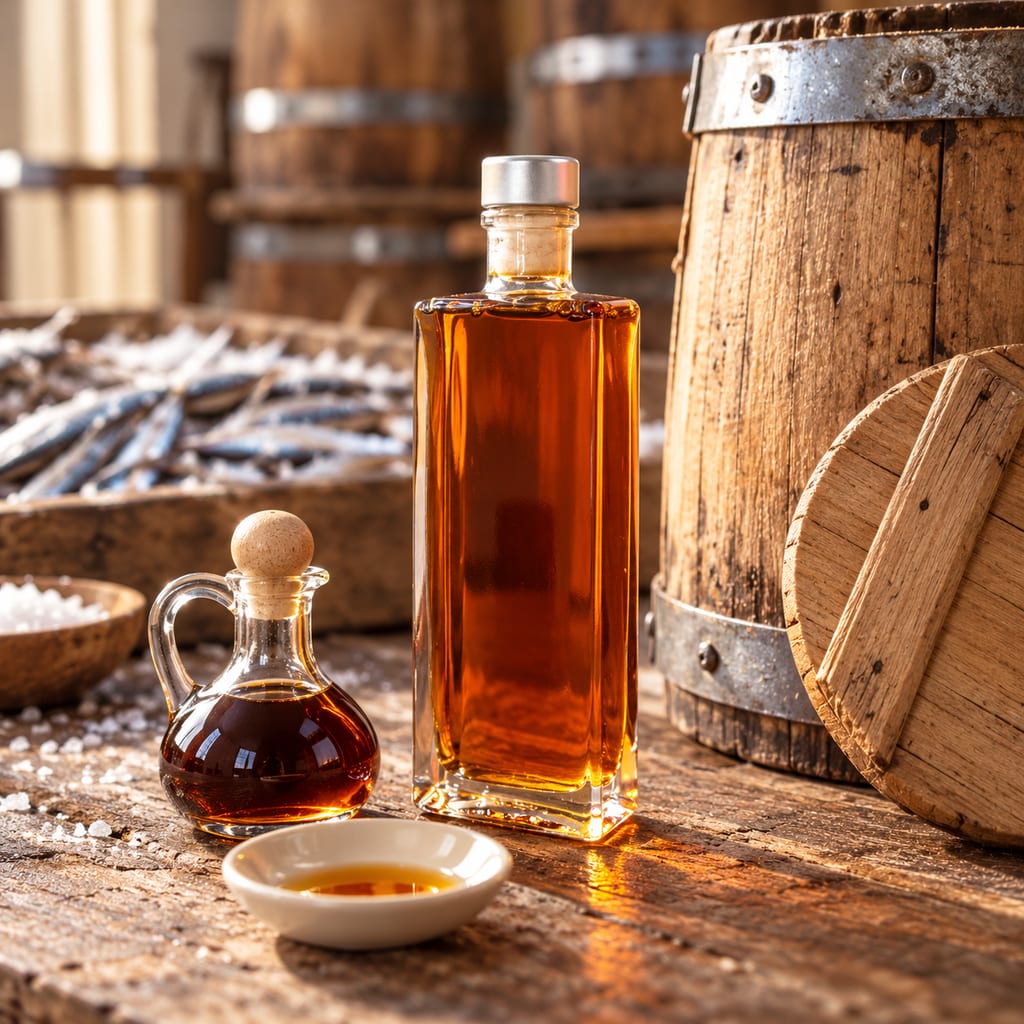
Colatura di alici is a thin amber liquid made on the Amalfi coast at Cetara, a fishing town in Campania. It is drawn from anchovies that have been salted and left to mature, and it is used to season pasta and other dishes in small amounts, where its savour carries the dish. Its colour runs from pale gold to deep amber, depending on how long it has matured and how it was filtered.
The sauce belongs to the family of fish sauces that the Mediterranean world has made since antiquity. Its method, with layered salt, weight and a long rest, closely resembles the descriptions of ancient fish sauces. The protected designation records a living local tradition; the sources do not establish an unchanged line of practice from Roman times, and the resemblance should not be read as continuity.
Anchovies are headed and gutted, then layered with sea salt in wooden containers. The layers are weighted so that the fish releases its liquid. The liquid that drains off is collected and filtered, and it is then left to mature.
Across that period the liquid matures. The sources do not describe the changes in detail, so the chemistry is not assigned to a cause here.
Heading and gutting are the first steps of the protected method. Layering with salt and weighting the fish are the steps that set the liquid running; the sources do not give a reason for each step beyond that.
Filtering removes the solids that drain with the liquid. The sources do not give the salt ratio or the weight used, so those are left unrecorded here.
Colatura is used as a seasoning. The sources consulted describe its production but do not record its uses in detail, so no serving suggestions are given here.
Salted and matured fish products call for handling control, and the sources give no safe limit for home production. Neither the appearance, smell nor taste of the liquid establishes that it is safe.
Open questions: the salt ratio, the weight used during layering, and the length of maturation before the designation was set are not given in the source consulted.
Colatura di alici is a surviving local anchovy-sauce tradition of Cetara. Its technology closely resembles ancient fish sauces, but an unbroken Roman lineage is harder to demonstrate than the resemblance.
Scaling: source batch only
Smell and taste do not establish that the sauce is safe.
The protected specification names Cetara as the place of production.
Dry salami, sour pork with rice, matured sheep and aged blubber follow different paths from animal to food. Their stories connect microbes with climate, slaughter, migration and the meals people share.
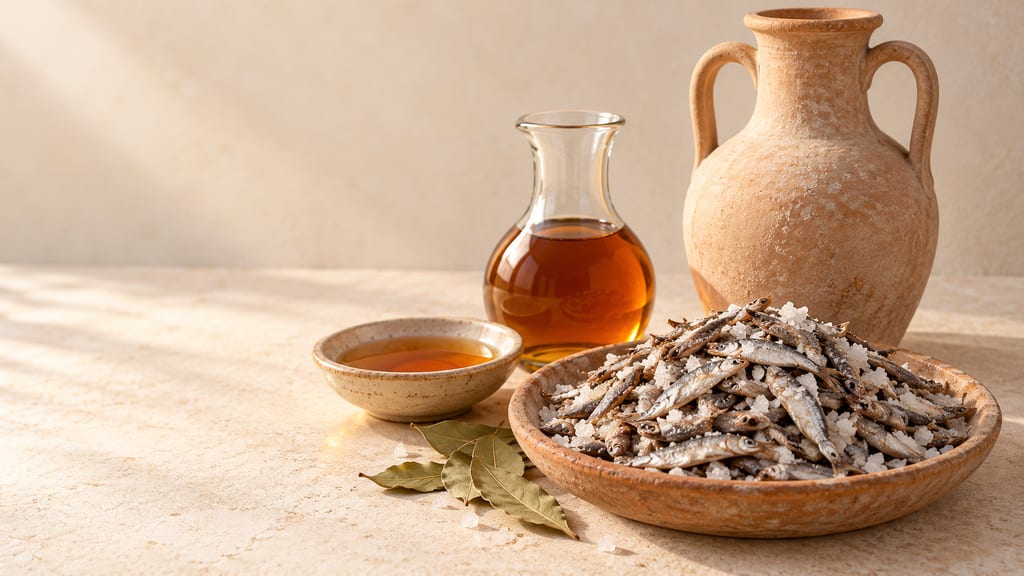
Garum, nước mắm, nam pla and patis share ways of turning fish into a savoury liquid, yet each belongs to its own food culture. This account follows ancient sauces, Asian and Japanese fish sauces, colatura and koji garums.
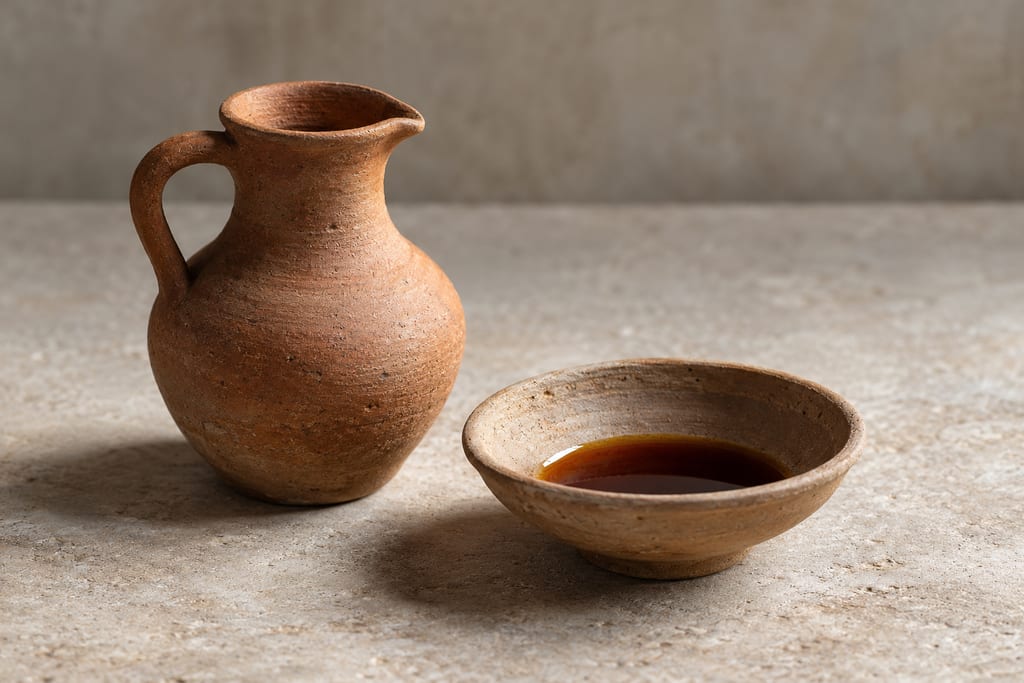
Garum, Greek garos and Latin liquamen, was the fish sauce of the ancient Mediterranean: fish and viscera salted and left in the sun, then drained off as a savoury liquid.
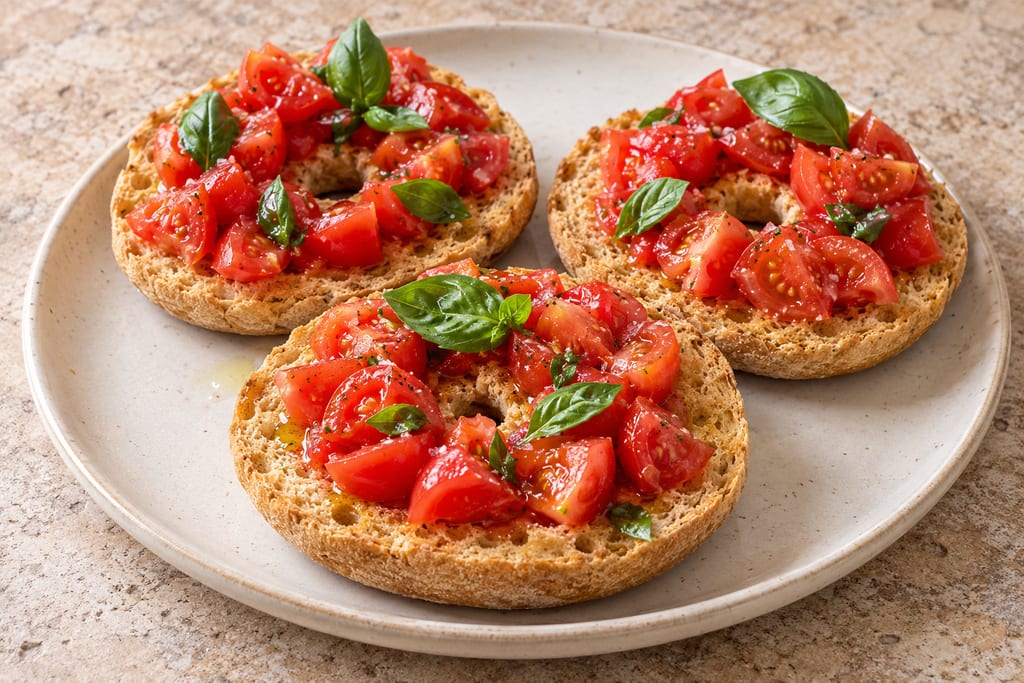
Puglian wheat-and-semolina bread rings are baked, split, then dried in a second bake; briefly moisten and top them before serving.
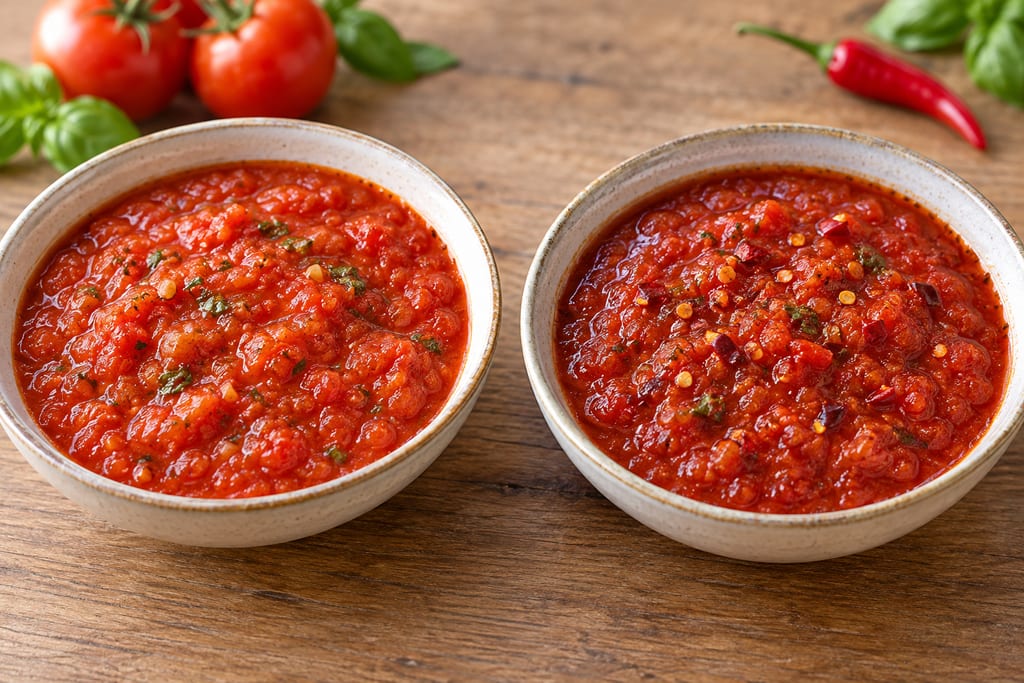
Marinara is a quick Italian-American tomato sauce; arrabbiata is a distinct Roman tomato sauce with red chilli. They share a simple cooked tomato-and-garlic base but are not the same sauce.
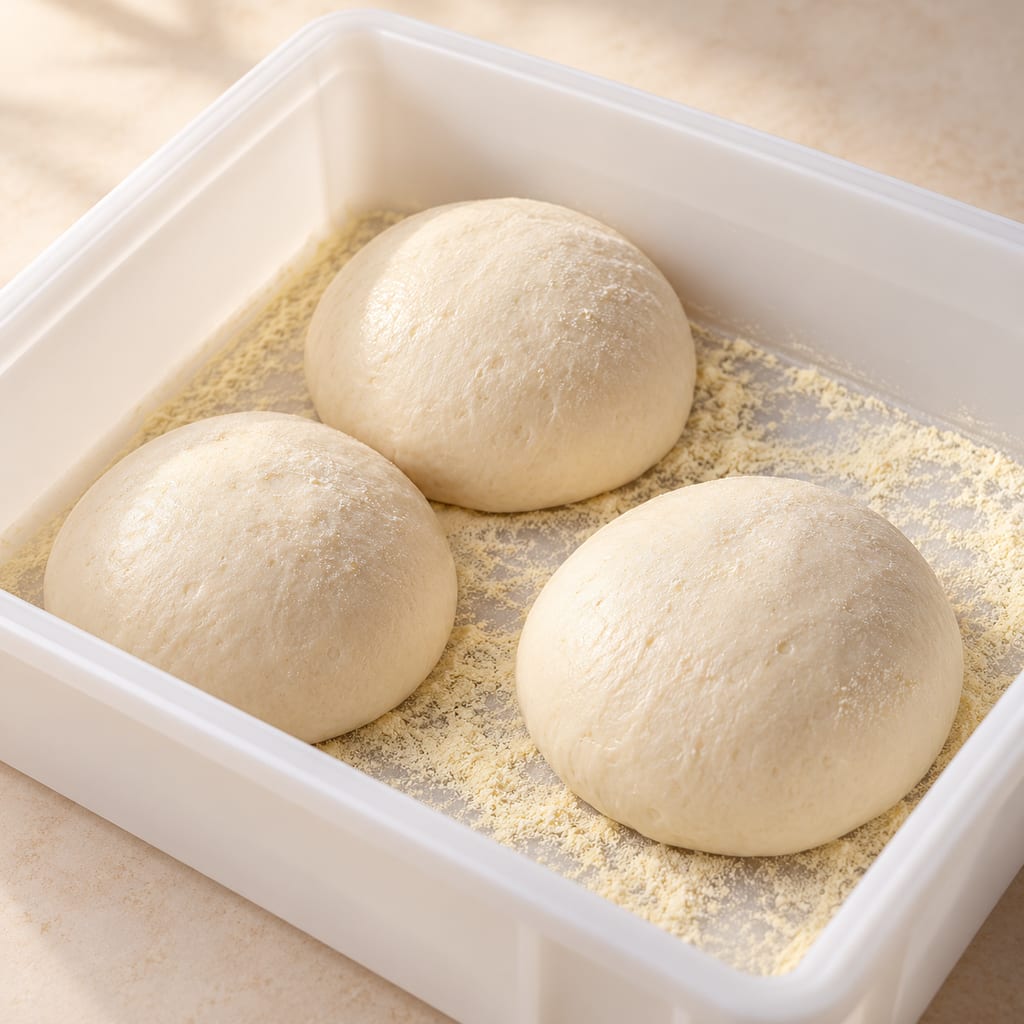
An AVPN regulation formula for Neapolitan pizza dough uses wheat flour, water, salt and fresh brewer’s yeast. Flour absorption and proofing conditions determine the exact dough point and yeast dose.
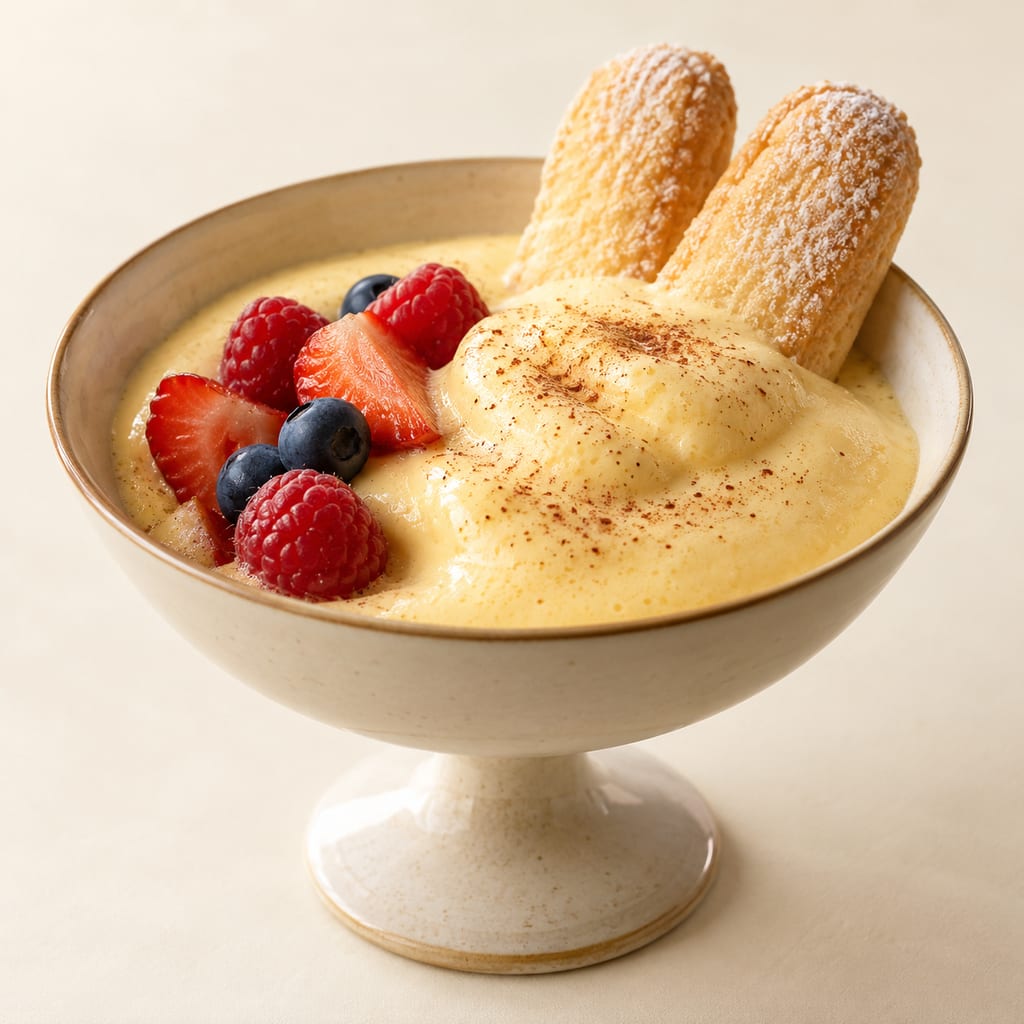
A warm foam of egg yolks, sugar and sweet wine, whisked over gentle heat in a double boiler until light, served at once with fruit or biscuits.
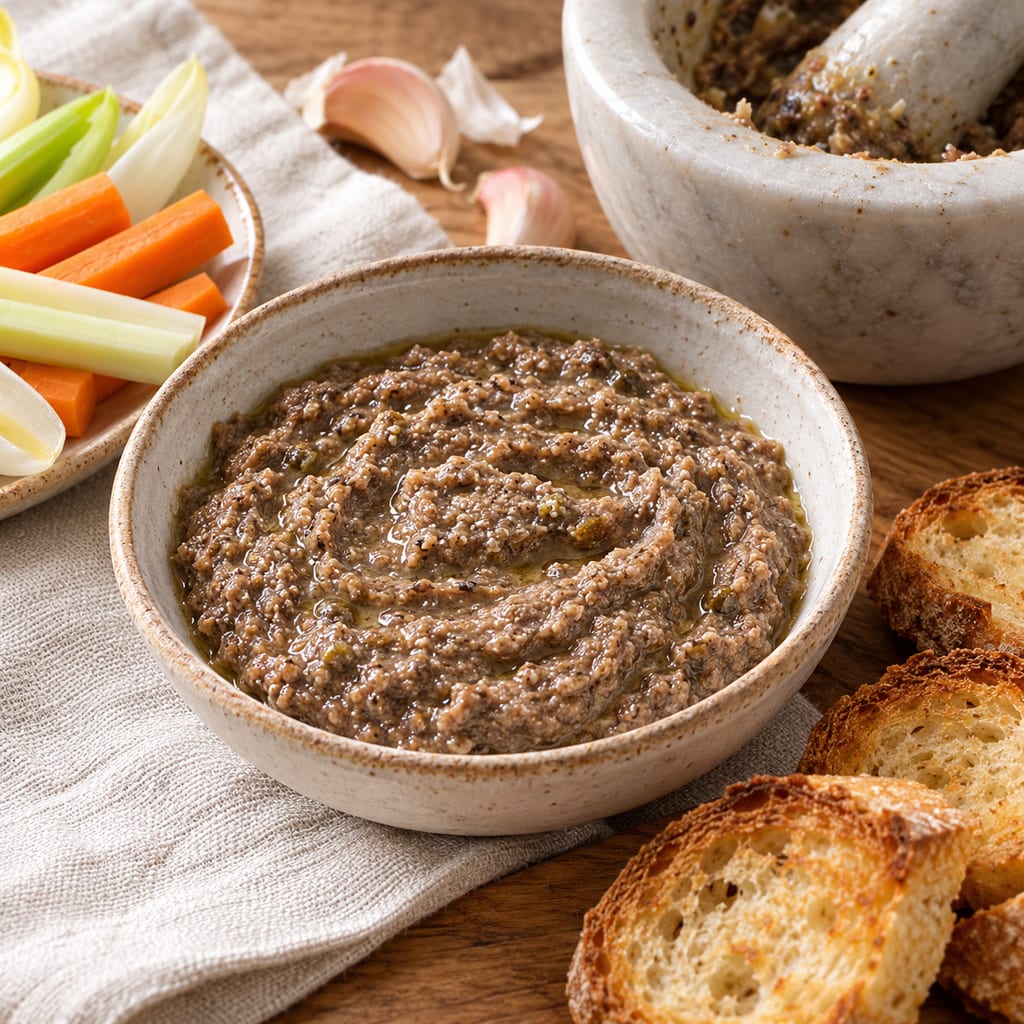
A Provencal dip of anchovies, garlic, capers and olive oil, pounded or blended to a creamy paste and served with raw vegetables, bread and eggs.
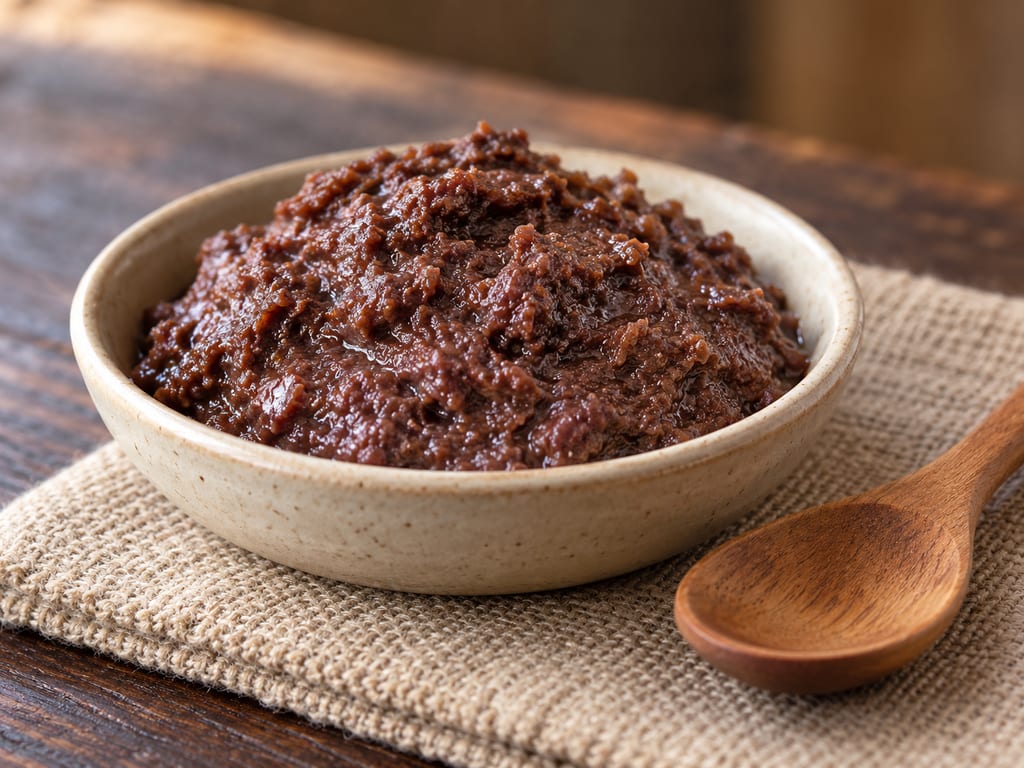
Bagoong isda is a Philippine fish paste: whole small fish salted and left to ferment for a month or more in earthen jars. It is the fish counterpart of bagoong alamang.
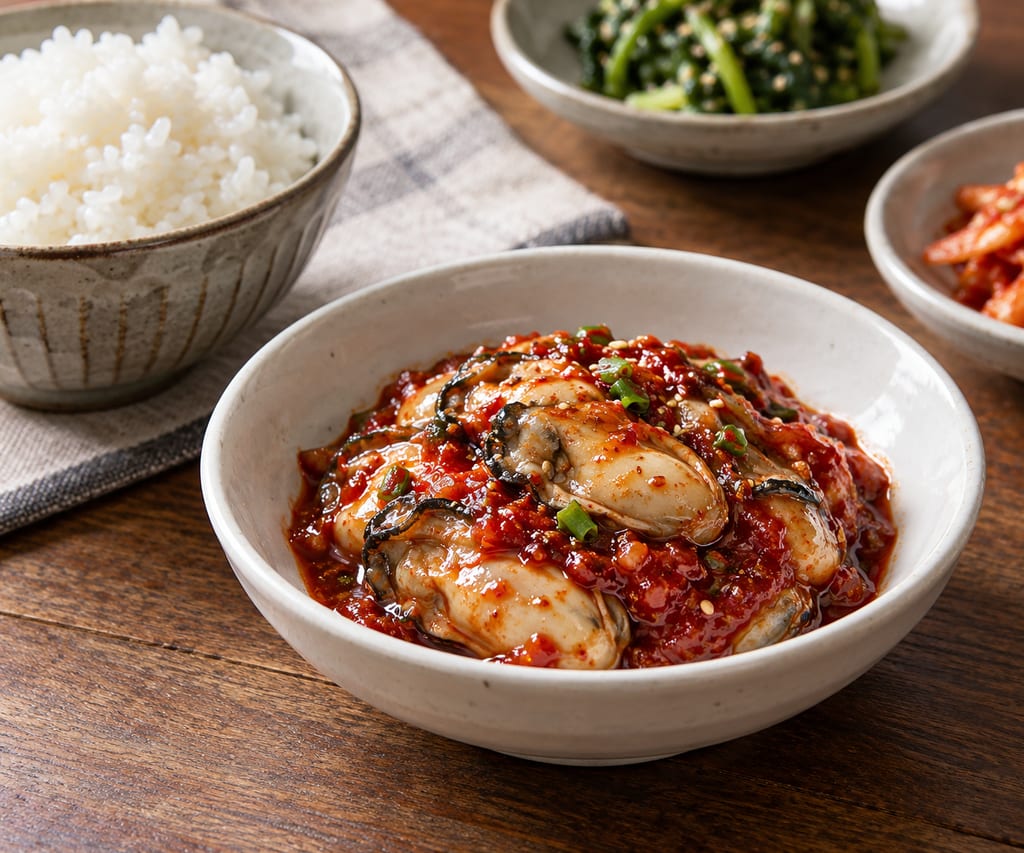
A Korean salted-oyster jeotgal seasoned with chili, associated especially with Seosan and Ganwoldo. This page records its food culture, not a household preparation method.
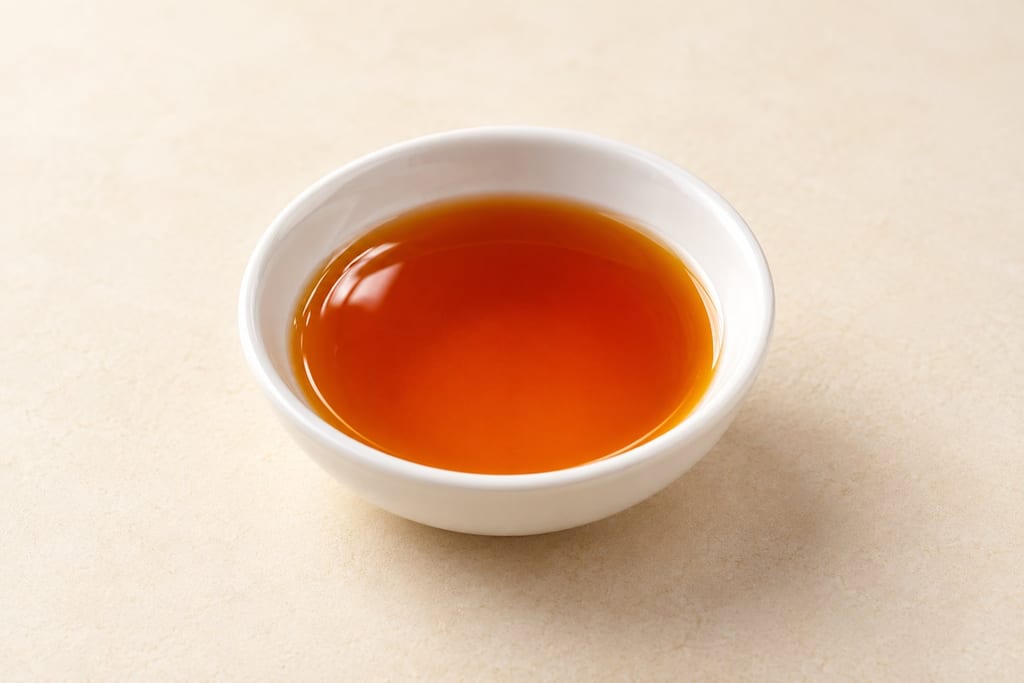
Fish sauce is a clear, salty seasoning made by maturing fish with salt and drawing off the liquid. The broad family includes distinct regional sauces rather than one interchangeable method.
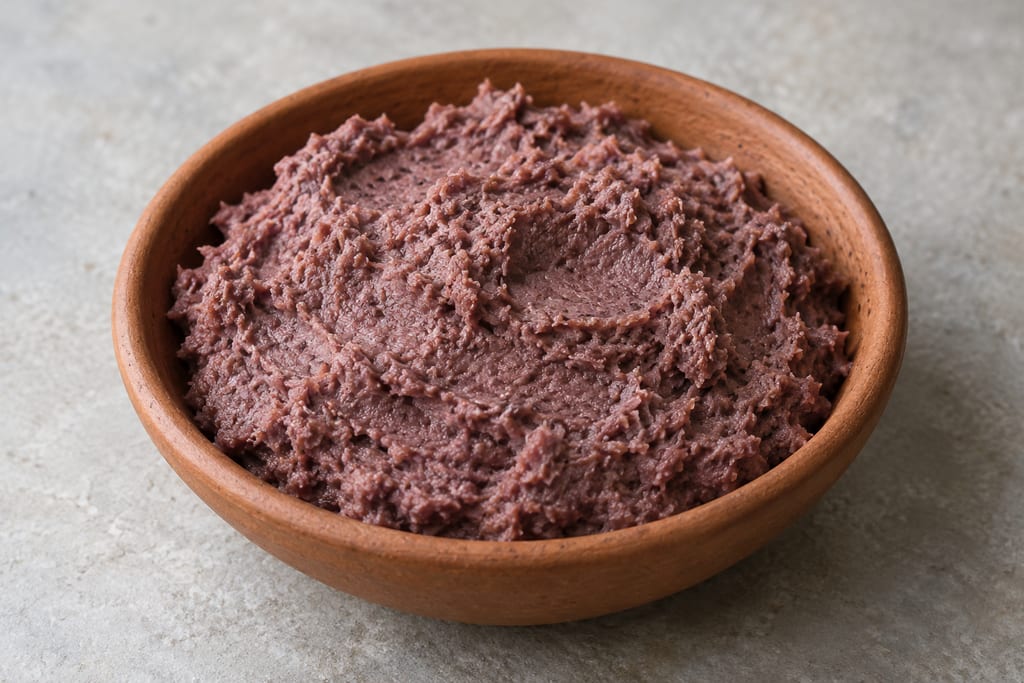
Guinamos is a shrimp paste made on Guimaras in the Philippines: small shrimp salted by hand, sun-dried and trodden by foot until it turns smooth.
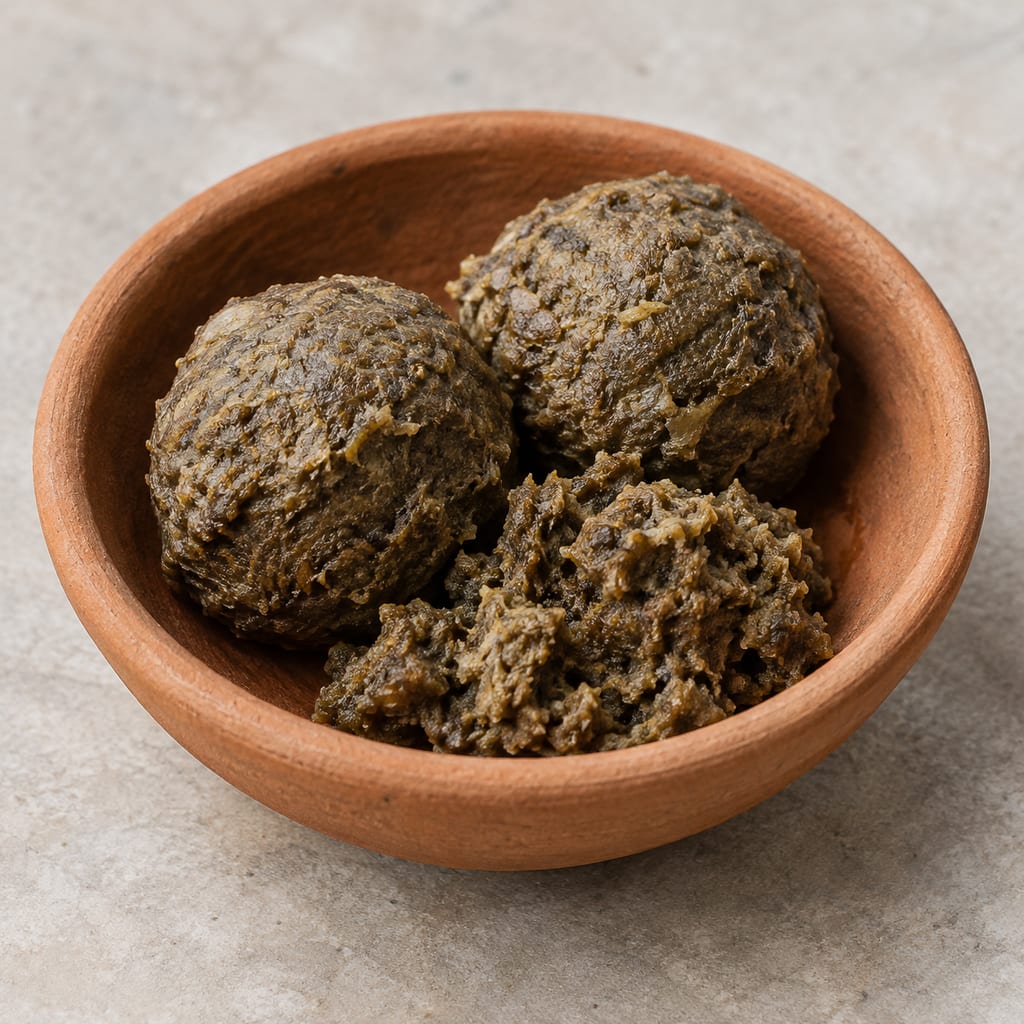
Manipuri fermented fish-and-aroid paste, formed into balls or kept in an earthen pot, used to season Manipuri dishes. Its method is documented in outline only.
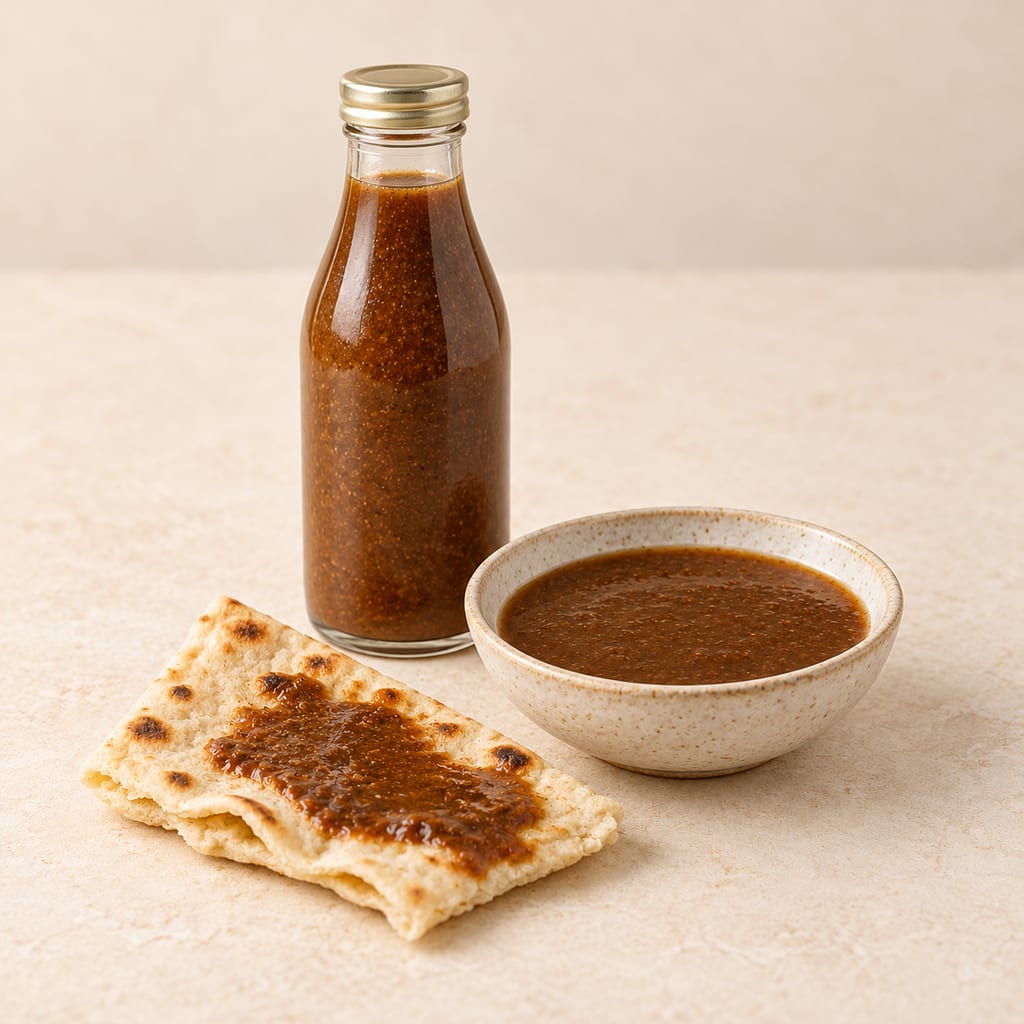
Mahyawa, also written mahyaveh, is a traditional fish sauce from southern Iran, made by salting small sardines or anchovies in water, maturing them in jars and seasoning the filtered liquid with mustard and spices.
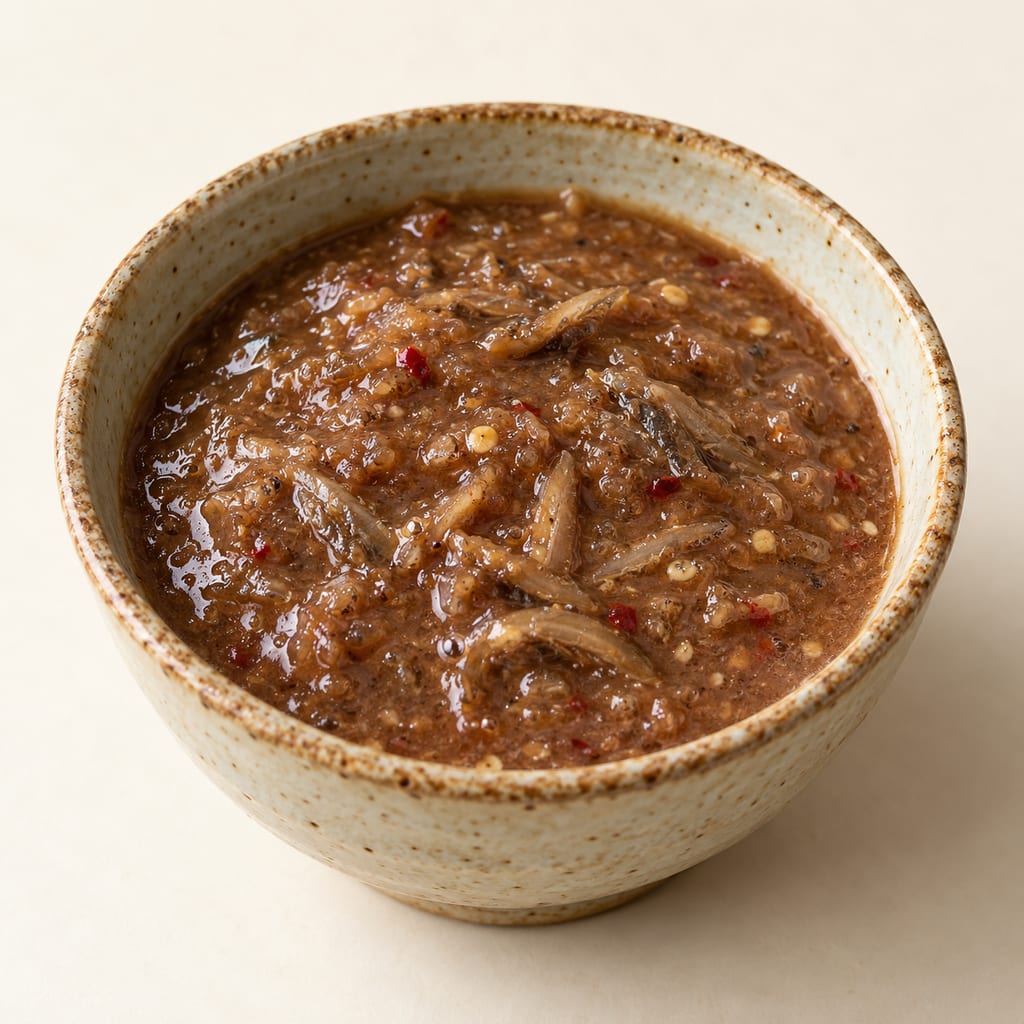
A documentary account of mắm nêm, a pungent Vietnamese fermented fish condiment and dip base. The cited cookbook describes a method, but omits essential process details; this page does not provide a home fermentation recipe.
No community contributions have been published for this entry yet.
Sign in to contribute. Published comments and photos are free to read.
Regione Campania, AgricolturaMethod · History · Safety
Colatura di alici di Cetara DOP specification (2024)Anchovies are headed and gutted, layered with sea salt in wooden containers, weighted and matured; the liquid is collected and filtered.
The present PDO specification requires at least nine months of maturation.
The sauce is a surviving local anchovy-sauce tradition with a strong technological resemblance to ancient fish sauces.
Cited in: A surviving anchovy sauce of Cetara; How it is made; Why the stages matter; Use; Safety and limits