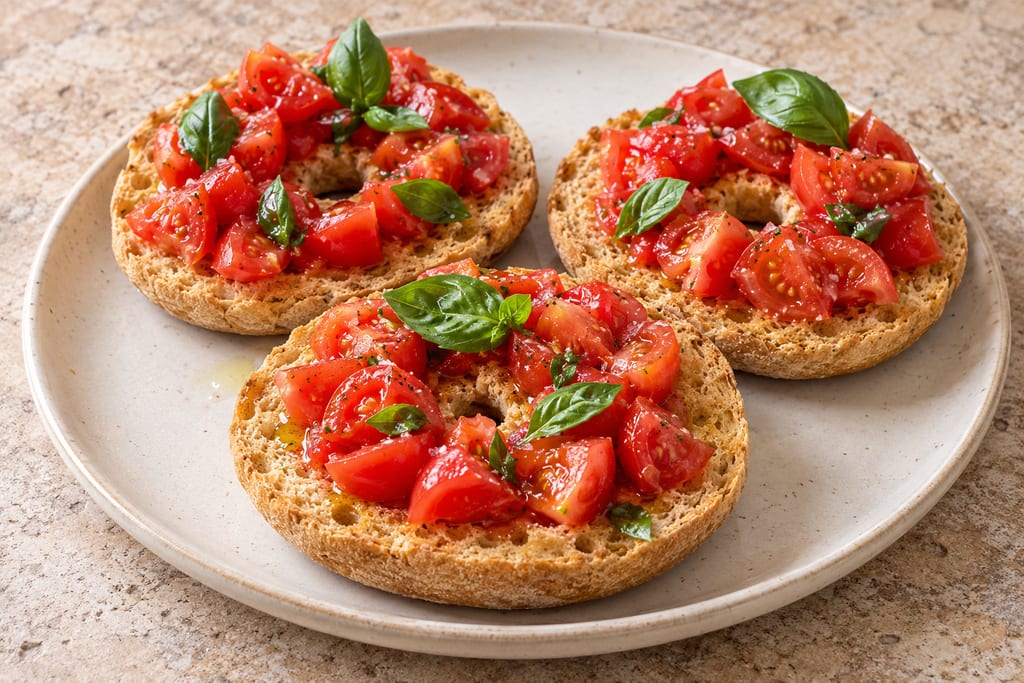
Friselle
Puglian wheat-and-semolina bread rings are baked, split, then dried in a second bake; briefly moisten and top them before serving.
 FermenteaWhere food goes to change
Impasto per la pizza napoletana · AVPN Neapolitan dough · Vera Pizza Napoletana · Verace Pizza Napoletana
An AVPN regulation formula for Neapolitan pizza dough uses wheat flour, water, salt and fresh brewer’s yeast. Flour absorption and proofing conditions determine the exact dough point and yeast dose.
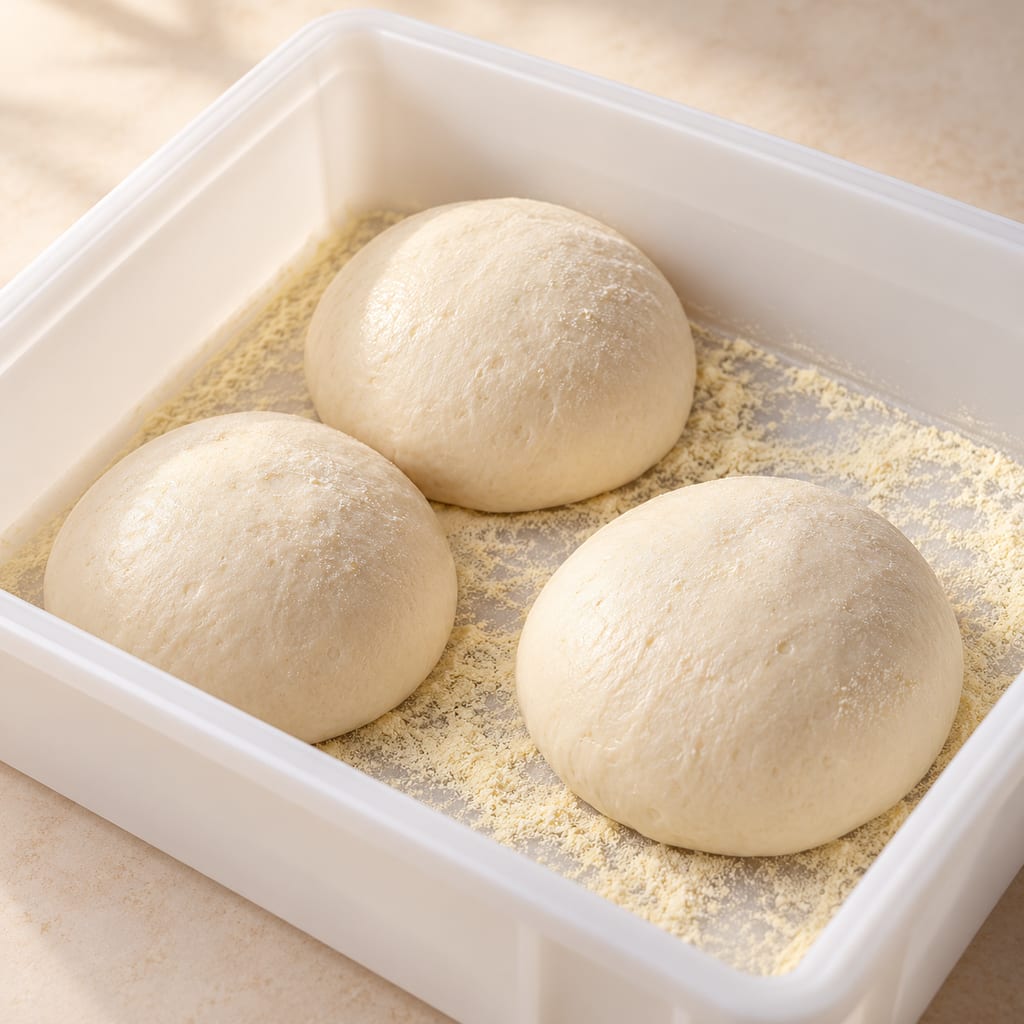
The Associazione Verace Pizza Napoletana (AVPN) publishes a regulation for the collective trademark Verace Pizza Napoletana. Its 2024 edition describes a direct dough of wheat flour, drinking water, salt and yeast. Fat and sugar are excluded from this dough. The regulation describes a source-specific standard; it does not claim that every Neapolitan pizzeria uses an identical batch.
The formula starts with 1 litre of water and allows 1,600–1,800 g of flour depending on absorption. Salt is 40–60 g. Fresh brewer’s yeast is 0.1–3 g, with the amount adjusted to temperature, humidity and timing. Those are the published ranges, not a fixed hydration or a single yeast dose. The source permits type 00 or type 0 flour; this version records type 00 as the named choice and retains the alternative in the method.
The formula produces dough, not finished pizzas. The regulation portions it into 200–280 g balls for 22–35 cm bases. It gives no fixed count for the litre-water batch because the flour amount varies.
Add the flour gradually after the salt and yeast have been diluted in the water. AVPN warns against leaving salt in direct contact with yeast for more than five minutes. It allows hand mixing or a fork, spiral or plunging-arm mixer. Flour incorporation takes about ten minutes in its description; kneading may continue for up to twenty more minutes, depending on the mixer. Stop when the dough is compact, moist, soft, plastic and no longer sticky. More kneading is not automatically better: the regulation warns that excessive mechanical heating can damage dough structure.
Cover the first dough rest with a damp cloth so the surface does not dry out. Once it has rested enough to portion, shape balls by hand and place them in food-grade proofing boxes. AVPN gives 12–24 hours for total fermentation and maturation, with the two stages changing according to flour absorption and environmental temperature and humidity. It lists 18–20°C and 60–70% relative humidity as ideal controlled-chamber parameters. These are process directions for this regulation, not a claim that a fixed clock time fits every flour and room.
When ready to use, shape by hand with fingertip pressure from the centre outward, rotating and stretching the dough so the air moves toward the rim. Use little dusting flour. AVPN prohibits a rolling pin for its protected style. Top and bake the disc as a separate next stage.
Vera Pizza Napoletana names one defined style, not every pizza made in Naples. The association says it first wrote its rules down in 1984. An earlier statement of the standard on the association's Italian page gives a fermentation window of 8 to 24 hours, where the 2024 regulation used above gives 12 to 24; the two are different editions and are not merged here.
The same standard bakes the pizza in a wood-fired oven at 430 to 480 C for 60 to 90 seconds. That is the association's stated bake, outside this dough recipe. A separate chronology from another Neapolitan association lists later formal recognitions of Neapolitan pizza; those milestones are not evidence of where or when the food began.
The Associazione Verace Pizza Napoletana says its regulation codifies Neapolitan pizzaioli rules first written down in 1984 and updated in the 2024 International Regulations. This records the association's account of its regulation; it does not establish a first date for pizza or dough.
Scaling: source batch only
Raw flour may carry germs, and this preparation remains uncooked dough until it is baked as pizza.
Hazard sourceDo not taste raw dough. Bake the dough as part of the finished pizza before eating, and wash hands, bowls, utensils and work surfaces after handling raw flour or dough.
Control sourceThis recipe prepares raw pizza dough only; it does not include toppings or a pizza bake.
The fermentation schedule is the AVPN product method, not a validated shelf-life instruction.
The AVPN regulation codifies the Neapolitan pizza method and is issued by the association based in Naples; this names the documented style association, not a precise birthplace for pizza.
Puglian wheat-and-semolina bread rings are baked, split, then dried in a second bake; briefly moisten and top them before serving.
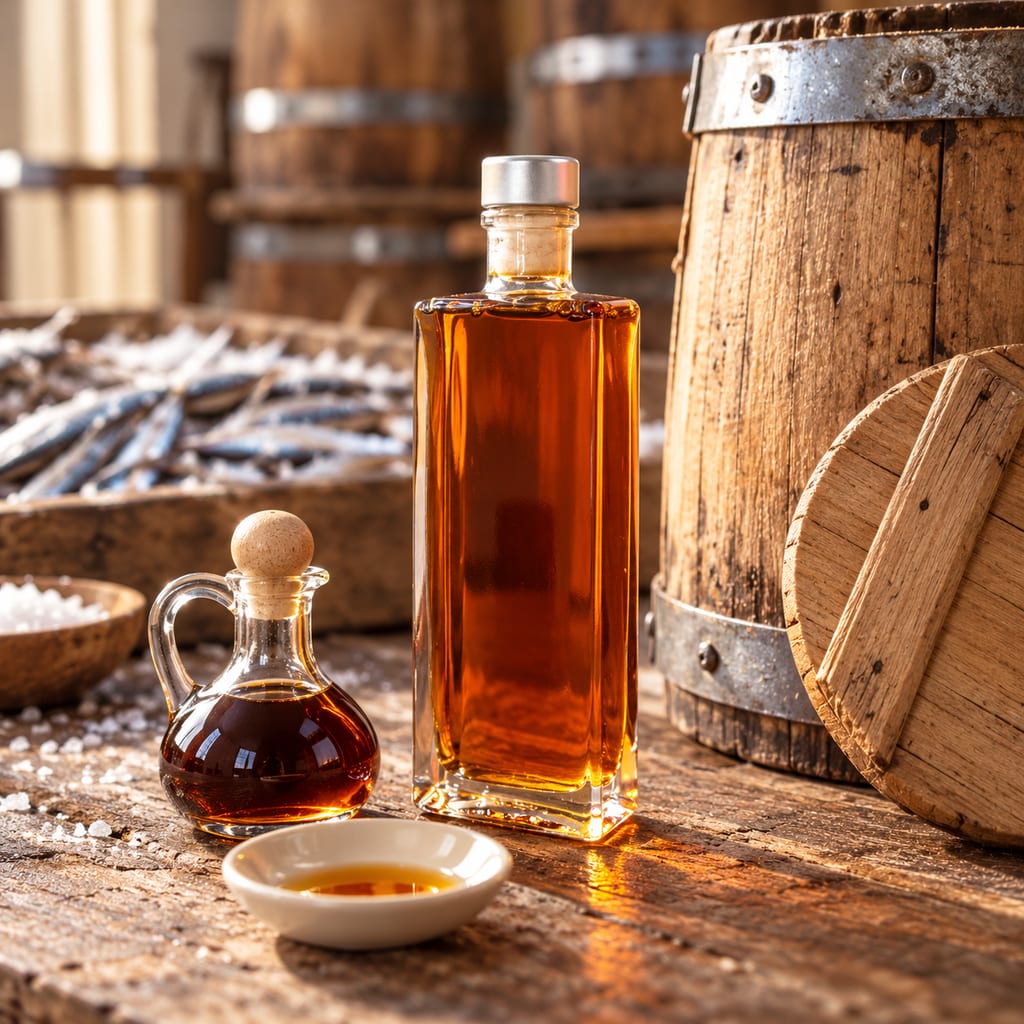
Colatura di alici is the amber liquid drained from salted anchovies matured in wooden containers in Cetara, on the Amalfi coast of Campania, and sold under a protected designation of origin.
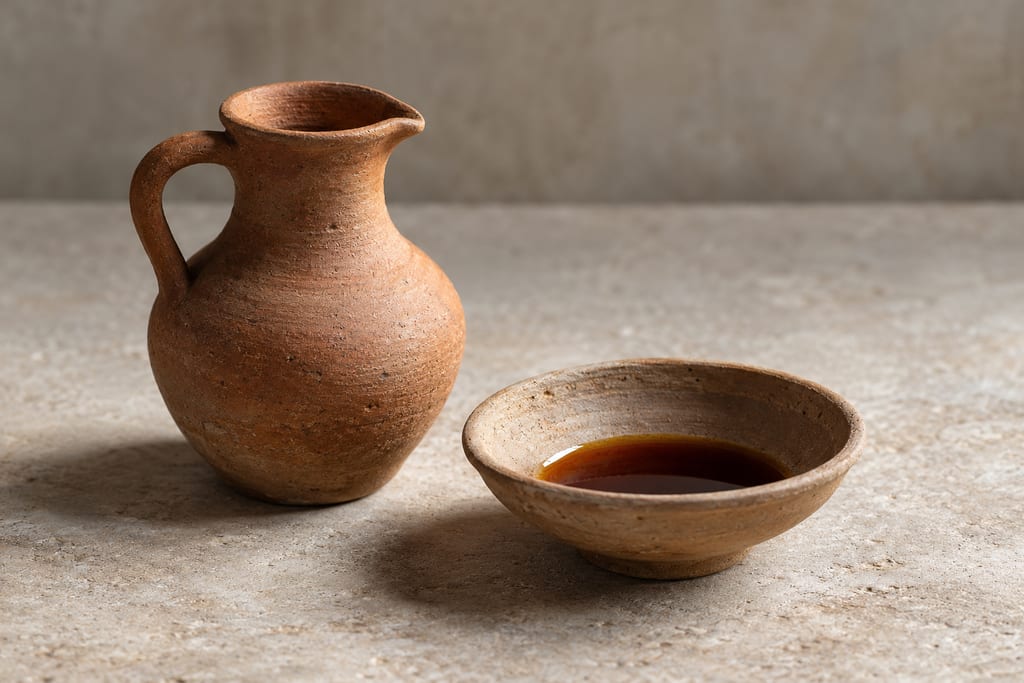
Garum, Greek garos and Latin liquamen, was the fish sauce of the ancient Mediterranean: fish and viscera salted and left in the sun, then drained off as a savoury liquid.
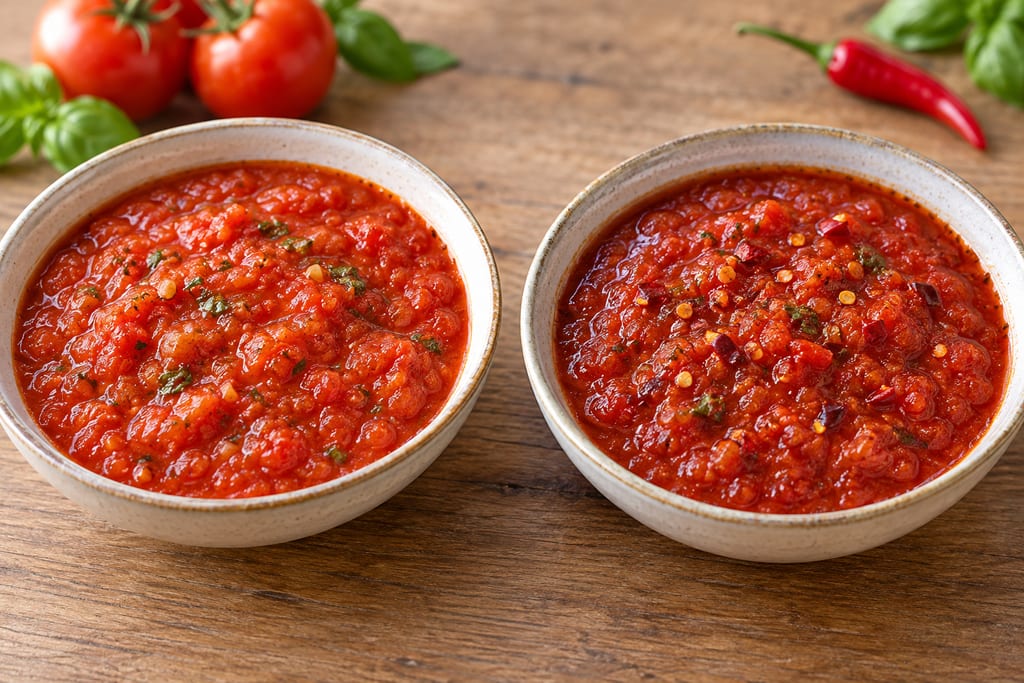
Marinara is a quick Italian-American tomato sauce; arrabbiata is a distinct Roman tomato sauce with red chilli. They share a simple cooked tomato-and-garlic base but are not the same sauce.
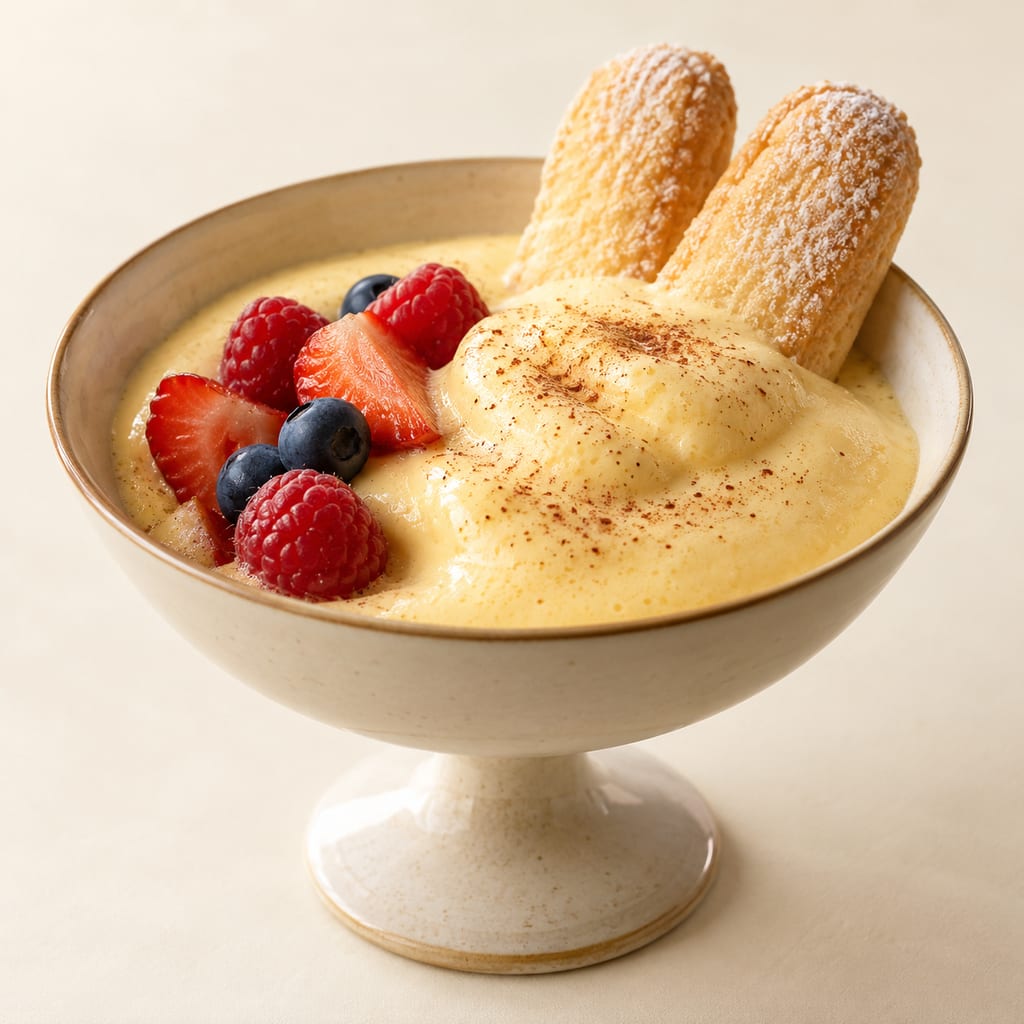
A warm foam of egg yolks, sugar and sweet wine, whisked over gentle heat in a double boiler until light, served at once with fruit or biscuits.
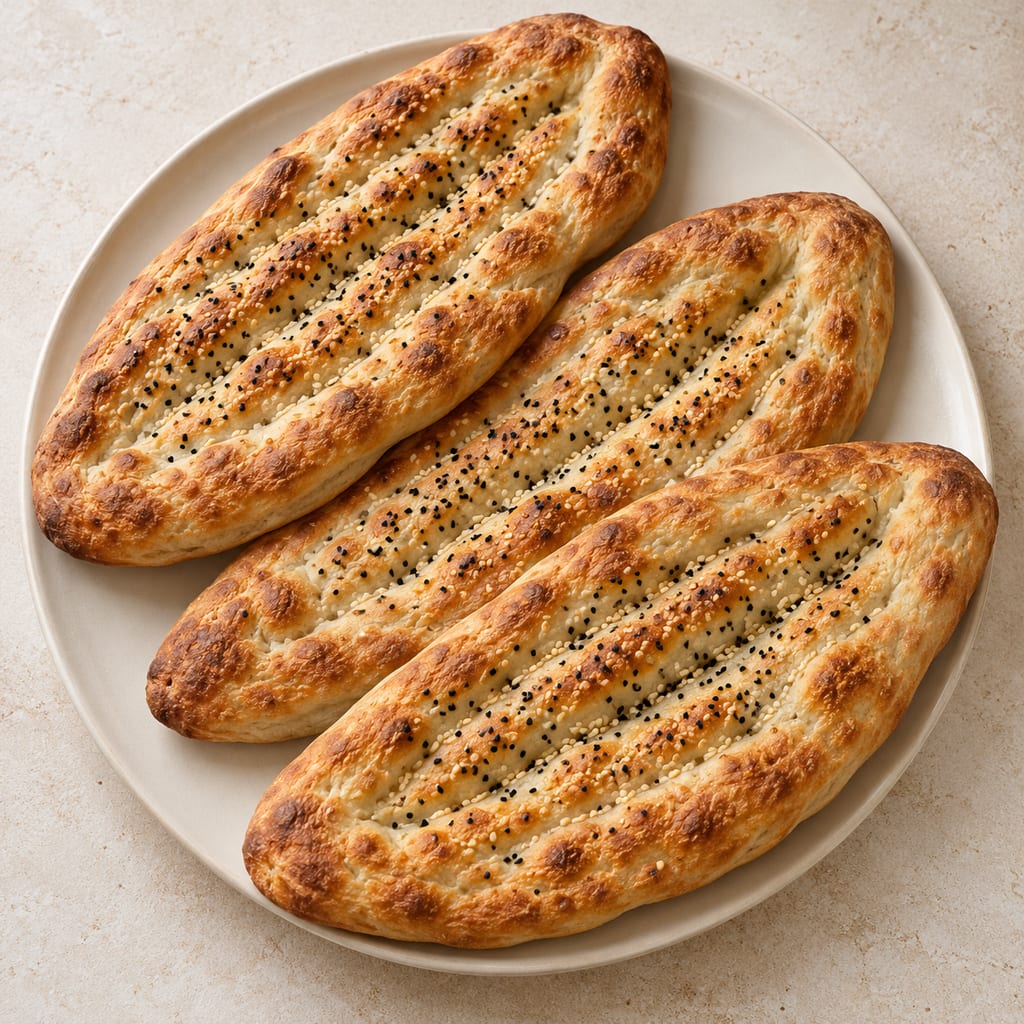
A long oval Afghan wheat bread, leavened with yeast, grooved along its length and baked until crisp outside and chewy within.
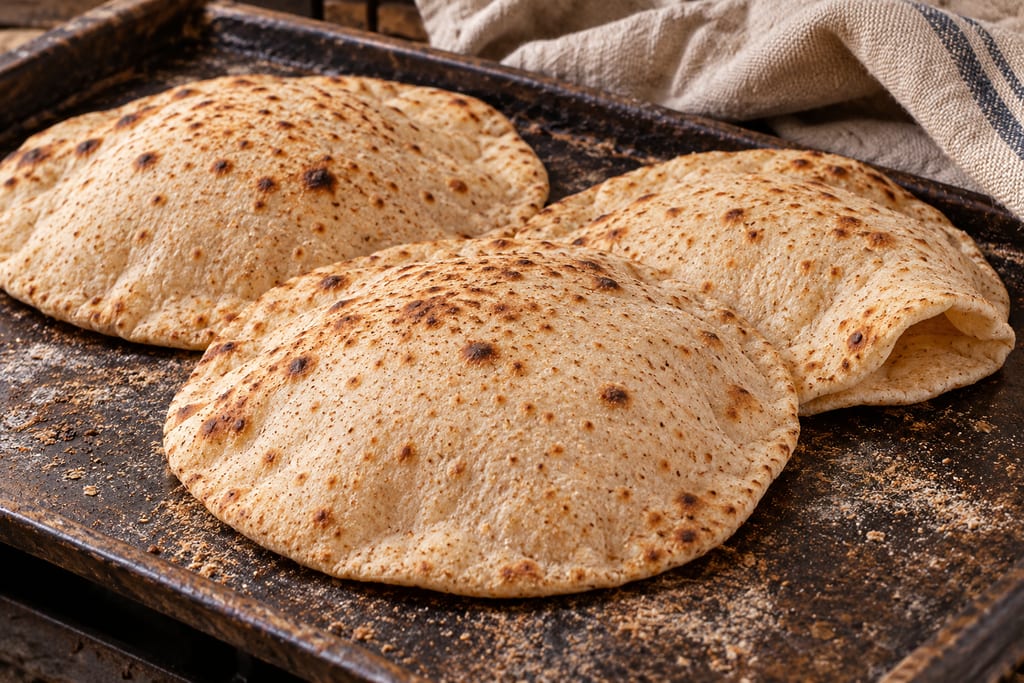
This home adaptation of Egyptian aish baladi uses a refrigerated yeast biga, whole-wheat dough, bran dusting and a very hot baking surface to make 16 pocketed rounds.
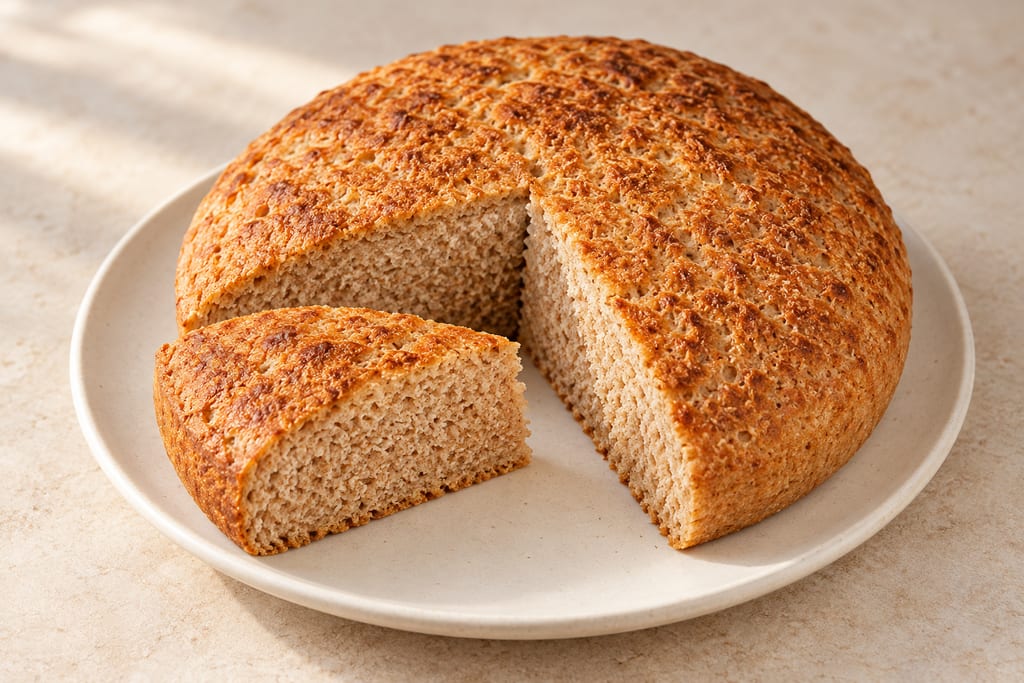
This oven-baked Amdo balep uses yeast, whole-wheat and white flour, a long covered rise and a two-sided bake in a heavy oven-safe pot.
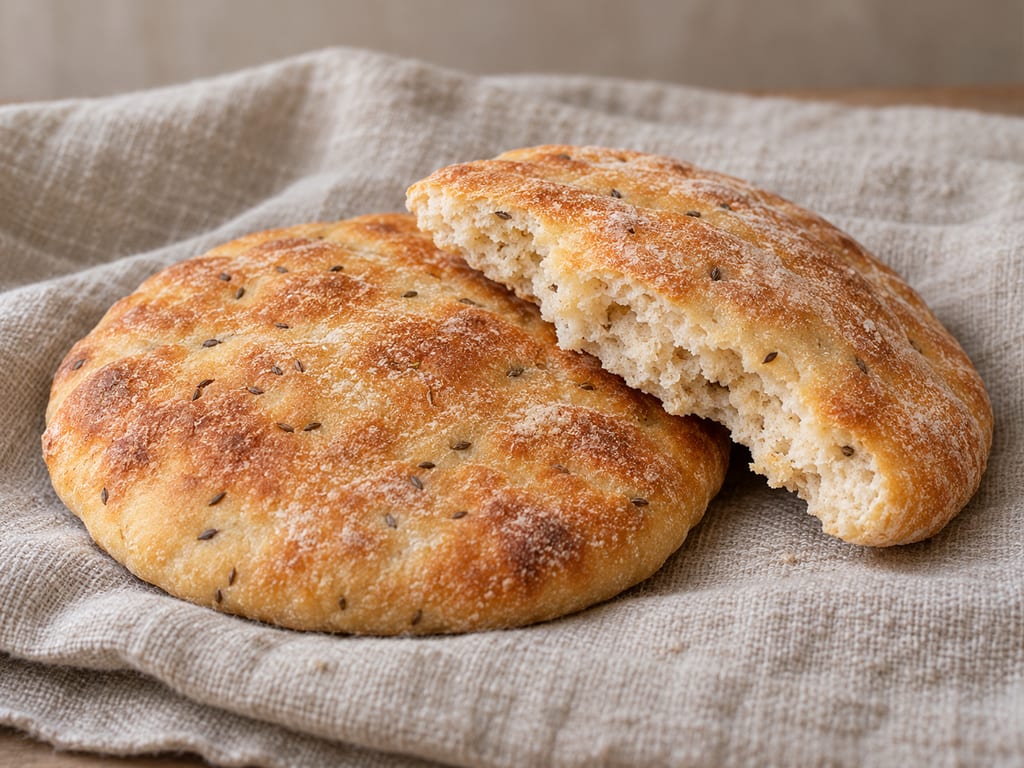
A measured, yeast-raised Ayacucho chapla home method shared by Thermomix Peru presenter Roxanna Salaverry. It makes thin, anise-scented rounds baked at 240°C; the historic qunchu-leavened form is documented separately.
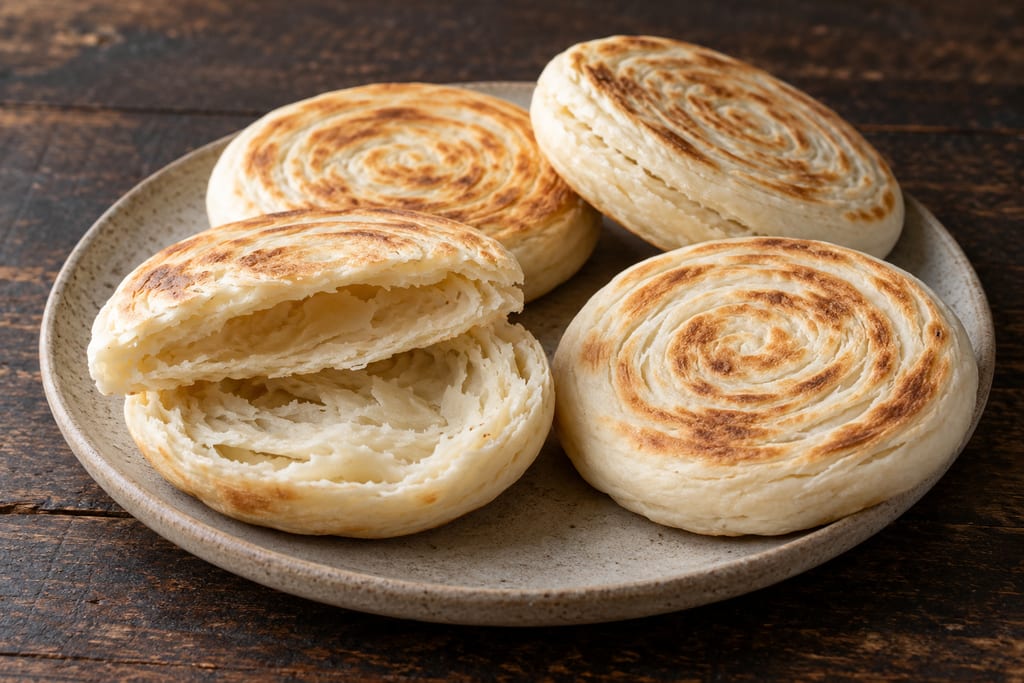
This Shaanxi-associated yeast flatbread uses a simple water dough, coiled shaping and a skillet bake. It is the bread used in roujiamo, not the filled meat dish.
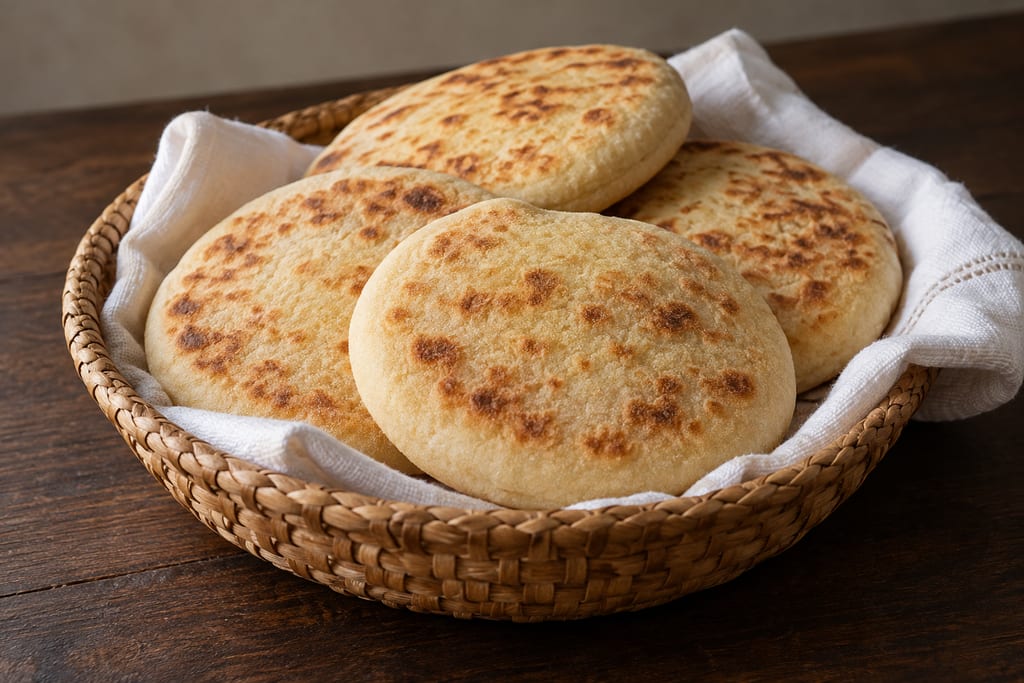
A Moroccan yeast-raised semolina pocket bread cooked on a dry pan or griddle; this measured batch makes about twenty 4-inch rounds.
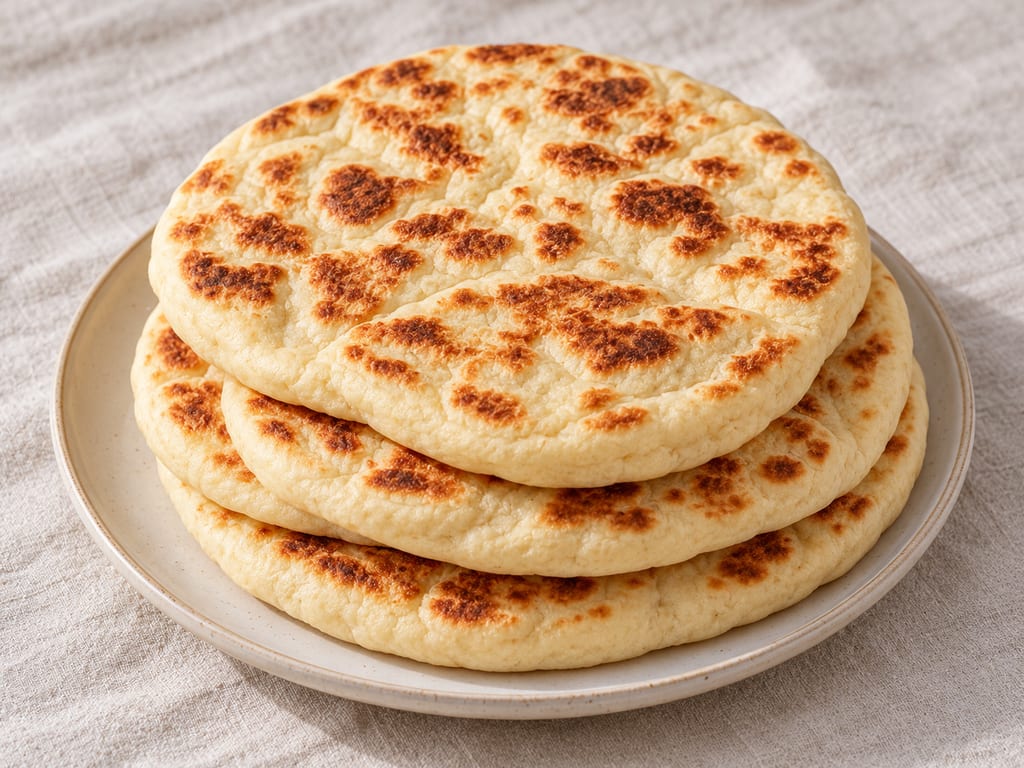
This Turkish bazlama uses yeast, plain yogurt and olive oil for a soft dough cooked in a skillet. Shape it into twelve small or six larger rounds, flip as bubbles appear, and wrap the breads to keep them soft.
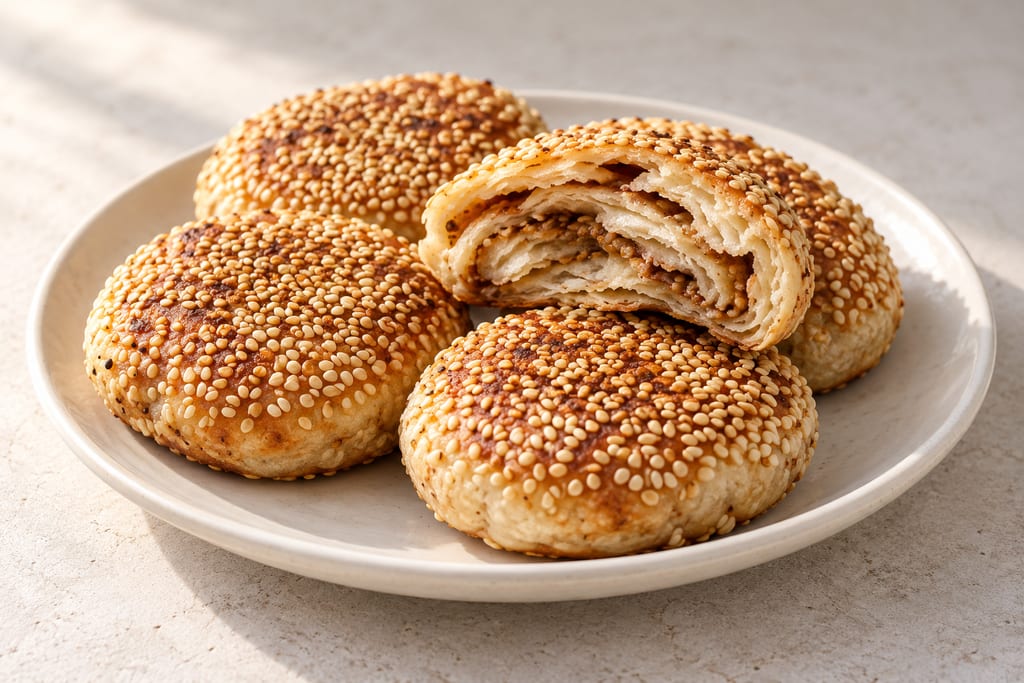
A Beijing-style yeast dough is layered with seasoned sesame paste, sealed into small buns, briefly pan-fried, seeded, and baked.
No community contributions have been published for this entry yet.
Sign in to contribute. Published comments and photos are free to read.
Associazione Verace Pizza NapoletanaMethod · History · Geographic context
AVPN International Regulations for obtaining use of the collective trademark Verace Pizza Napoletana (Vera Pizza Napoletana)The 2024 regulation specifies a direct wheat-flour dough using 1 litre water, 40–60 g salt, 0.1–3 g fresh brewer’s yeast and 1,600–1,800 g type 00 flour depending on absorption.
It describes gradual flour incorporation, mixing and kneading, a covered first fermentation, 200–280 g hand-shaped dough balls, and a second proof in food-grade boxes.
It gives 12–24 hours overall fermentation, varying with flour, temperature and humidity; a controlled proofing chamber’s ideal parameters are 18–20°C and 60–70% relative humidity.
It describes hand-opening the dough disc, forbids rolling pins for the AVPN-style base, and limits this dough preparation before topping and baking.
AVPN says its regulation was first written in 1984 and the inspected source is the 2024 international regulation; this is not a claim about the historical origin of pizza.
Cited in: A regulated dough formula; Mixing, fermentation and hand shaping
Centers for Disease Control and PreventionSafety
Raw Flour and DoughRaw flour can carry germs; do not eat raw dough; wash hands, bowls, utensils and surfaces after handling flour or dough.
Associazione Verace Pizza NapoletanaMethod
Il disciplinare dell’Associazione Verace Pizza NapoletanaMethod order: dissolve salt in water, add some flour and yeast, then the remaining flour; hand-shaped dough balls proofed in boxes
An 8 to 24 hour fermentation window
Baking in a wood-fired oven at 430 to 480 C for 60 to 90 seconds
Cited in: The standard and the bake
Associazione Pizzaiuoli NapoletaniHistory
Laws and regulationsChronology of later formal recognitions of Neapolitan pizza, which are not evidence of the food's origin
Cited in: The standard and the bake