
Bagna cauda
A warm dip of garlic, anchovy and olive oil, often enriched with butter, that Piedmont serves over a flame with raw and cooked vegetables and bread.
 FermenteaWhere food goes to change
A warm foam of egg yolks, sugar and sweet wine, whisked over gentle heat in a double boiler until light, served at once with fruit or biscuits.
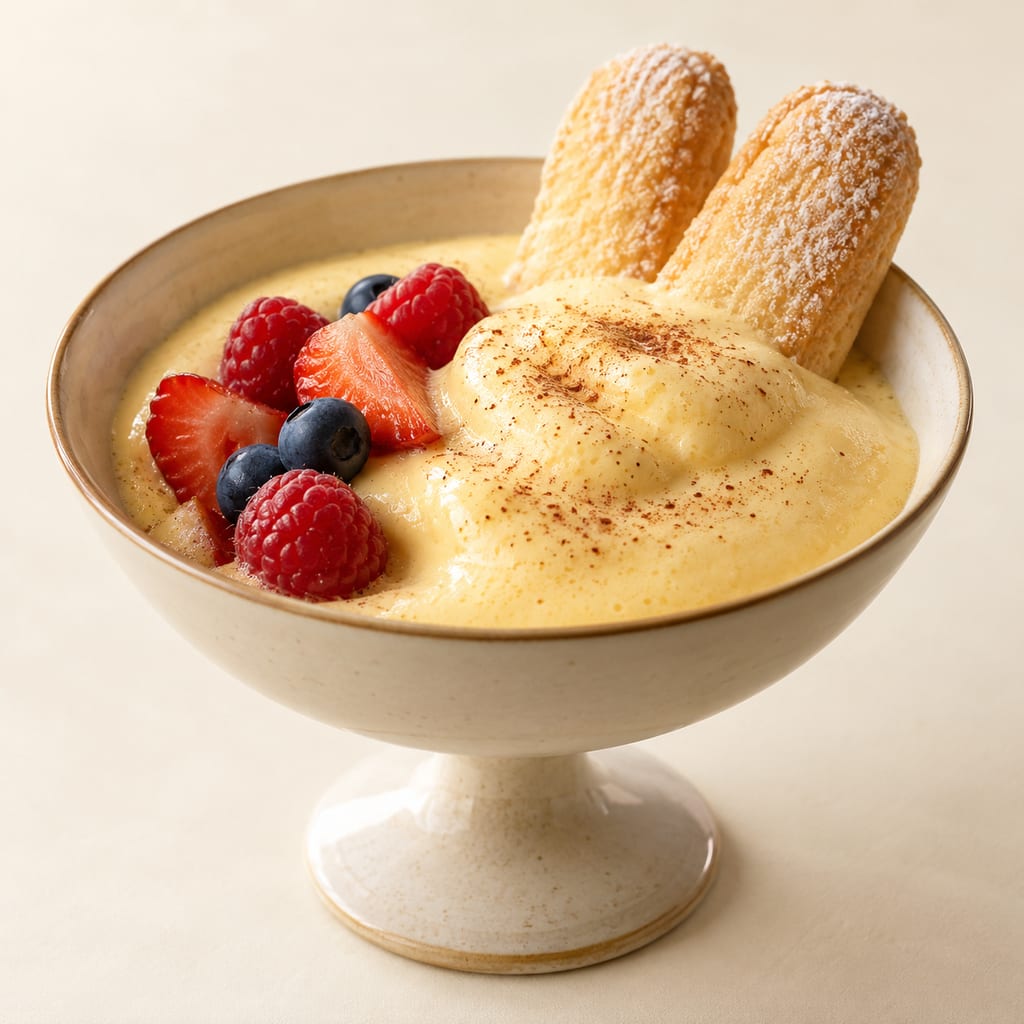
Zabaglione is a warm sweet foam. Raw egg yolks, sugar and a sweet wine are whisked over gentle heat until they thicken into a light custard.
Its French form is sabayon. The French adopted the dessert in the nineteenth century under the name, and the term later covered savoury broths and yolk-based sauces as well.
The earliest concrete record is a recipe in the Cuoco Napoletano manuscript at the Morgan Library, which the account places in the second half of the fifteenth century. Piedmont is the region most often given, and the account lists it, but it notes that accounts vary. A Piedmontese story links the sweet to a sixteenth-century cook and to Saint Pasquale Baylon; the account calls this a legend rather than documented history, and the page treats it that way.
In the United States, where Italian communities are large, zabaglione has been served at the table since the 1960s, often with fruit. In Argentina and Uruguay the name sambayón is a popular ice-cream flavour.
Marsala is the classic wine. The account notes that other wines can be substituted, and that the wine can be left out for children or for those who abstain, while some versions add a spirit such as cognac. A simpler breakfast form, uovo sbattuto, is eaten with espresso.
Zabaglione is served warm and at once, in a glass or champagne coupe, with strawberries, blueberries or peaches in US restaurants, or finished with meringue or whipped cream.
The earliest concrete record is the Naples manuscript. The Piedmontese story of a sixteenth-century origin named for Saint Pasquale Baylon is a legend, not documented history, and the French sabayon is recorded in the nineteenth century.
Scaling: source batch only
Wikipedia lists Piedmont as the region of origin, while noting that accounts vary. The place is a claimed association, not a proven origin.
A recipe in the Cuoco Napoletano manuscript at the Morgan Library is the earliest dated record the account gives.
A warm dip of garlic, anchovy and olive oil, often enriched with butter, that Piedmont serves over a flame with raw and cooked vegetables and bread.
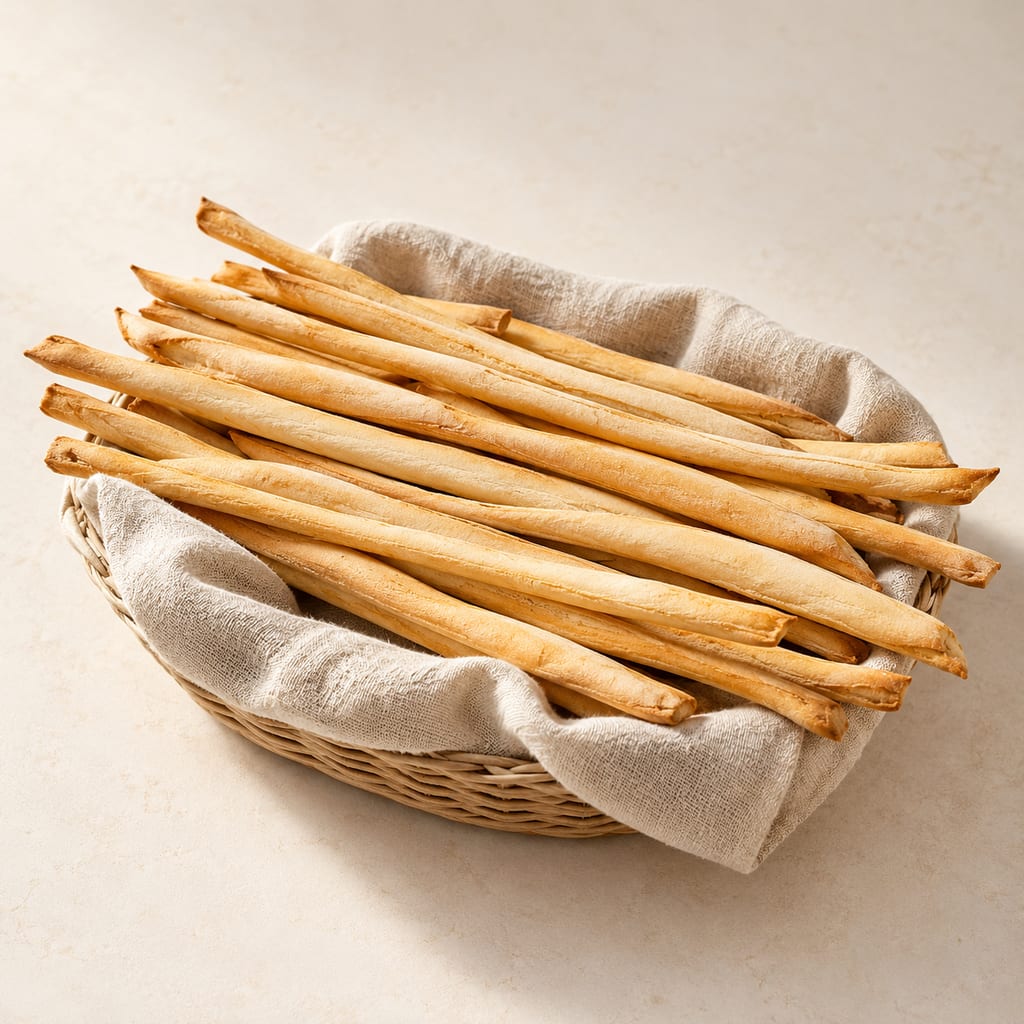
A measured Torino baker’s formula for hand-stretched grissini, baked until crisp and dry.
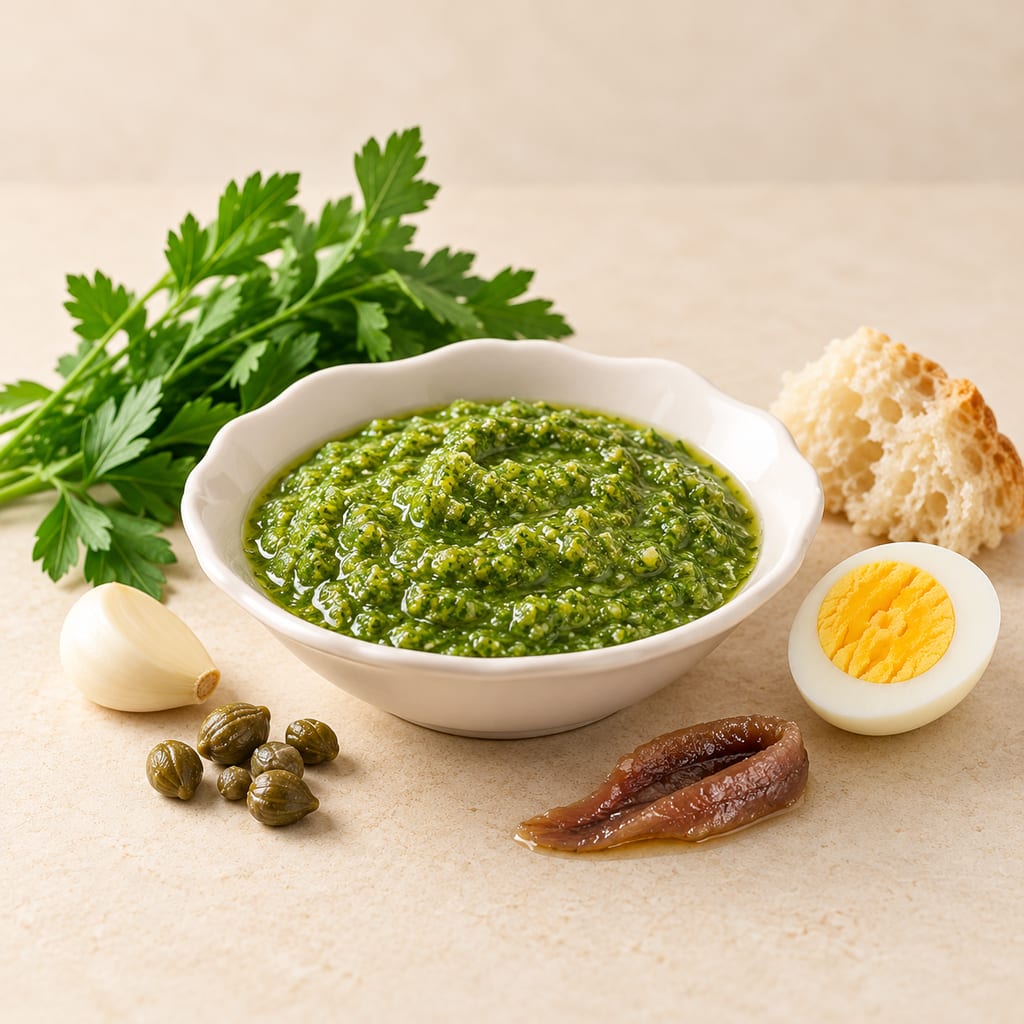
A cold parsley sauce of capers, anchovy, garlic, olive oil and vinegar, with bread or egg in some regional versions, served across Italy with boiled meats and fish.
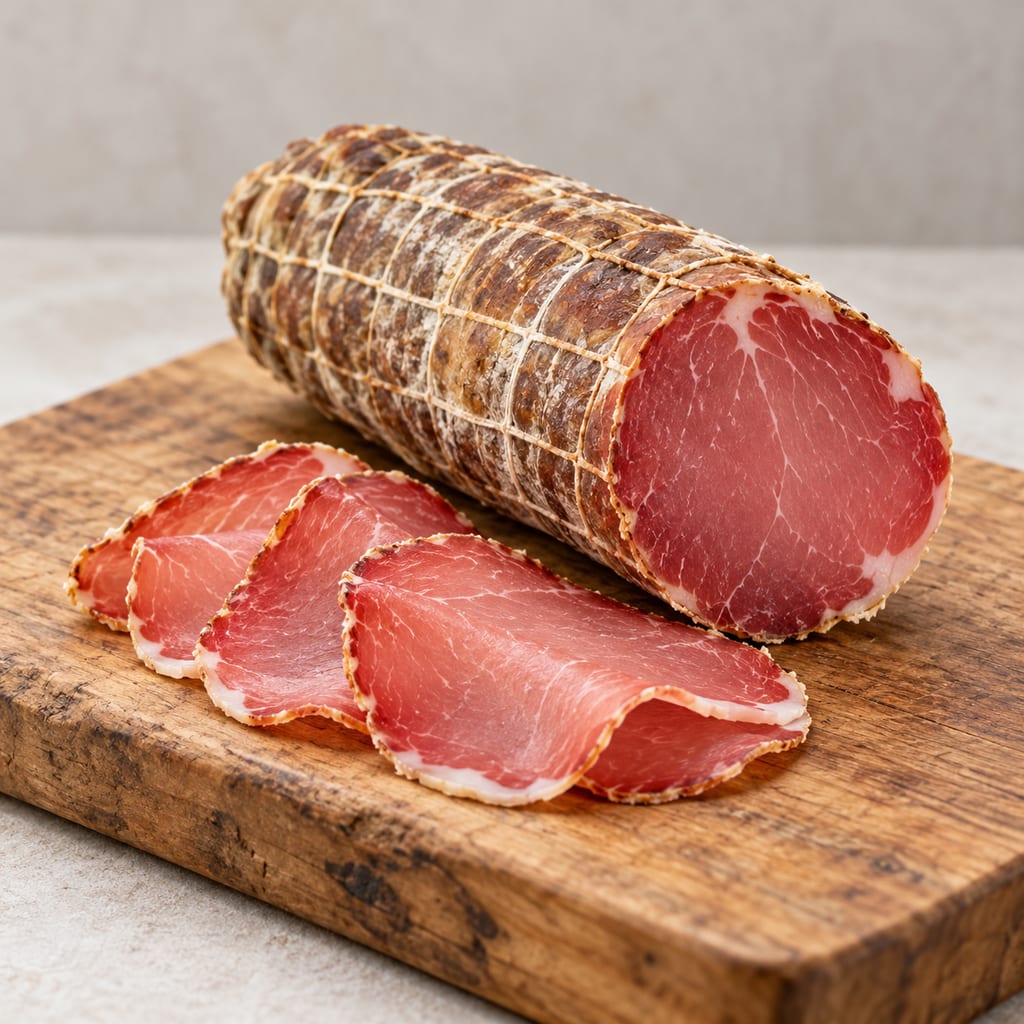
Documentary account of Italian regional cured-loin traditions, including Tuscan and Marche variations; no home-cure instructions are provided because the published professional methods lack validated safety controls.

Kaya is a sweet Malay-rooted spread of eggs, coconut milk and sugar, scented with pandan and stirred over gentle heat until it thickens. In Singapore it is the filling of kaya toast.
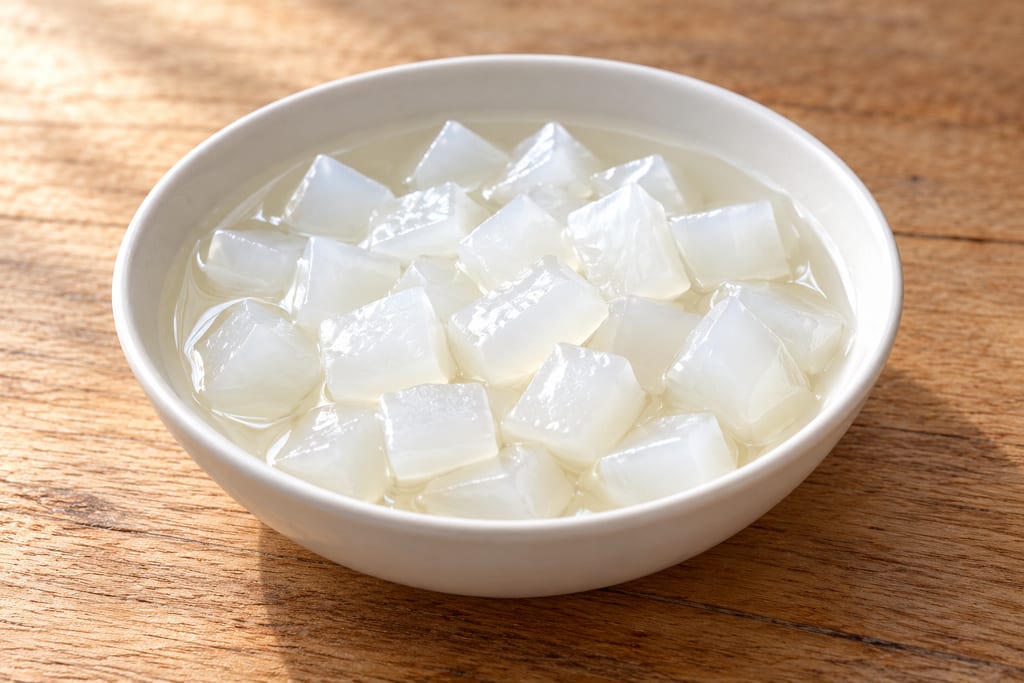
Nata de coco is a chewy, translucent dessert gel. It is cut from a cellulose pellicle that acetic acid bacteria grow on the surface of mature coconut water, then cleaned, boiled and usually stored in syrup.
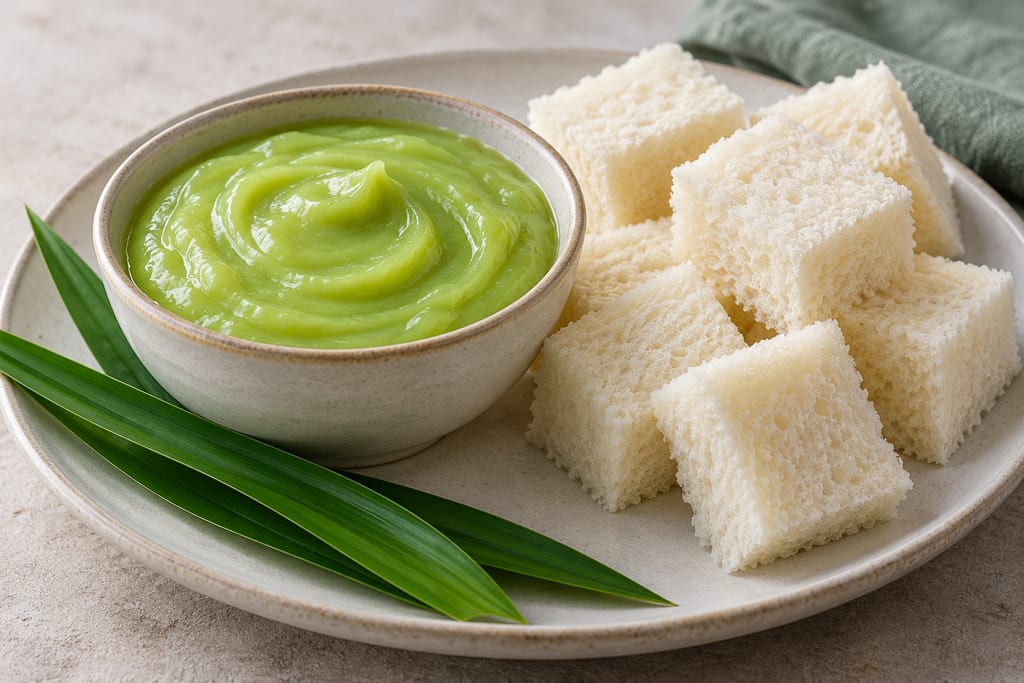
A green Thai custard of pandan juice, coconut milk, egg yolks and sugar, cooked over a water bath until it coats a spoon and served for dipping soft bread, toast or sticky rice.
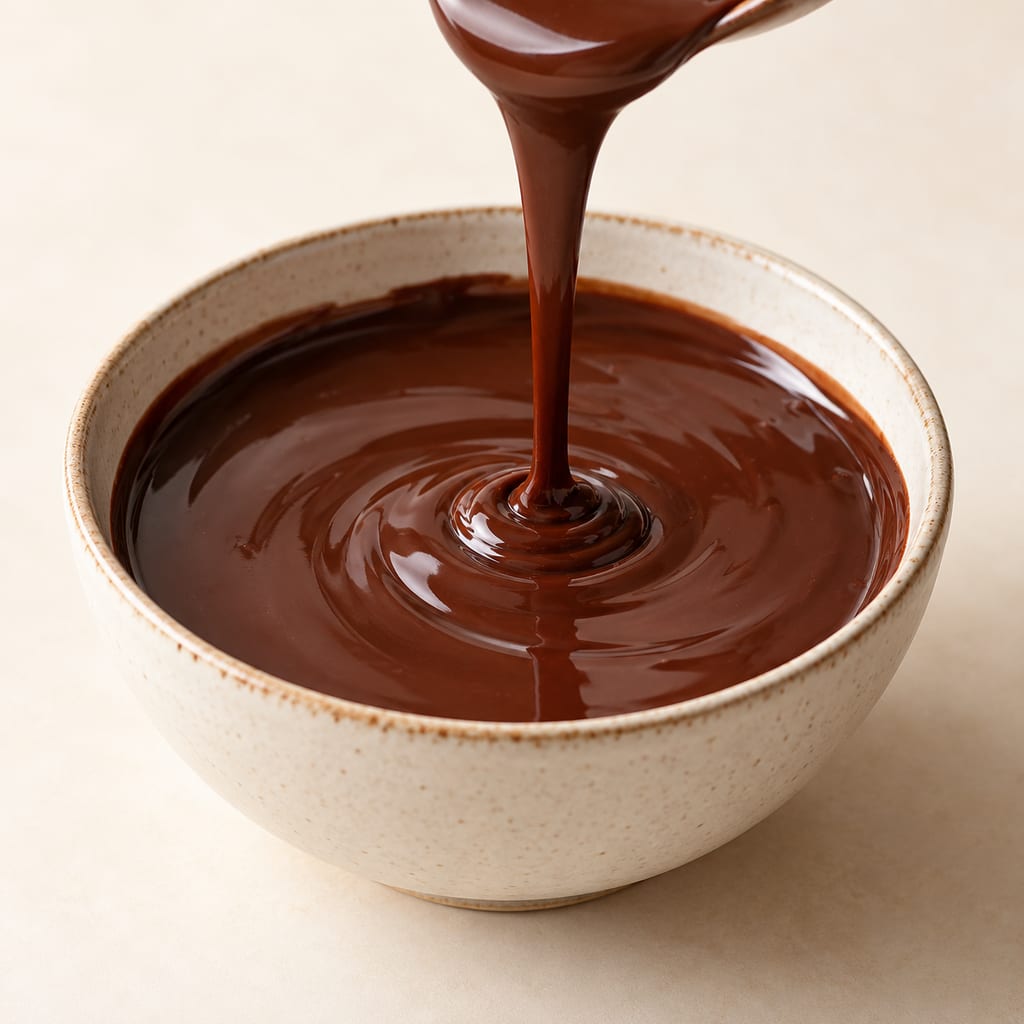
A chocolate and hot cream emulsion in a one-to-two ratio by weight, thin enough to pour, dip or drizzle, with cream and chocolate combined by whisking.

Protected Italian vinegar made only from cooked grape must, fermented and aged in a battery of wooden barrels for at least 12 years: sweet, sharp and syrupy.

Airag is Mongolia’s fermented mare’s-milk drink, traditionally churned with saved starter in a reusable cowhide khokhuur.

Appam, or hoppers, are South Indian and Sri Lankan rice pancakes made from a fermented coconut-and-rice batter and cooked in a curved pan to a crisp lacy rim and a soft, spongy centre.

Auricularia tremellosa is a wood ear fungus of the genus that supplies most dried wood ear sold in China; its own food record is thin, and the culinary practice described here comes from the closely related wood ear species.

Ayran is Turkey’s cold, savoury yogurt drink: plain yogurt is loosened with water and lightly salted, then whisked smooth or aerated into a soft cap of foam.
A thin stone griddle used over an open hearth. Norwegian archaeology documents the established tradition from the early Middle Ages; a Viking-period origin is only a cautious suggestion linked to Shetland.

Crushed or milled barley cooked in water until the starch softens and the mixture thickens, the plainest way a northern household turned stored grain into a meal, here with apple and hazelnut.

Black carrot is the anthocyanin-pigmented Eastern carrot (Daucus carota var. atrorubens), the purple root that preceded orange types and still colours kanji and şalgam.
No community contributions have been published for this entry yet.
Sign in to contribute. Published comments and photos are free to read.
WikipediaHistory · Method · Variants
ZabaionePiedmont and Naples origins with the Cuoco Napoletano manuscript
Cooking yolks, sugar and sweet wine in a bain-marie until light and airy
Variants: Marsala, sabayon, sambayón, uovo sbattuto, alcohol-free; serving with fruit and meringue
Cited in: Egg yolk and wine in a foam; Where it comes from; Variants and serving