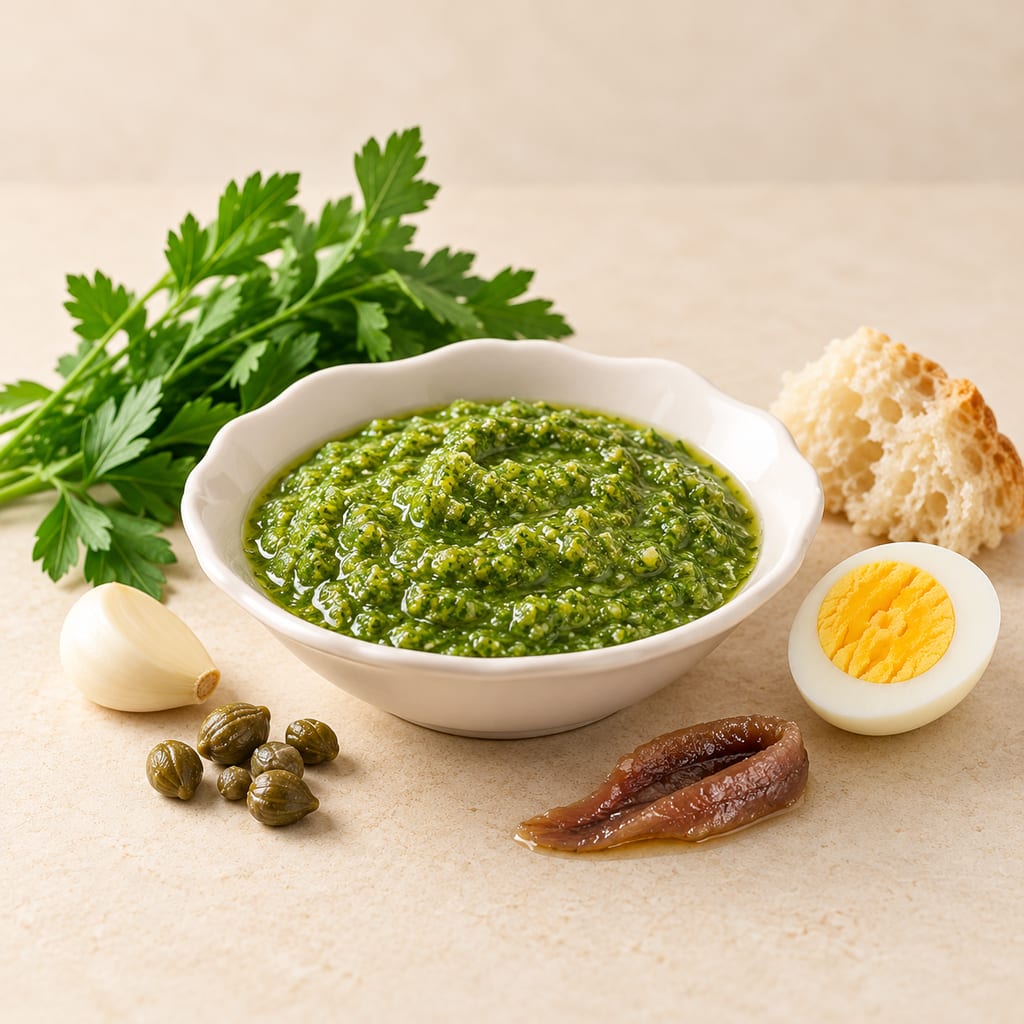
Italian salsa verde
A cold parsley sauce of capers, anchovy, garlic, olive oil and vinegar, with bread or egg in some regional versions, served across Italy with boiled meats and fish.
 FermenteaWhere food goes to change
Bagna càuda · Bagna caouda · Bagna càuda piemontese · Hot dip
A warm dip of garlic, anchovy and olive oil, often enriched with butter, that Piedmont serves over a flame with raw and cooked vegetables and bread.

Bagna cauda is a warm dip rather than a cold sauce. It is made by melting anchovies and garlic into olive oil, often with butter, and is kept hot at the table so that raw and cooked vegetables can be dipped into it. The name means roughly hot bath or hot dip in Piedmontese, and the dish is served the way a fondue would be.
It belongs to the autumn and winter table. Published accounts tie it to the harvest and to Christmas and New Year, and in Piedmont a Bagna Cauda Day falls at the end of November. The dish is an event as much as a sauce.
The Wikipedia entry places the dish in Piedmontese cuisine from the sixteenth century, and a detailed description is dated to 1875 in a regional source published accounts here did not check. The Lower Piedmont area around Alba and Asti is the usual reference point. Published accounts note that the dish was once looked down on by richer households because of its garlic, which is also why written records of it are scarce.
Anchovies were the product that made the dish practical. Salted anchovies were available in the region and were expensive enough to be bought in modest quantities. Published accounts describe a trade in salt and salted fish over the Alpine passes from Provence, but the salt tax was compulsory and not linked to fish consumption, so the old story that anchovies were a way to avoid the salt tax is not supported.
Anchovy gives the dish its savoury depth and, once melted, makes the oil taste of the sea. Garlic gives pungency, and published accounts say its effect on the breath can last a long time. Olive oil is the medium; butter is added in some versions to soften the sauce. Walnut or hazelnut oil were used in the past, according to the Wikipedia entry. Truffle is added in some versions around Alba.
The method is short. Oil, butter if used, and garlic are heated together; add diced anchovies and let them melt into the mixture. Cook until blended without allowing it to boil. For service over a flame in a terracotta pot or fondue pot, check the sauce itself with a food thermometer and maintain at least 140°F (60°C); if you cannot maintain that temperature, serve promptly instead of leaving it warm.
Vegetables are eaten raw, blanched, roasted or grilled. Cardoon is the traditional choice, with cabbage, celery, carrot, Jerusalem artichoke, pepper and fennel also named. Bread is served with it, and some diners place a slice under the vegetables to catch the drippings and eat it in turn.
Around Alba, truffle is added. Walnut or hazelnut oil appear in past versions. Some versions use butter and milk, and some use red wine in the cooking. Published accounts also describe a popular winter version in central Argentina and versions prepared by northern Italian immigrant communities in the United States. These are presented in published accounts as later spread, not as the Piedmontese origin.
Because this dip combines garlic and oil, make it fresh. During service, keep the sauce itself at or above 140°F (60°C), verified with a food thermometer; a candle flame alone does not show that the sauce has reached or maintained the limit. If you cannot hold it at that temperature, serve promptly rather than keeping it lukewarm.
Refrigerate leftovers promptly and use them within three days, or freeze or discard them. These are general USDA Food Safety and Inspection Service recommendations for garlic-in-oil mixtures, not a bagna-cauda-specific validation study.
Proportions, the exact dating of the Piedmontese description, the French side of the Provence link, and bagna-cauda-specific storage validation remain uncertain. General USDA guidance applies to this garlic-in-oil mixture: keep it at or above 140°F (60°C) when hot-held, and refrigerate leftovers promptly for use within three days, freeze or discard.
Bagna cauda is a Piedmontese dish of garlic and salted anchovy in oil. Published accounts say that salted anchovies were easy to obtain in past centuries and that salt reached Piedmont along trade routes over the Maritime Alps from Provence and the Rhone mouths. The wealthier classes are said to have rejected the dish as coarse, which is one reason written records are rare. Dates given in published accounts are not fully supported.
Scaling: source batch only
Garlic in oil that is held warm for long periods is a food-safety concern. Published accounts give no holding time and no storage method for leftovers.
Hazard sourceMake this garlic-in-oil dip fresh. During hot service keep the sauce itself at or above 140°F (60°C), checking it with a food thermometer; if you cannot maintain that temperature, serve it promptly rather than leaving it warm on the table.
Control sourceRefrigerate leftovers promptly and use within 3 days, or freeze or discard them.
Control sourceDo not serve this garlic-in-oil dip as merely warm: keep it at or above 140°F (60°C) during hot holding.
Refrigerate leftovers promptly and use within 3 days, or freeze or discard; no bagna-cauda-specific shelf-life study was found.
Documented as a Lower Piedmont dish. Around Alba, truffle versions are described.
The Wikipedia lead links the dish to Provence; published accounts here give no further detail for the French side.
A cold parsley sauce of capers, anchovy, garlic, olive oil and vinegar, with bread or egg in some regional versions, served across Italy with boiled meats and fish.
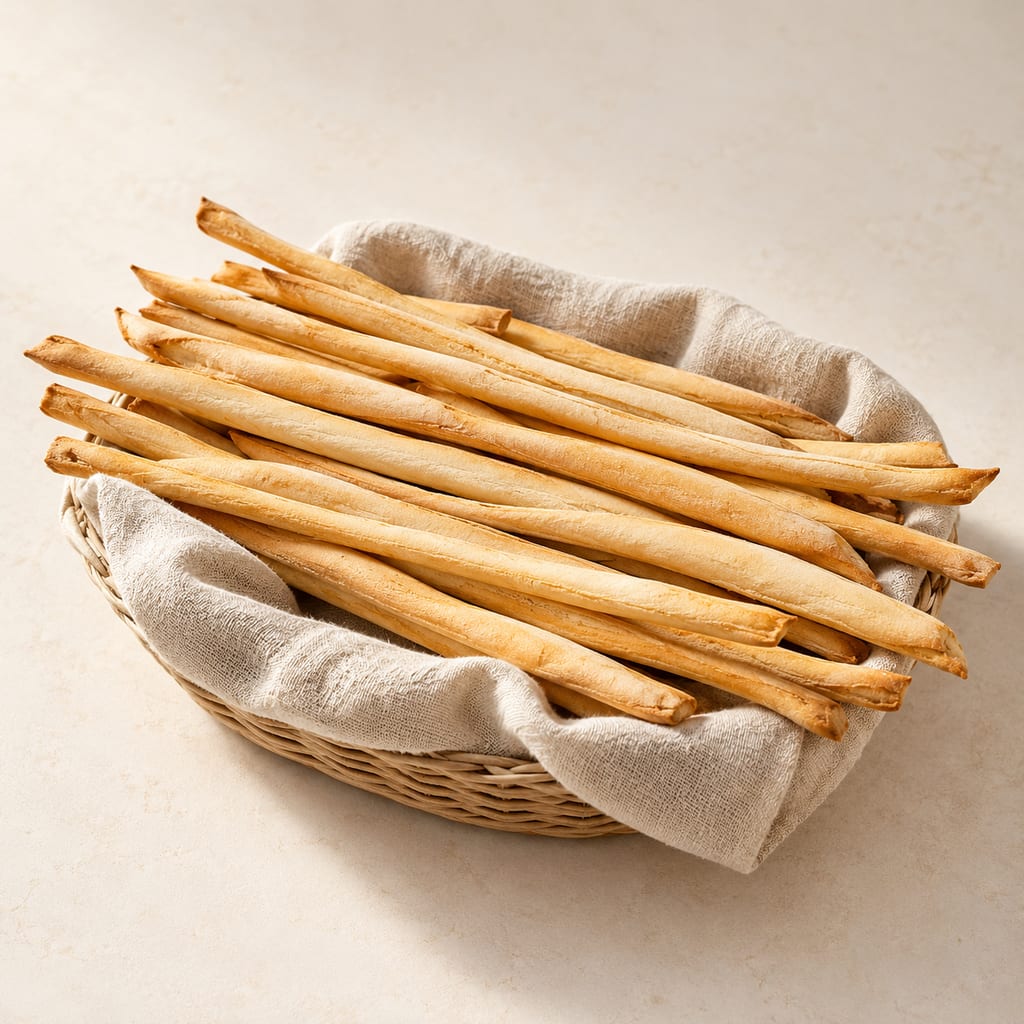
A measured Torino baker’s formula for hand-stretched grissini, baked until crisp and dry.
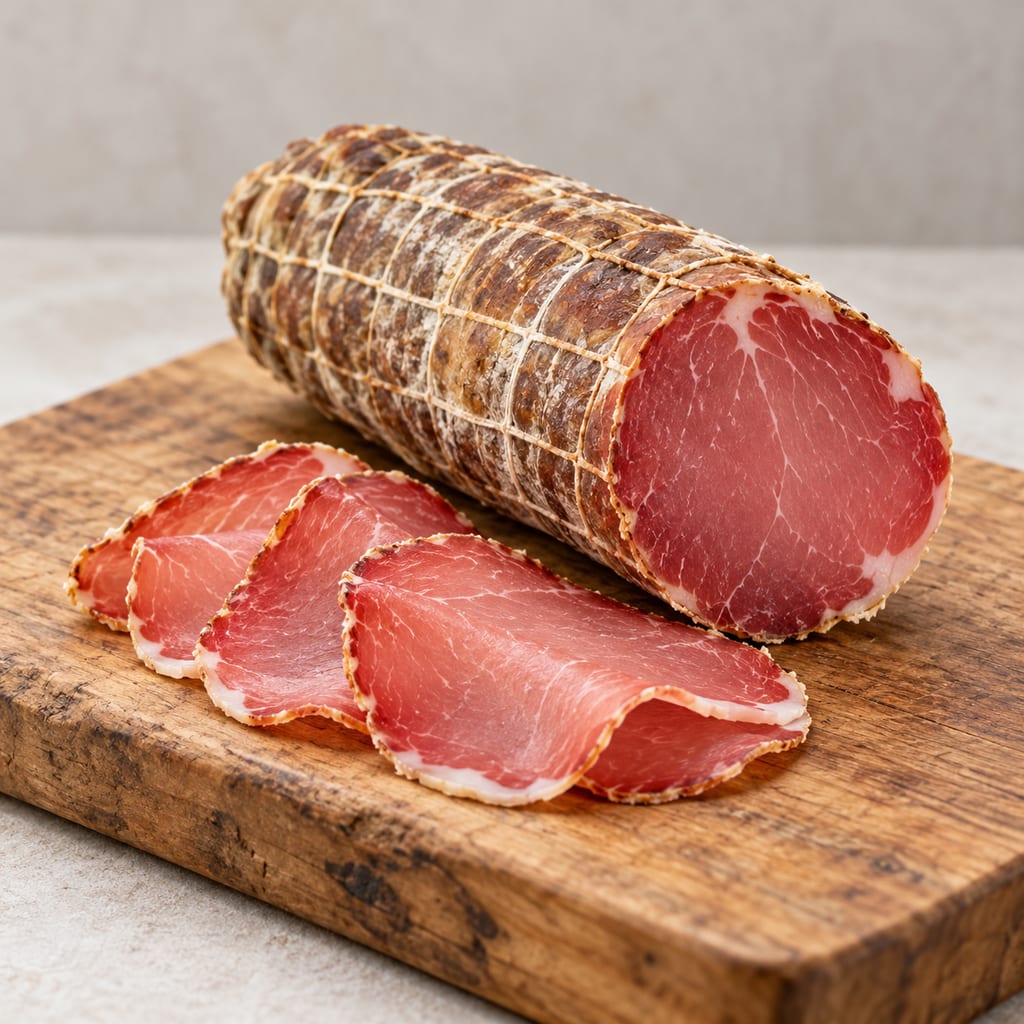
Documentary account of Italian regional cured-loin traditions, including Tuscan and Marche variations; no home-cure instructions are provided because the published professional methods lack validated safety controls.
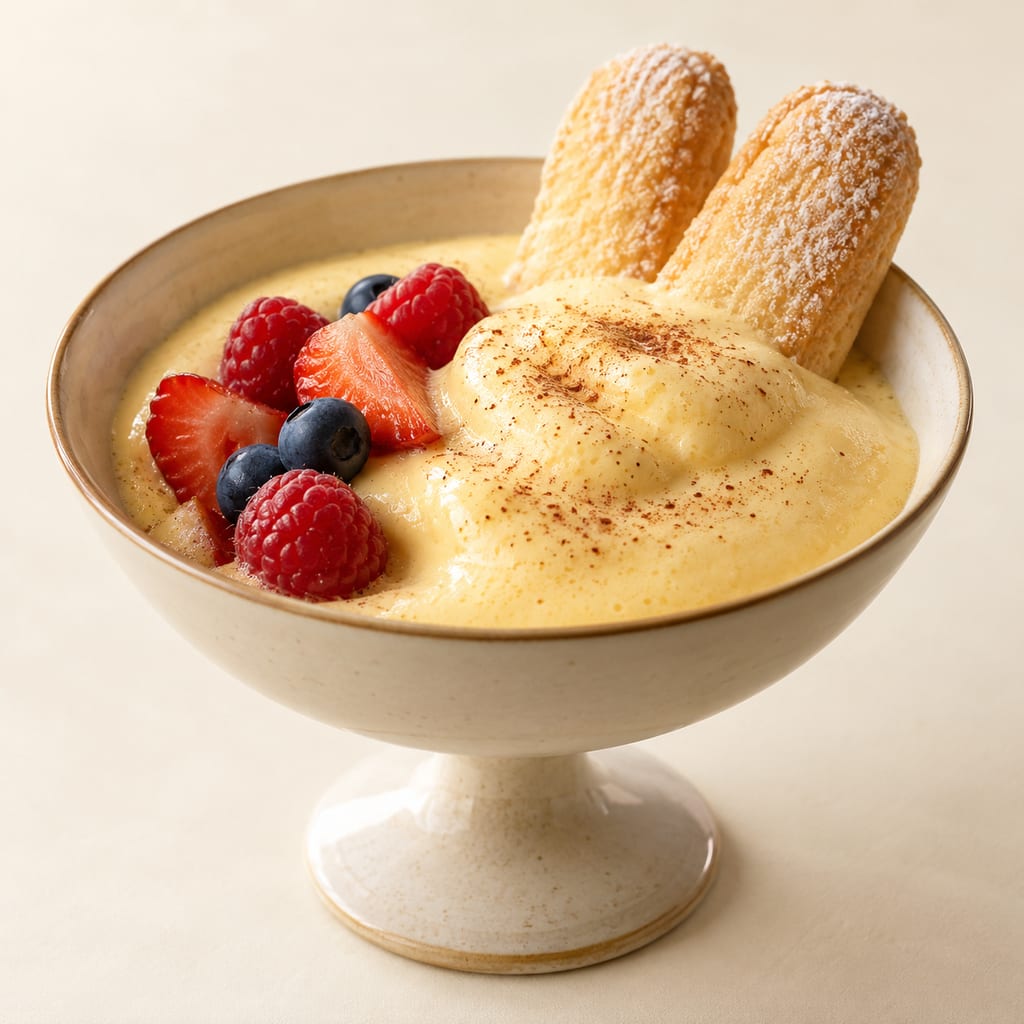
A warm foam of egg yolks, sugar and sweet wine, whisked over gentle heat in a double boiler until light, served at once with fruit or biscuits.
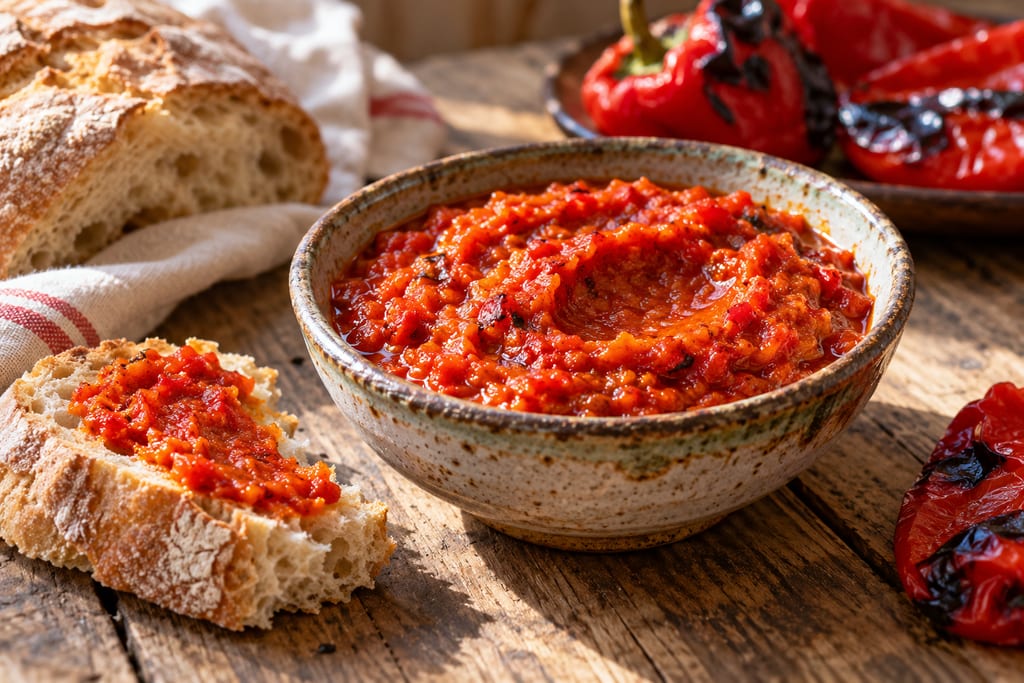
Ajvar is a cooked Balkan pepper preserve built around roasted red peppers, peeled, drained, ground and slowly fried with oil and seasoning. Leskovac’s protected version is a pepper specialty; regional versions vary.
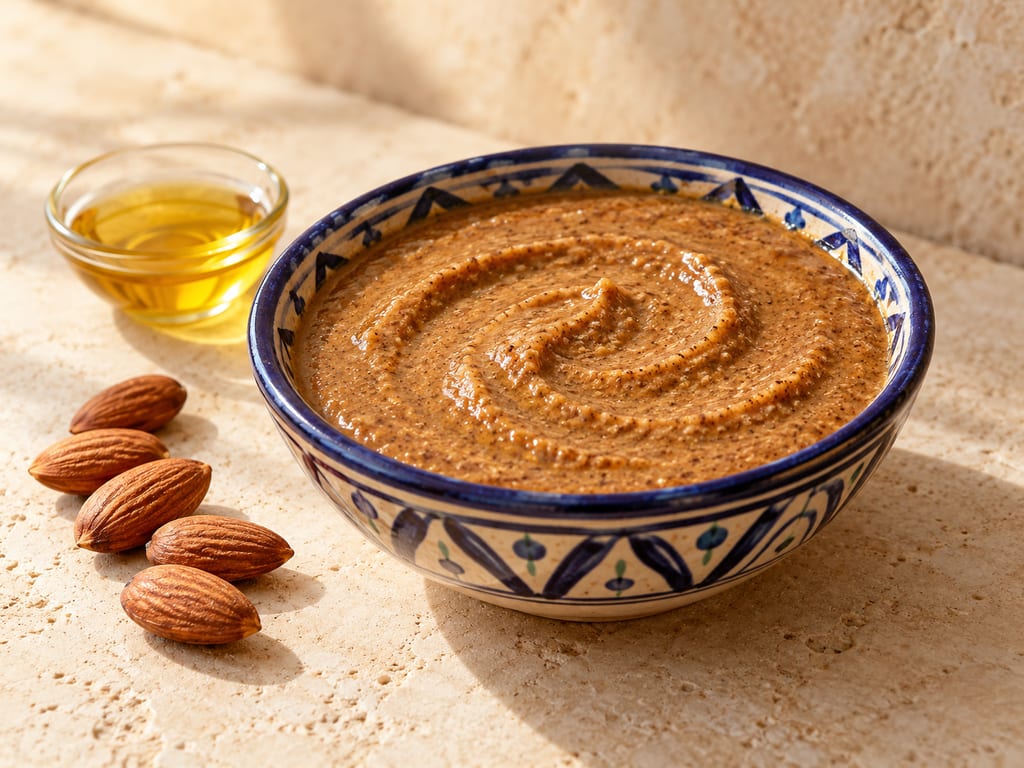
Amlou is a nutty, lightly sweet Moroccan spread of roasted almonds, culinary argan oil and honey. The almonds are ground first, then loosened with oil and sweetened; the balance can range from a thick spread to a dip.
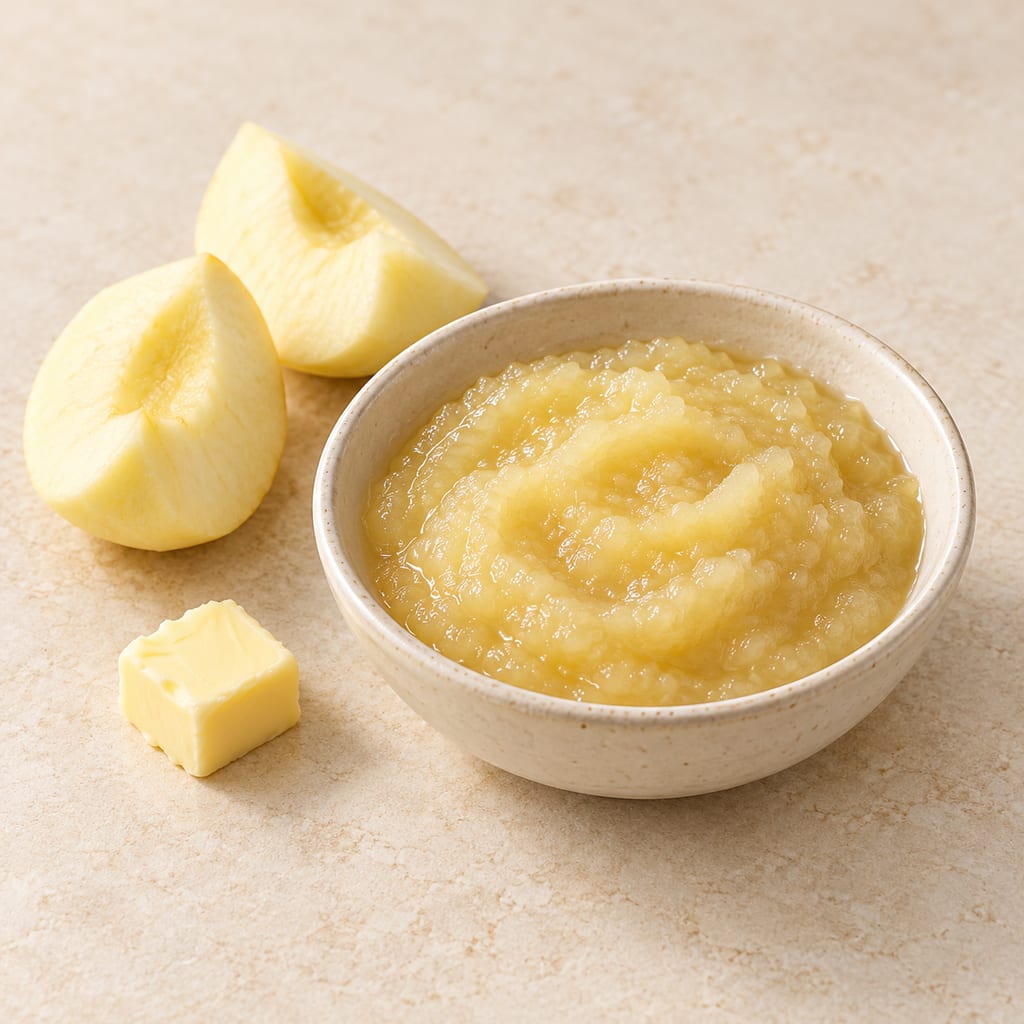
Apple sauce for goose and pork is a plain English accompaniment: cooked apples pulped with water, then sweetened with sugar and finished with a little butter.
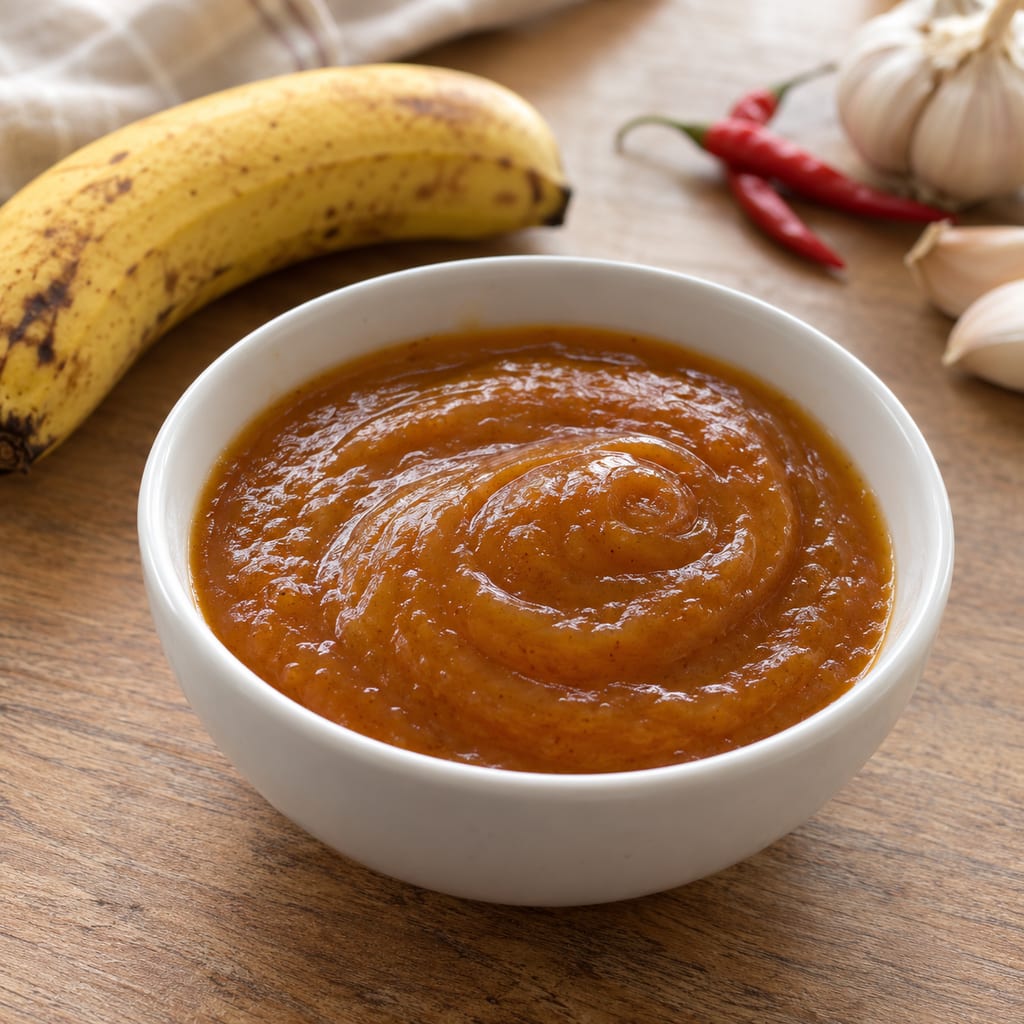
A sweet-hot table sauce of ripe banana simmered with vinegar, sugar, onion, garlic and fresh chilli, in the manner of Philippine banana ketchup. An untested development batch of about 500 g.
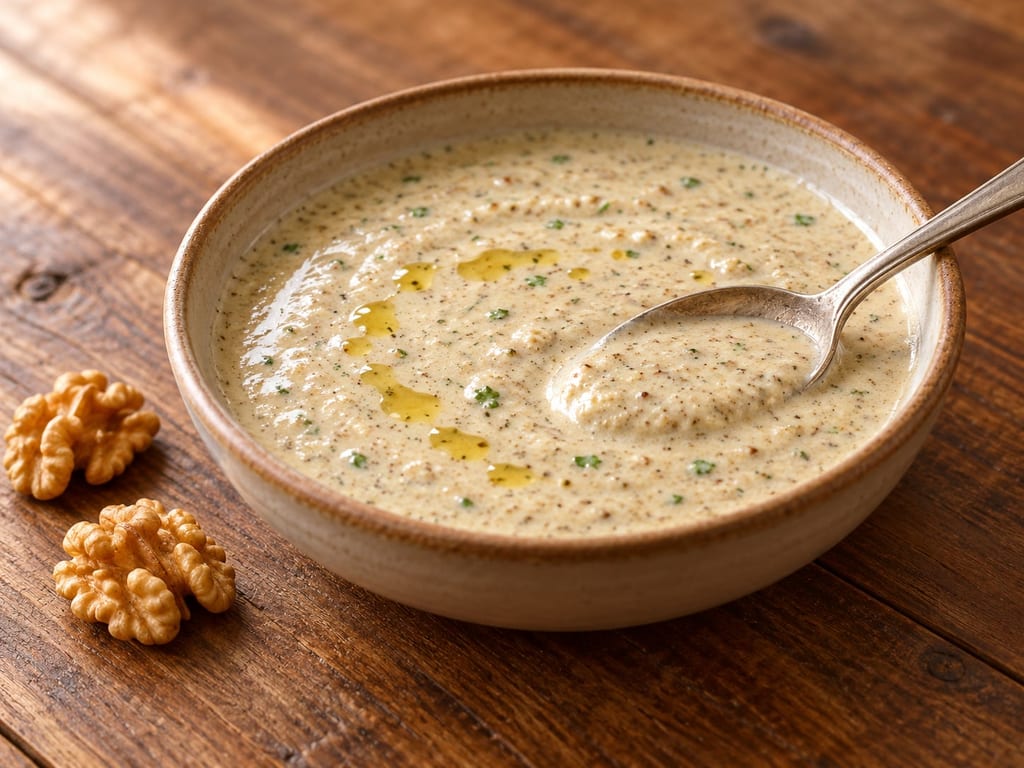
A Georgian walnut sauce of ground walnuts, garlic, vinegar and spices, thinned with water or broth. It is served with poultry, vegetables and bread, and is the sauce of the dish satsivi.
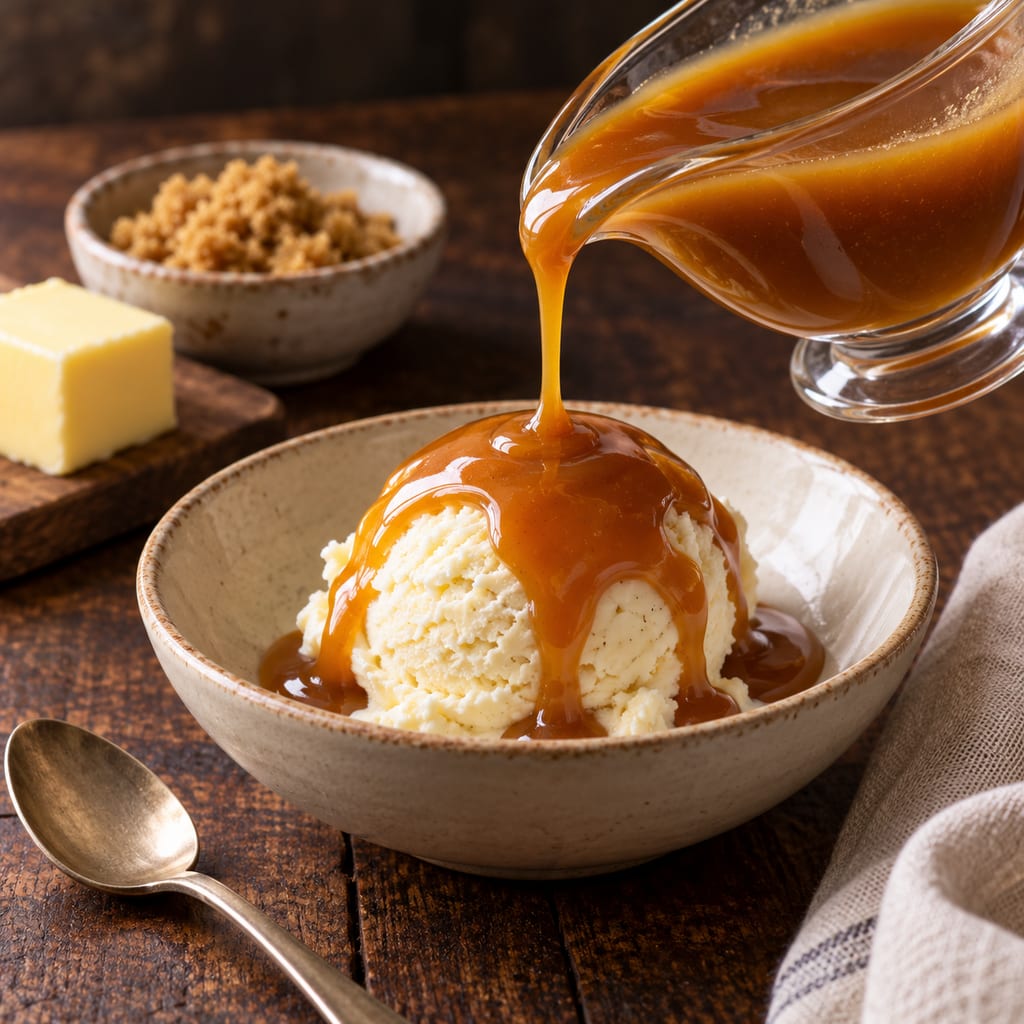
A pourable dessert sauce of brown sugar, butter and cream, with a little corn syrup and salt. It is the sauce form of the butterscotch confection and is made without water, unlike caramel.
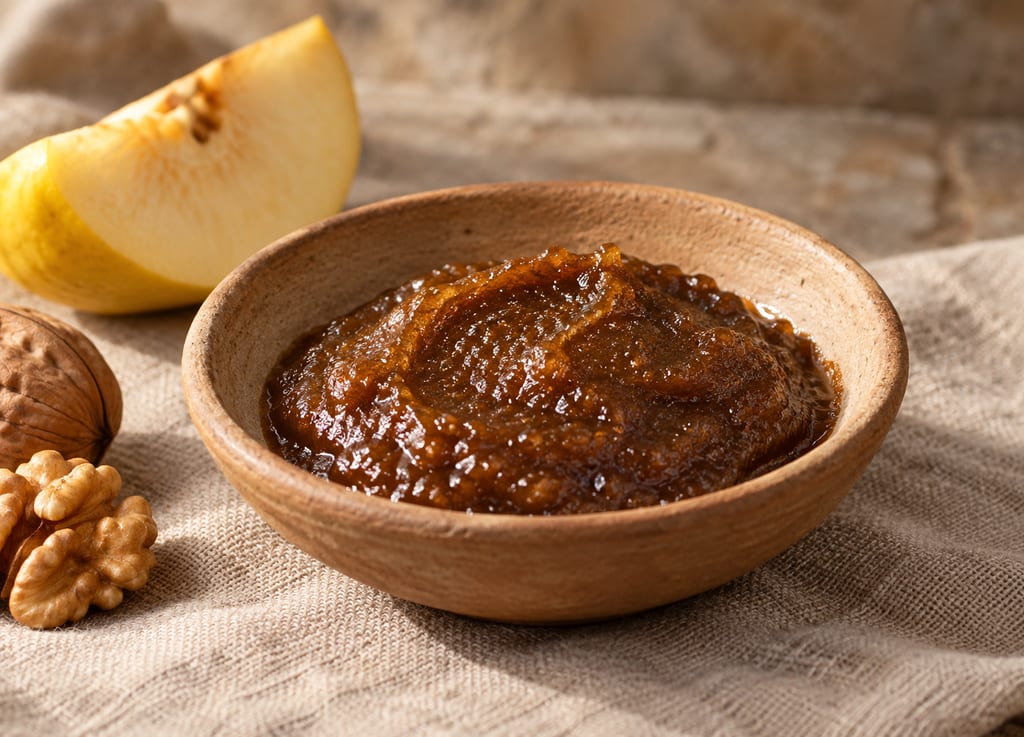
Byzantine murrī is a cooked imitation of murrī from the medieval Arabic repertoire, made from scorched honey, toasted bread, walnuts, quince, carob and spices rather than from a long grain fermentation.
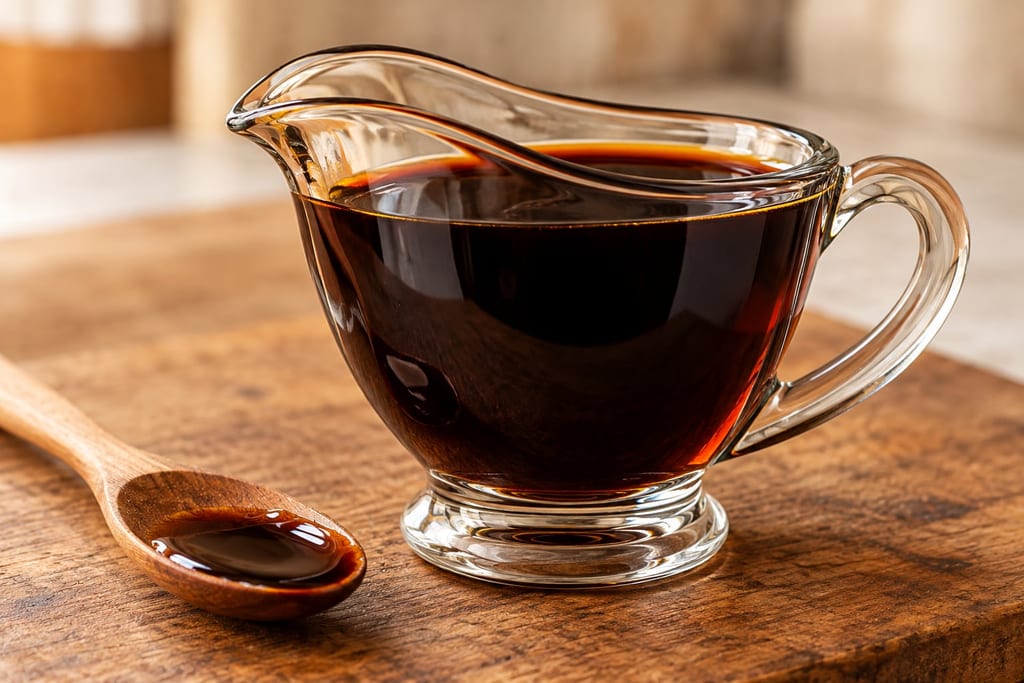
Caribbean browning is a dark liquid of deeply caramelised sugar, used in small amounts for colour and a smoky, bitter-sweet flavour in stews and black cake.

A gelling polysaccharide extracted from red seaweeds, sold as kanten strips or powder; it sets firm at a low concentration and stays solid until about 85 °C.

A Dominican table and seasoning condiment of sour orange juice, mixed with lime and salt and bottled raw; garlic, oregano or a hot pepper may be added for meat or a spicier bottle.

Cicerbita alpina is an alpine perennial whose tender shoots and leaves have been eaten raw or cooked. Sámi milk preparations and modern Carnian dishes are distinct uses, with serious identification and preservation limits.

Japanese skipjack tuna cooked, then repeatedly smoked and dried over a wood fire by the hand-fired tebiyama method into a hard block for shaving into dashi: the first stage of katsuobushi.

A Swedish-style spirit vinegar made by fermenting neutral alcohol with live vinegar bacteria, with a separate guide to commercial ättika strengths.

A yeast-raised wheat ring shaped from a firm dough, briefly boiled and baked. This source-batch formula gives a gently malted crust and a chewy crumb.

Bechamel is a white sauce of milk thickened with a butter and flour roux, one of the French mother sauces, and the base from which Mornay and other cheese and cream sauces are made.
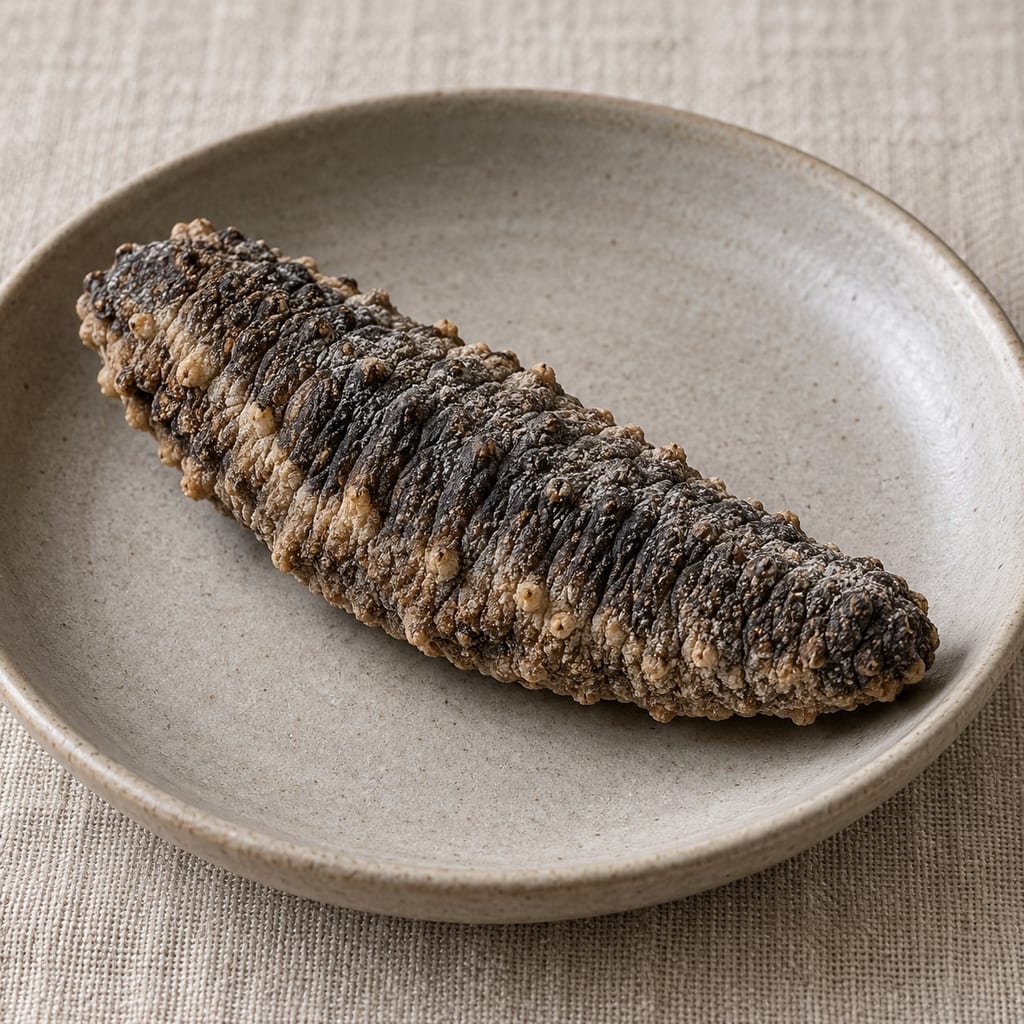
Sea cucumber cleaned, boiled and dried, sometimes with smoke, into a long-keeping trade product; Makassan processing in Arnhem Land is documented from at least the eighteenth century.
No community contributions have been published for this entry yet.
Sign in to contribute. Published comments and photos are free to read.
WikipediaHistory · Method · Variations
Bagna càudaLower Piedmont origin; sixteenth-century Piedmontese cuisine claim citing Root (1992) and Western Pennsylvania History (1999); detailed description dated 1875 to a regional PDF
Ingredients garlic, anchovies, olive oil; truffle sometimes added; walnut or hazelnut oil used in the past
Cardoon and other vegetables; served like fondue; autumn and winter; salt trade over the Maritime Alps
Cited in: Overview; History; Ingredients and their roles; Method and service; Variations; Unknowns
Tasting TableMethod · Service
Bagna Cauda: The Melted Anchovy Dip Roasted Vegetables CraveOlive oil, butter, garlic and anchovy heated together and not boiled
Served warm in a terracotta pot with a candle, with vegetables and bread
Cited in: Overview; Ingredients and their roles; Method and service
USDA Food Safety and Inspection ServiceSafety · Storage
Is it safe to make flavored oils with garlic or fresh vegetables?USDA FSIS warns garlic, vegetable or herb in oil mixtures may support Clostridium botulinum growth; it advises making them fresh and refrigerating leftovers for use within three days, freezing, or discarding.
Cited in: Storage and safety; Unknowns
USDA Food Safety and Inspection ServiceSafety · Service
At what temperature should I hold hot foods?USDA FSIS says cooked or reheated food should be hot-held at or above 140°F (60°C), including on a heated chafing dish or serving line.
Cited in: Method and service; Storage and safety; Unknowns