
Bagna cauda
A warm dip of garlic, anchovy and olive oil, often enriched with butter, that Piedmont serves over a flame with raw and cooked vegetables and bread.
 FermenteaWhere food goes to change
Salsa verde · Italian green sauce · Bagnet verd · Bagnetto verde · Salsa verde piemontese
A cold parsley sauce of capers, anchovy, garlic, olive oil and vinegar, with bread or egg in some regional versions, served across Italy with boiled meats and fish.
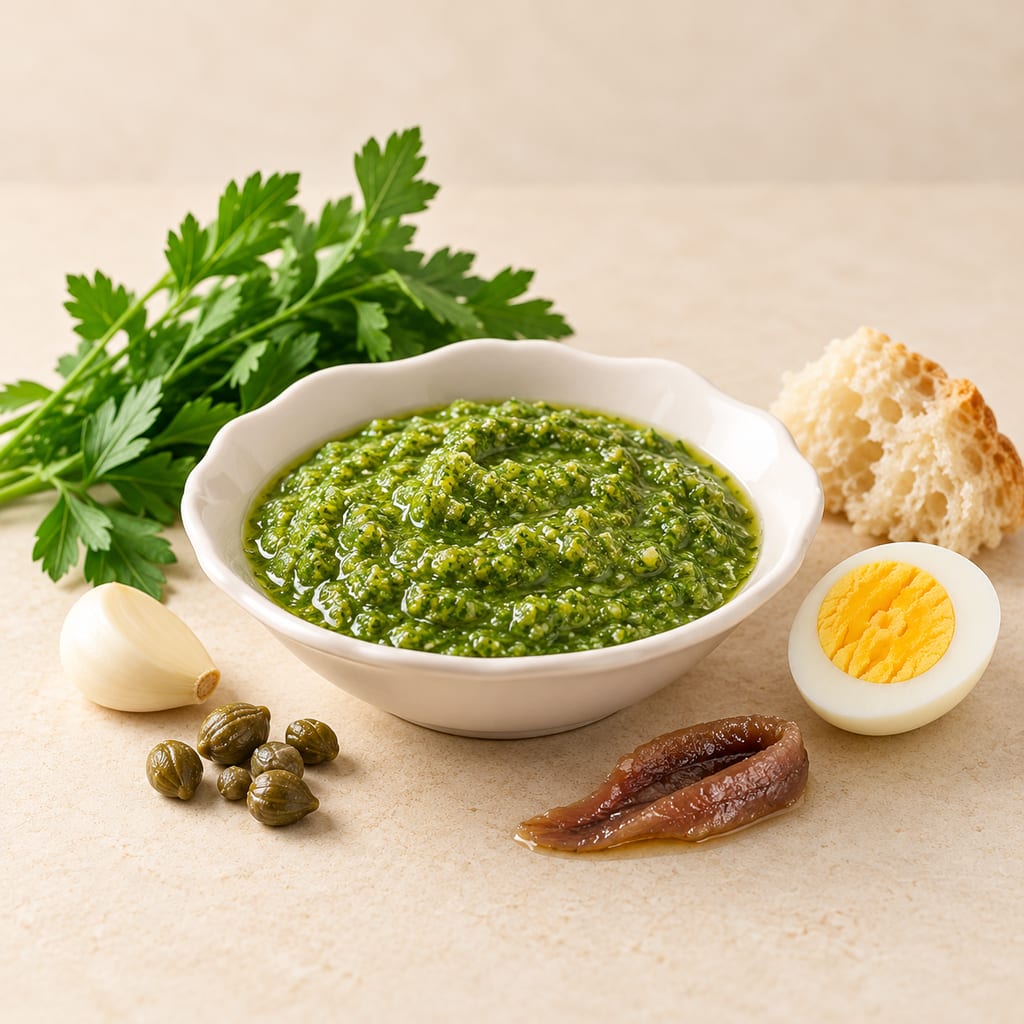
Italian salsa verde is a cold, rustic sauce of parsley, capers, anchovy, garlic and olive oil, sharpened with vinegar. Its texture ranges from a loose herb oil to a thick, creamy paste. Different regions and households add bread, egg or mustard, so the sauce is better understood as a family of preparations than as one recipe.
The sauce is a fresh preparation, not a fermentation. Its keeping quality depends on the oil, the herbs and the handling, which is the main point of interest for a cook.
Green sauces of parsley and herbs were common in European cookery long before the modern Italian sauce. The Oxford Companion to Food, cited on the Green sauce article, says green sauce was certainly present in the Middle Ages and may date to the Classical period. Parsley and sage formed one of the most common medieval sauces, and a fourteenth-century recipe recommended a green sauce with cheese and egg yolks.
The Italian sauce is distinct from these medieval herb sauces. The Piedmontese bagnet verd, also called bagnetto verde, appears in a 1931 Touring Club Italiano guide alongside bollito misto, a boiled meat dish. That is the earliest dated Italian source the sources supply. A claim that the sauce is a nineteenth-century invention is not supported by a source and is not used here.
Parsley is the base and gives the sauce its colour and flavour. Anchovy and capers give salt and sharpness, and capers are desalted before use so that the sauce is not over-salted. Garlic gives pungency, and it is halved and its germ removed so the raw garlic is less harsh.
Bread soaked in vinegar is the thickener in the Piedmontese version. Soaking softens the crumb so that it blends into an emulsion, and squeezing it removes excess liquid. Egg yolk adds body in the bagnet verd. The Wikipedia entry notes that some regions use bread and others do not, but that regional claim is tagged as needing a citation.
The parsley must be dry before blending. Wet leaves dilute the sauce and loosen the emulsion, and the source links dry leaves to a bright green colour. Everything except the oil and vinegar is blended first, then the oil is added to bring the sauce to a soft consistency. Traditionally the ingredients were chopped by hand; the modern food processor is a common substitute.
Eggs are boiled for about eight to nine minutes so the yolks are firm enough to blend. The bread is soaked in the vinegar rather than in water, so the acid goes into the sauce as well as the crumb.
The sauce is served with boiled meats and bollito misto, with cold leftover meat, grilled fish, roasted vegetables and fresh cheese. In Piedmont the bagnet verd is named with bollito misto. Some cooks use basil or mint in place of part of the parsley. The Siena garlic version, agliata, is a different preparation with garlic as its main subject.
The egg-free version is lighter and sharper, and the bread can be omitted for a looser sauce. The modern egg-free and bread-free variants are adaptations, not the Piedmontese form.
The source gives two to three days in the refrigerator, in a glass jar with the surface covered by olive oil. This is one recipe's figure and is not a validated shelf life. The sauce contains garlic and fresh herbs in oil, and such mixtures are a recognised botulism concern when they are held warm or at room temperature. The sources here set no acidity or time limit that makes room-temperature holding safe.
The origin date of the Piedmontese bagnet verd, the regional claims about bread, and the Ligurian and Tuscan versions are not established by the sources read here. A specialist Italian food-history source for these forms would be the next research step.
The name salsa verde is shared by many sauces, and the Italian one should not be confused with the Mexican tomatillo sauce or with medieval green sauces, though it descends in broad terms from the same herb-and-oil tradition. The Piedmontese bagnet verd is the version with bread and egg yolk. Its origin date is unknown from the sources.
Yield 380 g · Scaling: source batch only
A herb and garlic paste in oil is a botulism concern if held warm or at room temperature. The cited source sets refrigerated storage.
Hazard sourceThe Piedmontese version includes egg yolk, which is a standard food-safety concern when eggs are not cooked or are kept warm. The sources give no specific control beyond the egg-boiling step.
Hazard sourceRefrigerated storage, sauce covered with oil
Control sourceKeep refrigerated. The cited source gives 2 to 3 days in the refrigerator.
The Piedmontese bagnet verd is a documented regional form with bread and egg. Its precise origin date is not established.
A general Italian preparation. The sources describe regional variation rather than a single national recipe.
A warm dip of garlic, anchovy and olive oil, often enriched with butter, that Piedmont serves over a flame with raw and cooked vegetables and bread.
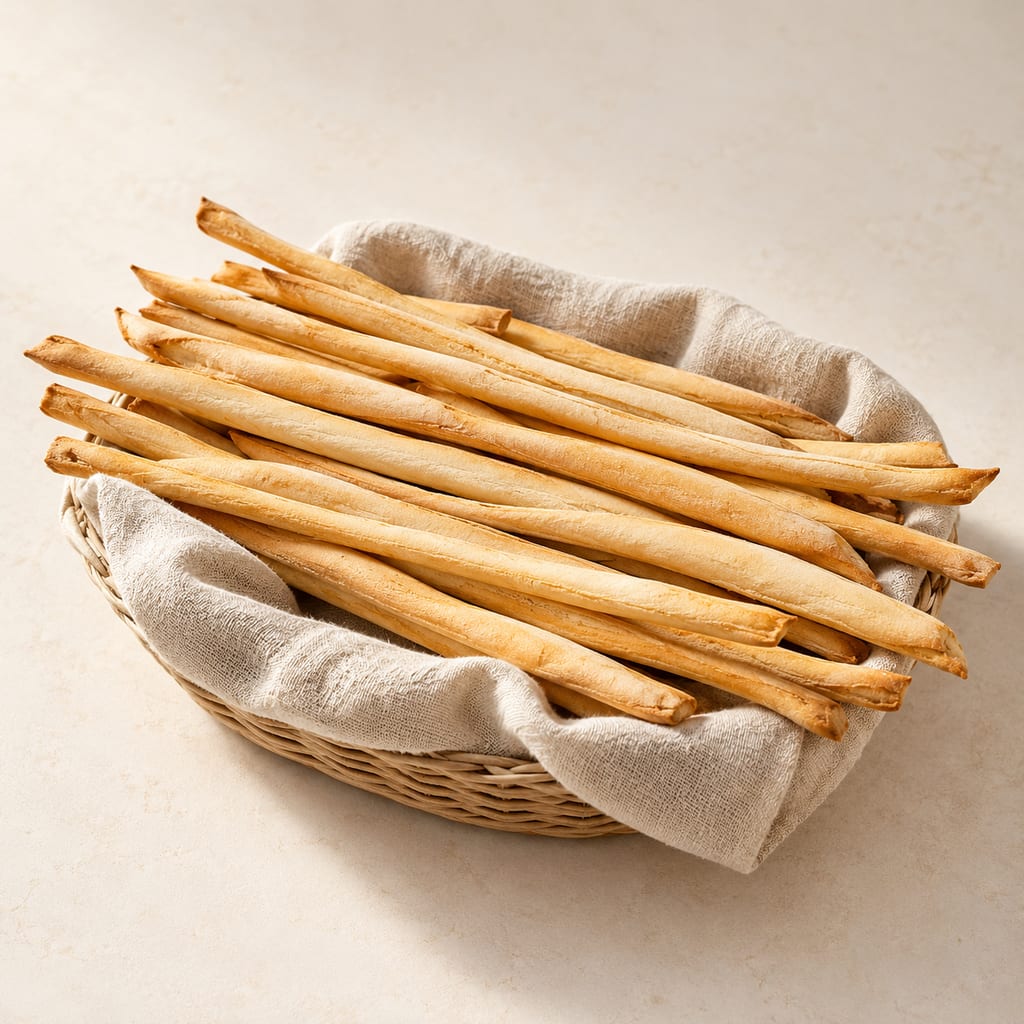
A measured Torino baker’s formula for hand-stretched grissini, baked until crisp and dry.
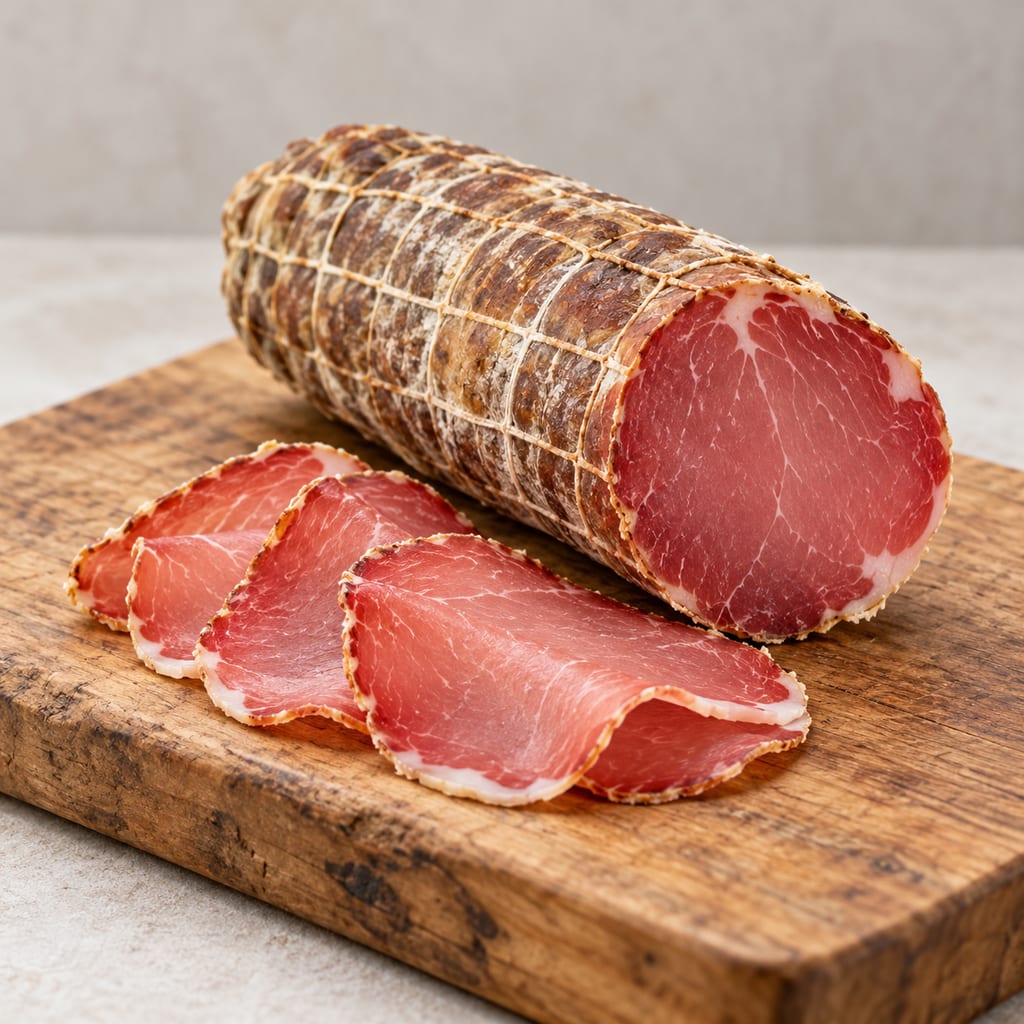
Documentary account of Italian regional cured-loin traditions, including Tuscan and Marche variations; no home-cure instructions are provided because the published professional methods lack validated safety controls.
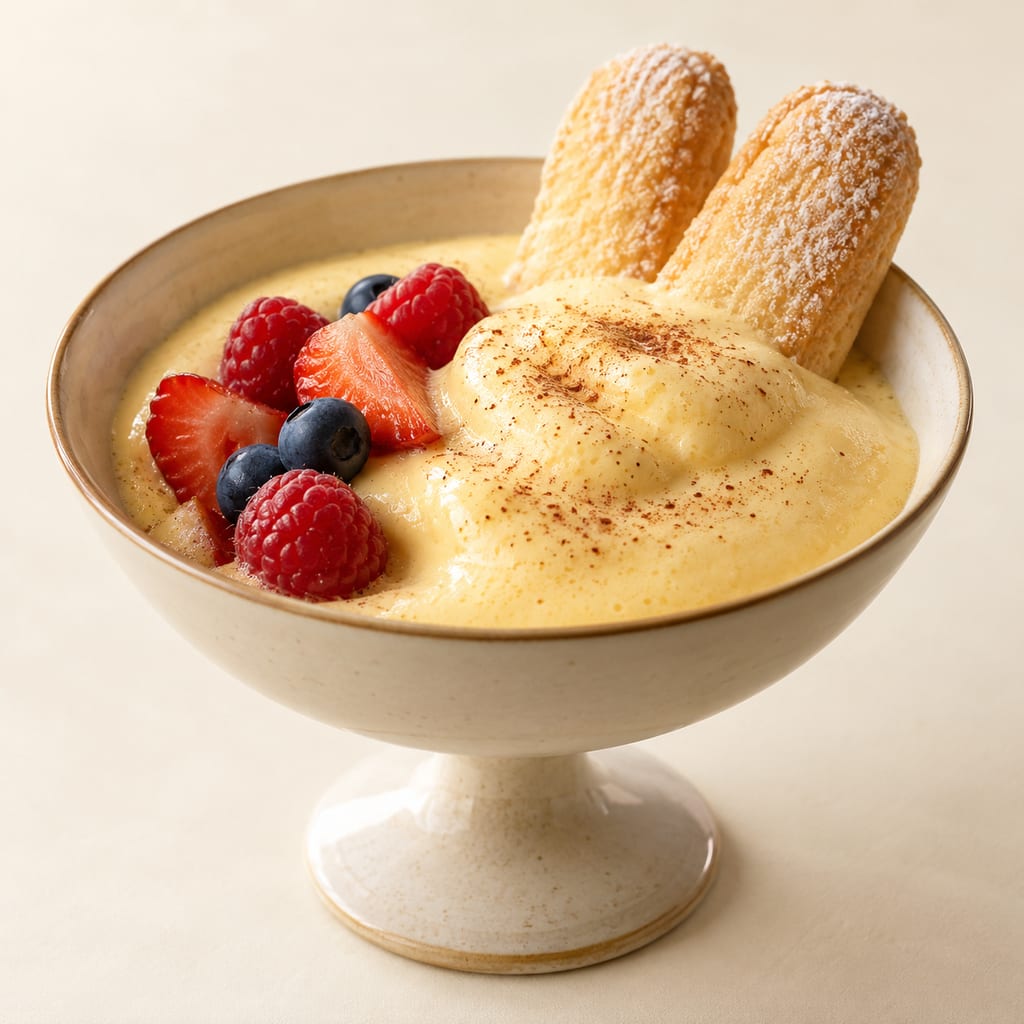
A warm foam of egg yolks, sugar and sweet wine, whisked over gentle heat in a double boiler until light, served at once with fruit or biscuits.
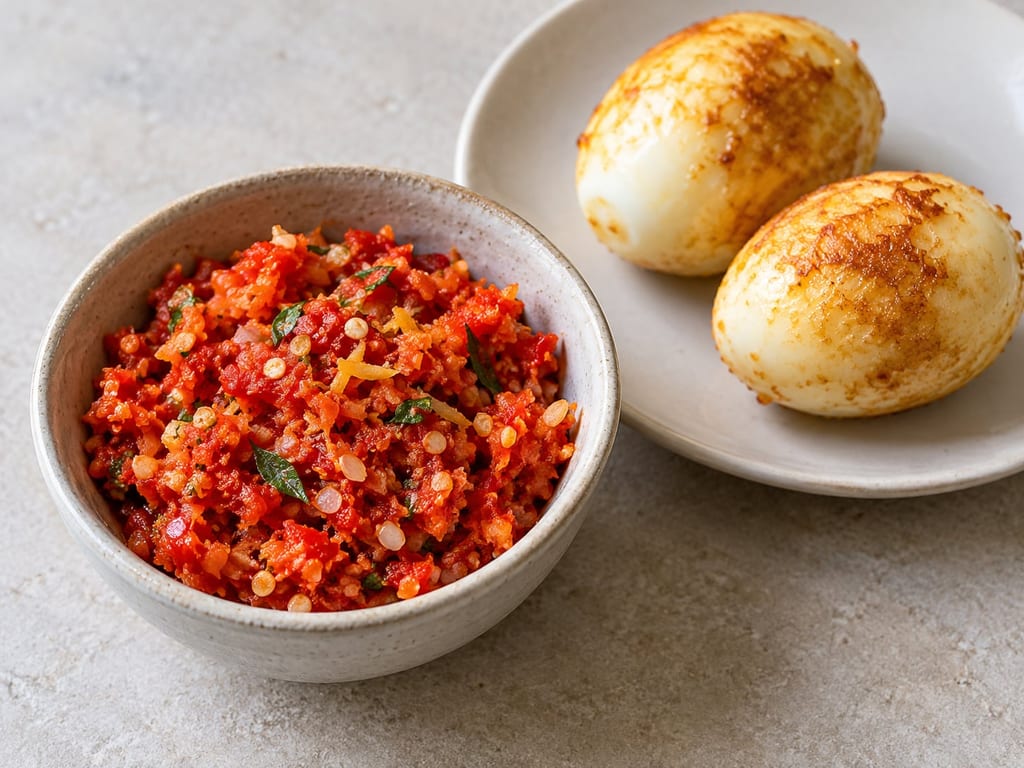
Ai-manas is described as a very hot chilli paste served with Timorese meals. One published version blends fresh chillies, shallots, garlic, Thai basil, ginger, lemon and salt, and serves it with eggs. Sources do not establish a standard formula, precise birthplace or earliest date.
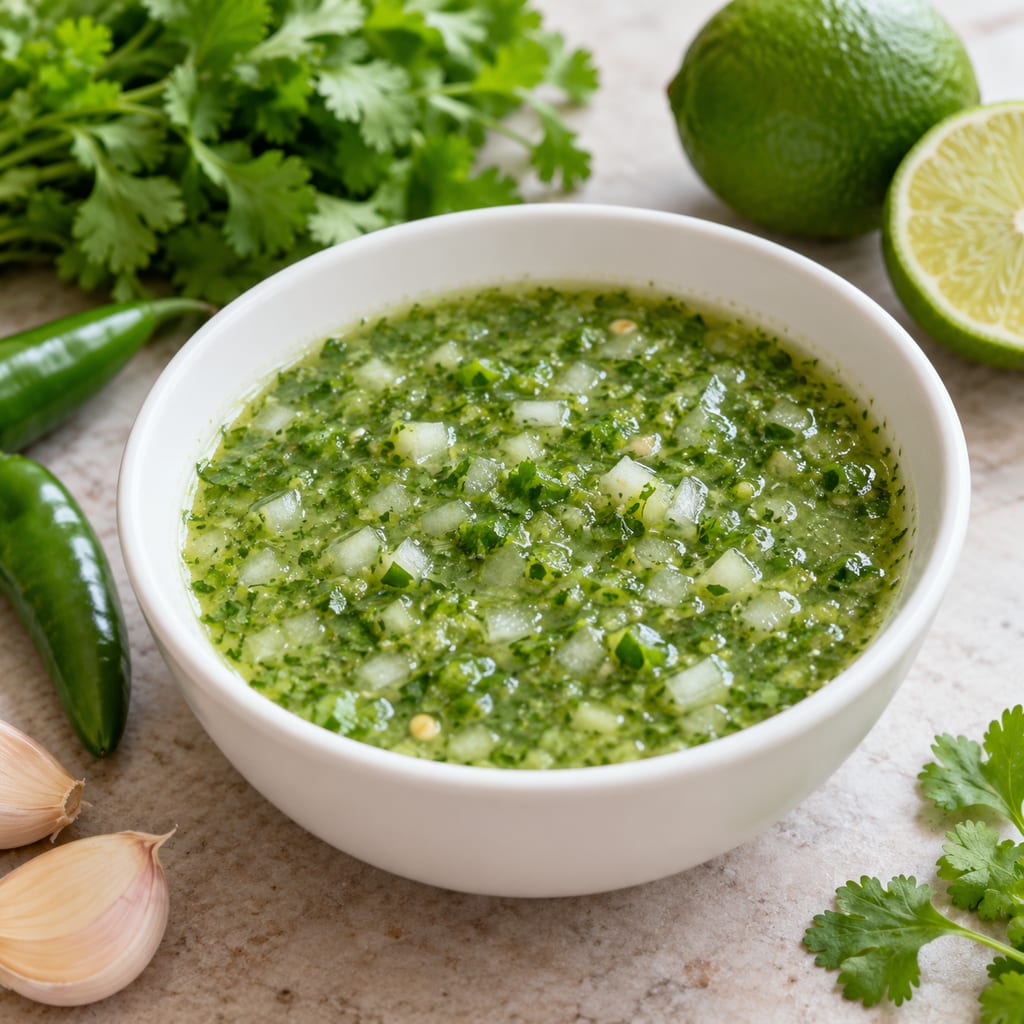
A fresh, uncooked Ecuadorian table sauce of hot pepper, cilantro, garlic and lime, served with most everyday dishes.
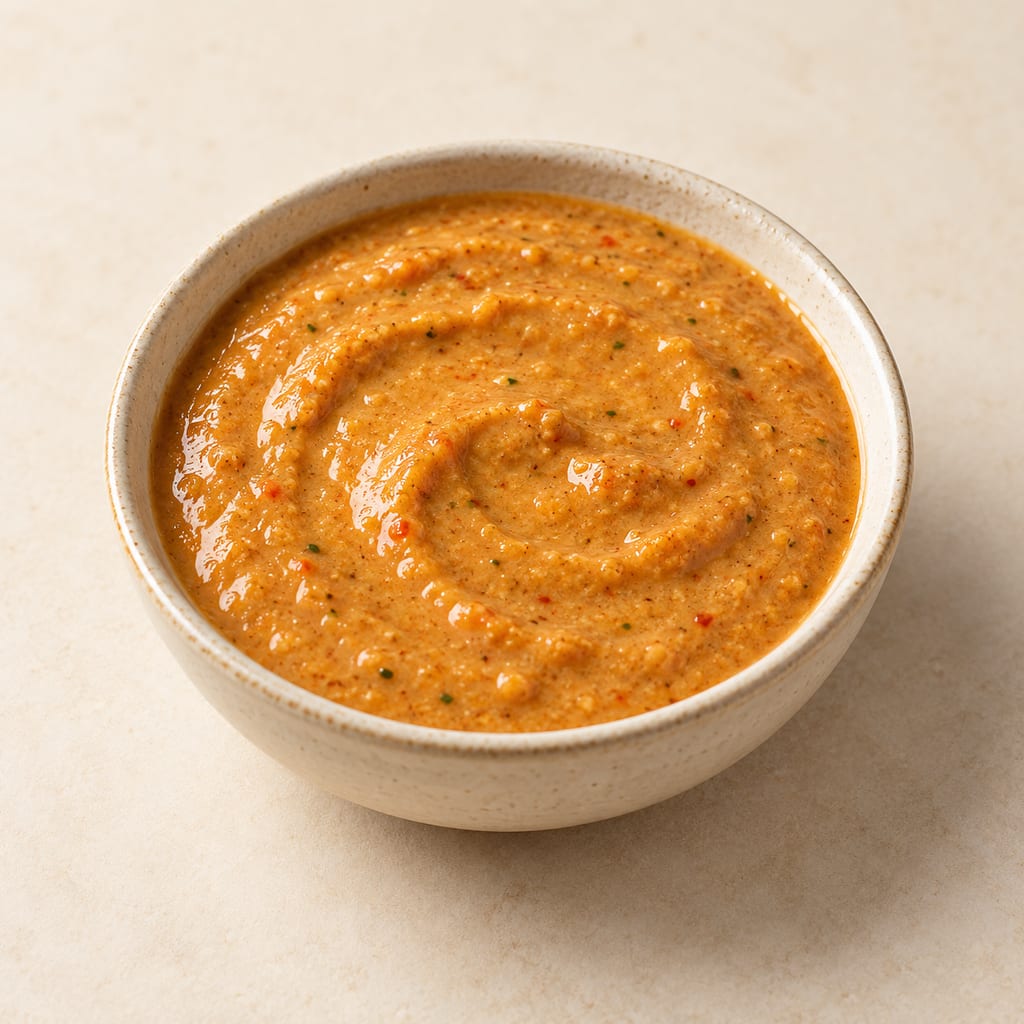
A spicy peanut hot sauce from the Popayán and Cauca region of Colombia, traditionally served with pipián empanadas and tamales.
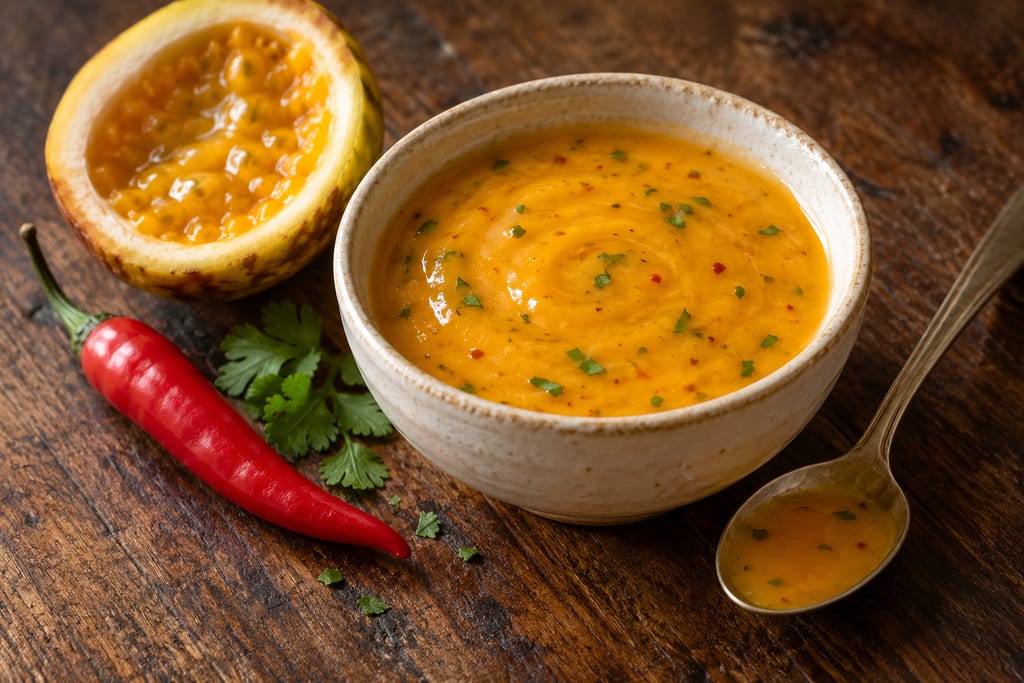
A contemporary Ecuadorian hot sauce that pairs passion fruit juice with boiled chile peppers, oil and lime.
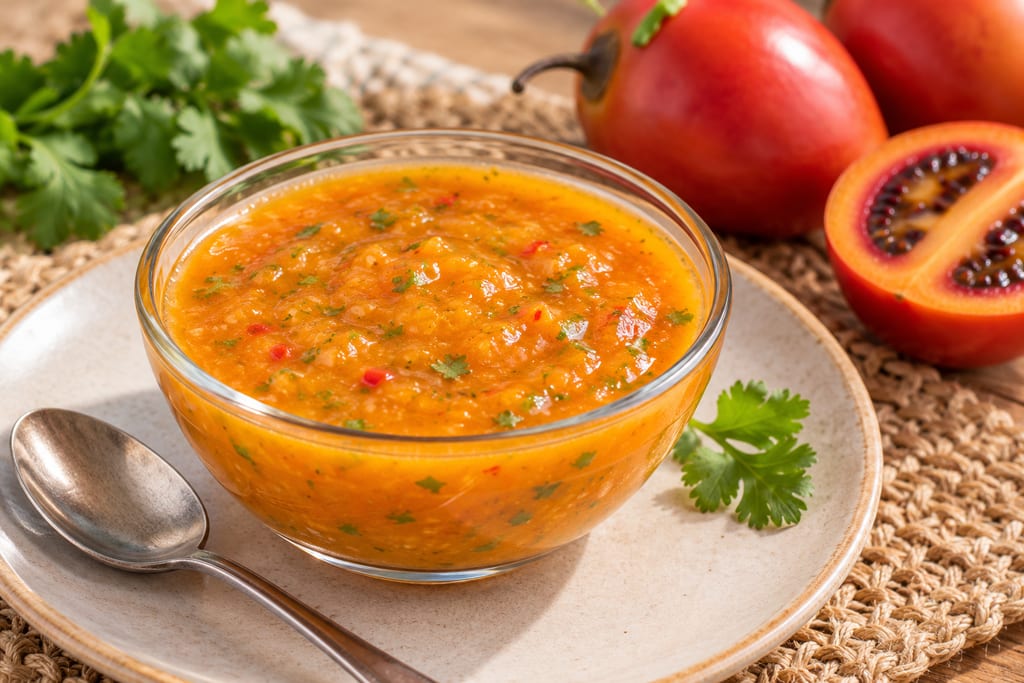
An Ecuadorian hot sauce built on tamarillo, a tart fruit that gives a sharper, fleshier base than ordinary tomato salsa.
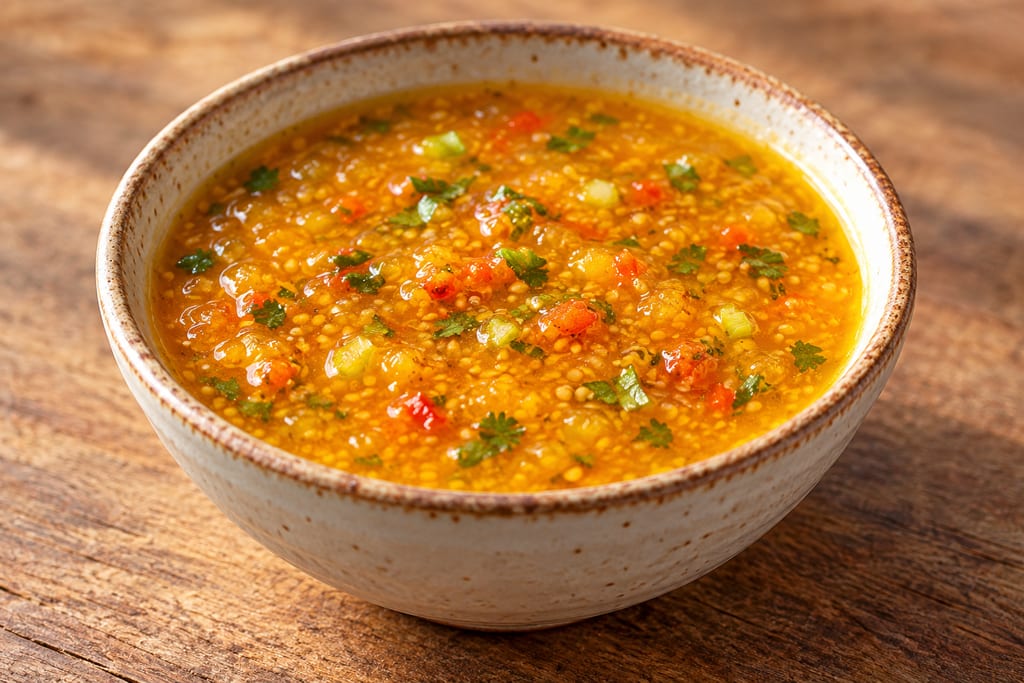
A sweet, tart and spicy Colombian sauce of uchuva, the yellow physalis fruit, with hot pepper, scallion, cilantro and lime.
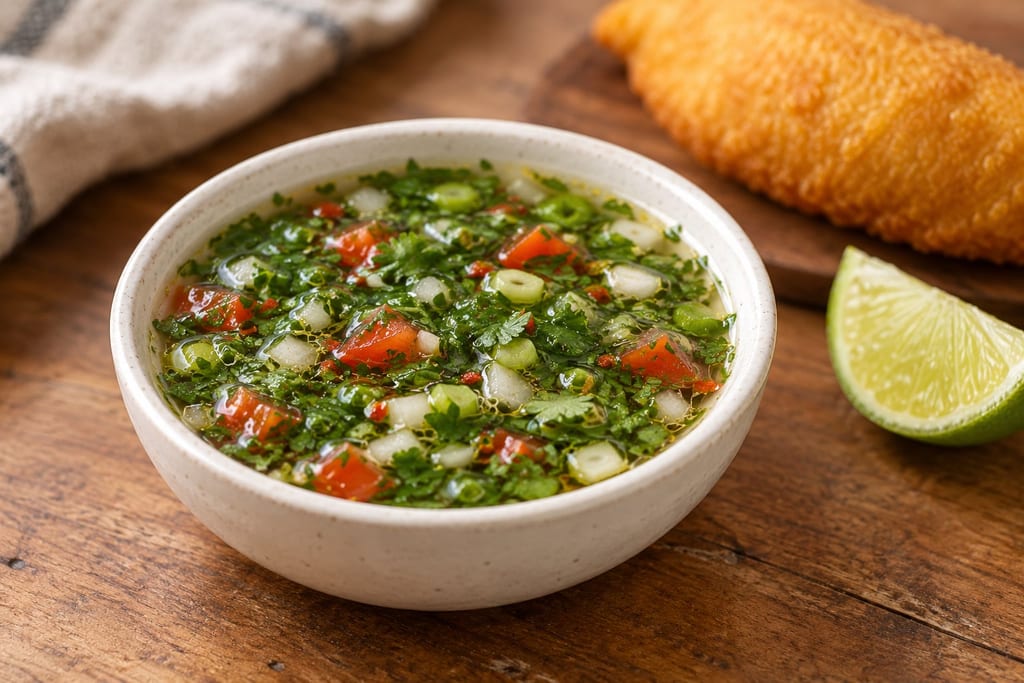
A fresh Colombian table condiment of chopped herbs, scallion and tomato in a vinegar and chile base, served beside fried and filled dishes.
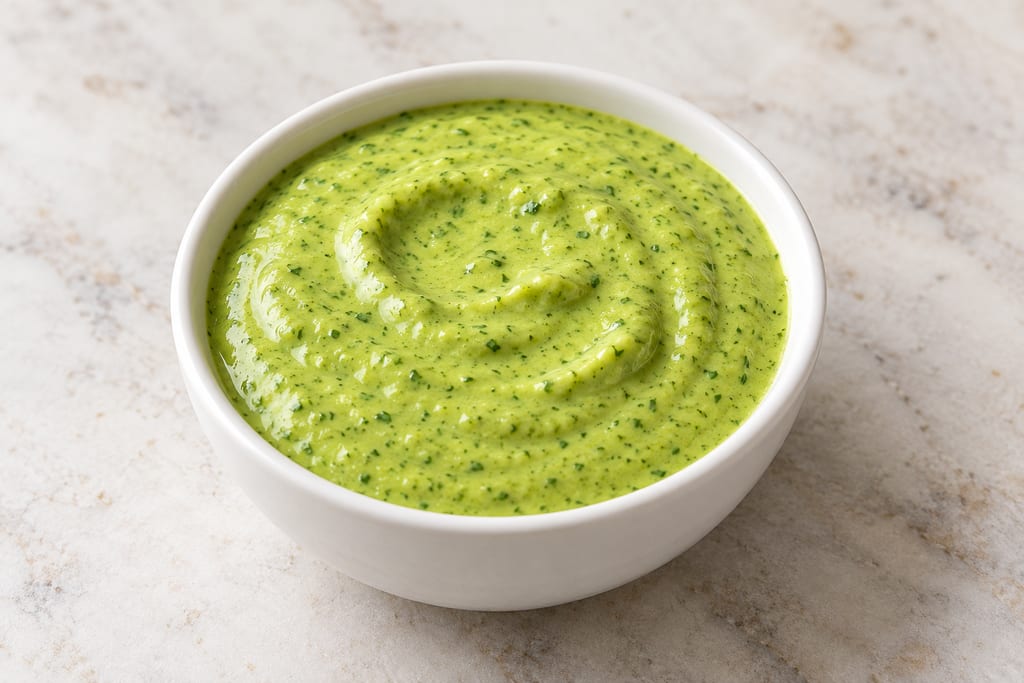
Ají verde is a Peruvian green sauce of coriander, chilli, onion and garlic in a mayonnaise or cheese base. It is best known through Peruvian restaurant cooking abroad.
No community contributions have been published for this entry yet.
Sign in to contribute. Published comments and photos are free to read.
WikipediaHistory · Method
Green sauceItalian salsa verde core ingredients: parsley, vinegar, capers, garlic, onion, anchovies, olive oil and hard-boiled egg yolks
Piedmontese bagnet verd served with bollito misto; cited to the 1931 Touring Club guide
Medieval green sauces with parsley and sage
Cited in: Overview; Name and history; Ingredients and their roles; Method; Serving and variations; Storage and safety; Unknowns
GialloZafferanoMethod · Storage
Salsa Verde (Piedmontese Bagnet Verd)Quantities and method for the Piedmontese bagnet verd with bread, egg yolk and white wine vinegar
Storage in a glass jar covered with oil, two to three days in the refrigerator
Cited in: Overview; Ingredients and their roles; Method; Serving and variations; Storage and safety