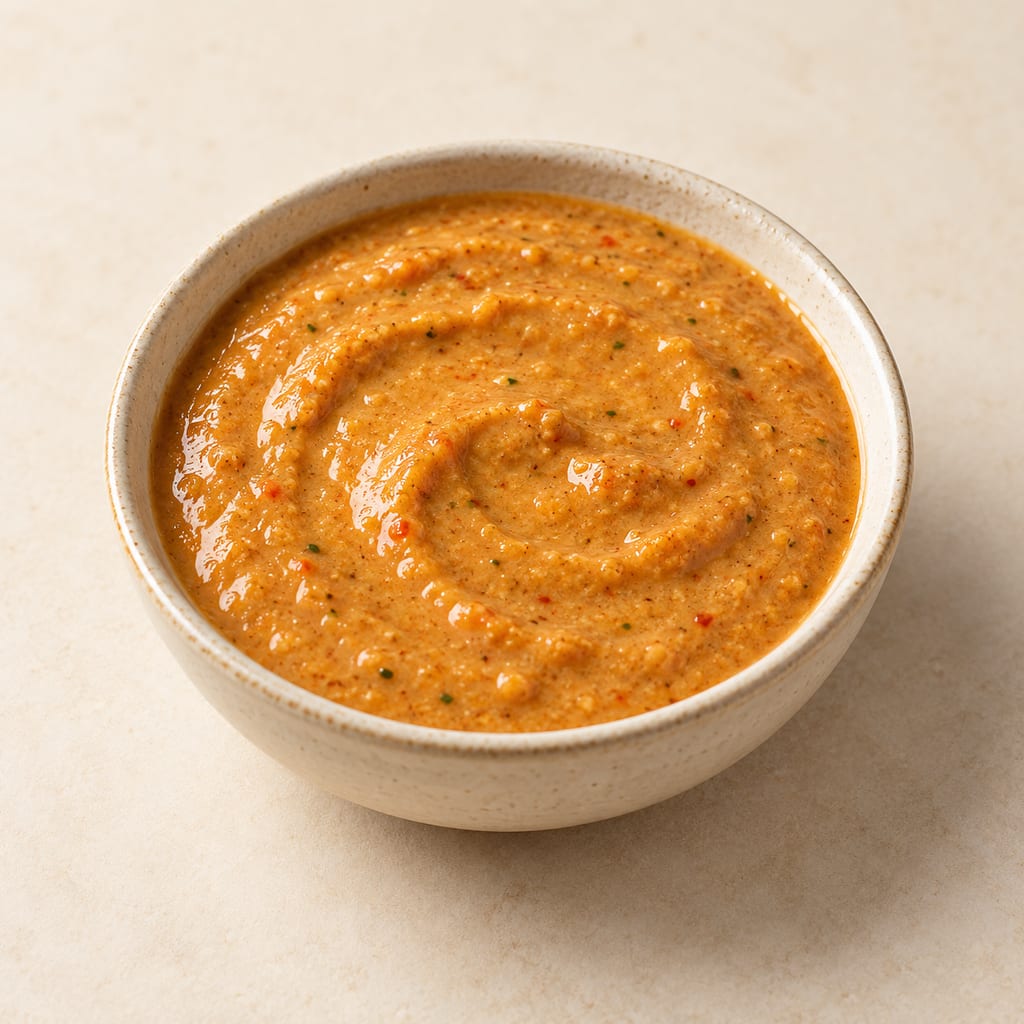
Ají de maní
A spicy peanut hot sauce from the Popayán and Cauca region of Colombia, traditionally served with pipián empanadas and tamales.
 FermenteaWhere food goes to change
Traditional method
Ají picante · Ají piqué · Colombian ají picante · Colombian table ají
A fresh Colombian table condiment of chopped herbs, scallion and tomato in a vinegar and chile base, served beside fried and filled dishes.
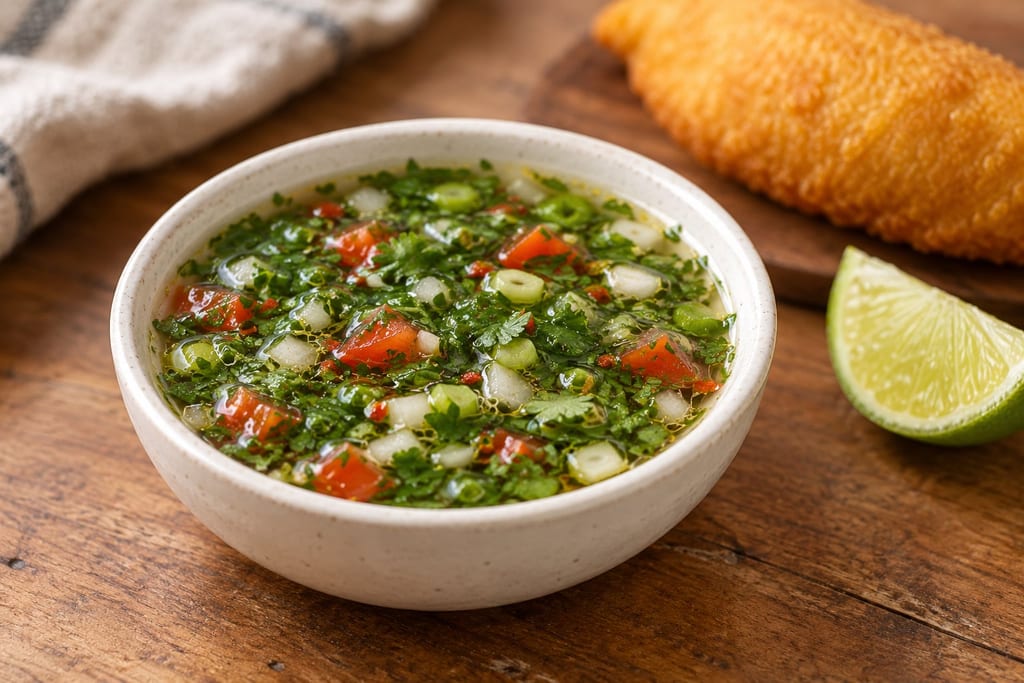
Ají picante is a fresh Colombian hot condiment. It is served with empanadas and carimañolas, and is usually set on the table so that each diner adds heat to their own plate.
It combines chopped or blended chile with scallion, herbs and tomato in an acidic base of vinegar and lime. Its liquid is thin, so the balance between liquid and suspended pieces matters.
The name ají comes from ají pods and from an adaptation of the Taino word axí. Ají sauces have been made across Bolivia, Chile, Ecuador, Colombia and Peru since pre-Hispanic times, when the Quechua called the chile uchu.
The page describes the Peruvian sauce as possibly the oldest of the group. It does not date the Colombian table sauce itself.
The liquid base is made by blending the pepper with vinegar and water. The other vegetables are chopped, and the page does not say whether chopping or blending them is preferred. Some cooks chop by hand for a chunkier texture; sources differ on whether tomato belongs in the sauce at all.
Lime juice and oil are mixed into the chopped solids, and the blended vinegar is poured in and stirred through.
The page lists related sauces: ajilimójili in Panama, a chile, garlic, oil, paprika and lime mix; a honeyed Puerto Rican version; the Ecuadorian ají with lupin seeds called chochos; the Chilean version, where lemon stands out; and the criolla sauce of Argentina, which is less spicy and has less citrus.
These are related sauces, not the same recipe, and are kept as separate records.
The page says to refrigerate the sauce in a covered glass jar for up to ten days.
The page places ají in pre-Hispanic Andean cooking, records that the Quechua name for the chile was uchu, and notes that the Spanish called the Peruvian chile pimienta de las Indias. The Colombian table version is not dated.
Scaling: source batch only
Hot peppers vary widely in heat; handle the pepper with care and wash hands after seeding.
Documented as a Colombian condiment served with empanadas and carimañolas; the source gives several local versions but no single origin.
A spicy peanut hot sauce from the Popayán and Cauca region of Colombia, traditionally served with pipián empanadas and tamales.
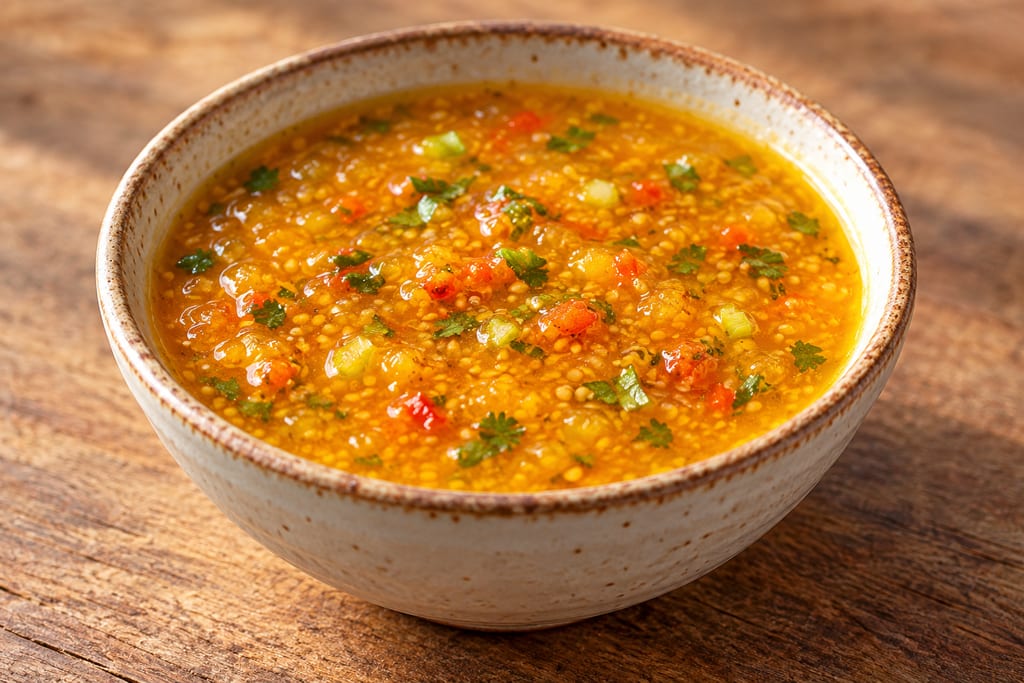
A sweet, tart and spicy Colombian sauce of uchuva, the yellow physalis fruit, with hot pepper, scallion, cilantro and lime.
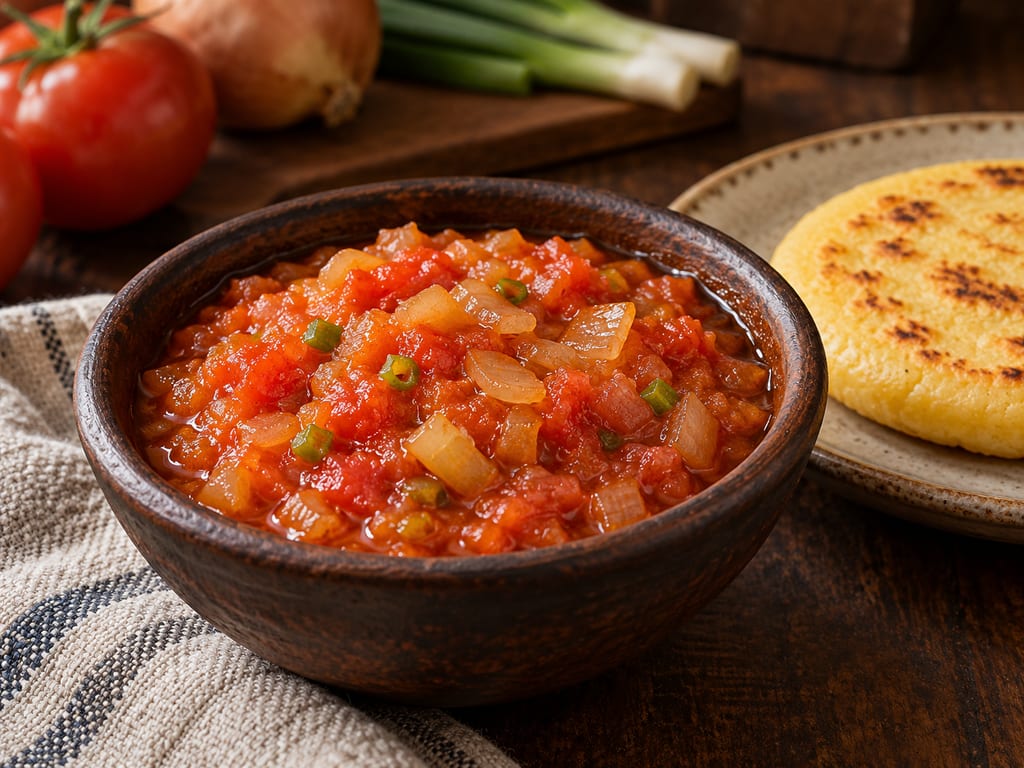
A slow-cooked Colombian sauce of tomato, onion and scallion that serves as the base of many dishes and as a topping for arepas and patacones.
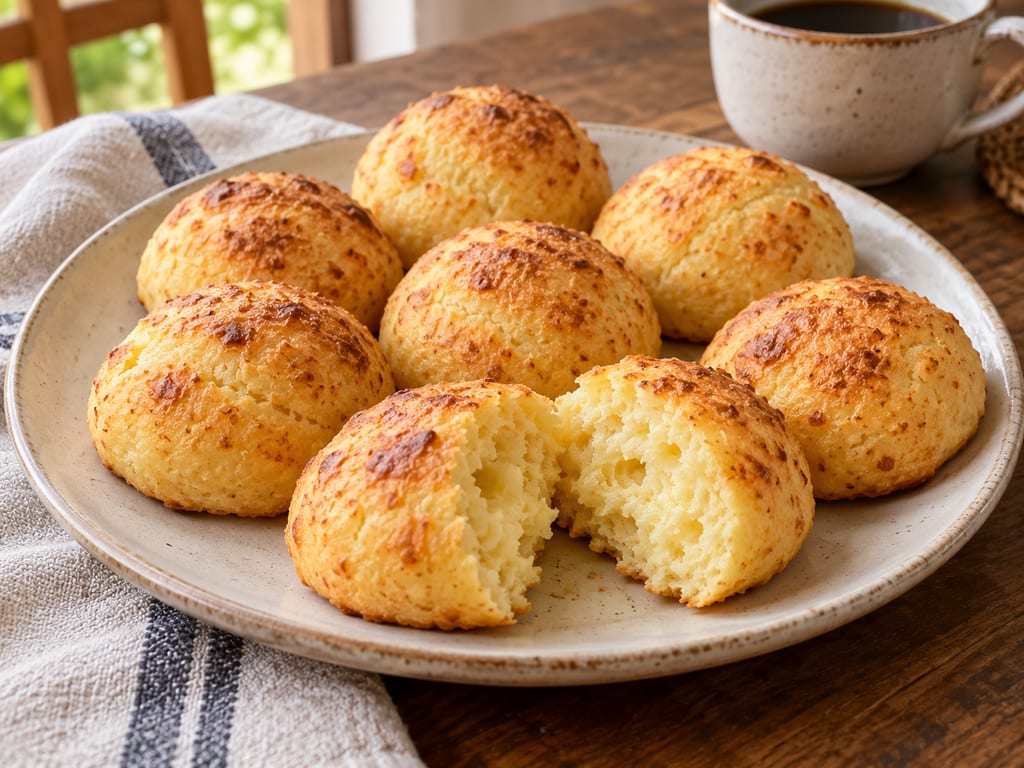
Small Colombian cheese breads made with precooked corn flour, queso fresco, mozzarella, eggs, milk and baking powder. This documented home version makes eight breads and is served warm.
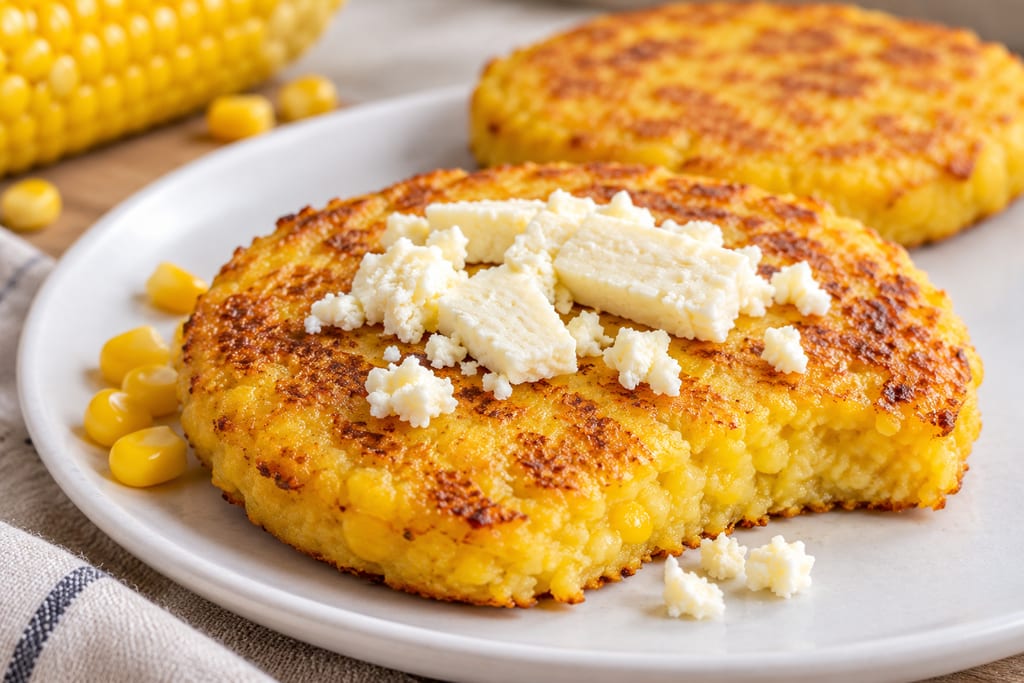
A Colombian Andean griddle cake made from fresh sweet-corn batter, cooked in butter and served with white cheese.
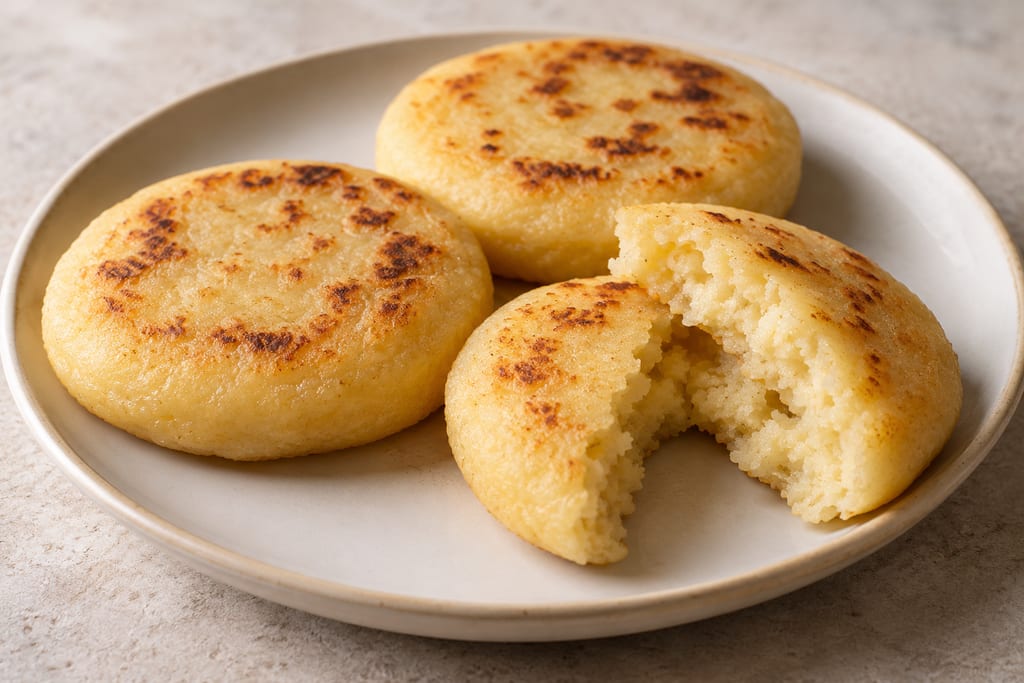
This household version combines precooked corn flour, warm water and salt, then cooks thick rounds on a lightly oiled skillet or griddle. It is one source-specific arepa method, not a universal Colombian or Venezuelan formula.
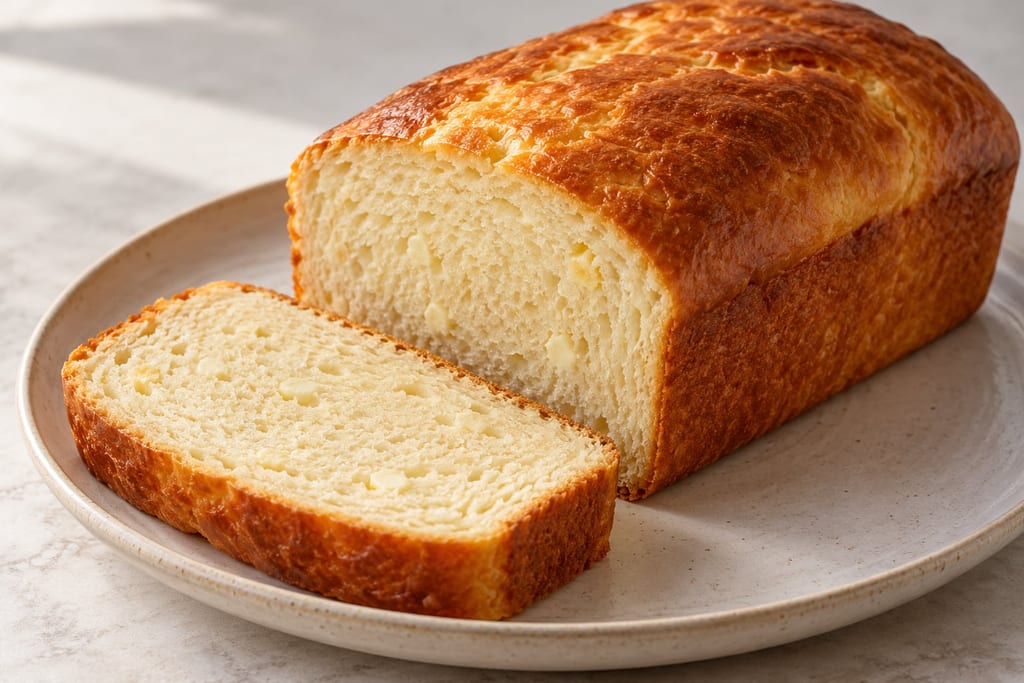
A soft Colombian wheat loaf enriched with milk powder, butter and crumbled fresh cheese.
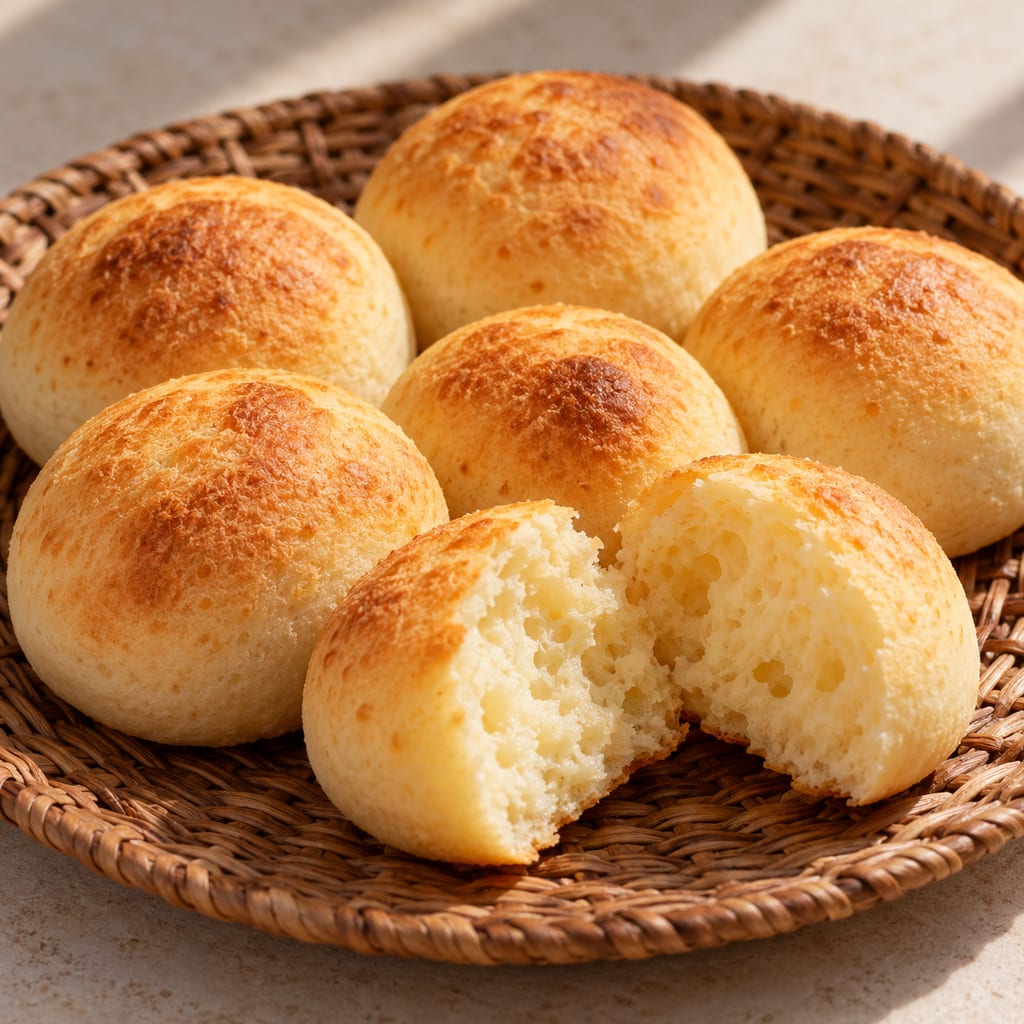
Colombian cheese breads made from cassava starch, precooked cornmeal, queso fresco or quesito, feta and egg; this source's version makes 12 warm, round rolls.
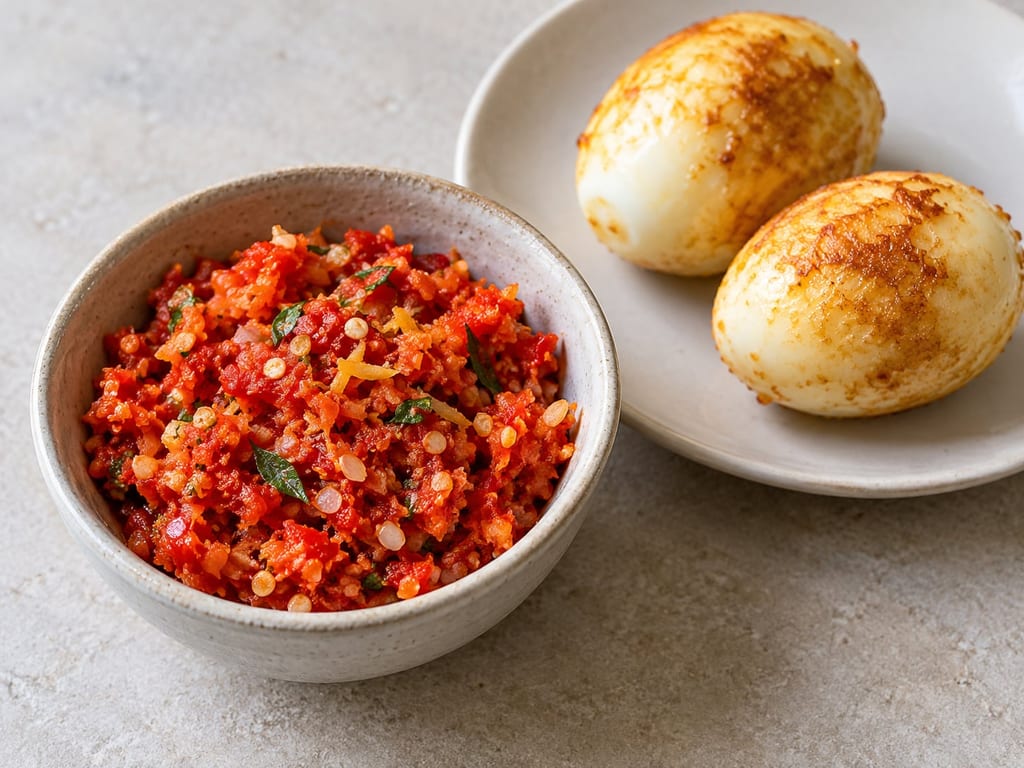
Ai-manas is described as a very hot chilli paste served with Timorese meals. One published version blends fresh chillies, shallots, garlic, Thai basil, ginger, lemon and salt, and serves it with eggs. Sources do not establish a standard formula, precise birthplace or earliest date.
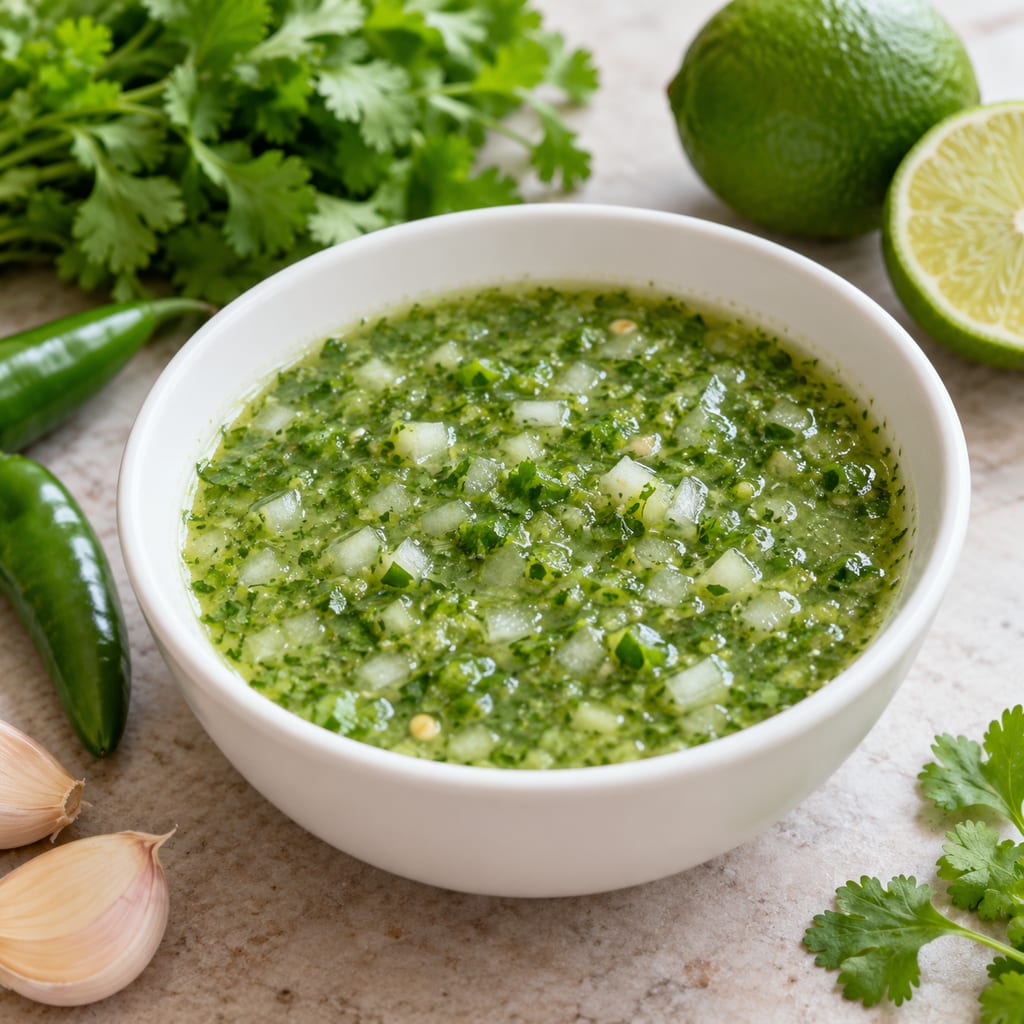
A fresh, uncooked Ecuadorian table sauce of hot pepper, cilantro, garlic and lime, served with most everyday dishes.
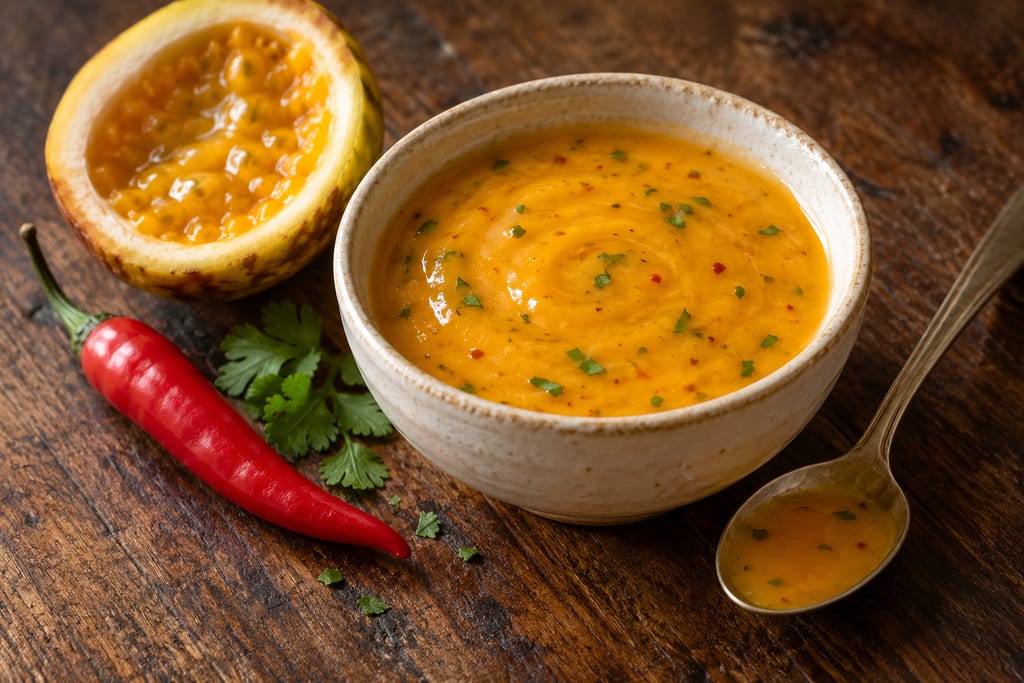
A contemporary Ecuadorian hot sauce that pairs passion fruit juice with boiled chile peppers, oil and lime.
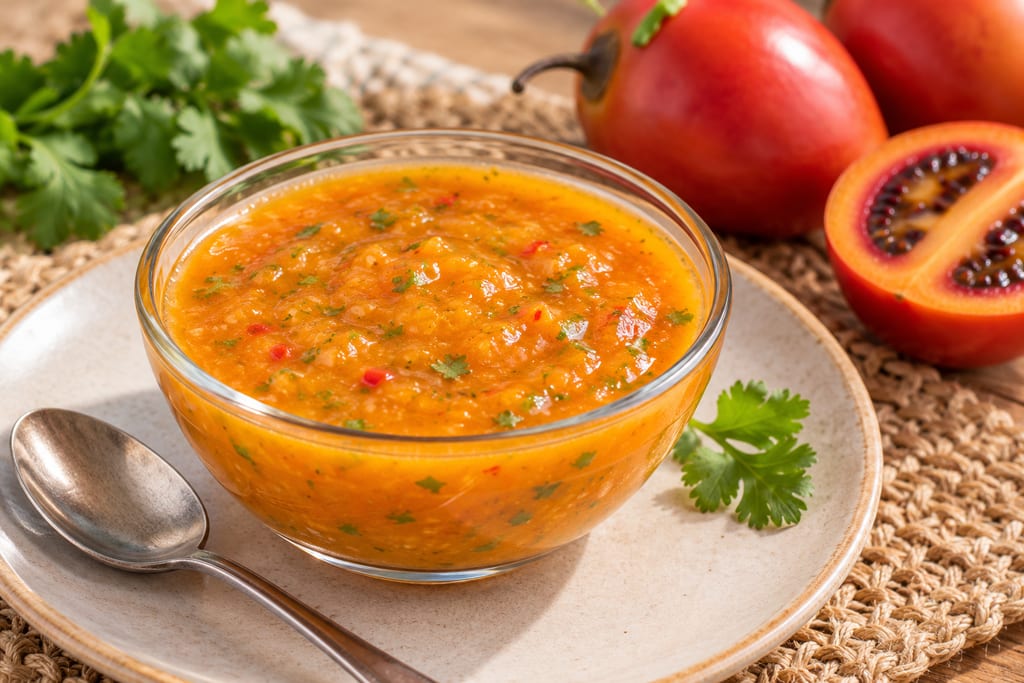
An Ecuadorian hot sauce built on tamarillo, a tart fruit that gives a sharper, fleshier base than ordinary tomato salsa.
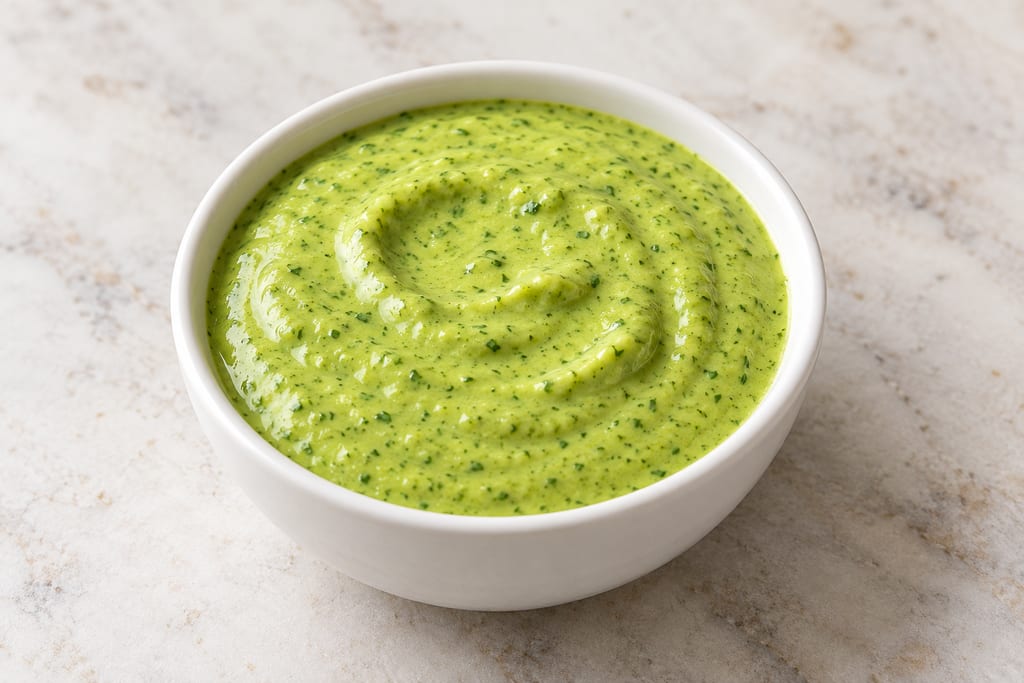
Ají verde is a Peruvian green sauce of coriander, chilli, onion and garlic in a mayonnaise or cheese base. It is best known through Peruvian restaurant cooking abroad.
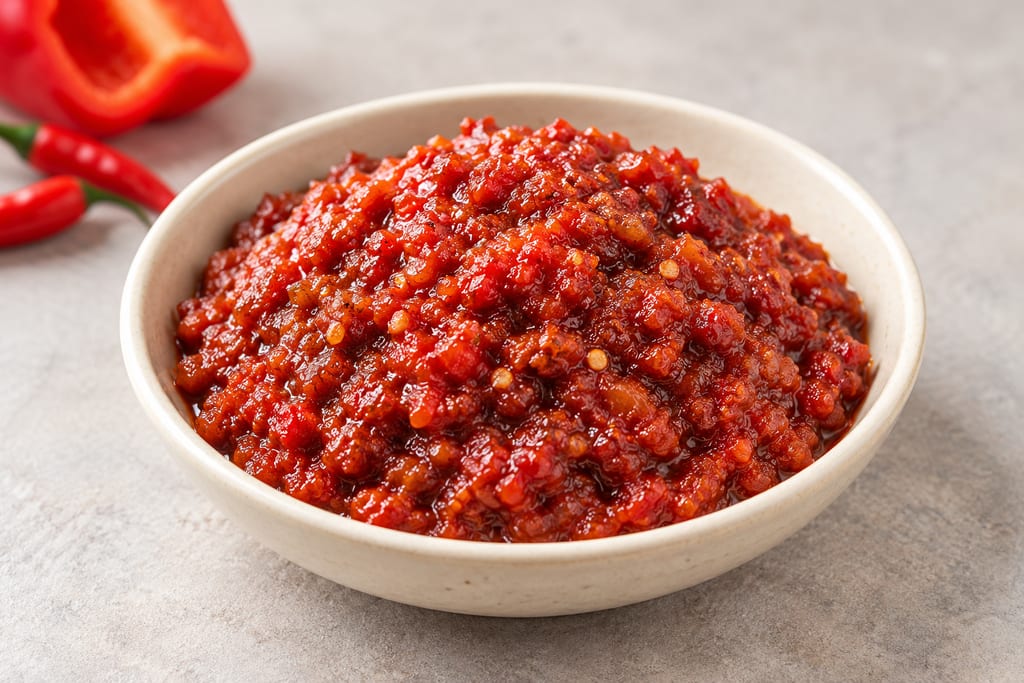
Ata dindin is the Yoruba fried pepper sauce: chillies, red bell pepper and onion blended and cooked down in oil until the oil separates. The same name is also given to a finished stew built on it.
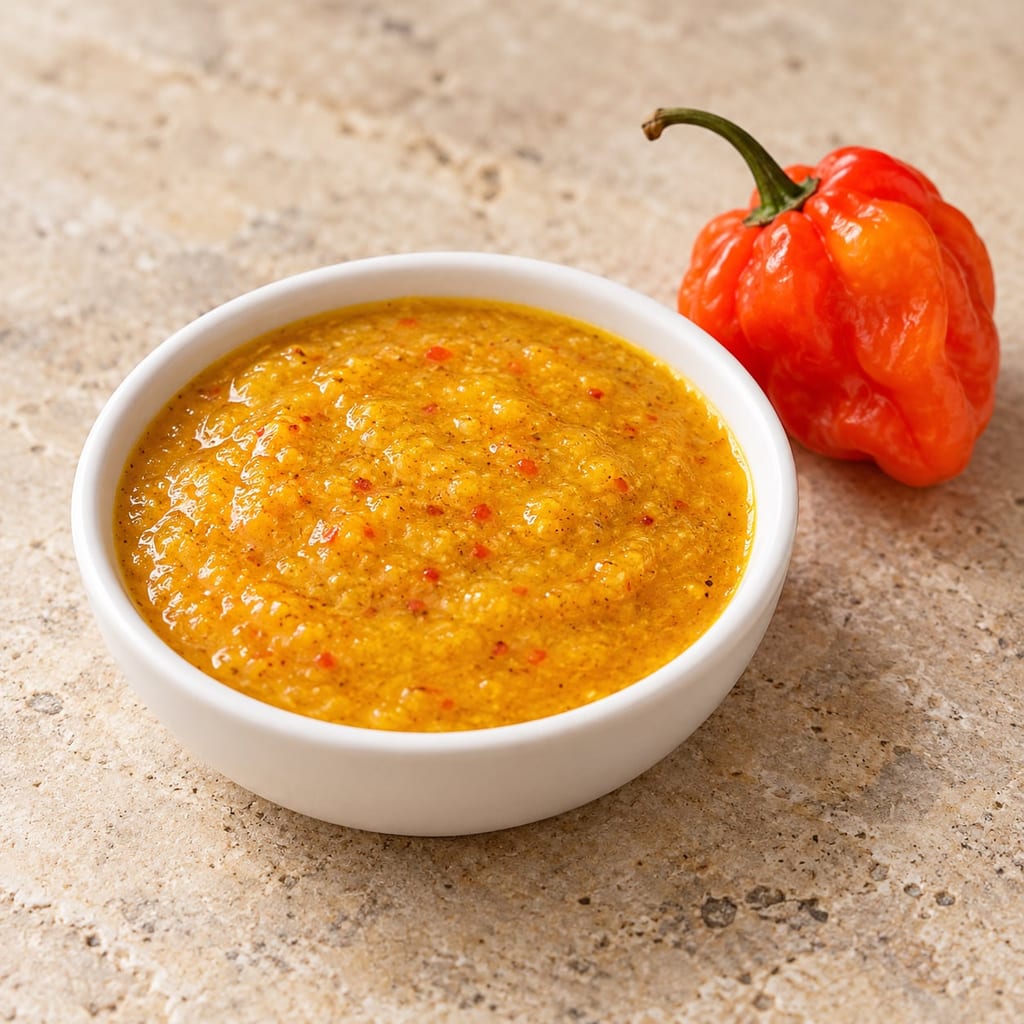
Bajan pepper sauce is a Barbadian hot sauce that blends Scotch bonnet peppers with mustard and vinegar, often with onion, turmeric and oil. Its heat and sharpness come from both the chile and the mustard, which sets it apart from a plain pepper vinegar.
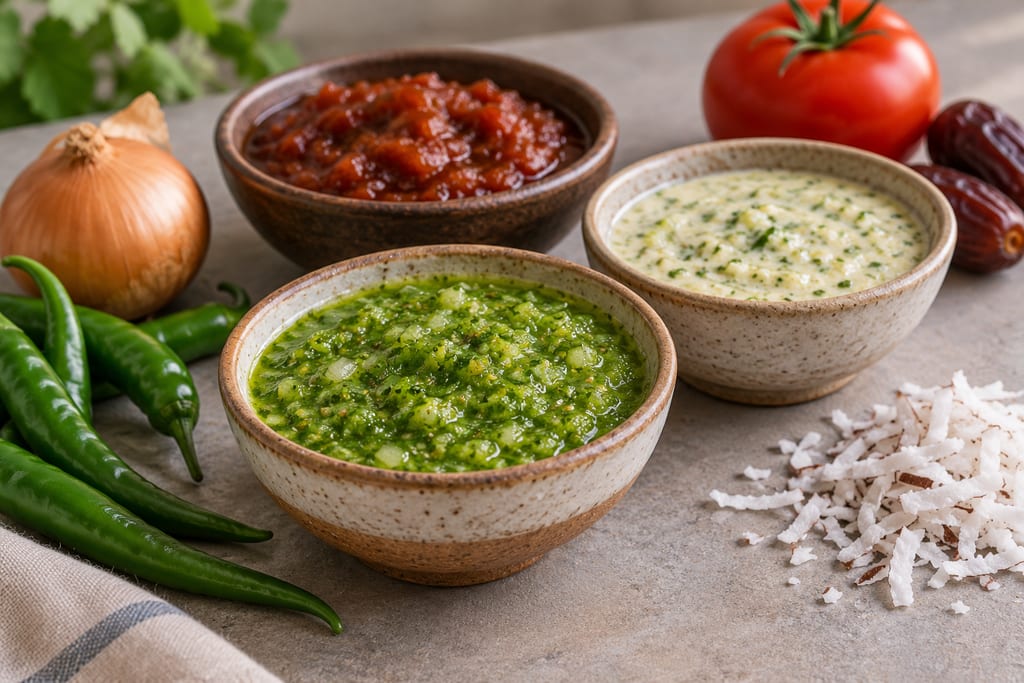
Basbaas is the Somali word for chilli and the name of a family of hot sauces served at the table, so each diner can set the heat. Green, coconut and tomato-based versions are all called basbaas.
No community contributions have been published for this entry yet.
Sign in to contribute. Published comments and photos are free to read.
196 FlavorsMethod · History
Ají Picante - Traditional Colombian RecipeIngredients and method
Name and Andean history
Regional relatives
Storage up to ten days
Cited in: A table condiment for fried and filled dishes; Name and older Andean sauces; Chopping or blending; Regional relatives; Storage