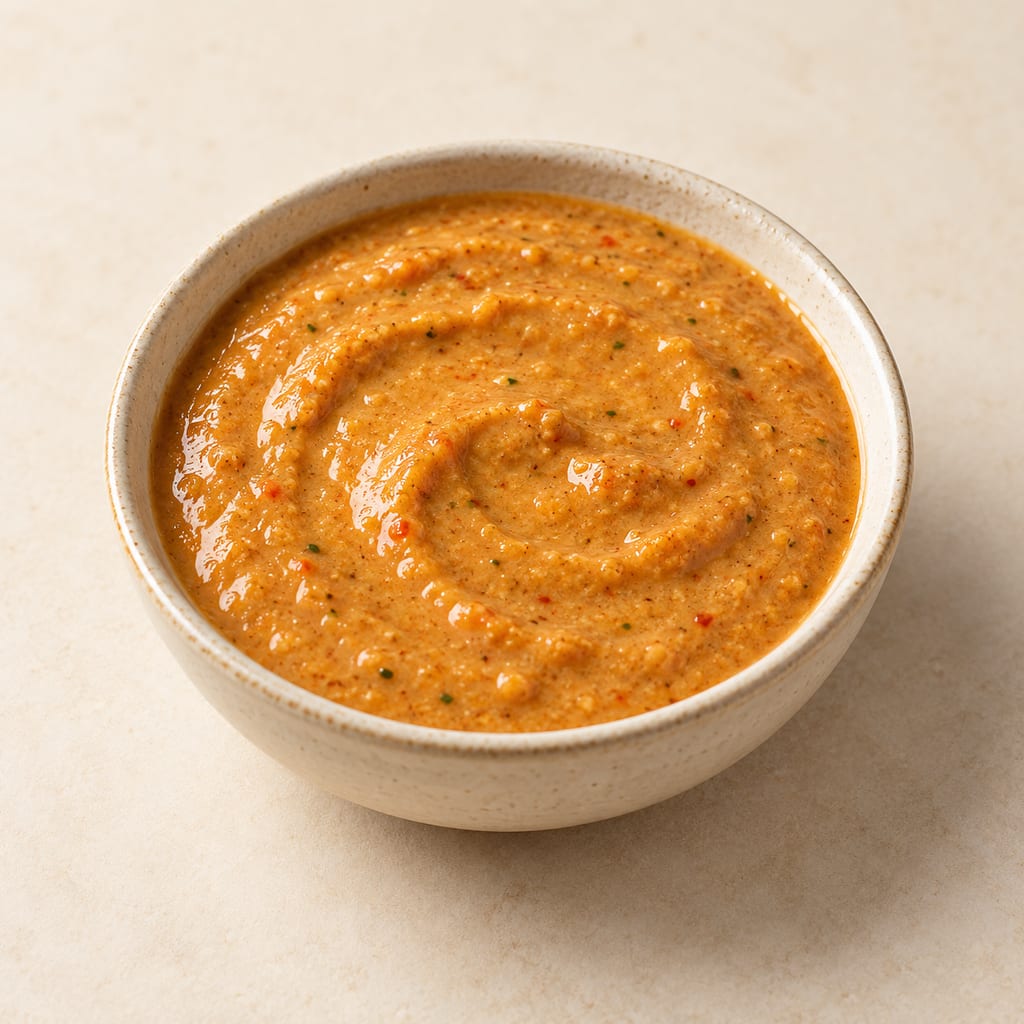
Ají de maní
A spicy peanut hot sauce from the Popayán and Cauca region of Colombia, traditionally served with pipián empanadas and tamales.
 FermenteaWhere food goes to change
Pan aliñado · Seasoned Colombian bread
A soft Colombian wheat loaf enriched with milk powder, butter and crumbled fresh cheese.
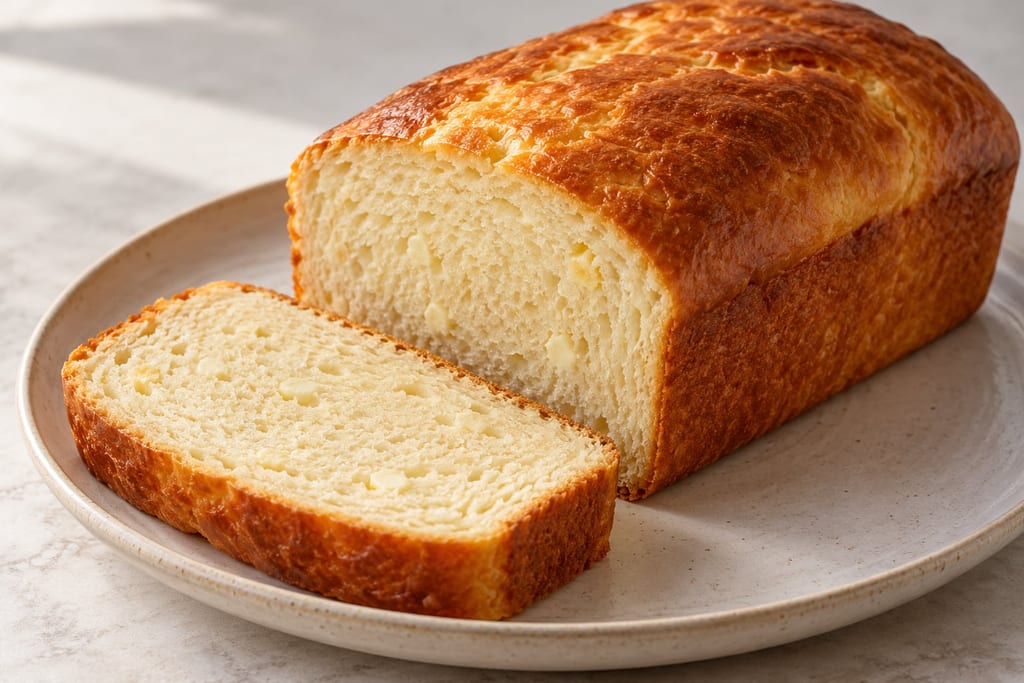
Pan aliñado is a Colombian yeast bread whose enriched dough combines wheat flour with butter, milk powder, sugar and fresh cheese. The cited recipe is a general Colombian home version. The available sources support a broad national association but do not establish one region of origin for this formula.
Kneading brings the flour, dairy, and water into a smooth, elastic dough. Two covered waits give it time to relax and rise before it goes into a loaf pan. The source uses a golden crust as its baking cue and cools the loaf in stages before slicing. Its yeast quantity is one package, but no package weight is stated, so this entry leaves the weight open.
Colombia's traditional-recipe inventory records a pan aliñado in Hato de Corozal, Casanare, as an everyday amasijo made with wheat flour, lard, eggs and sugar. Its cited source is a 2006 local heritage study. That entry is a regional record, not the recipe followed by this cheese-enriched loaf.
The Ministry of Culture's culinary dictionary also records aliñado under Cundinamarca, describes several enrichments and mentions Sasaima. Together these records caution against assigning the general name to one exclusive formula or birthplace. Erica Dinho's butter, milk-powder and fresh-cheese home version remains intact, including the unstated yeast-package weight.
Erica Dinho, the author of the cited recipe, says she was born and raised in Colombia and describes pan aliñado as a popular Colombian bread. The Colombian Chefs Association describes the country's baking as regionally diverse. The available evidence supports a broad Colombian association but does not date this particular formula or establish one exclusive origin.
Yield 1 loaf · Scaling: source batch only
Do not taste uncooked dough; raw flour can carry harmful bacteria.
Hazard sourceContains dairy from milk powder, butter and cheese.
Hazard sourceMade with wheat flour, which contains gluten.
Hazard sourceDo not taste raw dough; keep raw flour and dough from ready-to-eat foods, and wash hands, bowls, utensils and surfaces after handling.
Control sourceBake the loaf before eating.
Control sourceContains wheat (gluten) and dairy.
A Colombian recipe author describes this as a popular Colombian bread. This entry follows that home recipe and does not claim one region of origin; pan aliñado also has regional forms.
A spicy peanut hot sauce from the Popayán and Cauca region of Colombia, traditionally served with pipián empanadas and tamales.
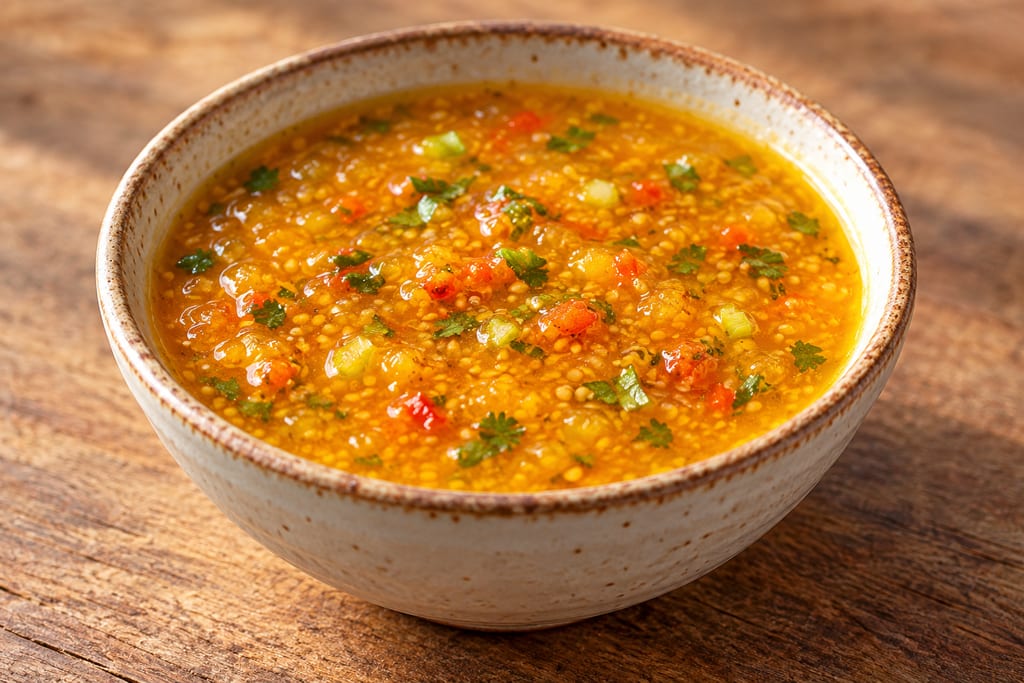
A sweet, tart and spicy Colombian sauce of uchuva, the yellow physalis fruit, with hot pepper, scallion, cilantro and lime.
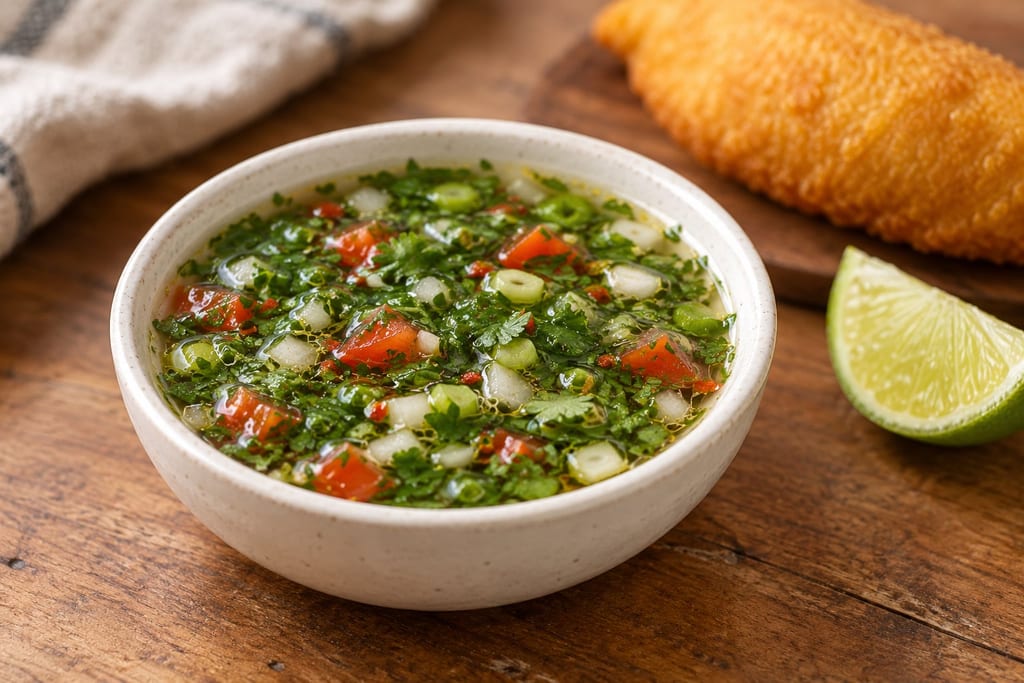
A fresh Colombian table condiment of chopped herbs, scallion and tomato in a vinegar and chile base, served beside fried and filled dishes.
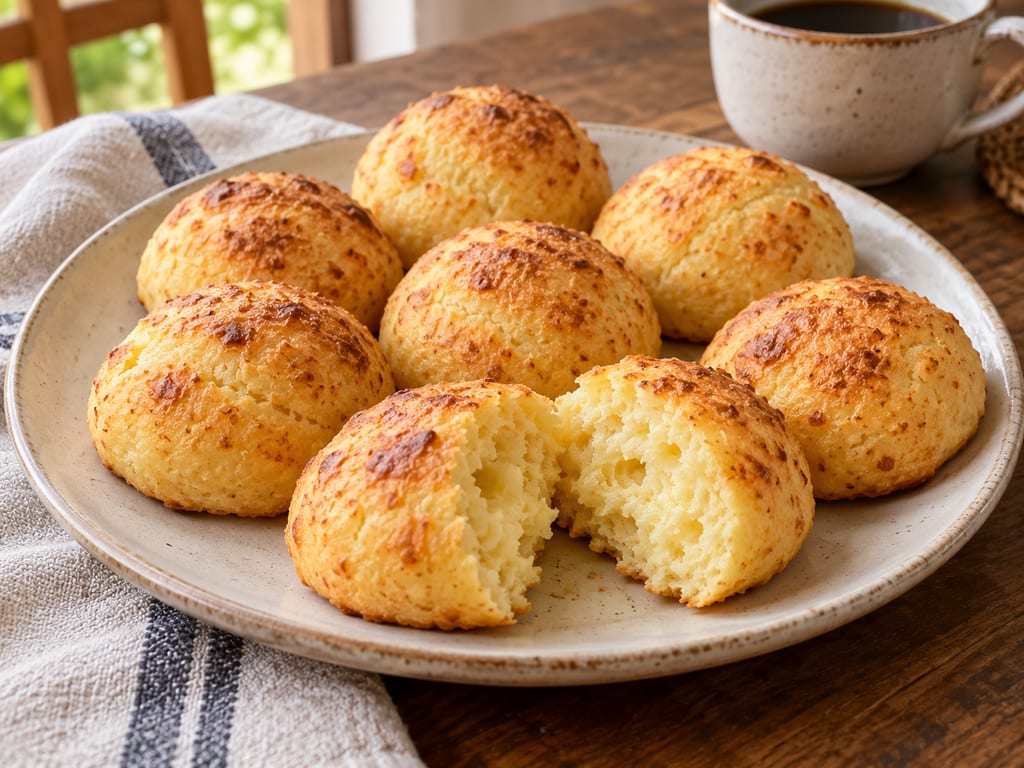
Small Colombian cheese breads made with precooked corn flour, queso fresco, mozzarella, eggs, milk and baking powder. This documented home version makes eight breads and is served warm.
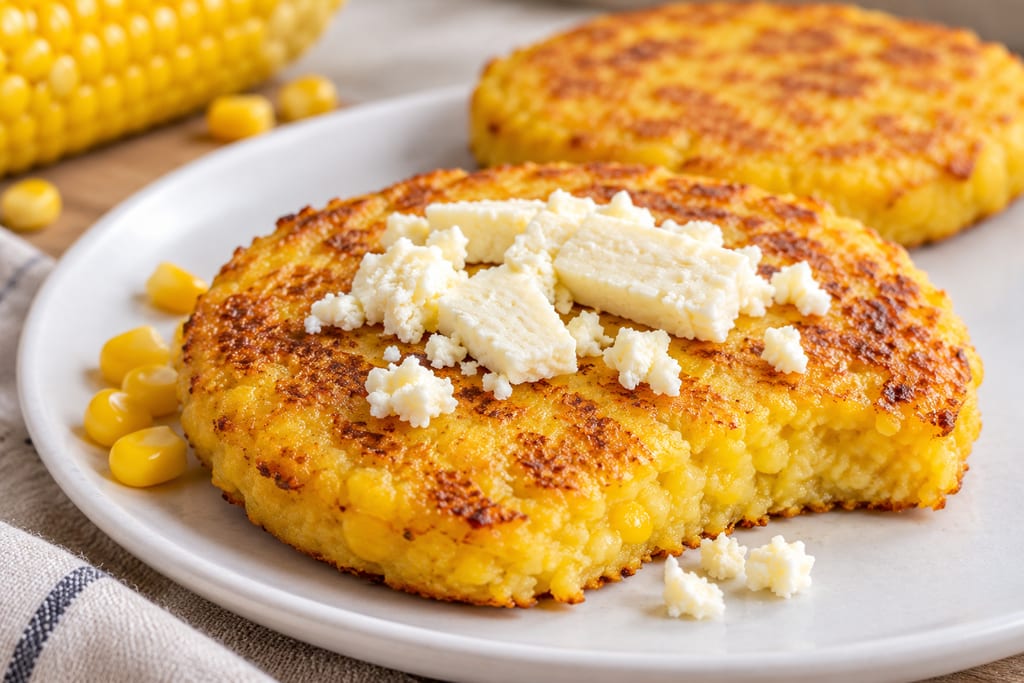
A Colombian Andean griddle cake made from fresh sweet-corn batter, cooked in butter and served with white cheese.
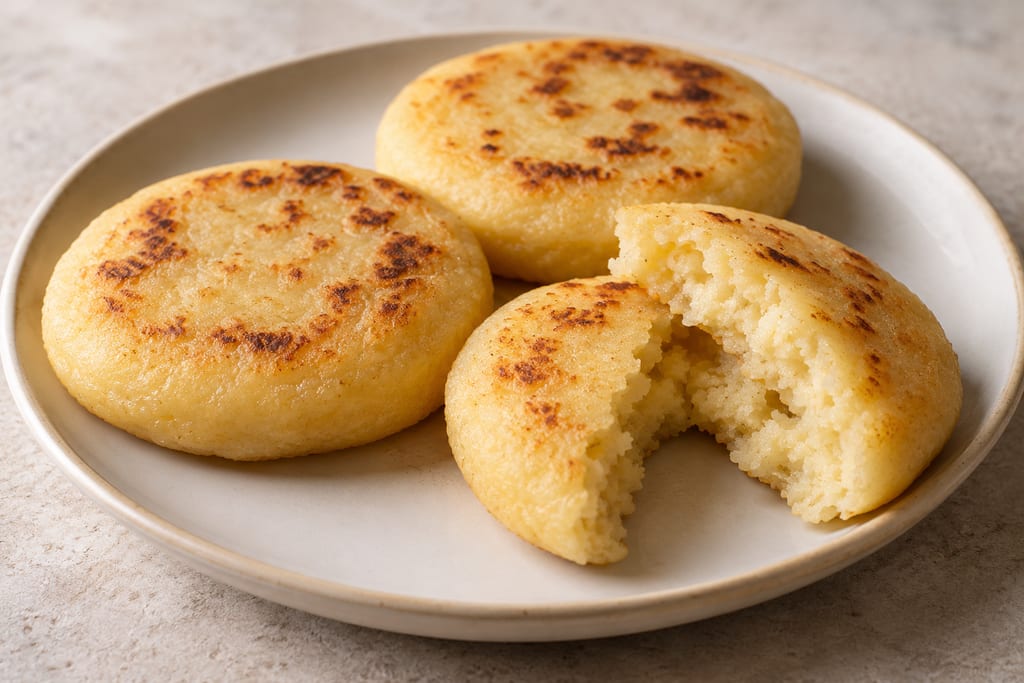
This household version combines precooked corn flour, warm water and salt, then cooks thick rounds on a lightly oiled skillet or griddle. It is one source-specific arepa method, not a universal Colombian or Venezuelan formula.
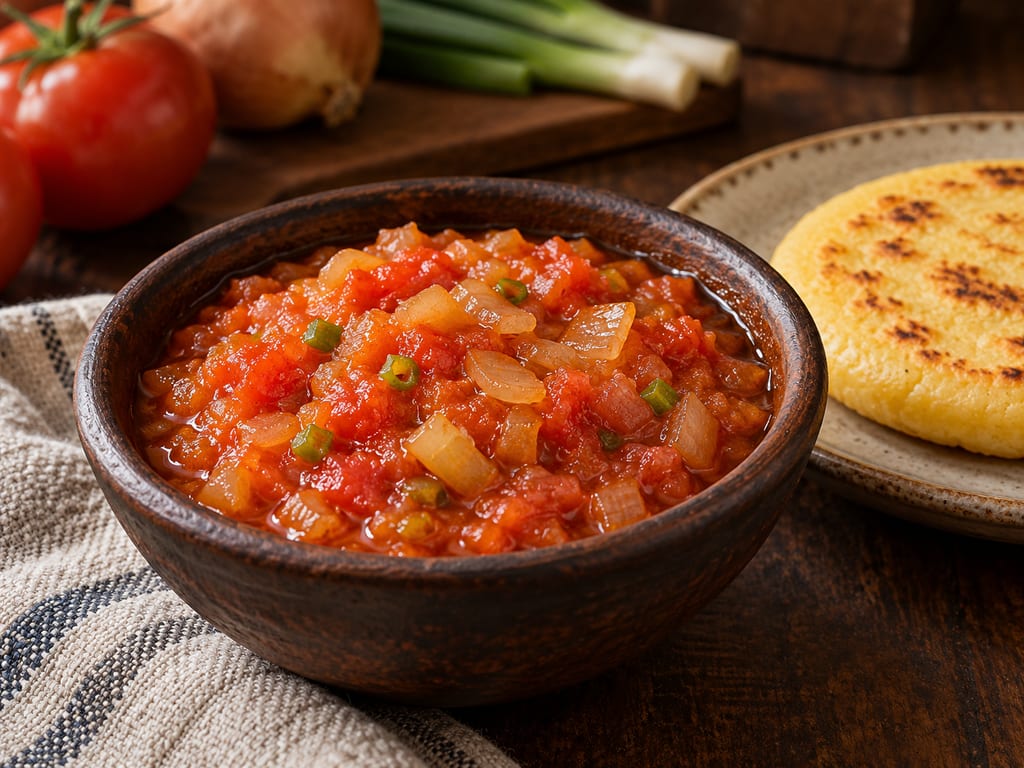
A slow-cooked Colombian sauce of tomato, onion and scallion that serves as the base of many dishes and as a topping for arepas and patacones.
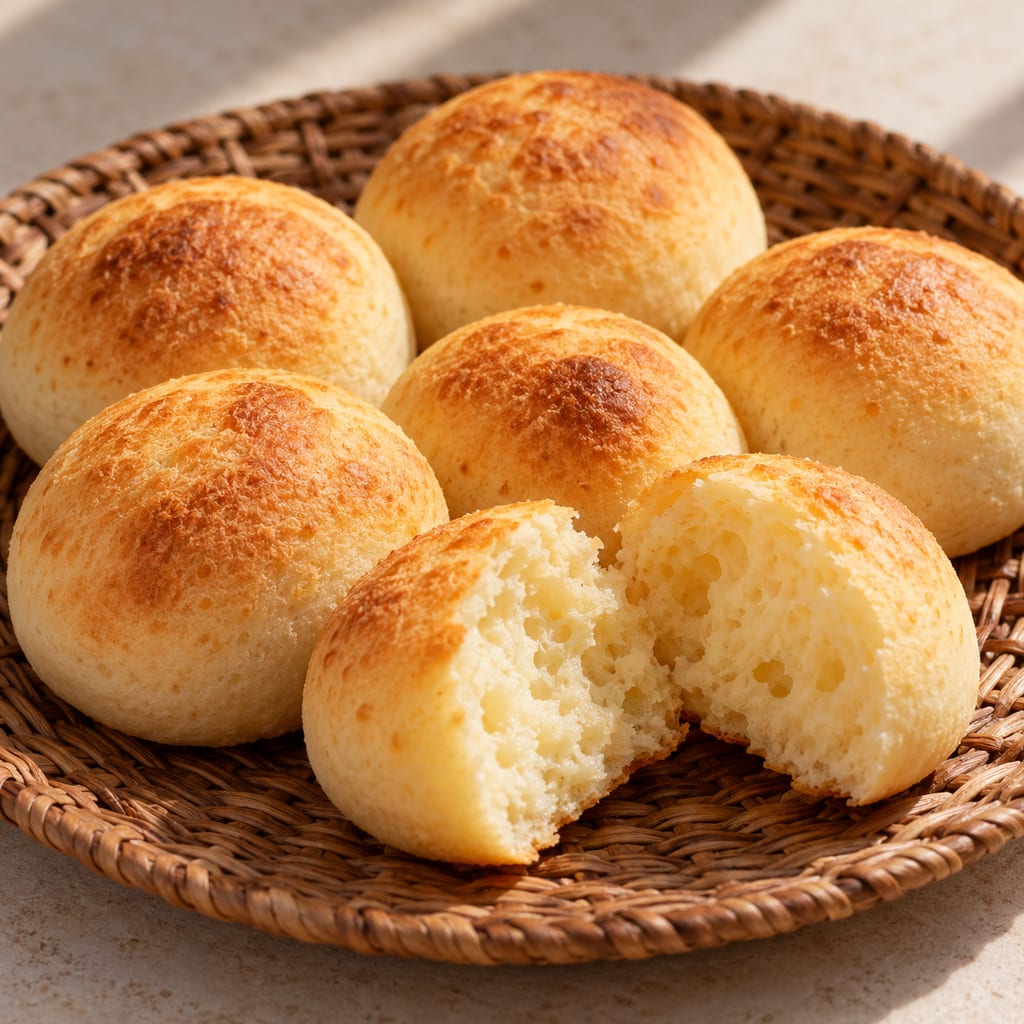
Colombian cheese breads made from cassava starch, precooked cornmeal, queso fresco or quesito, feta and egg; this source's version makes 12 warm, round rolls.
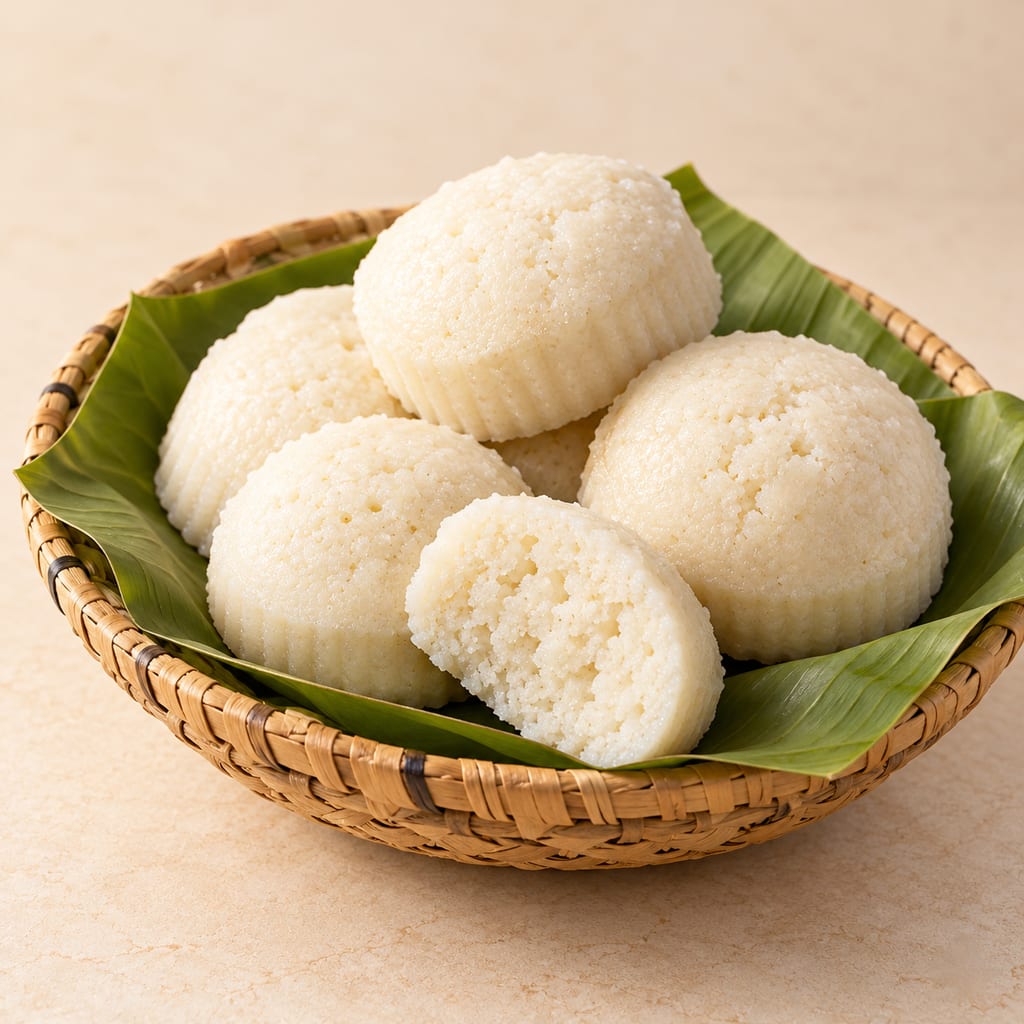
Soft, lightly tangy steamed cereal bread documented across Benin and Togo. This page gives one measured rice-flour research method; maize-based Ablo and mixed-grain versions remain distinct traditions.
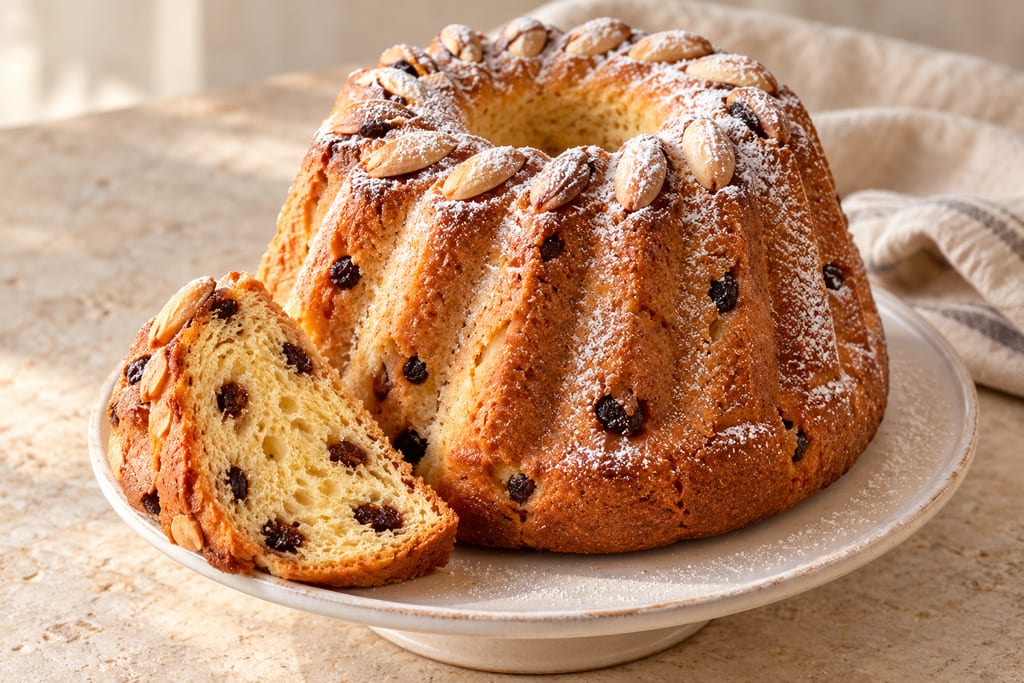
An enriched Alsatian yeast ring with raisins and almonds, kneaded with butter, proofed in a fluted mould and baked until browned.
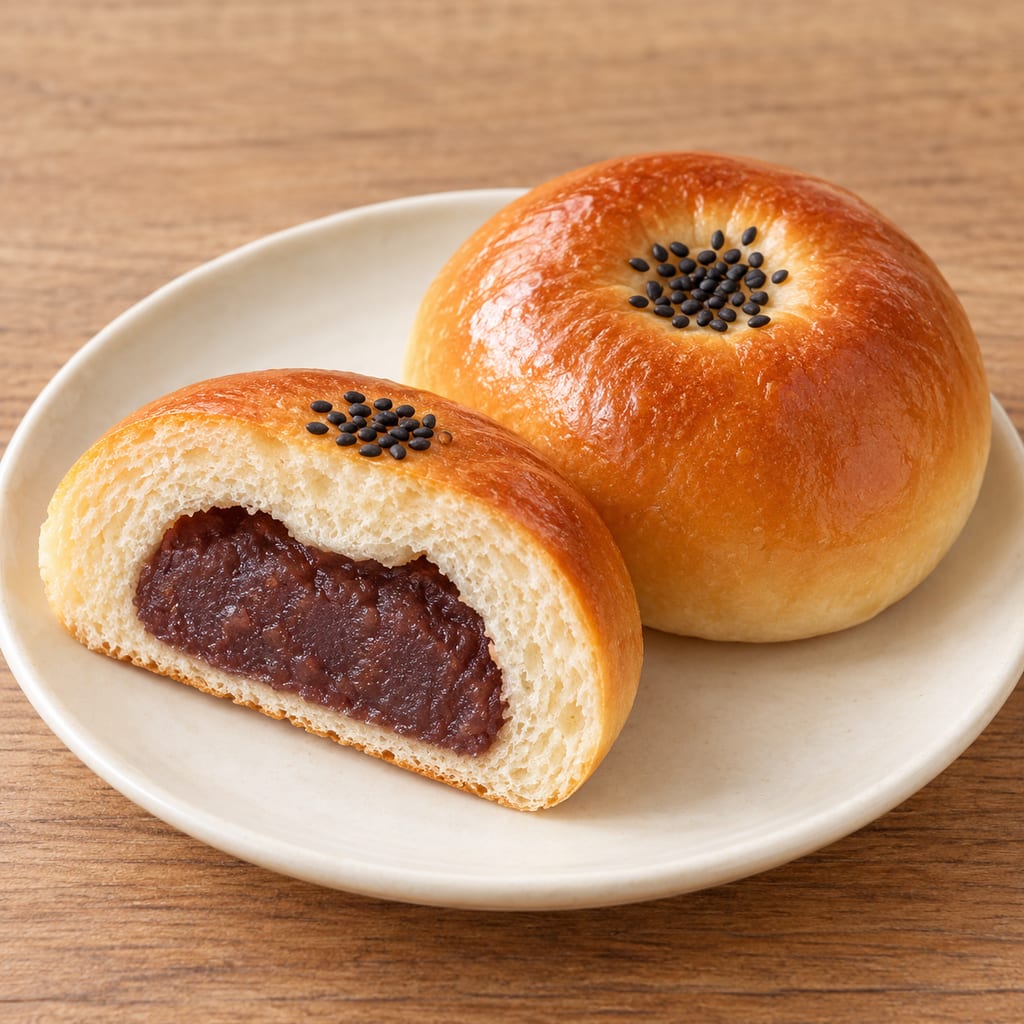
Anpan is a soft wheat bun filled with sweet red-bean paste and finished with egg wash and black sesame. This dough rises with commercial instant yeast.
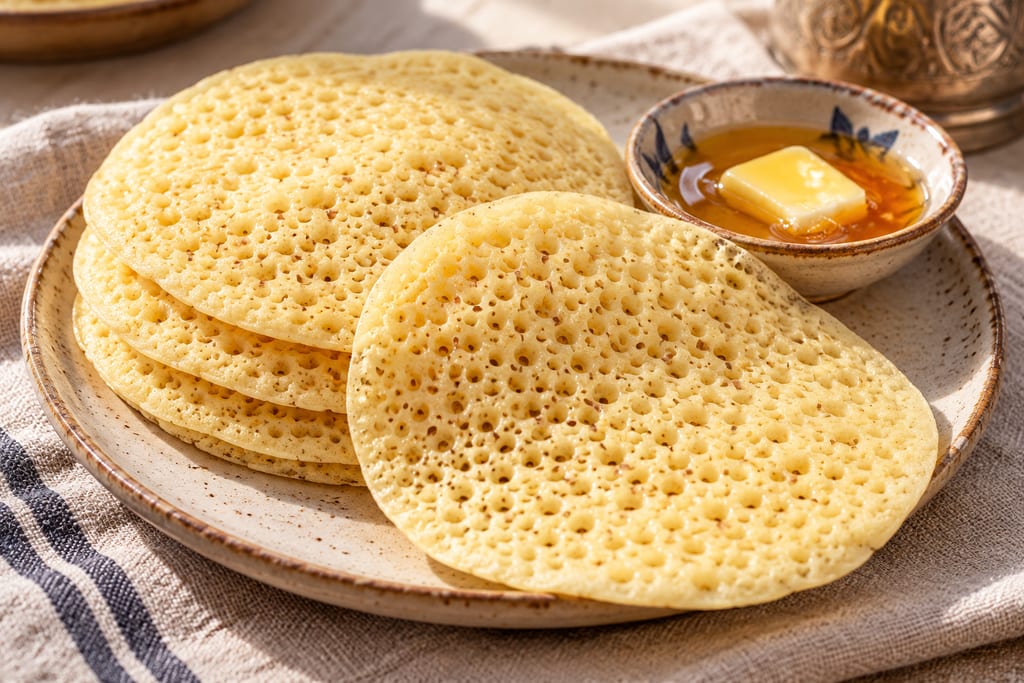
Moroccan semolina pancakes made from a thin yeast batter, rested until foamy and cooked on one side until the surface sets with a honeycomb of holes. This source-specific batch makes sixteen 5-inch pancakes.
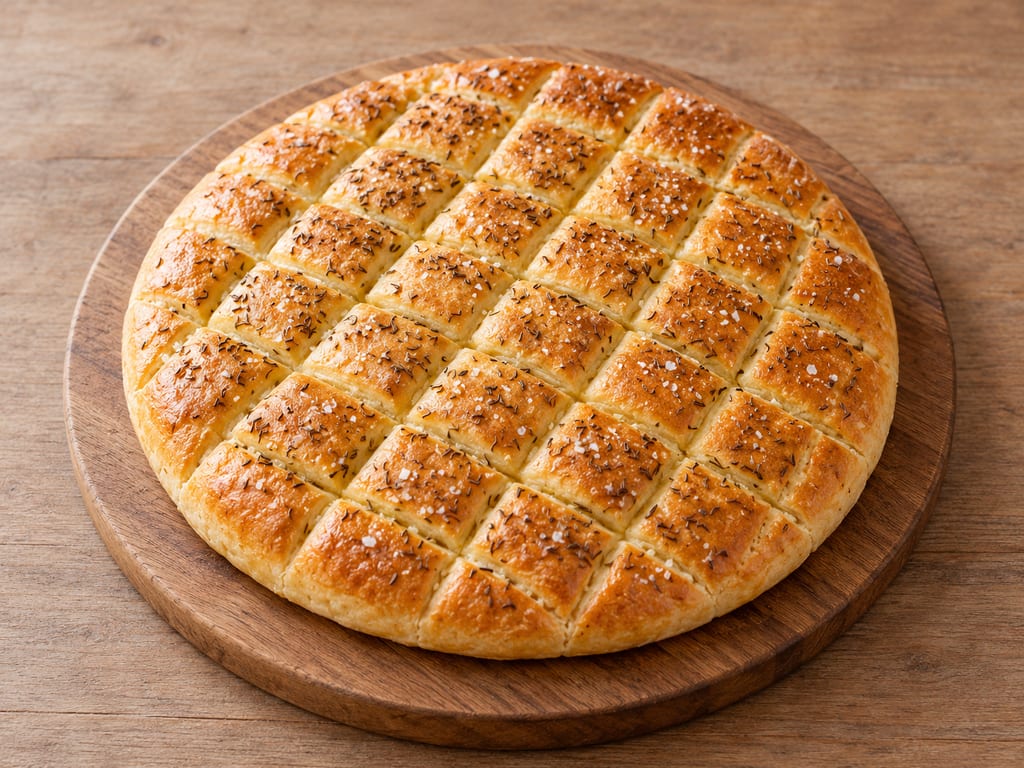
A round Slovenian flatbread scored in a grid and topped with caraway and coarse salt.
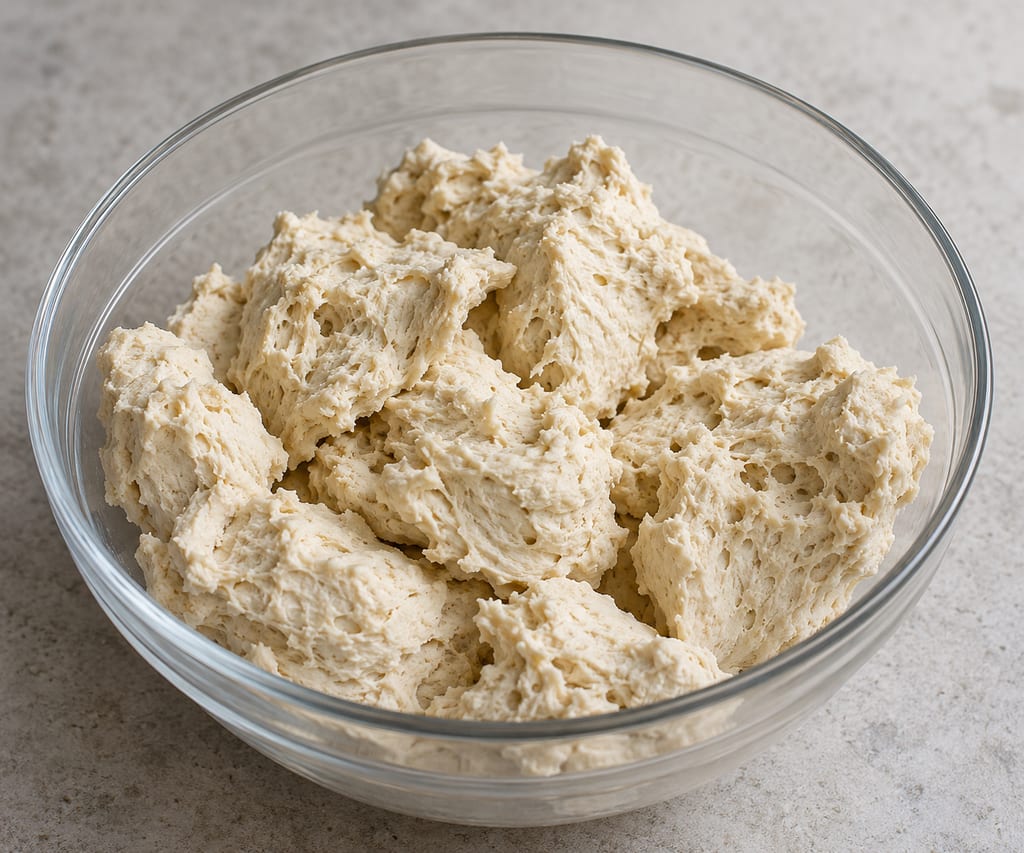
Biga is an Italian bread preferment of flour, water and a little yeast, usually a stiff unsalted mass of about 45 per cent water, fermented ahead and then mixed into the final dough.
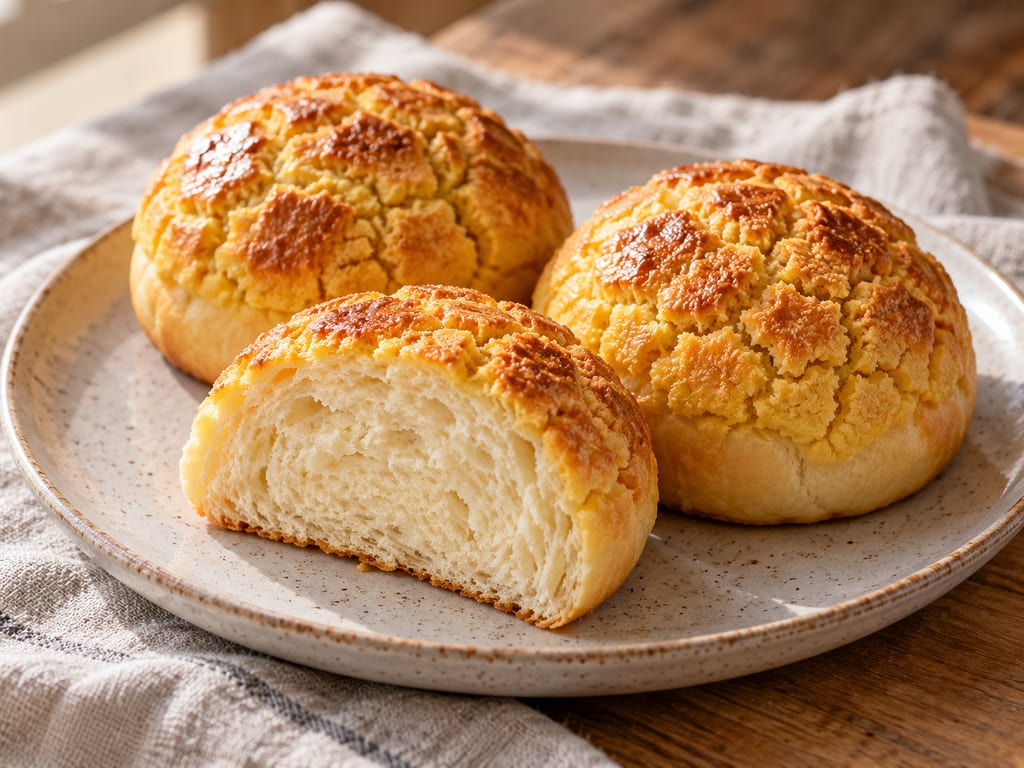
Hong Kong-style pineapple buns have soft yeast dough beneath a crisp, sweet pastry topping.
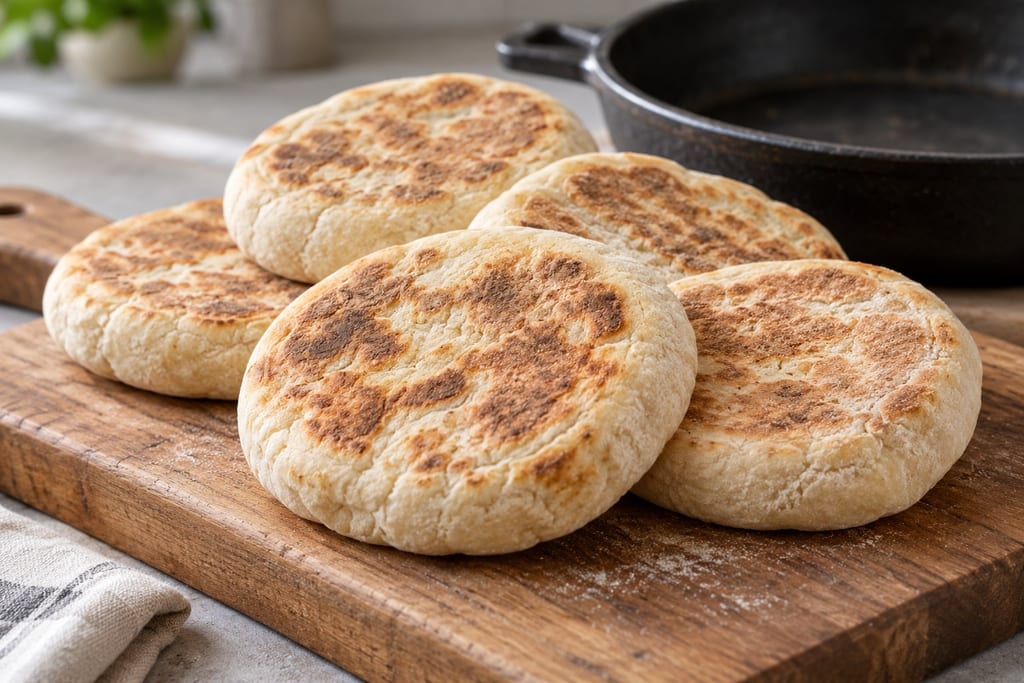
Sweet-potato wheat breads with fresh yeast, browned in a pan and finished in the oven. This is the bread component of Teleculinária's scrambled-egg dish.
No community contributions have been published for this entry yet.
Sign in to contribute. Published comments and photos are free to read.
My Colombian RecipesMethod · Ingredients · Geography · Cultural context
Pan Aliñado ColombianoOne-loaf formula with flour, milk powder, salt, fast-rising yeast, sugar, butter, fresh cheese and warm water.
Kneading, first rest, loaf-pan shaping, final rise, 350°F bake and cooling instructions.
The author describes pan aliñado as a popular Colombian bread and identifies herself as born and raised in Colombia.
Cited in: A Colombian enriched loaf; A name with regional versions
Asociación Colombiana de ChefsCultural context
PanaderíaColombian baking draws on diverse regional products and traditions; supports national context rather than a specific origin for this loaf.
Cited in: A Colombian enriched loaf
U.S. Food and Drug AdministrationSafety
Handling Flour Safely: What You Need to KnowRaw flour can carry harmful bacteria; do not eat raw dough, keep raw flour and dough separate from ready-to-eat food, and clean hands and surfaces after handling.
Ministerio de Cultura de ColombiaContext
Inventario de recetas de cocinas tradicionales colombianas, entry 968Hato de Corozal, Casanare entry calls pan aliñado an everyday amasijo of wheat flour, lard, egg and sugar, citing Riveros 2006. Distinct regional formula, not substituted for cheese loaf.
Cited in: A name with regional versions
Ministerio de Cultura de ColombiaContext
Diccionario de voces culinarias: Colombianismos, page 153Cundinamarca aliñado entry describes wheat-flour enriched breads with several fat/flavour variants and mentions Sasaima. This supports regional variation, not exclusive origin.
Cited in: A name with regional versions