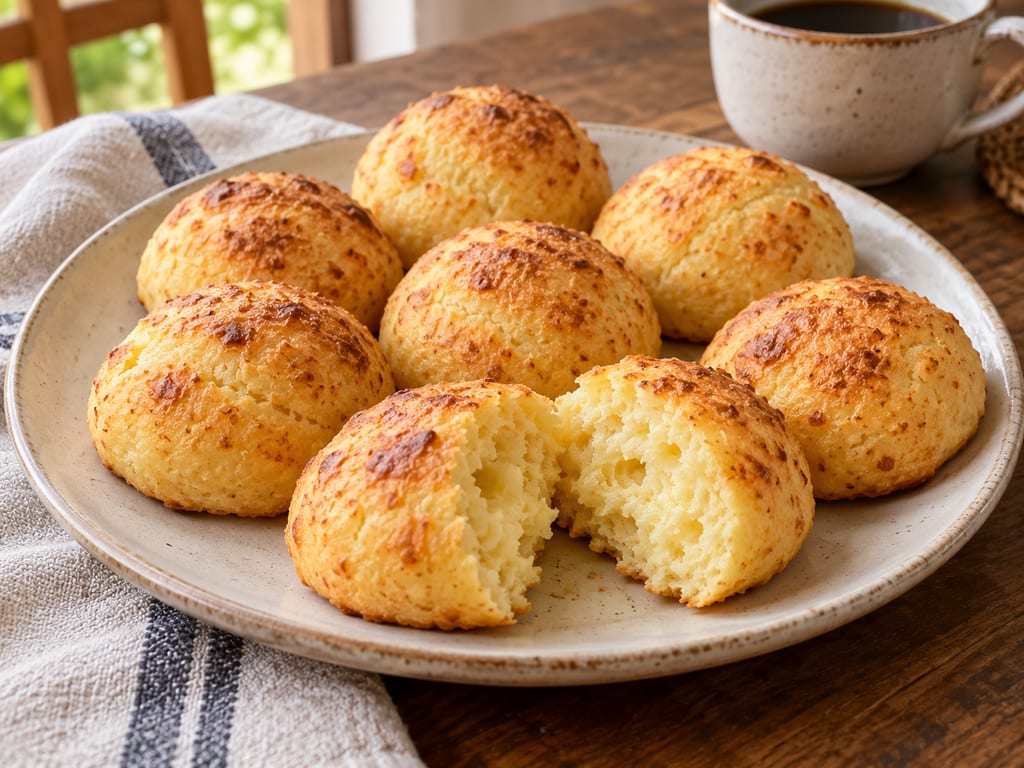
Almojábanas
Small Colombian cheese breads made with precooked corn flour, queso fresco, mozzarella, eggs, milk and baking powder. This documented home version makes eight breads and is served warm.
 FermenteaWhere food goes to change
Modern adaptation
Pandebono · Pandebonos · Pan de bono
Colombian cheese breads made from cassava starch, precooked cornmeal, queso fresco or quesito, feta and egg; this source's version makes 12 warm, round rolls.
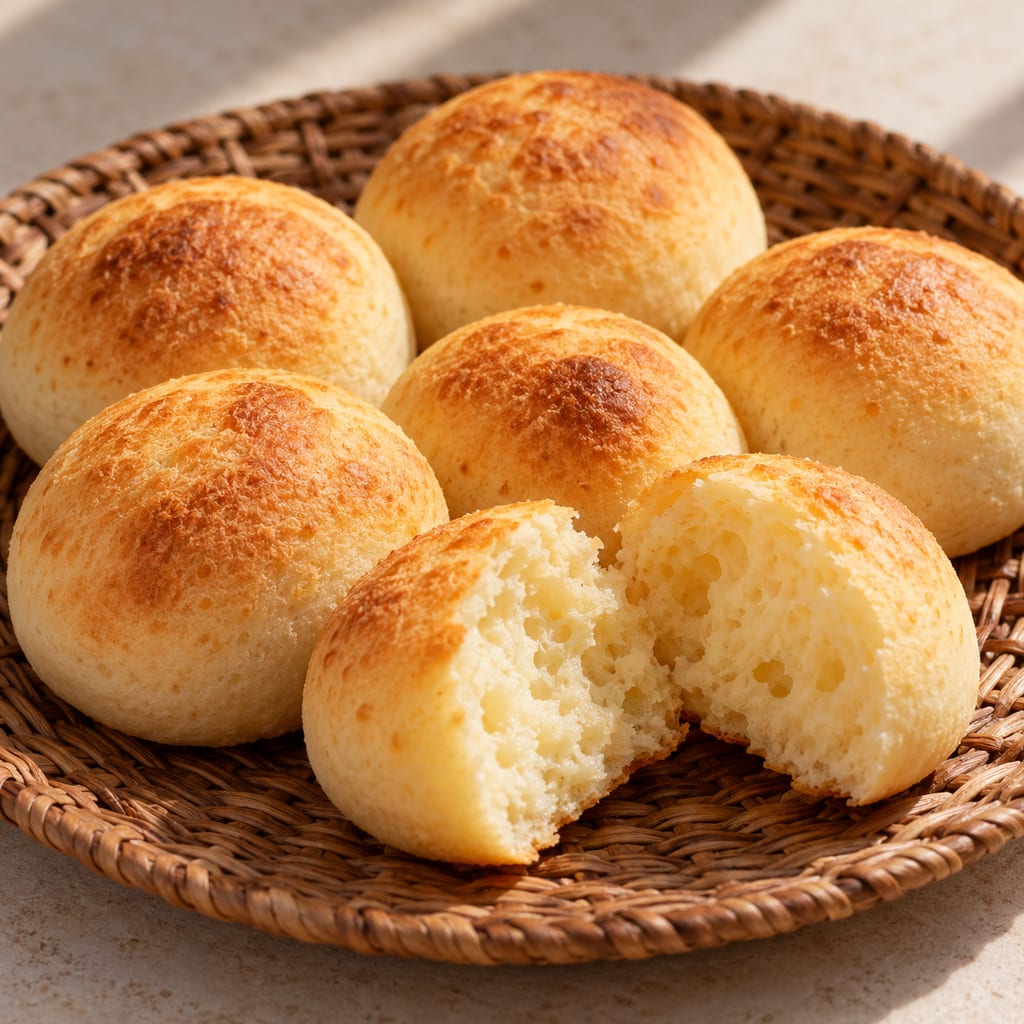
Pandebono is a Colombian cheese bread made from cassava starch, precooked cornmeal and fresh cheese, bound with egg and baked into small round rolls. The version recorded here follows a home card published on My Colombian Recipes by Erica Dinho, a contemporary cook writing for a North American audience.
The card names no yeast and no chemical leavener, and its method describes no fermentation. The rolls set and colour in the oven from the starch, cheese and egg alone.
Cassava starch, which the source also calls yuca flour or tapioca flour, gives the dough most of its body. Precooked cornmeal (masarepa) adds a maize note and a second starch base. The cheeses carry salt, fat and protein, and the card pairs queso fresco or Colombian quesito with feta. The egg binds the dough.
The card gives cup measures and no masses, so the quantities in this record are the source's volumes and are not converted to weights.
The food processor method combines the starch, both cheeses and the cornmeal, then adds the egg gradually until the dough comes together. The dough is divided into 12 equal pieces, each rolled into a ball, and set on a lined sheet to bake at 400 °F (204 °C).
The source's timings disagree. The author's introduction gives 15 to 20 minutes, the recipe card gives 20 to 30 minutes, and the card's metadata lists 10 minutes preparation, 20 minutes cooking and 25 minutes total. Both ranges are kept. The source's own cue is a golden top, so checking from about 15 minutes and judging colour is the practical route.
The author also describes a hand-mixing method: the starches are combined separately, the cheeses are mixed with the egg, and the dry mixture is worked in. Milk is added only if the dough is dry, up to about one tablespoon, and lightly oiled hands help with sticky dough.
Pandebono uses refined cassava starch or yuca flour, a powder that has already been processed. The recipe does not involve grating, soaking or cooking raw cassava roots, and nothing in this method can be read as a procedure for preparing the roots, which need their own handling.
Almojábana and pan de yuca are related cheese-and-starch breads from the same culinary region. Both use baking powder as an explicit leavener and different starch and cheese proportions, so their records stay separate rather than being merged into one formula.
The source presents pandebono as a Colombian cheese bread. It does not date the bread's first appearance or tie it to a narrower region, so no origin is recorded here. This record describes one contemporary home formula, not a single traditional recipe for every pandebono.
The inspected source presents this as a Colombian cheese bread but does not date its first attestation or name a narrower regional tradition. This entry records Erica Dinho's contemporary formula, not a universal formula for all pandebono.
Yield 12 pandebonos · Scaling: source batch only
Cassava starch and cornmeal are uncooked until baking, and the dough contains raw egg.
Hazard sourceDo not taste the raw dough; wash hands, tools and work surfaces after handling, and bake the shaped breads through.
Control sourceDo not taste raw dough. Wash hands and equipment after handling it. This source gives no internal temperature or validated safety endpoint; bake until golden as directed.
Erica Dinho identifies her formula as Colombian and notes many variations; this source does not specify a narrower region.
Small Colombian cheese breads made with precooked corn flour, queso fresco, mozzarella, eggs, milk and baking powder. This documented home version makes eight breads and is served warm.
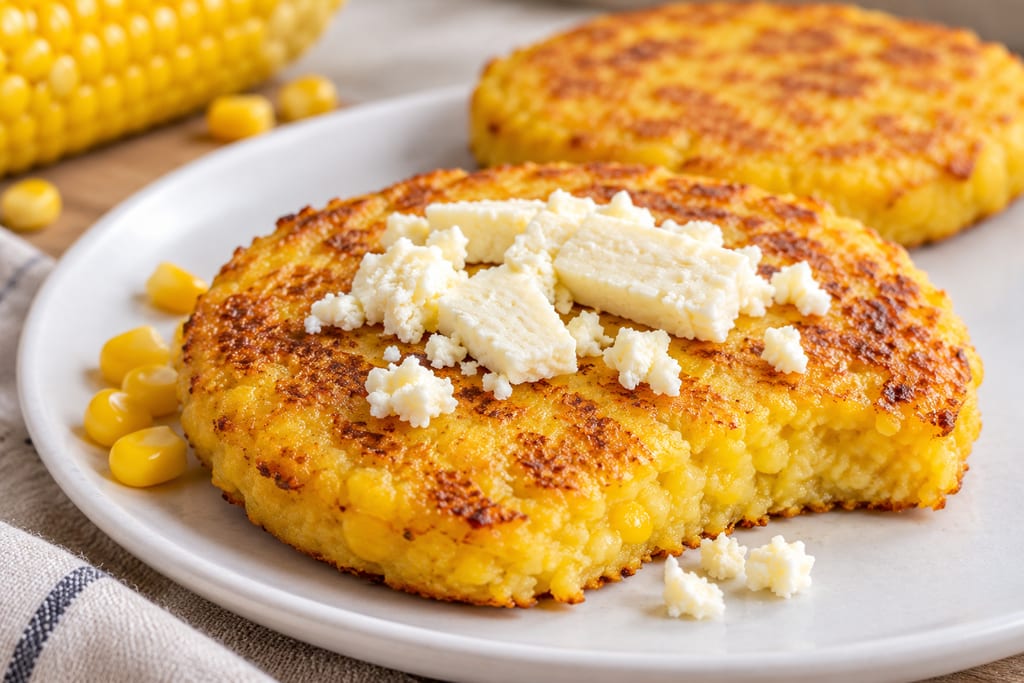
A Colombian Andean griddle cake made from fresh sweet-corn batter, cooked in butter and served with white cheese.
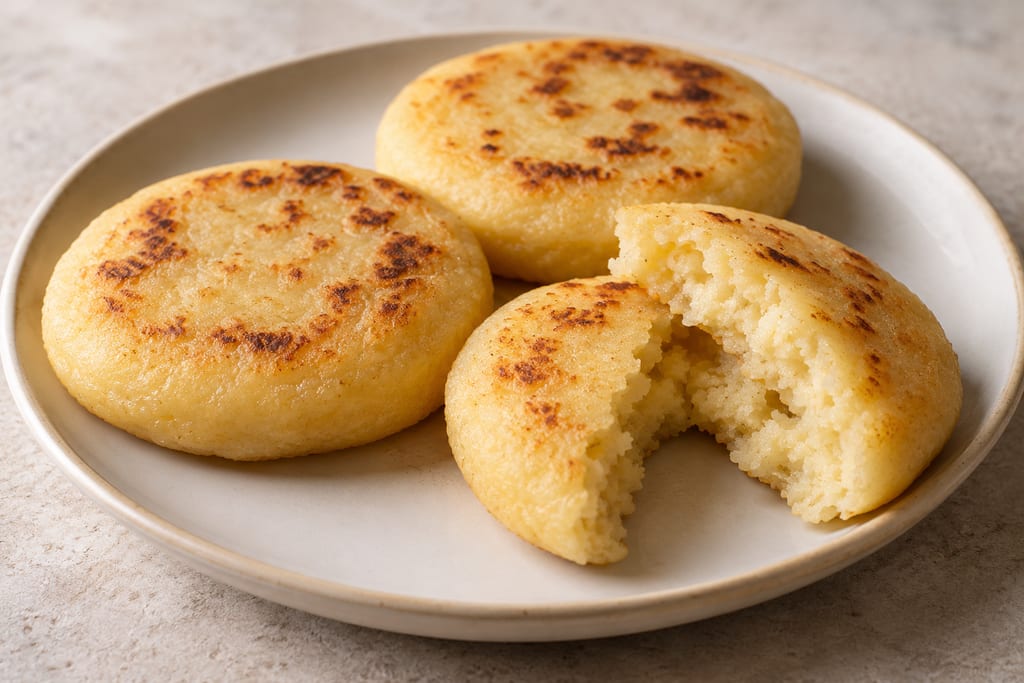
This household version combines precooked corn flour, warm water and salt, then cooks thick rounds on a lightly oiled skillet or griddle. It is one source-specific arepa method, not a universal Colombian or Venezuelan formula.
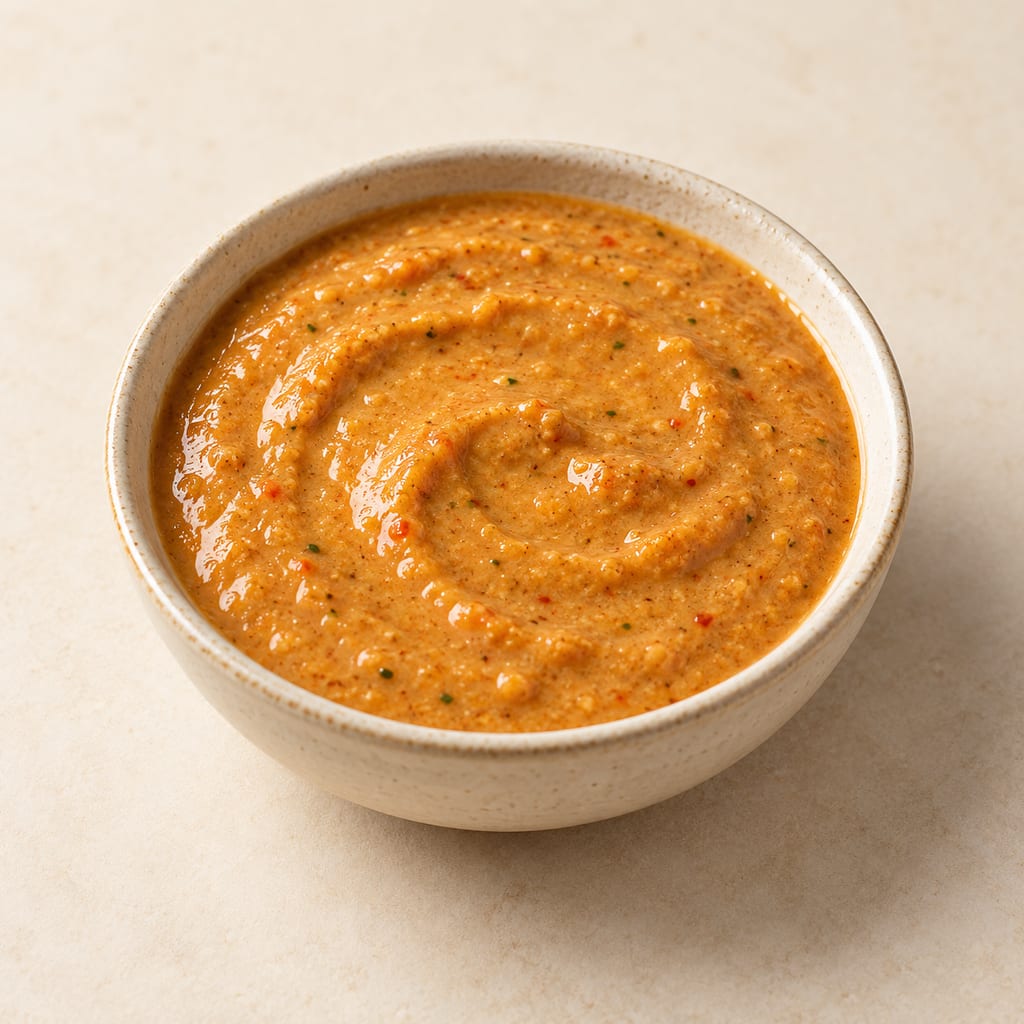
A spicy peanut hot sauce from the Popayán and Cauca region of Colombia, traditionally served with pipián empanadas and tamales.
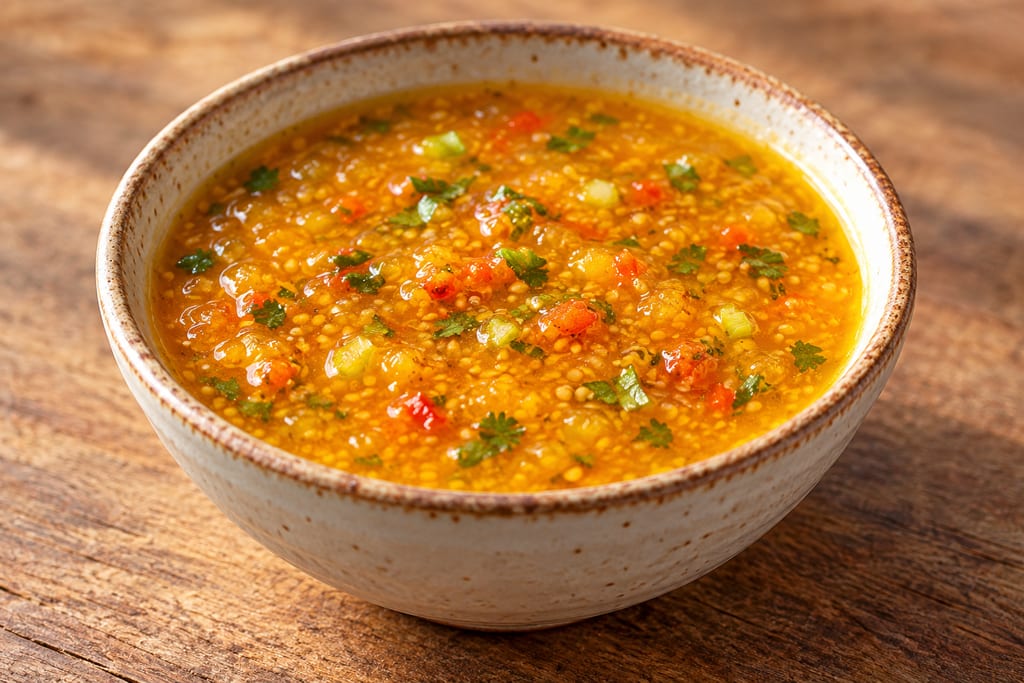
A sweet, tart and spicy Colombian sauce of uchuva, the yellow physalis fruit, with hot pepper, scallion, cilantro and lime.
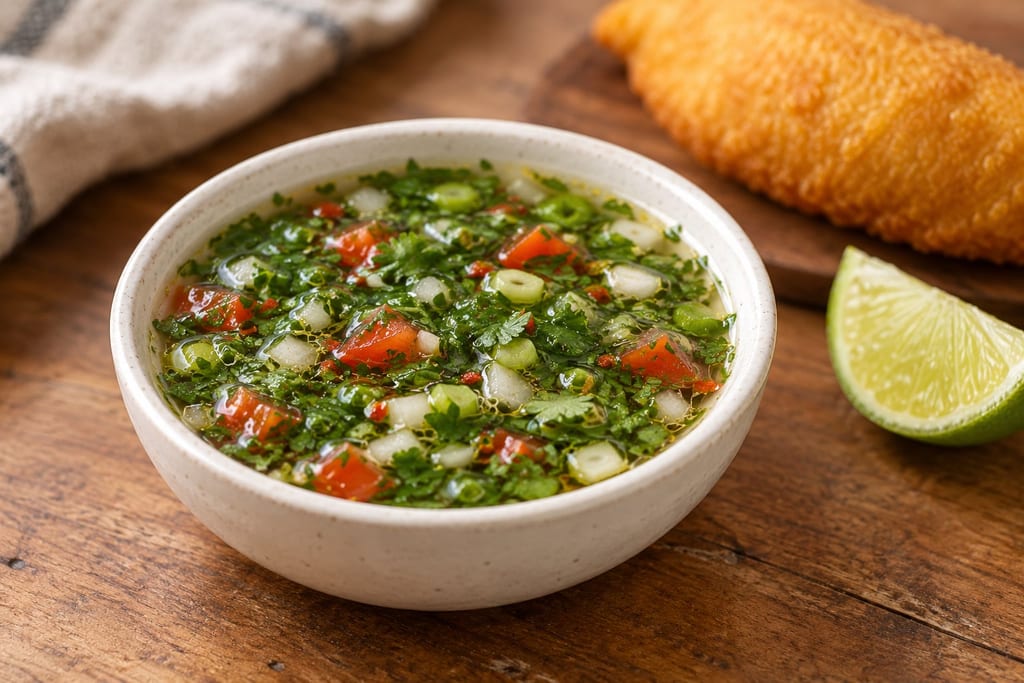
A fresh Colombian table condiment of chopped herbs, scallion and tomato in a vinegar and chile base, served beside fried and filled dishes.
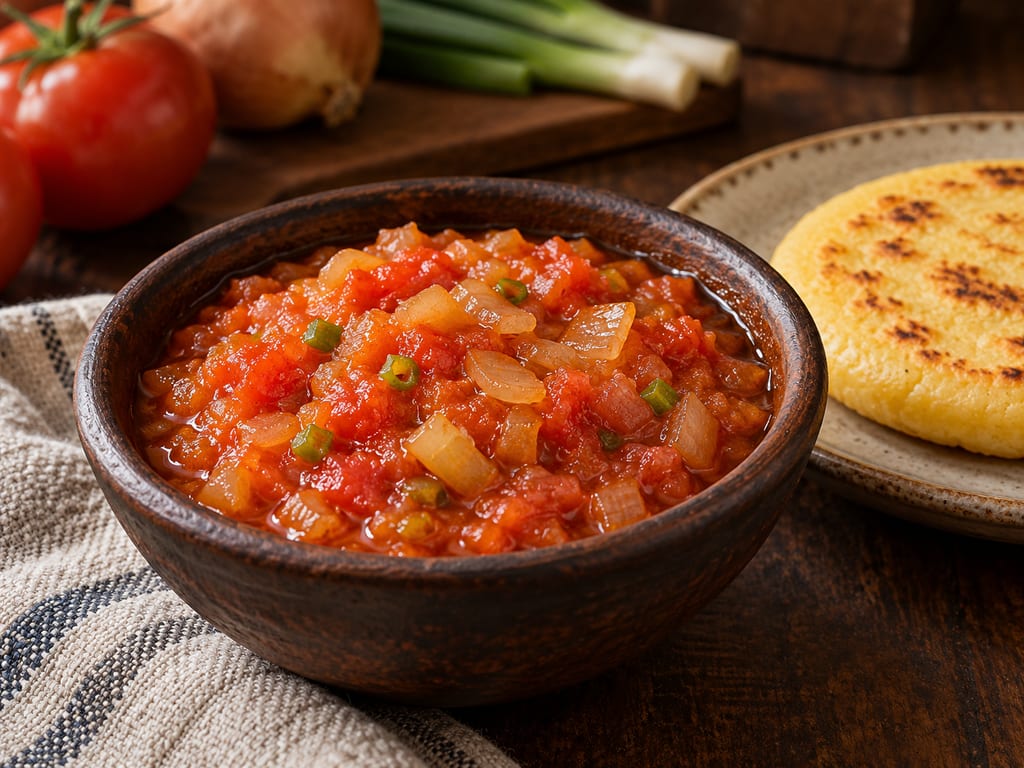
A slow-cooked Colombian sauce of tomato, onion and scallion that serves as the base of many dishes and as a topping for arepas and patacones.
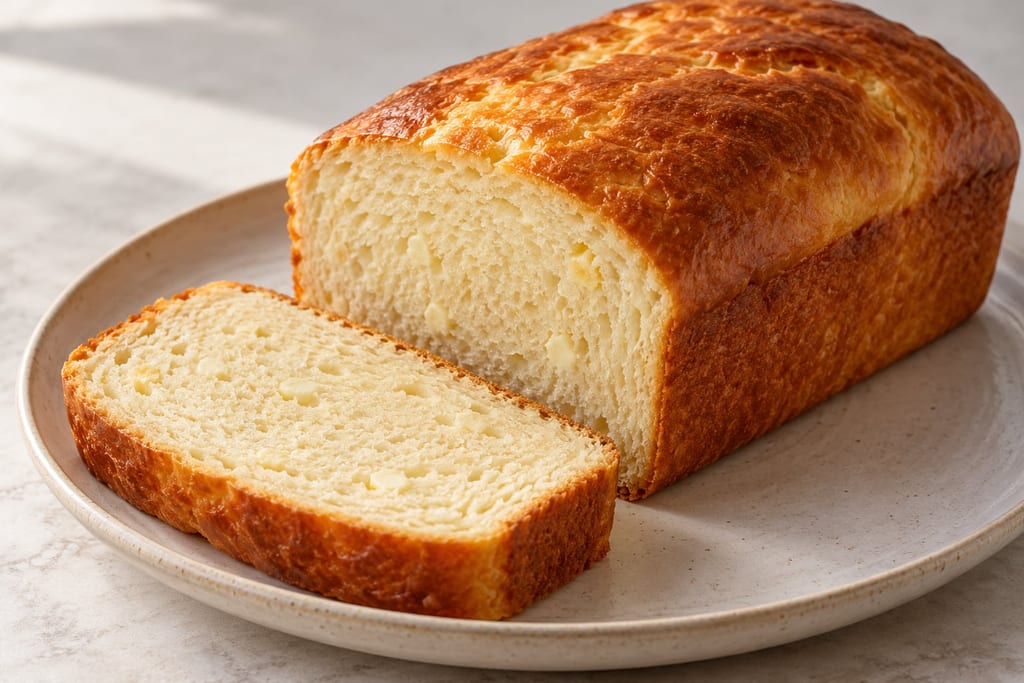
A soft Colombian wheat loaf enriched with milk powder, butter and crumbled fresh cheese.
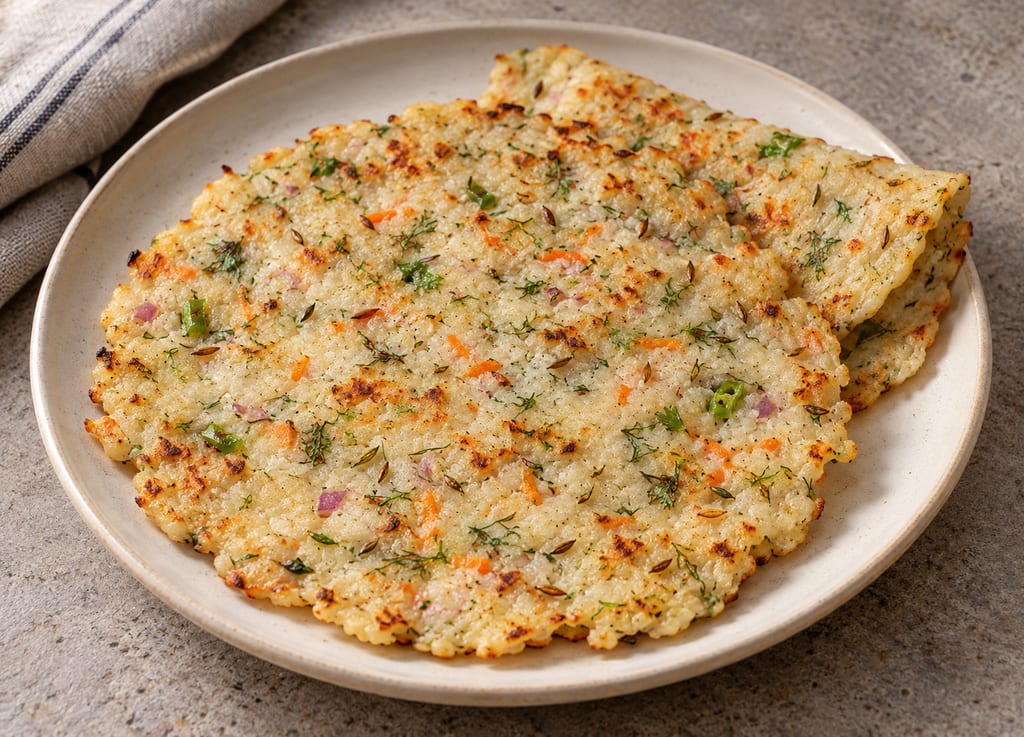
This Karnataka-style akki rotti mixes fine rice flour with vegetables, coconut, herbs and spices, then hand-pats and griddle-cooks the dough.
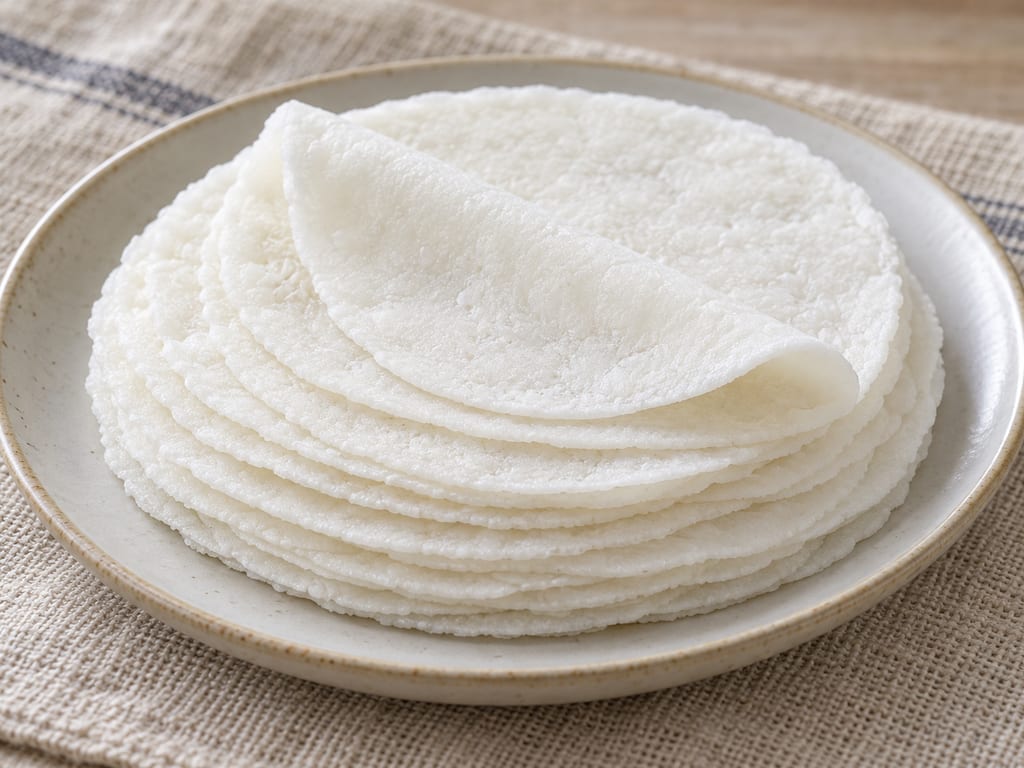
Thin Malabar rice-flour rounds made from roasted rice flour cooked into salted boiling water, kneaded after cooling, and rolled to about 1 mm. They cook on a hot griddle without taking on colour.
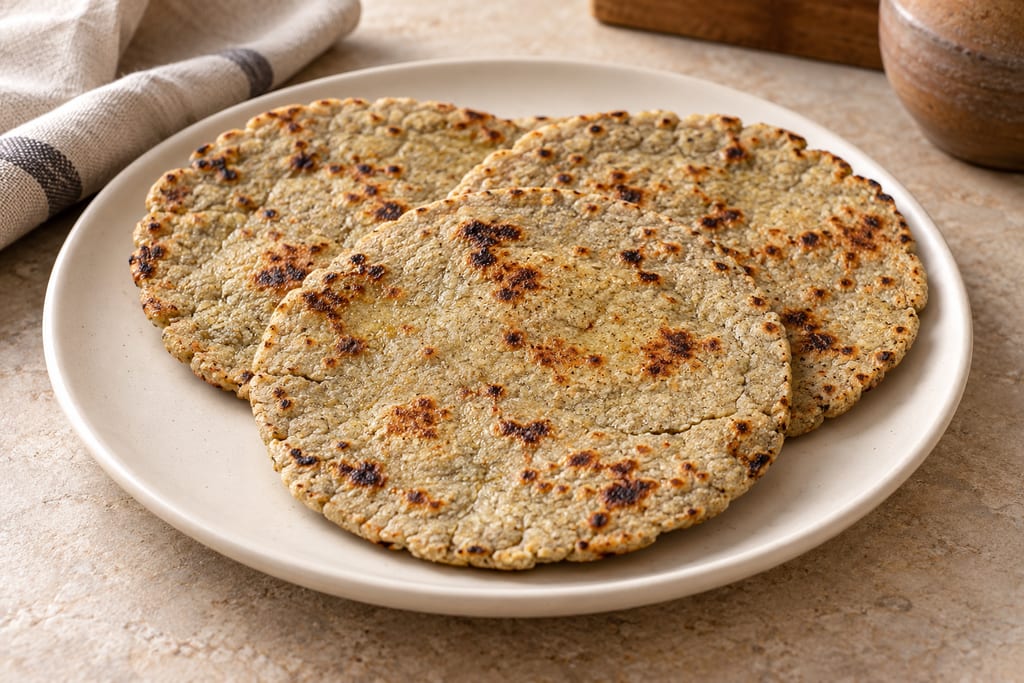
A pearl-millet flatbread shaped between sheets and cooked on a hot tawa. This home batch makes eight.
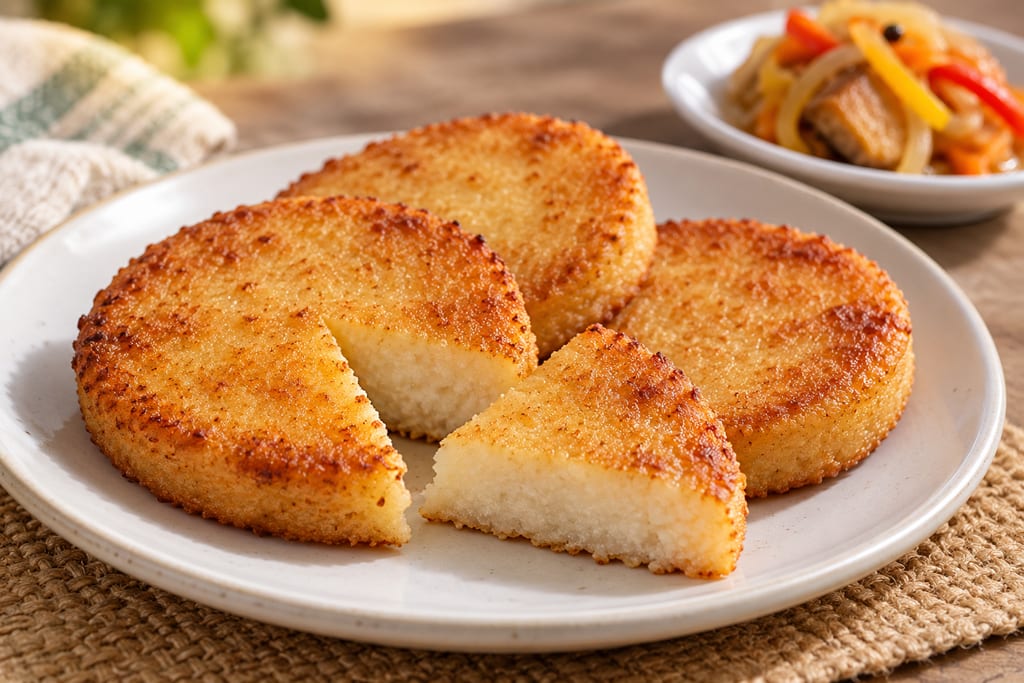
A serving method for approved, prepared bammy rounds: soak them in coconut milk and refry until golden. It does not process raw cassava.
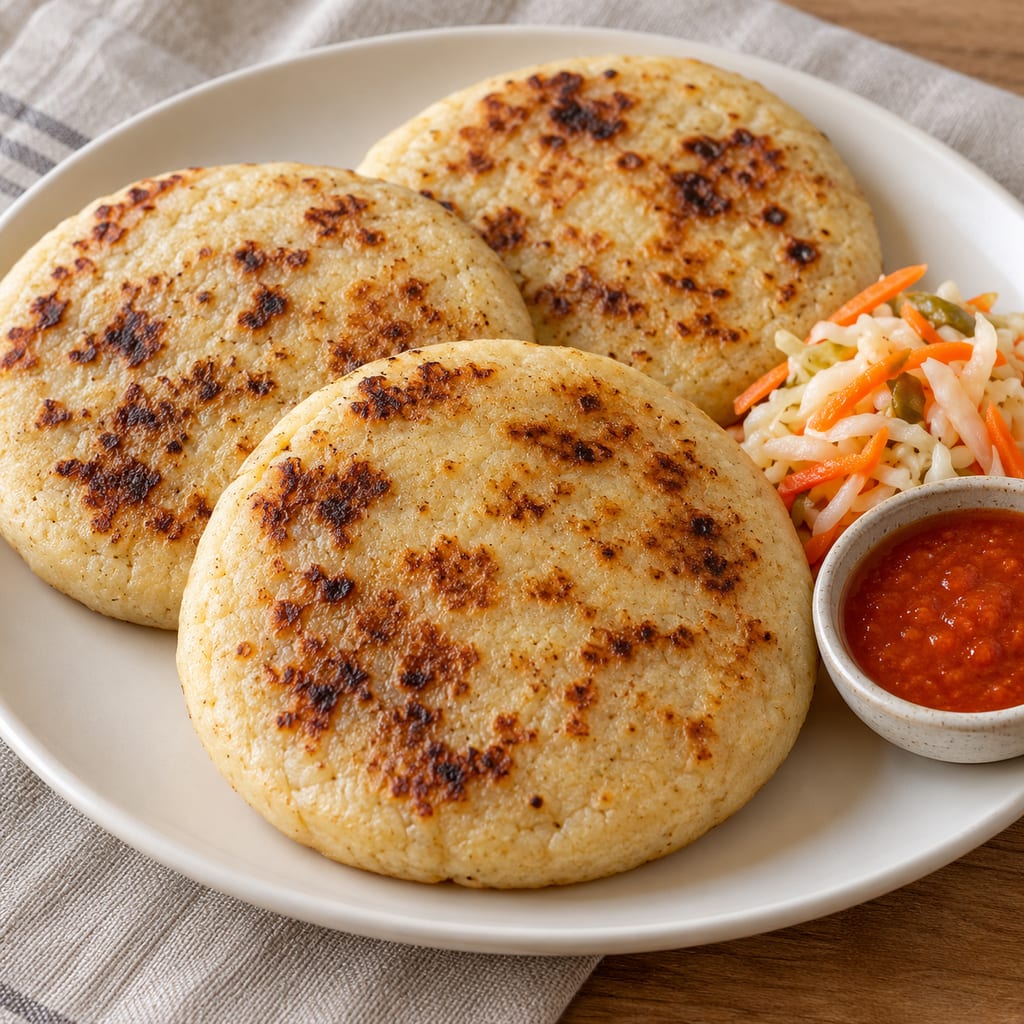
Salvadoran-style masa harina cakes filled with refried beans and cheese, sealed and cooked on an oiled skillet.
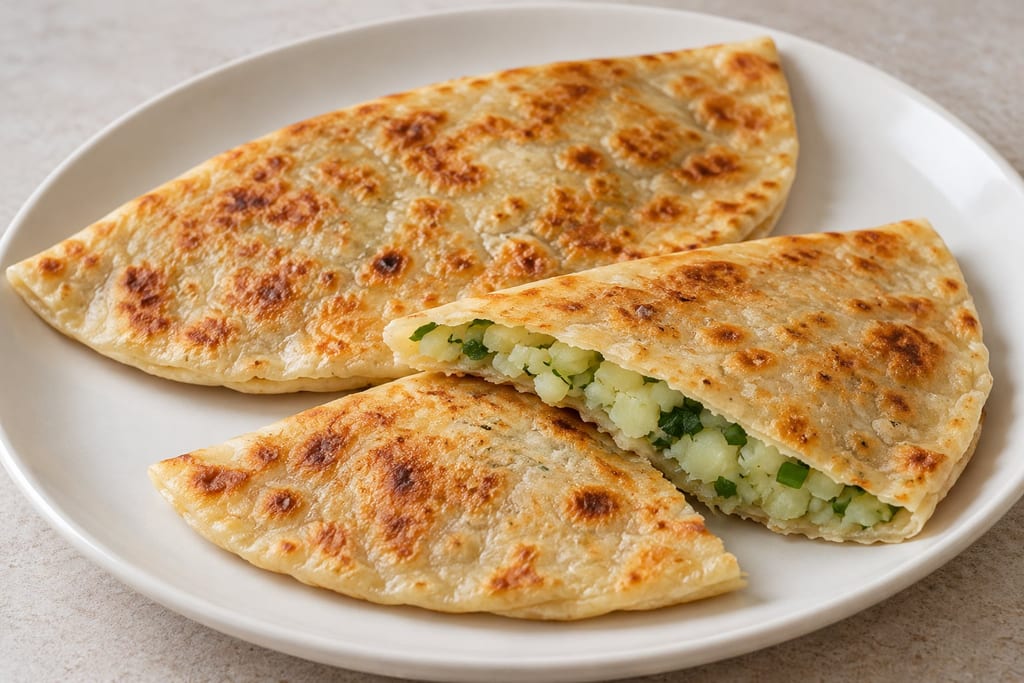
A thin, unleavened Afghan flatbread filled with mashed potato, scallion and cilantro, folded and pan-browned. This version uses a dough made from scratch.
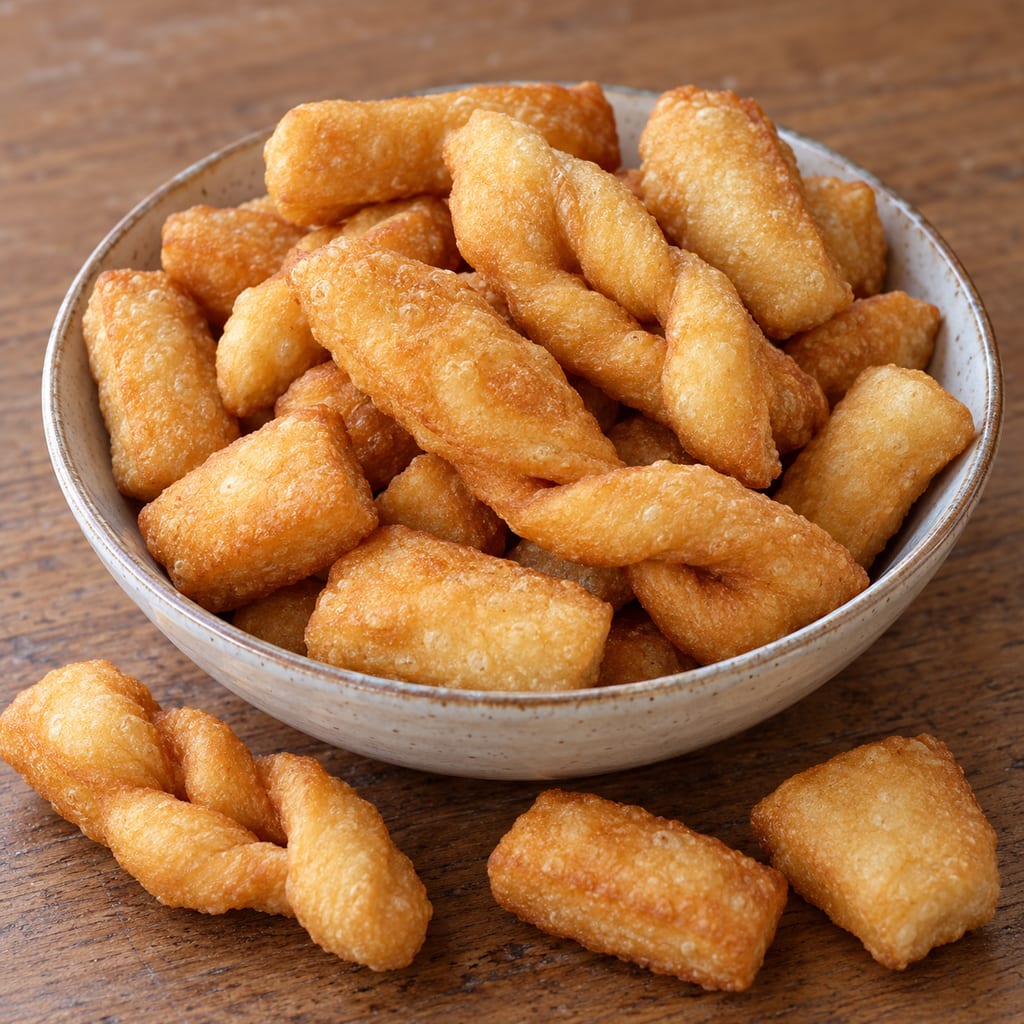
Firm Mongolian fried pastries made from an unyeasted wheat dough enriched with butter and sweetened with sugar; the dense dough is rested, cut or knotted, and fried until golden.
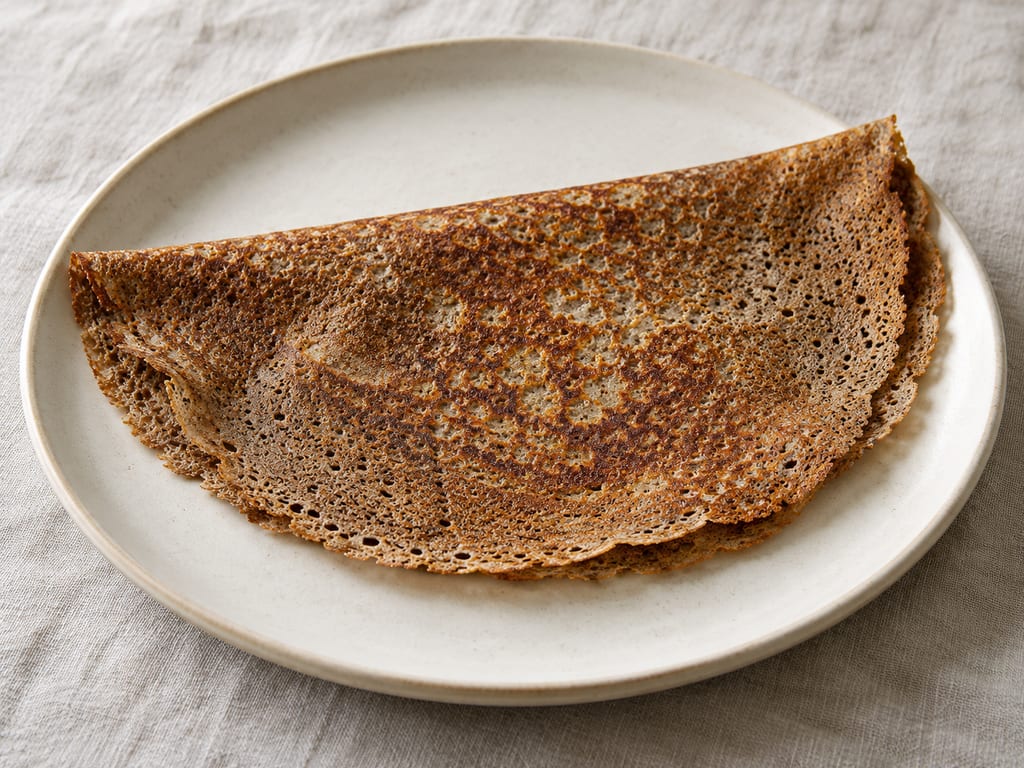
A thin Brittany galette made from buckwheat flour, water and Guérande salt. This Atelier de la Crêpe method rests the batter in a refrigerator before cooking it on a hot crêpière.
No community contributions have been published for this entry yet.
Sign in to contribute. Published comments and photos are free to read.
My Colombian Recipes, Erica DinhoMethod · Ingredients · Yield · Geography · Use
Pandebono (Colombian Cheese Bread)Erica Dinho presents this as a Colombian recipe and notes that Colombian cooks make variations.
This source formula combines cassava starch, precooked cornmeal/masarepa, queso fresco or quesito, feta, and egg; it yields 12.
Food processor, 400°F oven, parchment-lined baking sheet, shaping into balls and baking 20–30 minutes until golden; serve warm.
If mixing by hand, combine dry starches separately, mix cheese and egg, then combine; add a tablespoon of milk only if dough is dry. Sticky dough can be rolled with oiled hands; refrigeration for at least 15 minutes is optional.
Cited in: Overview; Ingredients and their roles; Method and timing; Starch is not raw cassava; Related breads; History and naming
U.S. Food and Drug AdministrationSafety
Handling Flour Safely: What You Need to KnowRaw flour may carry harmful bacteria; do not taste raw dough and wash hands, tools and surfaces after handling it.